Category: Projects

  • Album of Symmetrical Feelings

    Album of Symmetrical Feelings

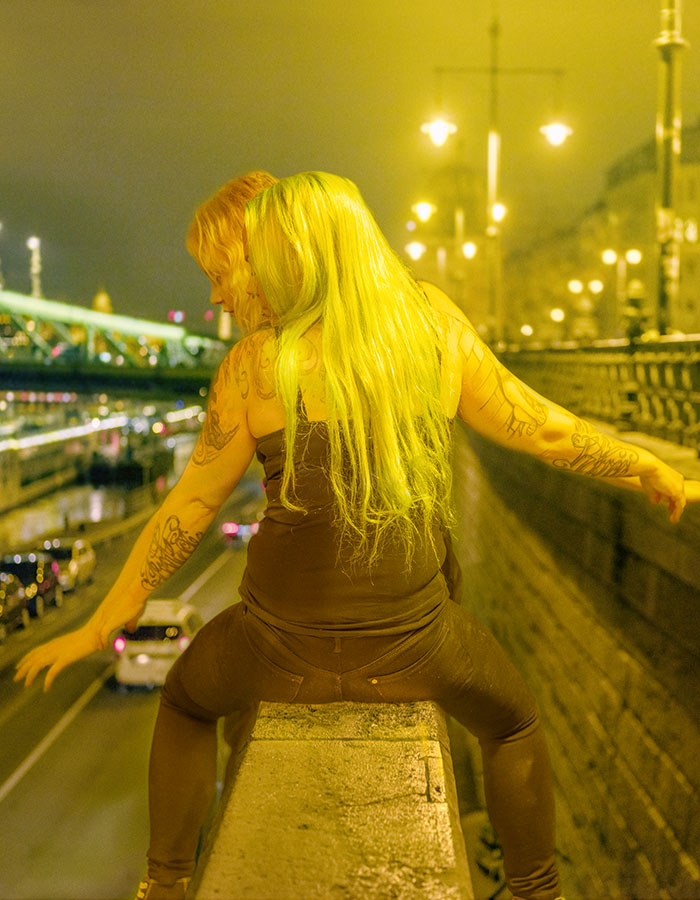
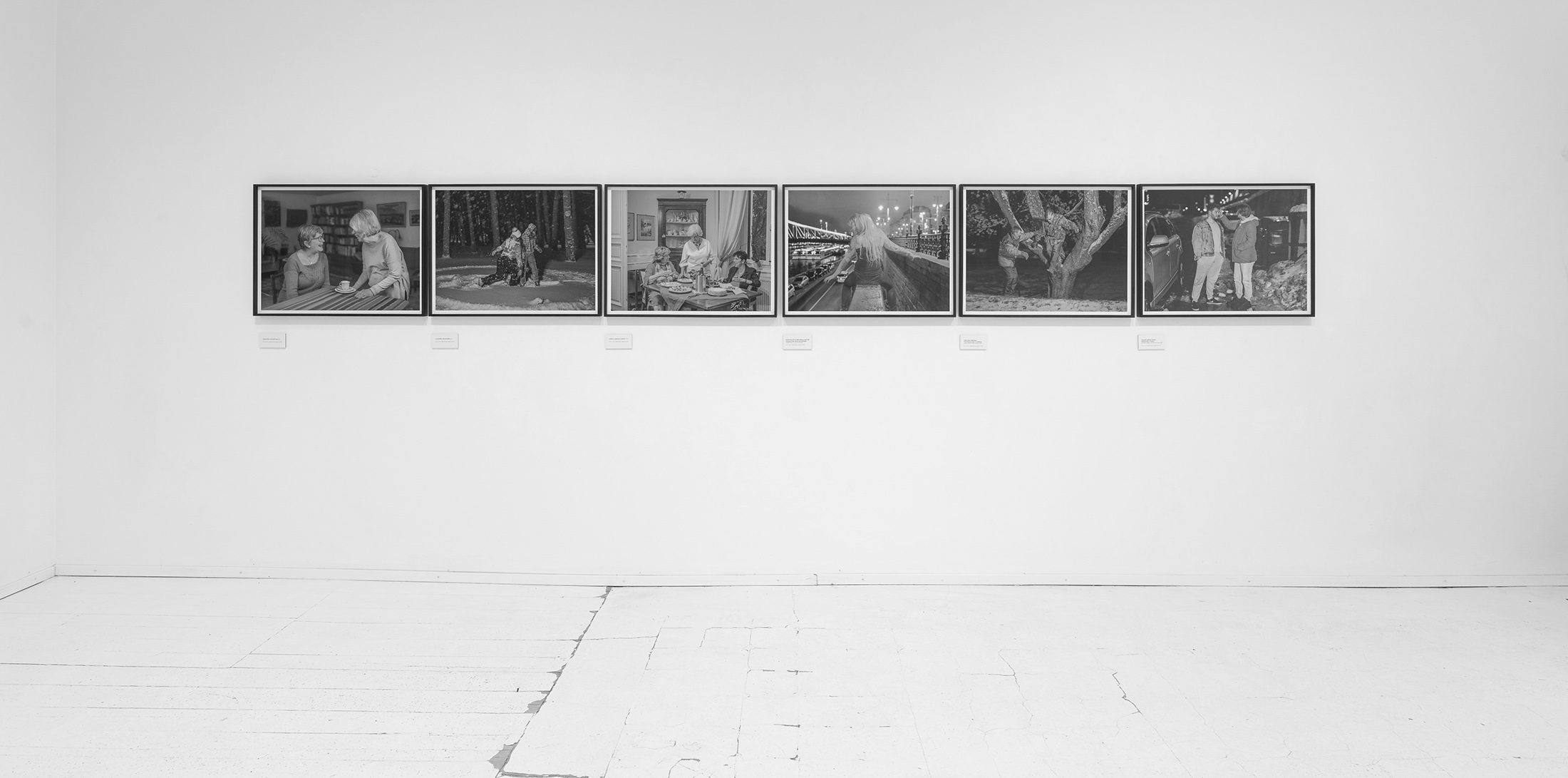
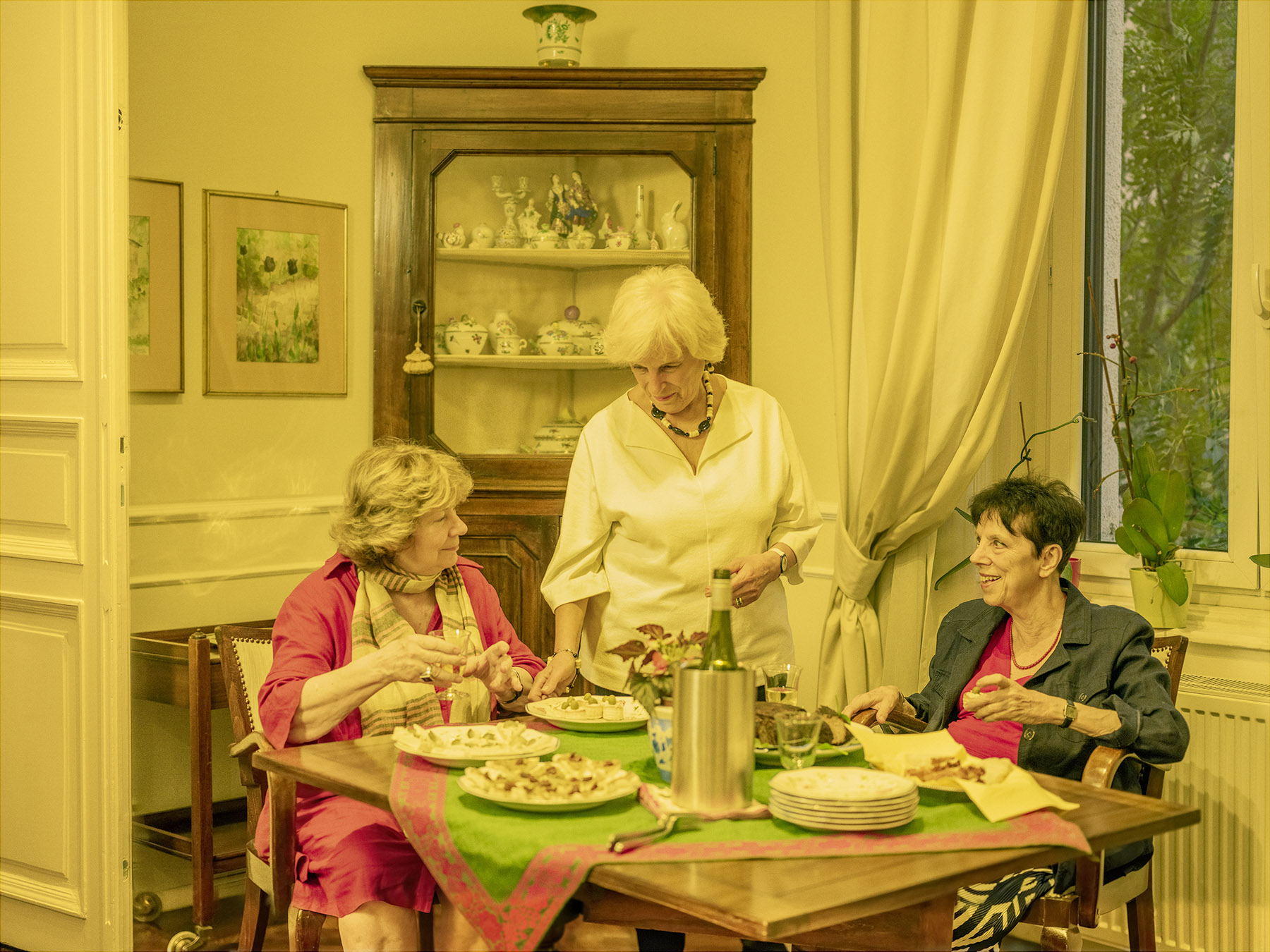
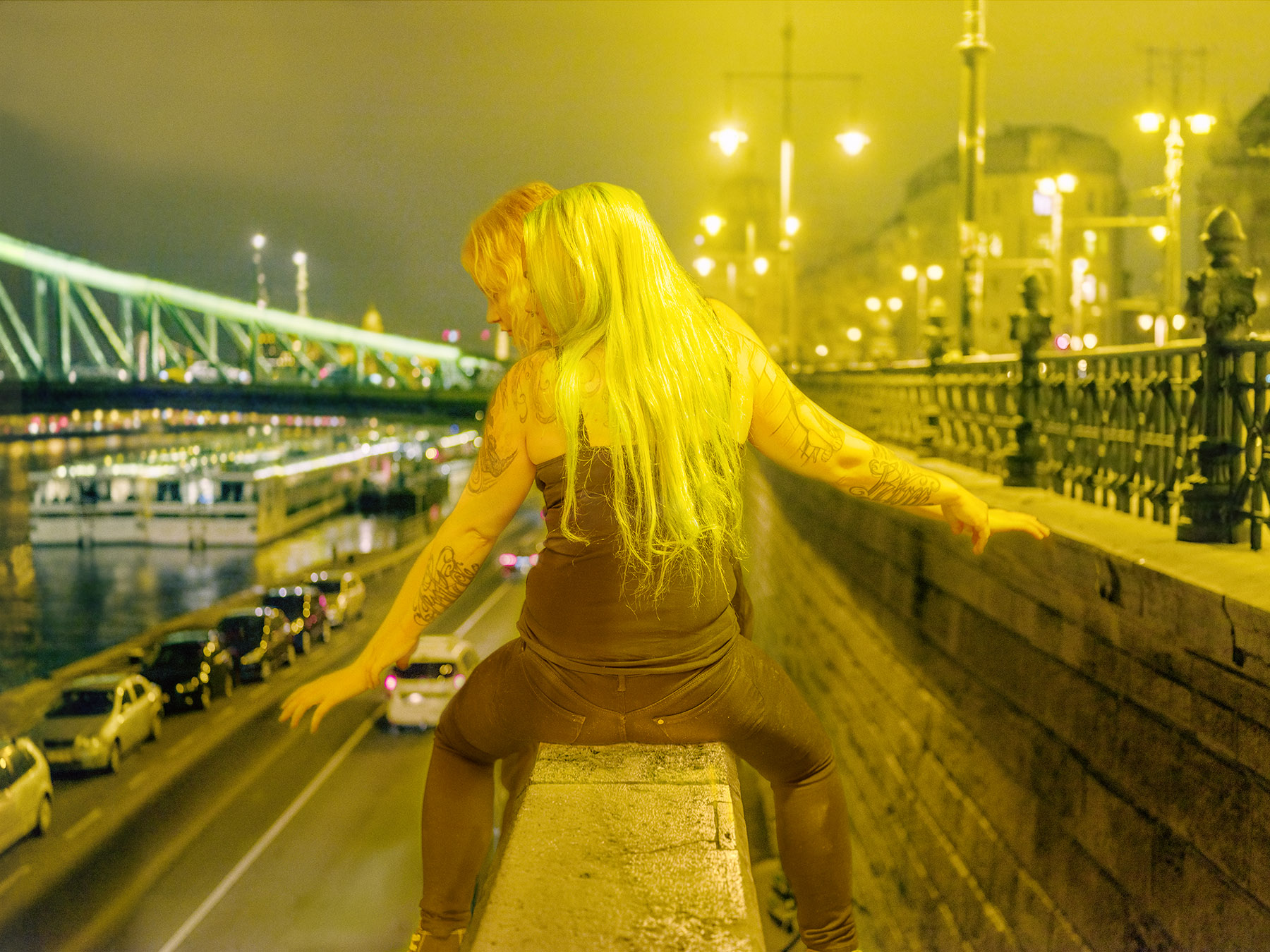
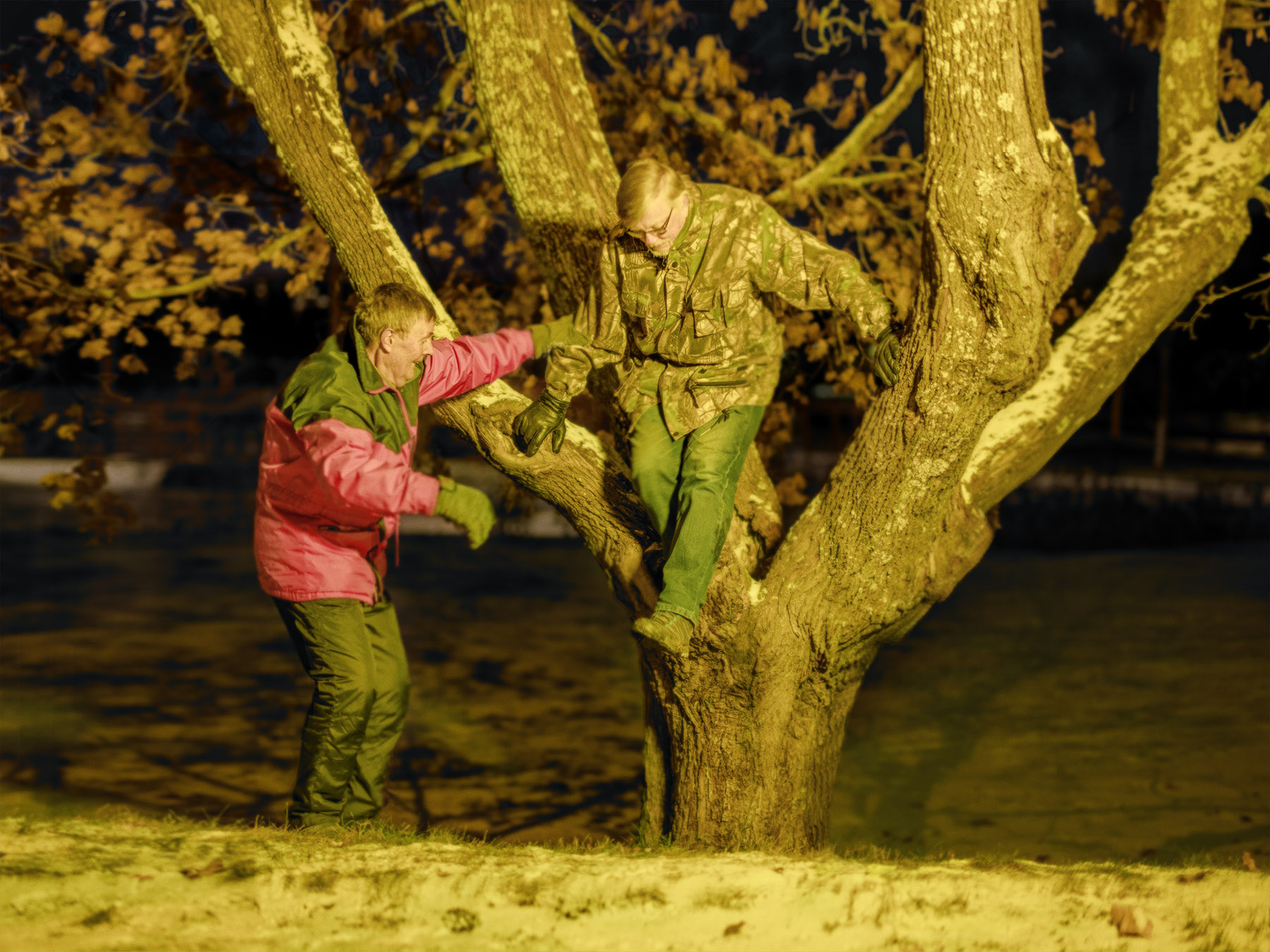
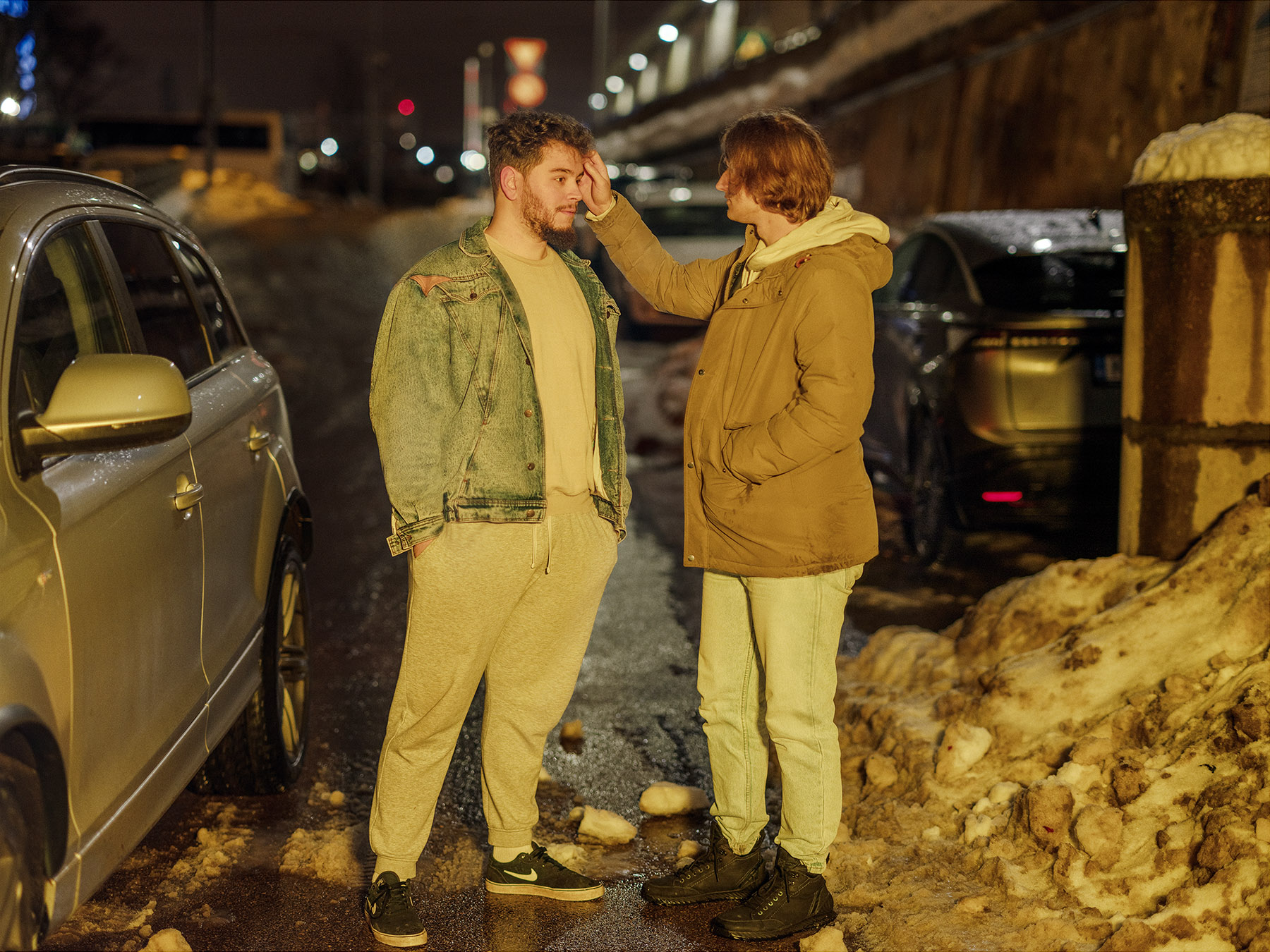
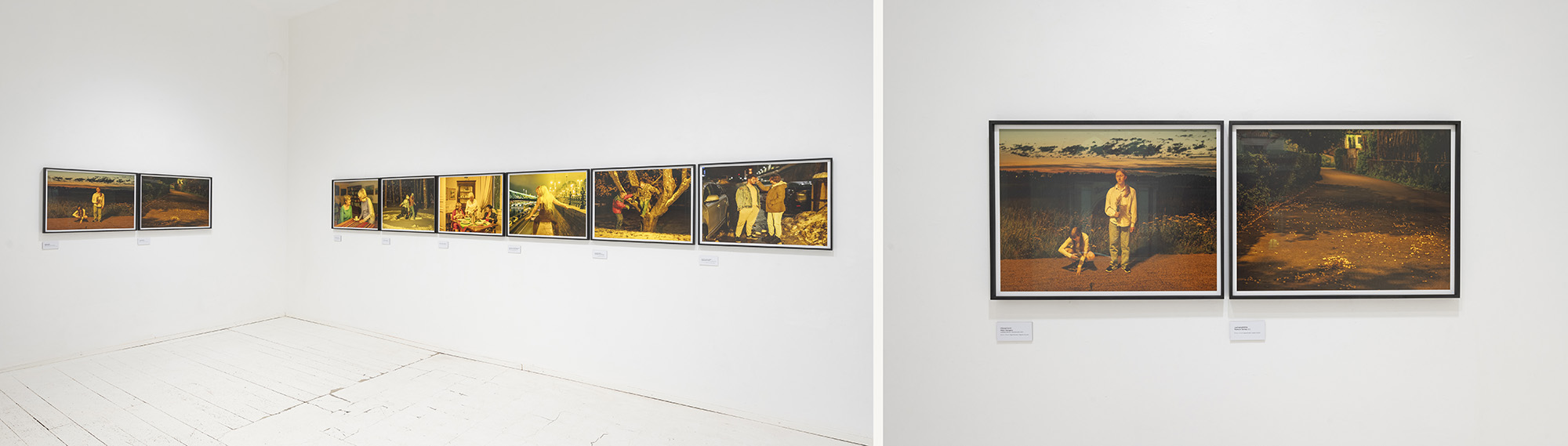
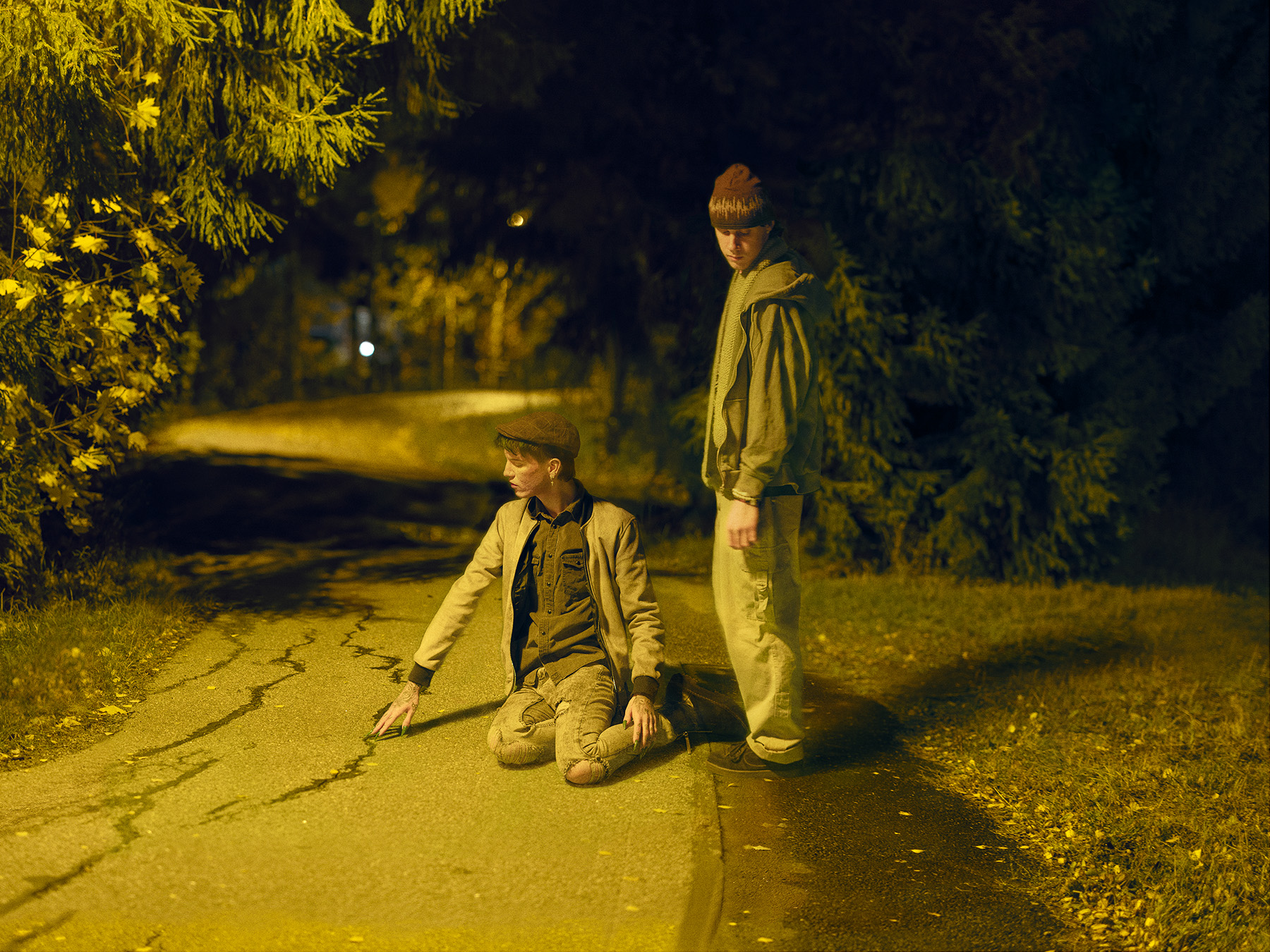
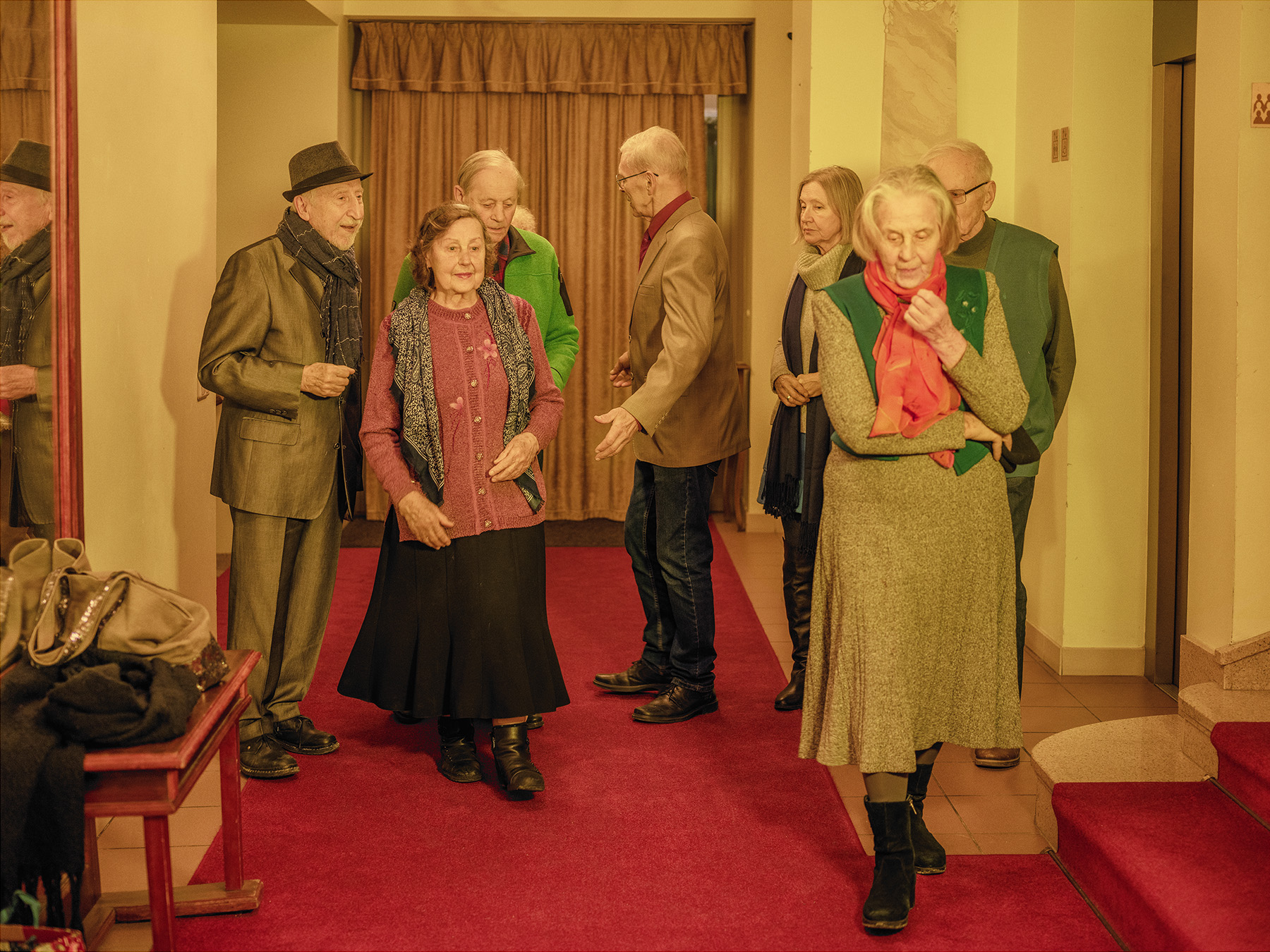
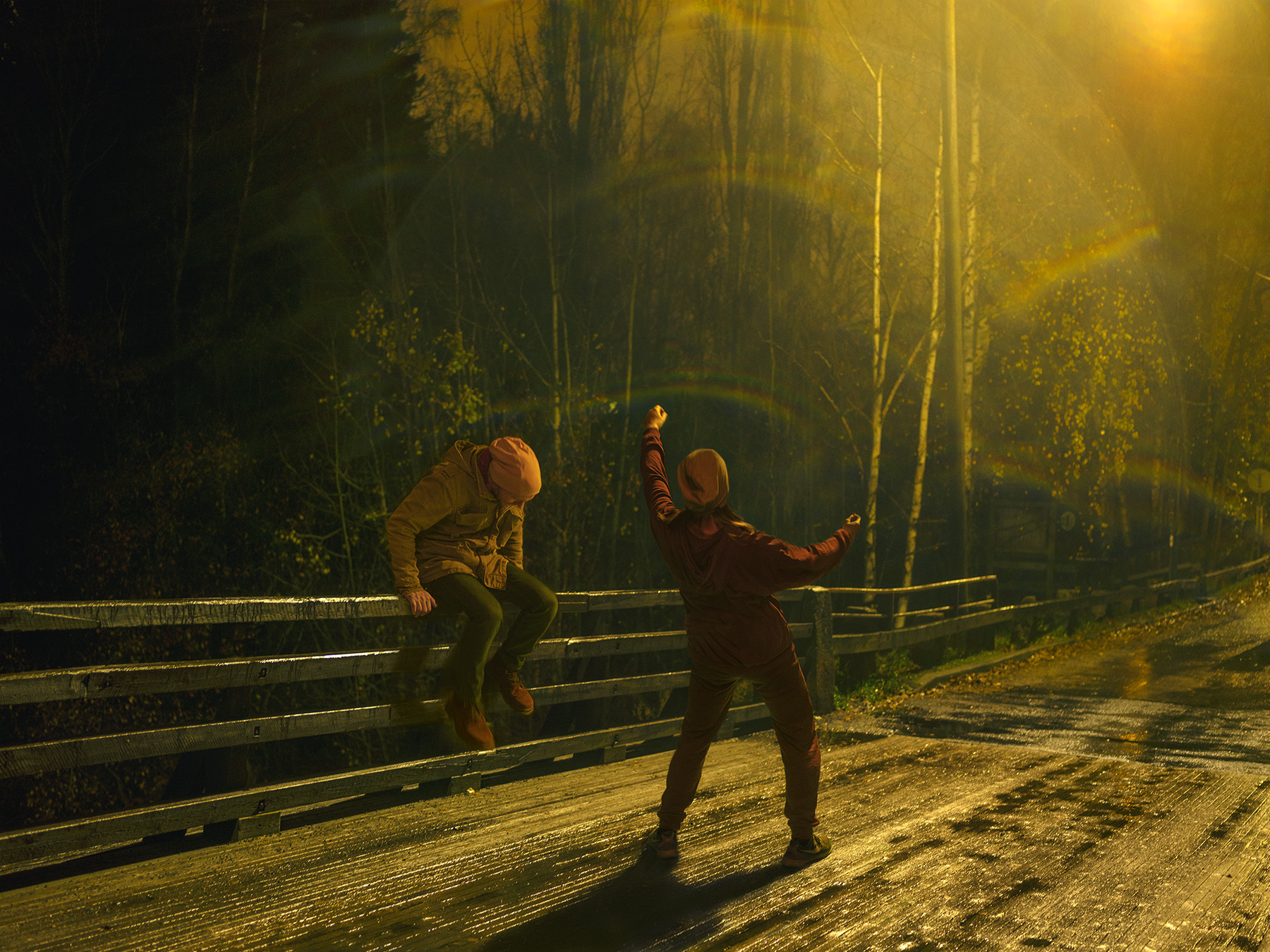
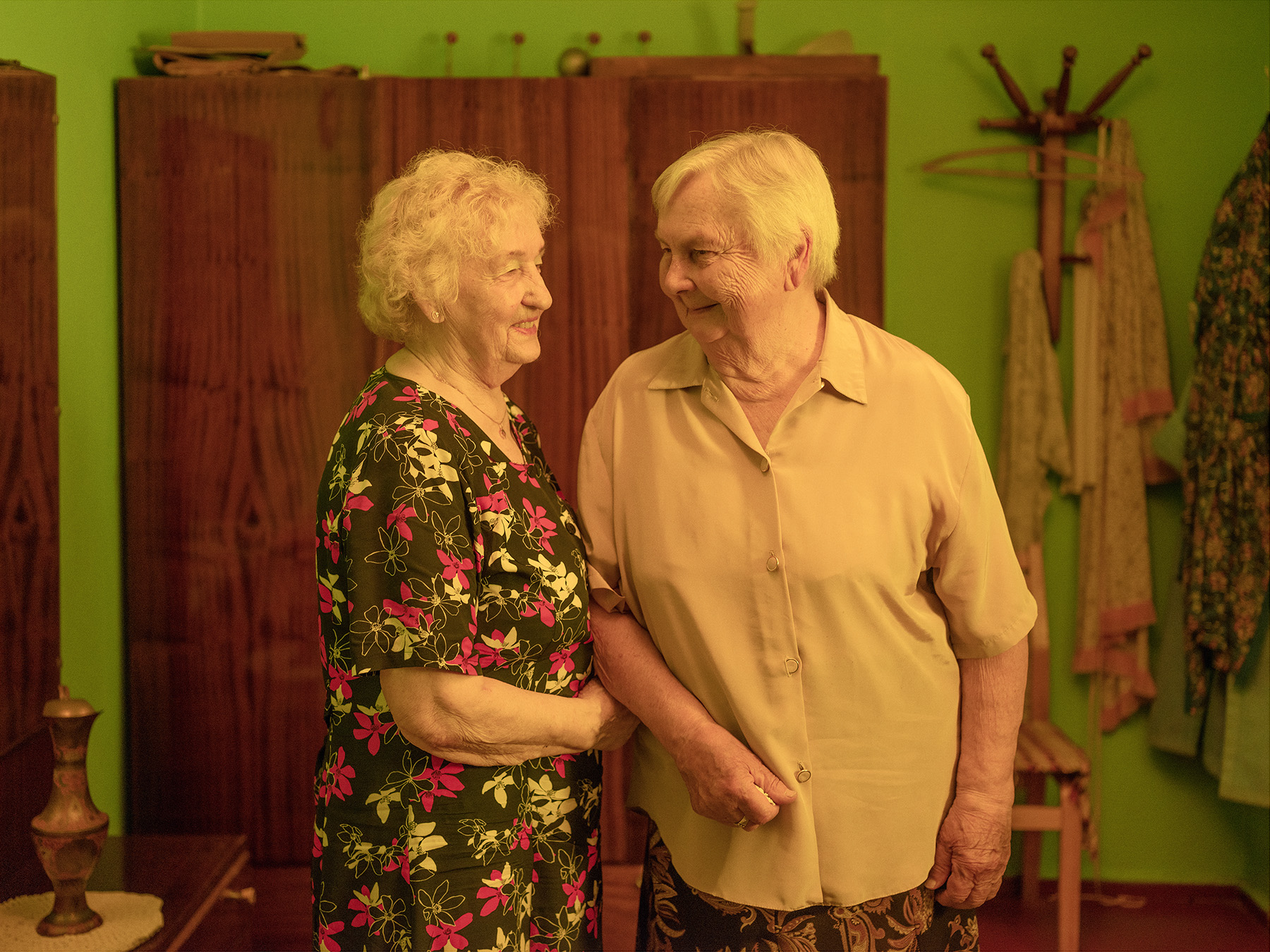
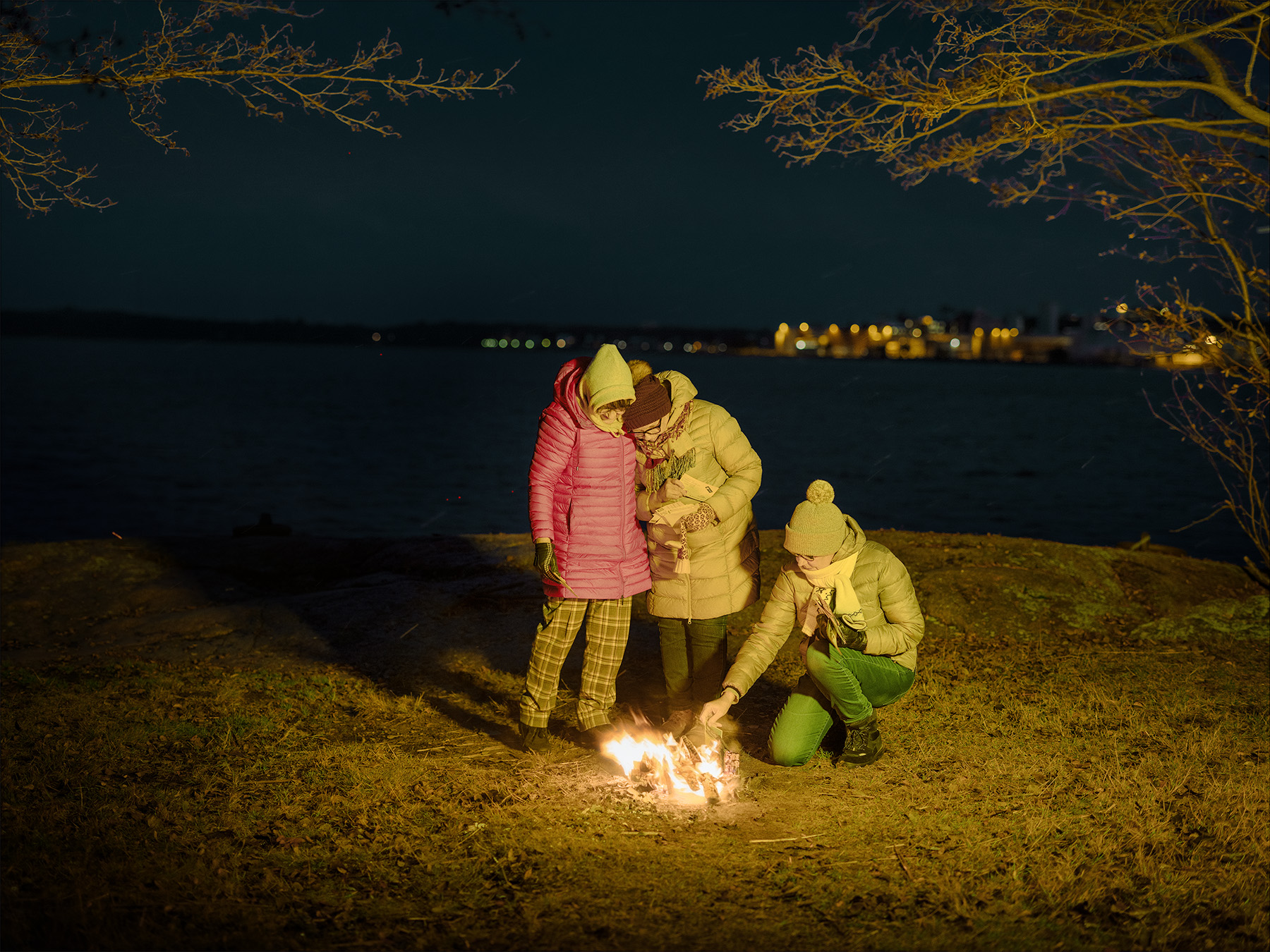
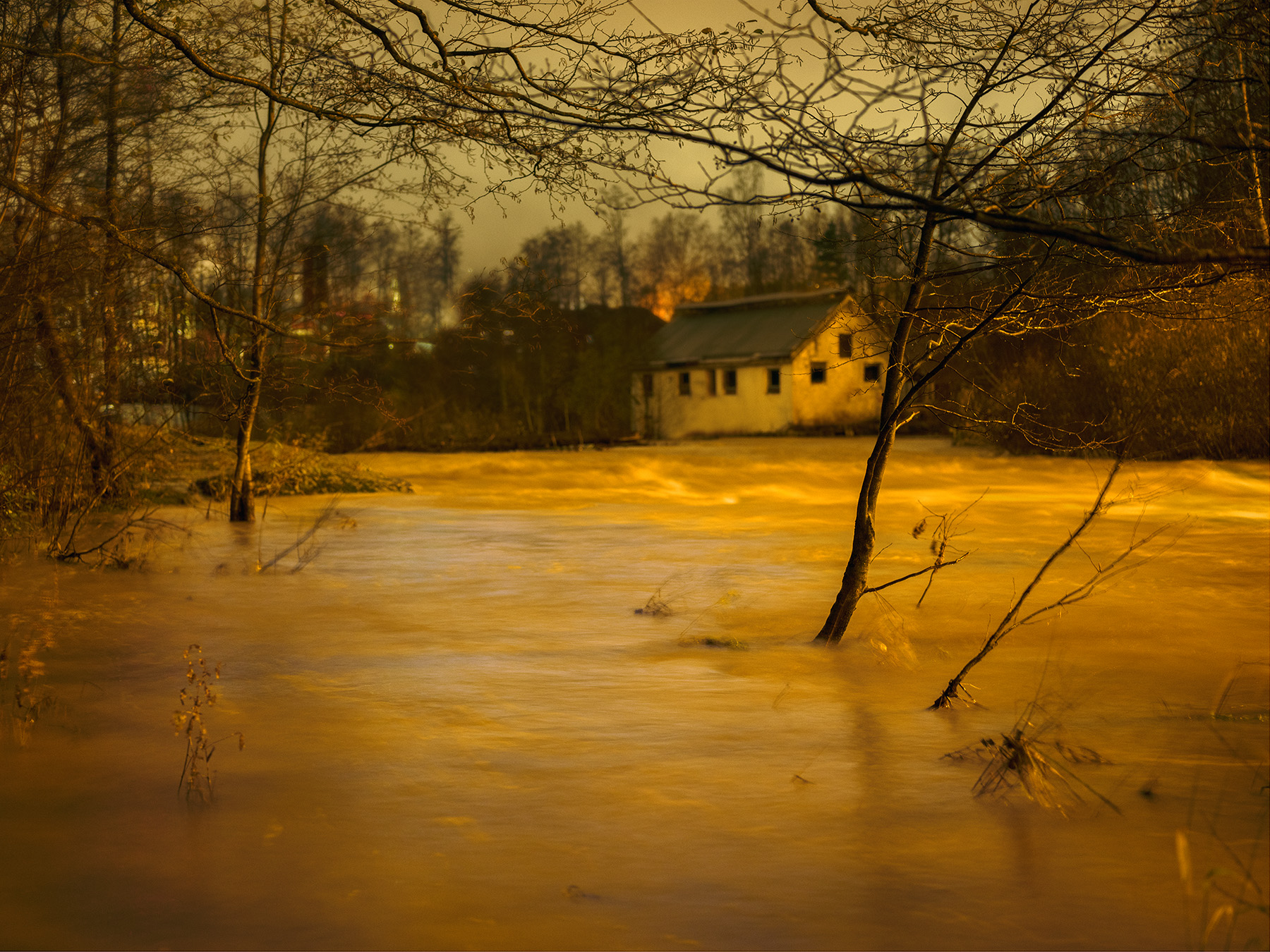
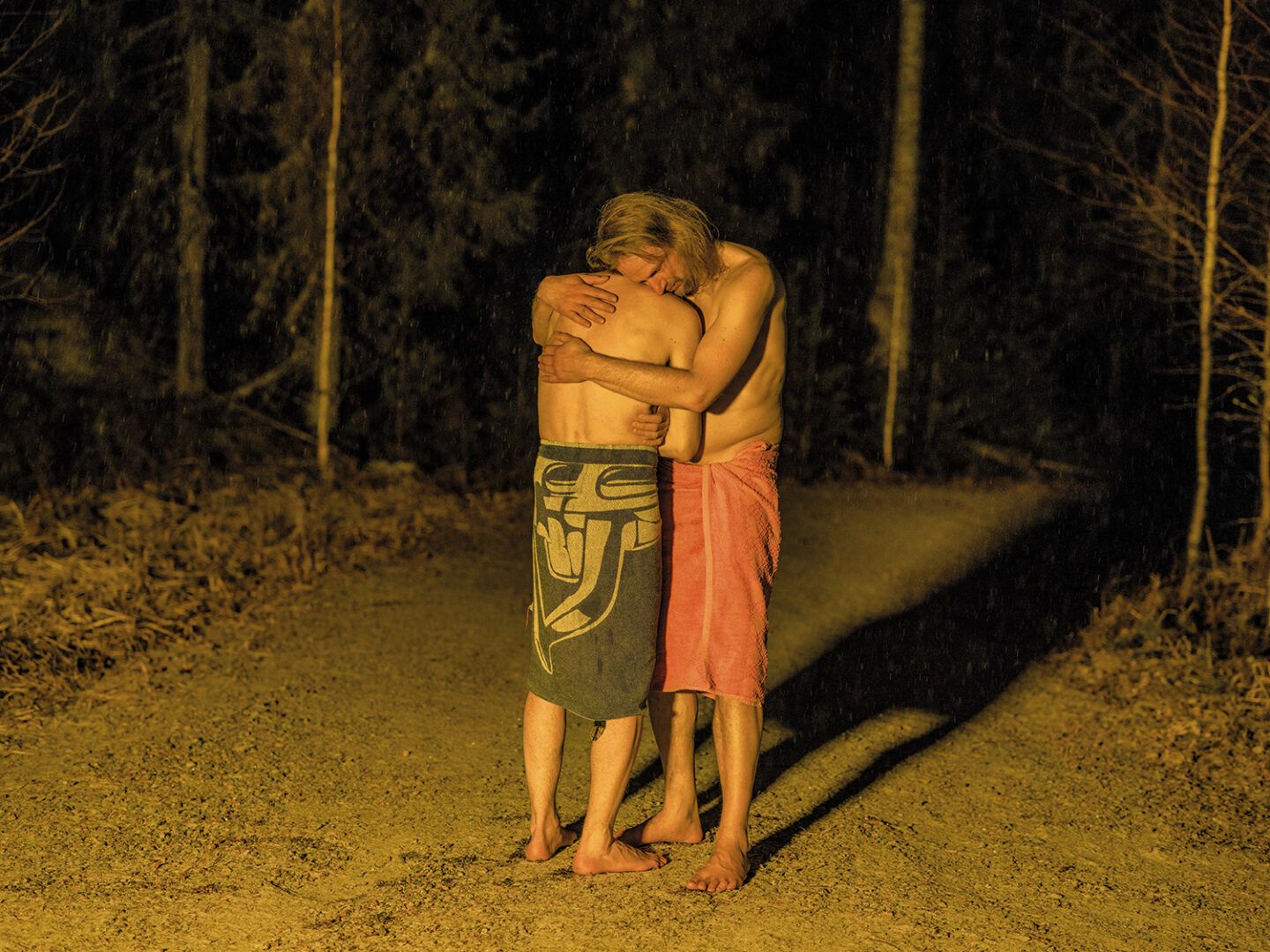
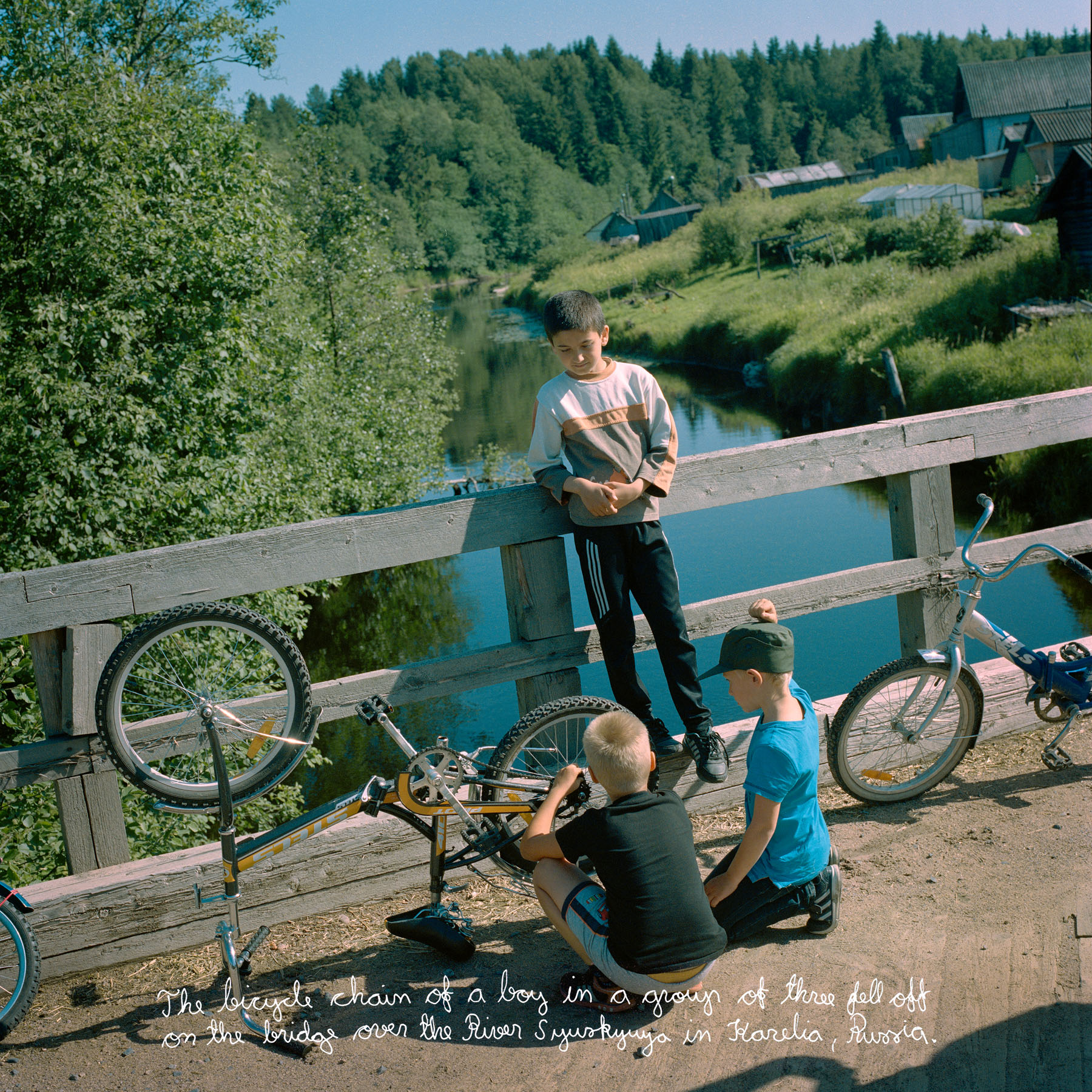
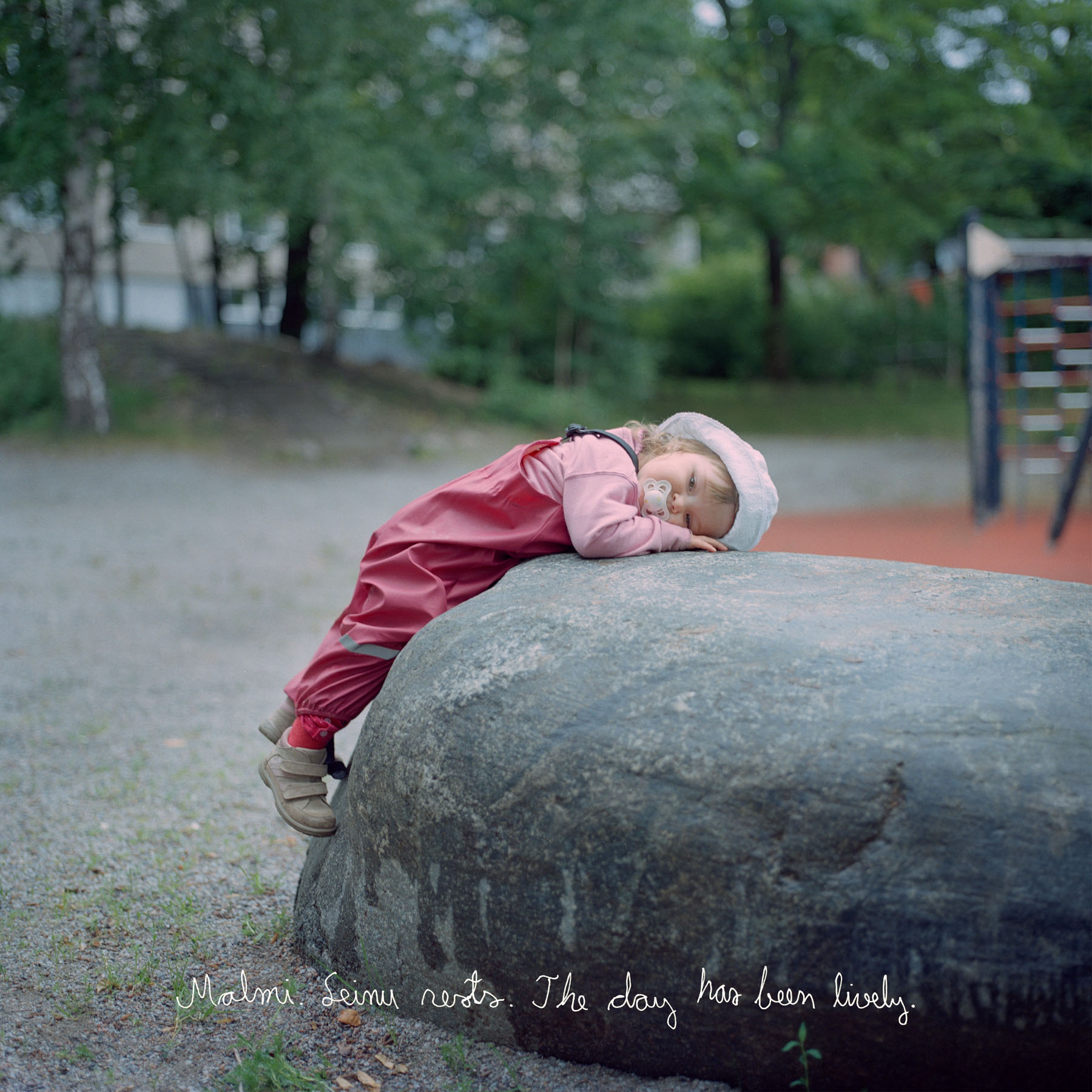
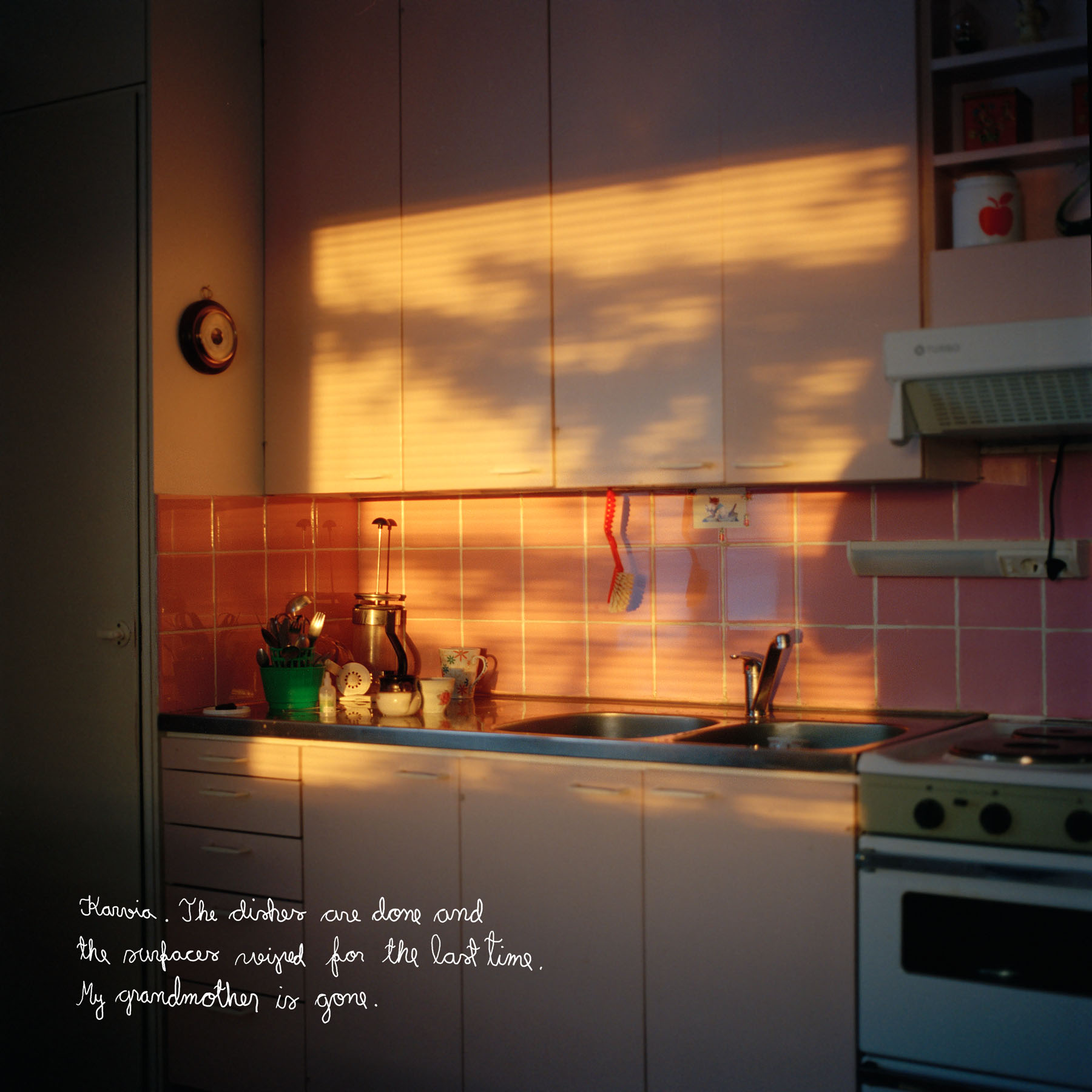
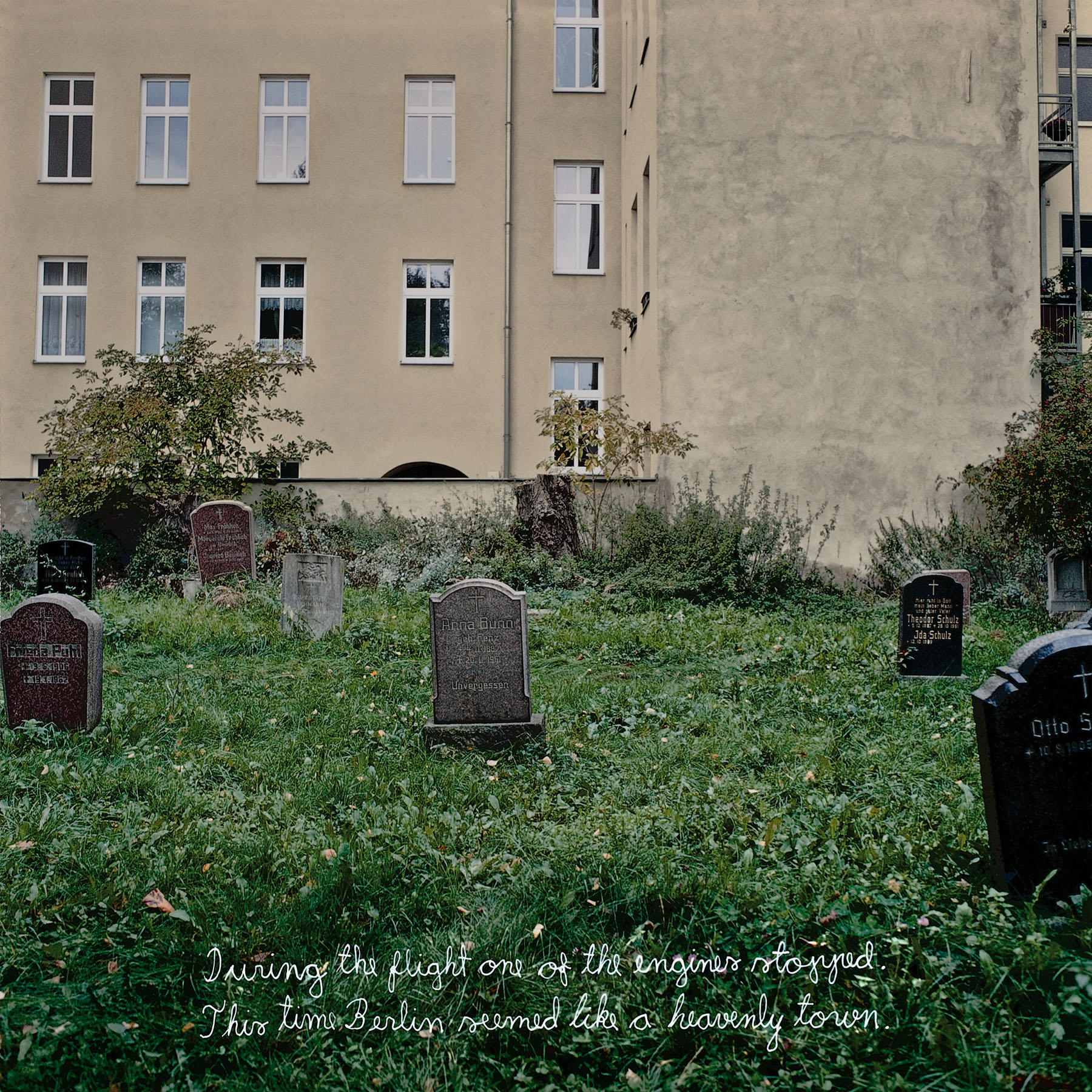
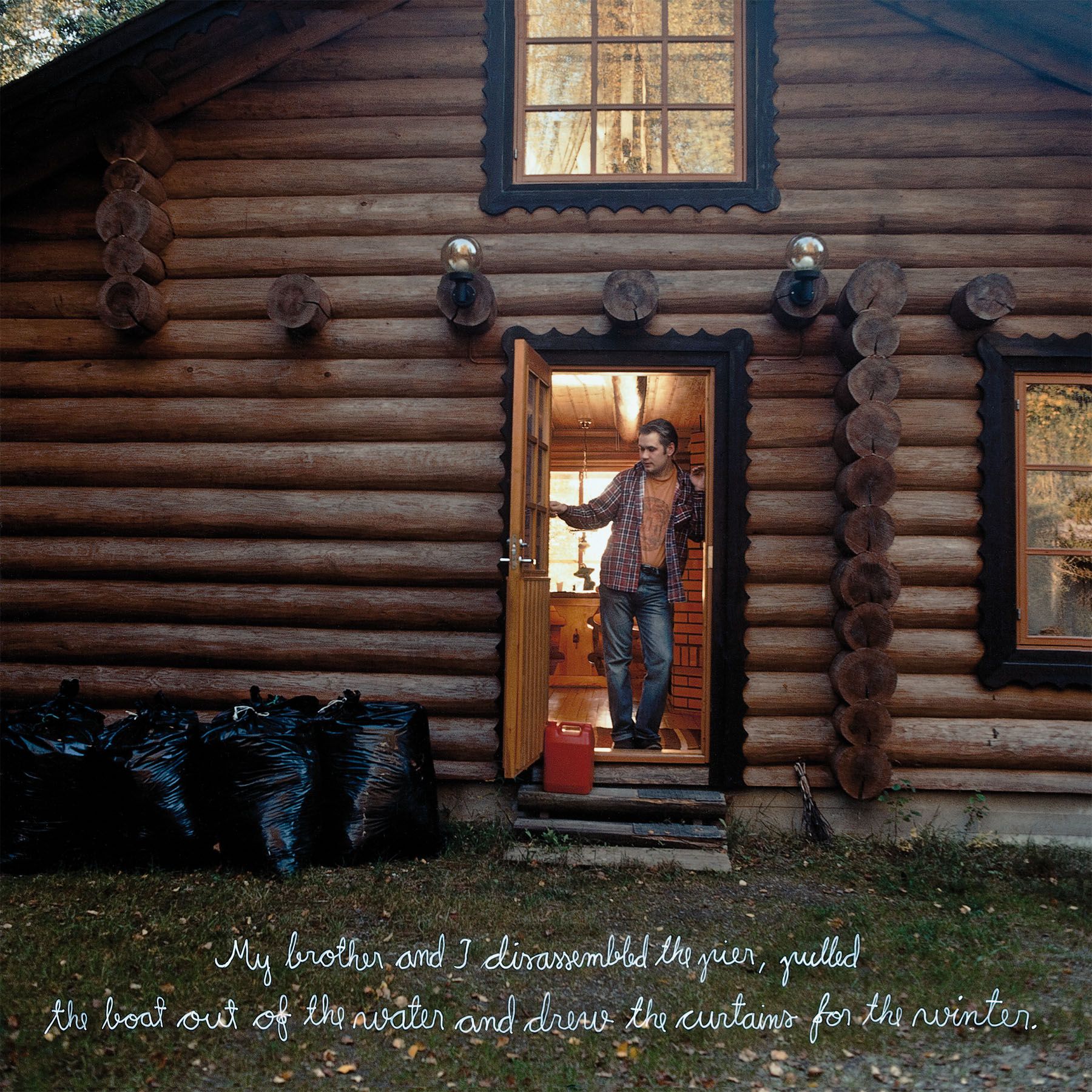
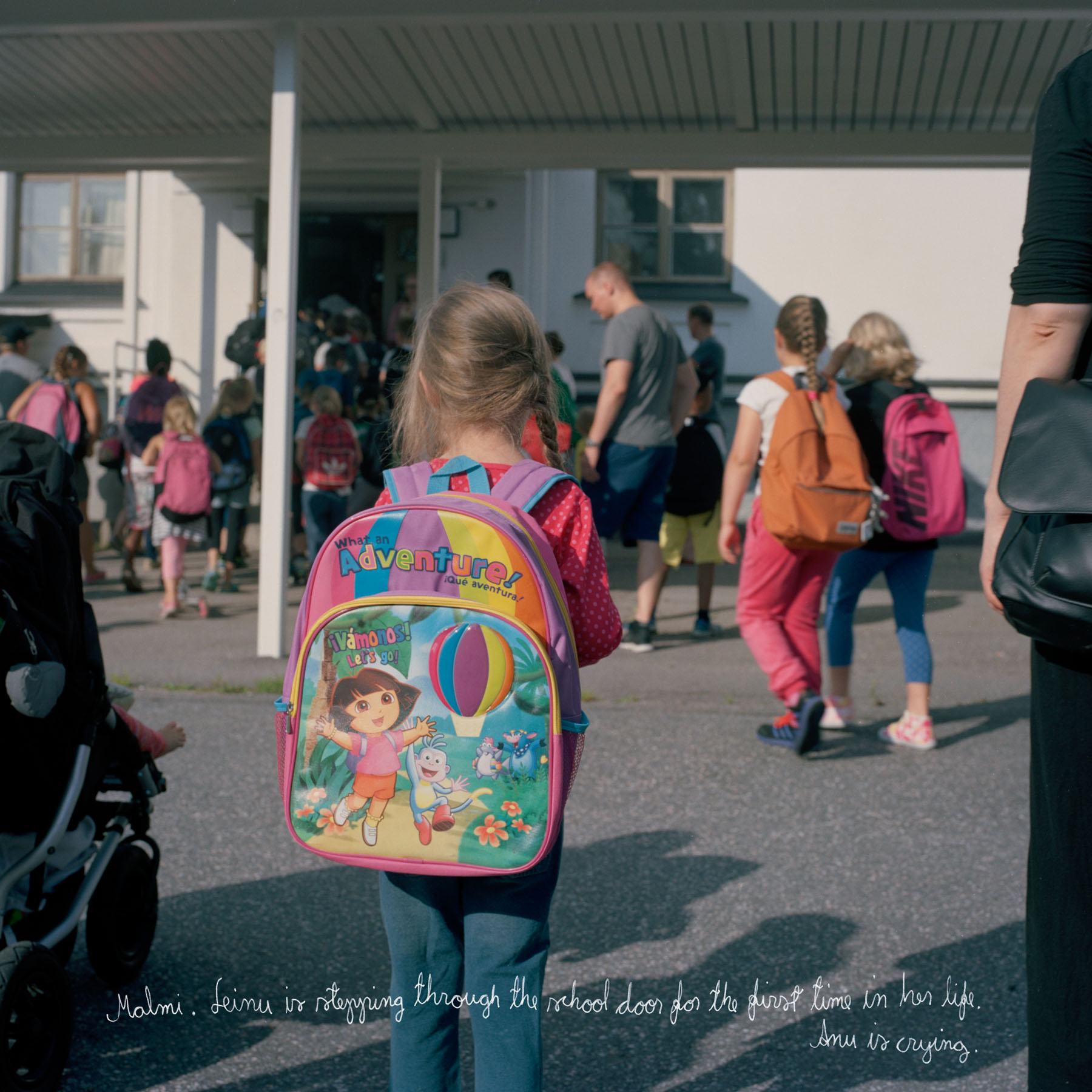
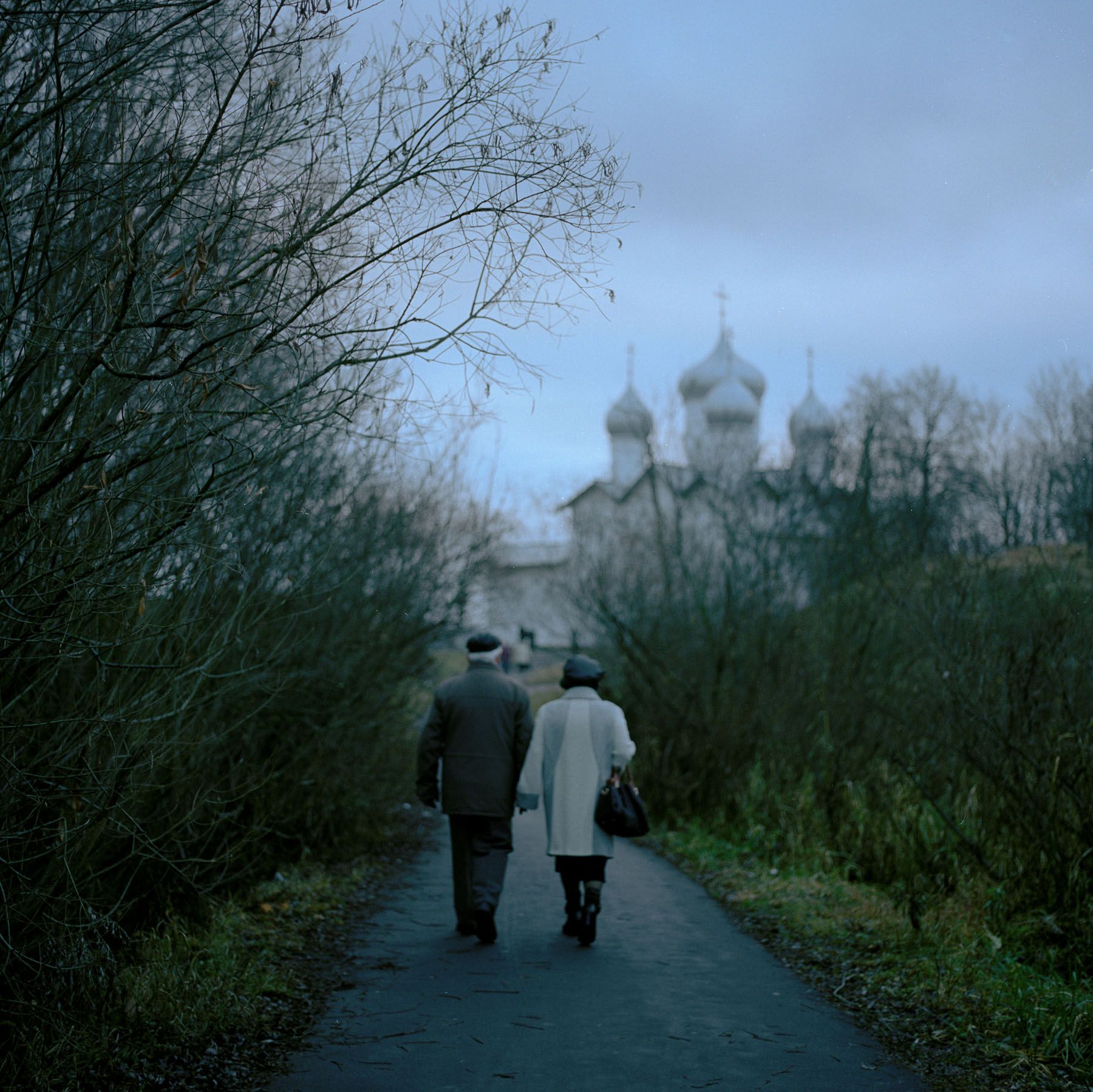
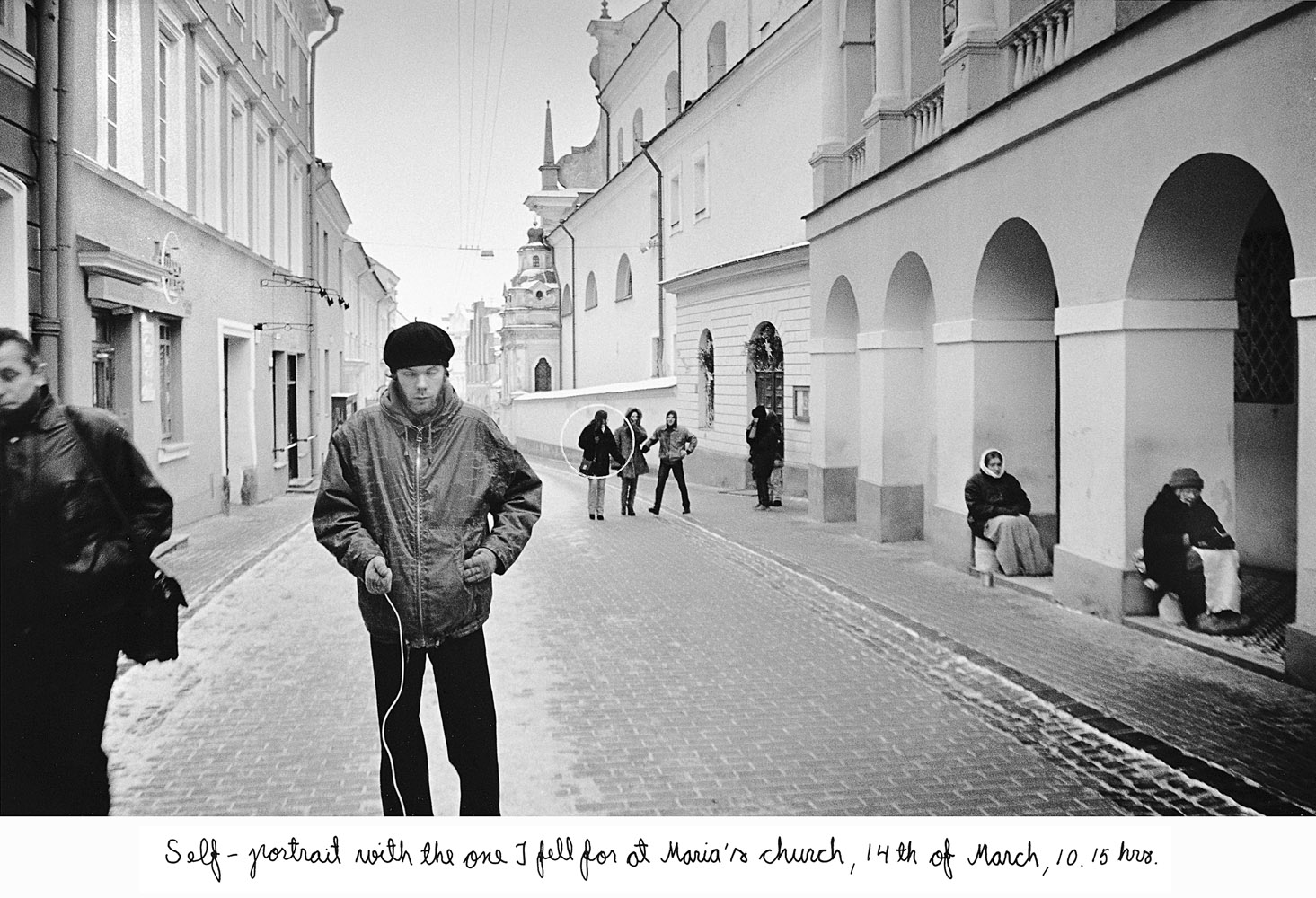
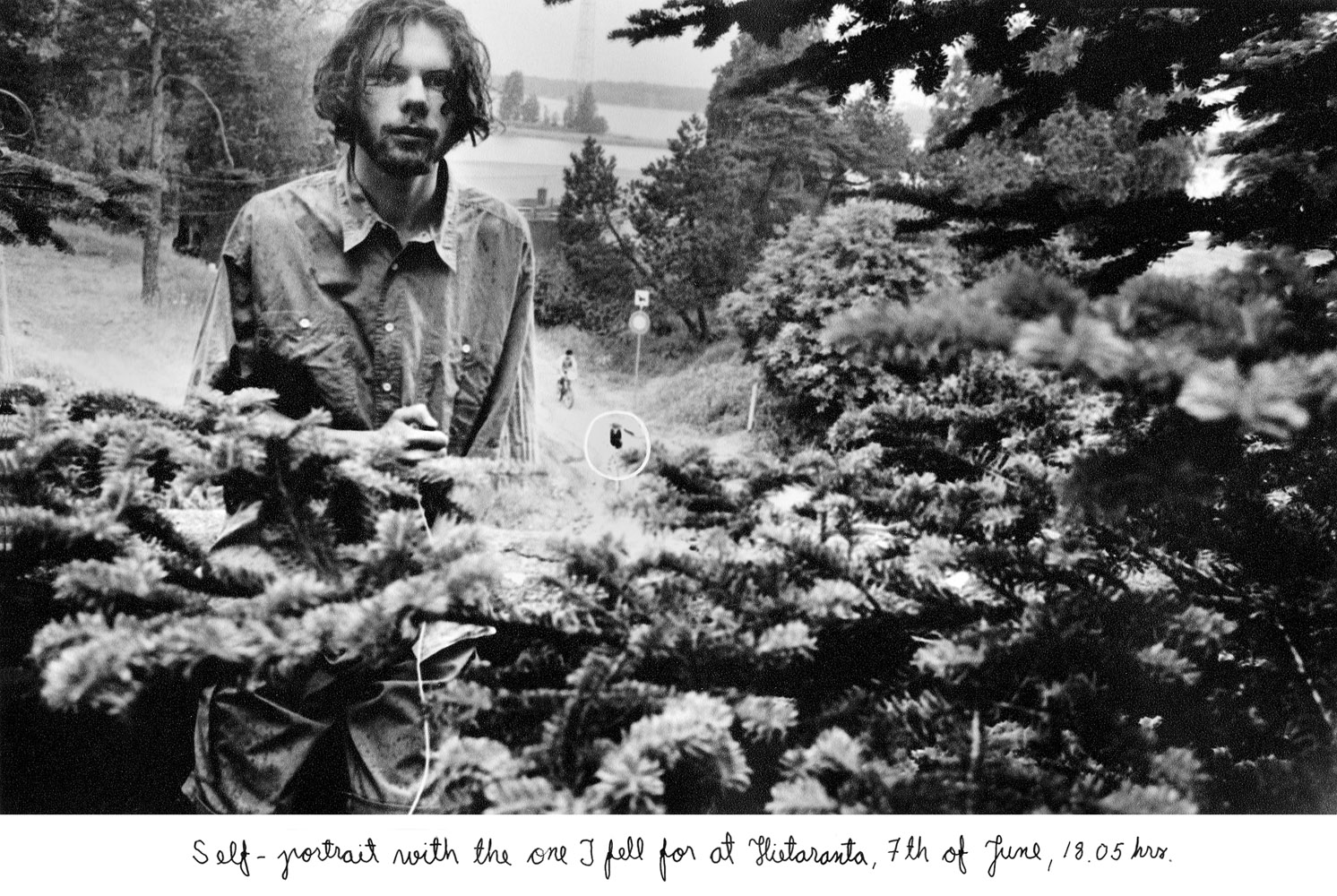
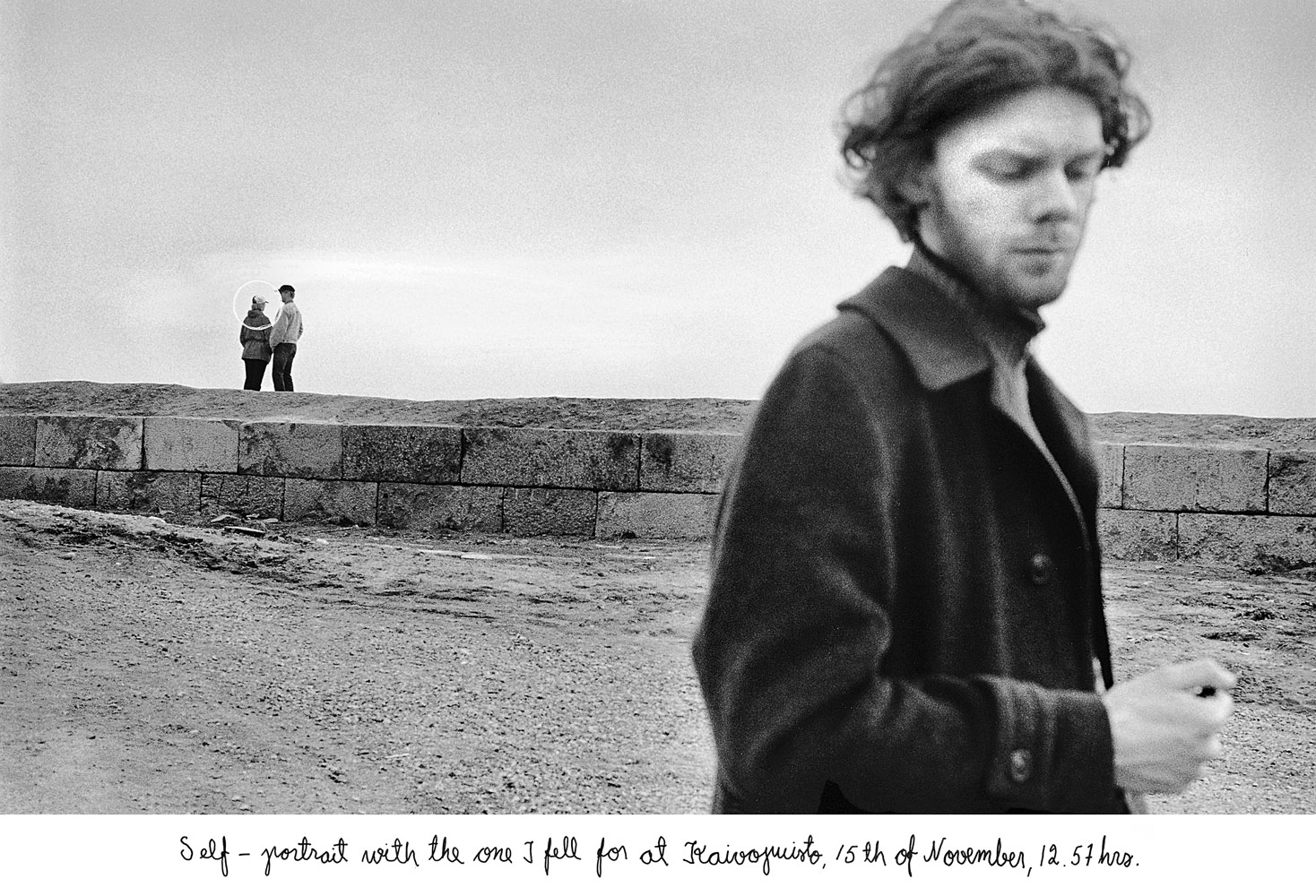
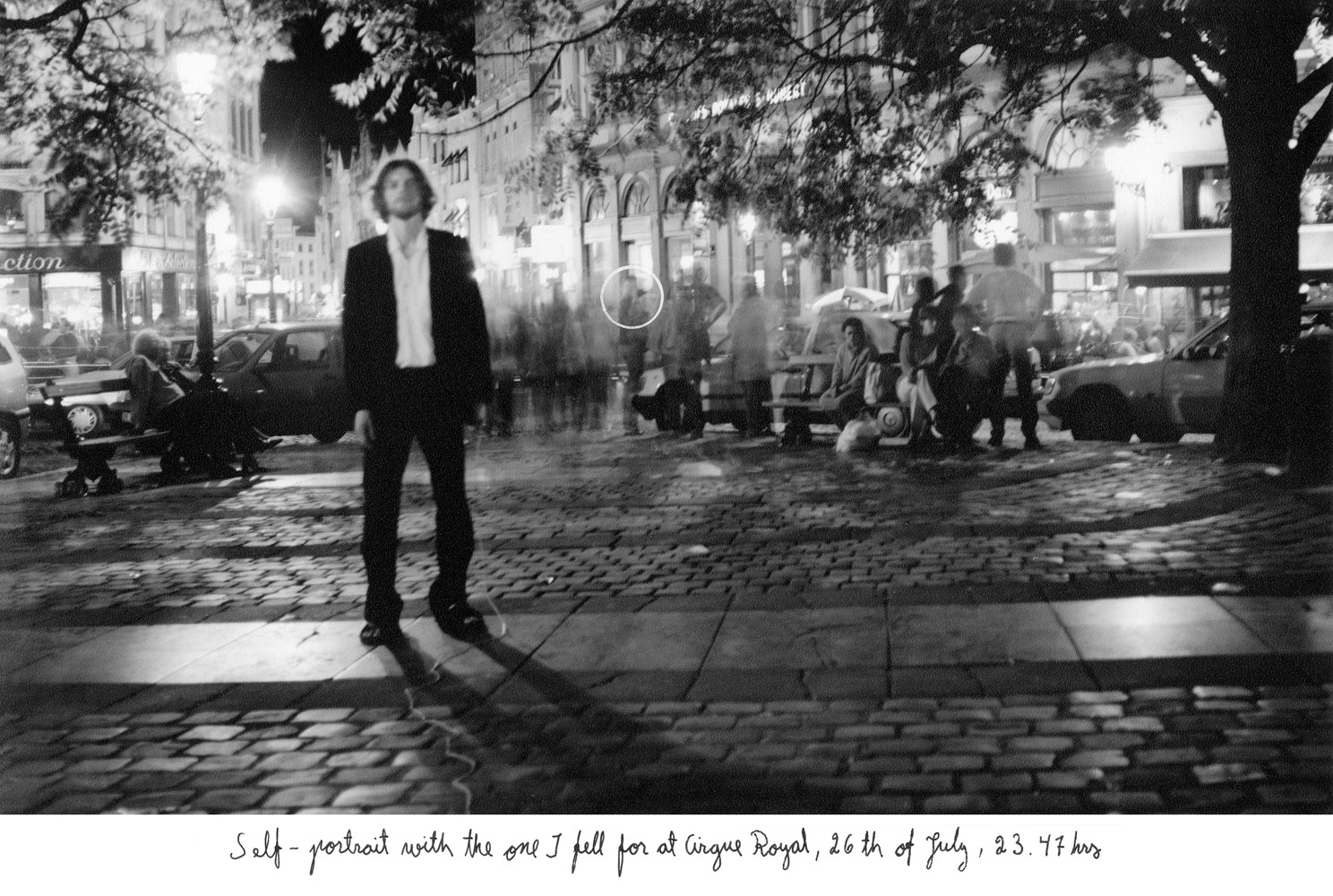
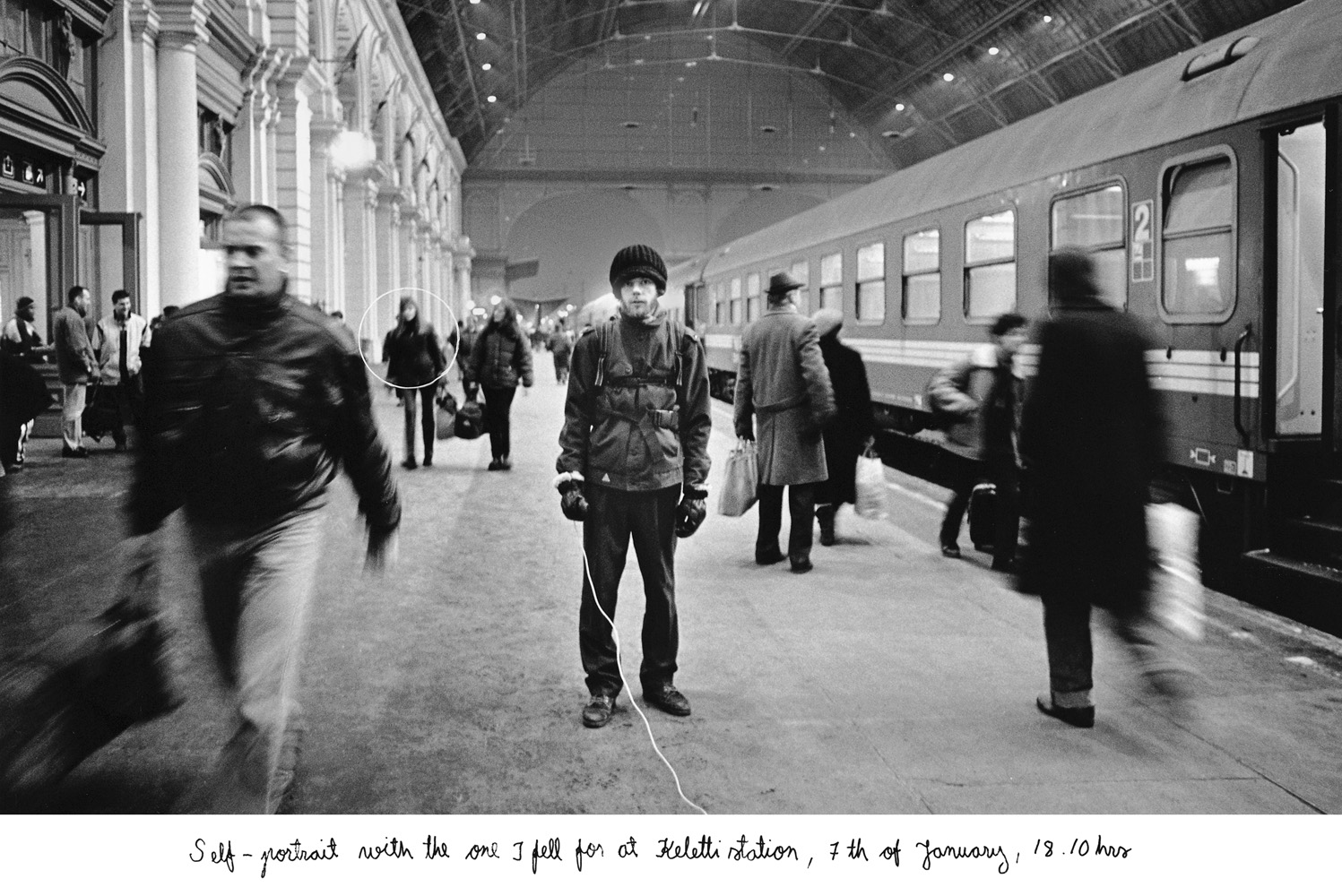
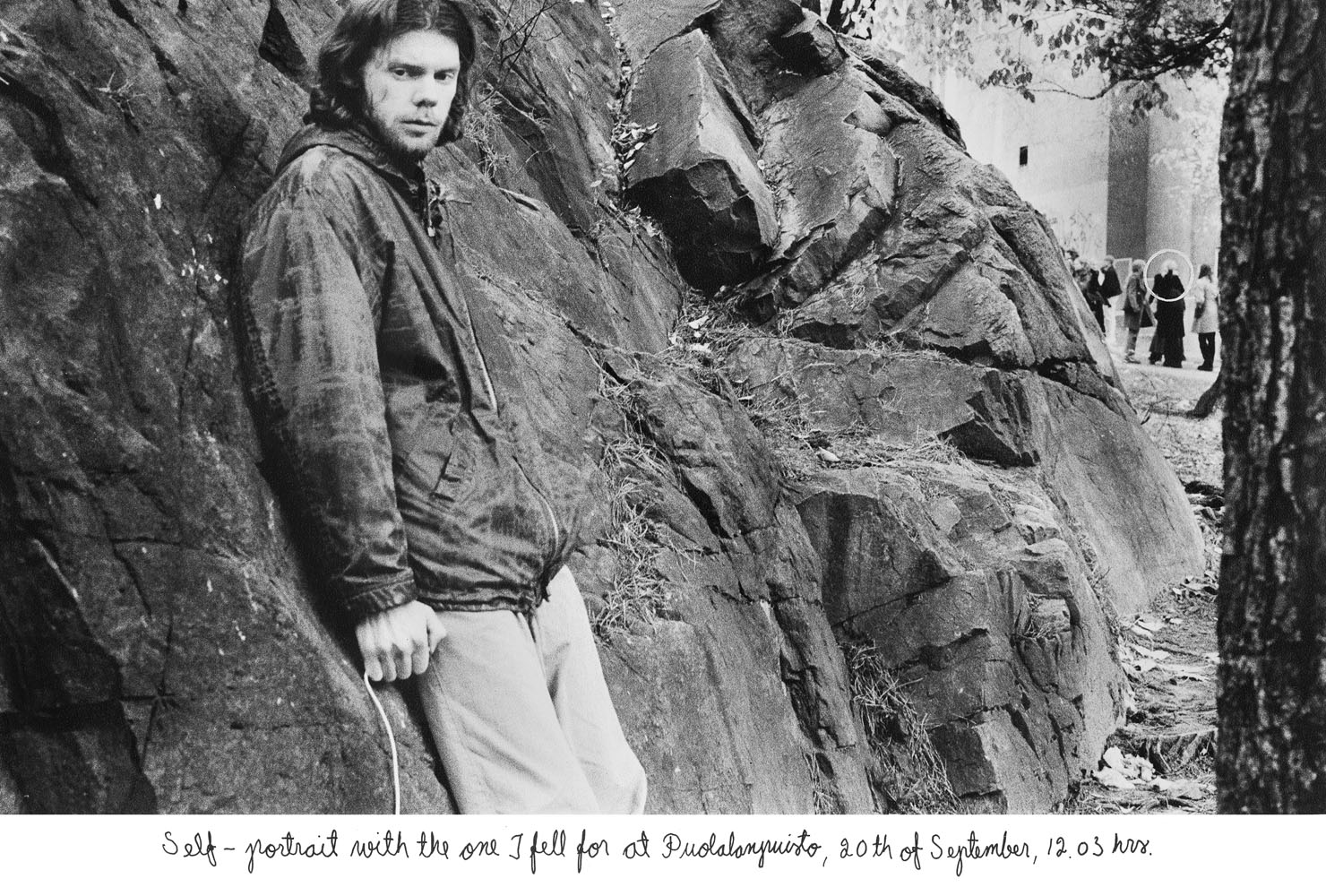
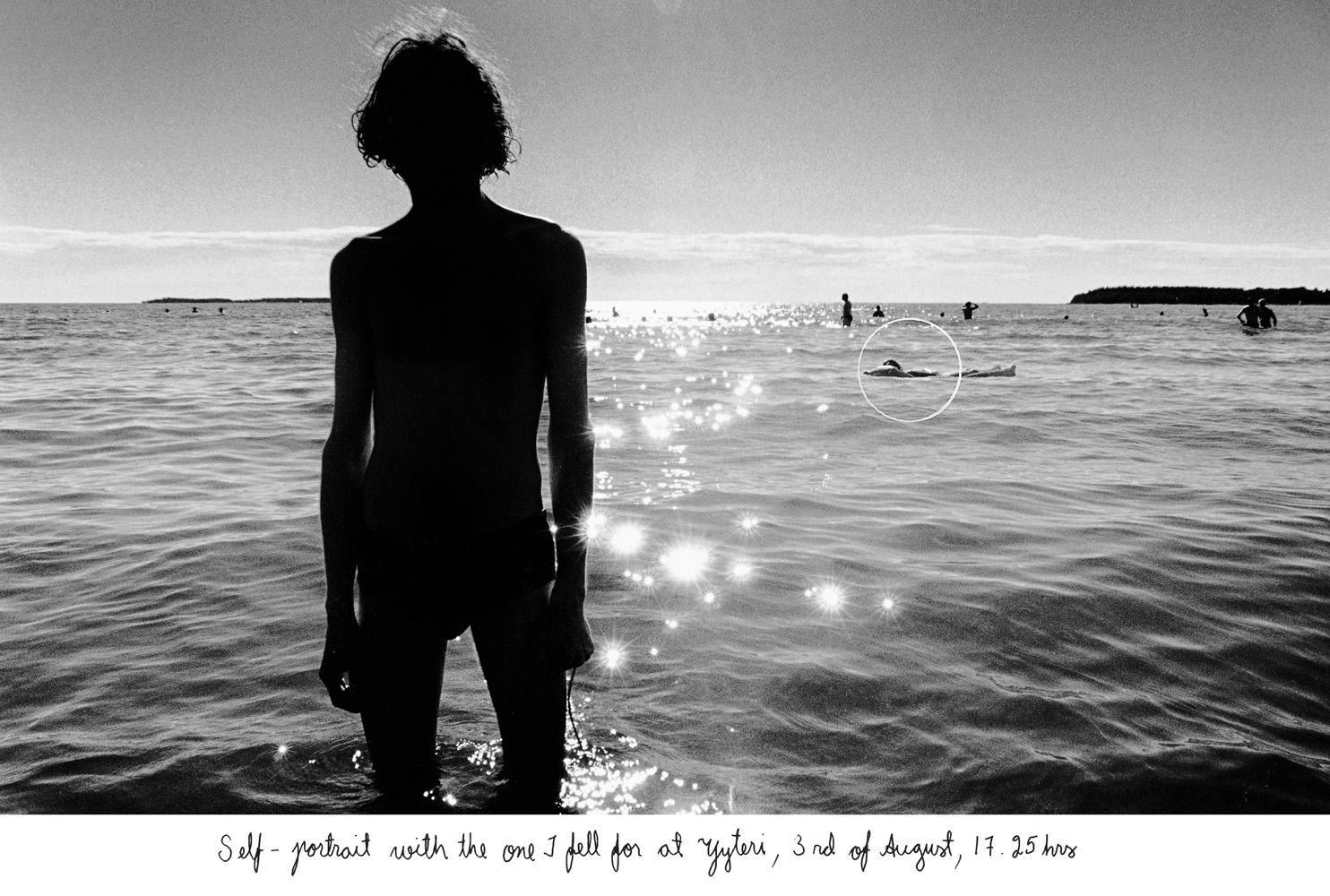
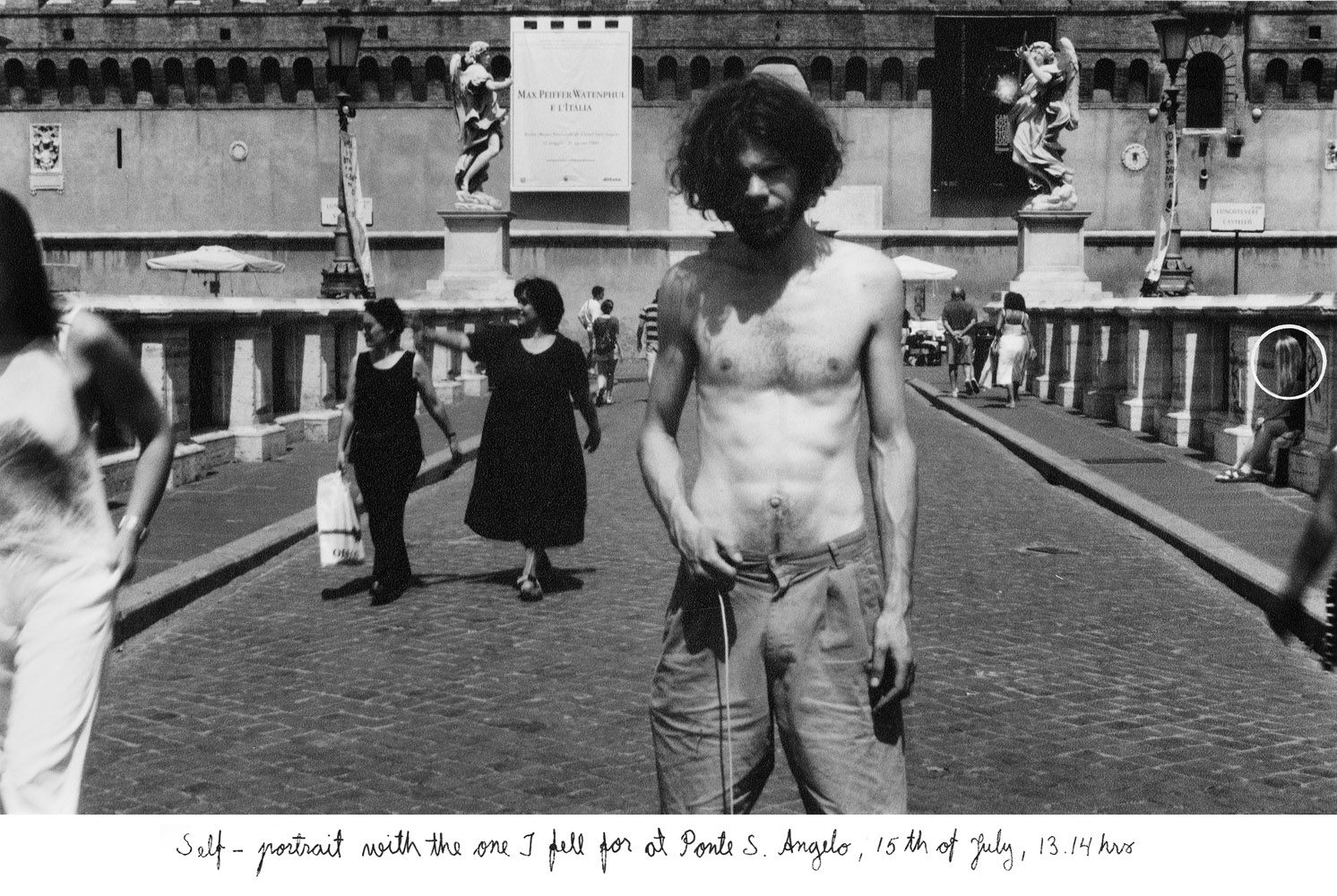
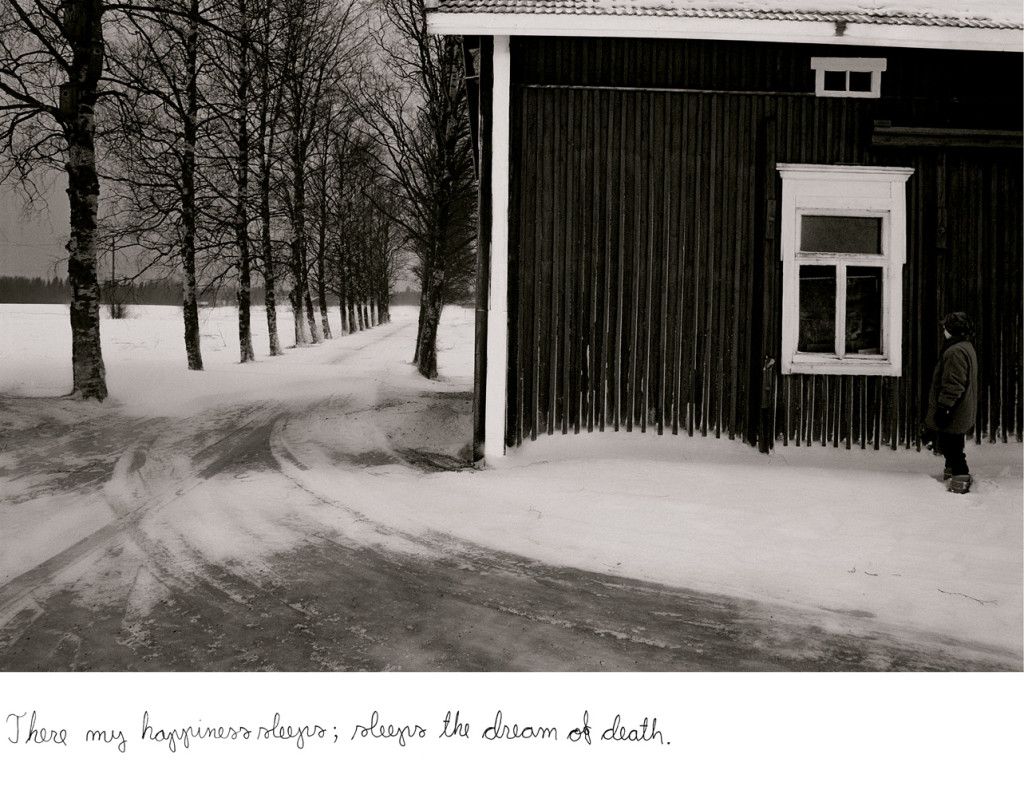
    I have photographed portraits of childhood friends now in their seventies, alongside moments with young people in which a sense of belonging becomes unmistakably present.

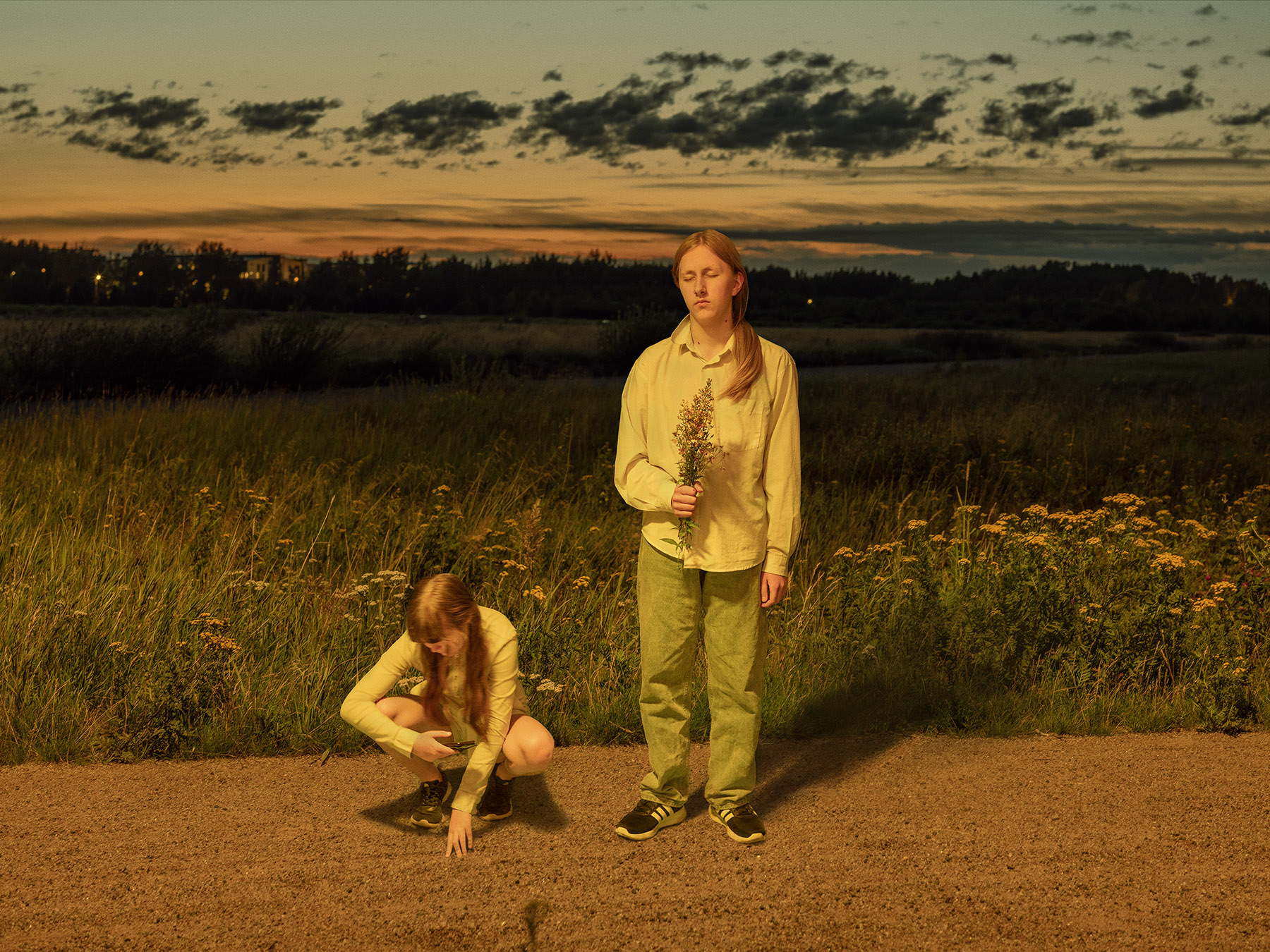
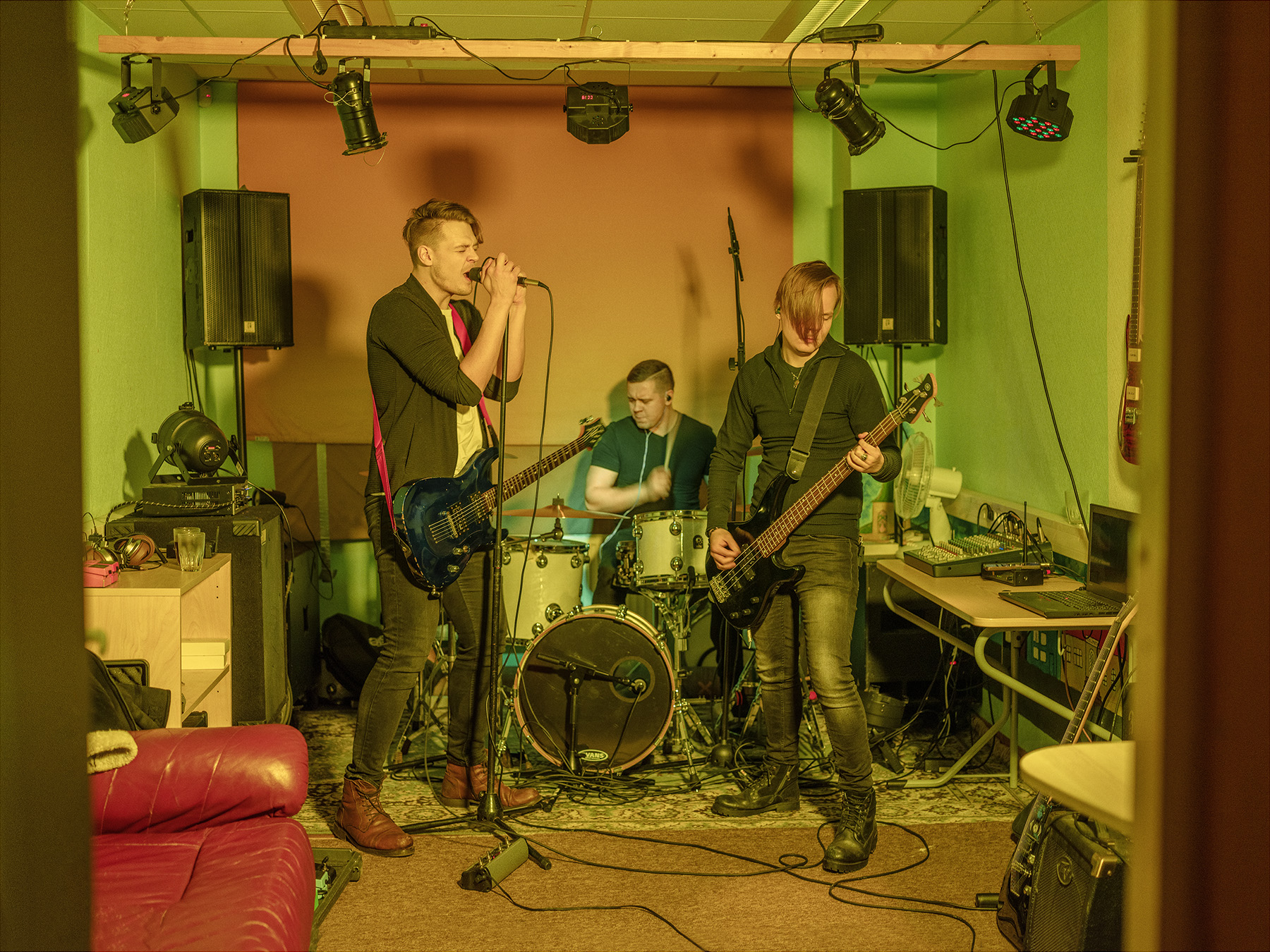
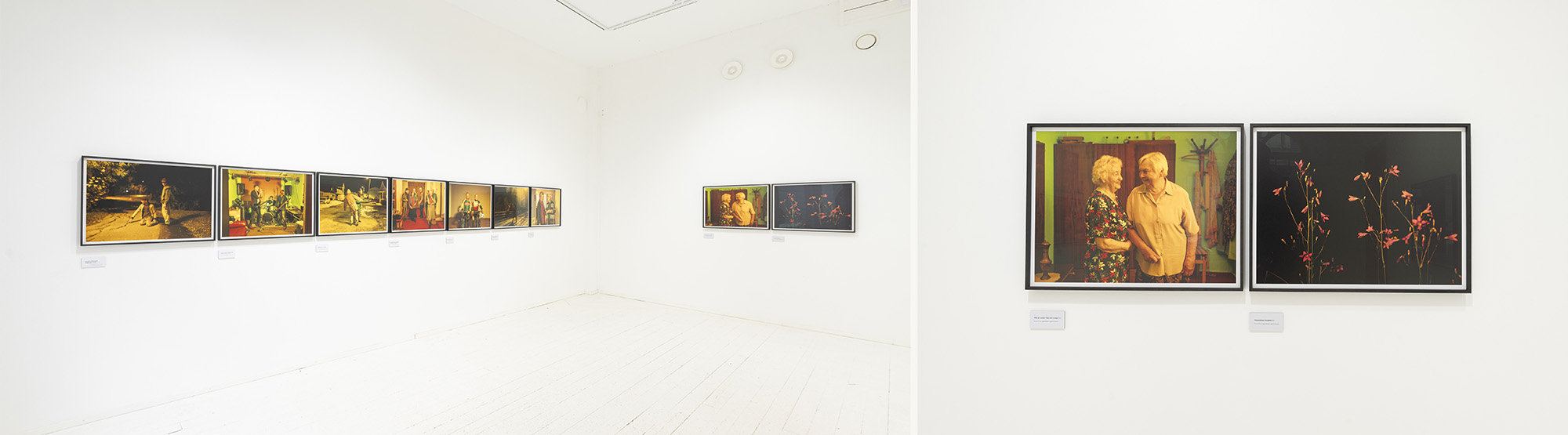
    In this project, Jari Silomäki captures moments that visualise the symmetry of human feelings, either directly or symbolically. These include portraits of childhood friends, now over seventy years old, as well as scenes with young people whose shared, fragile experiences contribute to the formation of their identities.

    The series began when Russia invaded Ukraine — a devastating event that profoundly disrupted the sense of security in Europe. This context shaped Silomäki’s decision to observe the world more gently than ever before. The war also affects the way we consume art, and photography in particular, a medium in which the human gaze lies at its very core.

    In the portraits of childhood friends, people look into each other’s eyes across decades of shared life. As a photographer, Silomäki looks at them in turn. The gaze of a lifelong friend is deep and multifaceted: it becomes a means through which experiences and emotions are understood and communicated, while also evoking the passage of time, change, respect, and love.

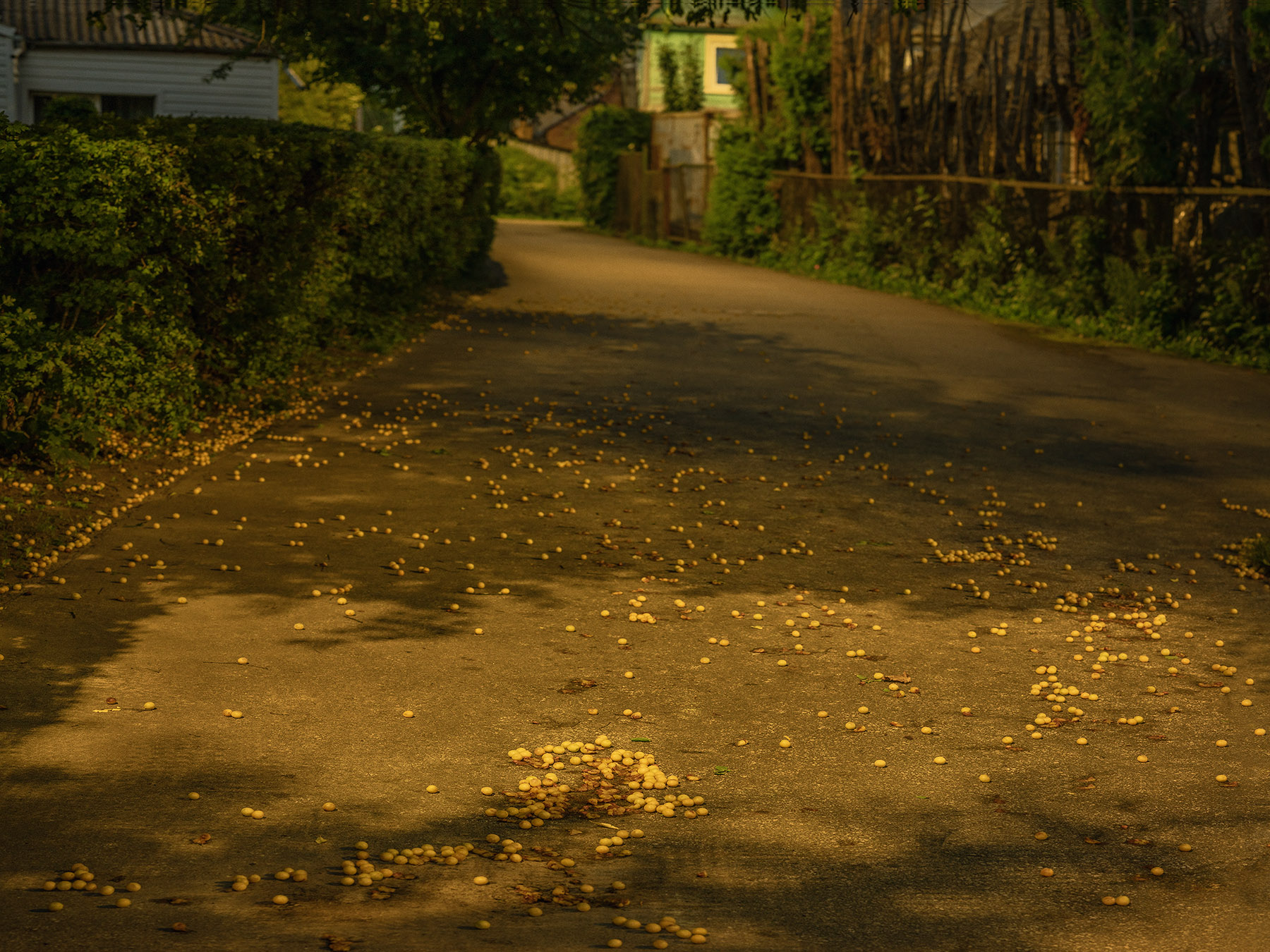
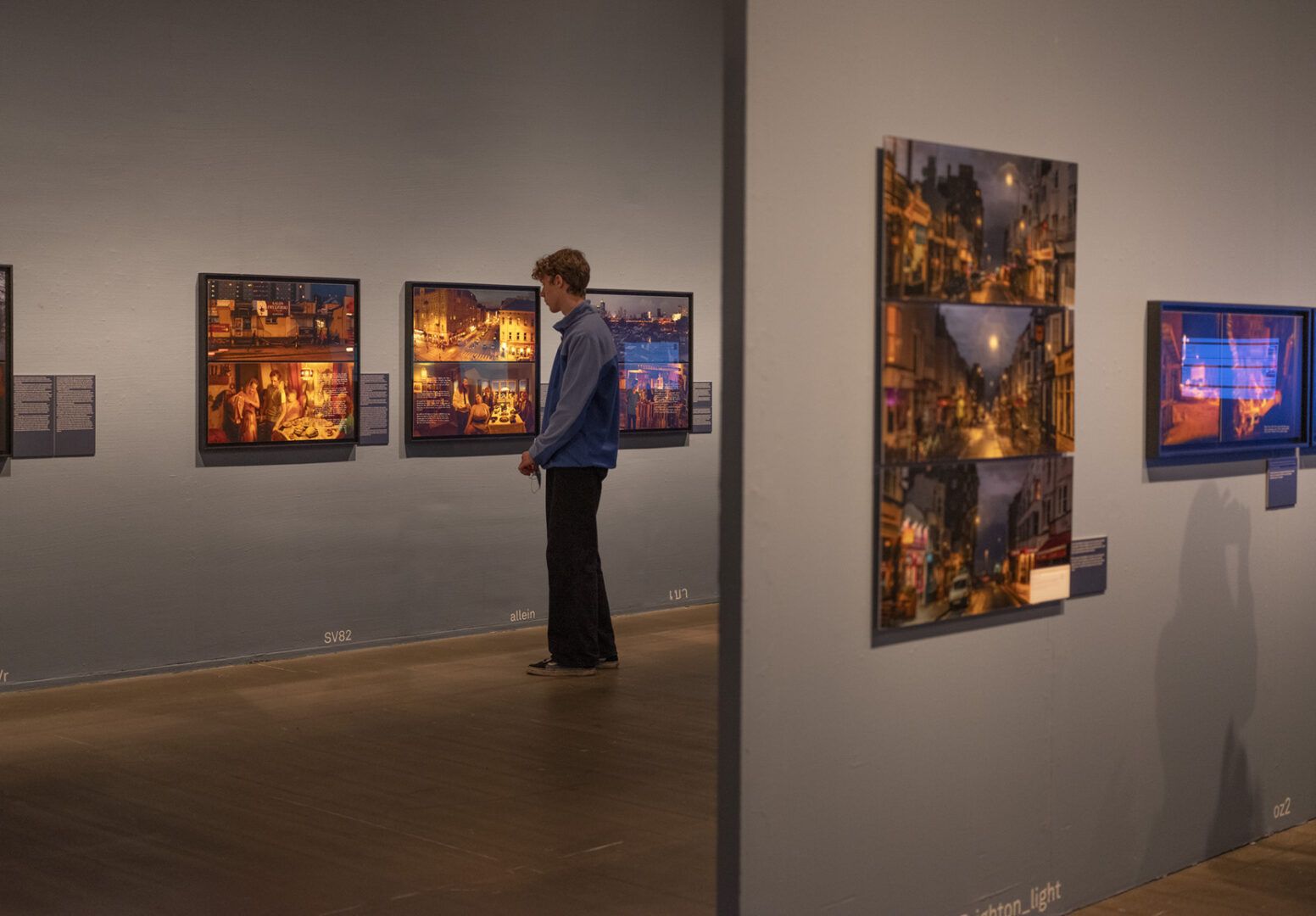
    In the scenes with young people, cityscapes are bathed in warm light. Here, feelings of togetherness and belonging are palpable. Shared experiences are essential to our understanding of the world; they emerge when individuals are capable of deep empathy towards one another. These warm urban scenes attempt to bear witness to such moments and share a similar emotional terrain with the portraits of older friends. For example, the image Silent Teenagers is juxtaposed with an image in which ripe, soft plums rest on cold, hard tarmac. Together, they evoke a narrative of time and fragility, laden with memory.


    Julianna, Julianna and Julianna
    2021


    Unknown Pilots Above the Downtown
    (Reconstructed)
    2022

    The Climbing Tree of Childhood
    (Heikki and Raimo)

    2023

    Walking with a Friend 2
    (Armands and Mateja)
    2023

    Silent Teenagers
    (Reconstruction)
    2023


    Plums on Tarmac
    2023


    Walking with a Friend
    (Reconstructed)
    2023


     A Shared Dream
    (Exanity -band)
    2023


    A Class Reunion at a Theatre Foyer
    2023


    A Dense Moment at the Bridge to the Silk Factory
    (Reconstructed)
    2022


    Helju and Luulaja
    2022 


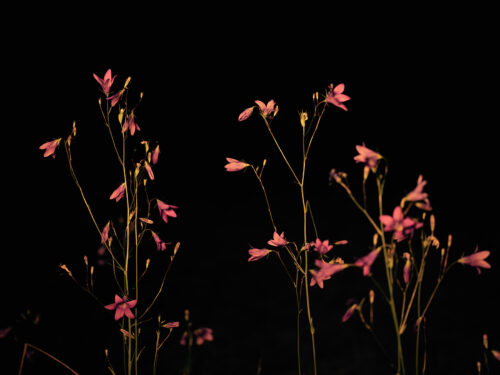
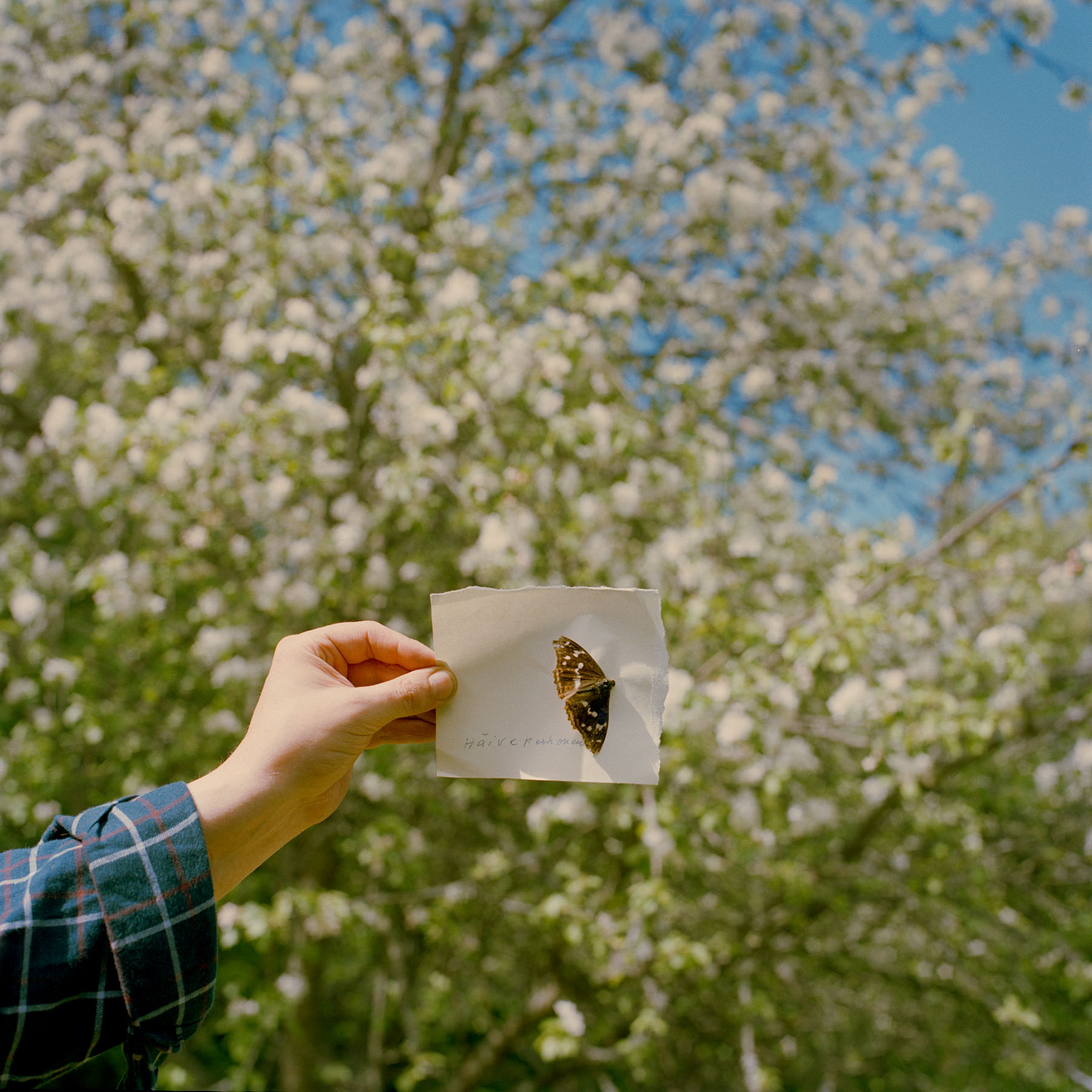
    Harebells
    2023 


    Memorial Pyre
    (Outi, Irma and Satu)
    2023


     A Flooding River
    2023


    Armas and Perttu
    2024

  • My Weather Diary

    My Weather Diary

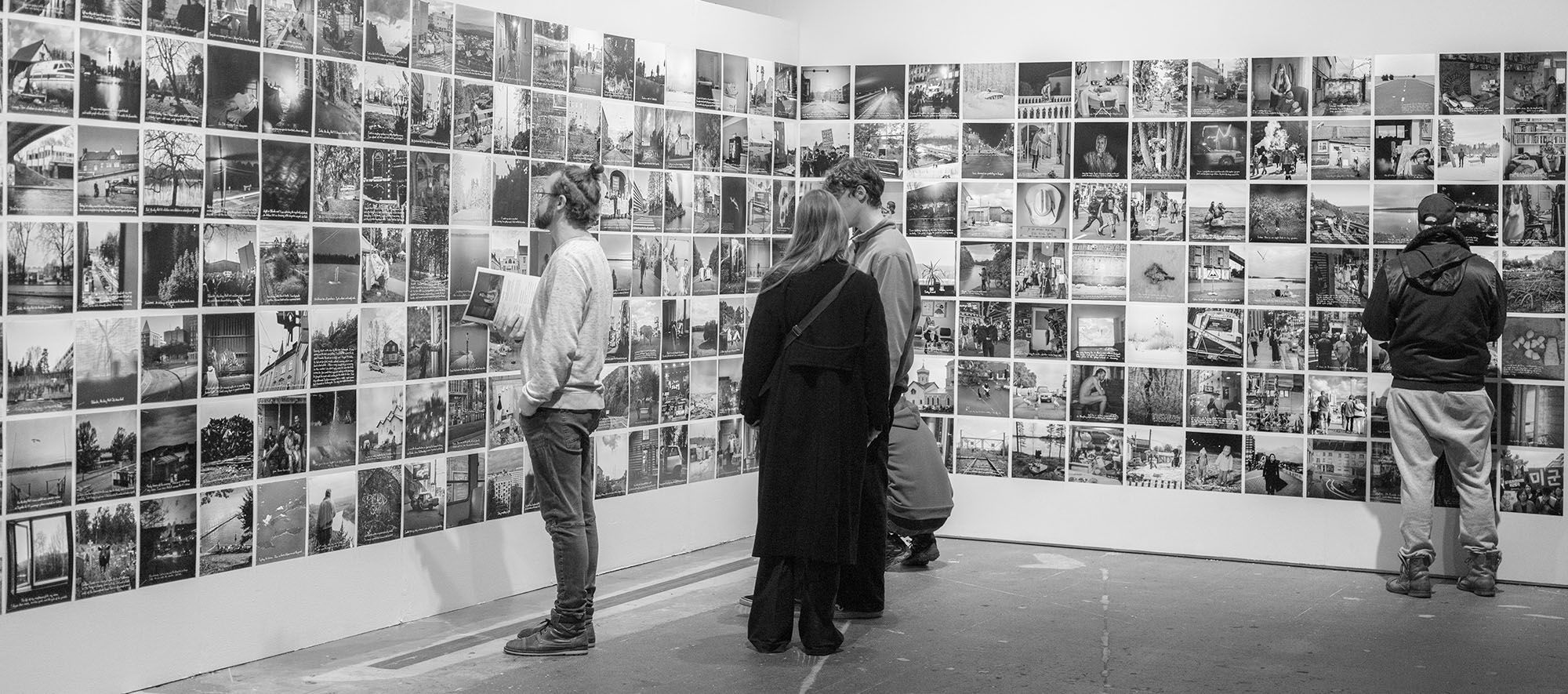
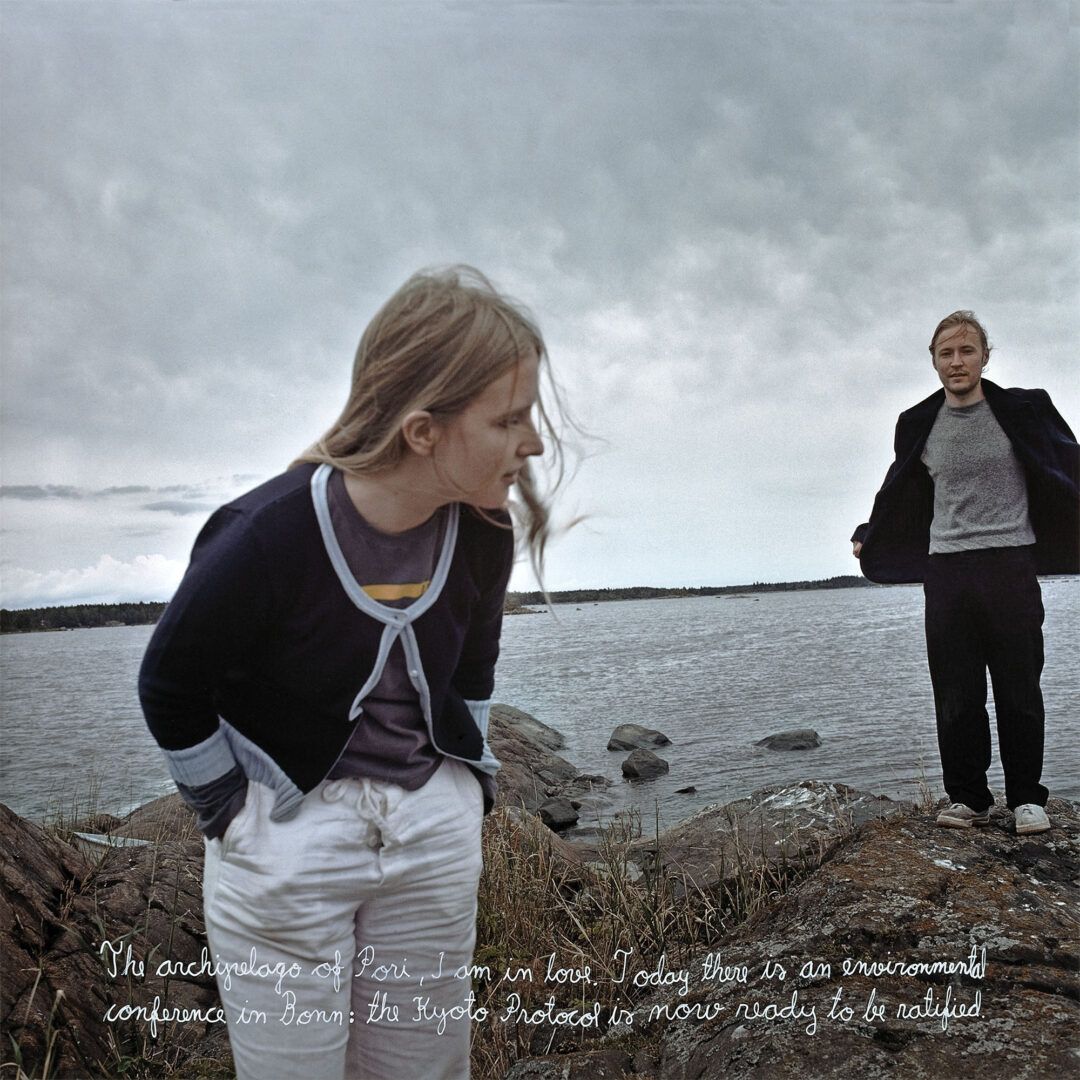
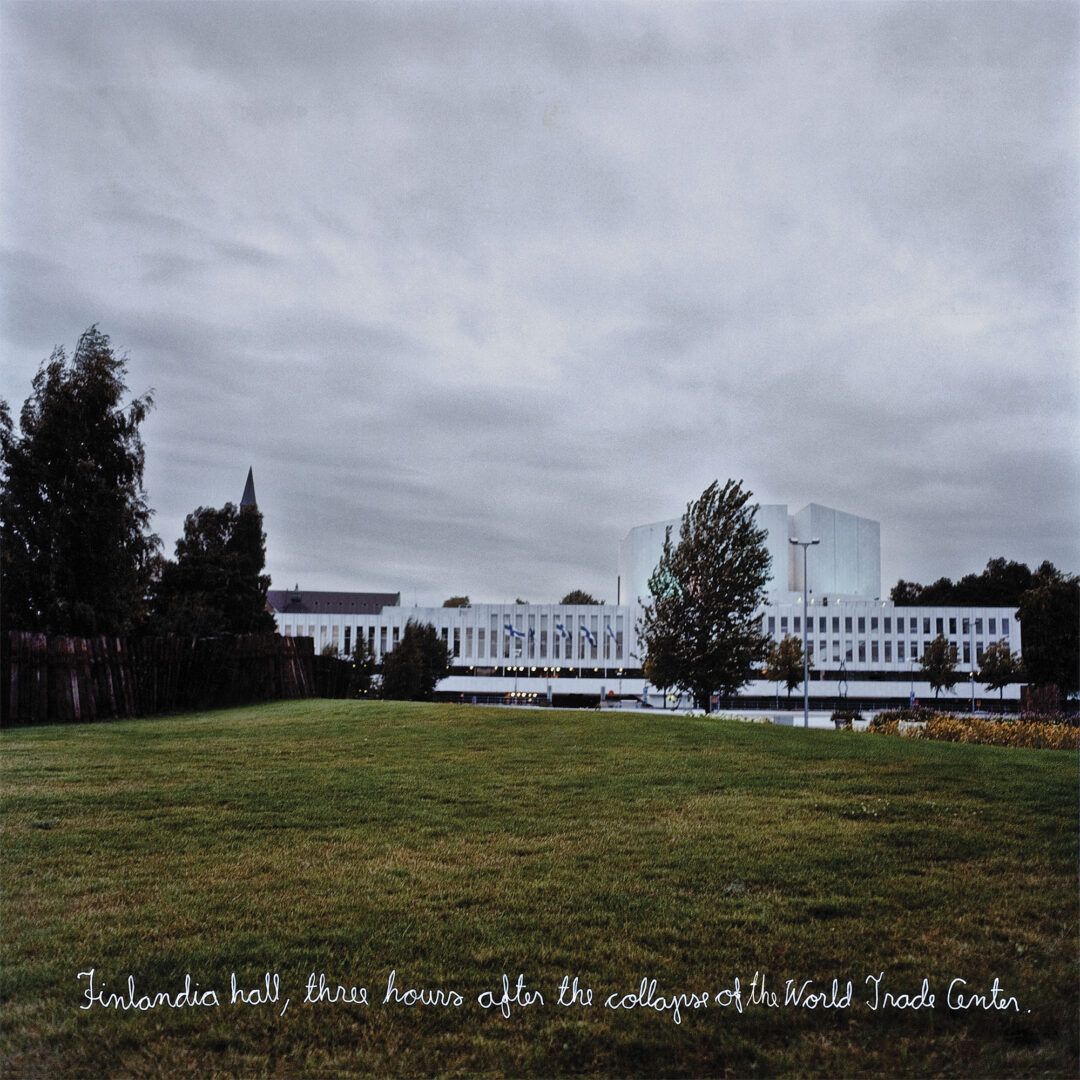
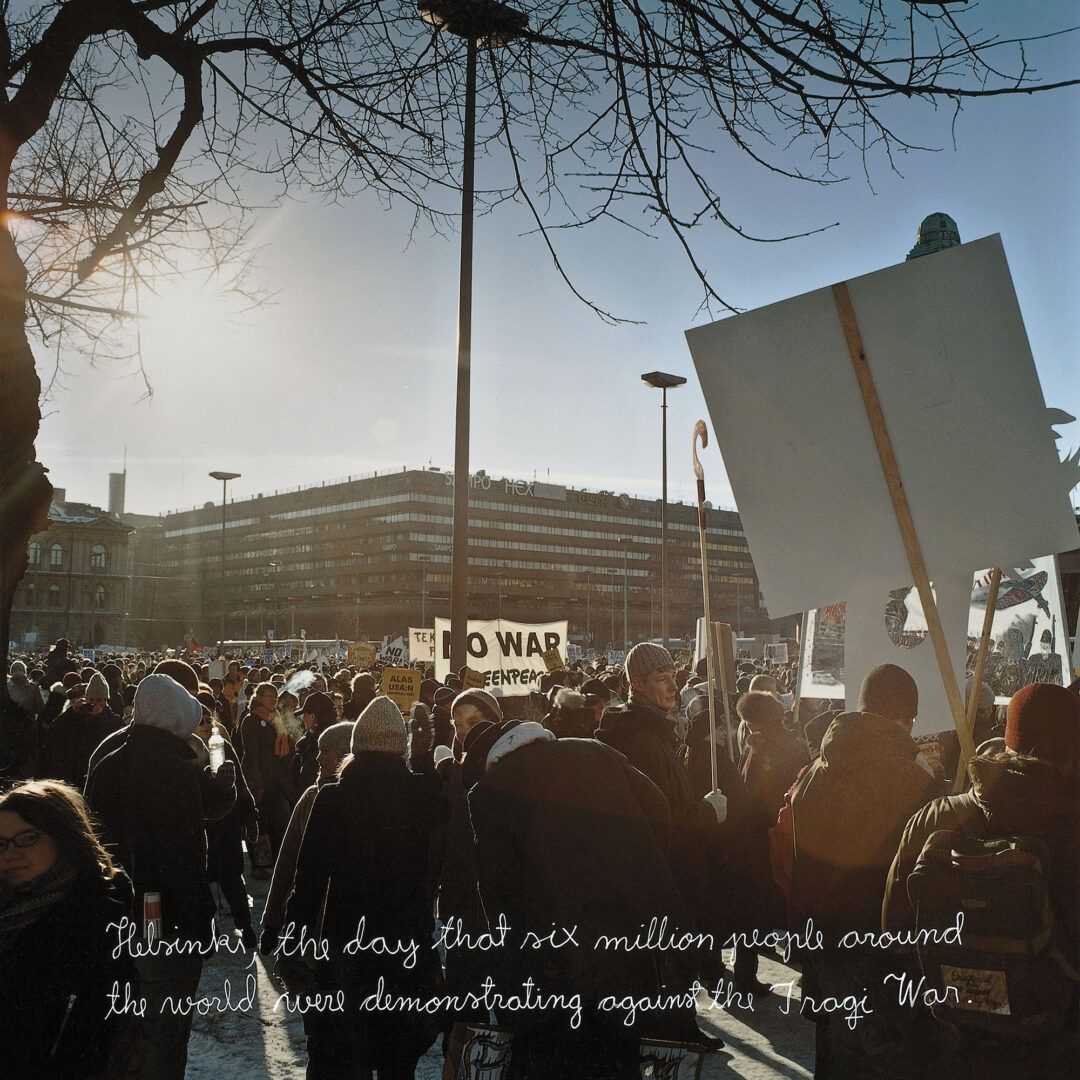
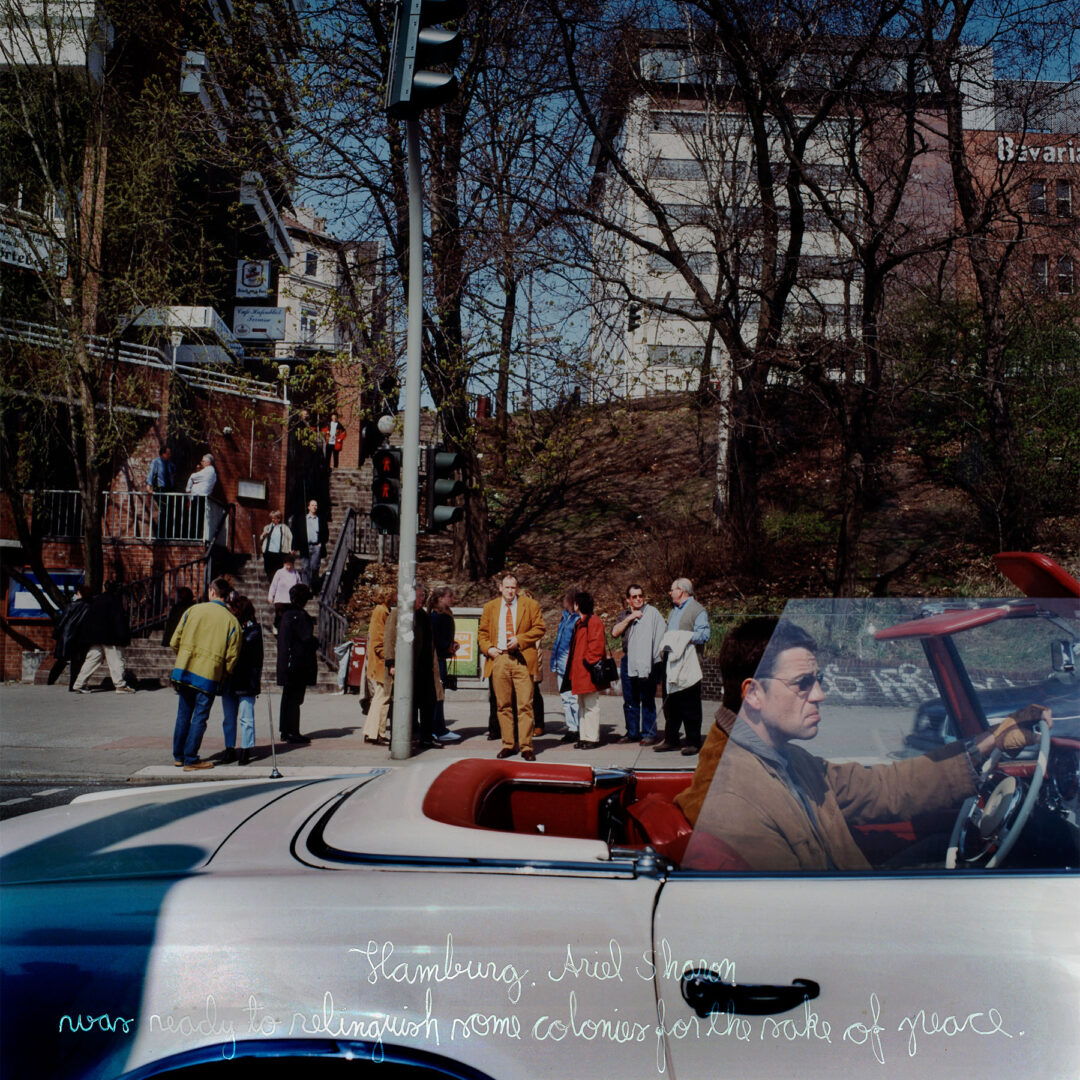
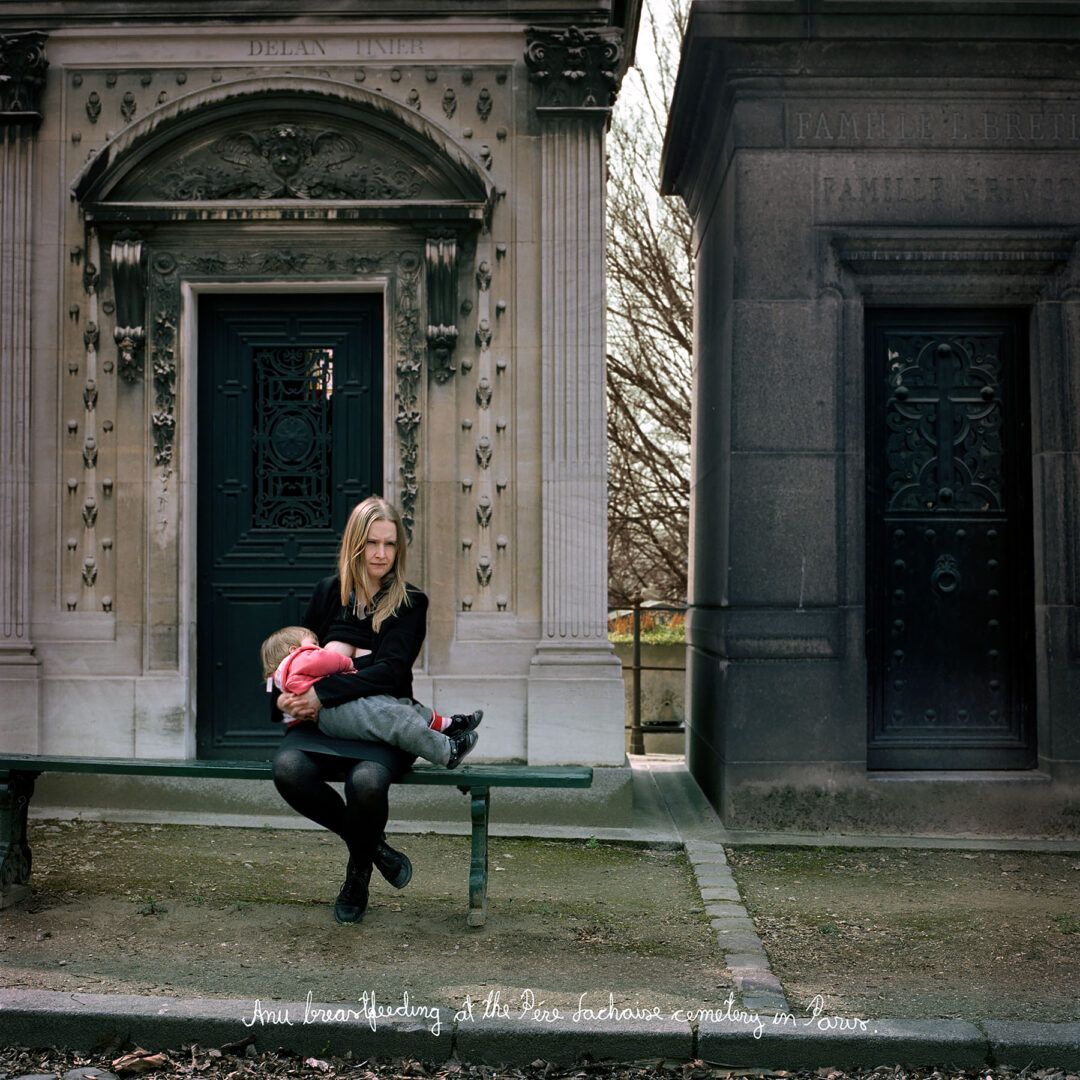
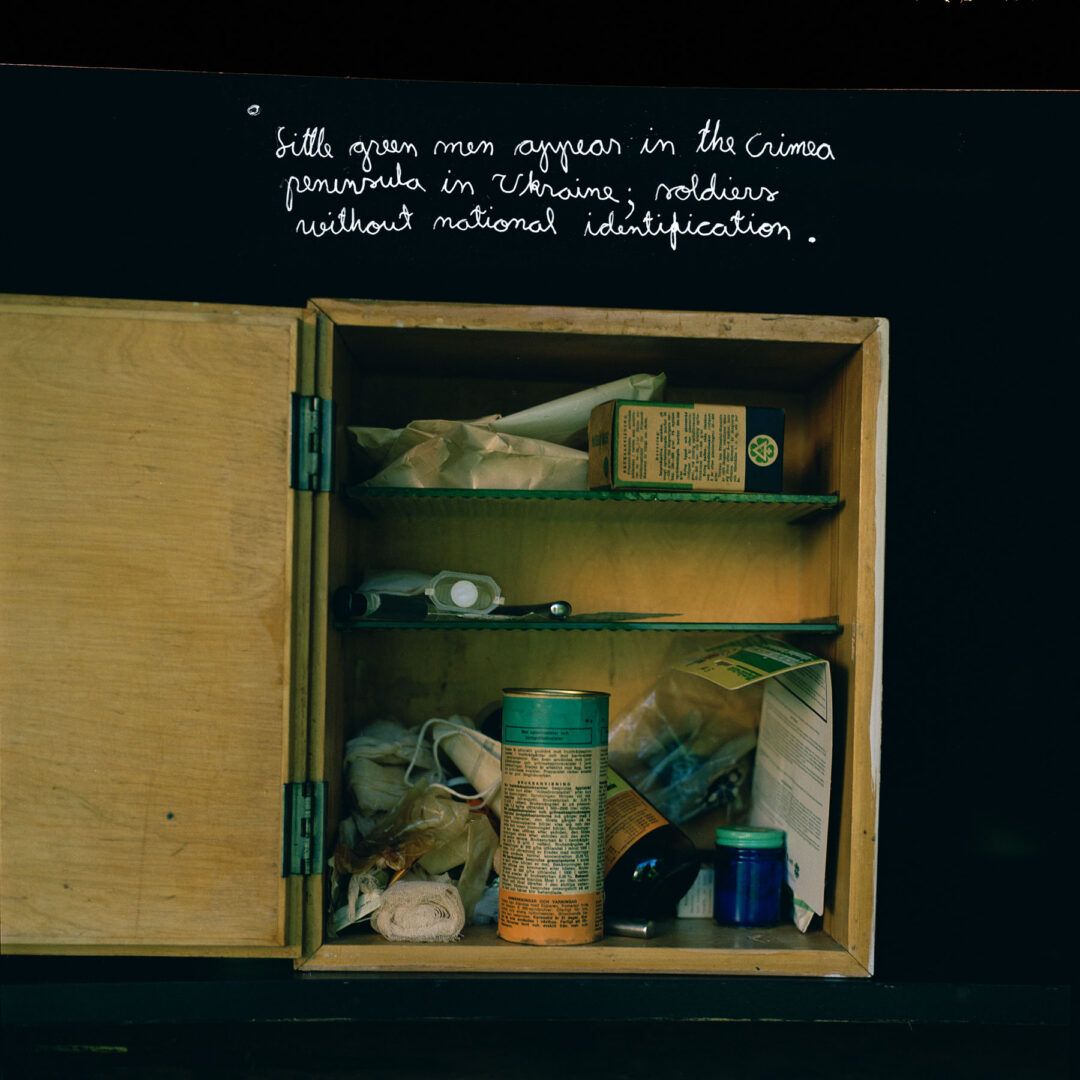
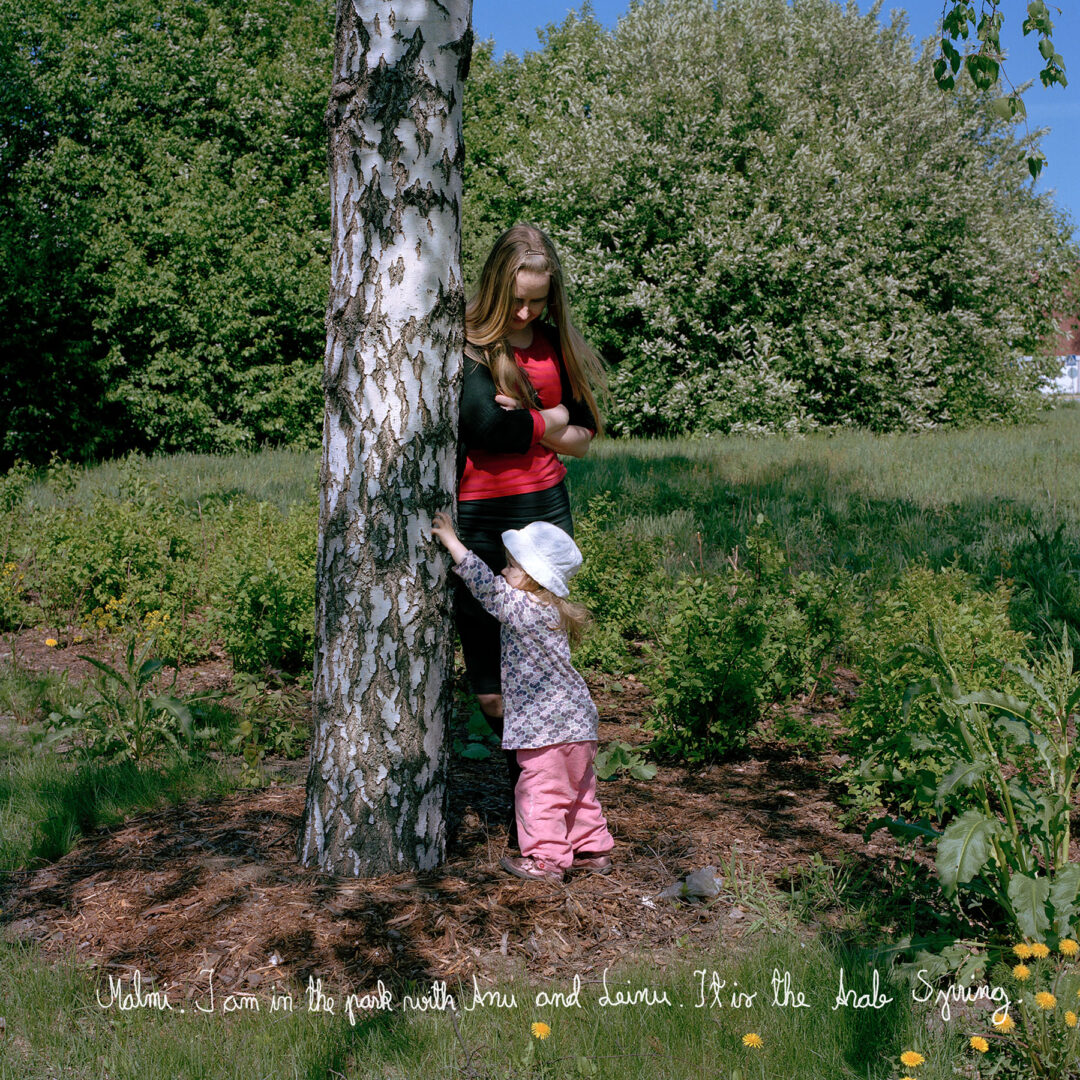
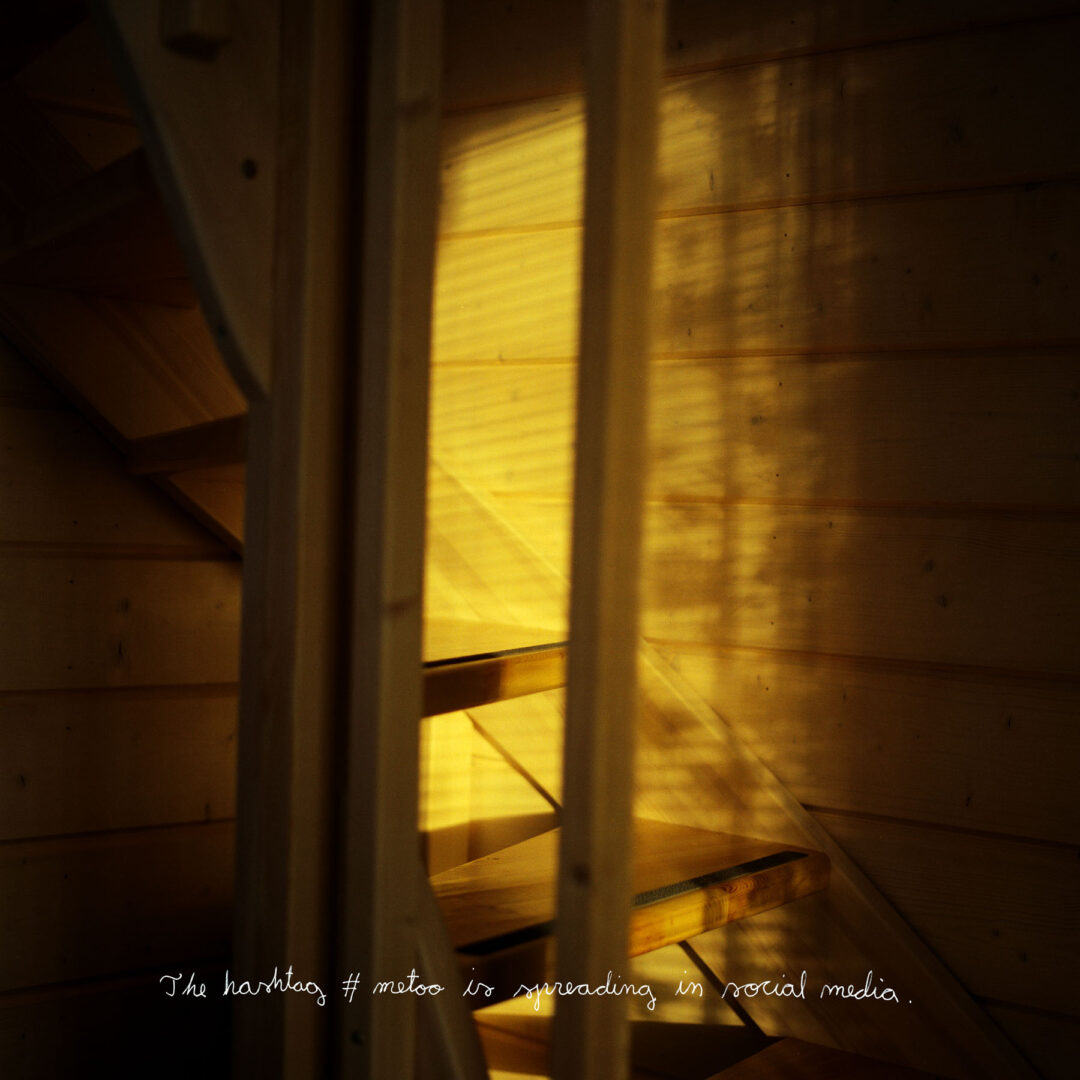
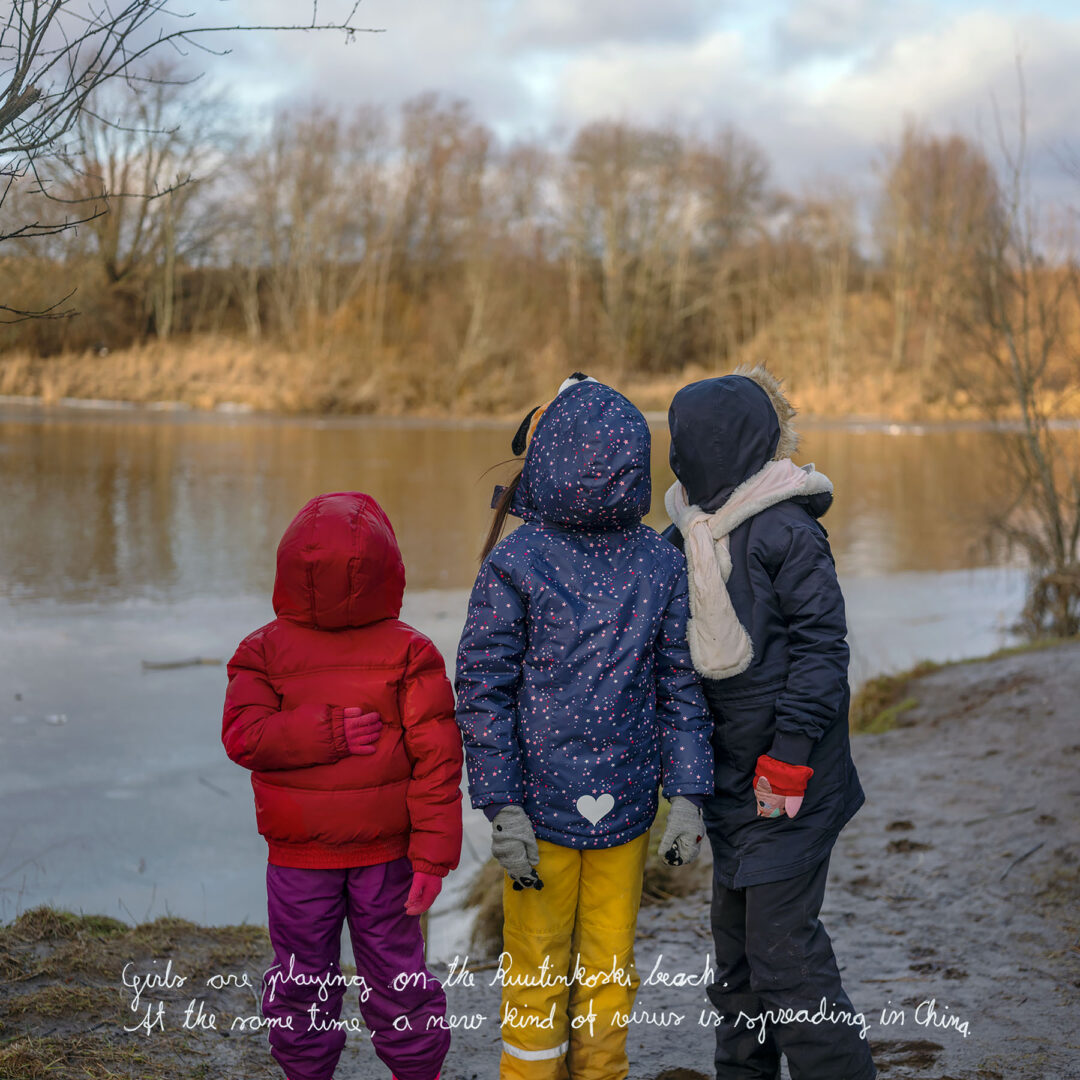
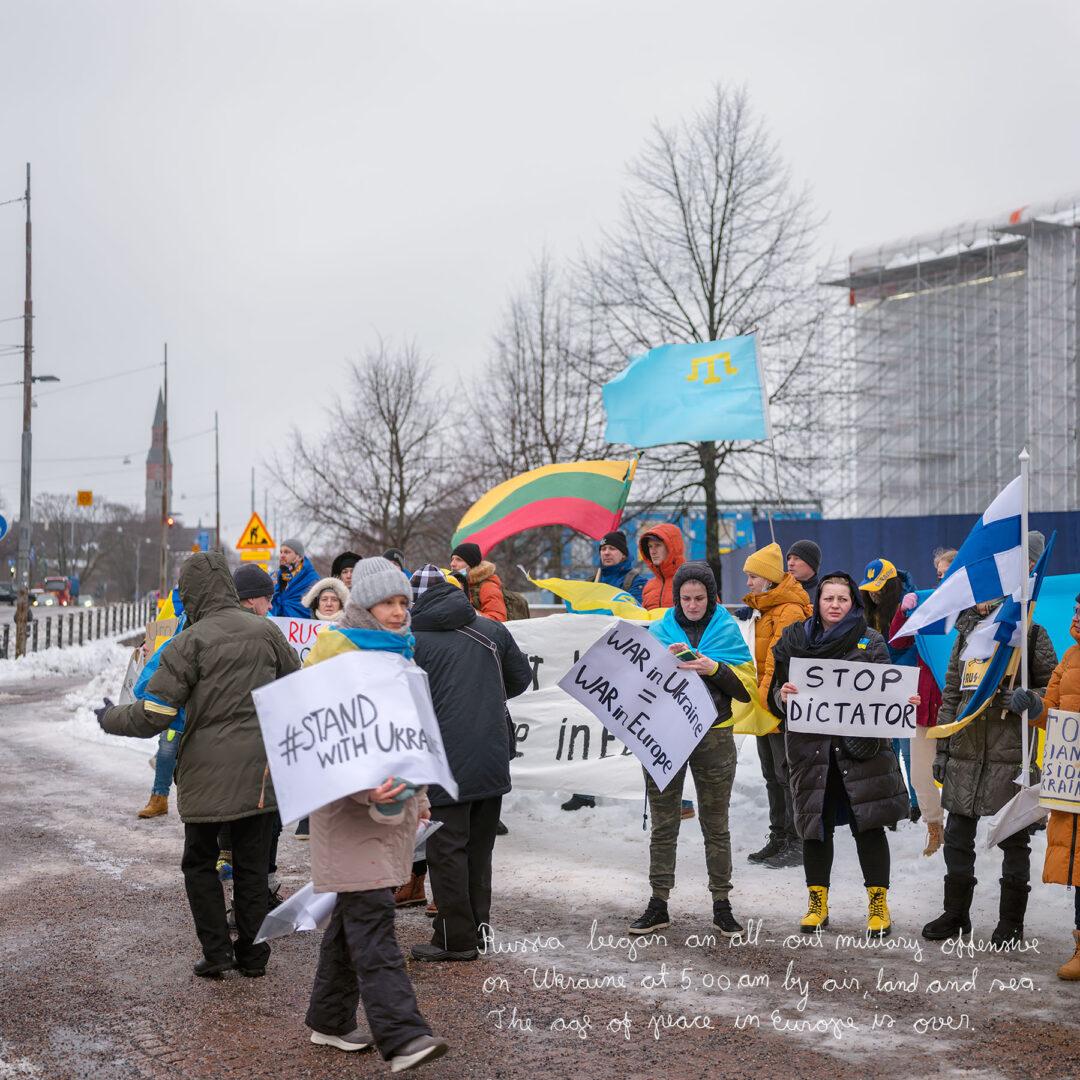
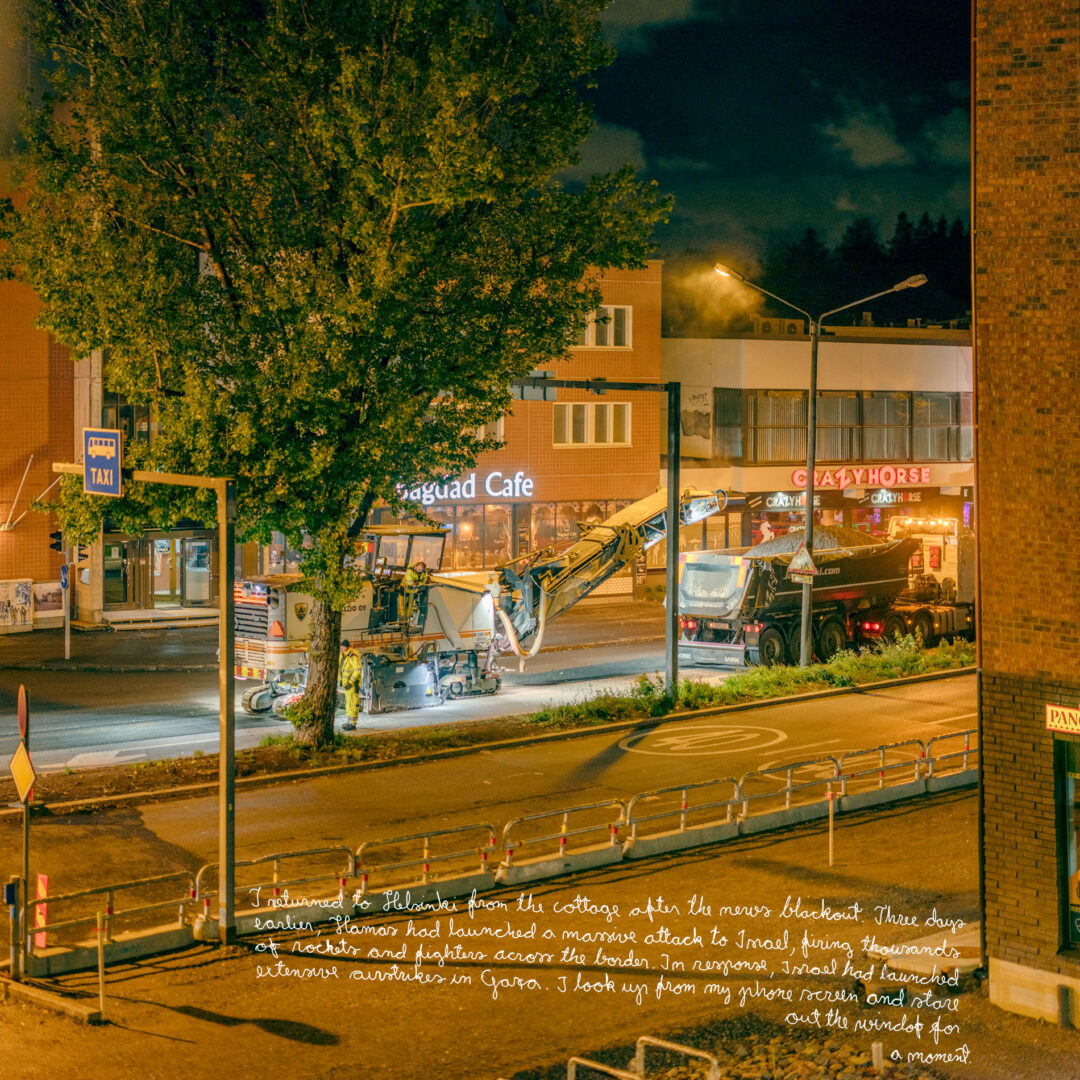
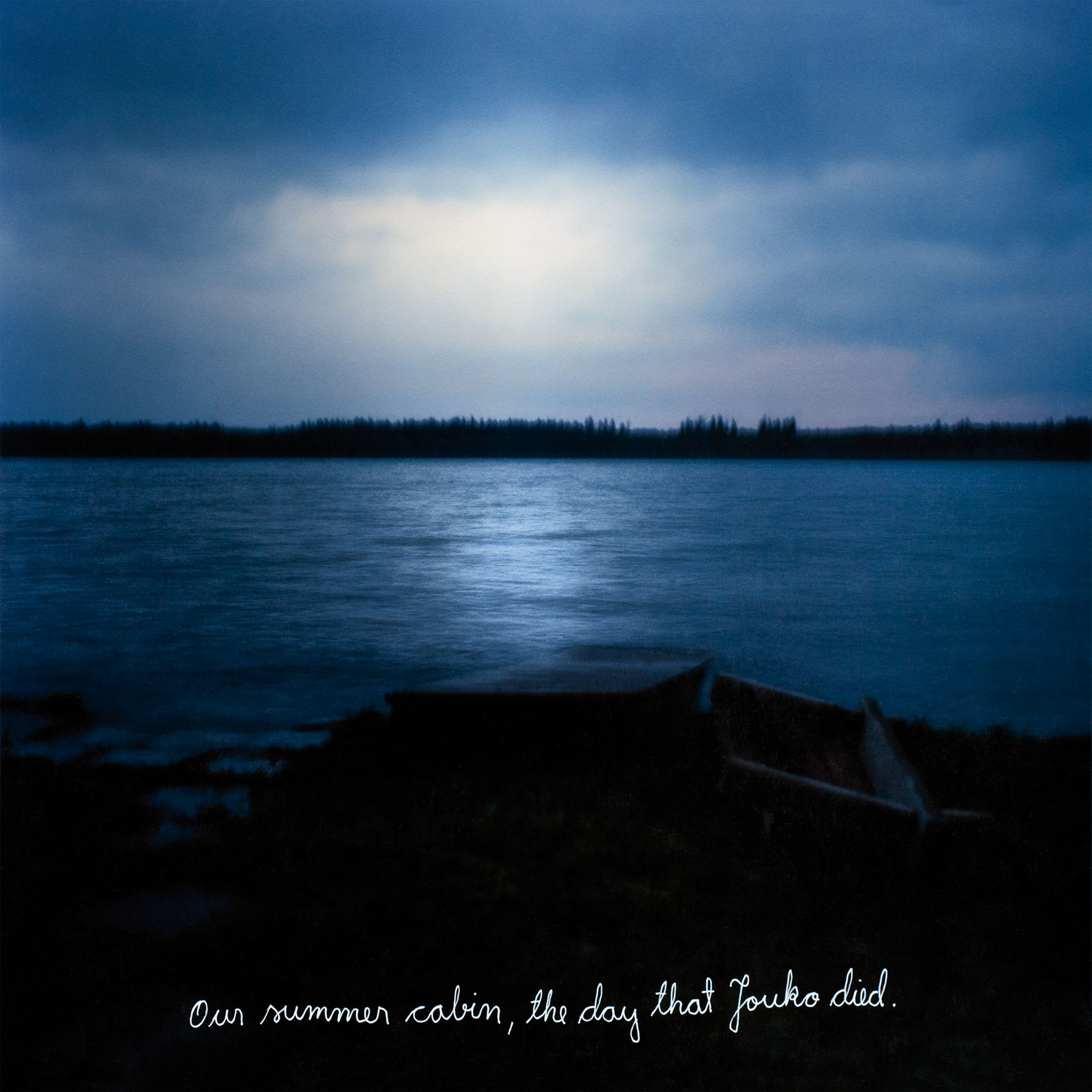
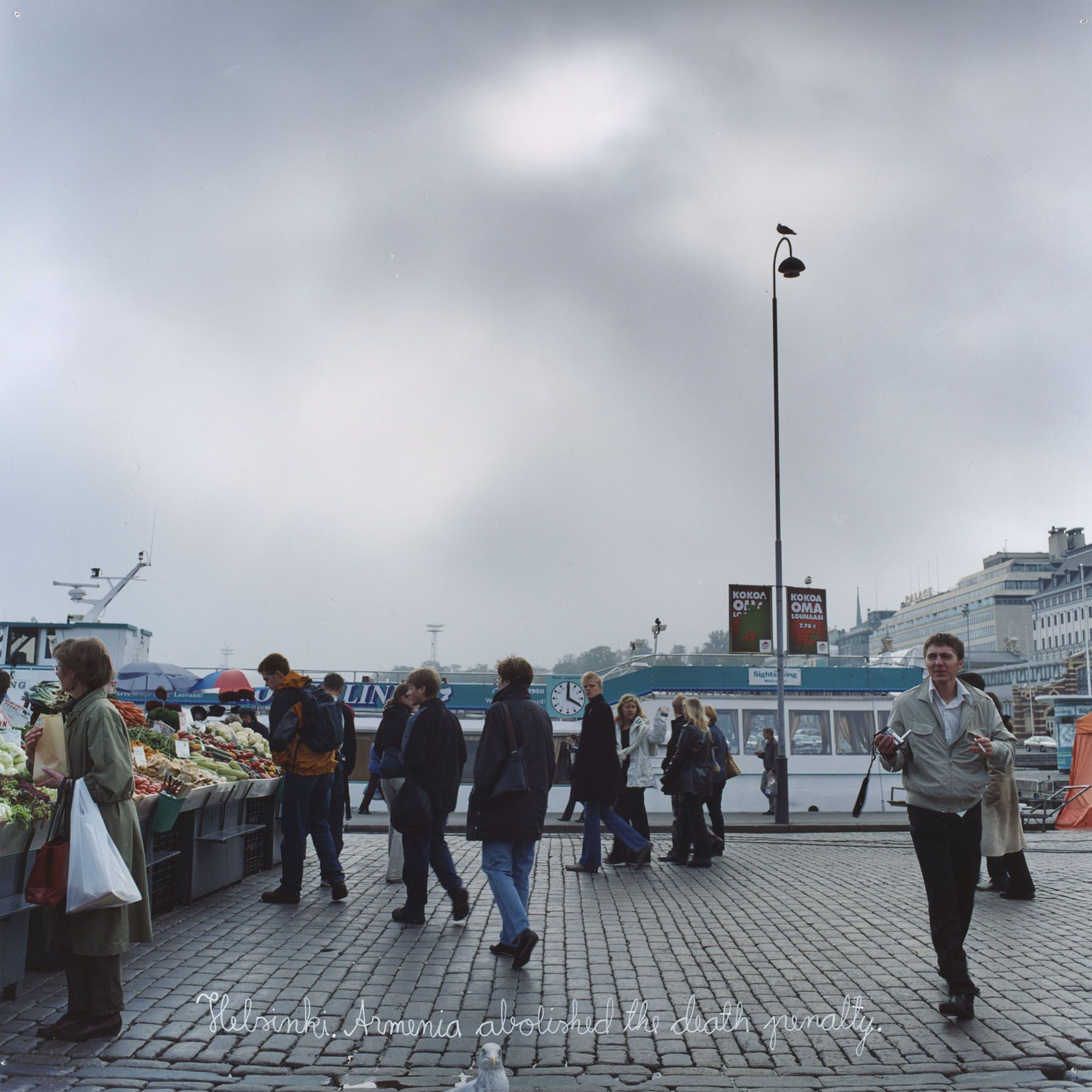
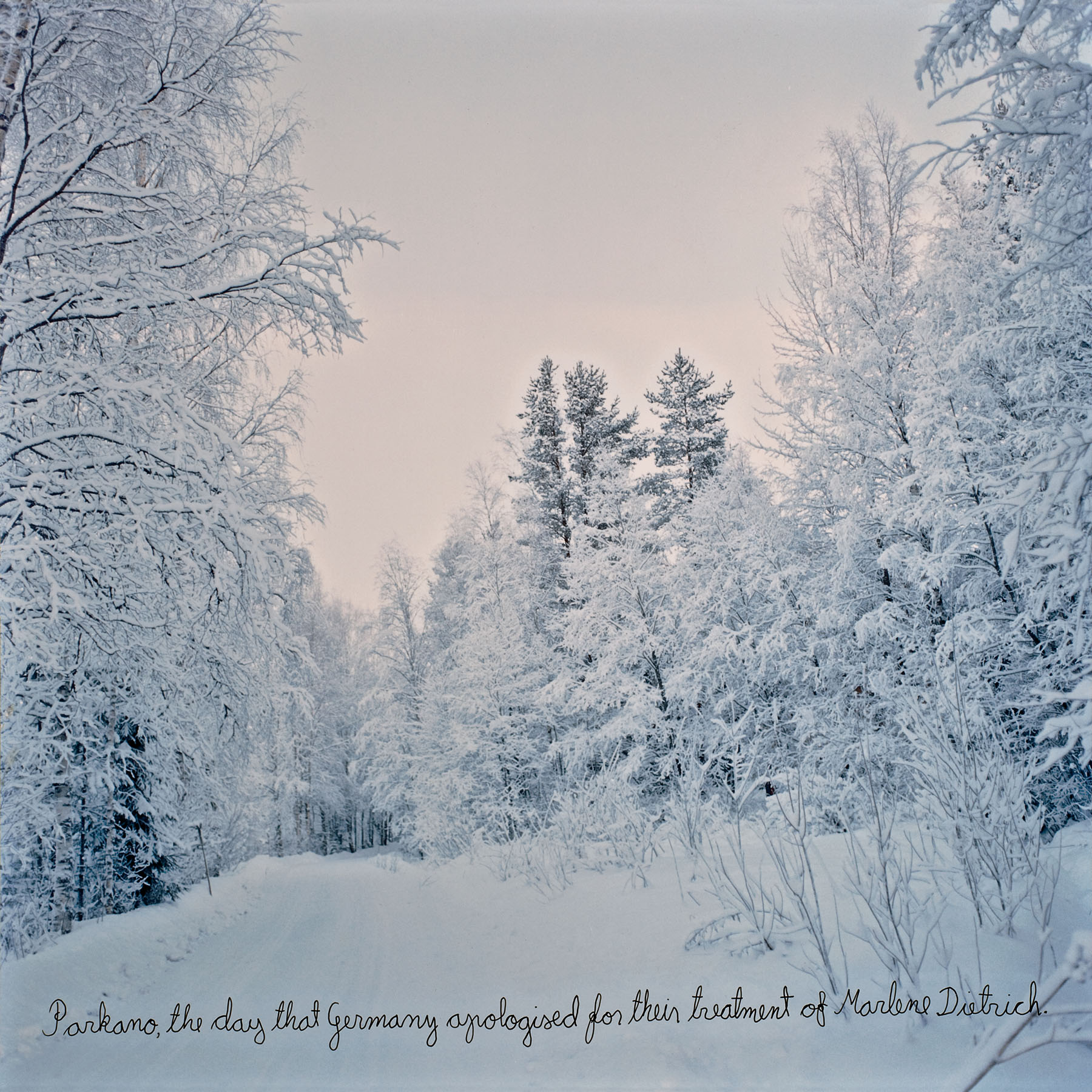
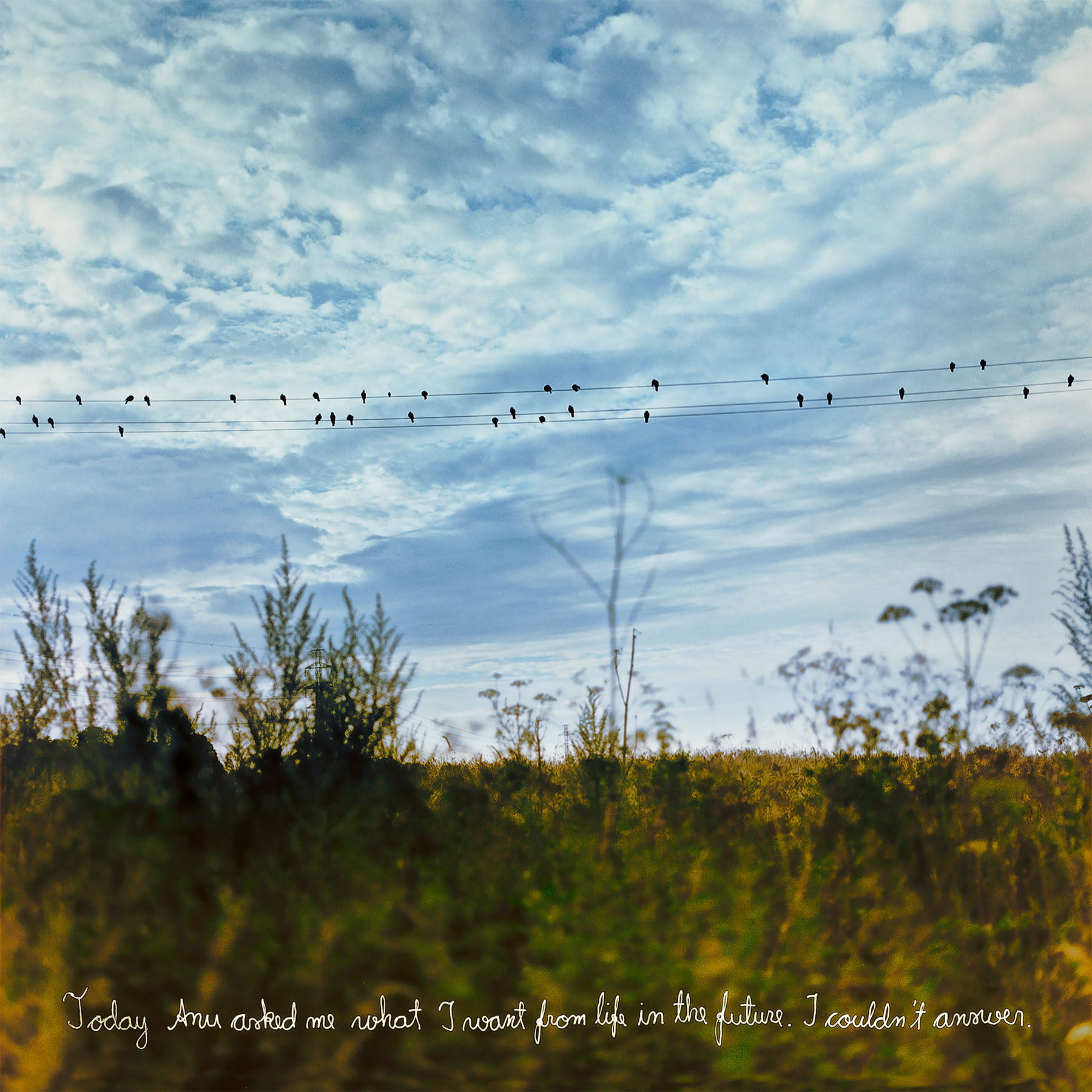
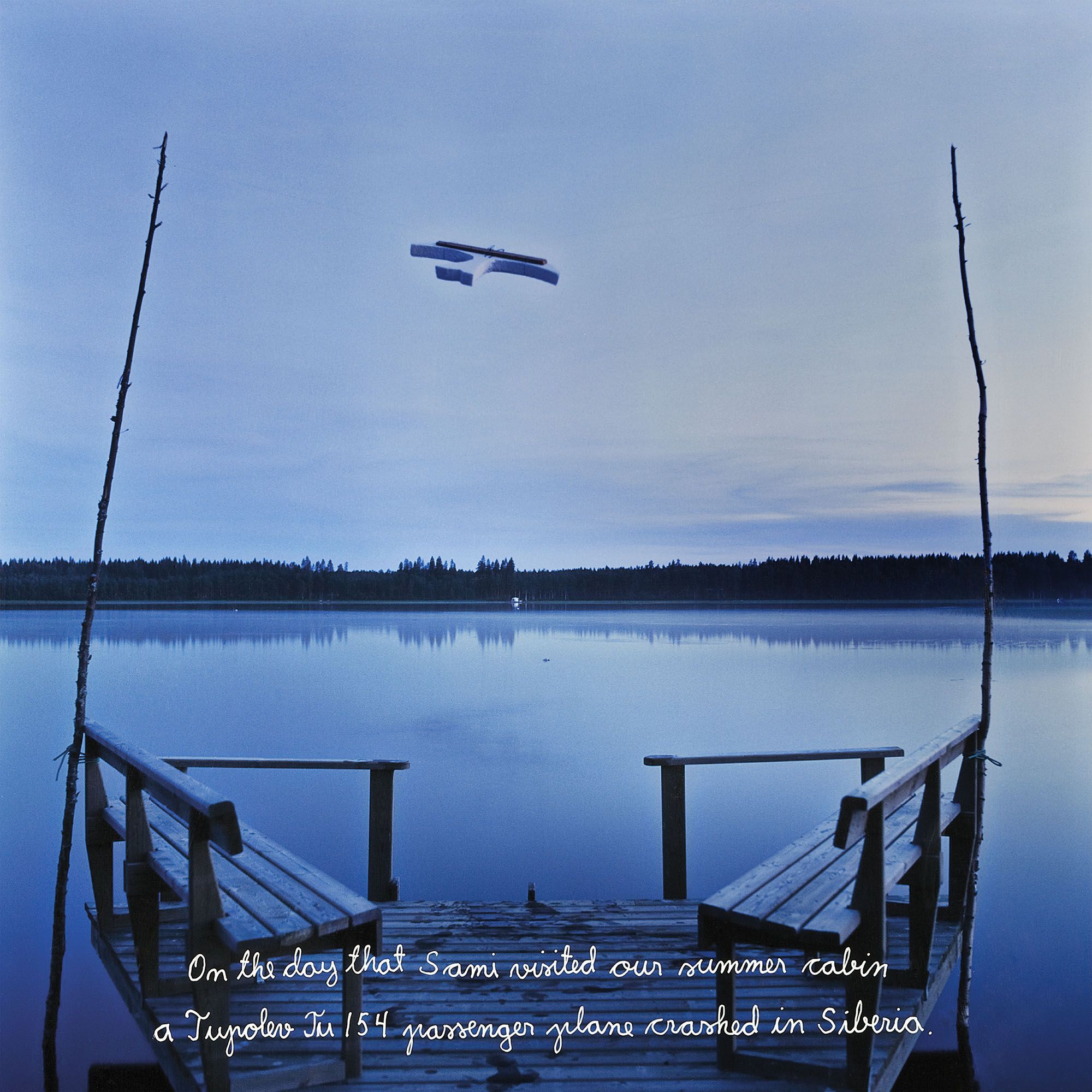
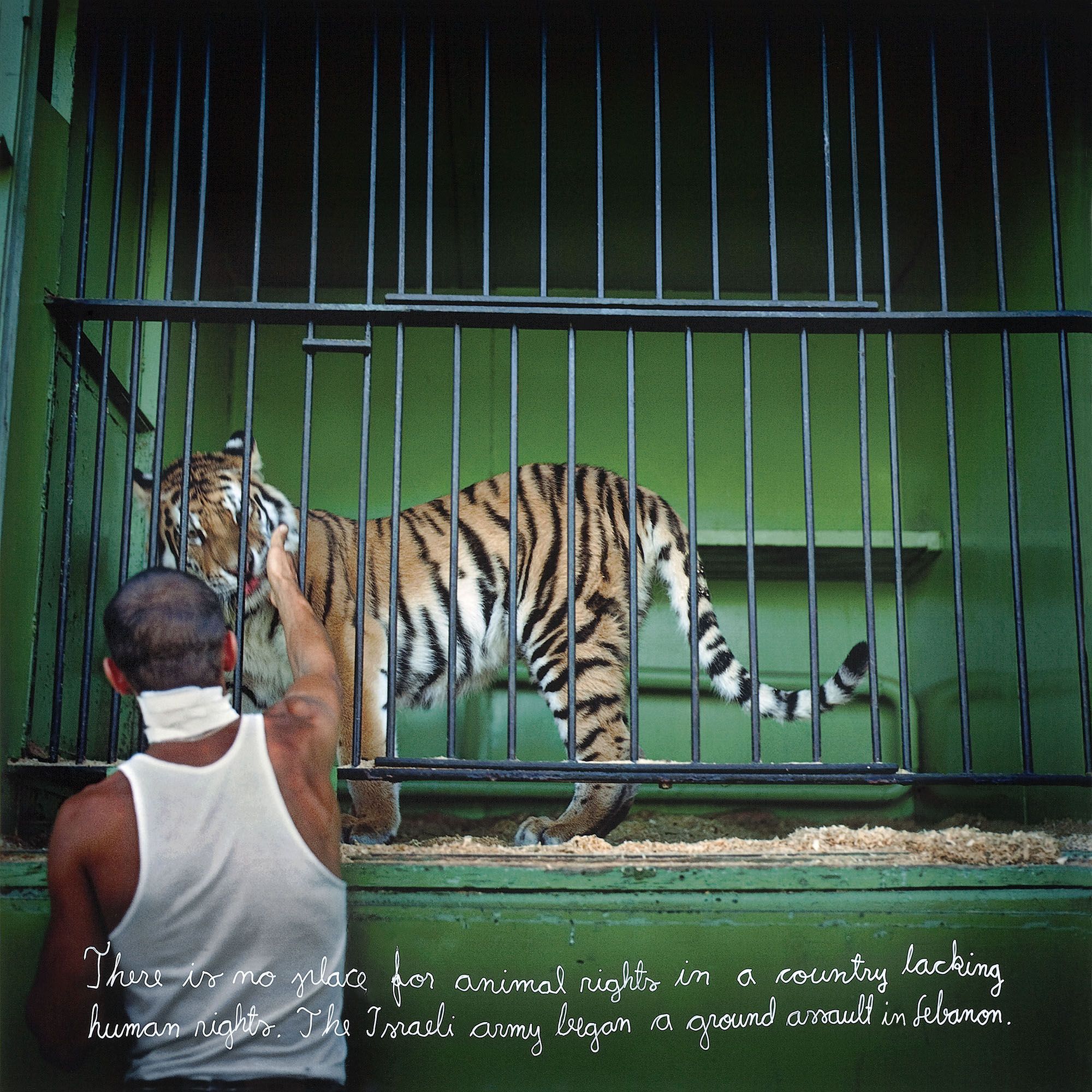
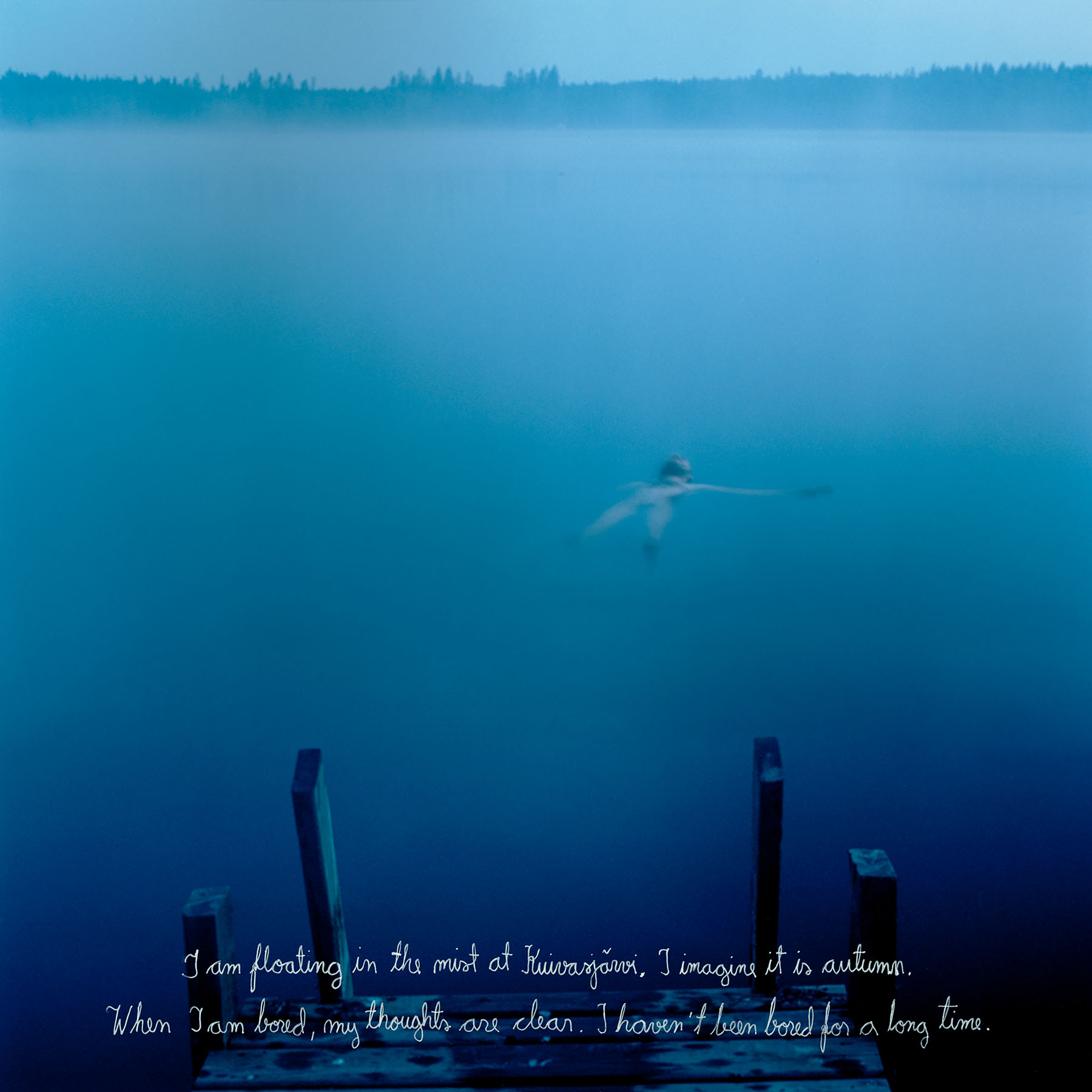
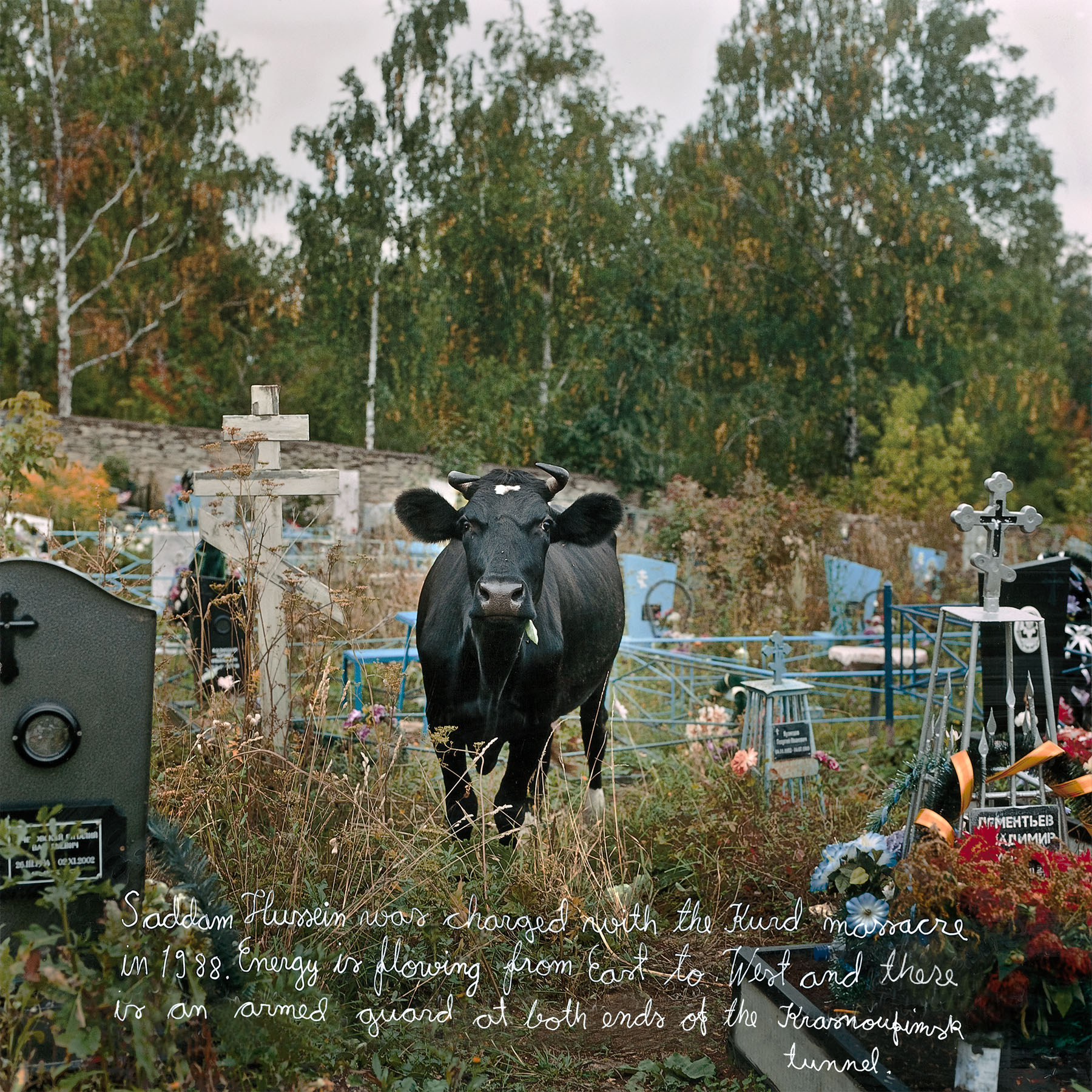
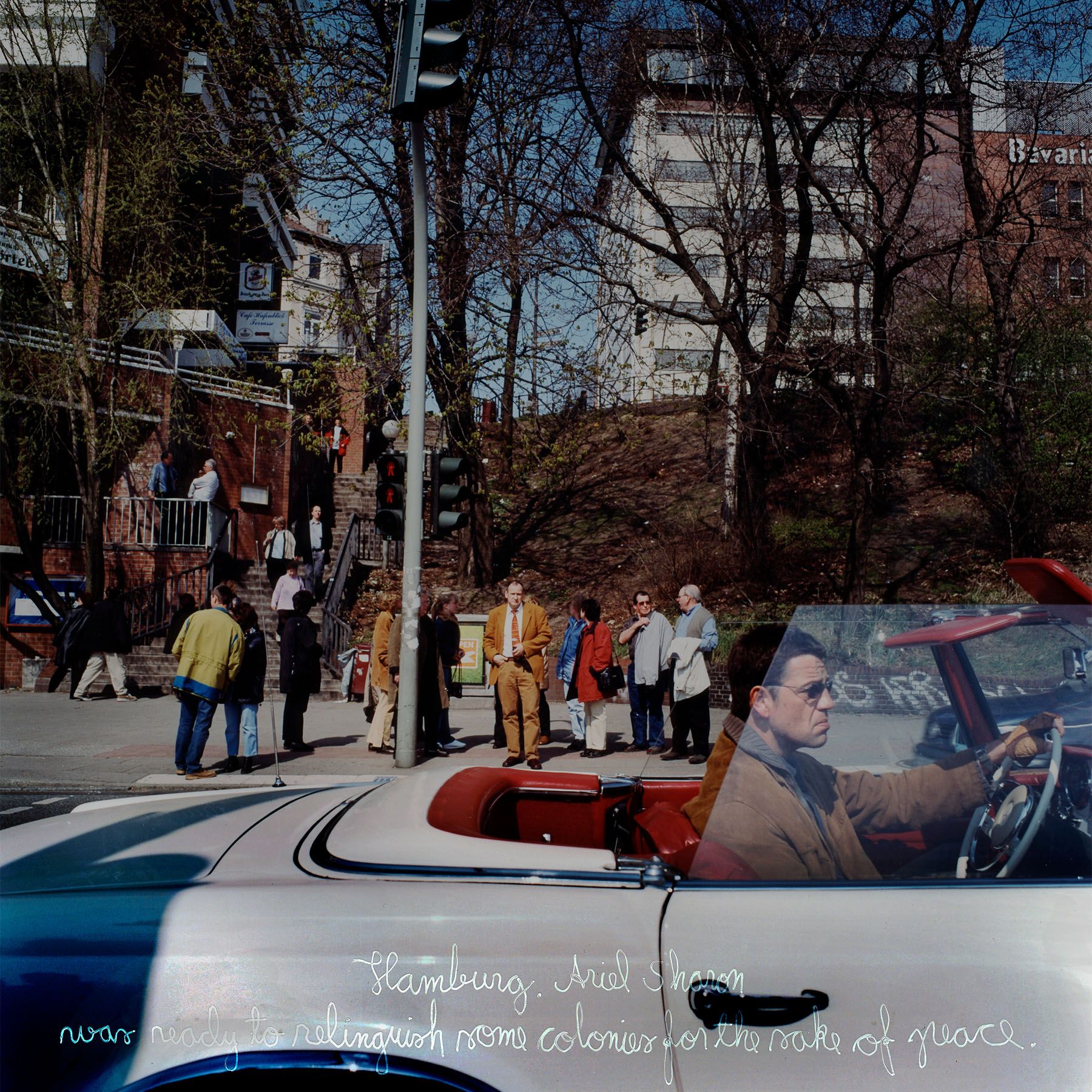
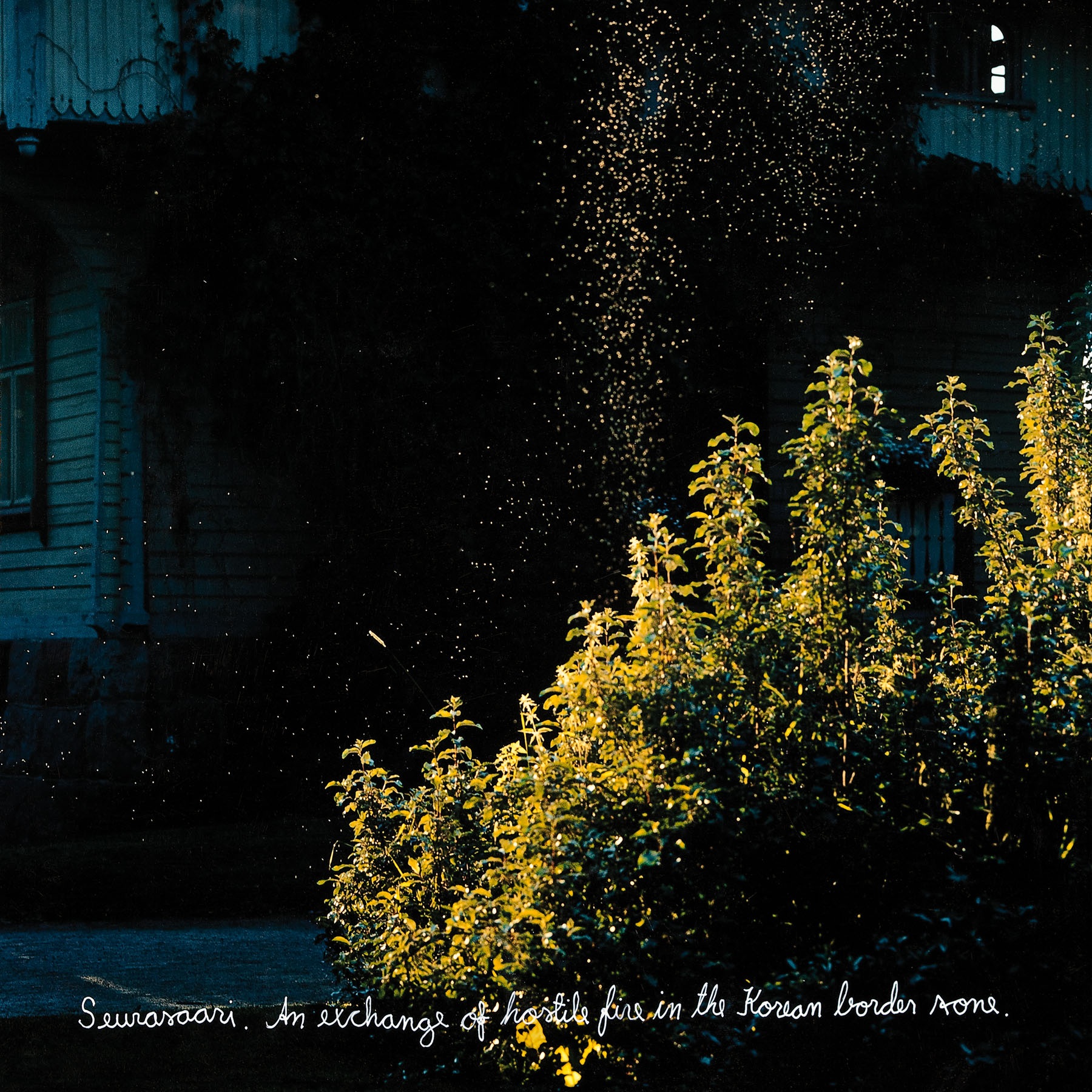
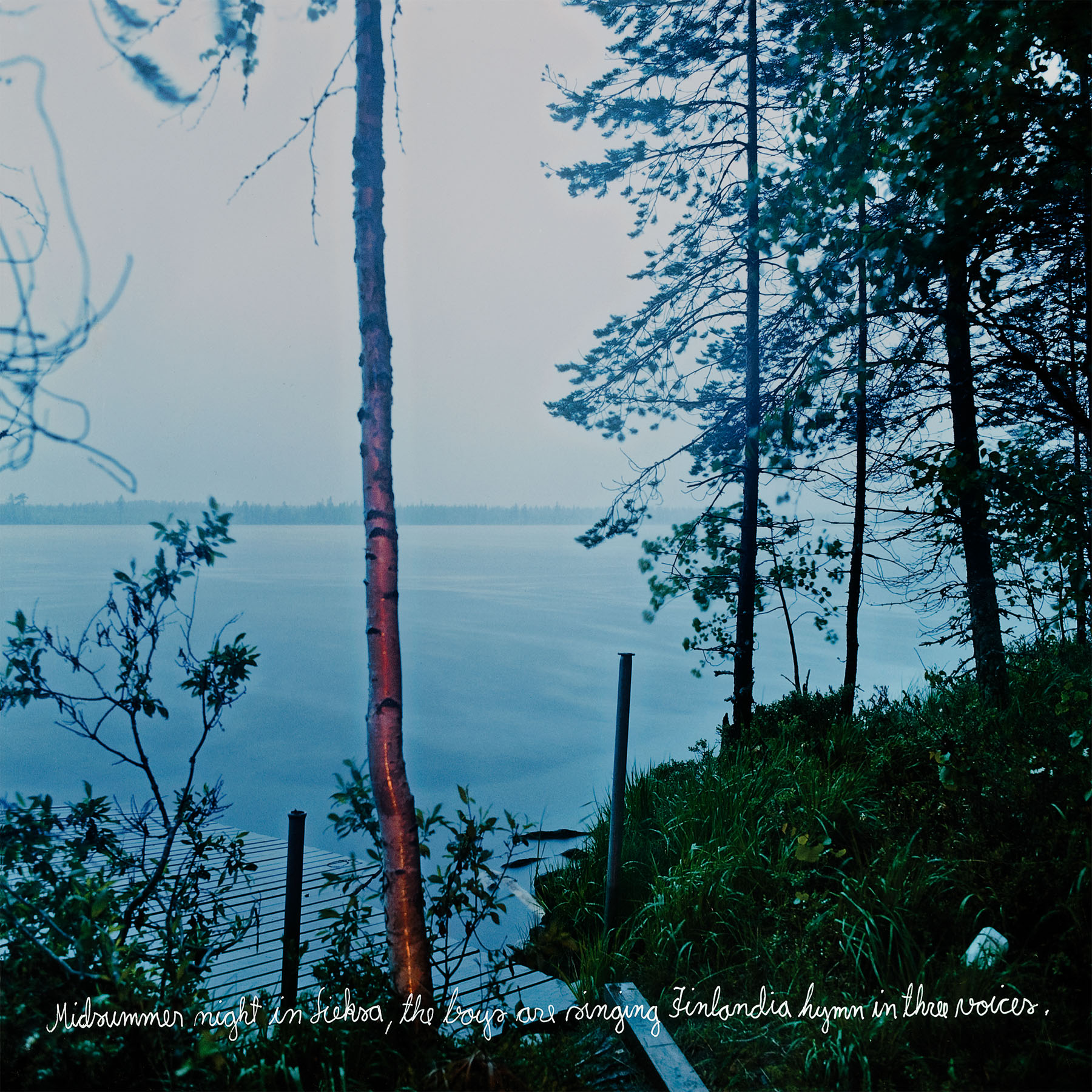
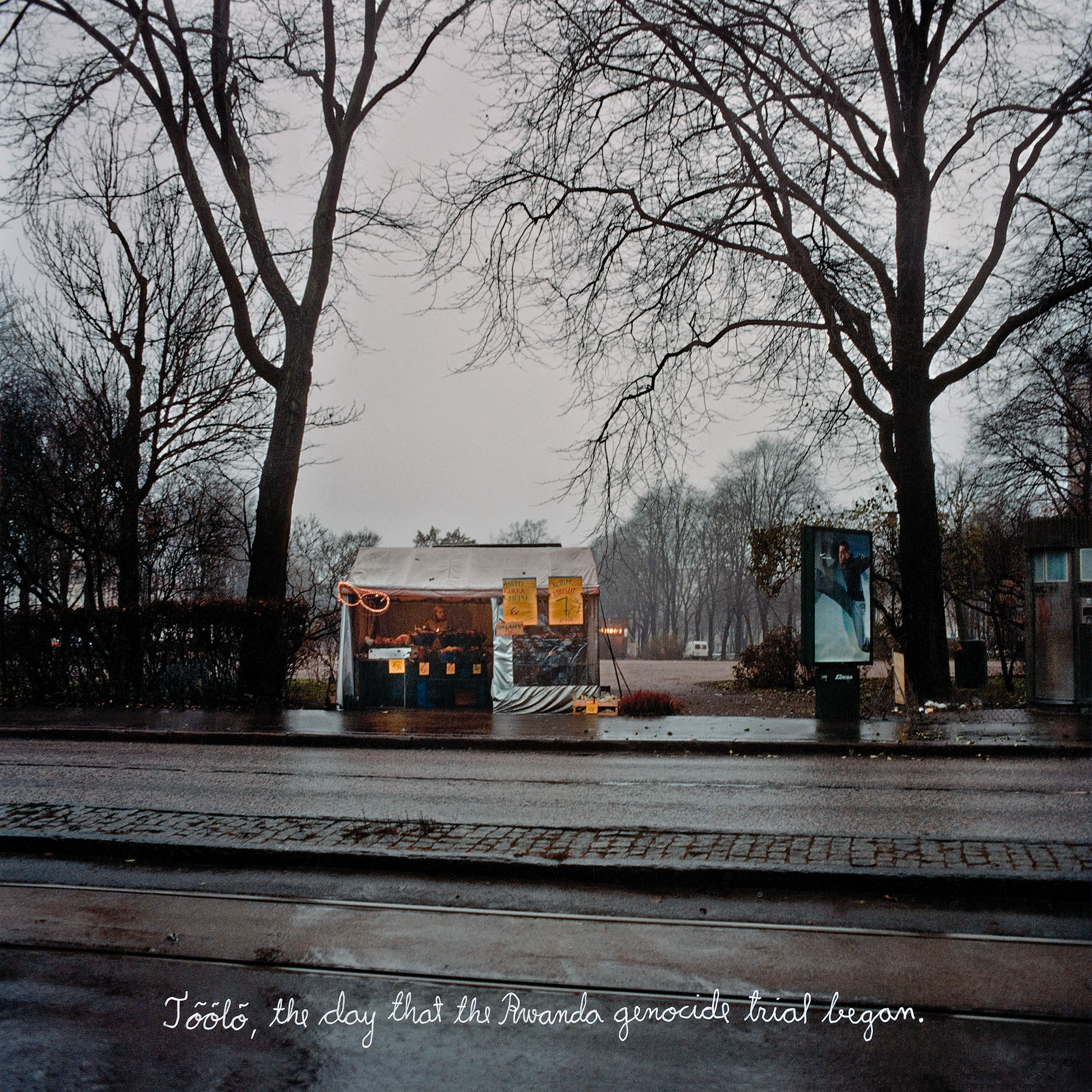
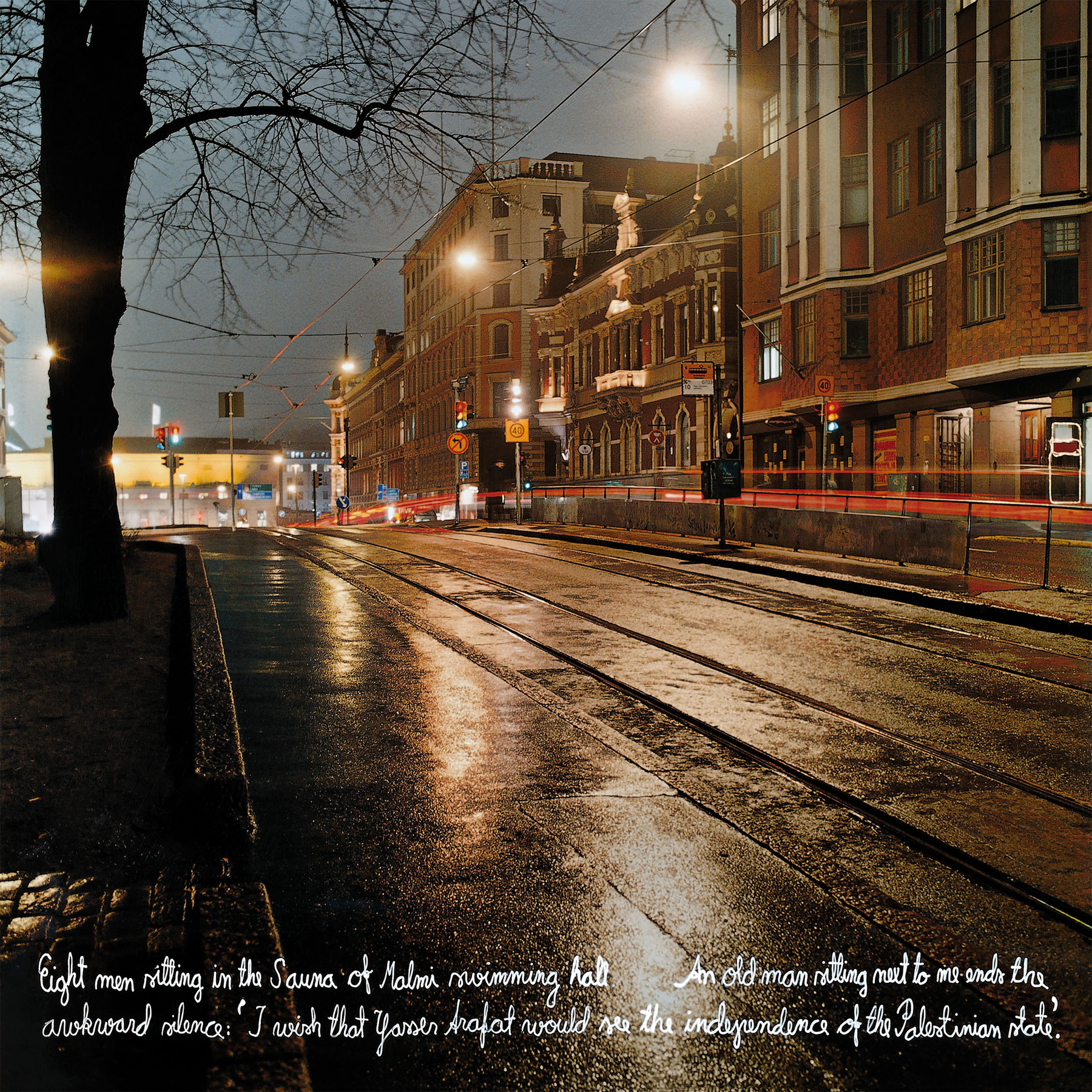
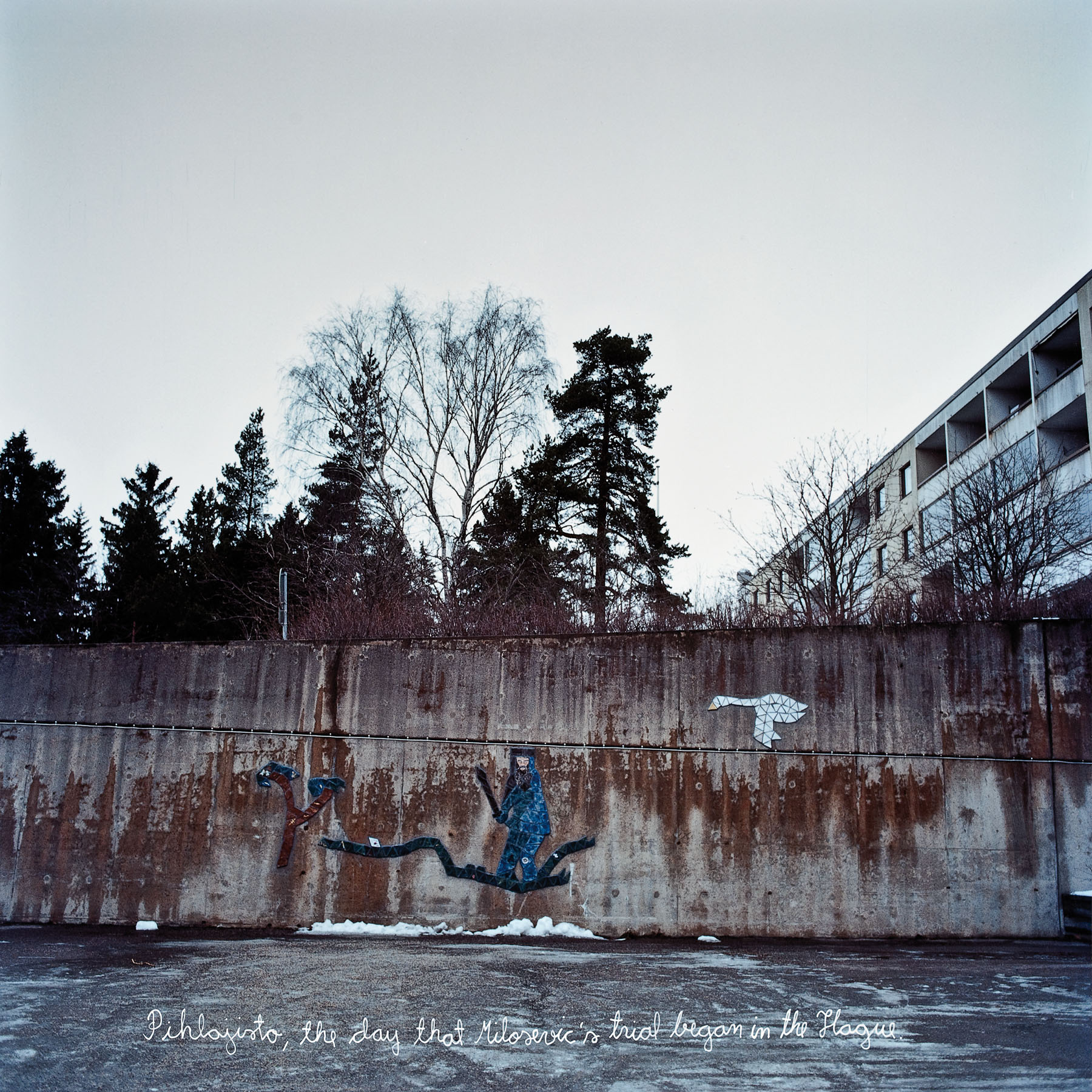
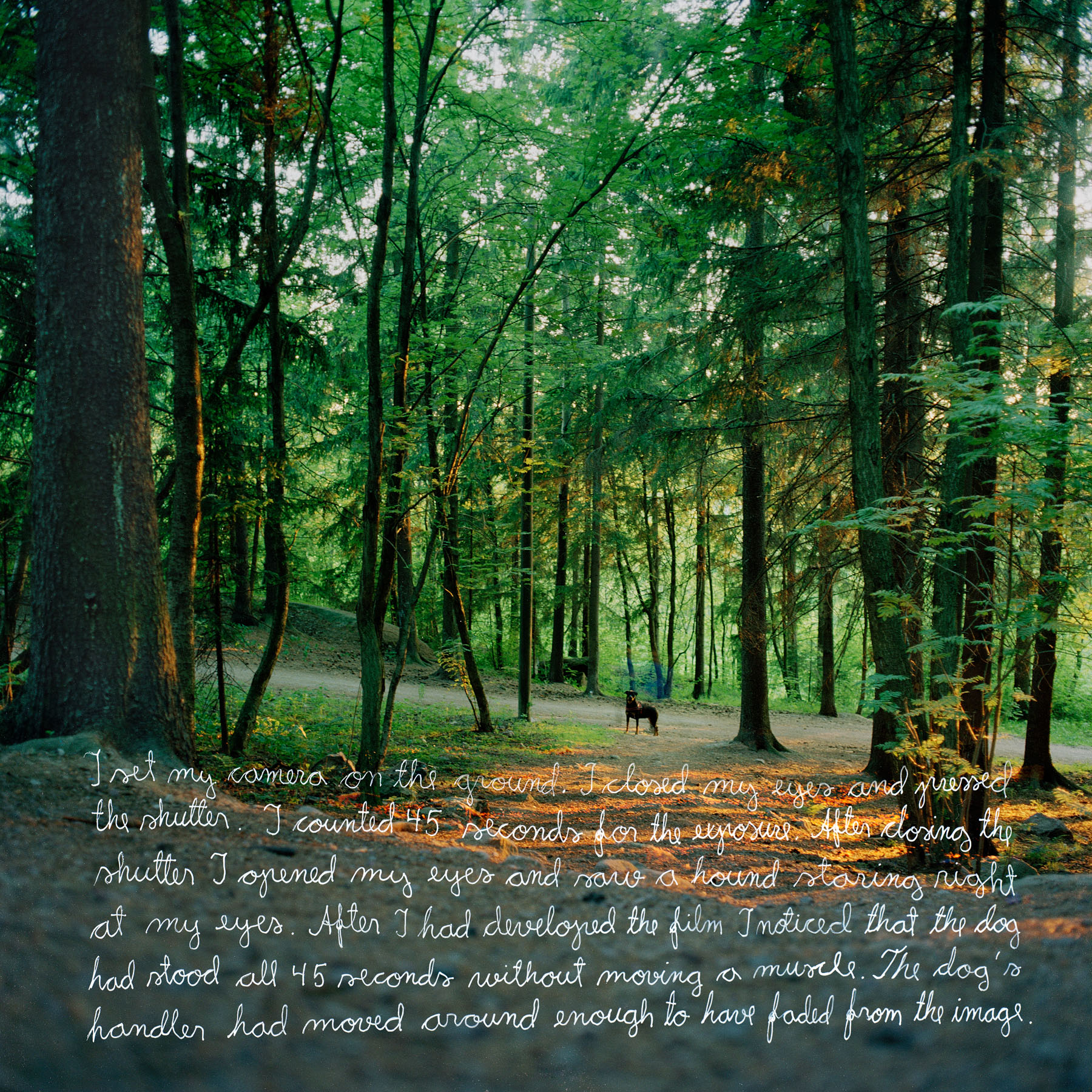
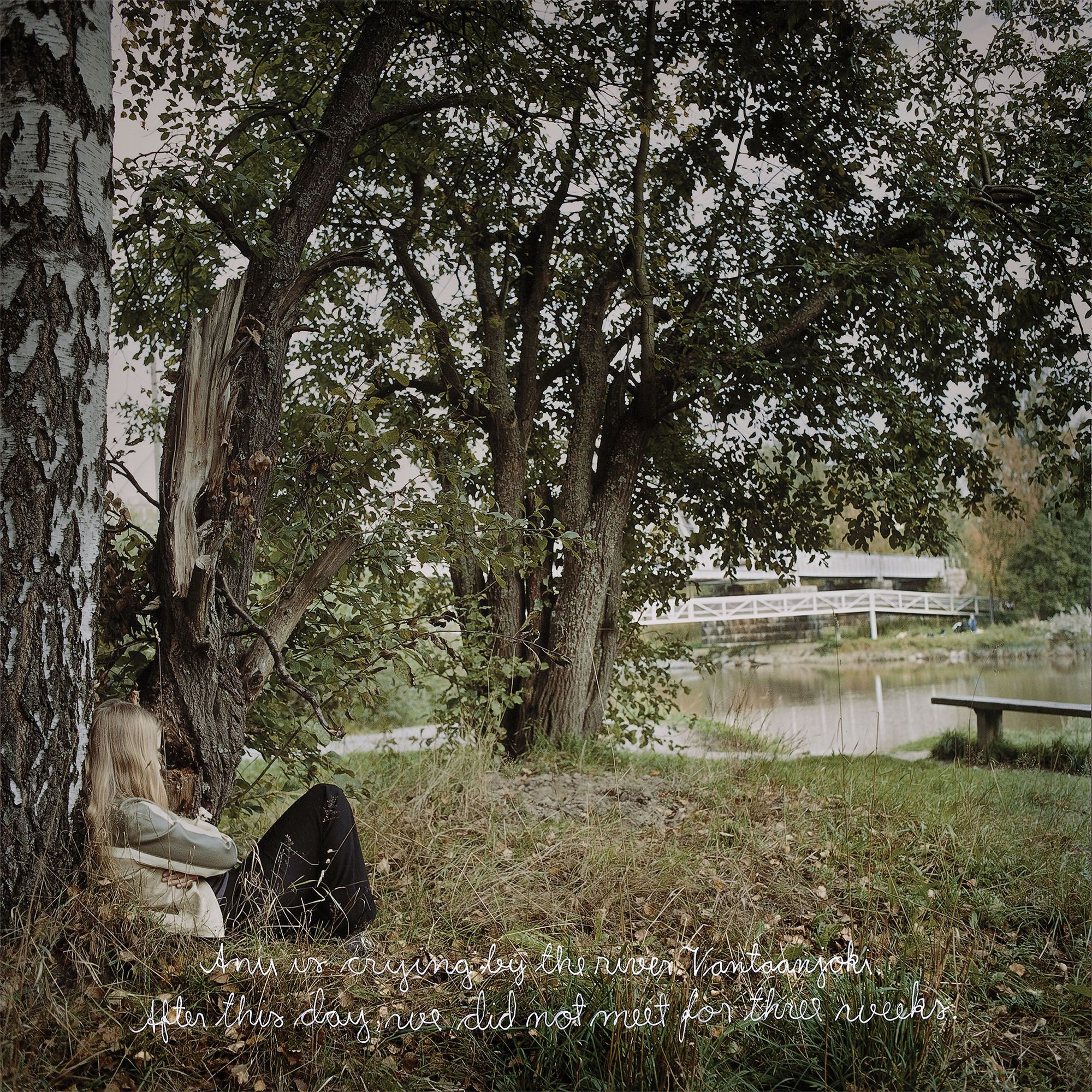
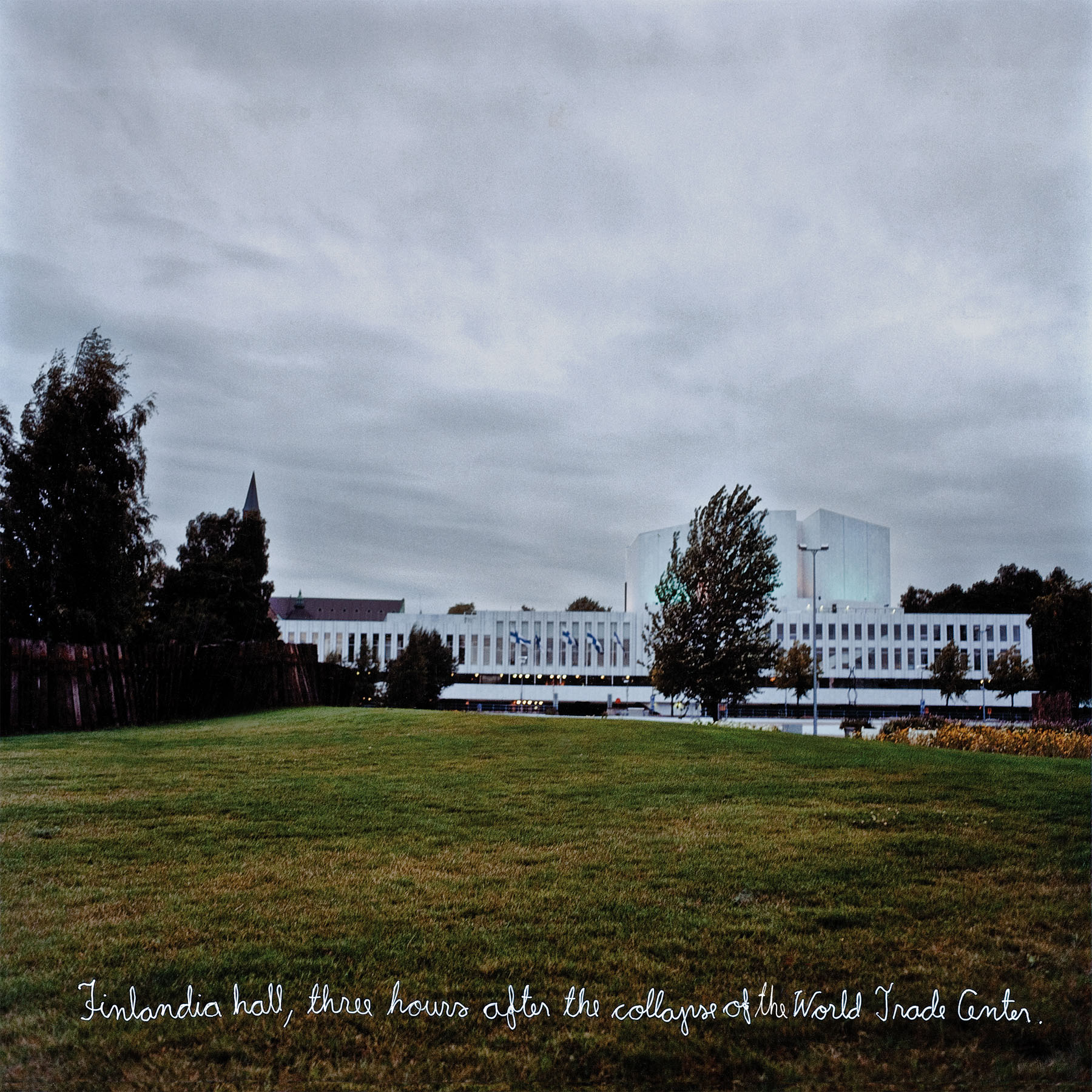
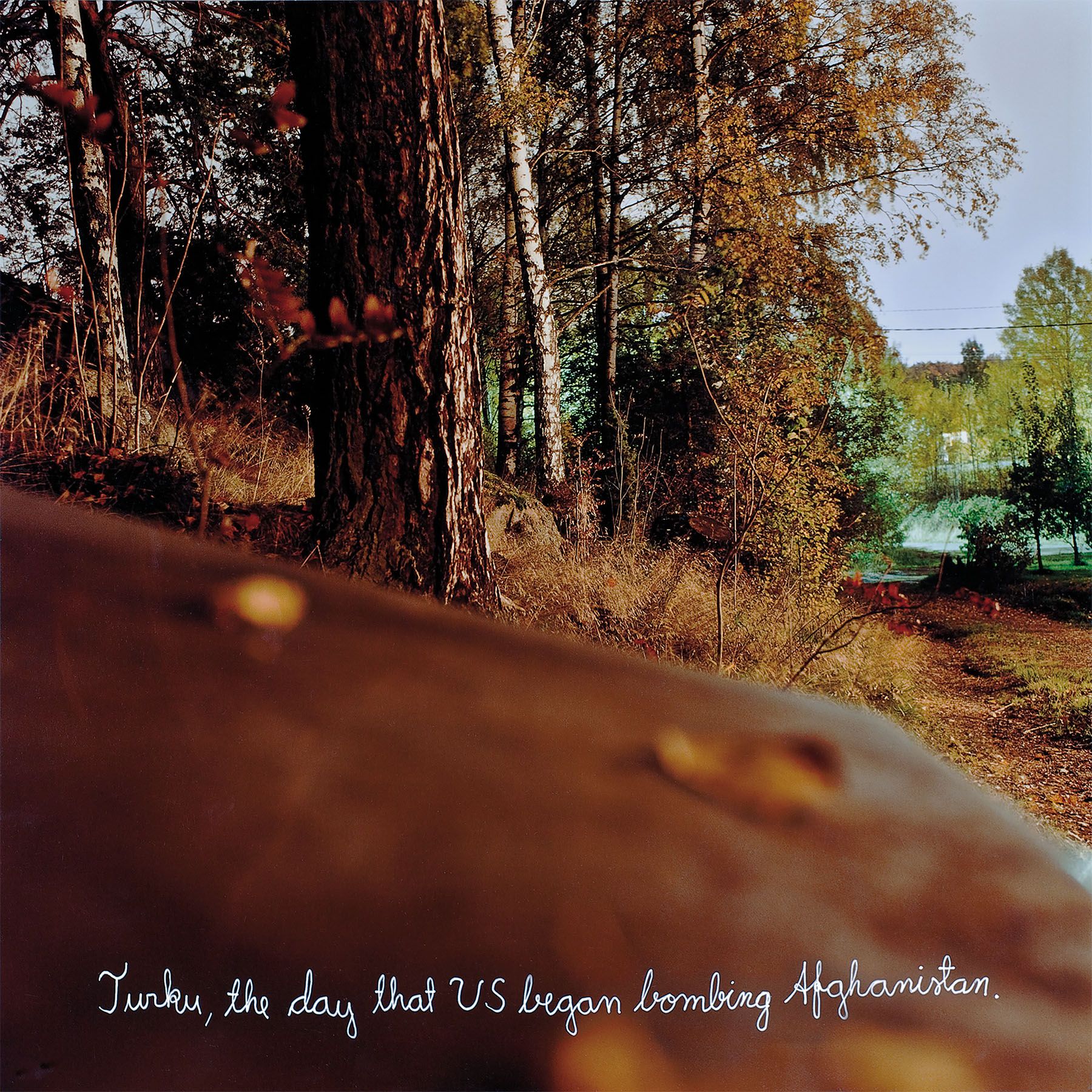
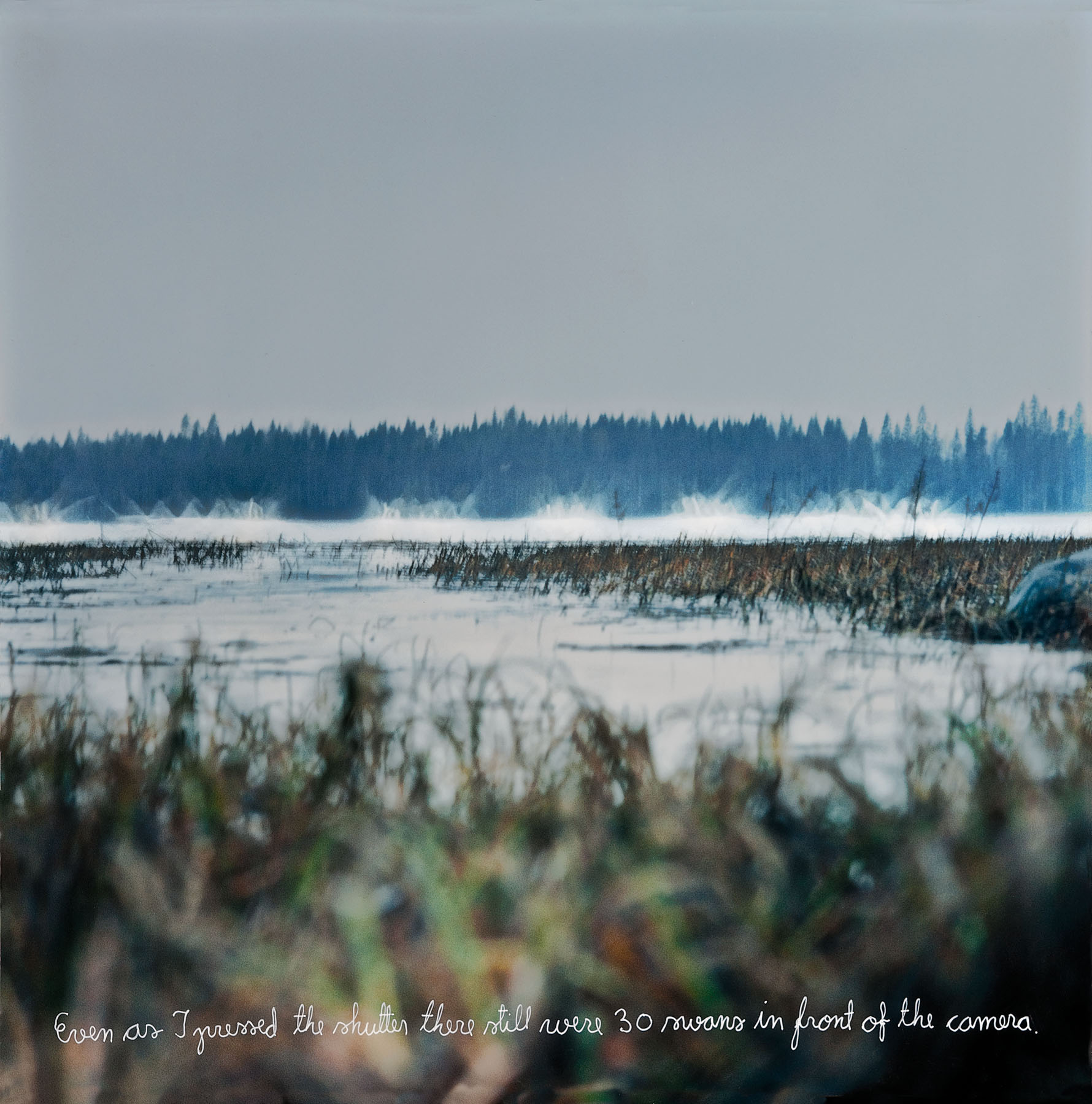
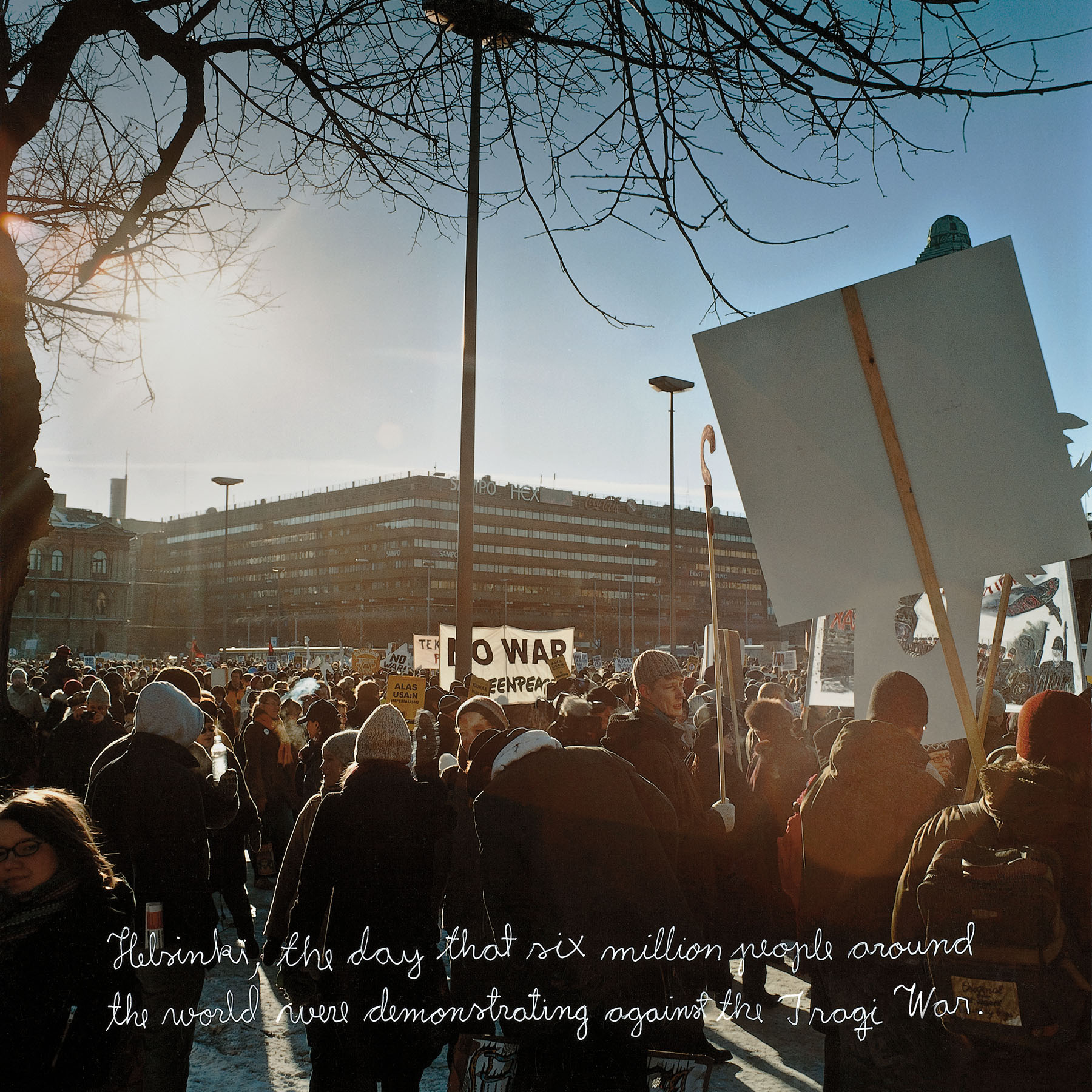
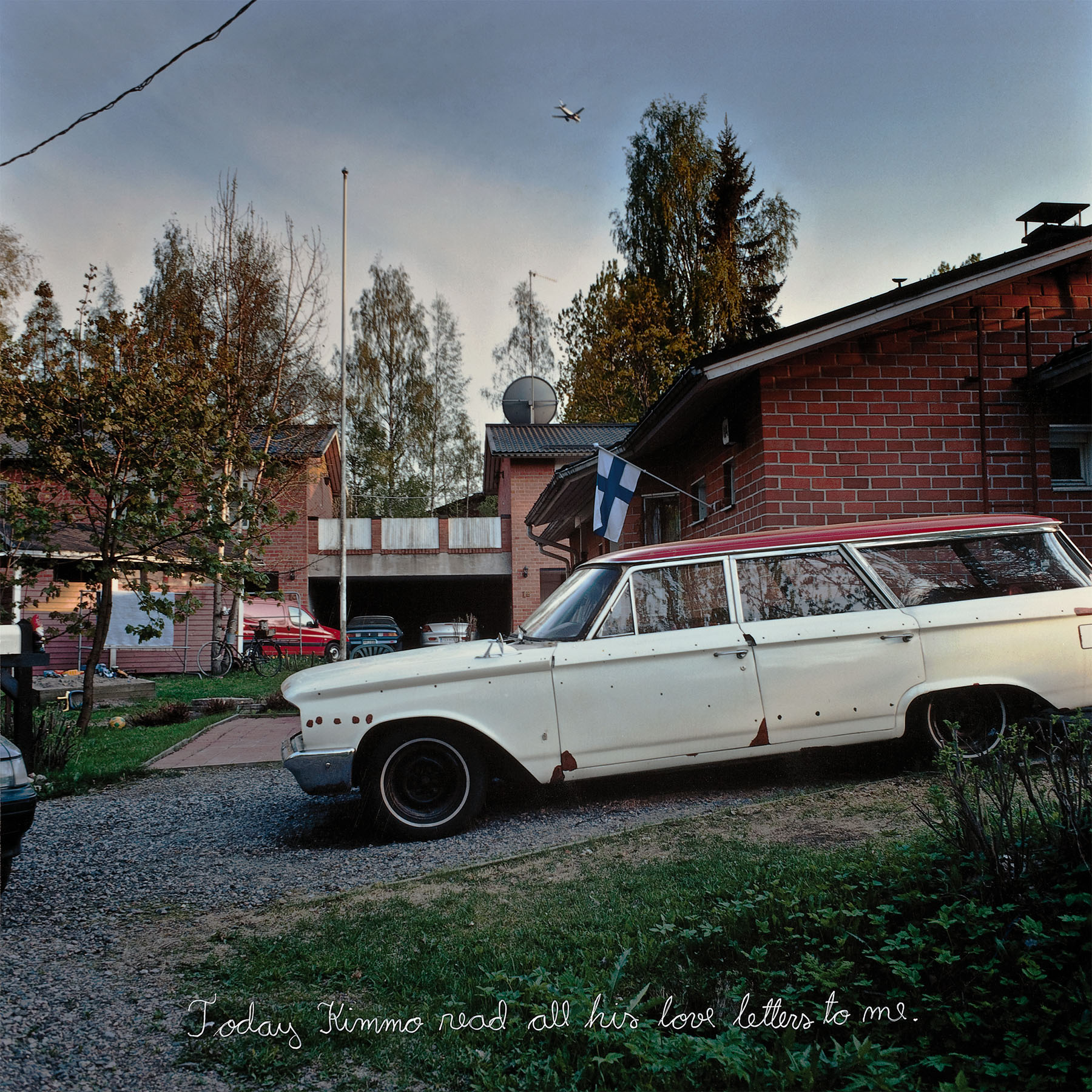
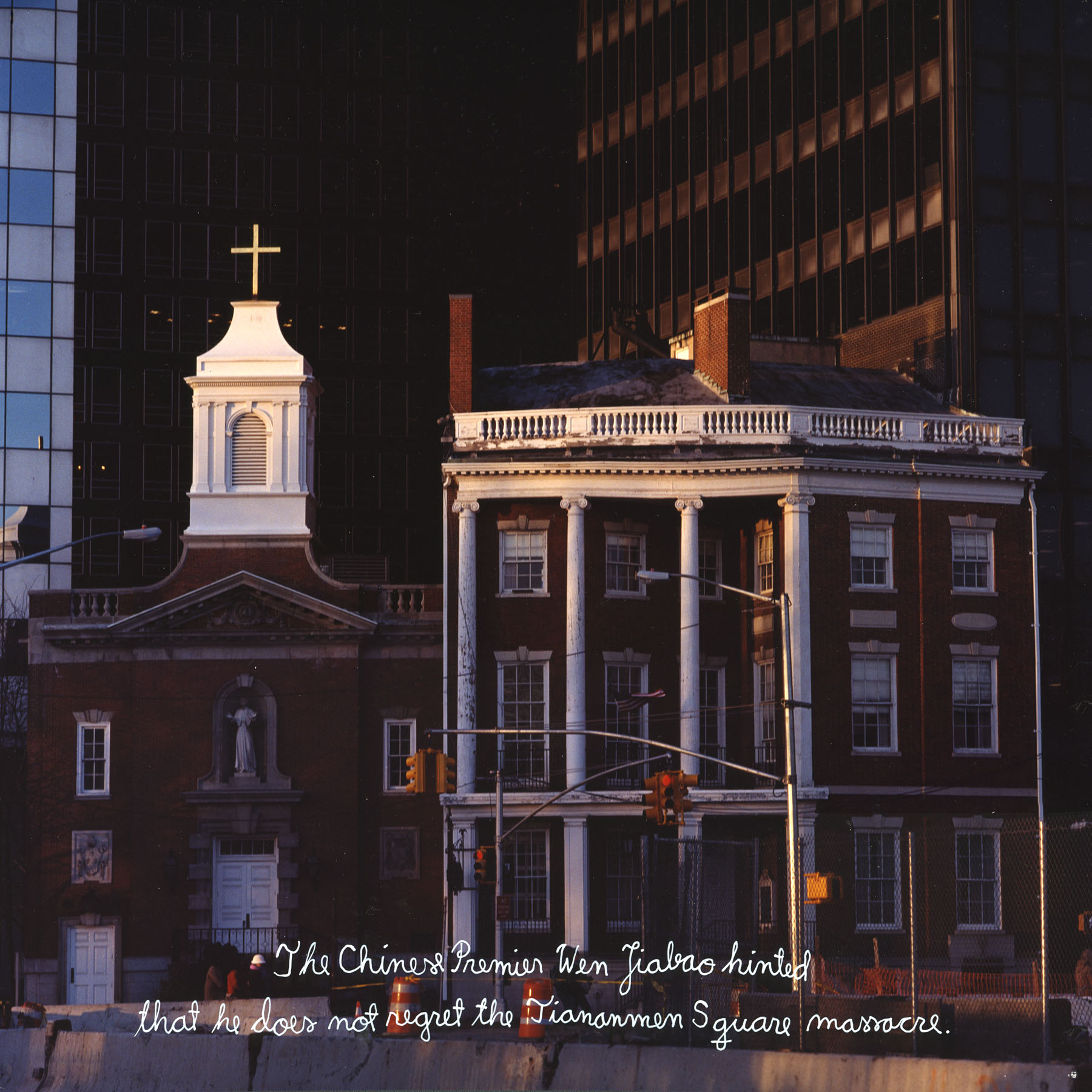
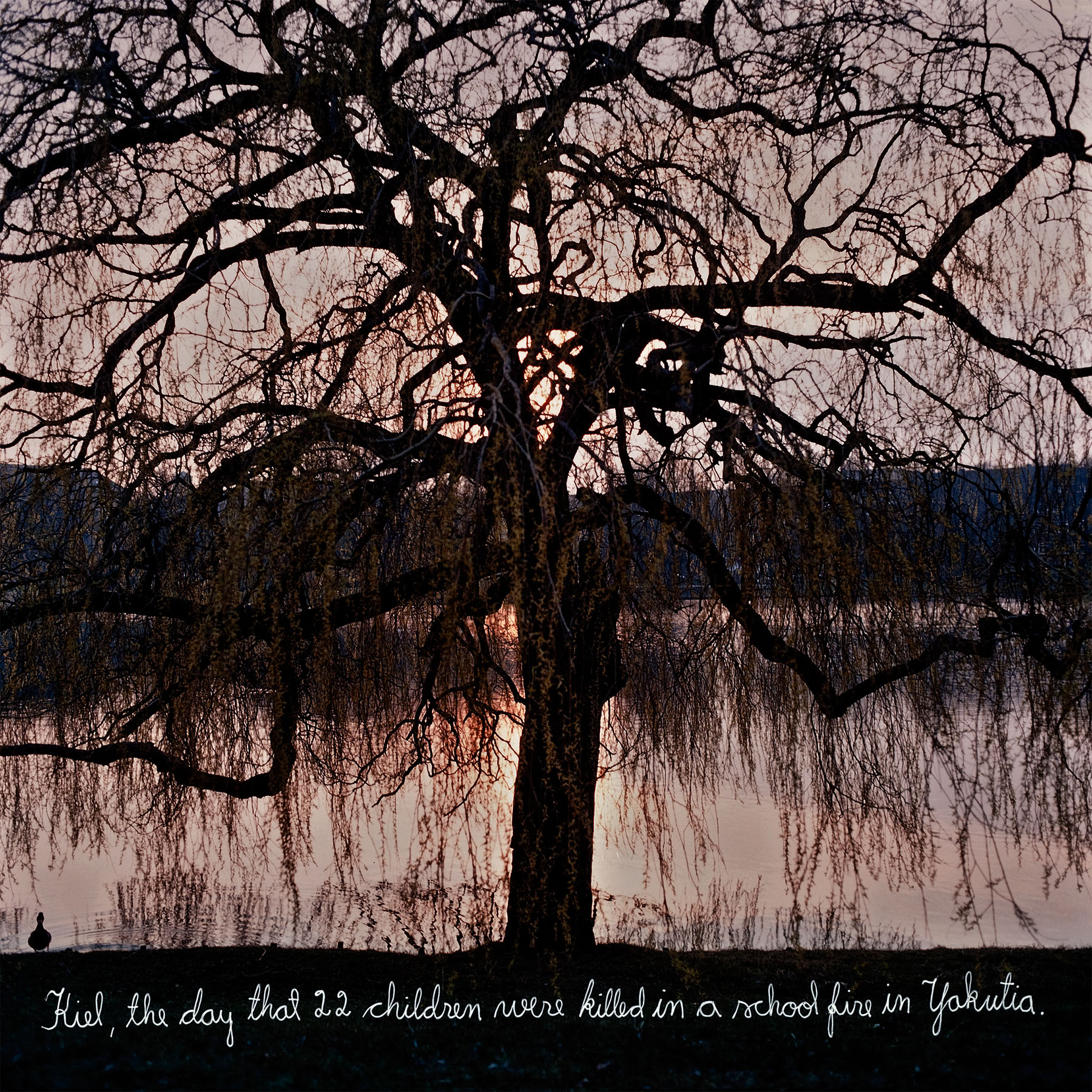
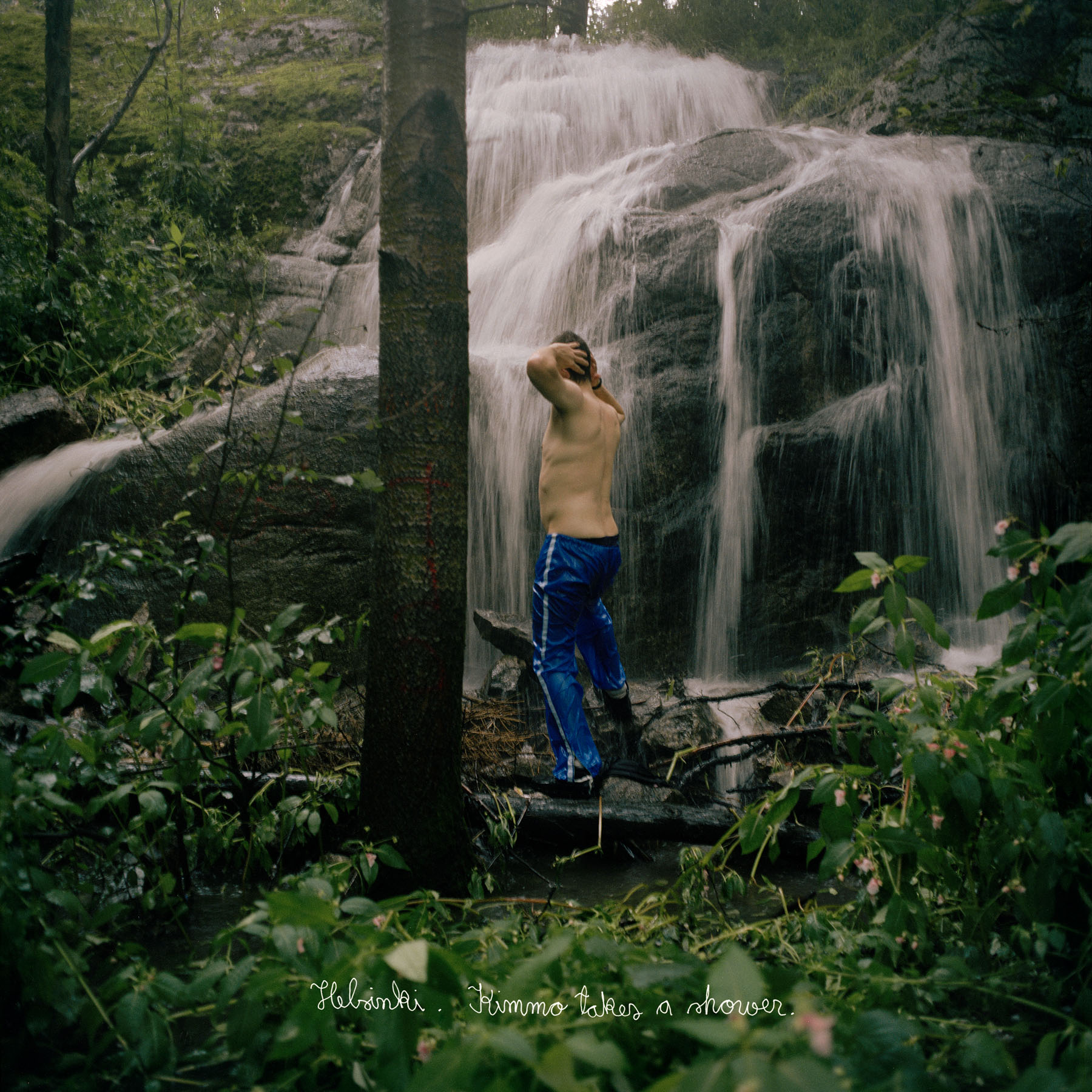
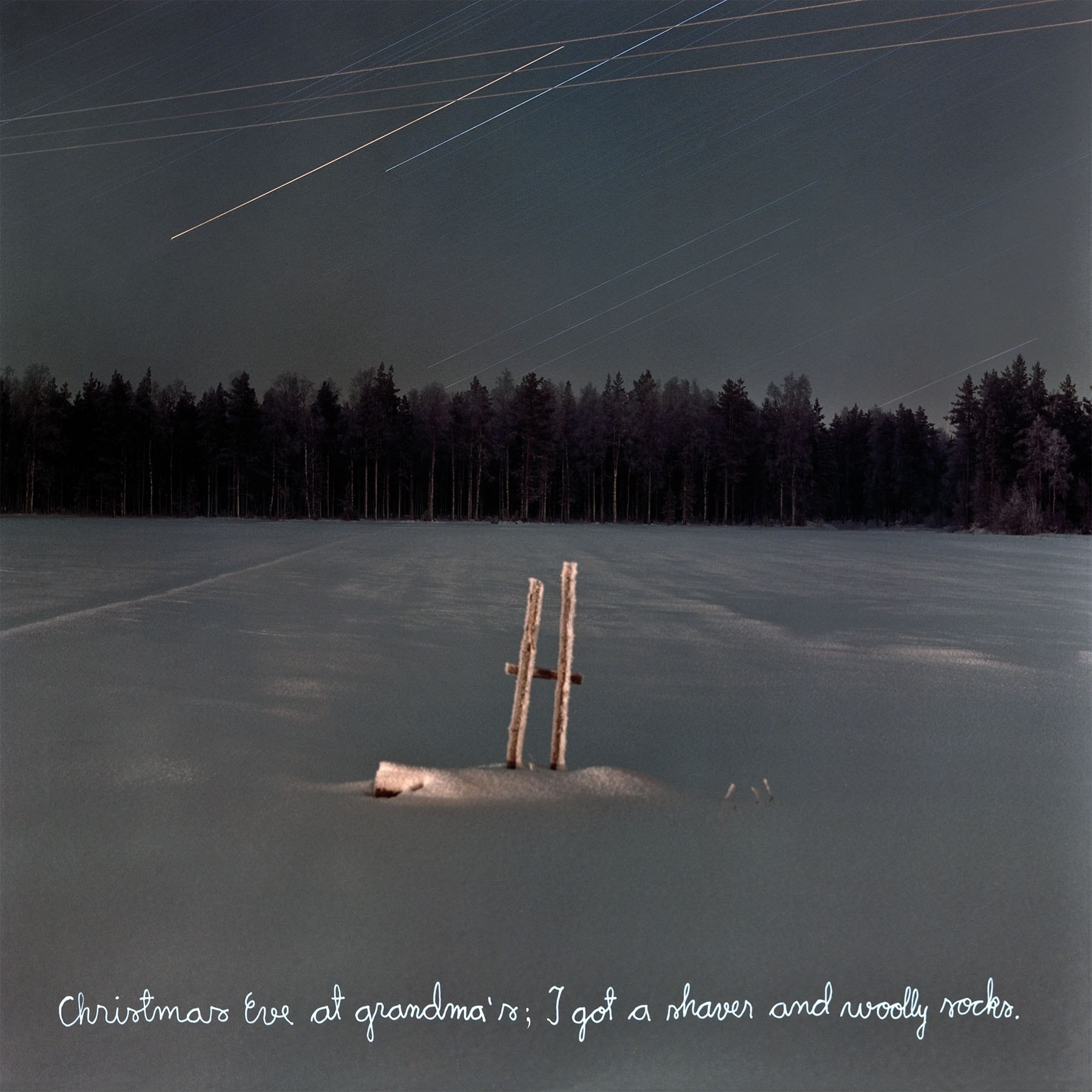
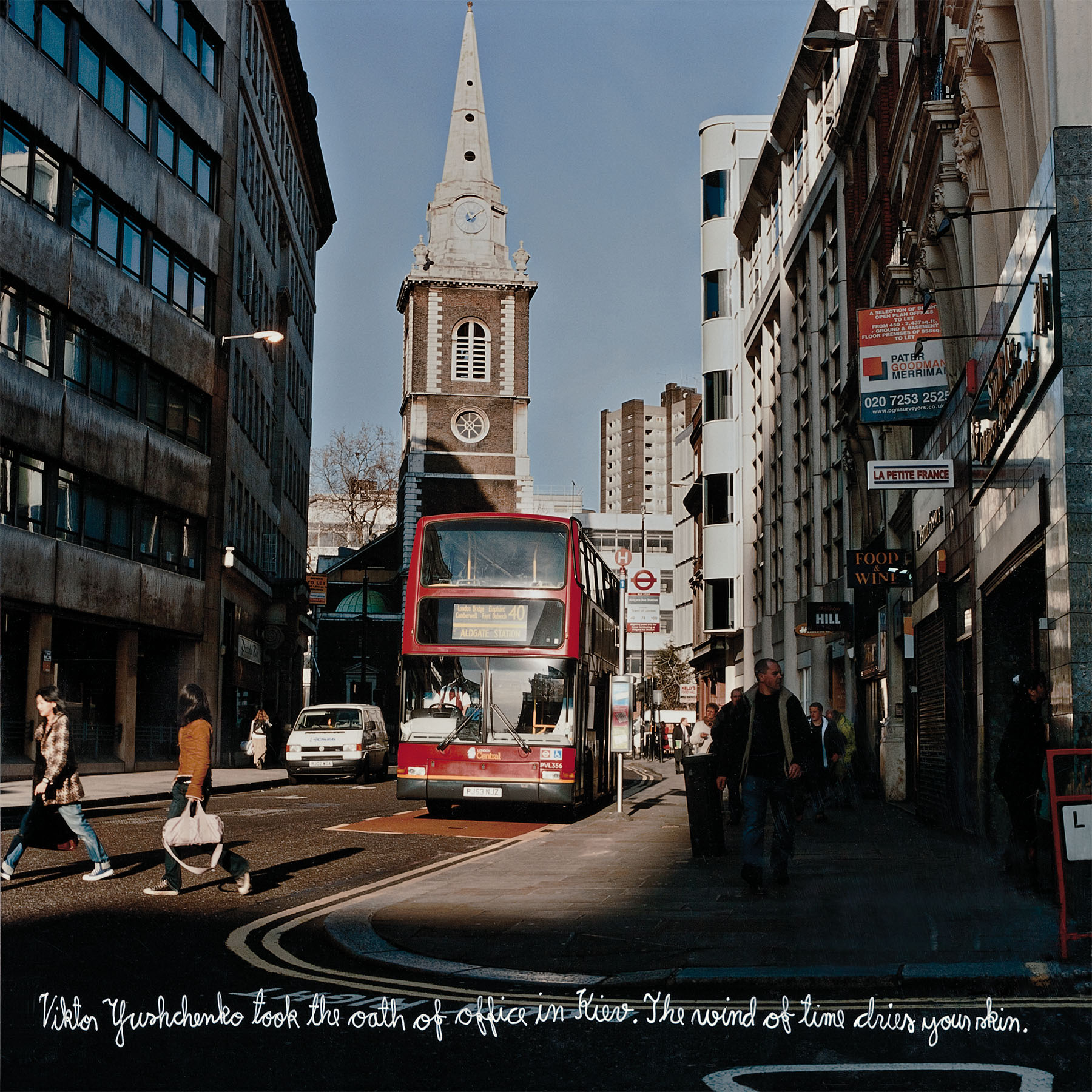
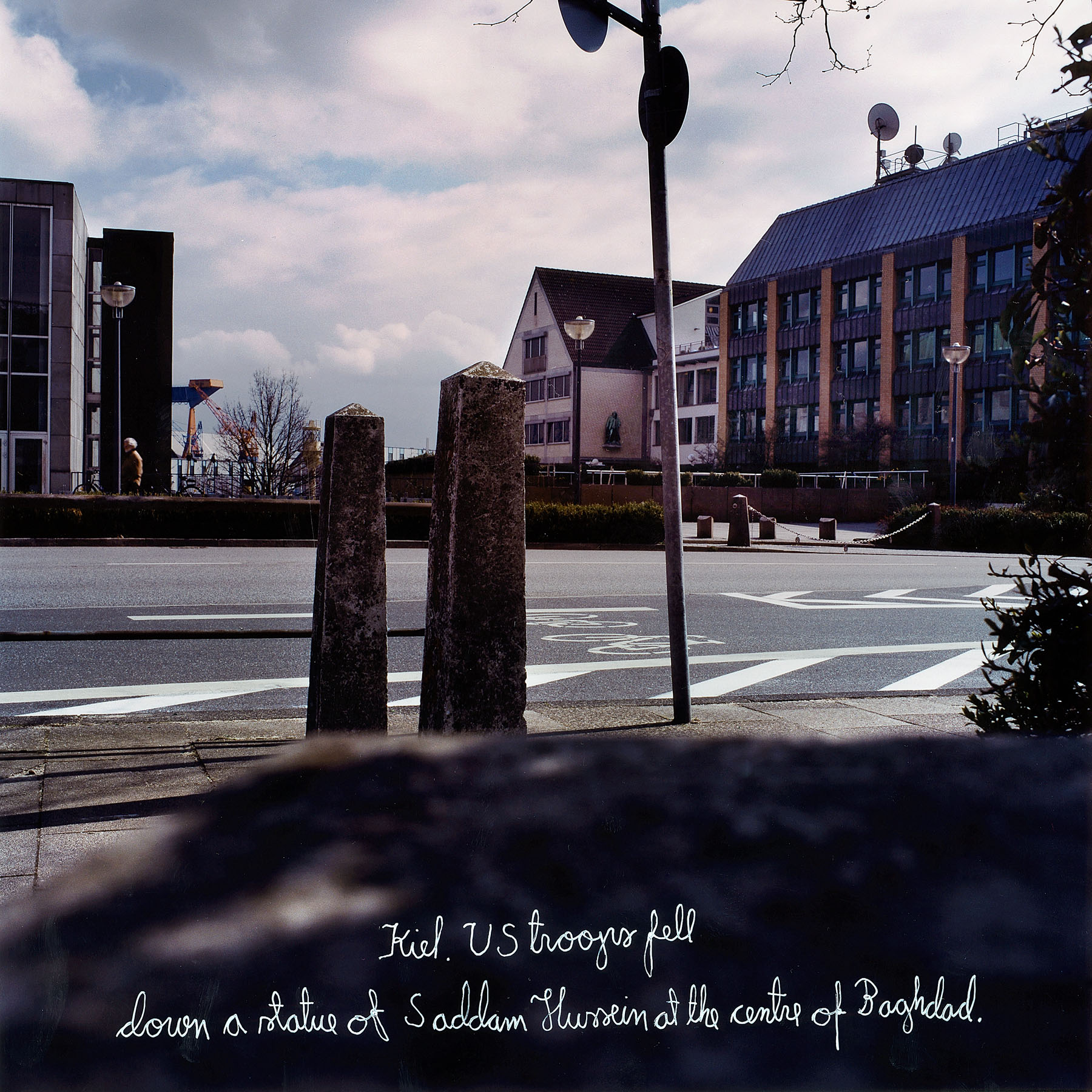
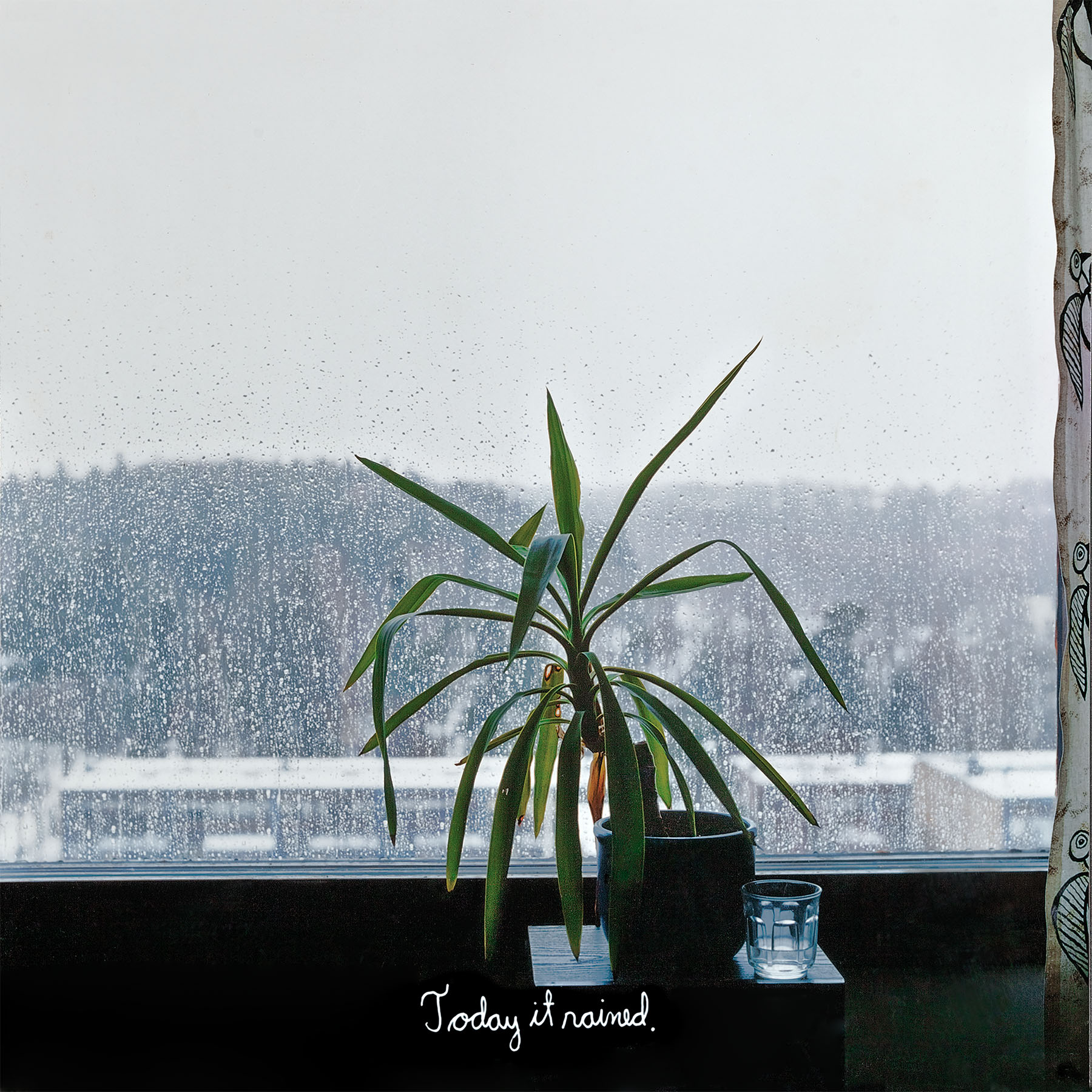
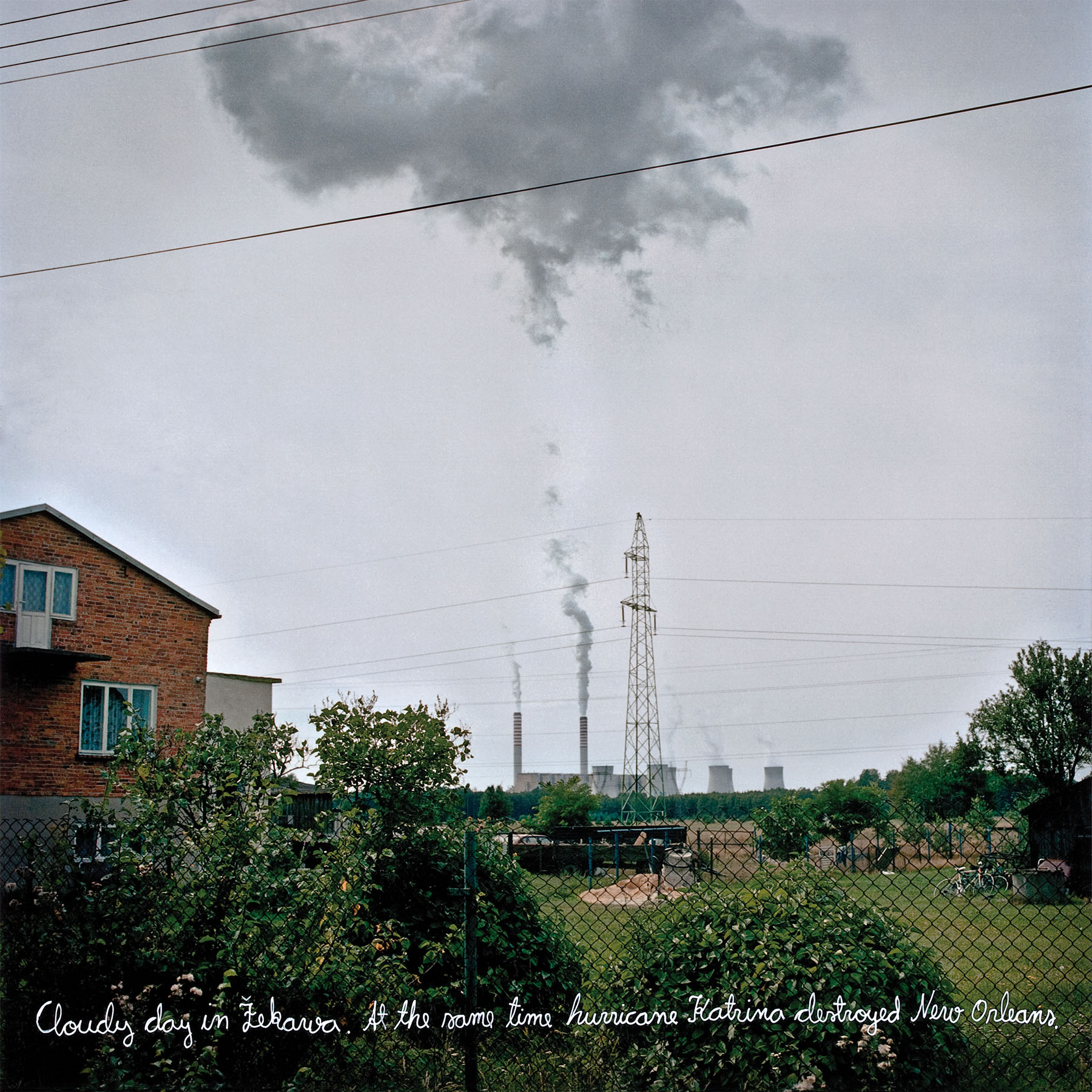
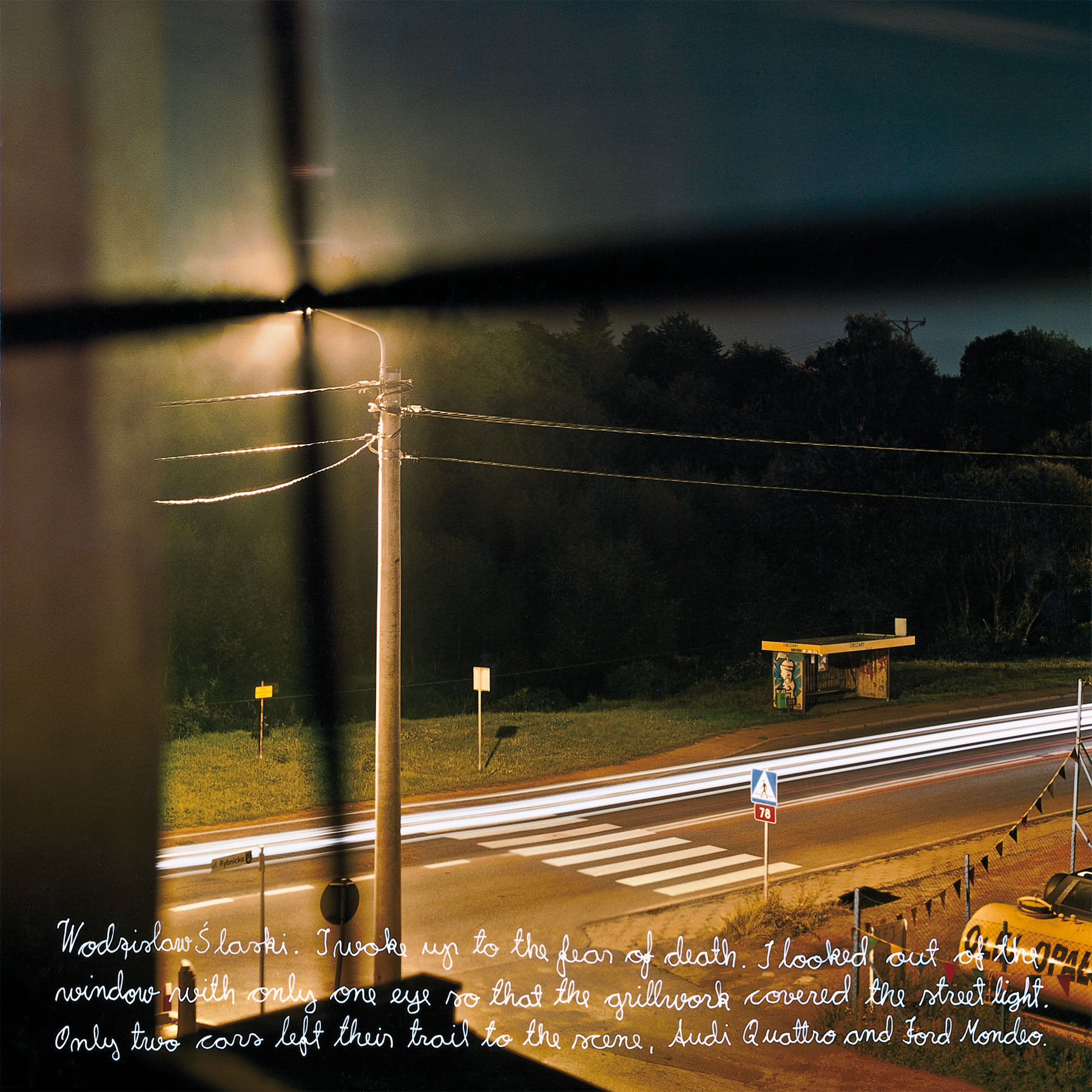
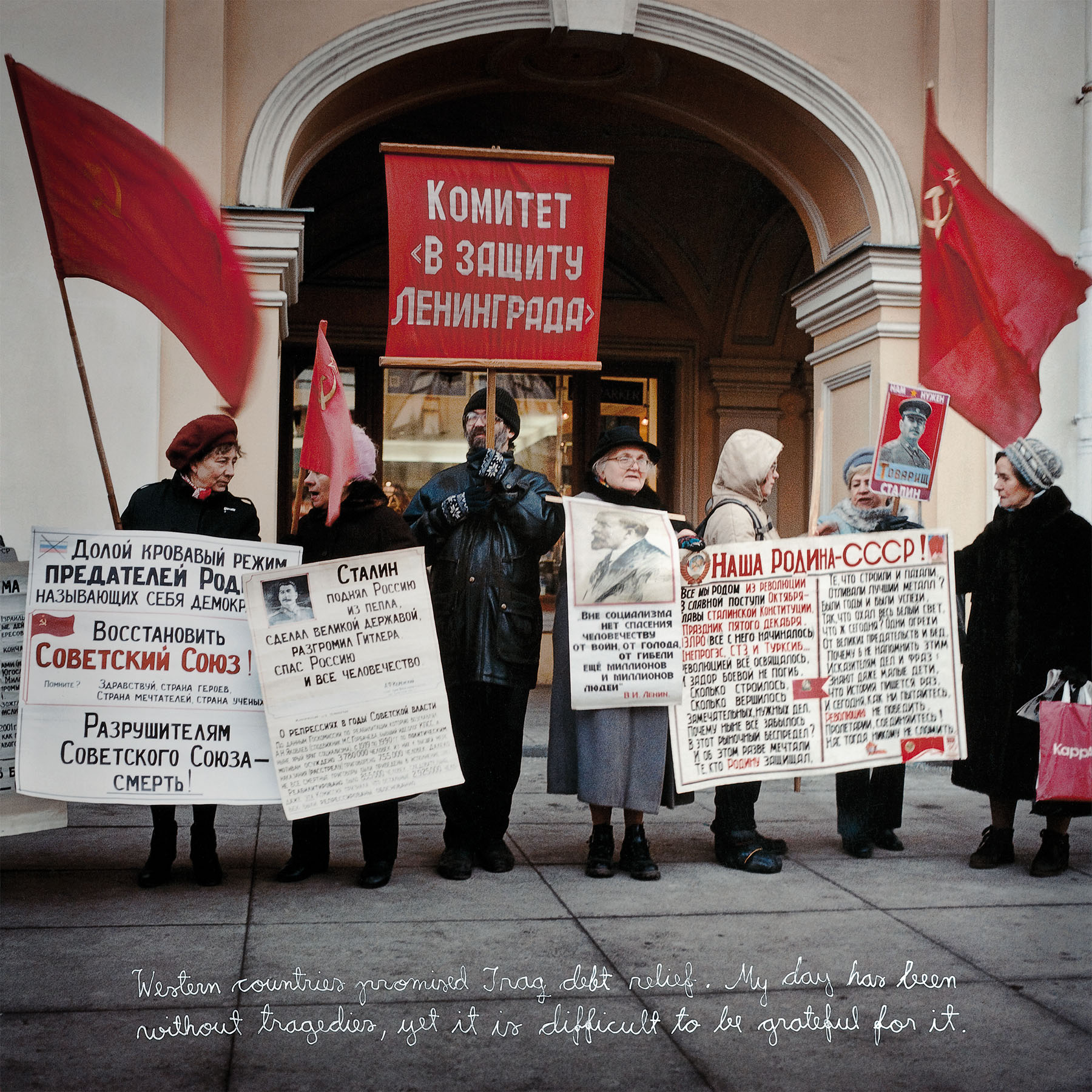
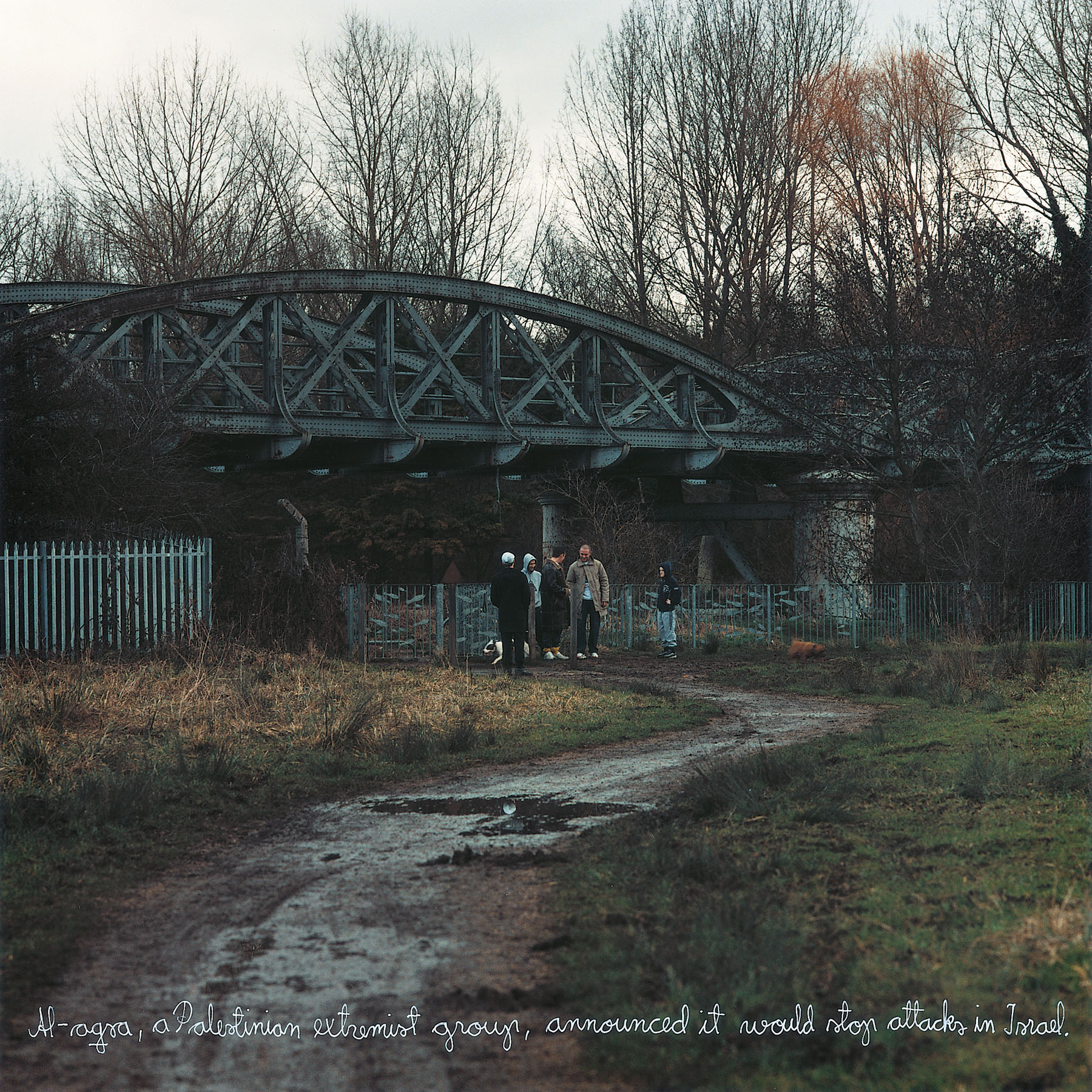
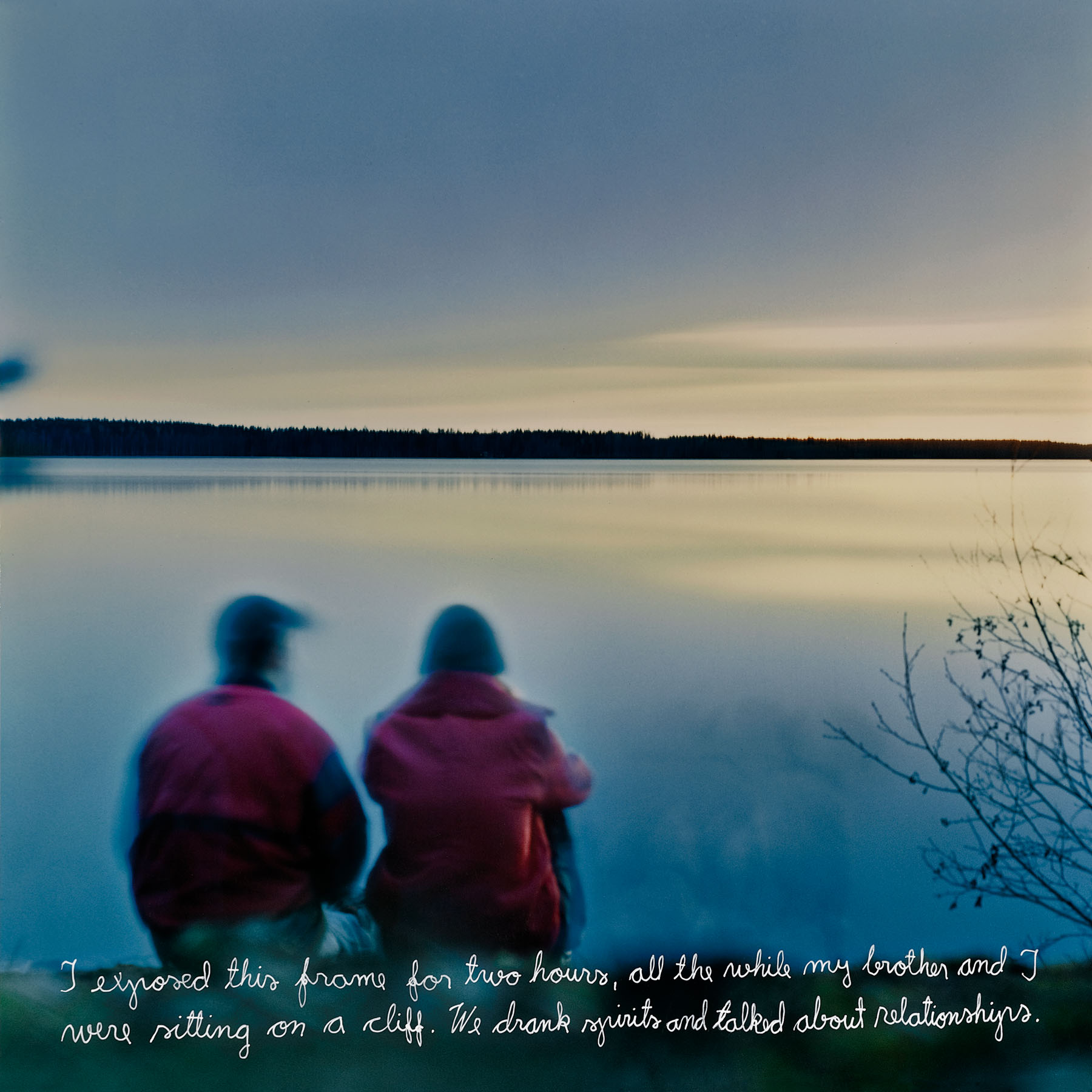
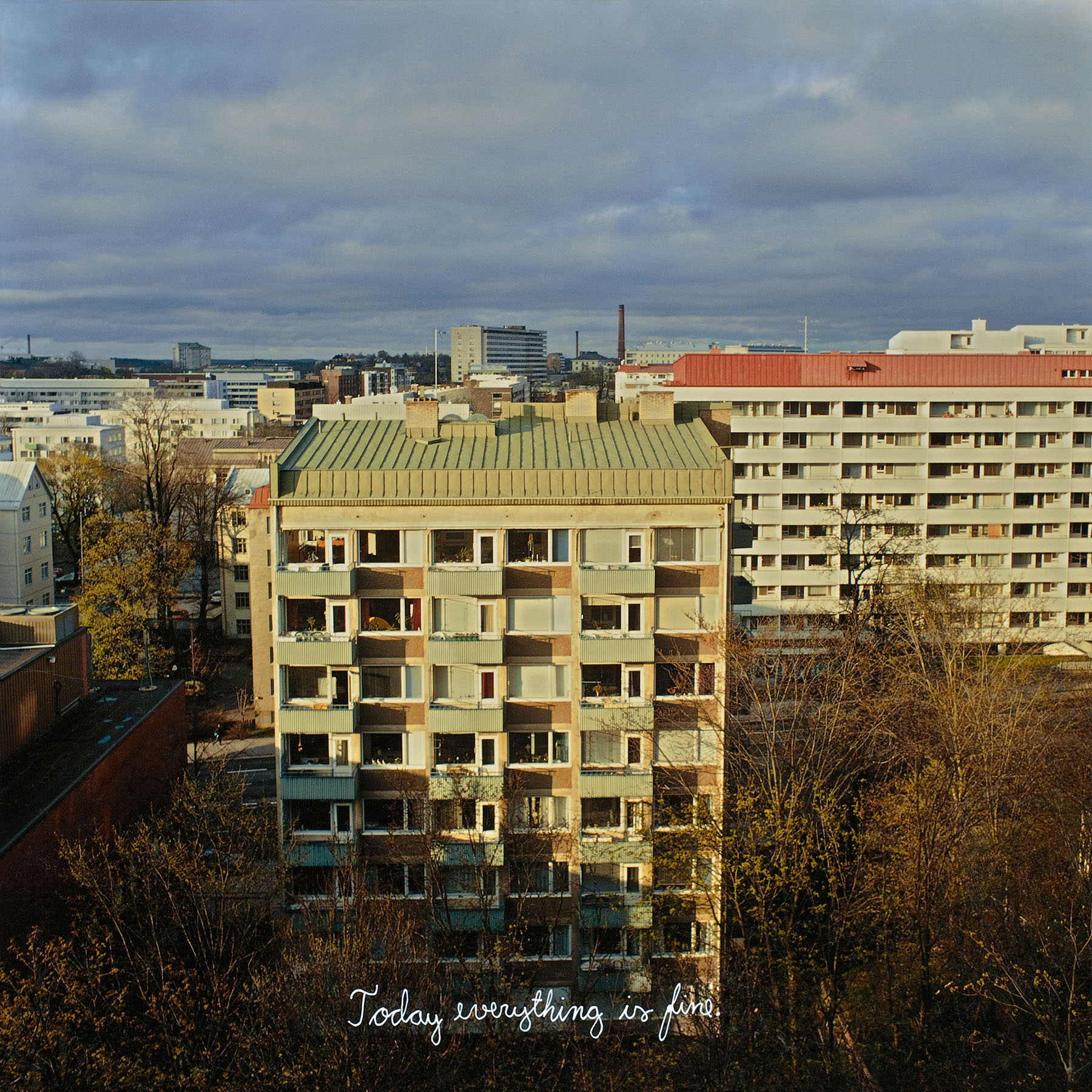
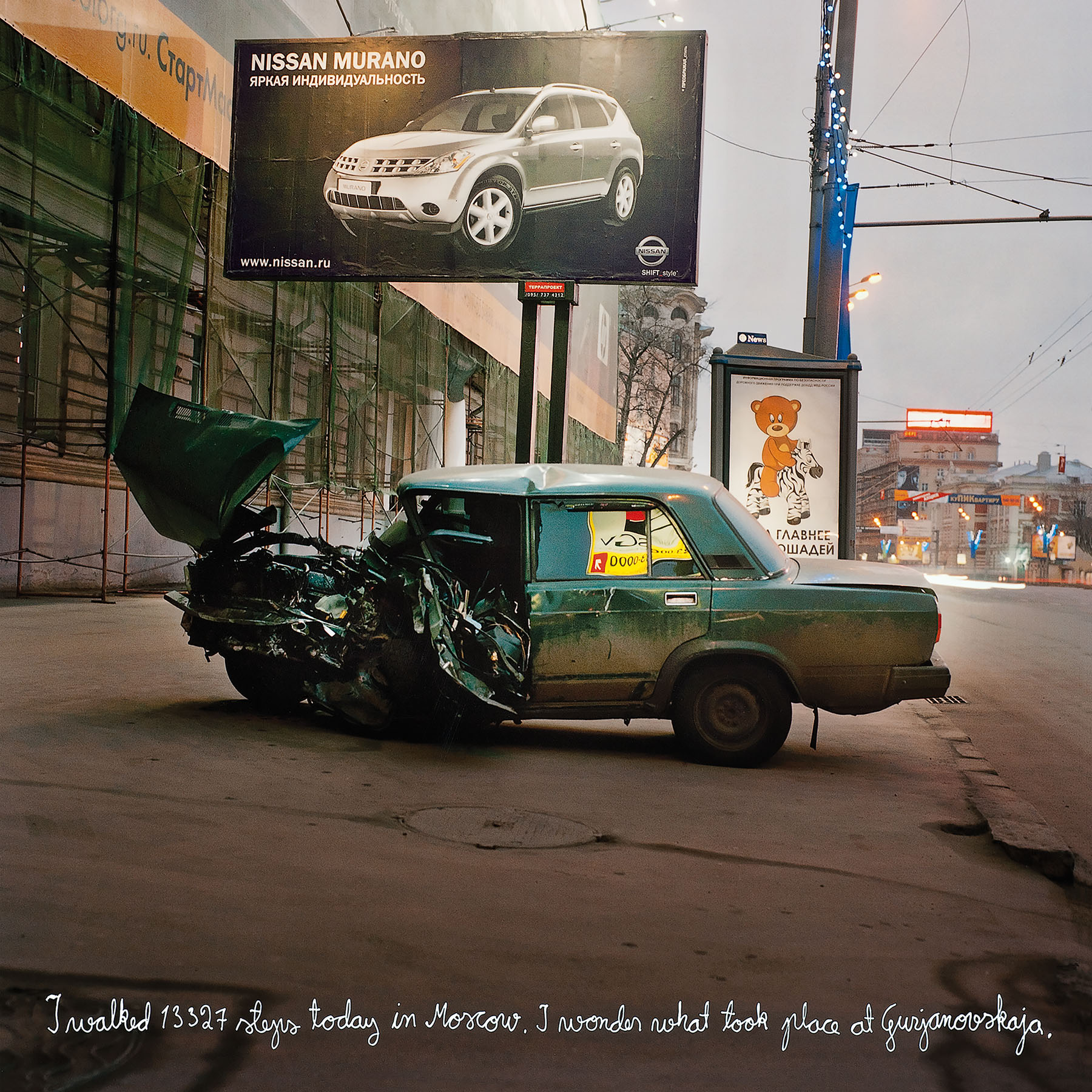
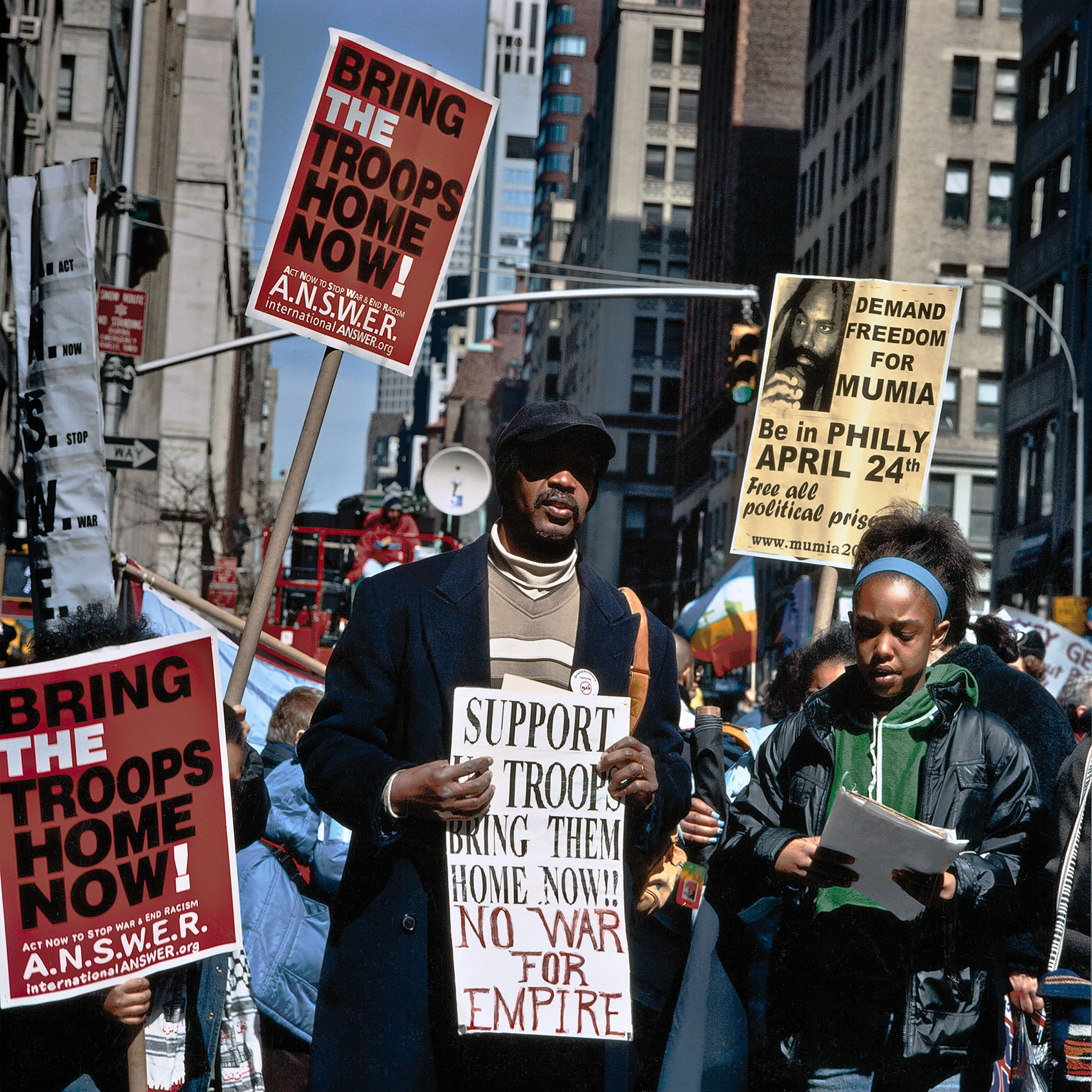
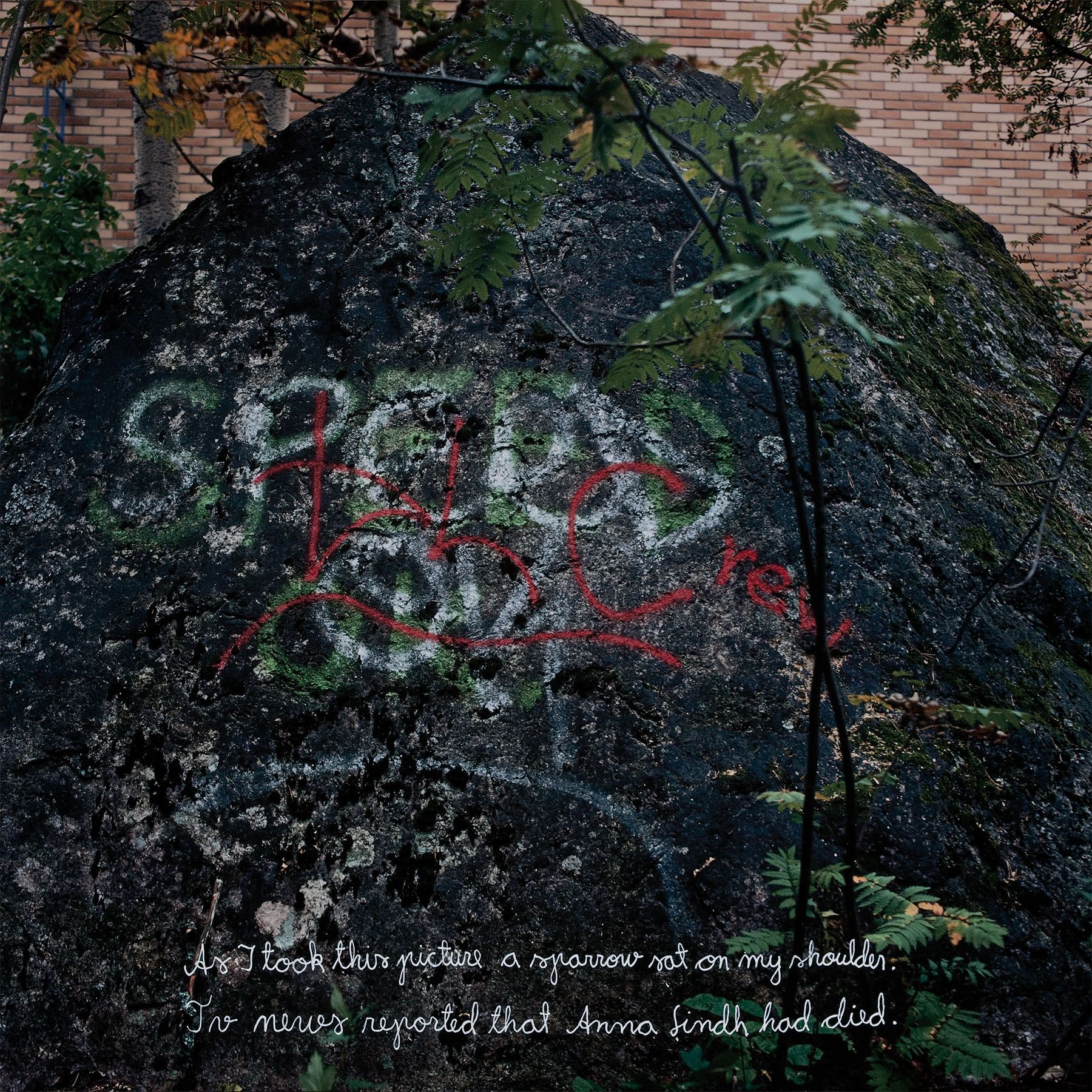
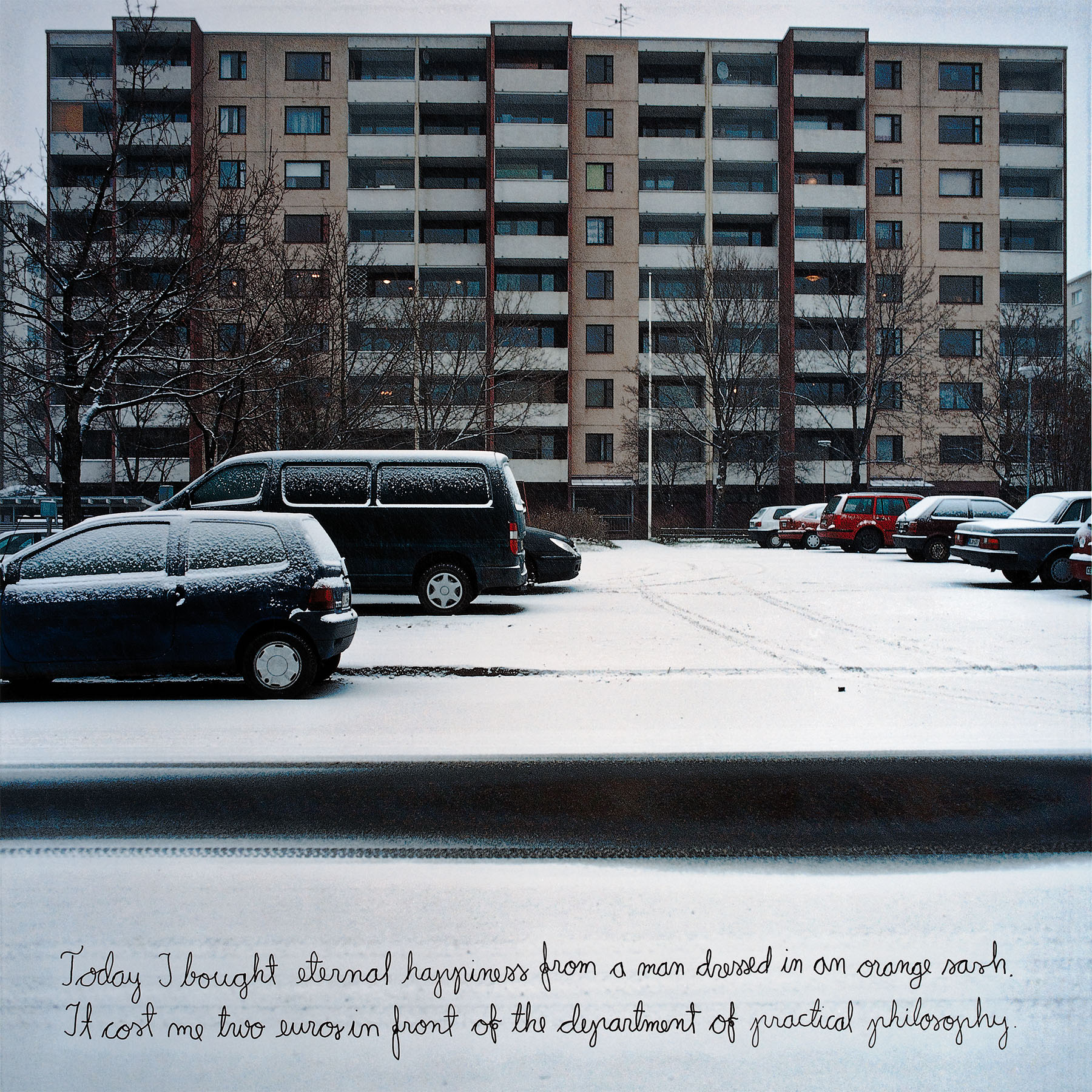
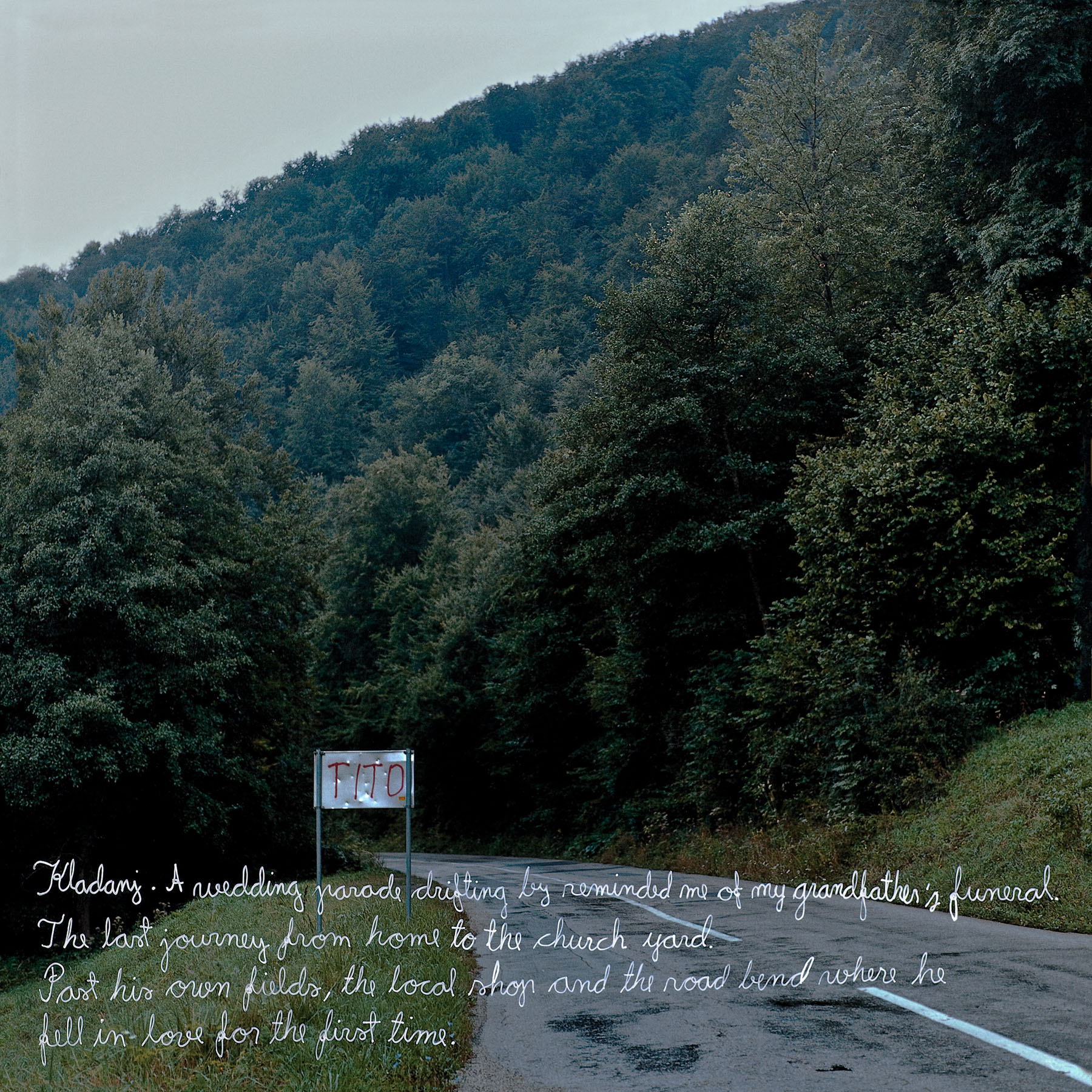
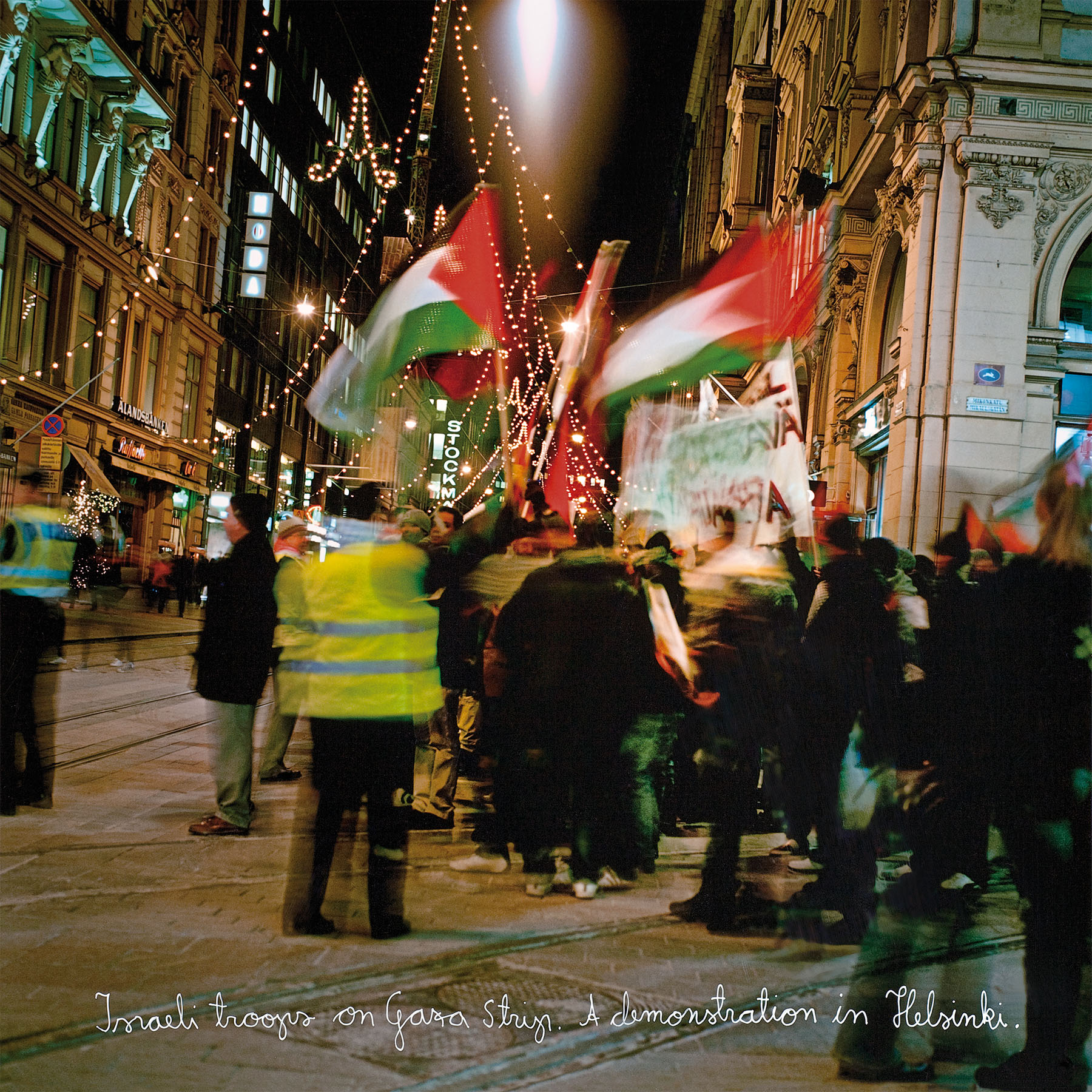
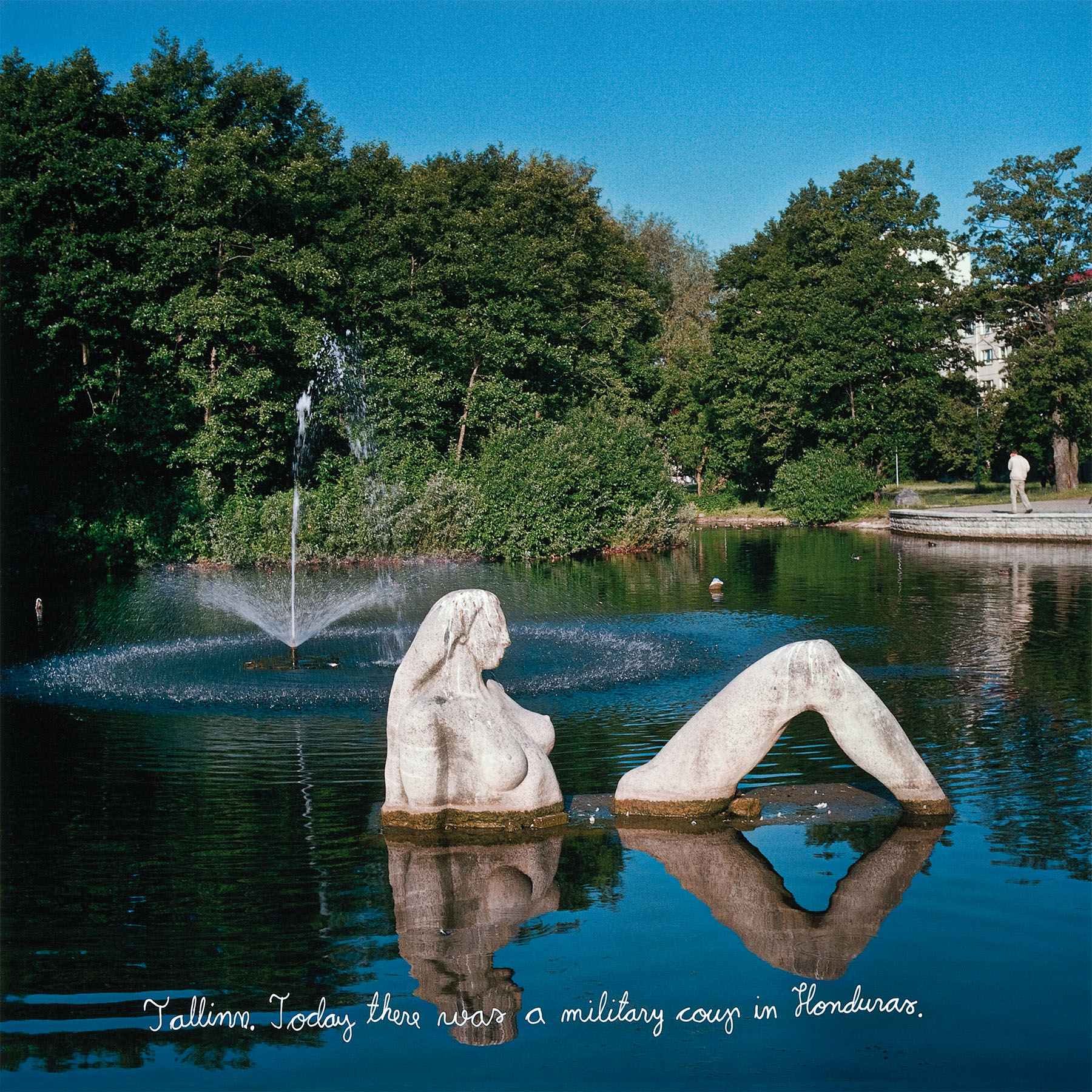
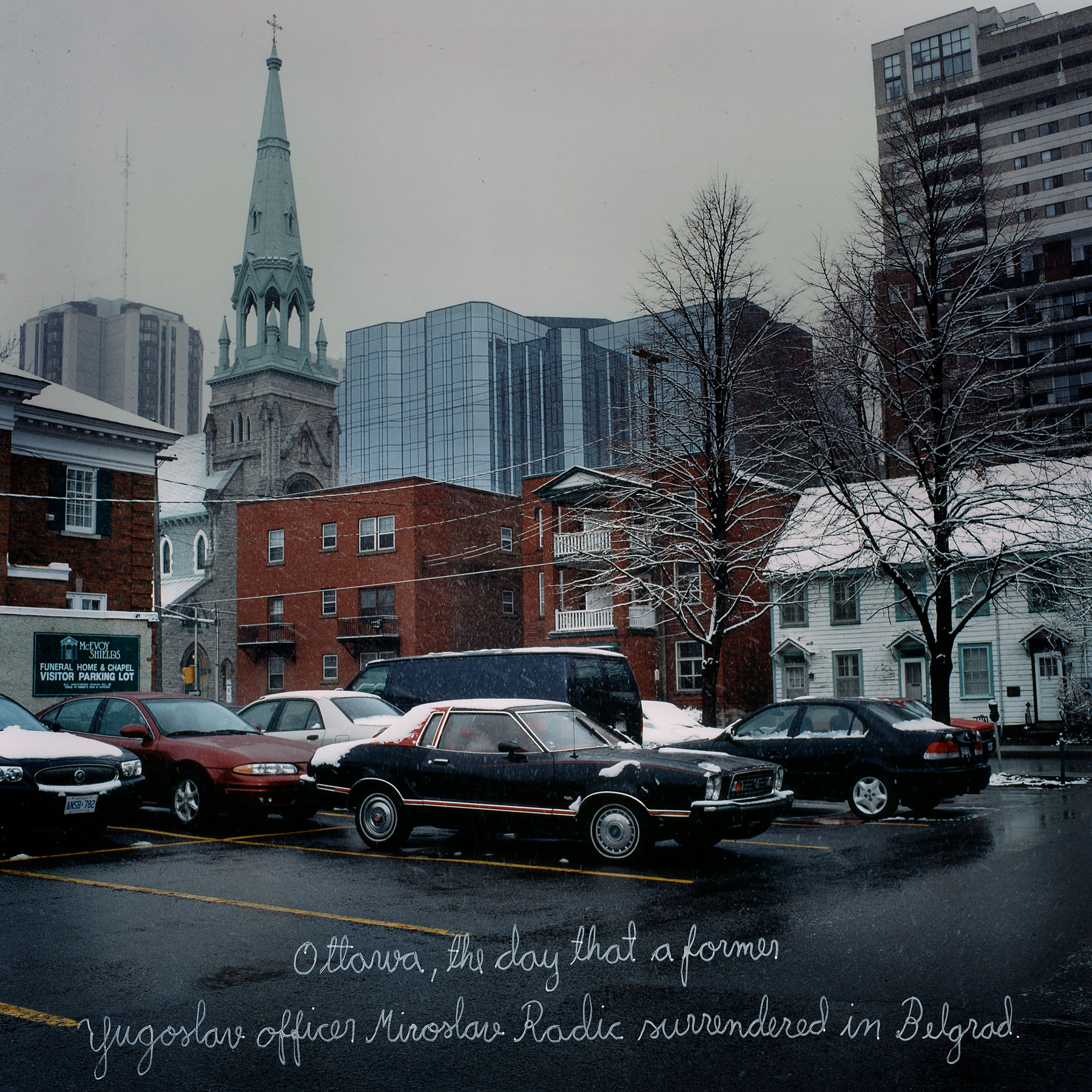
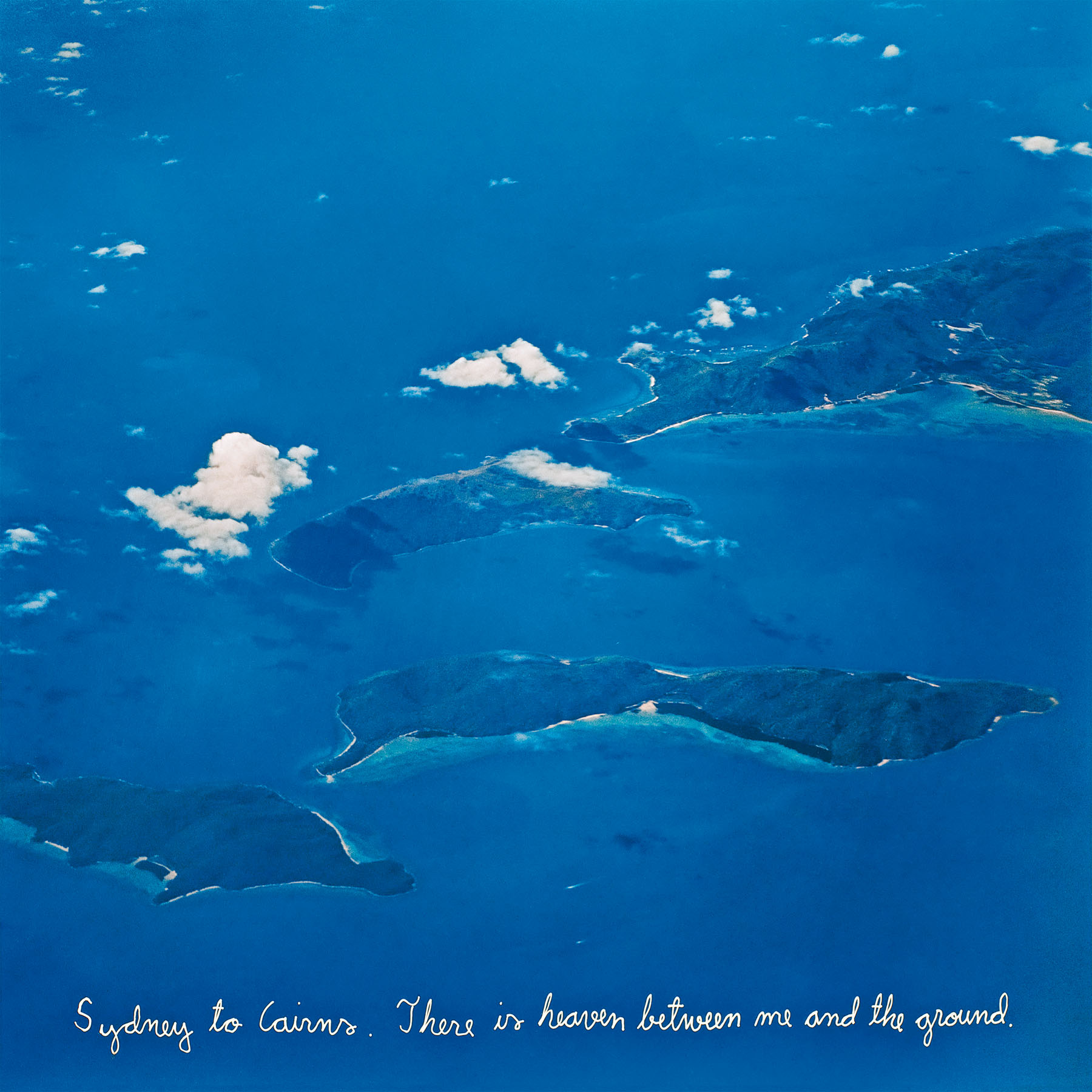
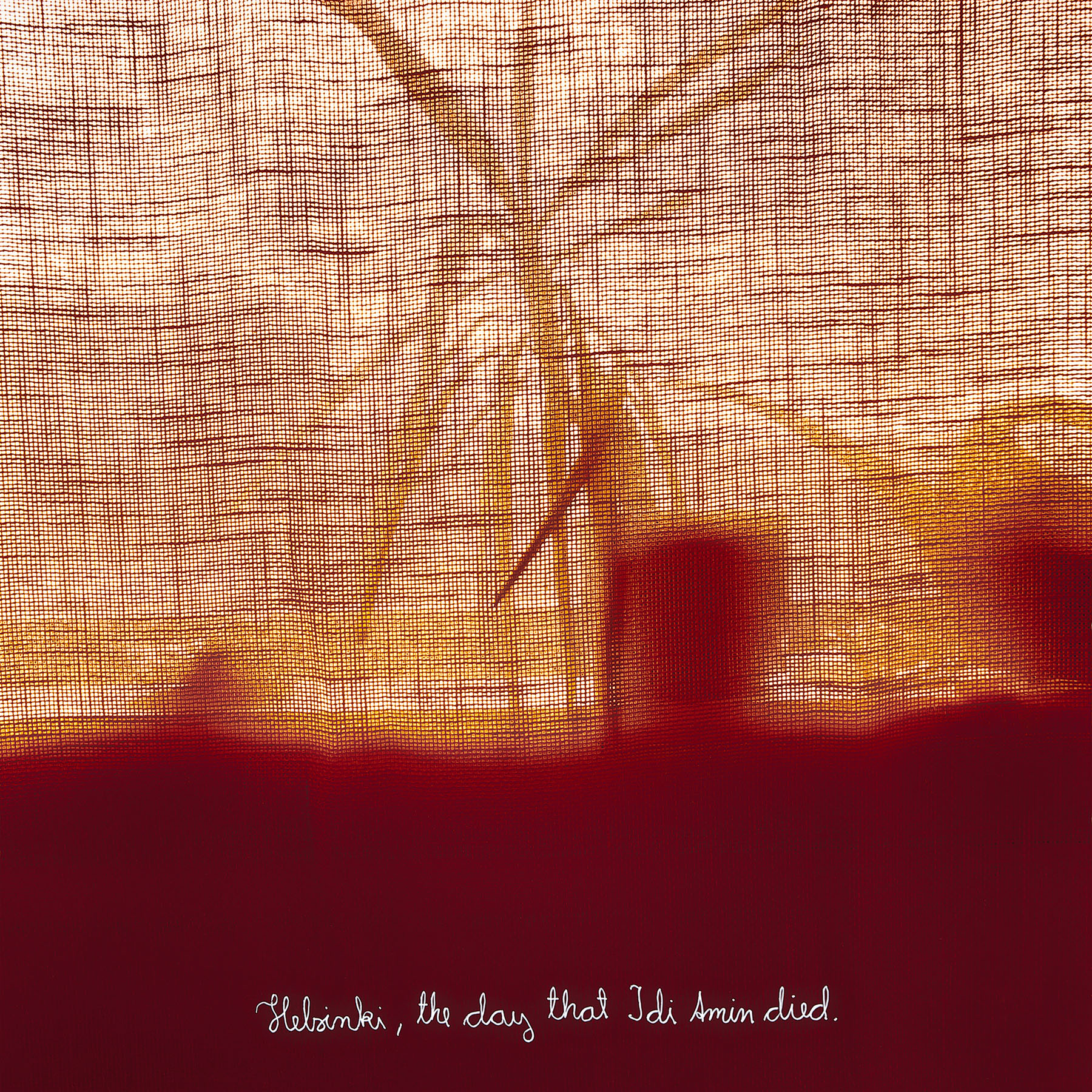
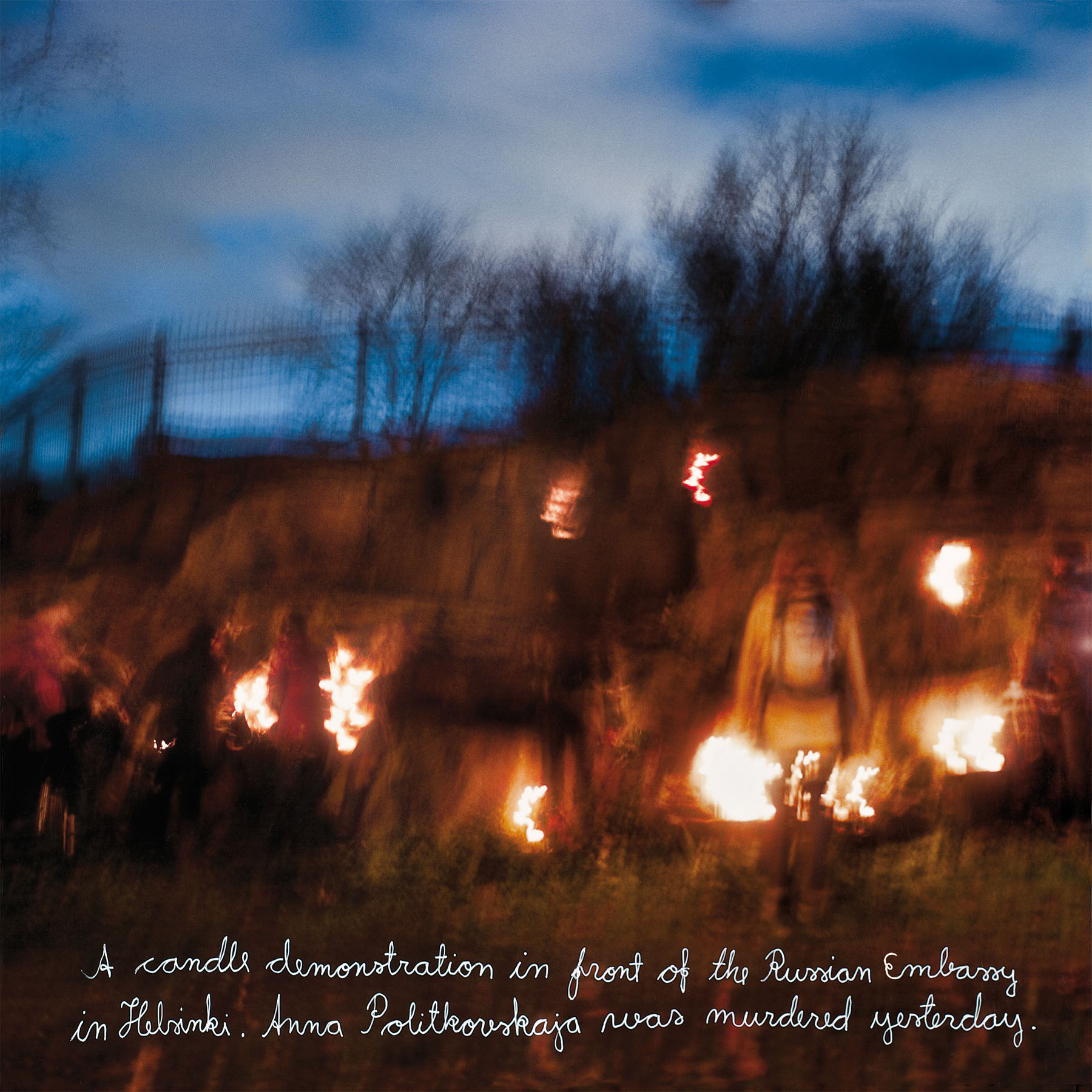
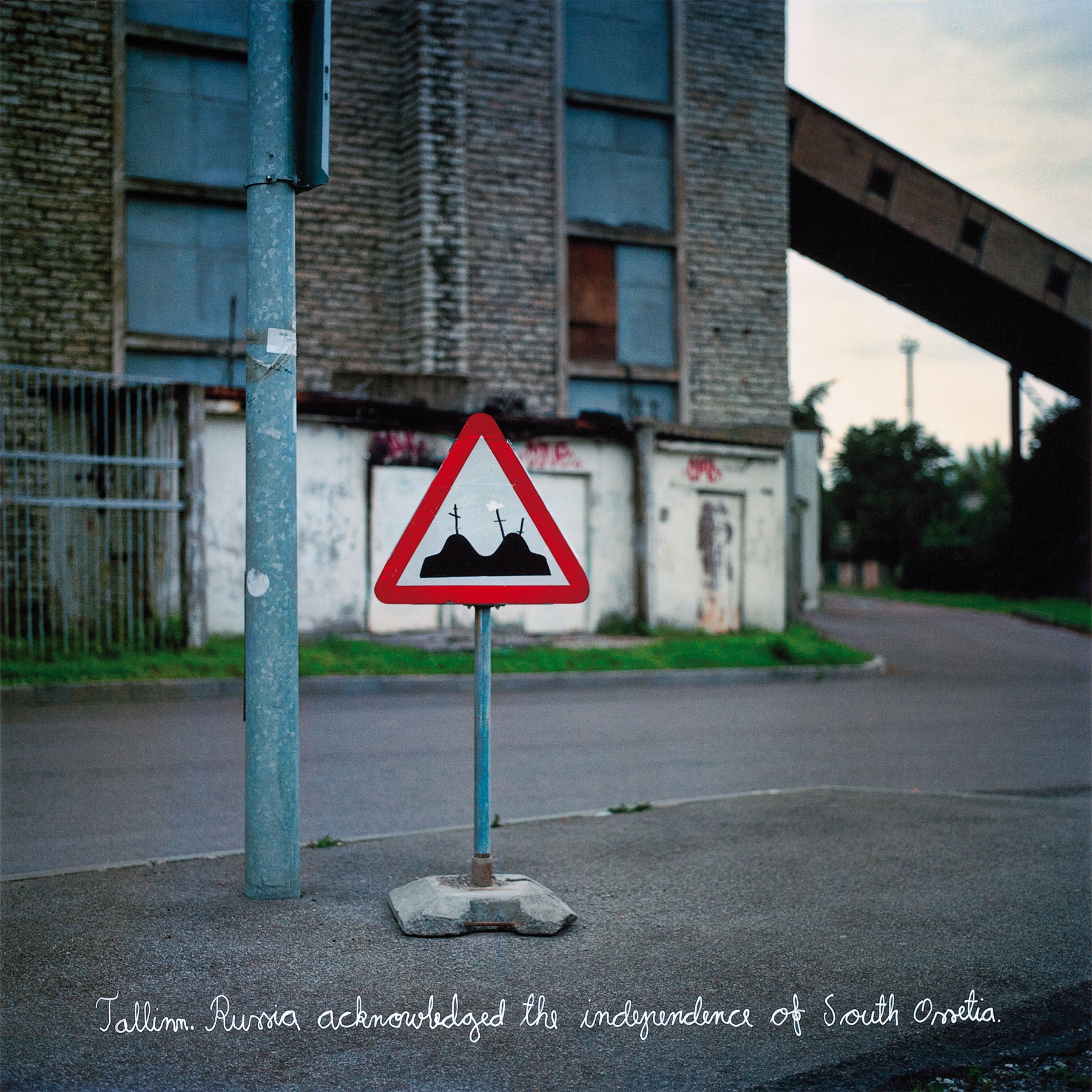
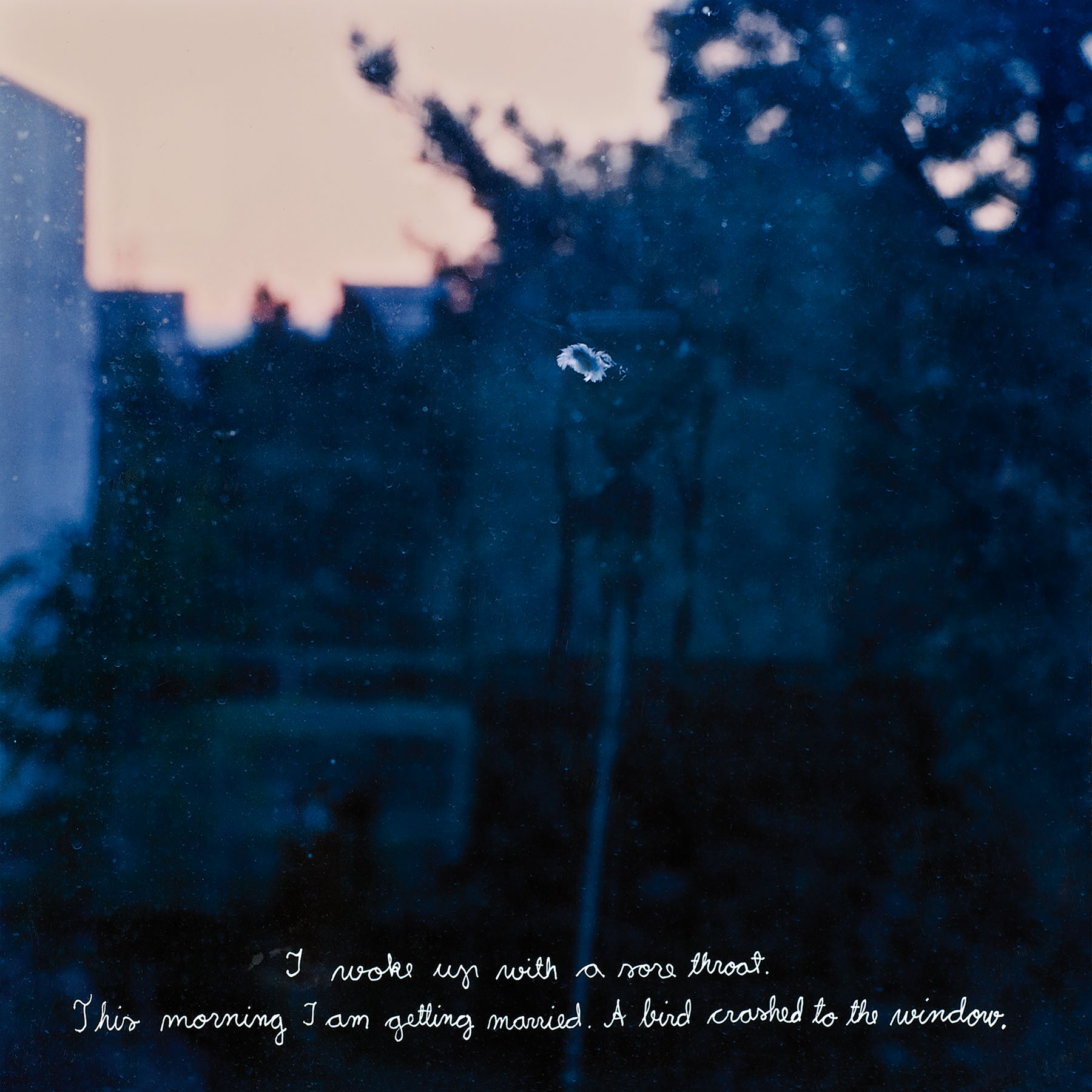
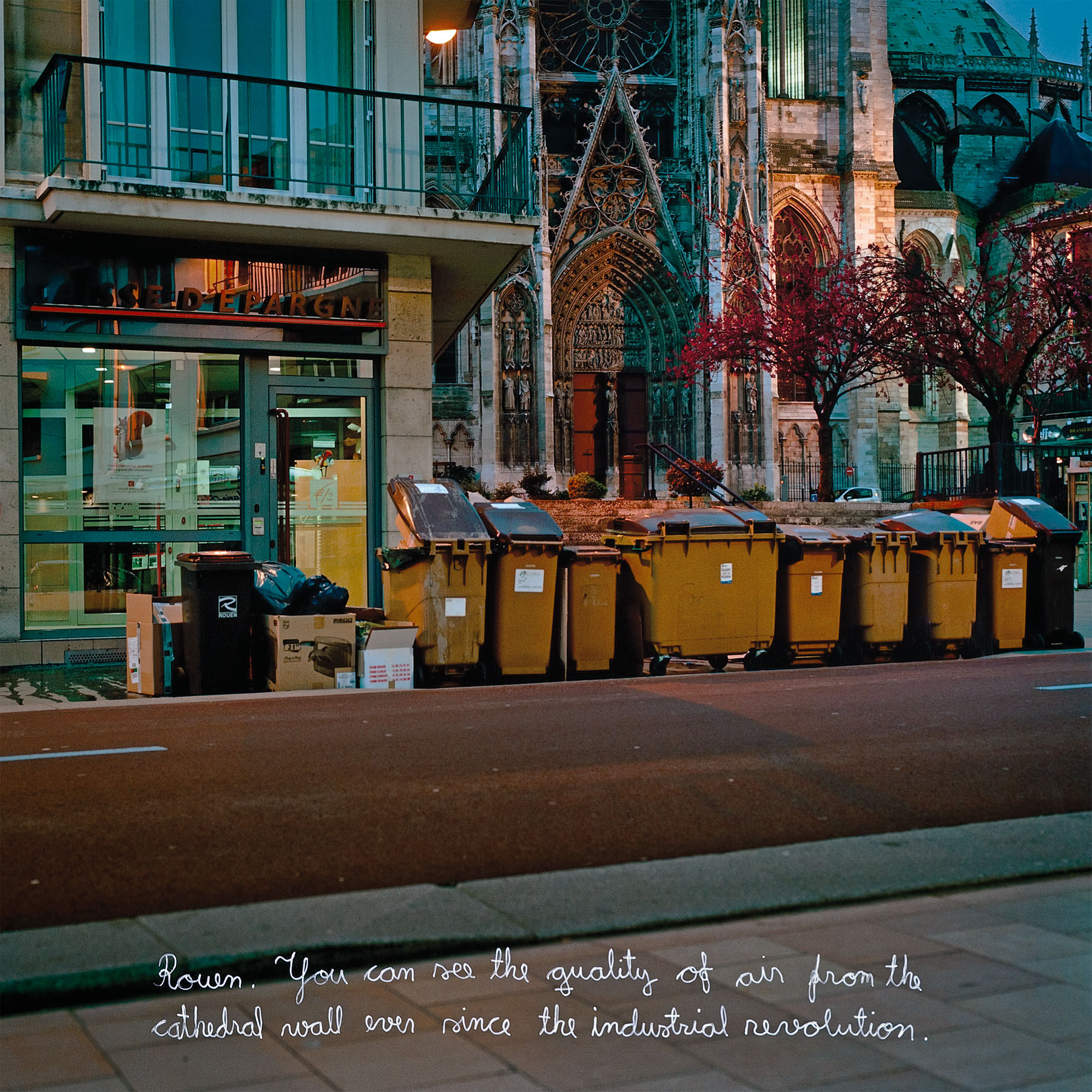
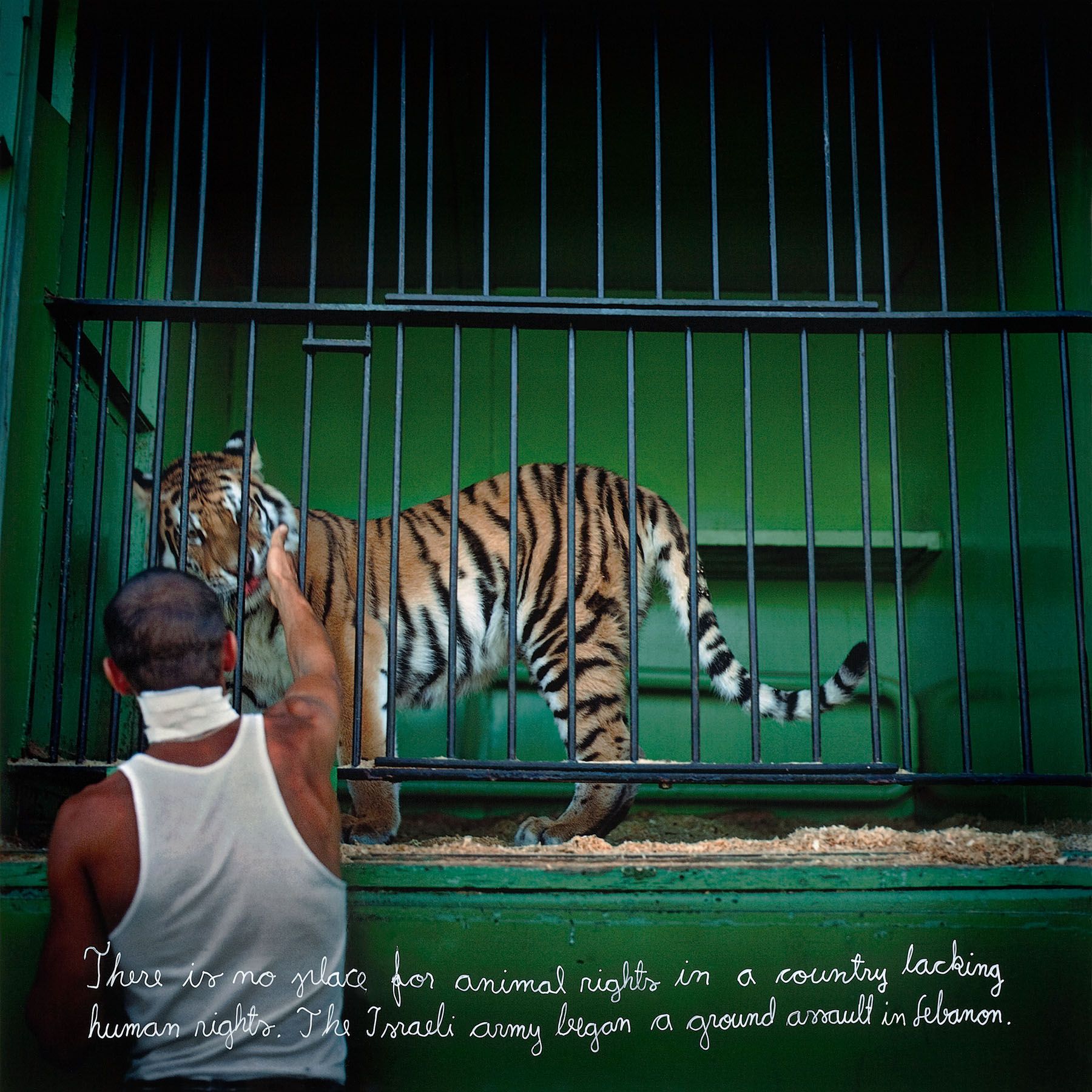
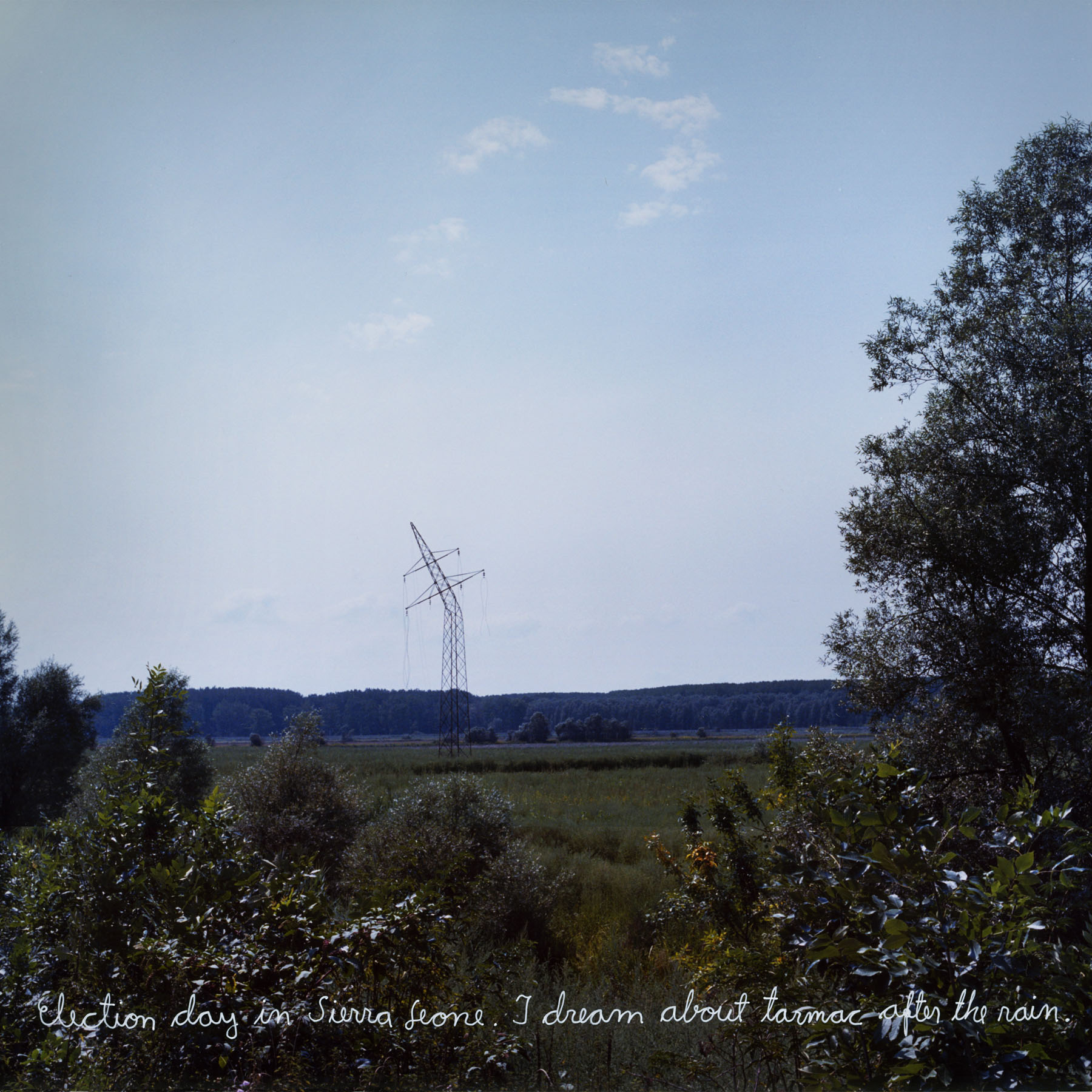
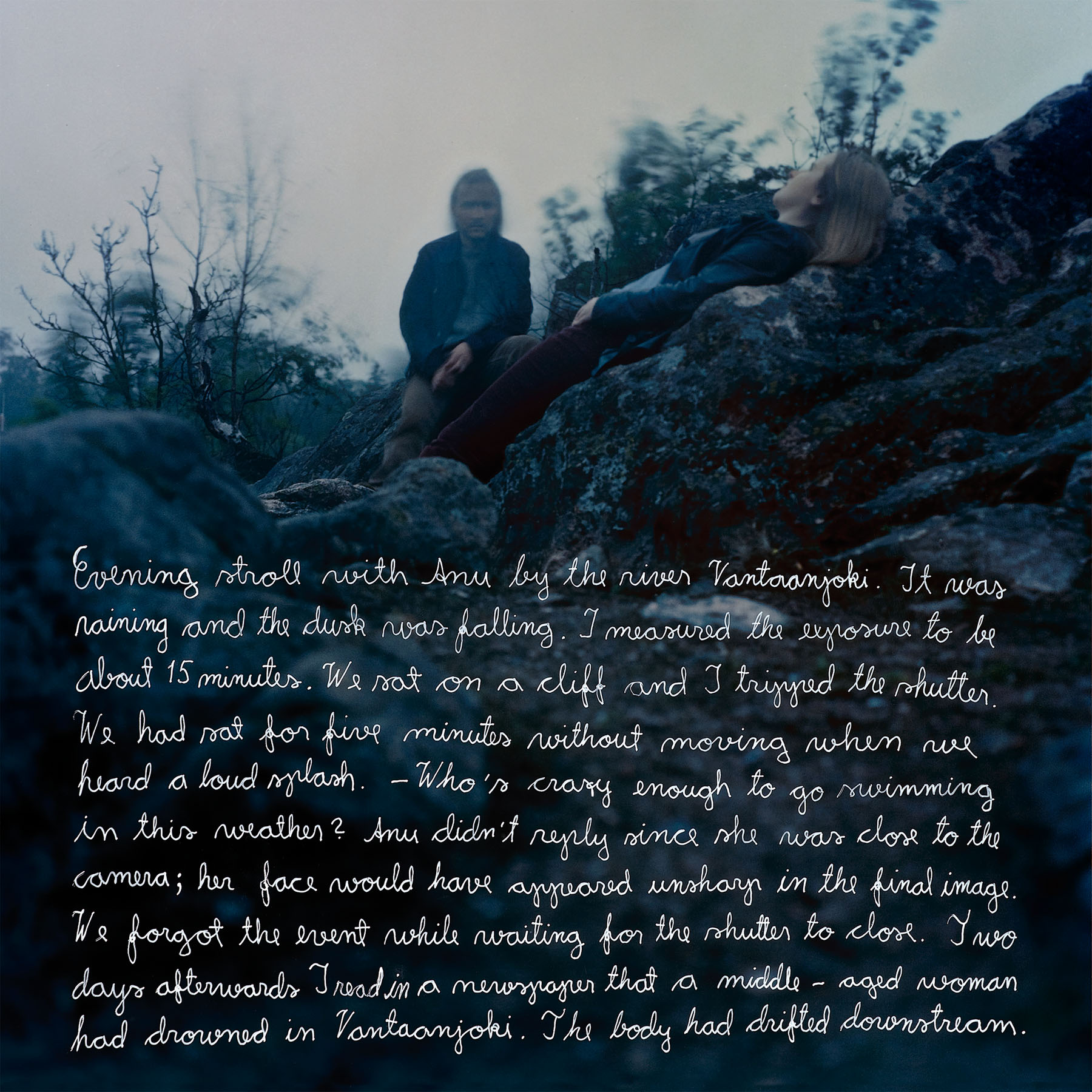
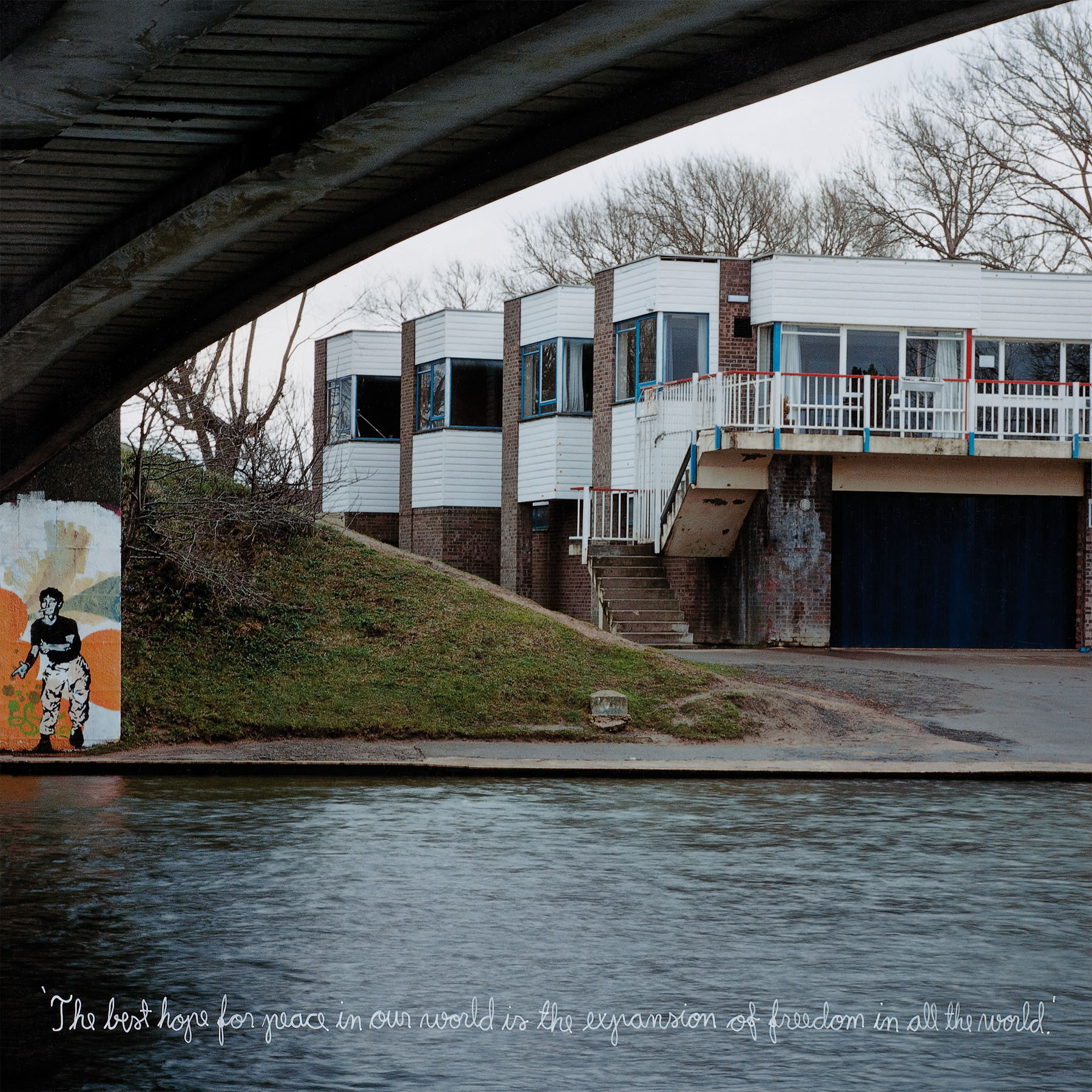
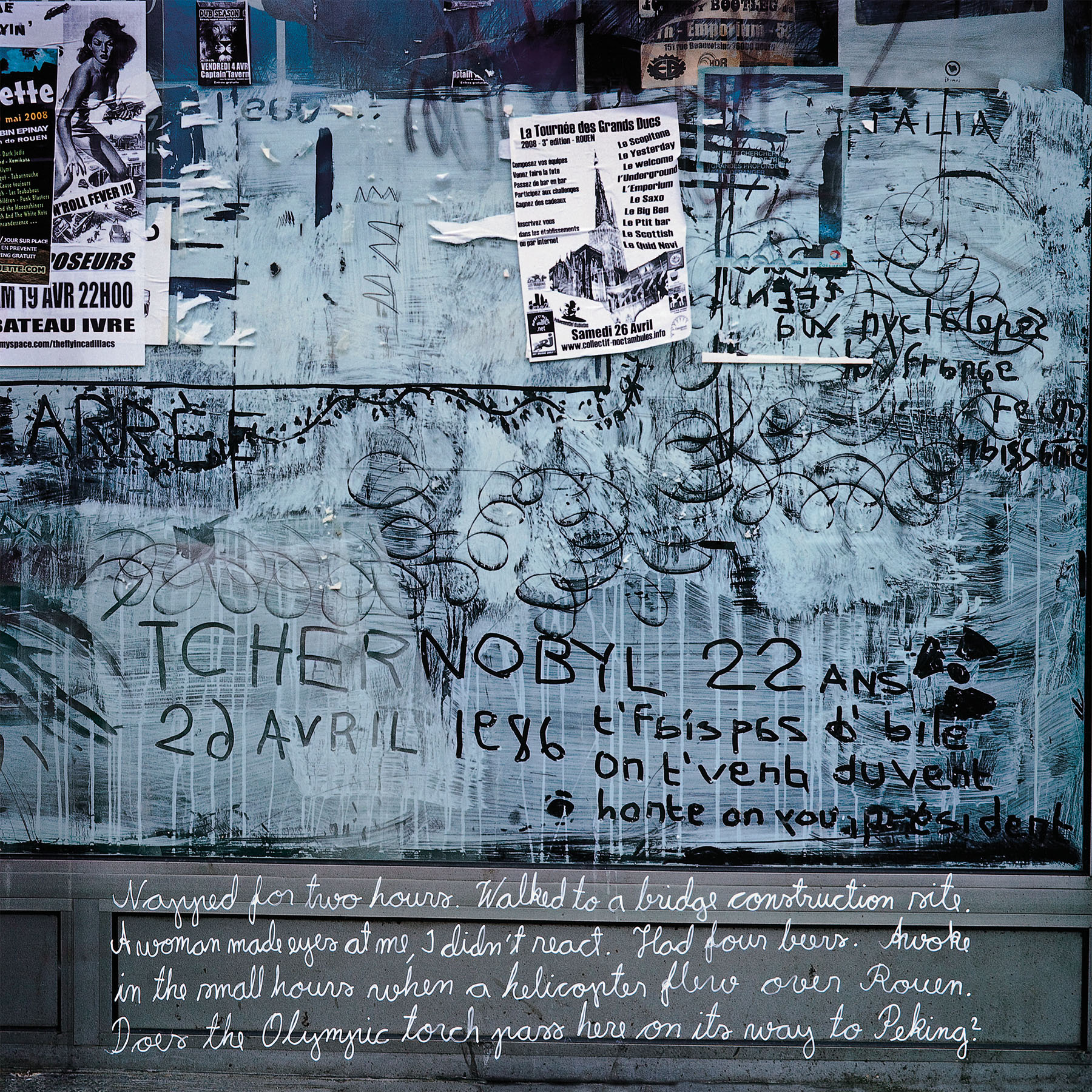
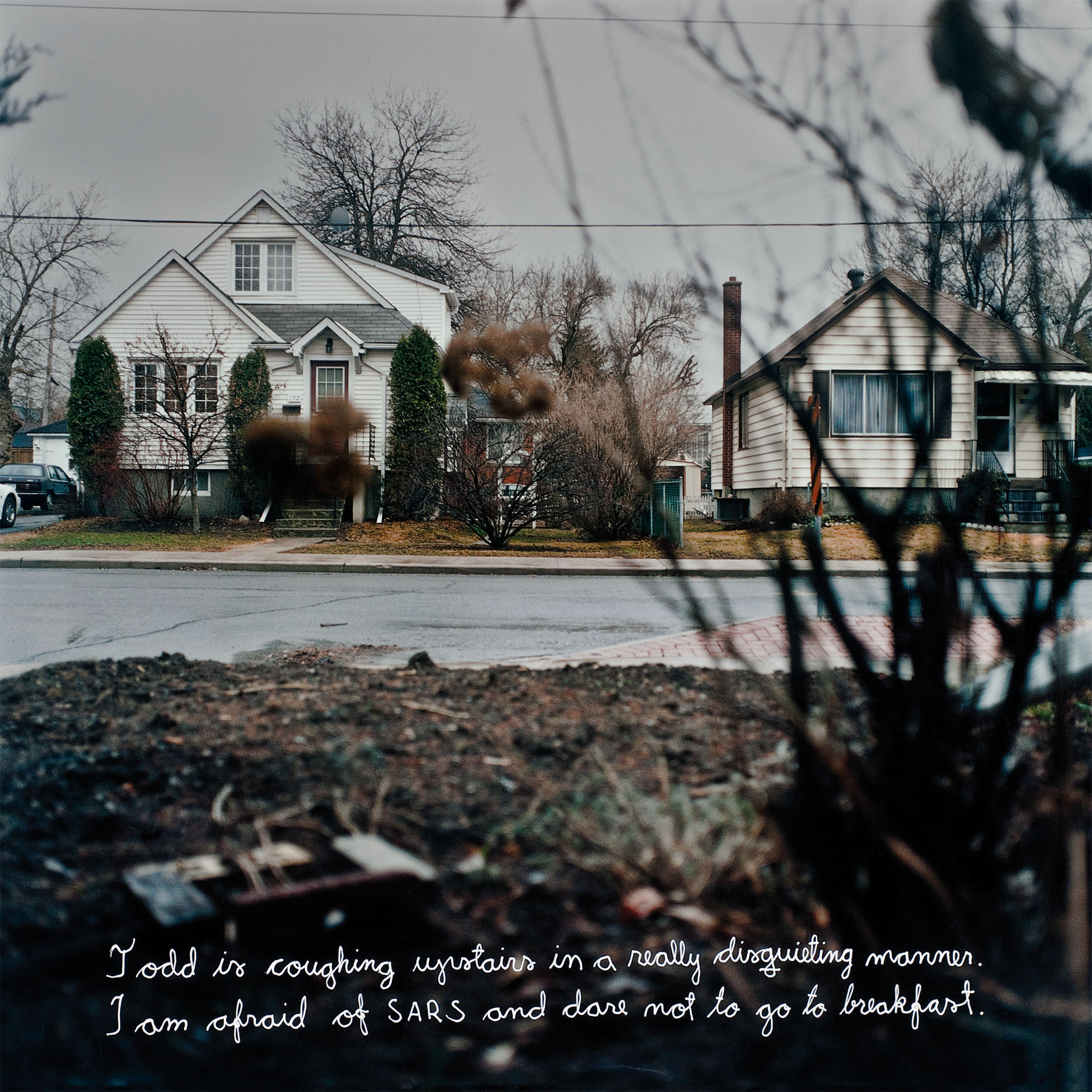
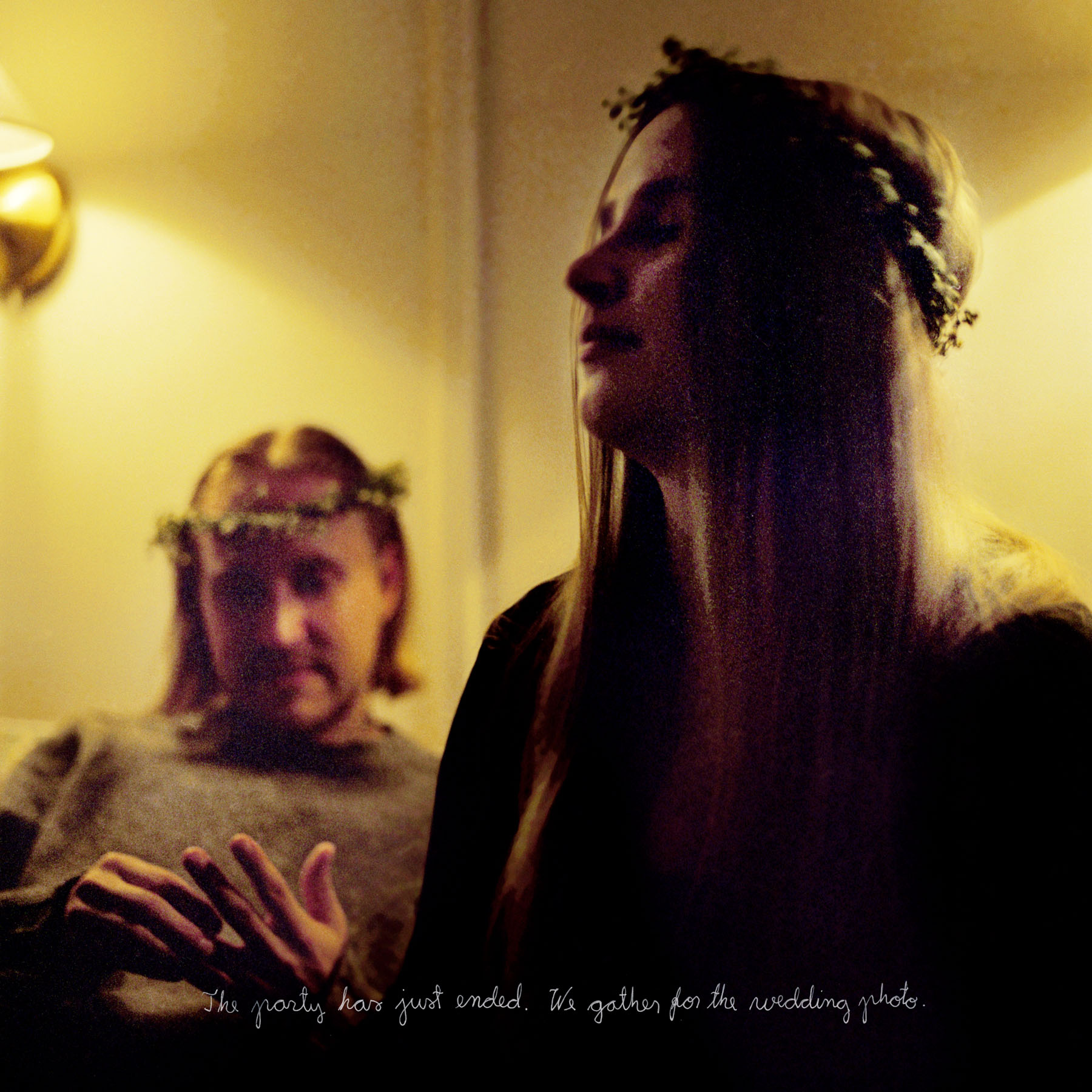
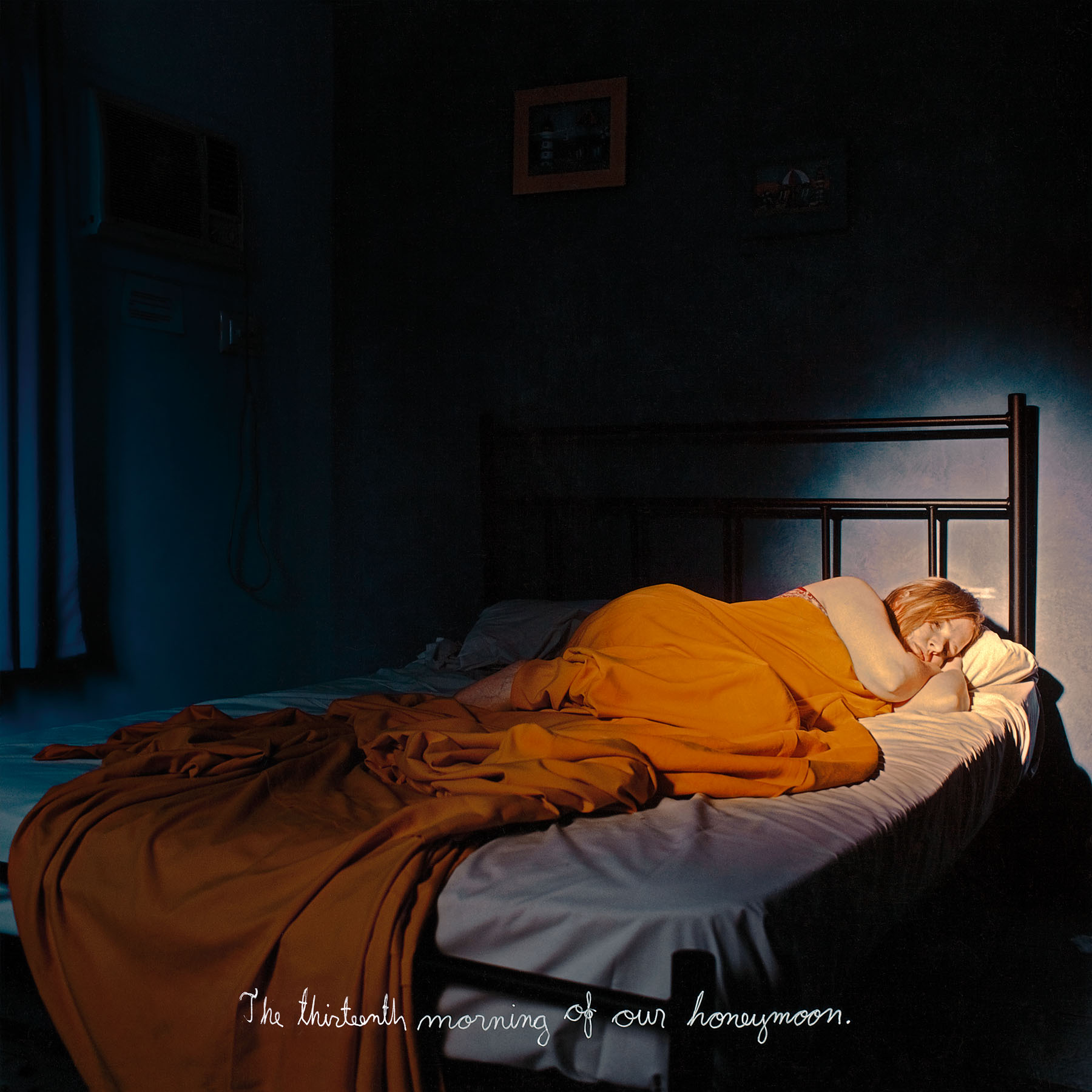
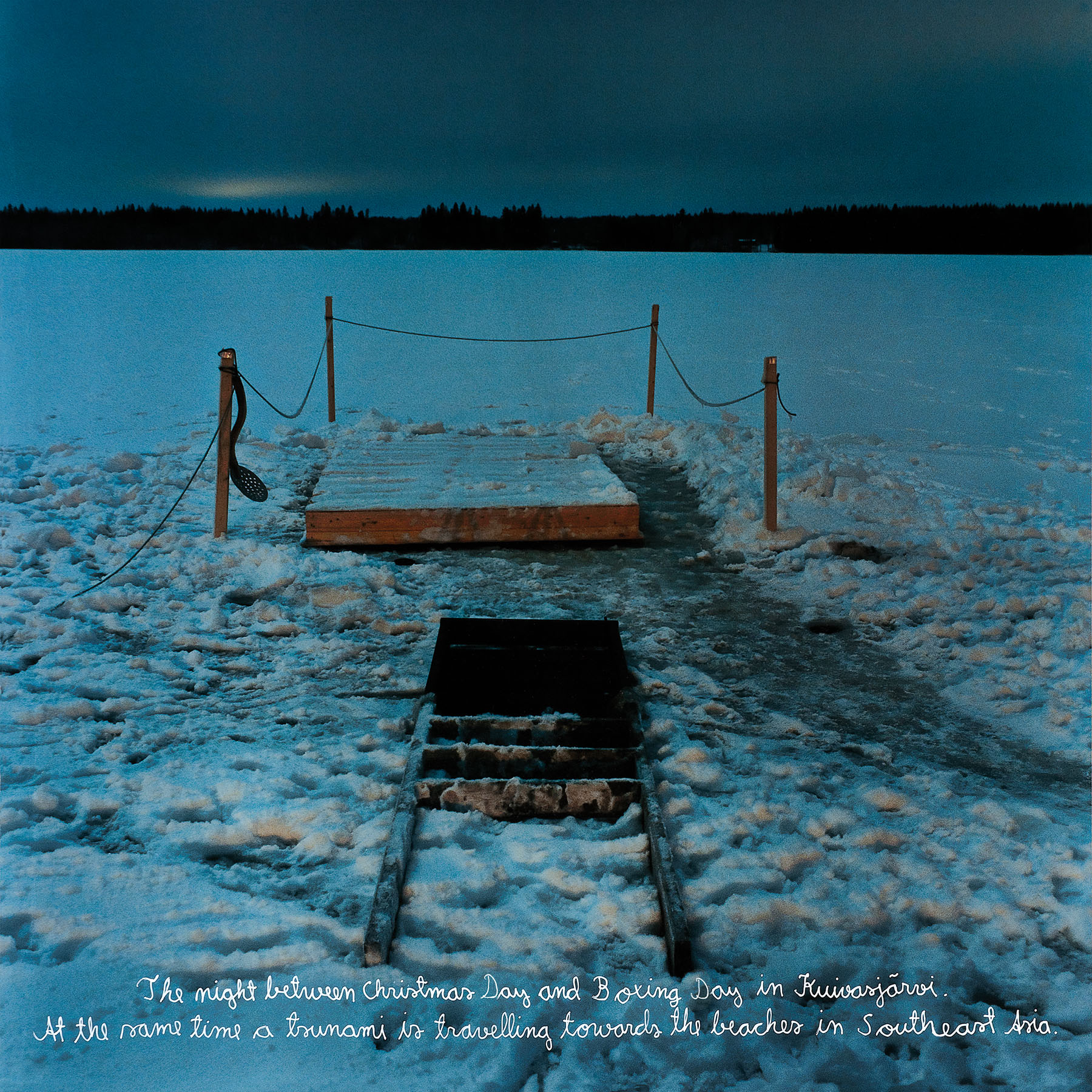
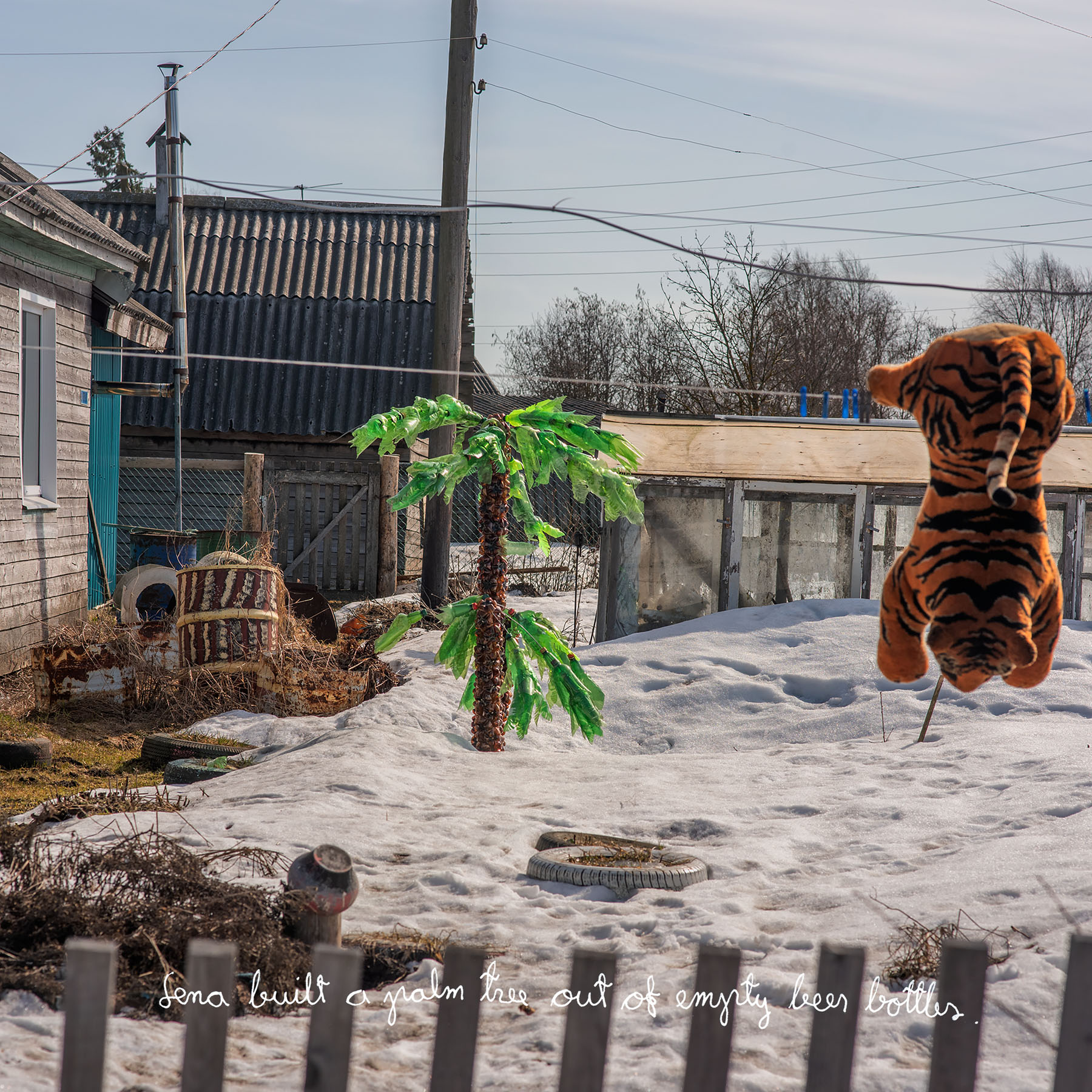
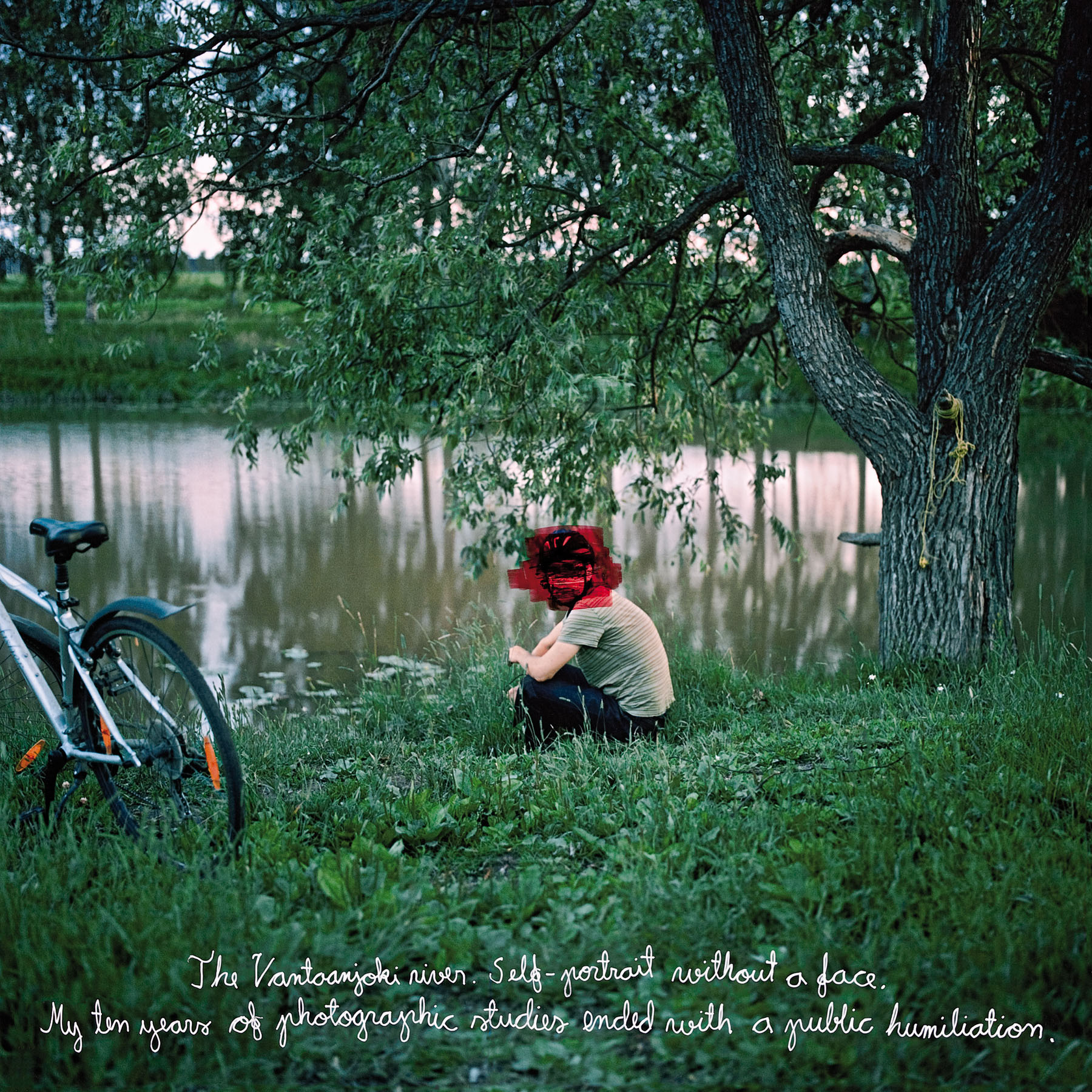
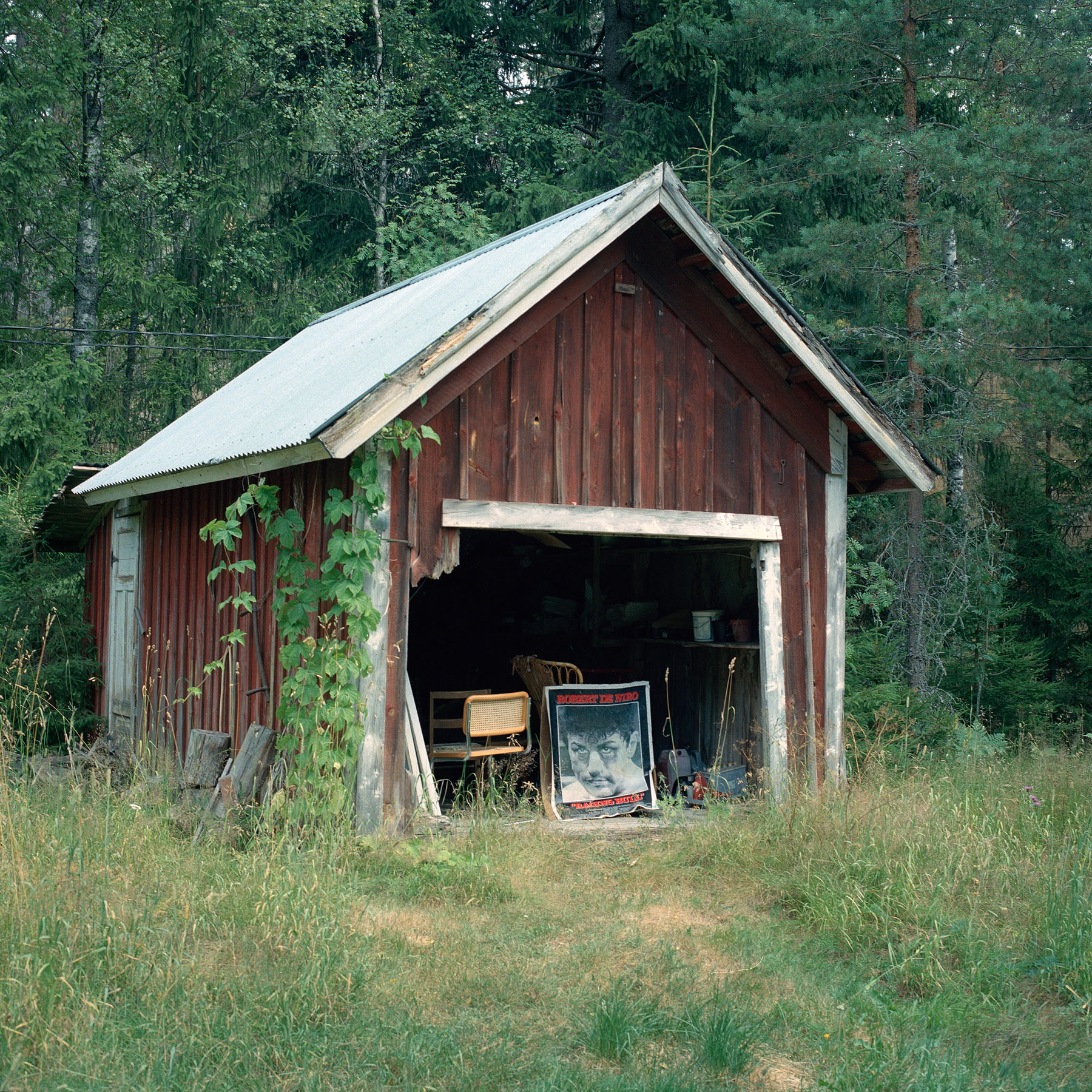
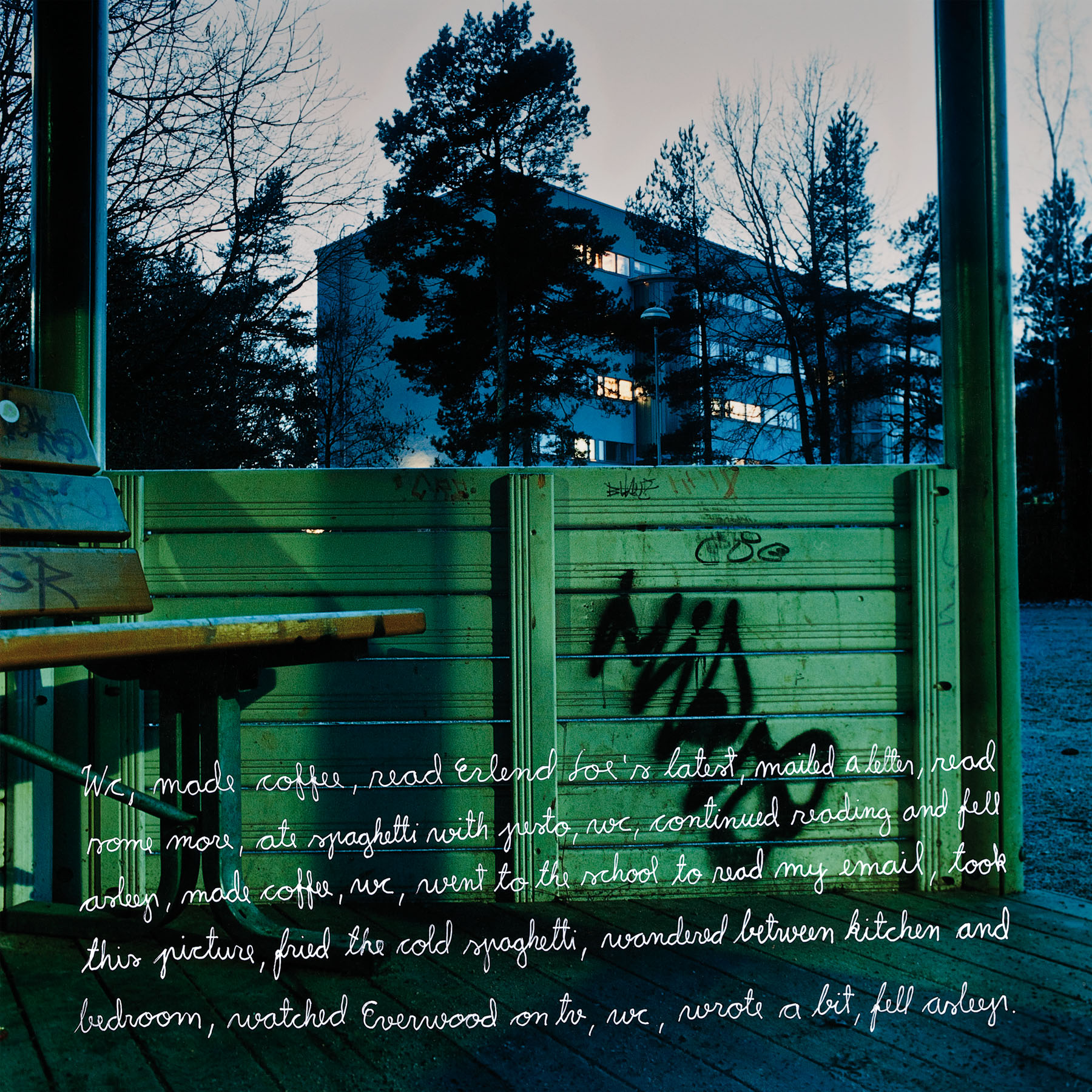
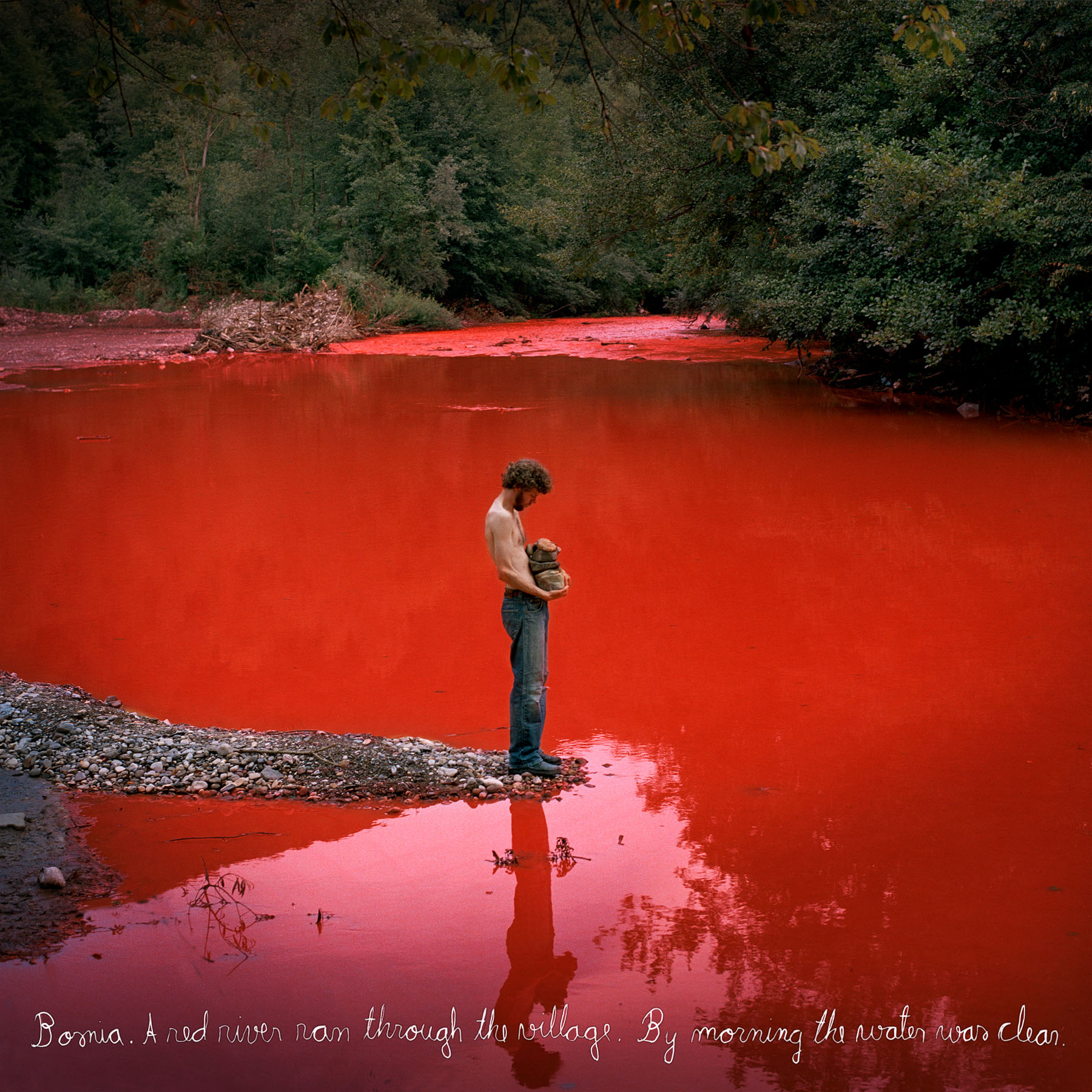
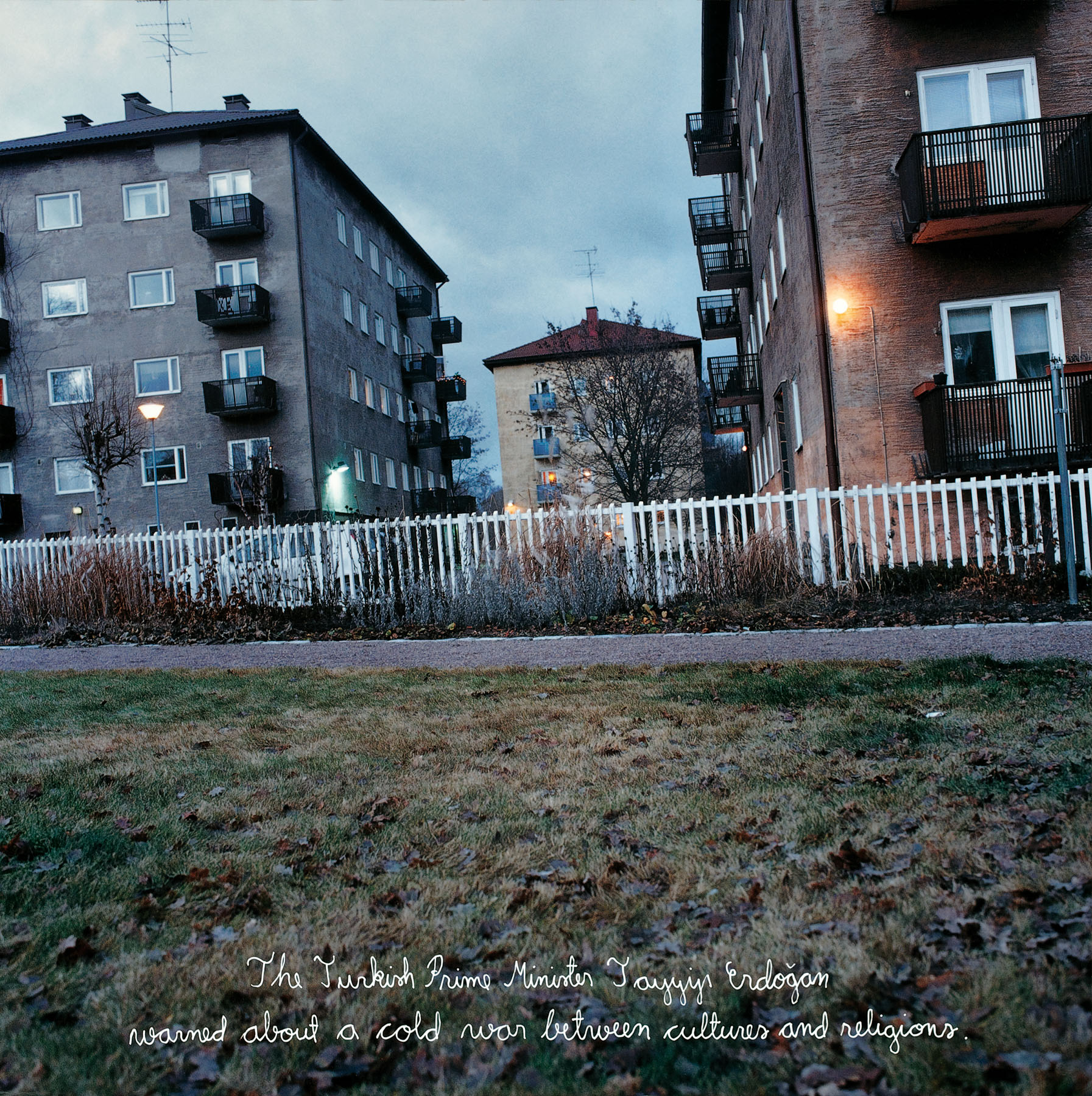
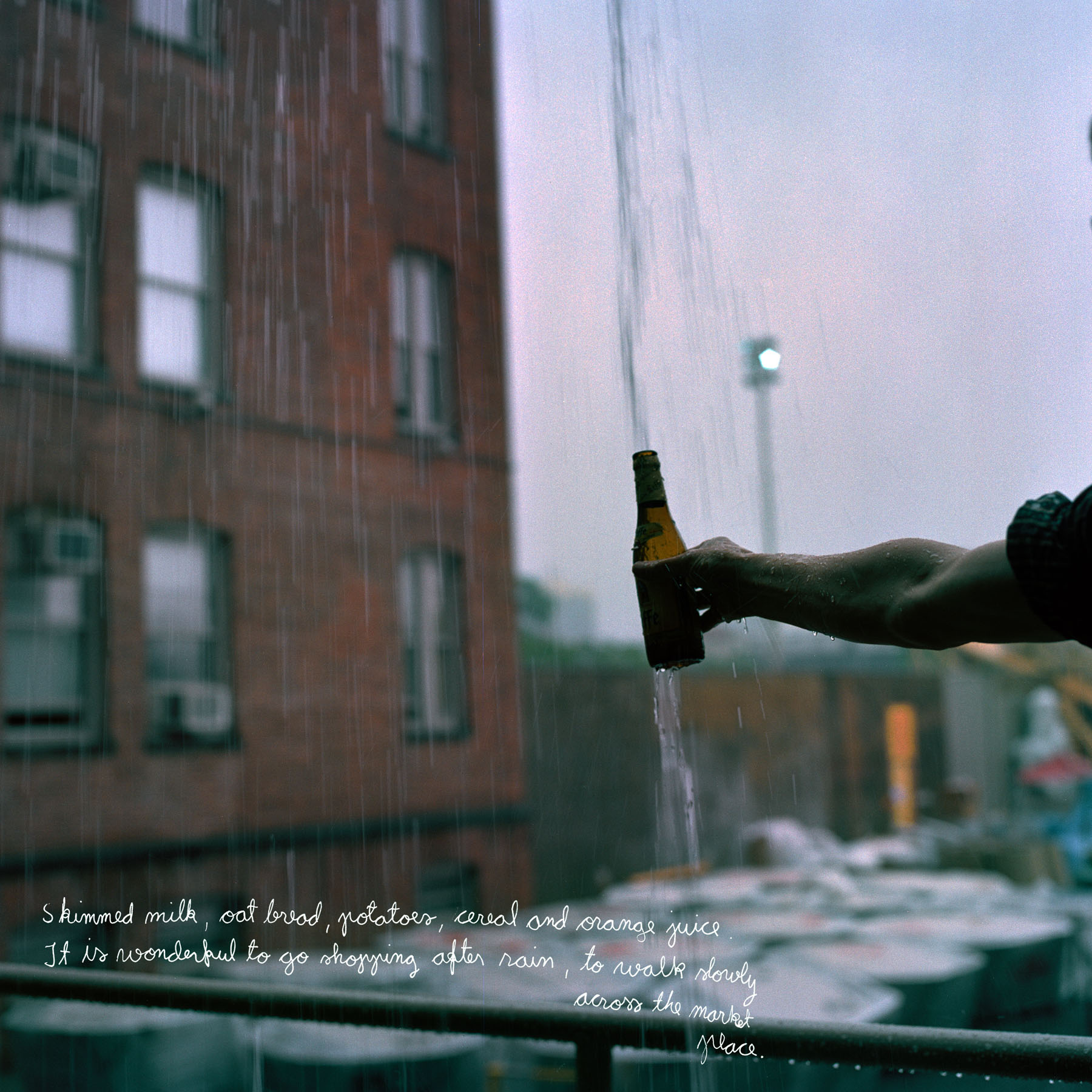
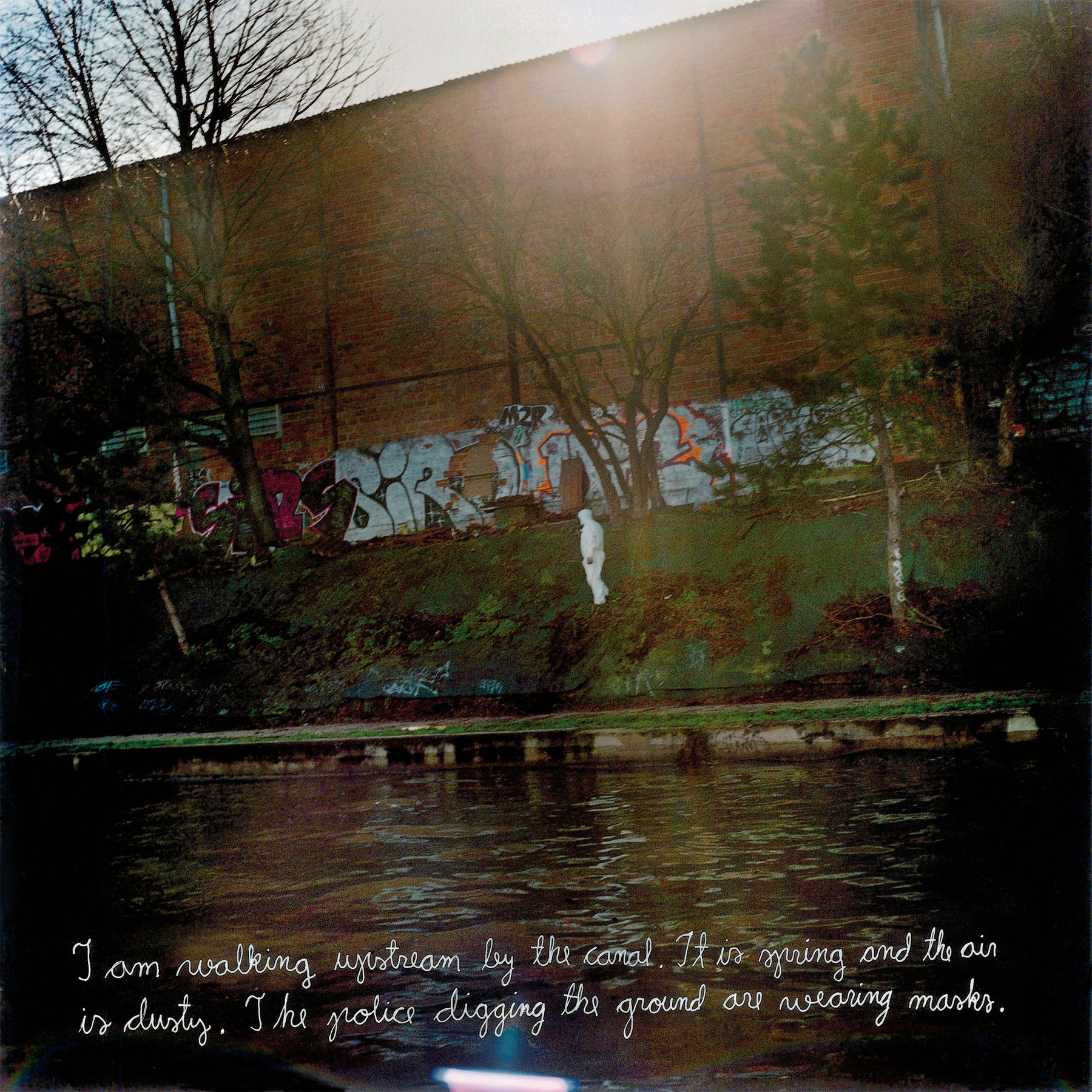
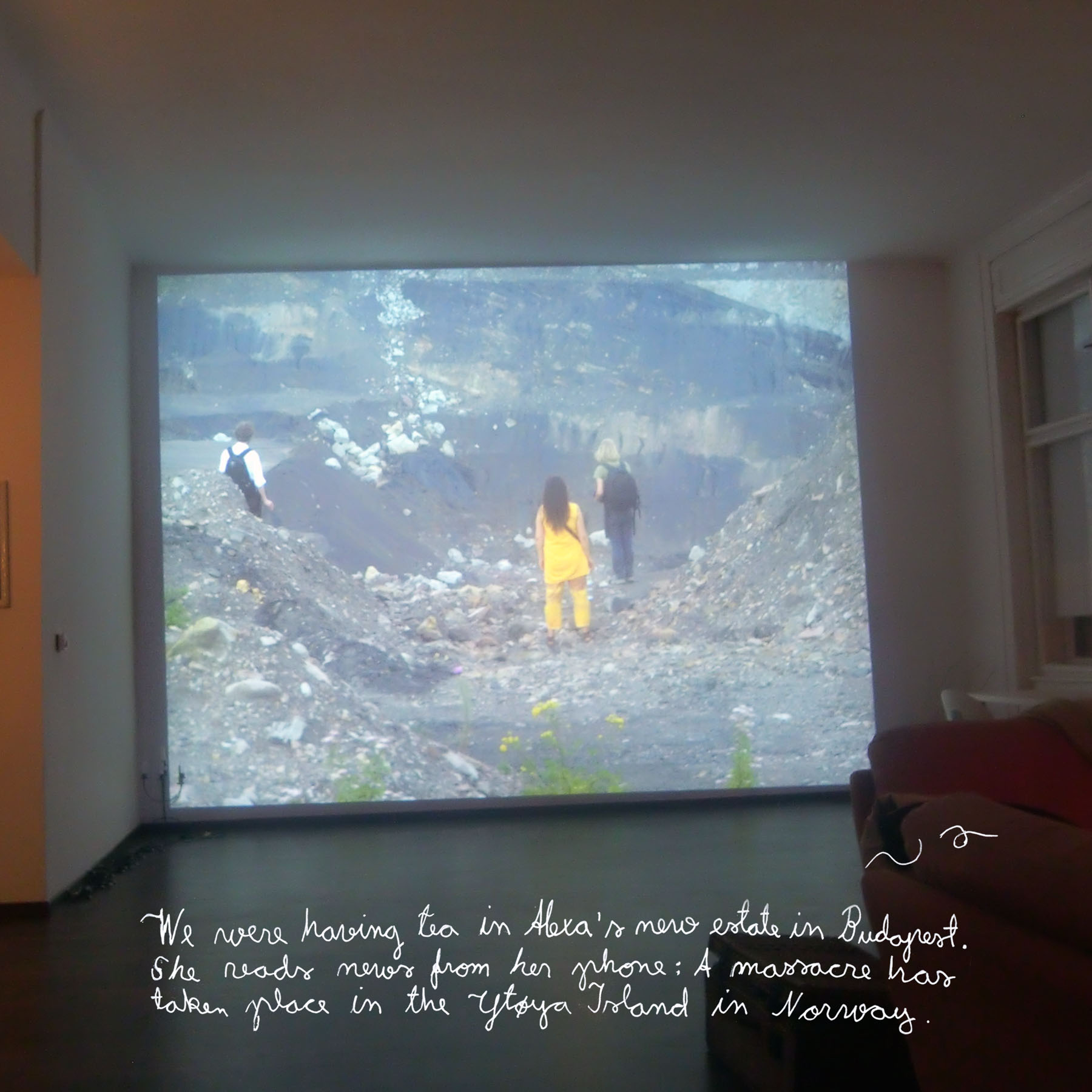
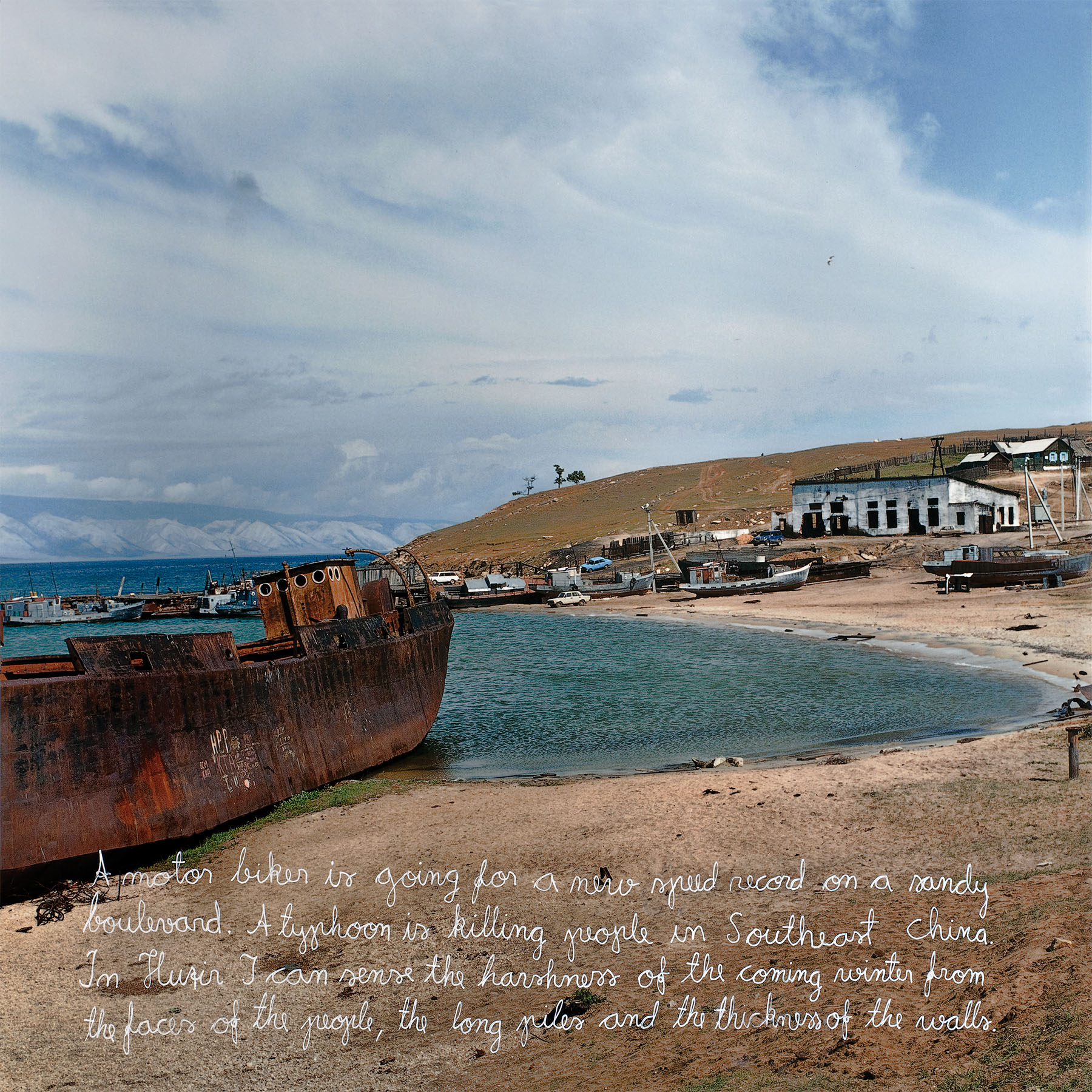
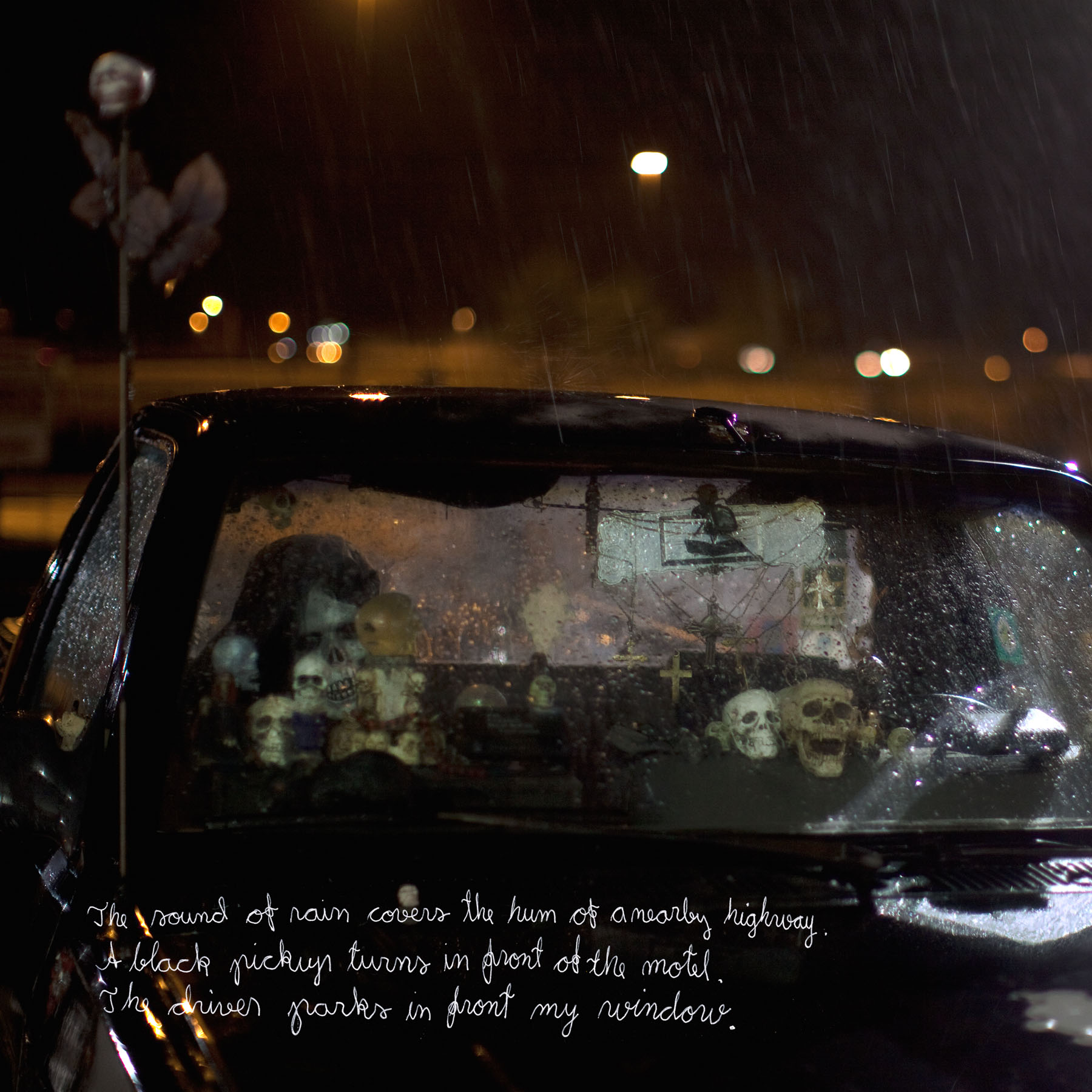
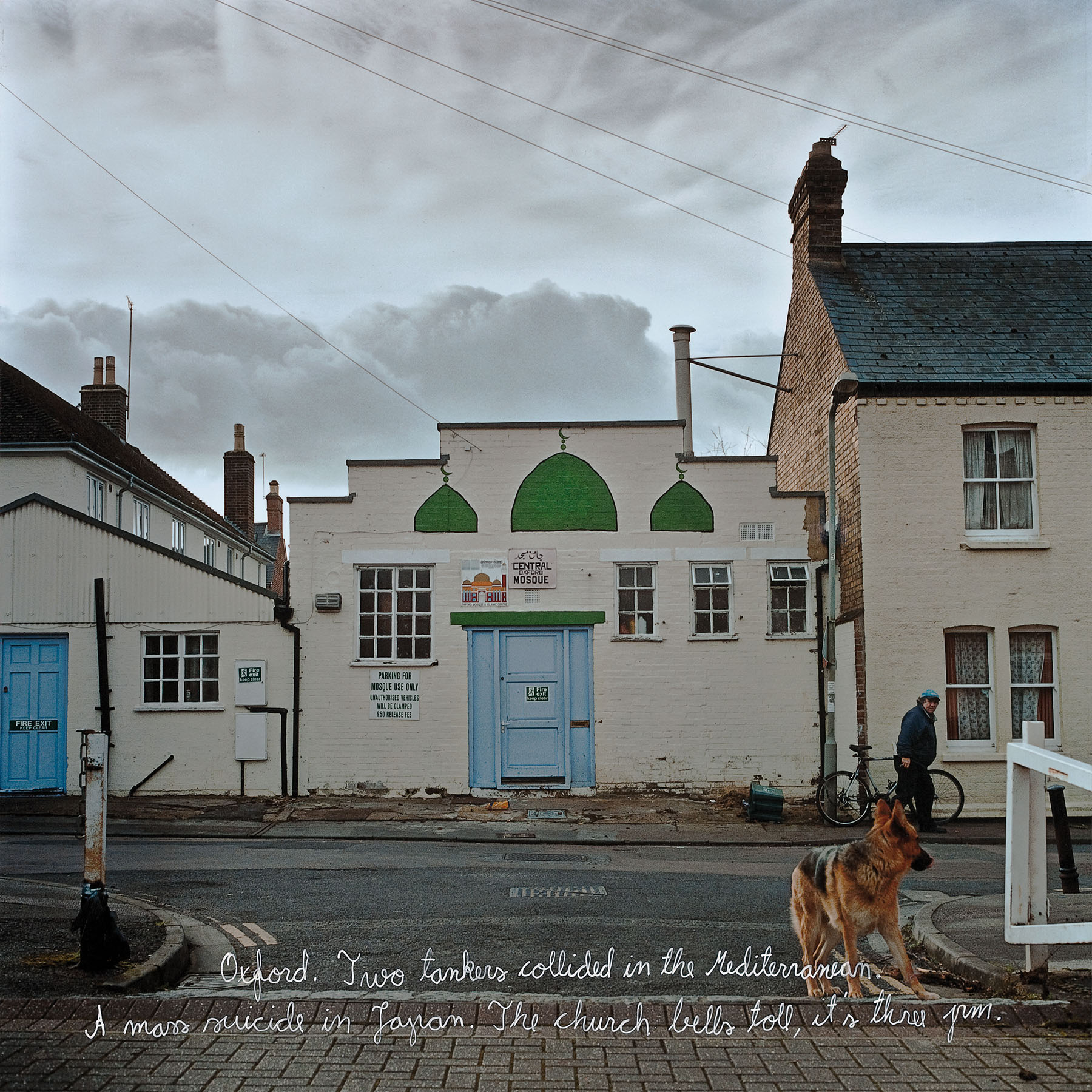
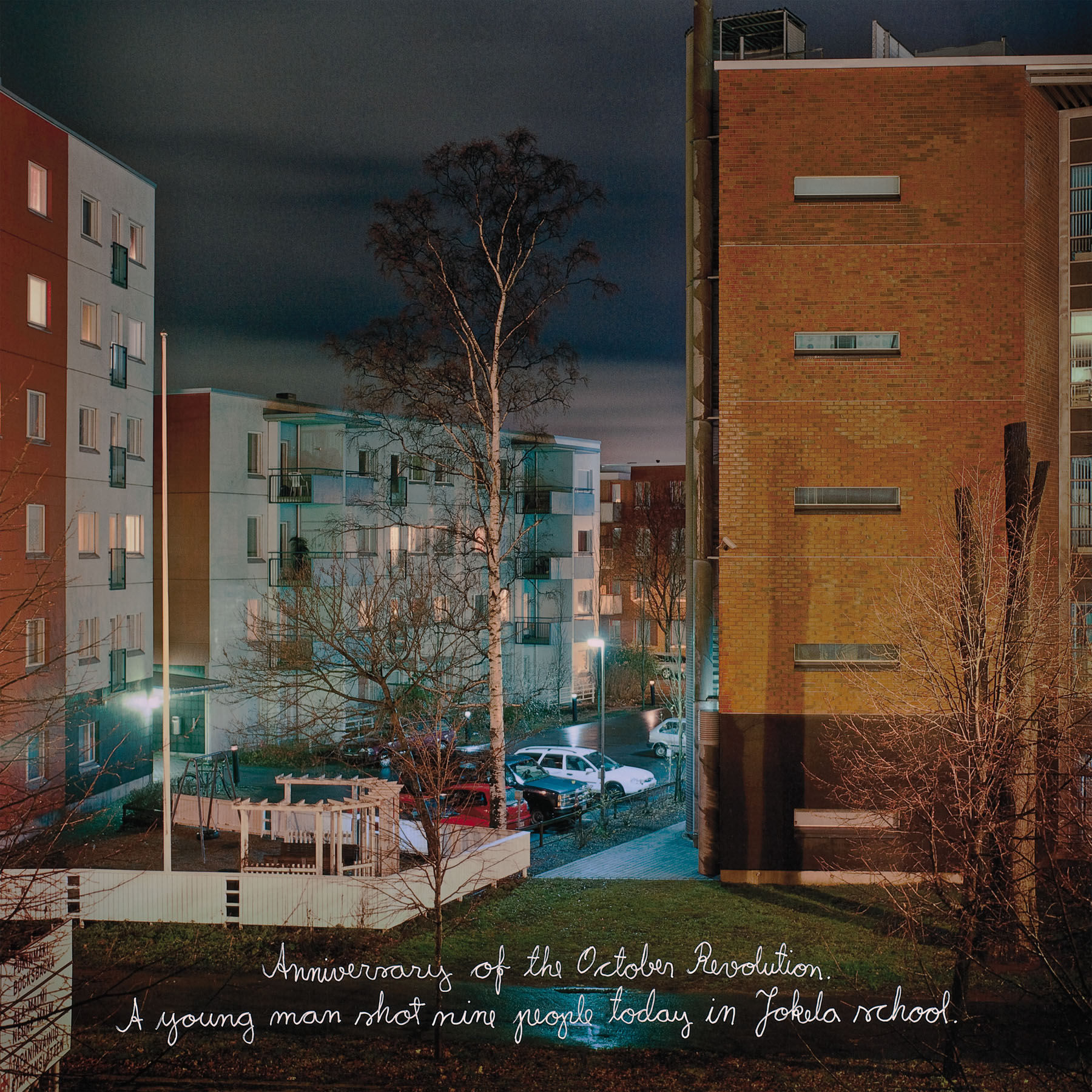
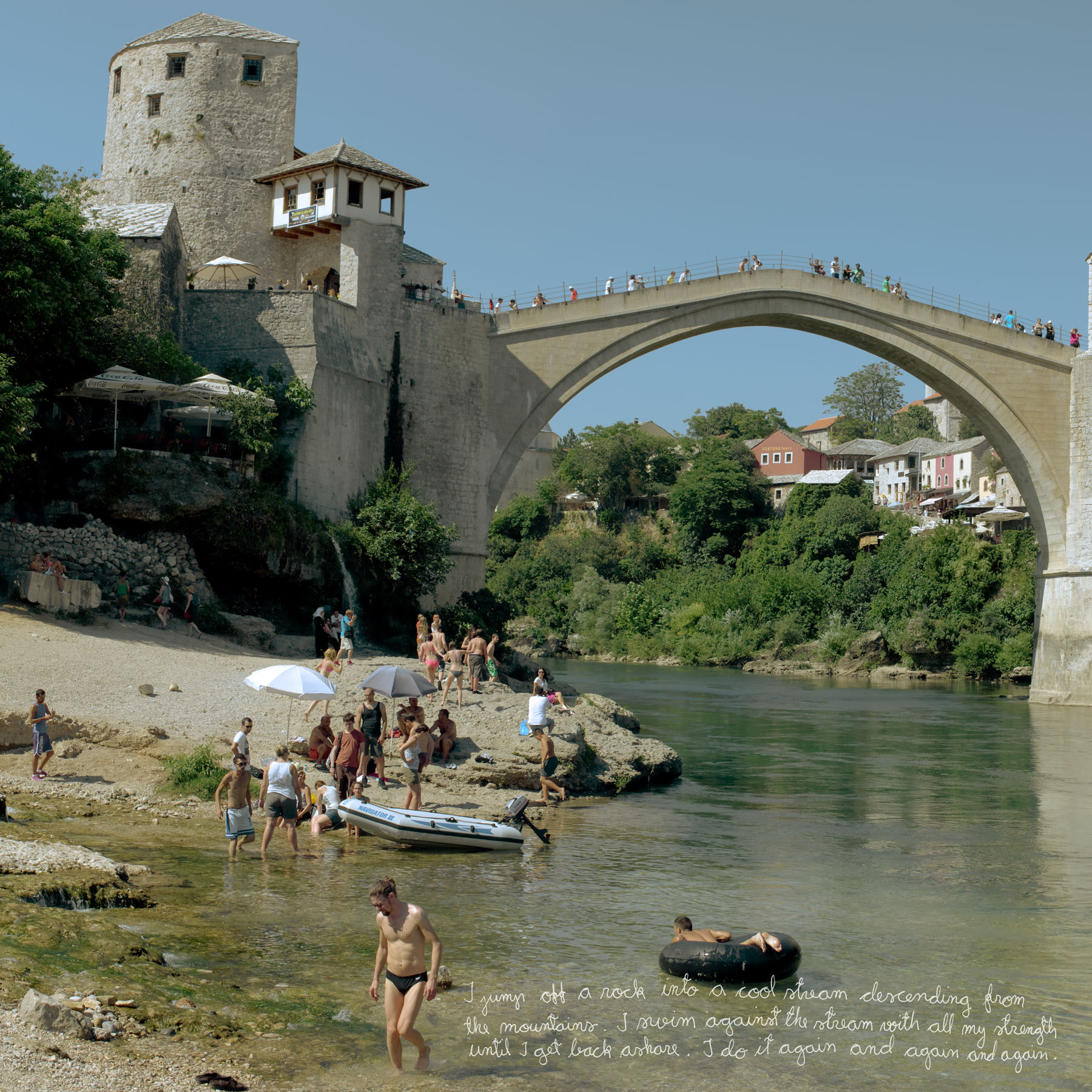
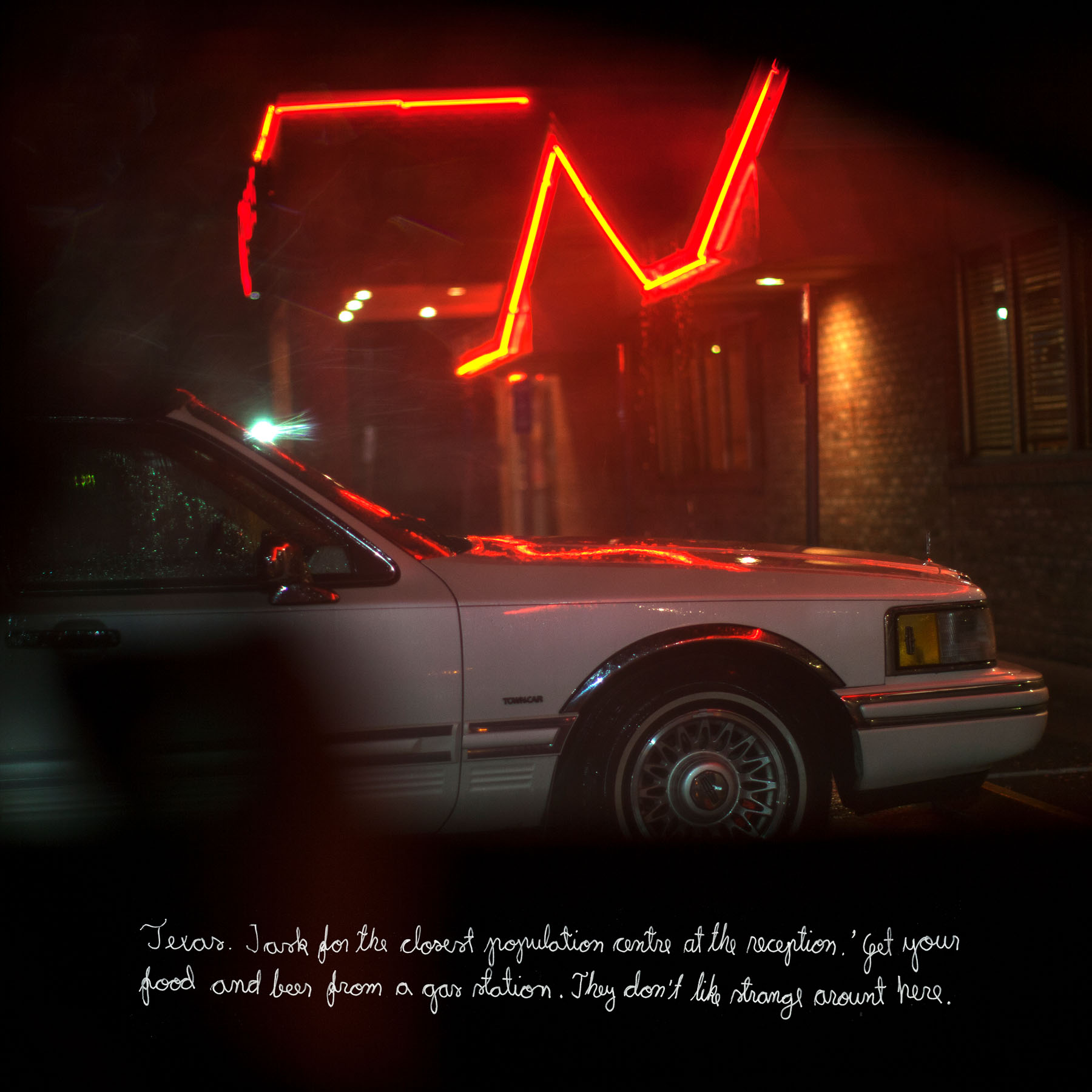
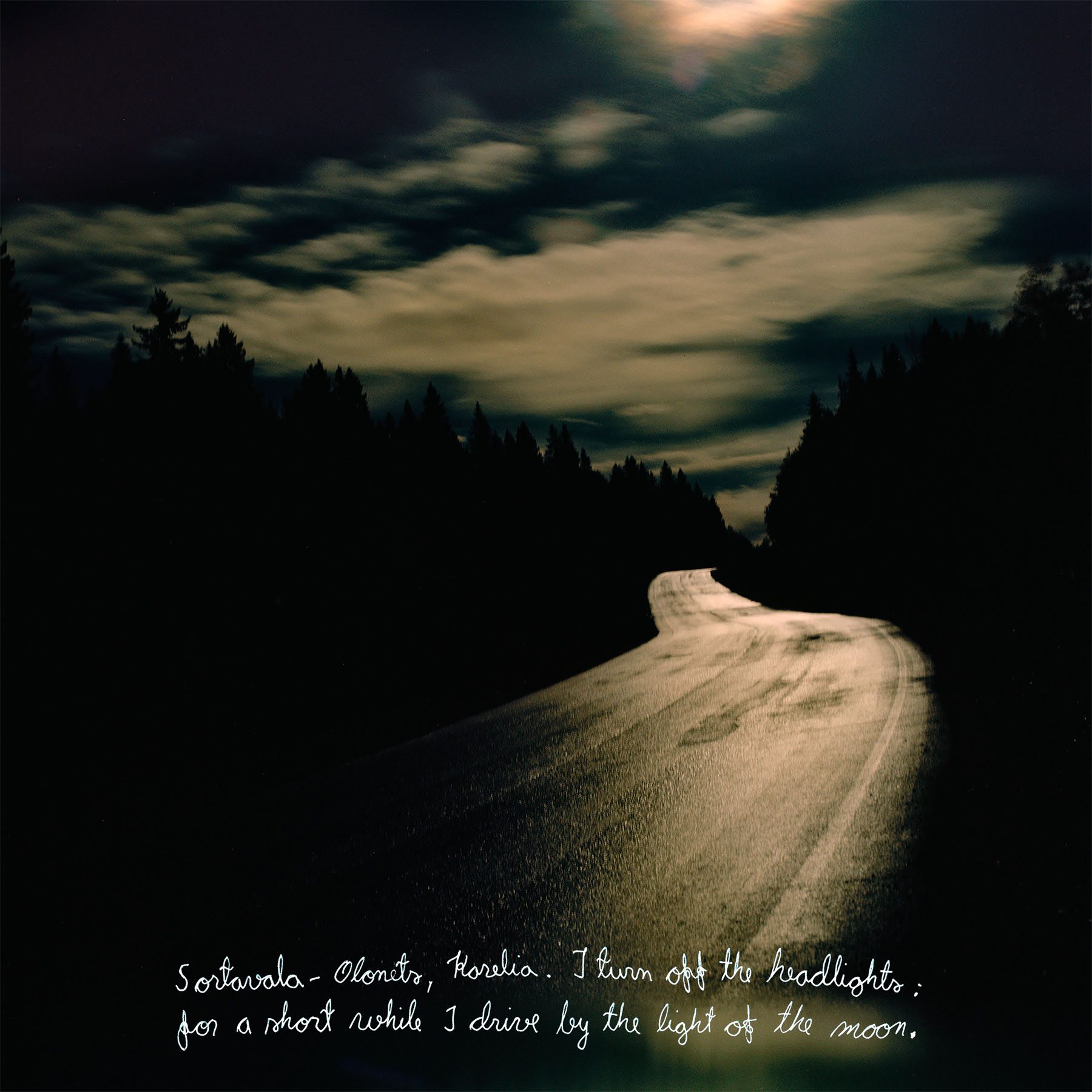
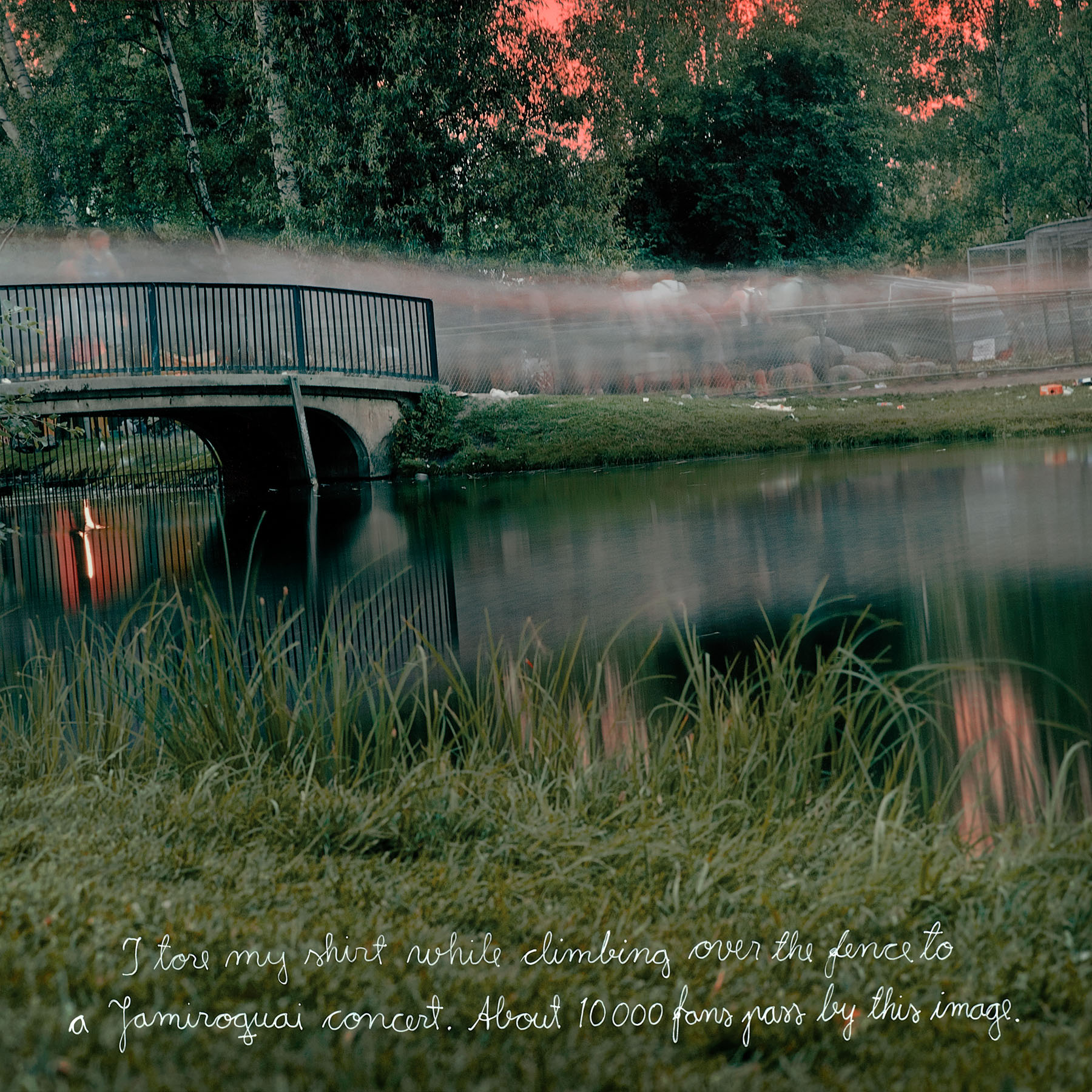
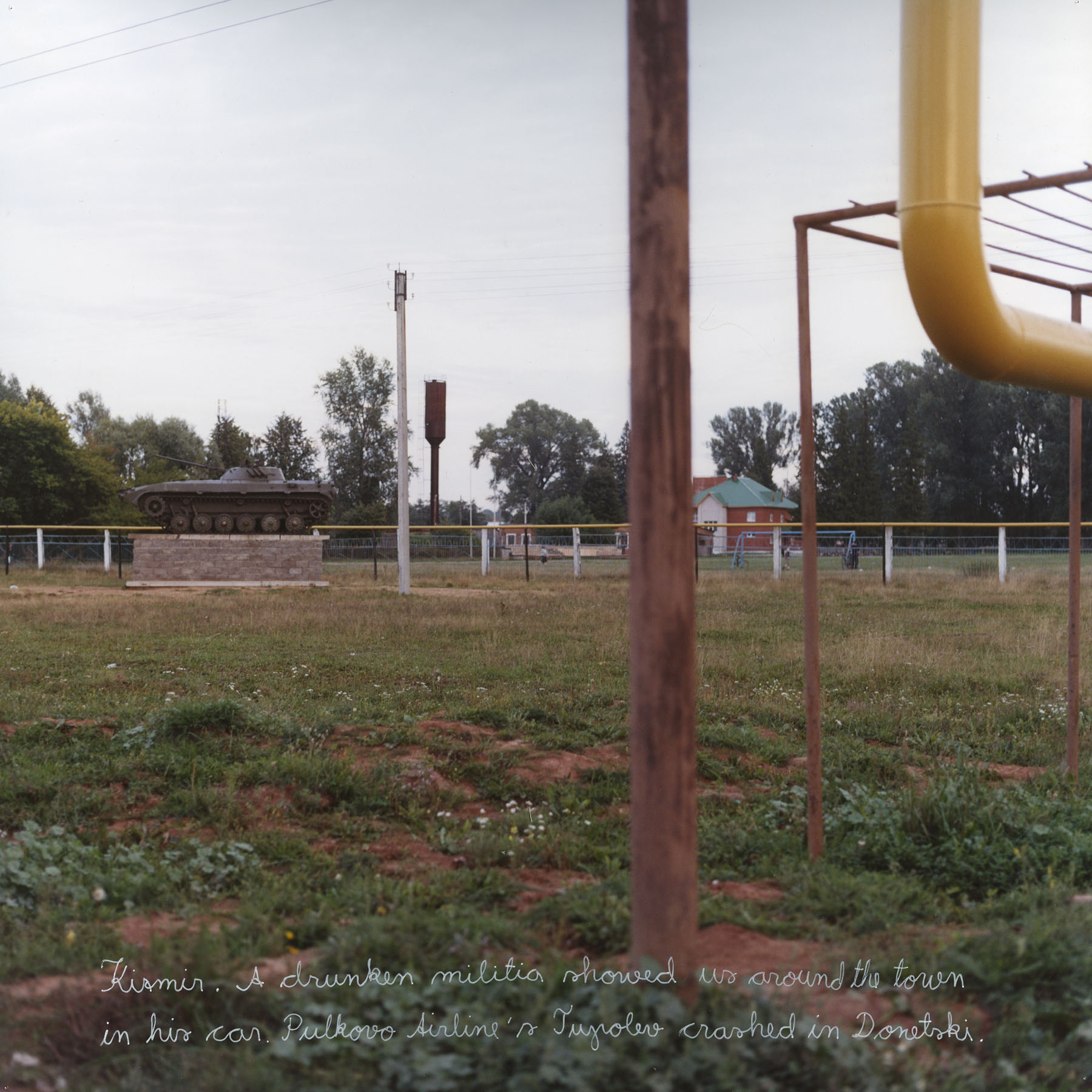
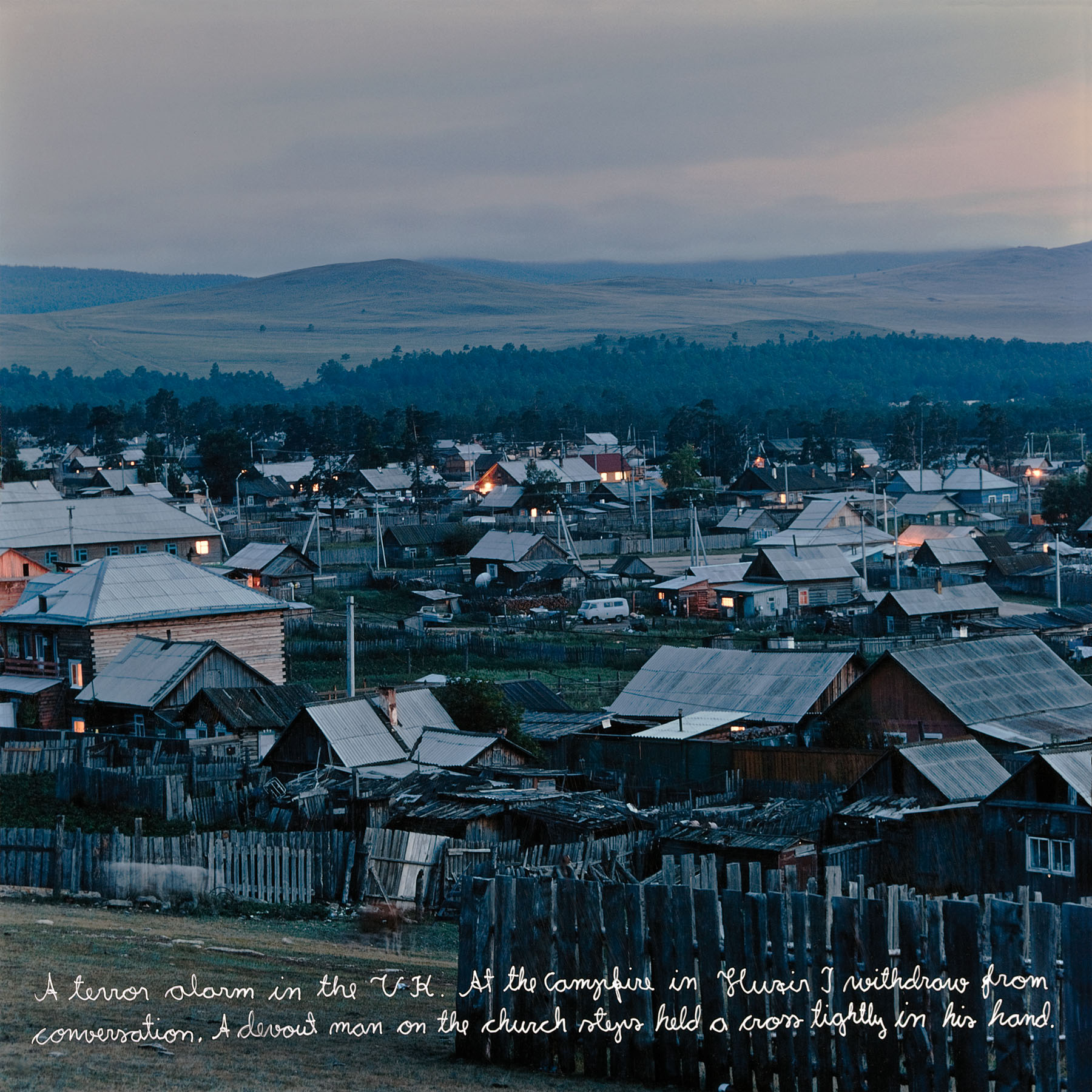
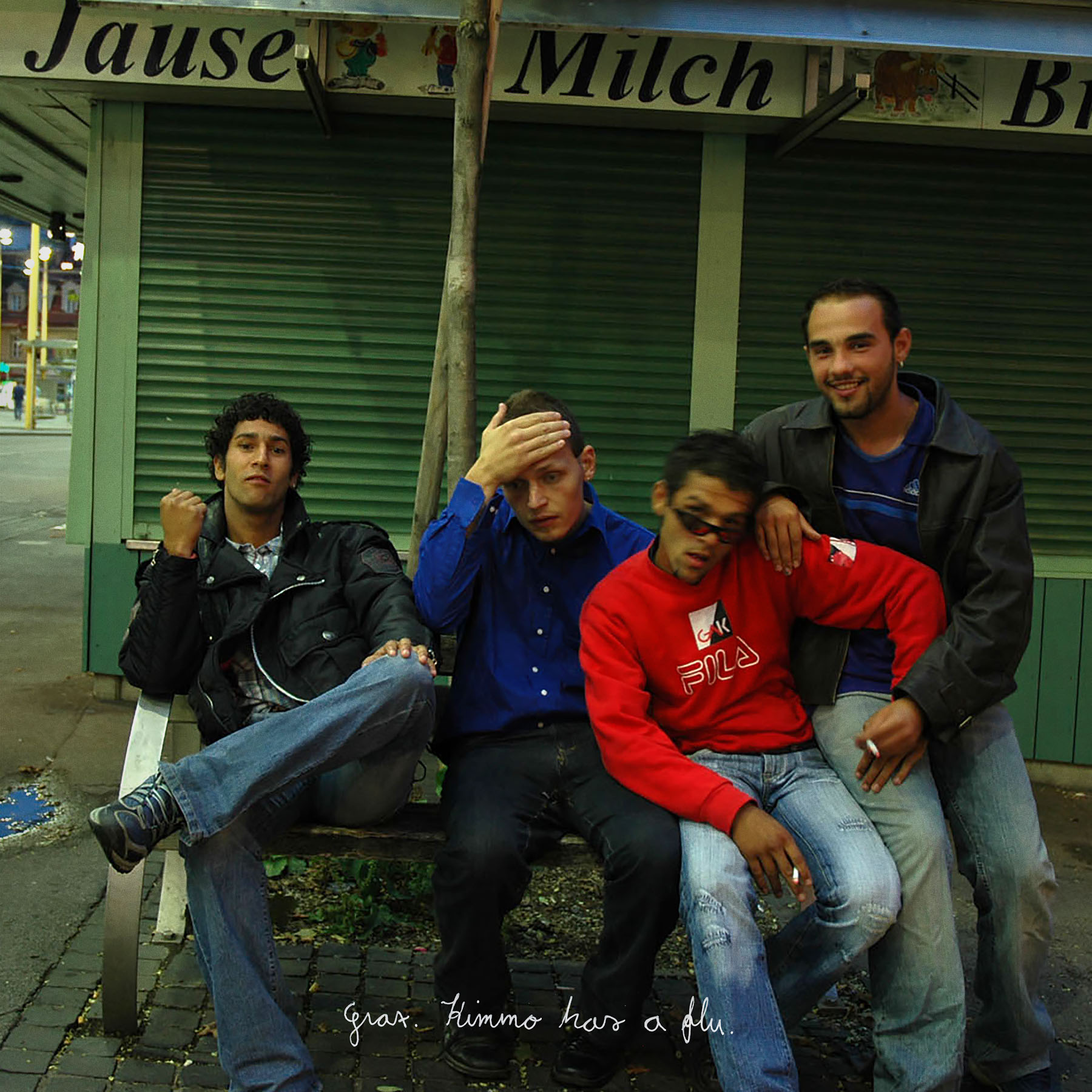
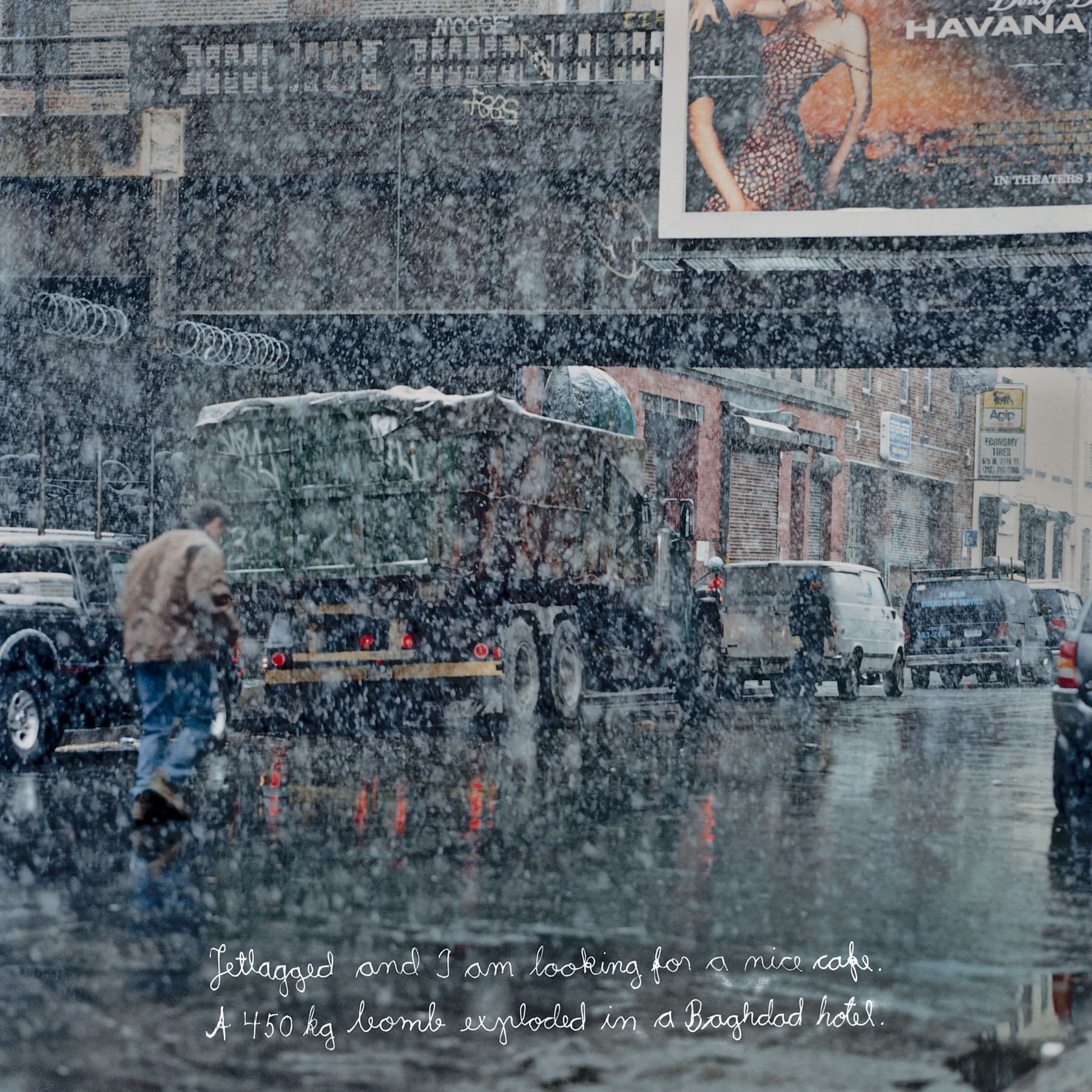
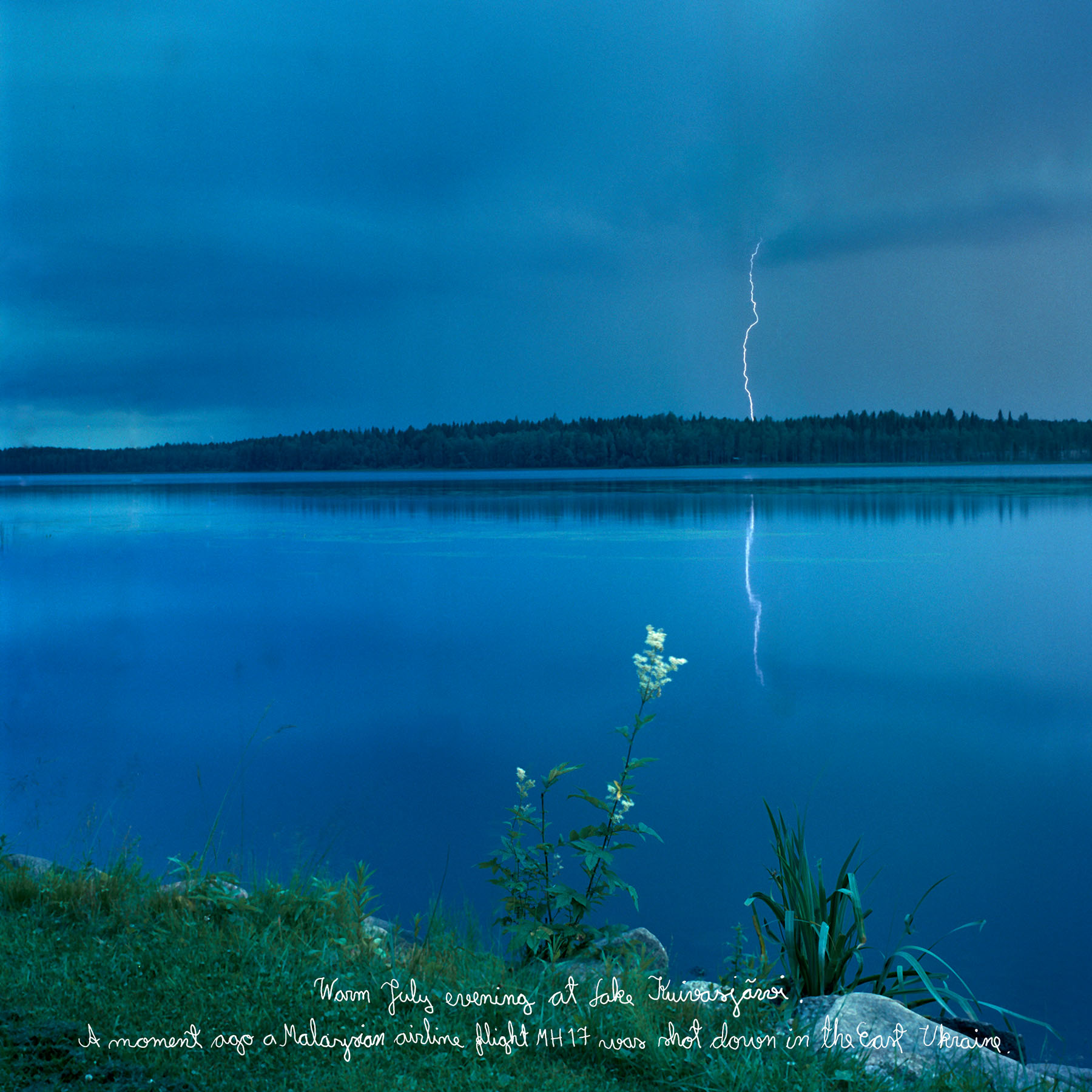
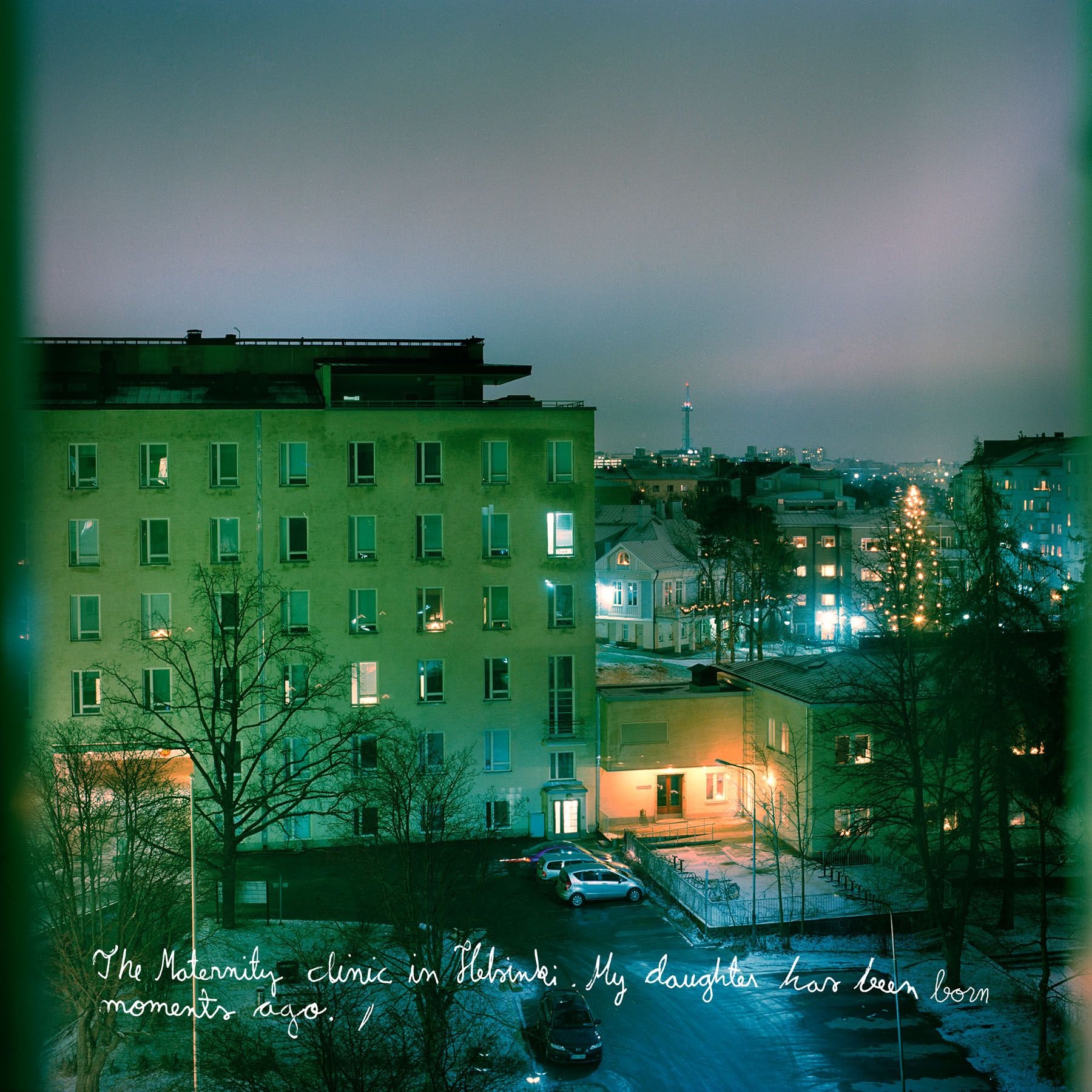
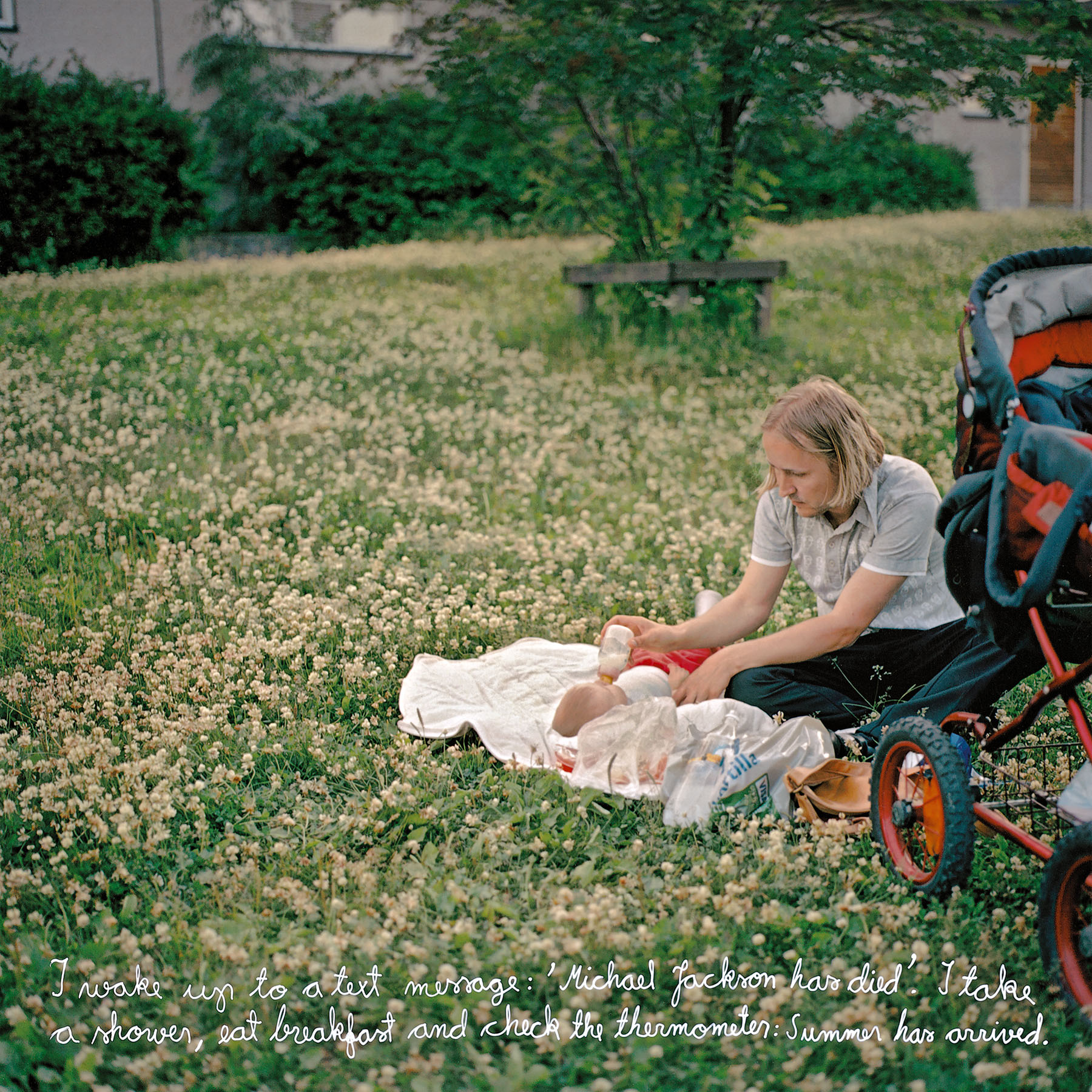
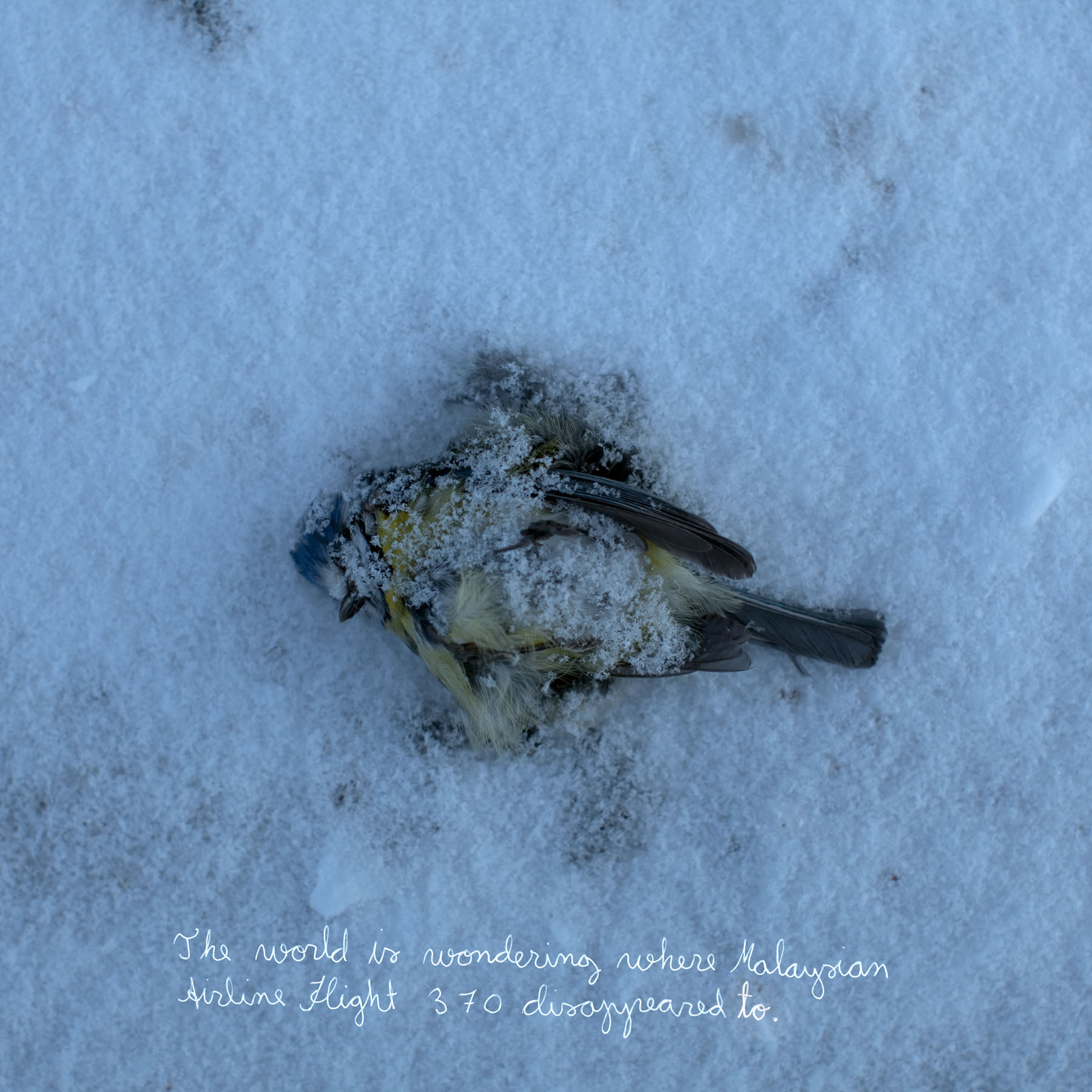
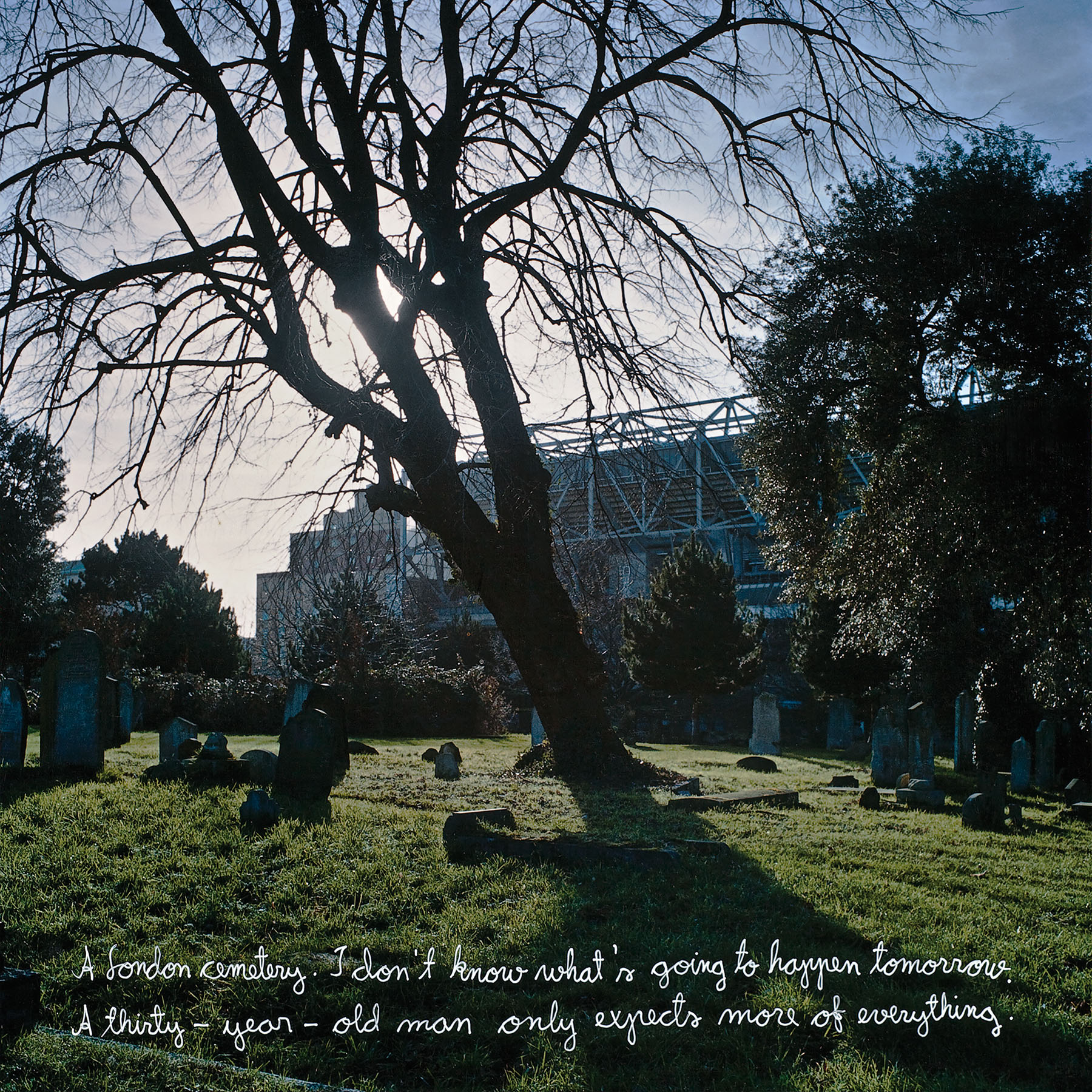
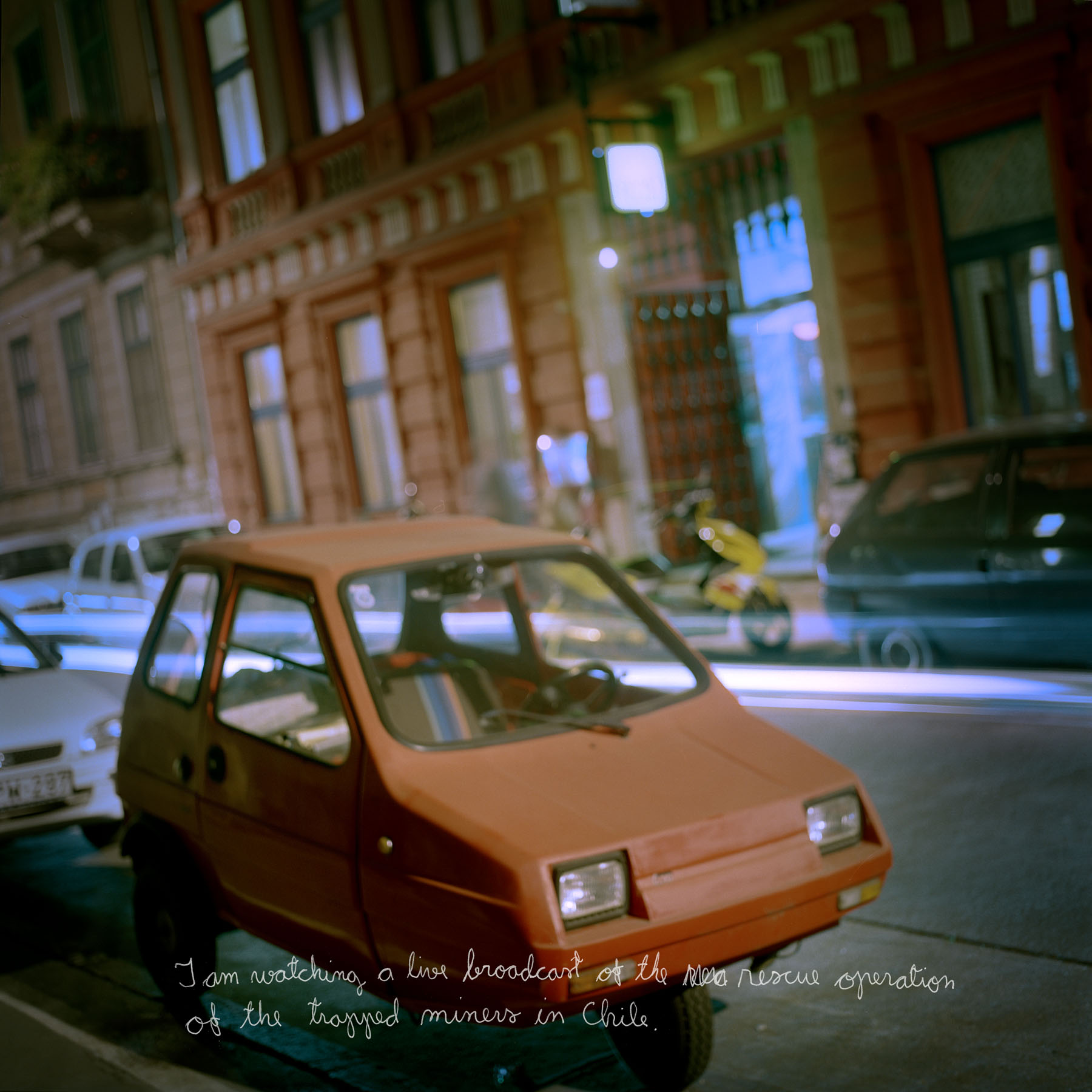
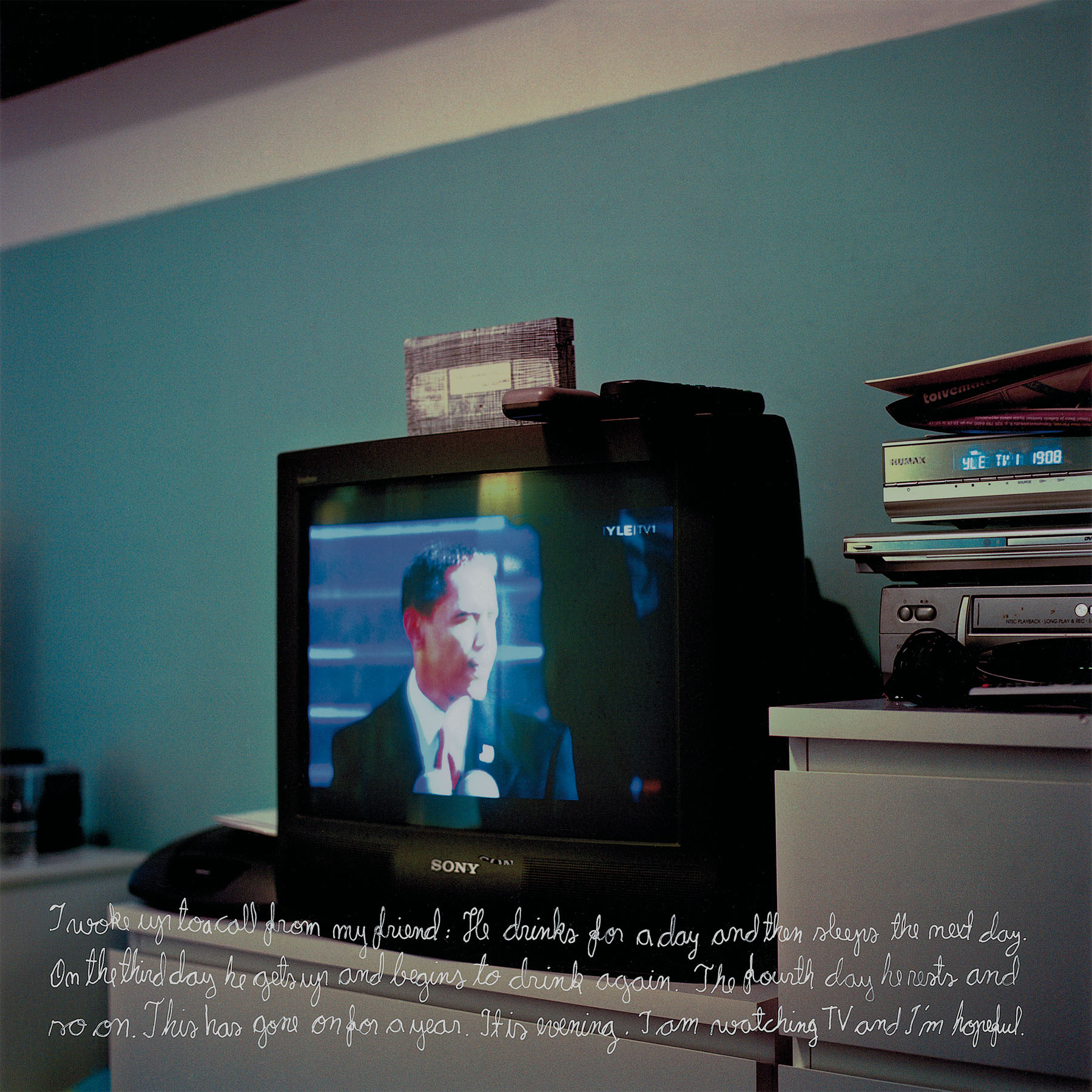
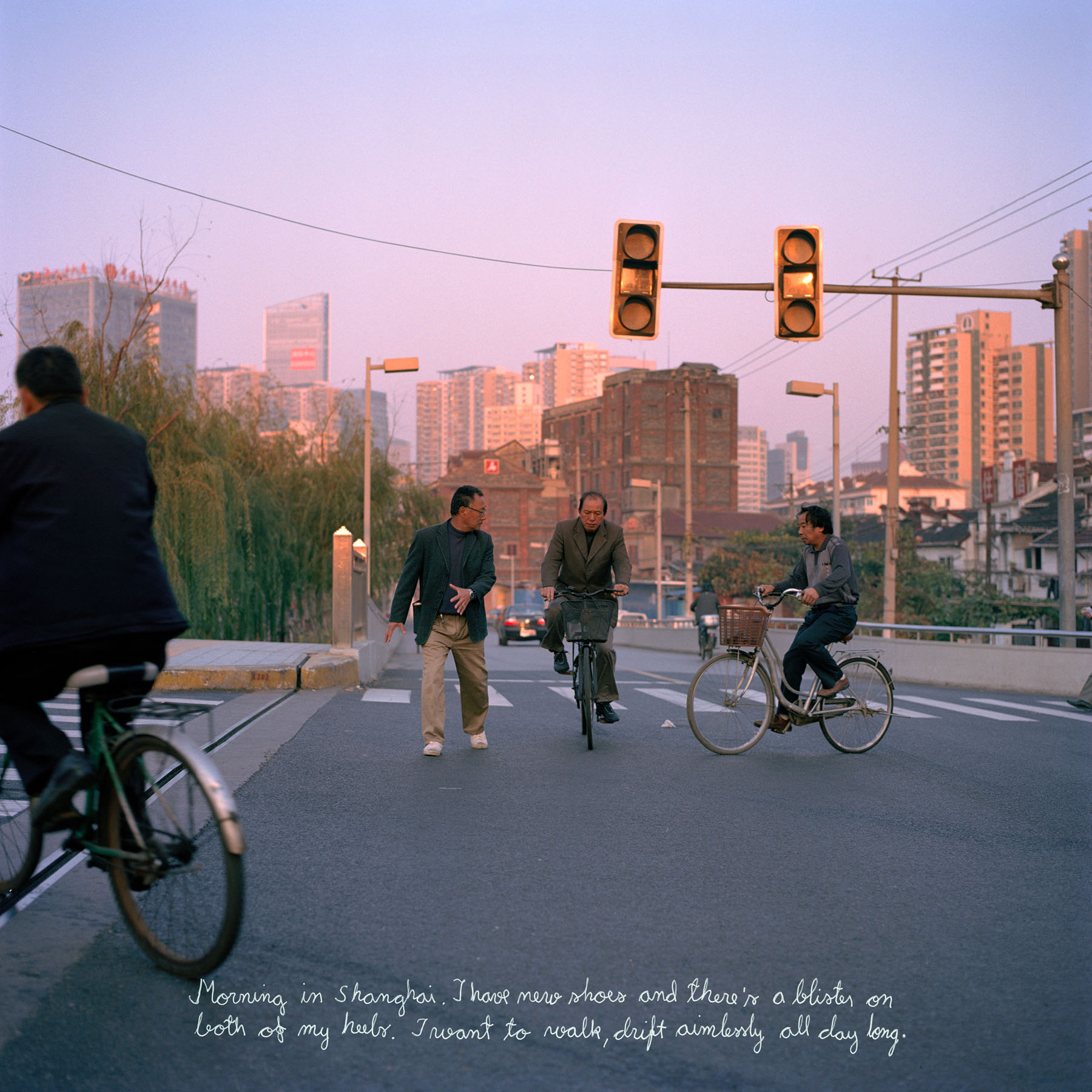
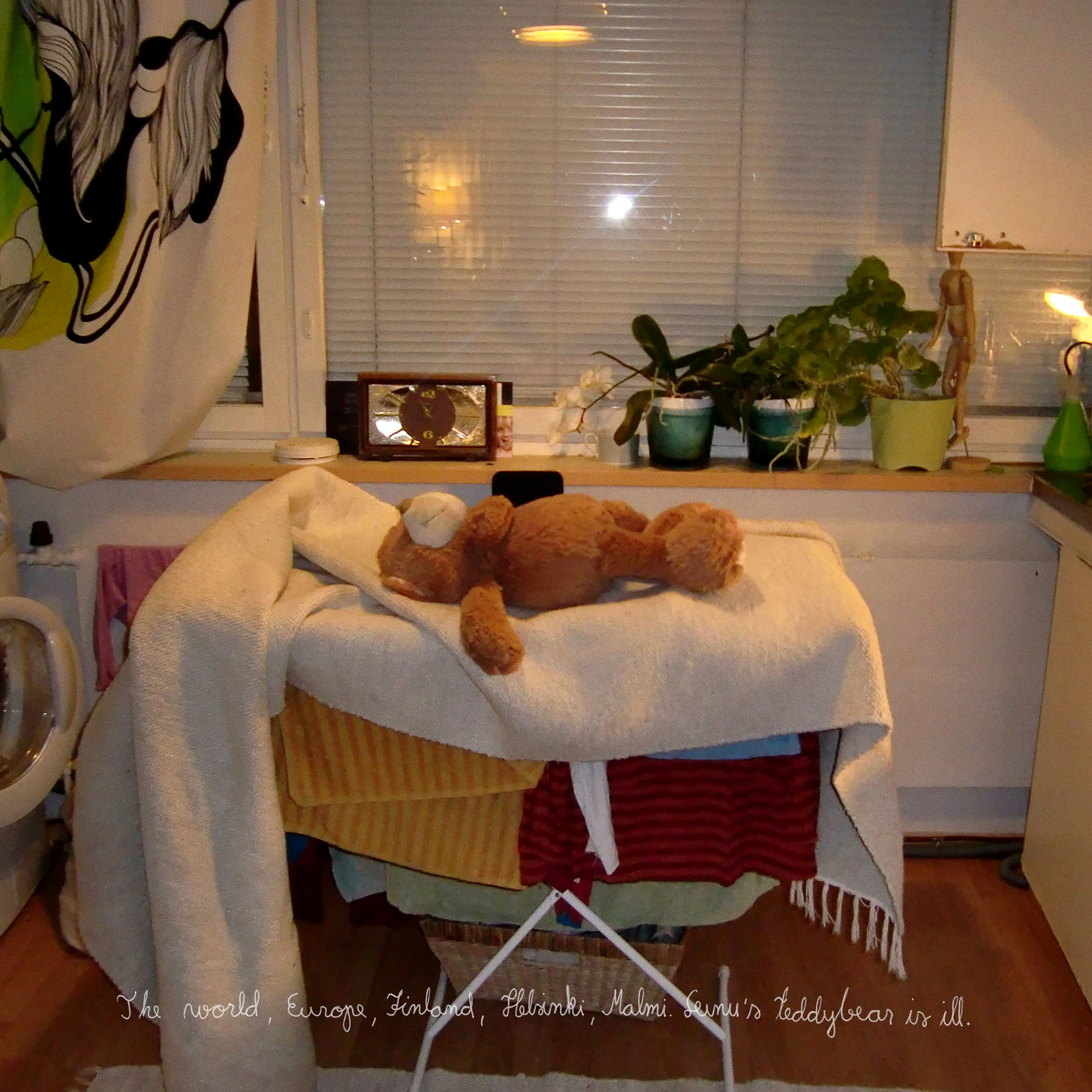
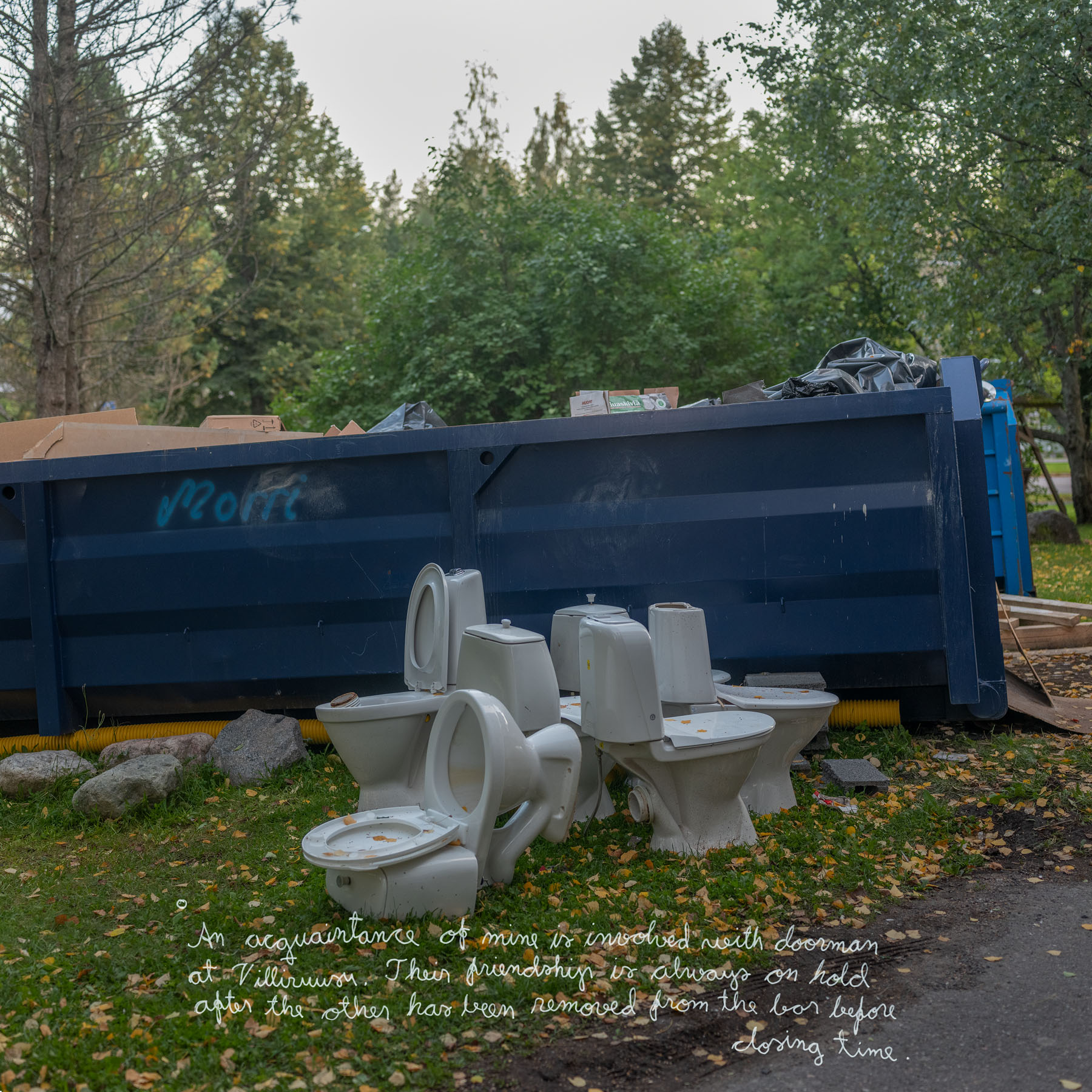
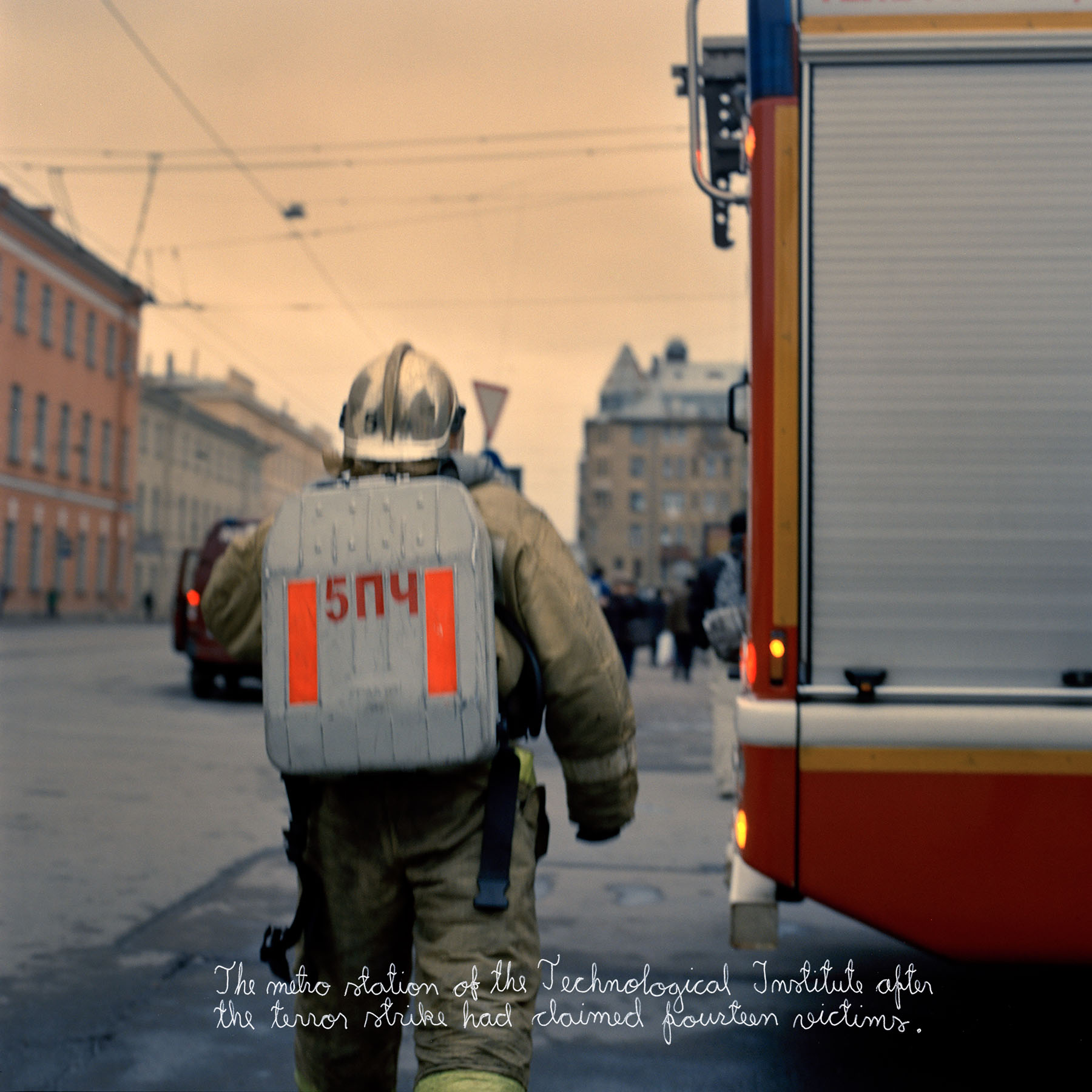
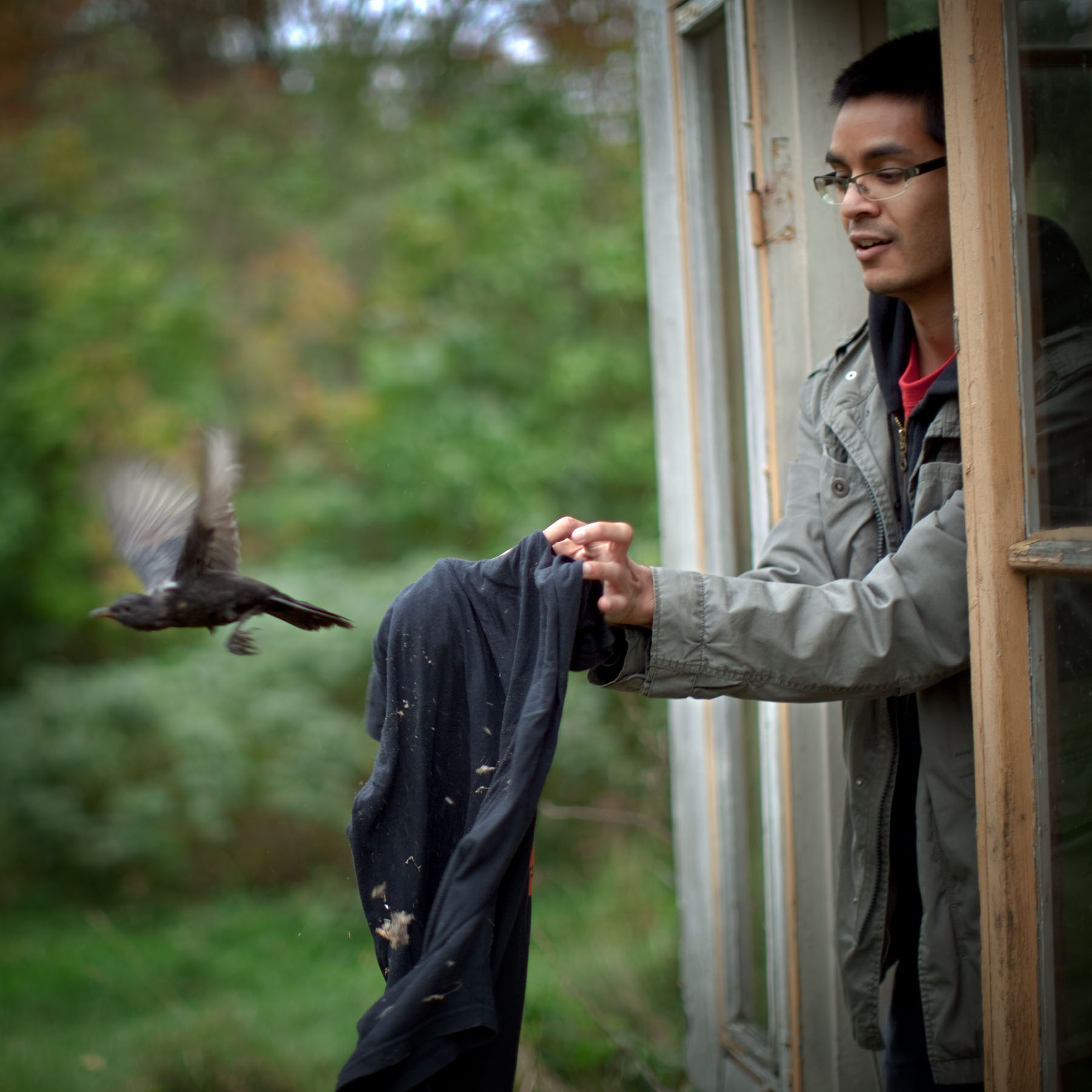
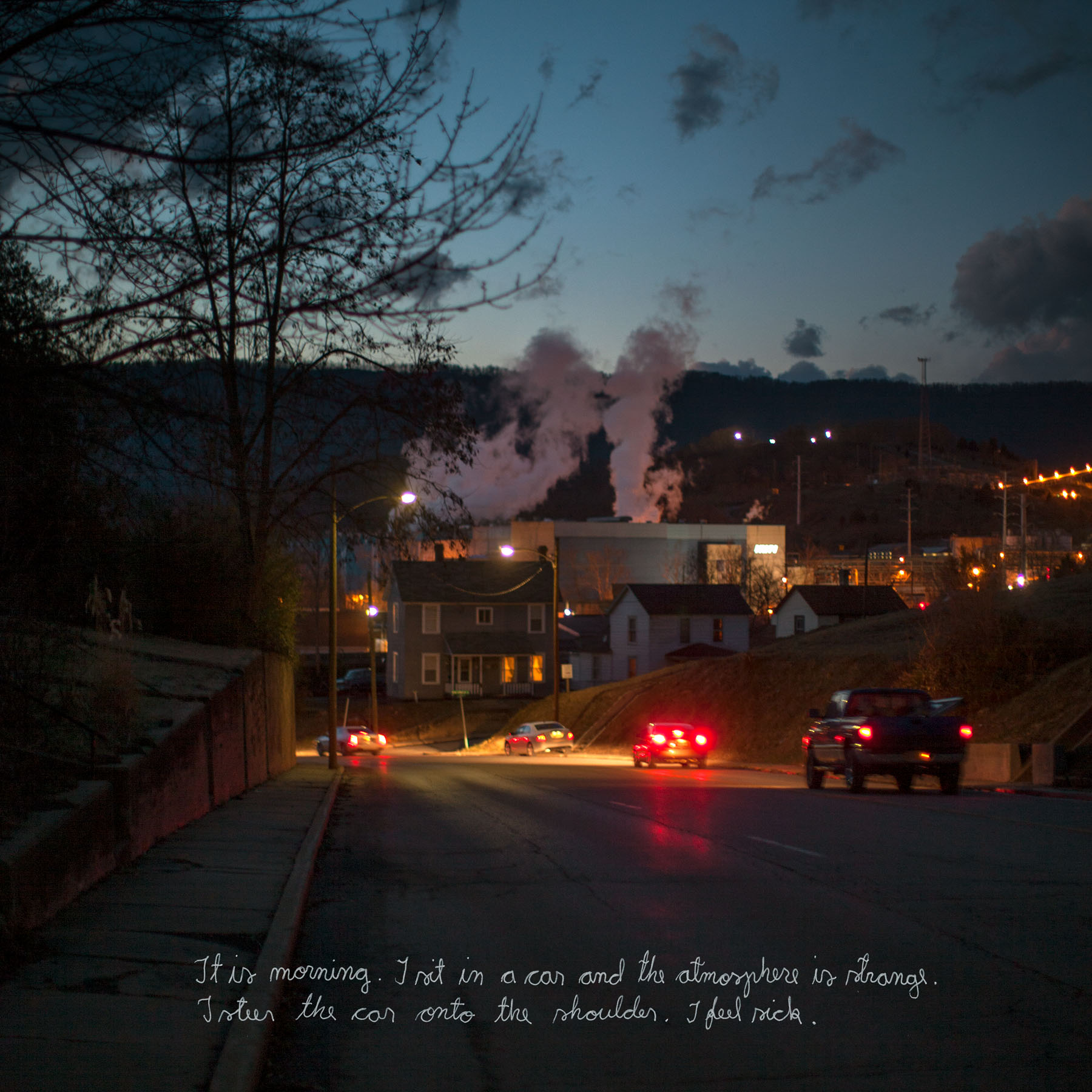
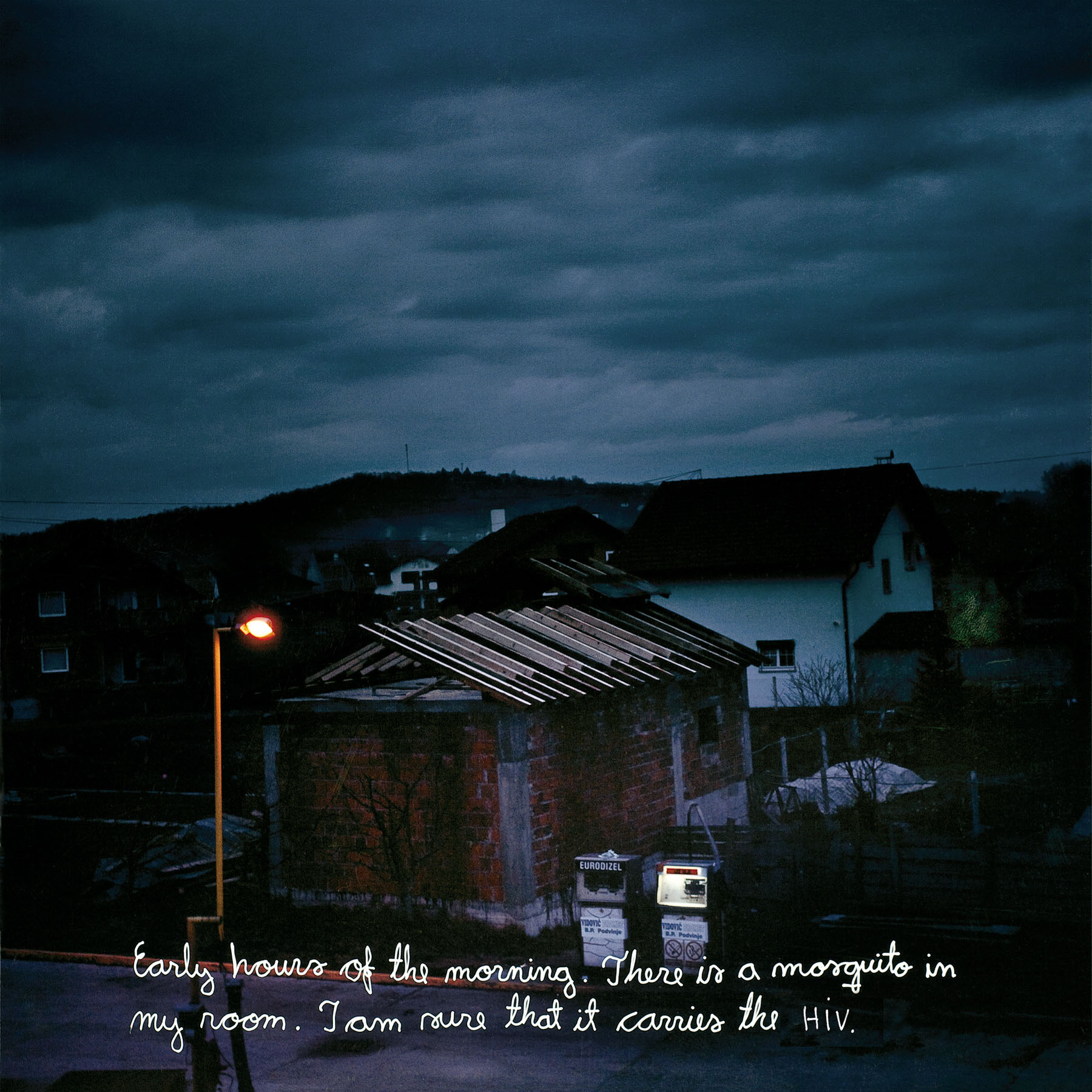
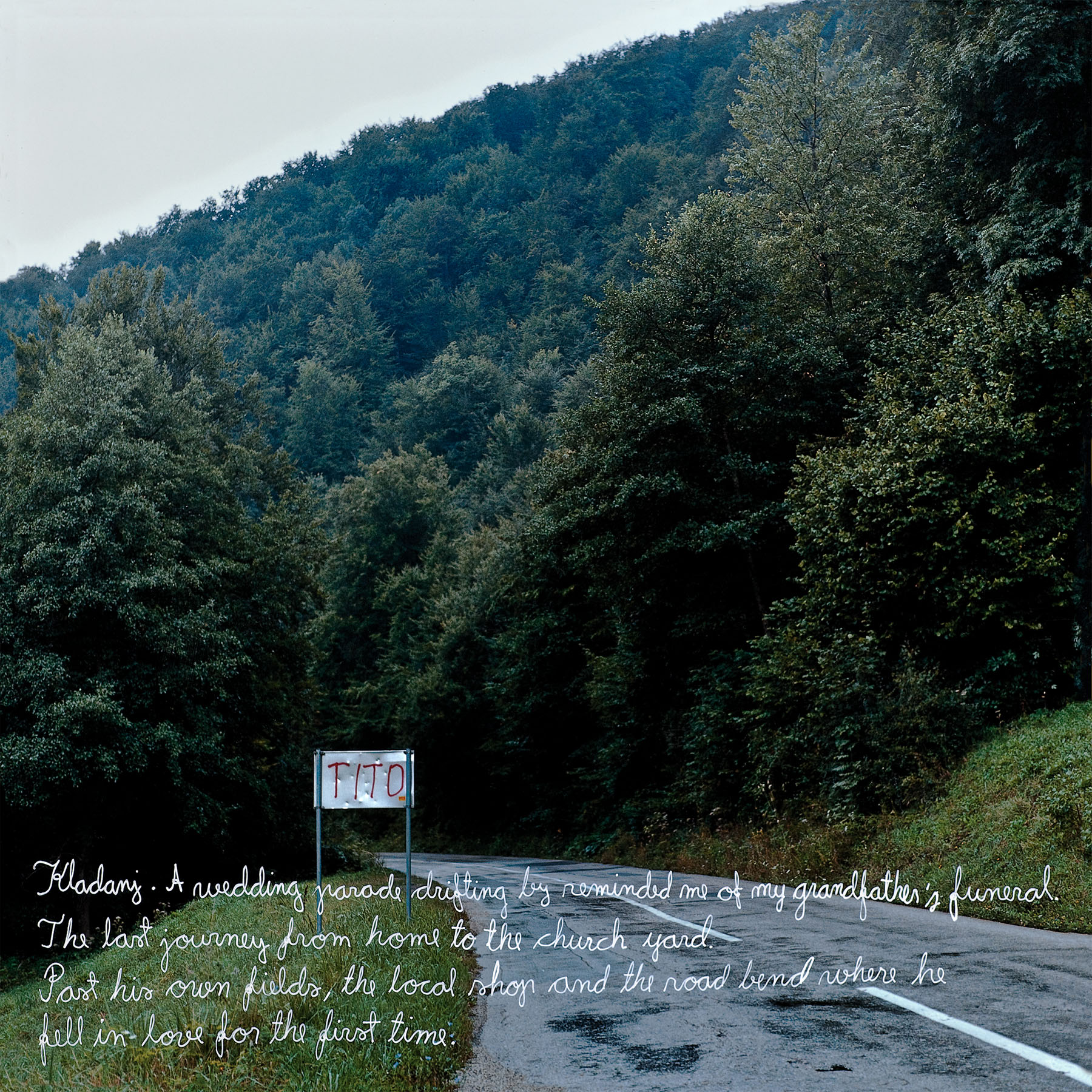
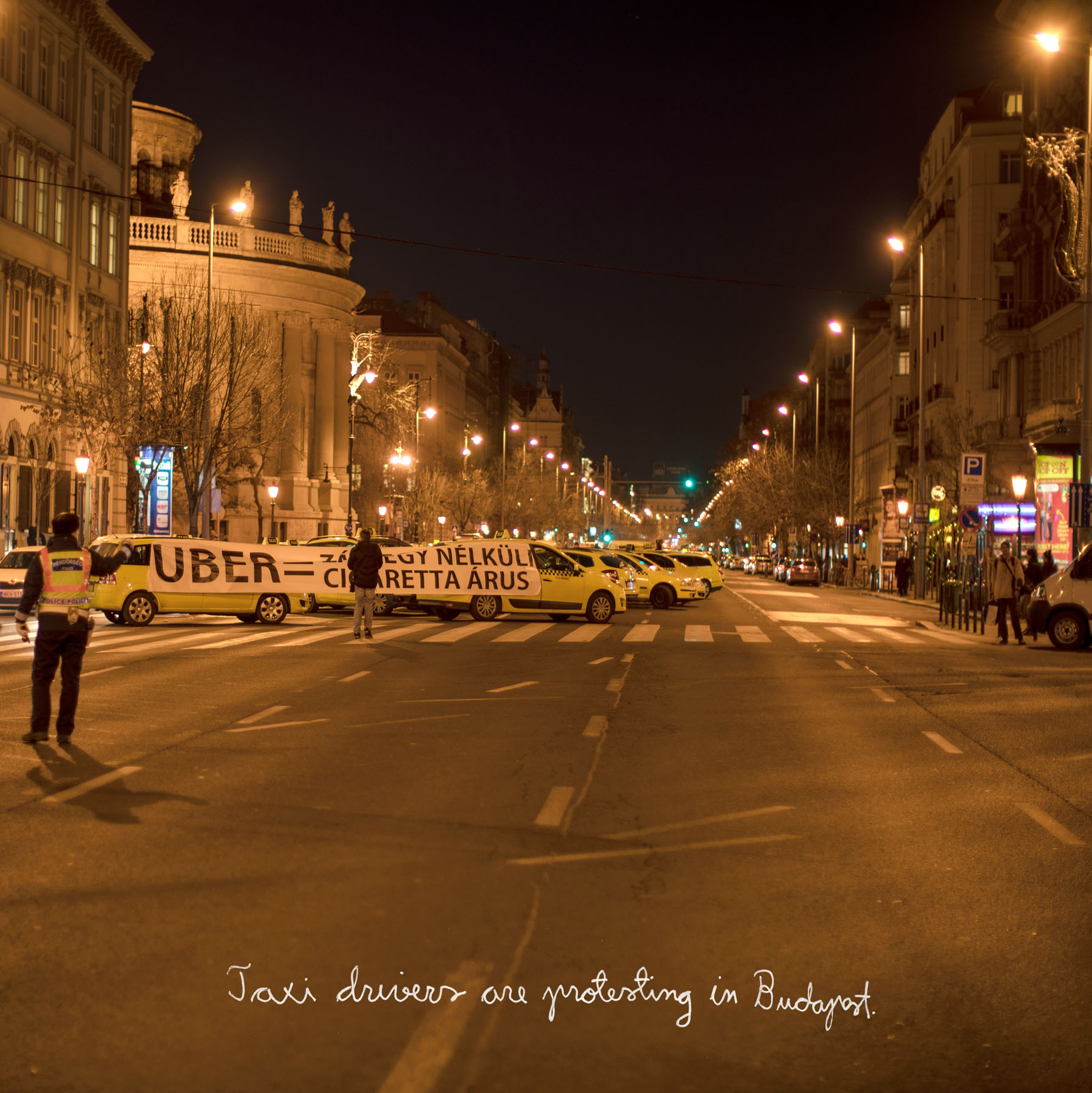
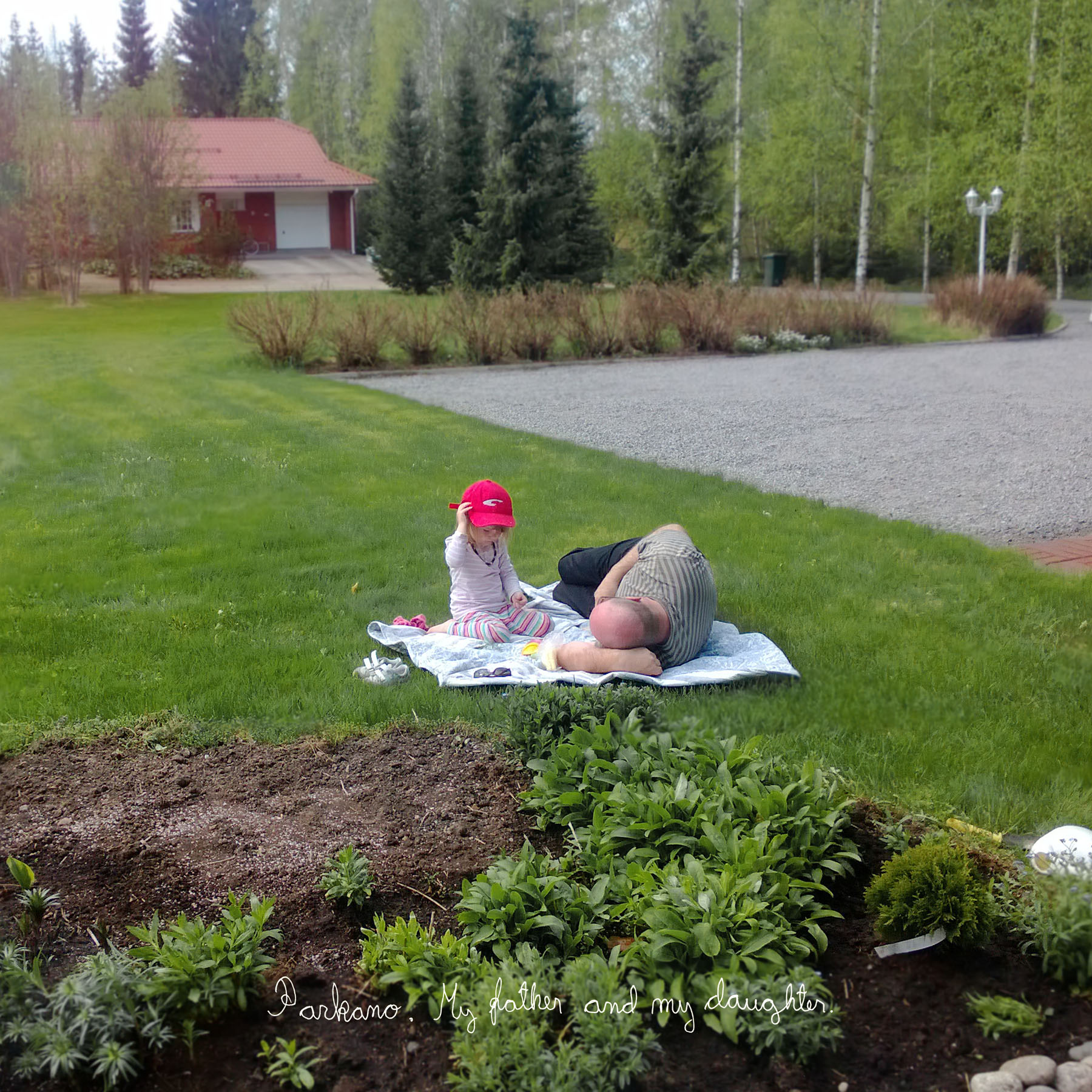
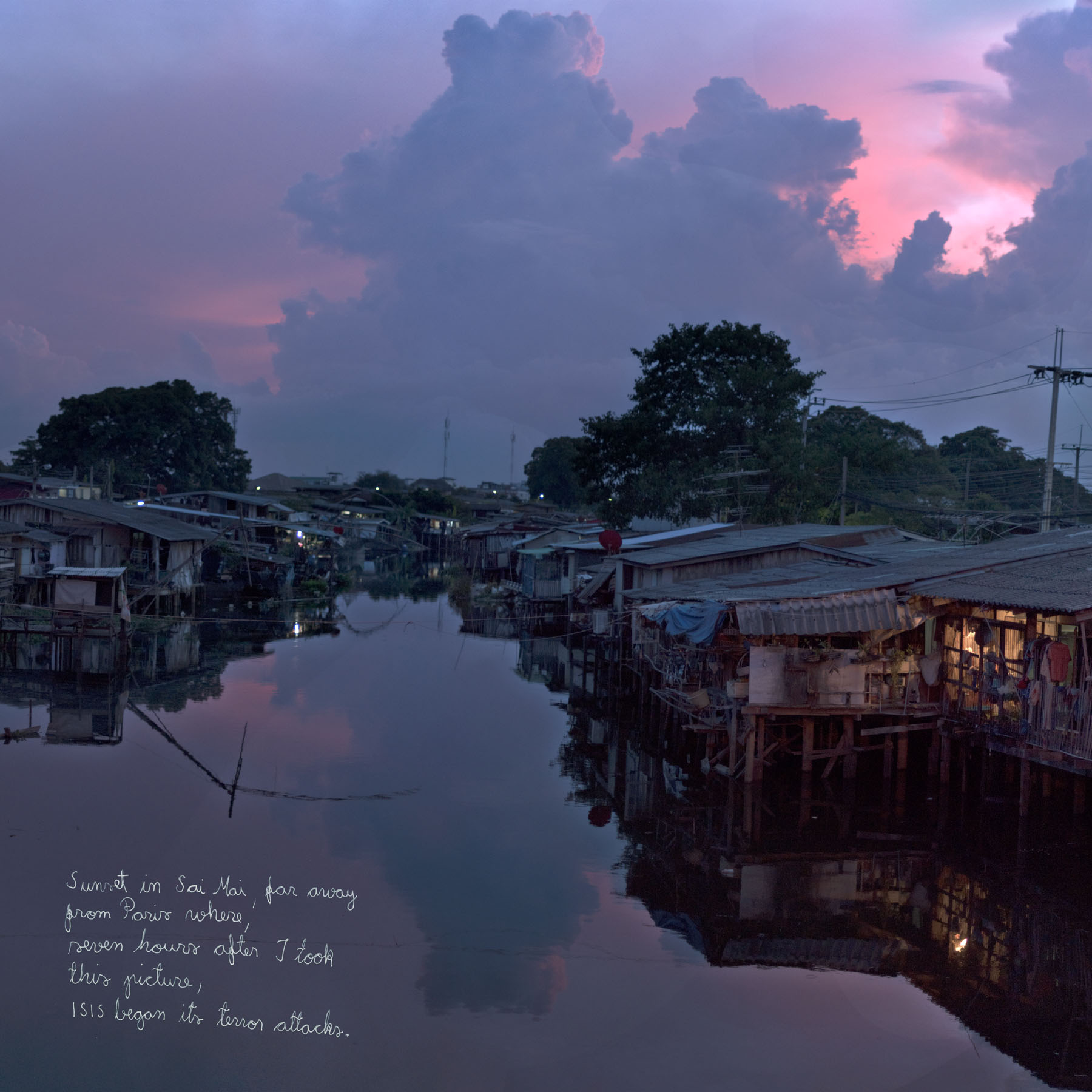
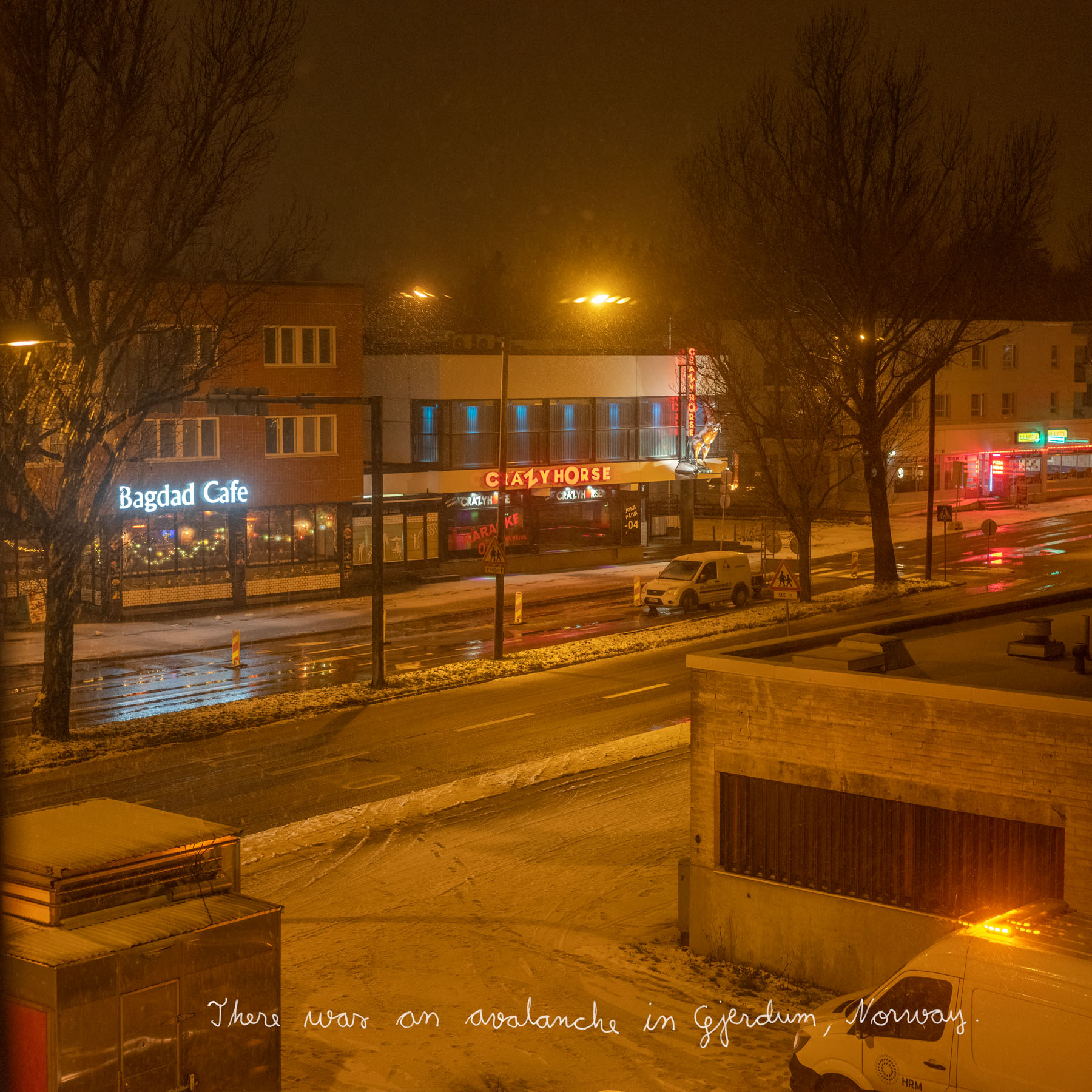
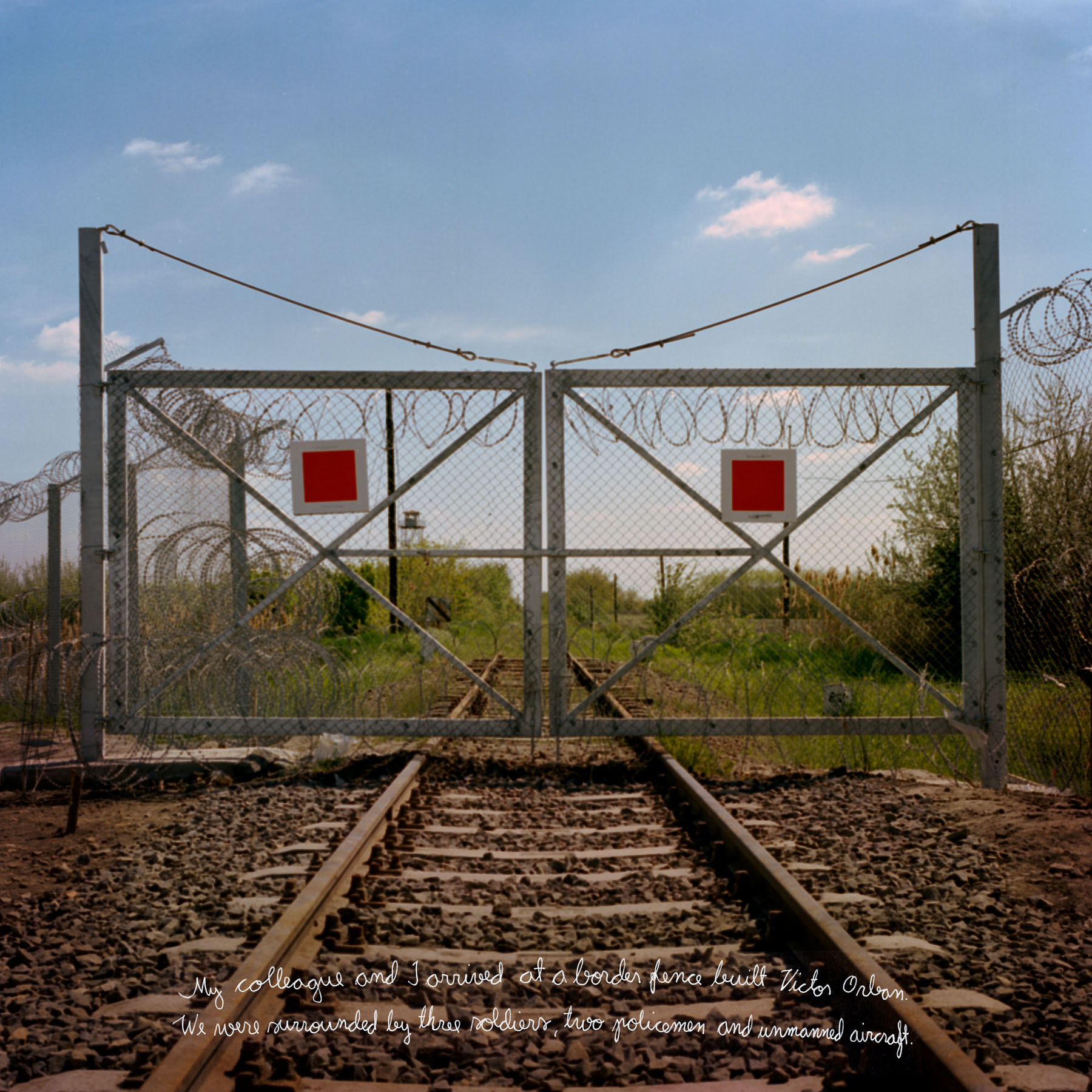
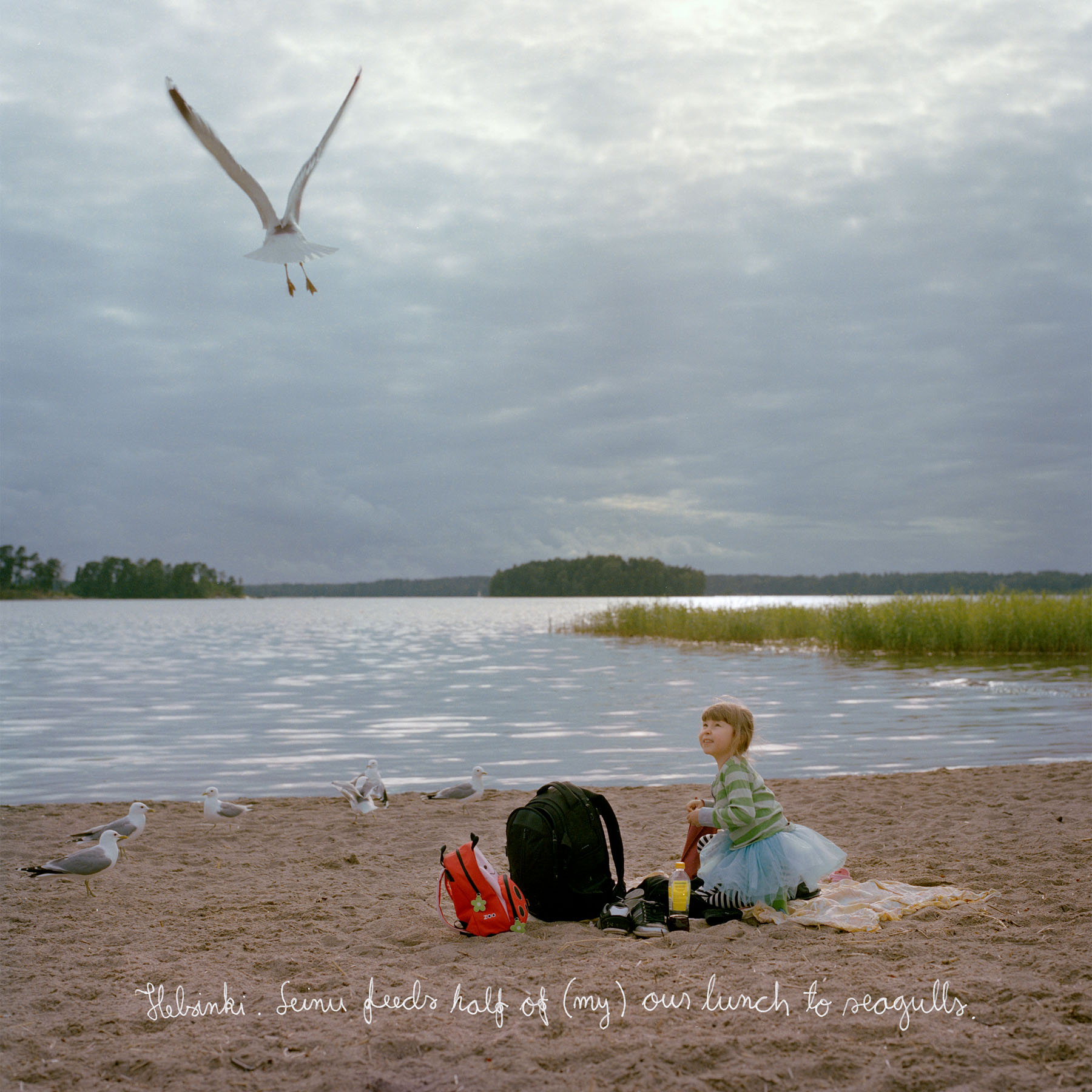
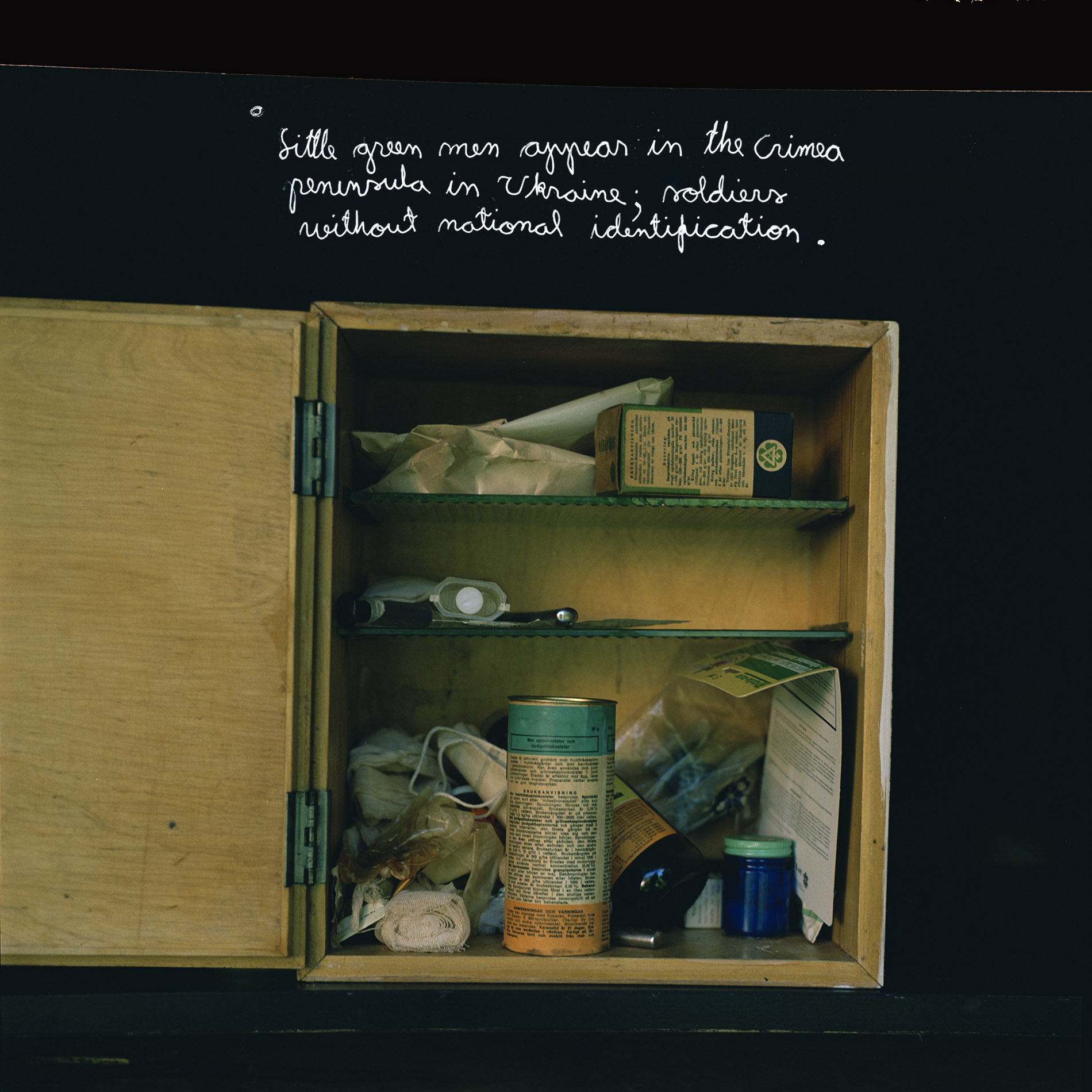
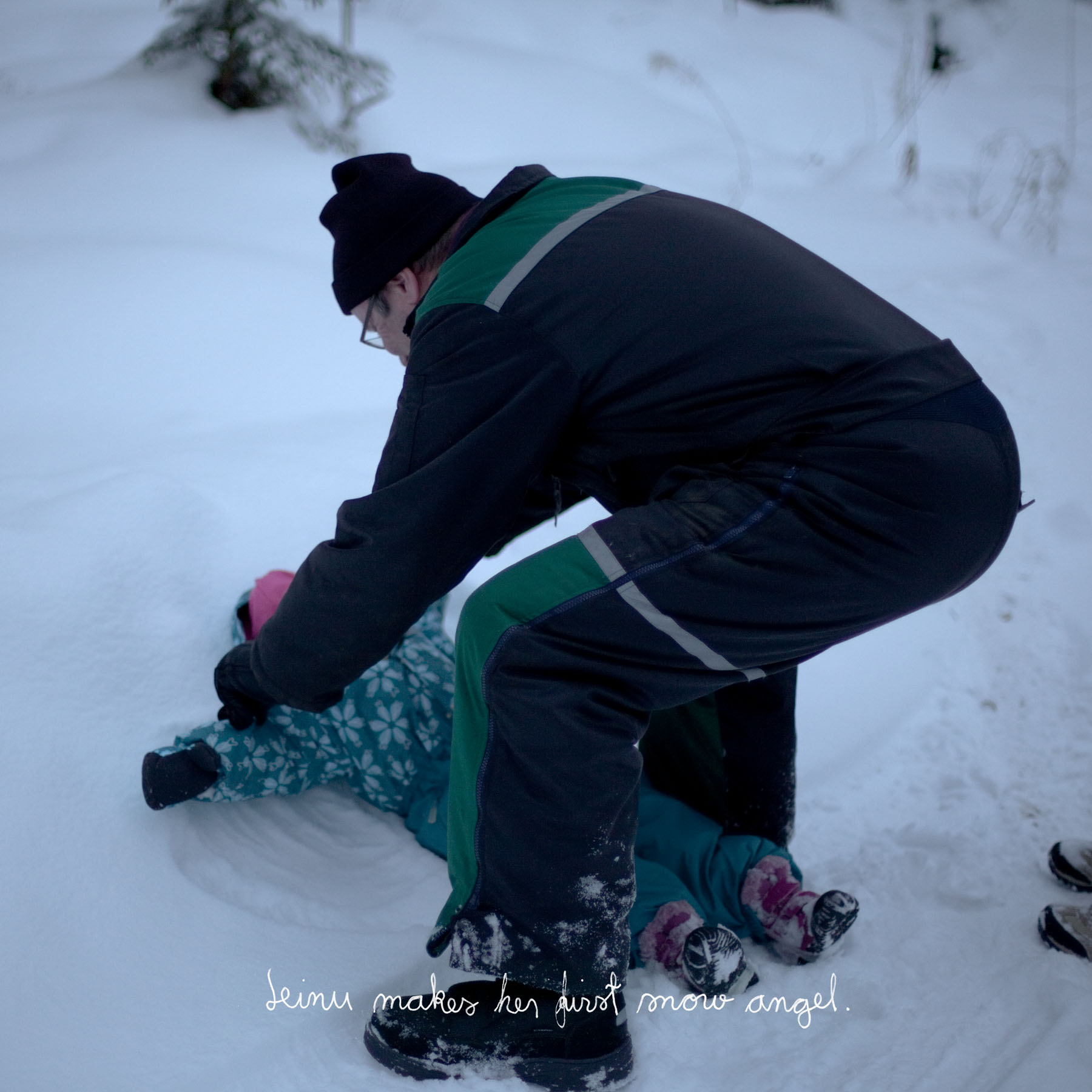
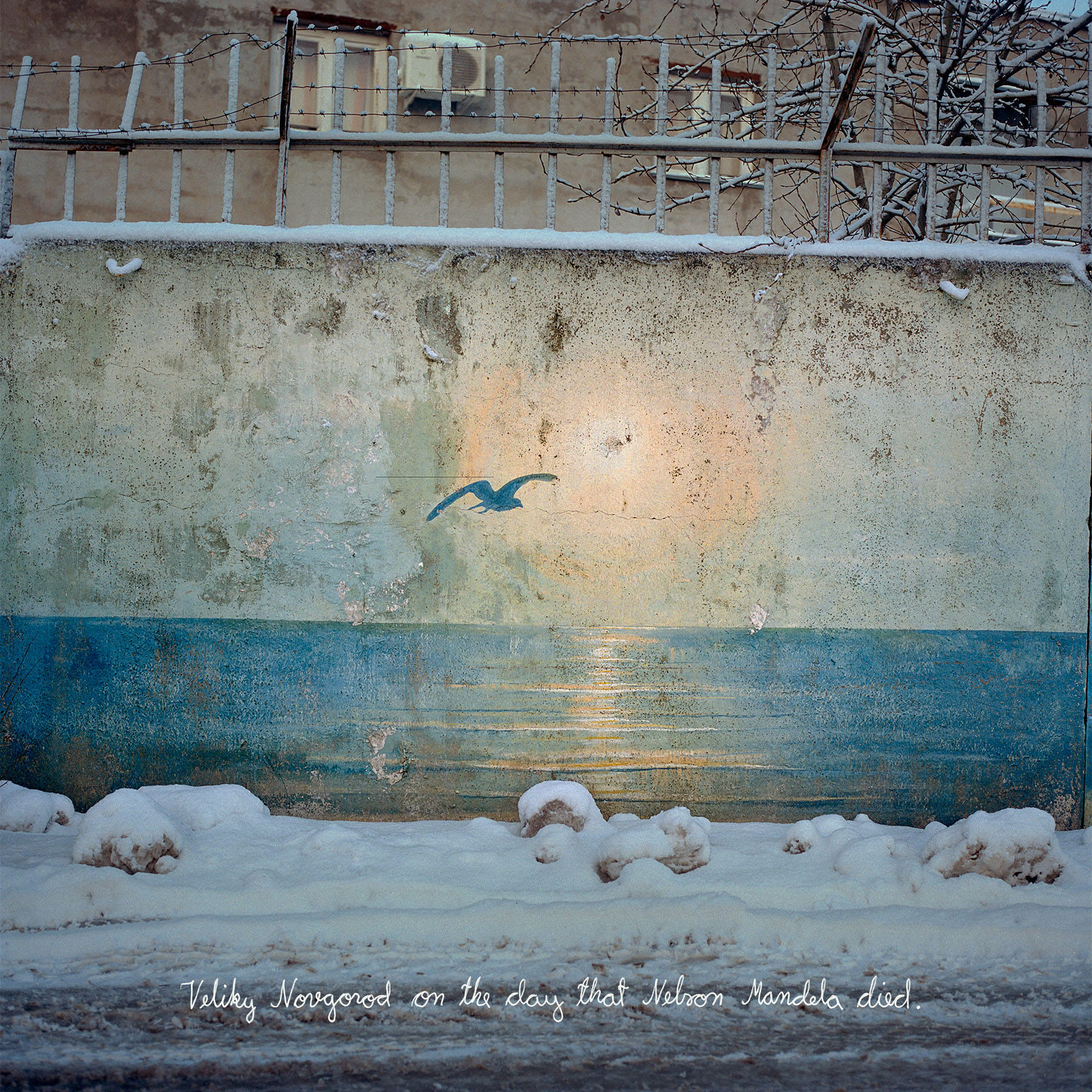
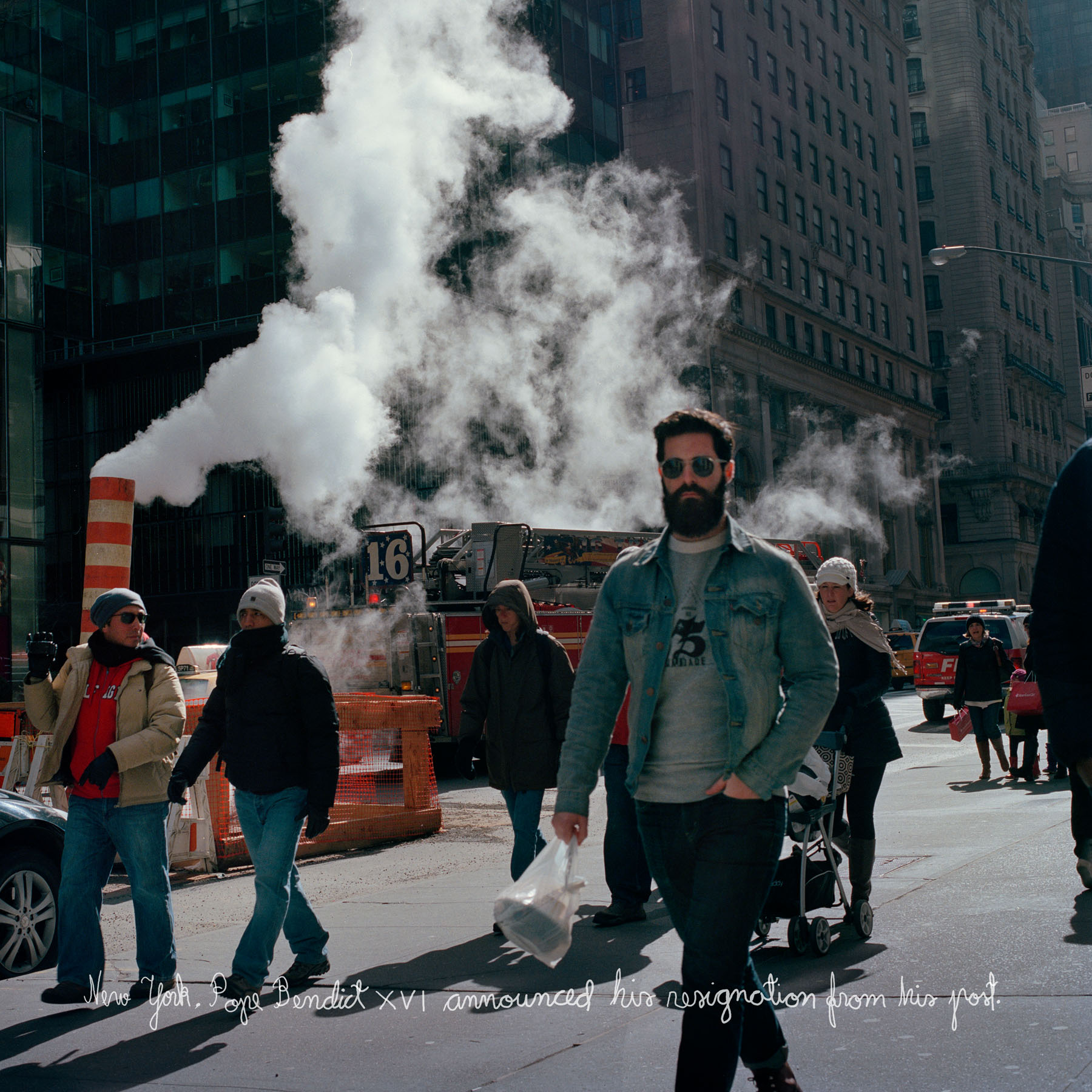
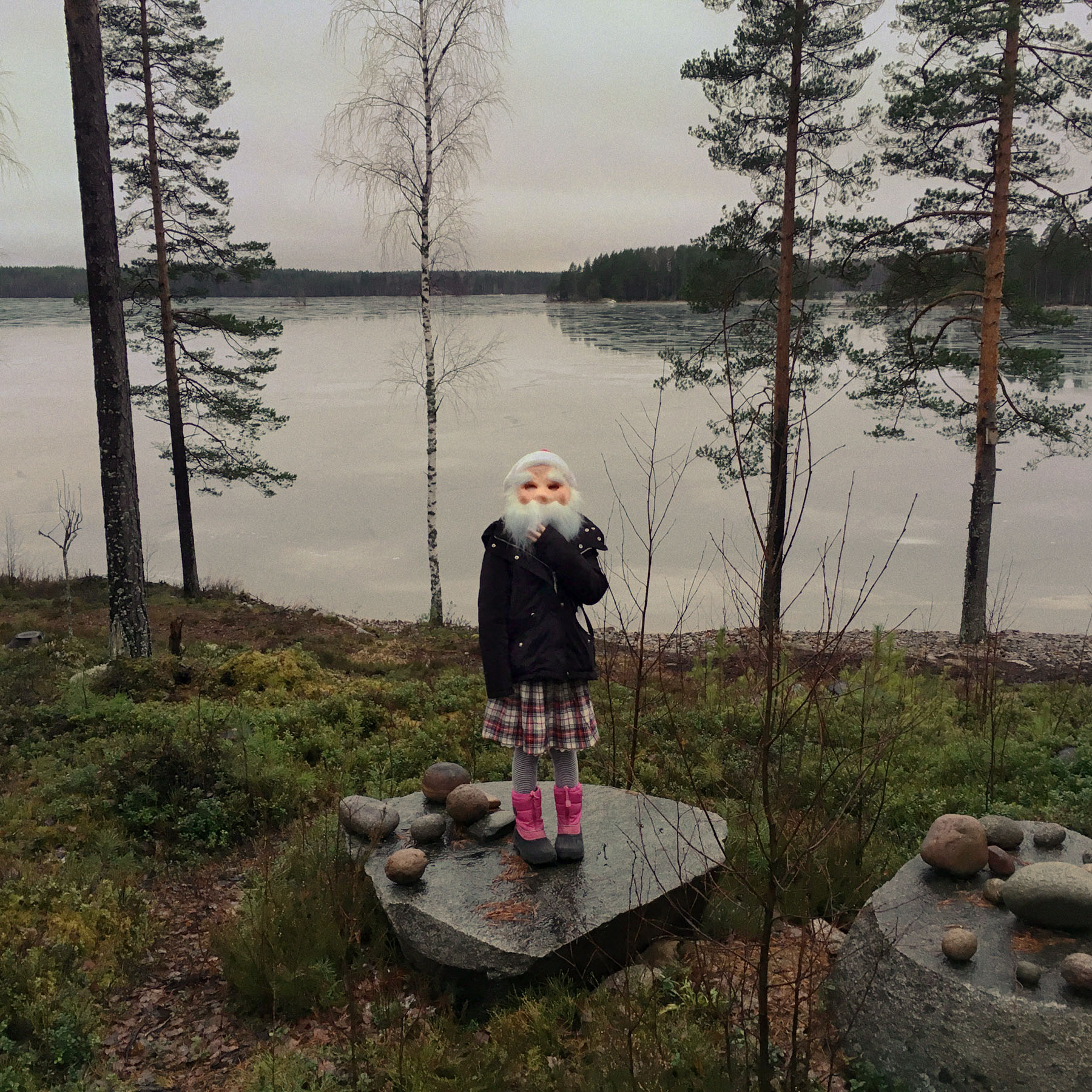
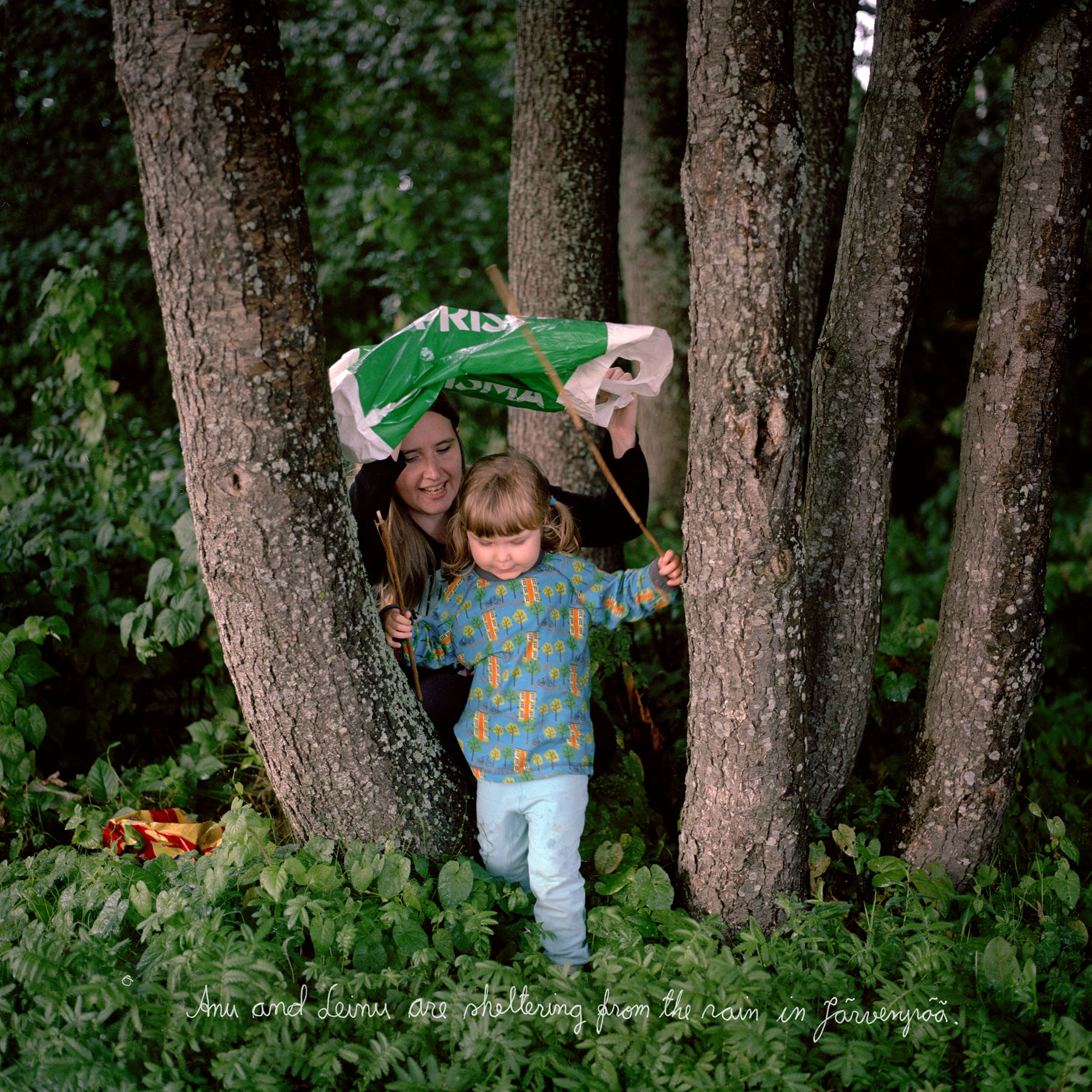
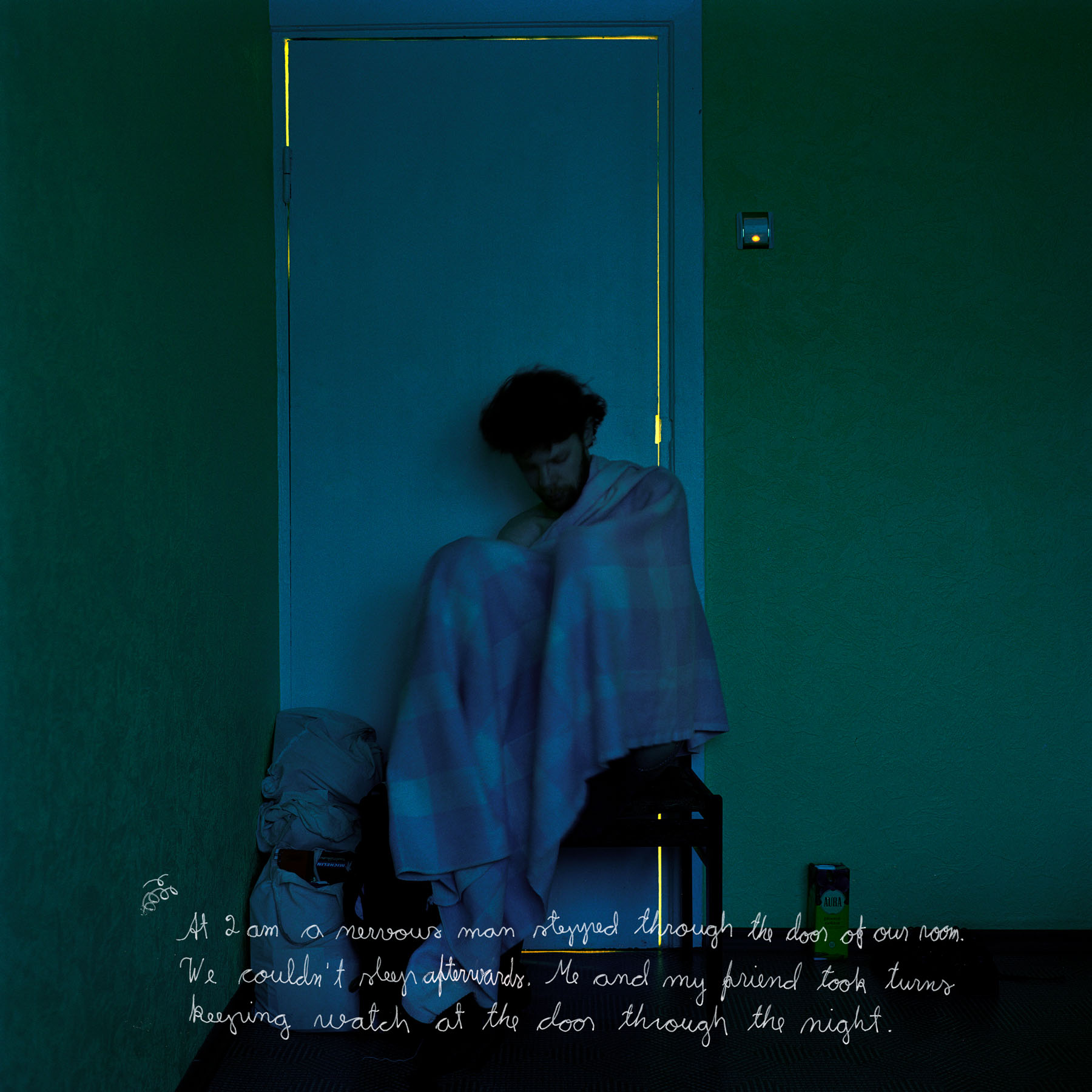
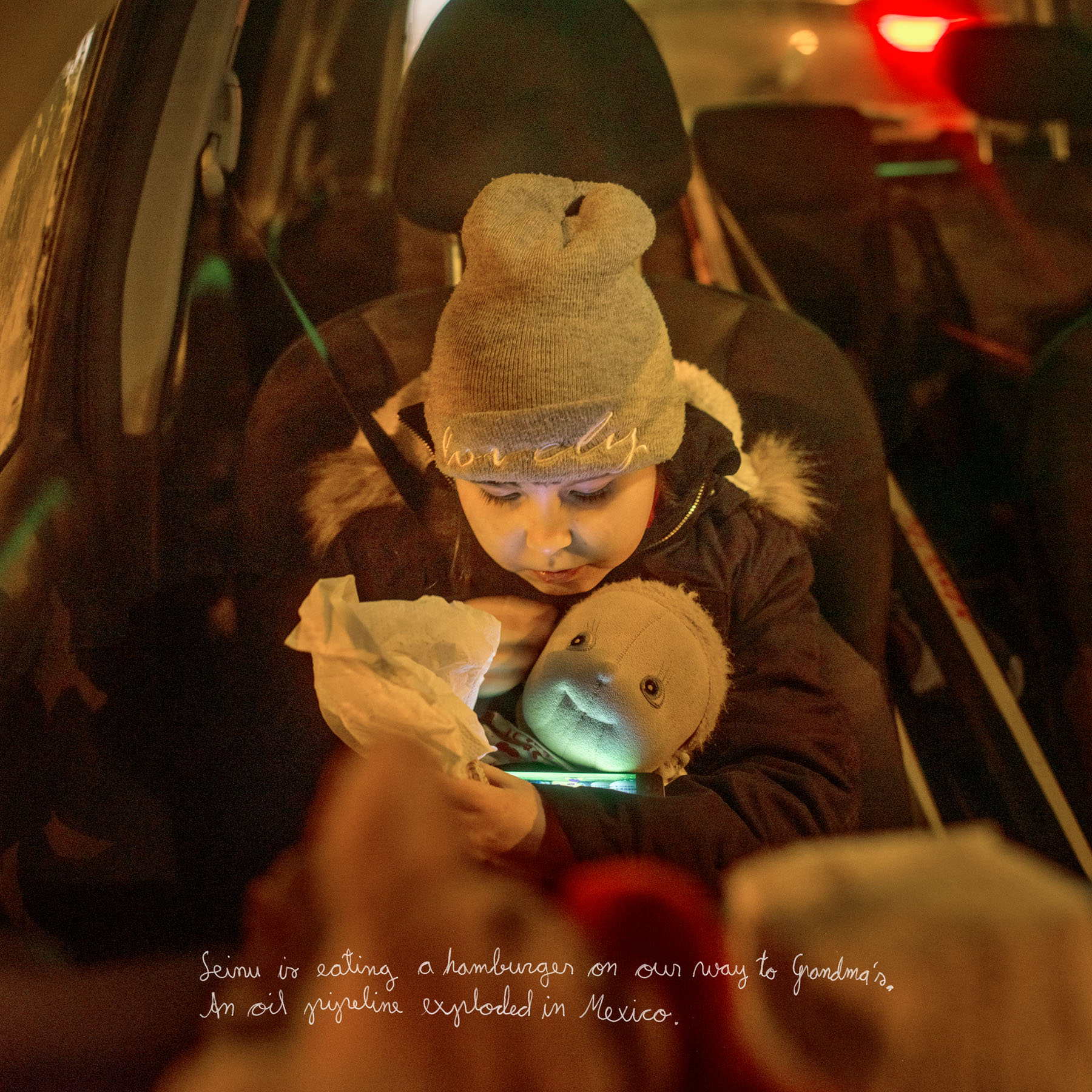
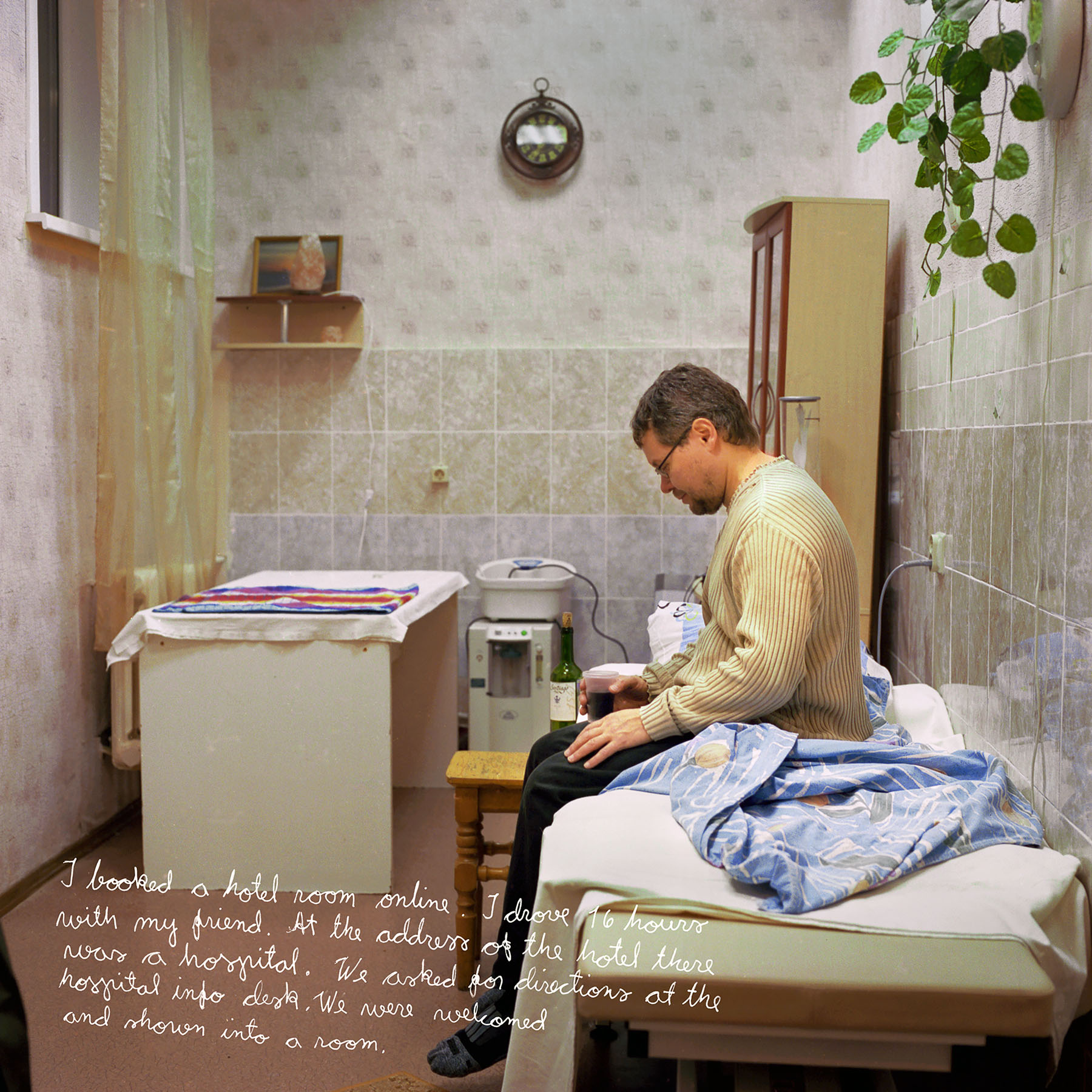
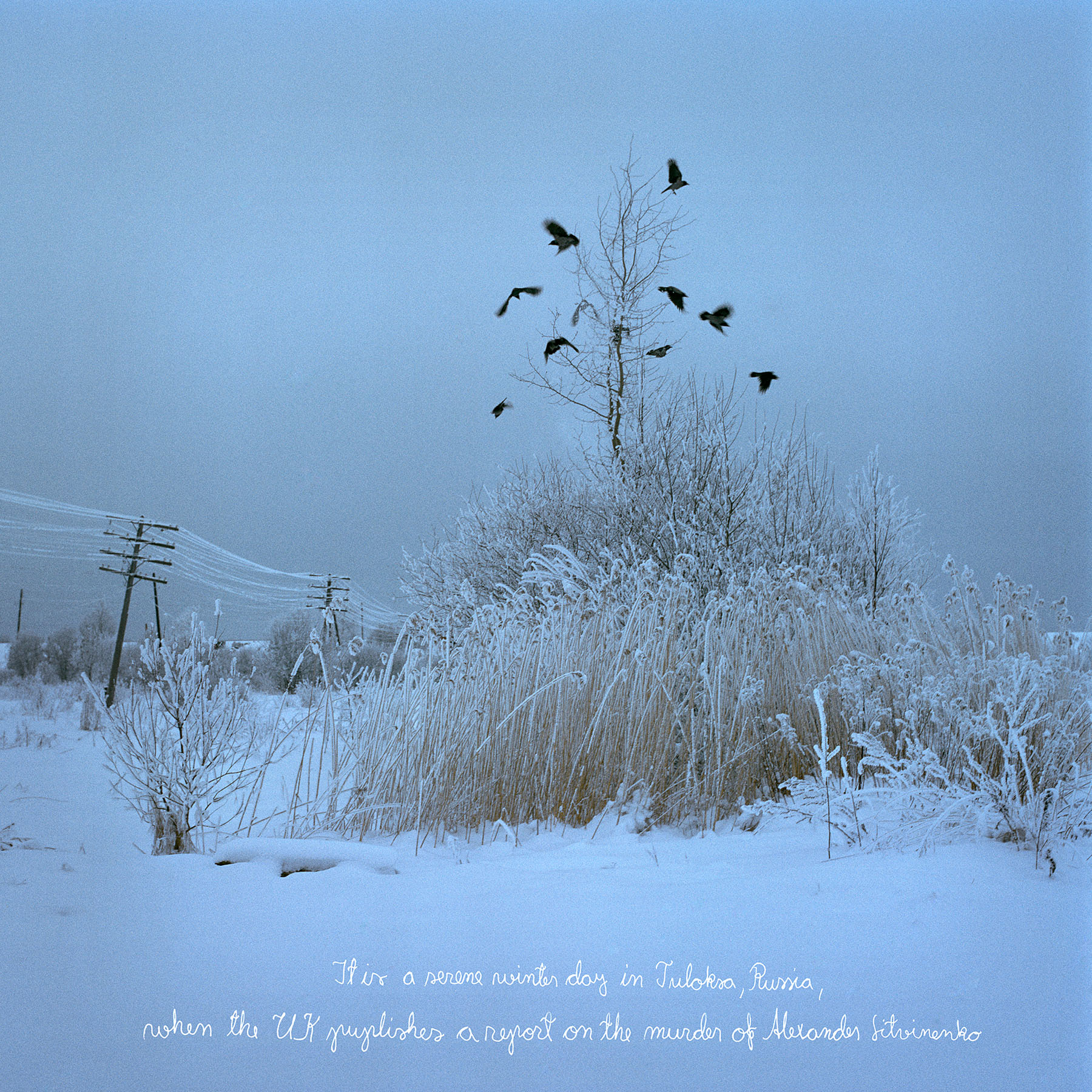
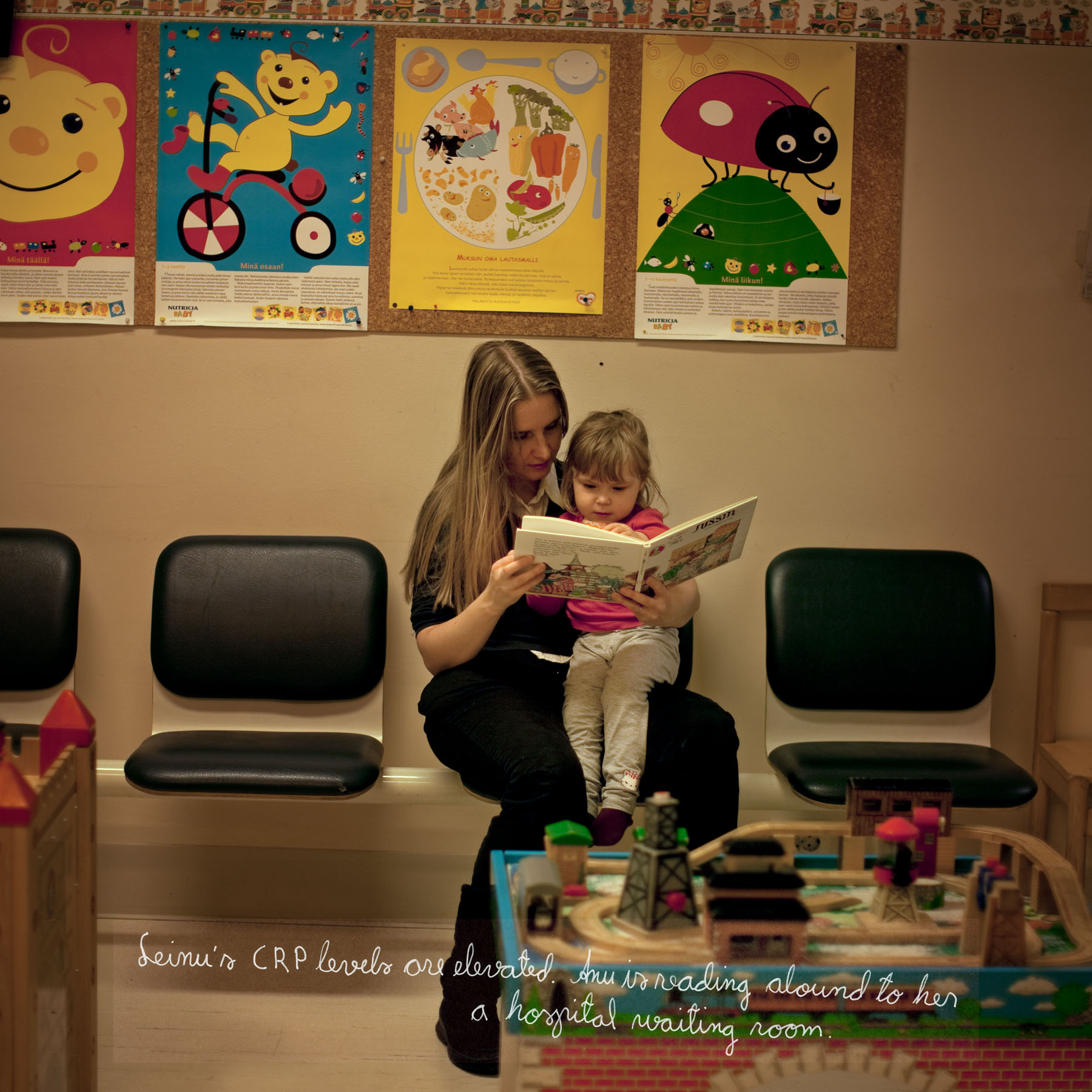
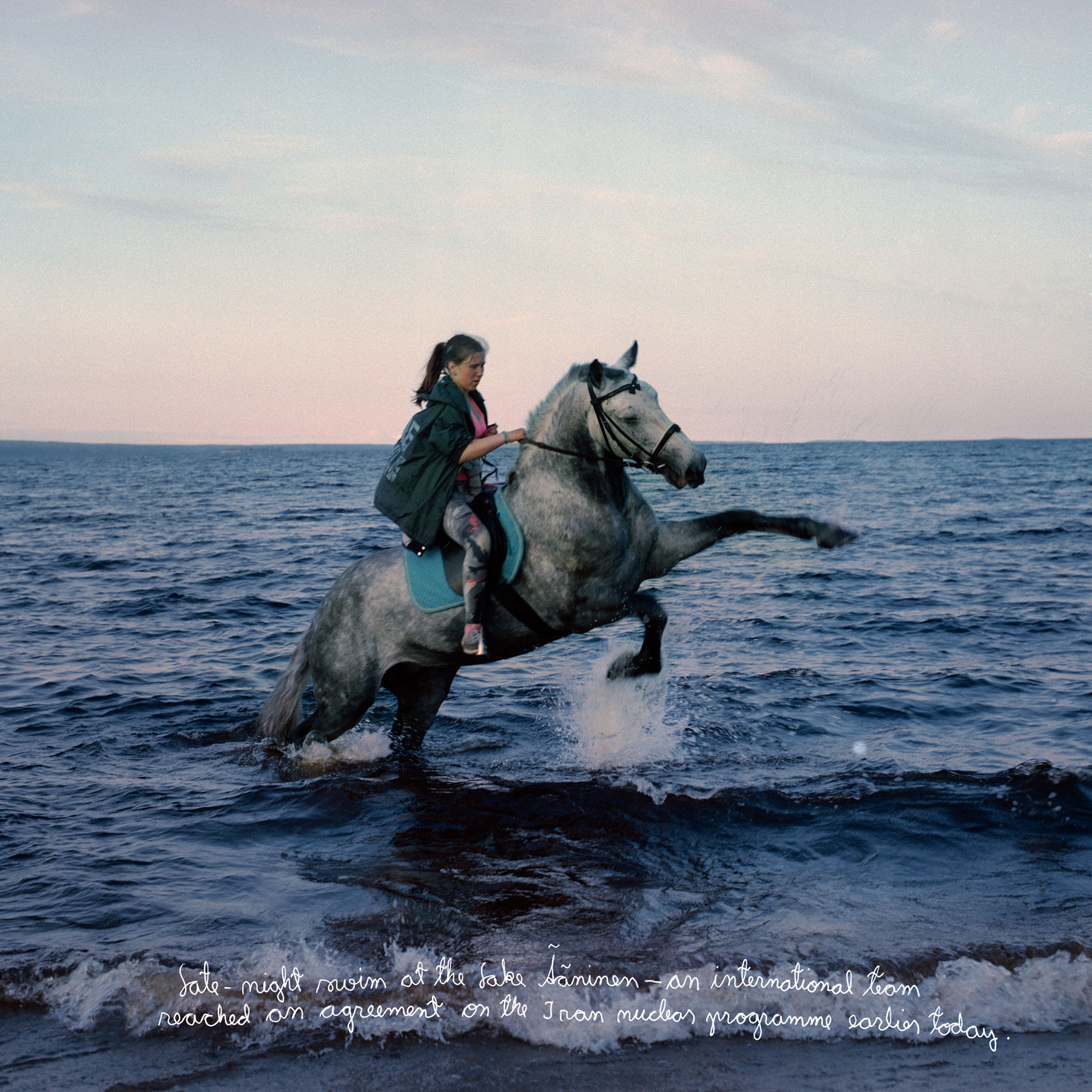
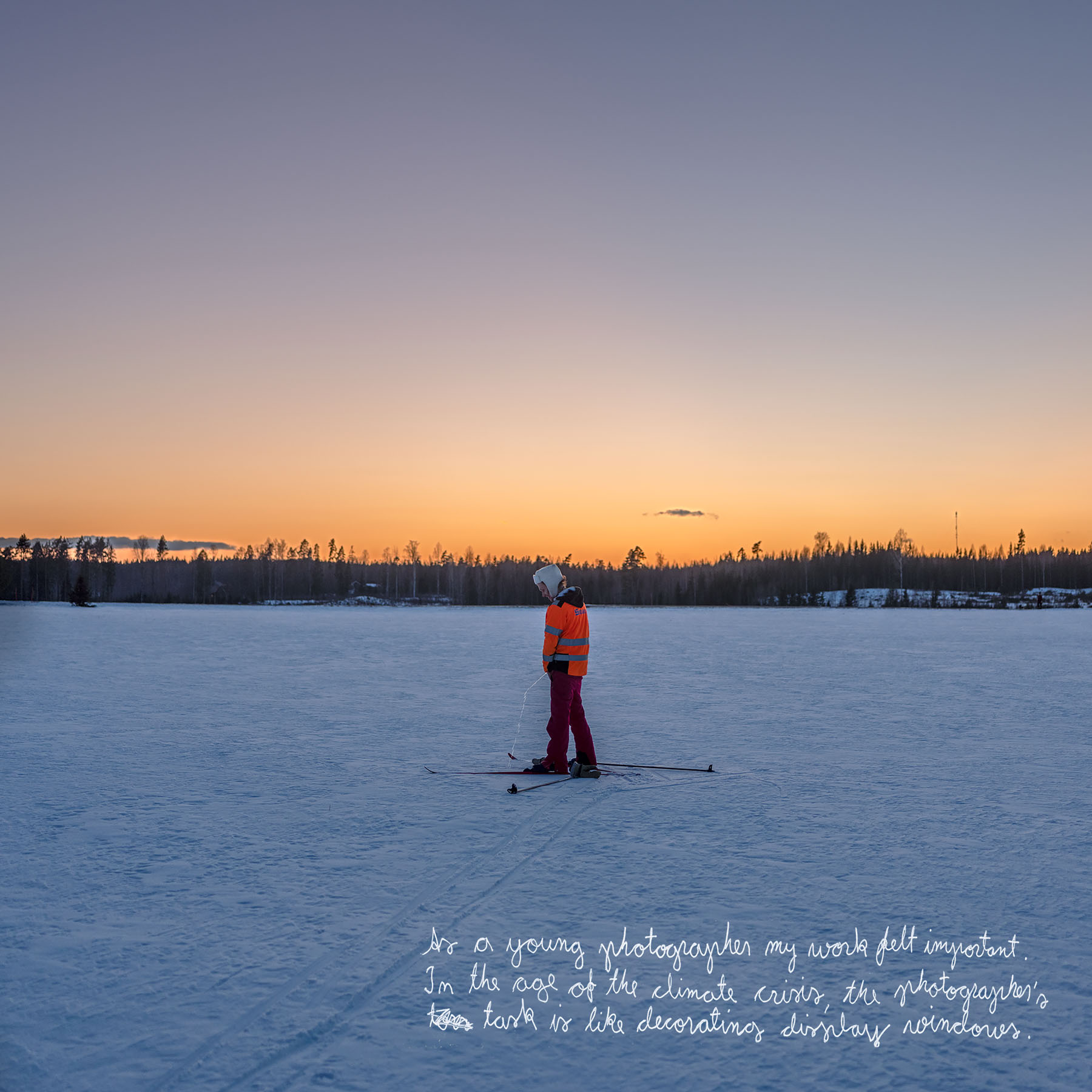
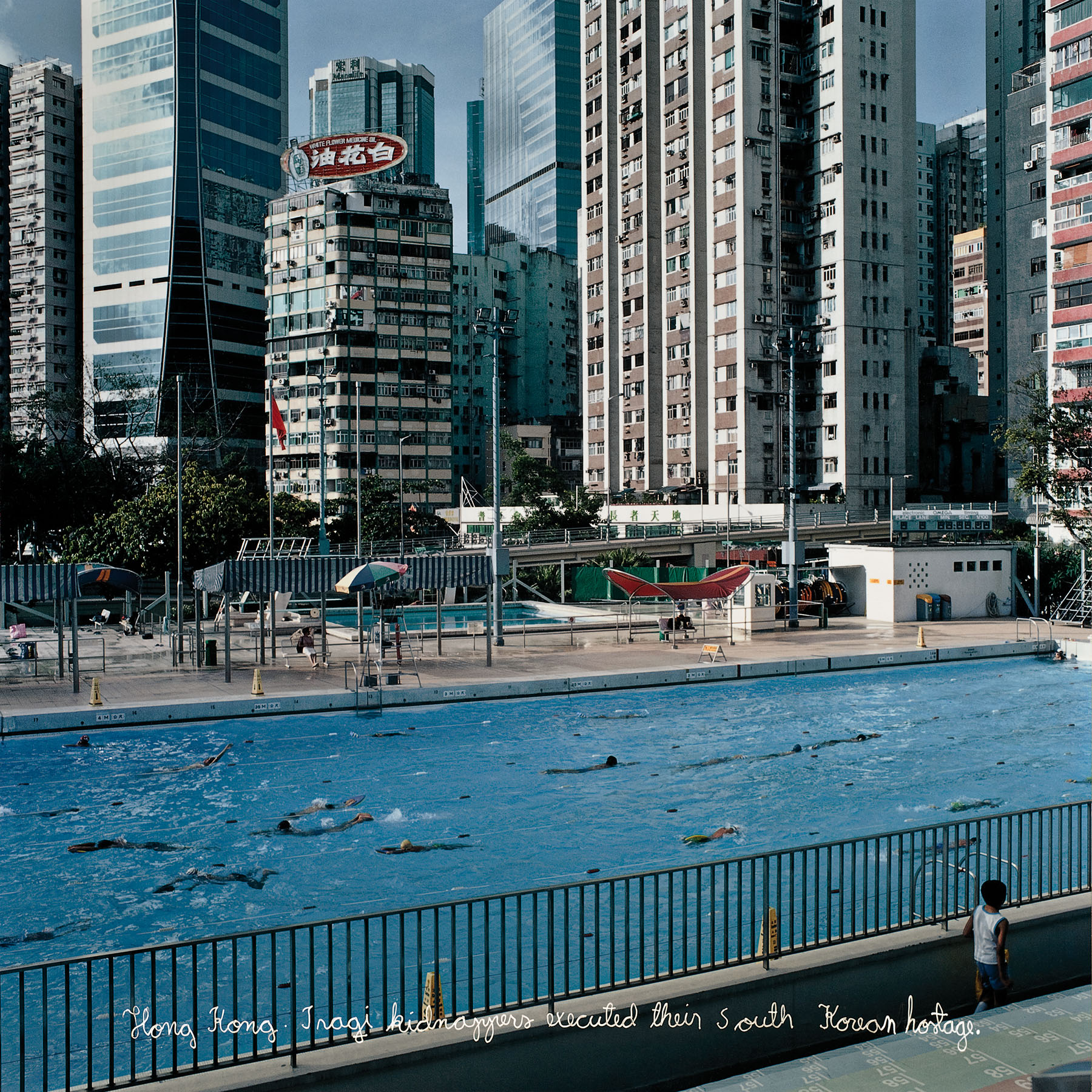
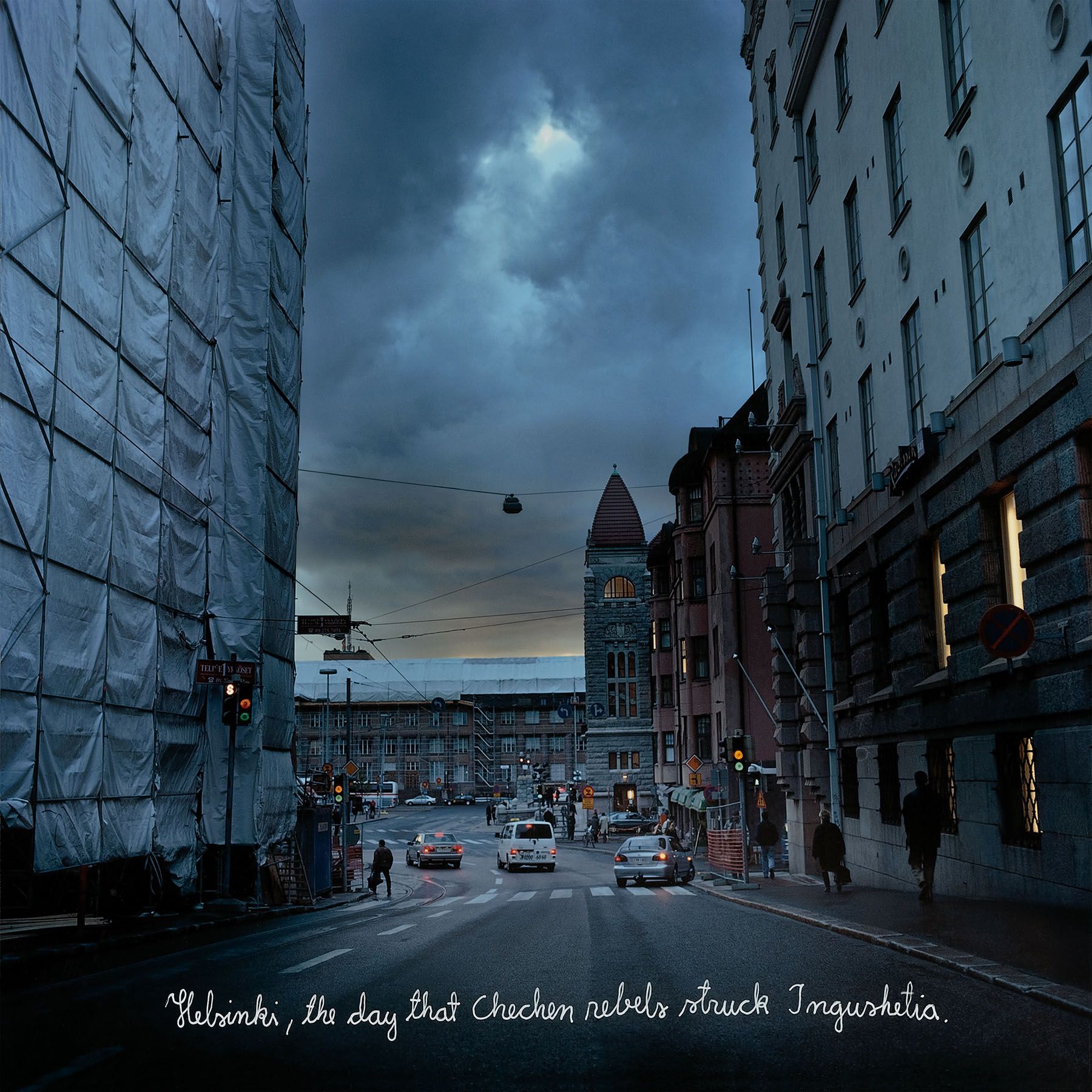
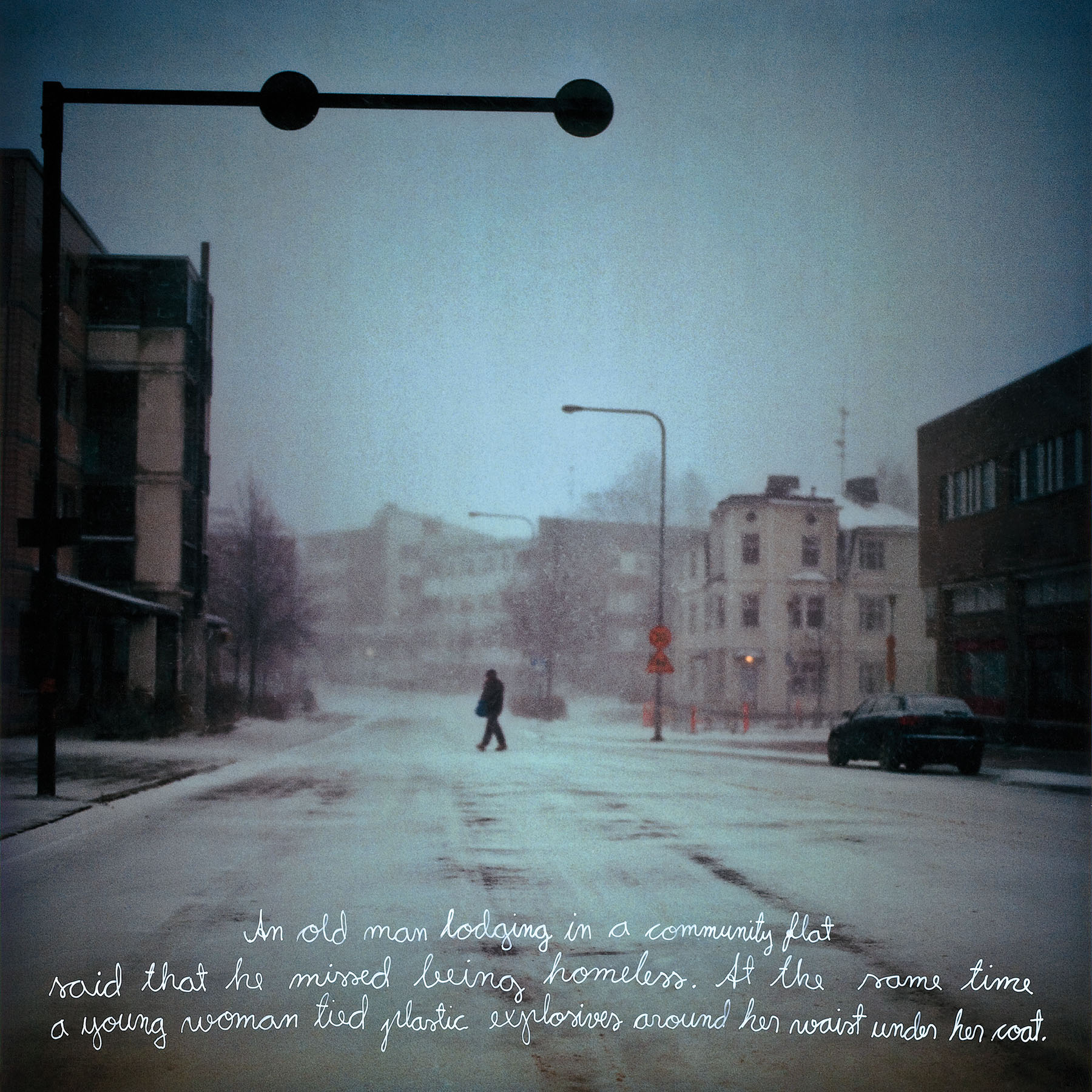
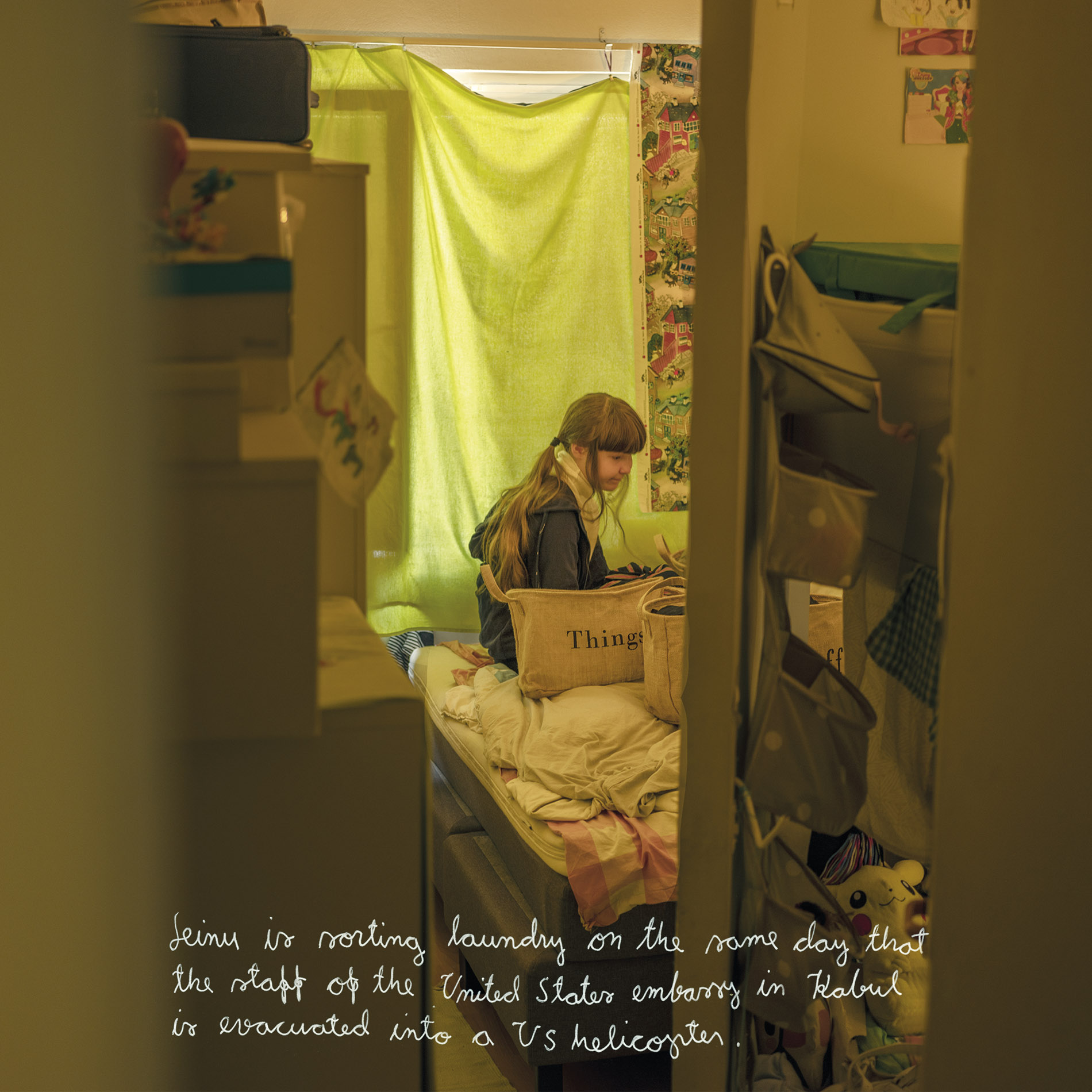
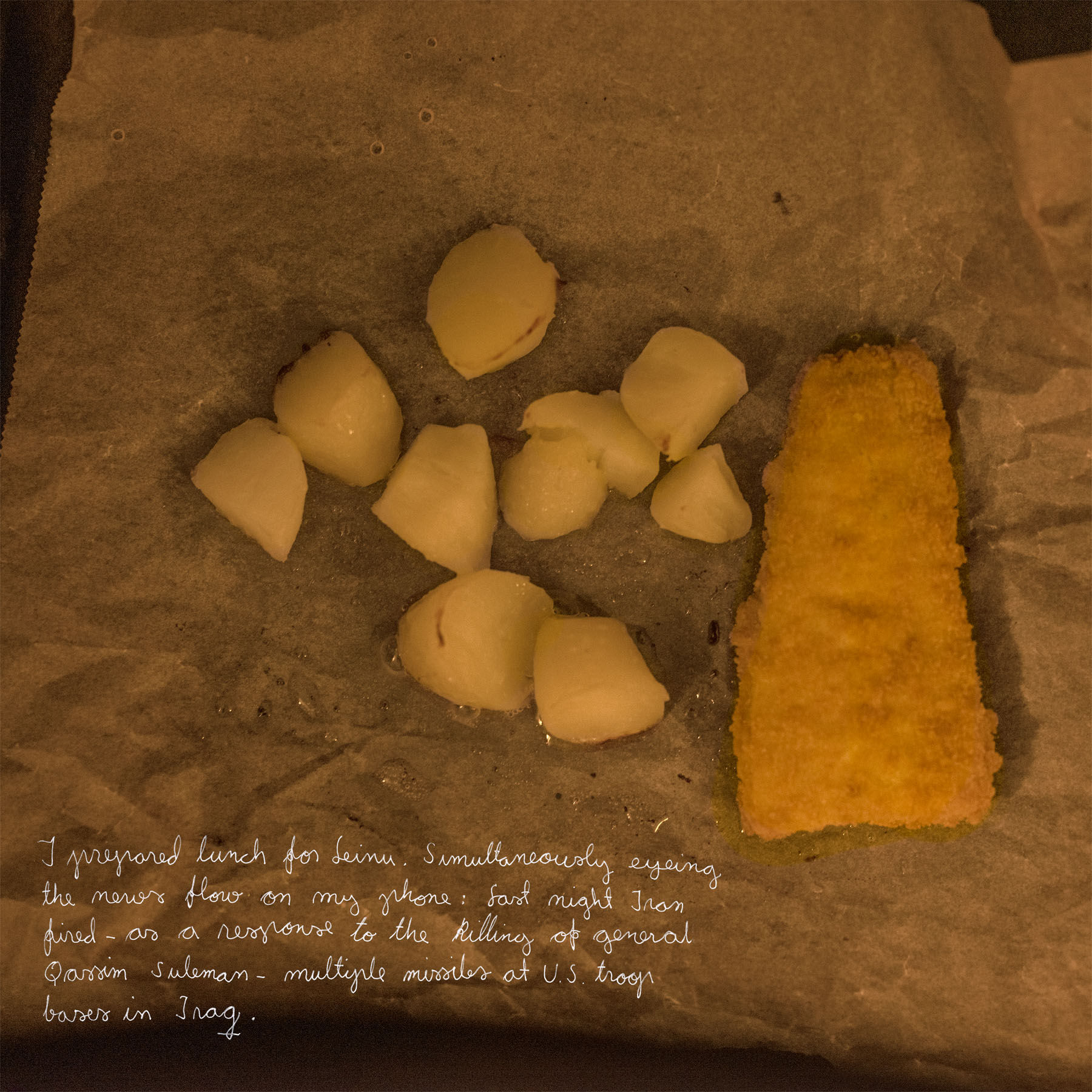
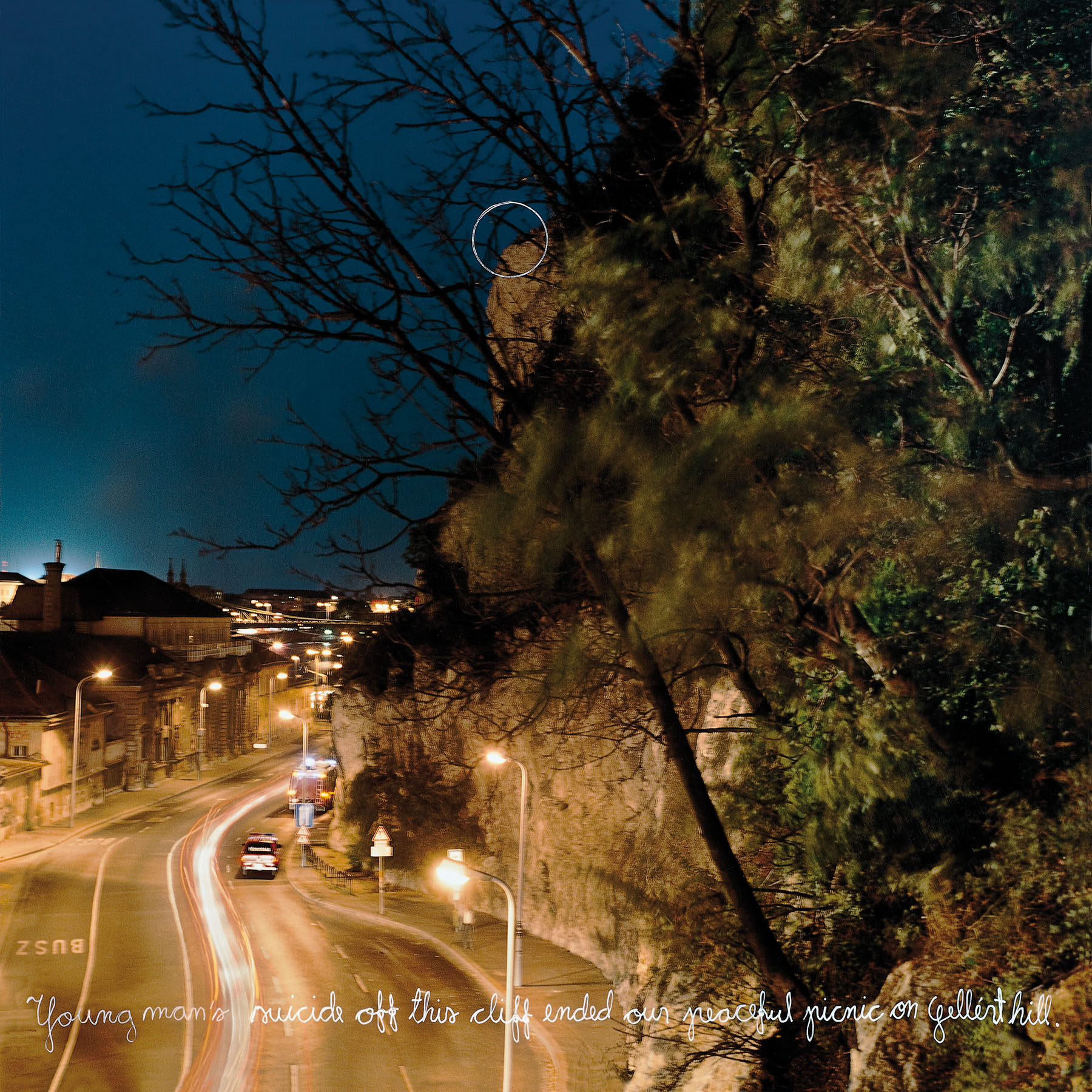
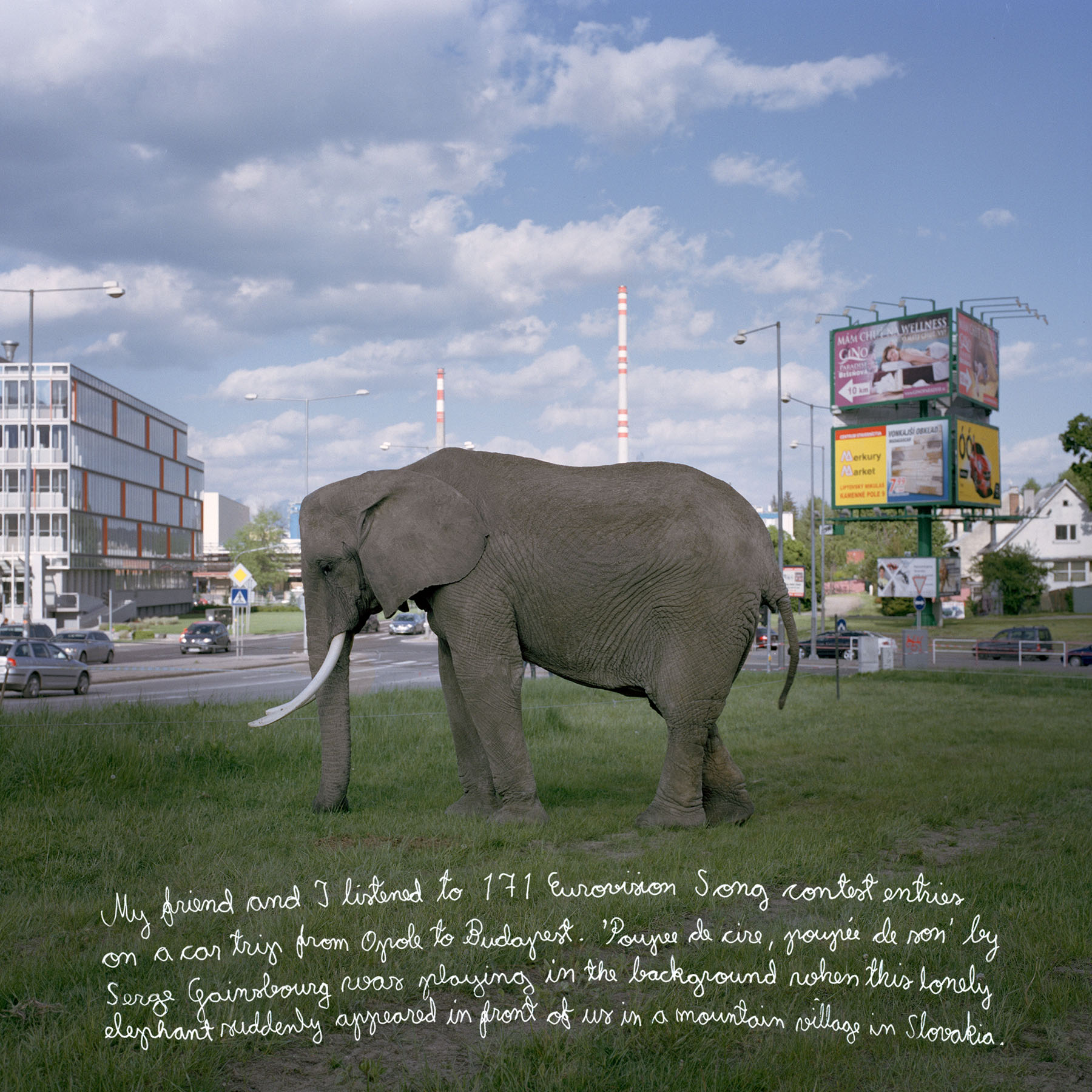
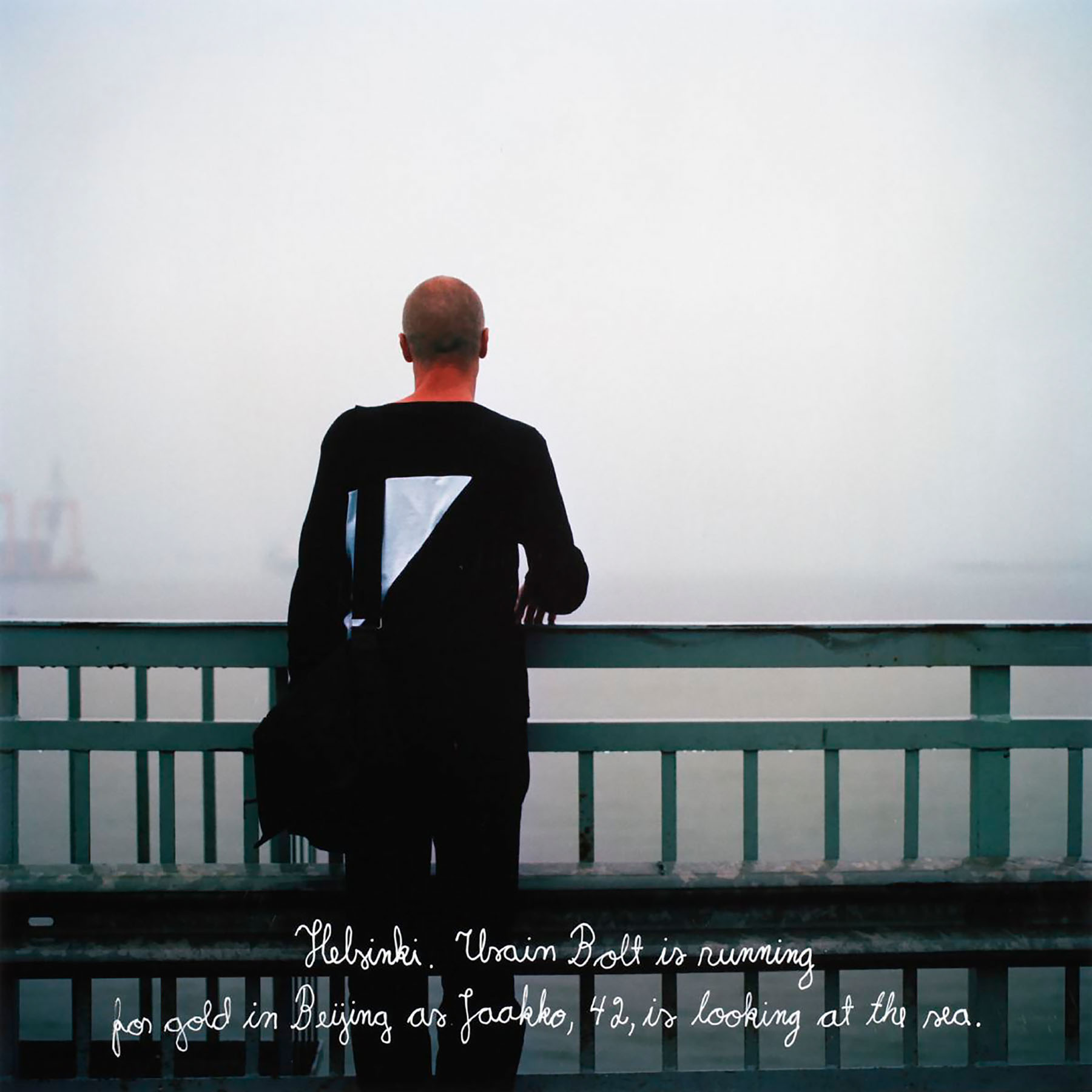
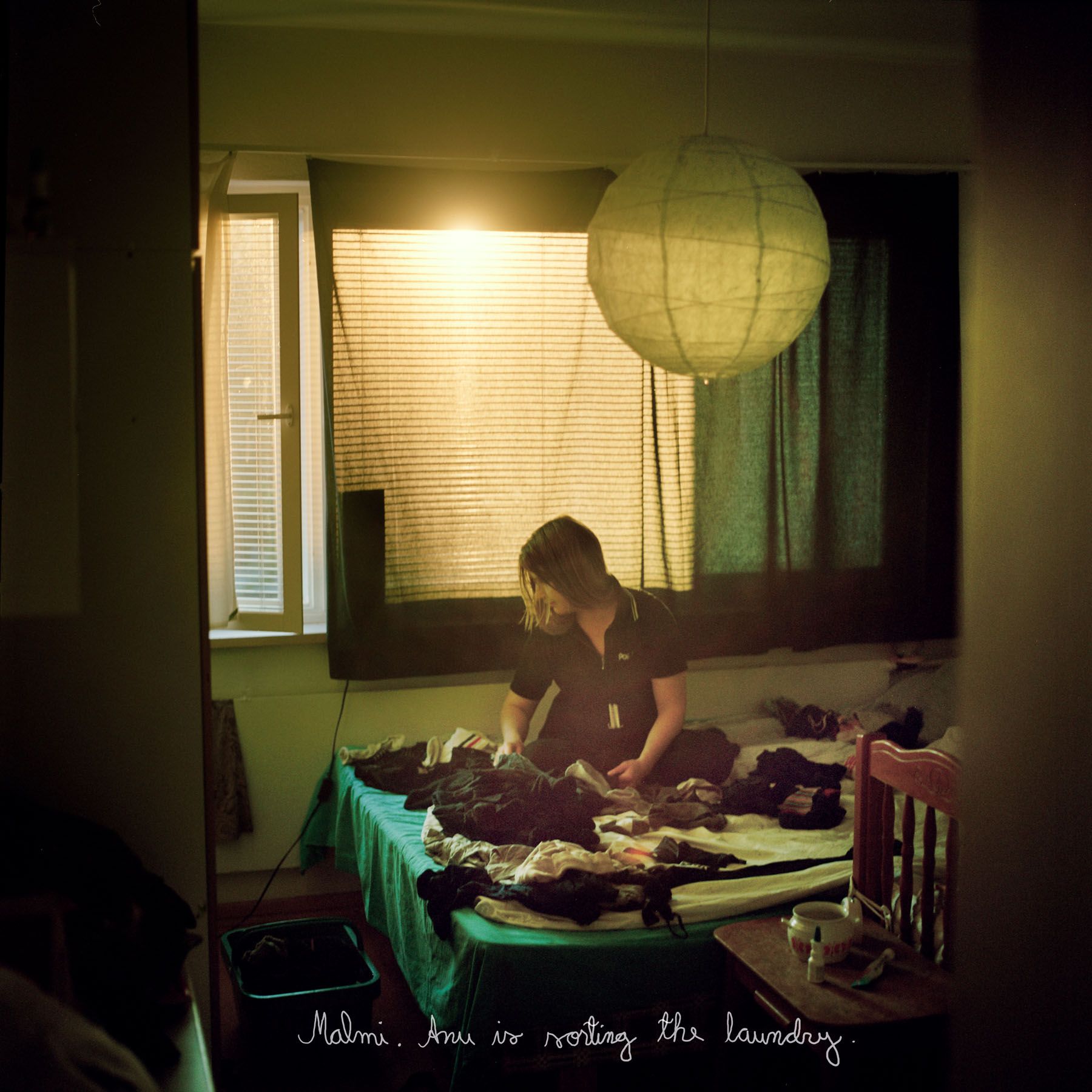
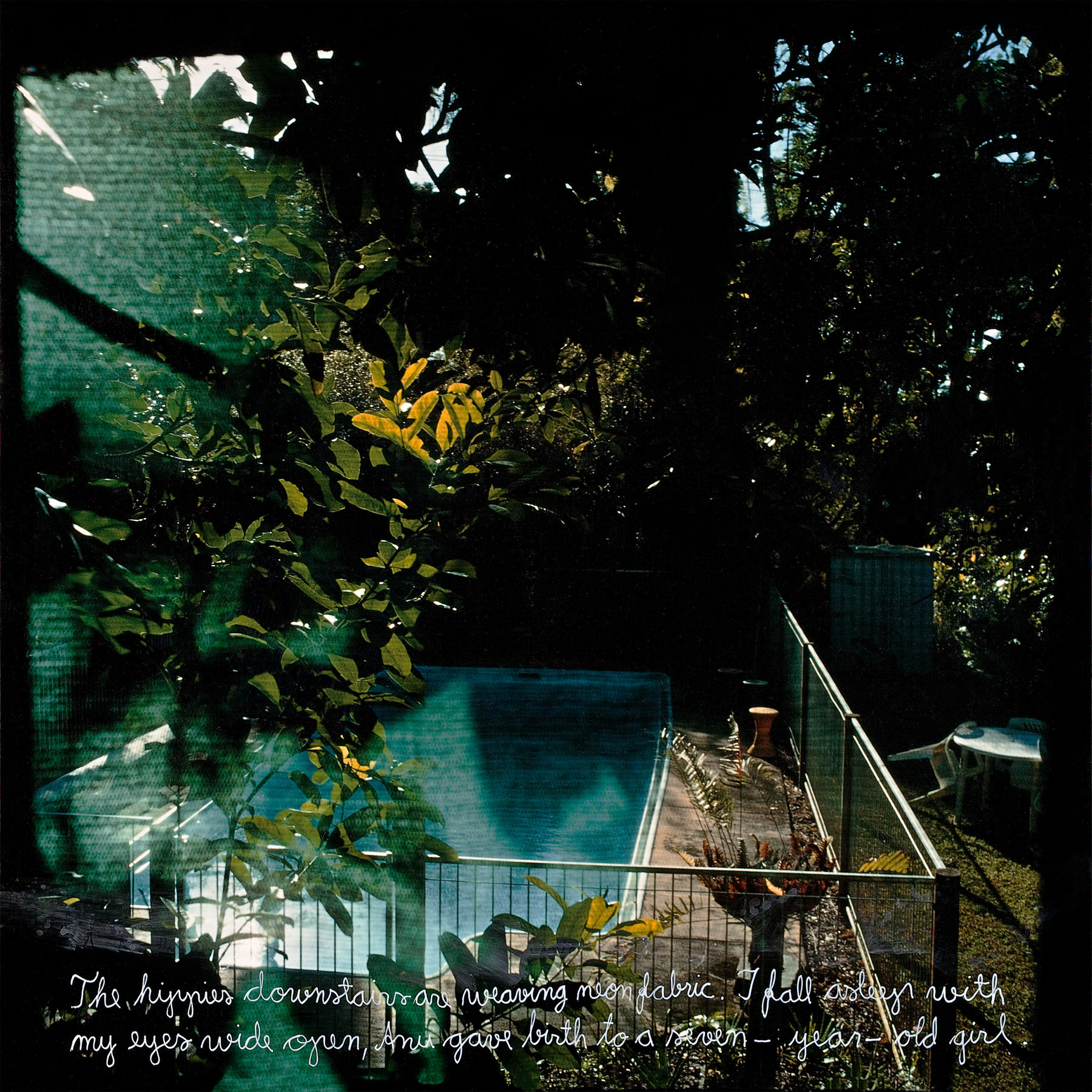
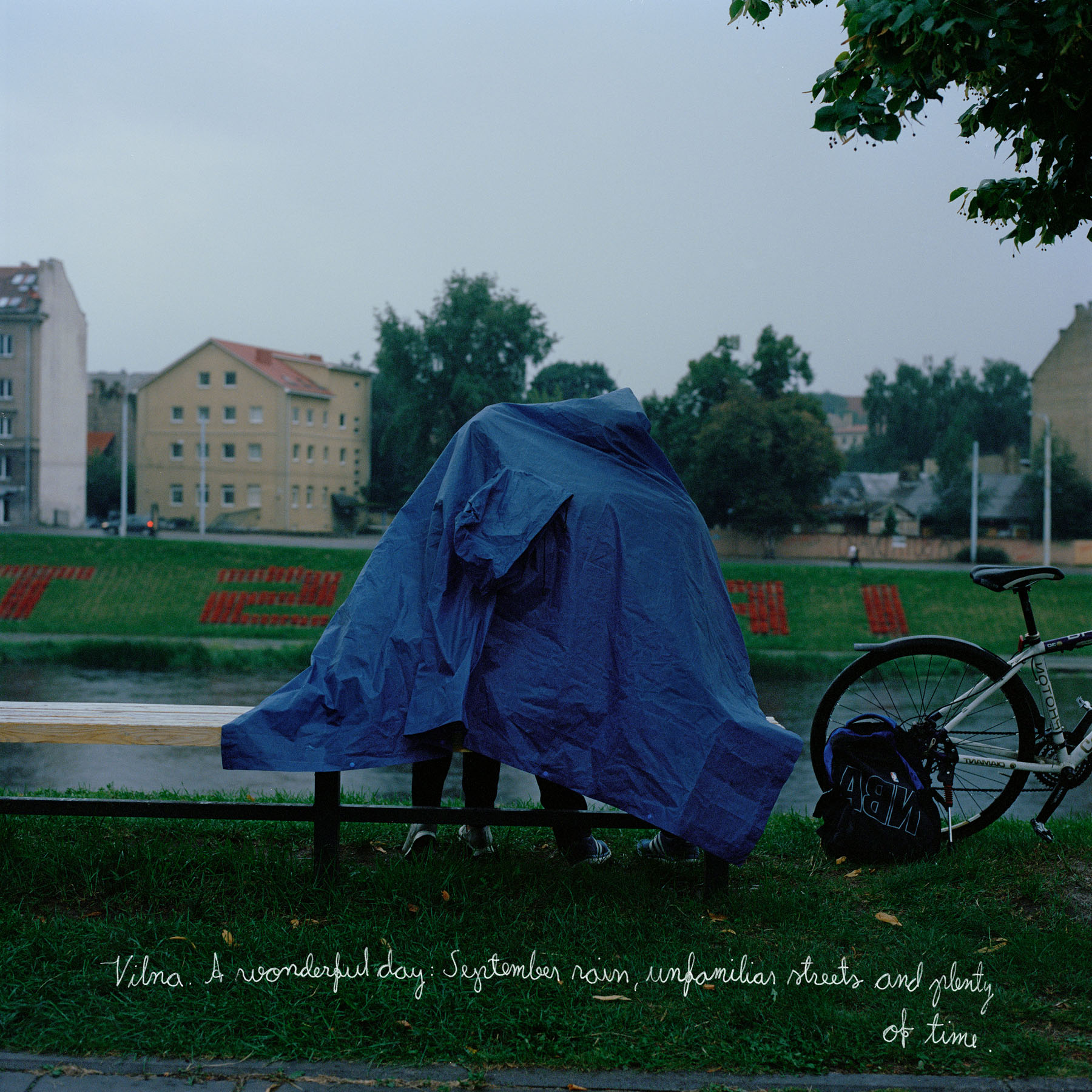
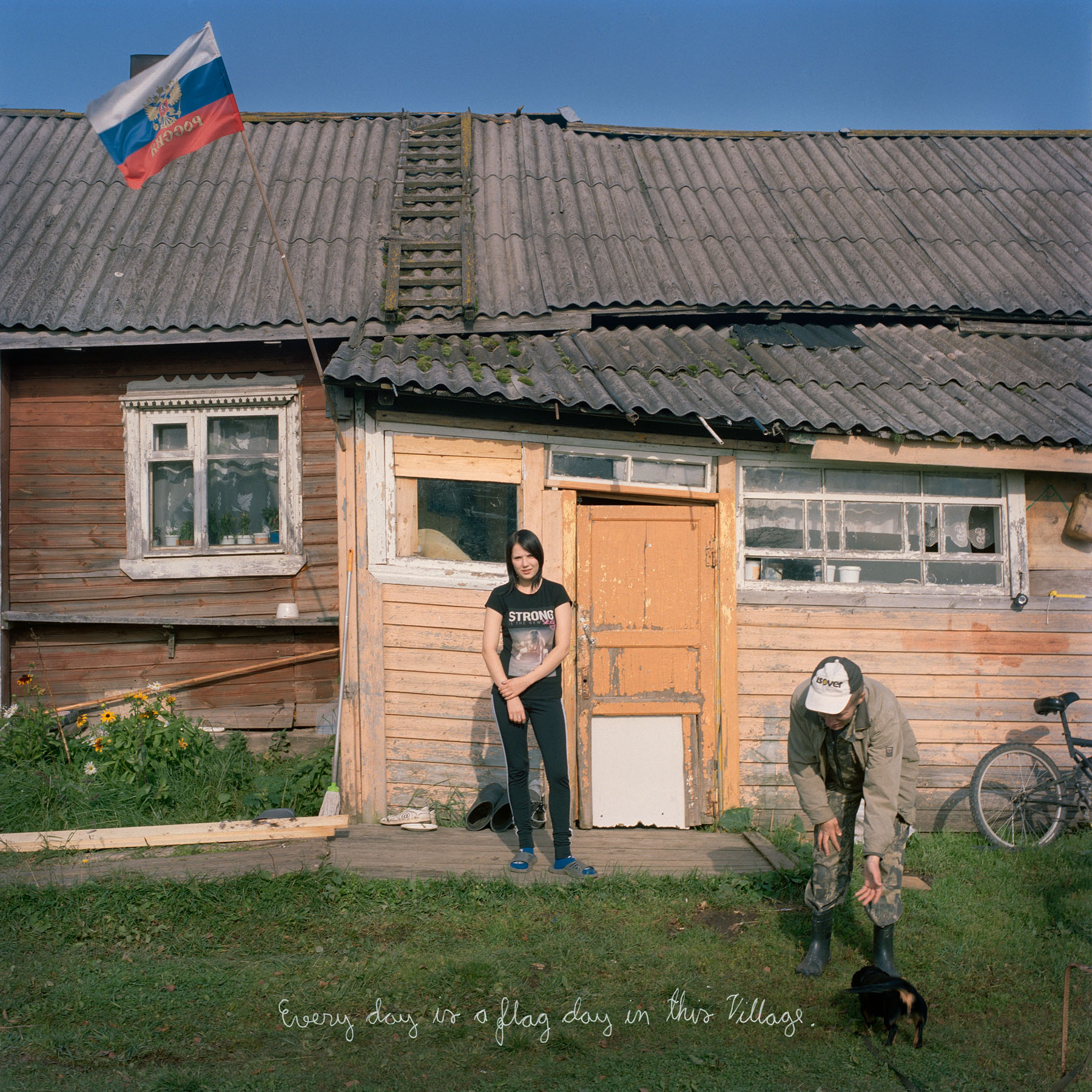
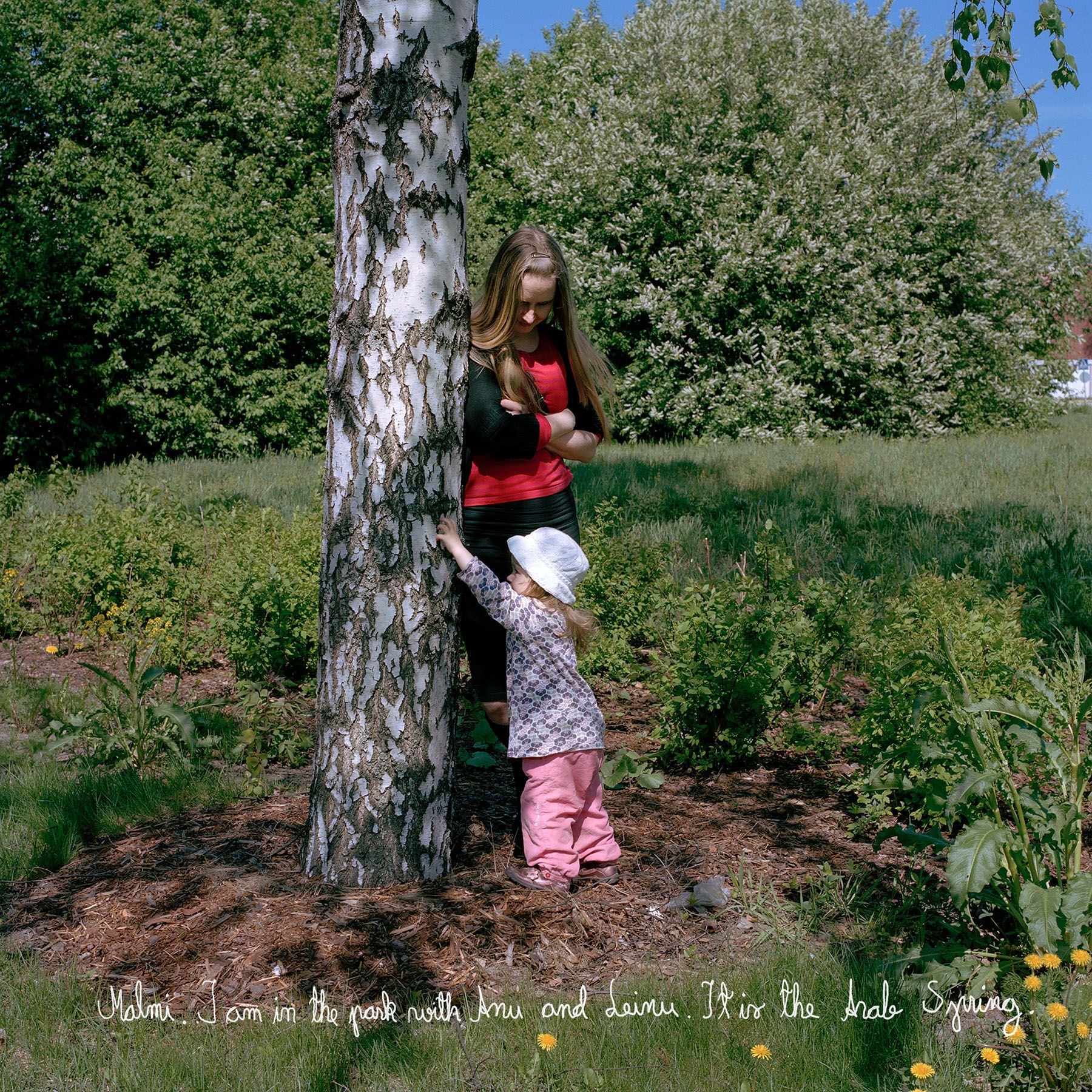
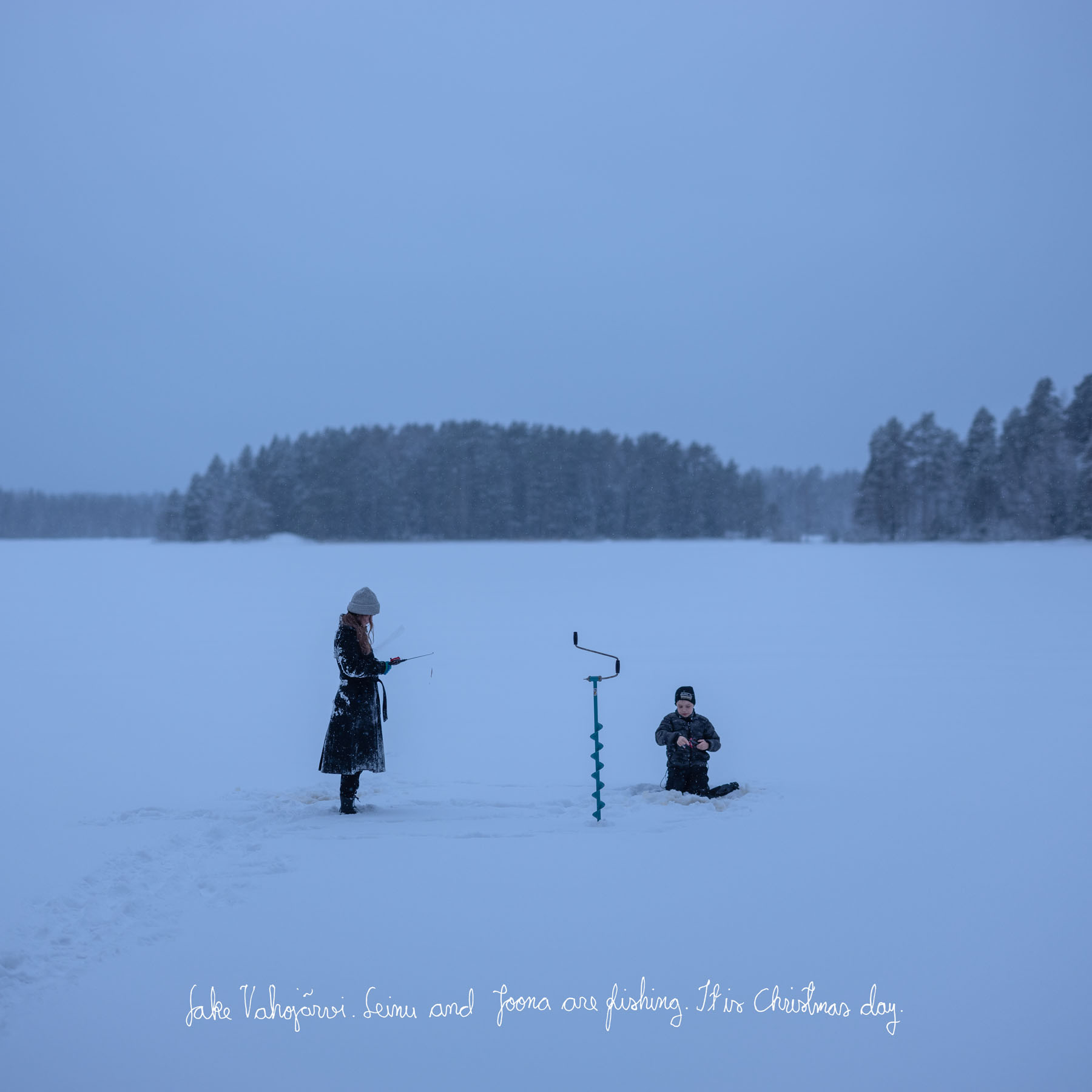
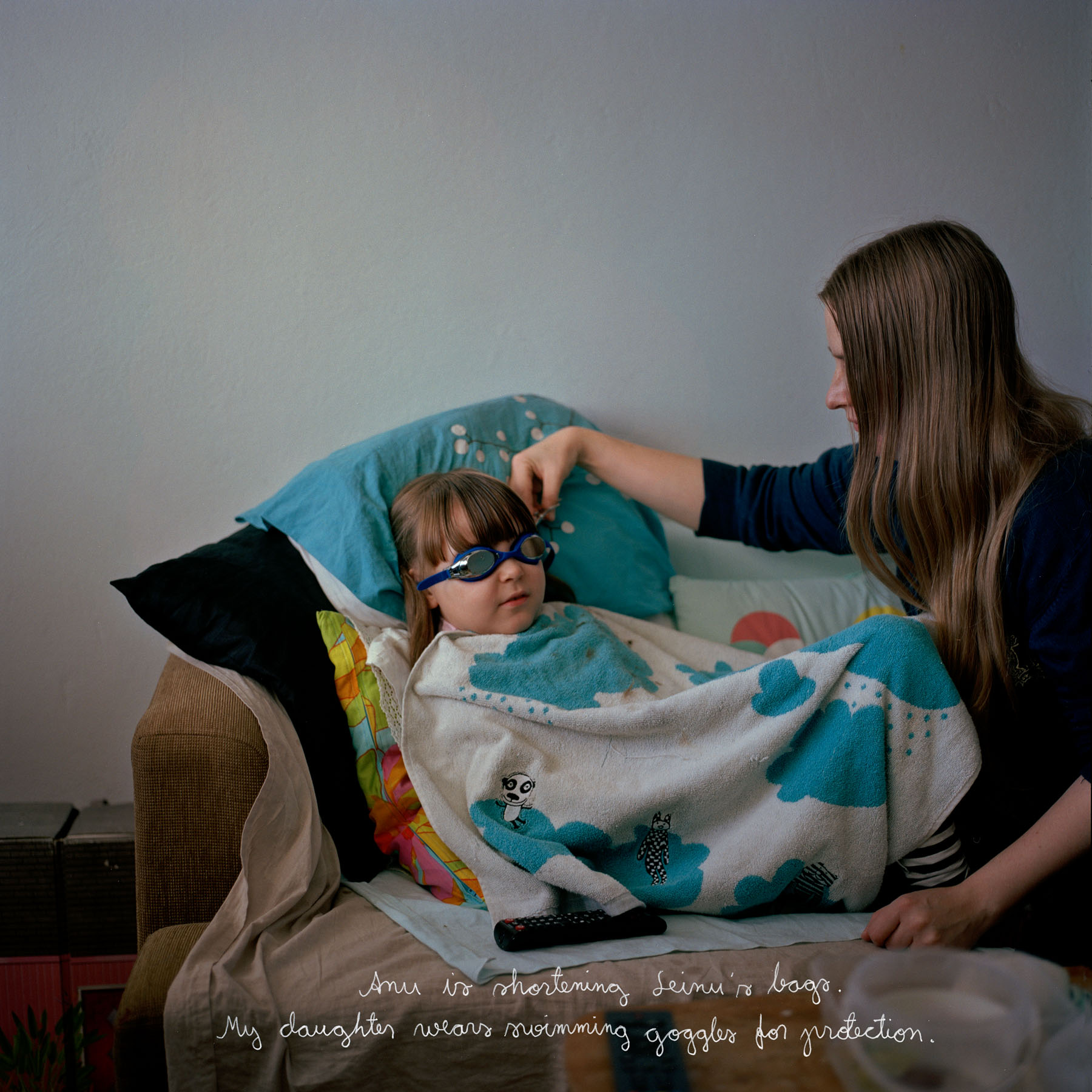
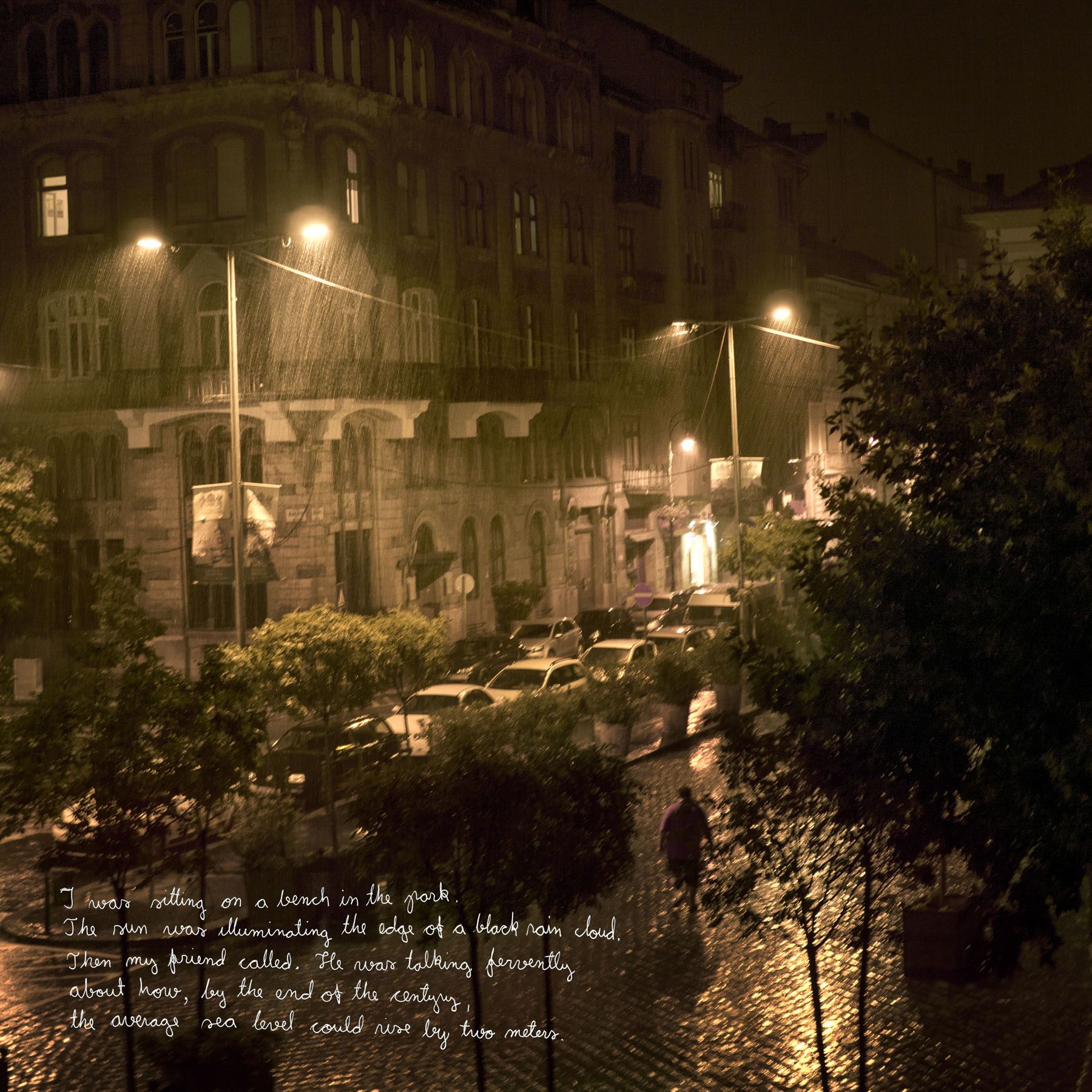
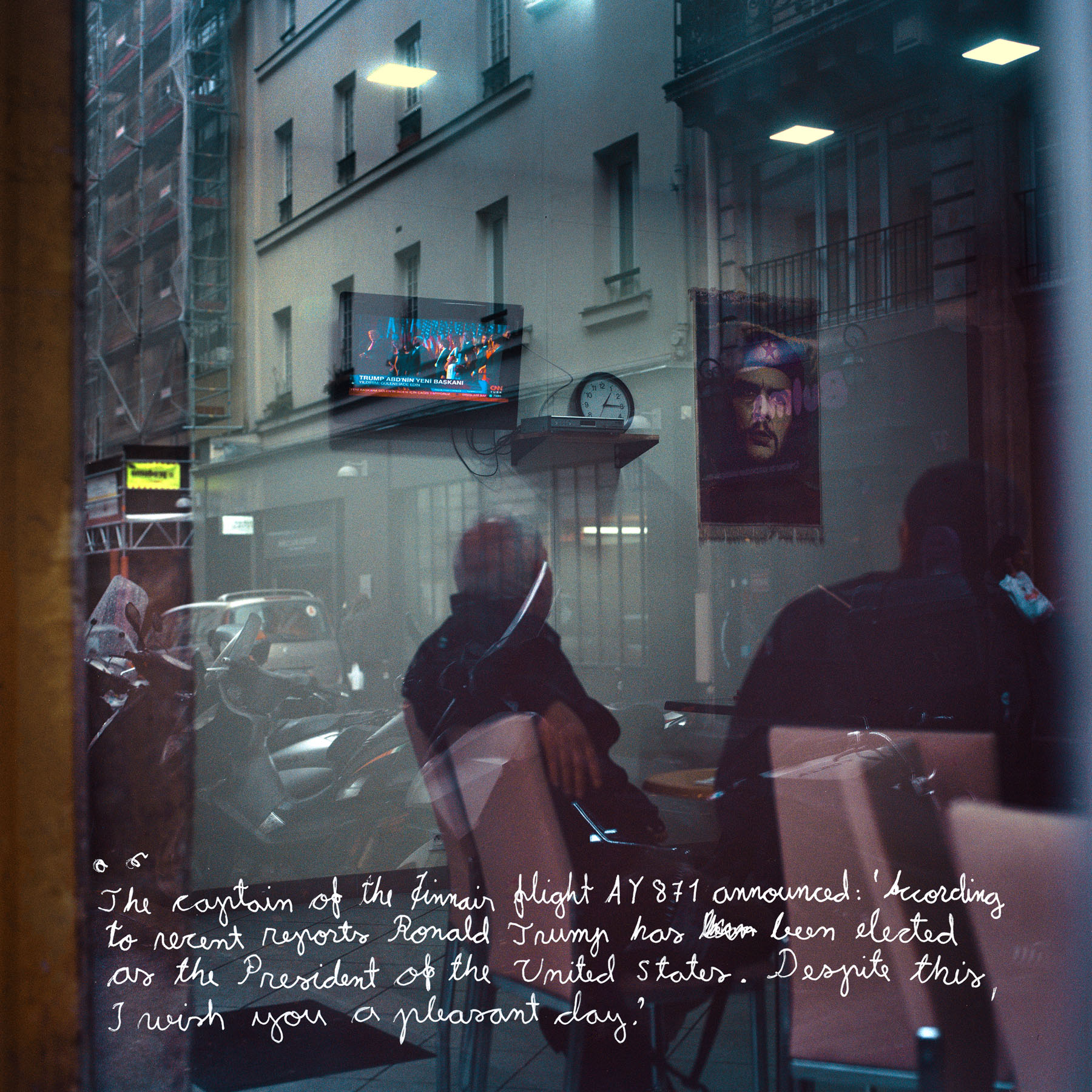
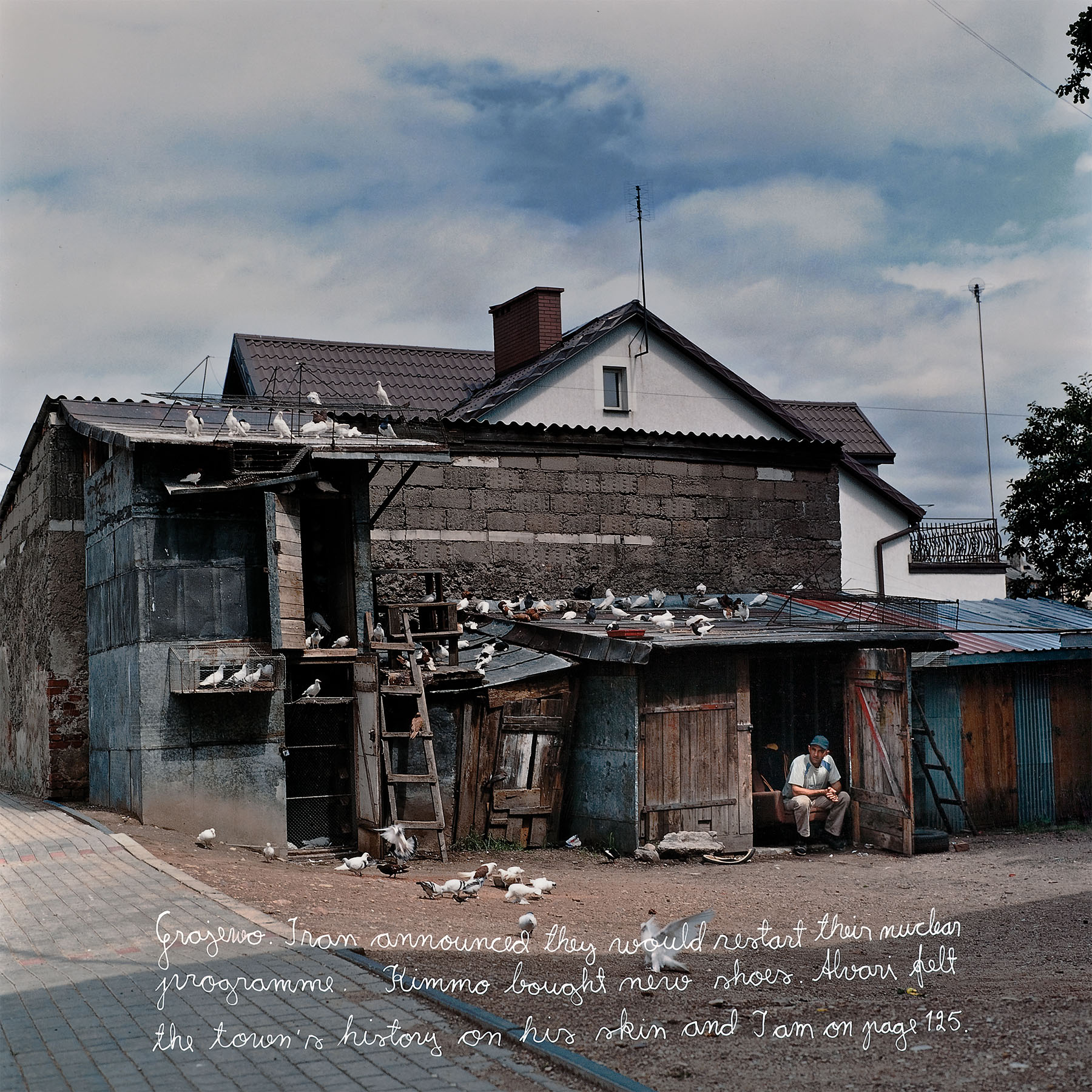
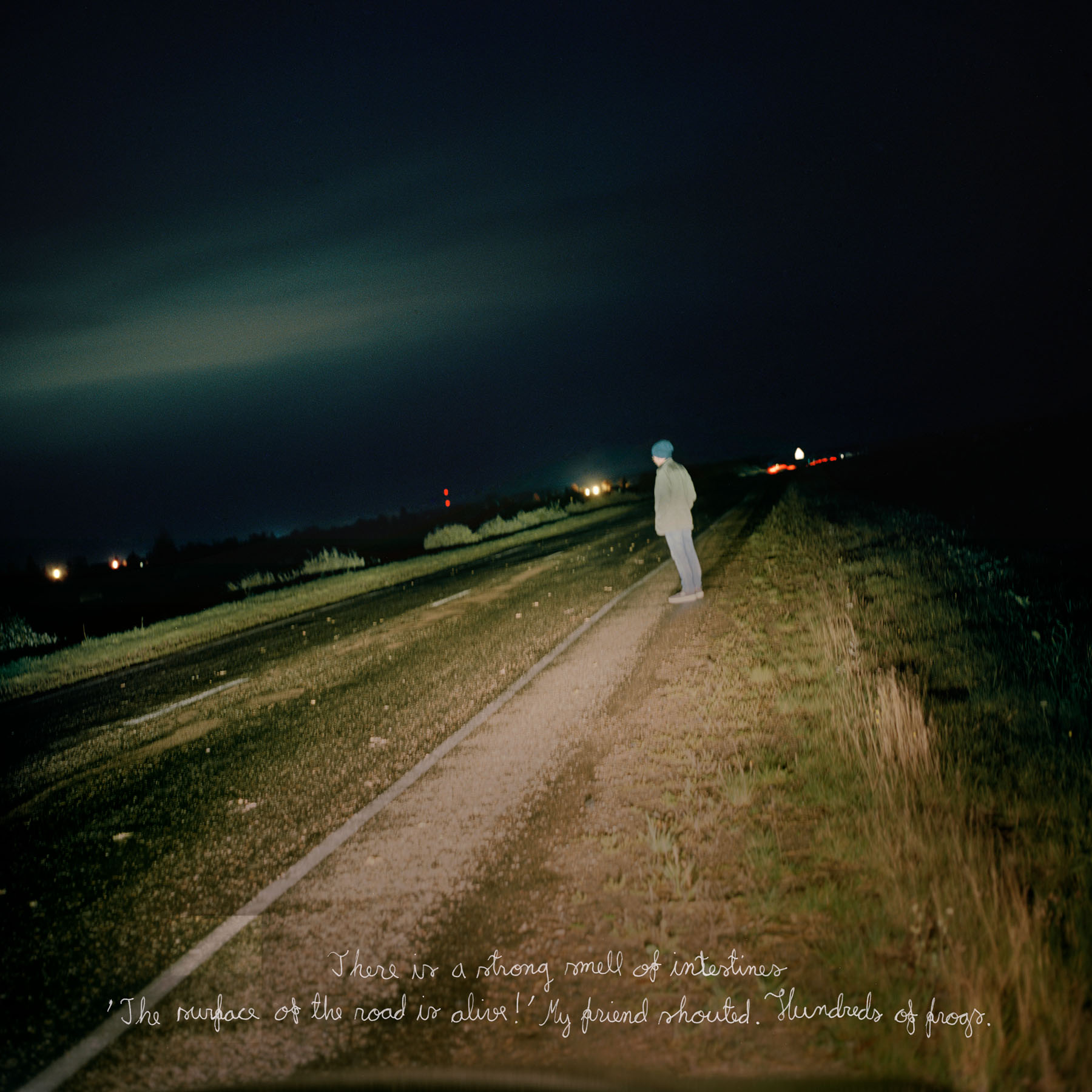
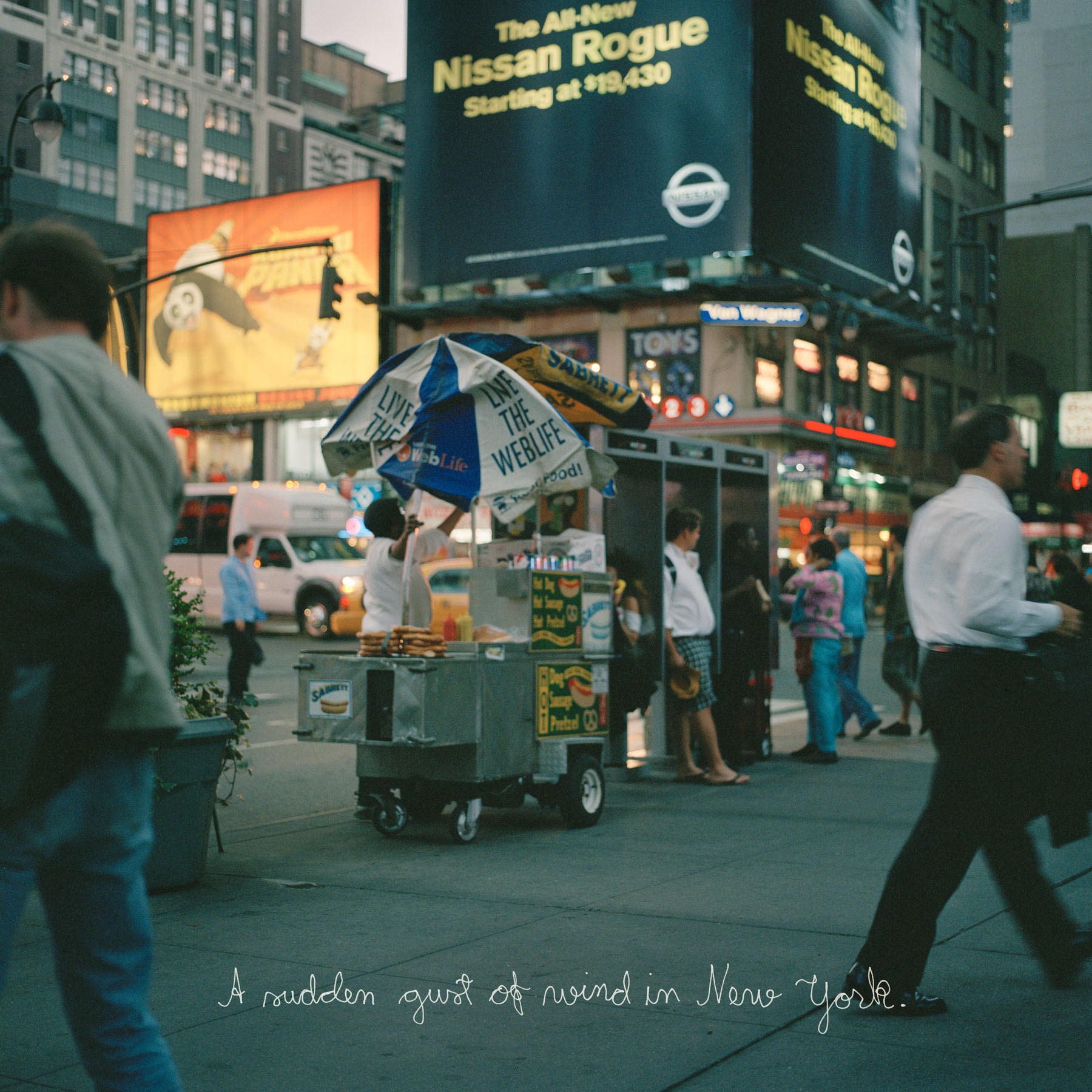
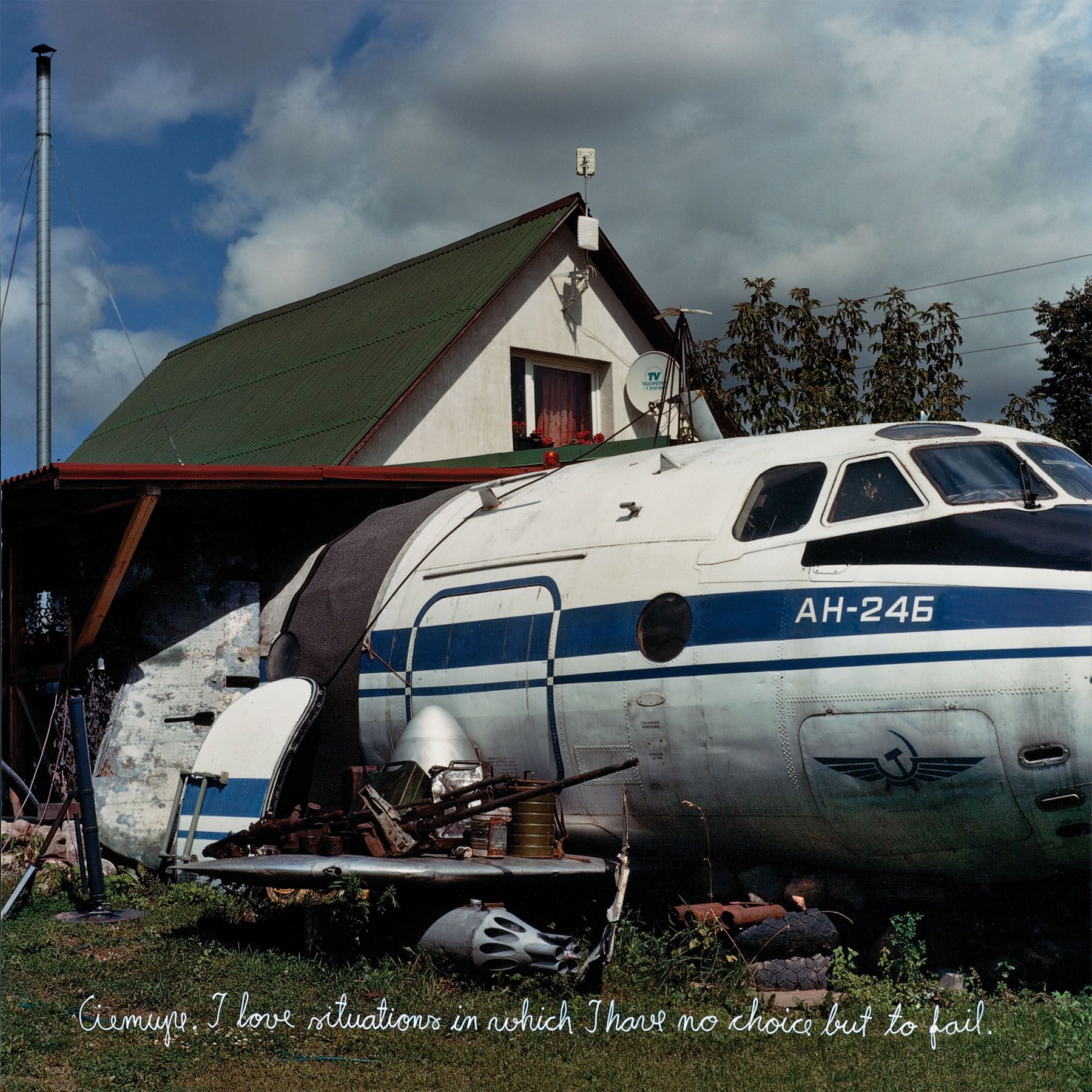
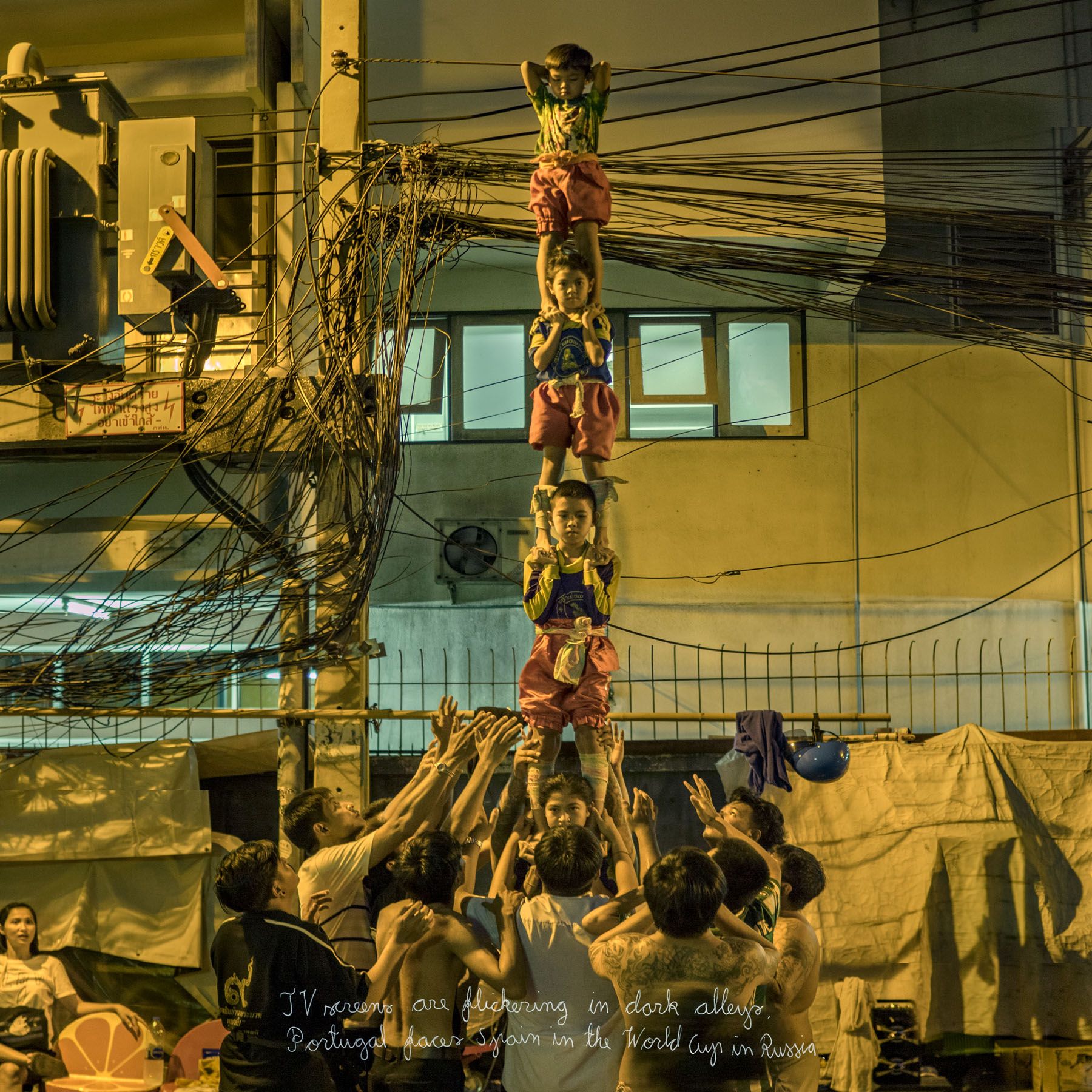
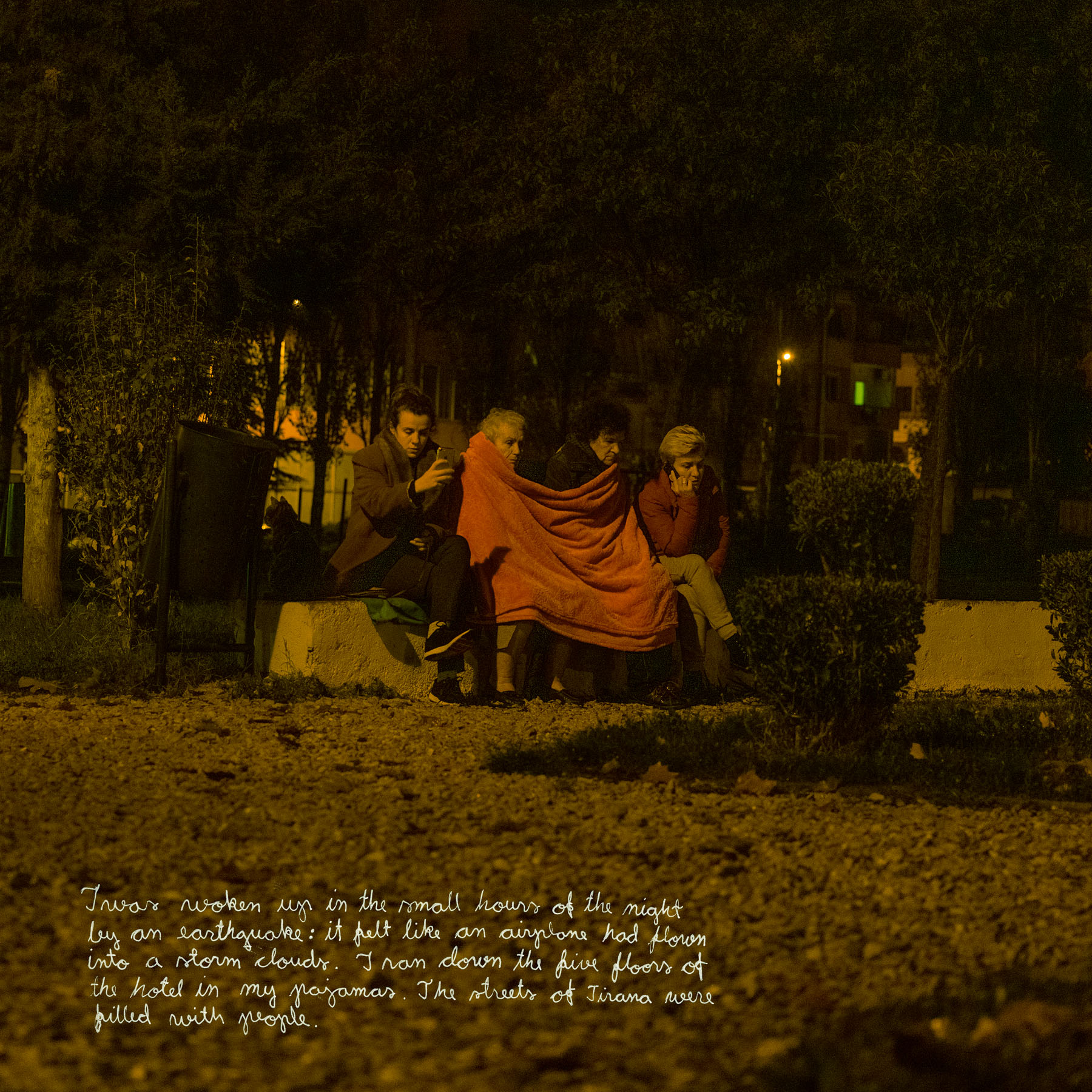
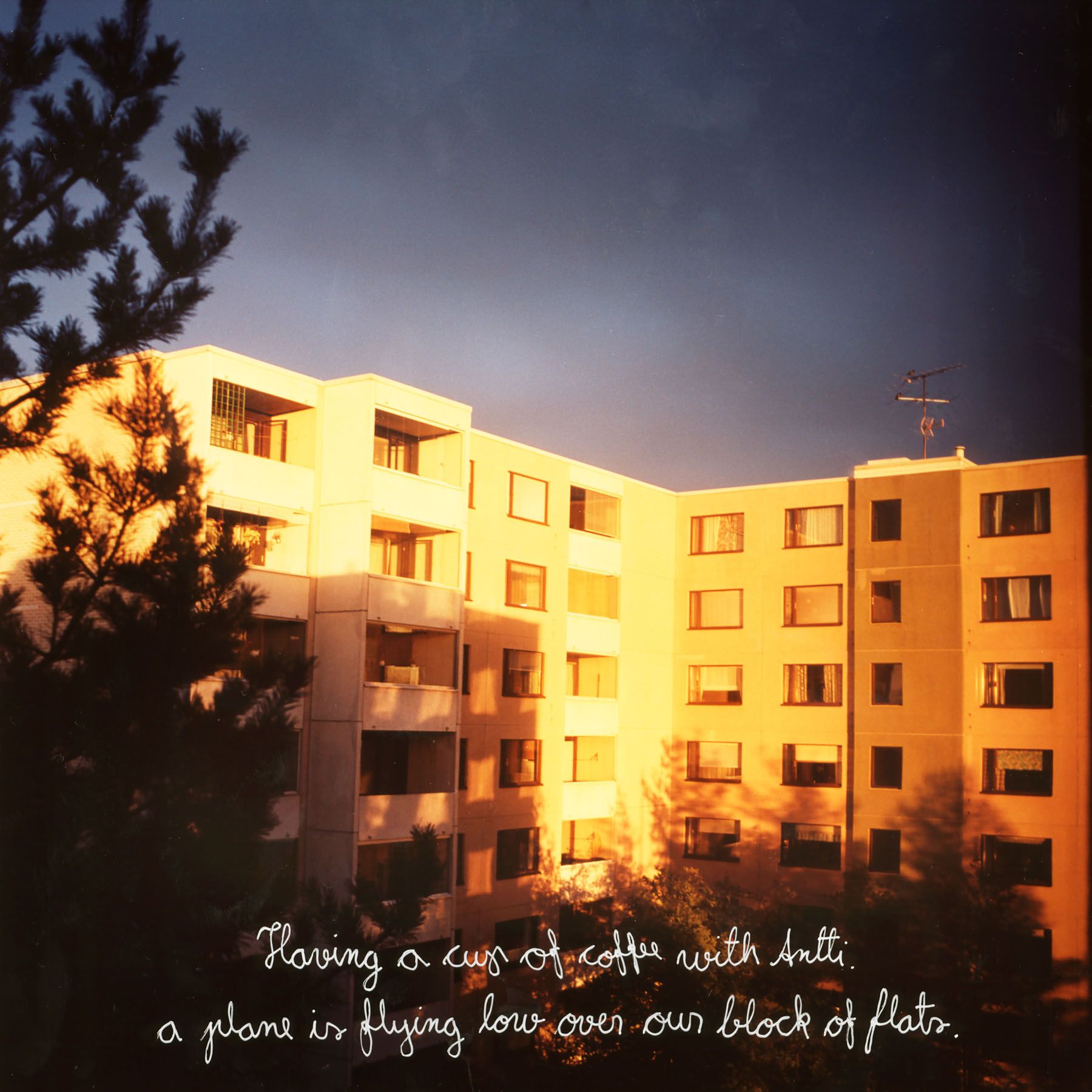
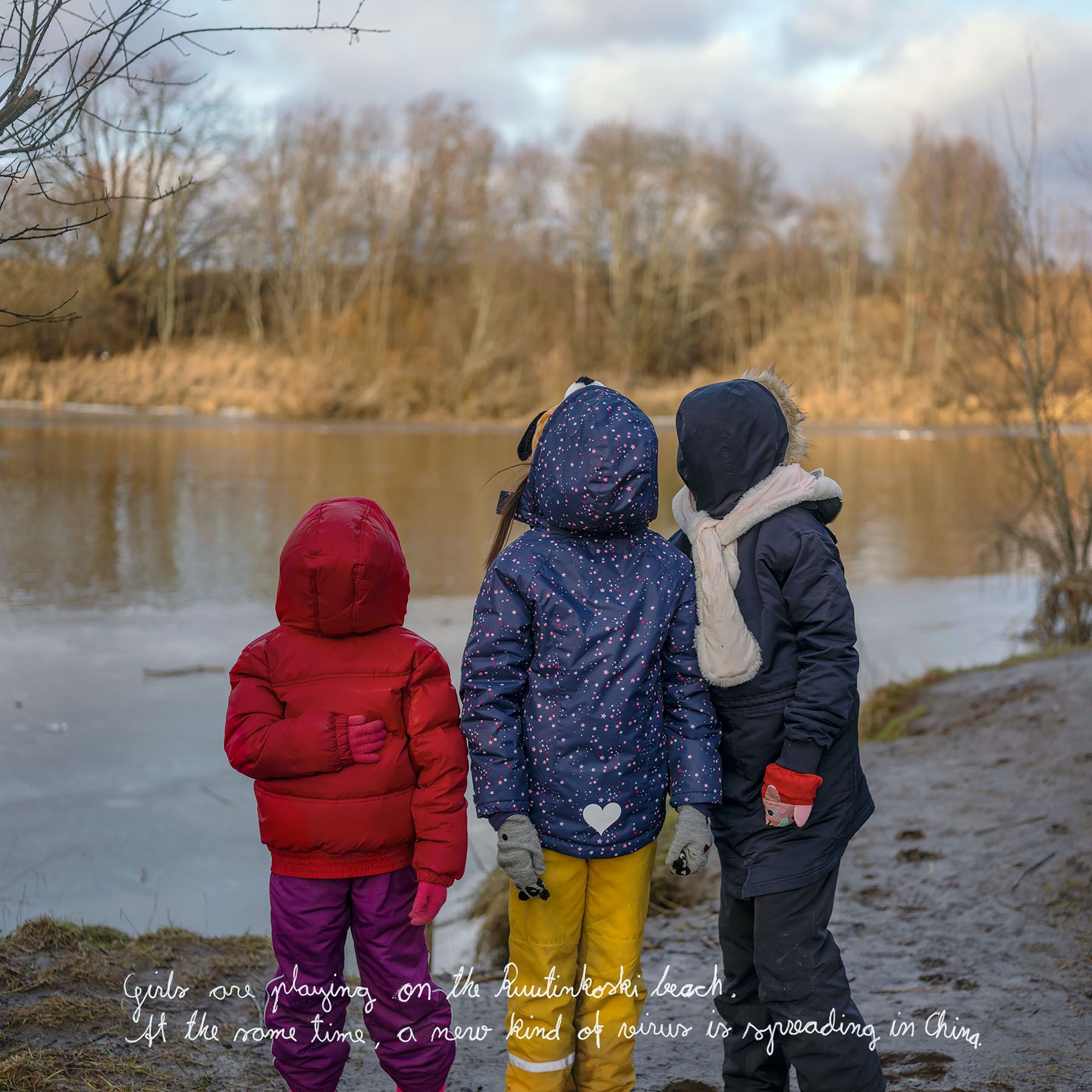
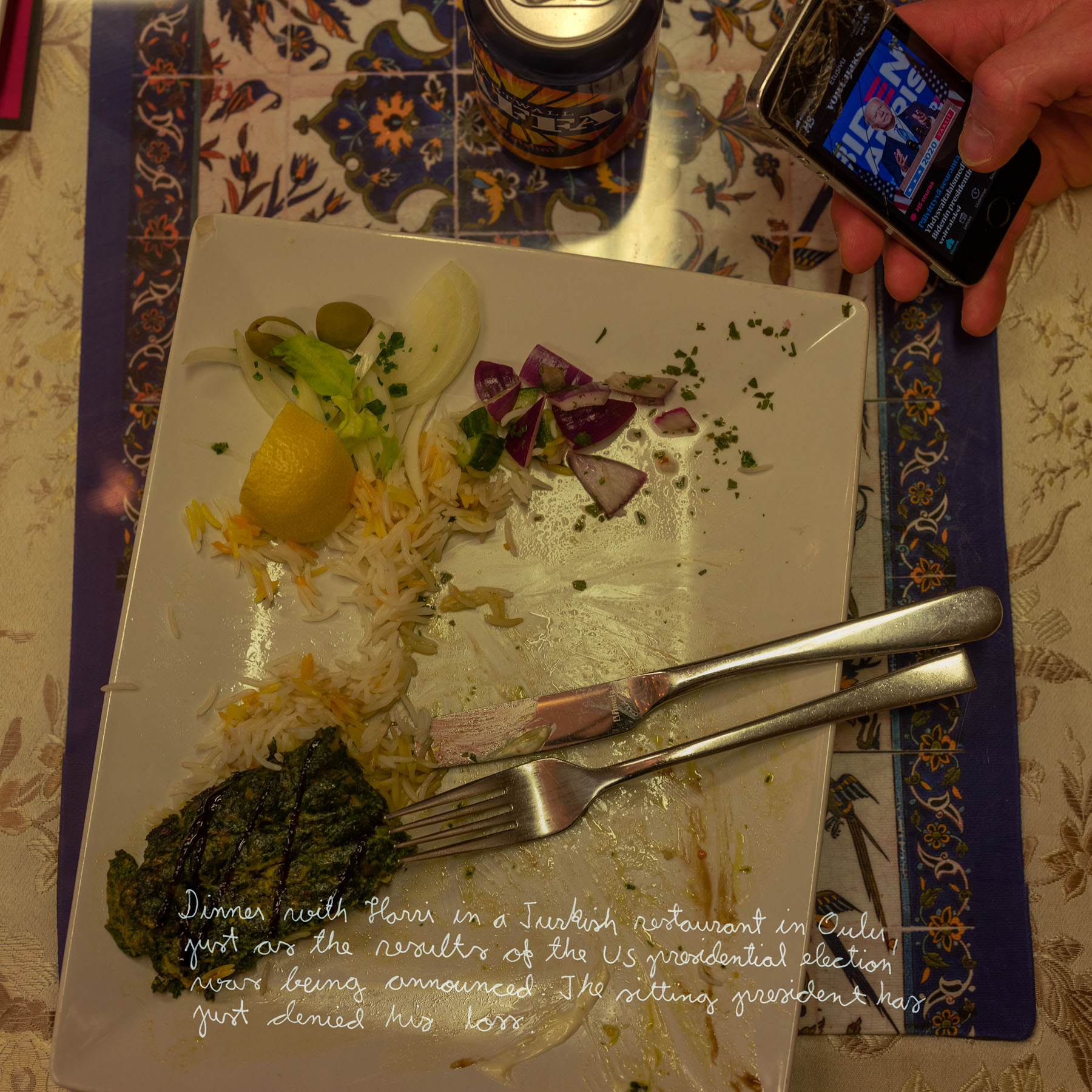
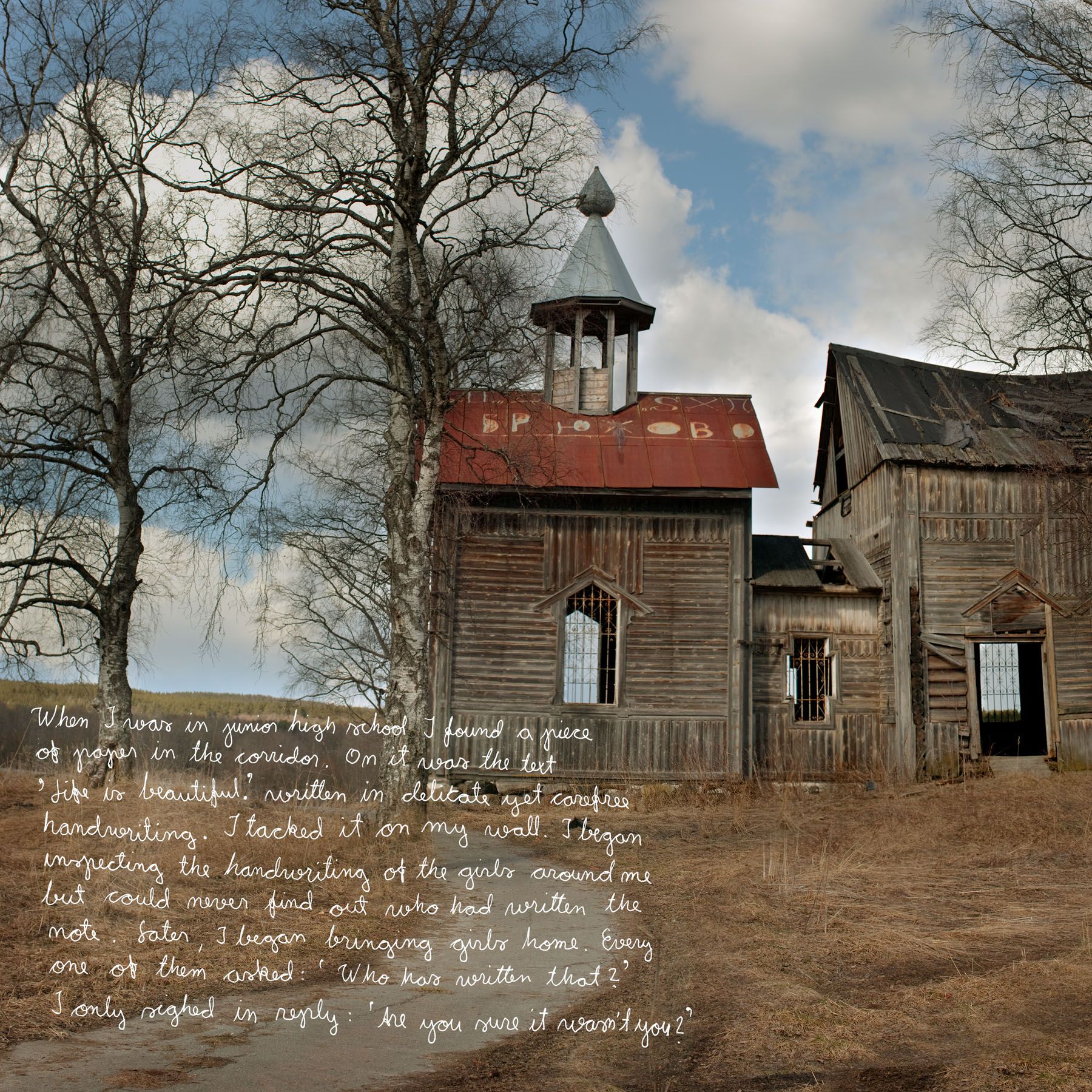
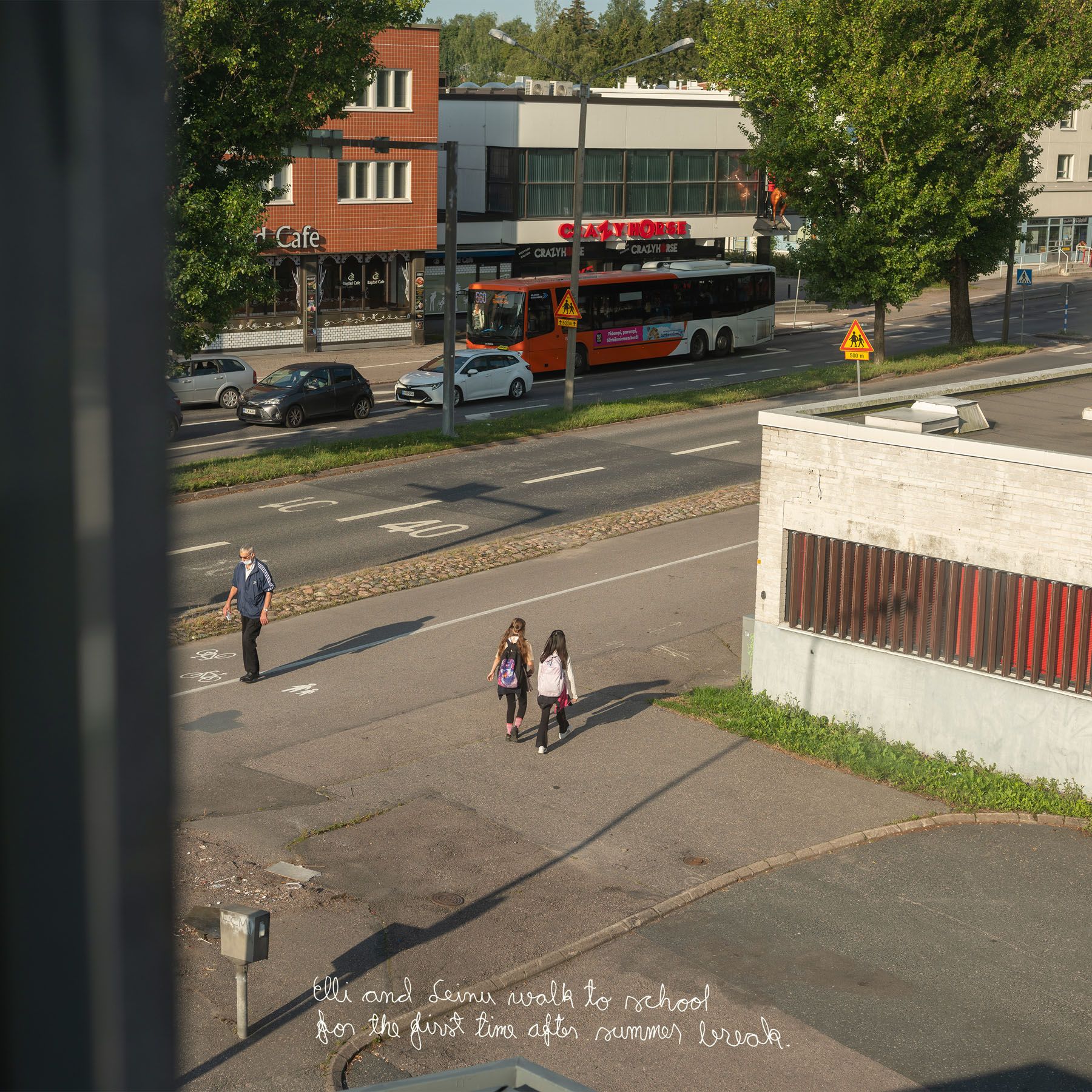
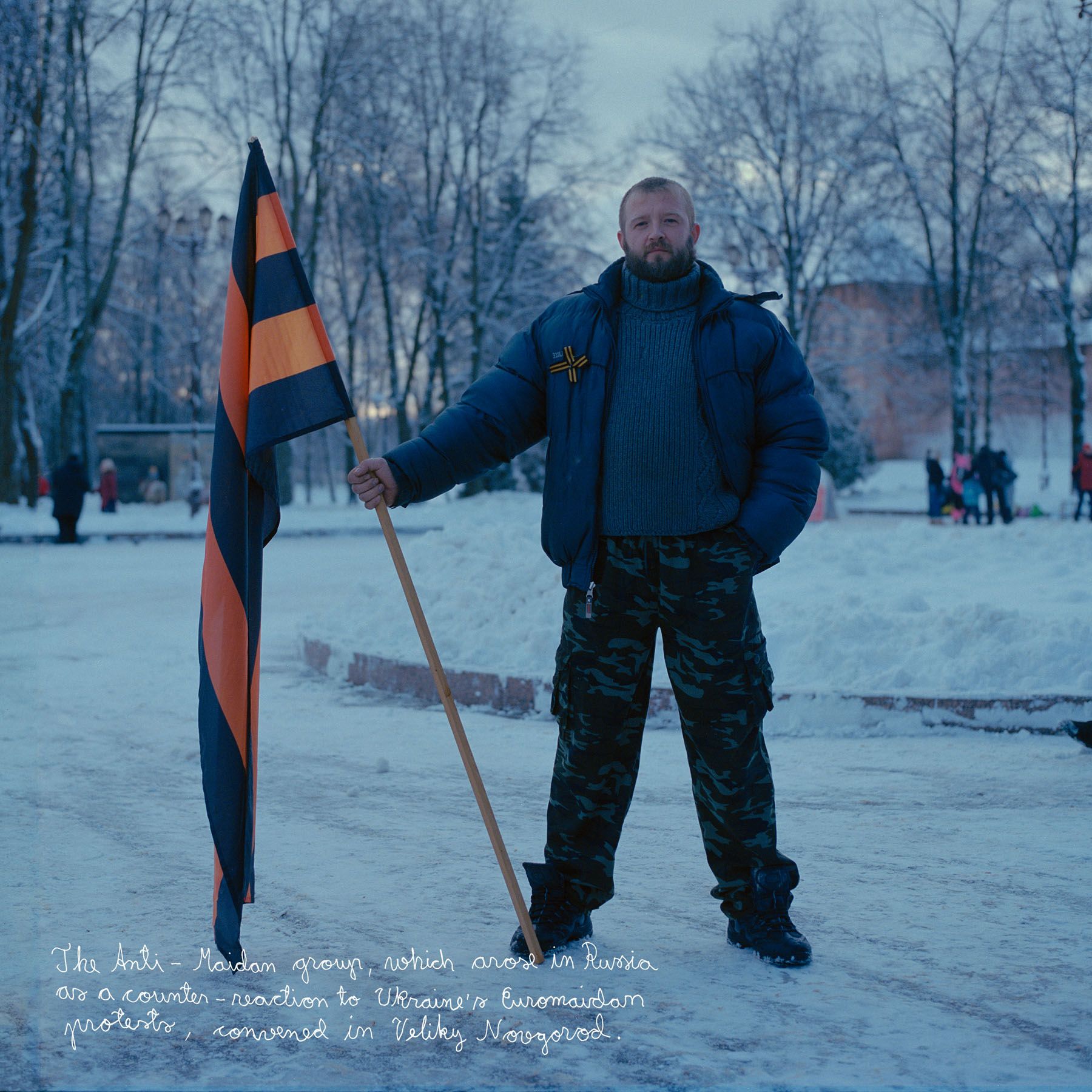
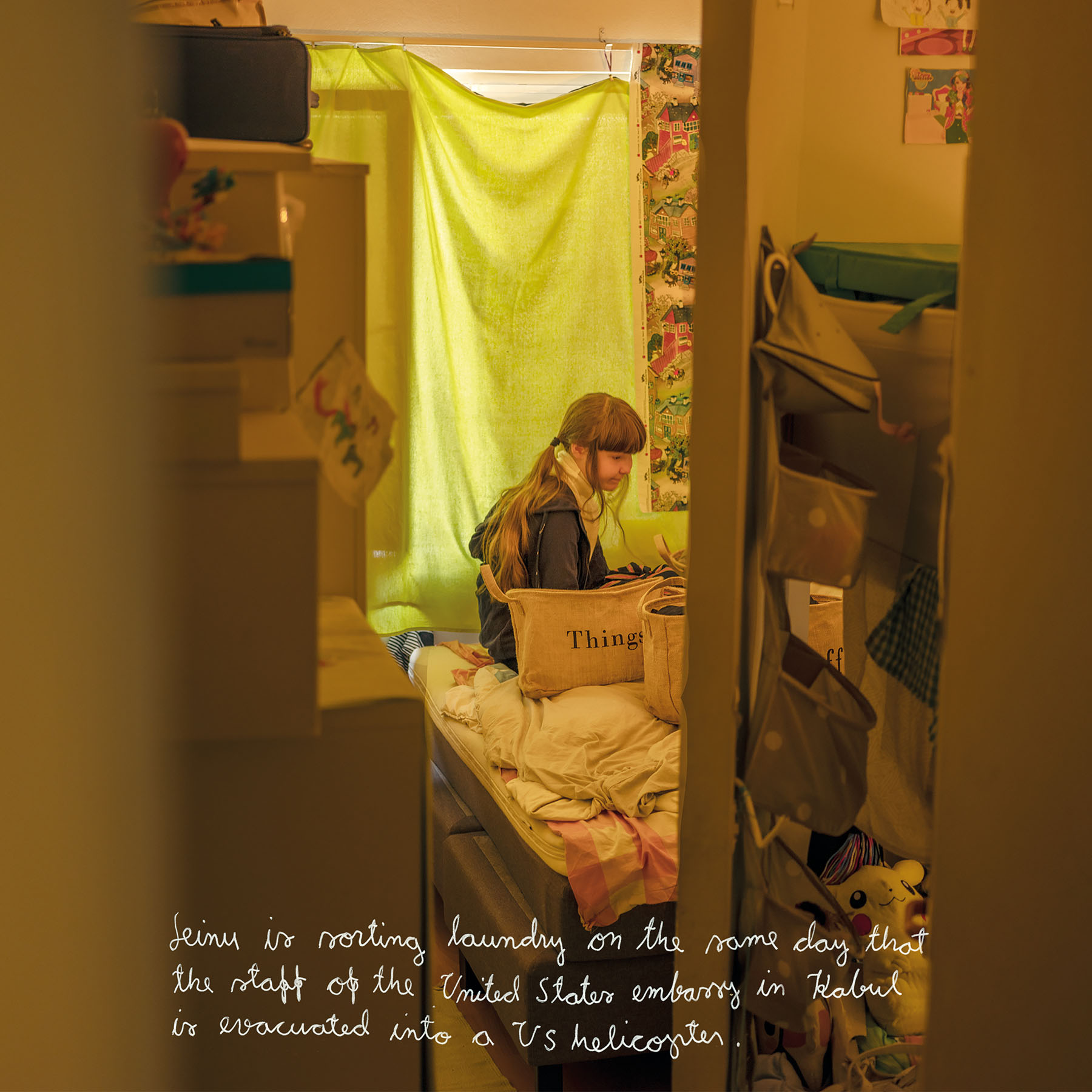
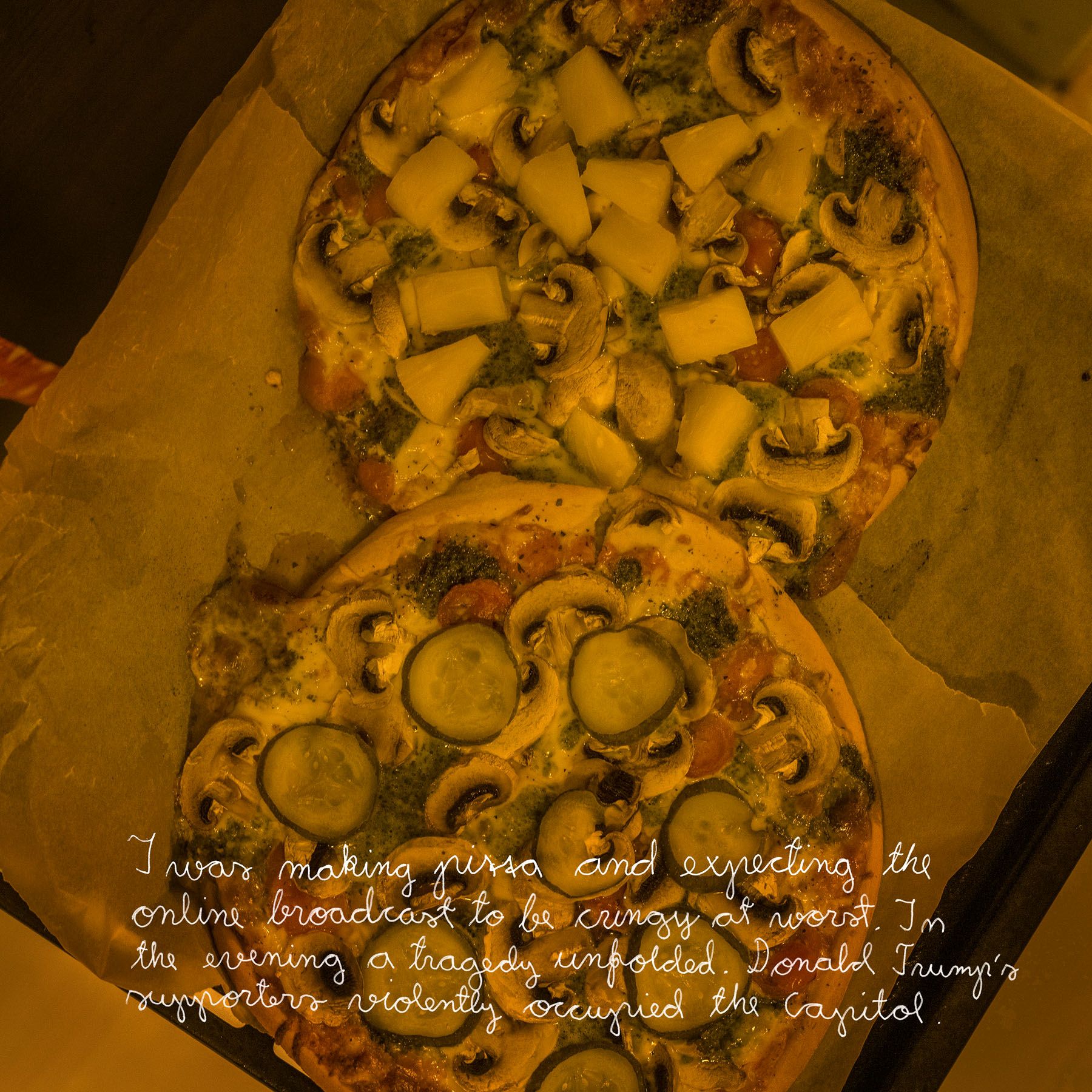
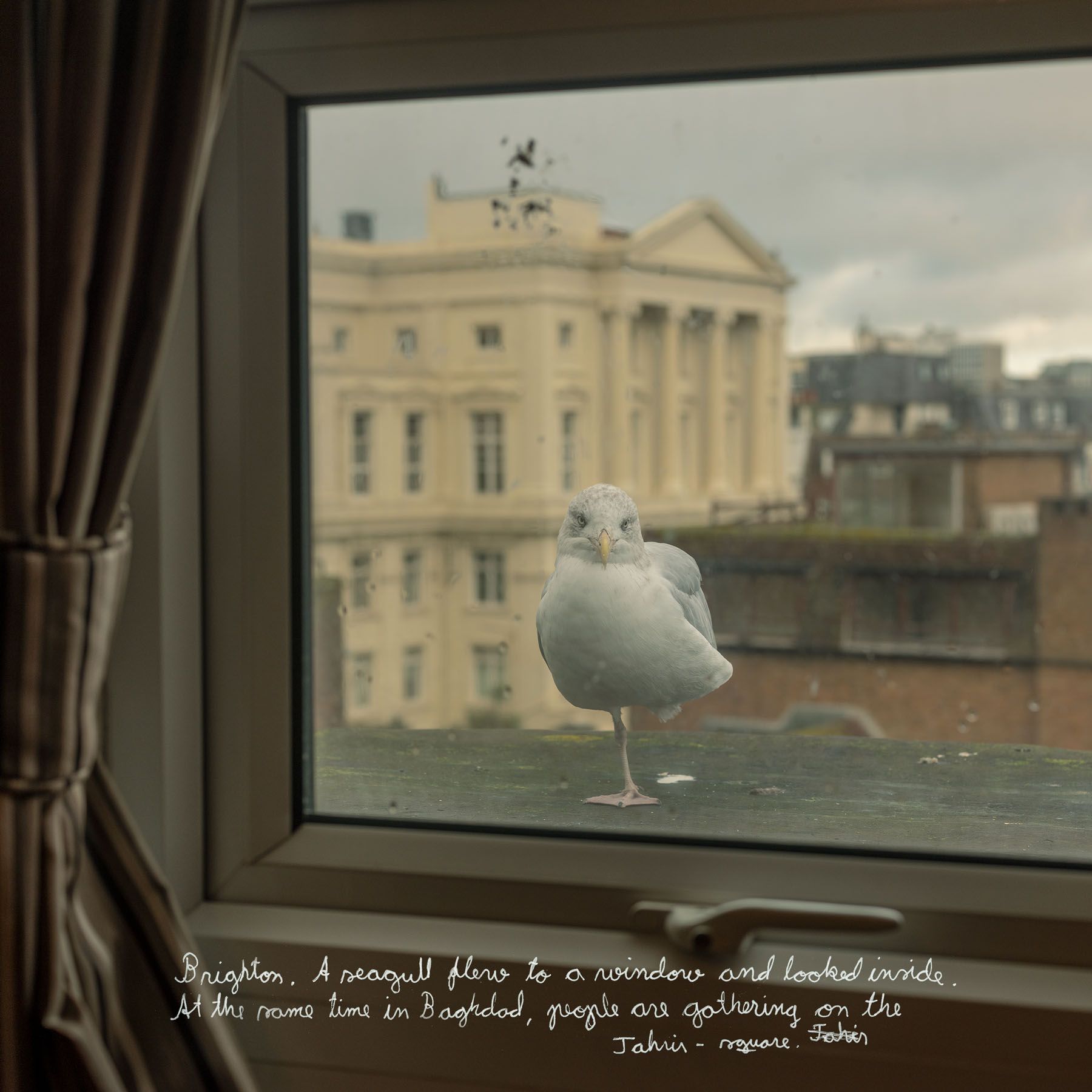
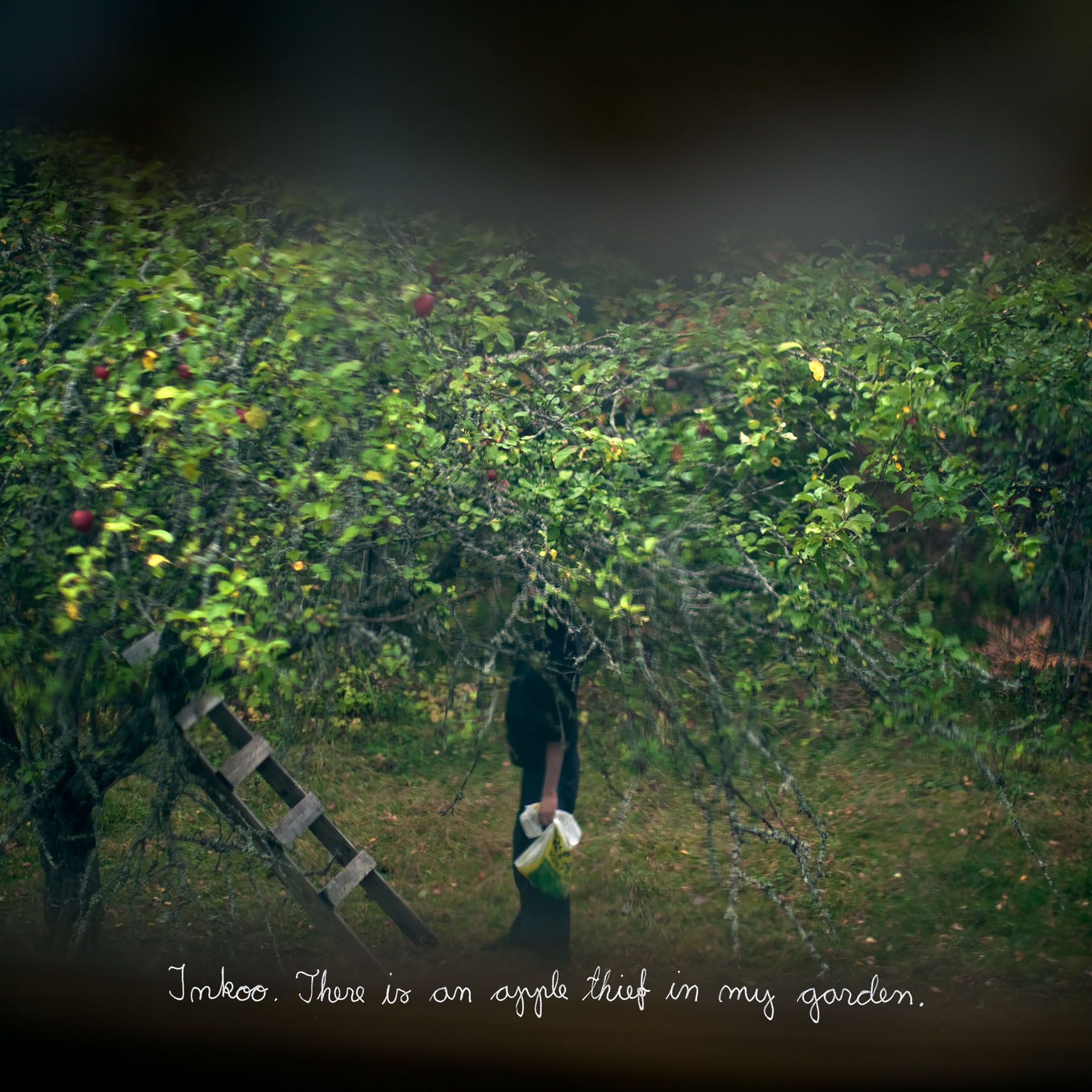
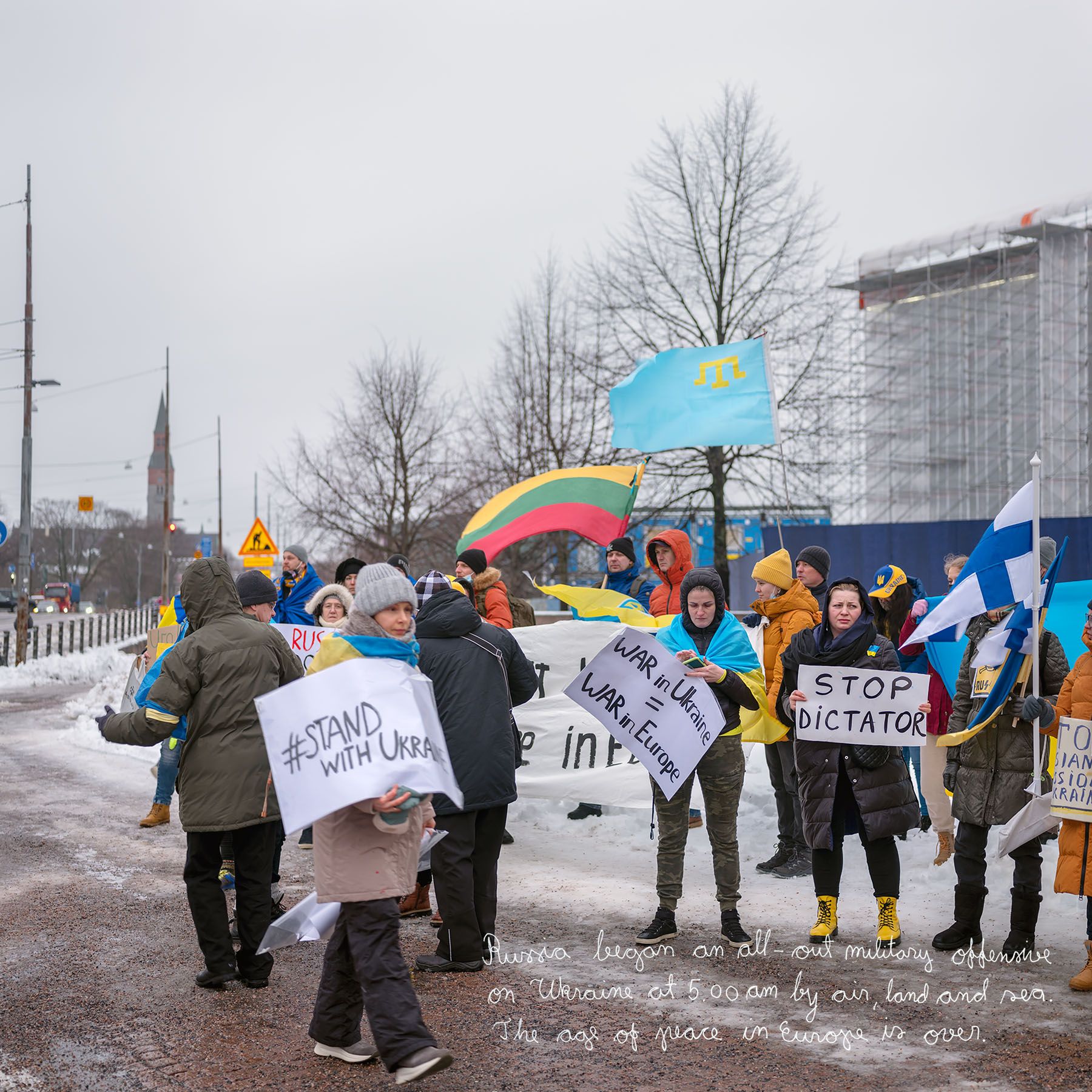
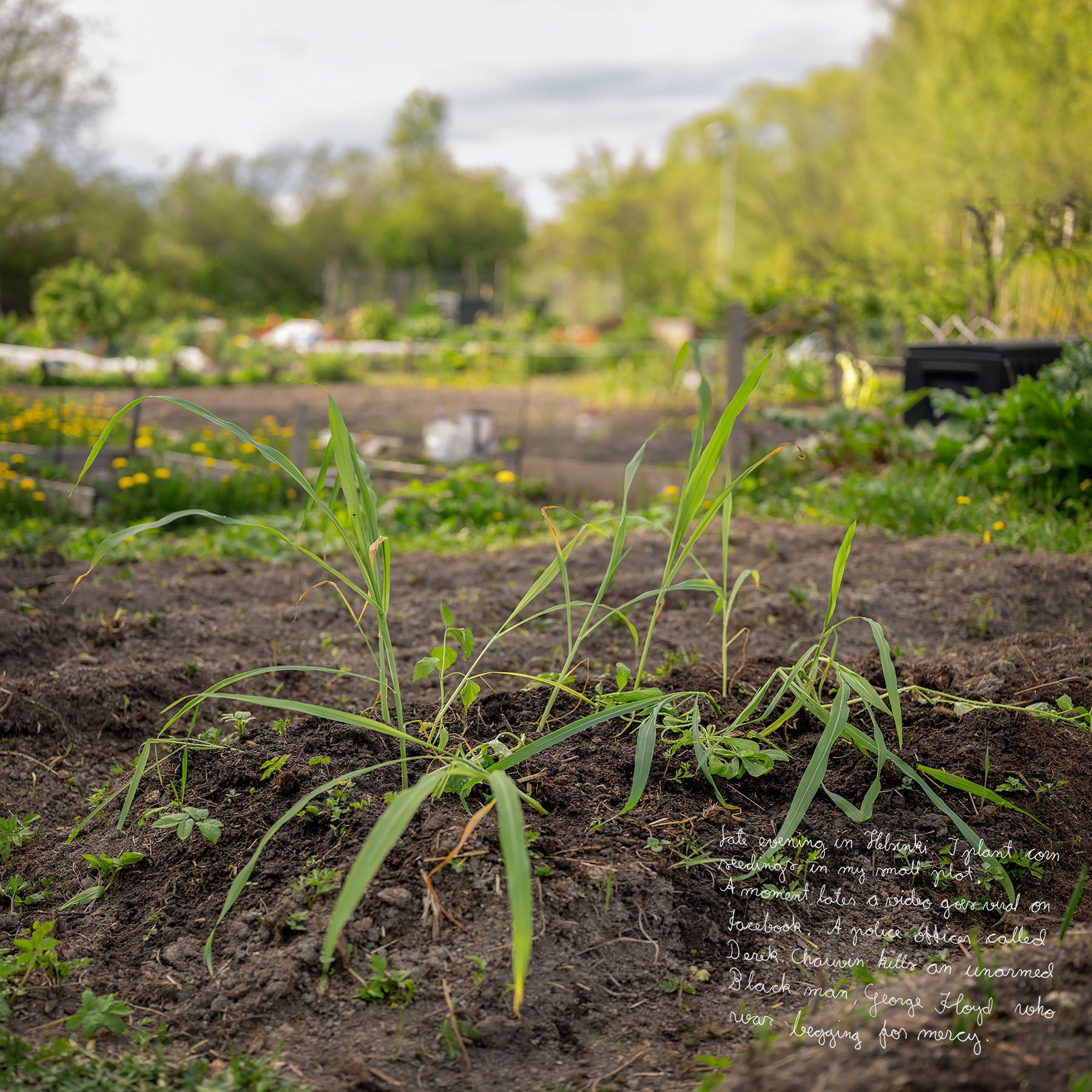
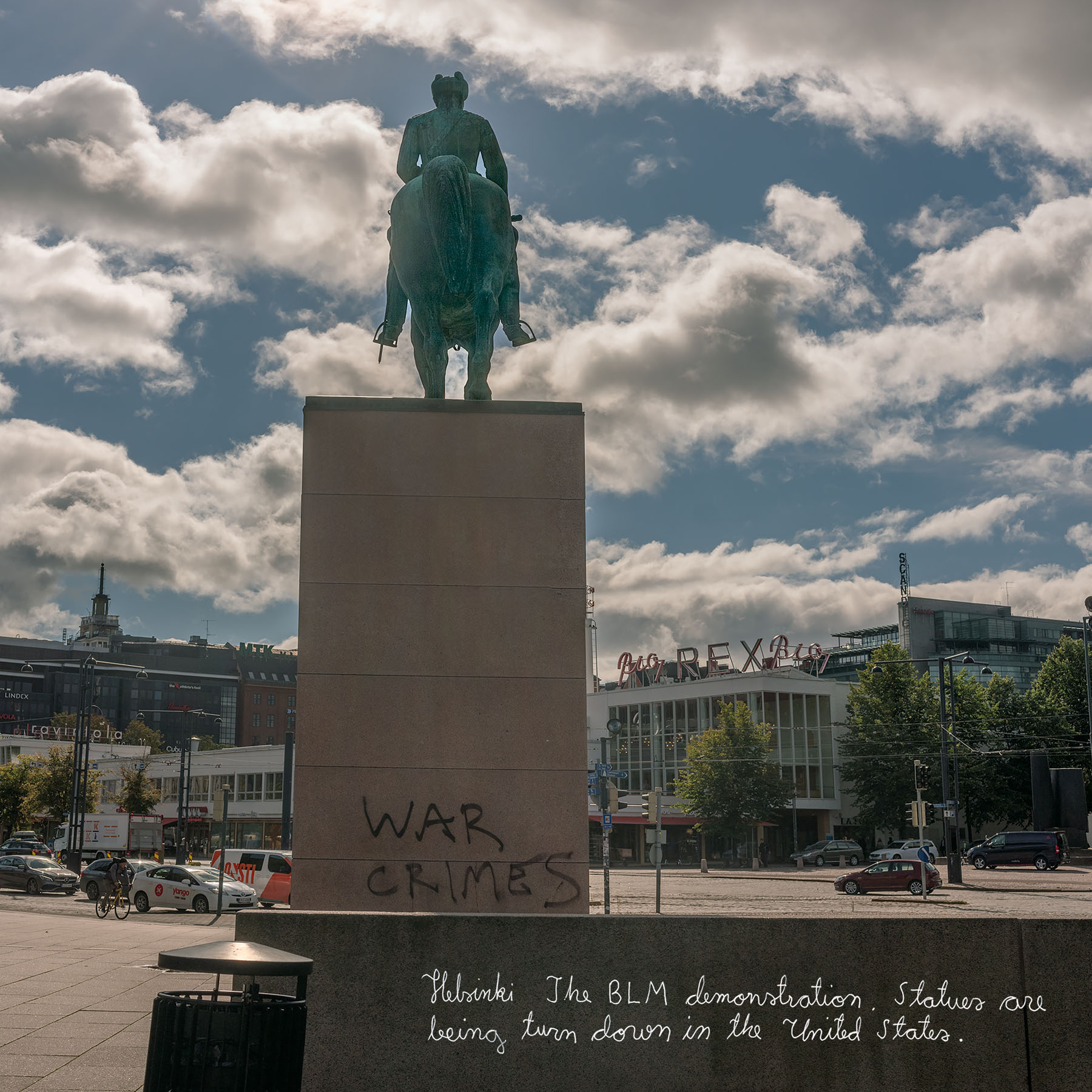
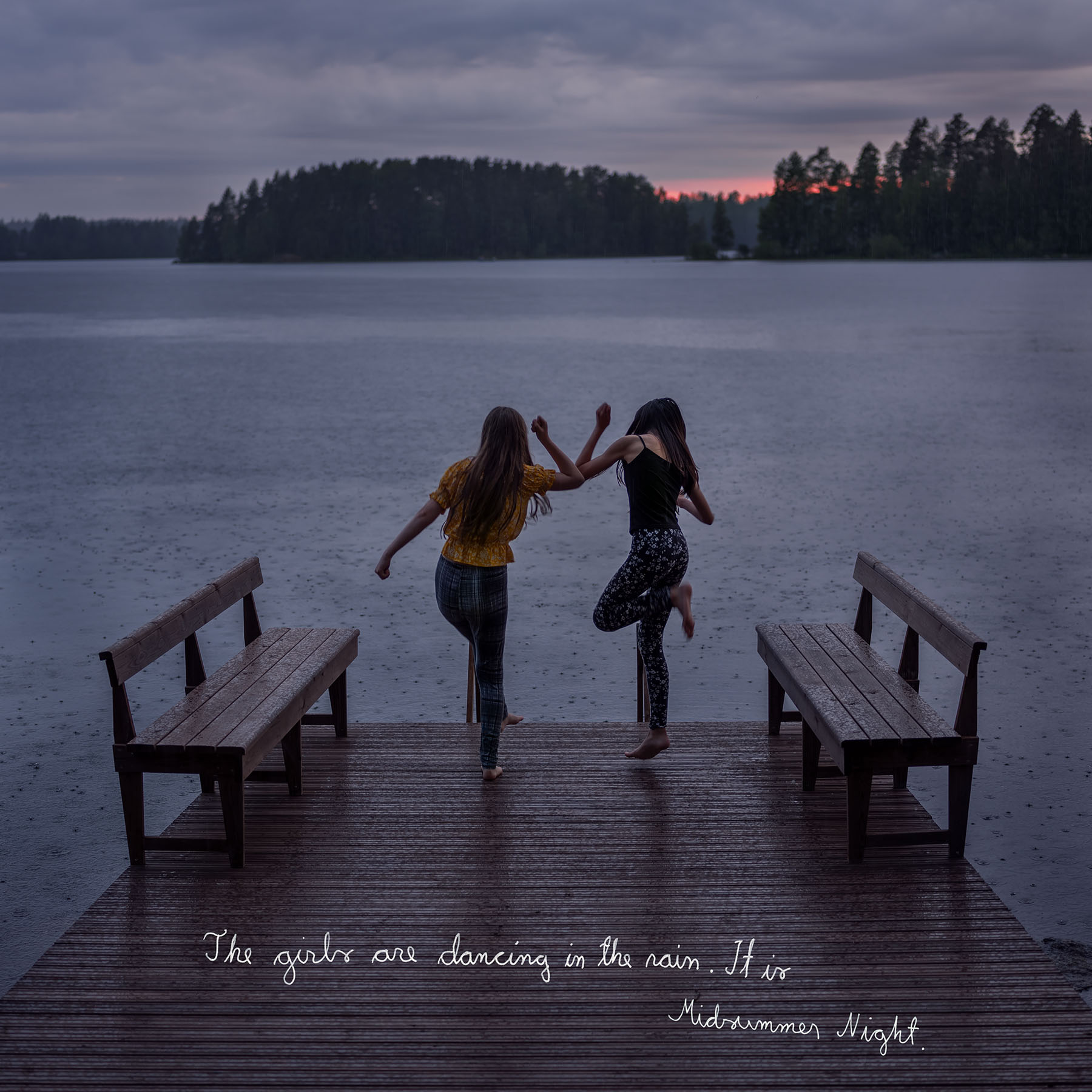
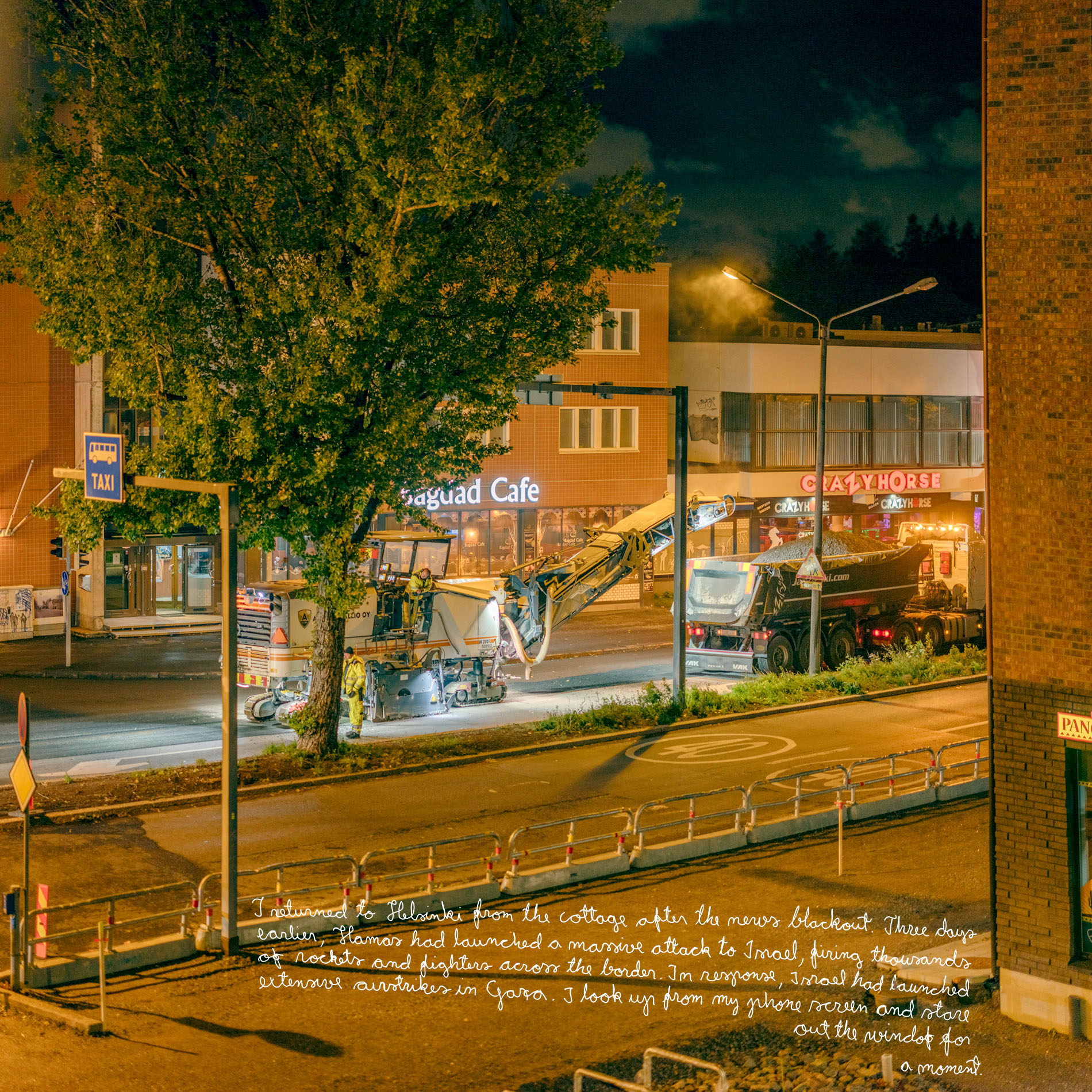
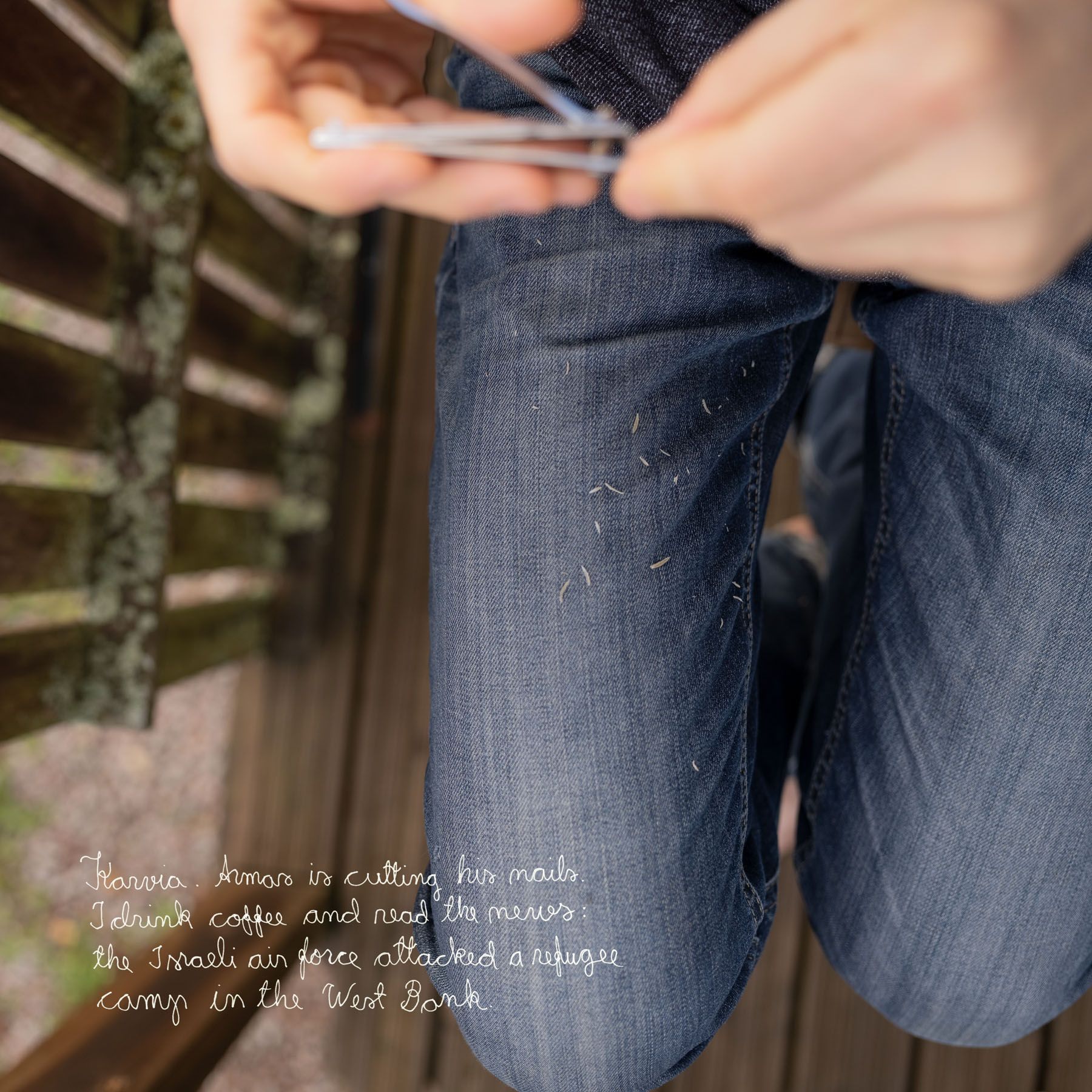
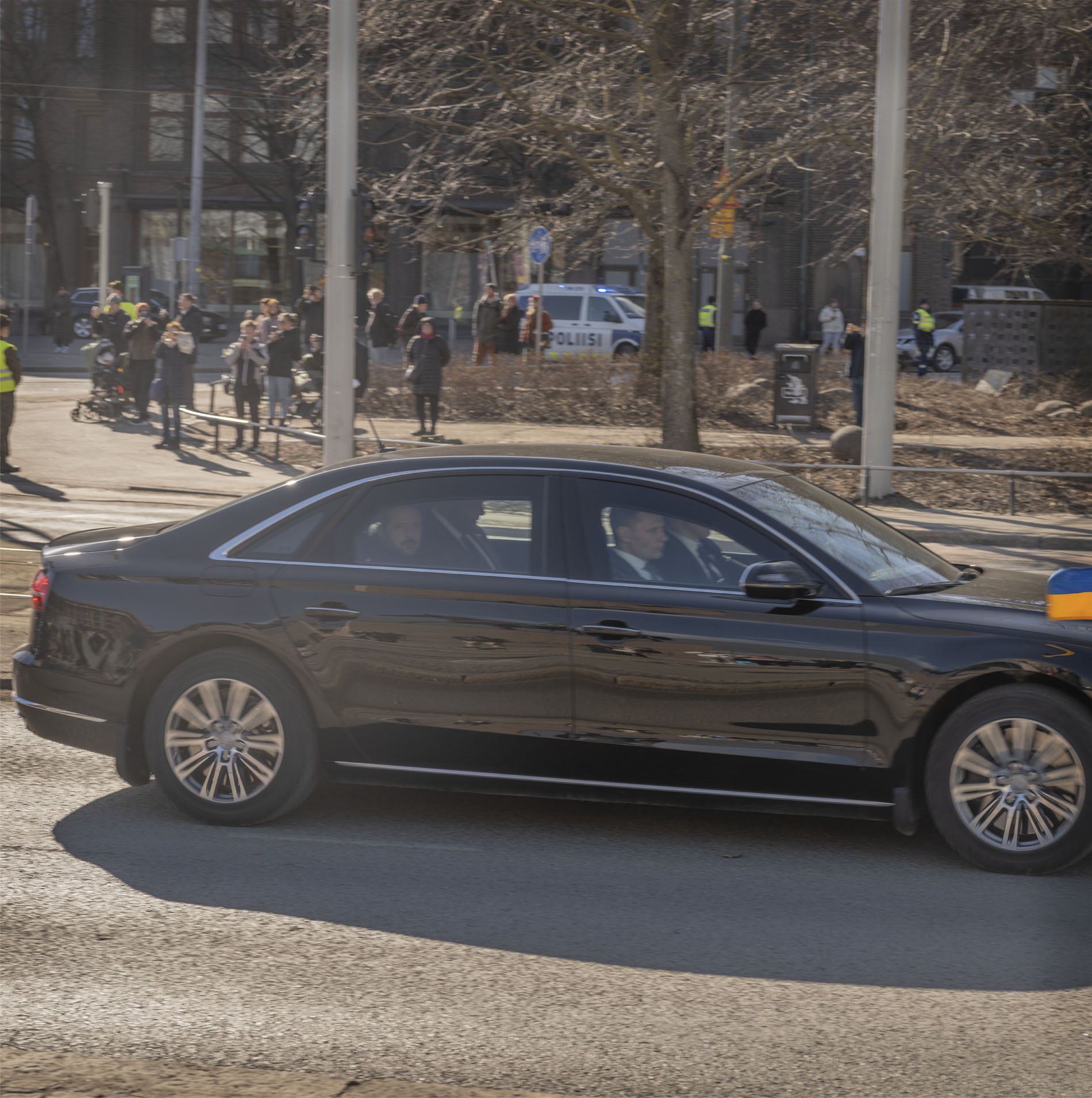
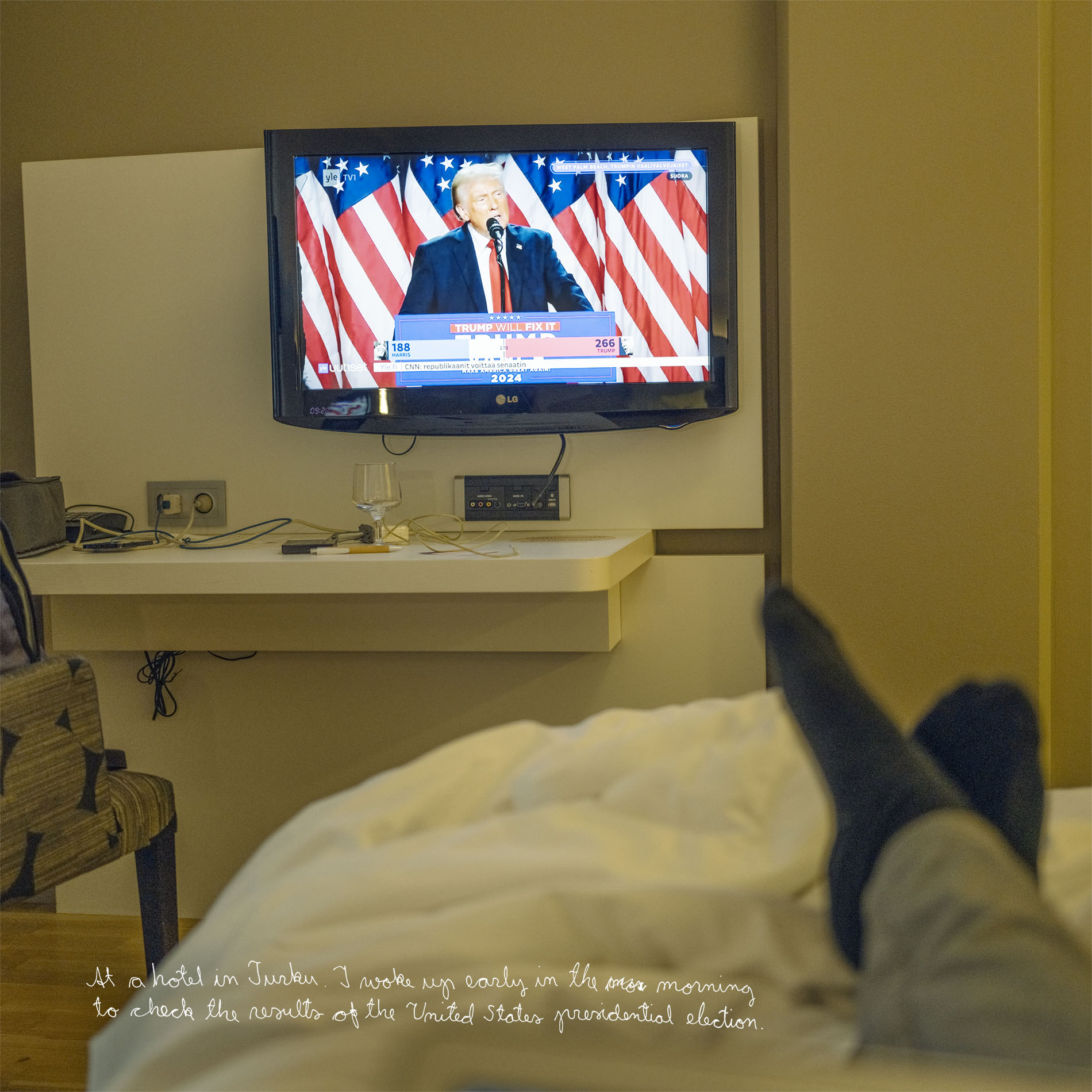
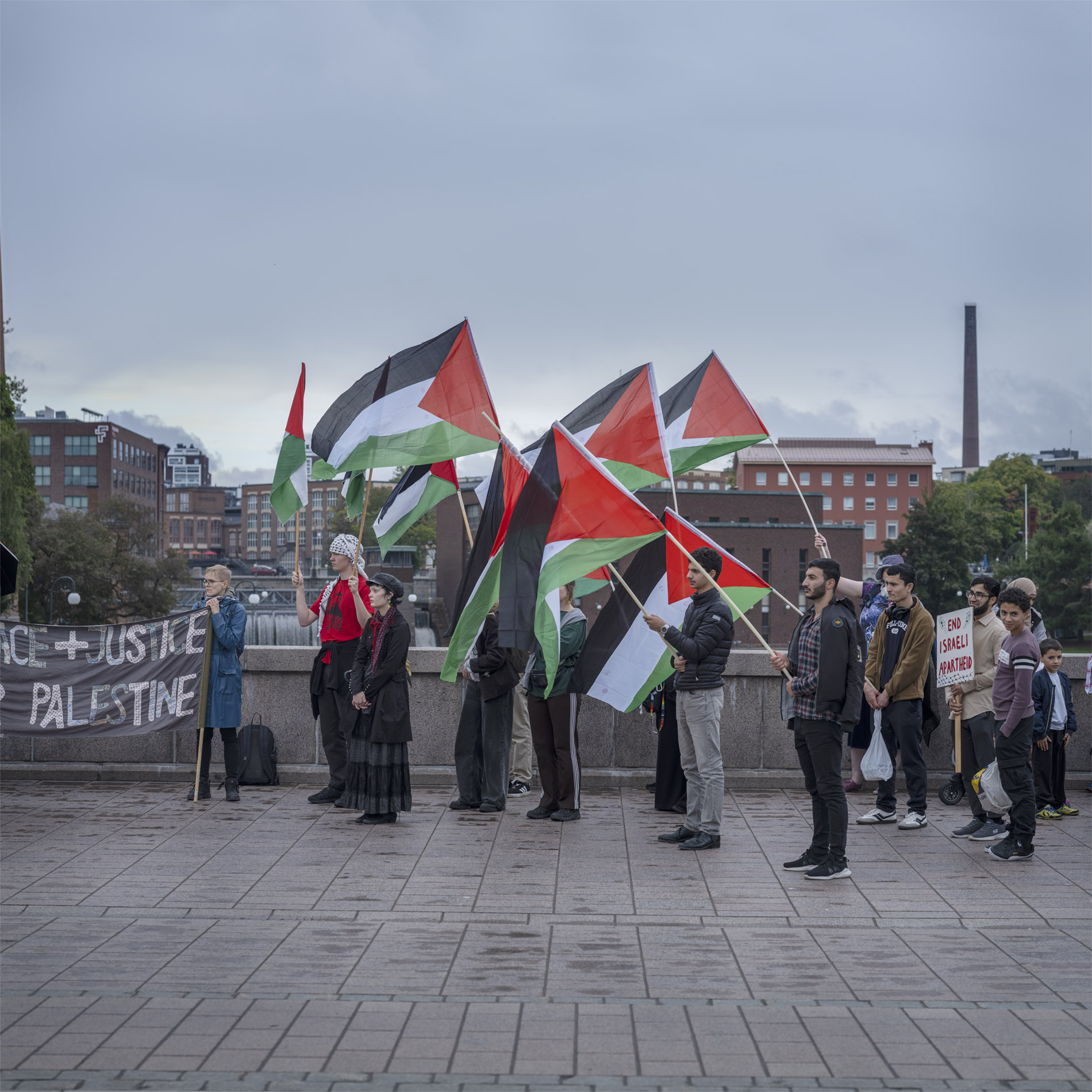
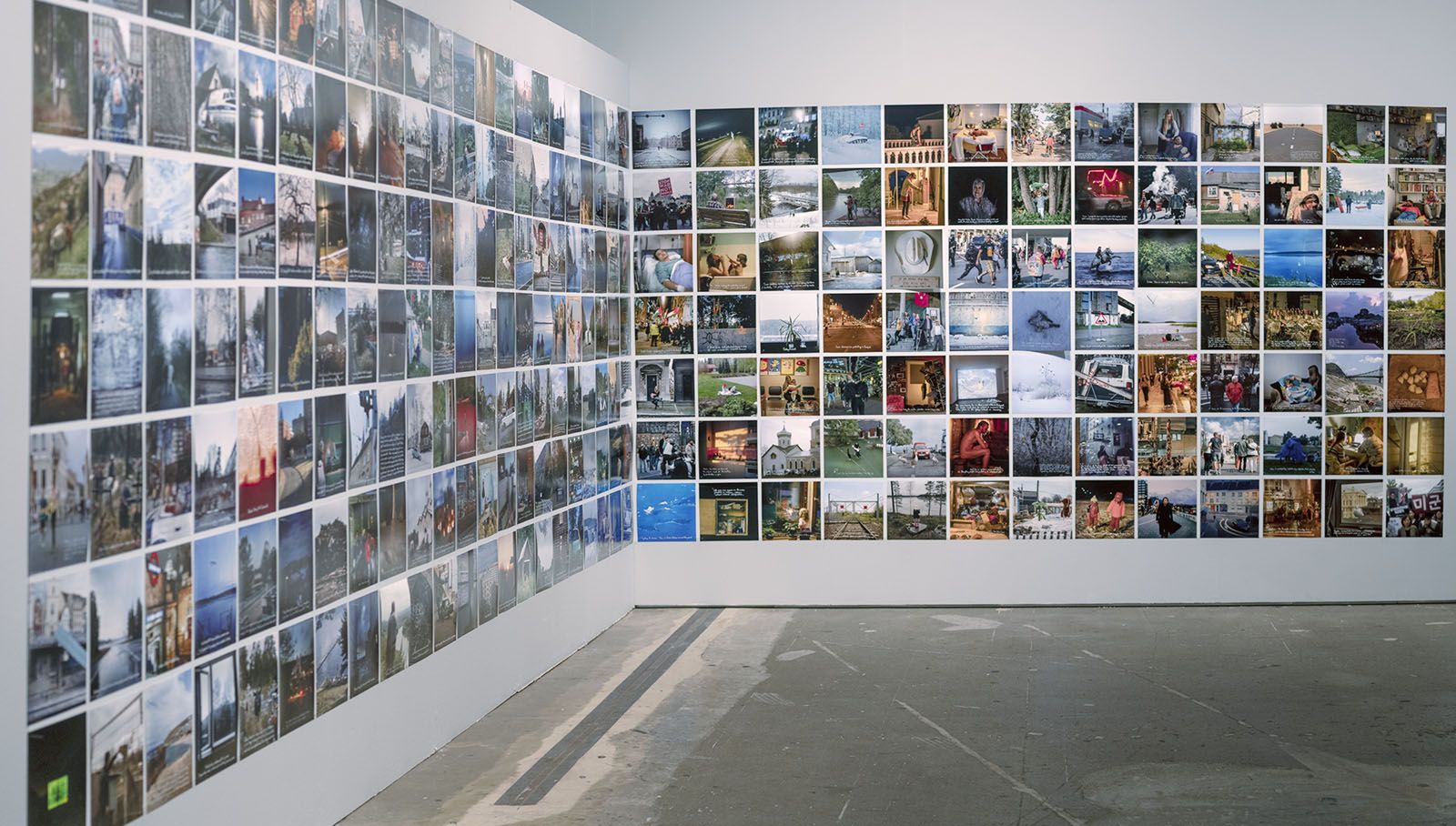
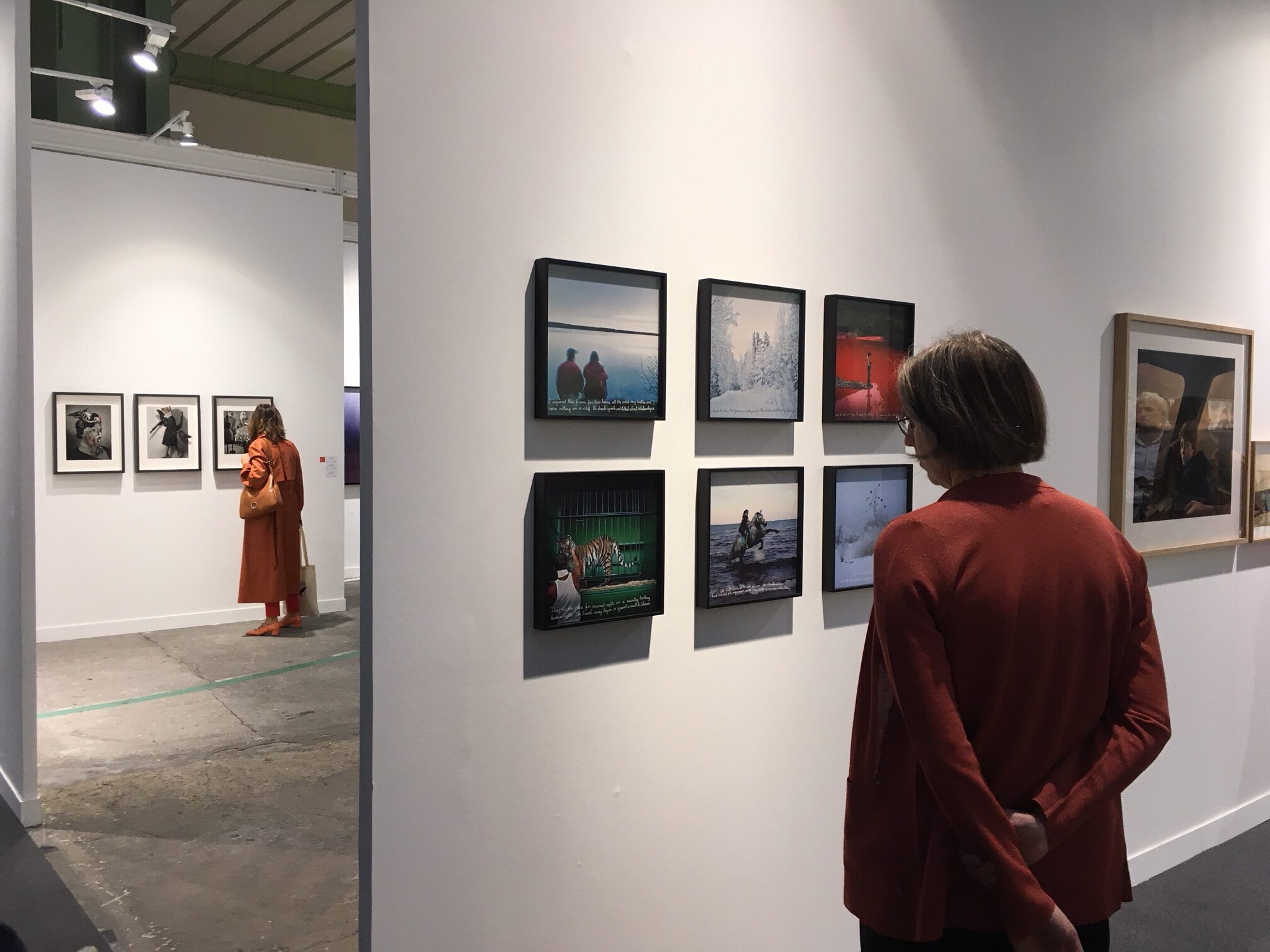
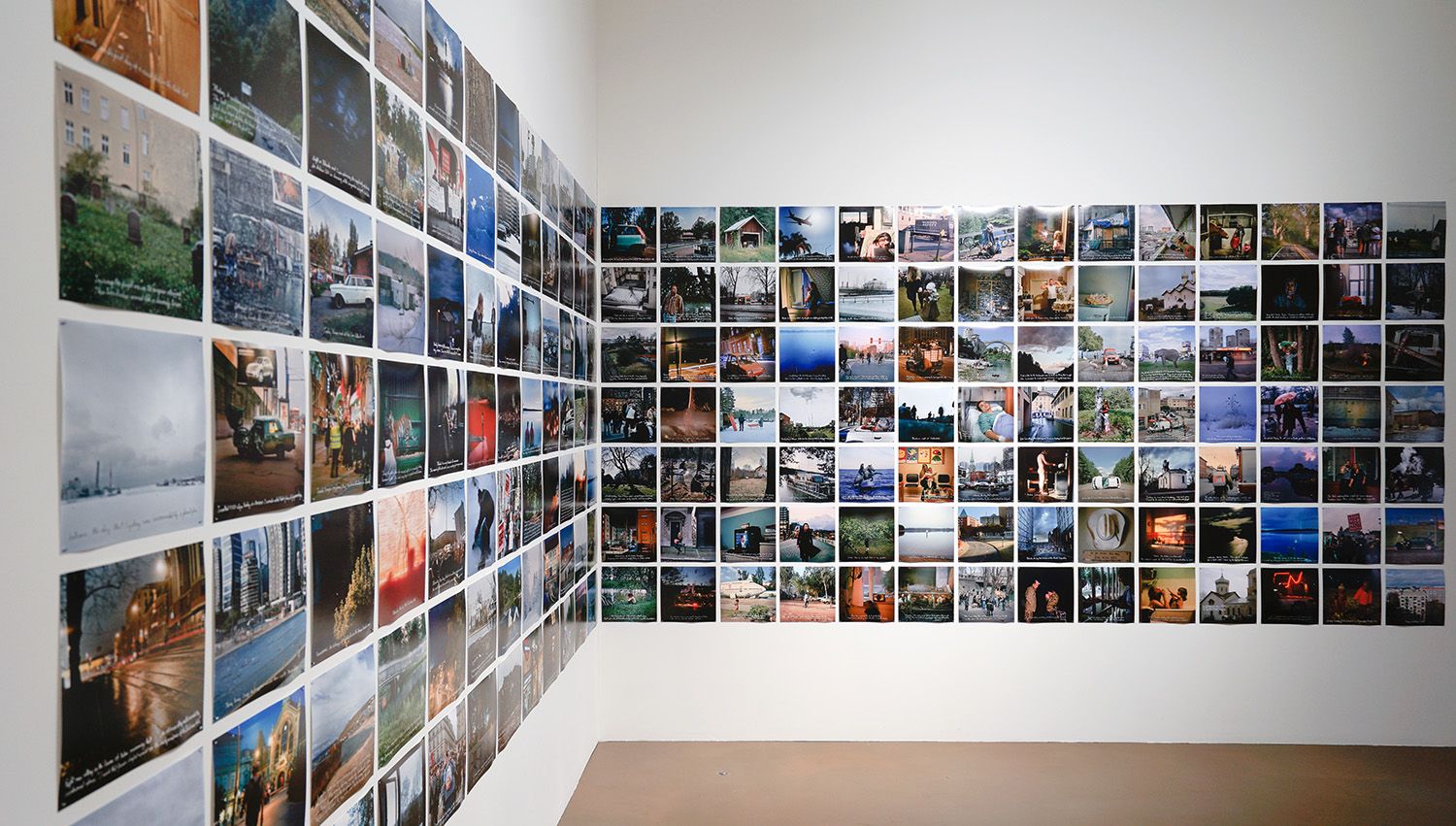
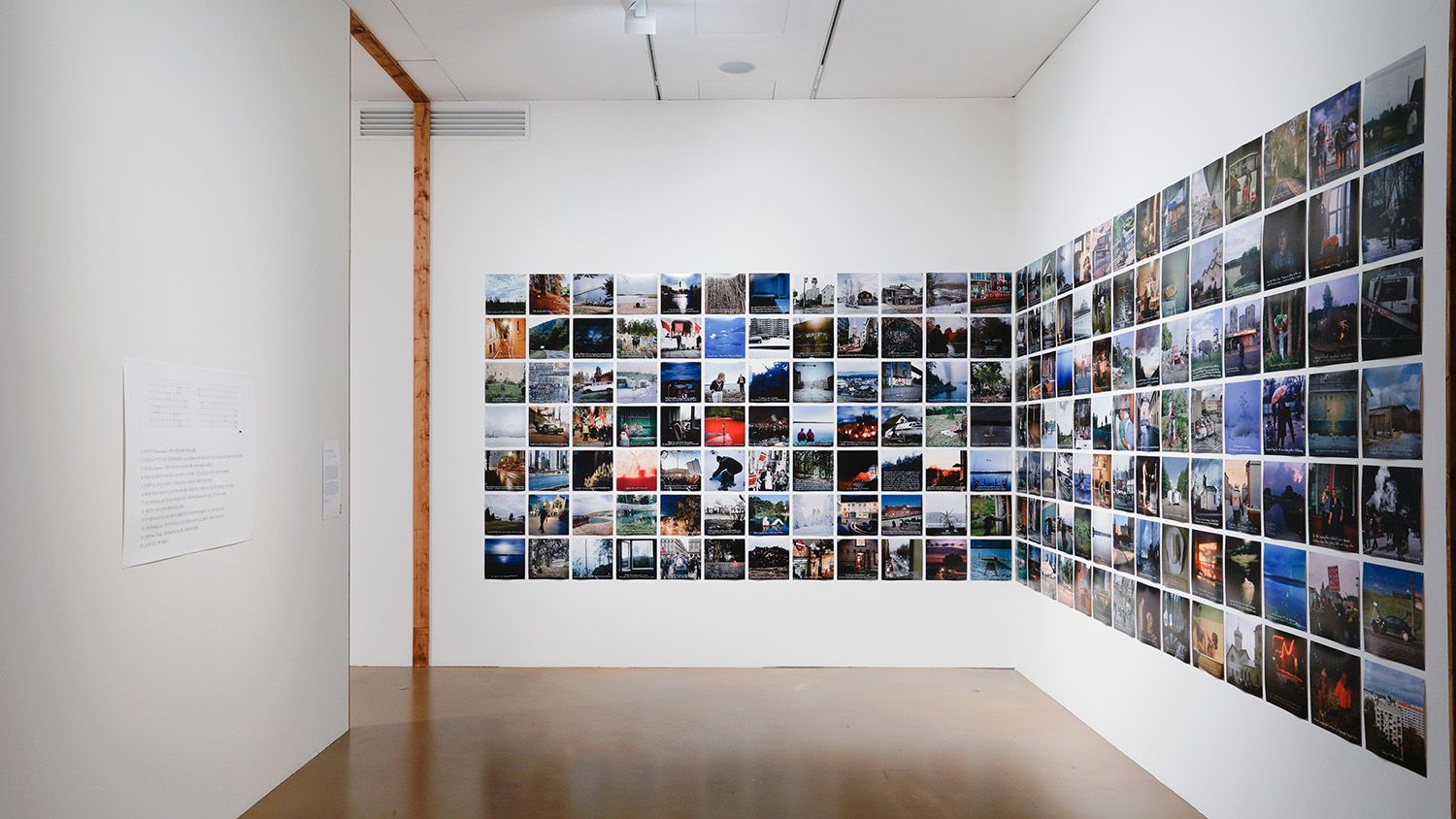
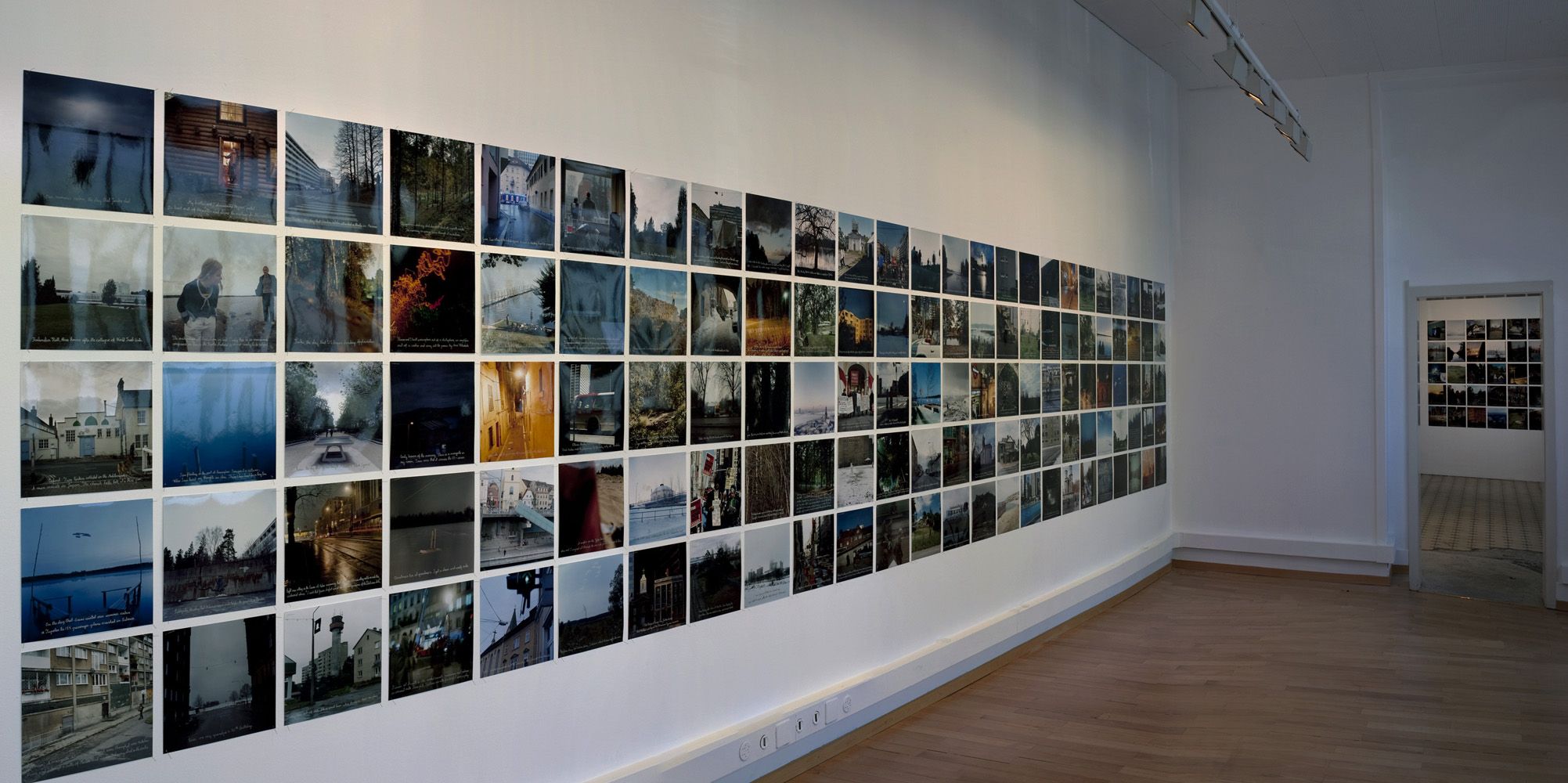
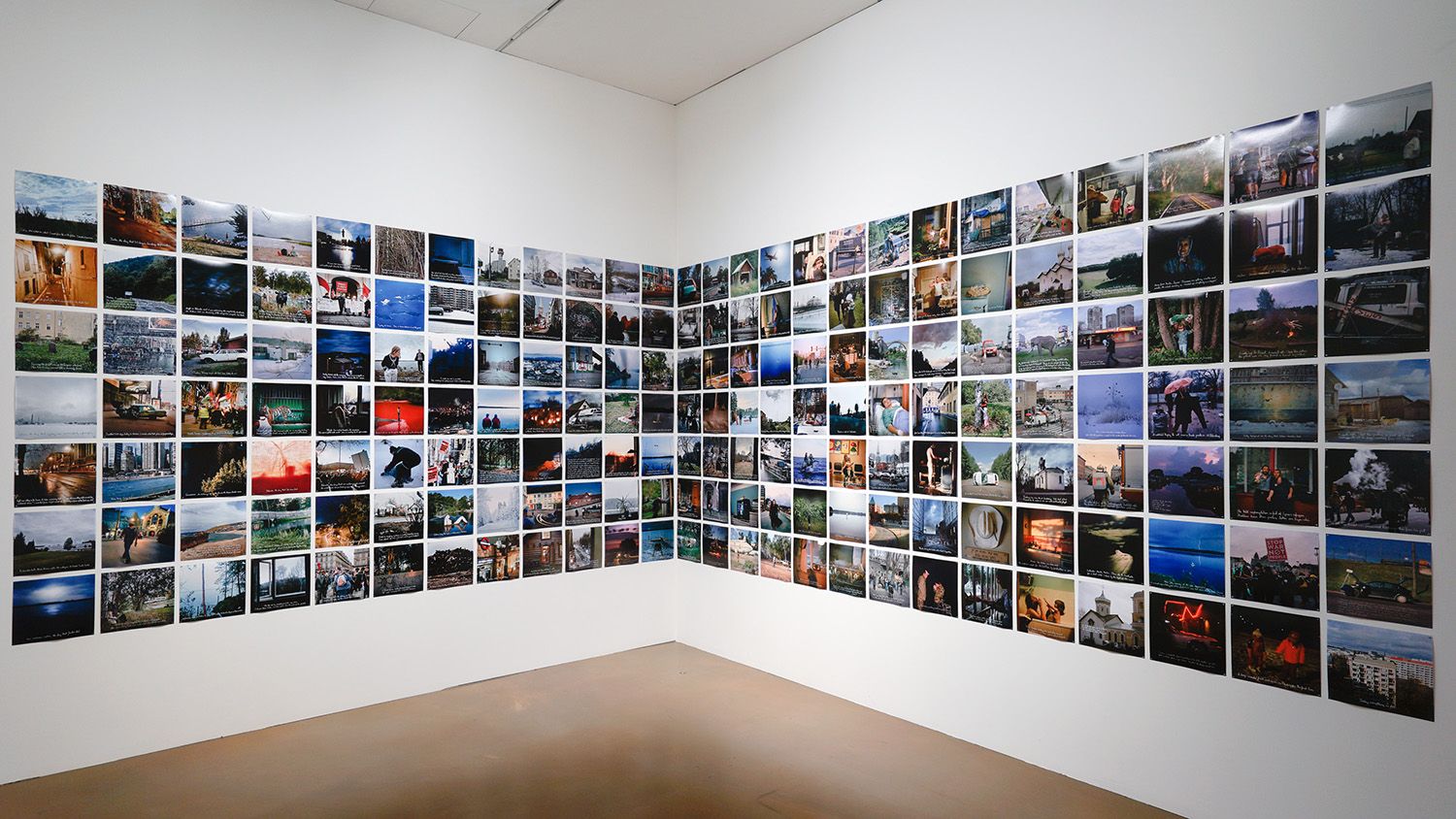
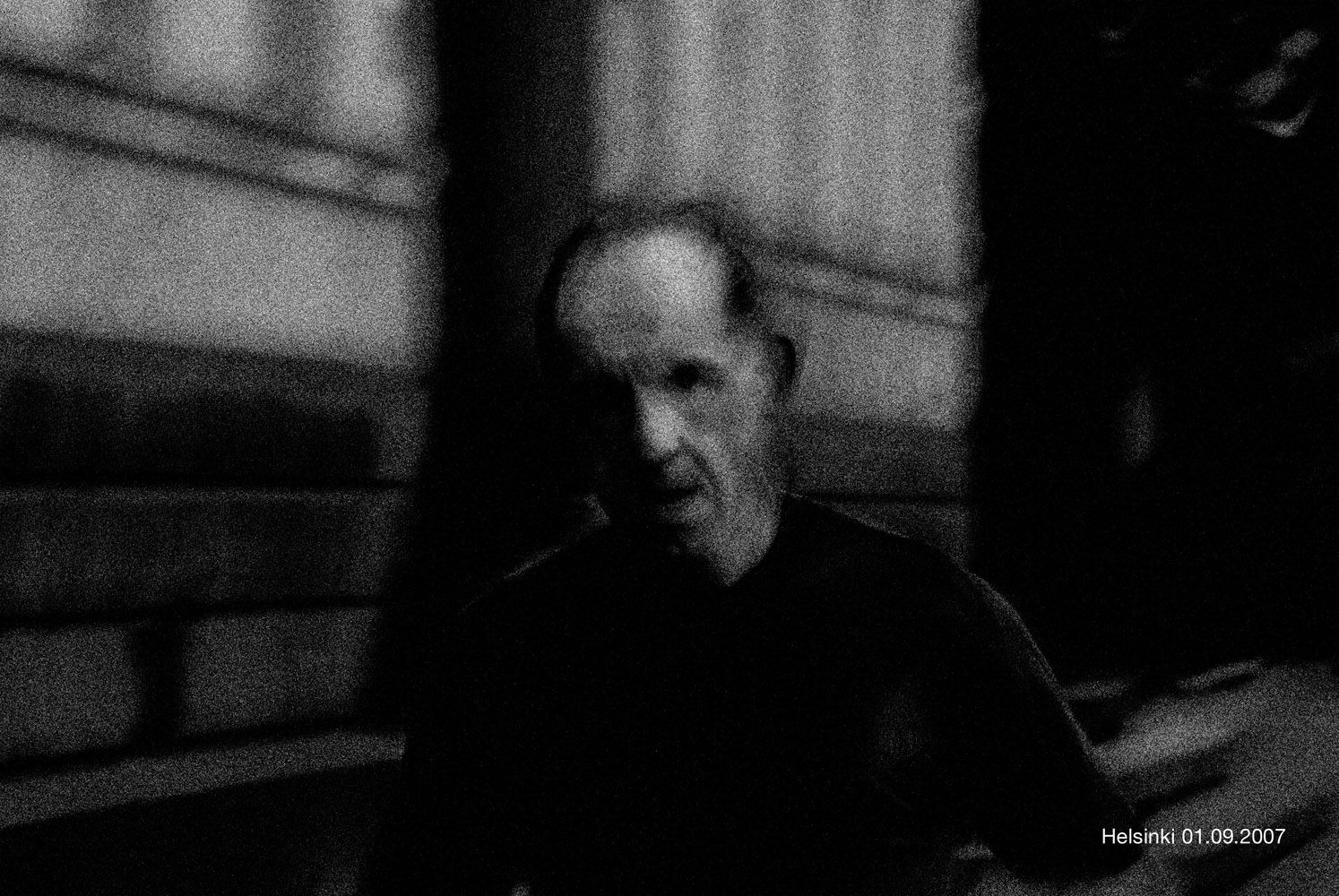
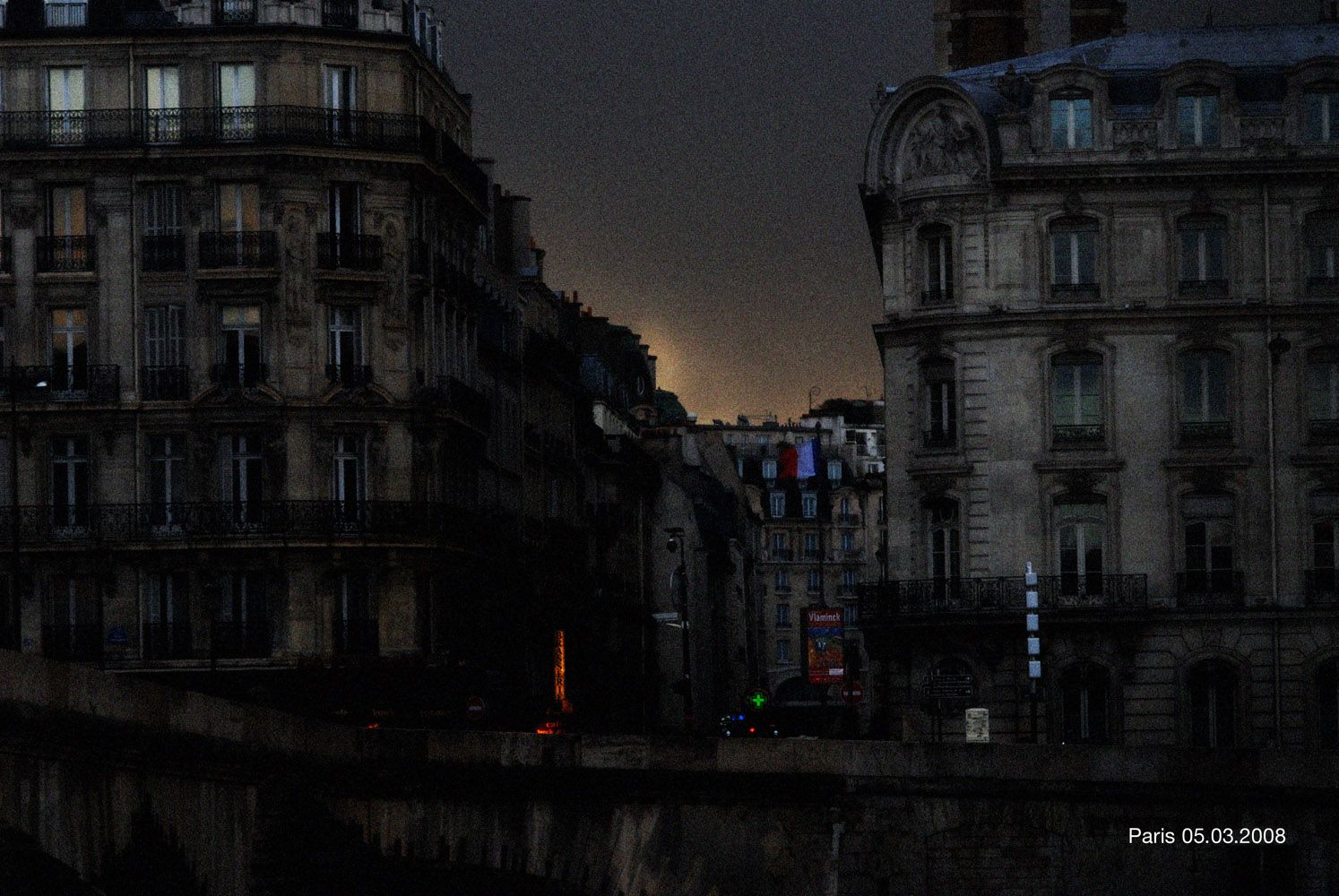
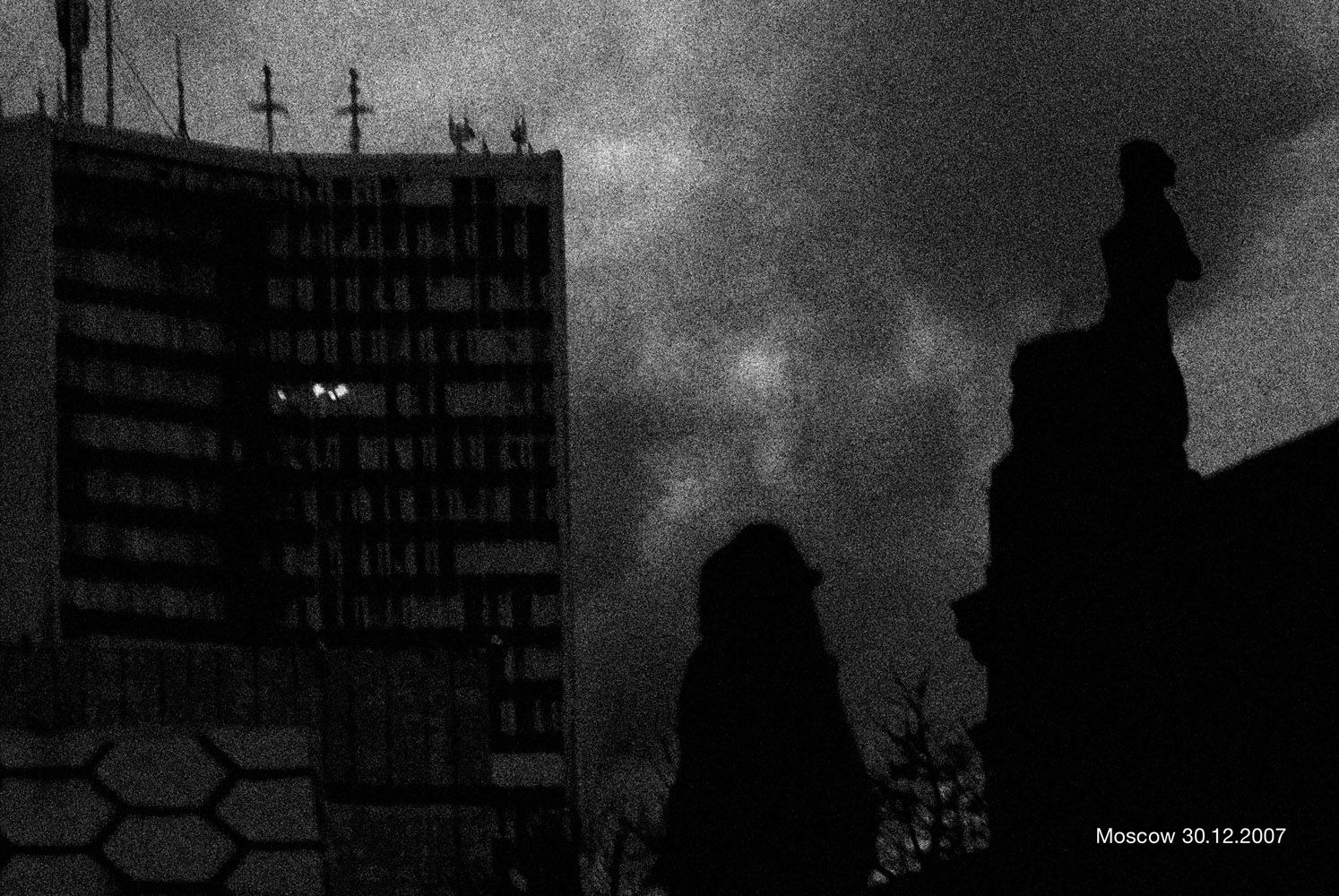
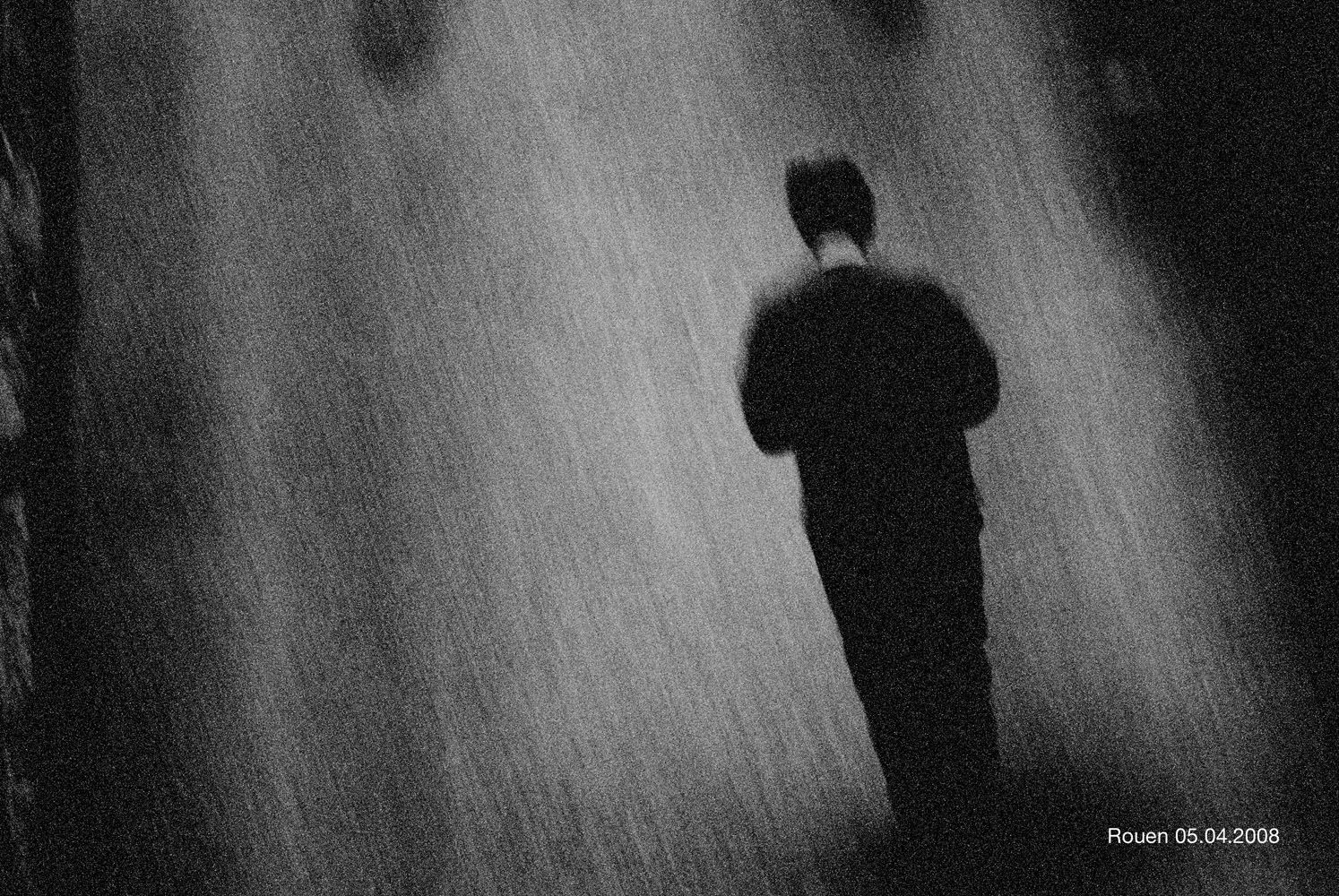
    For the past twenty-five years, I have taken a single photograph each day, marking its surface with a personal or world-political event that occurred on that very day.

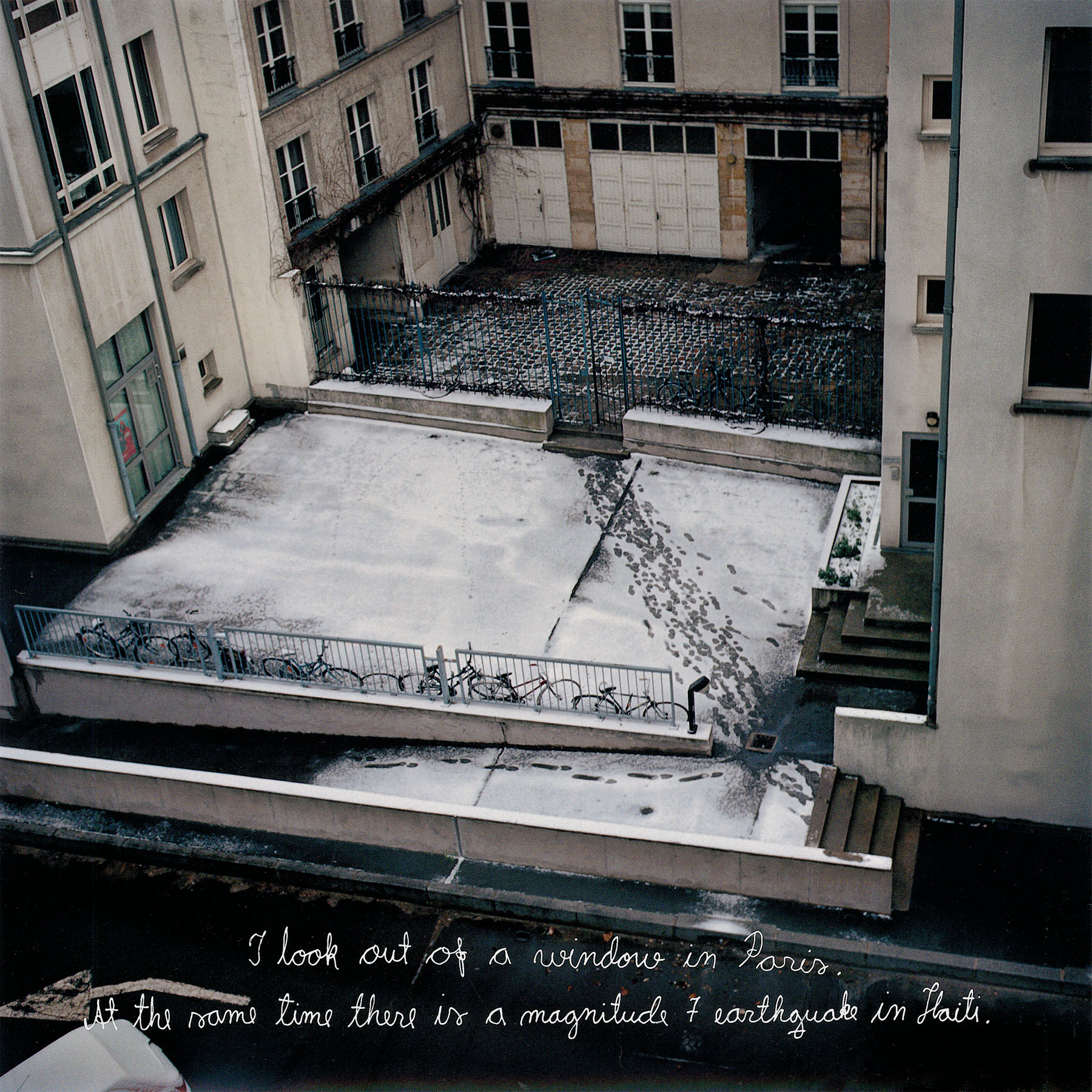
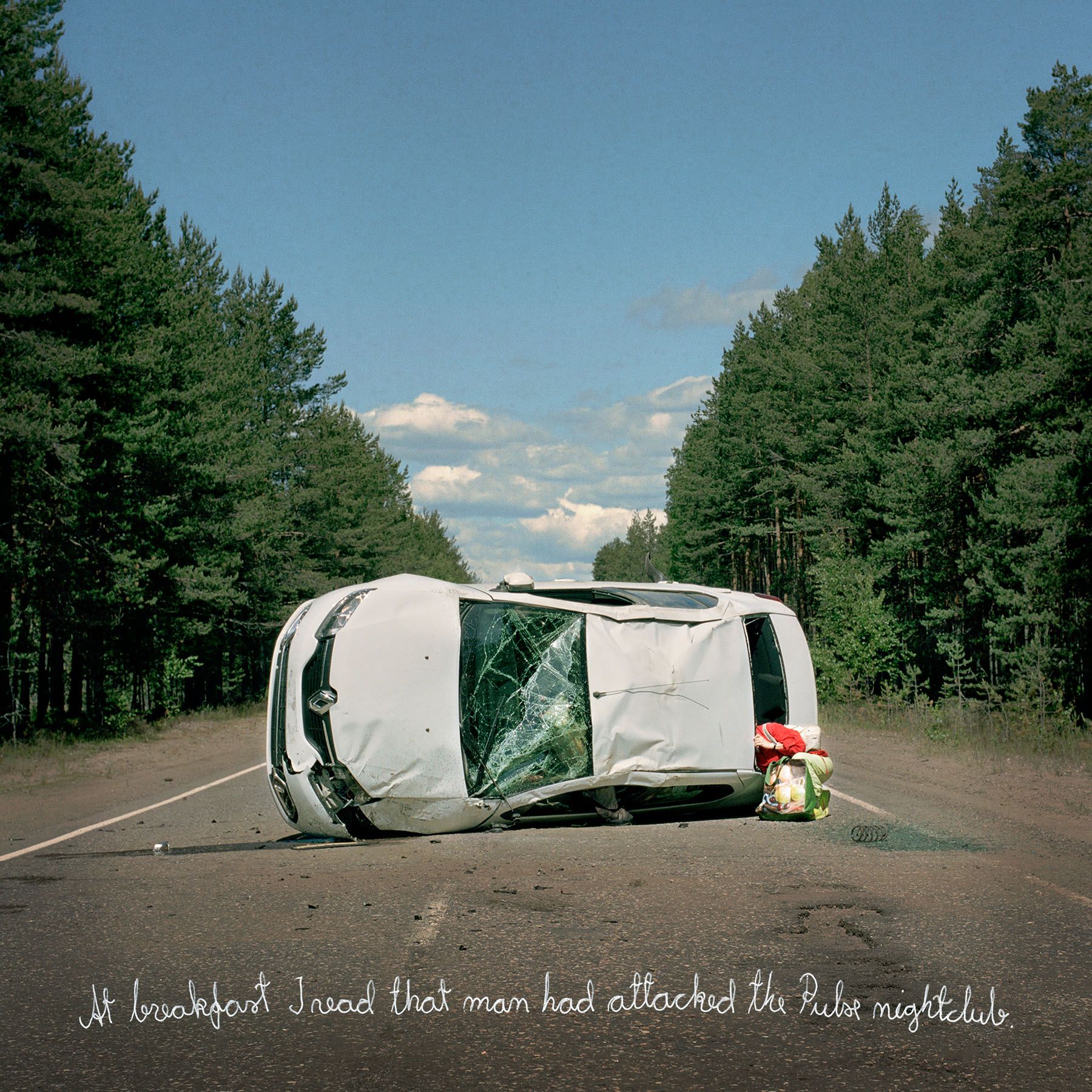
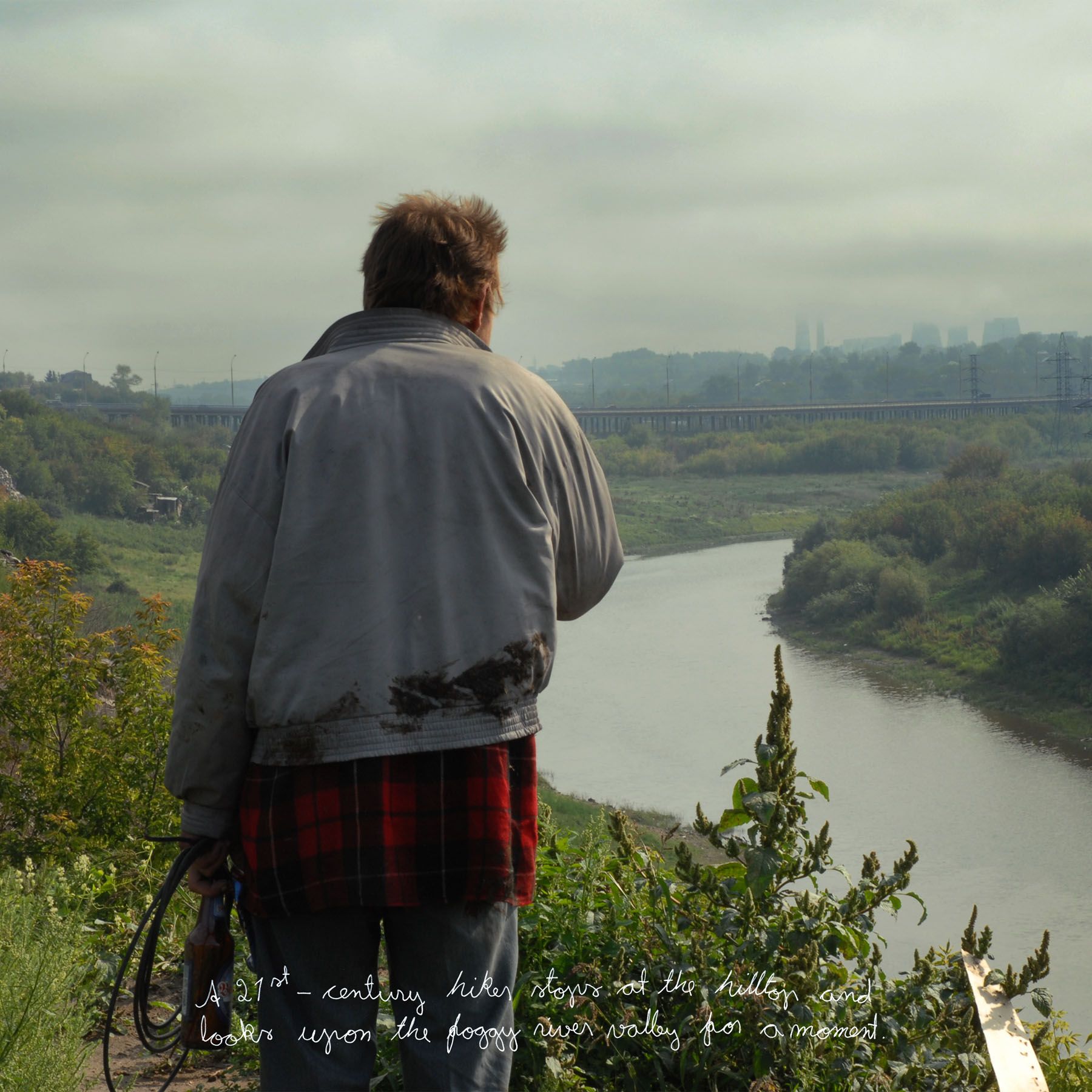
    Silomäki followed a set of personally developed rules when photographing My Weather Diaries: one photograph per day, no tripods, no lighting tricks, and no conscious arrangement. The image has to come about alongside the rest of daily life, as mechanically as possible. The aim is to refrain from conscious content creation and to allow the meaning of the images to develop freely over time. Any significance lies in the image’s relationship with time — if it is to manifest at all. The photographs are accompanied by writings on subjects ranging from contemporary global news to intimate inner experiences. As the news cycle and Silomäki’s personal life intertwine, geographical distances lose their meaning. When the project began, the weather was not a politically charged issue. Today, every atmospheric change is perceived through the lens of the climate crisis.


    Selected works 2001 – 2025

  • The Affectionate Kalpana – My Story of Class Mobility

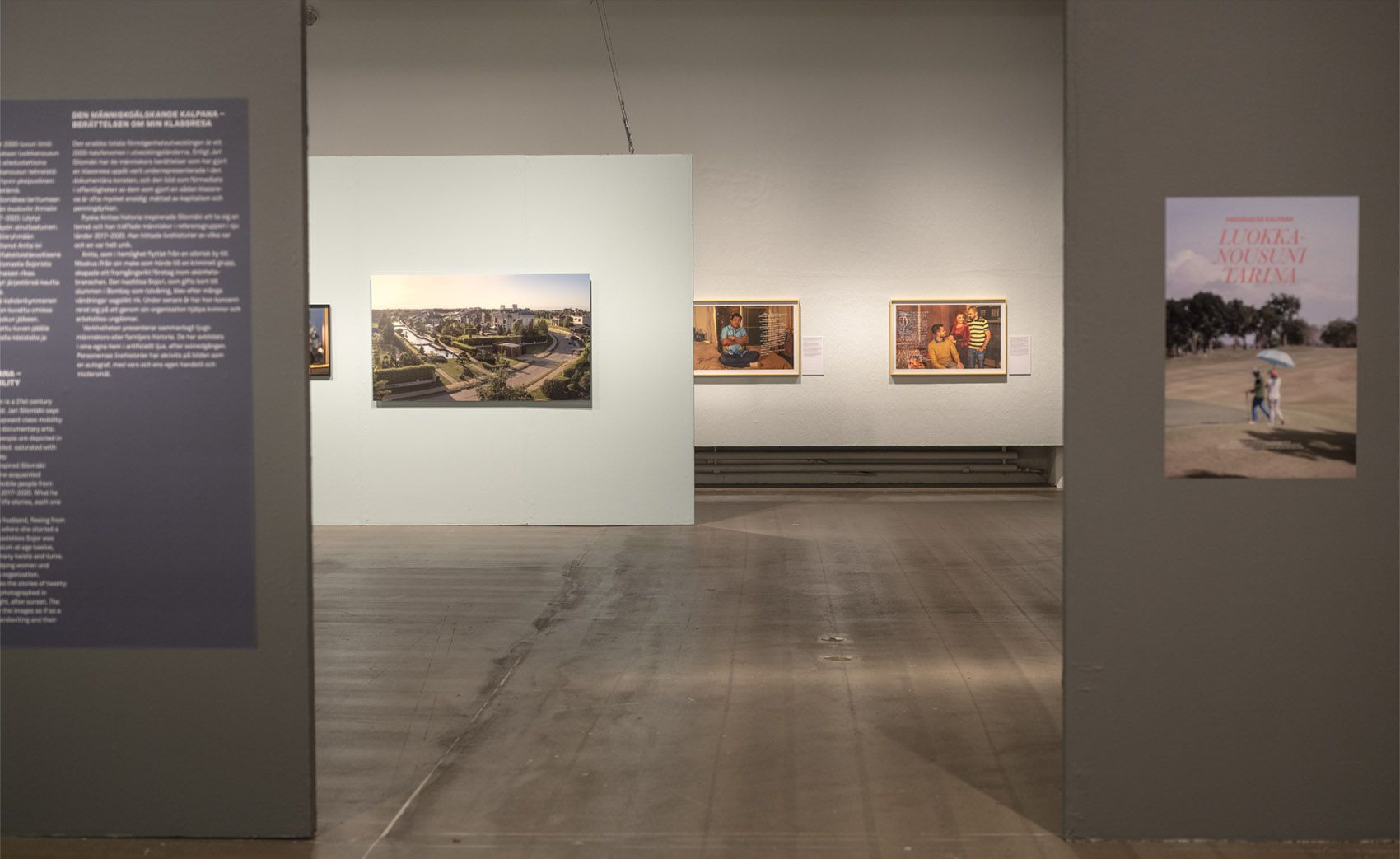
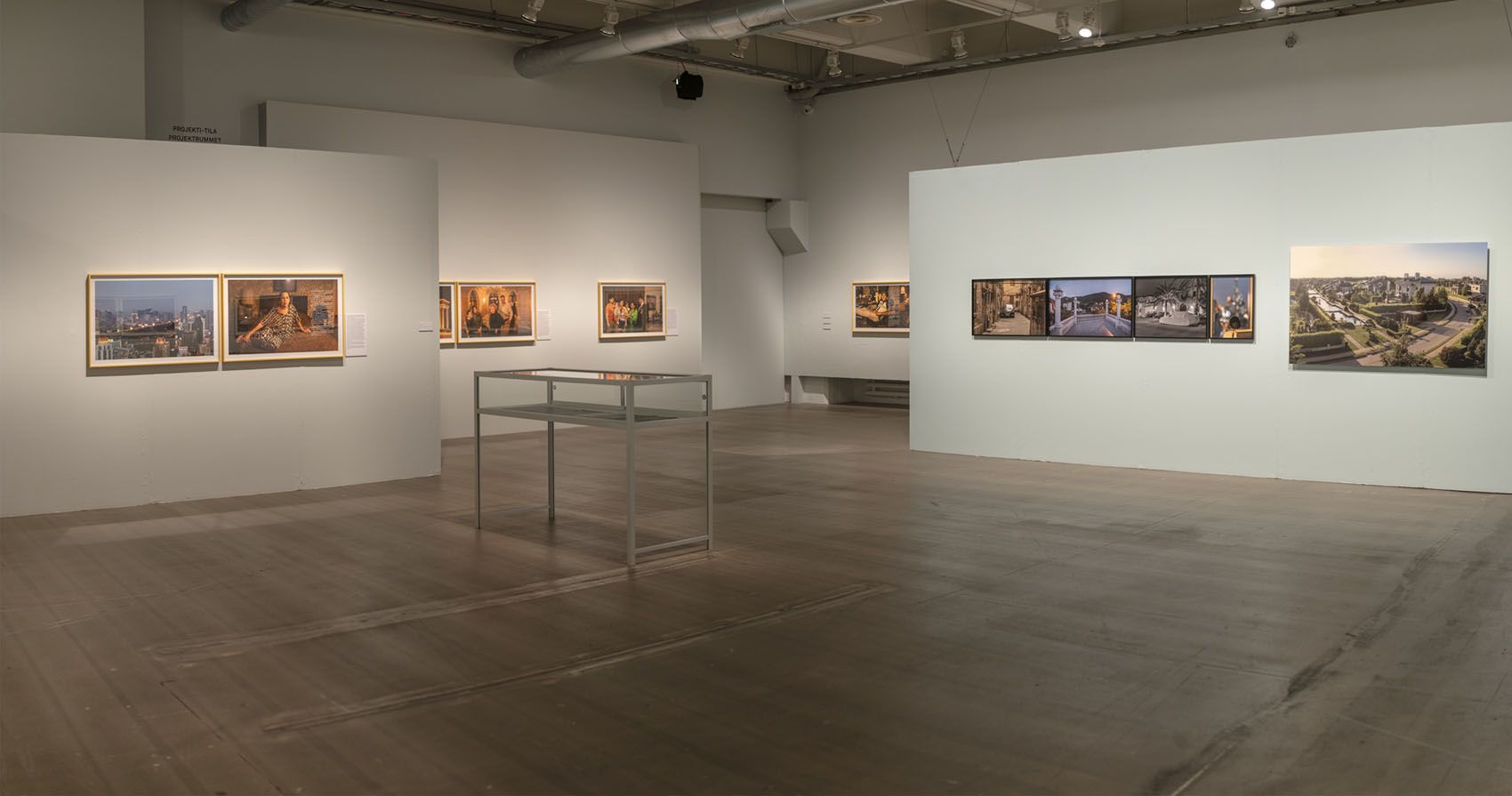
    The Affectionate Kalpana – My Story of Class Mobility

    I convey the stories of individuals who have moved across social classes, from perspectives of their own choosing.

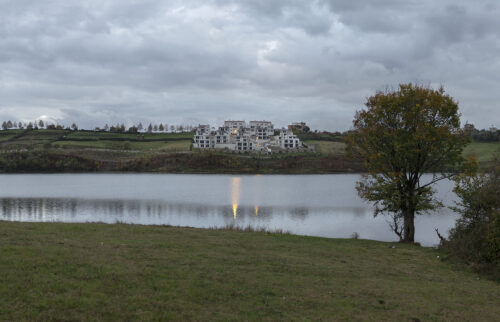
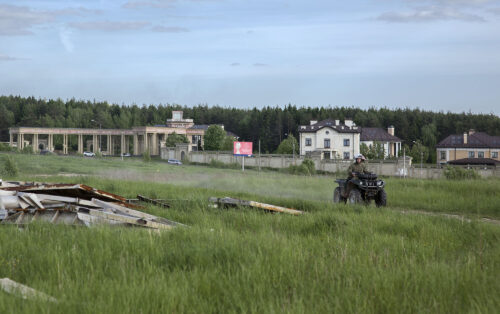
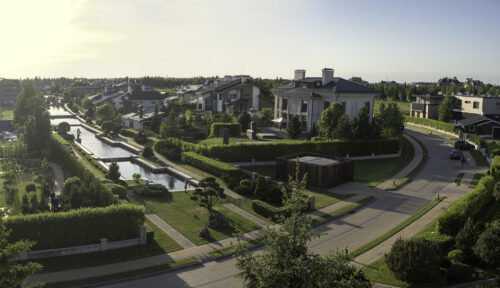
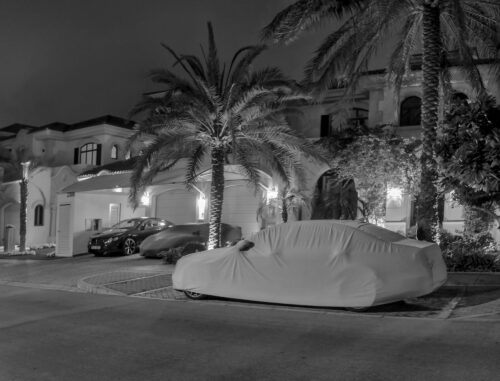
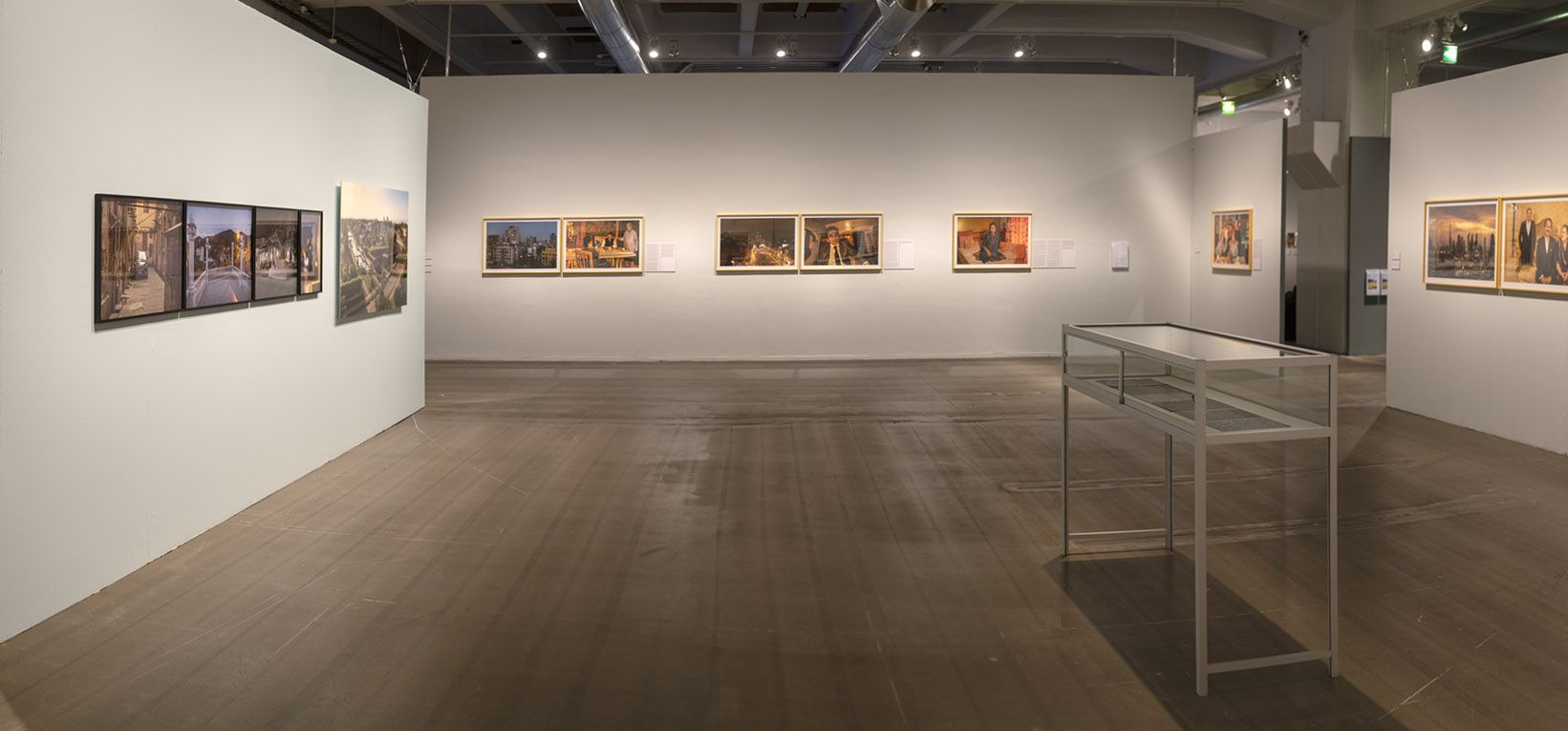
    Rapid and large-scale wealth accumulation is a twenty-first-century phenomenon in many parts of the developing world. Jari Silomäki observes that people who have experienced upward class mobility have been underrepresented in documentary art. As a result, such individuals are often portrayed in popular culture in reductive ways, frequently framed through narratives of capitalism and the worship of money. Inspired by the story of Anita, Silomäki began to engage with the experiences of upwardly mobile individuals from seven different countries.


  • Atlas of Emotions: Character and Person in Digital Space

    Atlas of Emotions: Character and Person in Digital Space

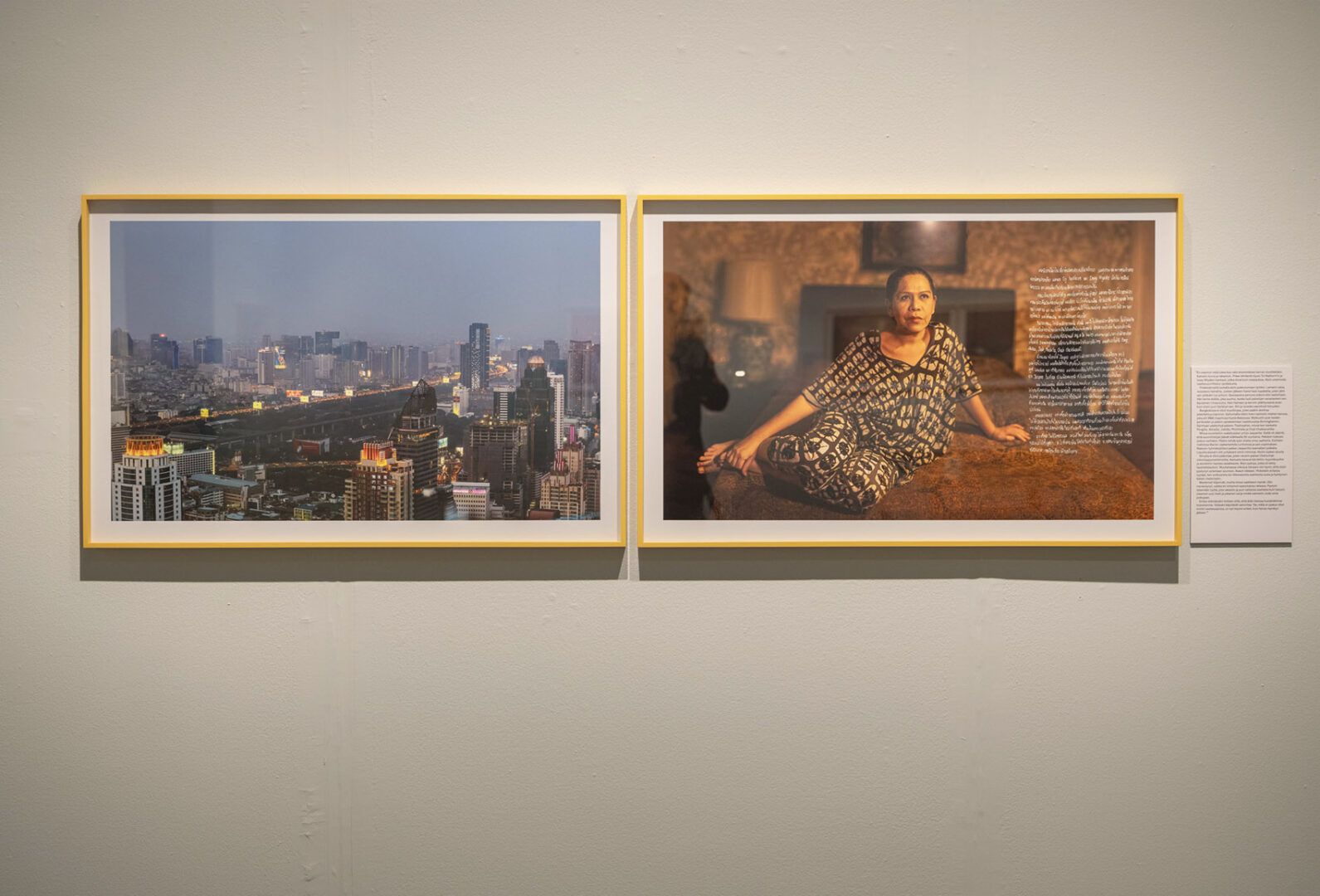
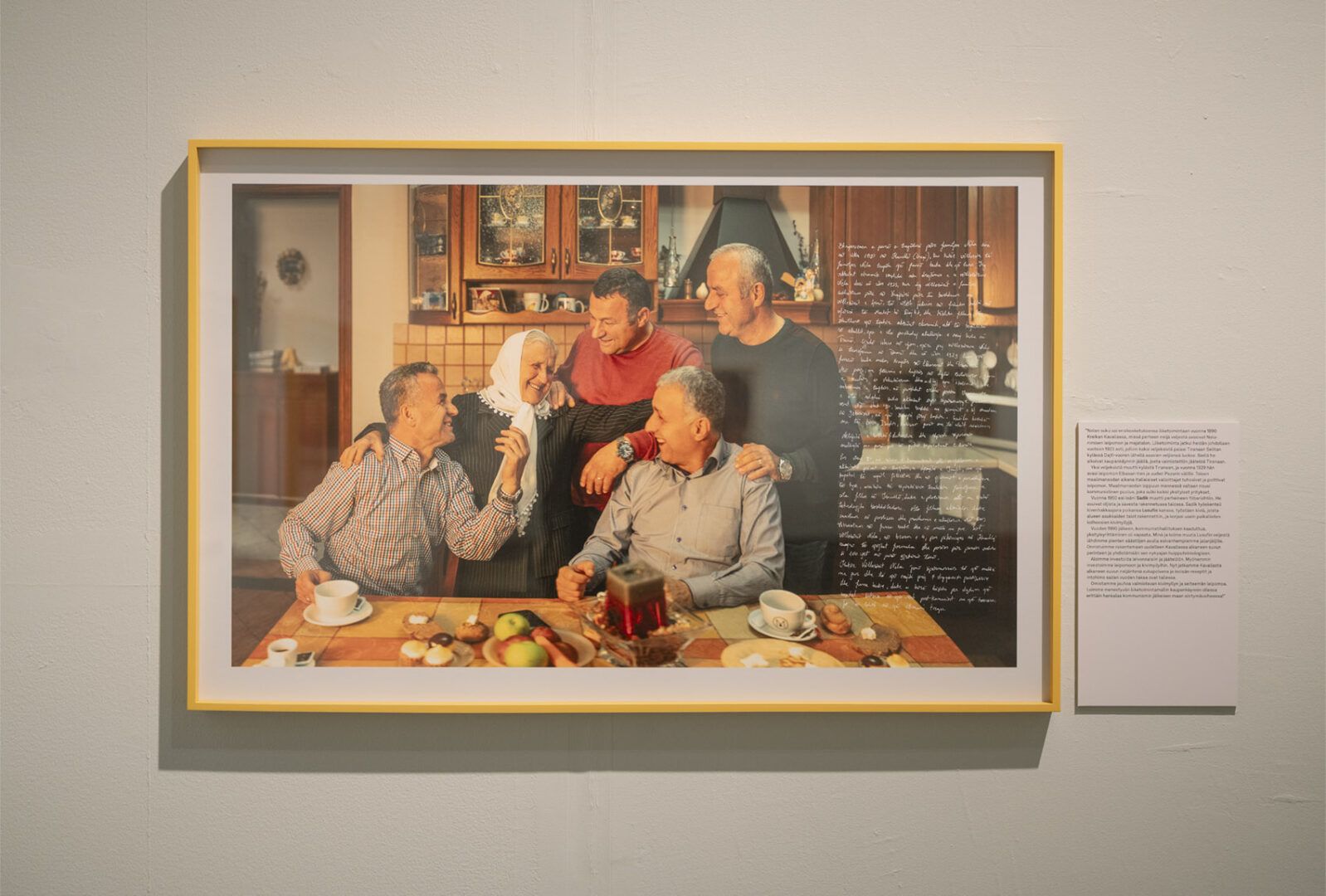
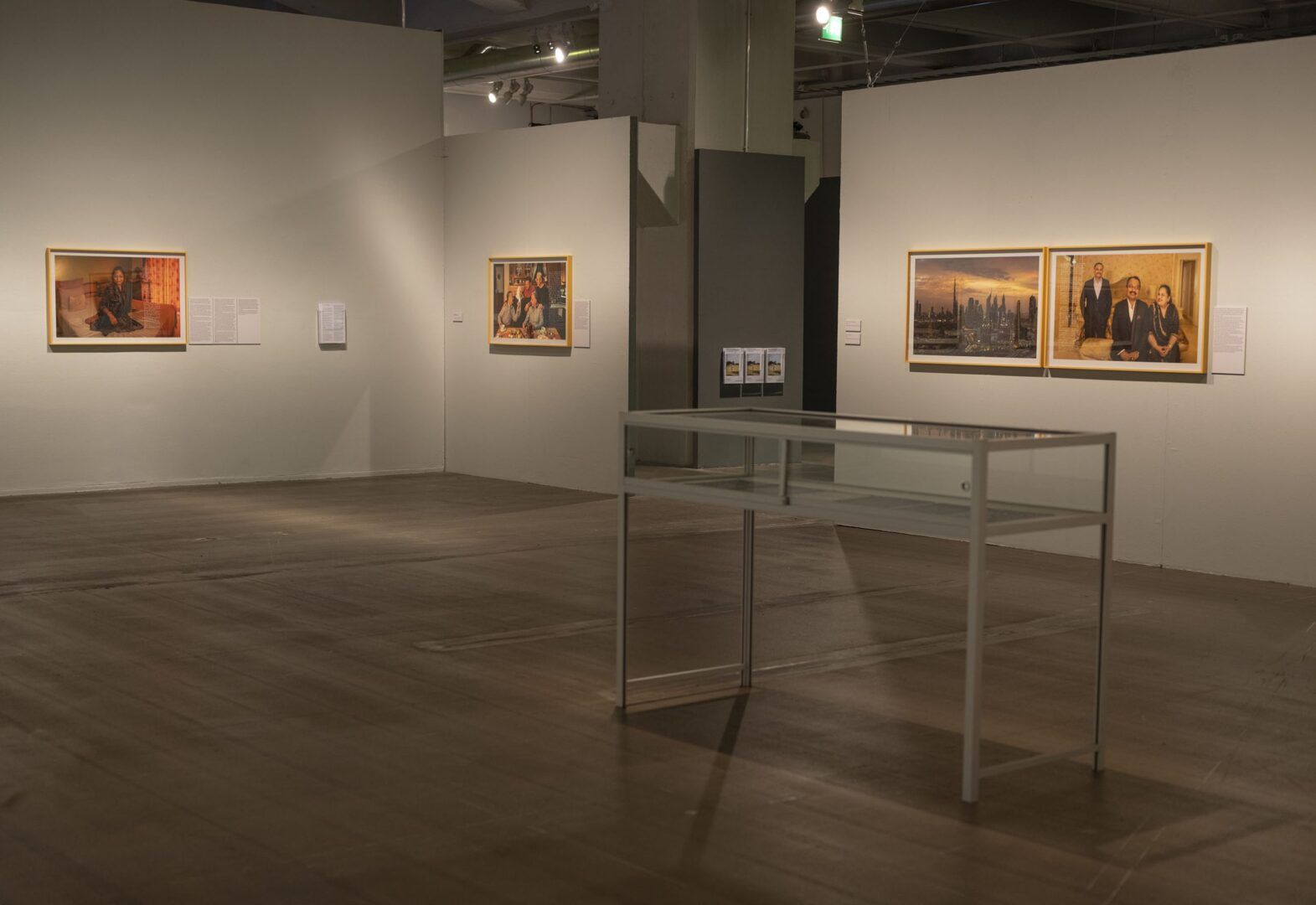
    I reconstruct the narratives of anonymous individuals from online discussion forums, using actors as my medium.

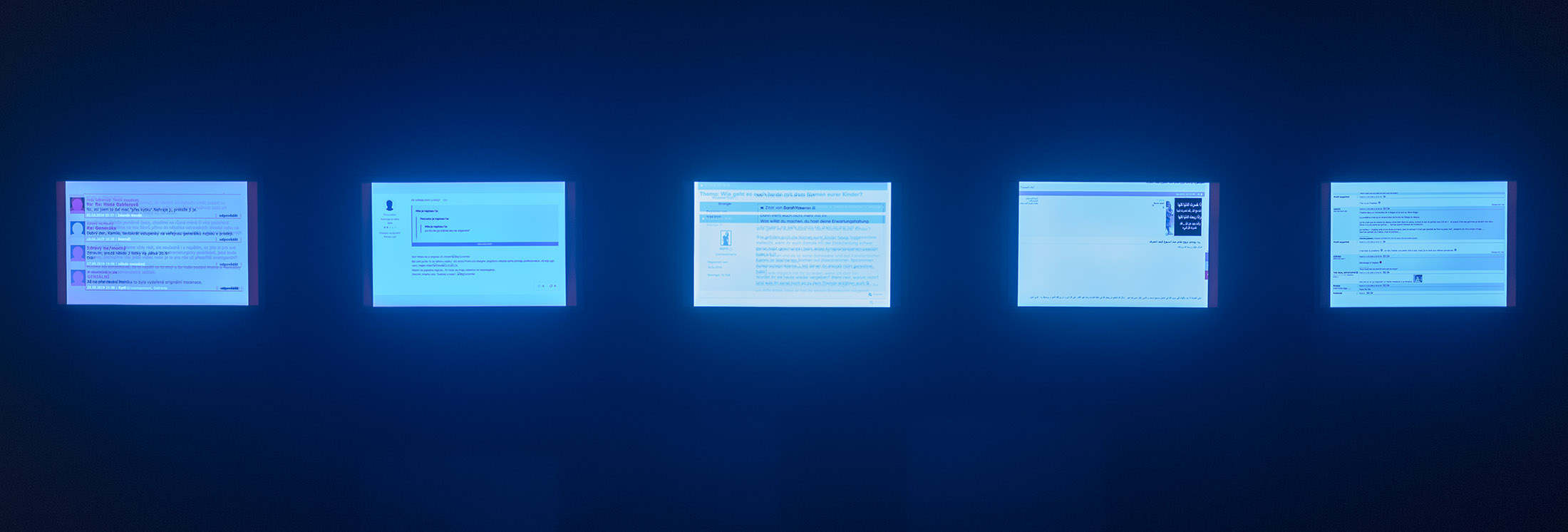
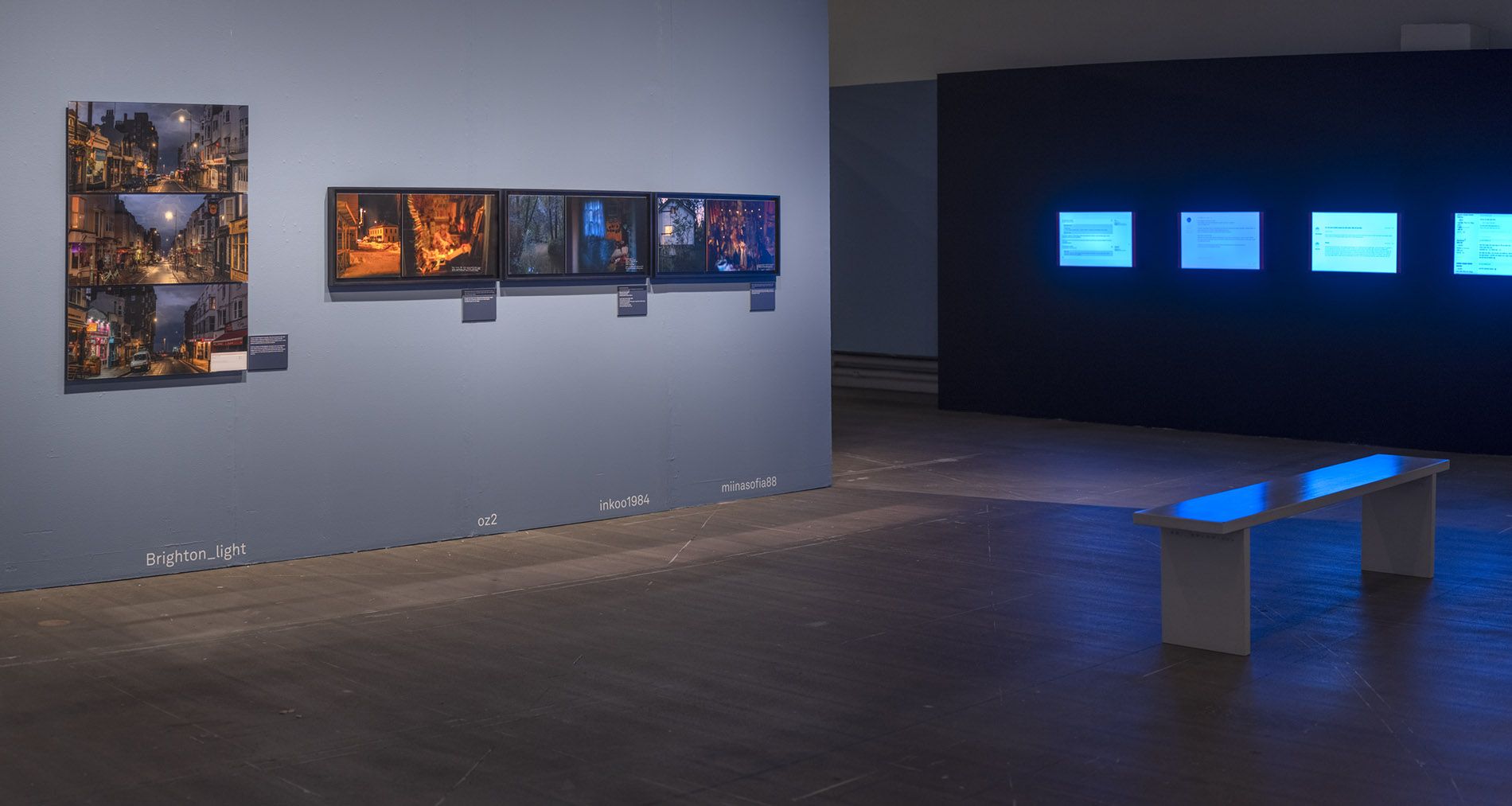
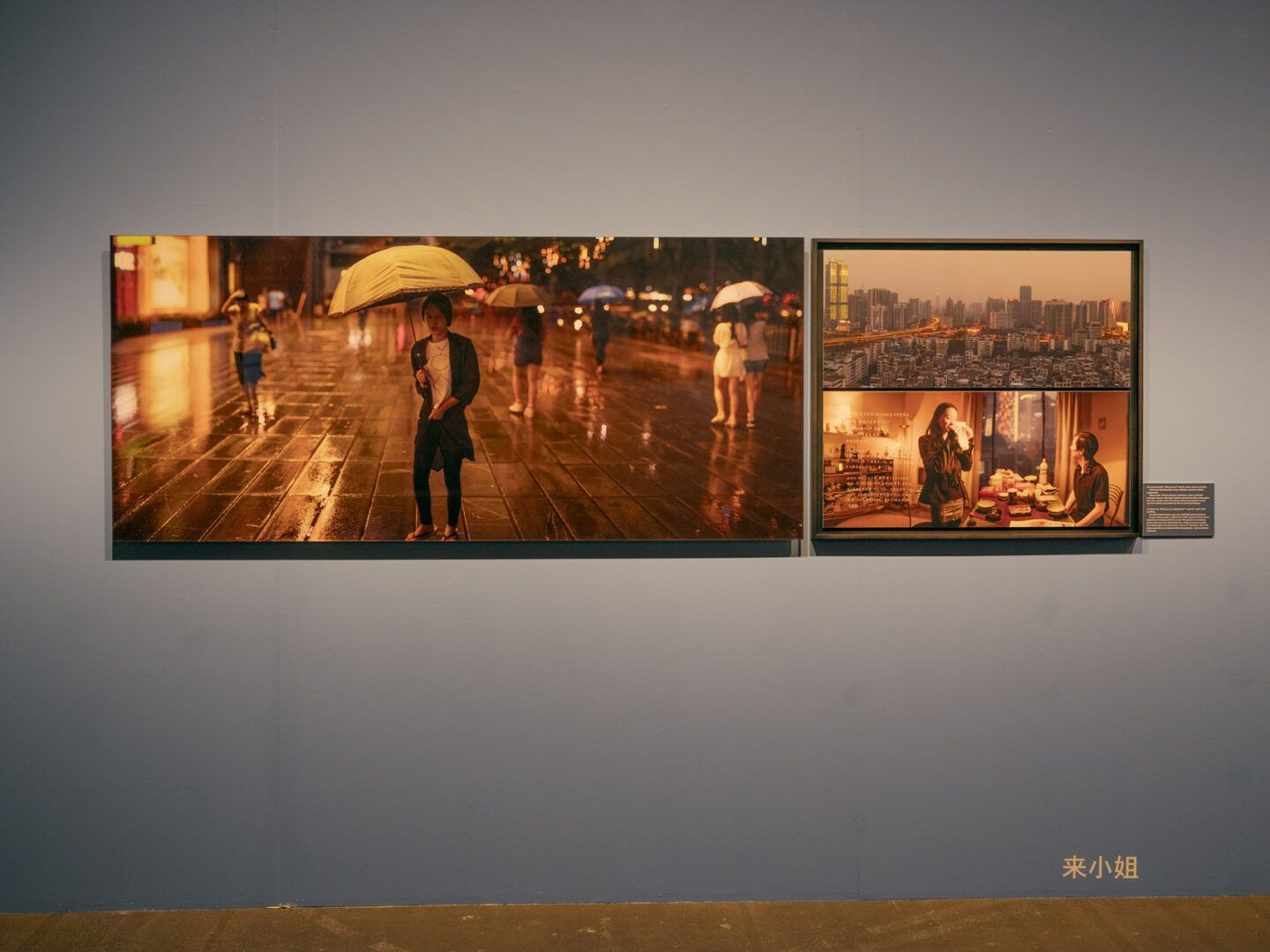
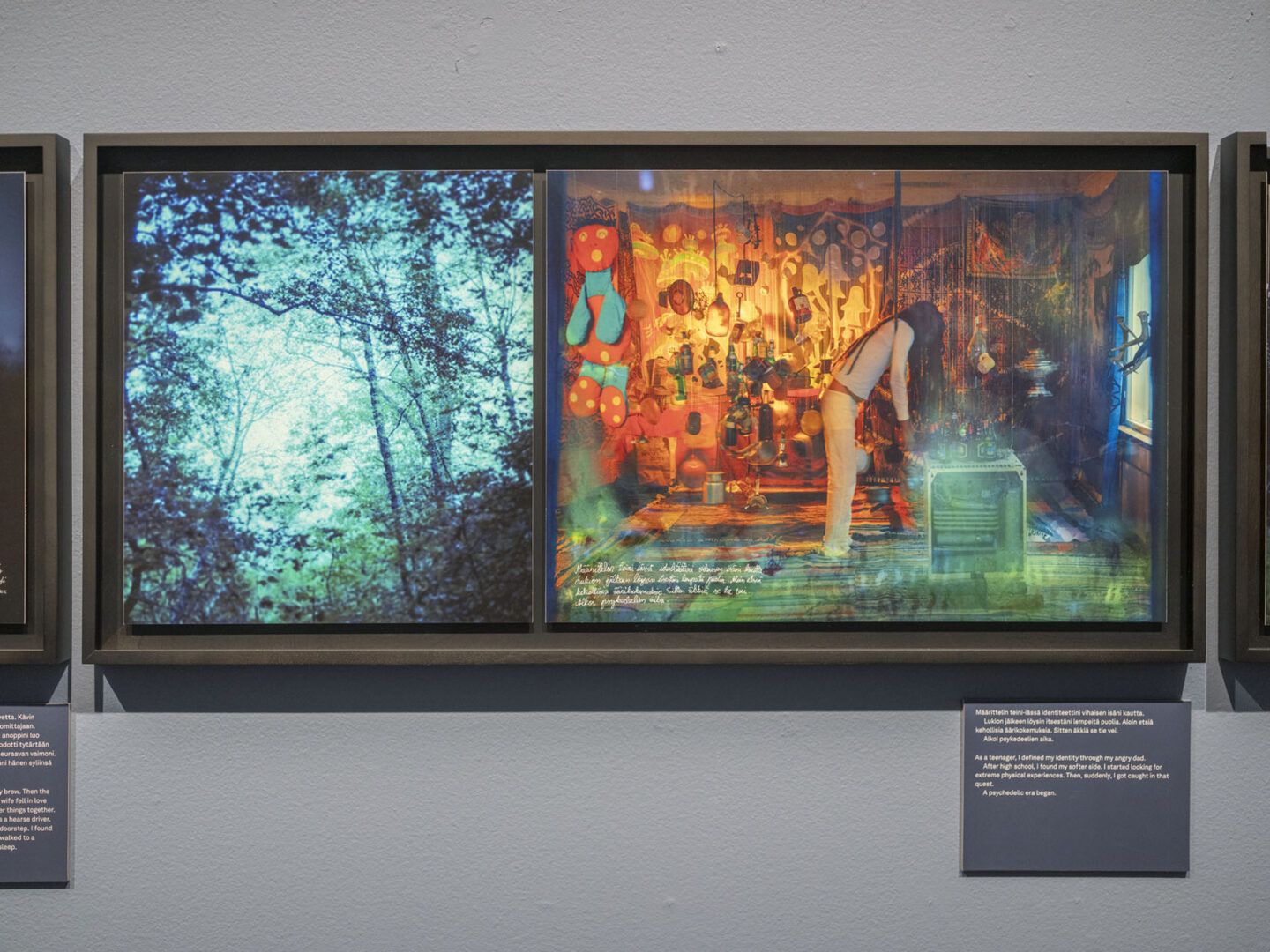
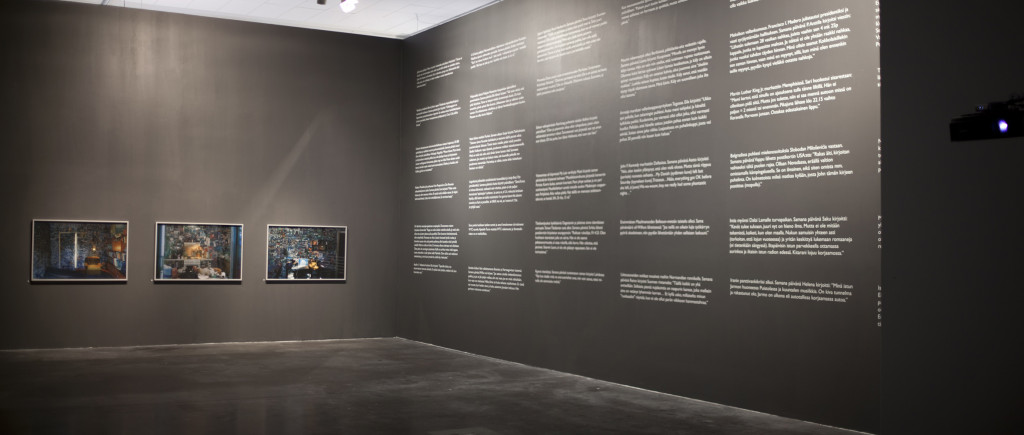
    In Atlas of Emotions, Jari Silomäki investigates turning points in the lives of people who write on internet discussion forums from behind alter-ego screen names. He delved deeply into online archives, spending hundreds of hours searching for the writings of anonymous individuals from around the world.

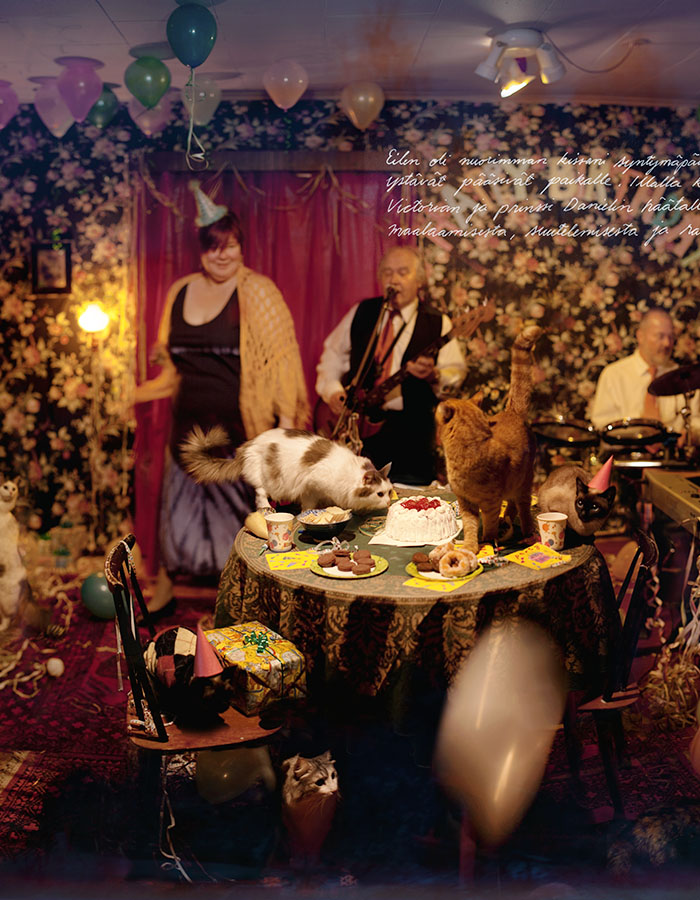
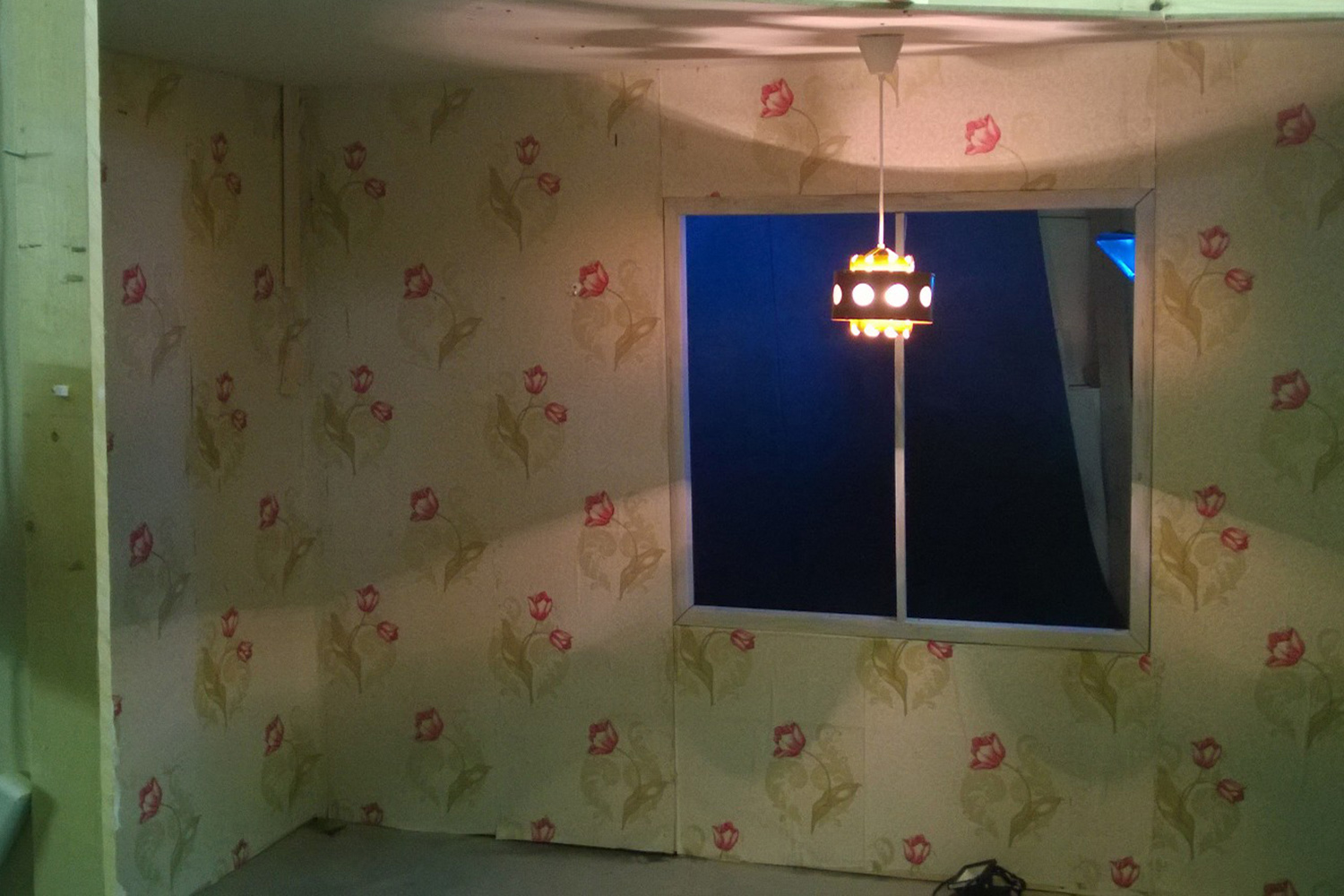
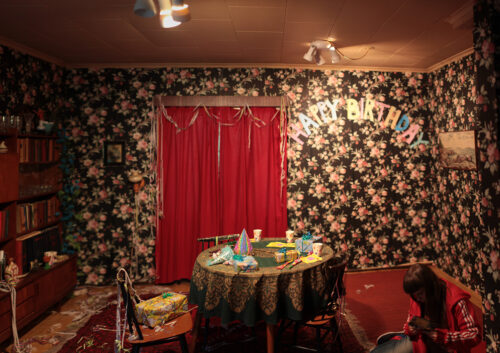
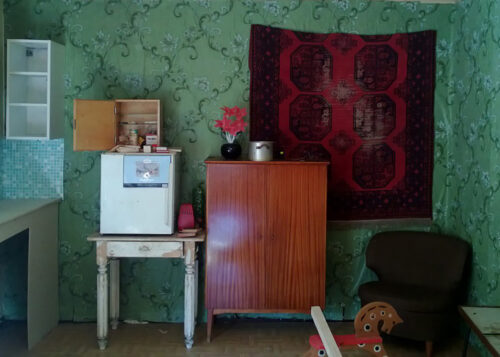
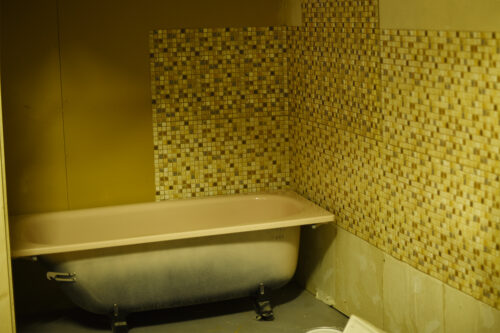
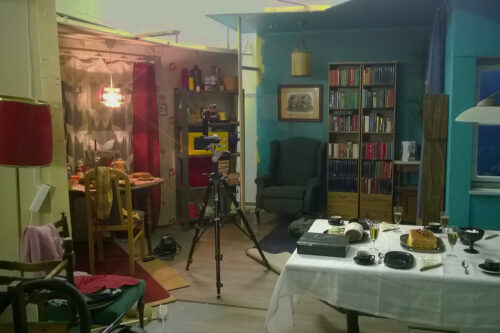
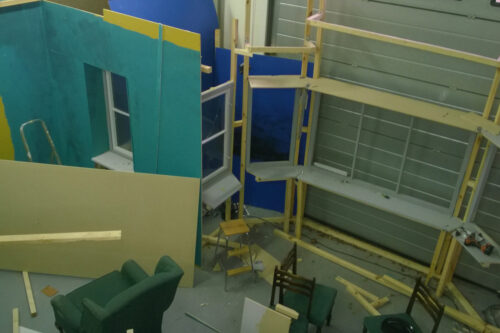
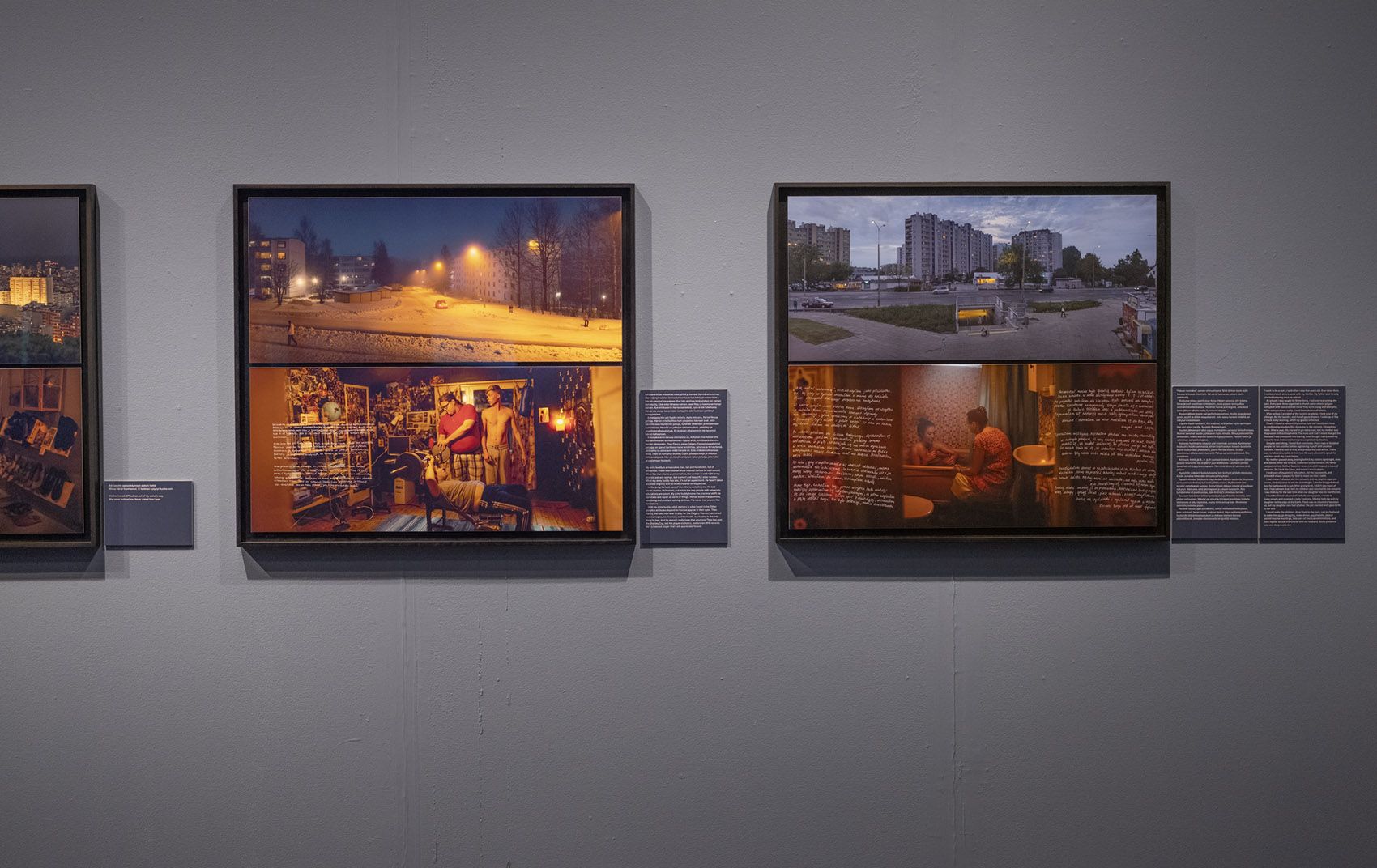
    Silomäki seeks to identify a central thread in each writer’s life and to reproduce the emotions and events described in the original posts as accurately as possible. He edited the forum texts into a manuscript and staged the authors’ homes in his studio, drawing on clues found within the writings themselves. Actors then interpreted these reimagined scenes.

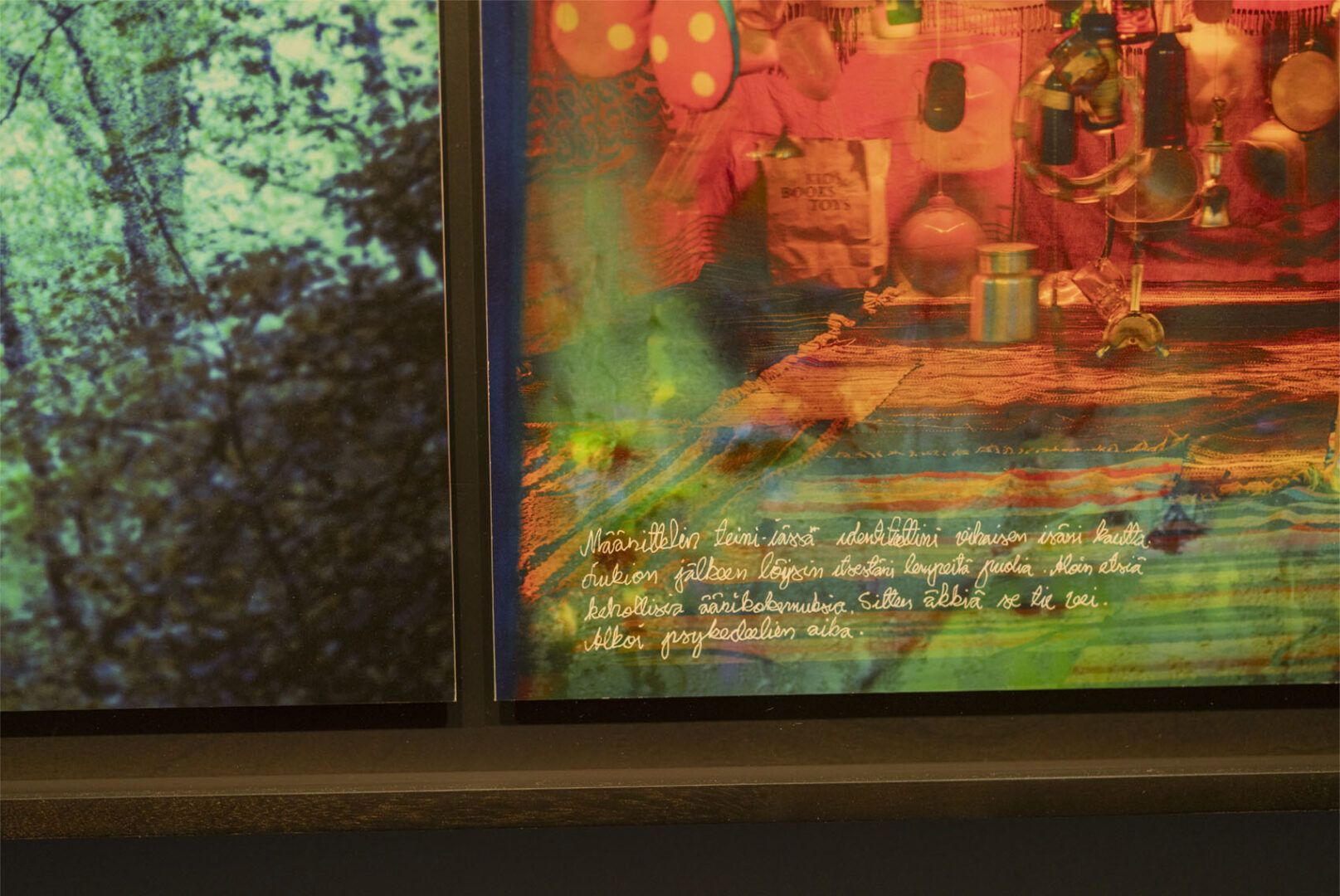
    The texts that appear on the surface of the work are extracts from the lives of anonymous individuals, presented in their native languages. Silomäki has blurred, altered, and edited certain details in order to protect the writers’ identities. The work moves the viewer from the general to the specific and intimate — towards people’s fears, desires, and dreams. Central to Silomäki’s practice is an effort to expand the notion of documentary and to record, on a global scale, the events and emotions of our time.


    Making of


    Pseudonym Rose


    Pseudonym
    Armeijakaveri

    “ My army buddy is a masculine man, tall and handsome, full of attraction. I have seen women show interest before he said a word. When the man starts a conversation, the woman is sold right away. And not just any woman, but a smart and beautiful older woman. When my army buddy has sex, it’s not an experiment. He hasn’t taken anyone’s virginity and he never cheated on his partner. 

    In the army, he took care of the others, including me. He told clever stories. He’s smart, but not in the way people with a university education are smart. My army buddy knows the practical stuff; he can make and repair all sorts of things. He has leadership qualities, reasoning, and problem-solving abilities. I’ve never met anyone like him before. 

    With my army buddy, what matters is what I want to be. Other people’s attitudes depend on how we appear in their eyes. Theo Fleury, the best man ever to play for the Calgary Flames, has ruined two marriages, his finances, and his health. Ice hockey is the only thing he has. And he doesn’t really have that anymore. Theo has won the Stanley Cup, led the player statistics, and broken NHL records. He’s a beloved player that I will appreciate forever.”


    Pseudonym Miinasofia2

    “ I fell off a horse and was too afraid to get back up on it. I rode a bike back home and closed myself in my room. Pink’s ‘Please Don’t Leave Me’ was playing on the radio.” 


    Pseudonym 来小姐

    “ He asked me: ‘What are you feeling now?’ I told him I didn’t feel anything. He said he looked down upon me. I said that was his business. 

    It was raining outside. I walked into a little restaurant that serves breakfast and chatted with the owner. She asked me something private, like what my husband does for a living, how much money my husband gives me every month, and so on. Honestly, I didn’t like these questions, but I answered them all patiently. I was haunted by loneliness.” 


    Pseudonym Agnieszka85

    “ I was seventeen years old, blinded by love, and pregnant. Half a year later, Cibor offered me his mother’s ring while walking in the street. He was seven years older than I was. My parents held a modest reception for the relatives. All was well, until my newly wedded husband said he wouldn’t be staying for the night. He was going home to his mother. 

    I lived with my parents, but my husband was with me when I went to give birth. The midwife praised him: ‘He held the baby so gently, and he cried.’ As we came back from the hospital, I found out our new address. The baby would sleep with Cibor’s mother and aunt, in their room. I would move into the extended kitchen with my husband. 

    When Martha got sick, I couldn’t go to her. My mother-in-law was tired, but still wanted to care for the child alone. If I tried to go for a walk with my daughter, my mother-in-law announced that she would take the child out. I could take care of my own business. I said no. They called me ungrateful. 

    I was an idle burden, an extra mouth to feed. The door to my child was locked in front of my eyes. I applied for jobs; I attended courses. I met people who taught me to be selfish. And that was how I acted, to get out of that sick house.” 


    Pseudonym Villes

    “ So, I got an annual membership at a gym. Immediately I got hooked on the clunking of the free weights, the energetic background music, and those moments when I repeated the movements like a machine. A cold shower, clean clothes, and a recovery drink afterward became my greatest pleasures. On the way back home, it made my day when my legs buckled on the stairs. This is how I lost my faith. I was the last of my siblings to believe in Jesus until adulthood.” 


    Pseudonym Angervo

    “ Yesterday was my youngest cat’s birthday and all its friends were able to come. In the evening I watched a recording of the royal wedding of Princess Victoria and Daniel. I had a dream about painting, kissing, and falling in love.” 


    Pseudonym Inkoo84

    “ It was a clear summer night in 1984.
    I felt a presence in my room. A sweater fell off the edge of the closet. I said the Our Father prayer. I clicked the night light on. In the morning, my mom asked if the sound at night woke me up.” 

  • We Are the Revolution, After Joseph Beuys

    We Are the Revolution, After Joseph Beuys

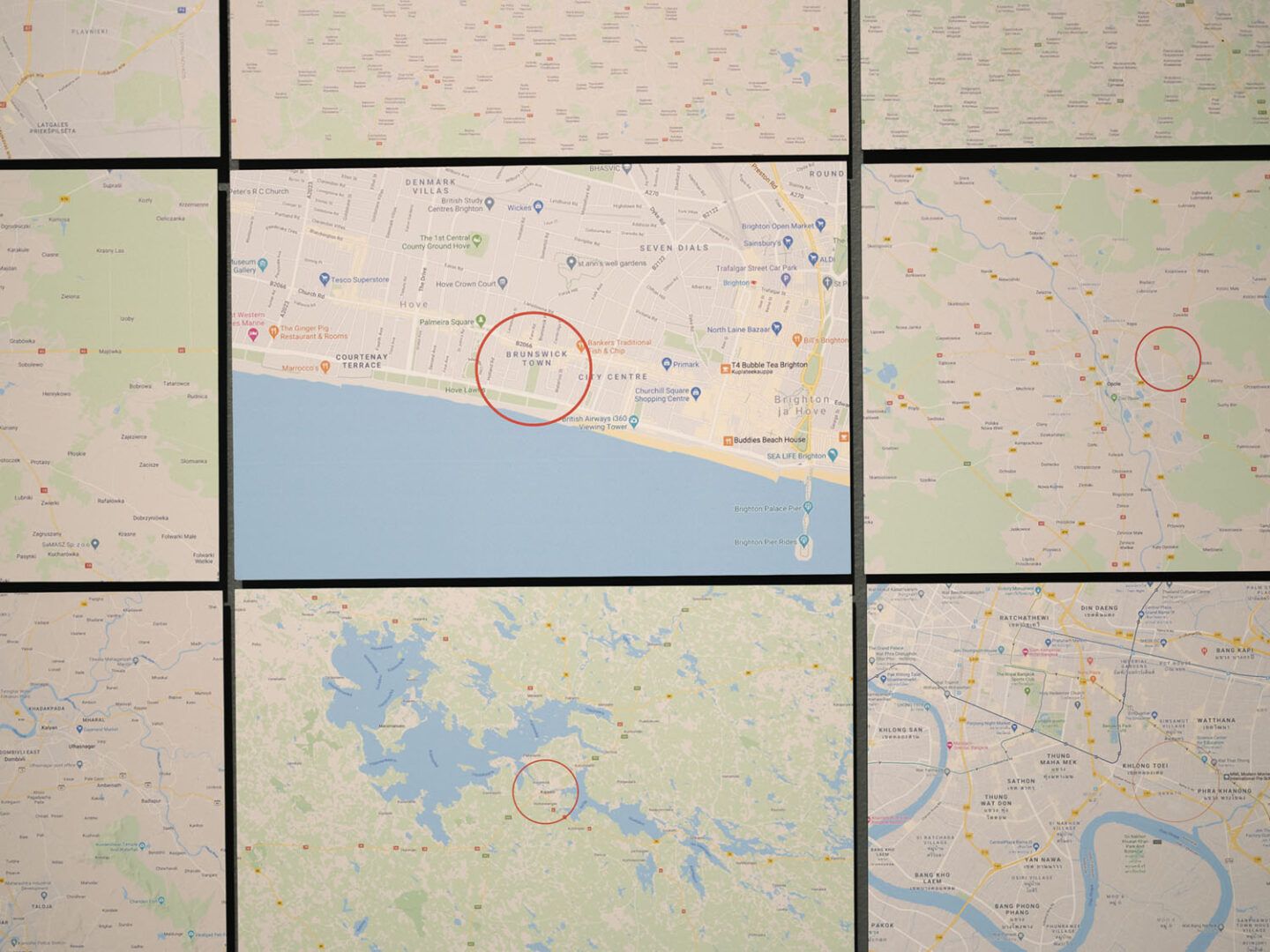
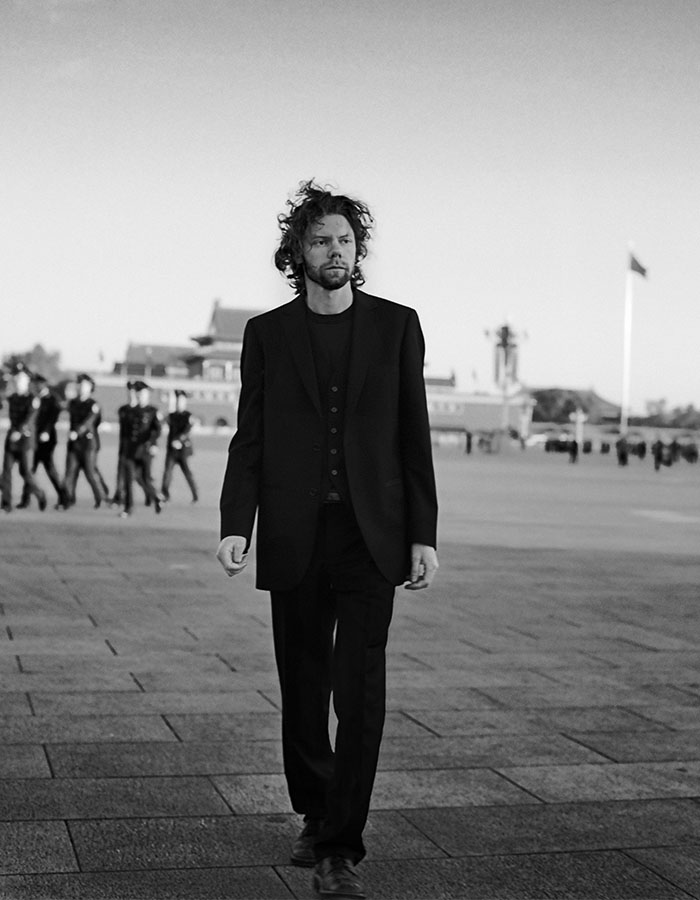
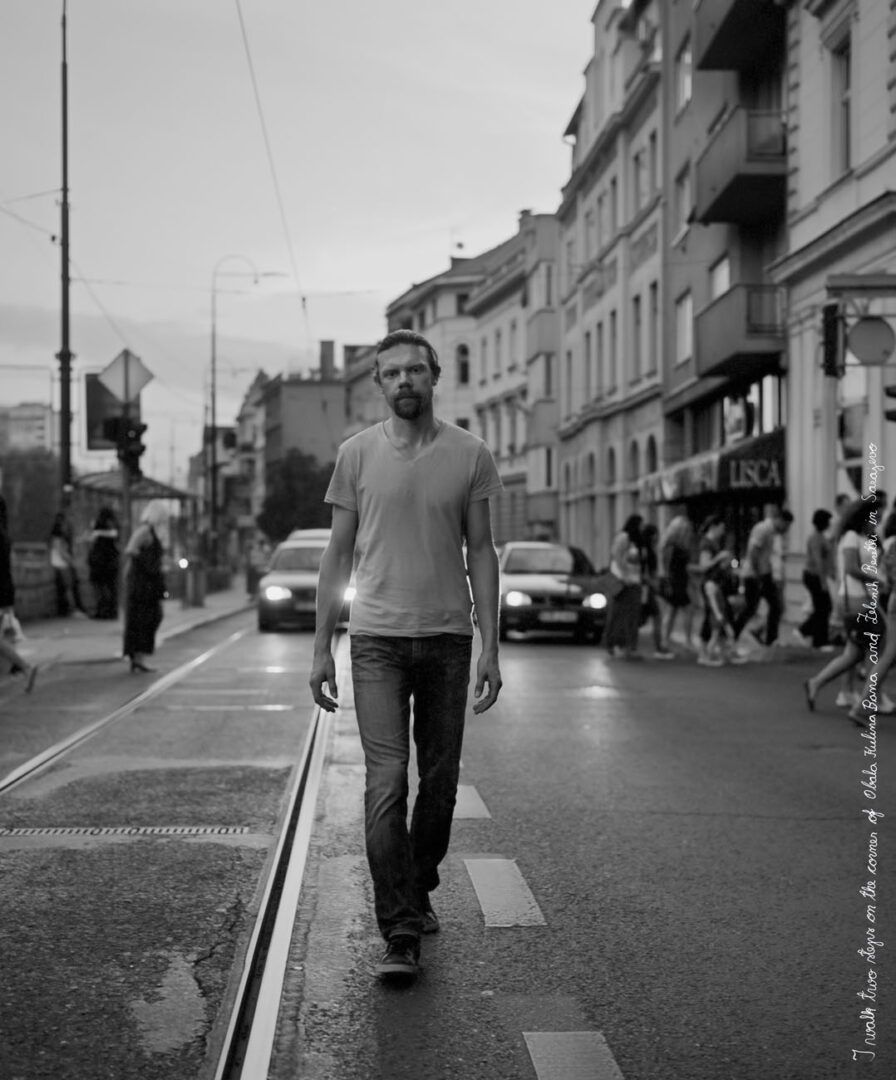
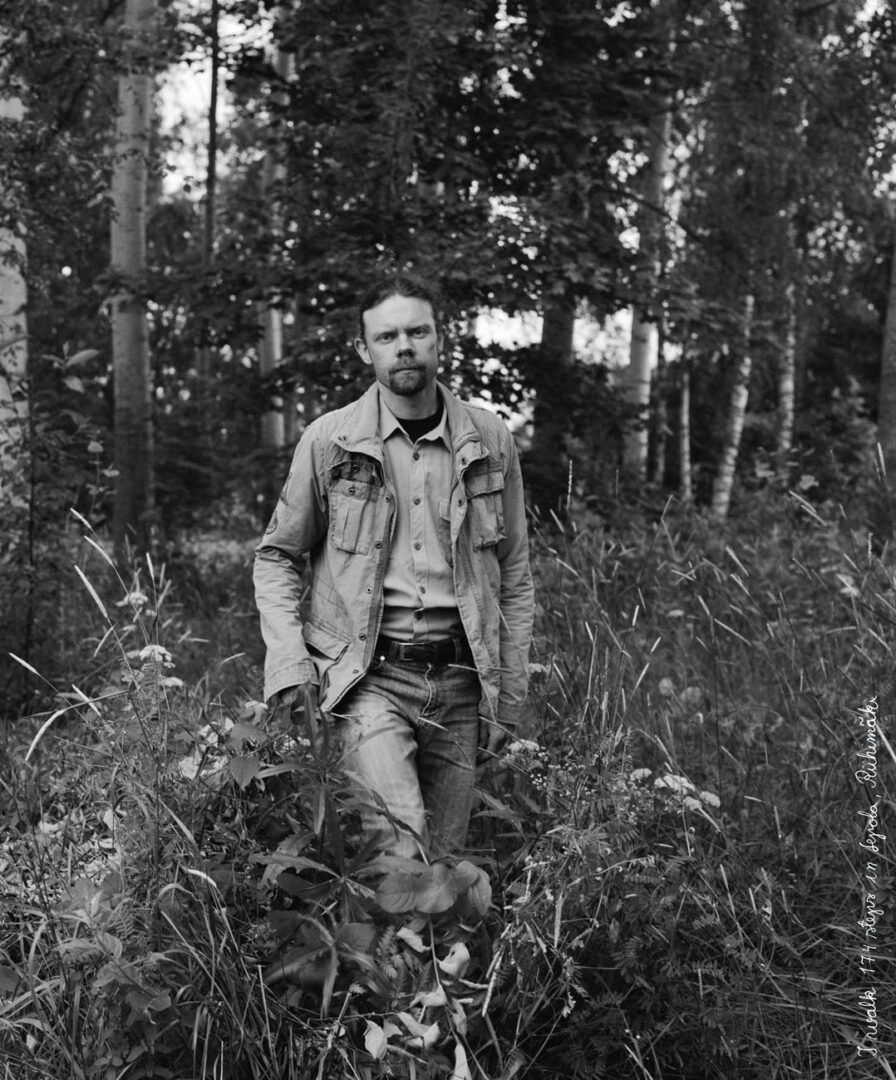
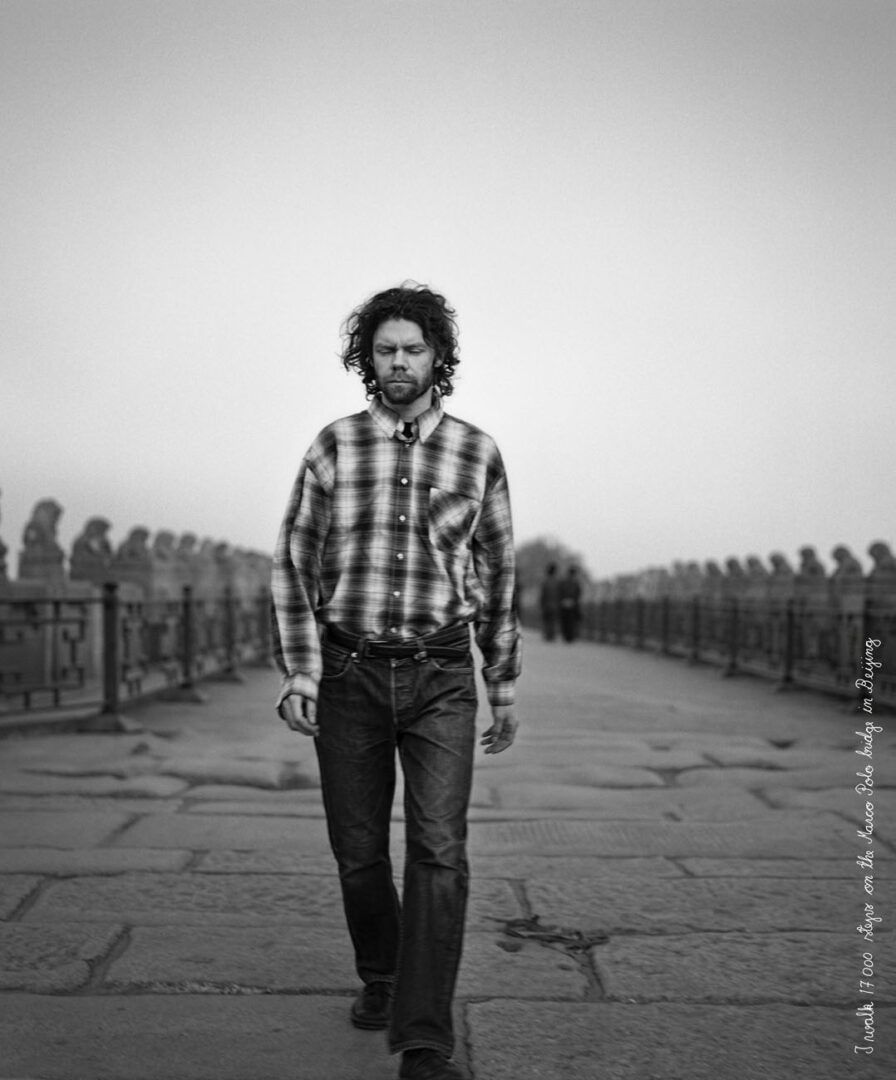
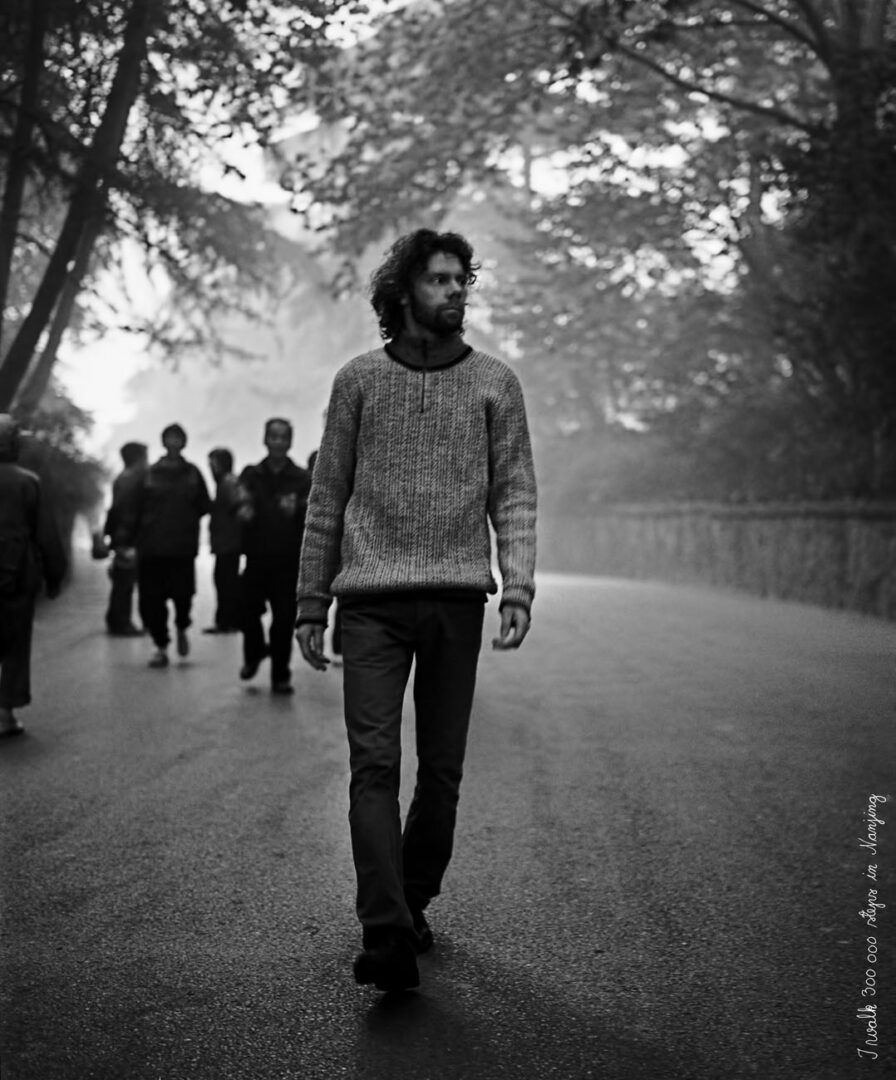
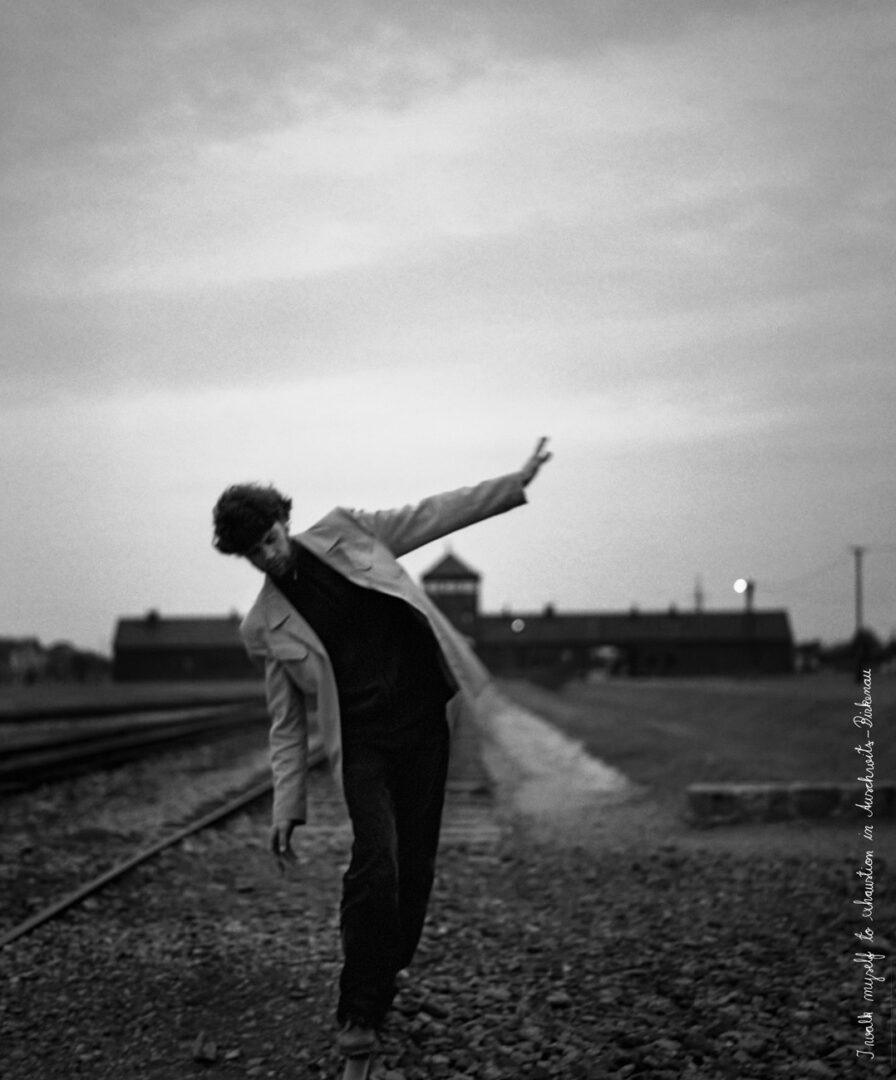
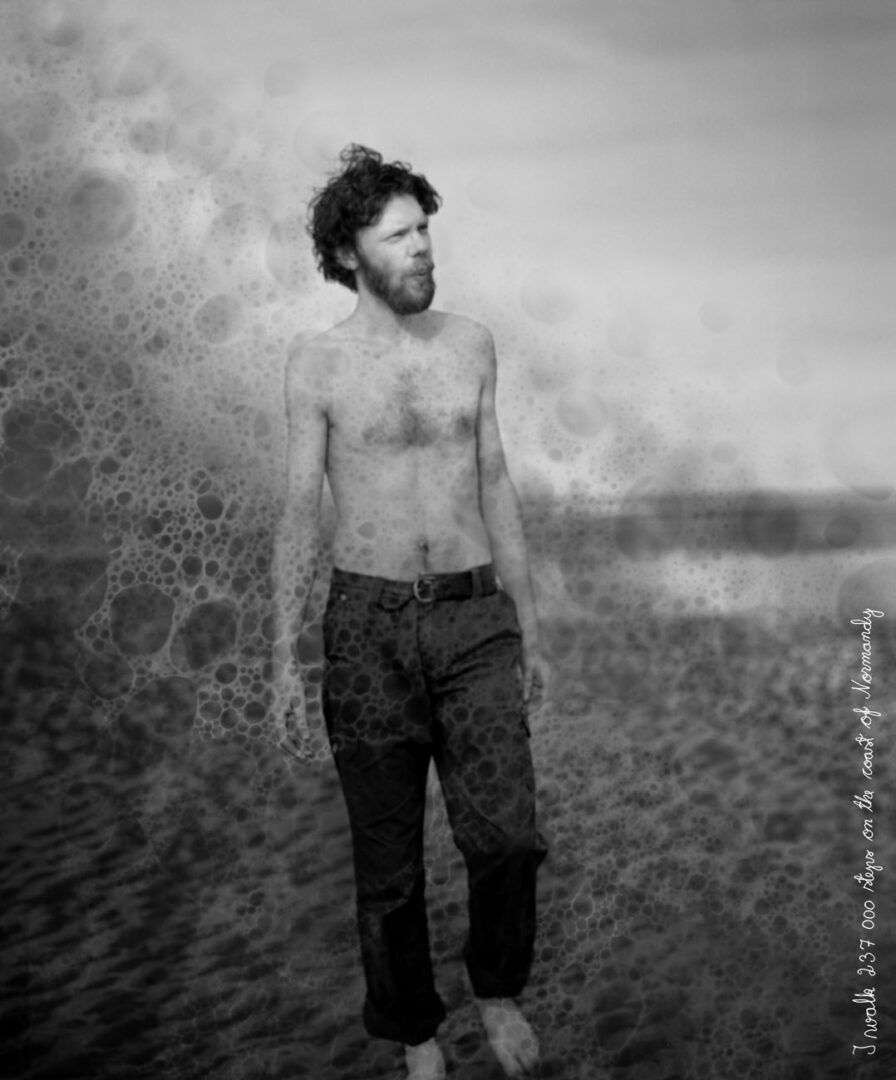
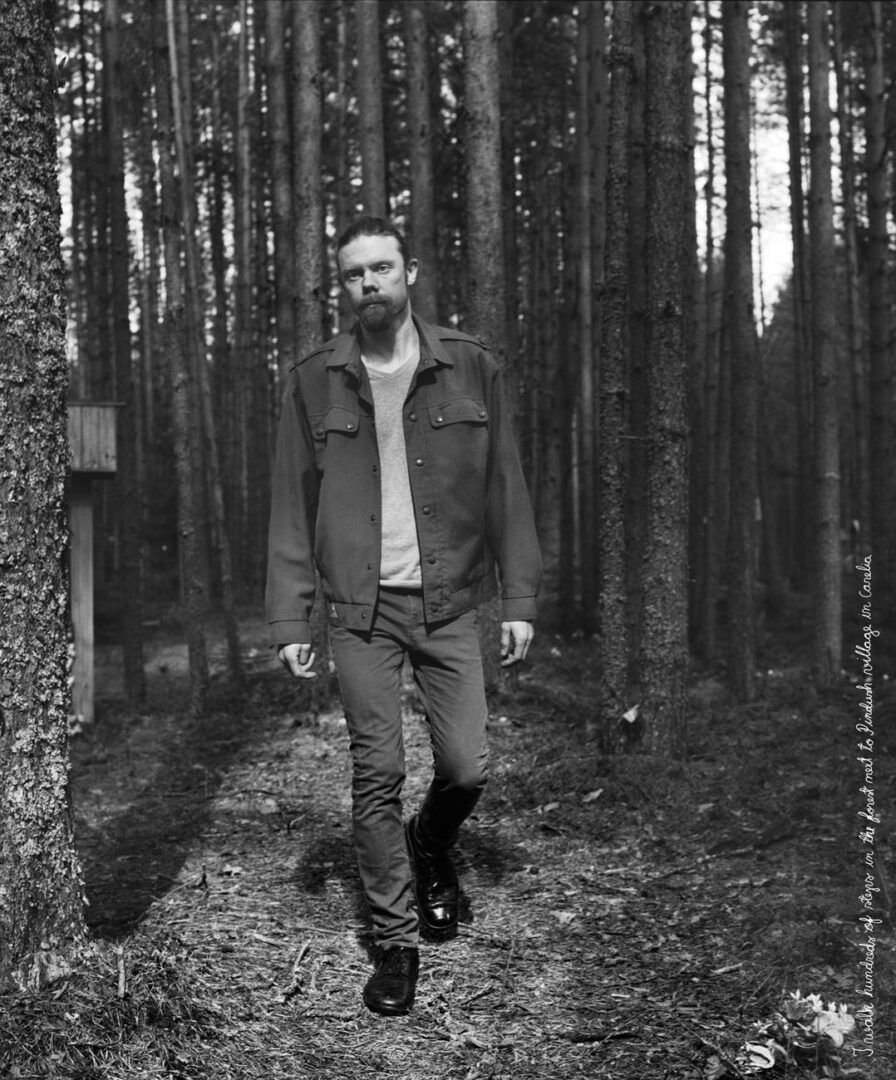
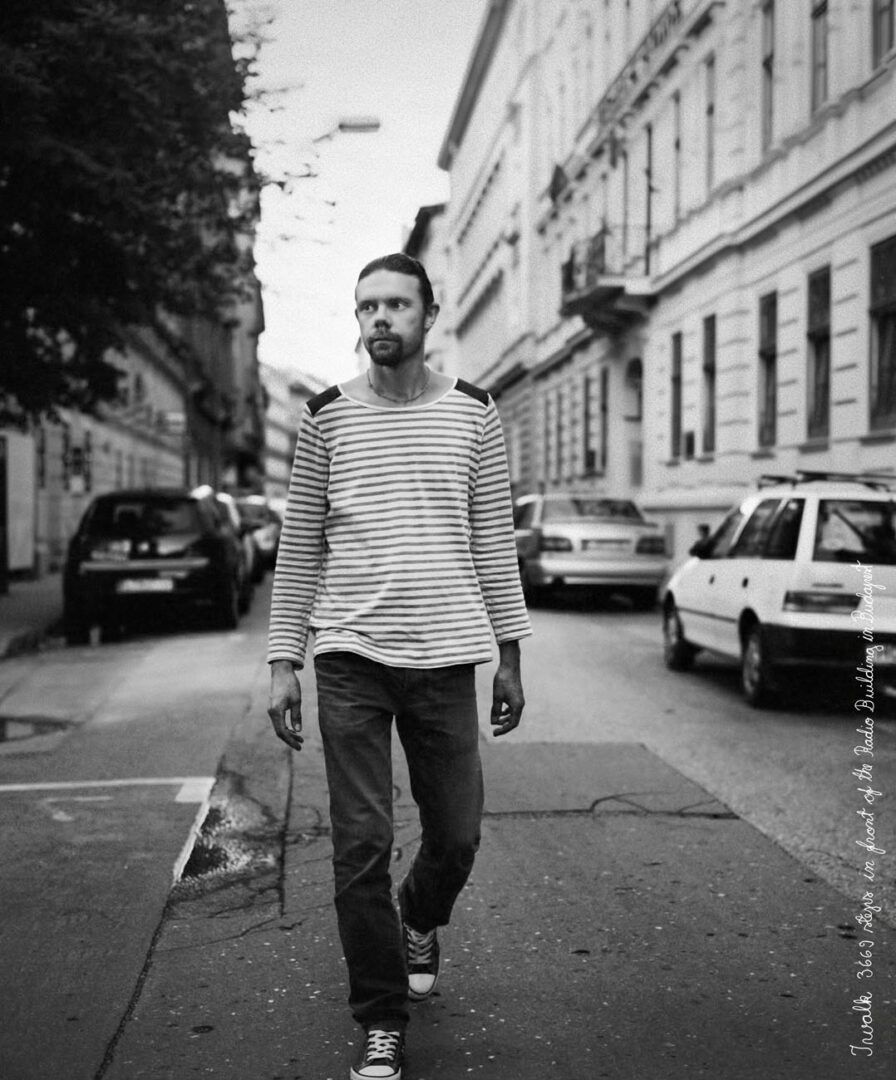
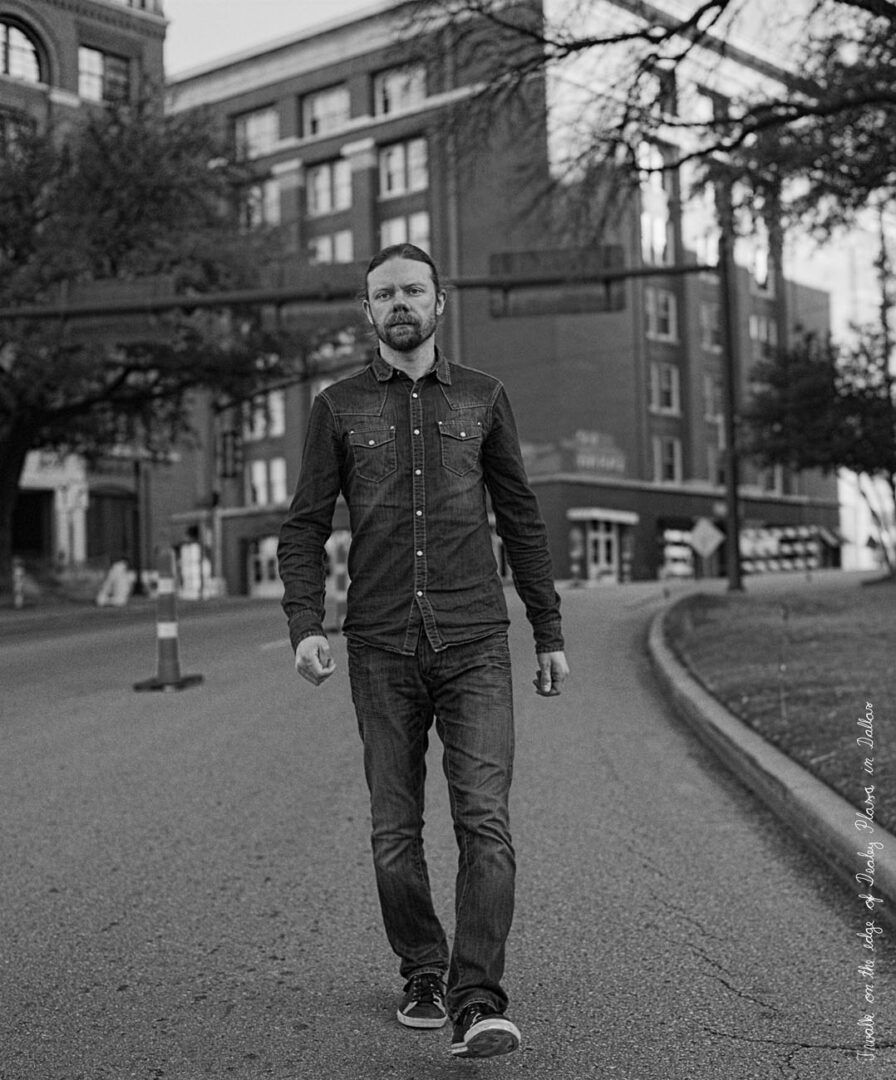
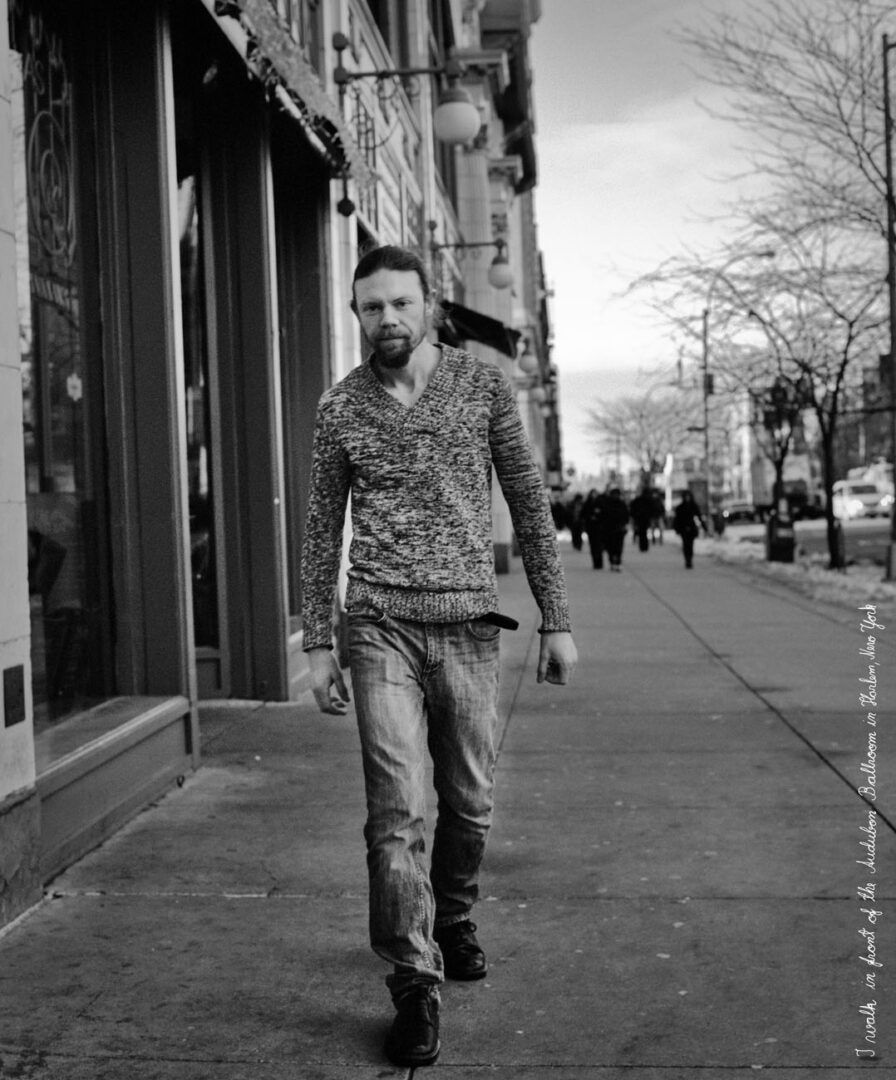
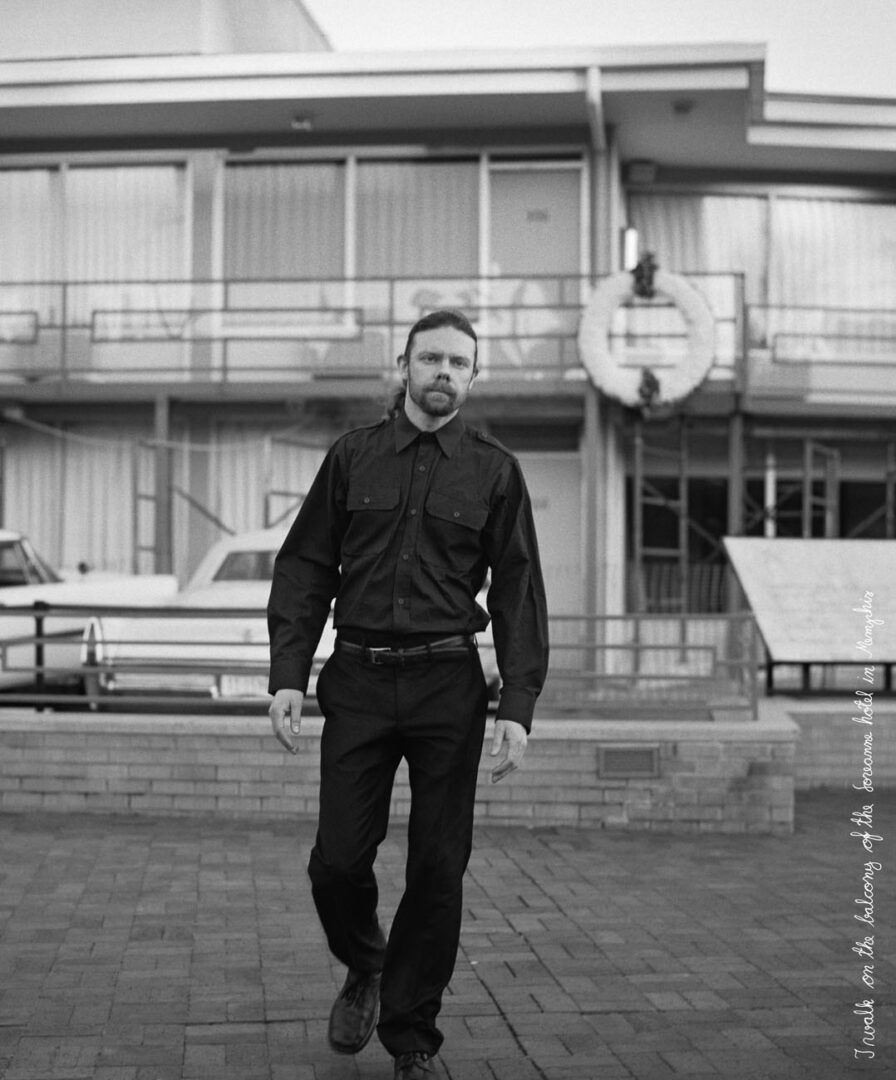
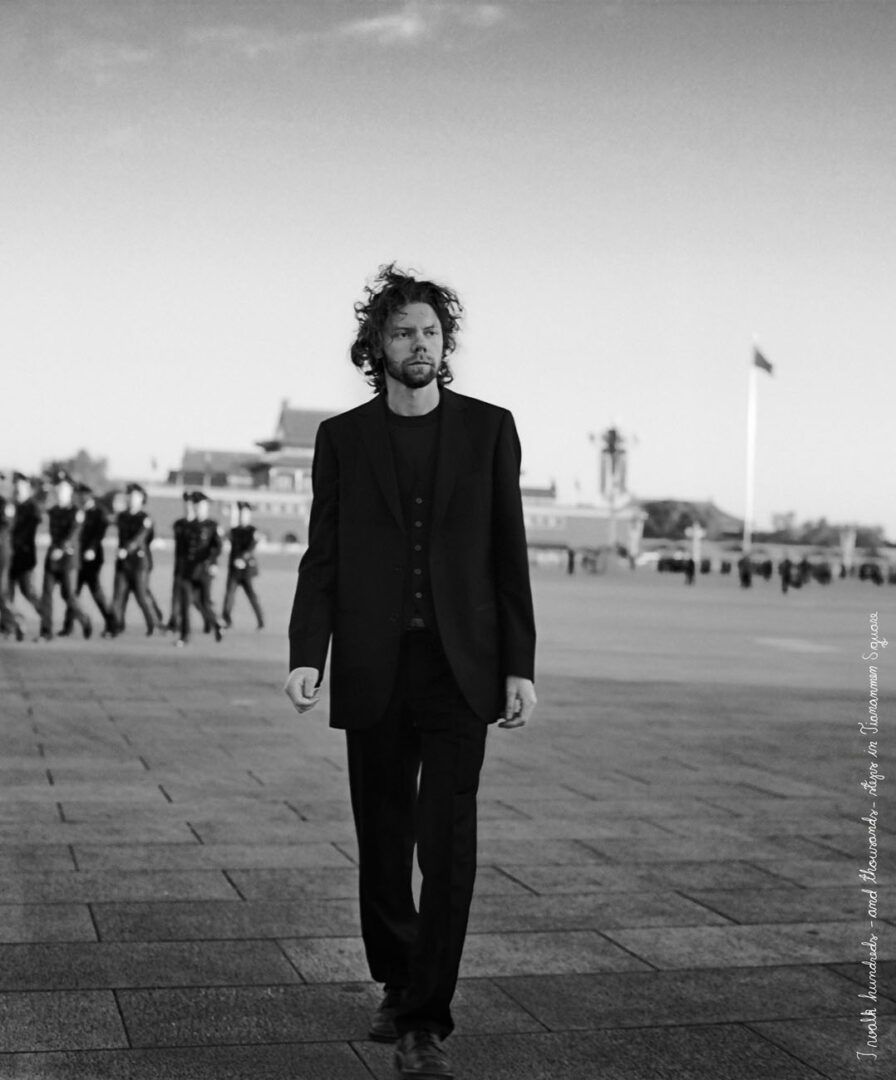
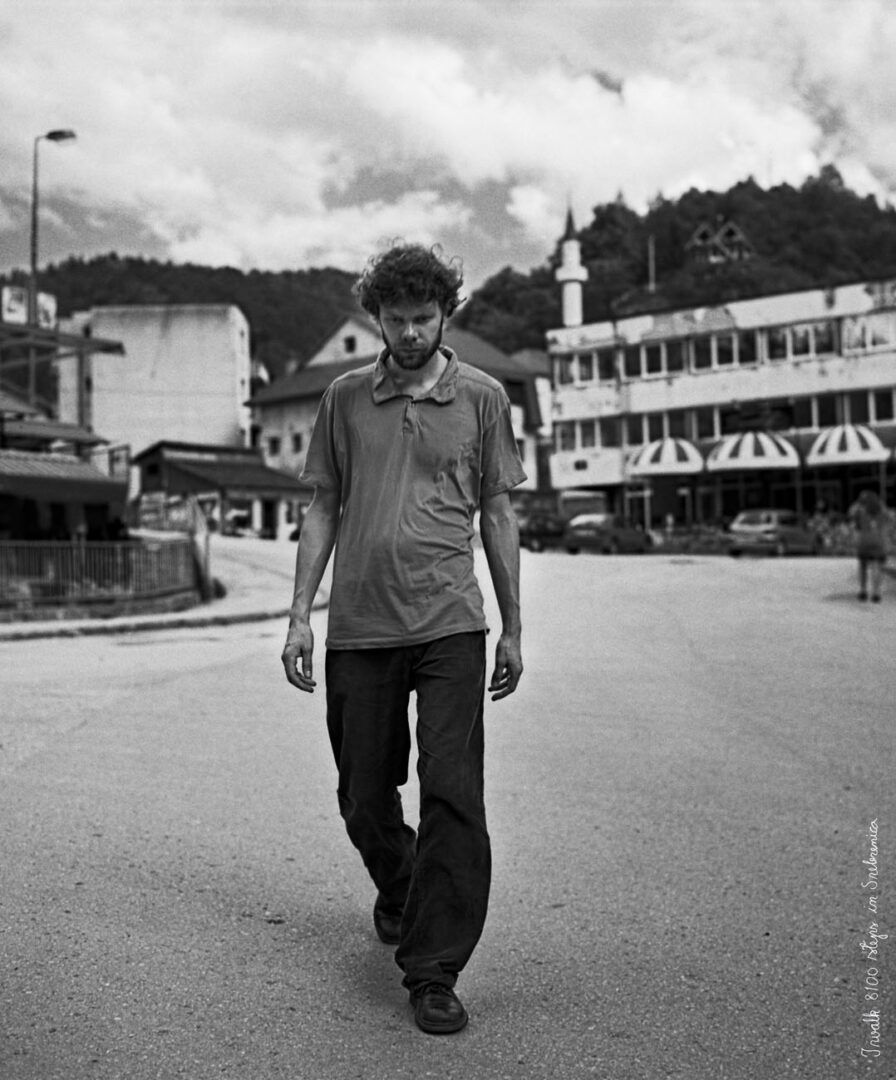
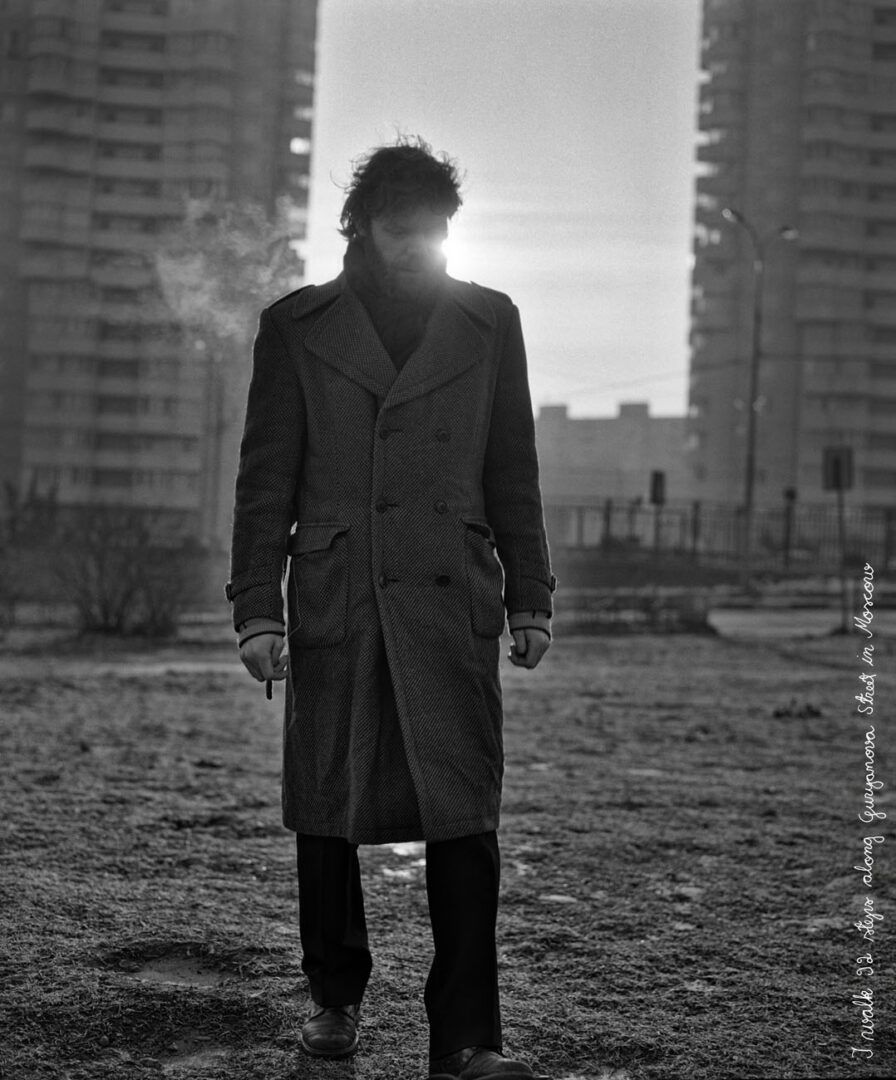
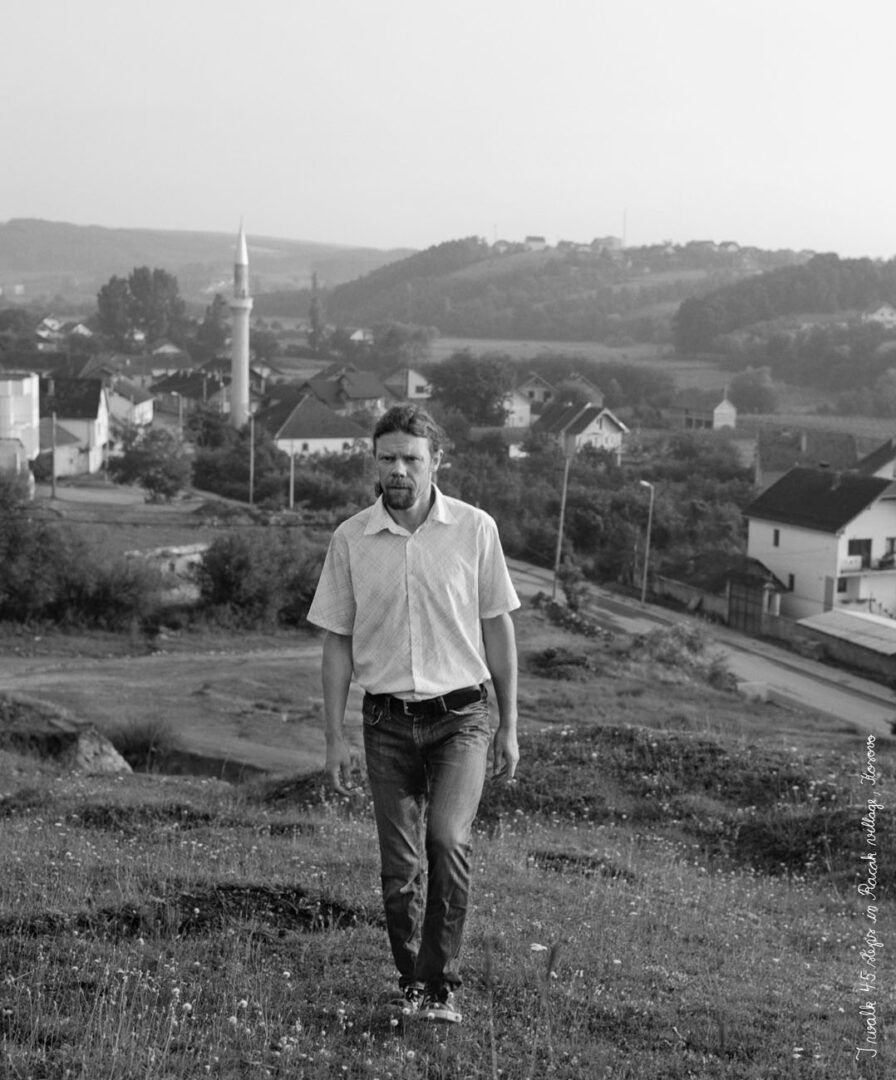
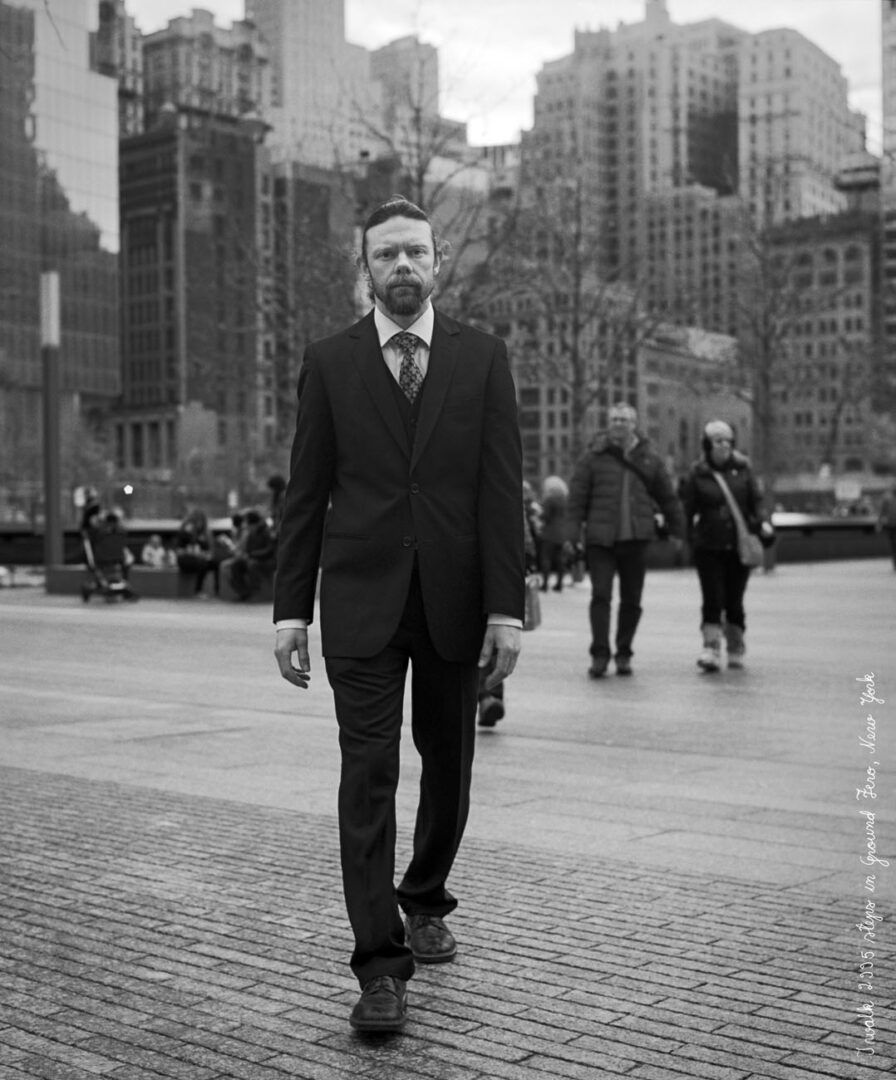
    I have walked at the sites of twentieth-century political tragedies, taking as many steps as there were lives lost in each event.

    The starting point of Jari Silomäki’s project is Joseph Beuys’s life-size image We Are the Revolution (1972), in which Beuys strides confidently towards the viewer, suggesting that together we might form a revolution. While Beuys believed that art could change society, Silomäki reverses this proposition by following individuals who became subjects of history rather than its masters.

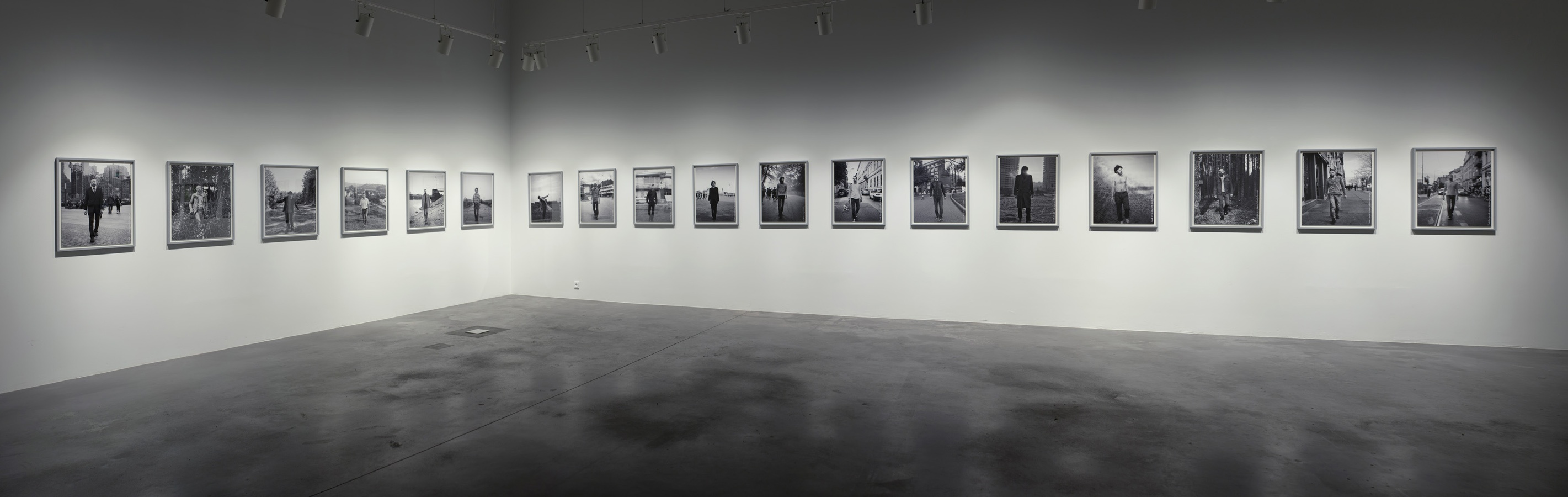
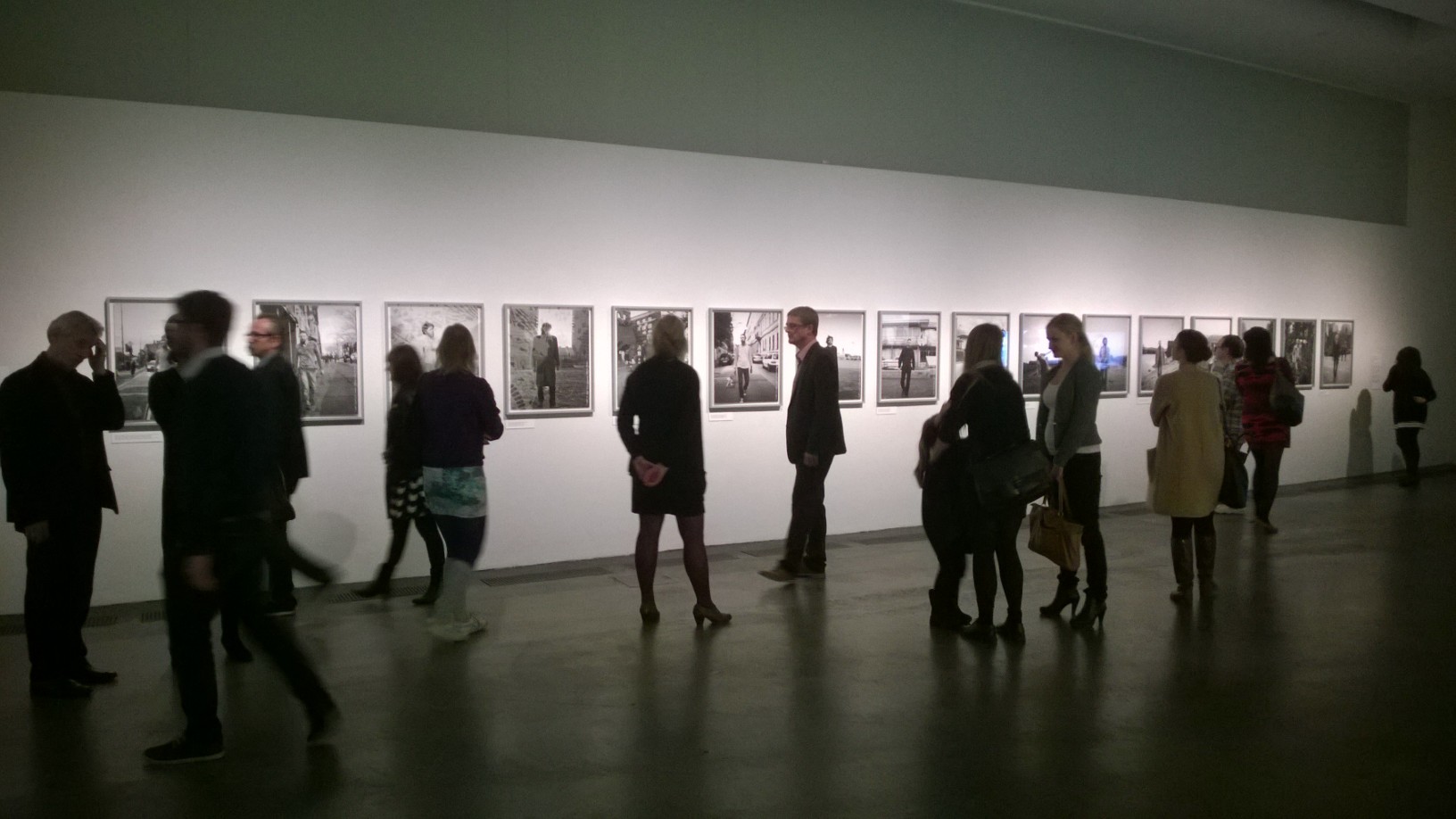
    Since 2006, Silomäki has walked at sites of political murder from the twentieth century, taking as many steps as there were victims of each tragedy — from the assassination of Archduke Franz Ferdinand in Sarajevo to Ground Zero in New York. Between these two events lie tens of millions of steps, forming what he describes as the beginning of a “long, impossible project.”

    In We Are the Revolution, after Joseph Beuys, Silomäki examines how the individual relates to vast forces such as war, statistics, and centuries of history, portraying the individual as an inevitably solitary part of the historical whole.


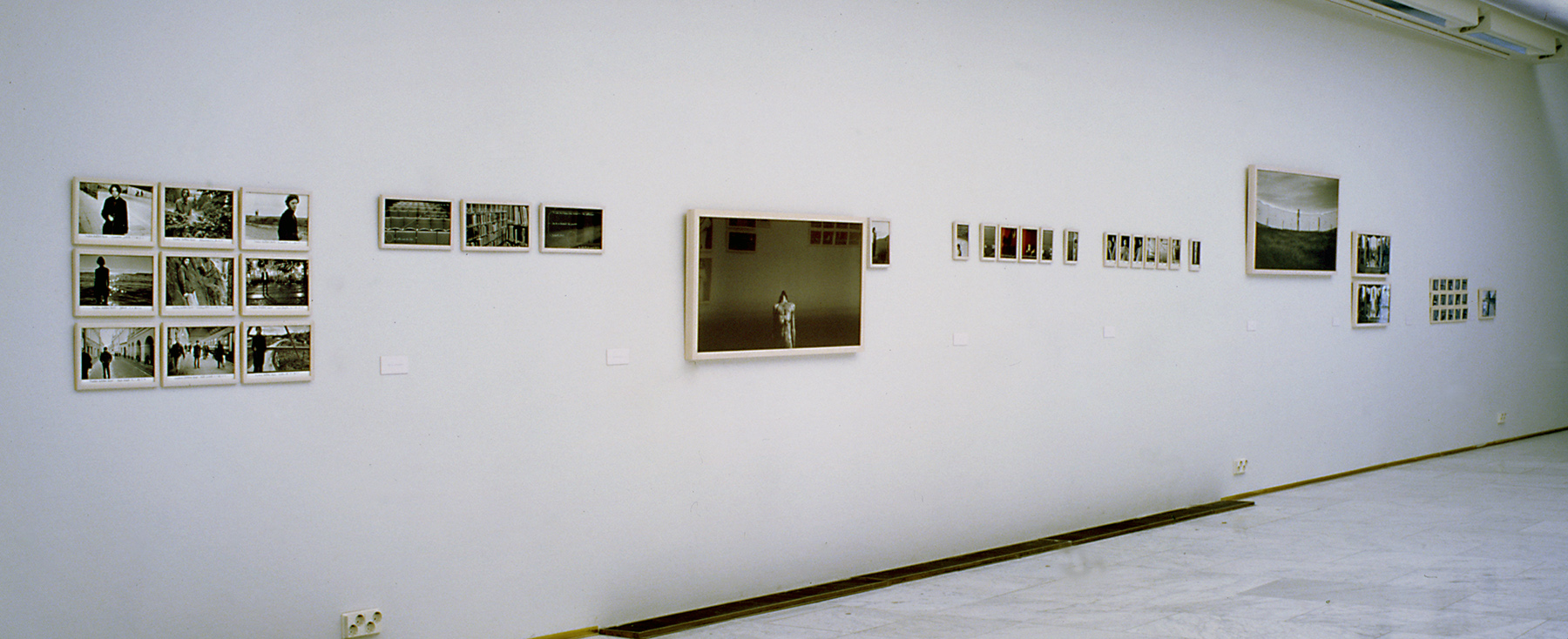
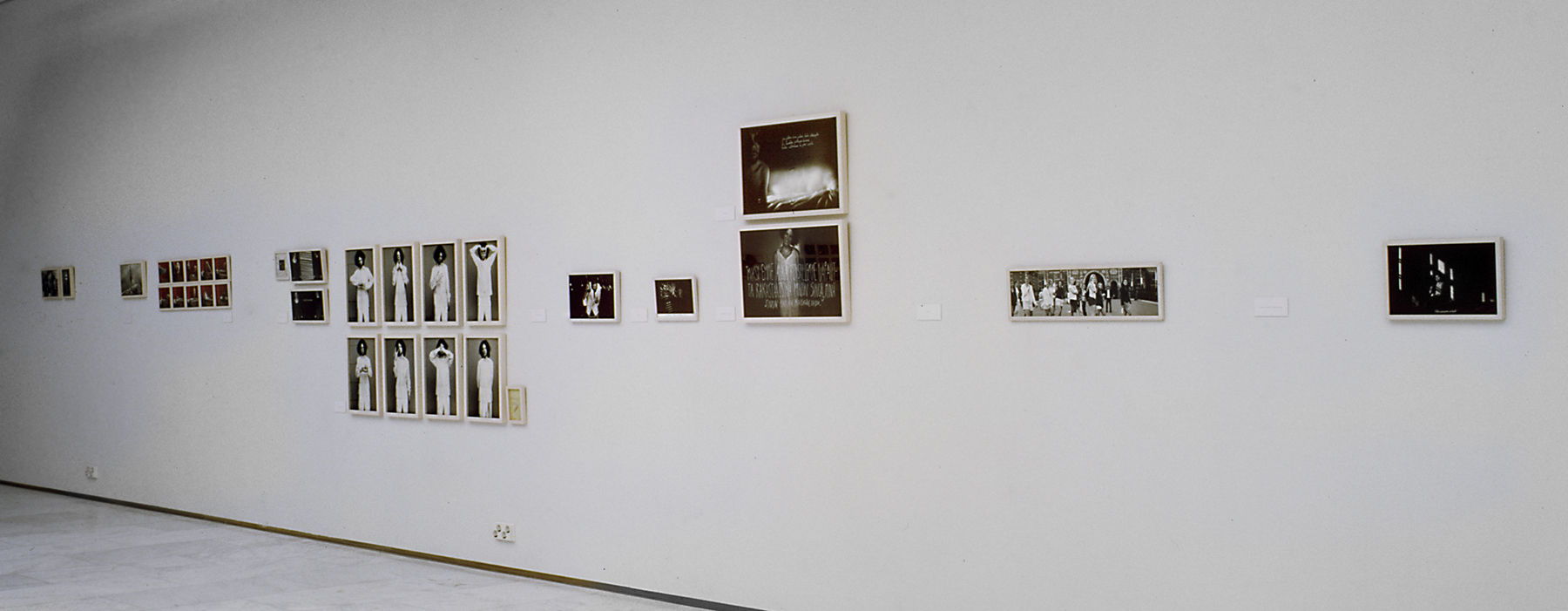
    Installation view, Gallery Korjaamo, Helsinki, Finland
    Installation view, Kiasma – Museum of Contemporary Art, Helsinki, Finland

  • Ordinary Towns on Ordinary Days

    Ordinary Towns on Ordinary Days

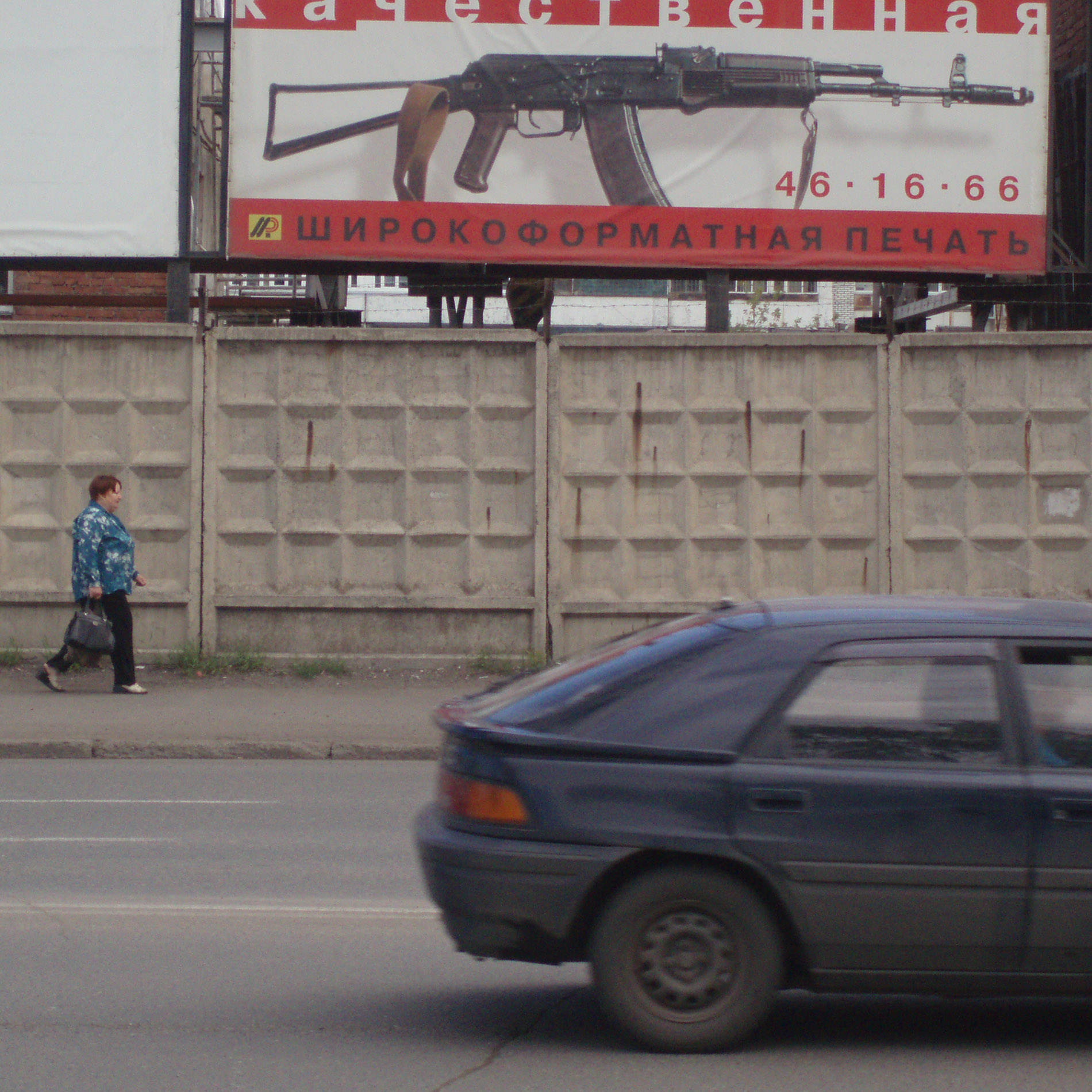
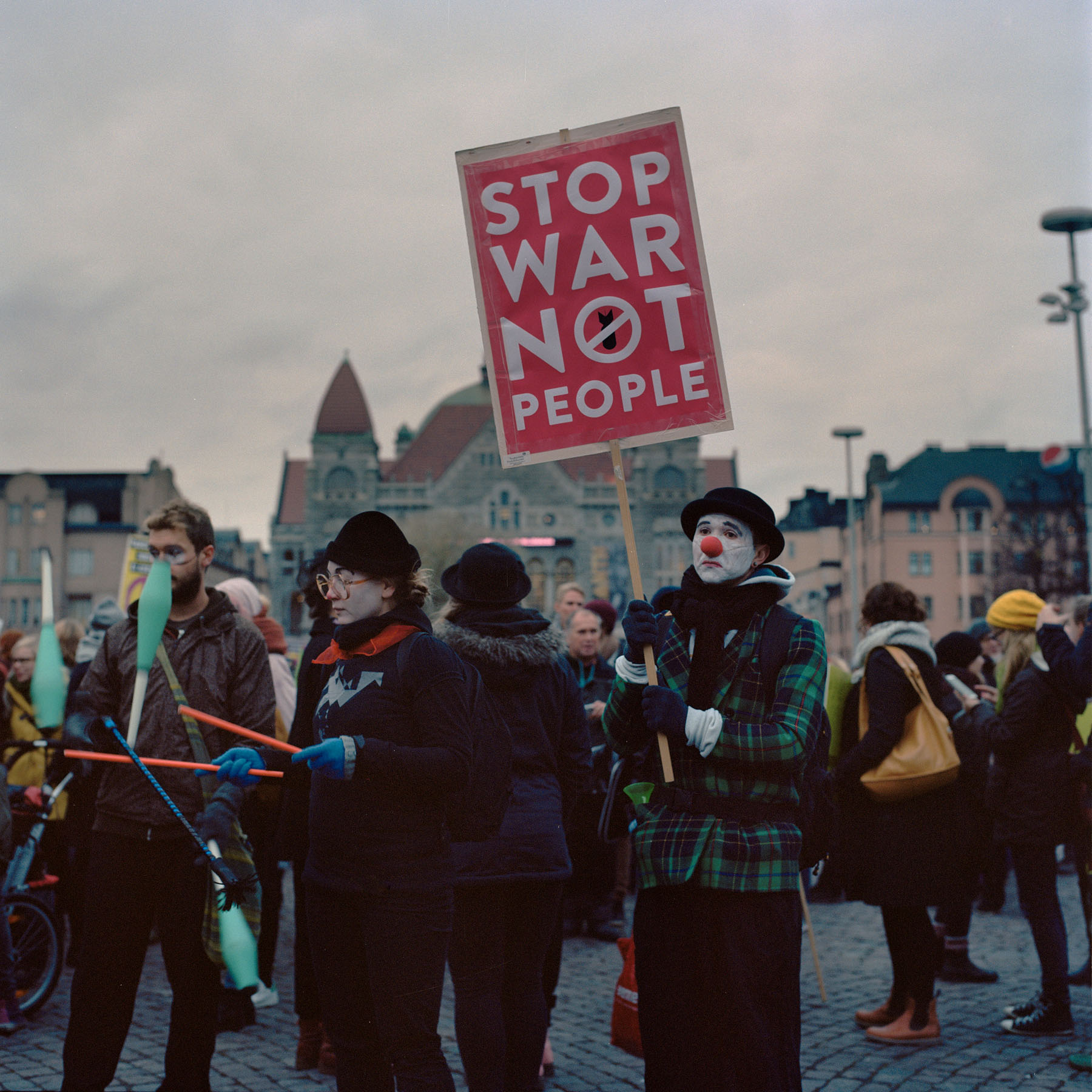
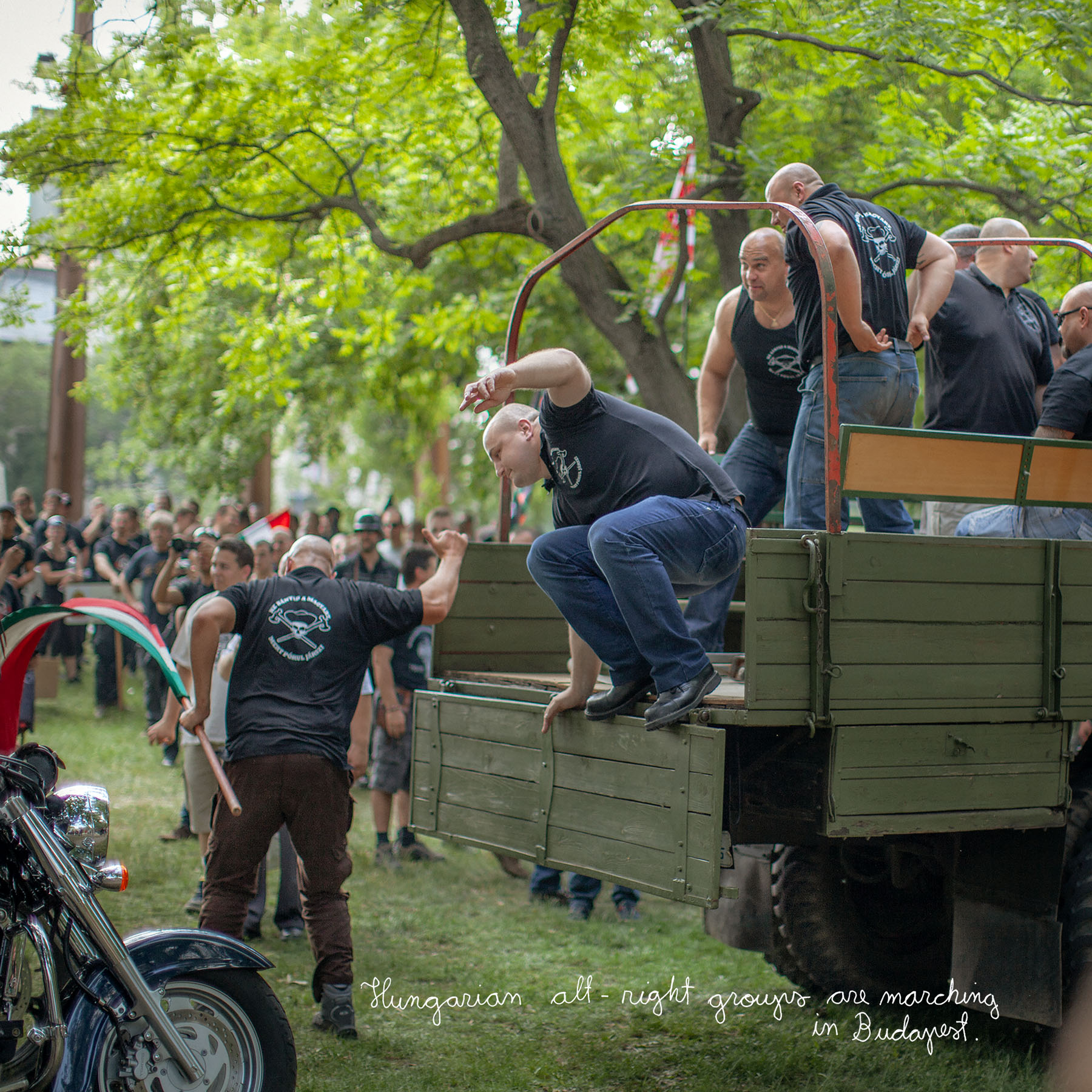
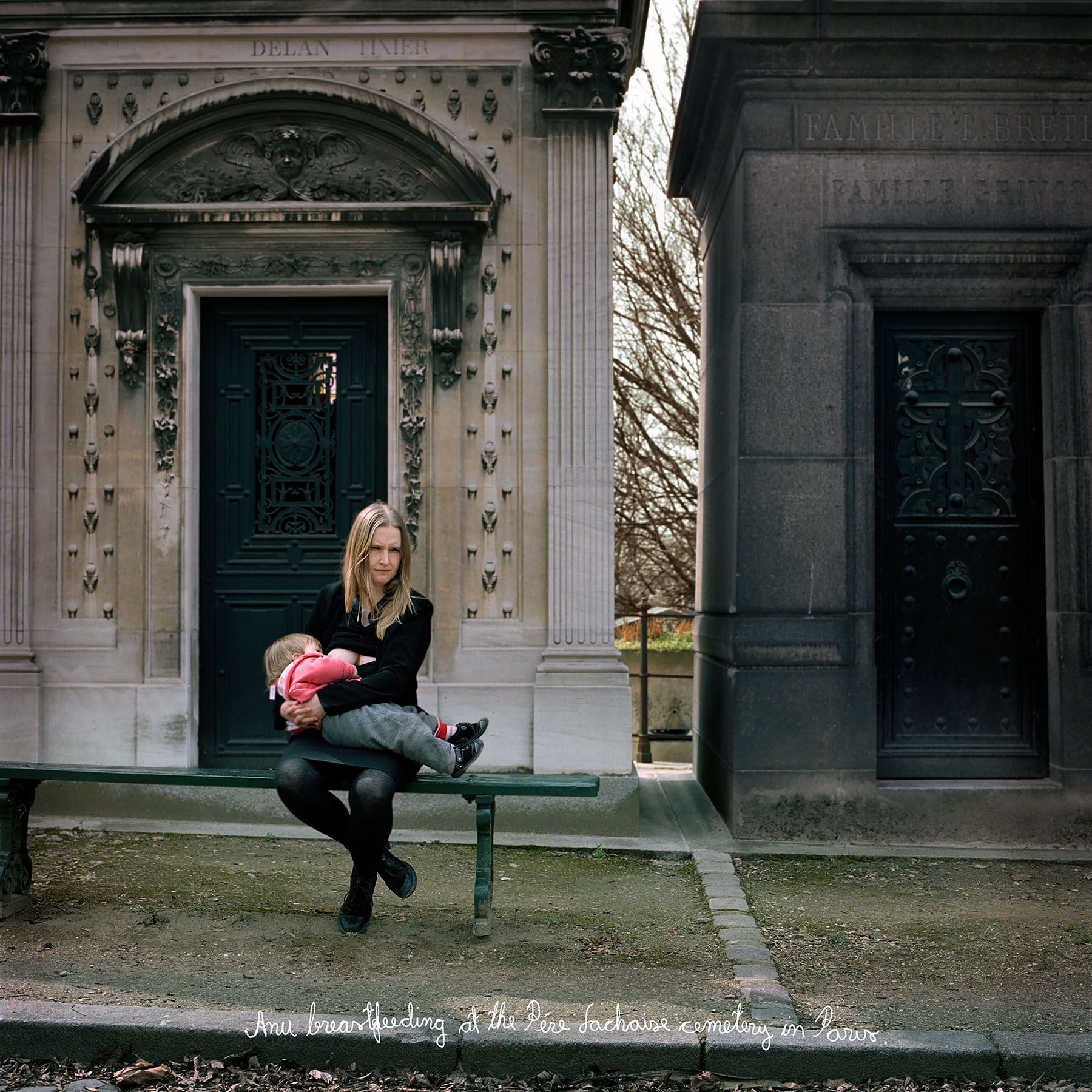
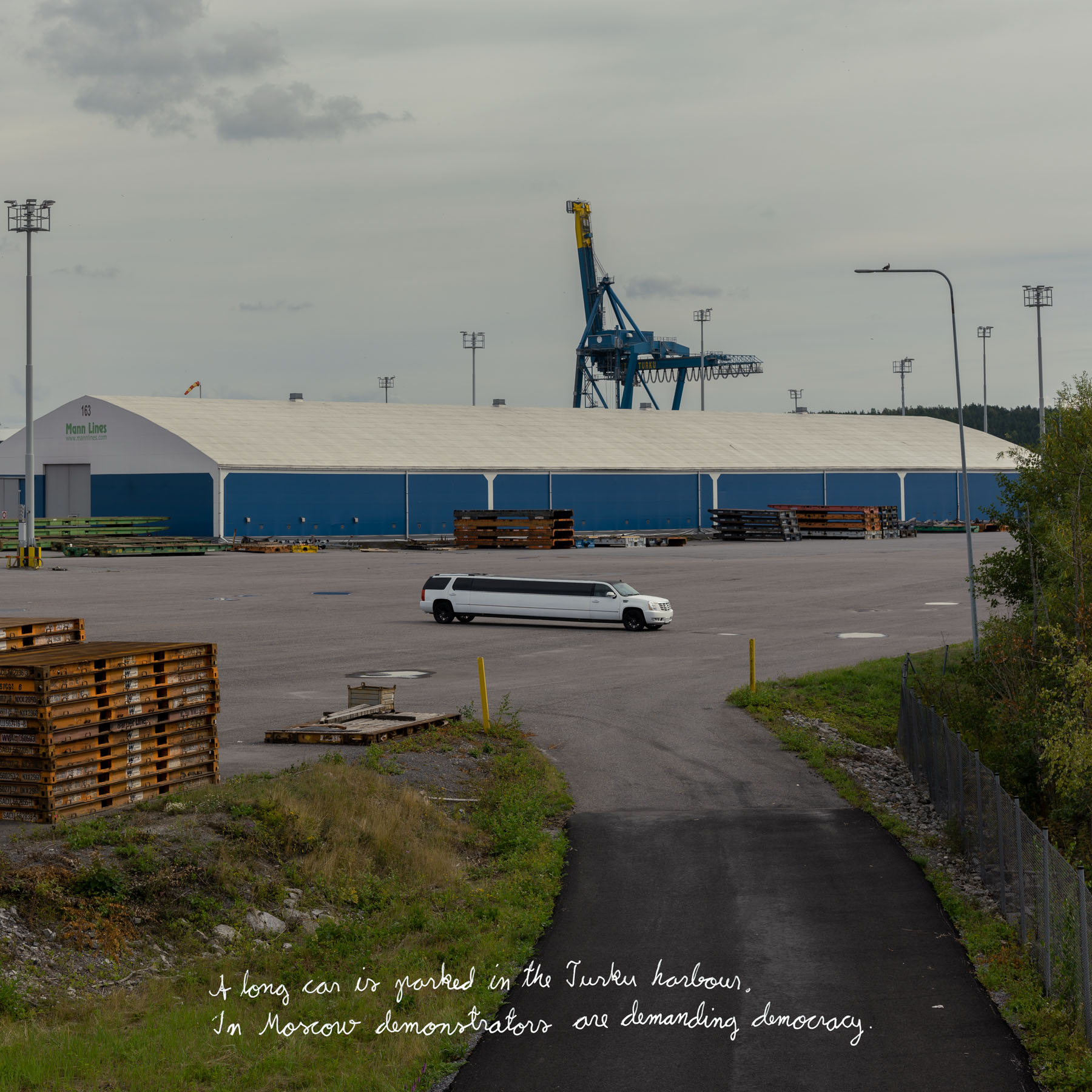
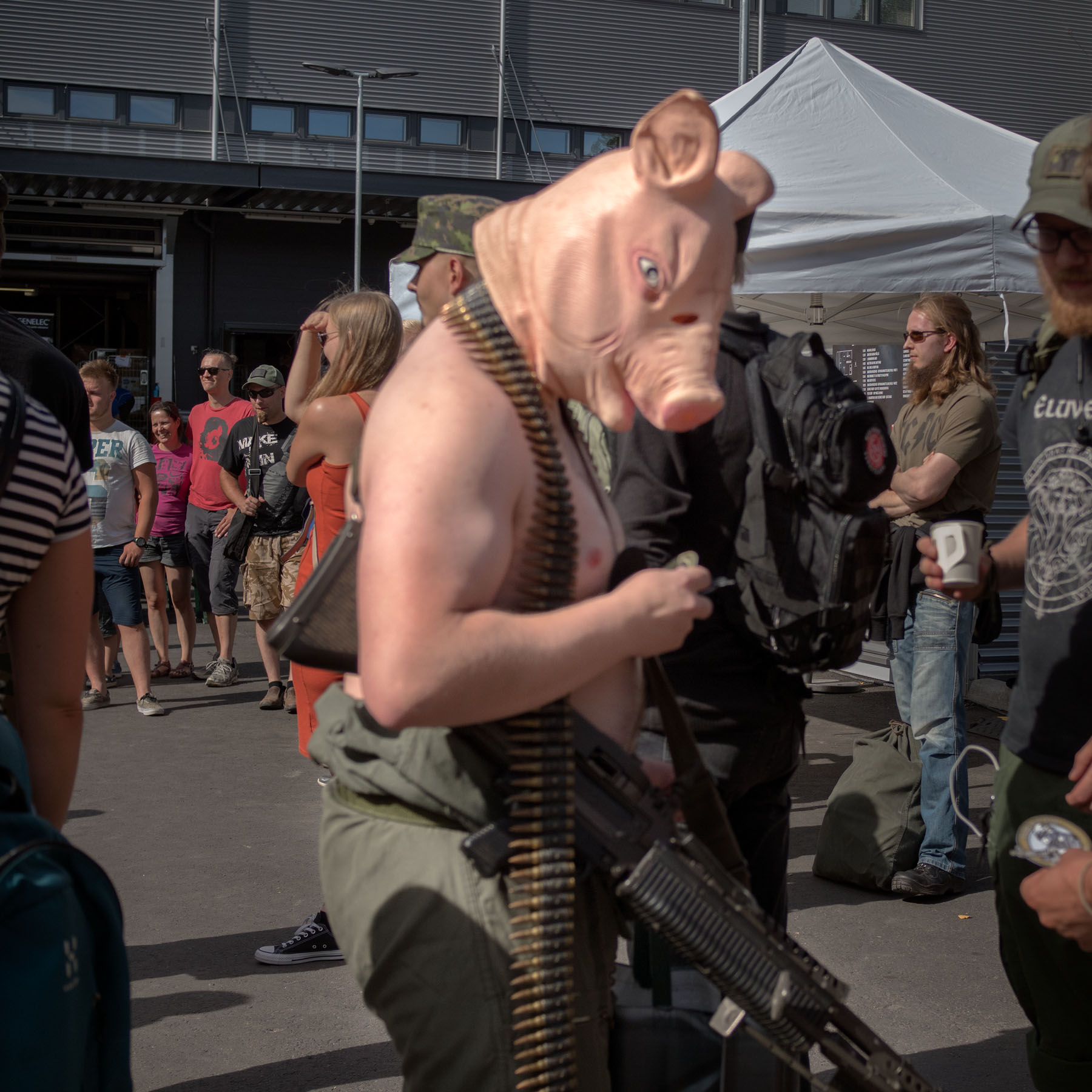
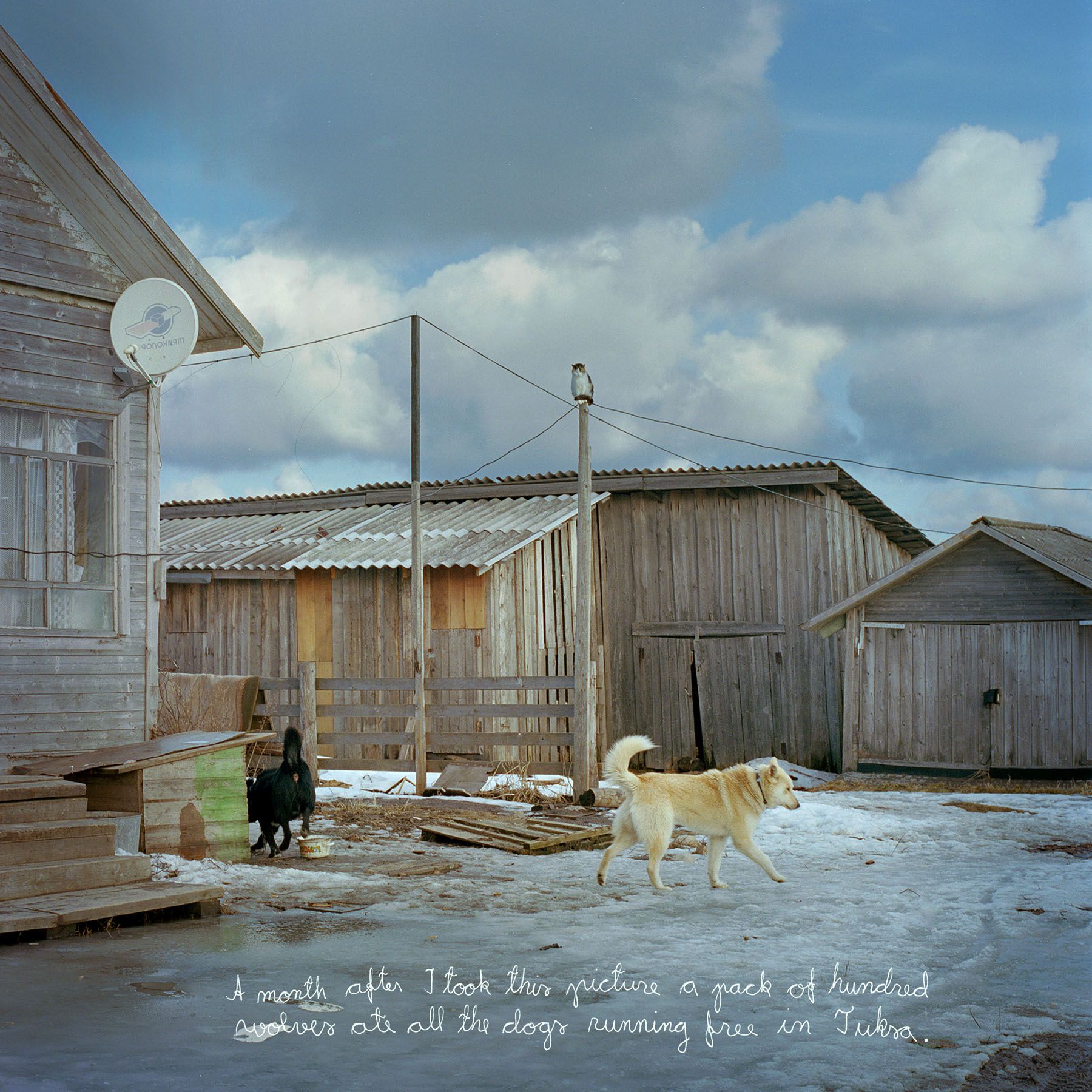
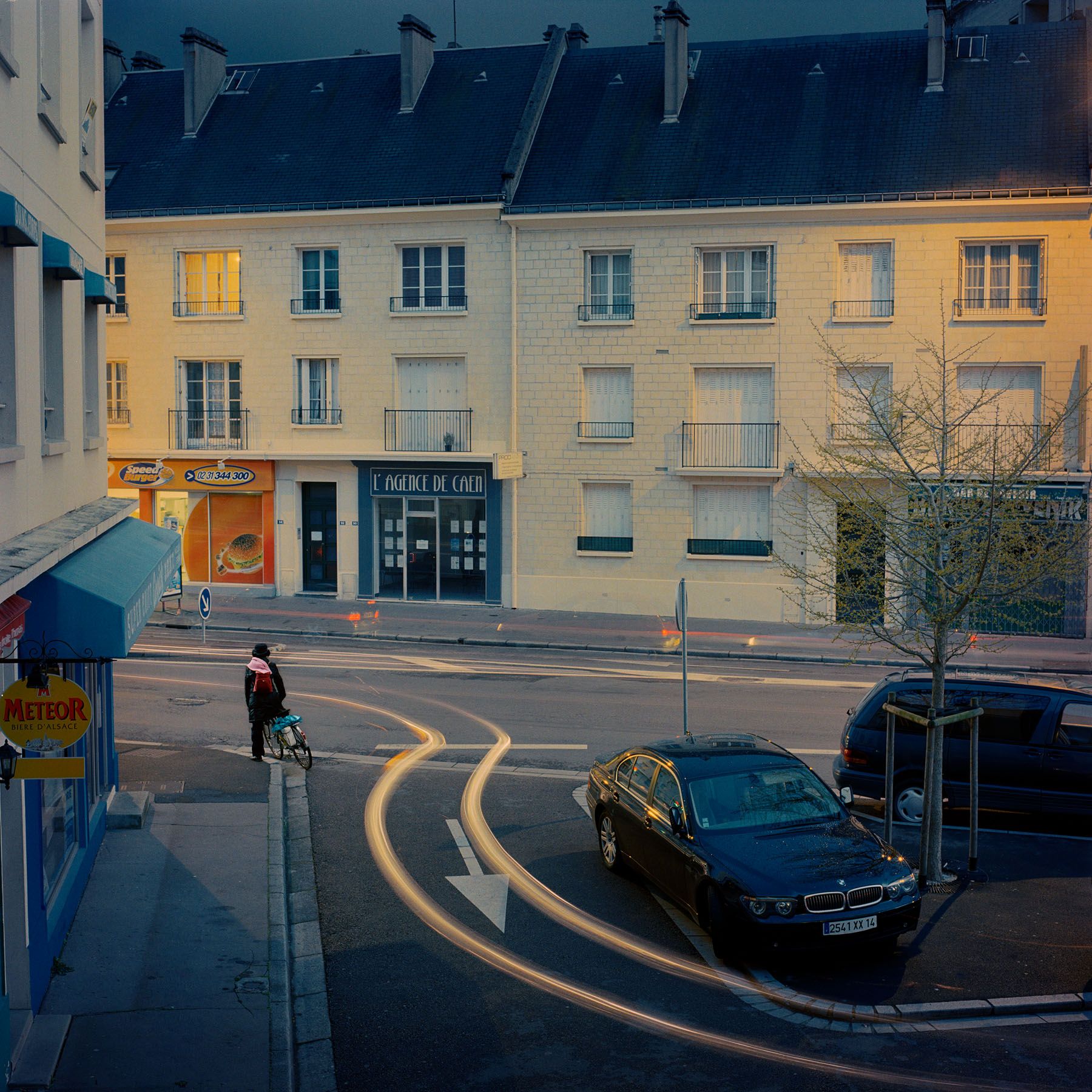
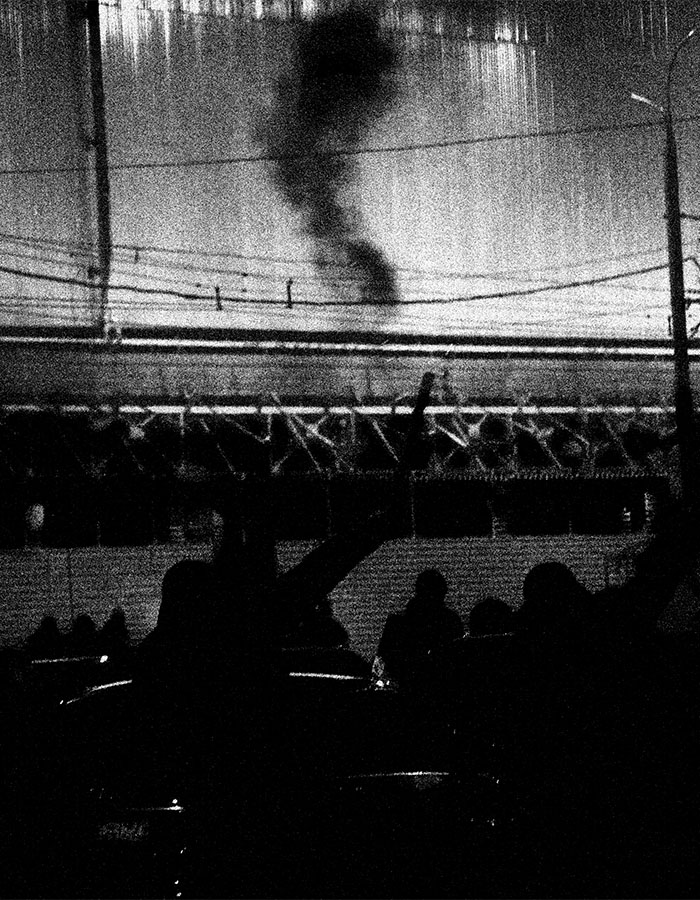
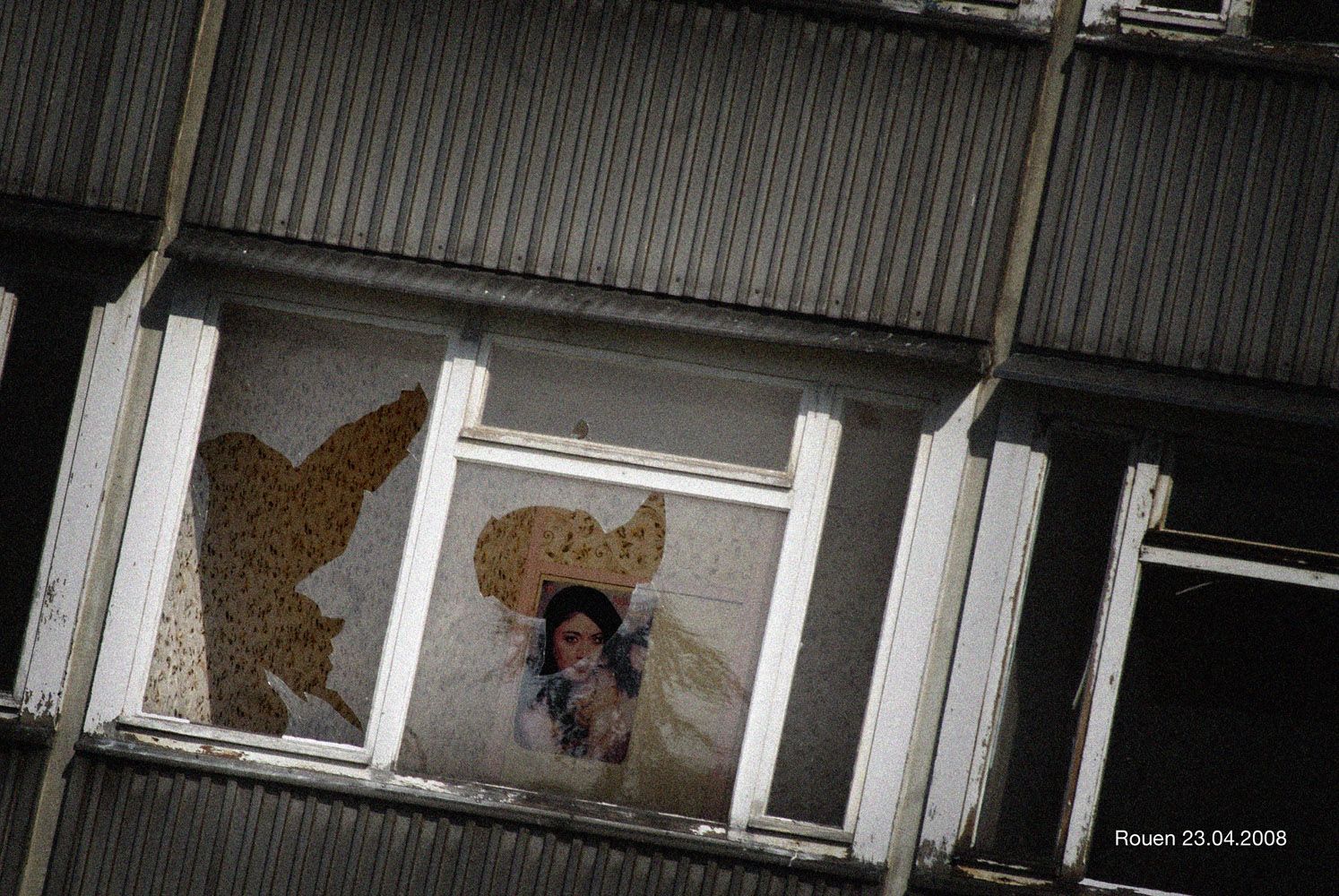
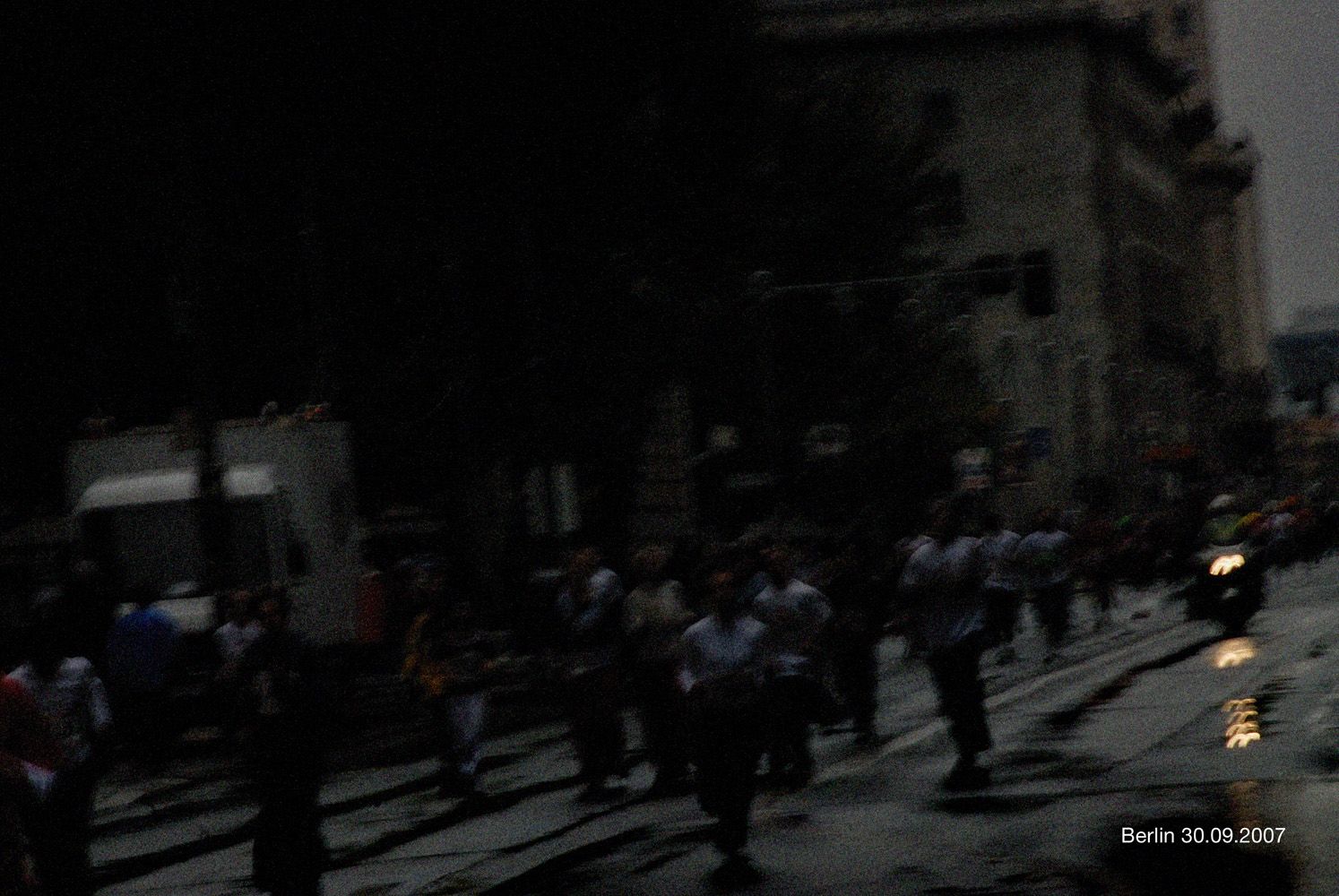
    I have photographed peaceful European cities through the aesthetics of war and violence.

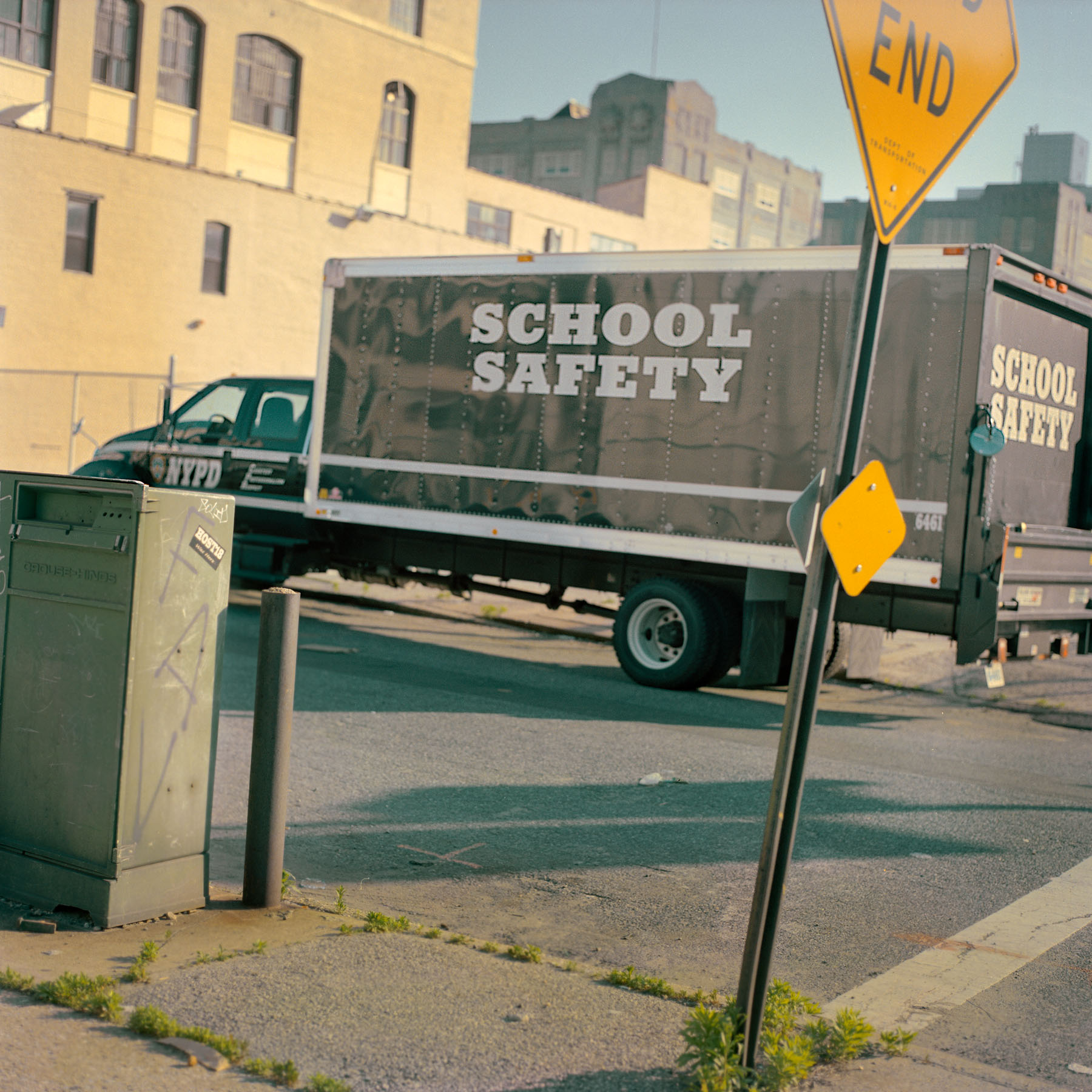
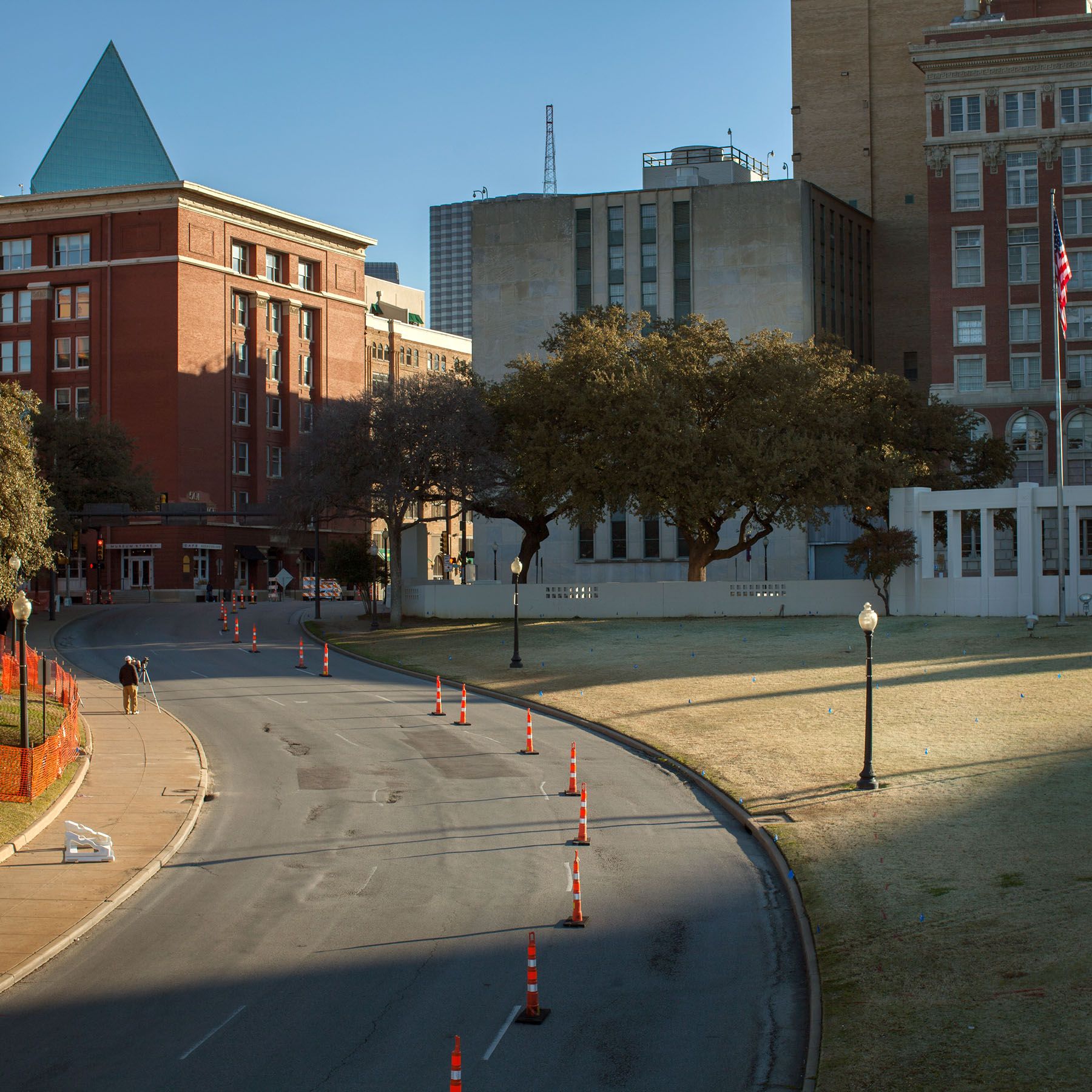
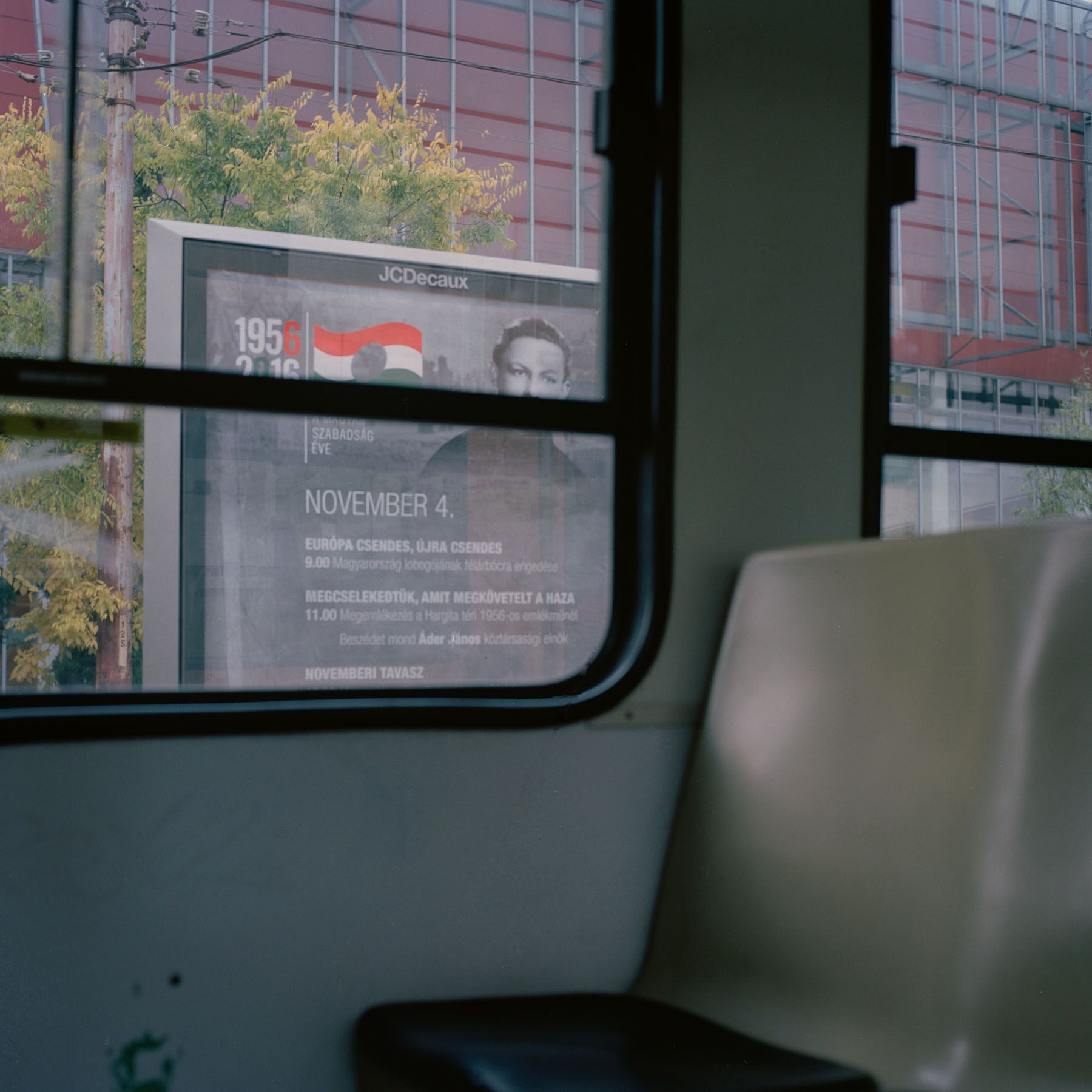
    Ordinary Towns on Ordinary Days is a photographic series depicting contemporary European cities through the visual language of war photography. In doing so, Silomäki renders ordinary, everyday situations — people, landscapes, and buildings — as though they were scenes from a war zone.


  • Personal War Stories of an Outsider

    Personal War Stories of an Outsider

    I examine the outsider’s experience of war and photography’s complex relationship to it as a documentary medium.

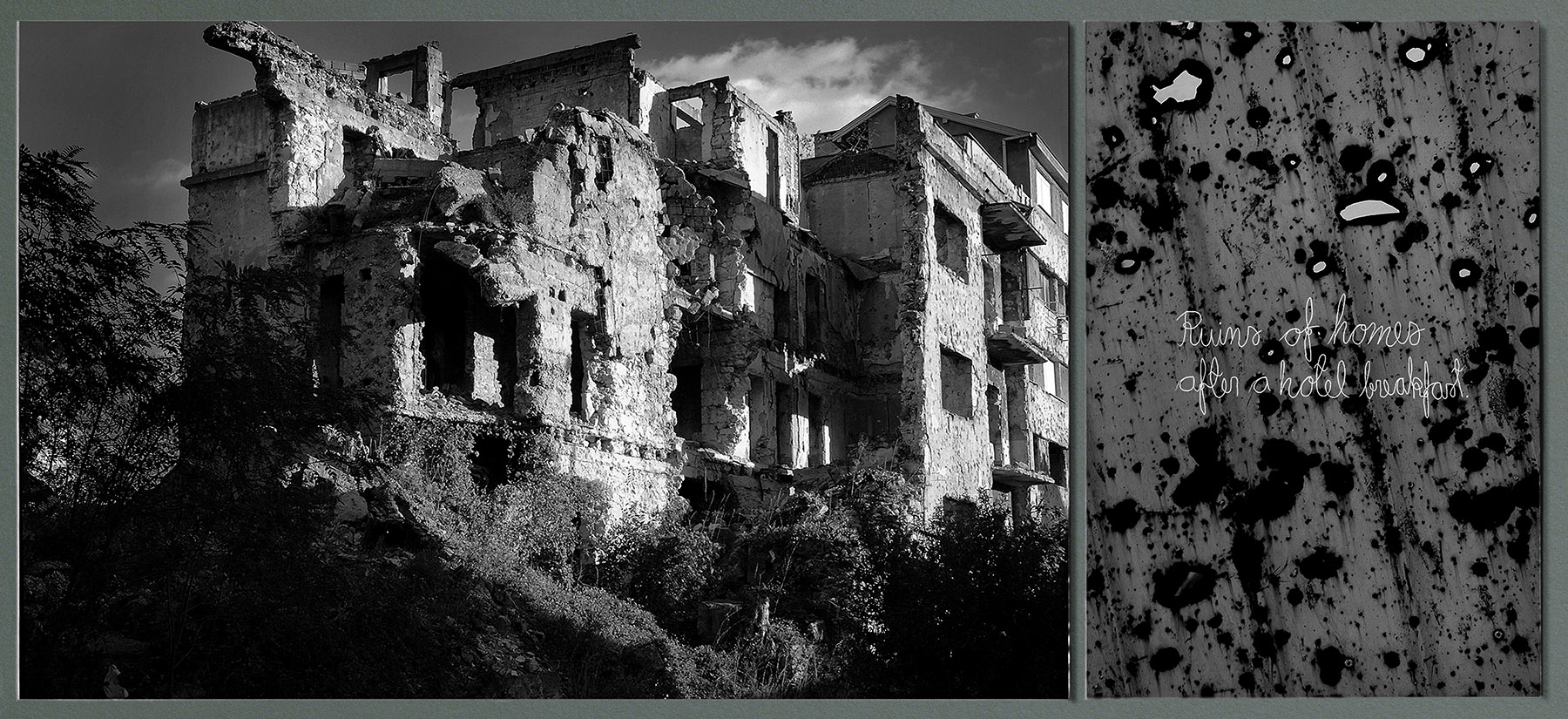
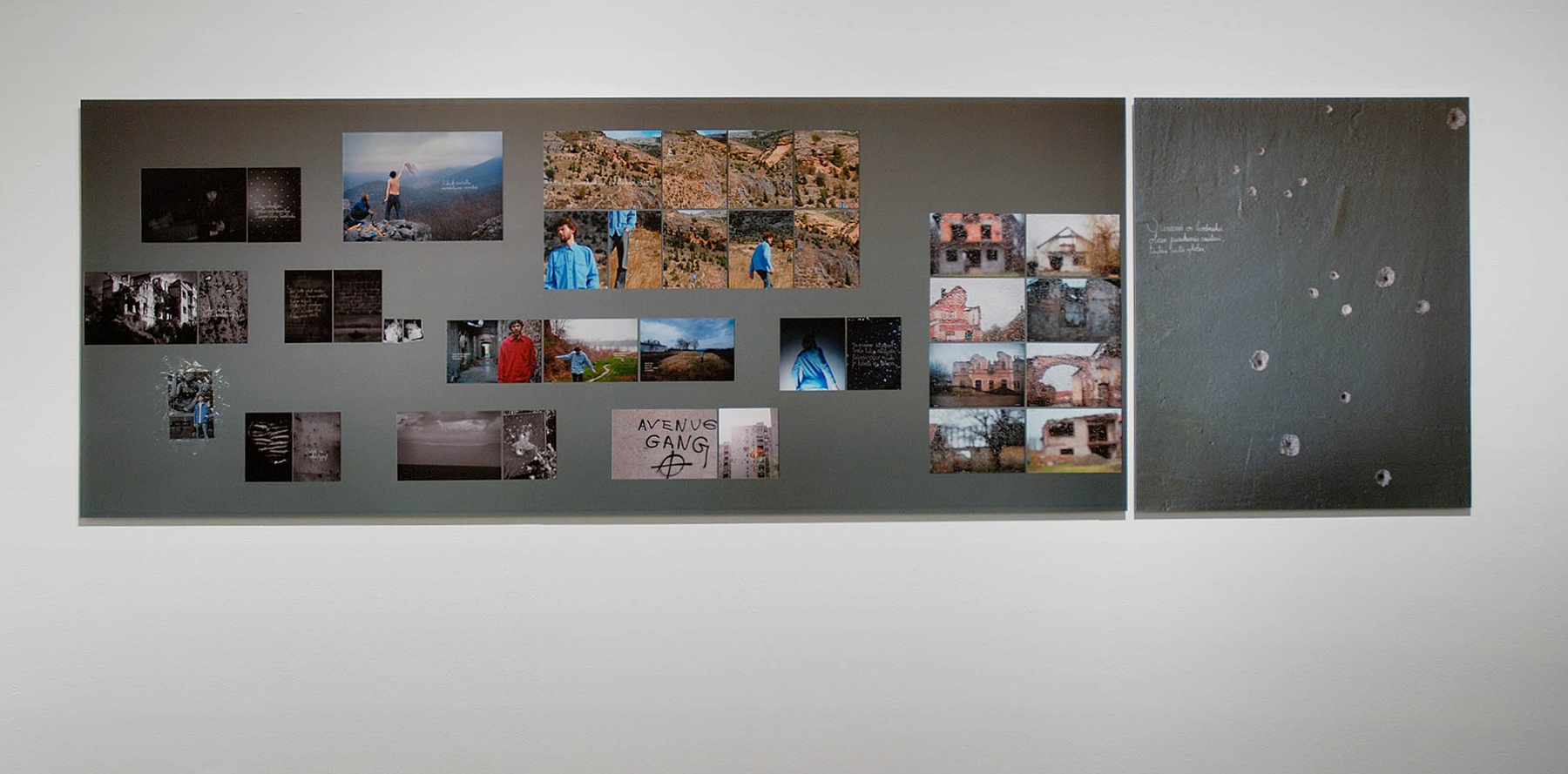
    Personal War Stories of an Outsider constitutes a collage of images through which Silomäki explores his mediated relationship to war. For him, warfare is experienced only at a distance, as he has no direct participation in it. The work thus articulates the sensibility of a generation for whom war appears geographically and experientially remote, yet simultaneously omnipresent through its incessant circulation in the media. In this way, Silomäki underscores how war imposes itself upon contemporary subjectivity, compelling individuals to confront it and to assume a position in relation to it.

    Upon closer scrutiny, the central concern of Silomäki’s practice does not lie in violence per se, but in the existential and ethical dilemmas that arise when an individual encounters realities that remain fundamentally opaque or incomprehensible. His work therefore shifts the discourse away from the spectacle of conflict towards the phenomenology of human response and the limits of understanding.

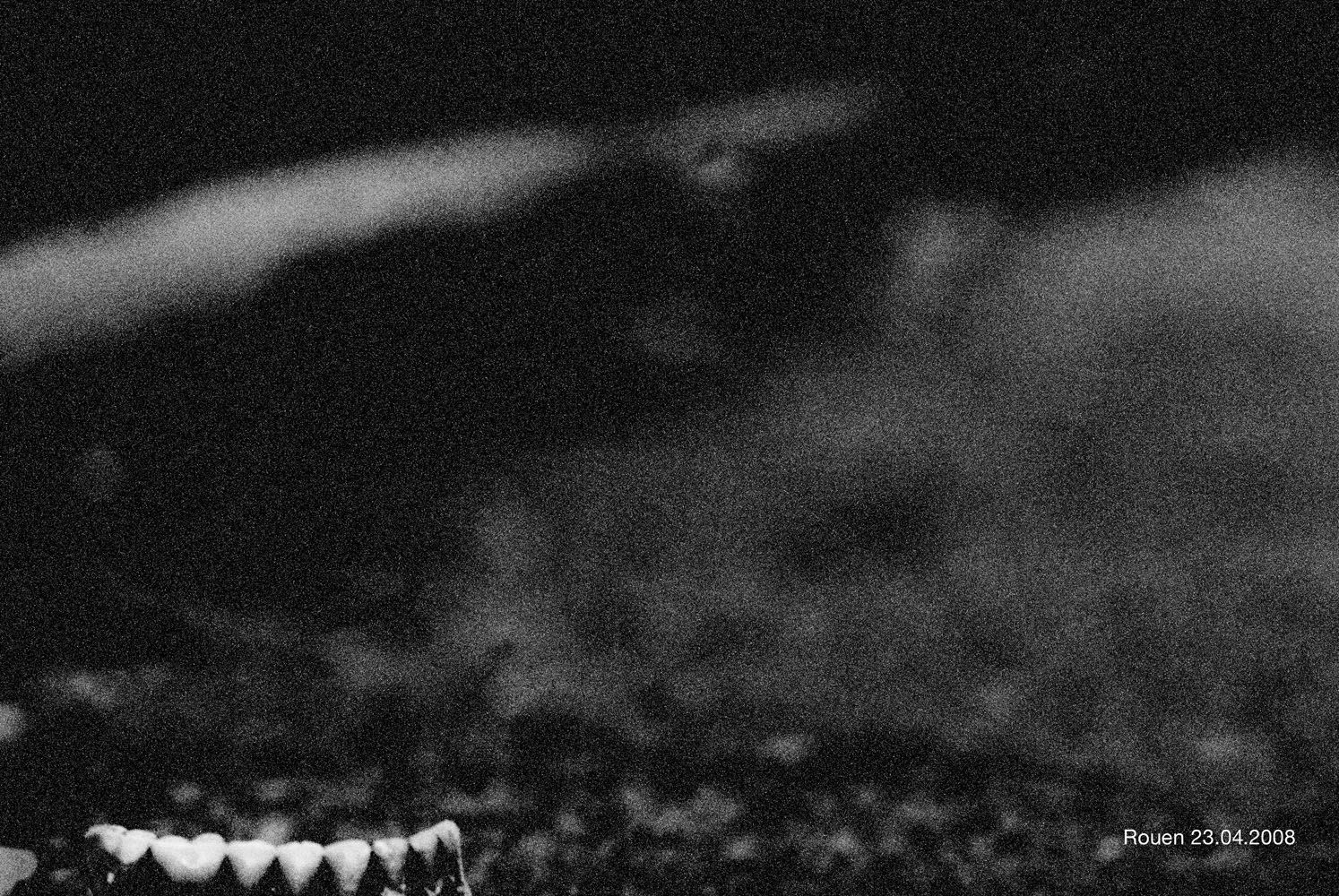
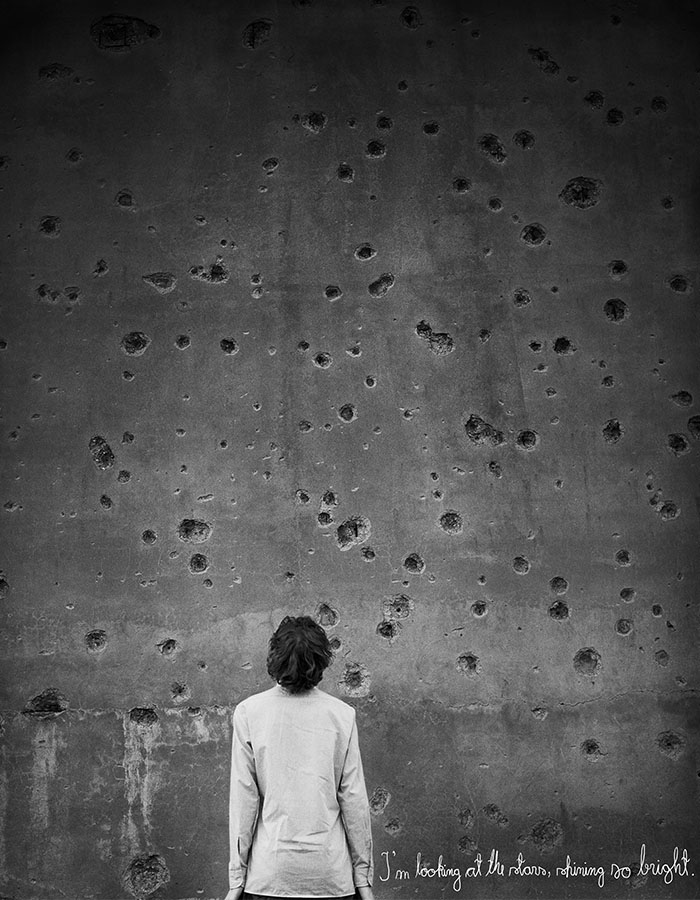
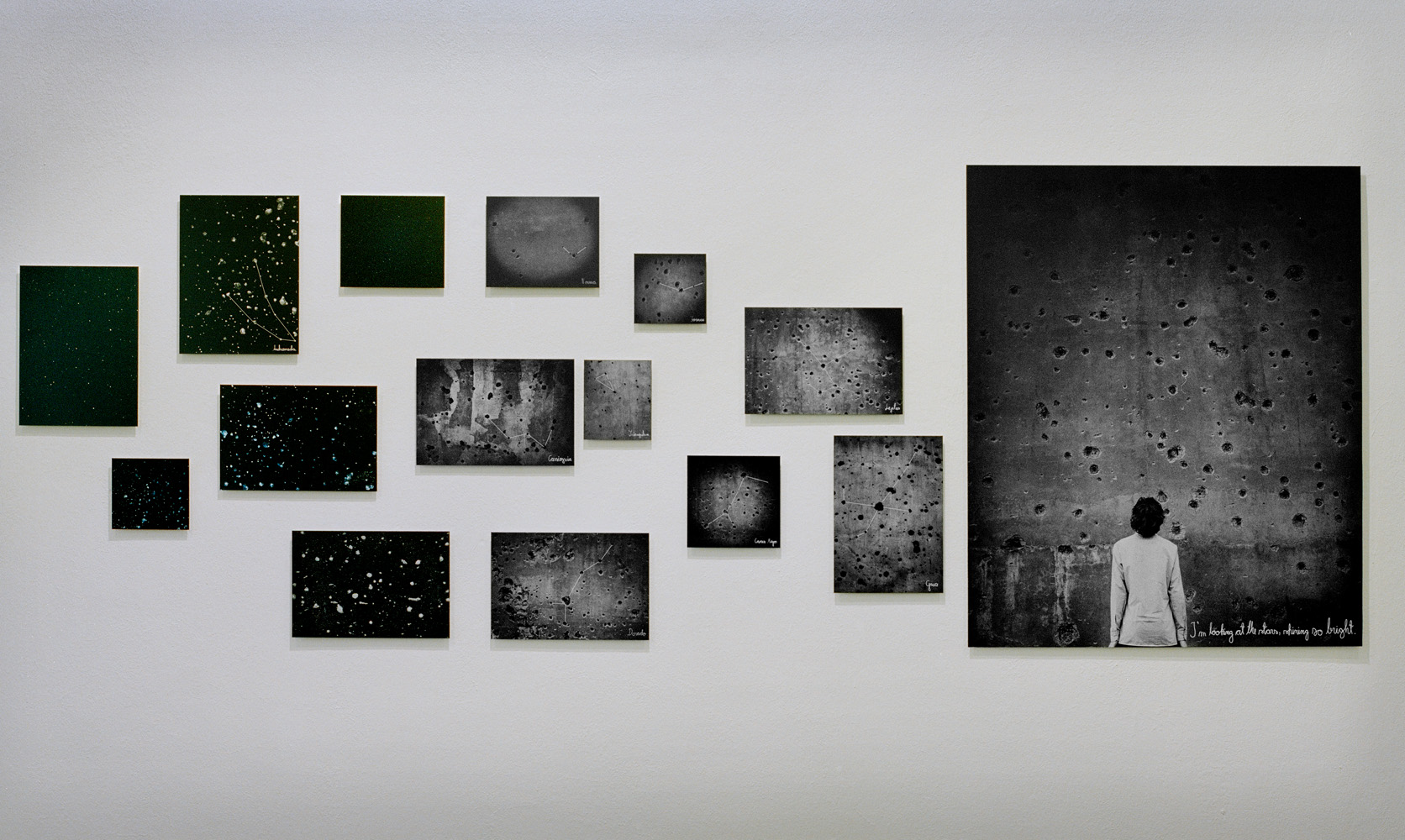
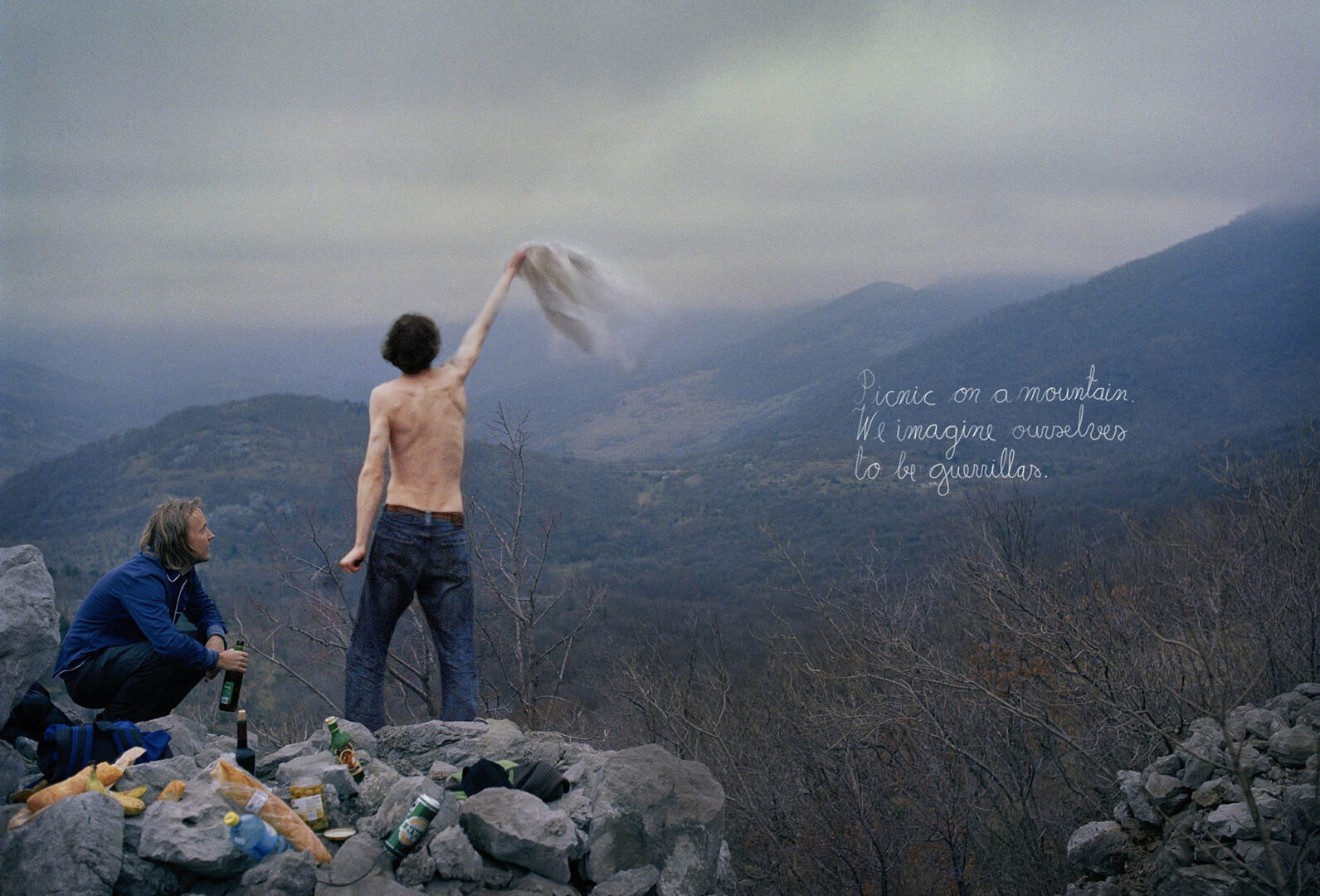
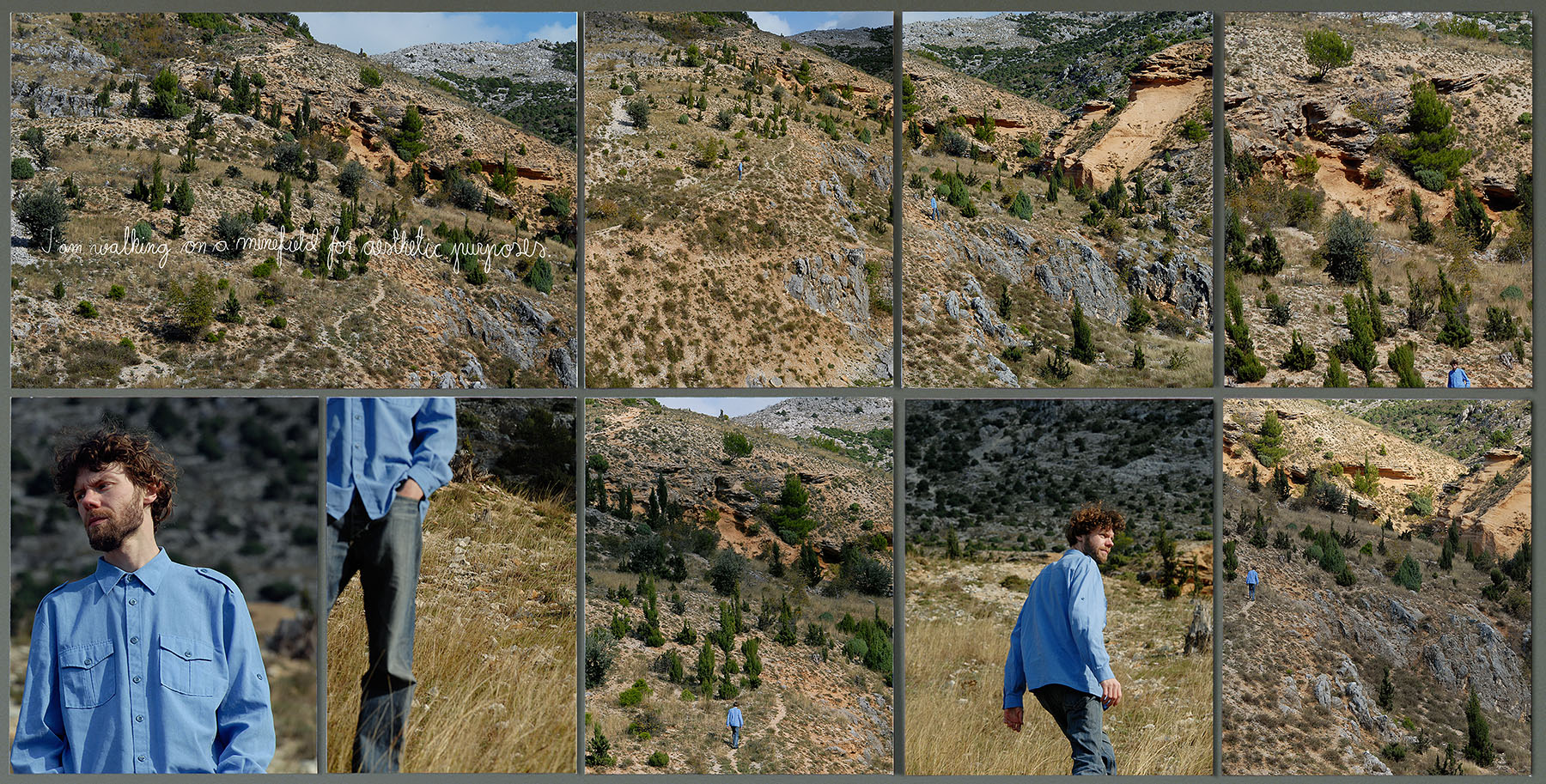
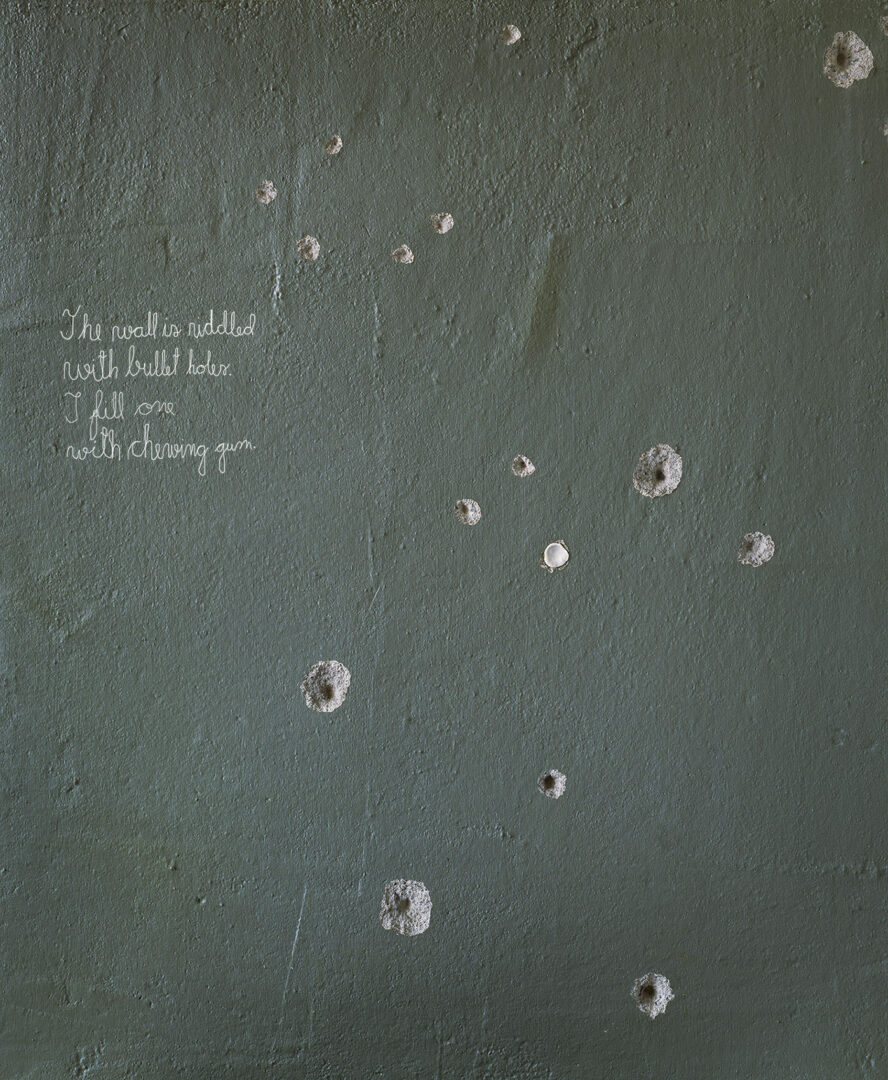
    From a formal perspective, the project unfolds in two distinct yet interrelated sequences. In the first, Silomäki photographs the night sky and bullet-scarred walls in war zones, tracing imagined constellations in the perforations left by gunfire. This gesture transforms the residue of violence into a cosmological field, suggesting both fragility and transcendence. In the second sequence, the artist himself appears before the viewer, revealing his face and entering the scene only after the violence has subsided. These images evoke a sense of theatricality, as Silomäki inhabits the settings as though they were cinematic or Hollywood stage sets. This strategy situates the work within the broader discourse of post-documentary practice. While grounded in the evidentiary traces of conflict, the images foreground mediation, staging, and fictionality. Rather than offering transparent testimony, Silomäki interrogates the very conditions under which war can be represented, thereby complicating the viewer’s expectations of photography as a documentary medium.


    Installation view, Galleria Galica, Milan, Italy.

    Picnic on a mountain.
    We imagine ourselves
    to be guerrillas.

    I am walking on a minefield for aesthetic purposes.

    Ruins of homes
    after hotel breakfast.

    The wall is riddled
    with bullet holes.
    I fell one
    with chewing gum.

    Installation view, Galleria Galica, Milan, Italy.

  • Room With a View

    Room With a View

    I have collected letters written by anonymous individuals at pivotal moments of the twentieth century.

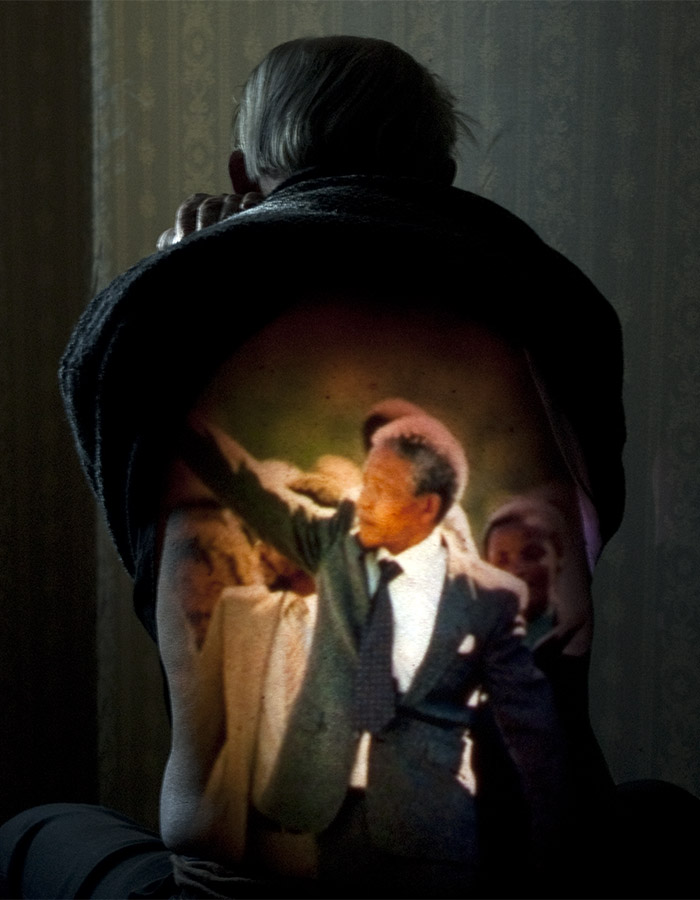
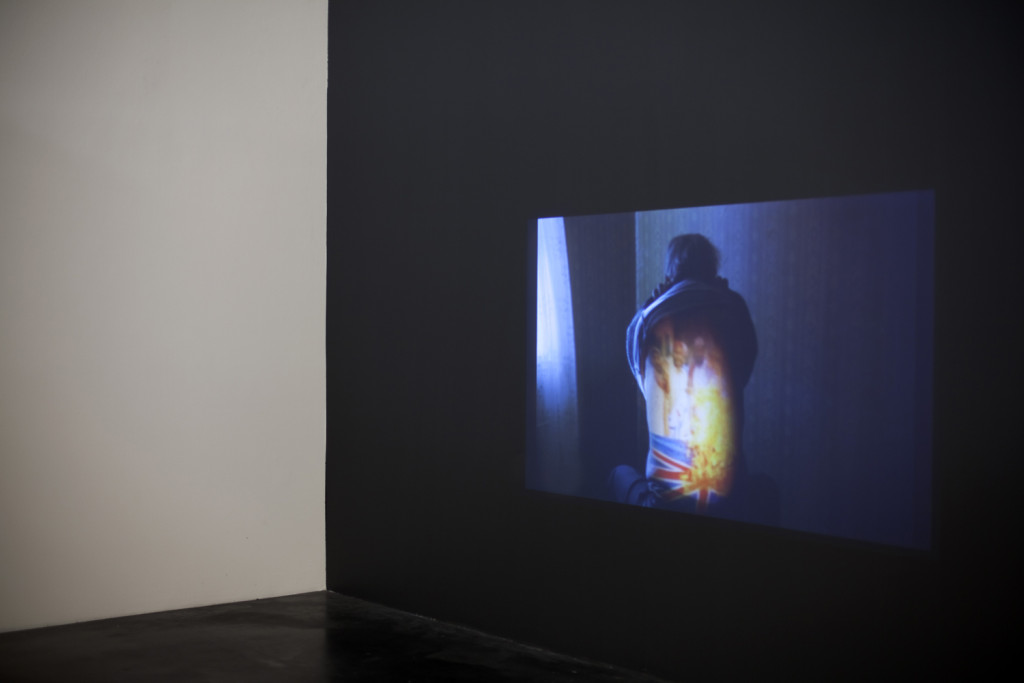
    One of the central themes in Jari Silomäki’s art is the position of the individual within the history of his or her own time. For this work, he gathered texts written by anonymous individuals at moments of major historical significance, including the assassination of Franz Ferdinand, Kristallnacht, the Cuban Missile Crisis, Neil Armstrong’s landing on the Moon, the fall of the Berlin Wall, and September 11. Alongside the textual collage, the installation also includes a 16 mm film featuring iconic images from twentieth- century history, projected onto the bare, hunched back of an elderly man.


    The U-2 reconnaissance flight revealed that the Soviet Union was constructing missile bases in Cuba. The world stood on the brink of nuclear war. Sirkka wrote:
    “There is my darling, over there / beyond the ocean. Oh, why don’t you come, oh woe / I knew that you’d go, oh oh oh.”

    The uprising began in the Warsaw Ghetto. On the same day, Viljo cursed the authorities:
    “They took away my higher benefits category. I’m getting a medical certificate about my heart condition. They have to pay me my benefits. No way will I eat this mess they keep offering, not even if I have to pawn all my things to pay for it.”“The east wind is getting cold. I must start wearing the fur hat soon. Tapani has a slight cough—that is to say, he coughs sometimes, not always, at night. Spent the weekend in Järvenpää. I left on Saturday morning at eleven and returned on Sunday at half past five in the evening. Closed my eyes. No news, no new developments.”

    Juan Perón was overthrown in Argentina. Helmi finished a postcard to her friend, writing:
    “The apples have grown big and there are lots of them, also on the wild apple tree.”

    Two Palestinian terrorists hijacked a Lufthansa Boeing 727 en route from Damascus to Frankfurt. Eila wrote:
    “The east wind is getting cold. I must start wearing the fur hat soon. Tapani has a slight cough—that is to say, he coughs sometimes, not always, at night. Spent the weekend in Järvenpää. I left on Saturday morning at eleven and returned on Sunday at half past five in the evening. Closed my eyes. No news, no new developments.”

    John F. Kennedy was assassinated in Dallas. On the same day, Aatto wrote:
    “I’m surprised myself to be alive. But this depends (damn it all) on many things… My Danish (heart symbol) left last Saturday (tear symbol). Tristesse… You see, everything got OK before she left, I suppose. Wa-wa-woom, boy, we really had some fantastic nights…”

    Soviet tanks rolled through the streets of Prague. At the same time, Eila wrote:
    “I haven’t done any gardening even though it is autumn, and likely will not be doing anything. I don’t know if it is better to sell the house and then find a flat, or to try and exchange it. A boatload of big questions for me to think over.”

    Demonstrations against Slobodan Milošević broke out in Belgrade. On that day, Vappu sent a postcard from the USA:
    “Dear mother, I’m writing from this side of the border for a change. We are in Nevada, at a state park campsite. It is free, so there is no telephone here. It is thirteen miles to the nearest village to post this. John will take the postcard there (by moped).”

    Nelson Mandela delivered his I Am Prepared to Die speech at the beginning of the Rivonia Trial. On that day, Liisa wrote:
    “I wear the new hat and have gotten used to it. The girl is fine now. I don’t need anything to sweeten my coffee. The girl went to the eye doctor. Don’t need glasses.”

    The Battle of Belleau Wood took place during the First World War. On the same day, Wilho attached a note:
    “If you have strong work-cart wheels with axles, I ask you to dispatch one to me on my account.”

    Japanese troops took Manila. On that day, Aino wrote:
    “A healthy girl was born near two in the morning, so Kaarina is now a big sister — she is exactly three years and five months older than the new daughter. It was a happy reunion.”


    Installation view, Gallery Korjaamo, Helsinki, Finland

    16 mm film
    Duration: 8 min 46 sec
    Sound & design: Joni Virtanen
    Camera operator: Veli Granö
    Cast: Esko Puustinen

  • Rehearsals for Adulthood

    Rehearsals for Adulthood

    An autofictional study of youthful uncertainty, using photography as a tool for self-discovery.

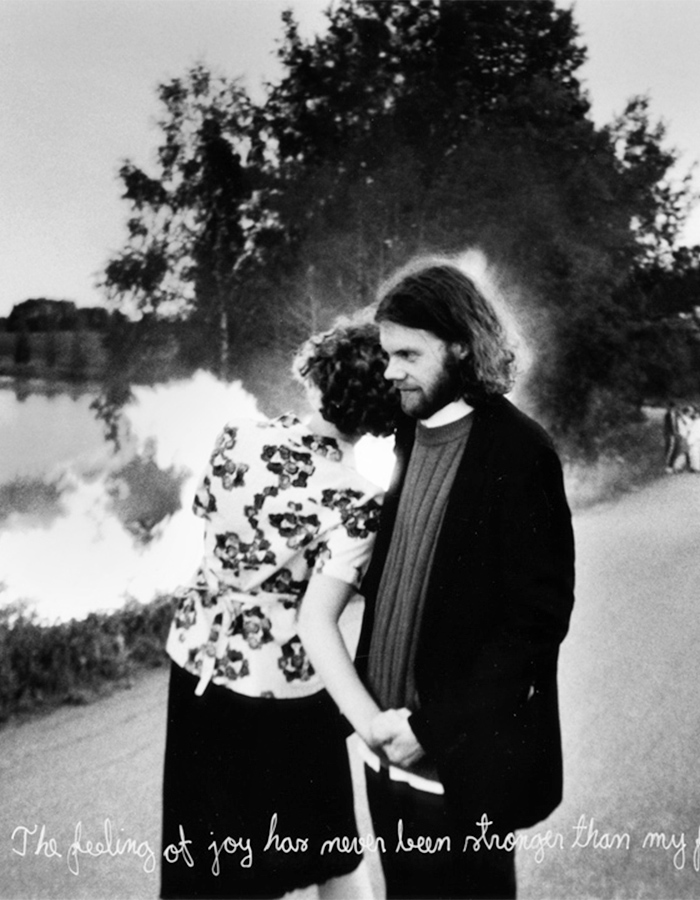
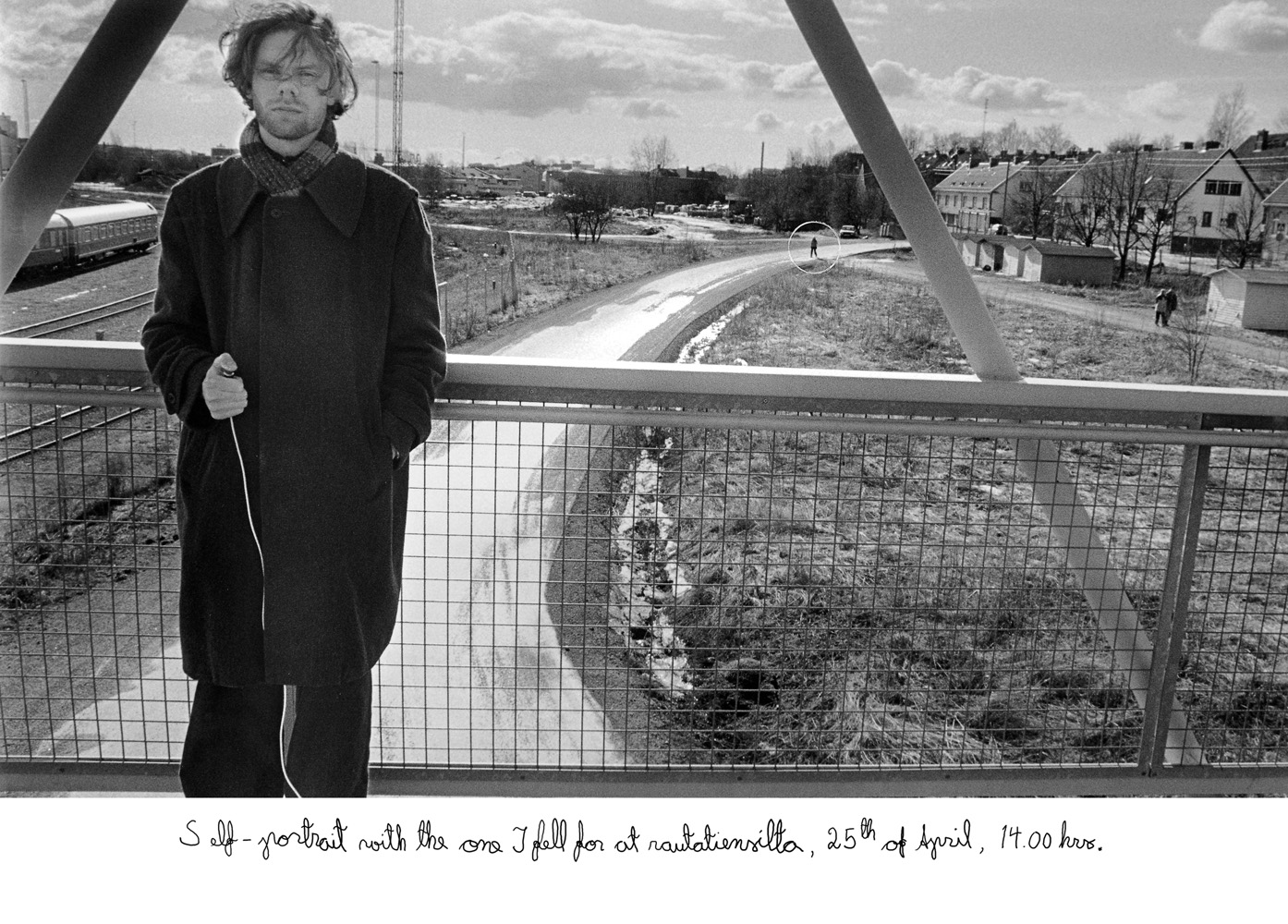
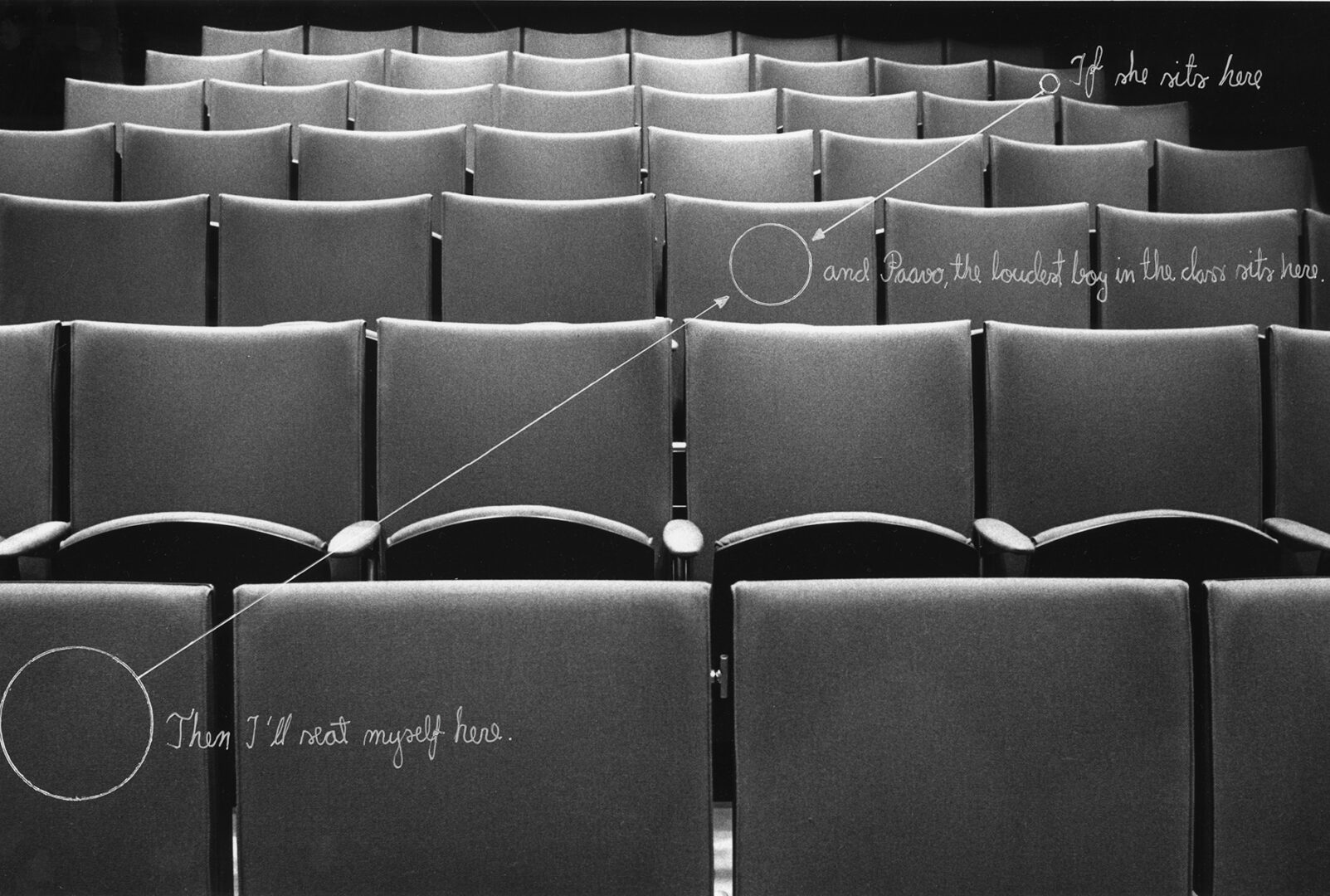
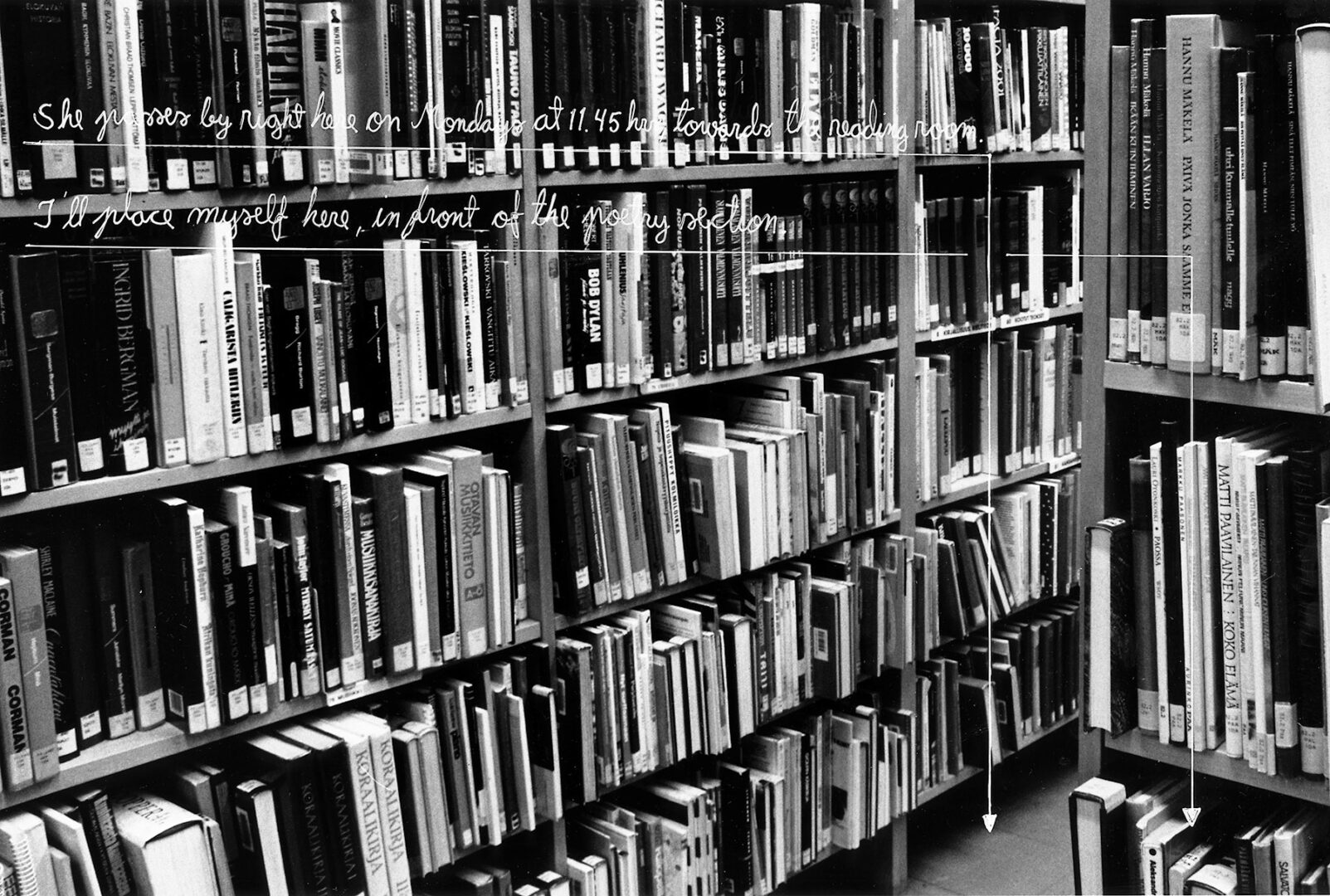
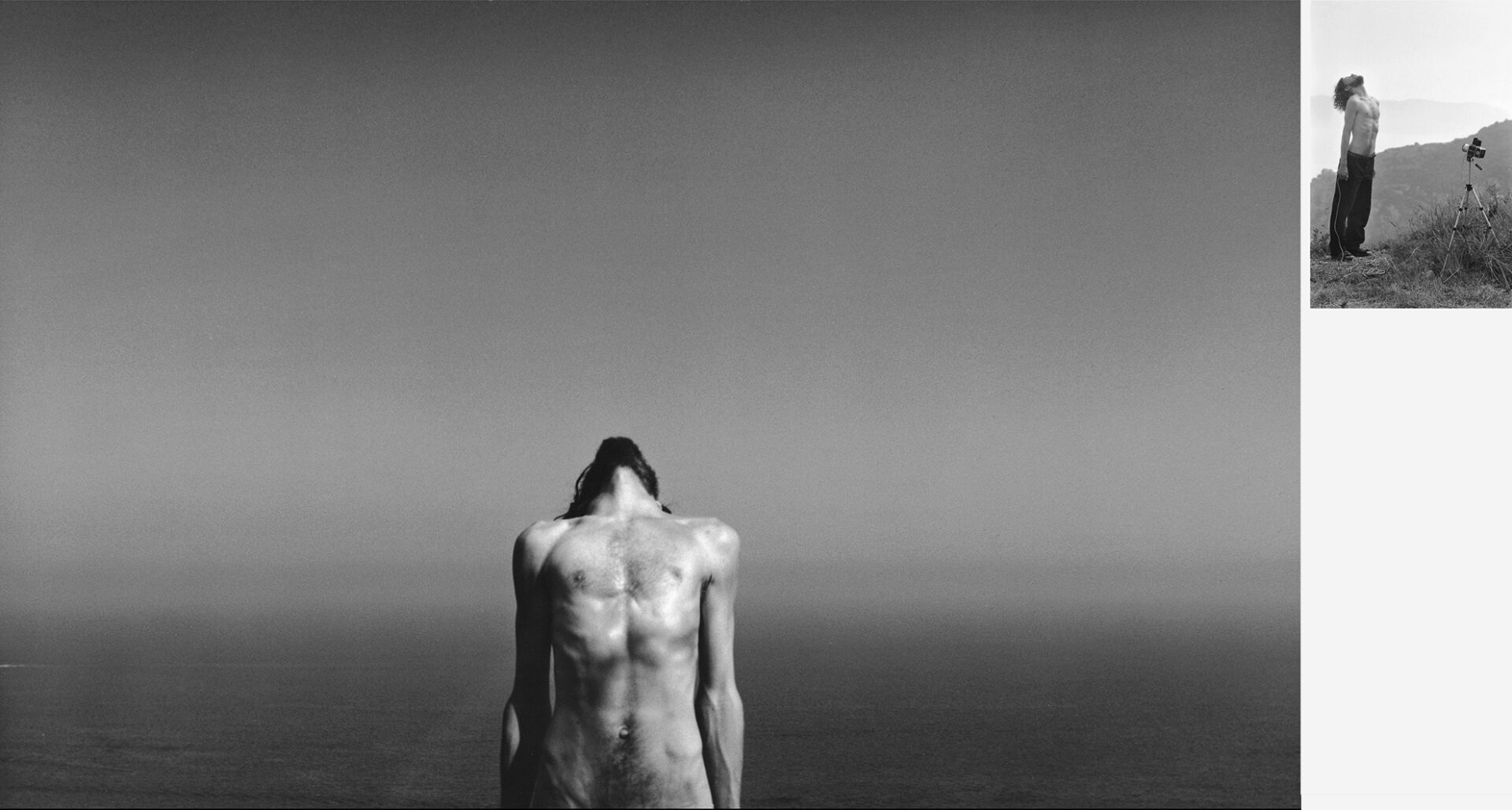
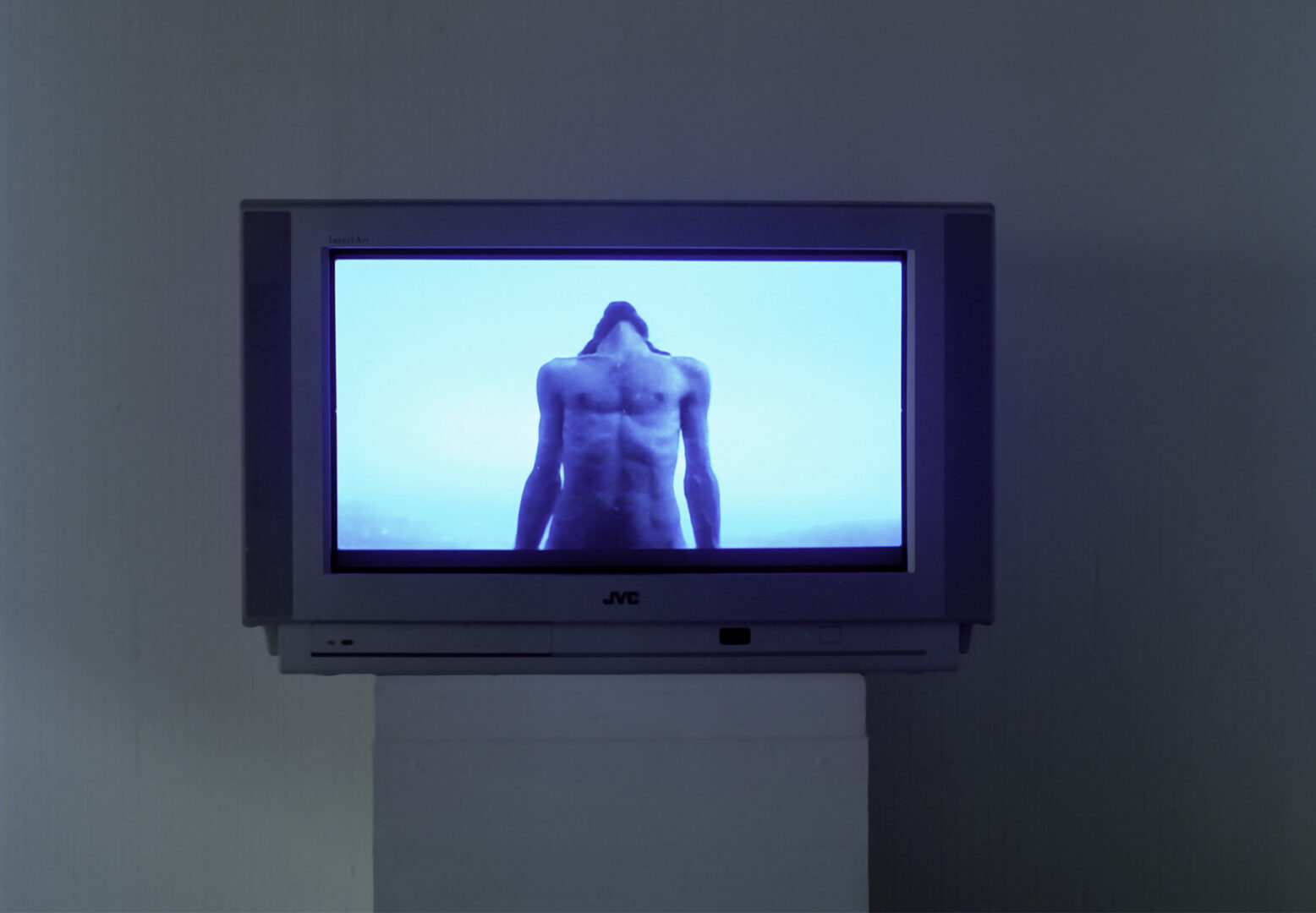
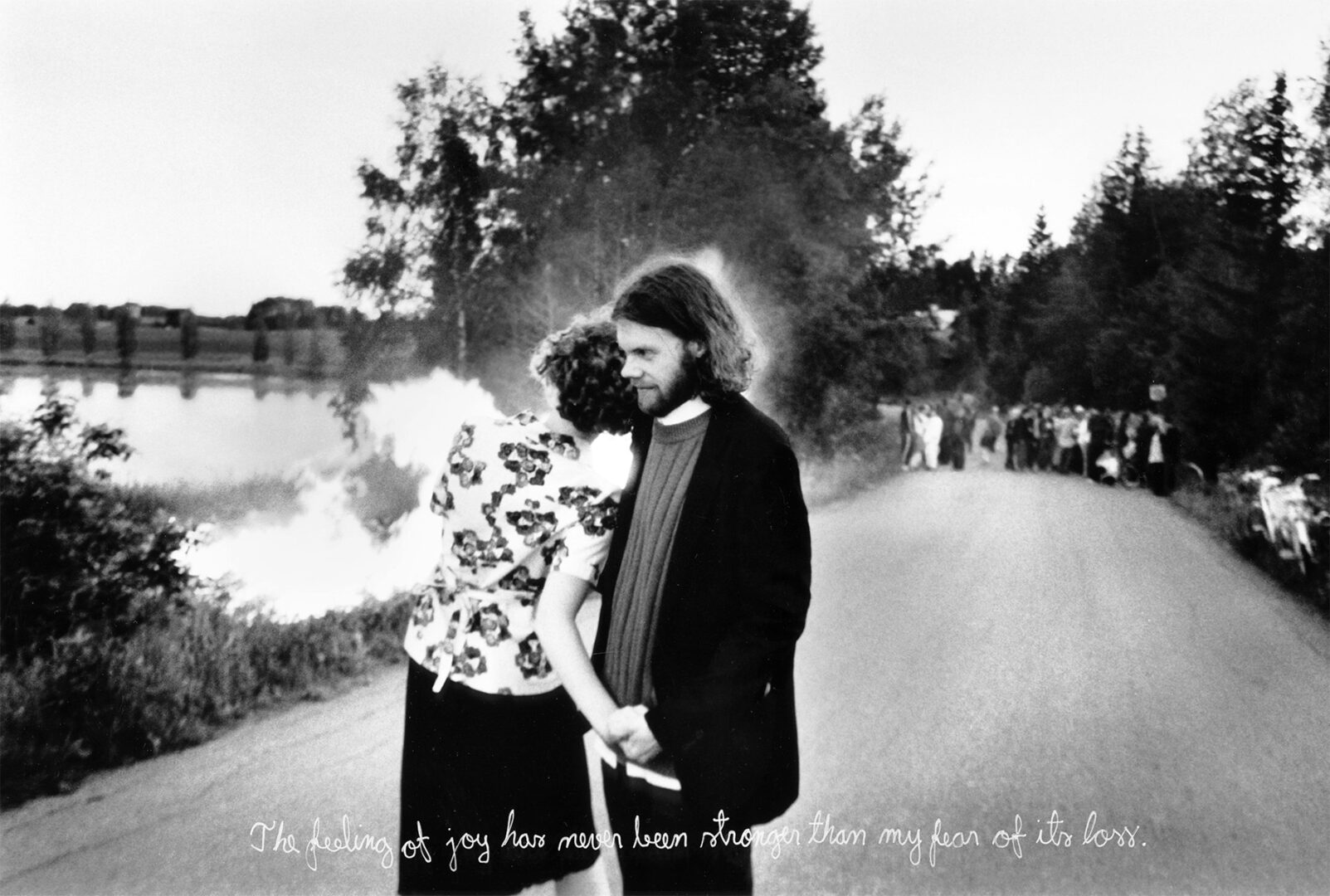
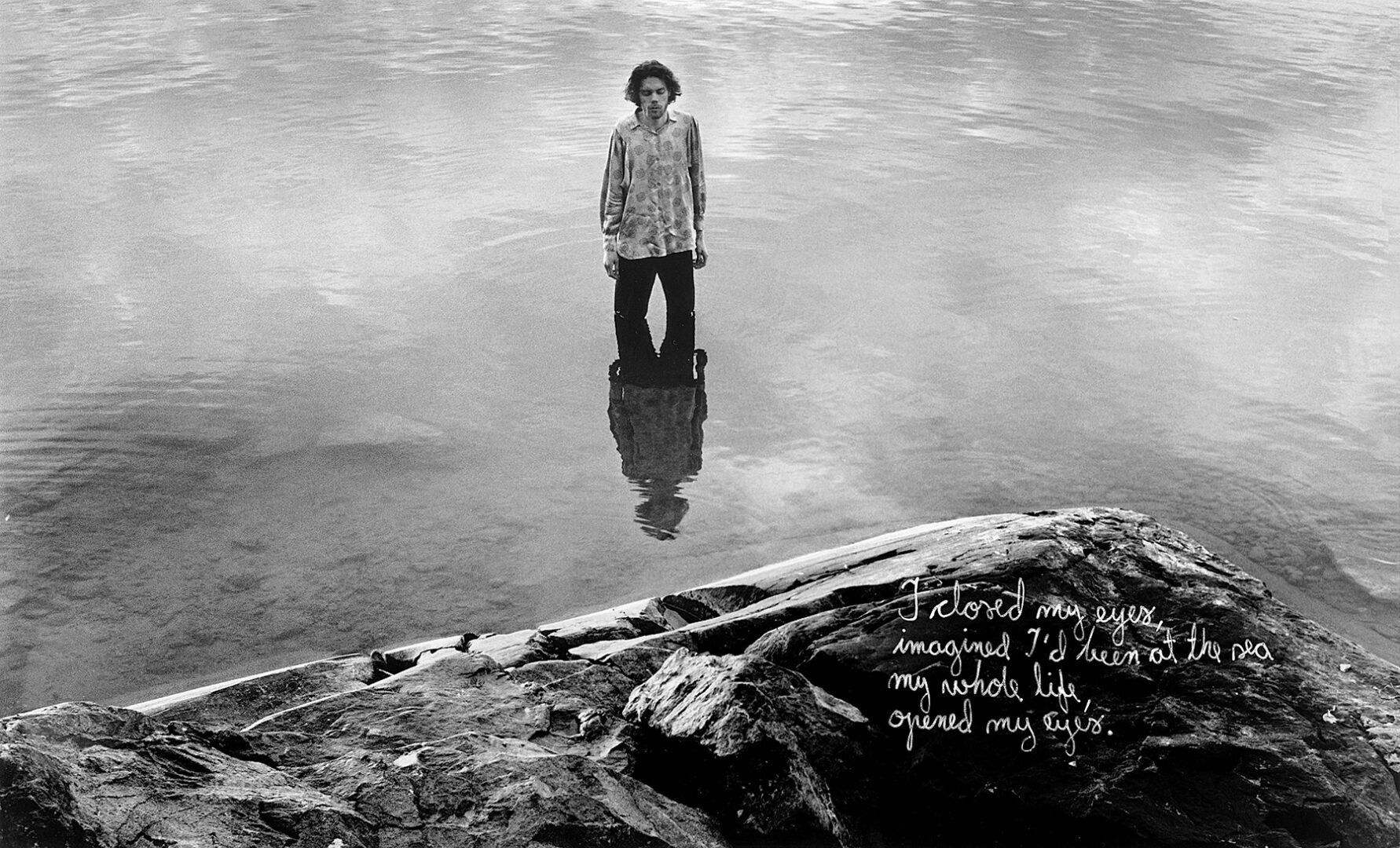
    Rehearsals for Adulthood is a photographic essay that examines the painful process of growing up, in which a young man’s struggle with ideology, identity, and corporeality forms the central narrative. Silomäki weaves personal experiences, memories, and imagination into a visual narration that recalls the narrative structures of literature and cinema. His work belongs to the post-documentary tradition of photography, where documentary, fiction, and personal storytelling intersect. At the same time, by recounting the emotional textures of everyday life from a male perspective, Silomäki unsettles the conventional foundations of masculine artistic expression.


    If she sits here
    and Paavo, the loudest boy in the class sits here.
    Then I’ll seat myself here.

    She passes by right here on Monday at 11.45hrs towards the reading room.
    I’ll place myself here, in front of the poetry section.

    The Dreamer, after Man Ray

    The feeling of joy has never been stronger that my fear of its loss.

    I closed my eyes
    imagine I’d been at the sea
    my hole life,
    opened my eyes.

    Installation view, Kluuvi Gallery, Helsinki, FI.

  • She Cannot Wear Red

    She Cannot Wear Red

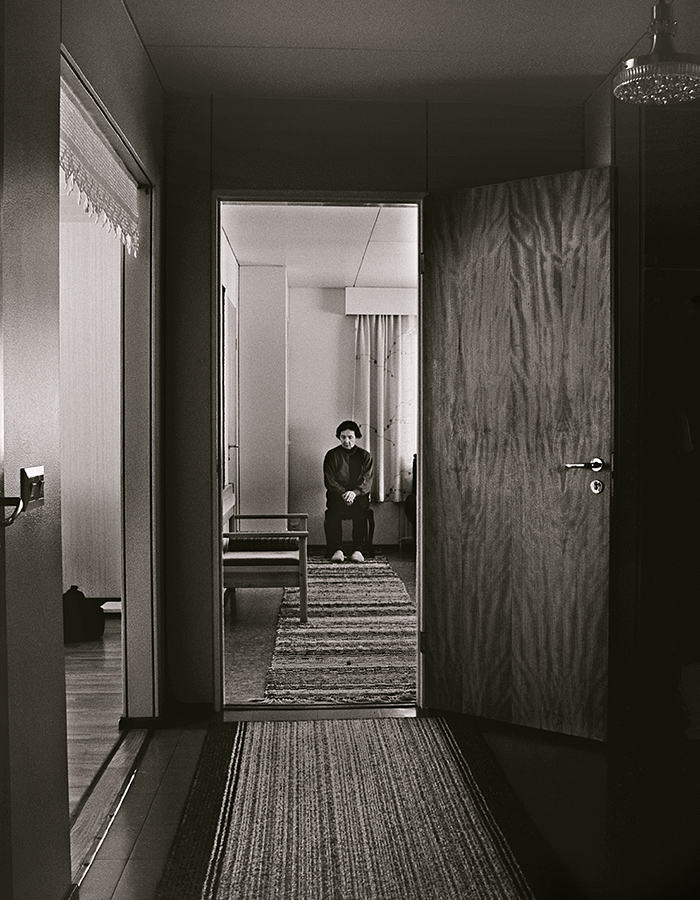
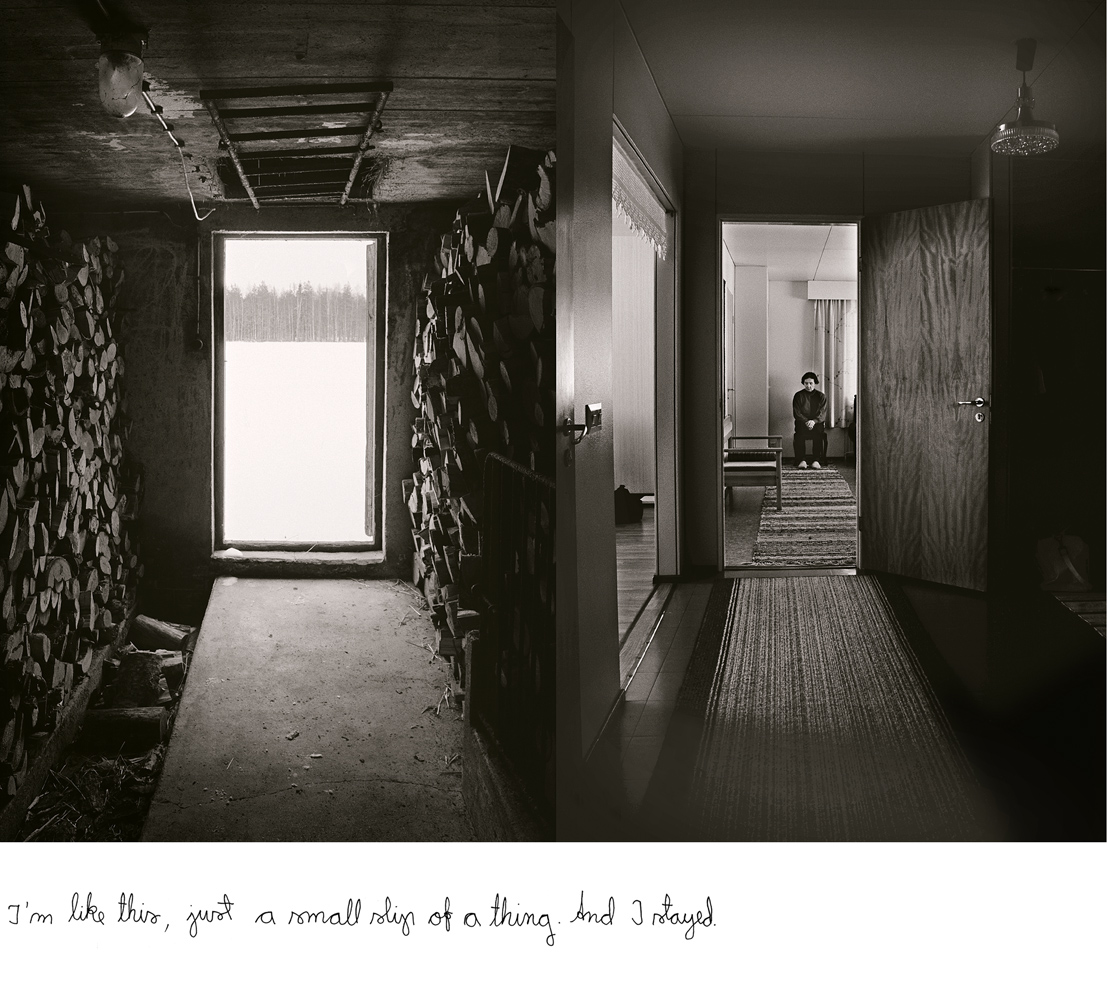
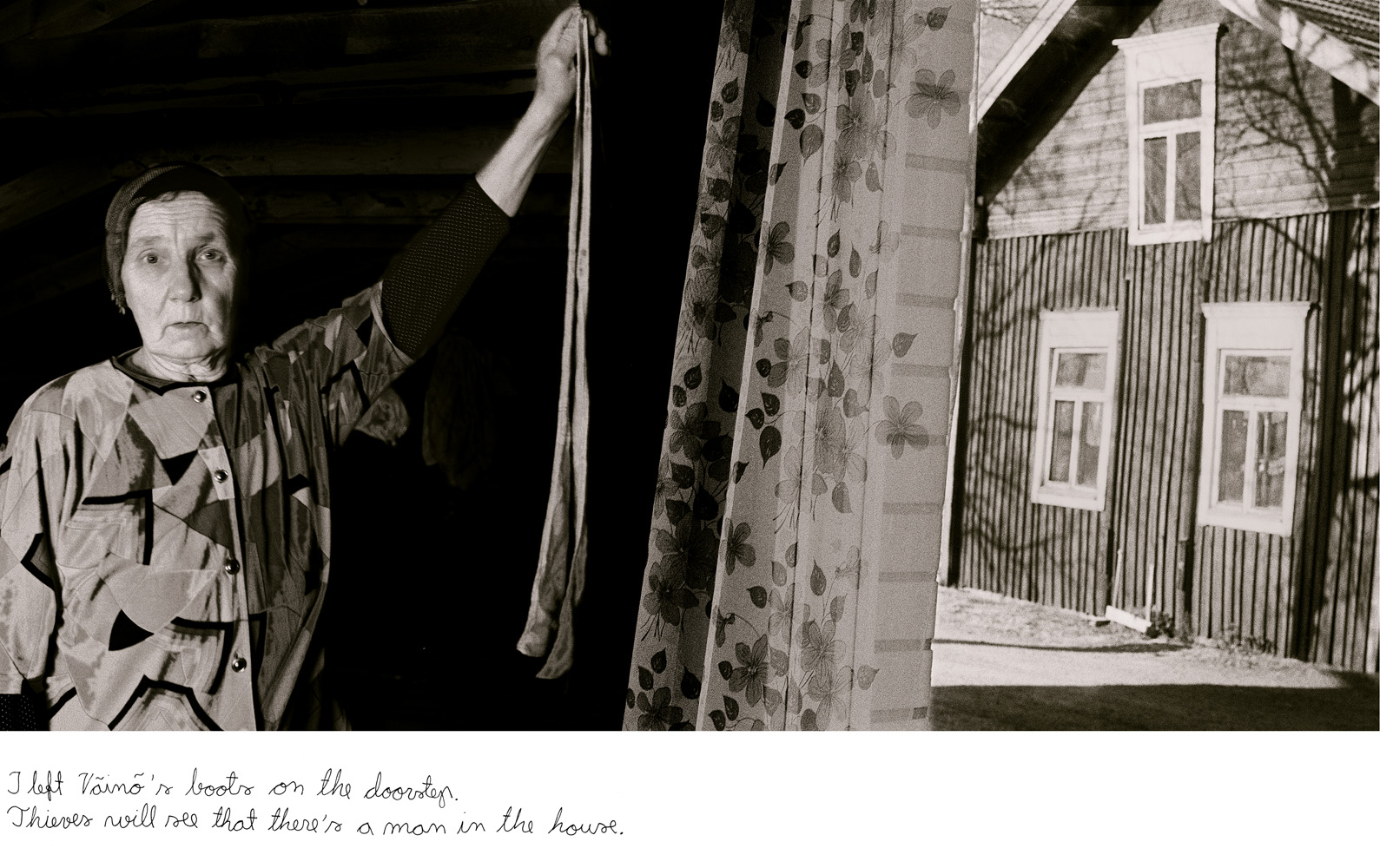
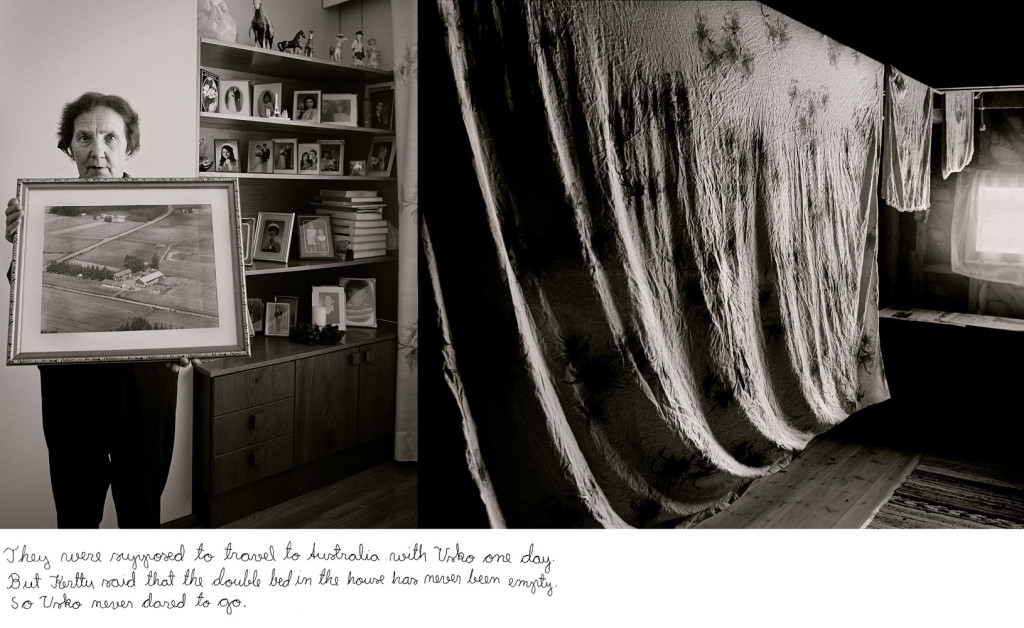
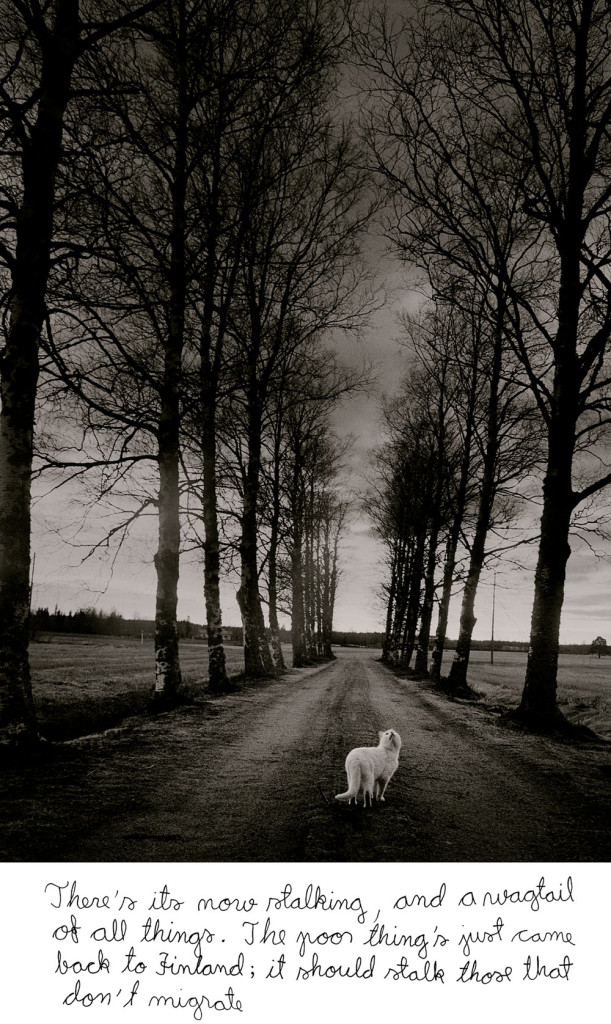
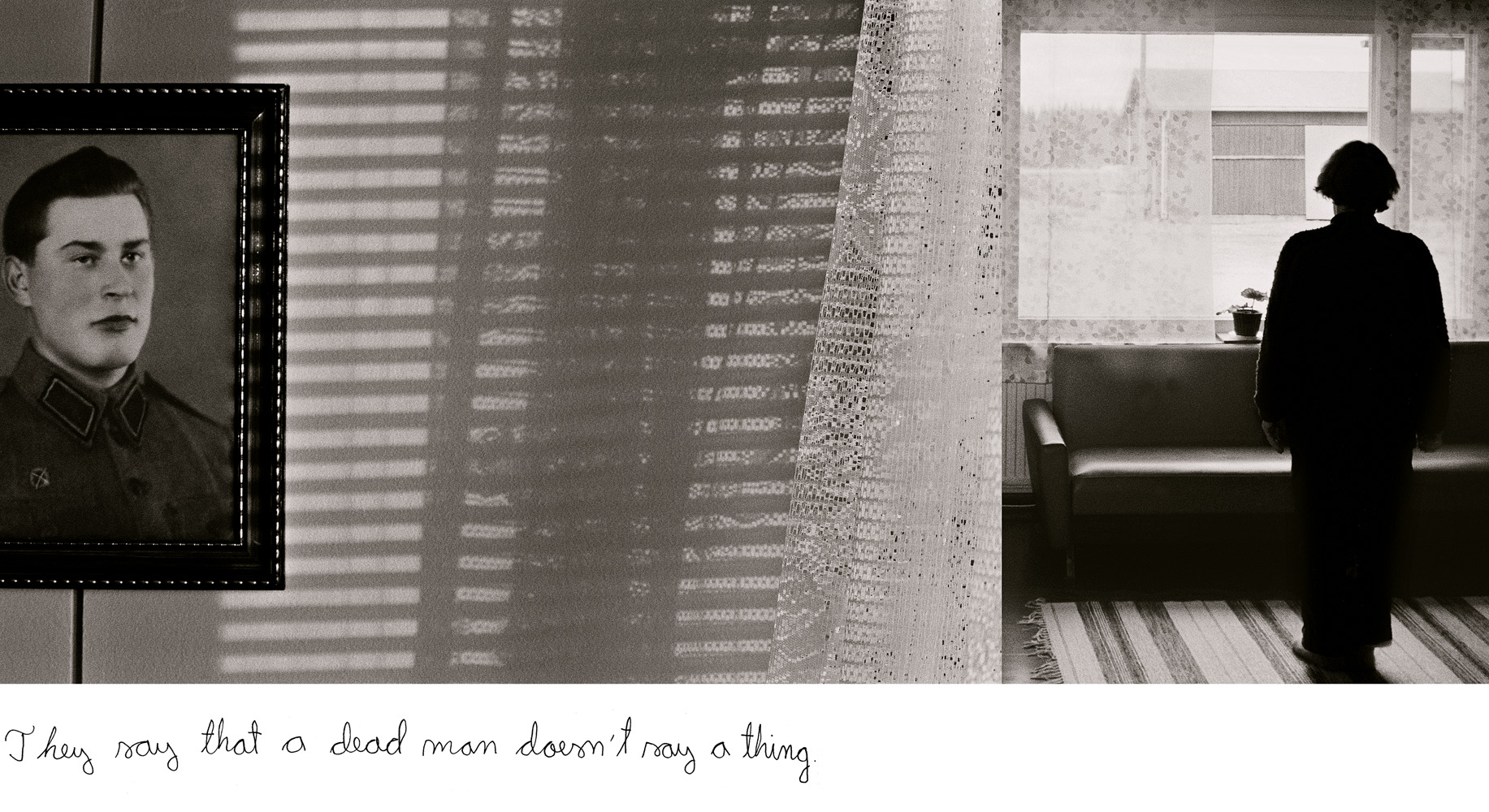
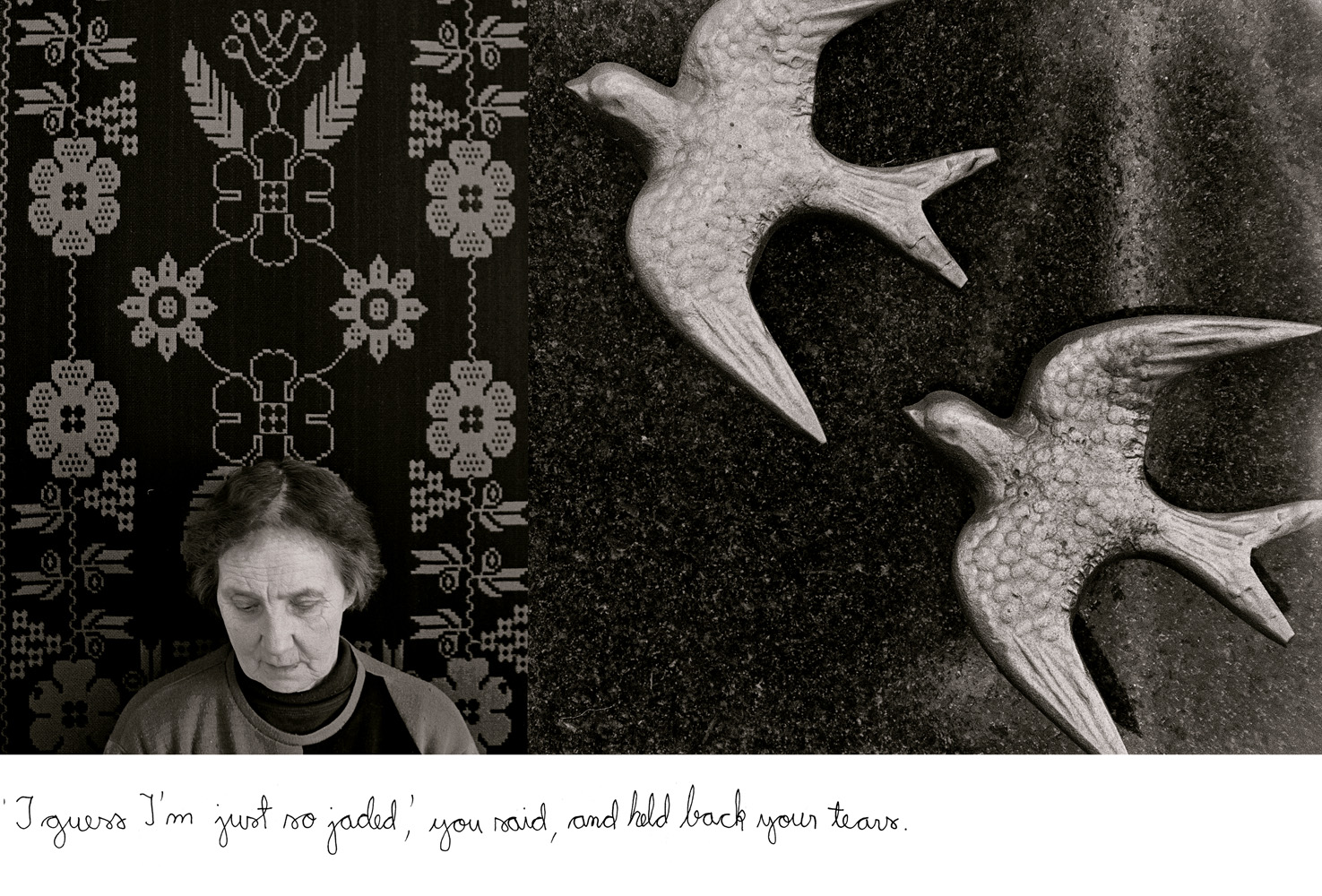
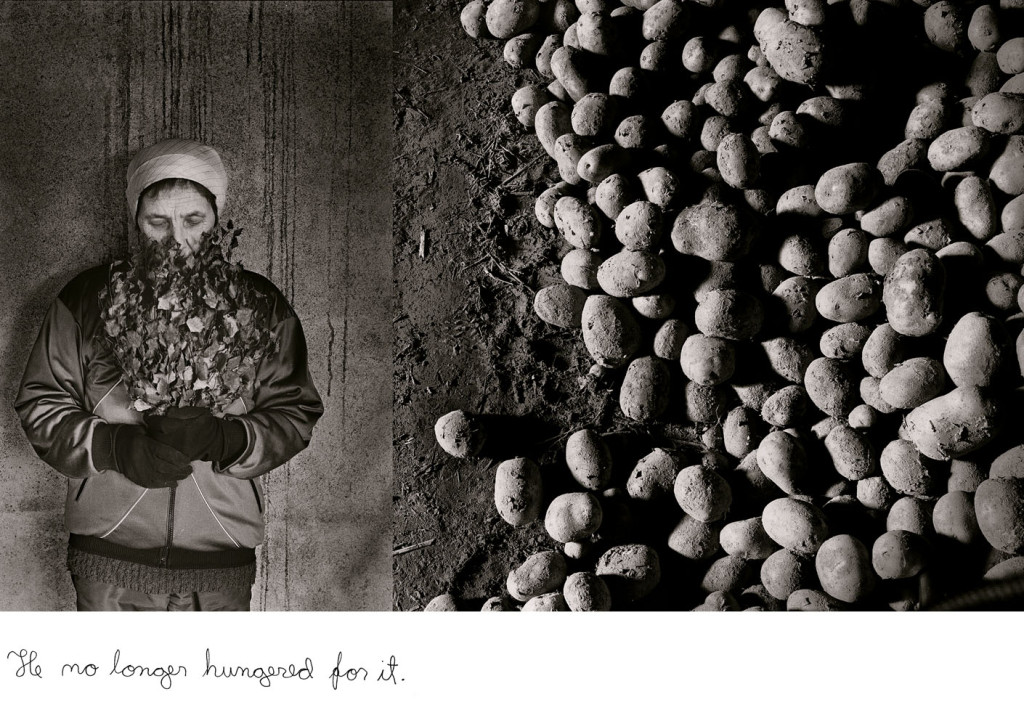
    I photographed my grandmother in the months following my grandfather’s death.

    In She Cannot Wear Red, Jari Silomäki reflects on his grandmother’s life in the wake of his grandfather’s passing. The work cannot be understood merely as a portrayal of mourning; rather, it reveals a paradox of absence. Once the grandfather is no longer physically present, his presence deepens — his figure becomes more vivid, his influence more pervasive — until he seems to occupy the entire space.


  • Zone

    Zone

    Collaboration with Pekka Niittyvirta

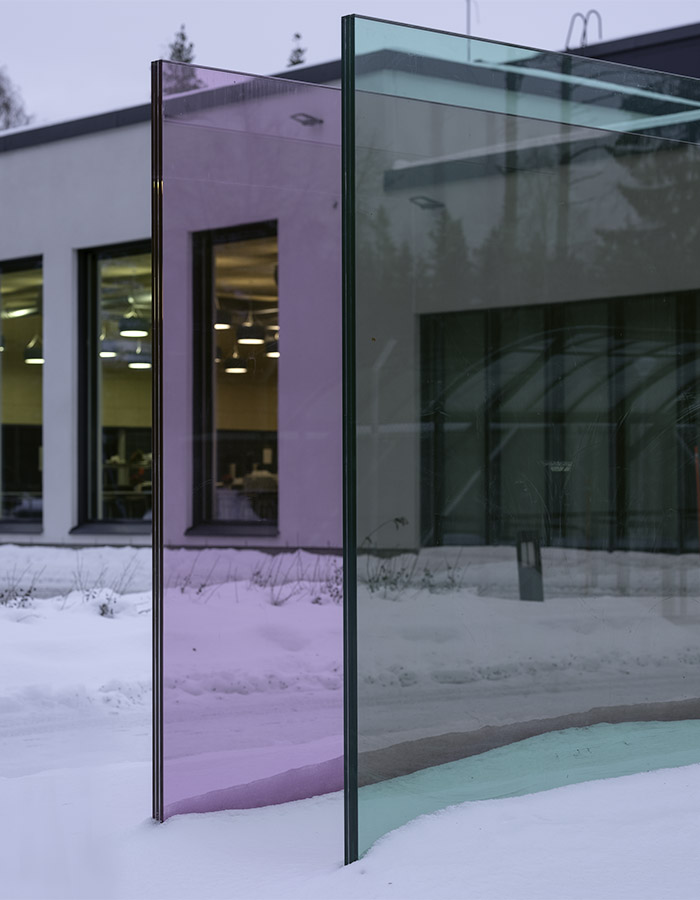
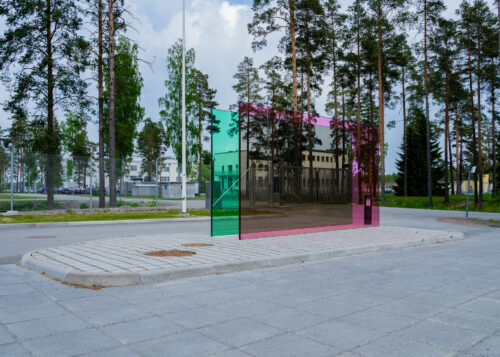
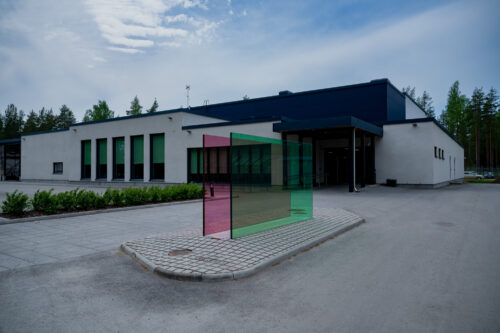
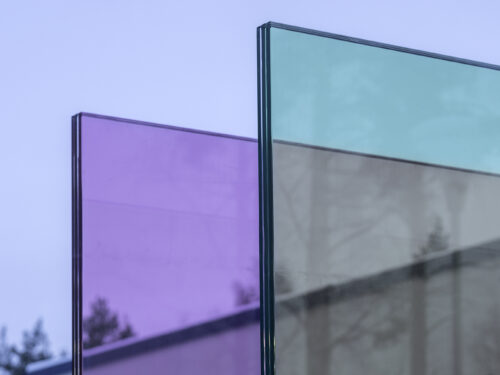
    The site-specific installation consists of two large-scale glass panes in opposing colours: blue-green and violet. Each pane filters the other, creating agrey zone when viewed from either side. The work changes according to the direction of light and the viewer’s position, producing shifting combinations of colour, form, and grey areas. These grey zones form an intermediate space in which two elements cancel each other out and appear as one. In other words, the grass is always grey on the other side of the fence — regardless of which side one occupies. Through abstraction, the work addresses the contractual concept of a border.


    – Located at the Headquarters of the Southeast Finland Border Guard District
    – Tempered glass
    – 400 × 240 × 70 cm