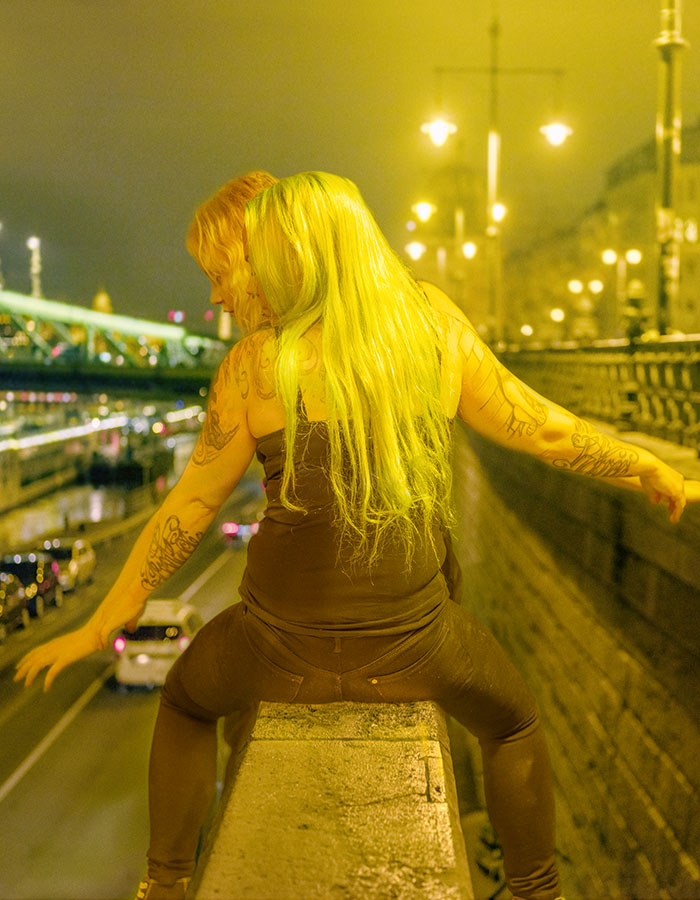
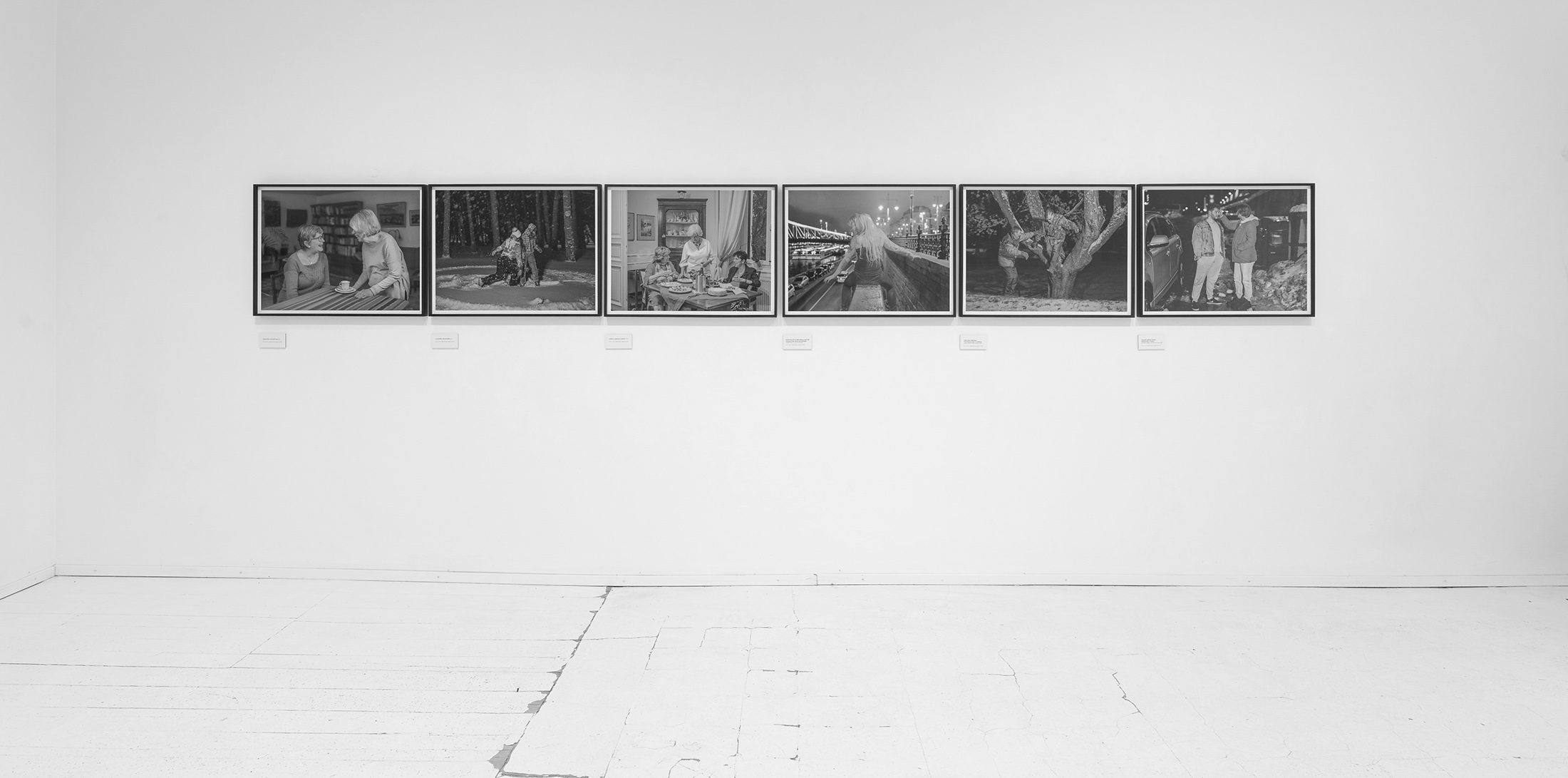
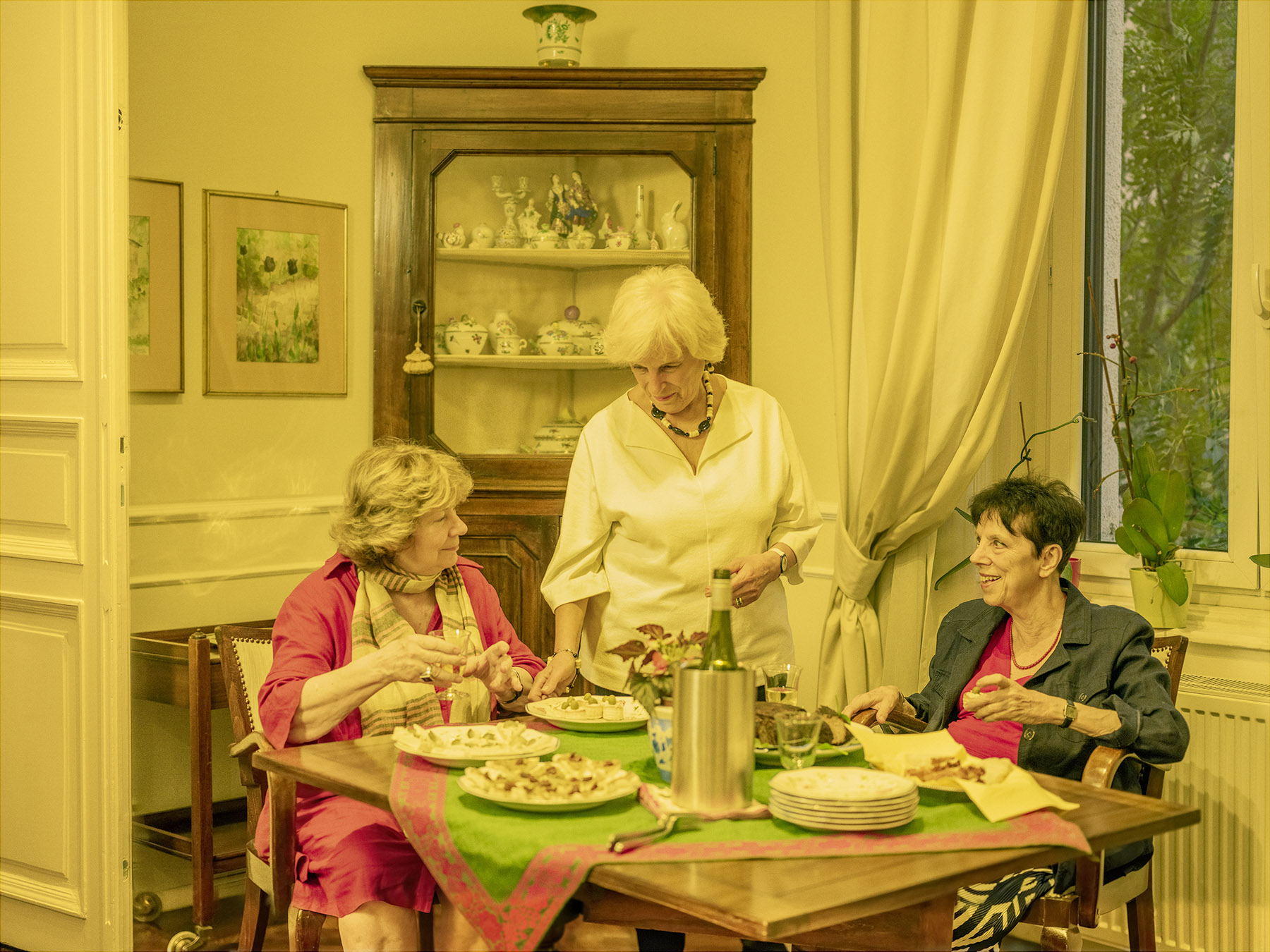
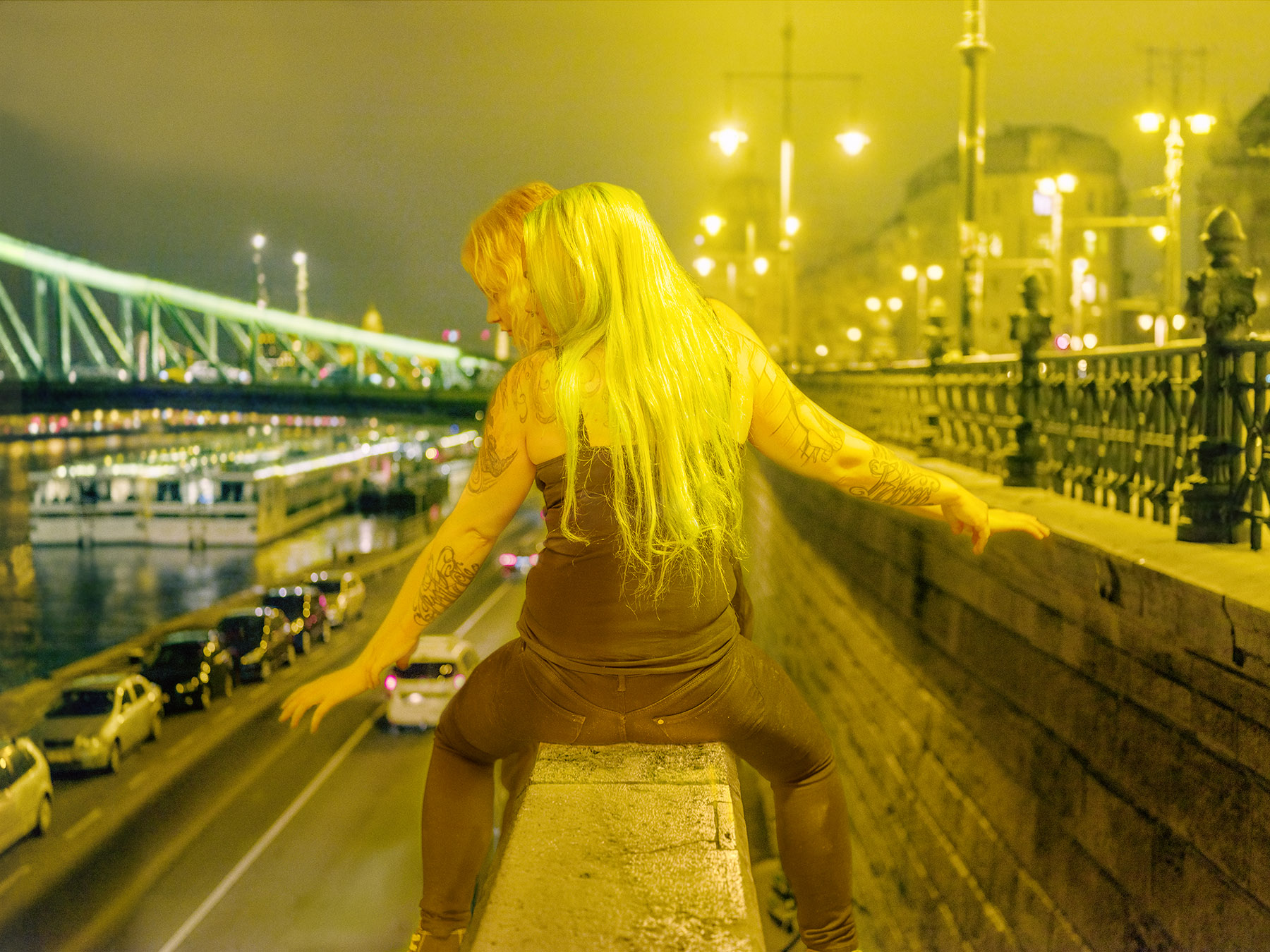
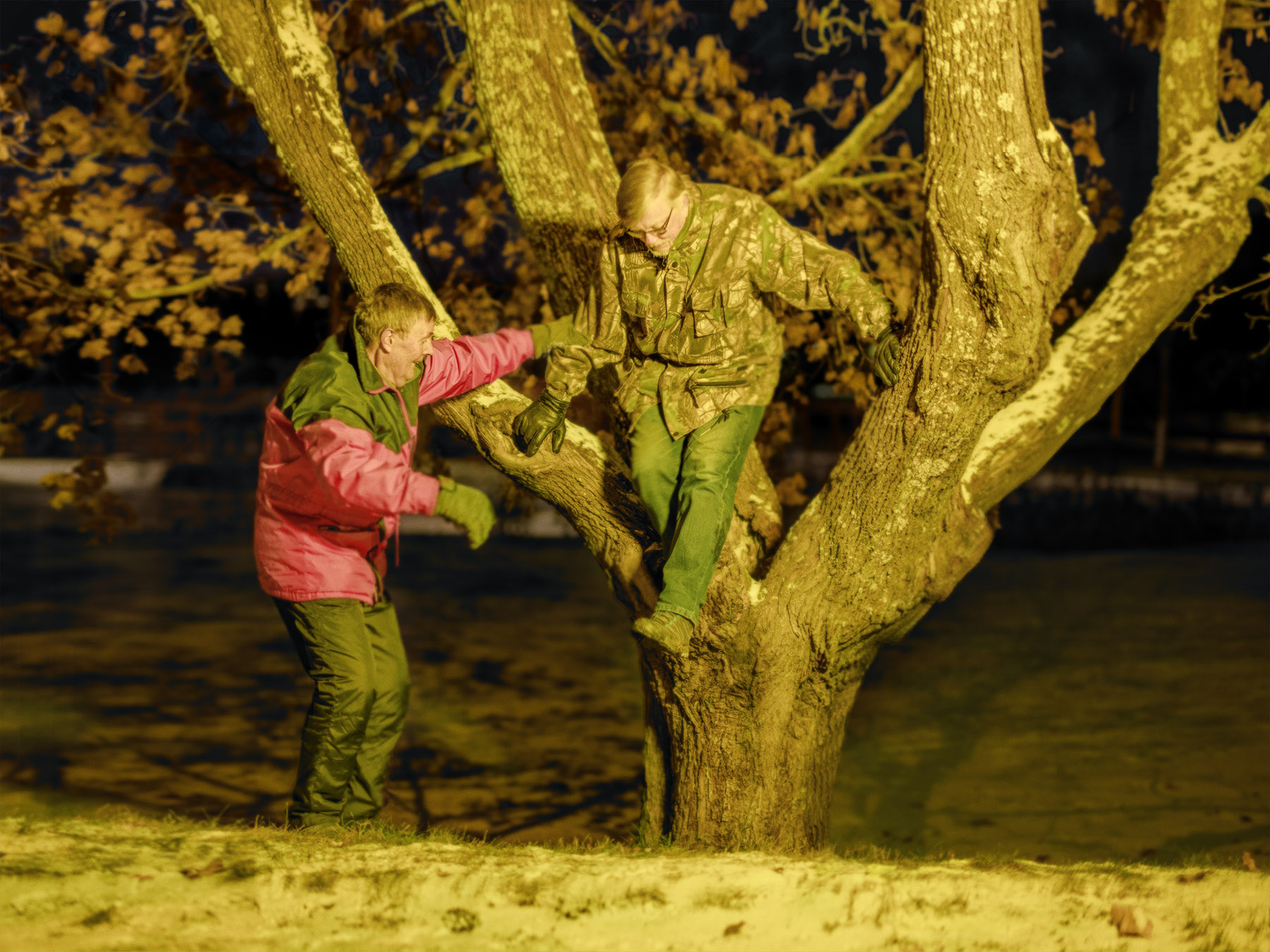
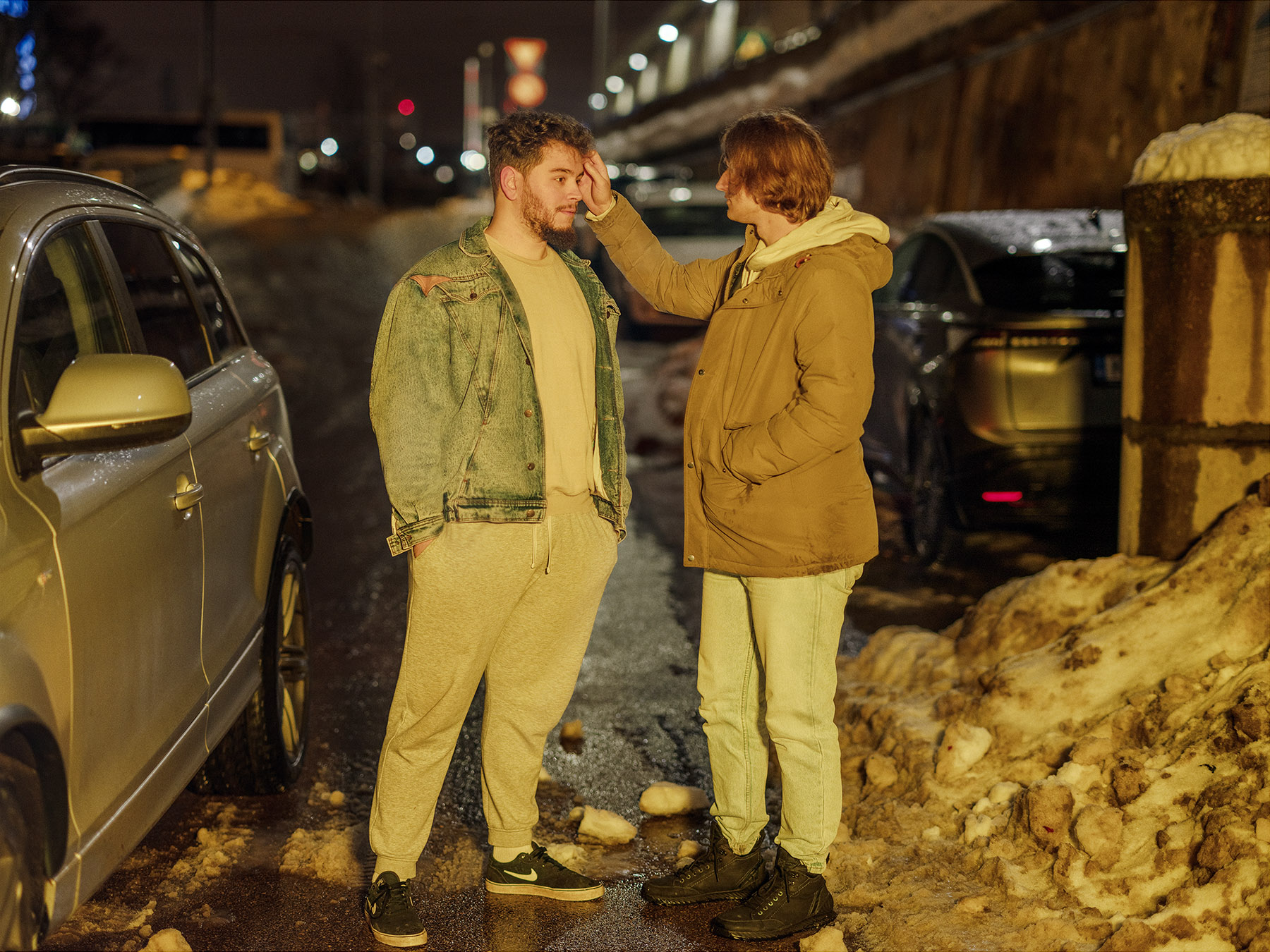
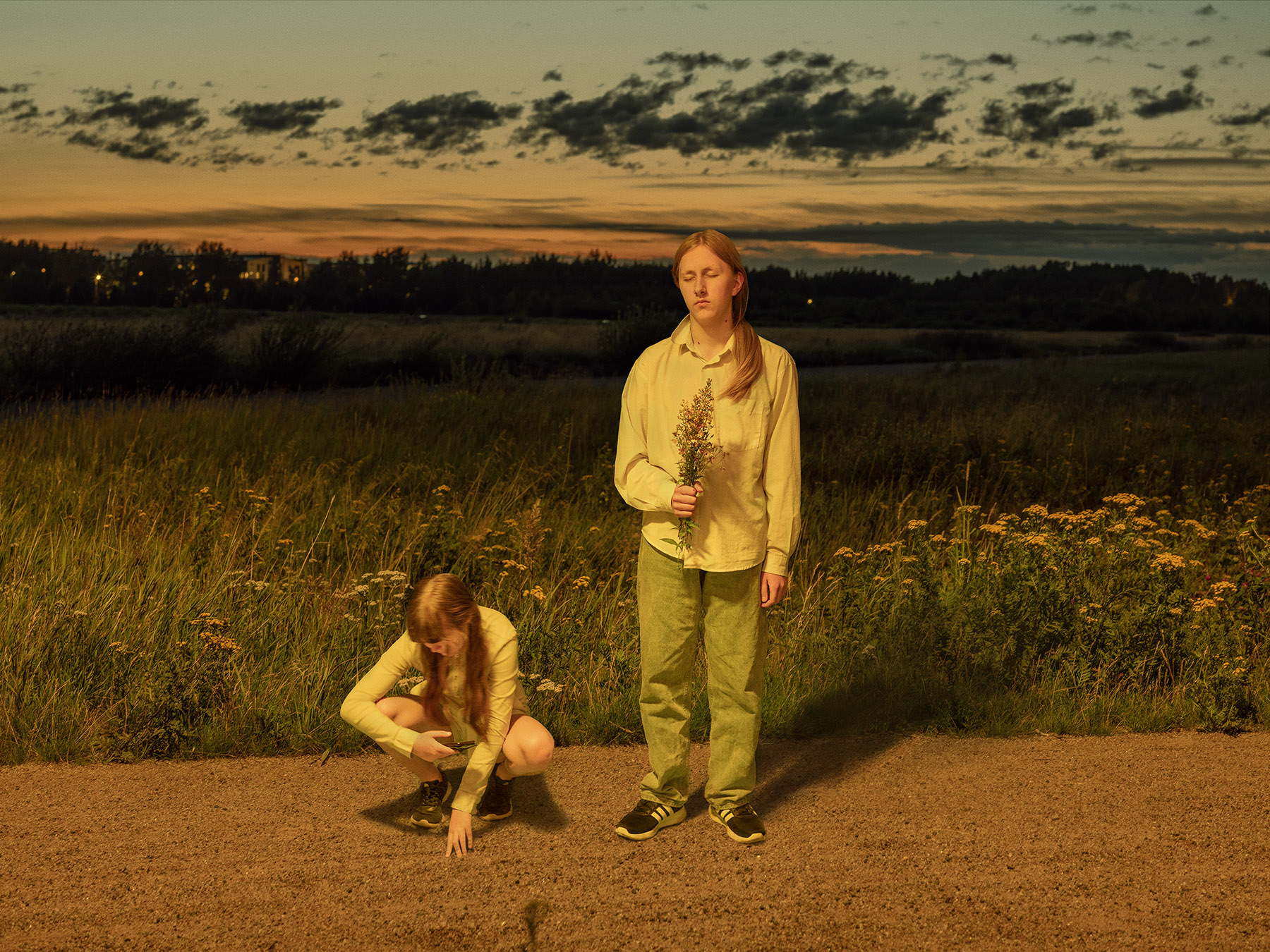
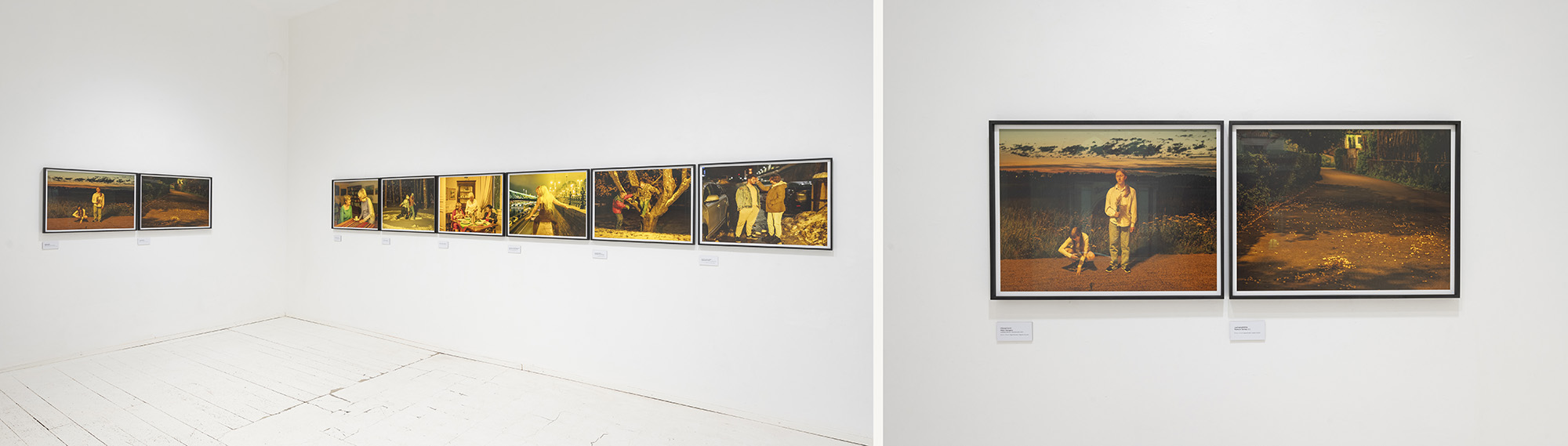
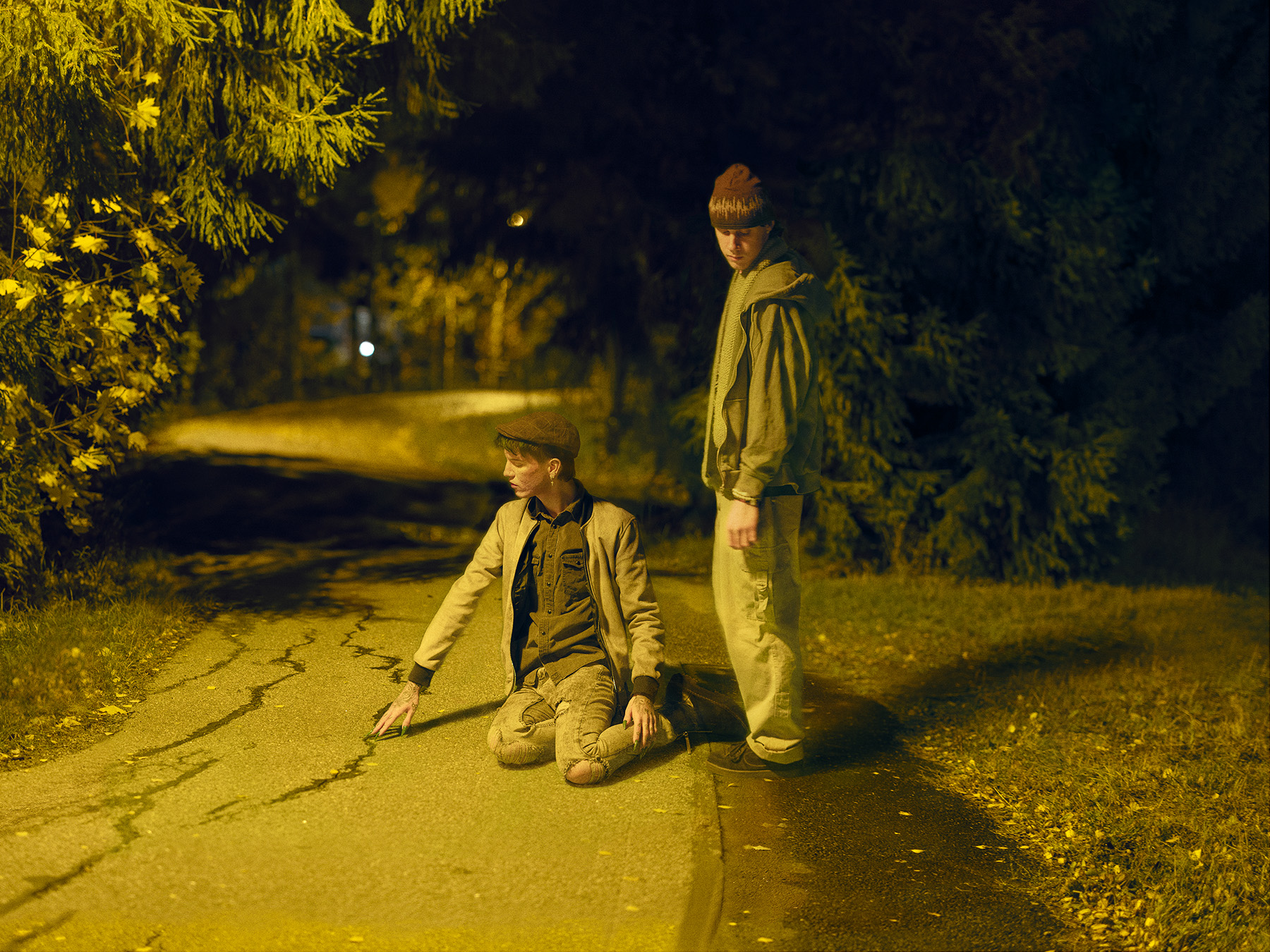
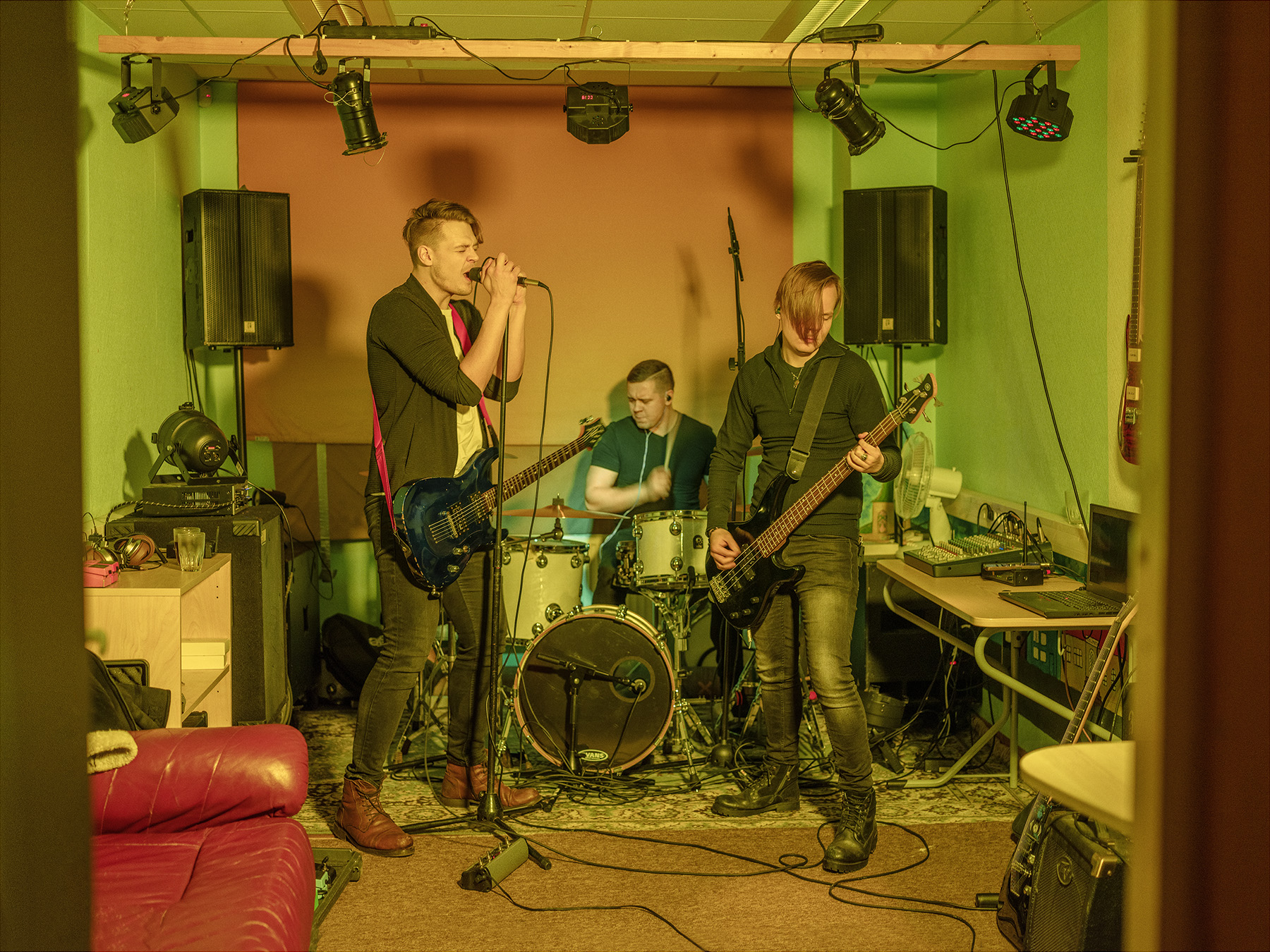
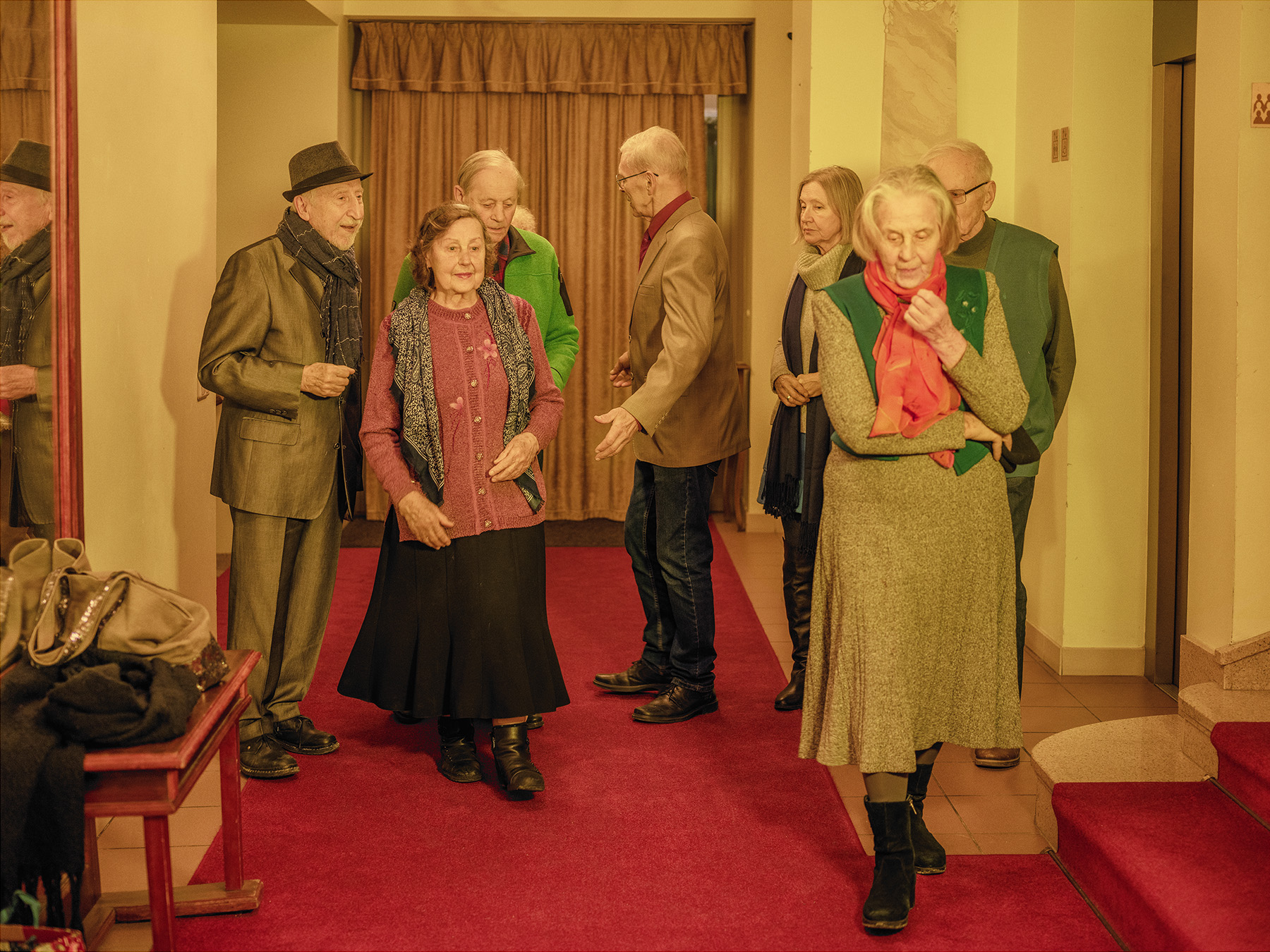
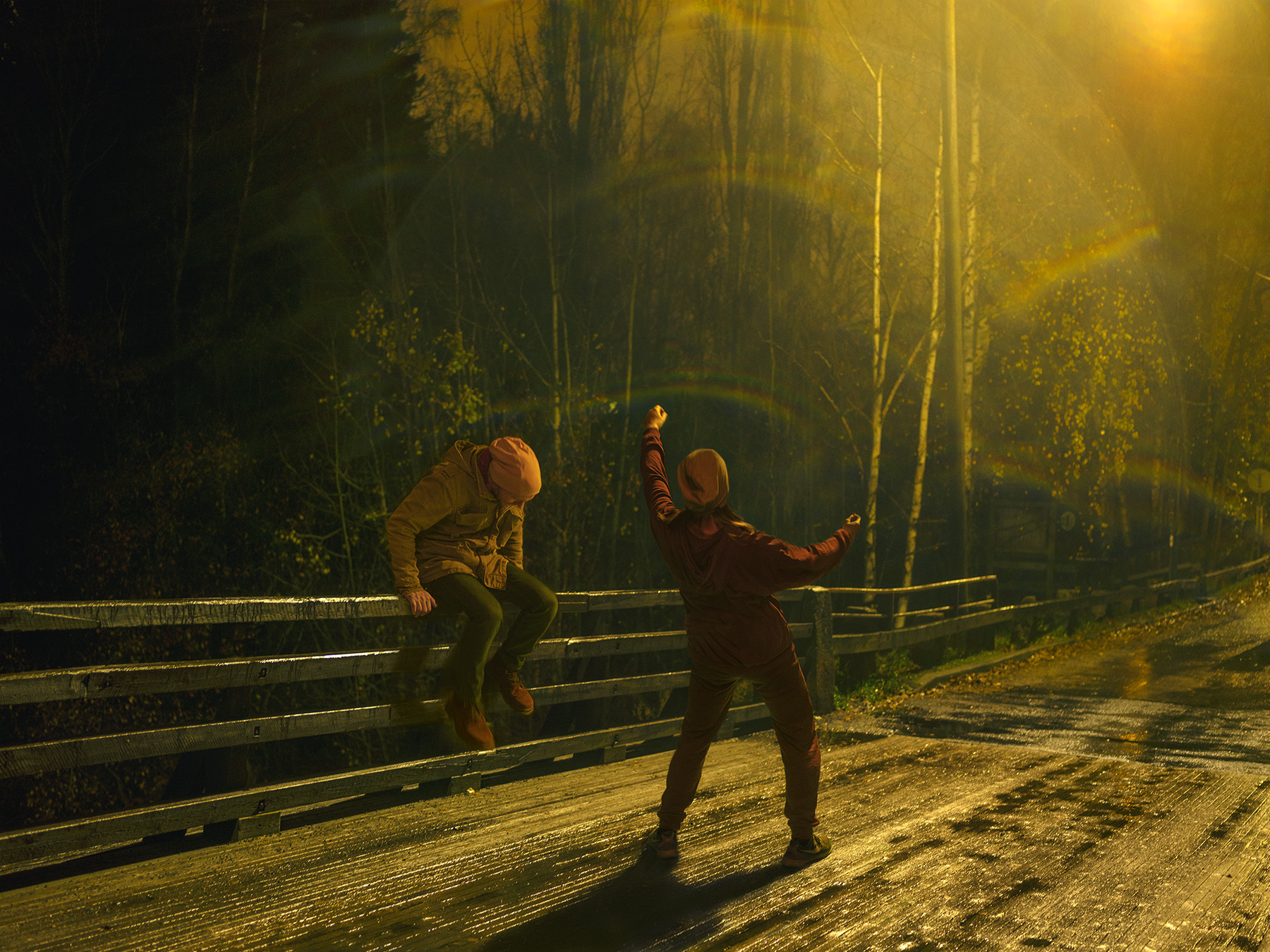
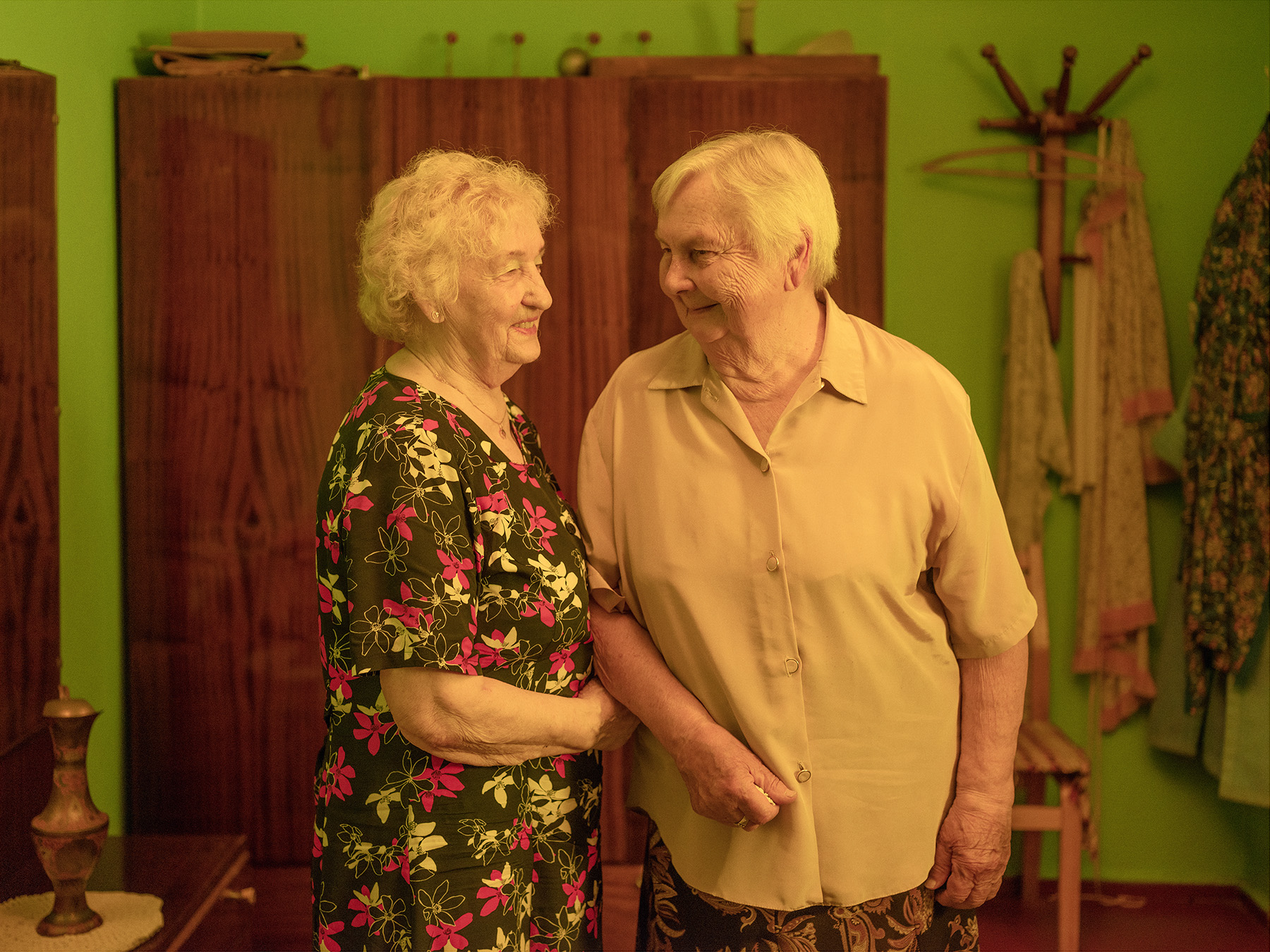
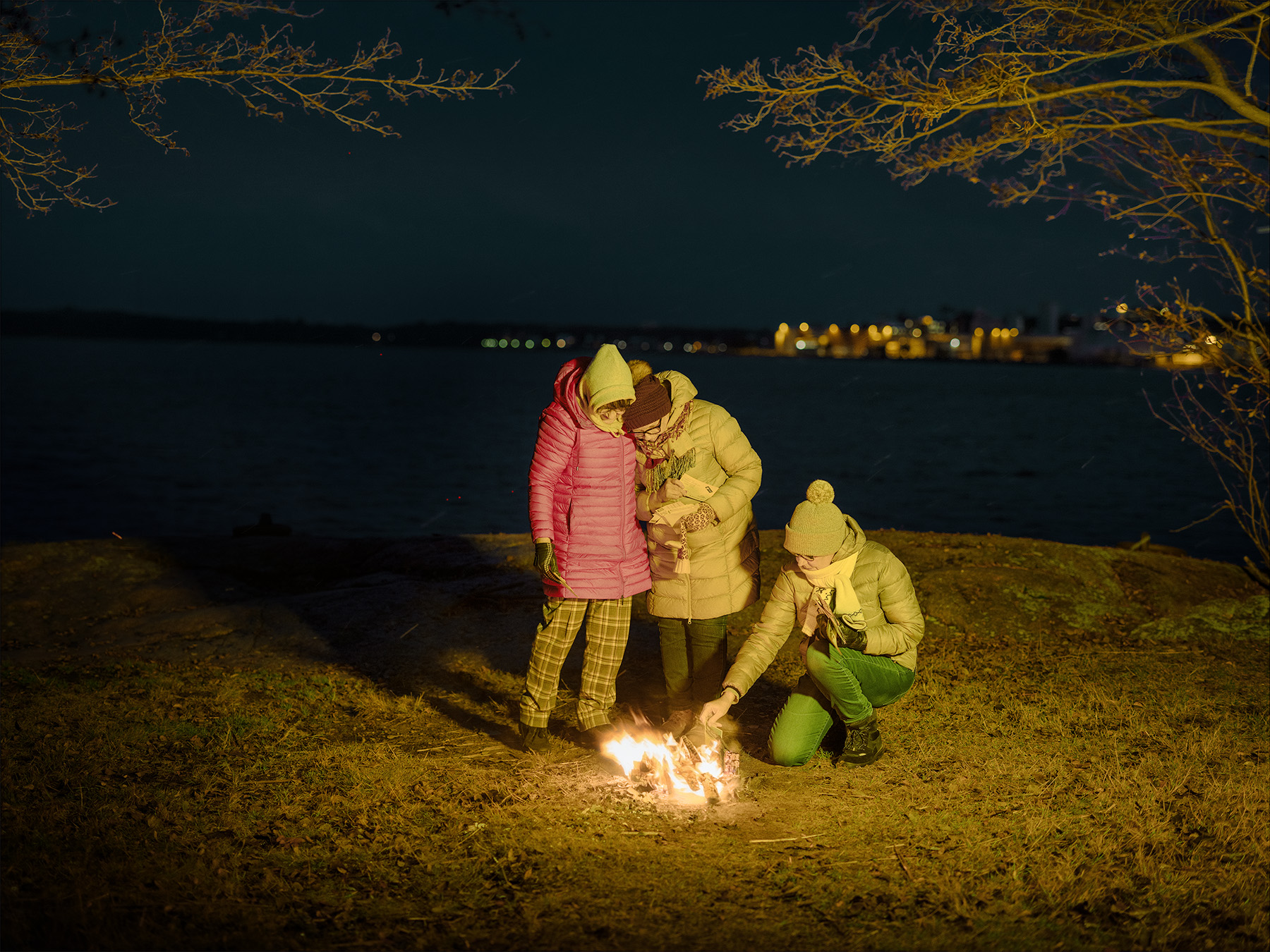
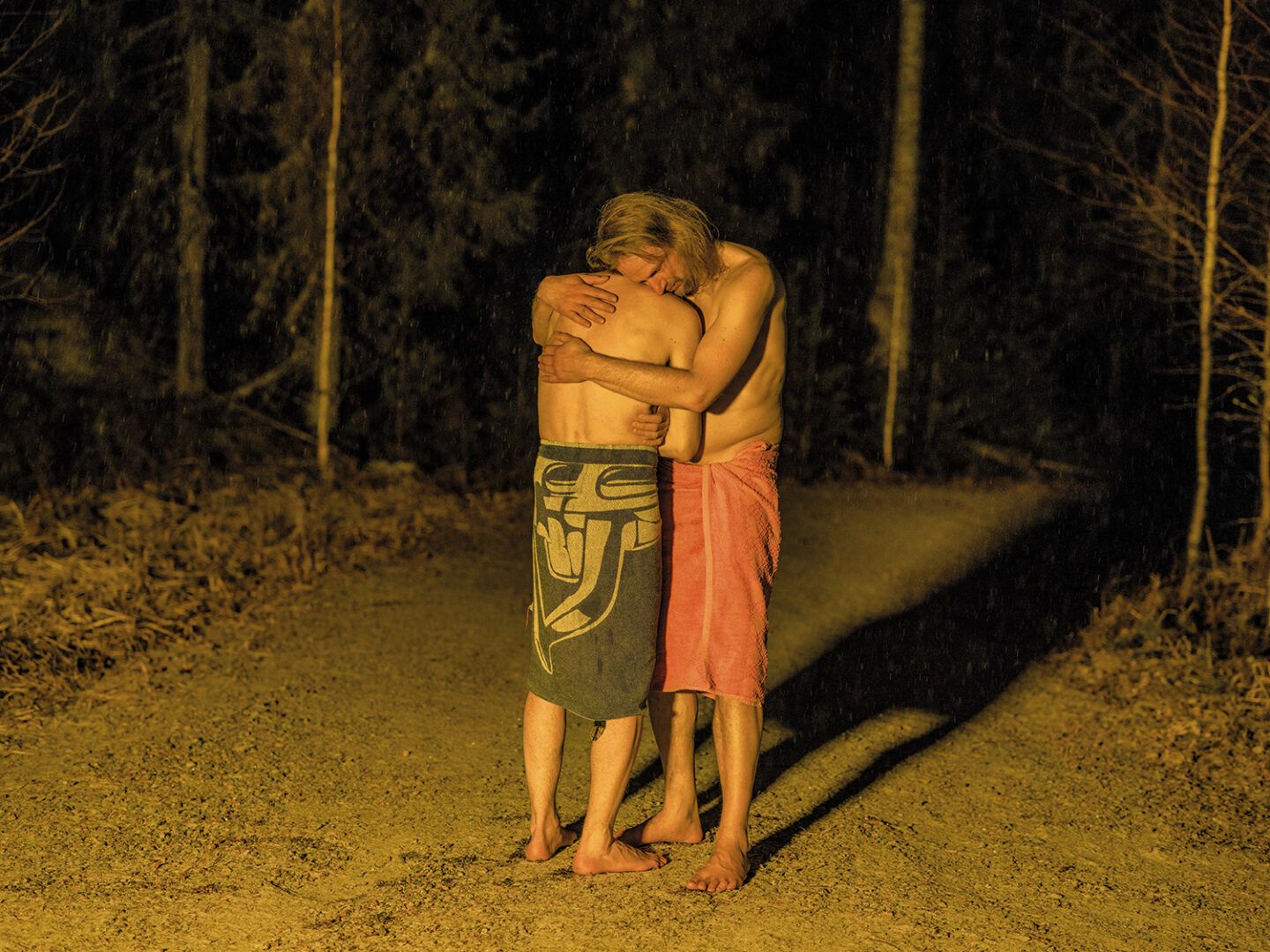
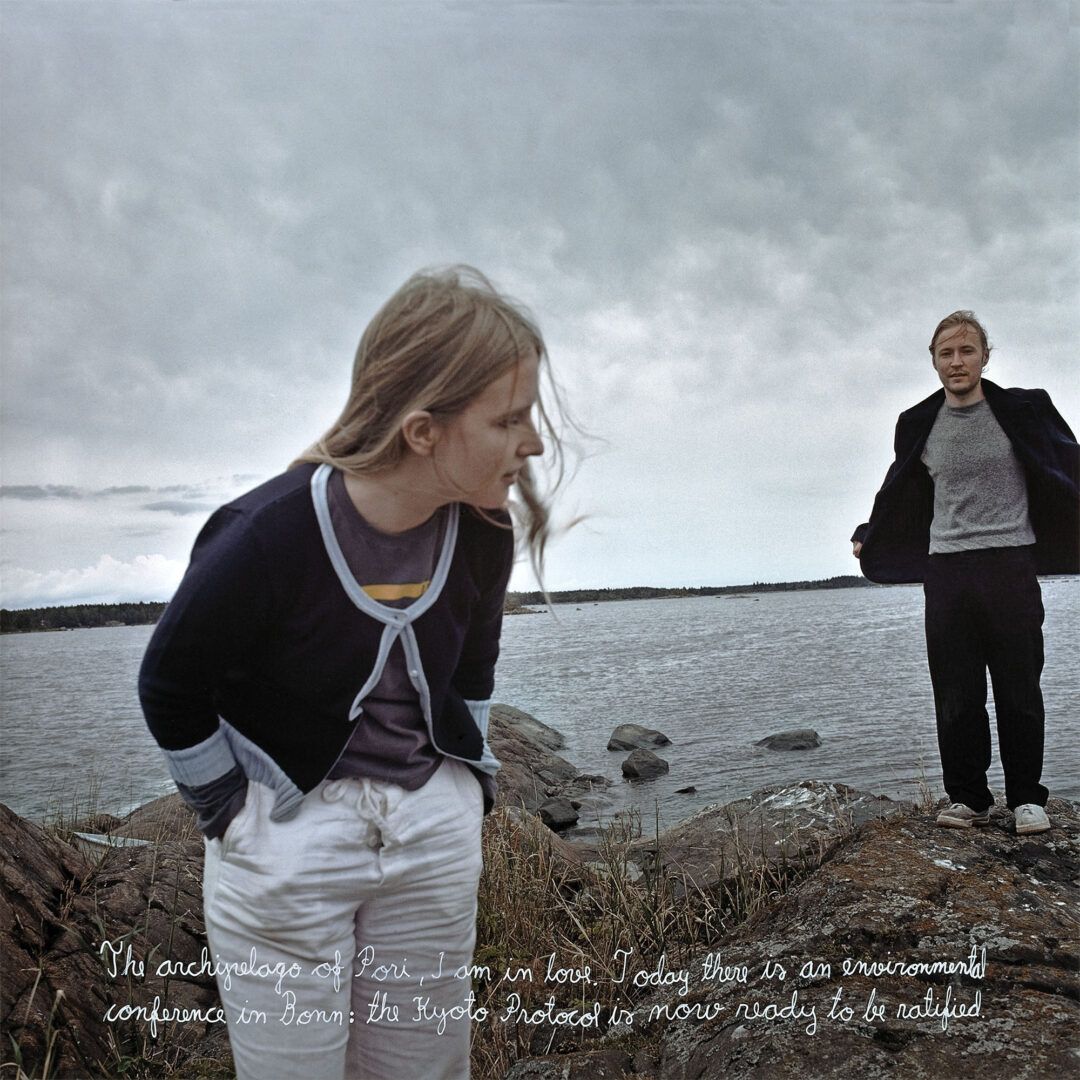
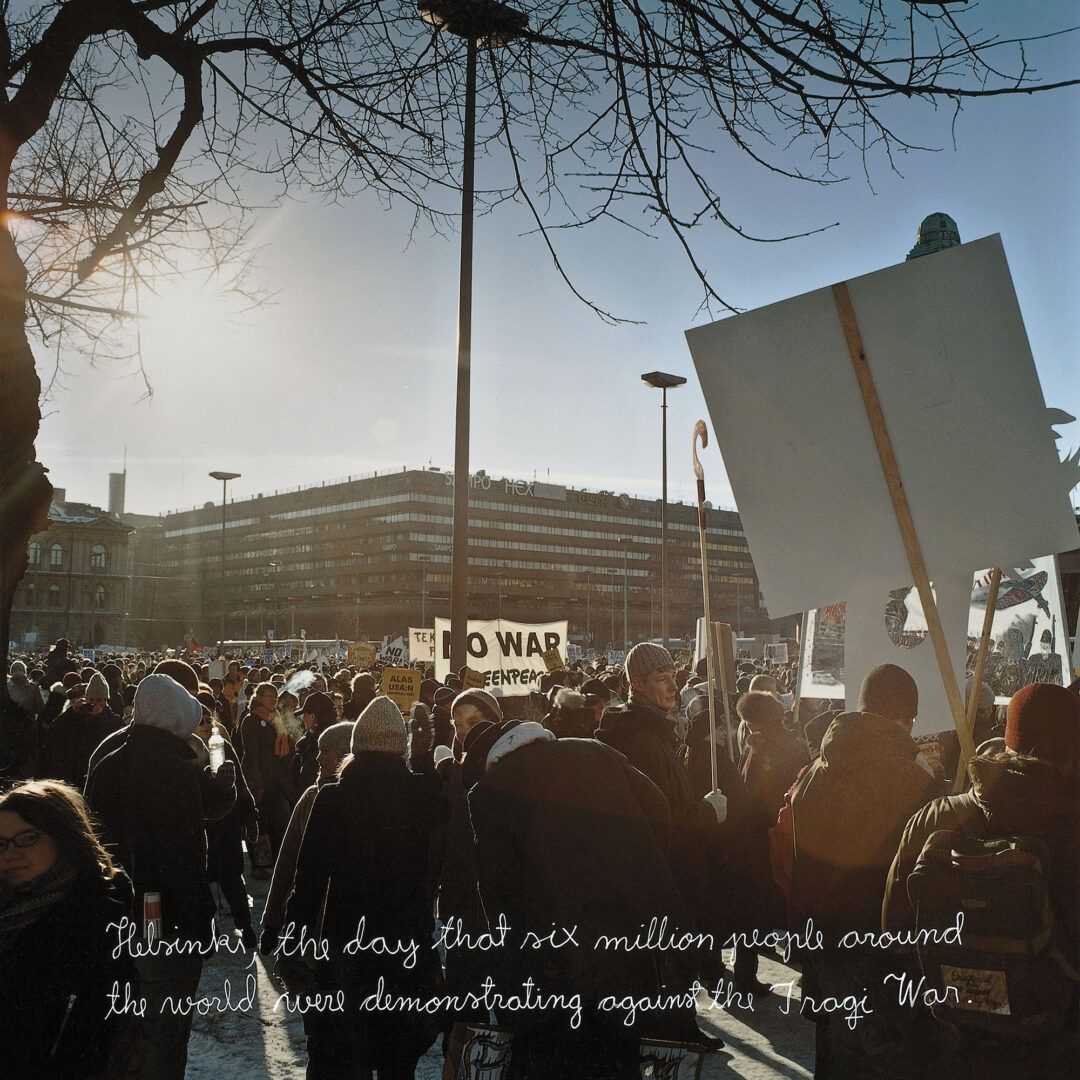
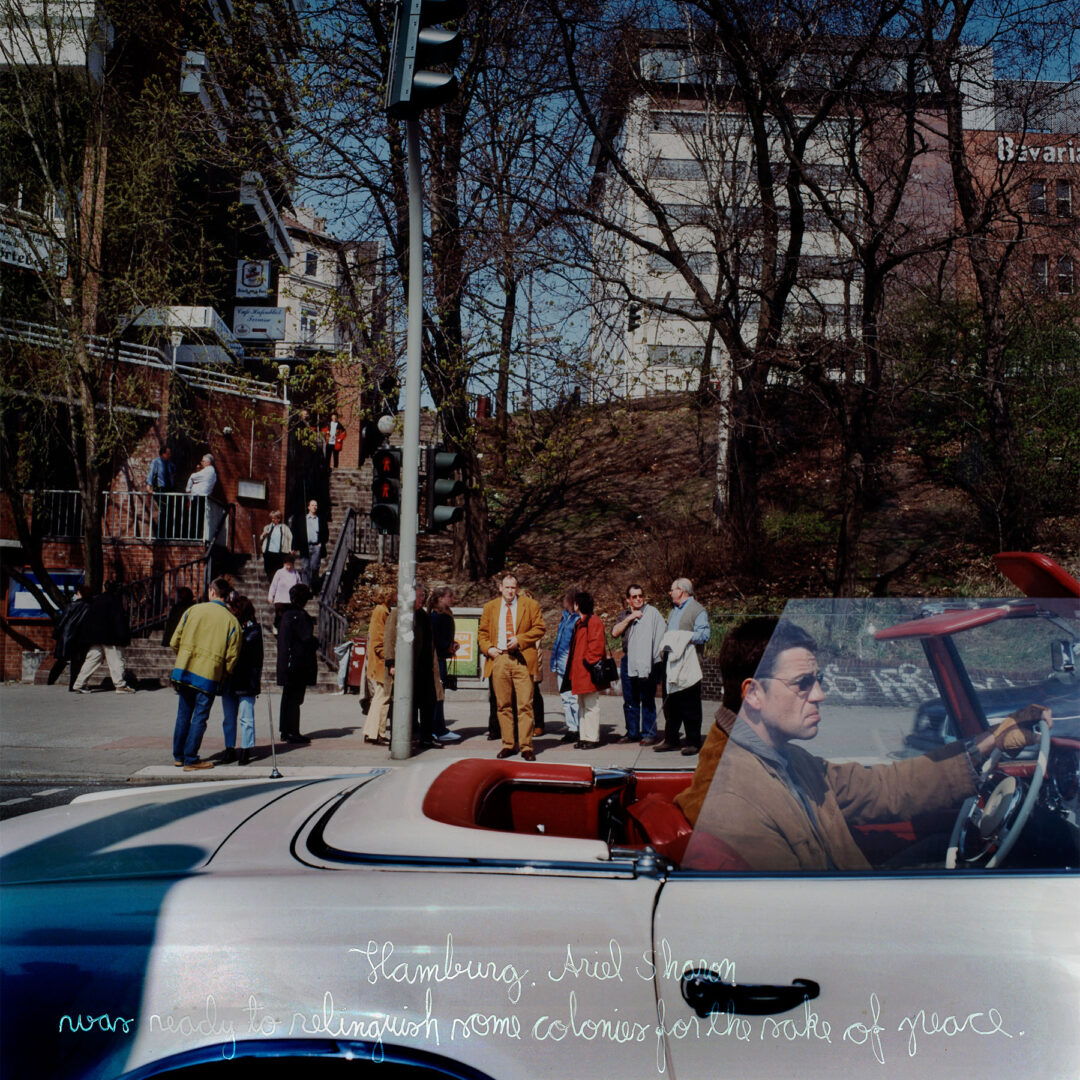
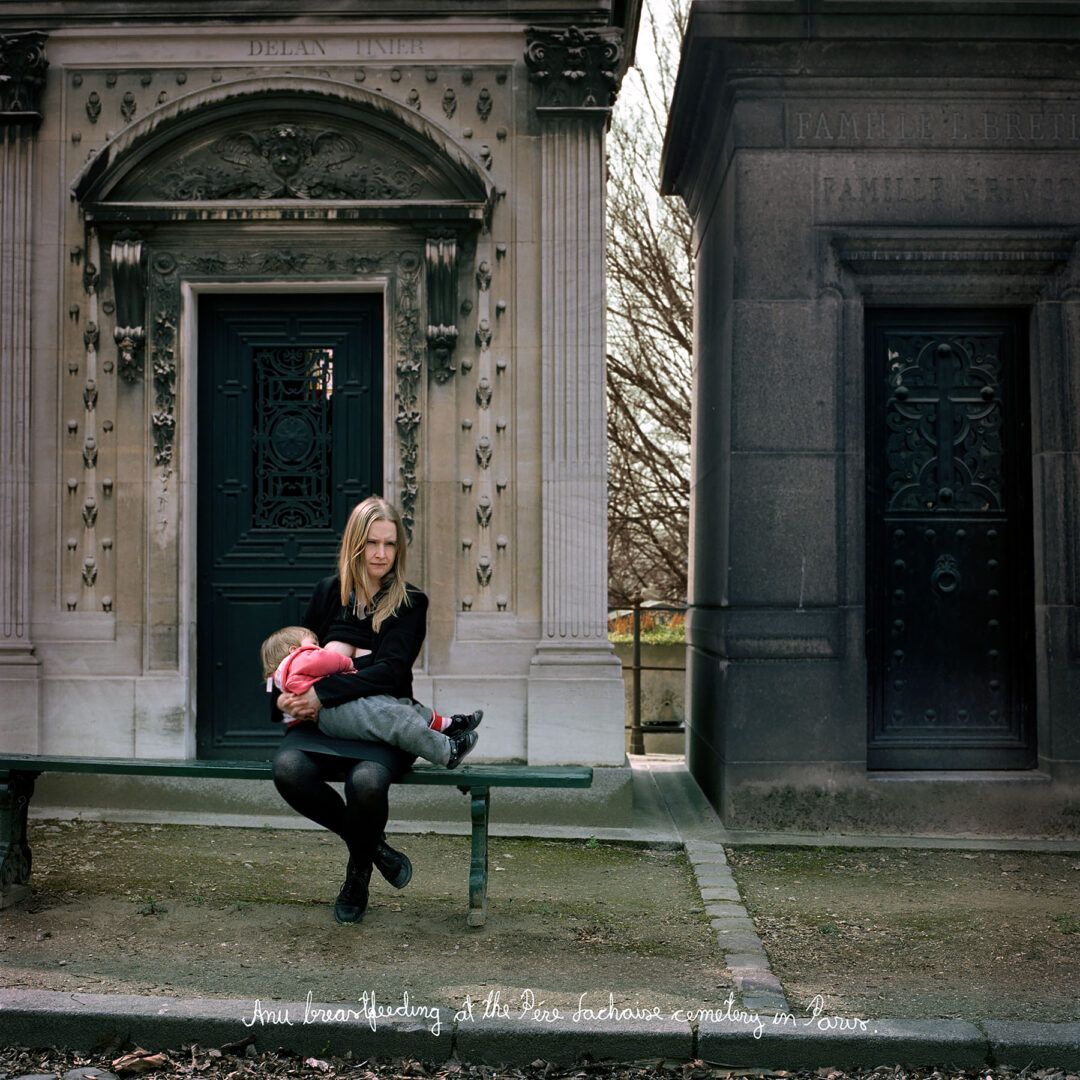
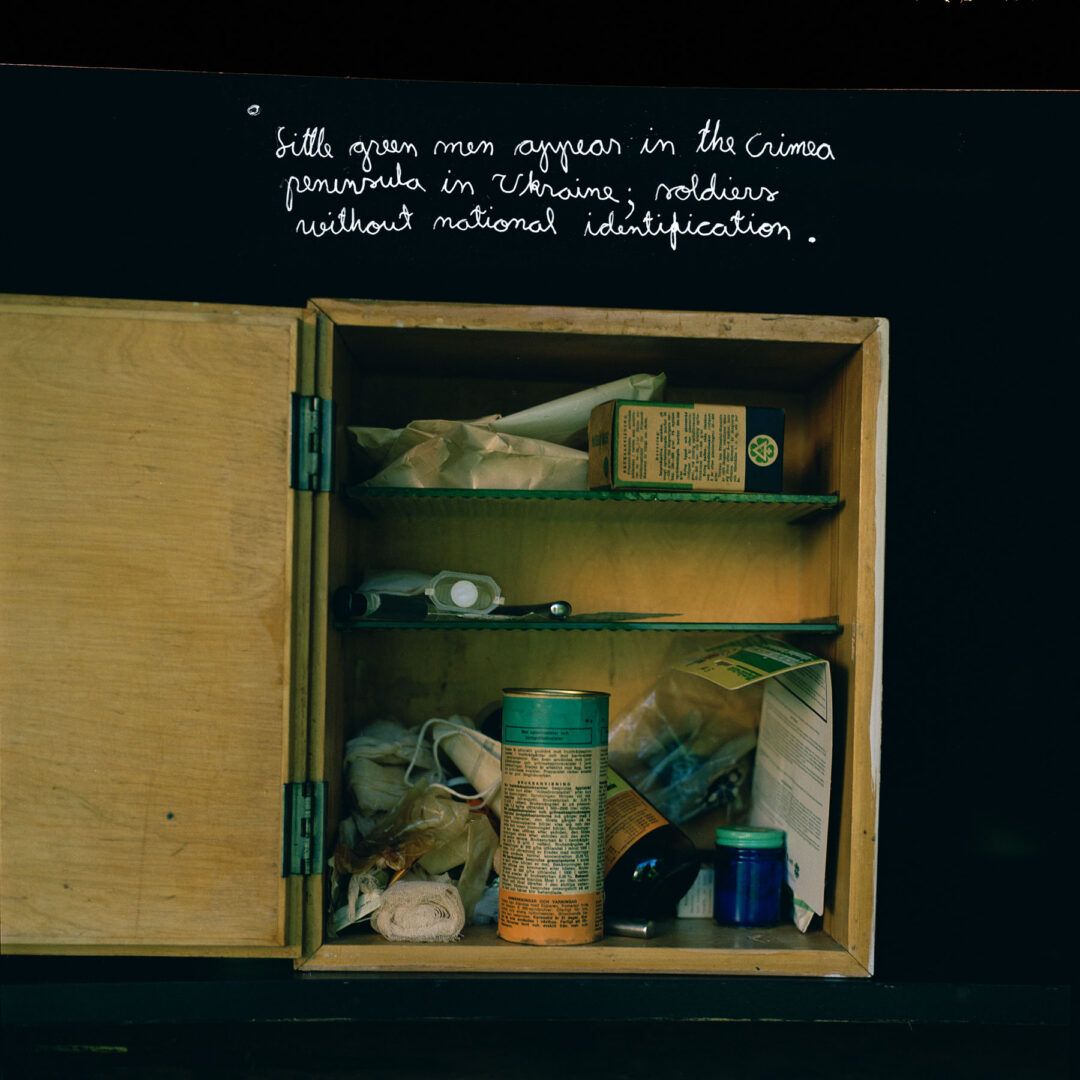
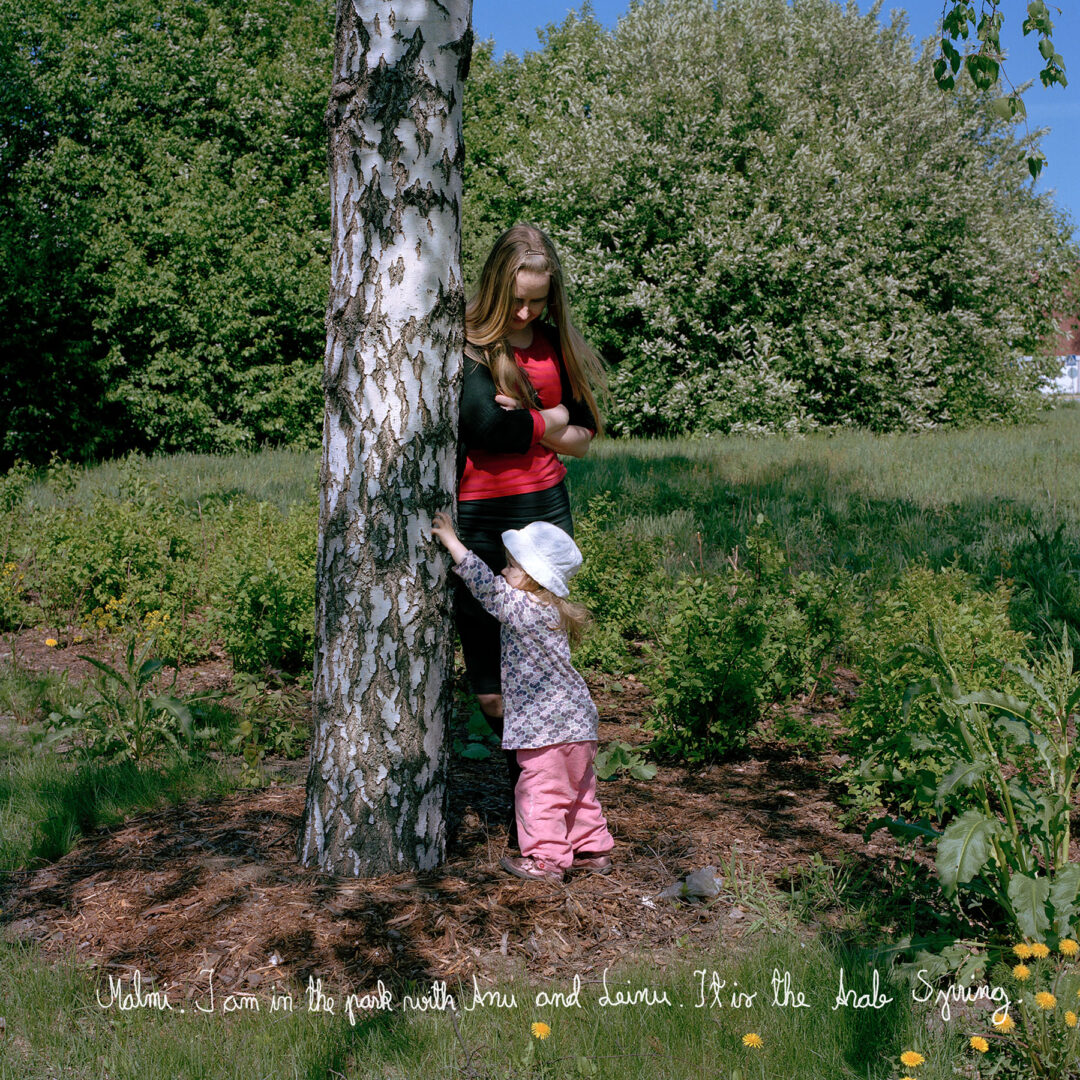
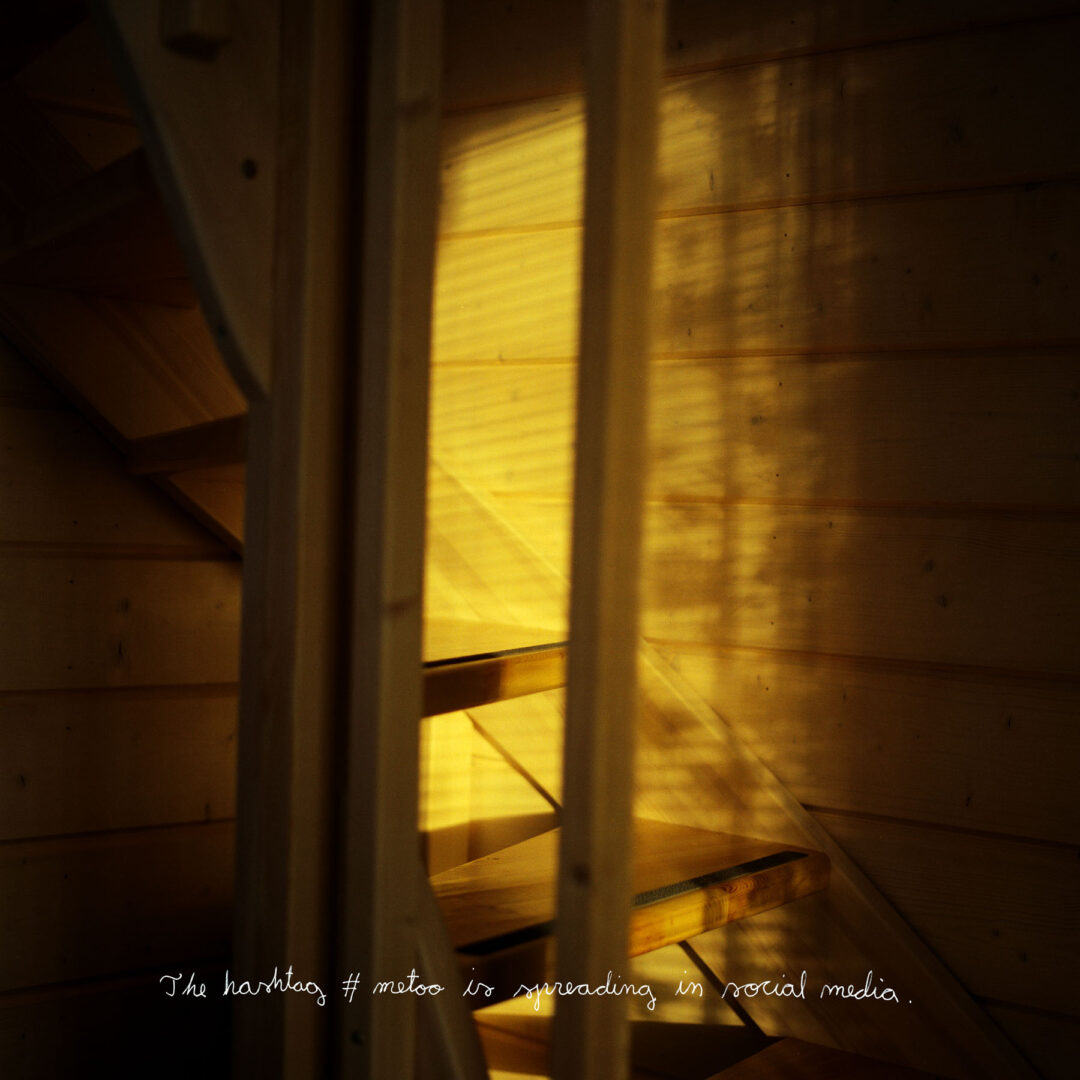
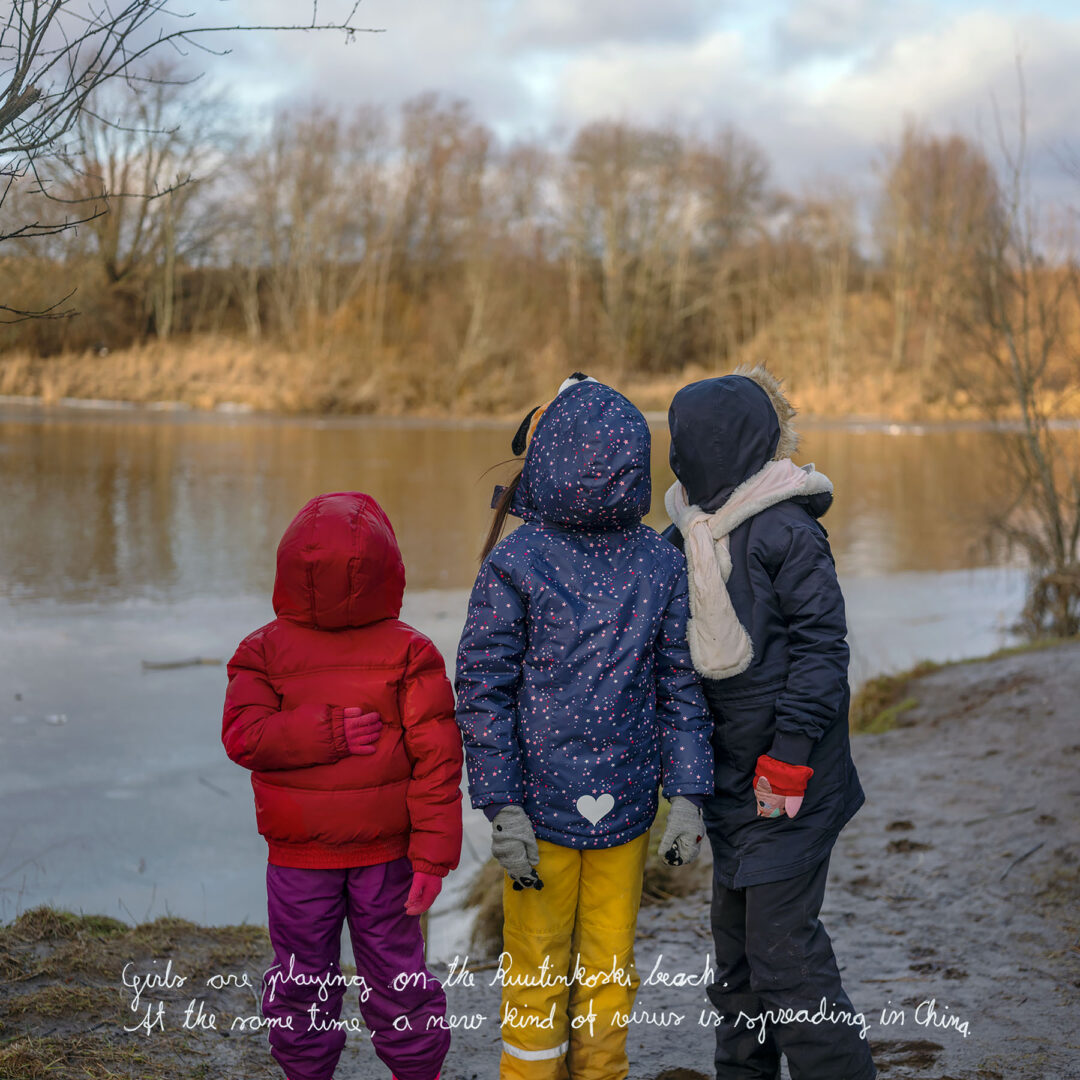
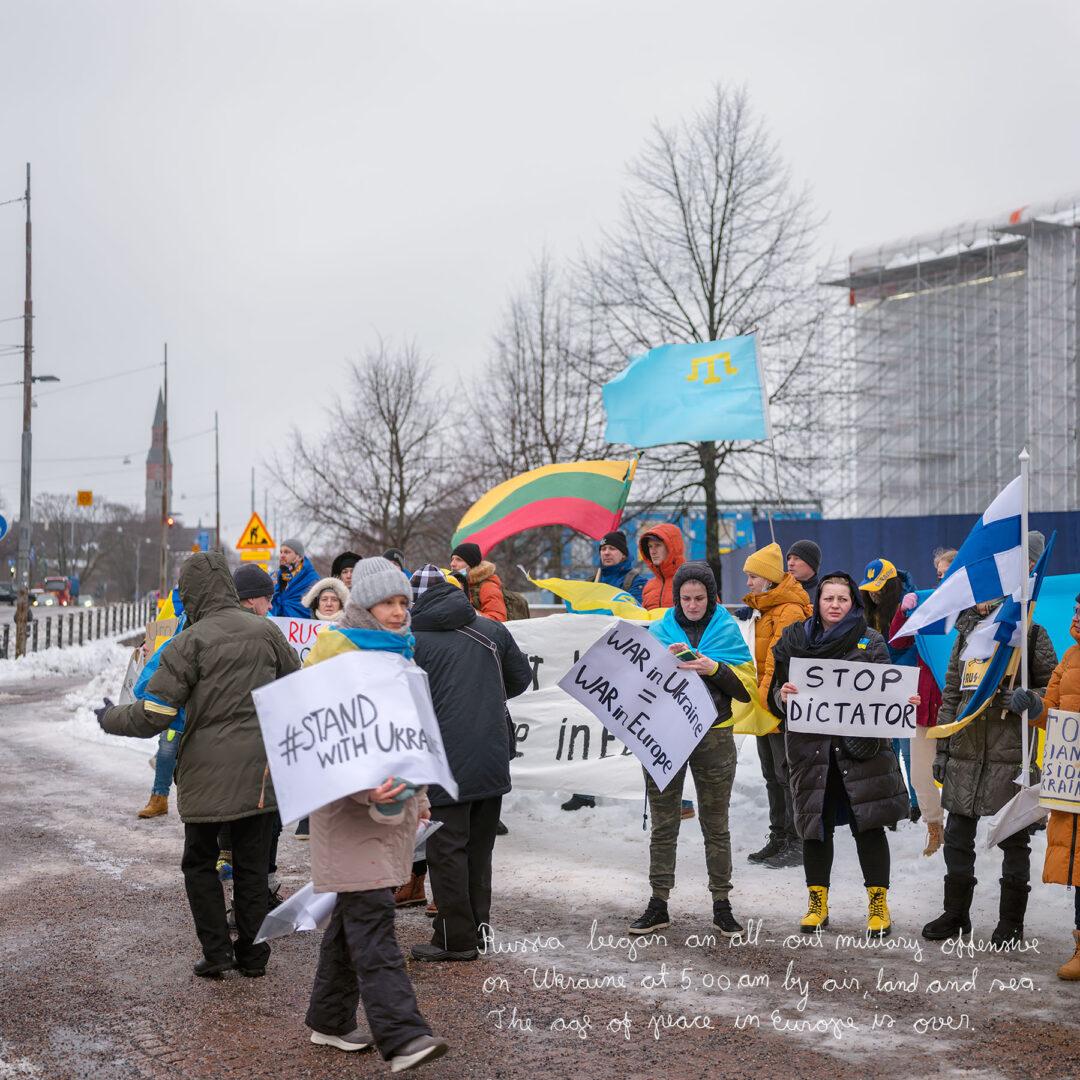
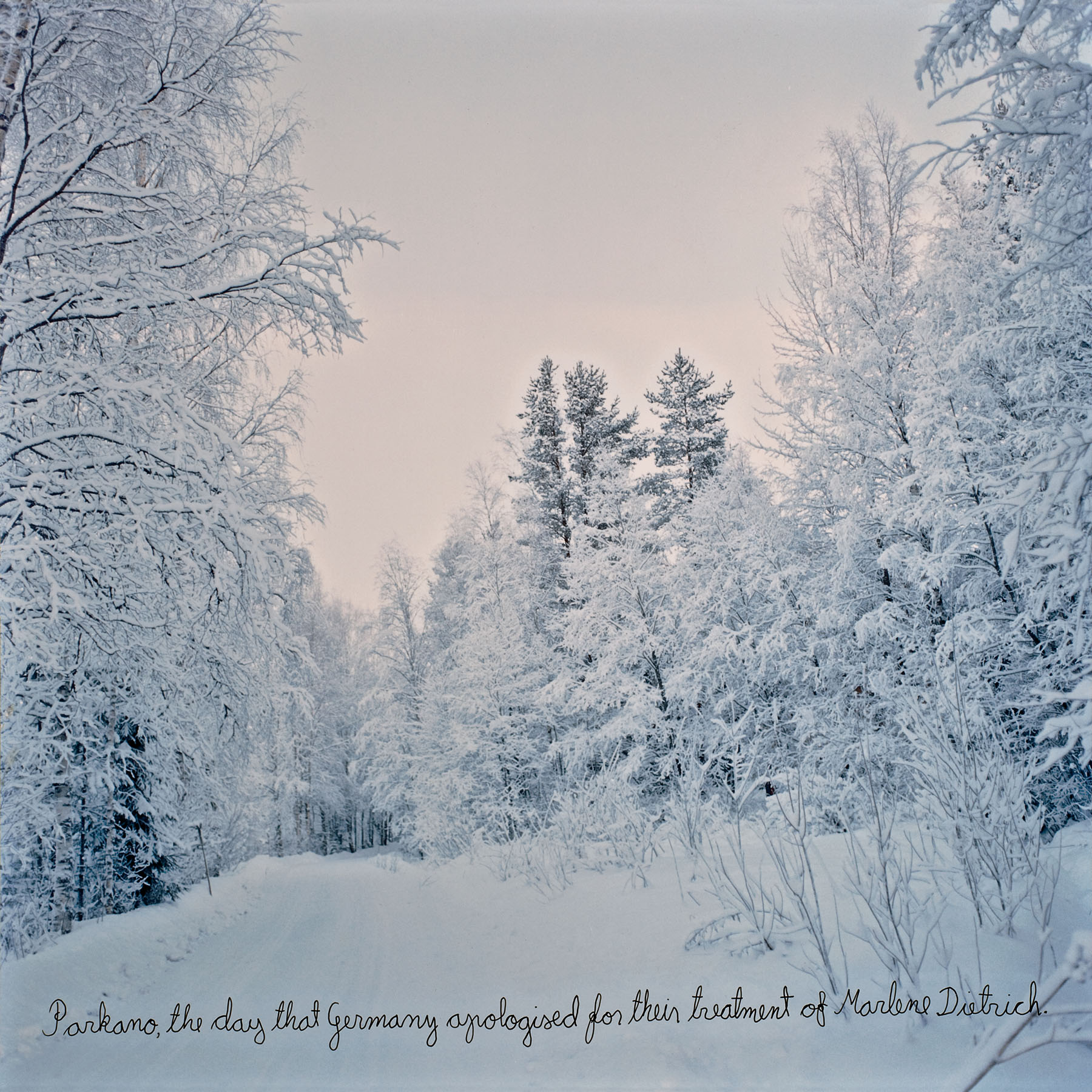
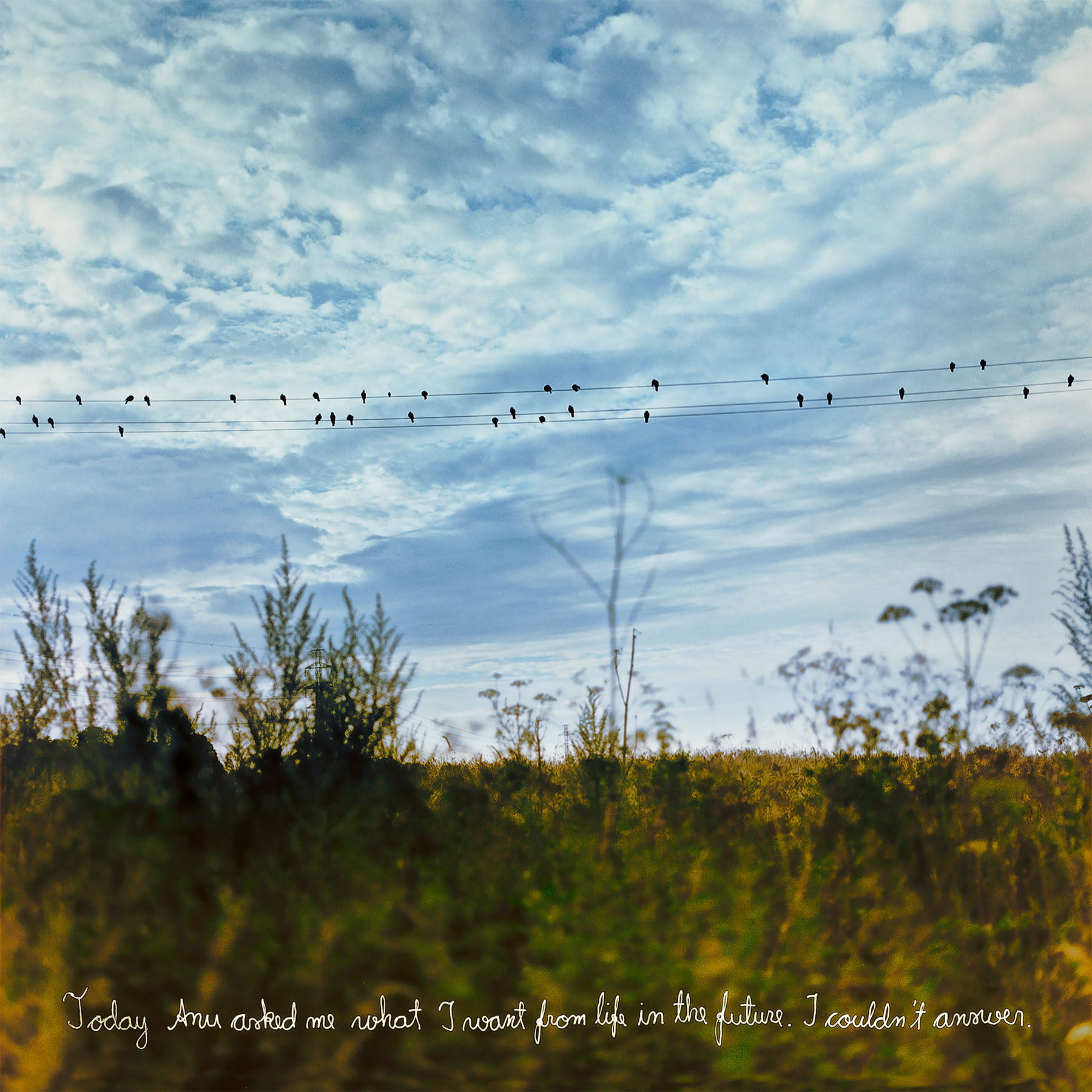
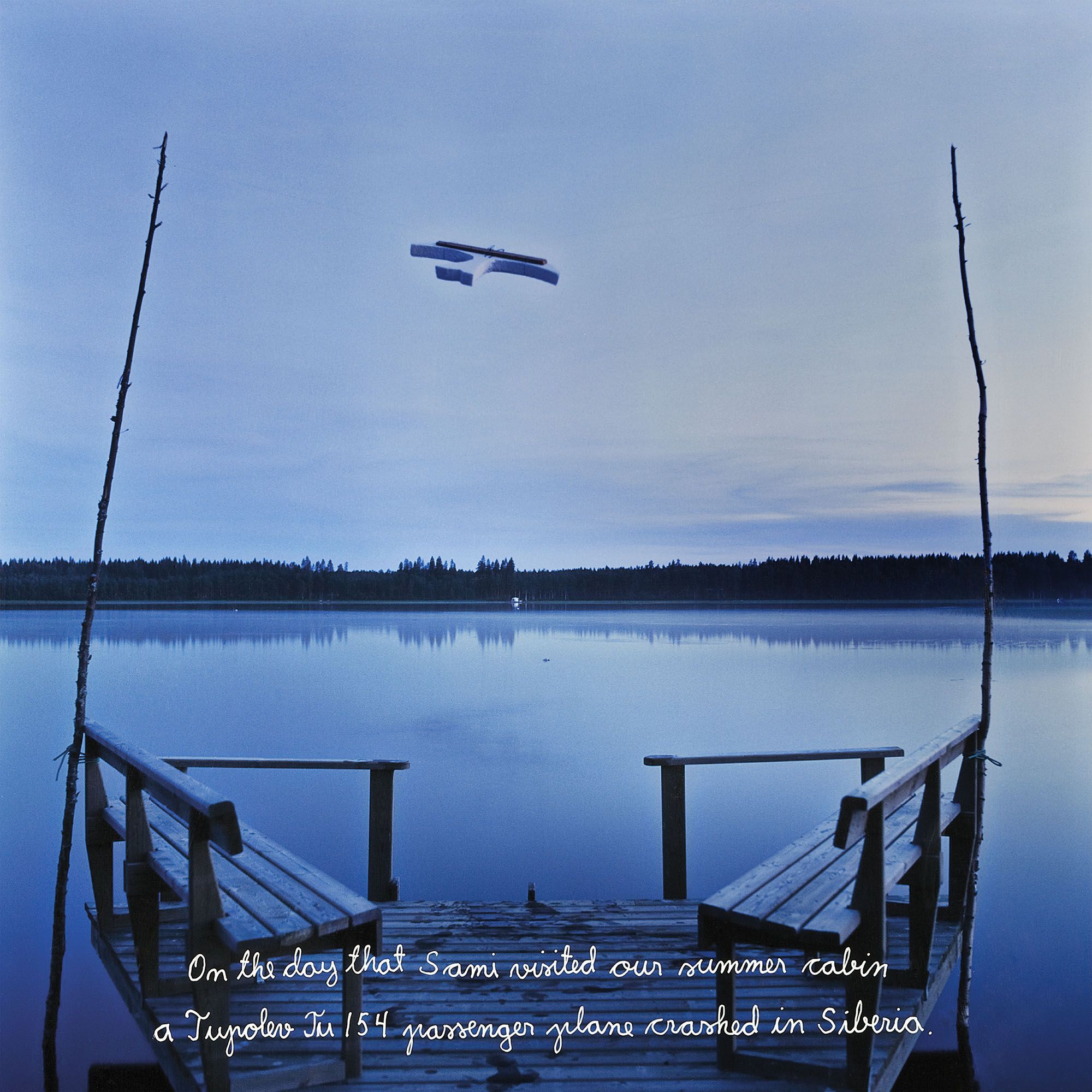
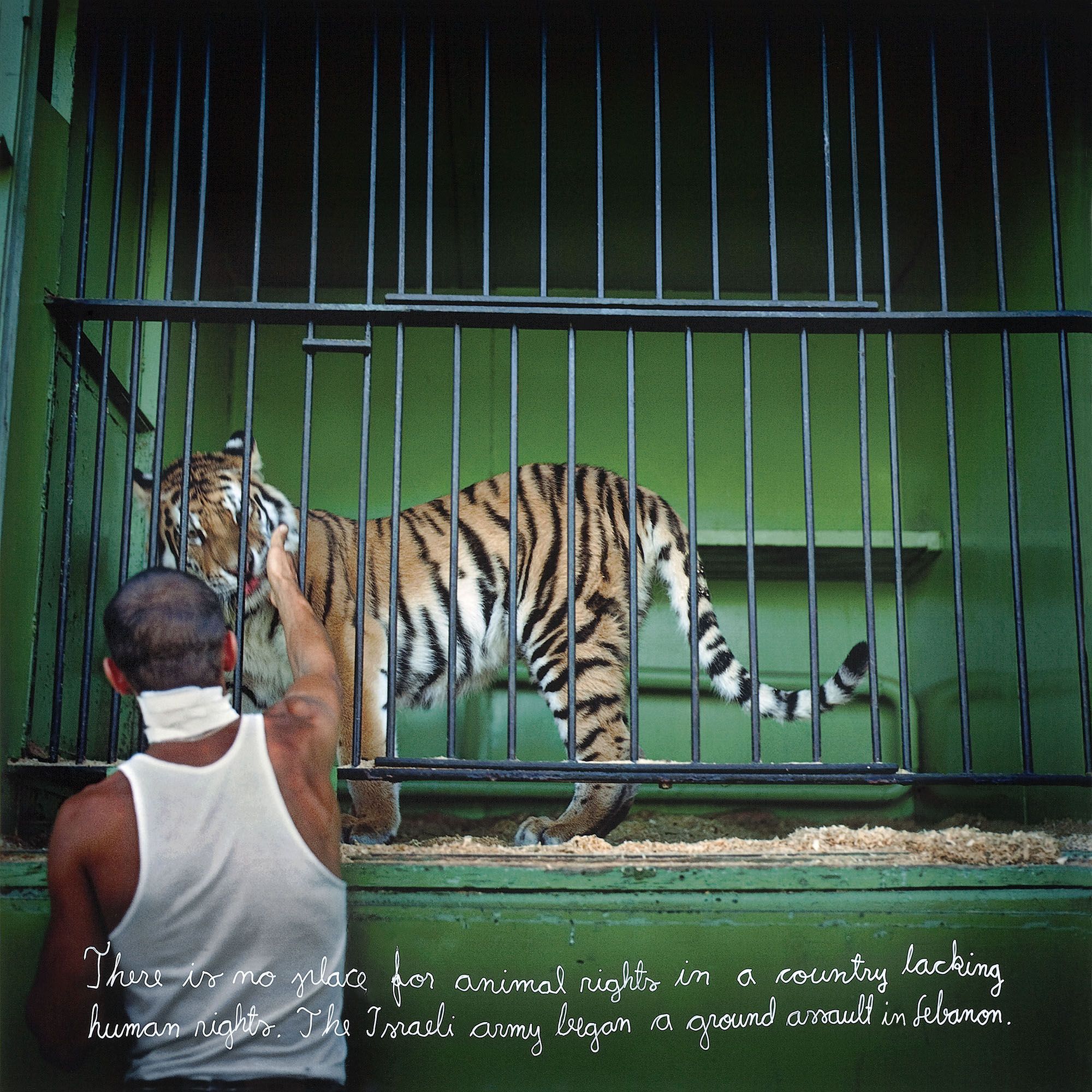
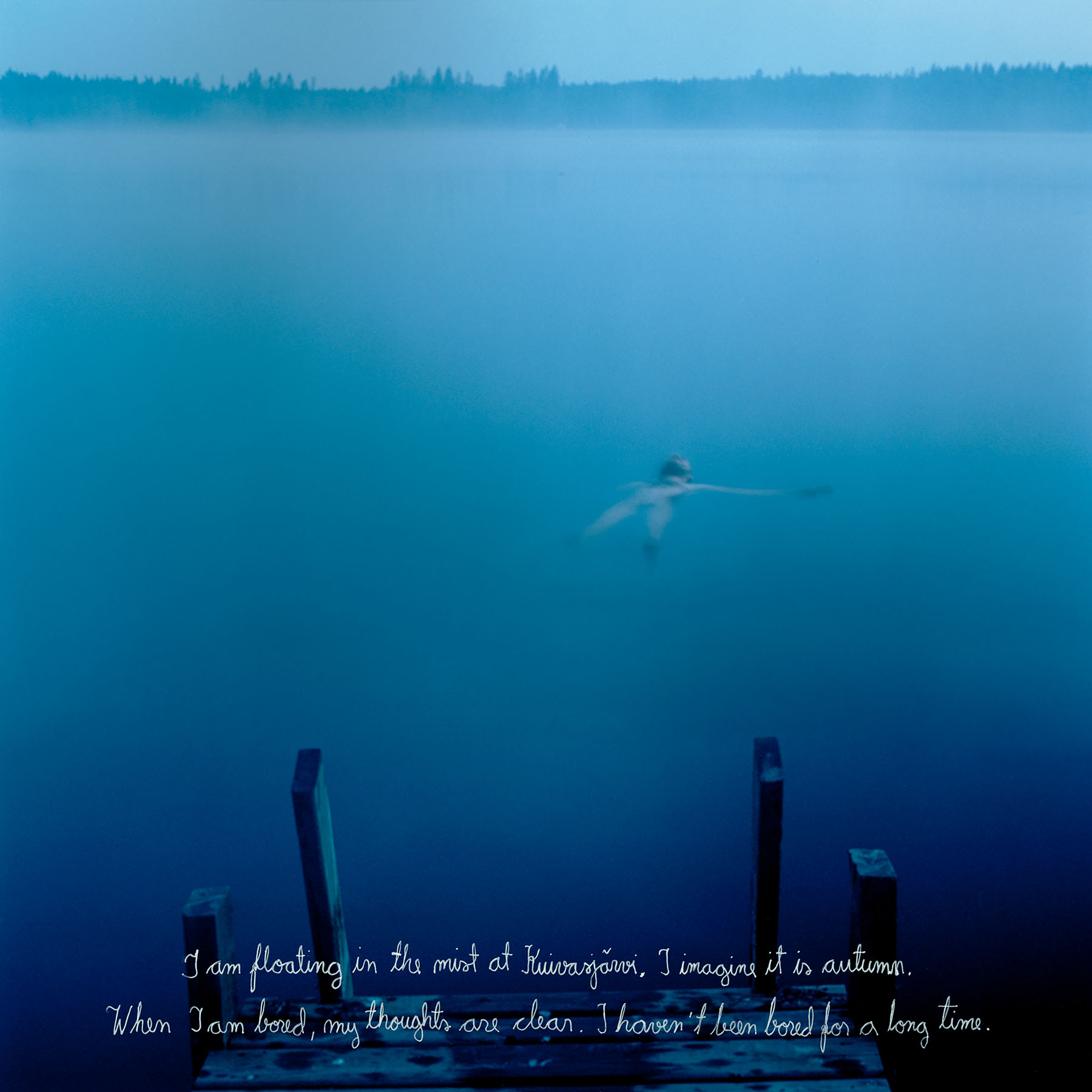
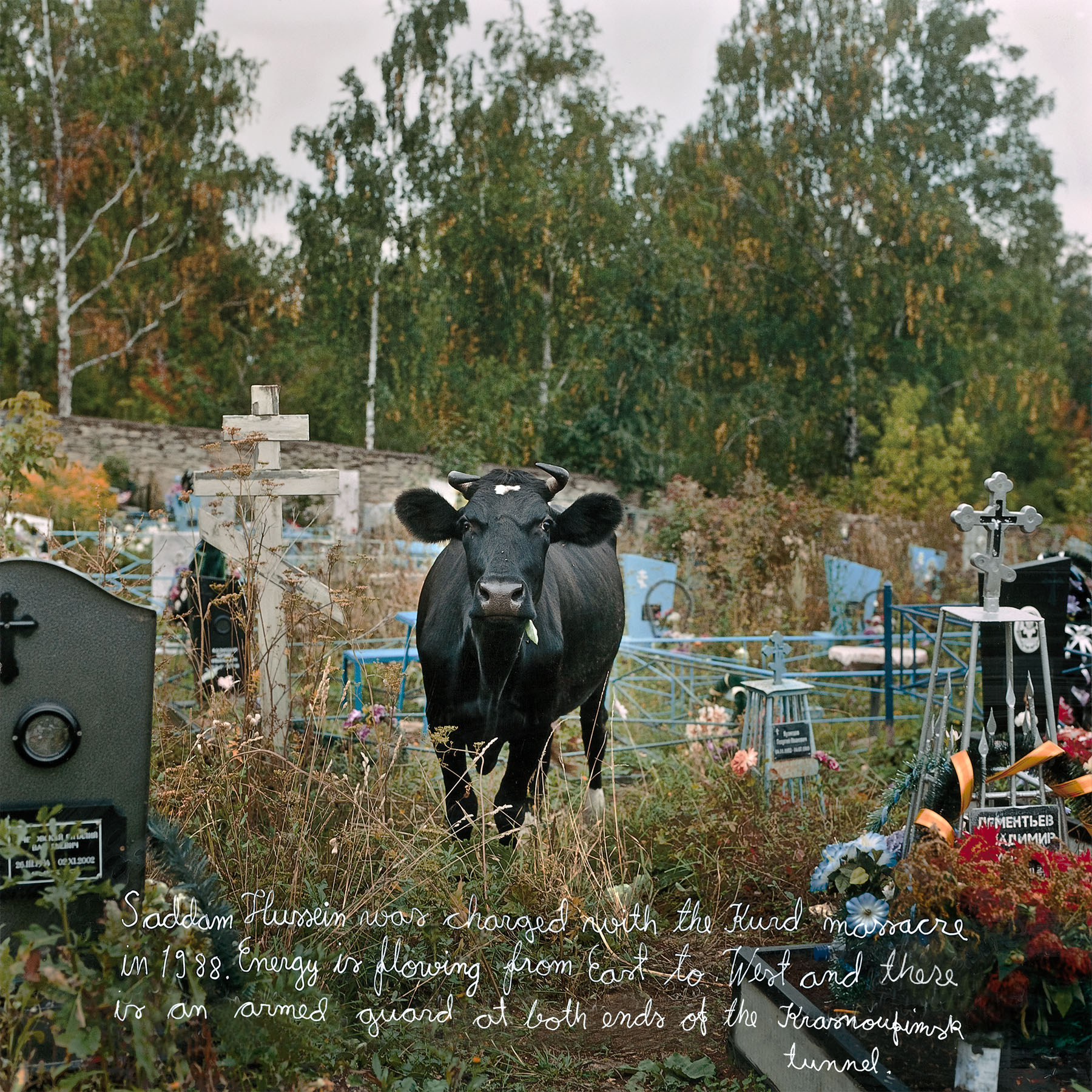
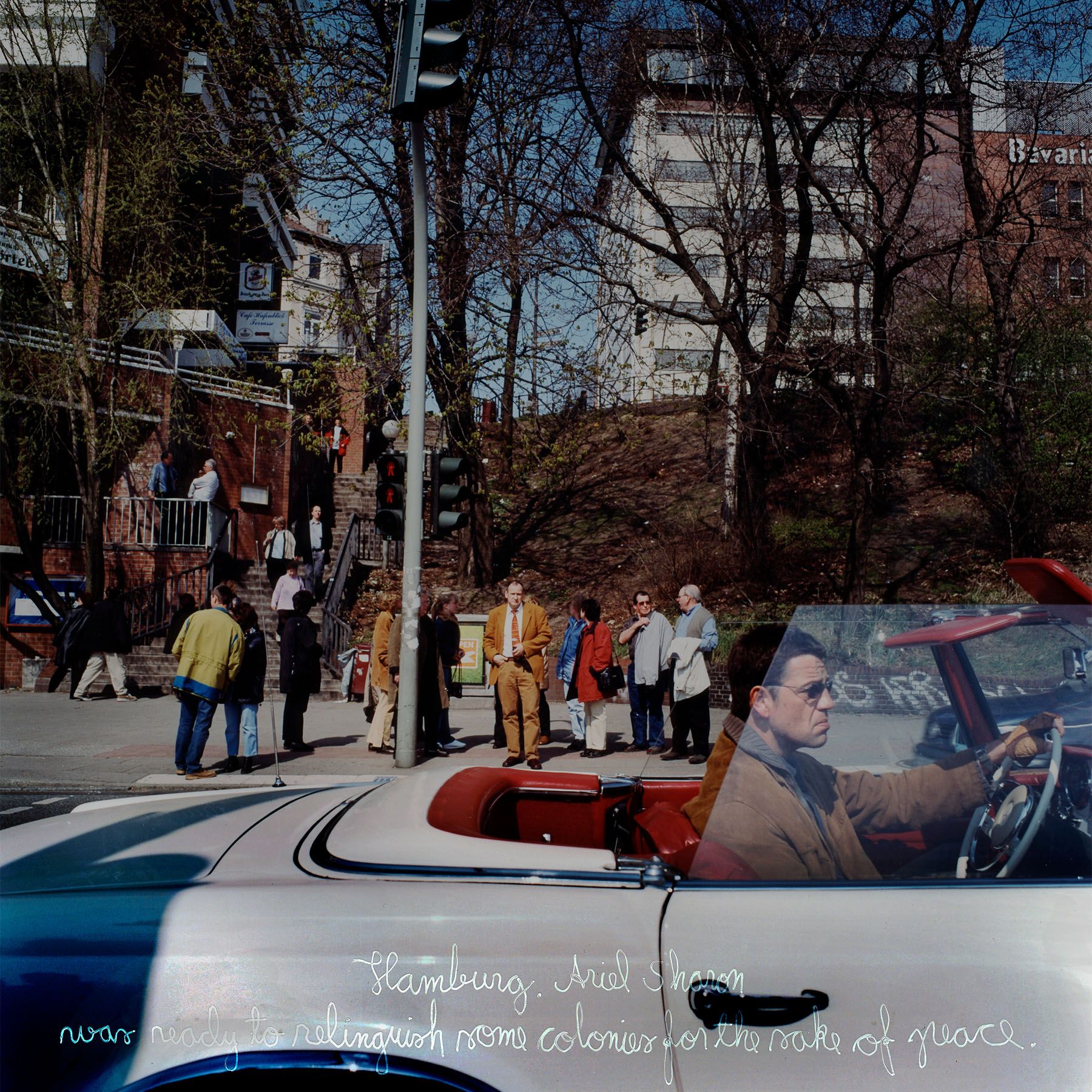
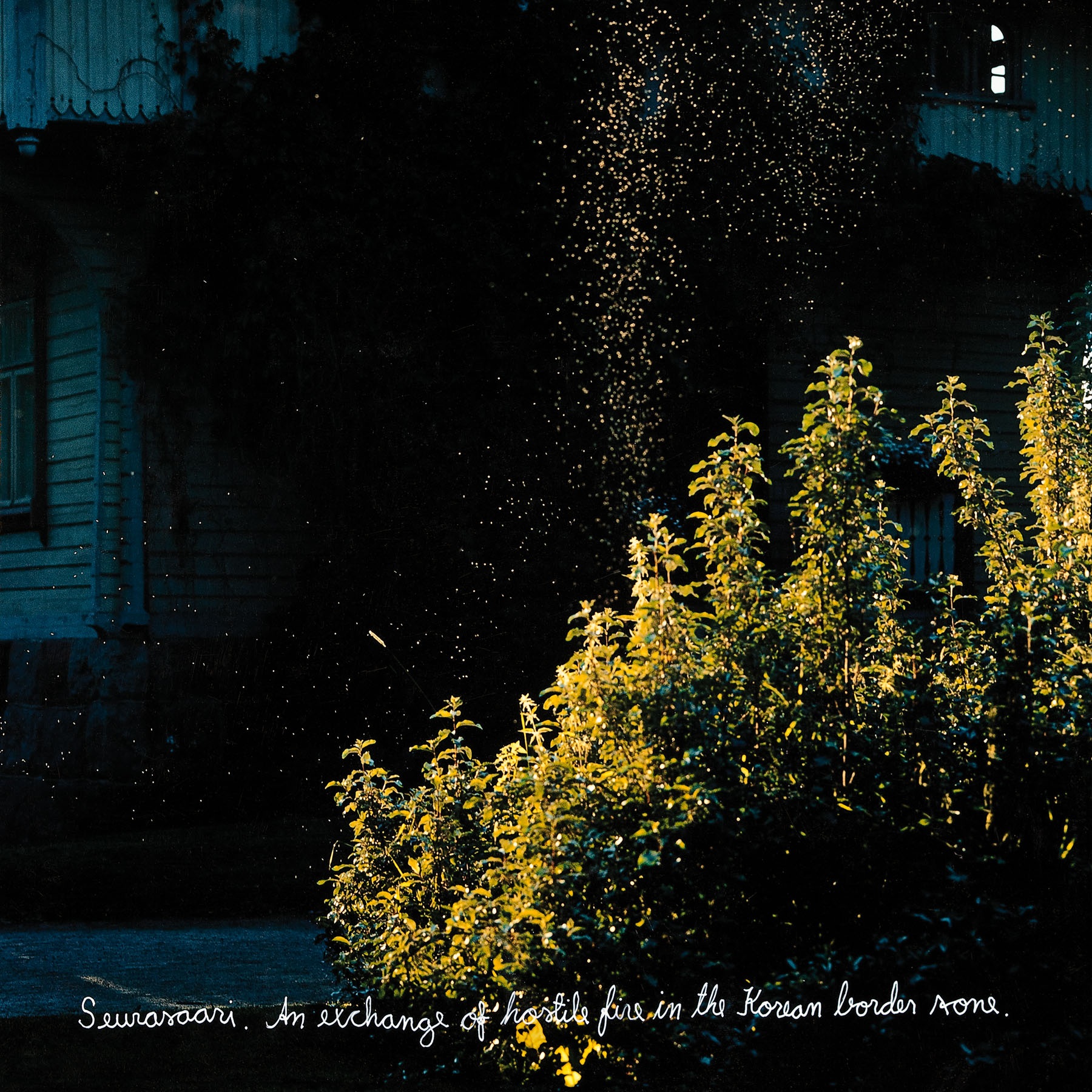
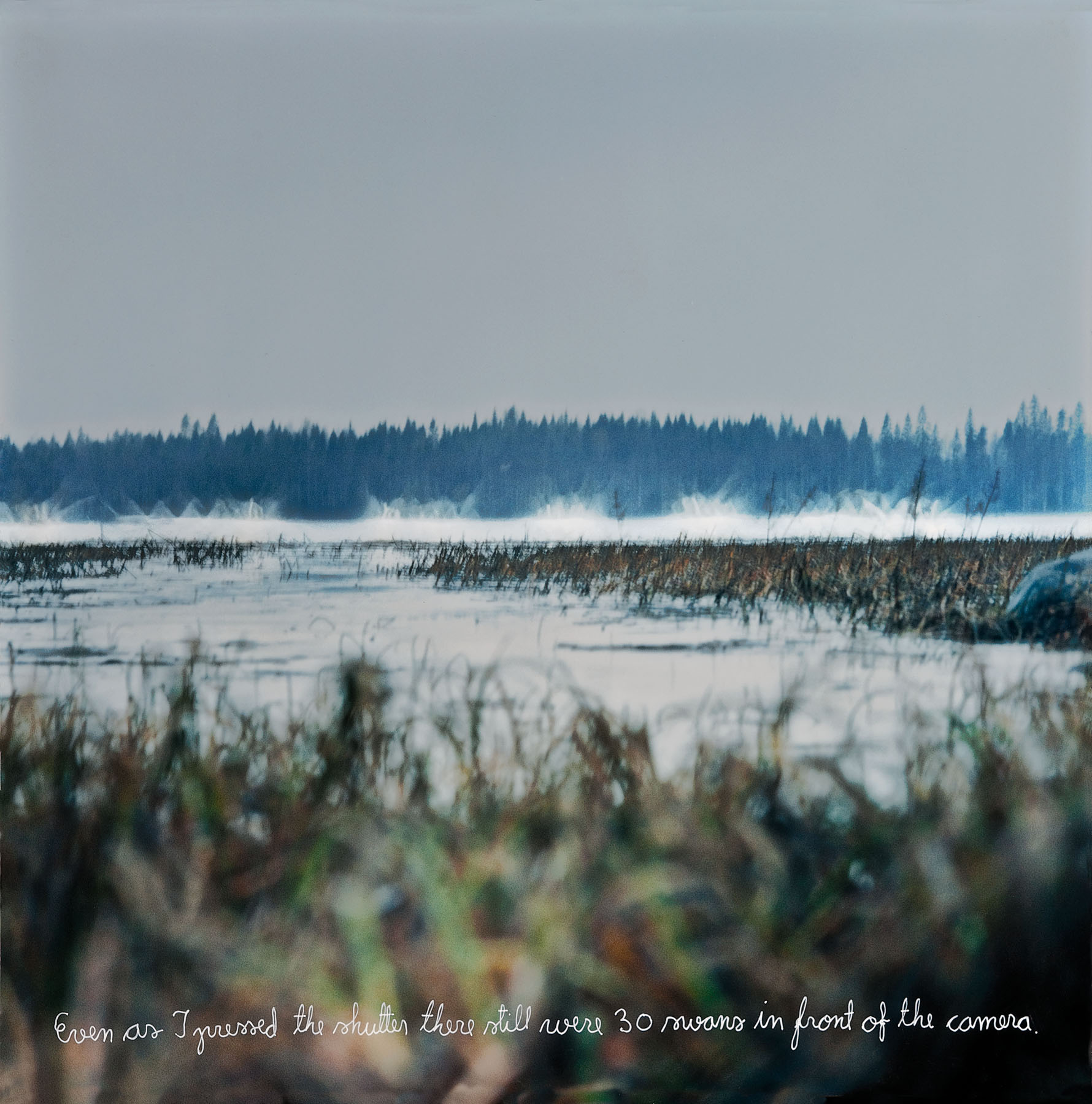
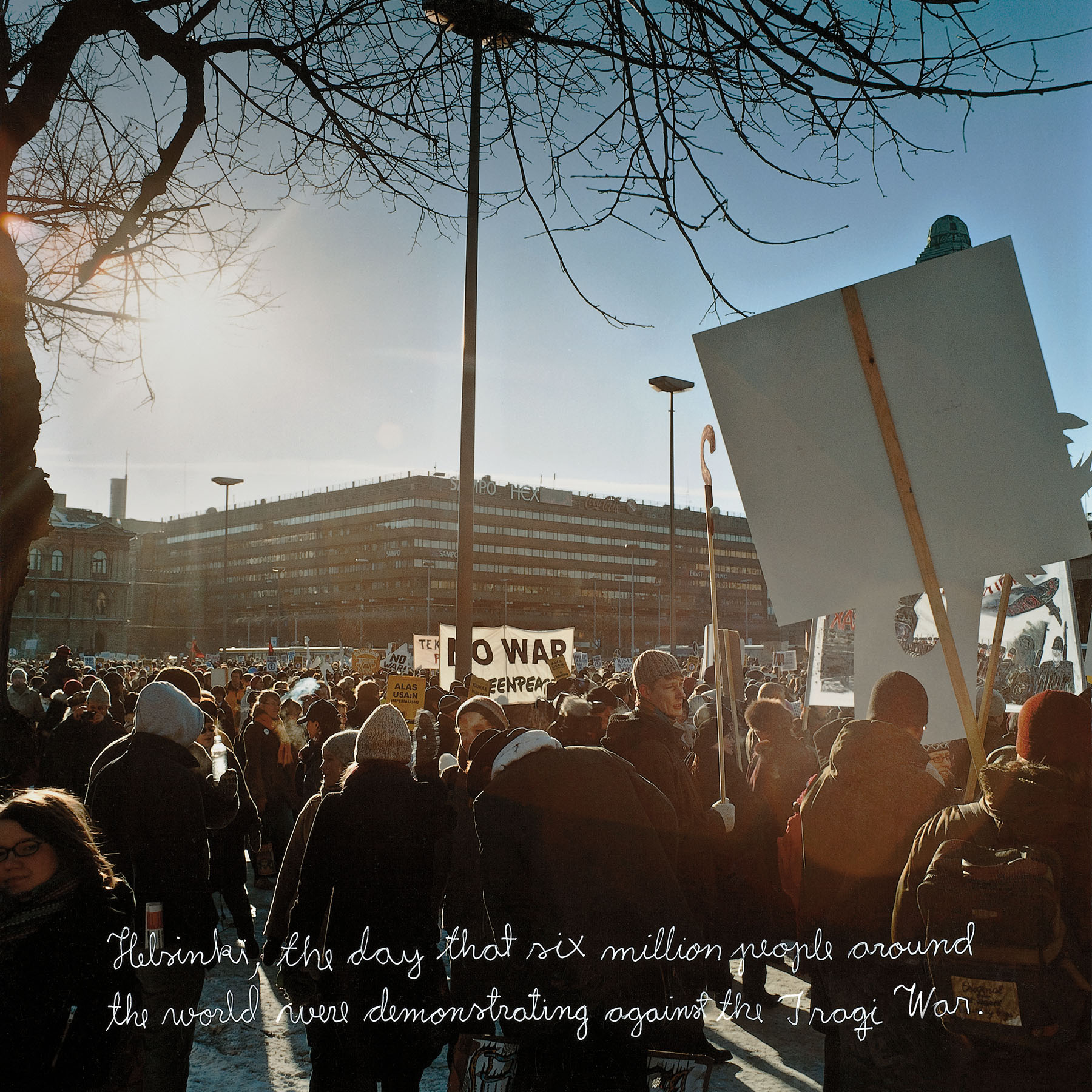
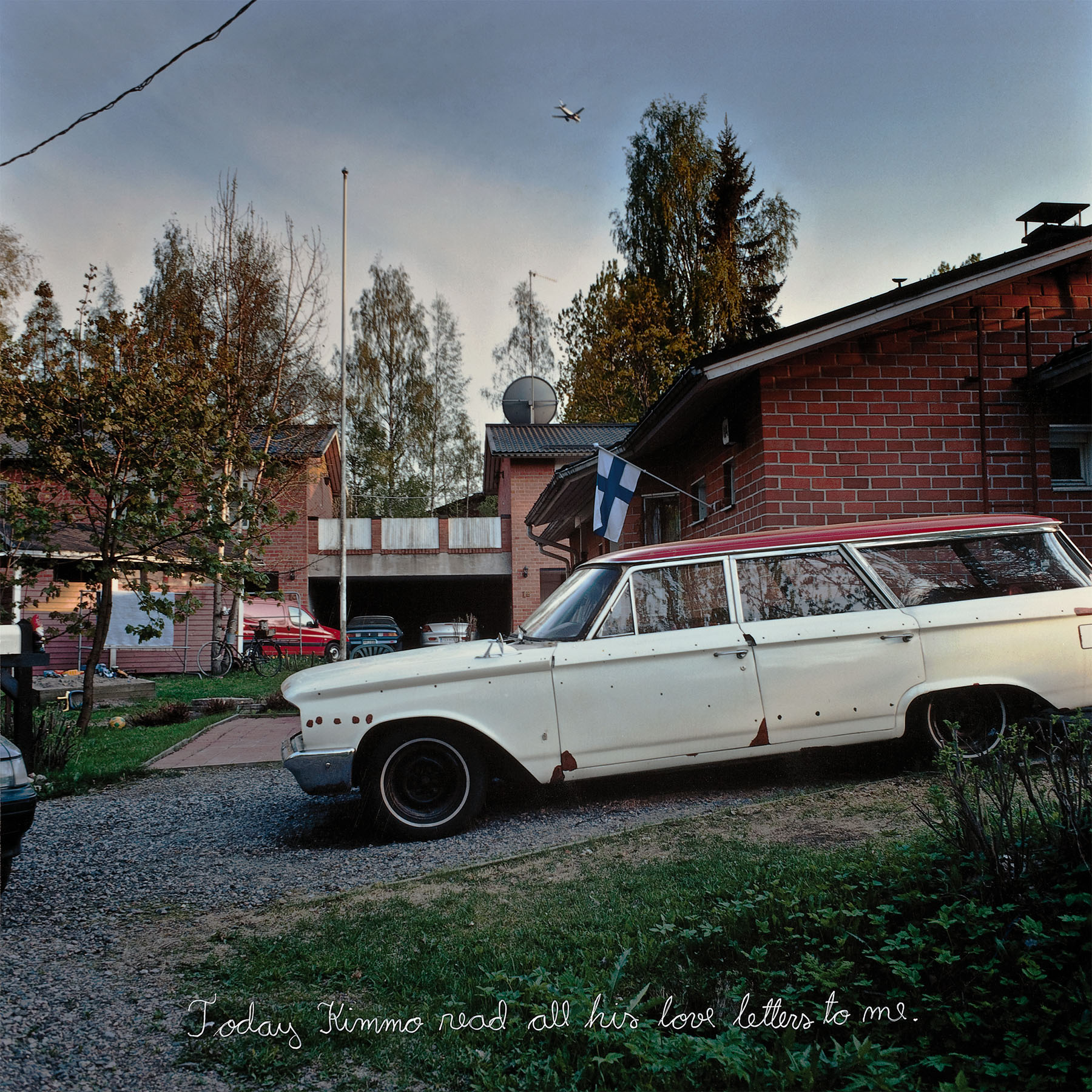
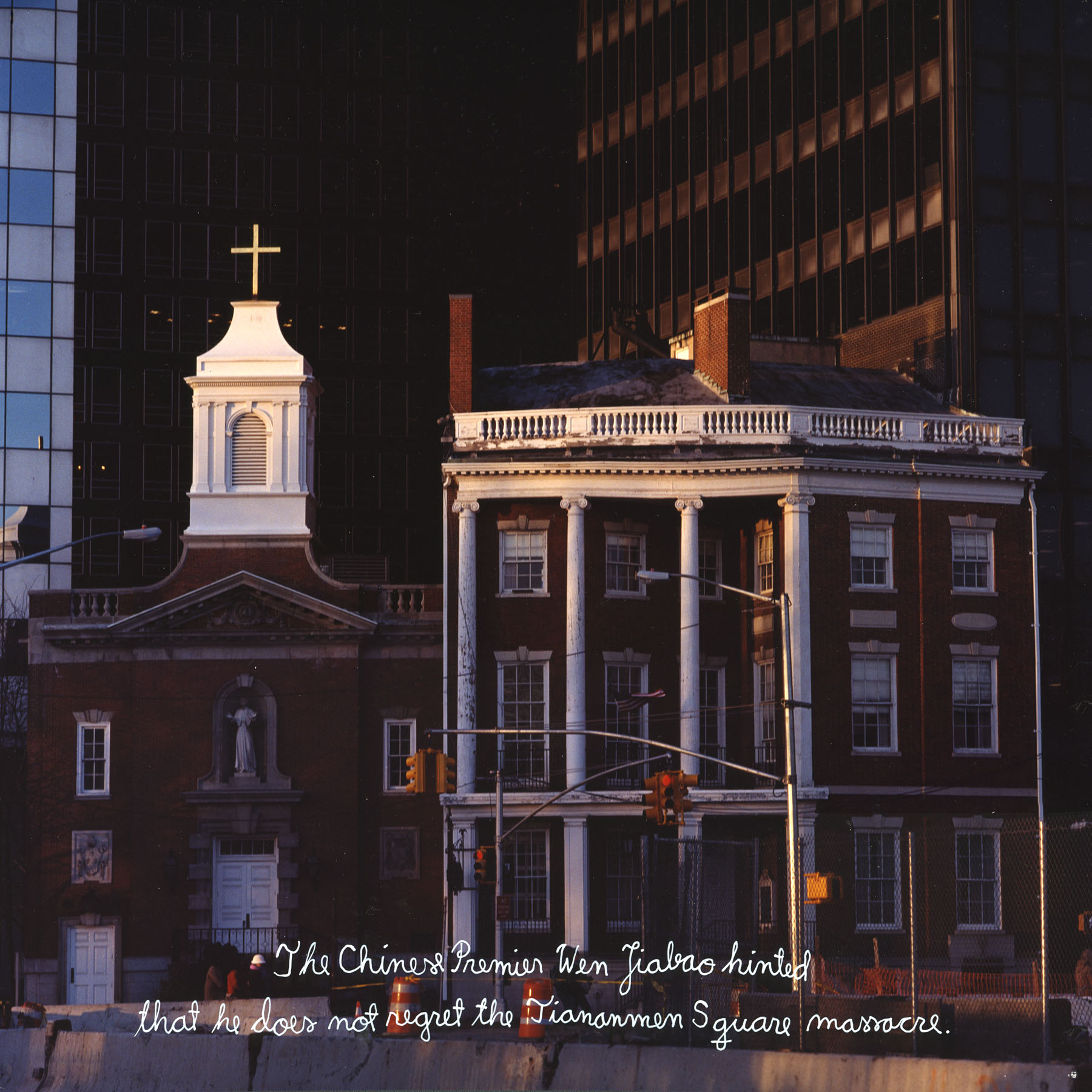
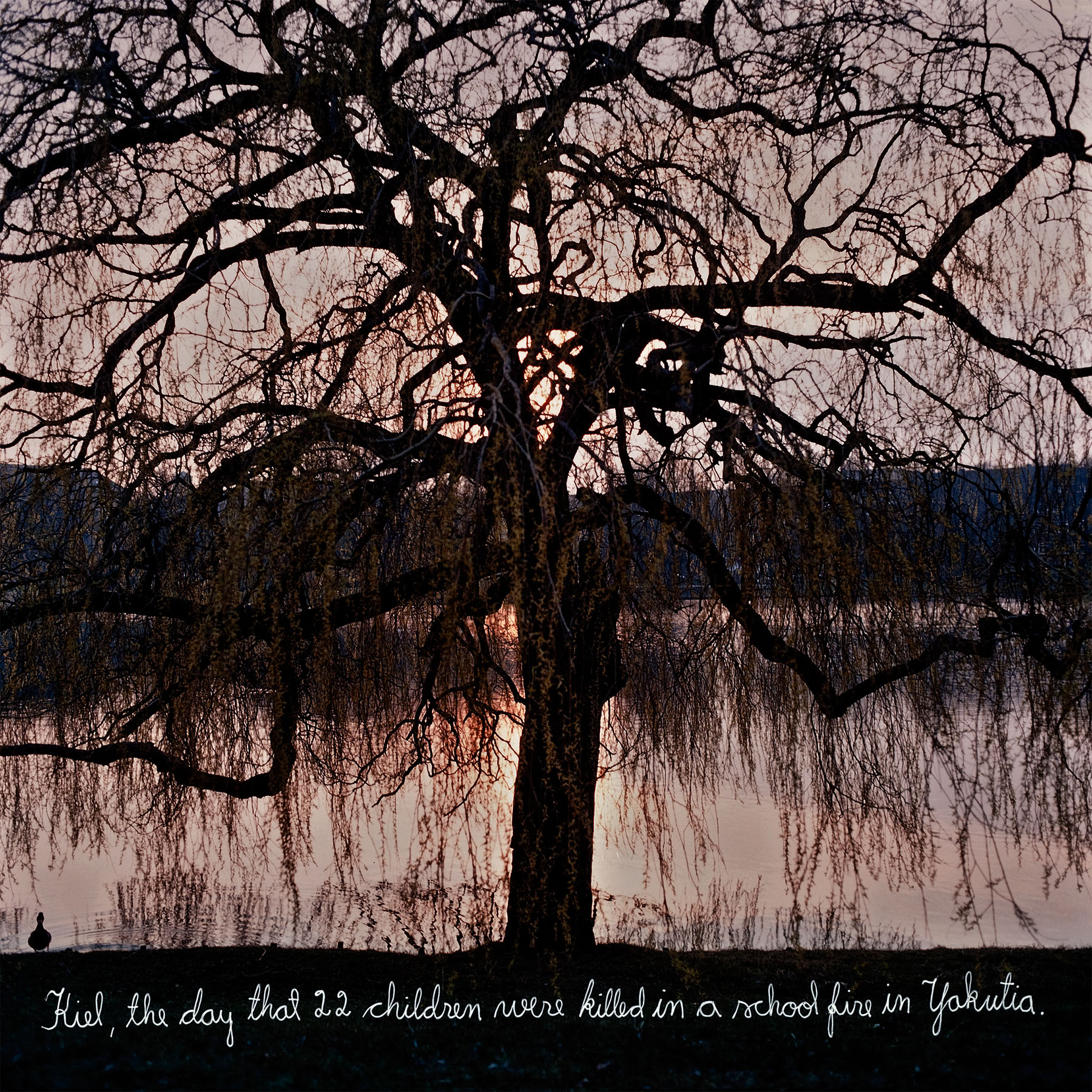
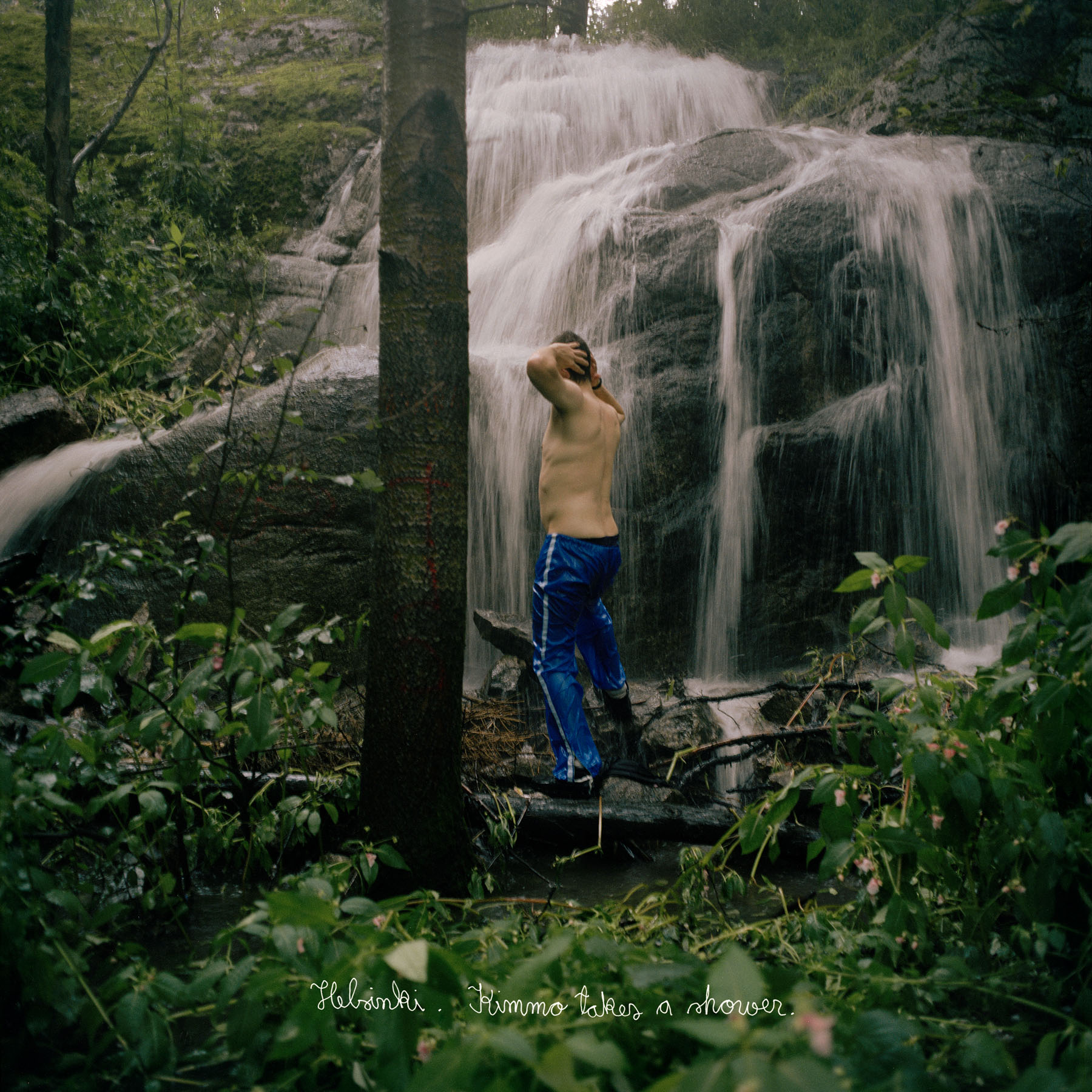
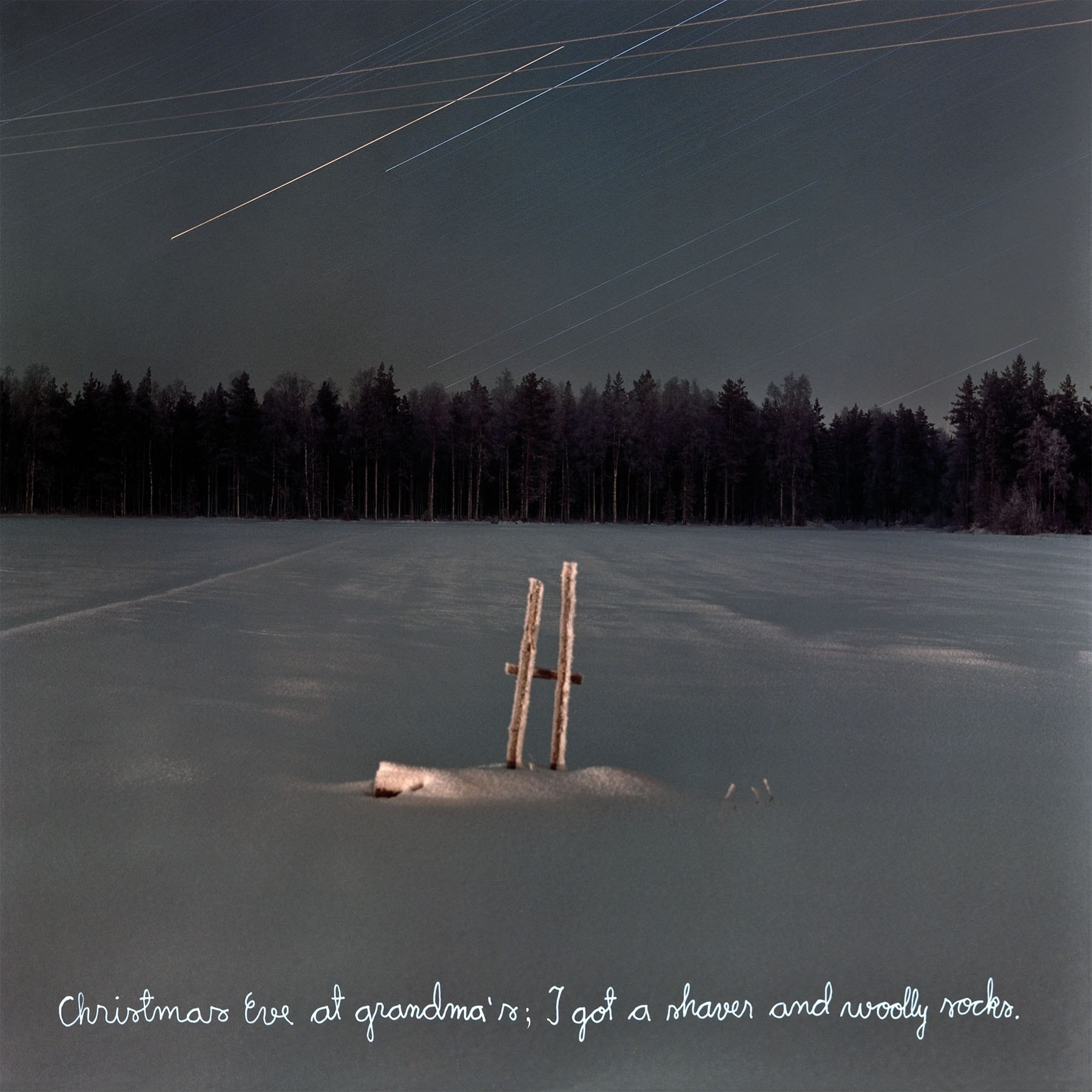
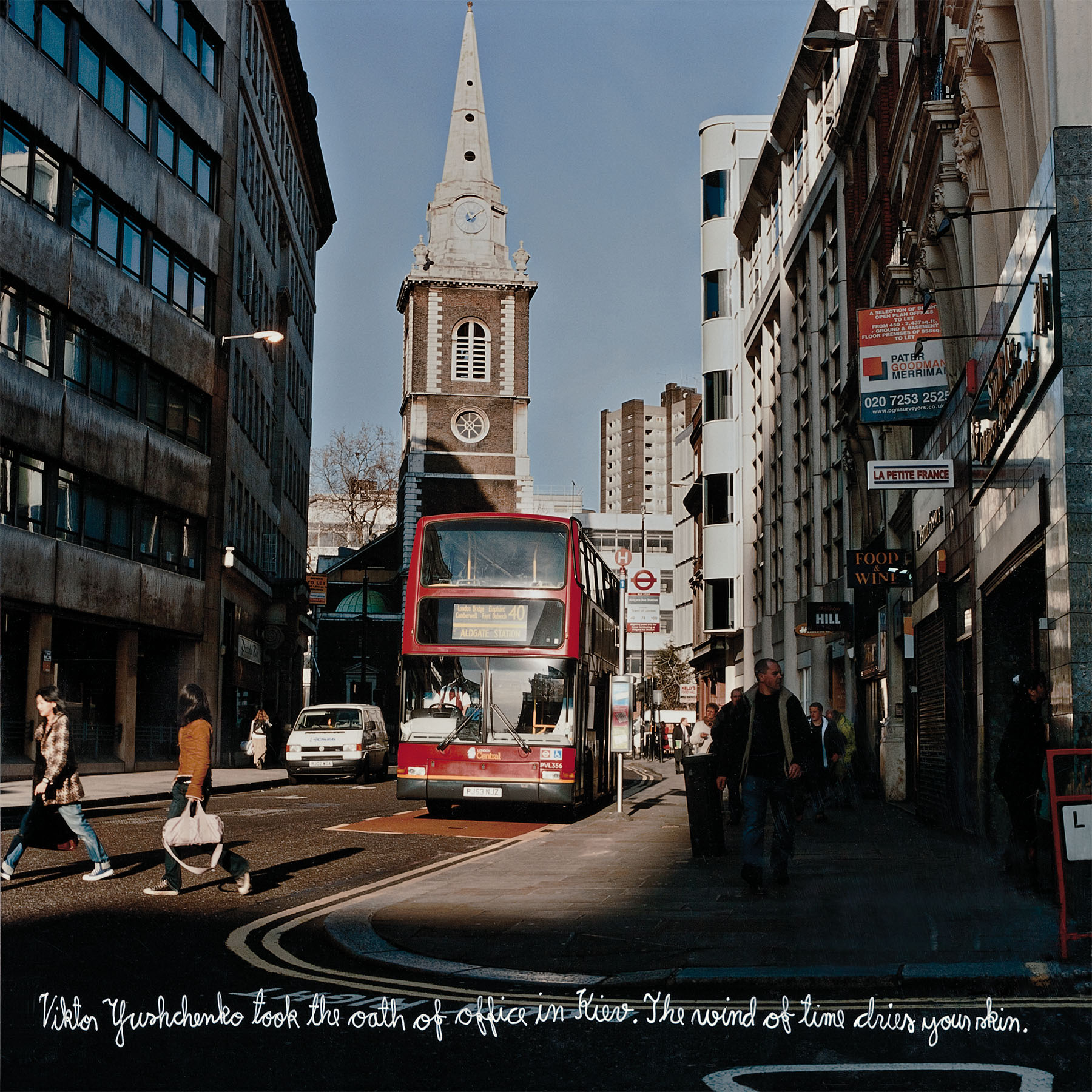
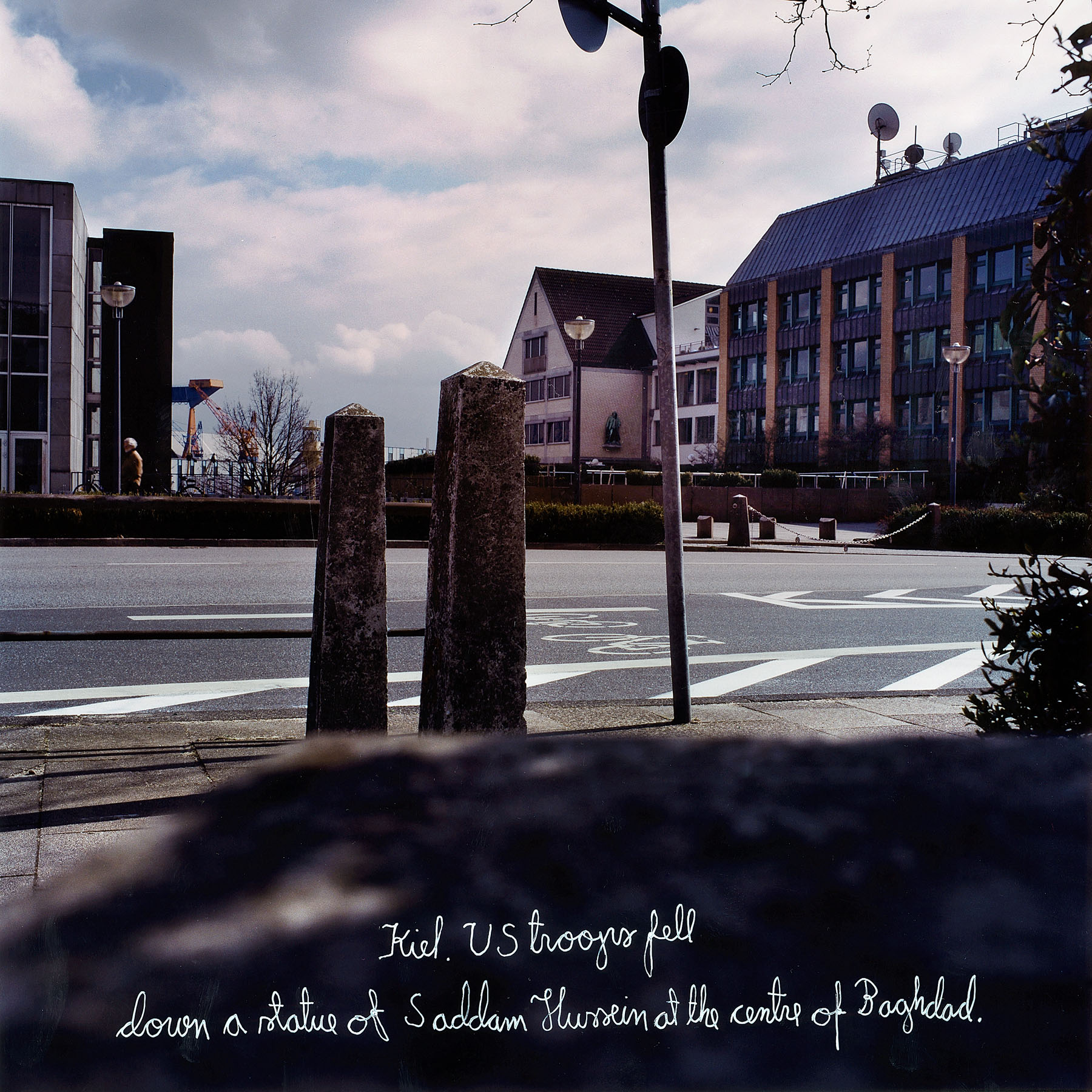
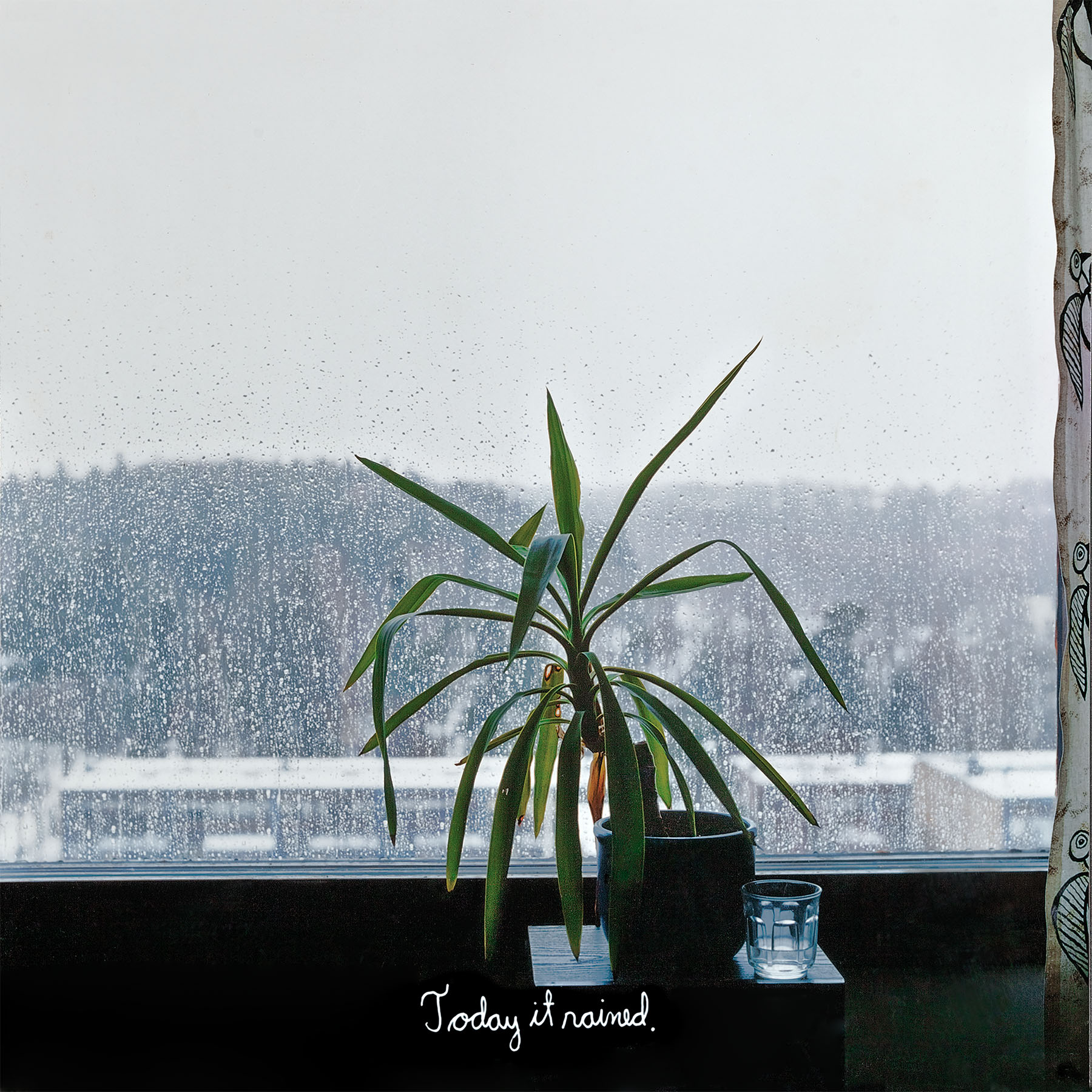
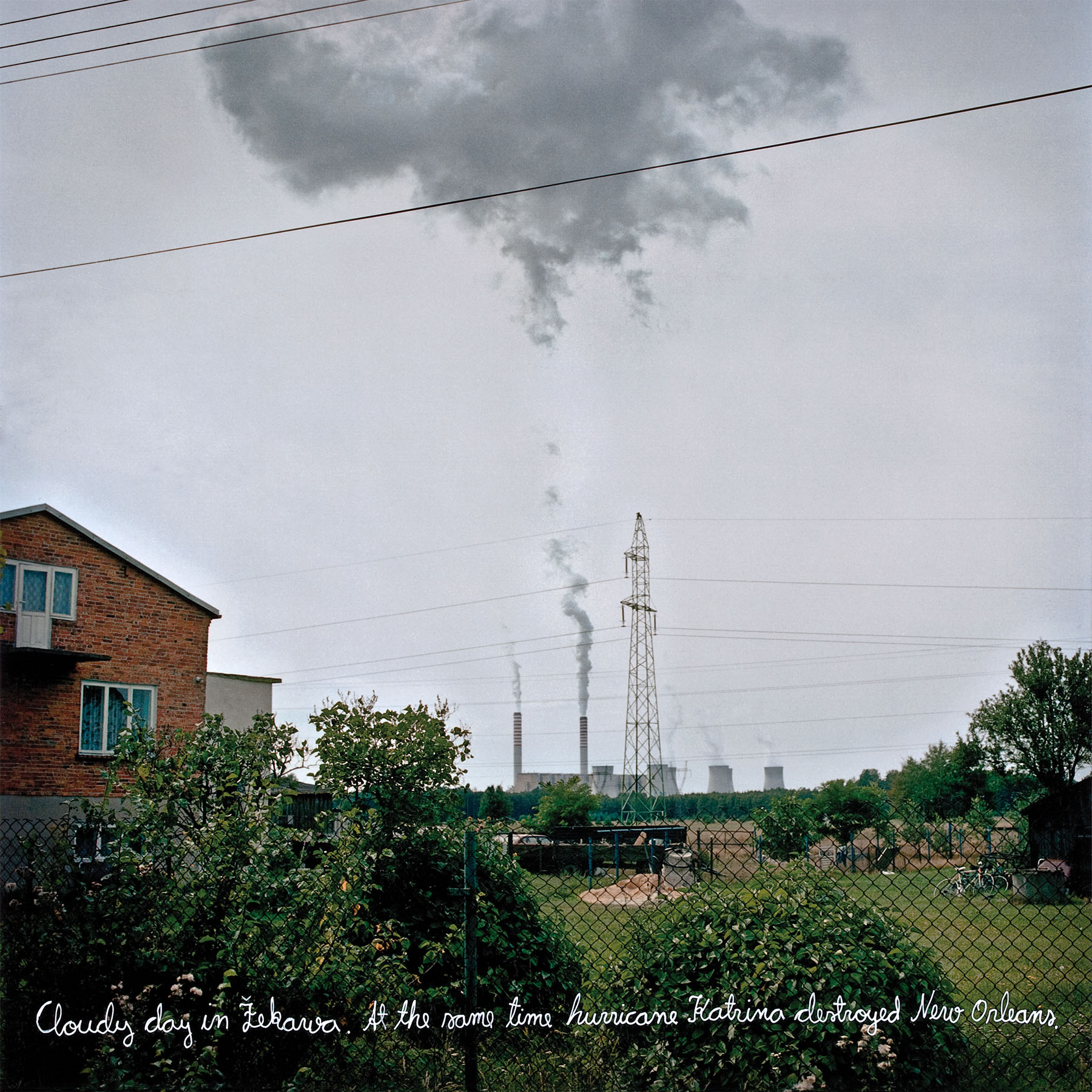
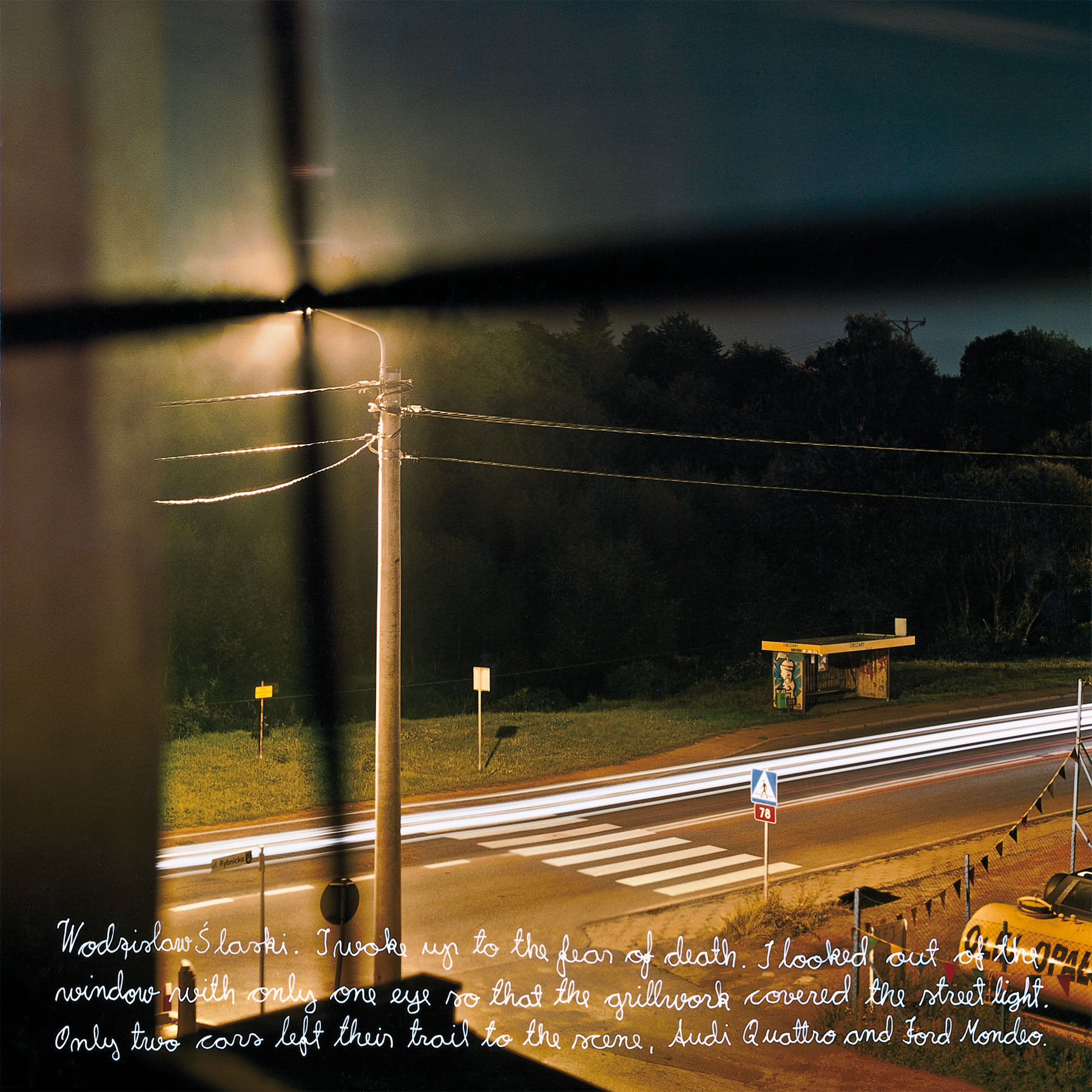
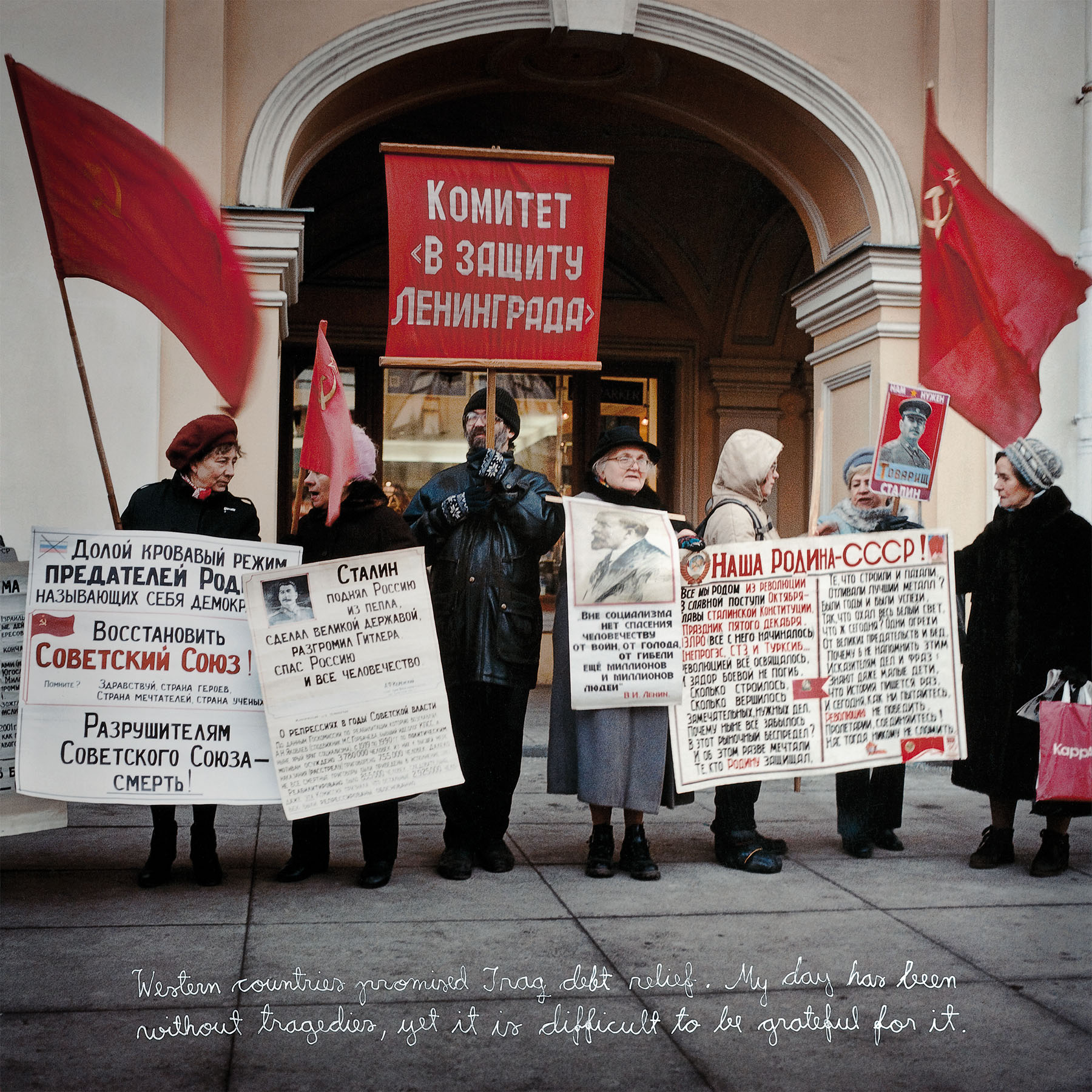
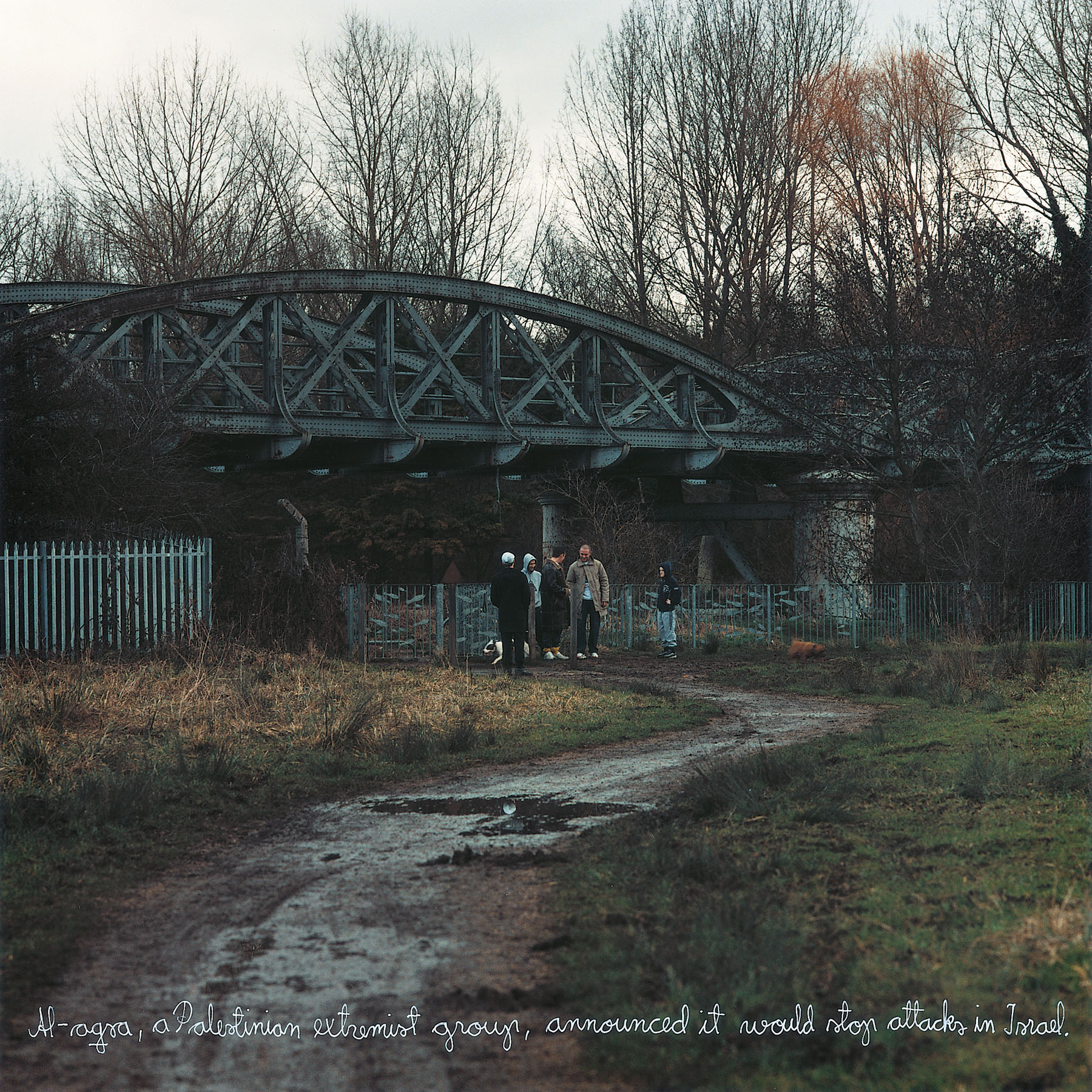
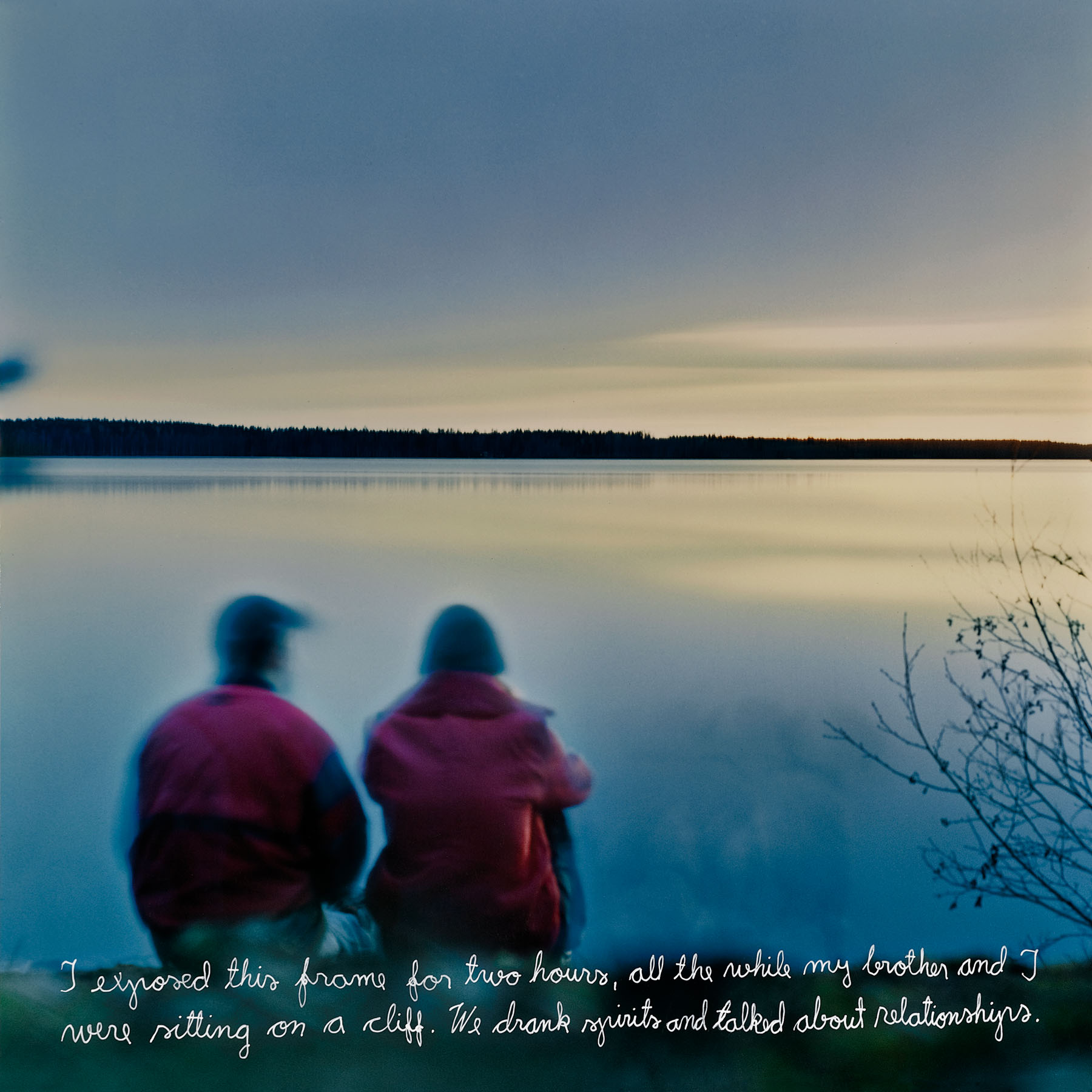
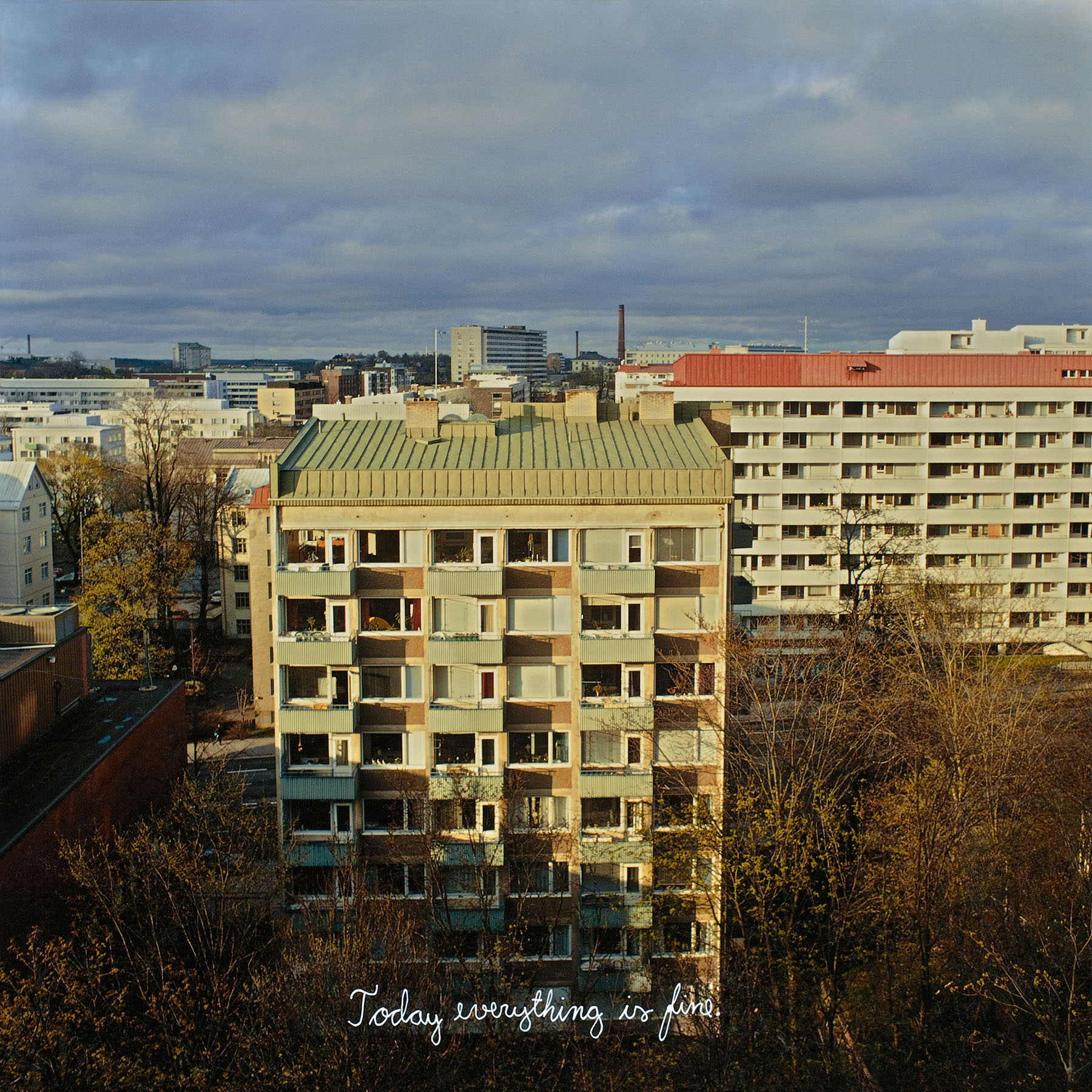
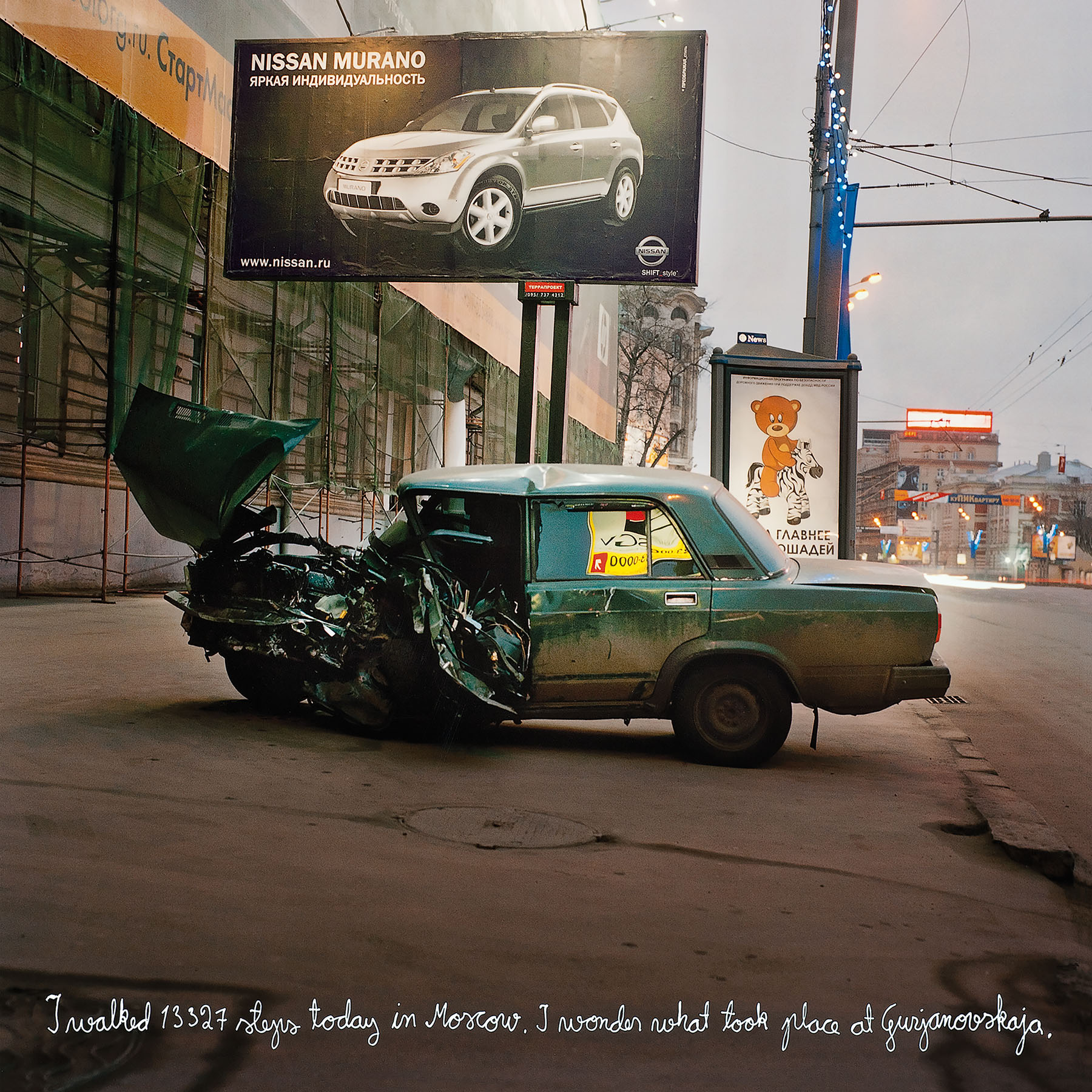
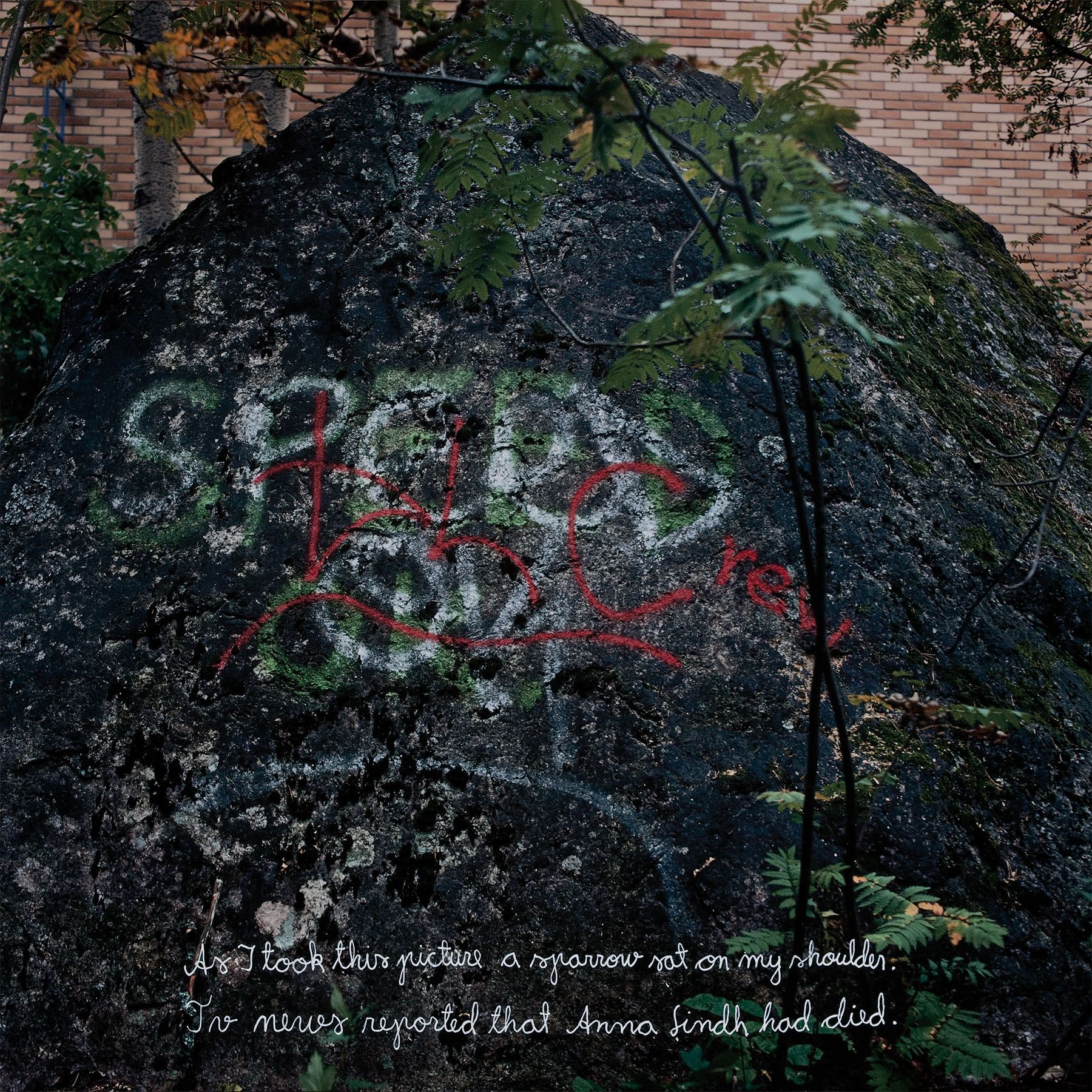
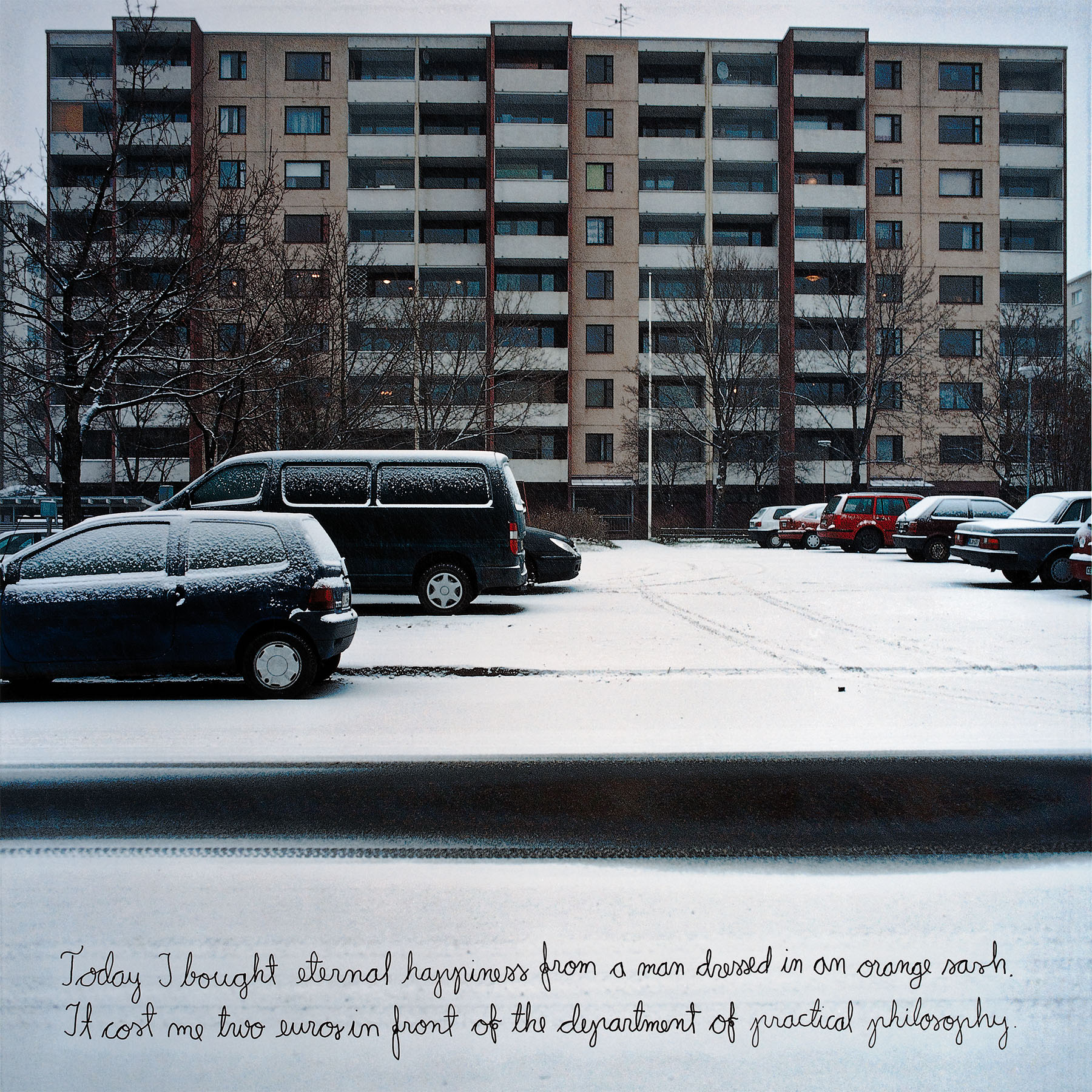
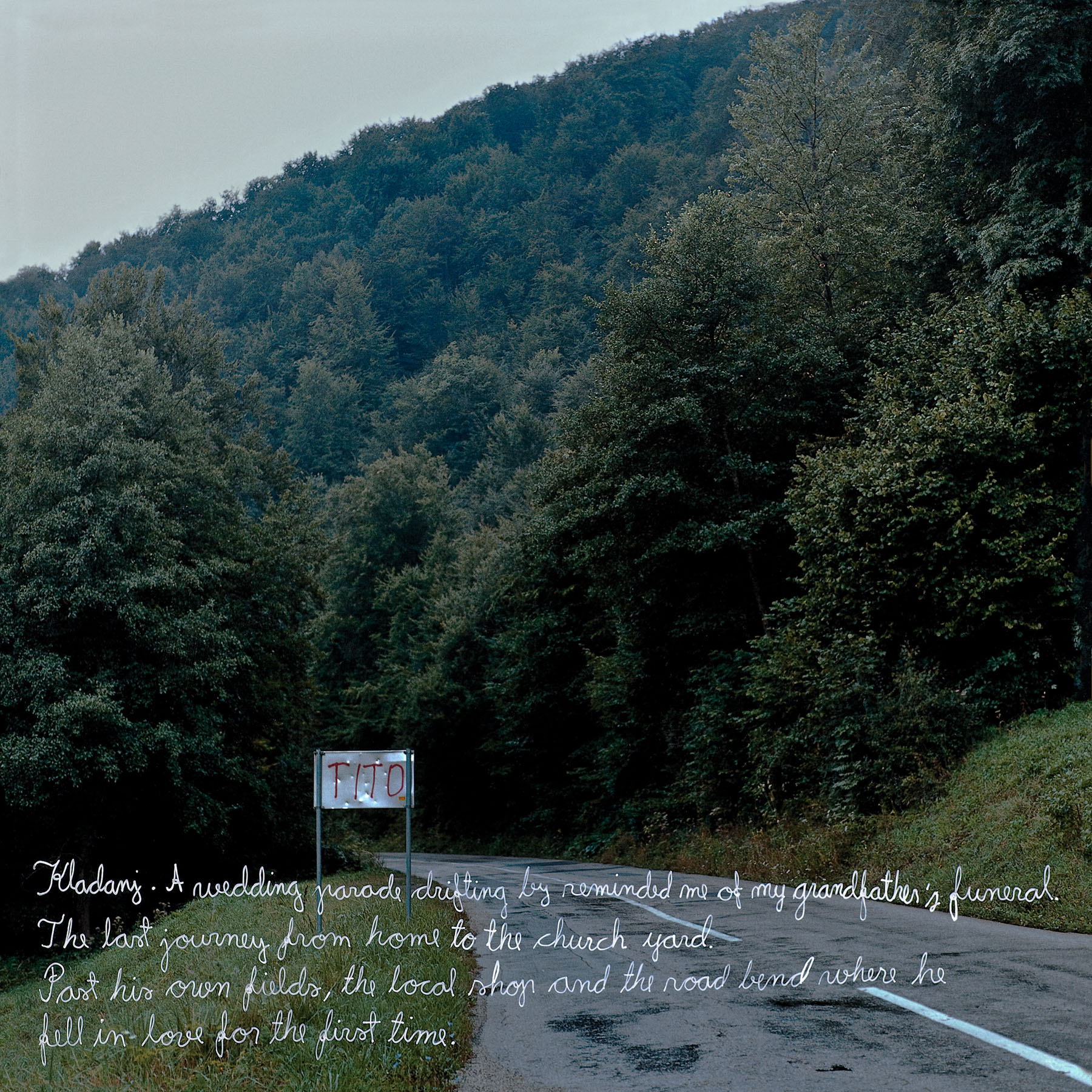
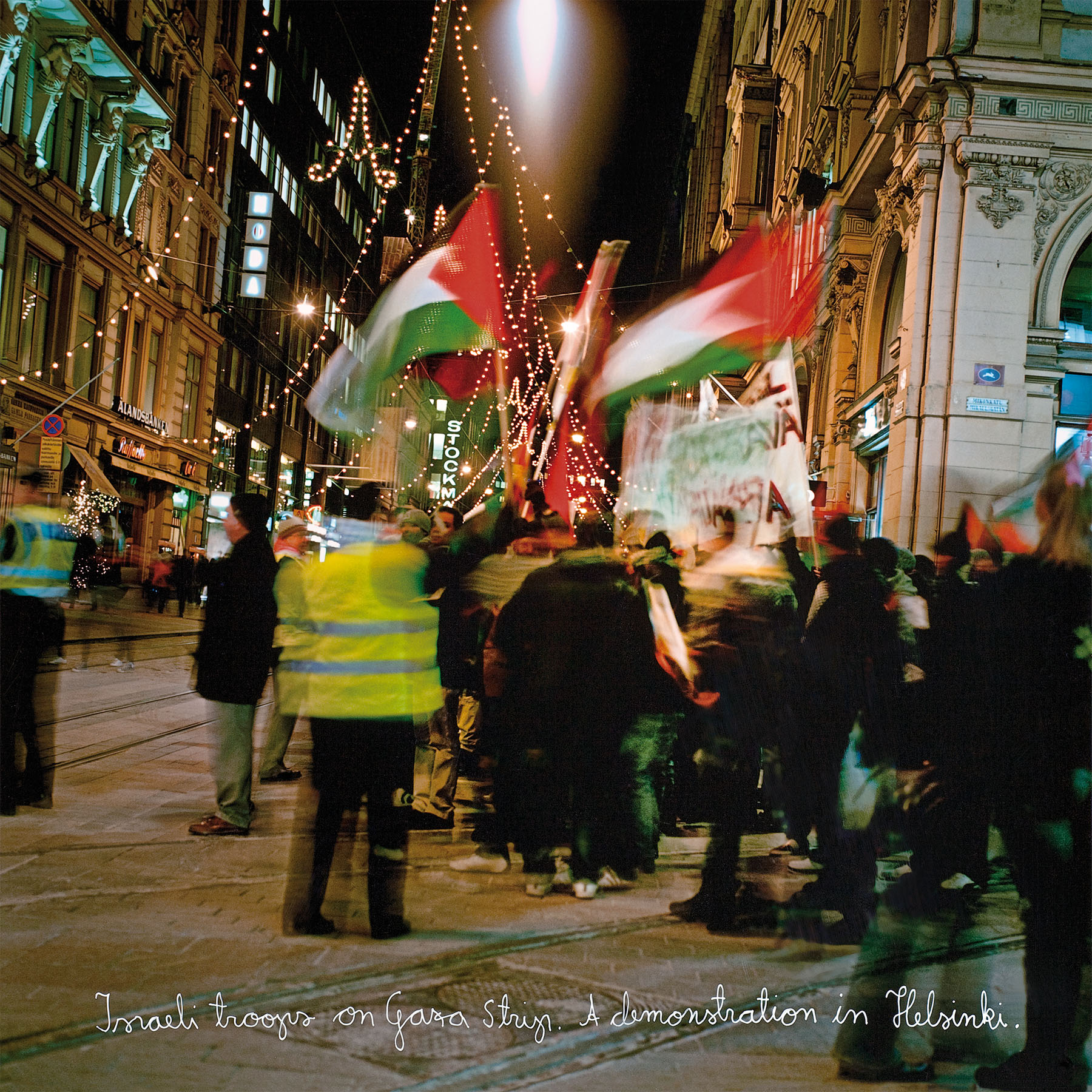
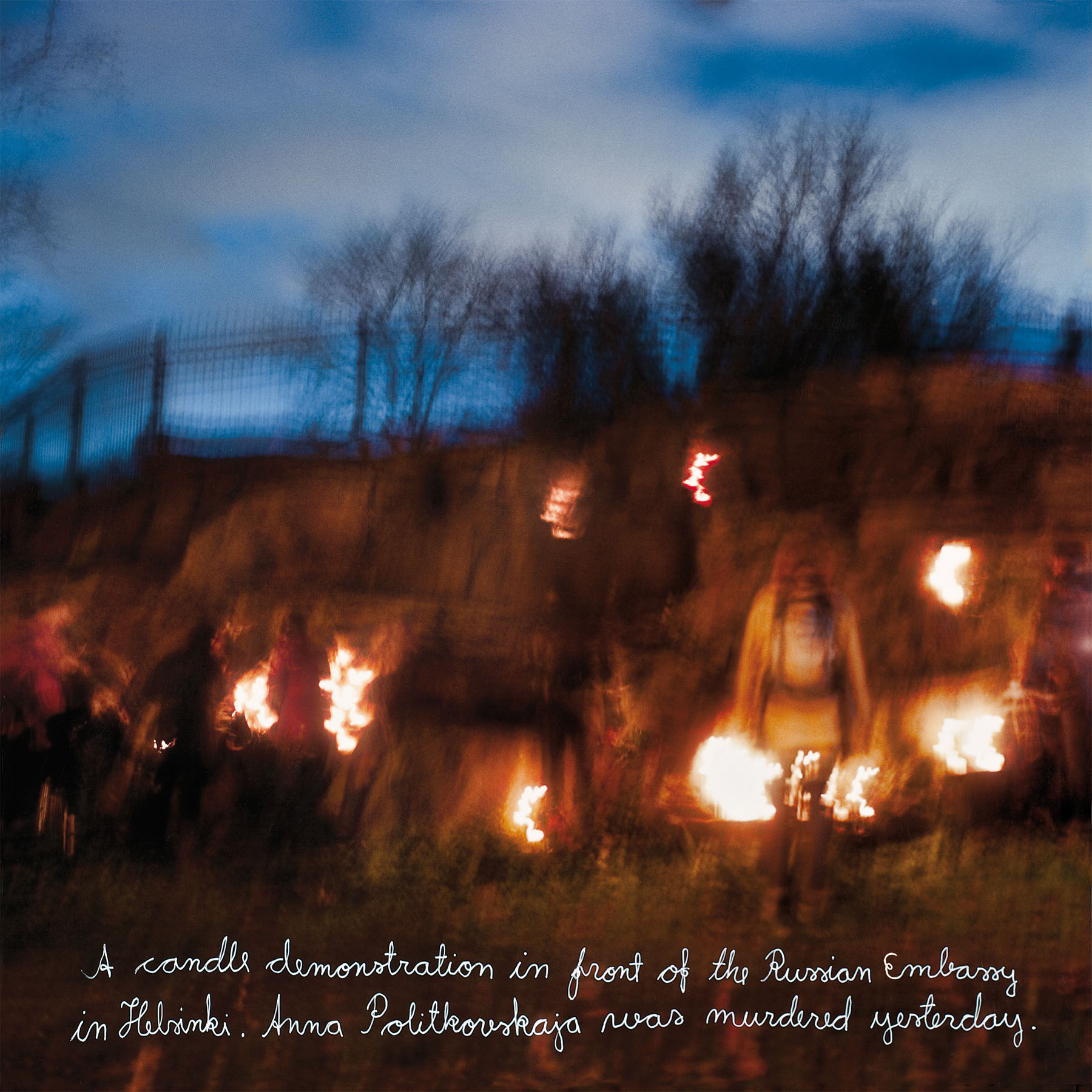
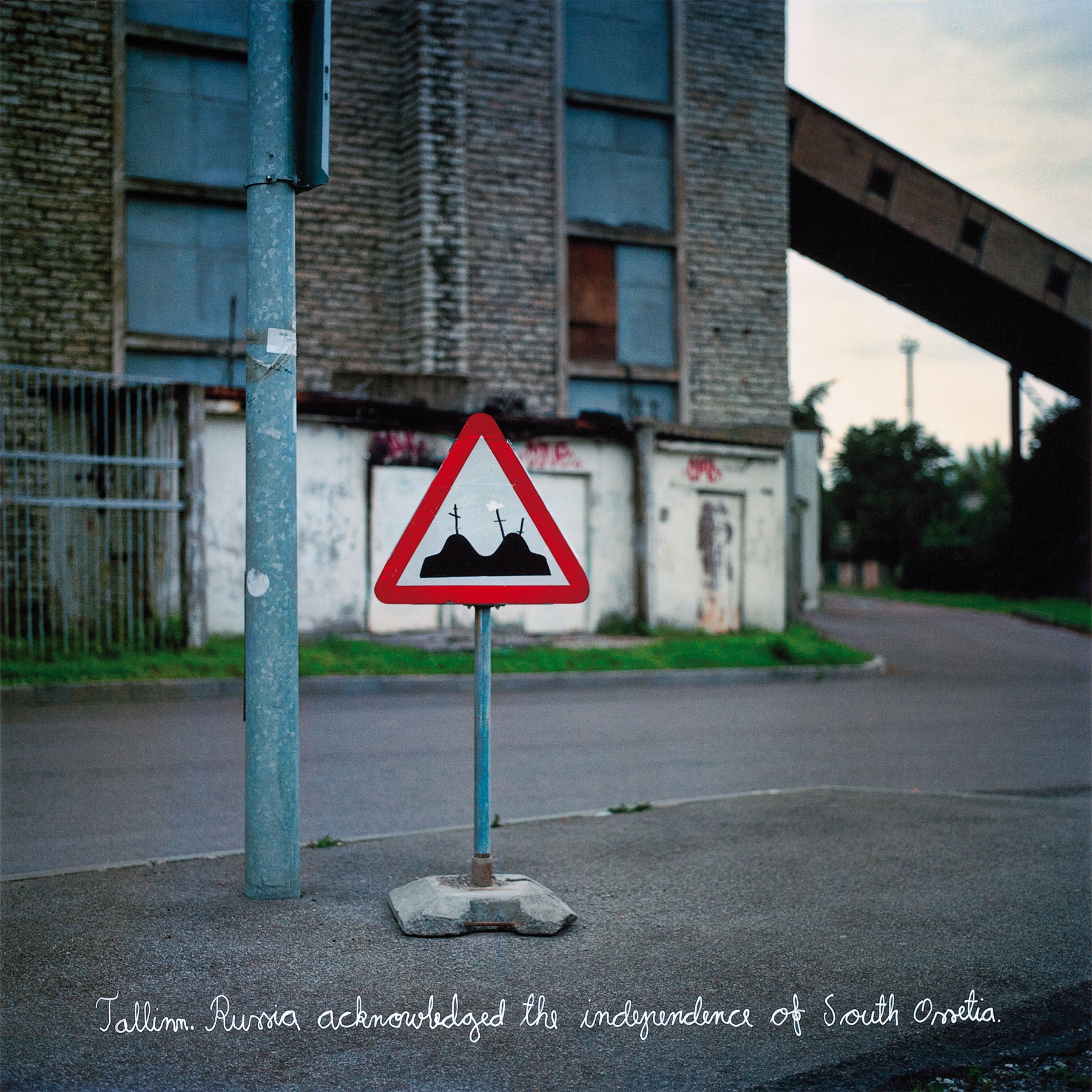
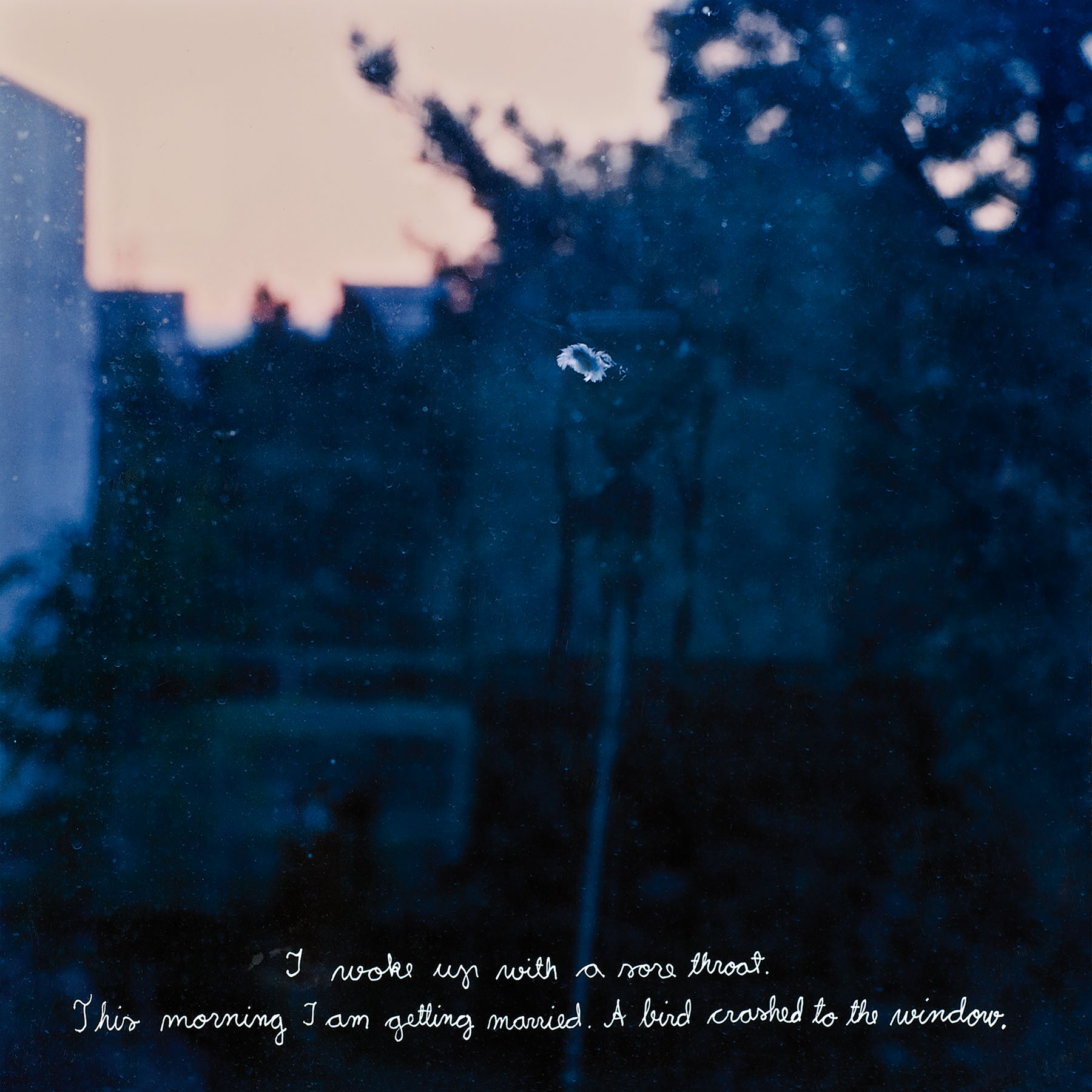
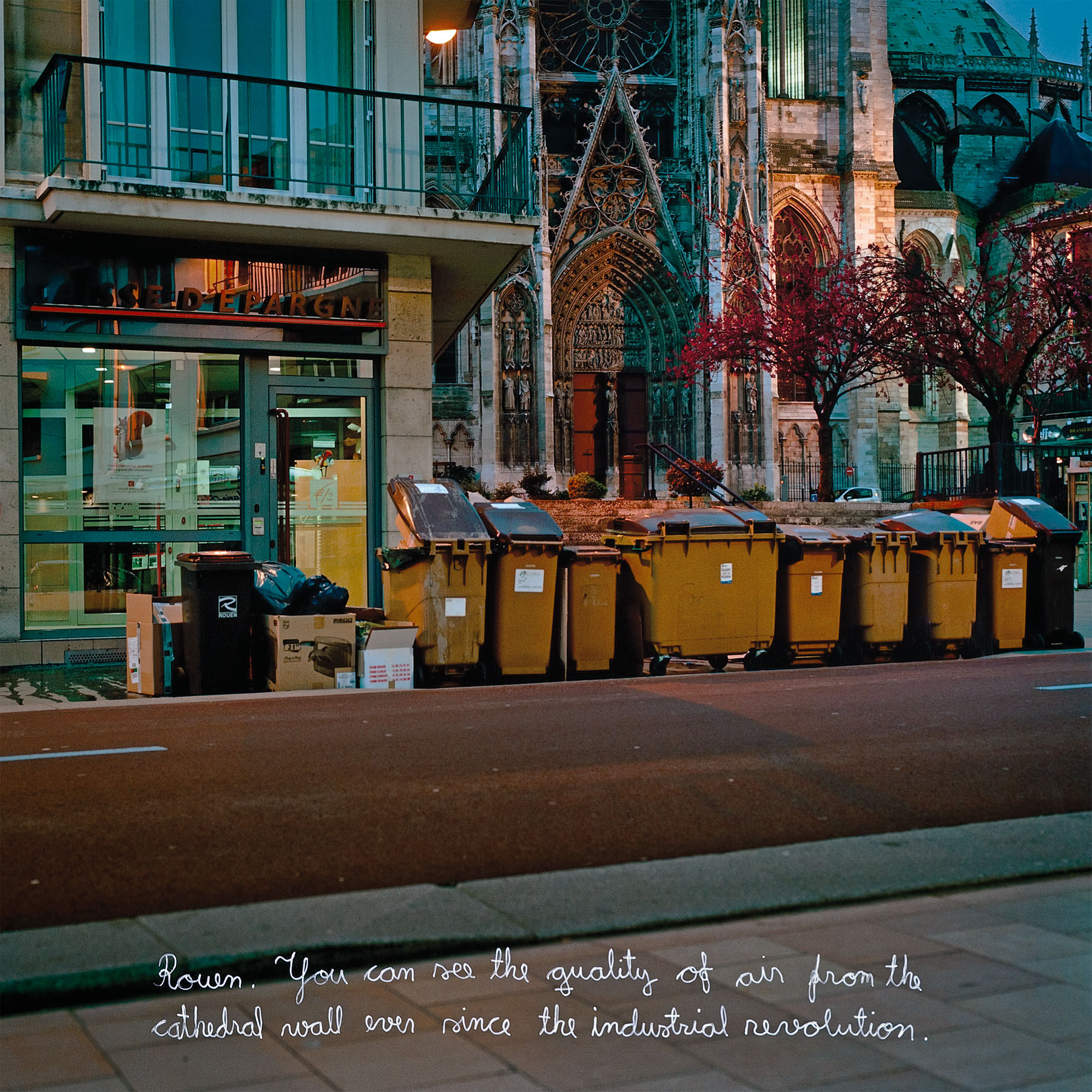
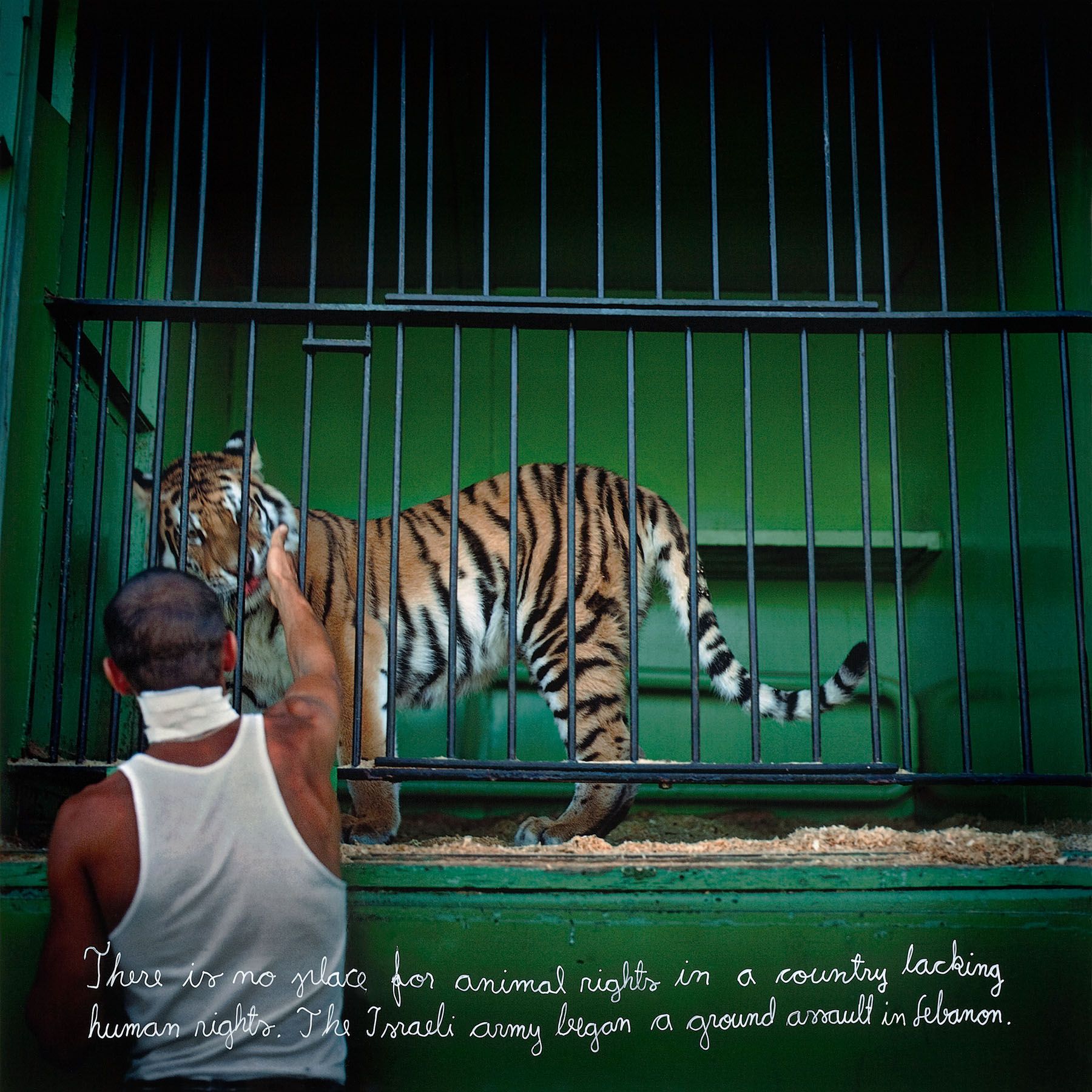
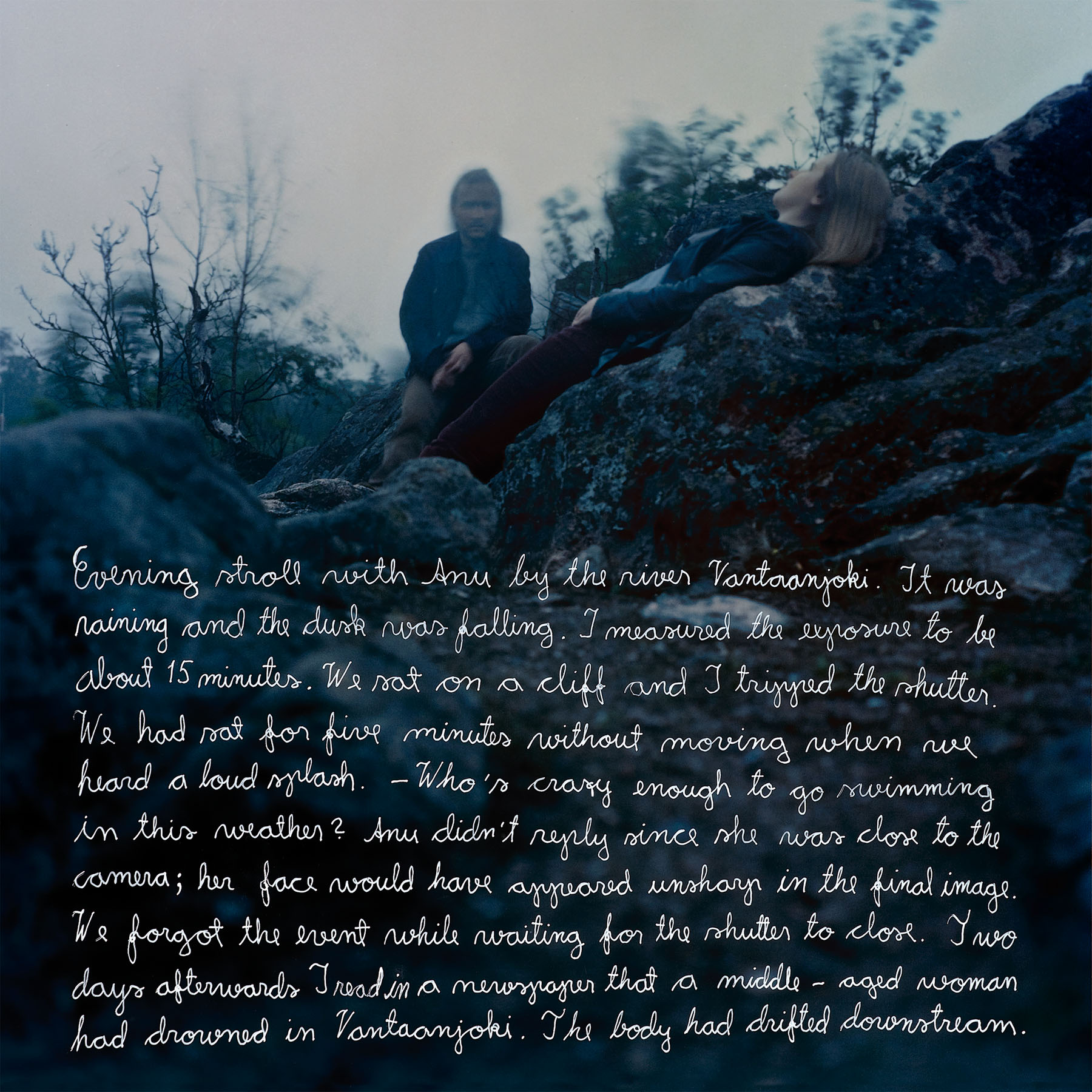
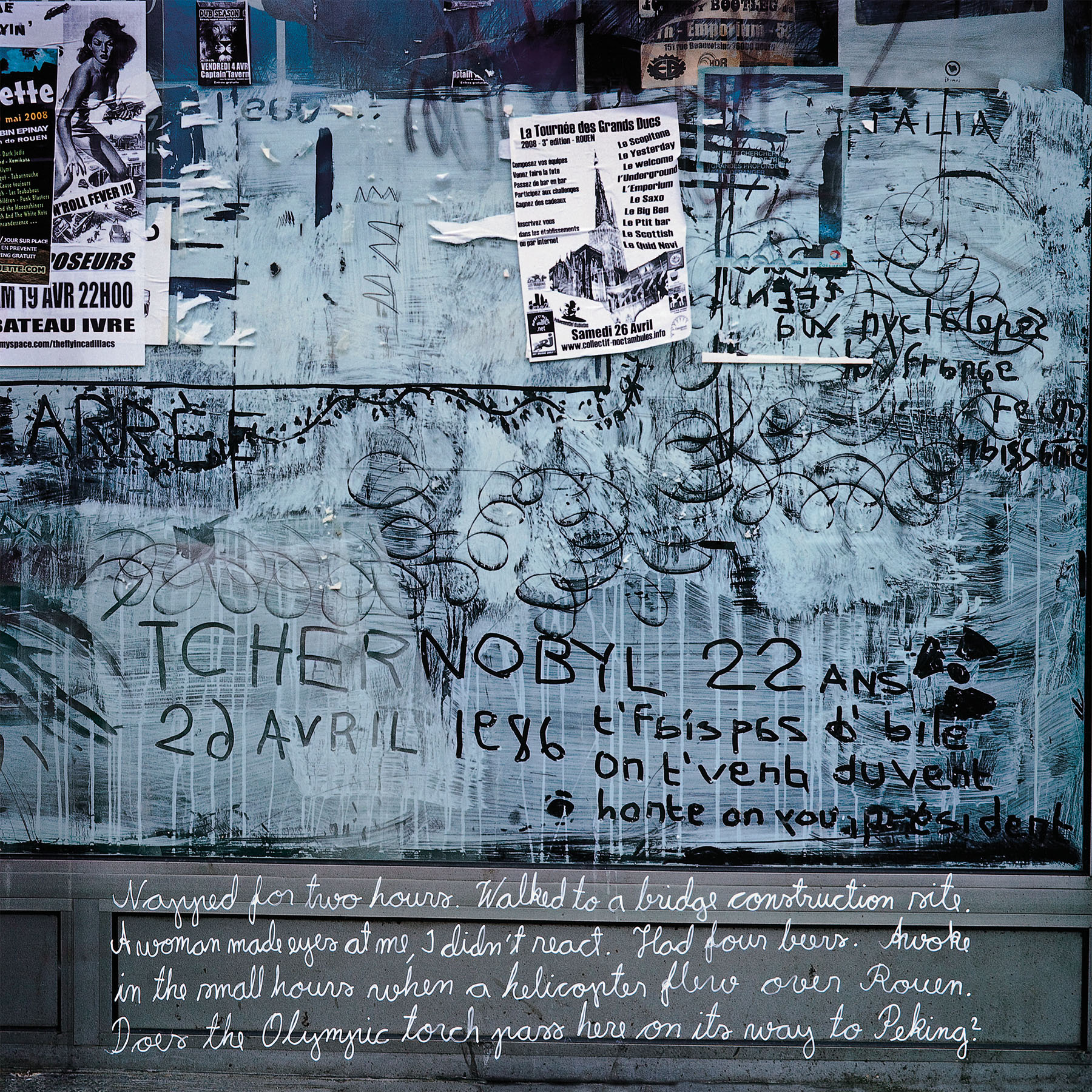
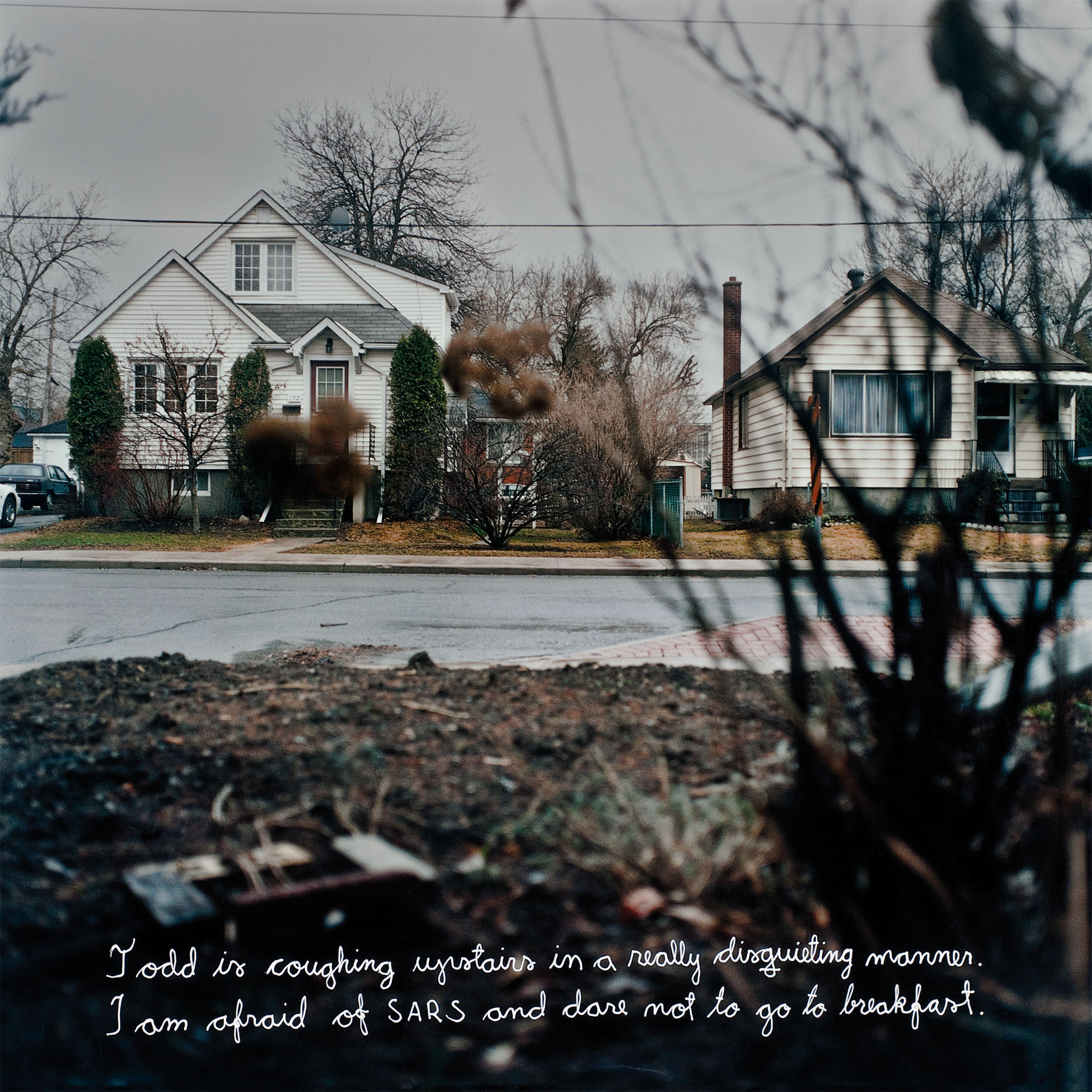
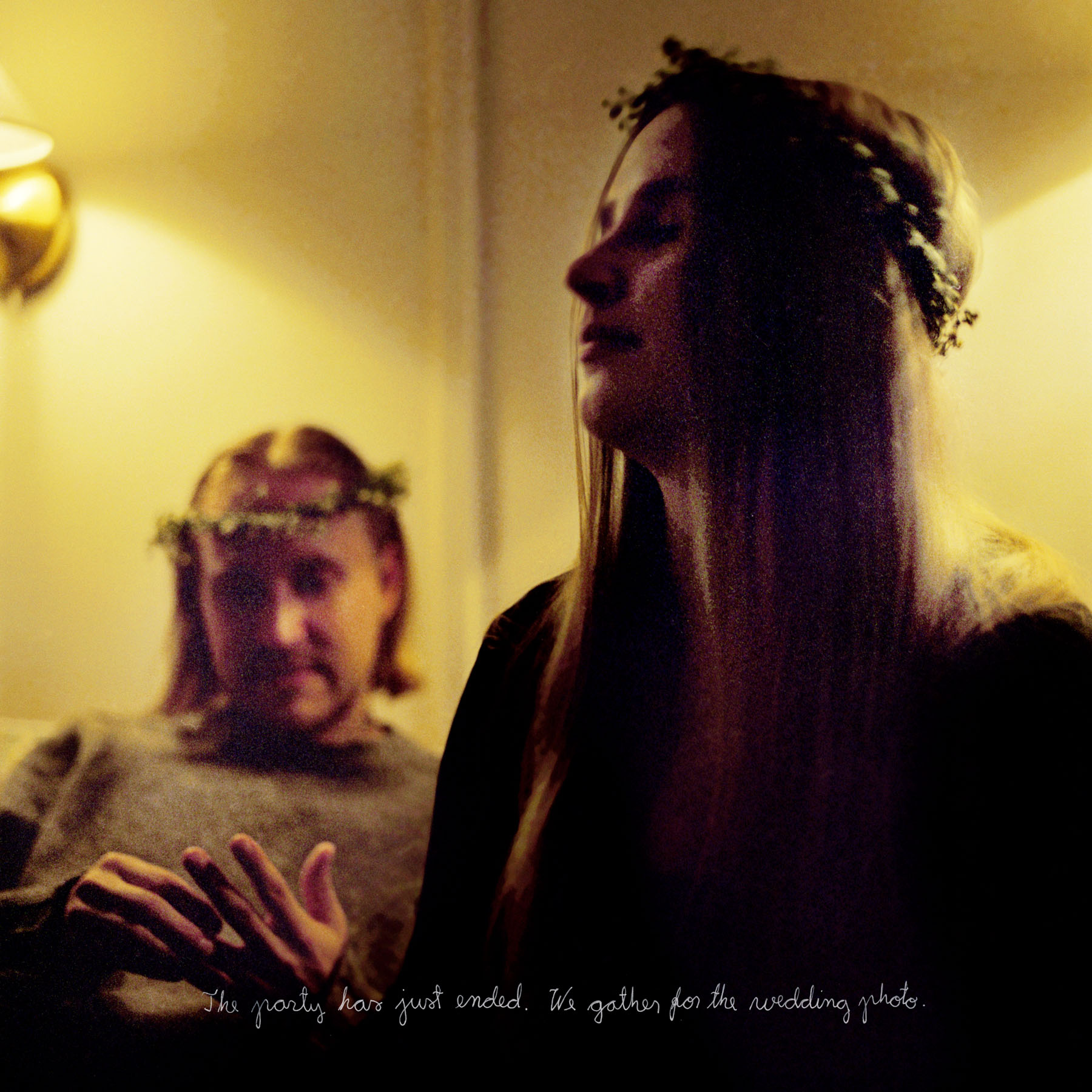
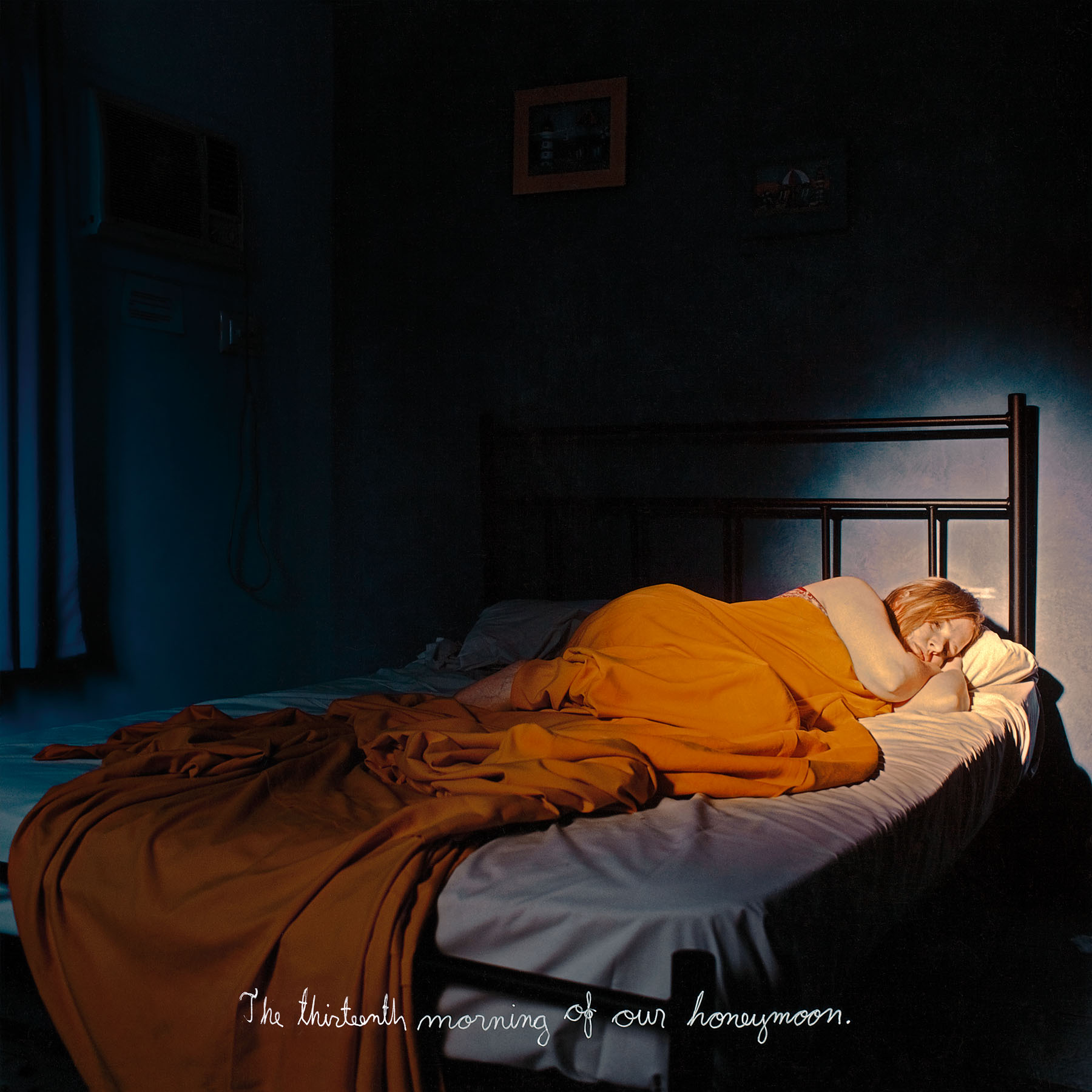
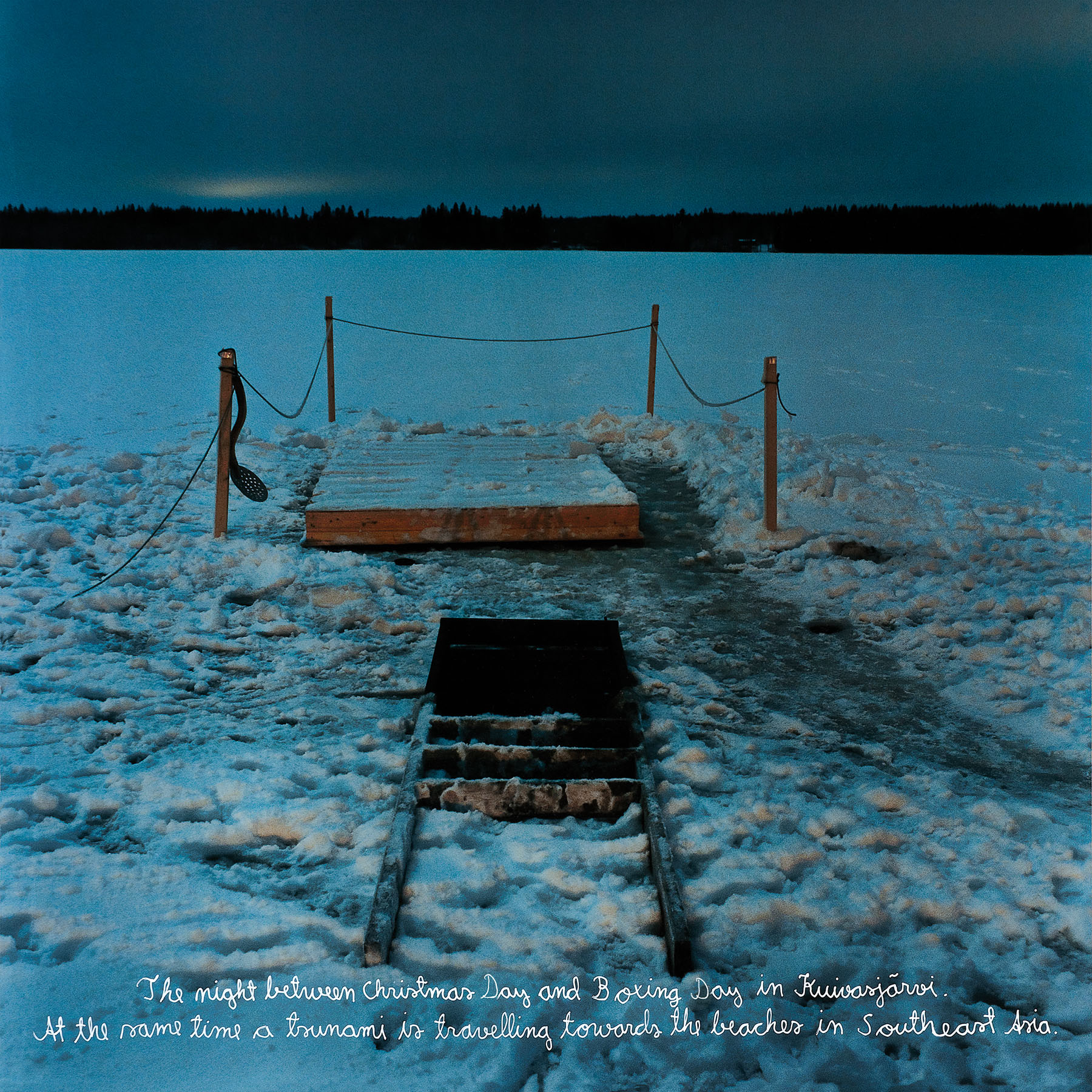
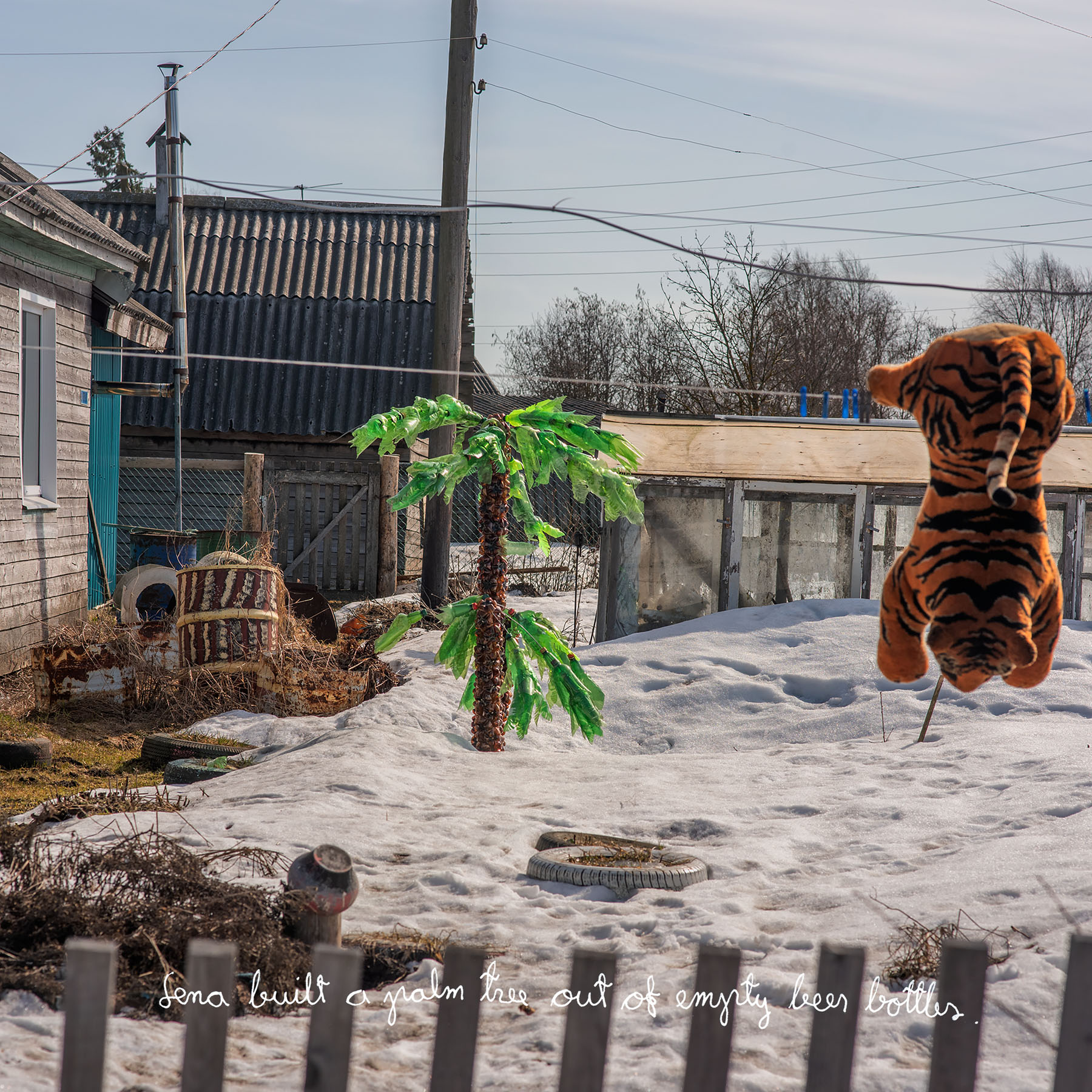
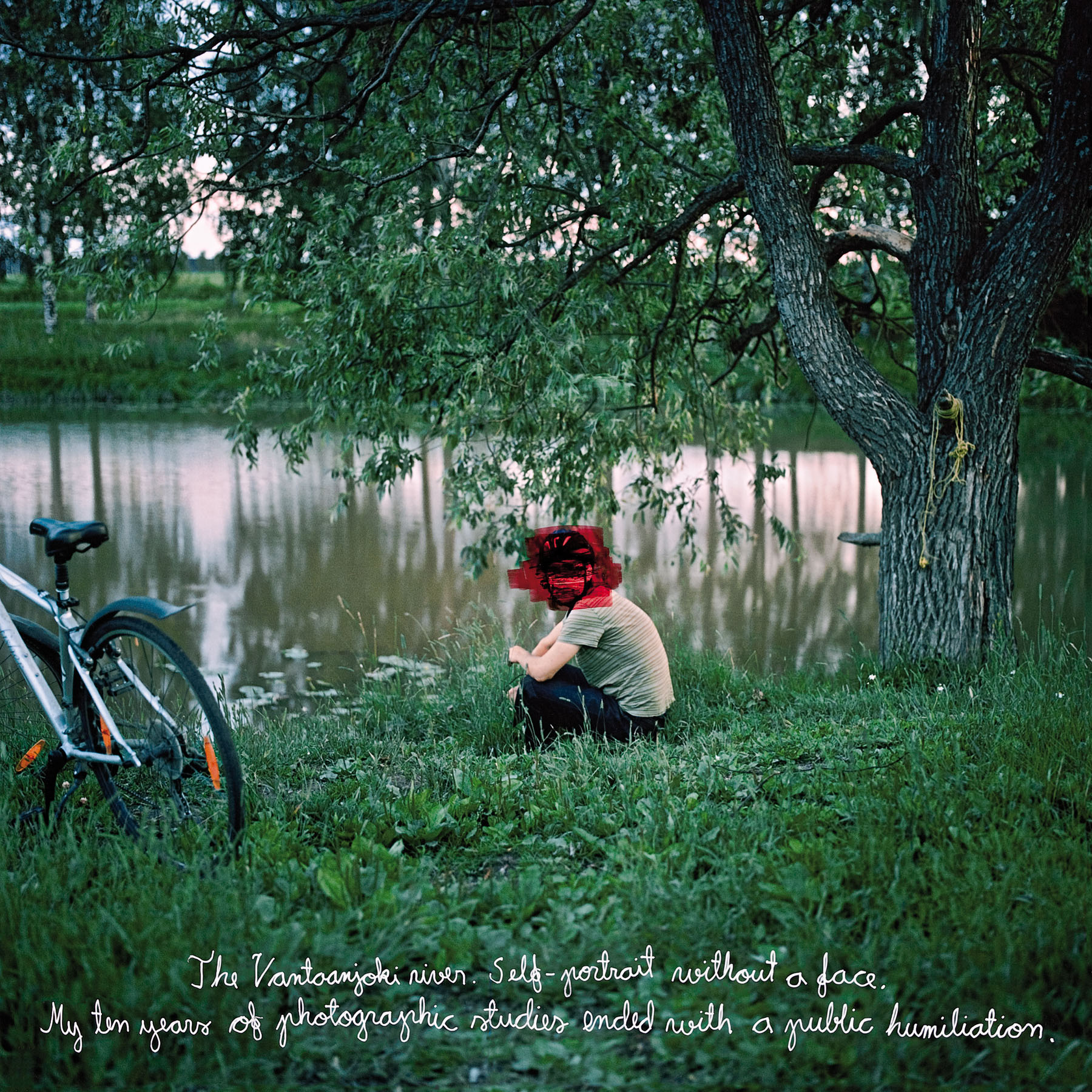
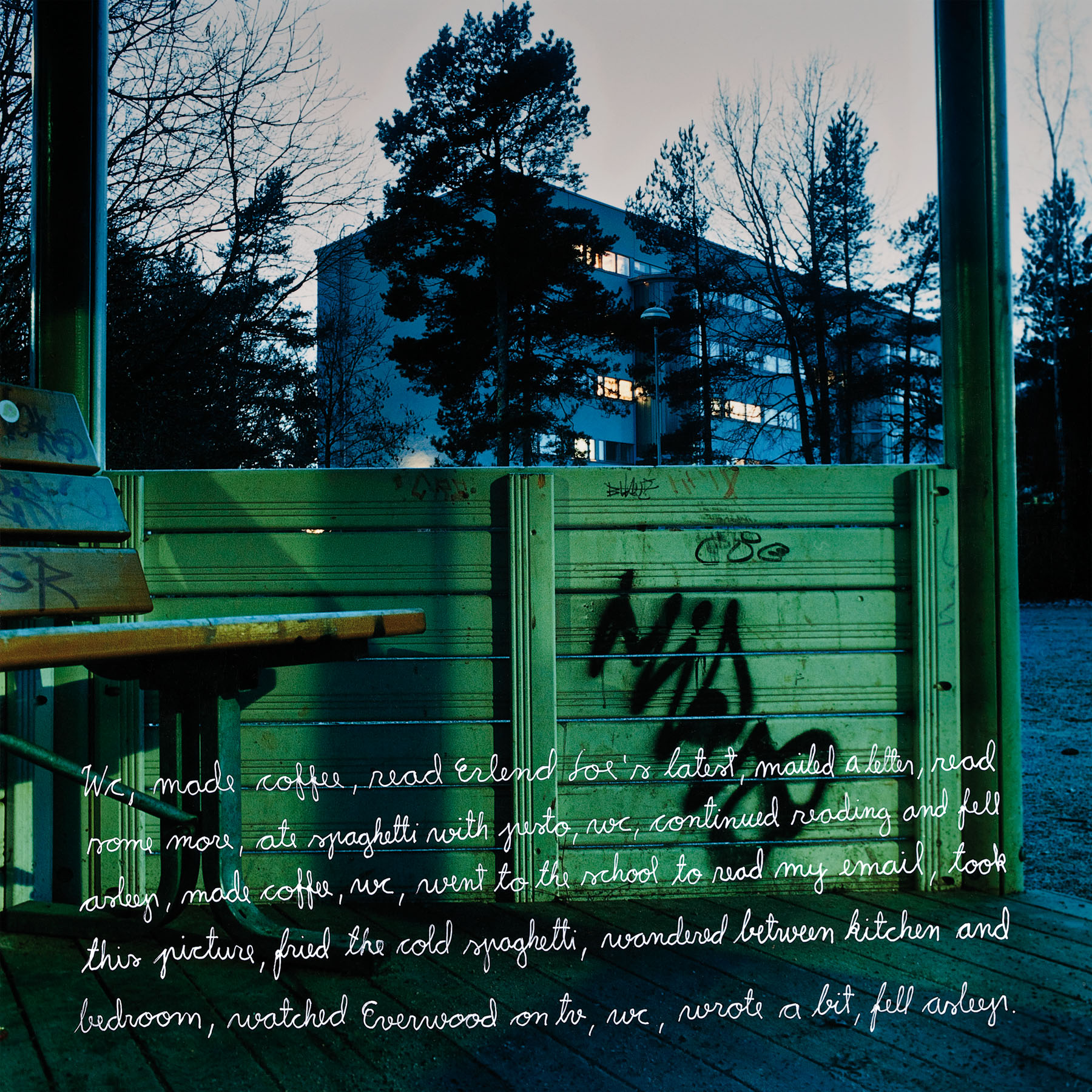
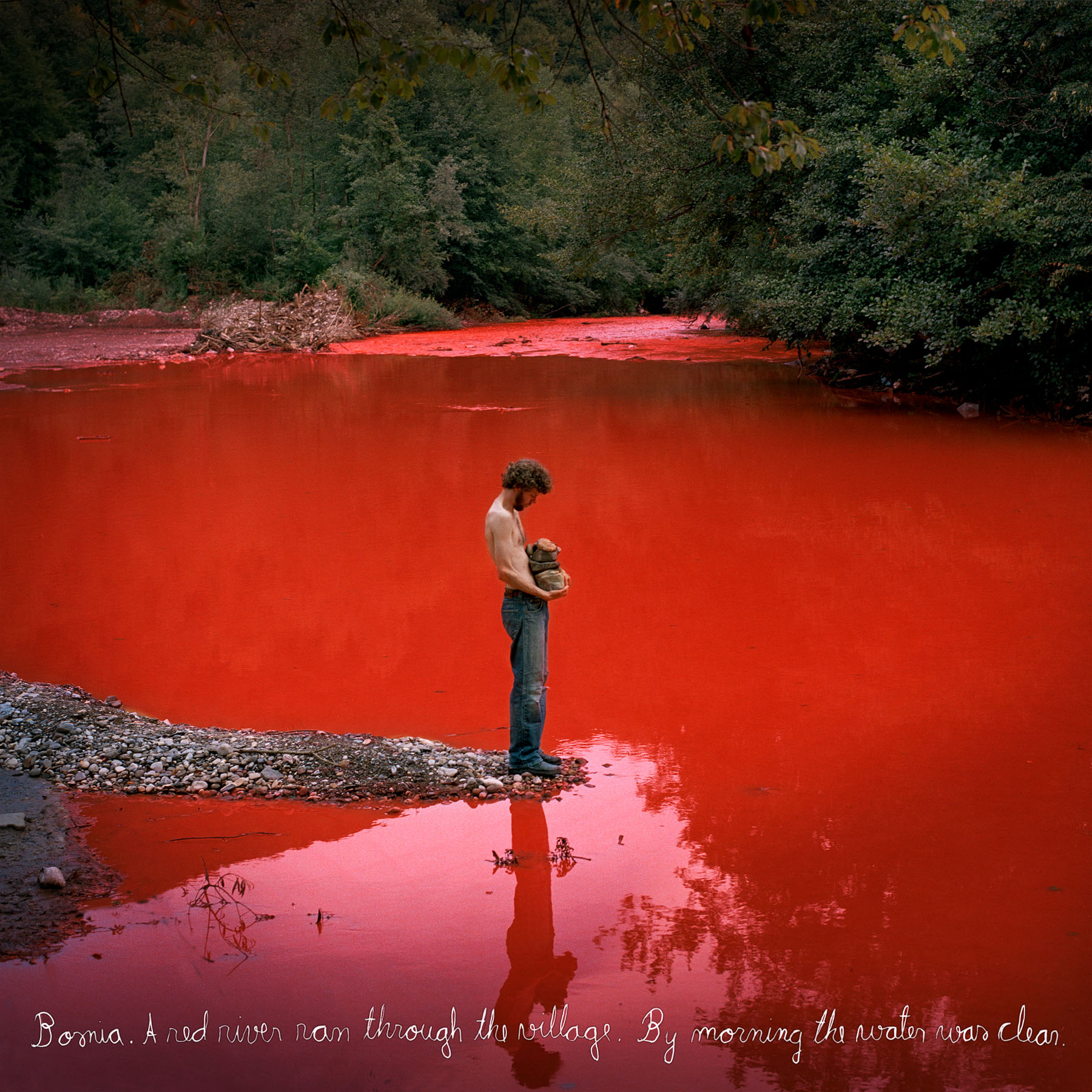
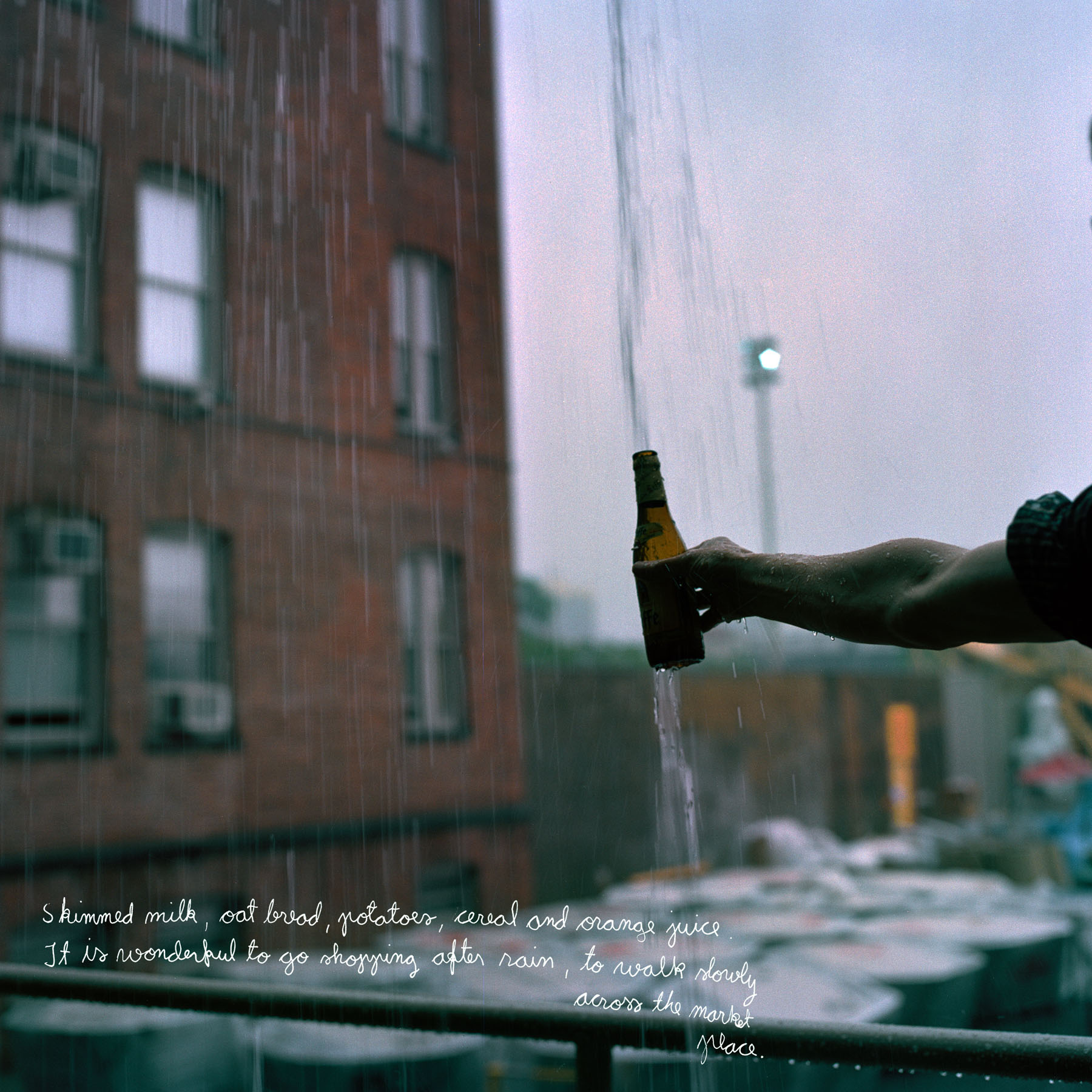
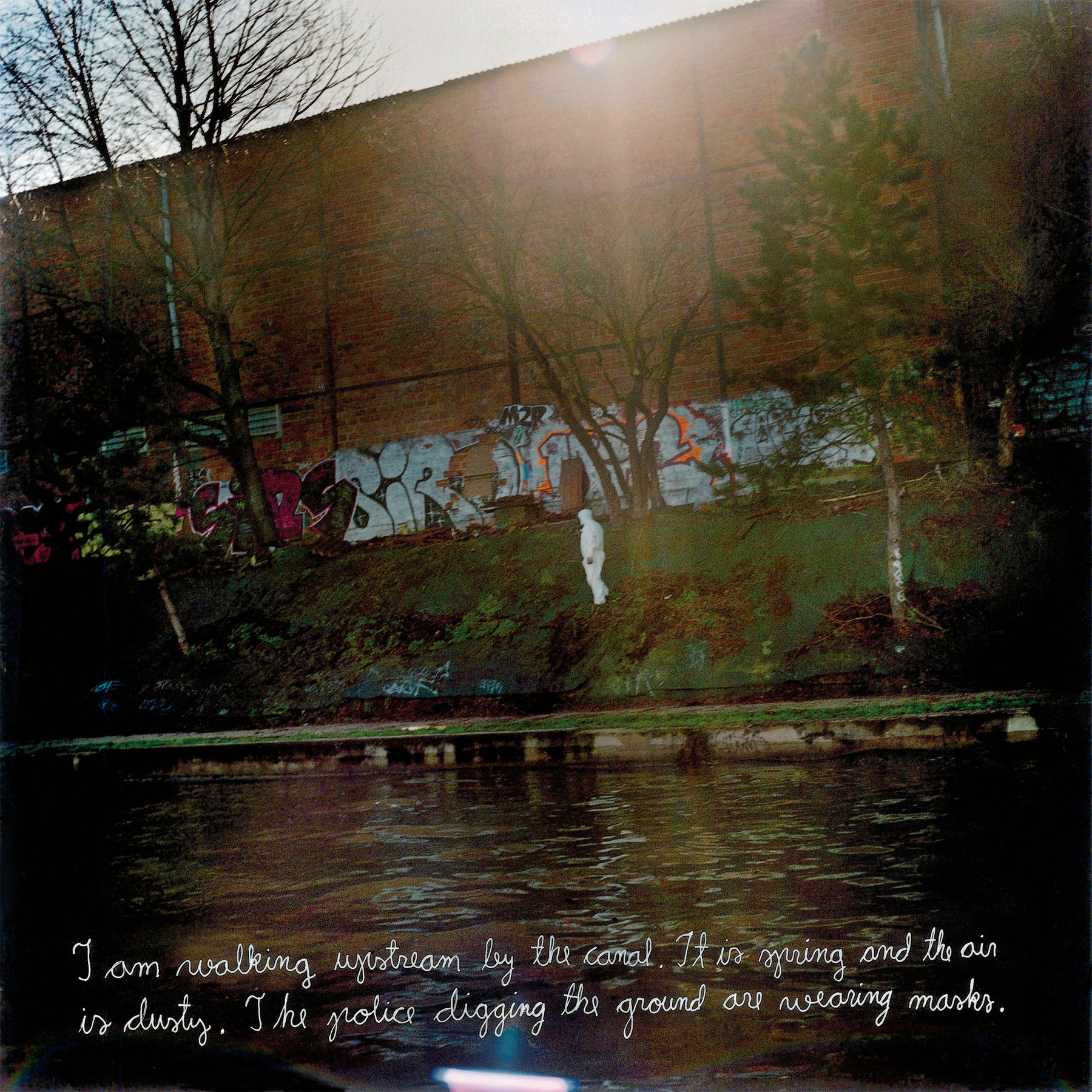
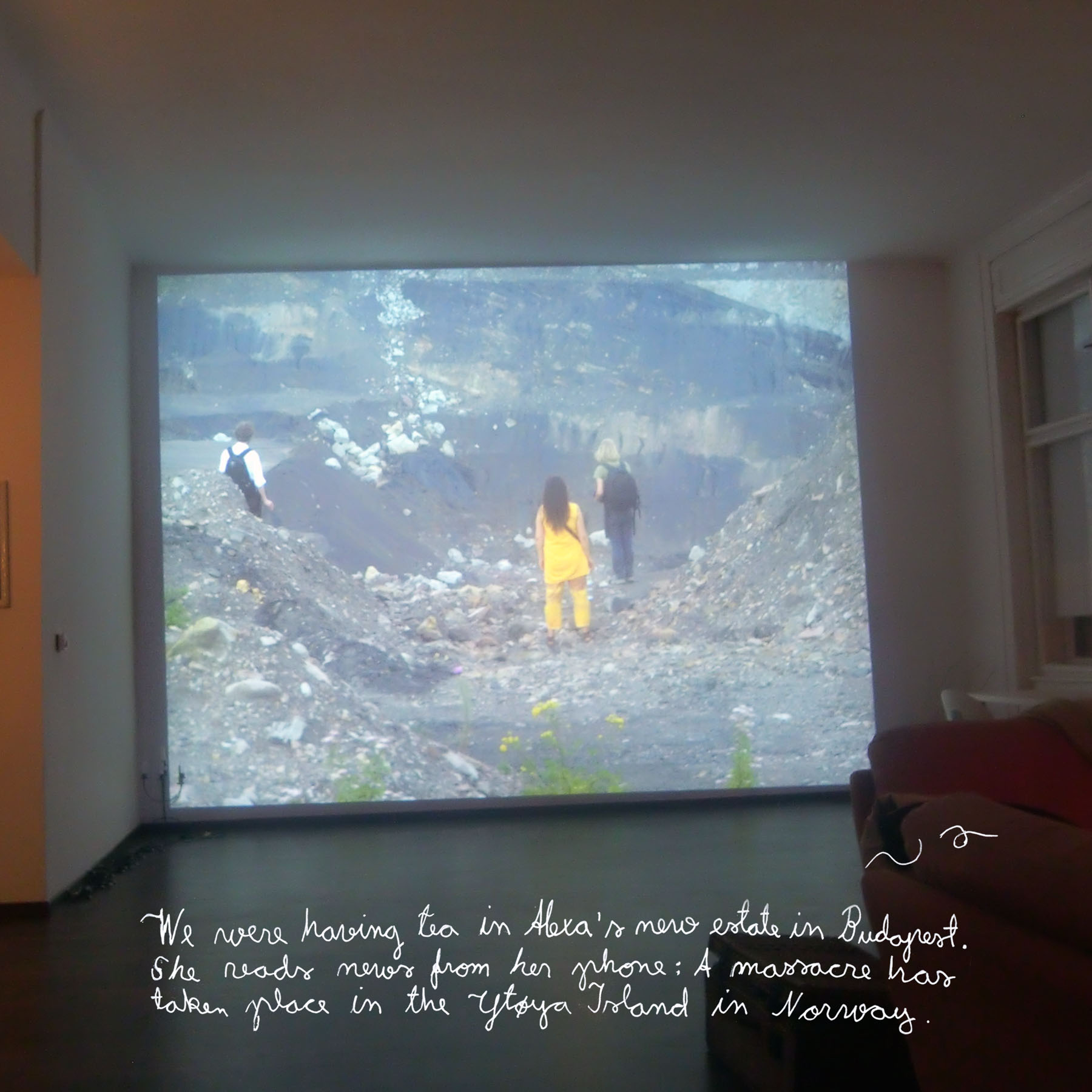
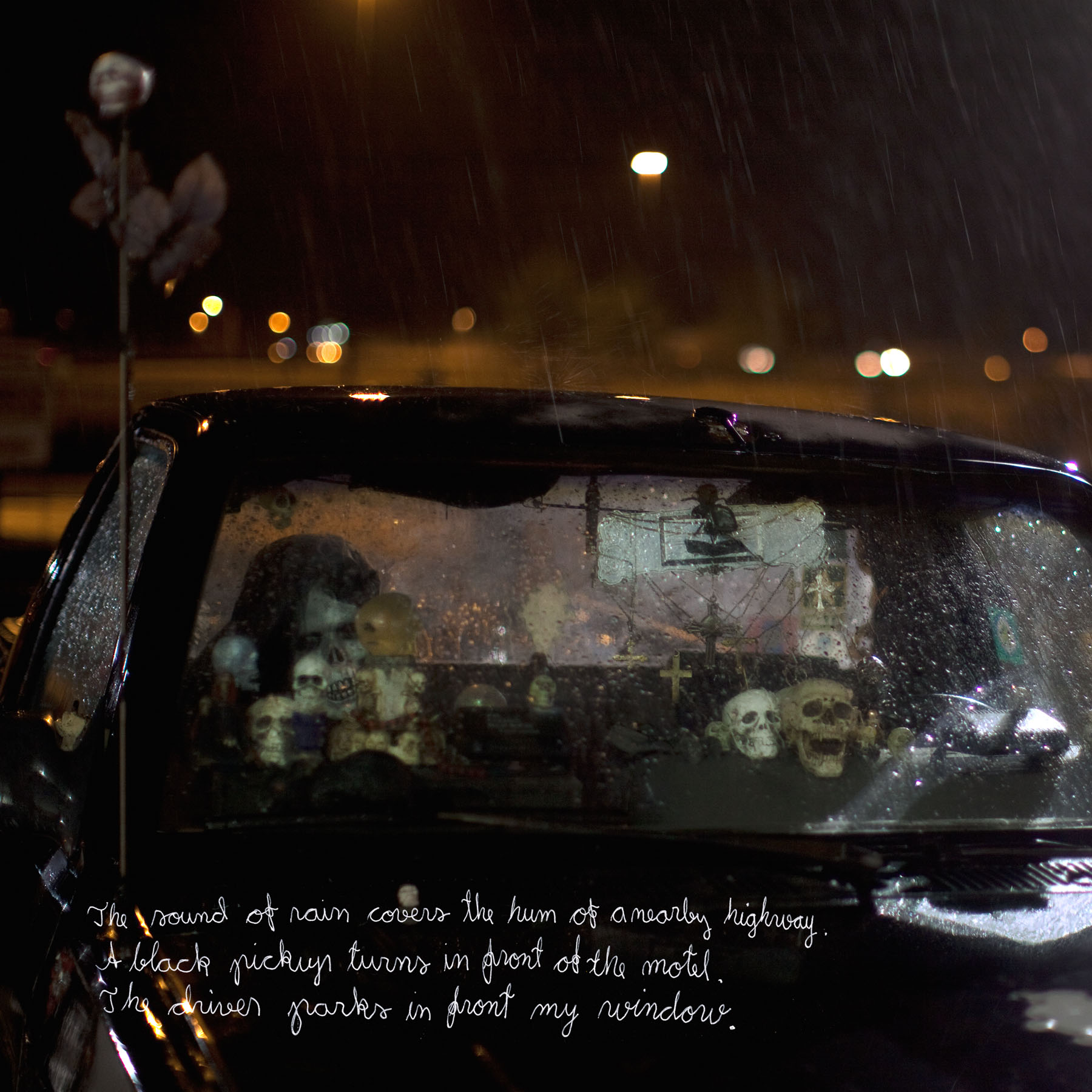
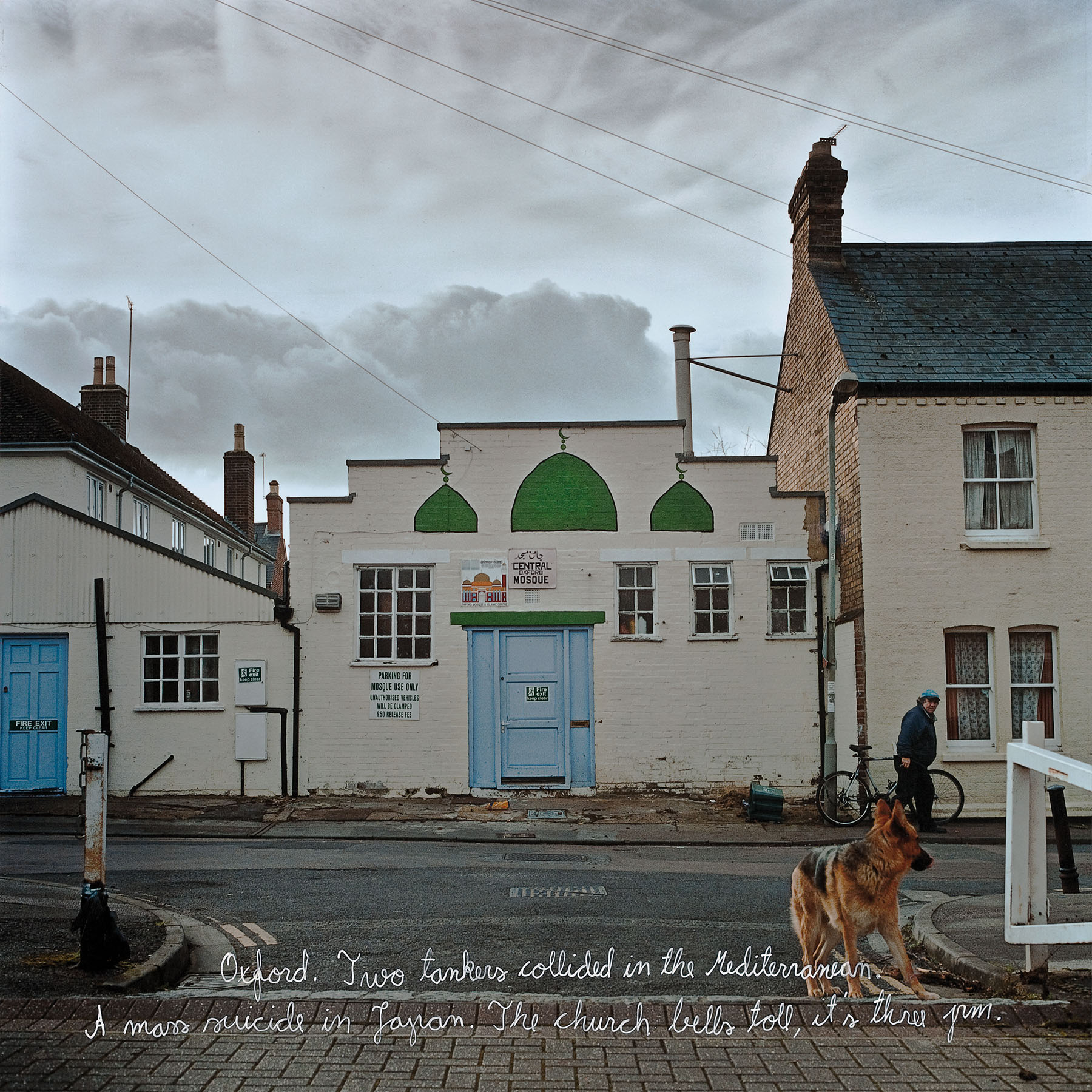
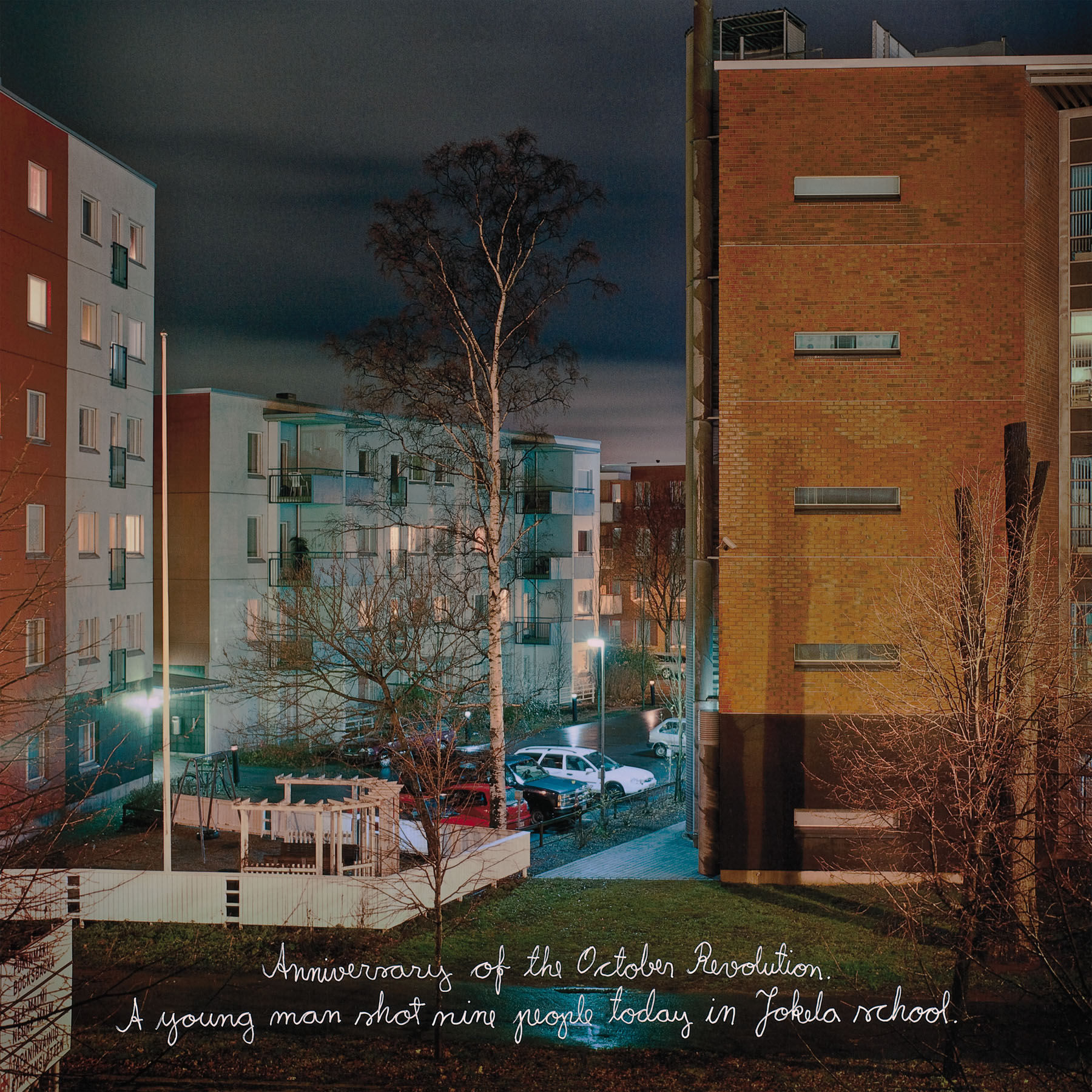
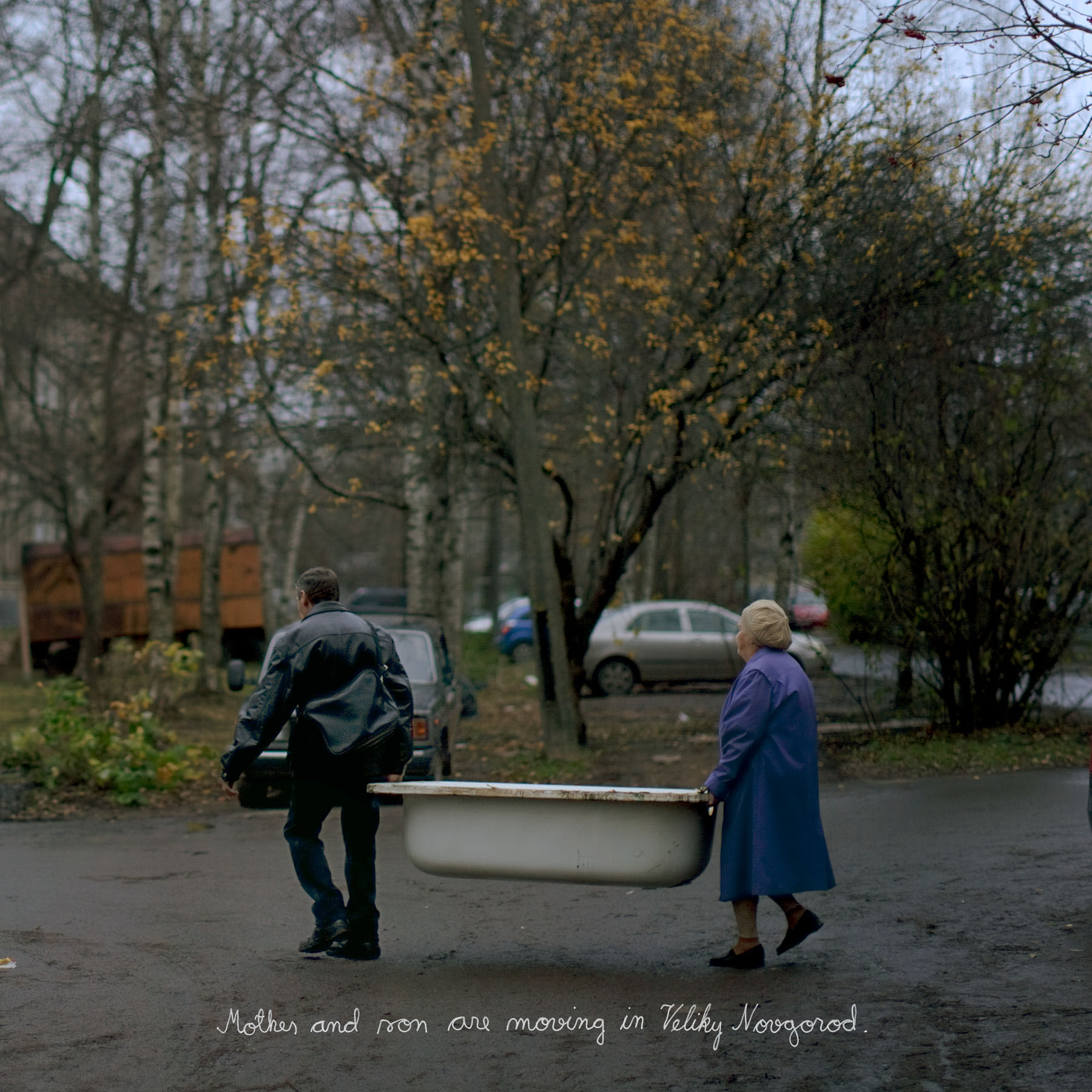
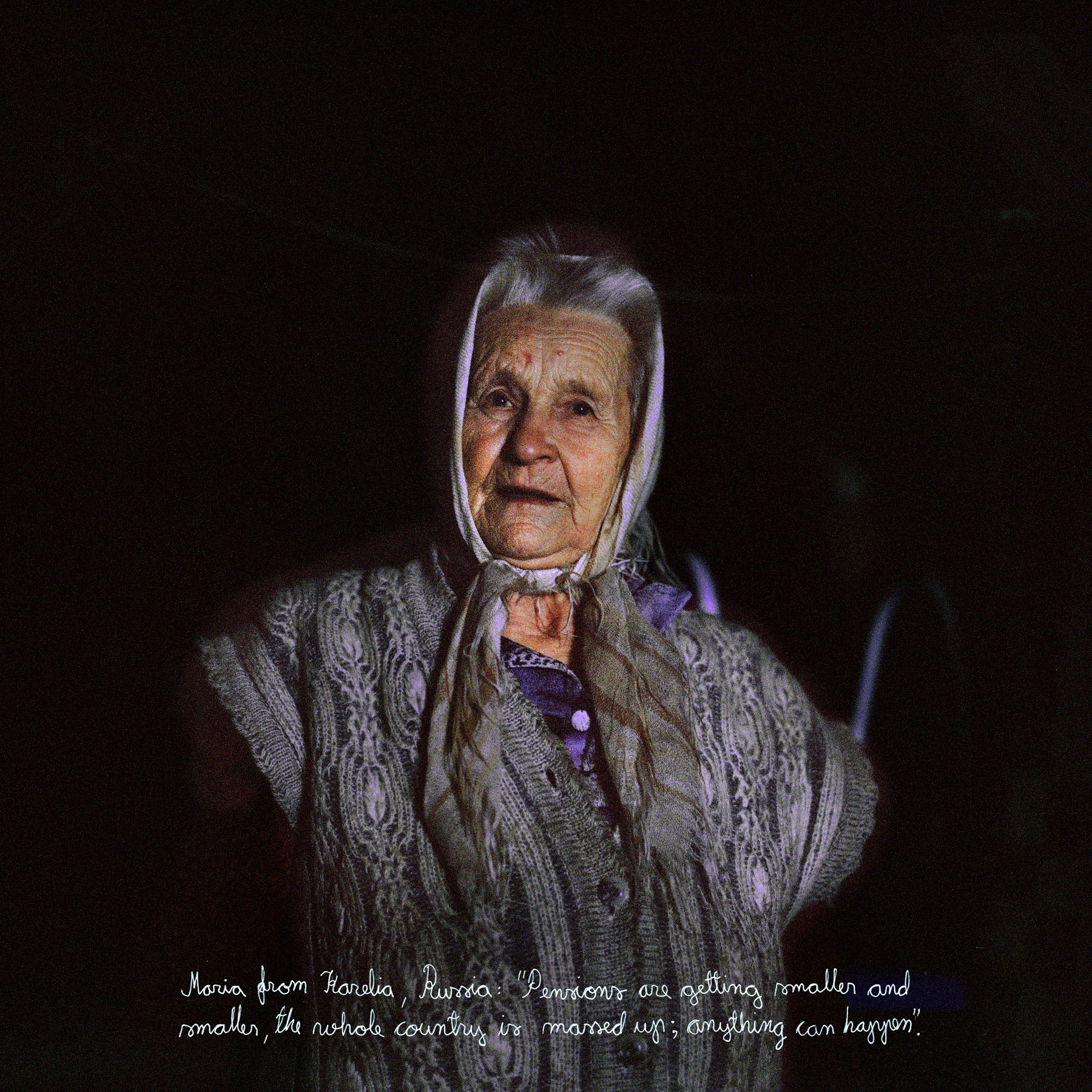
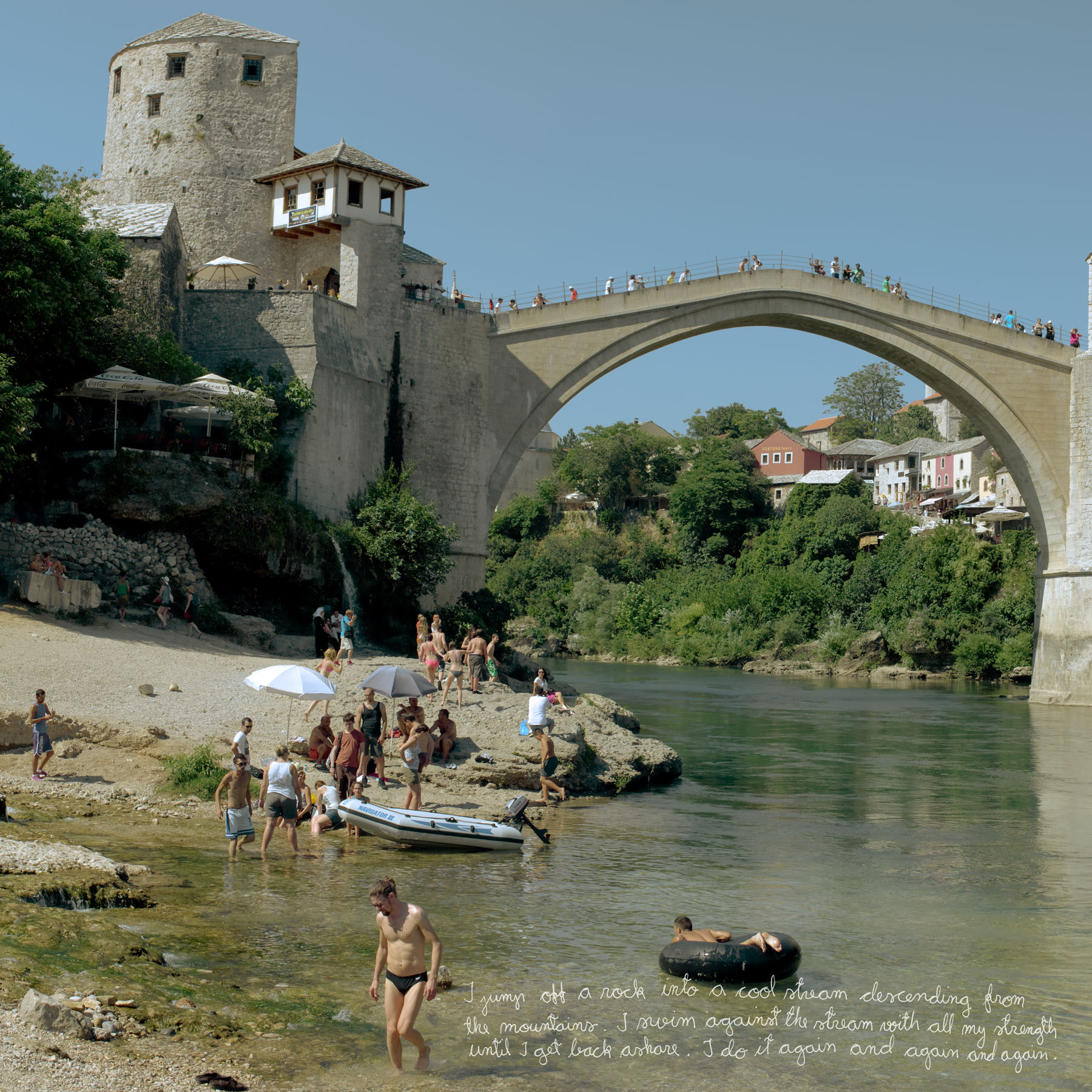
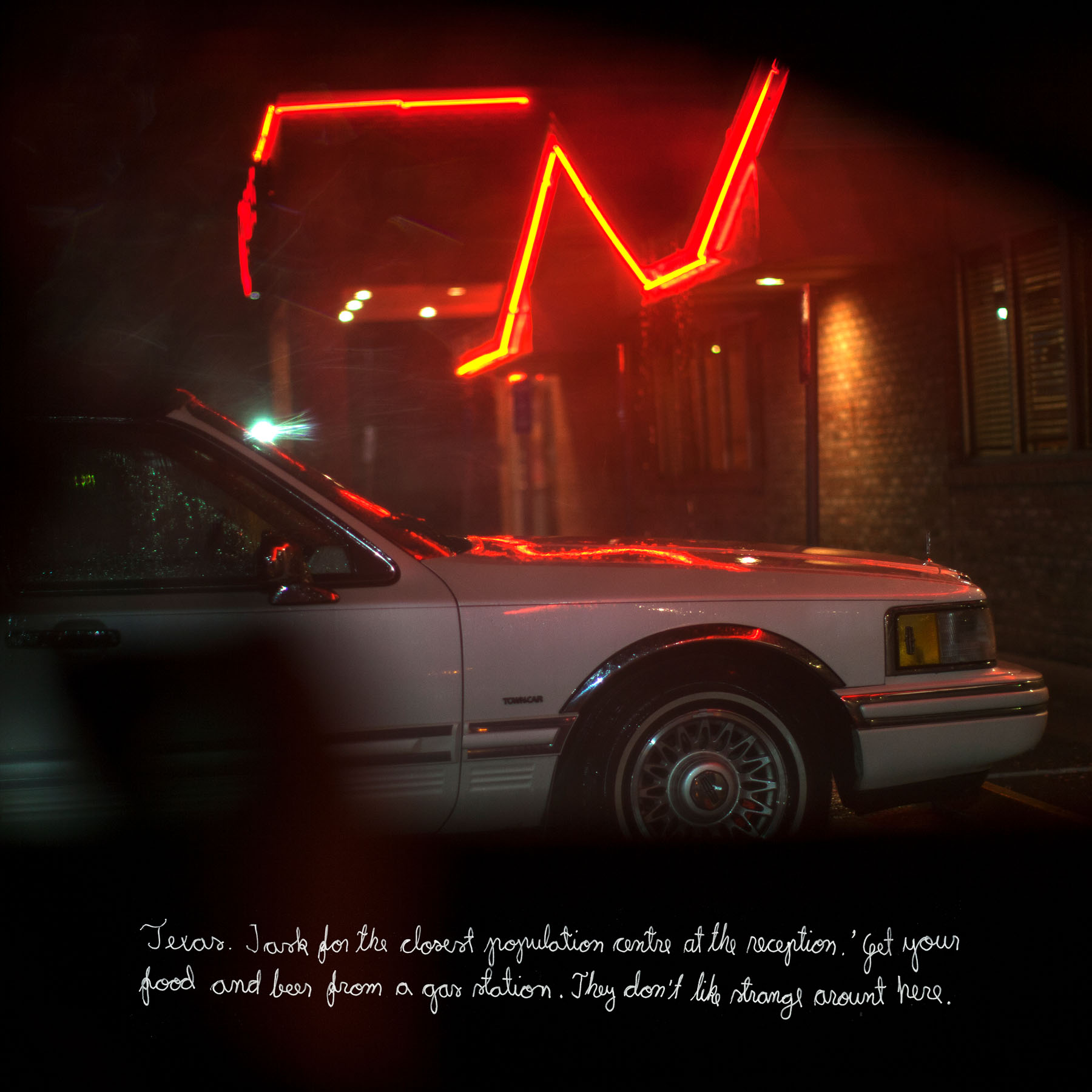
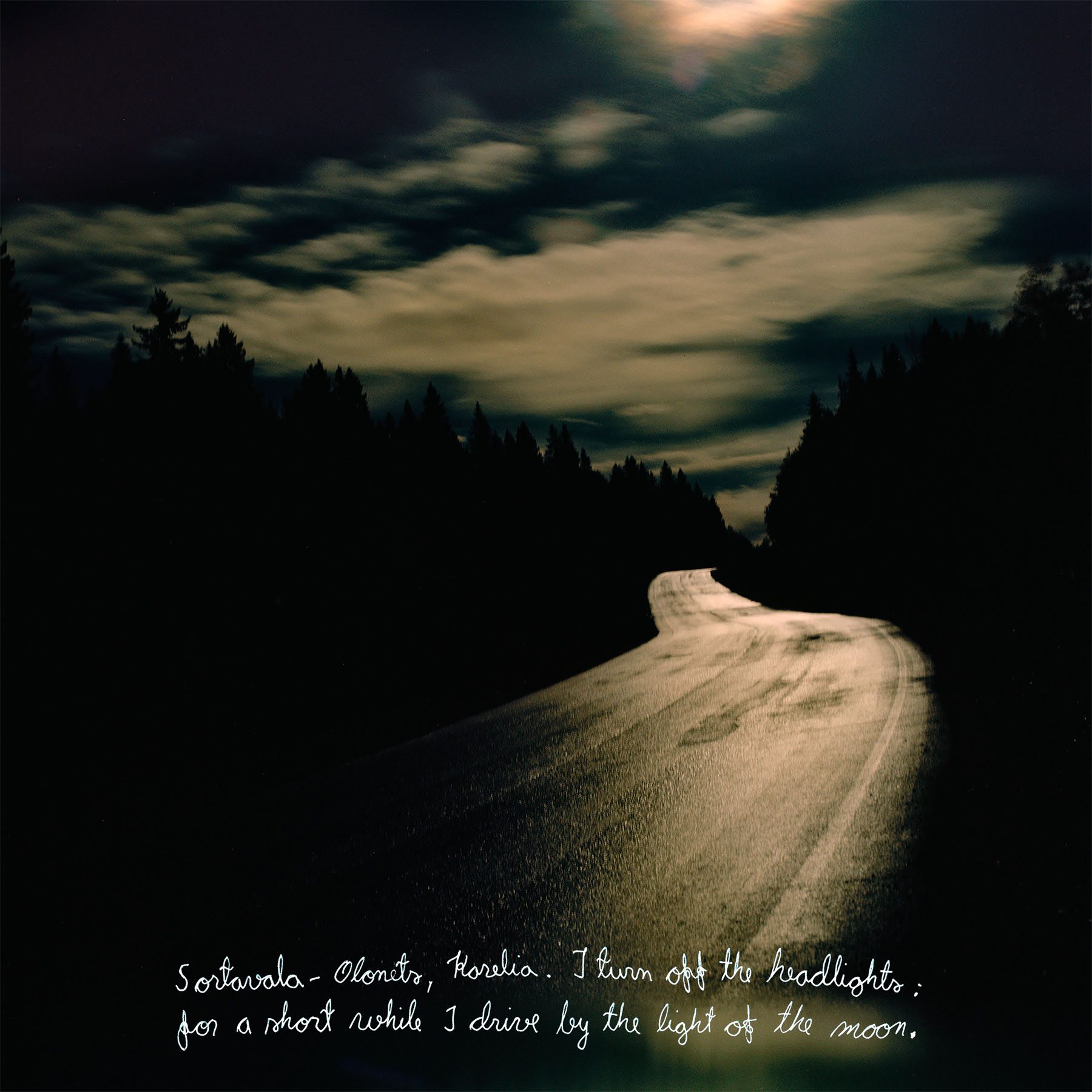
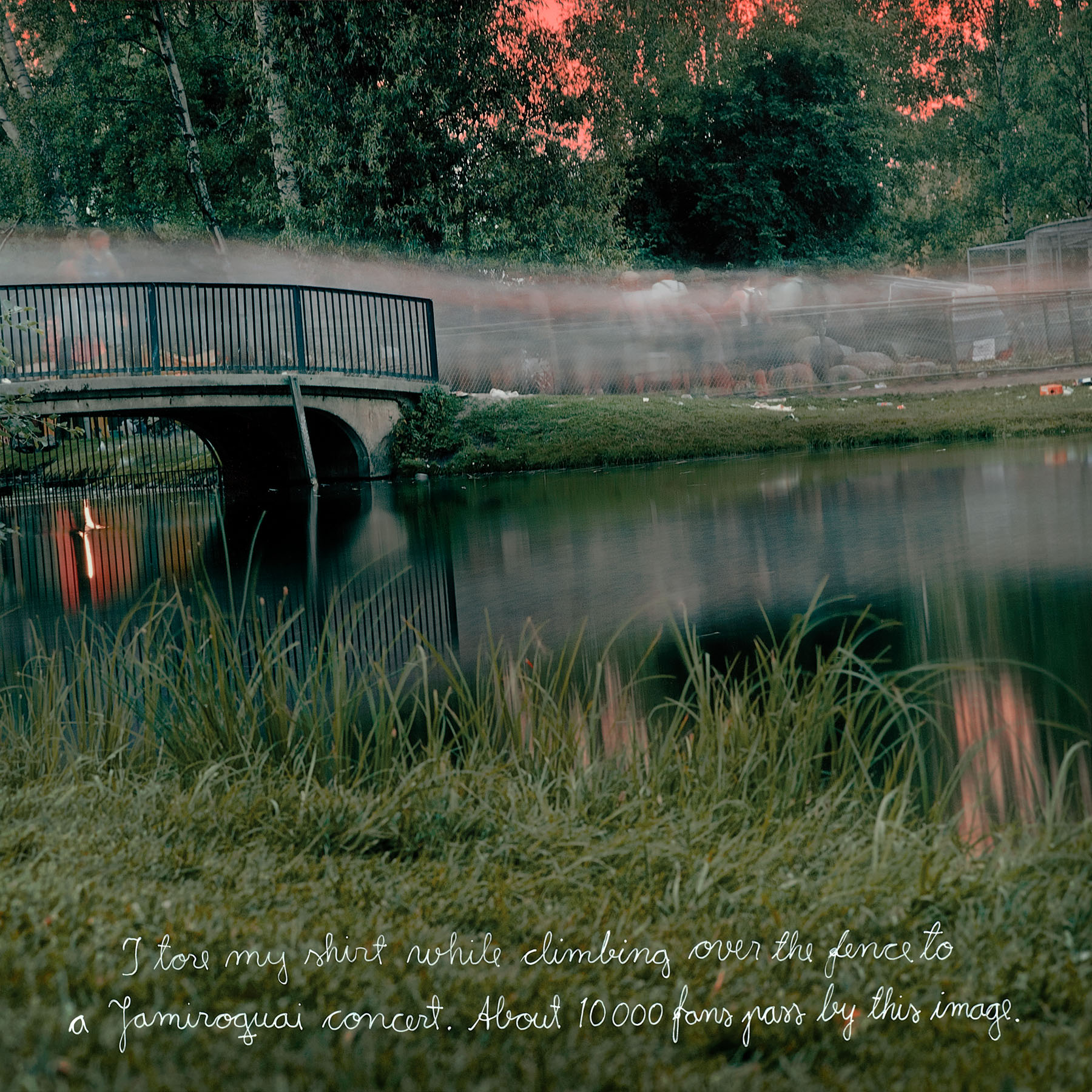
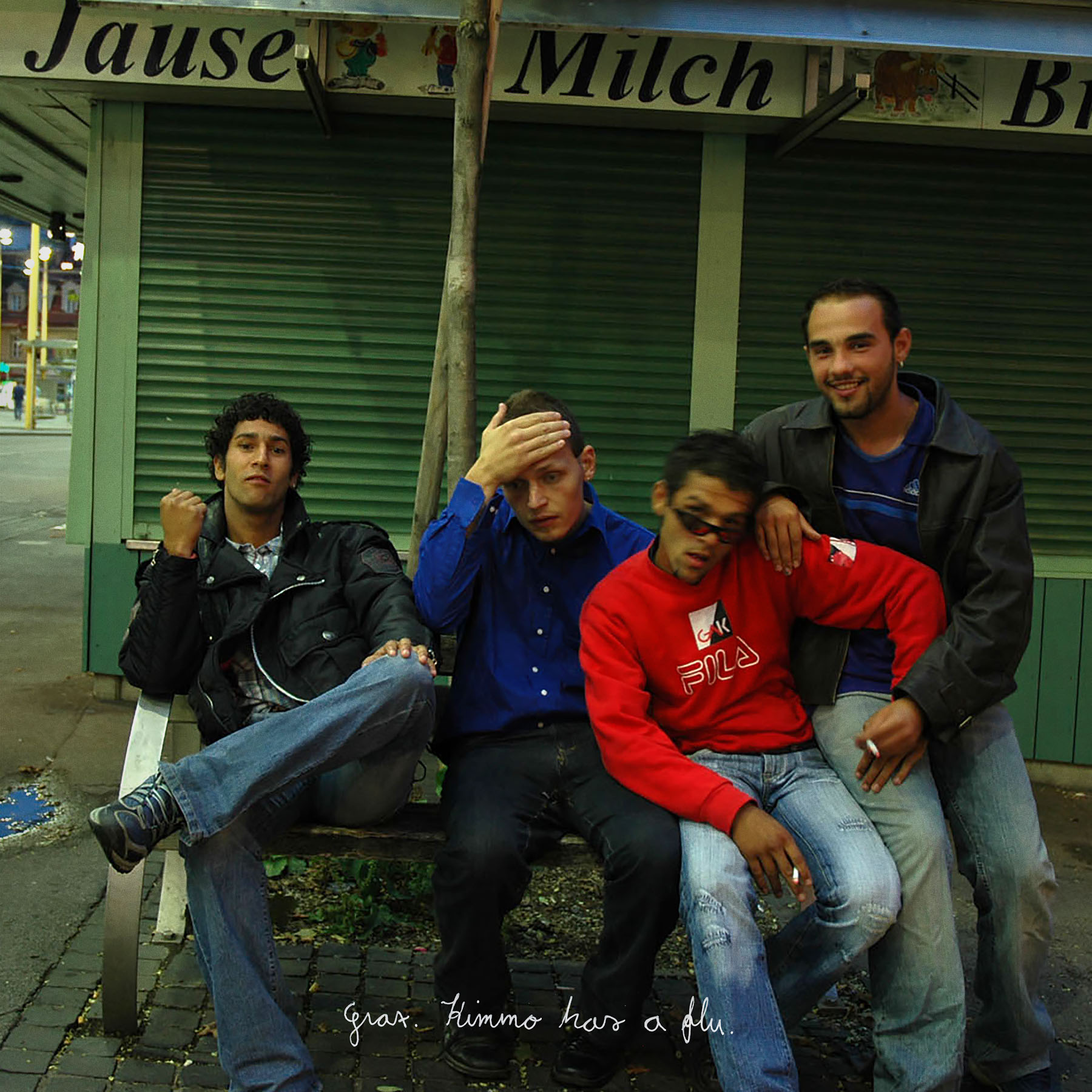
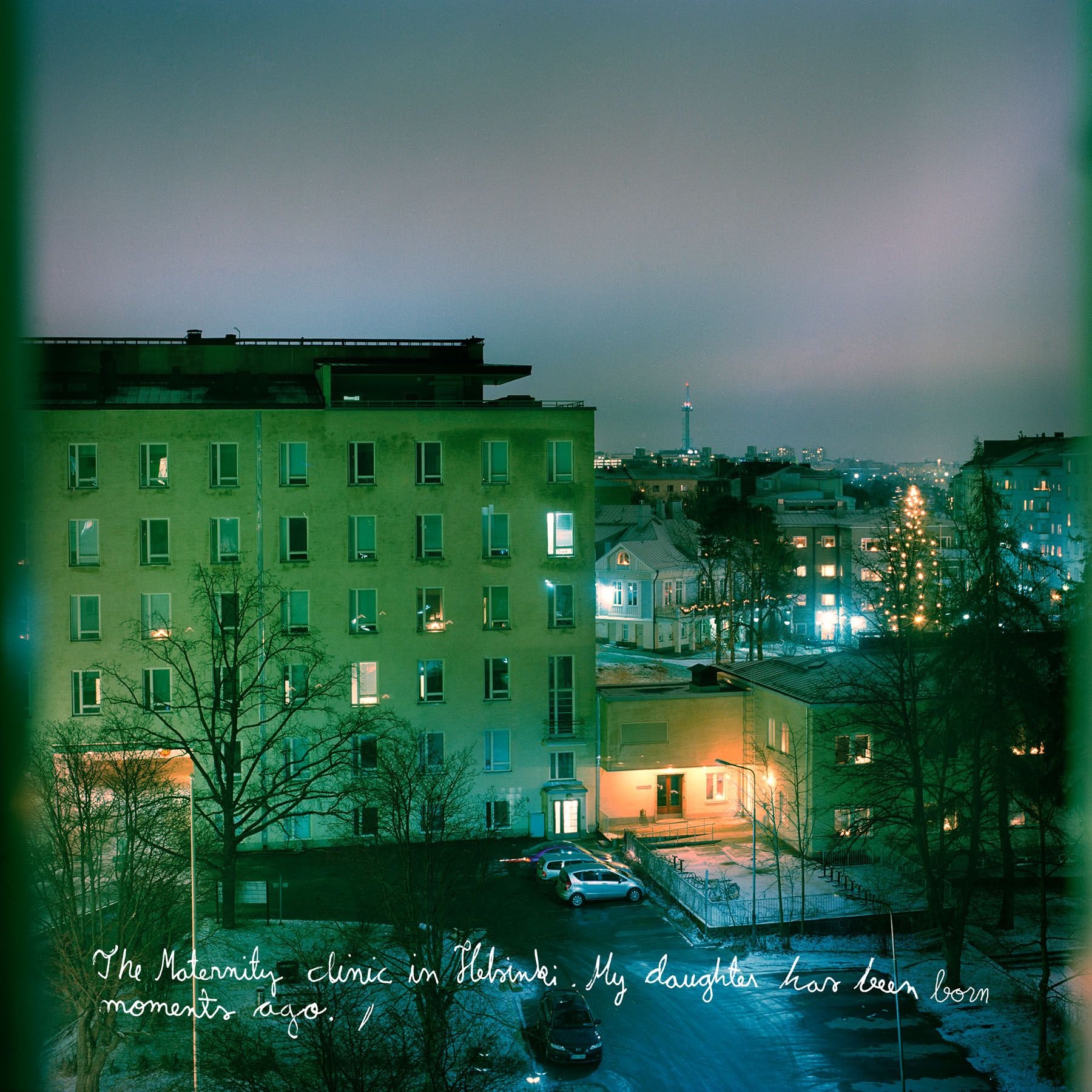
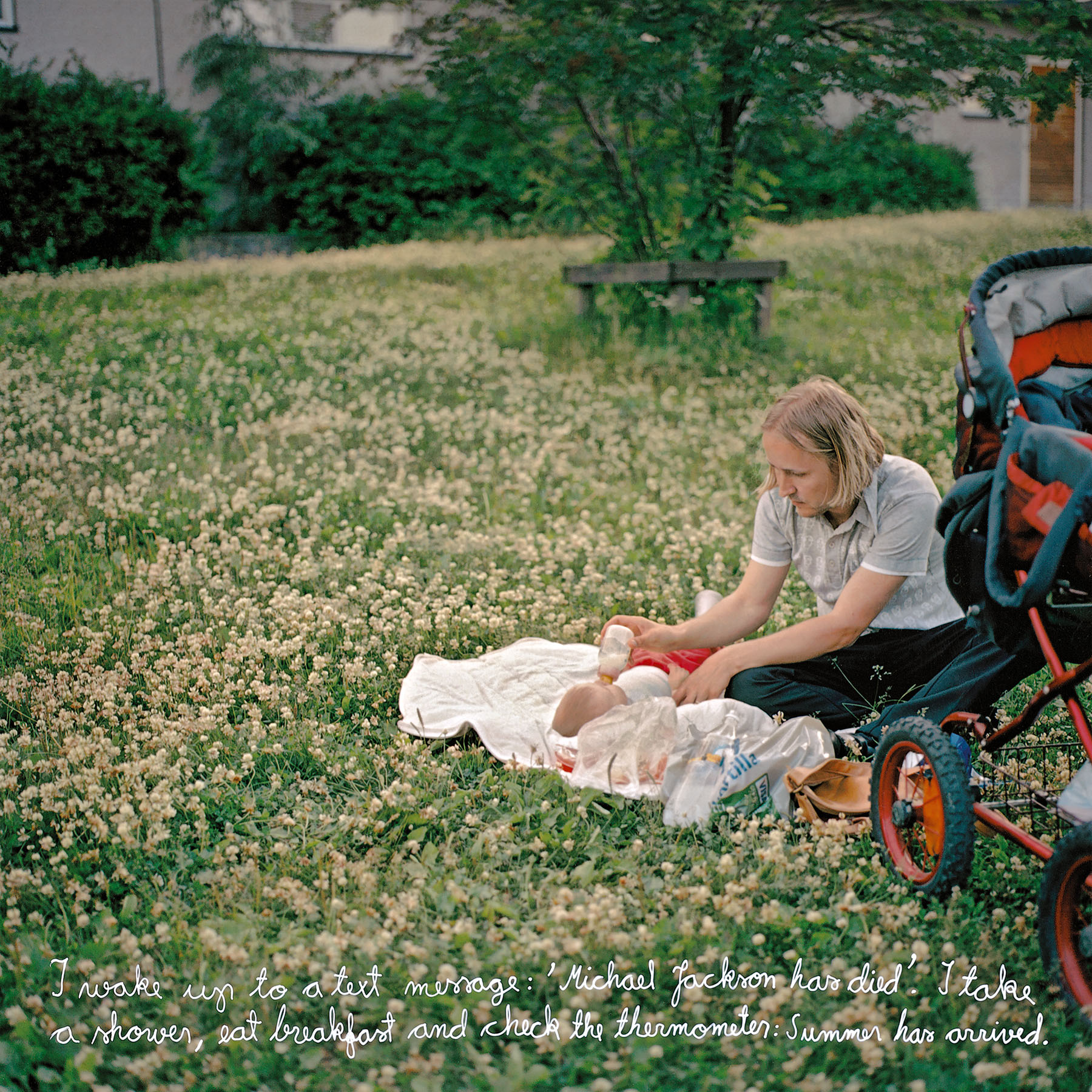
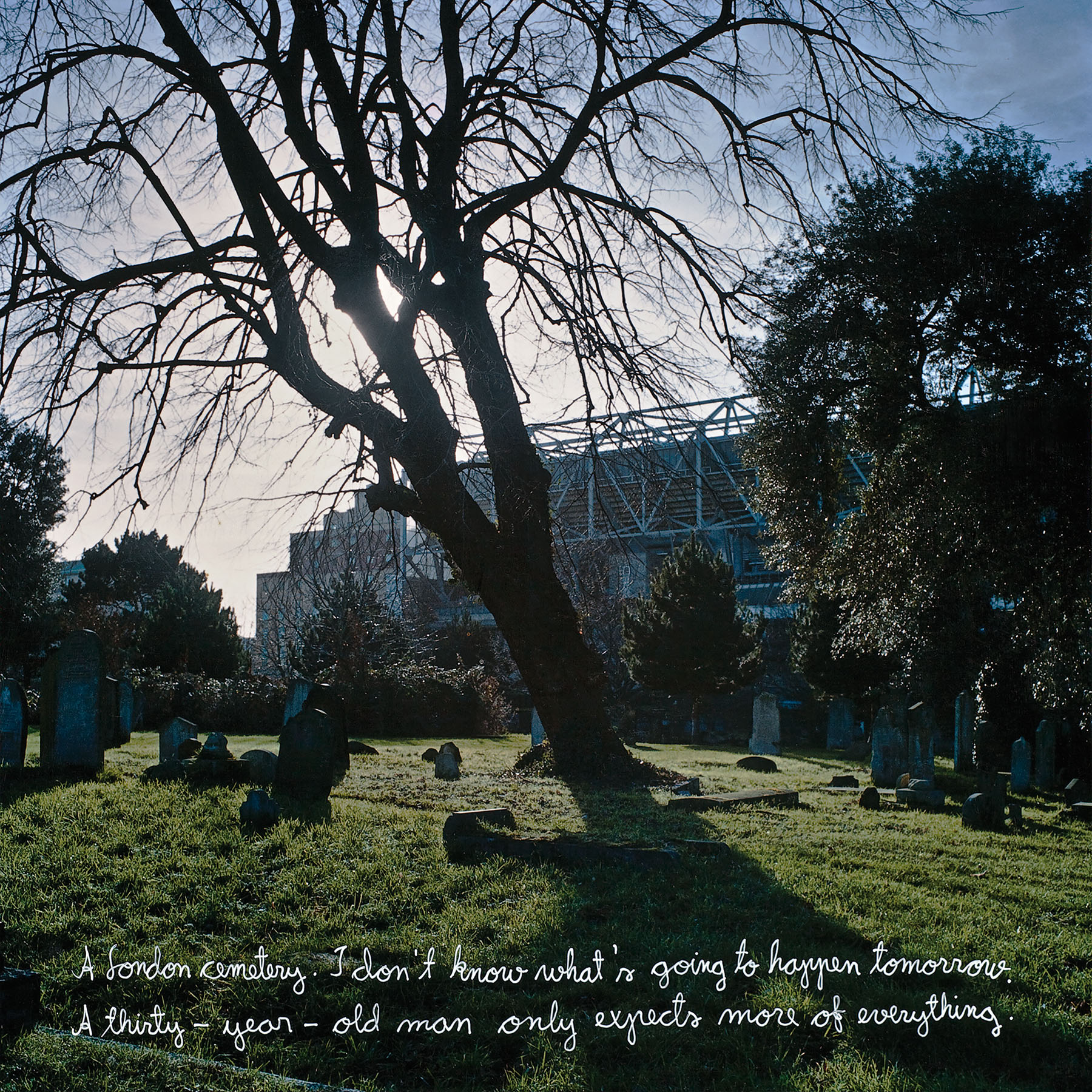
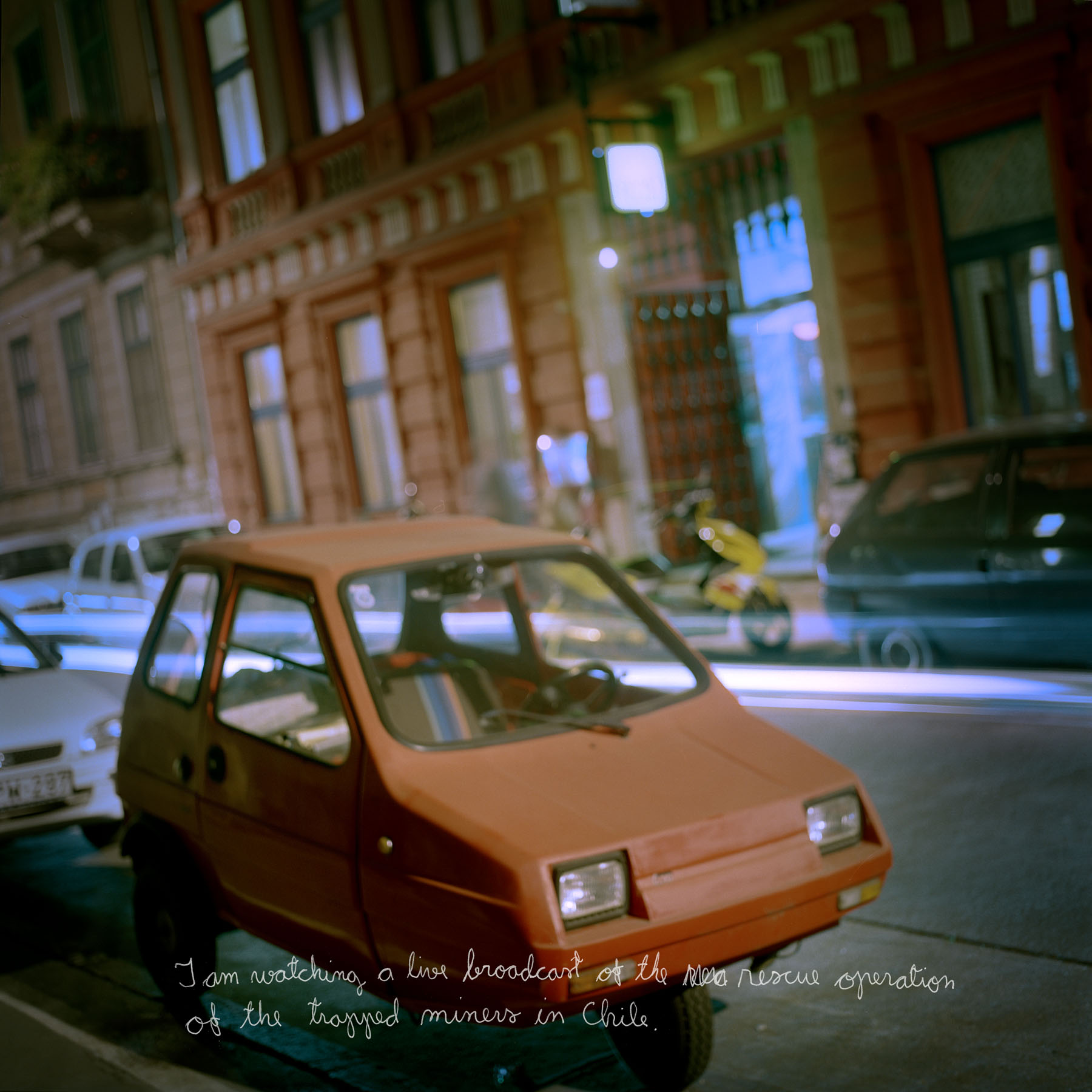
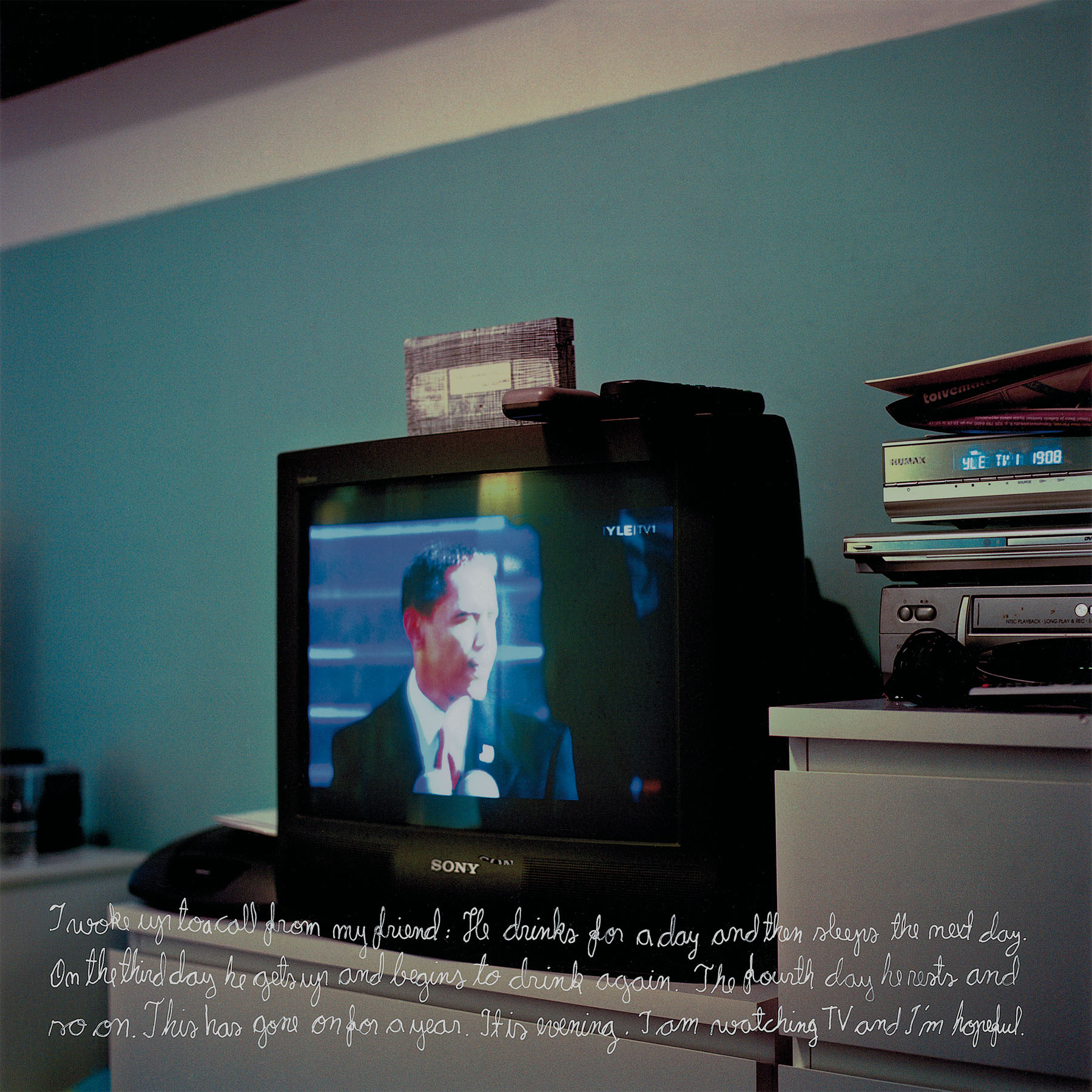
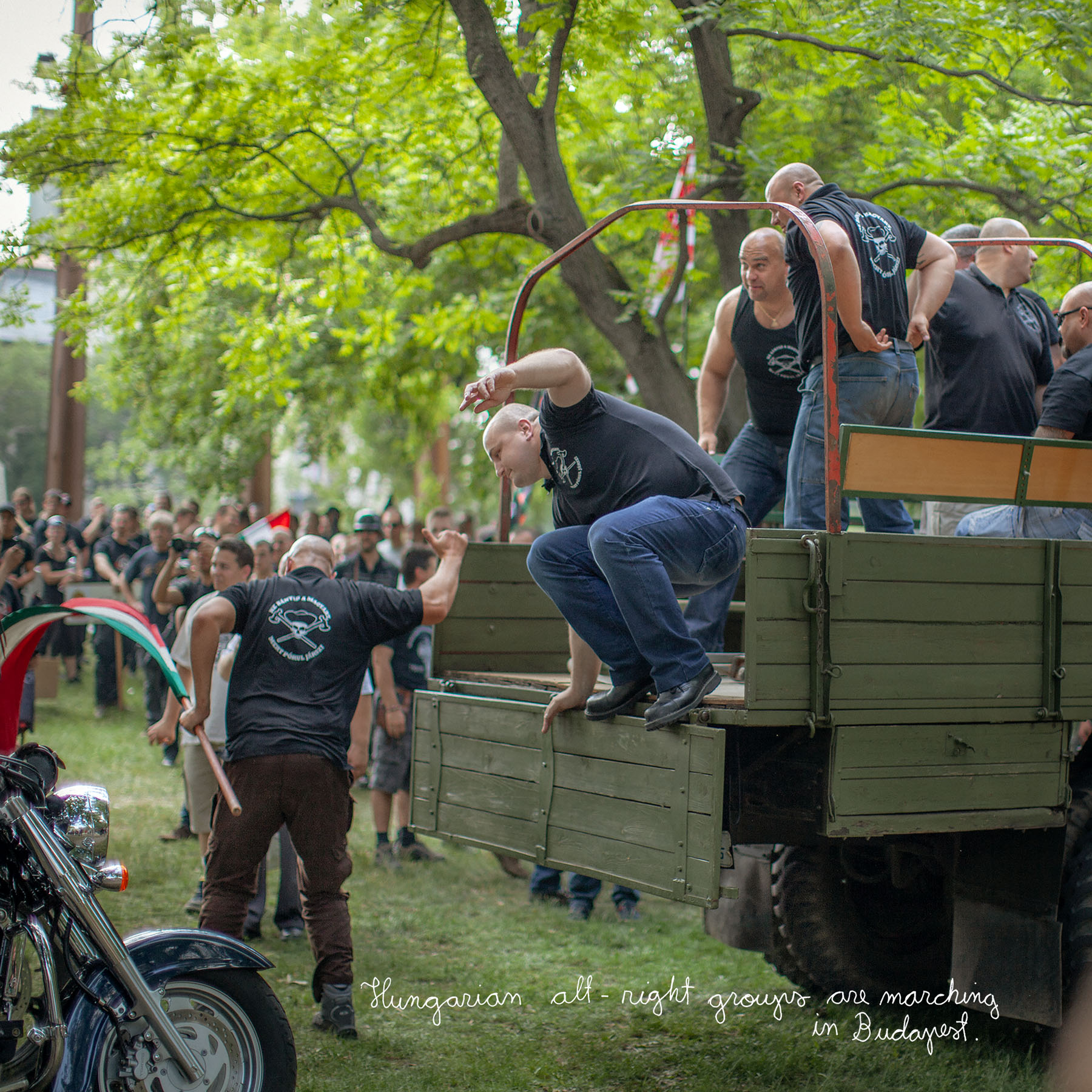
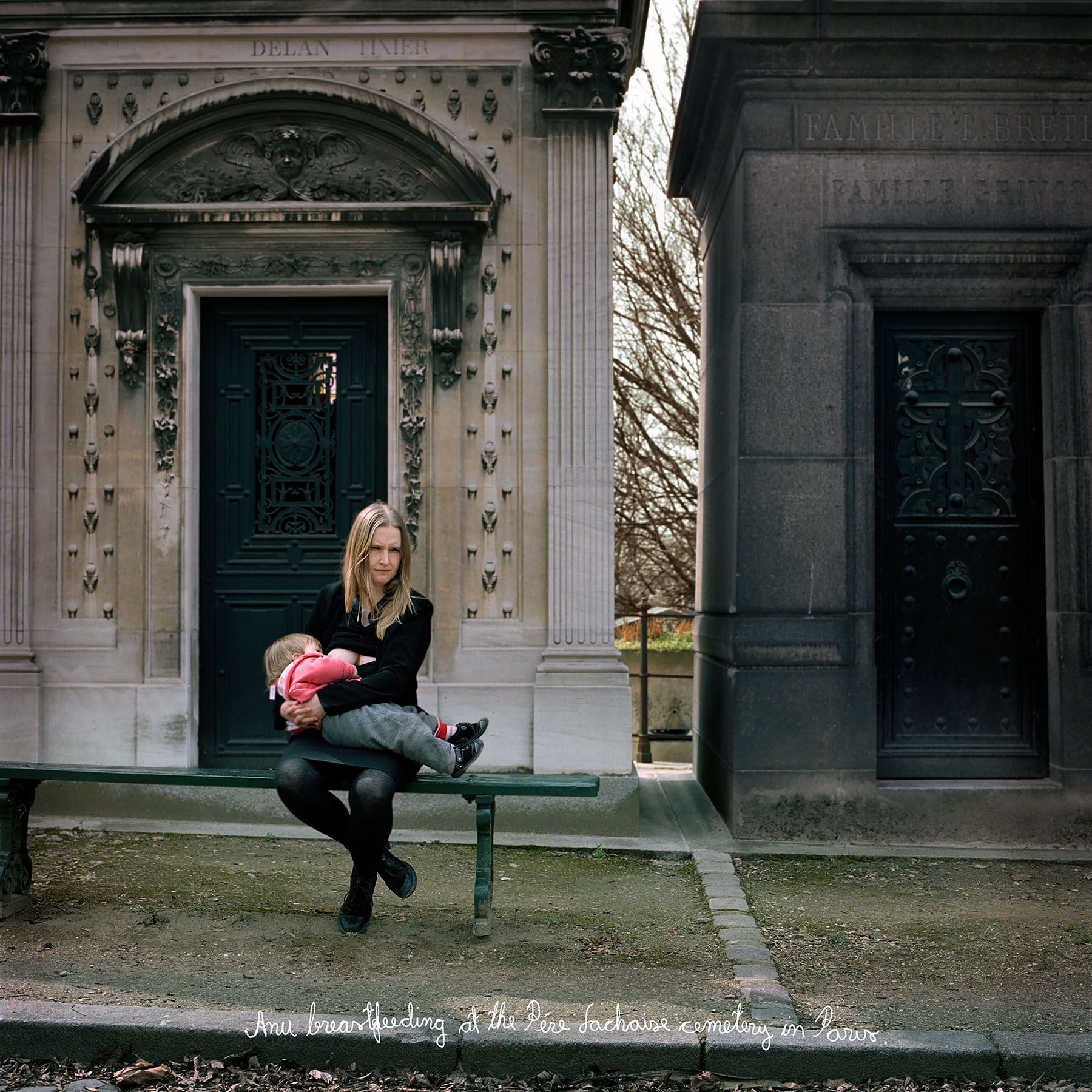
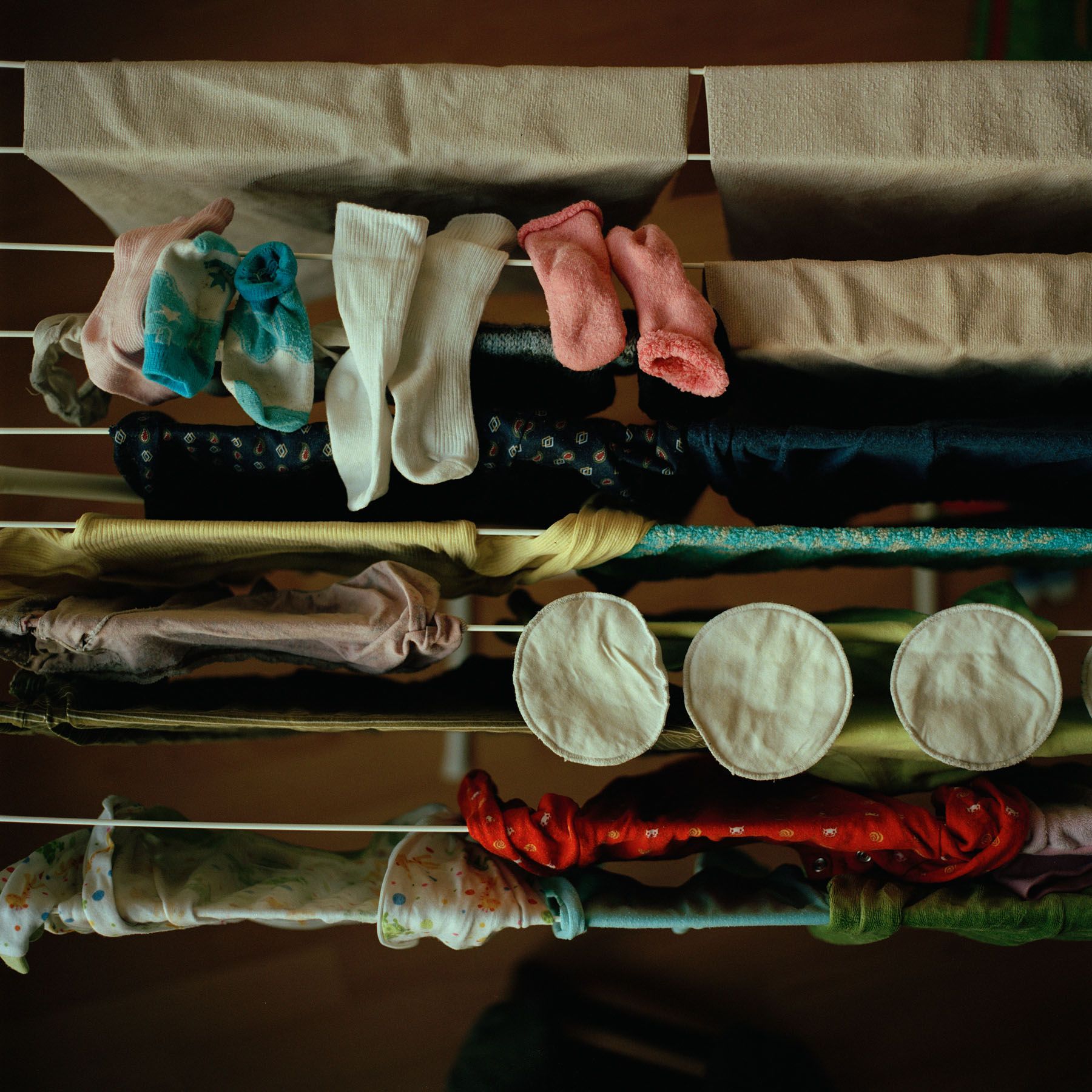
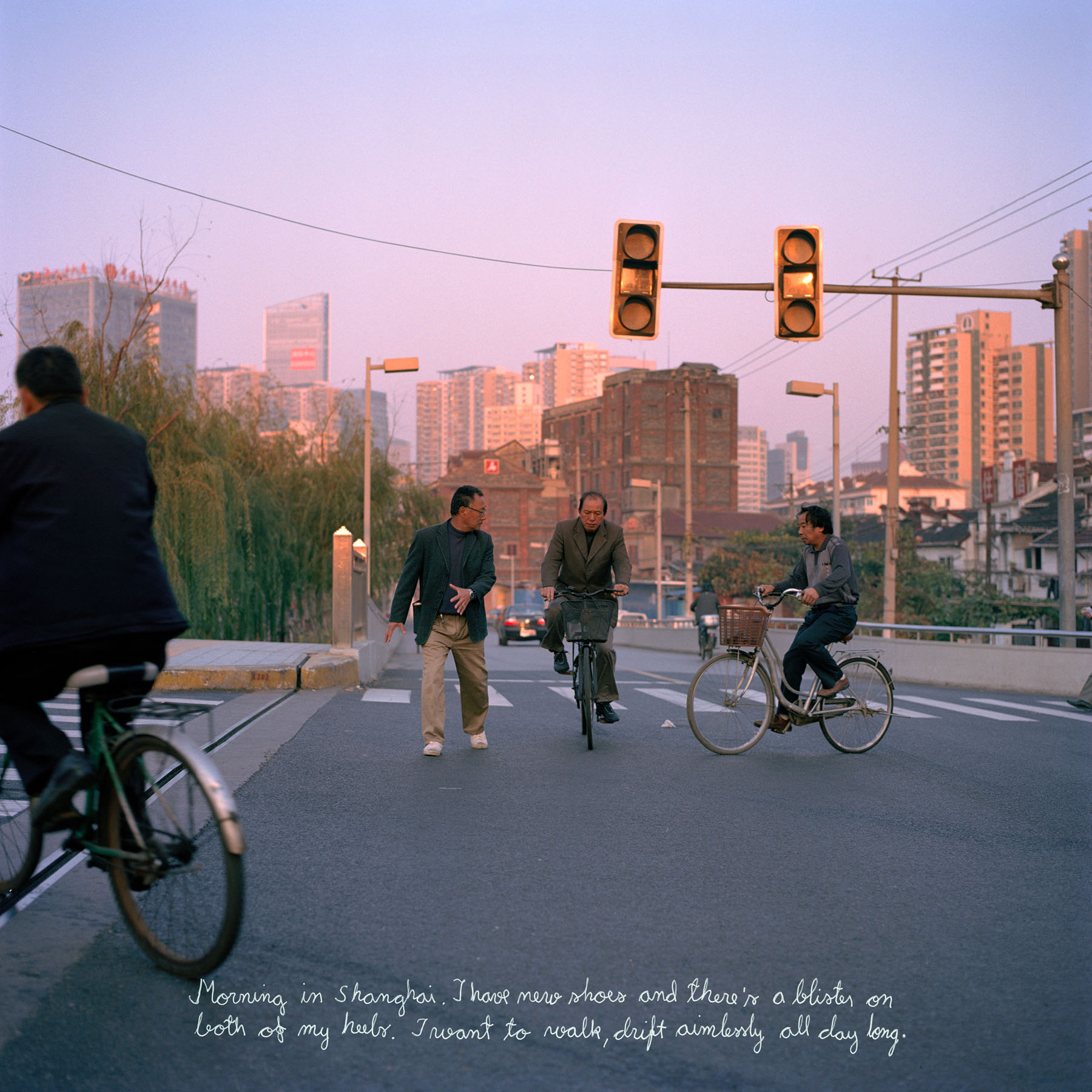
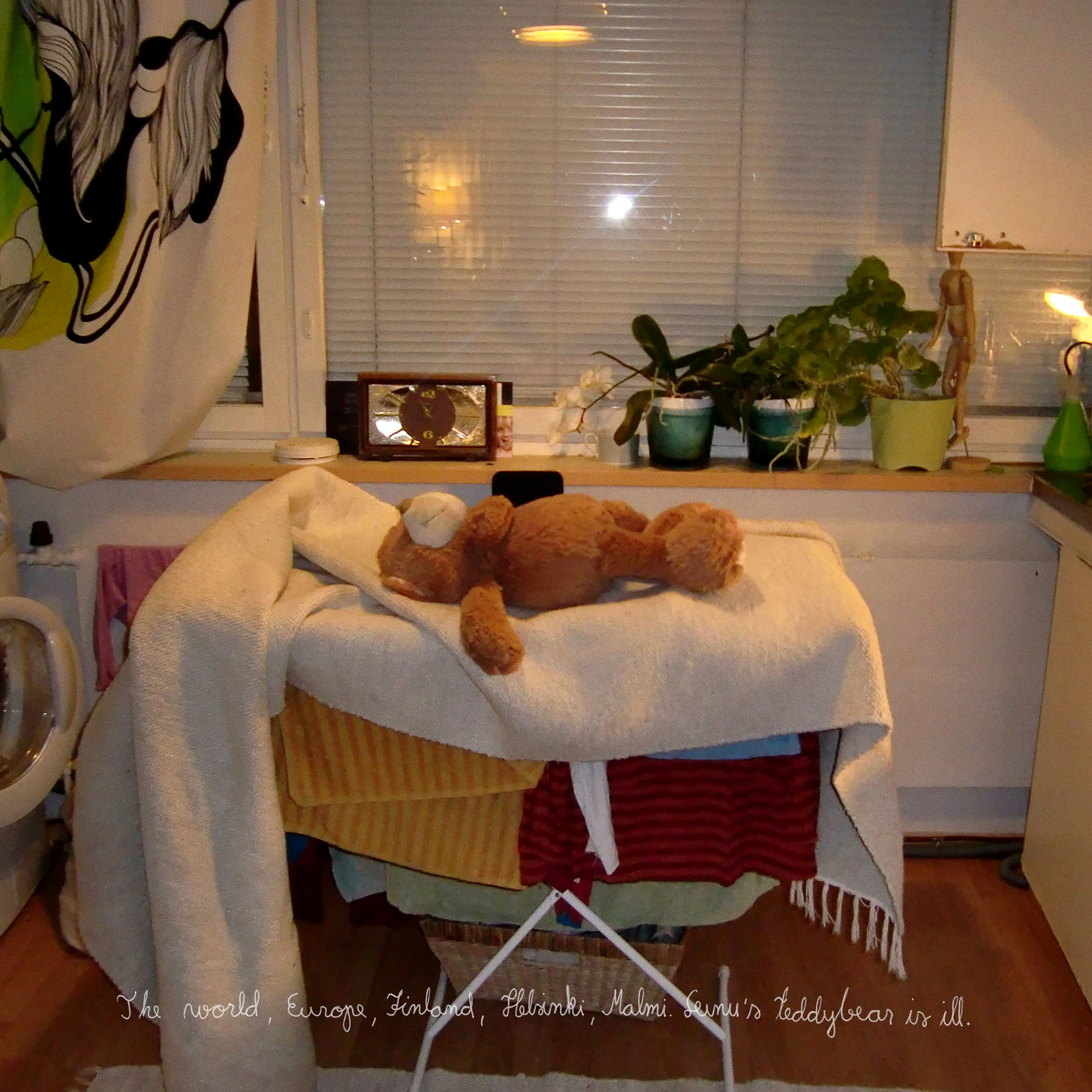
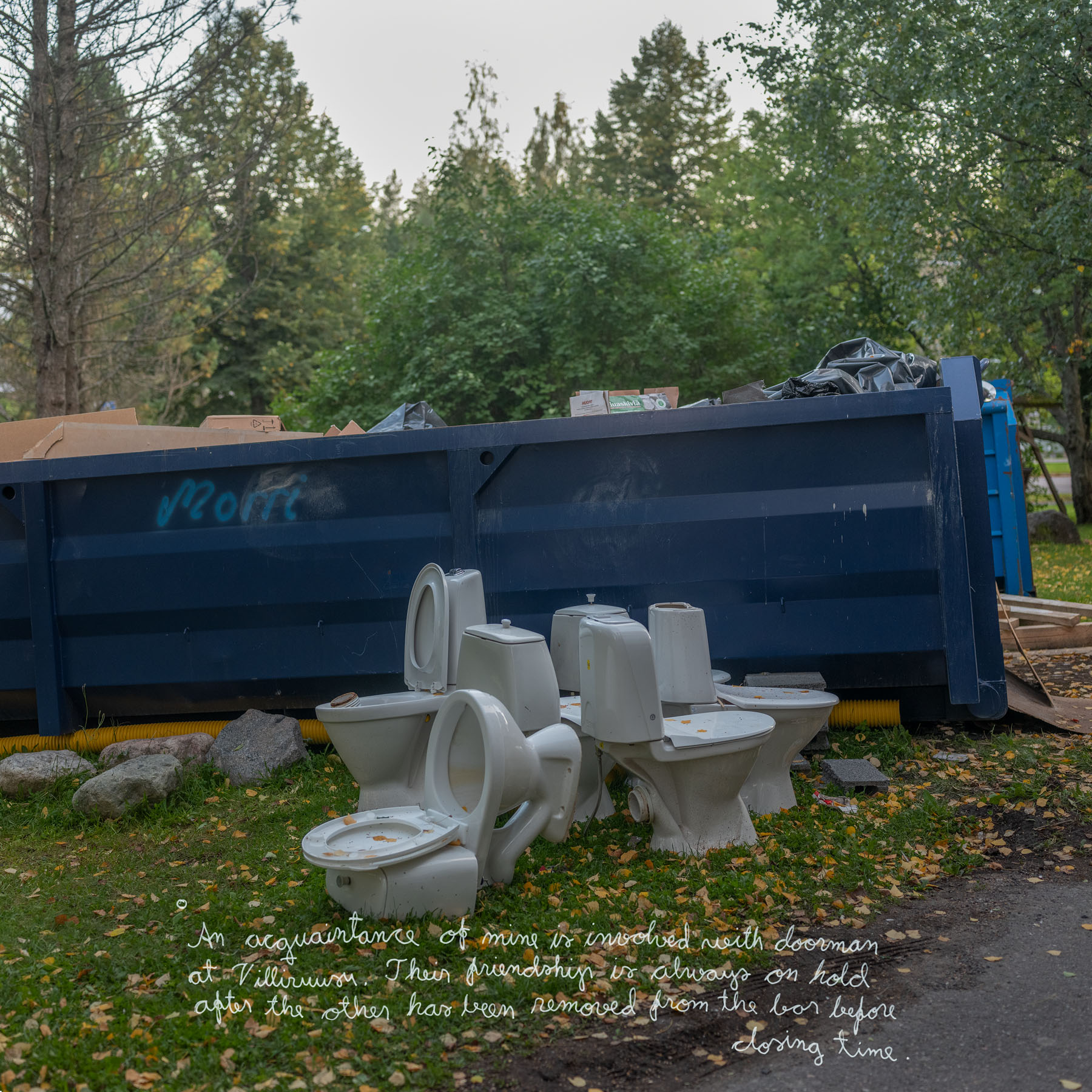
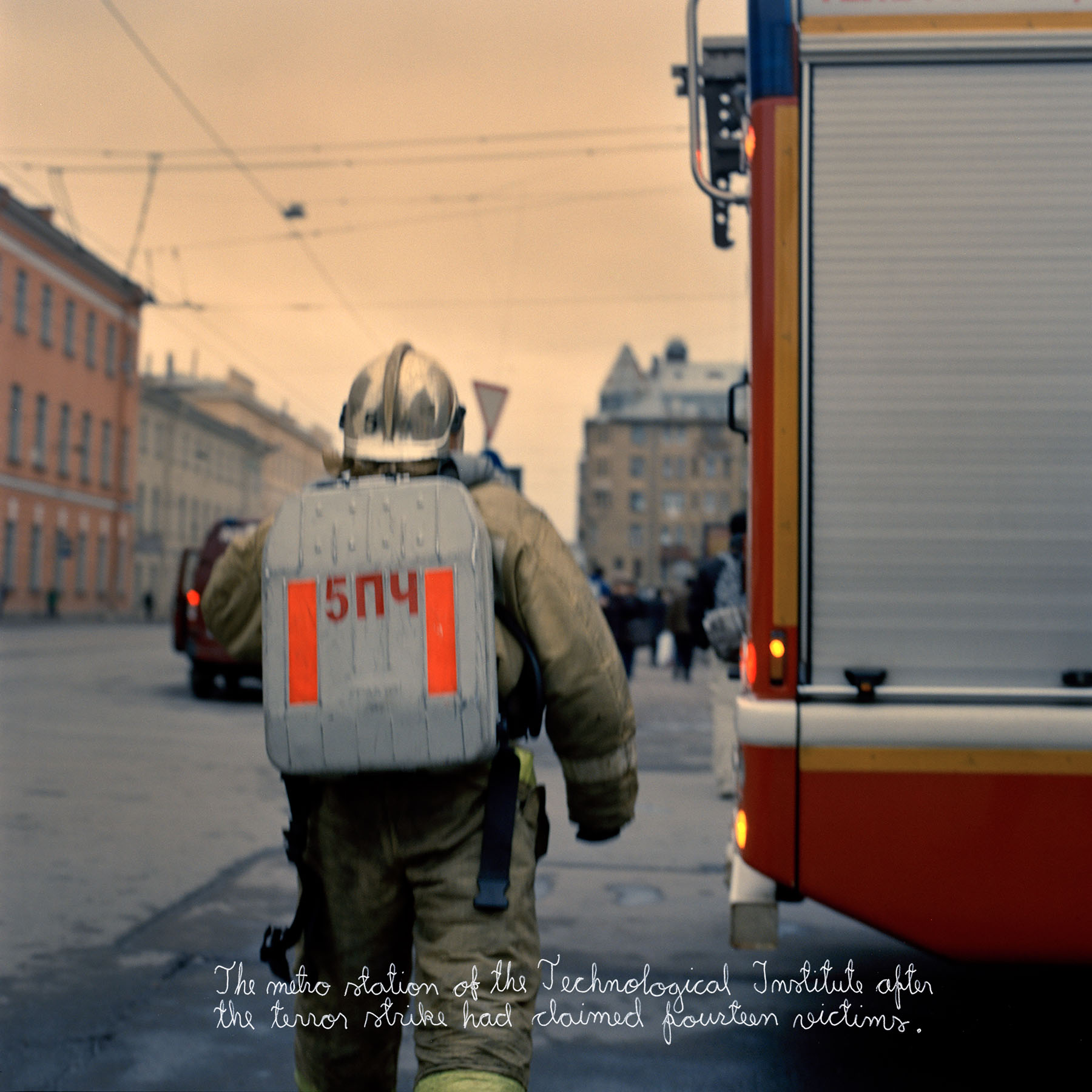
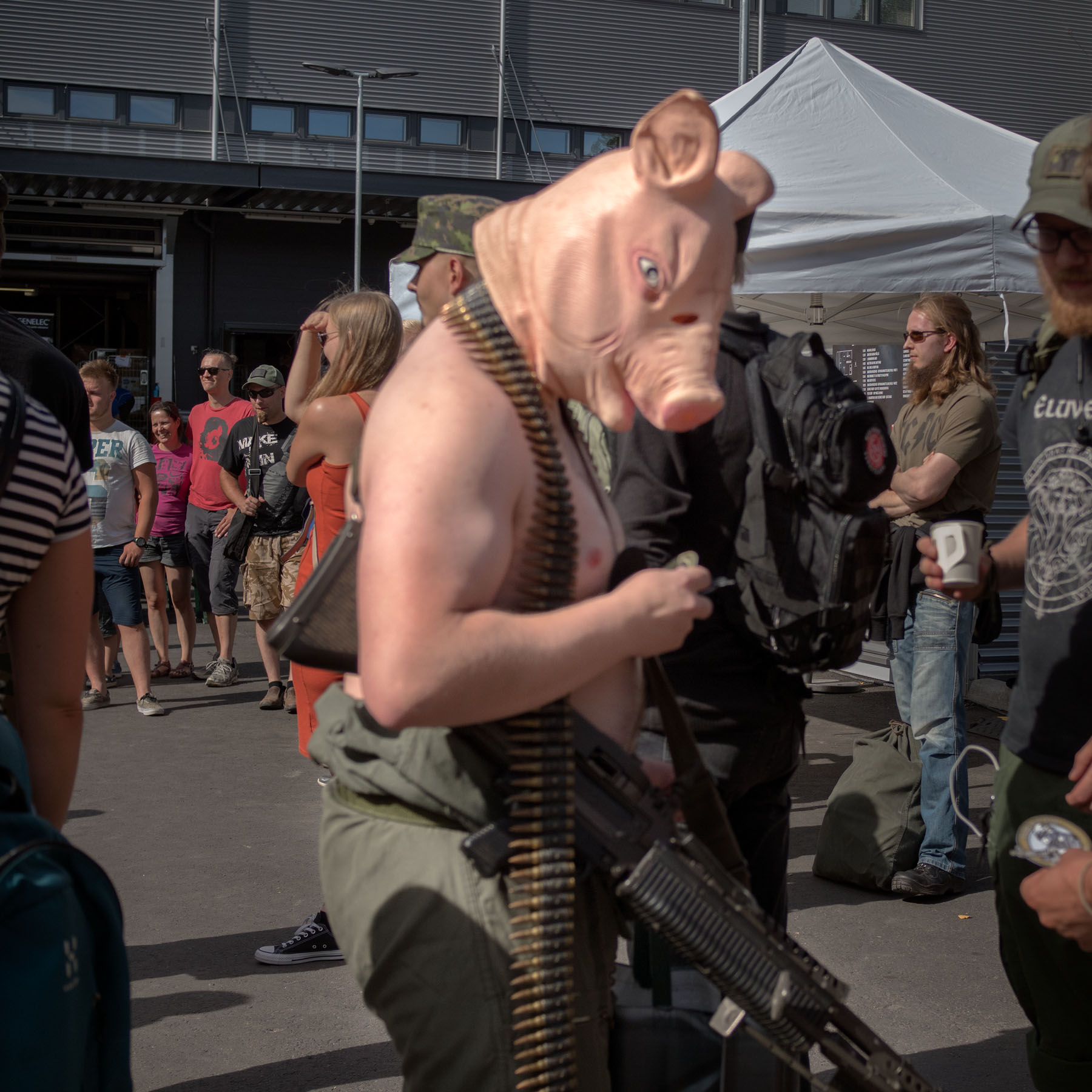
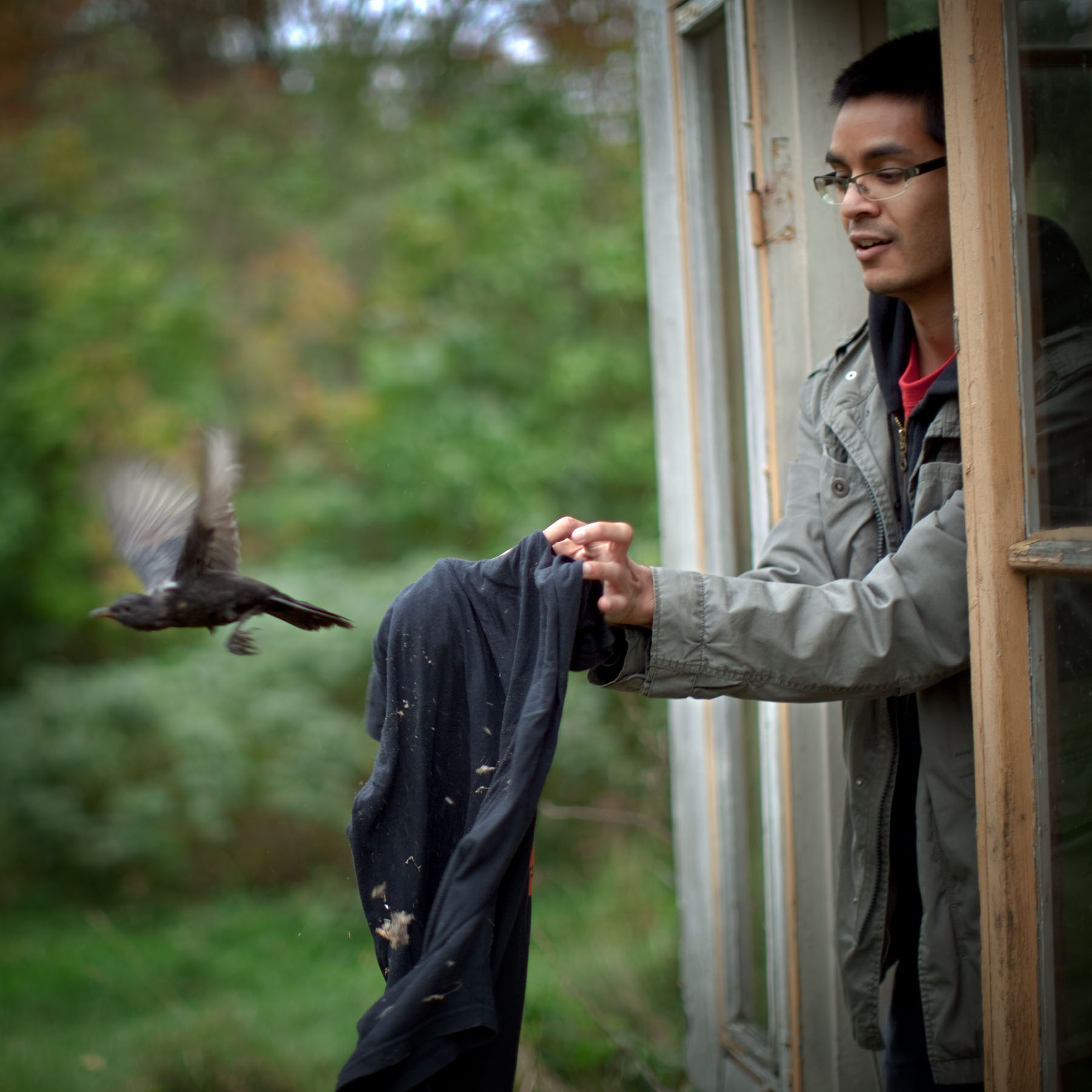
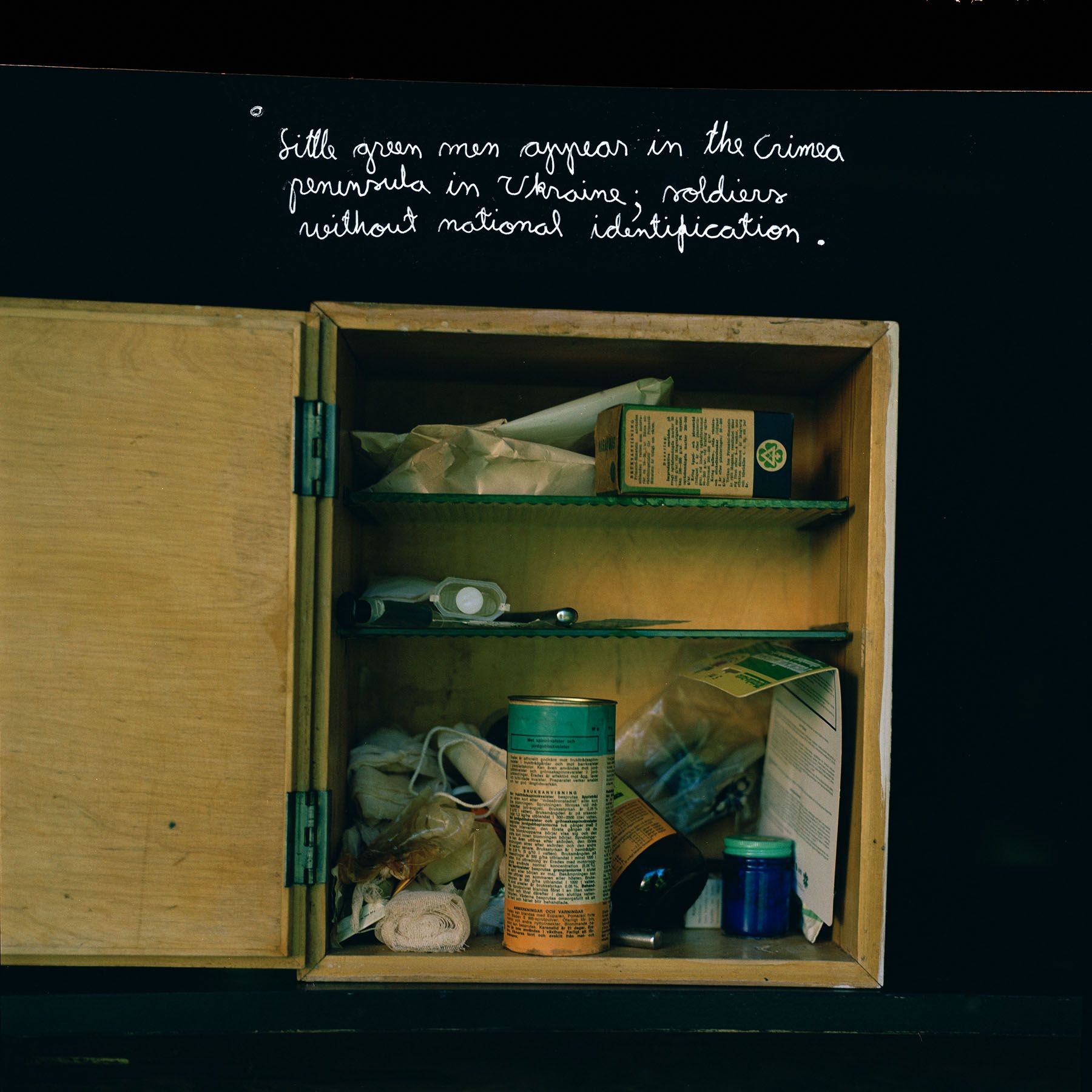
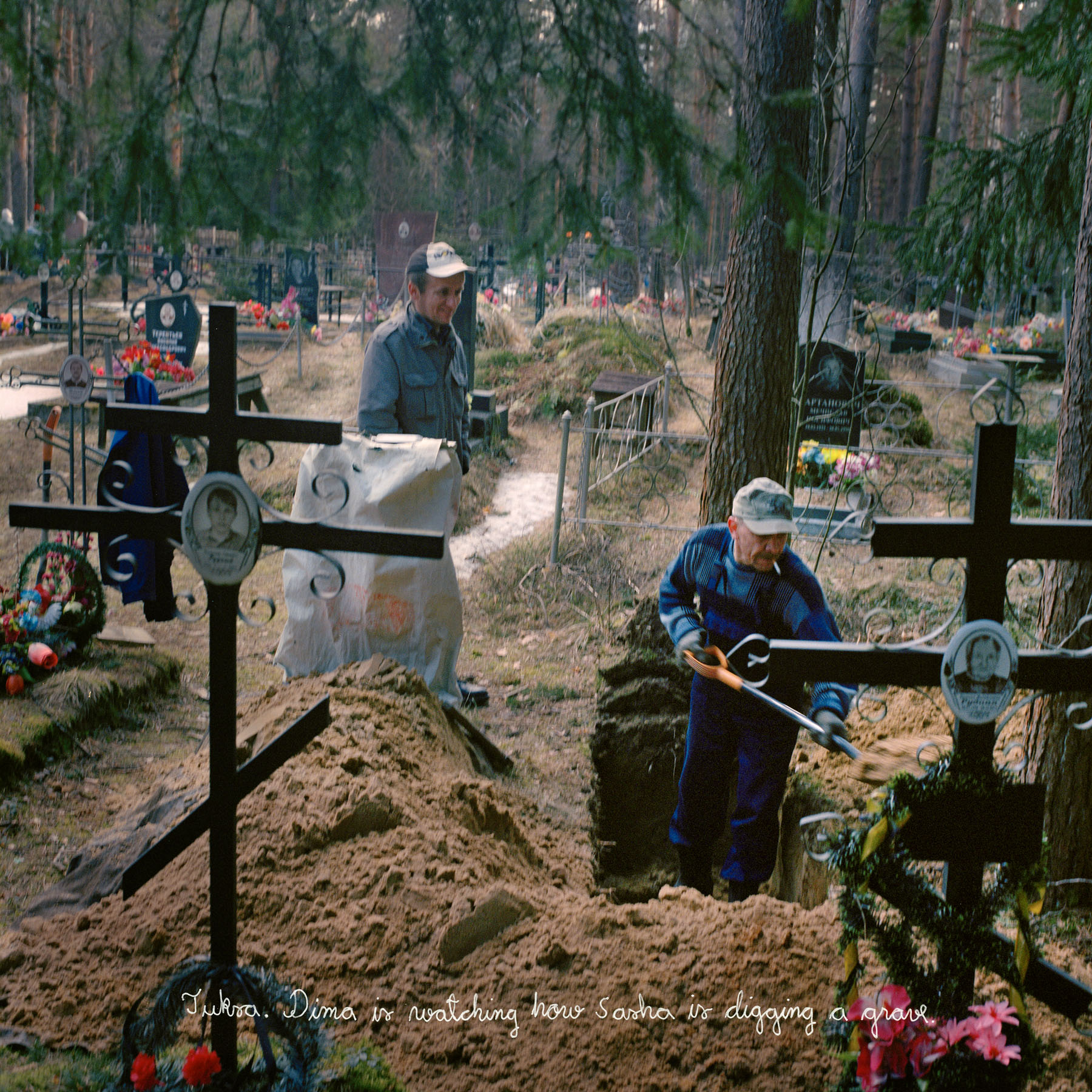
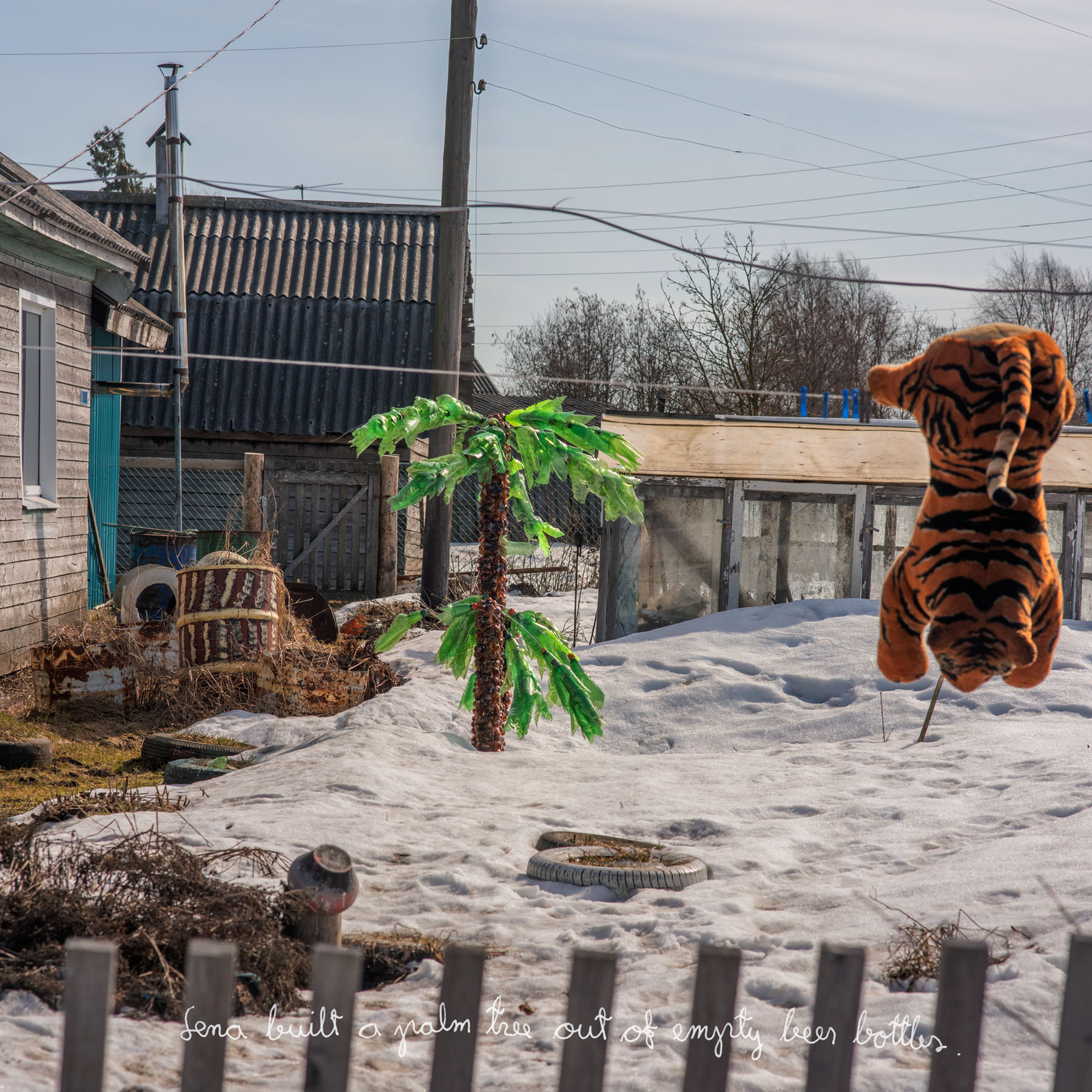
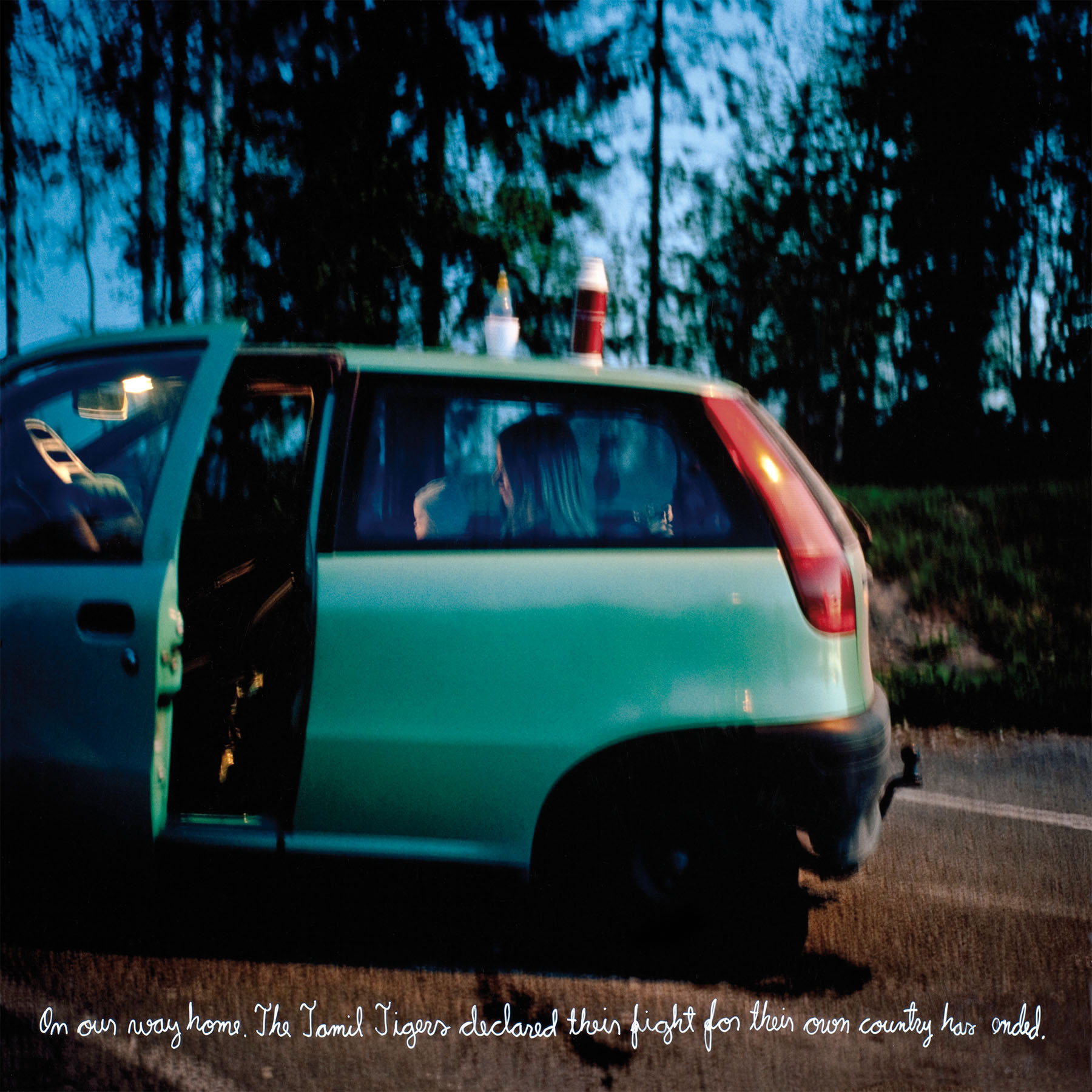
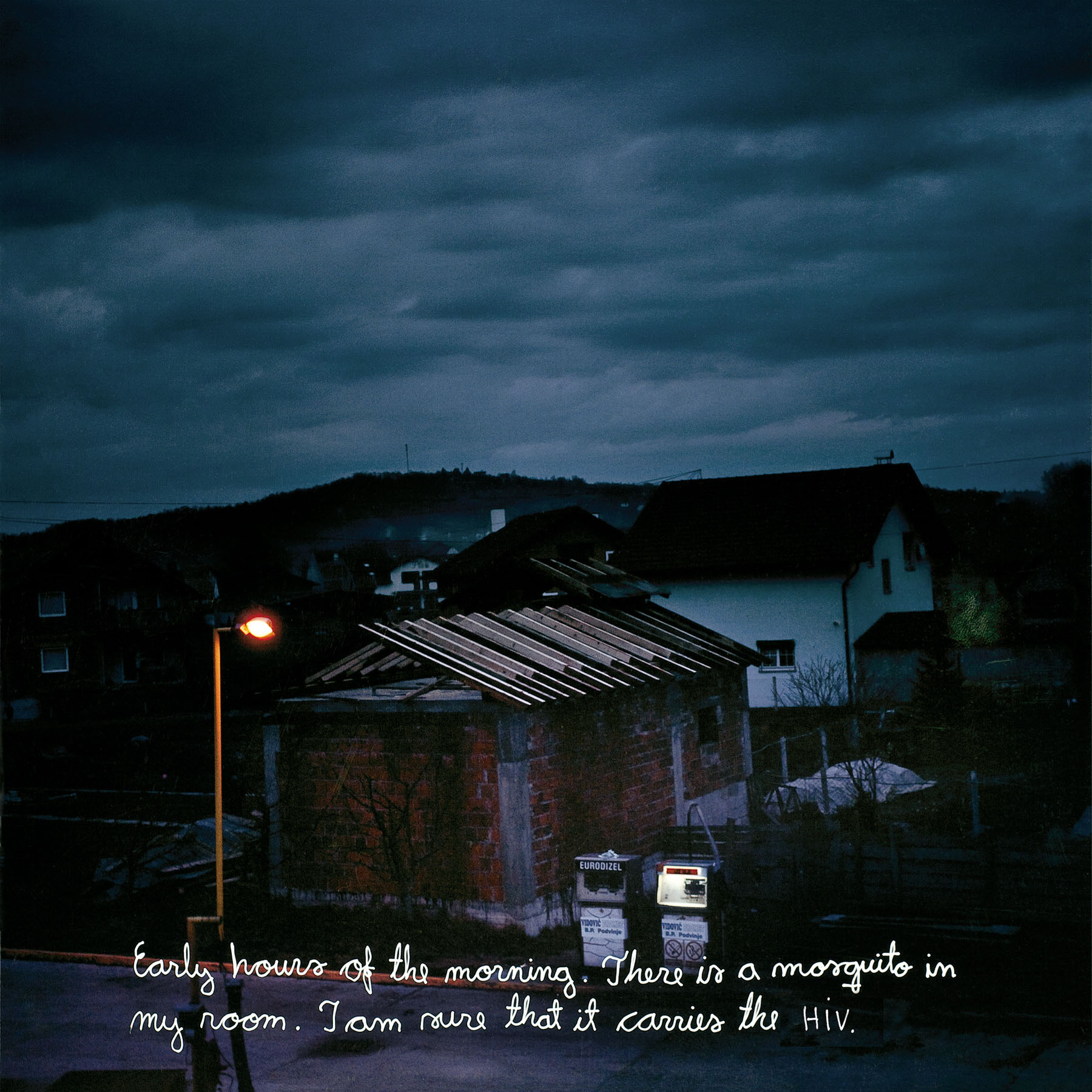
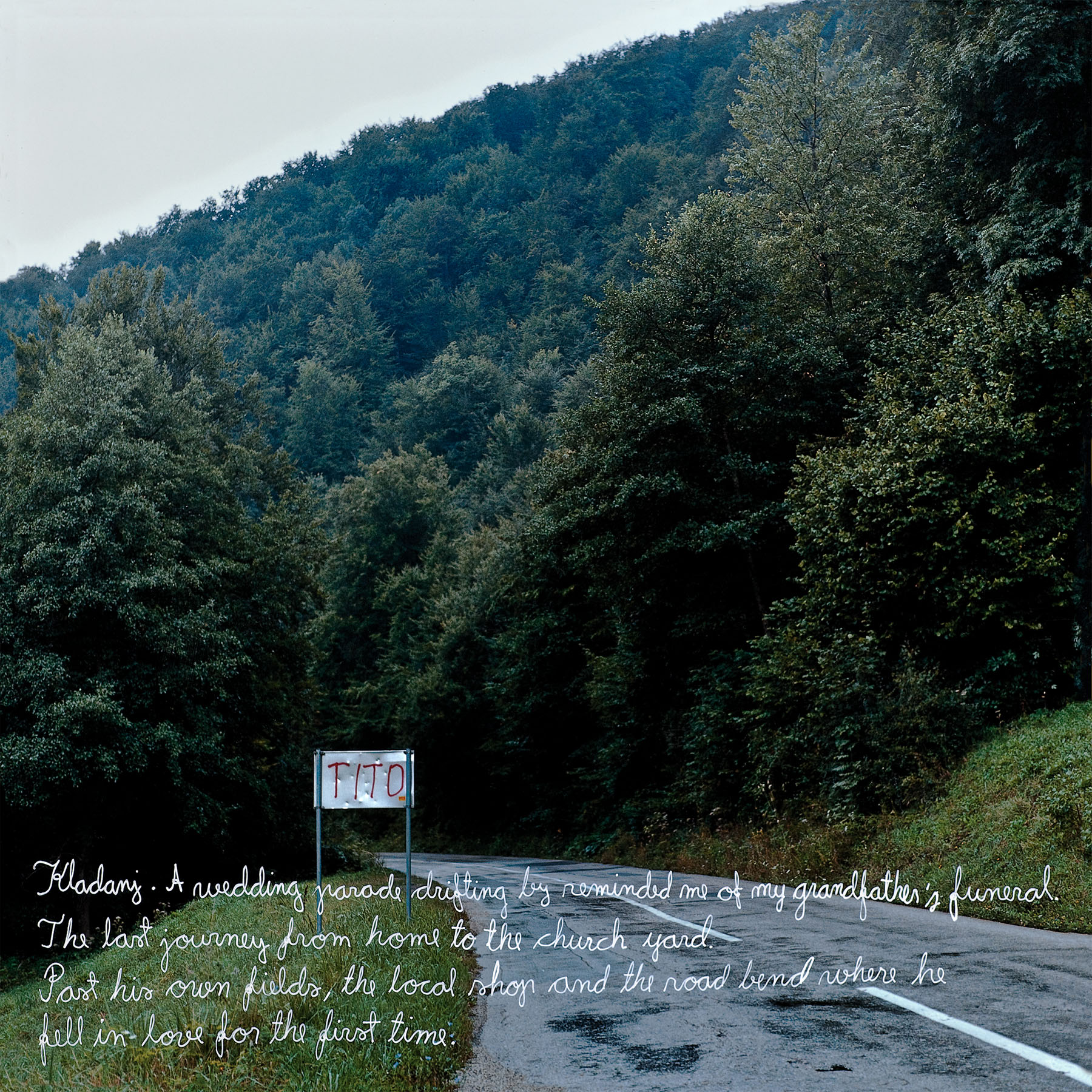
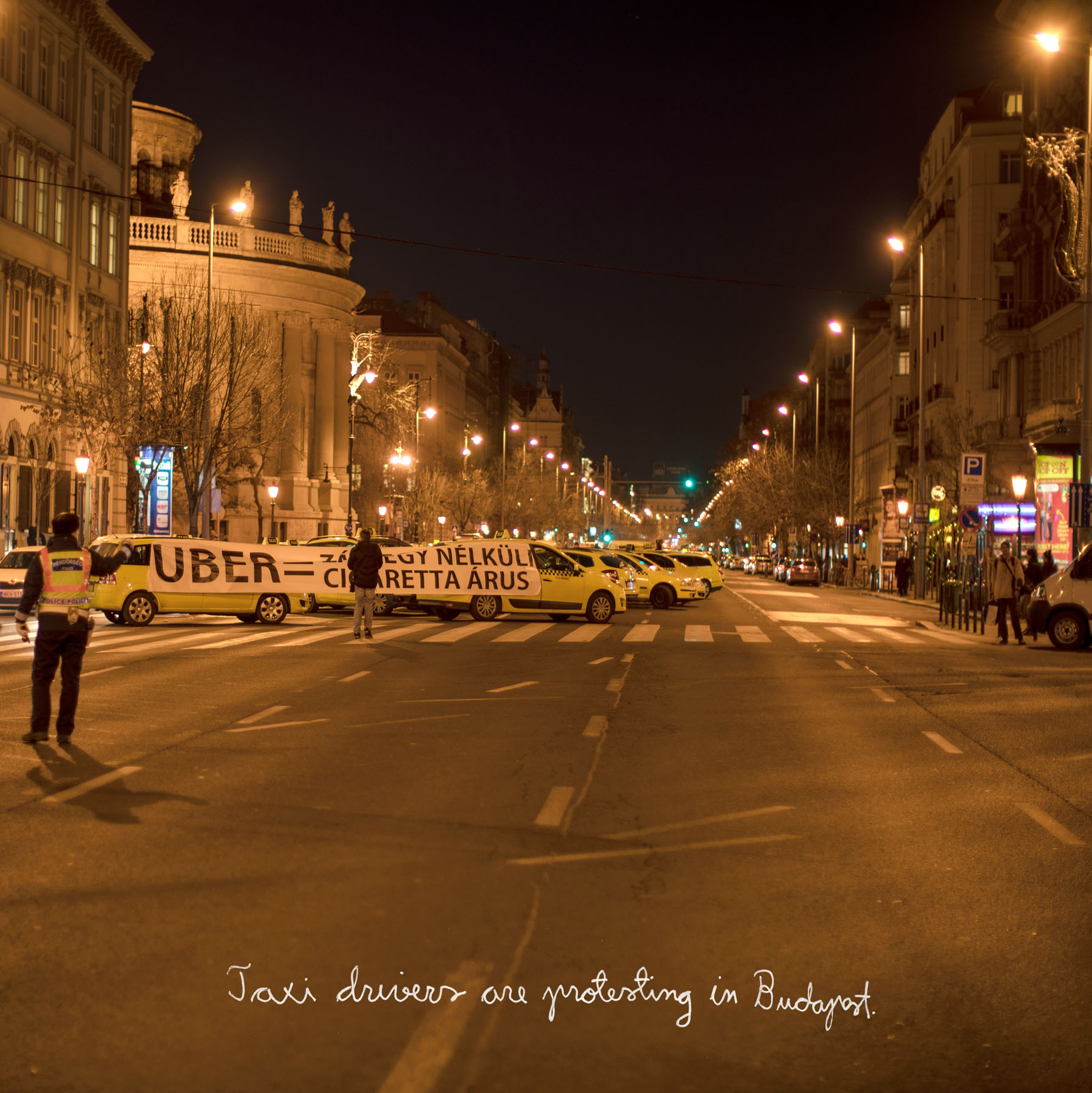
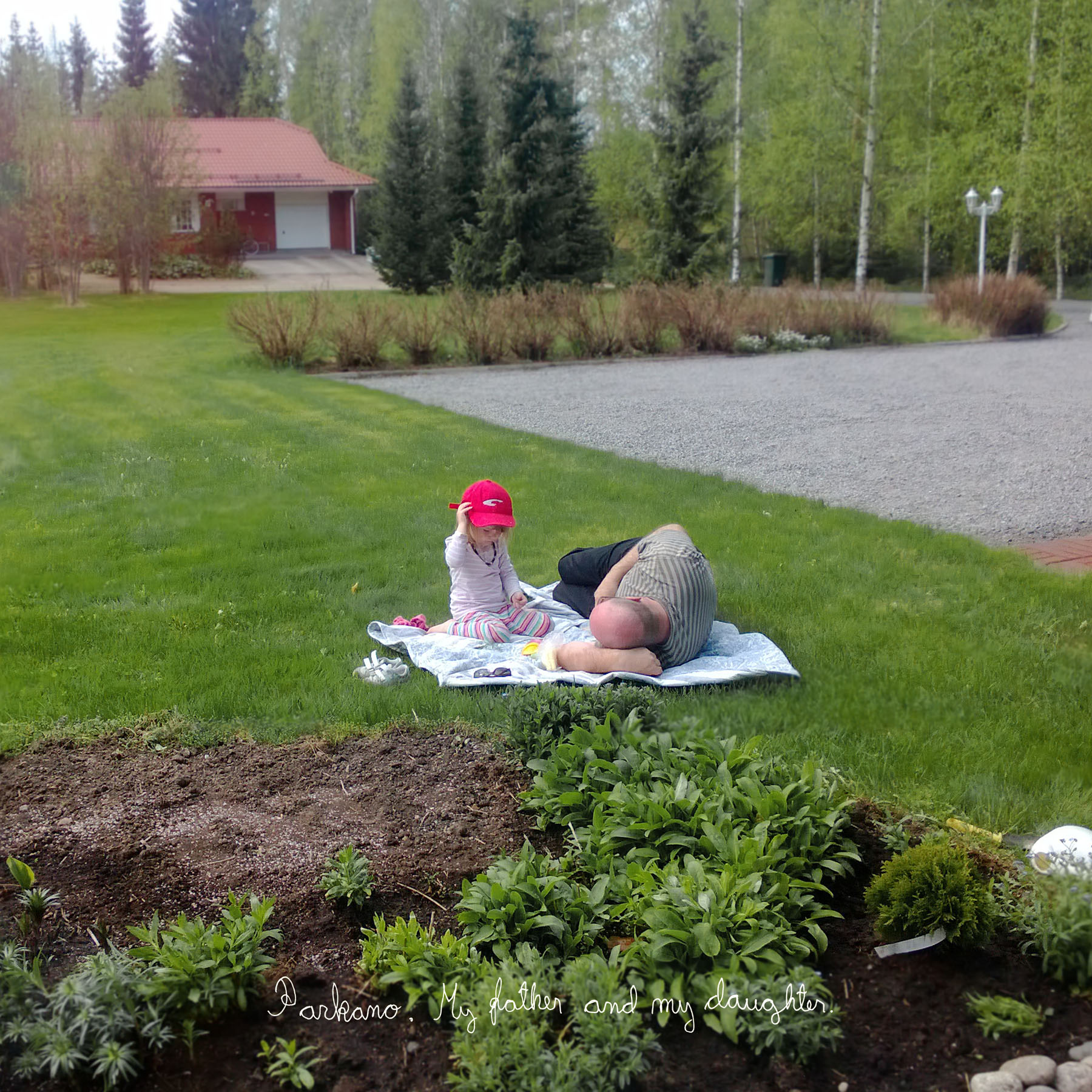
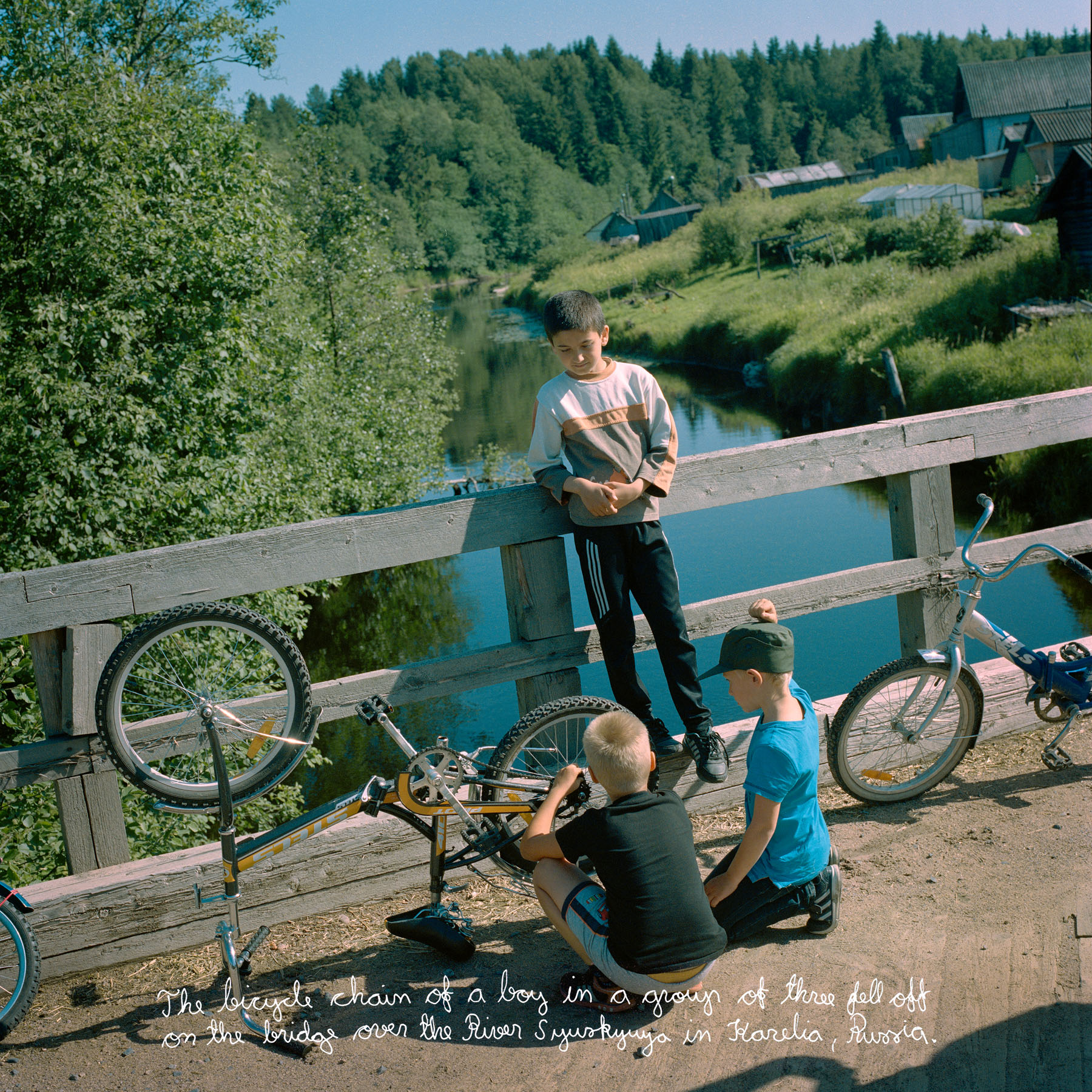
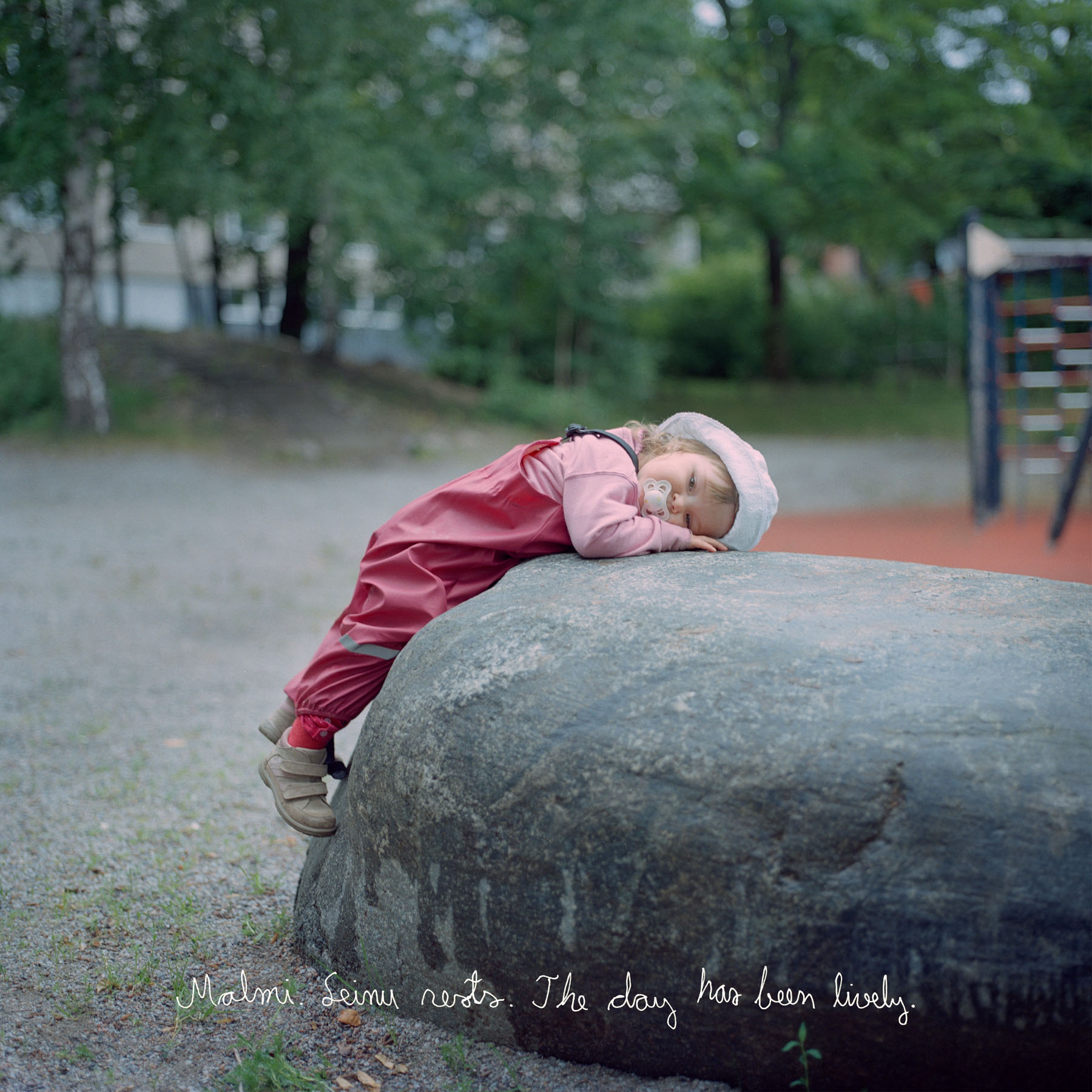
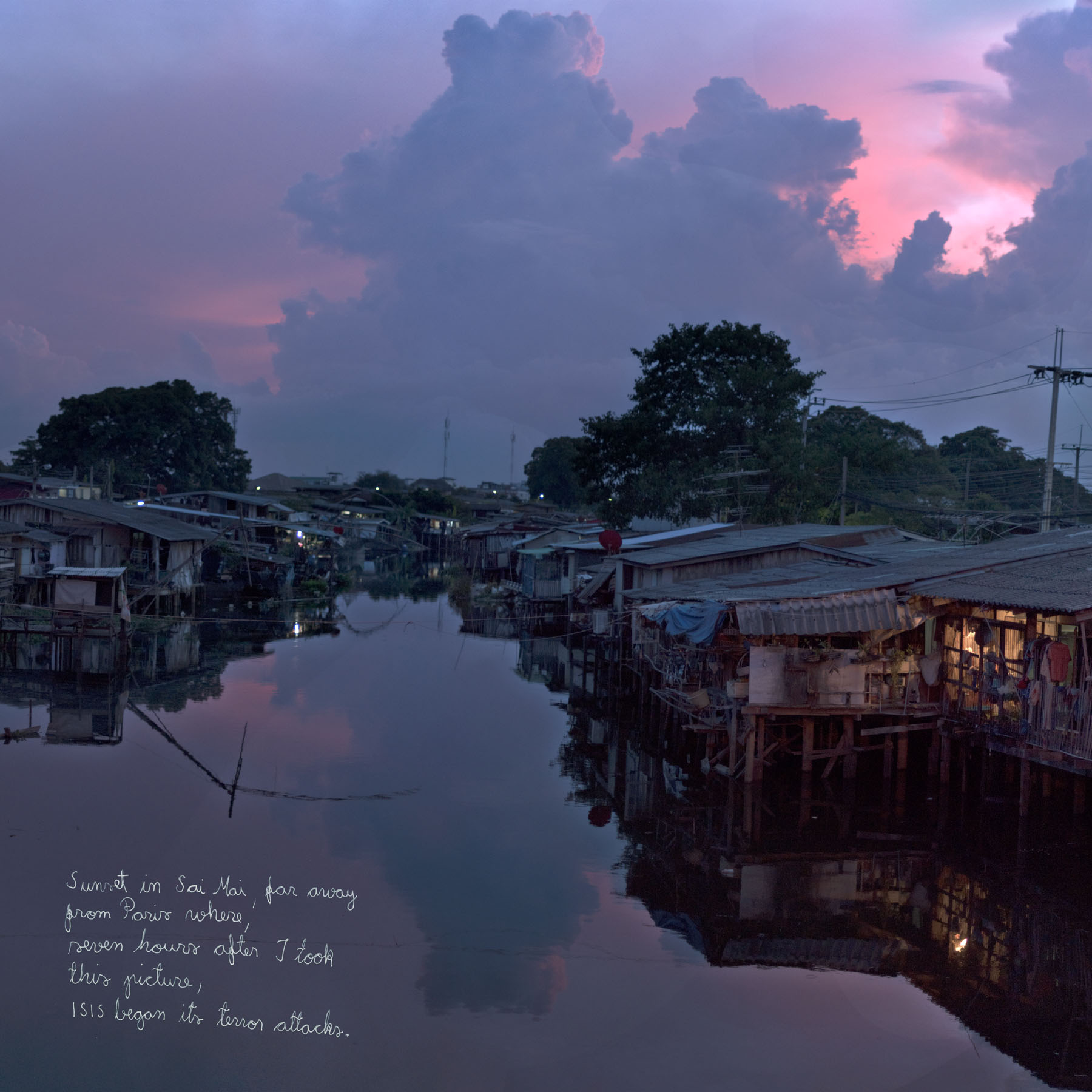
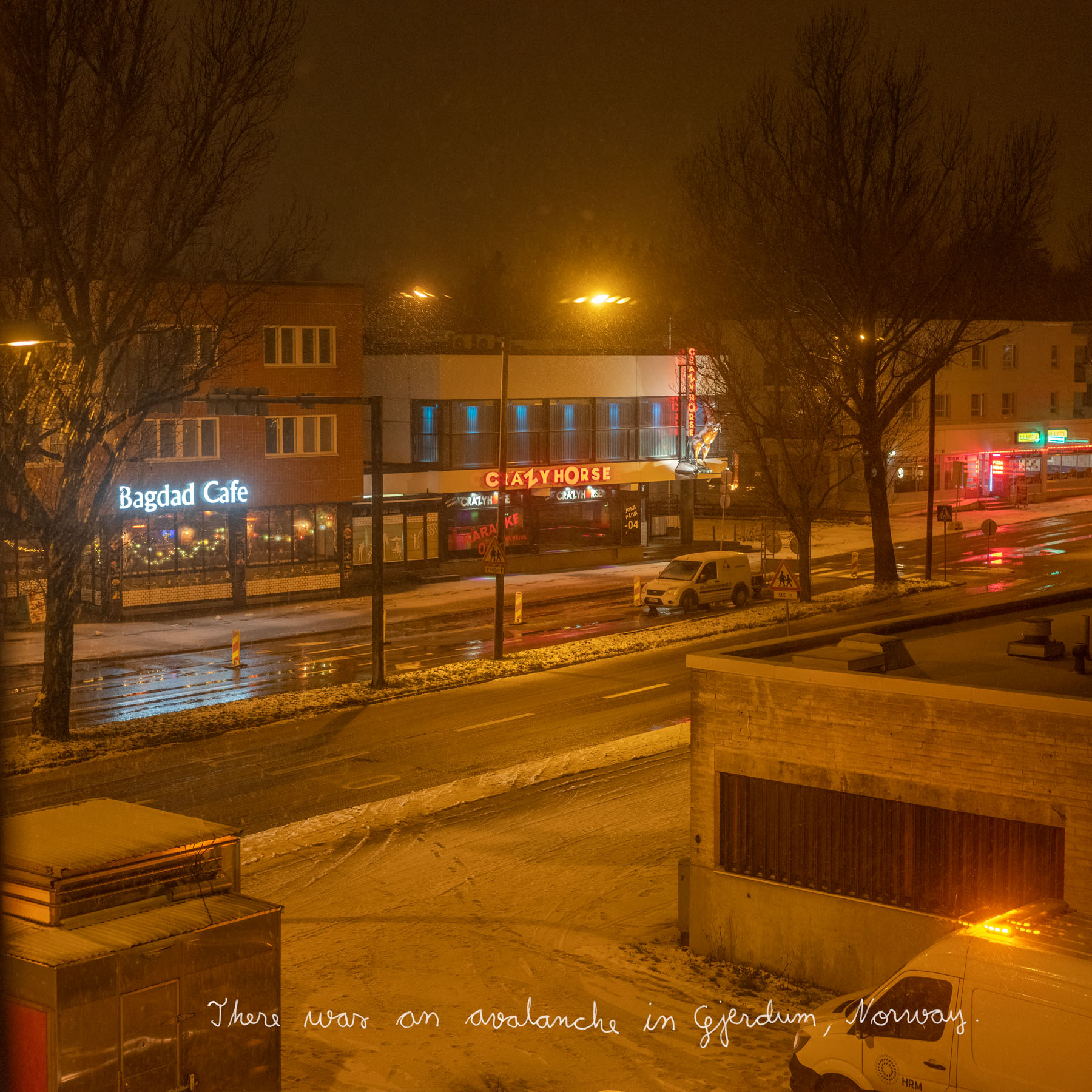
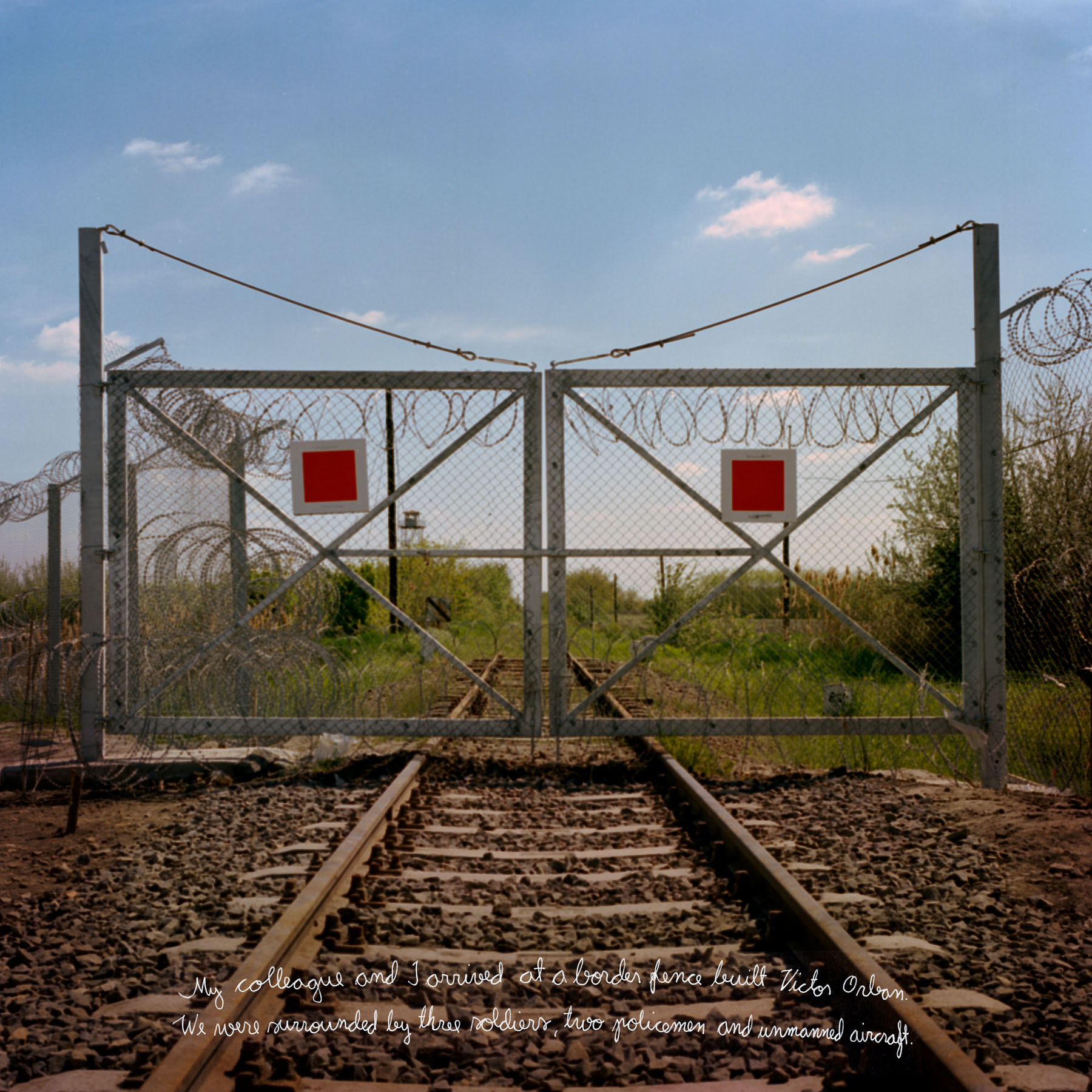
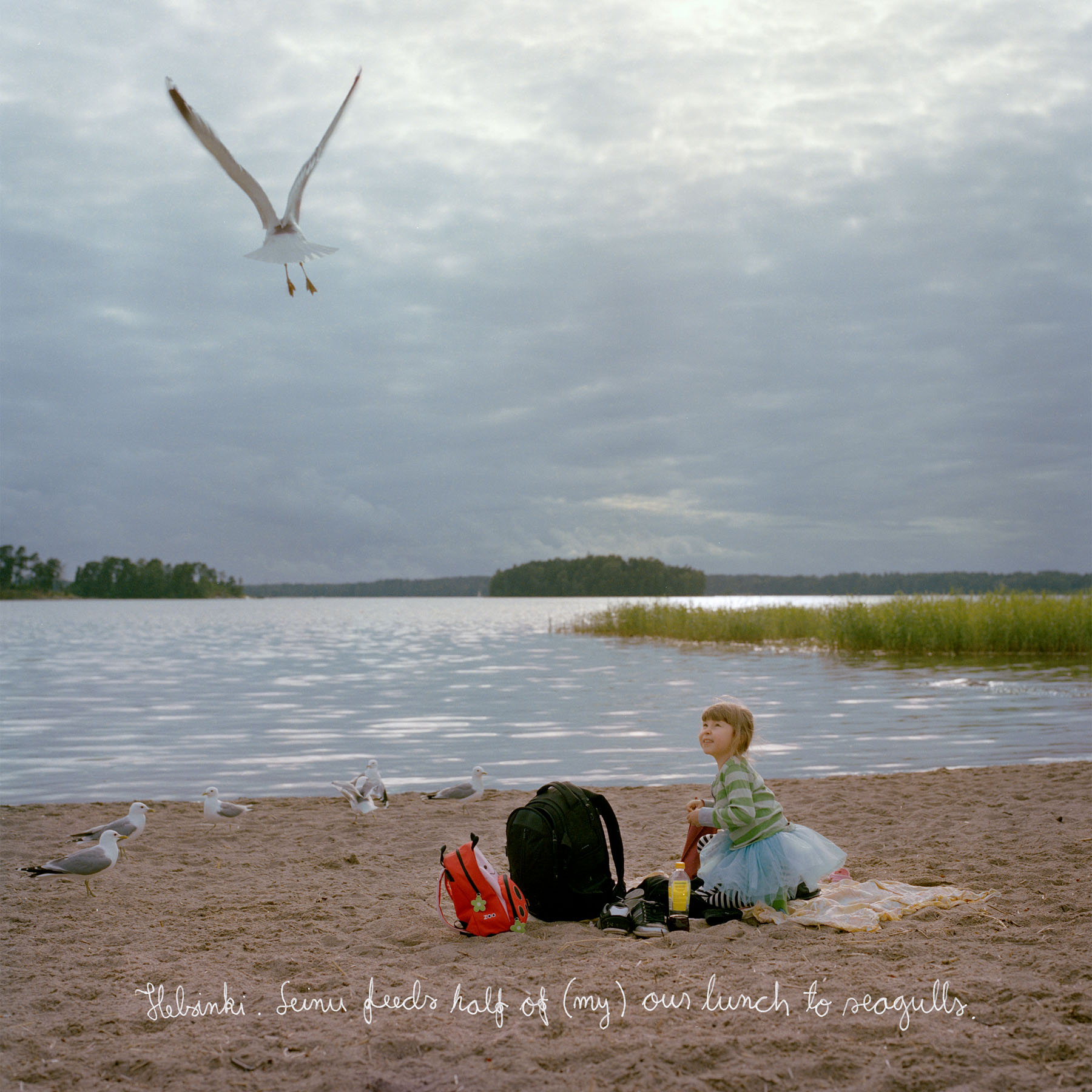
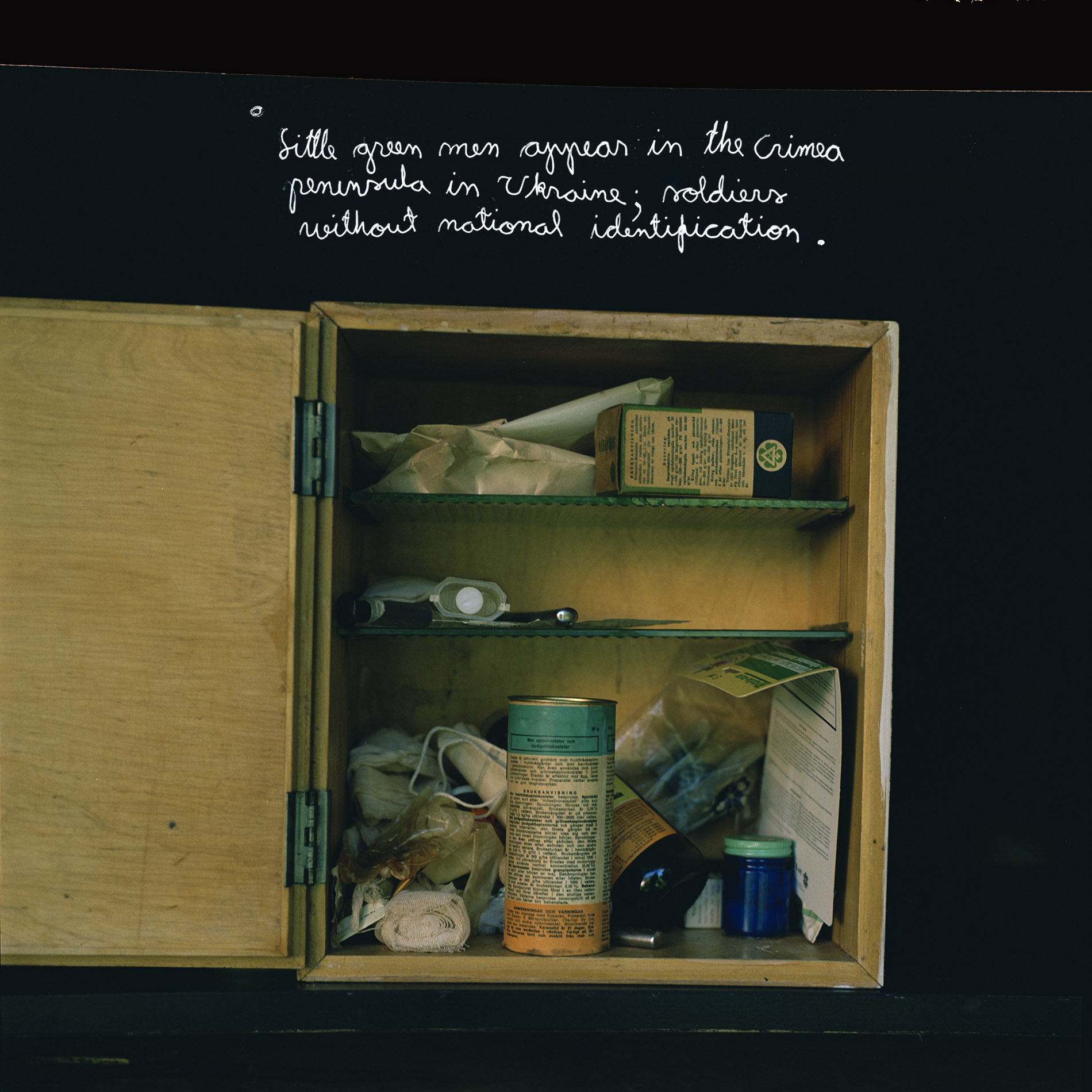
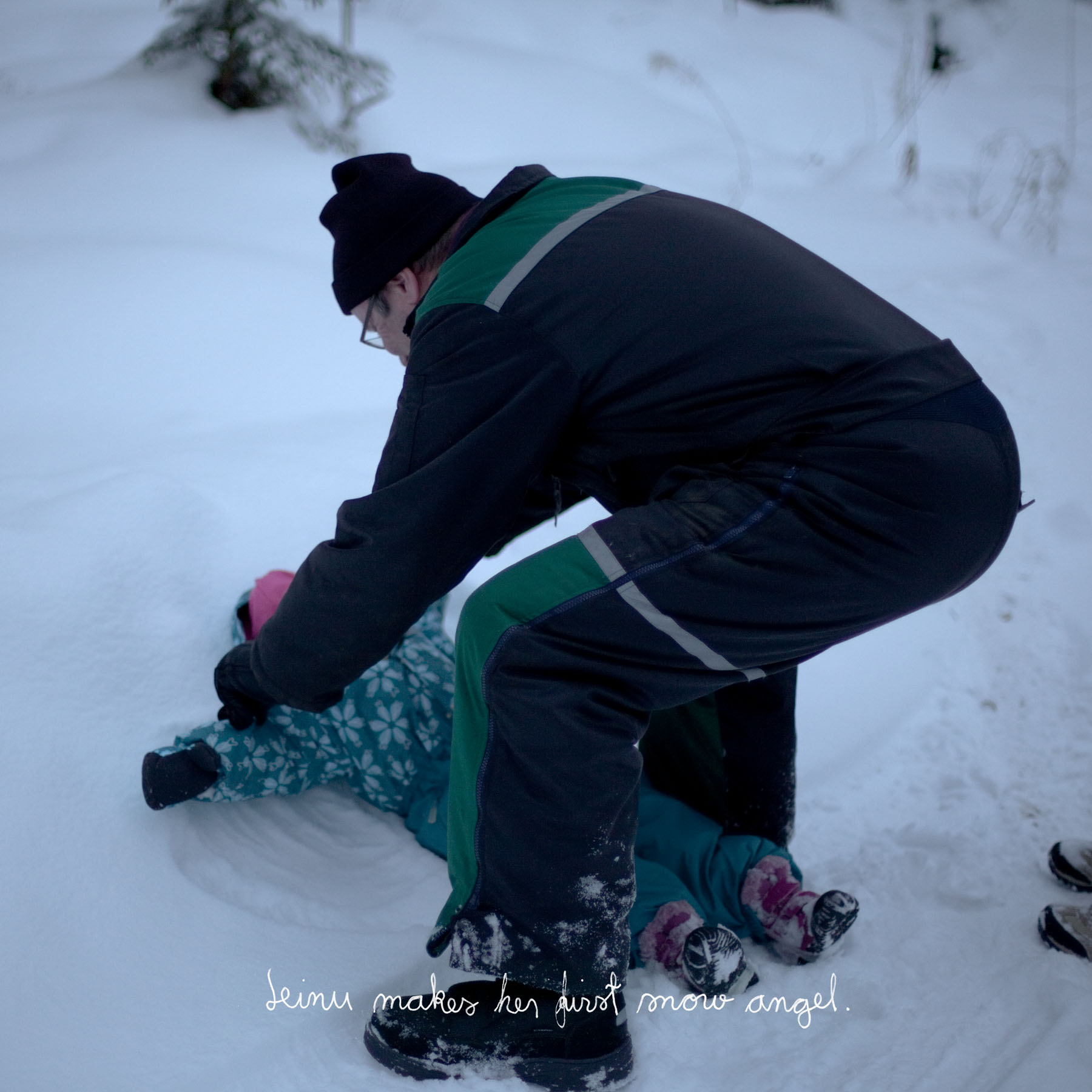
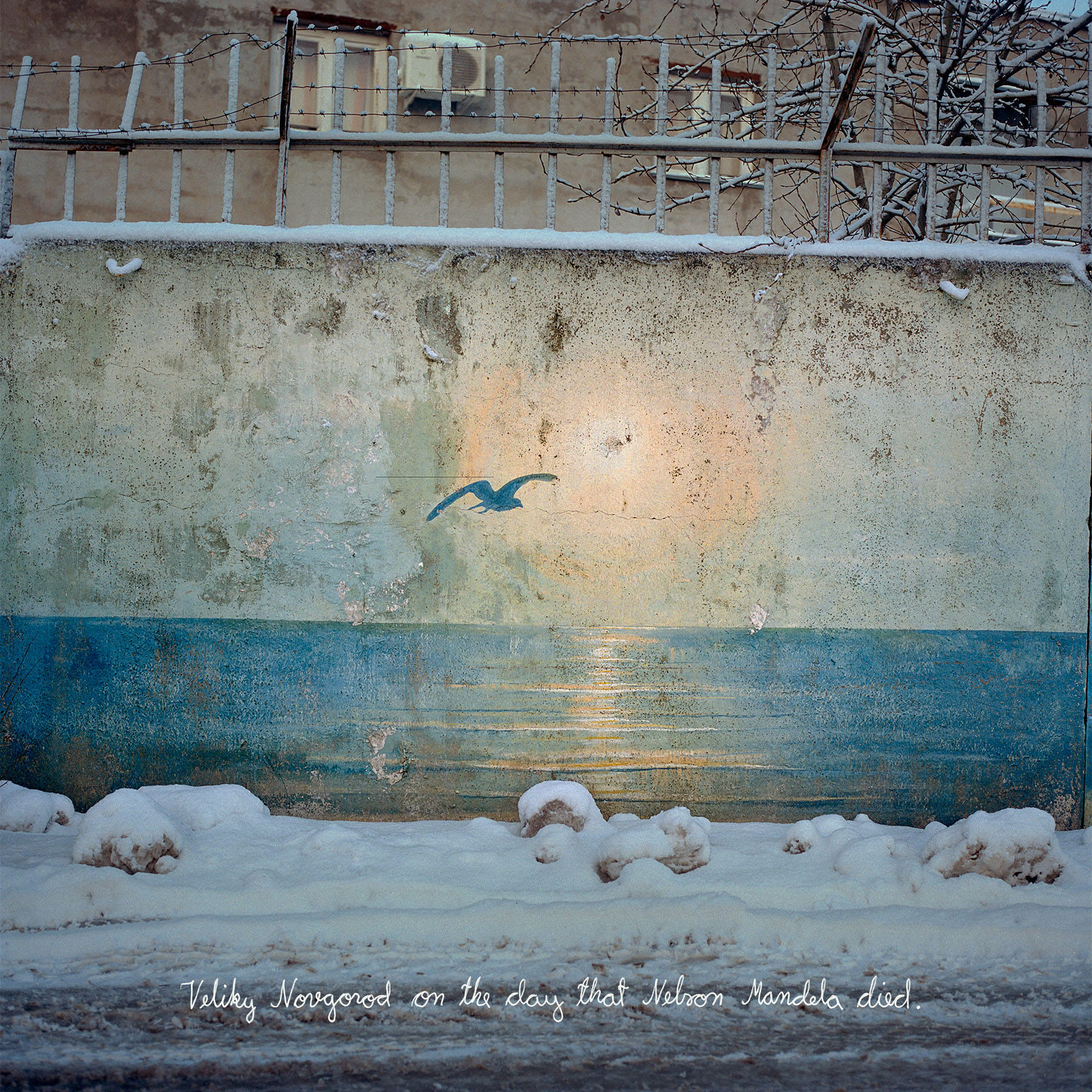
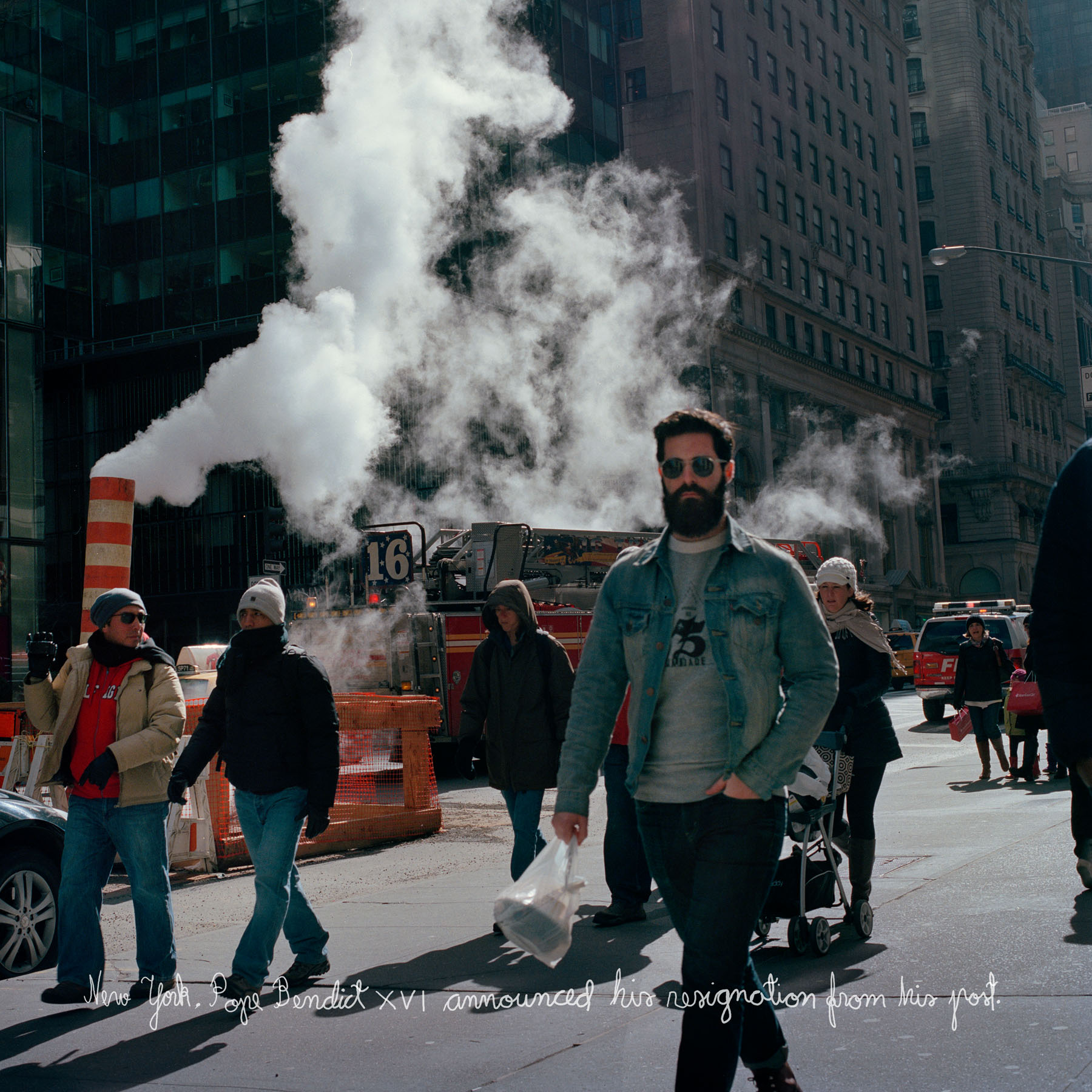
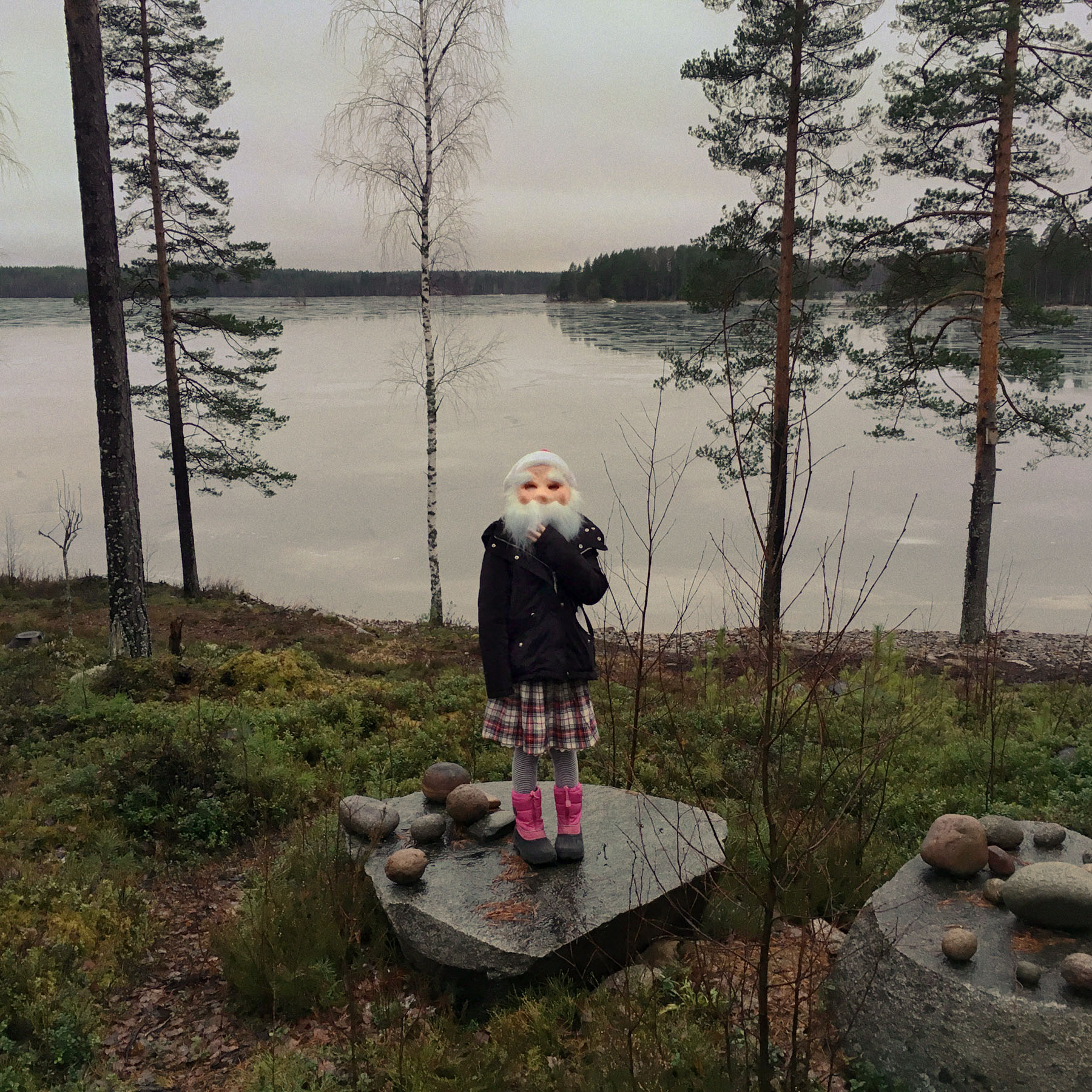
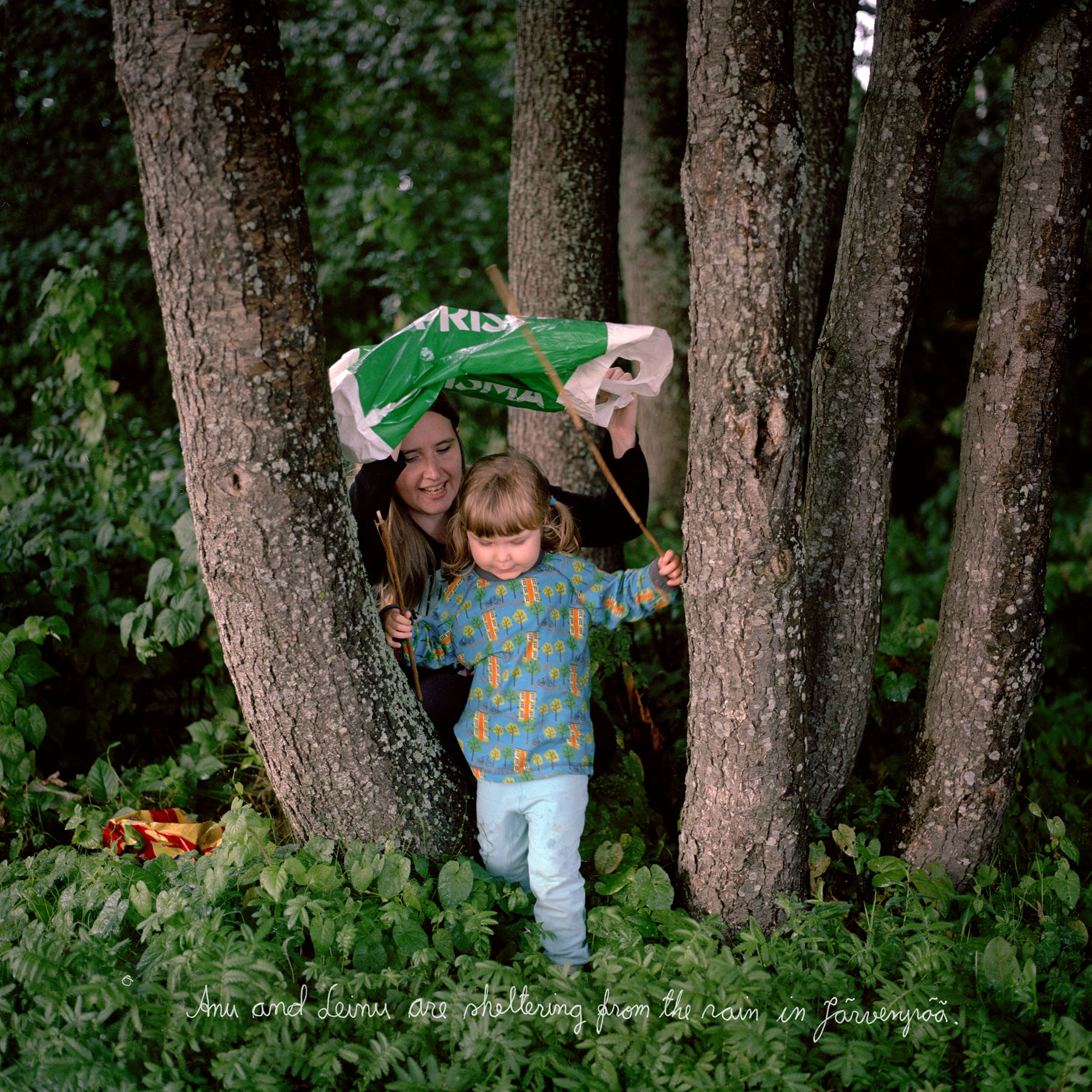
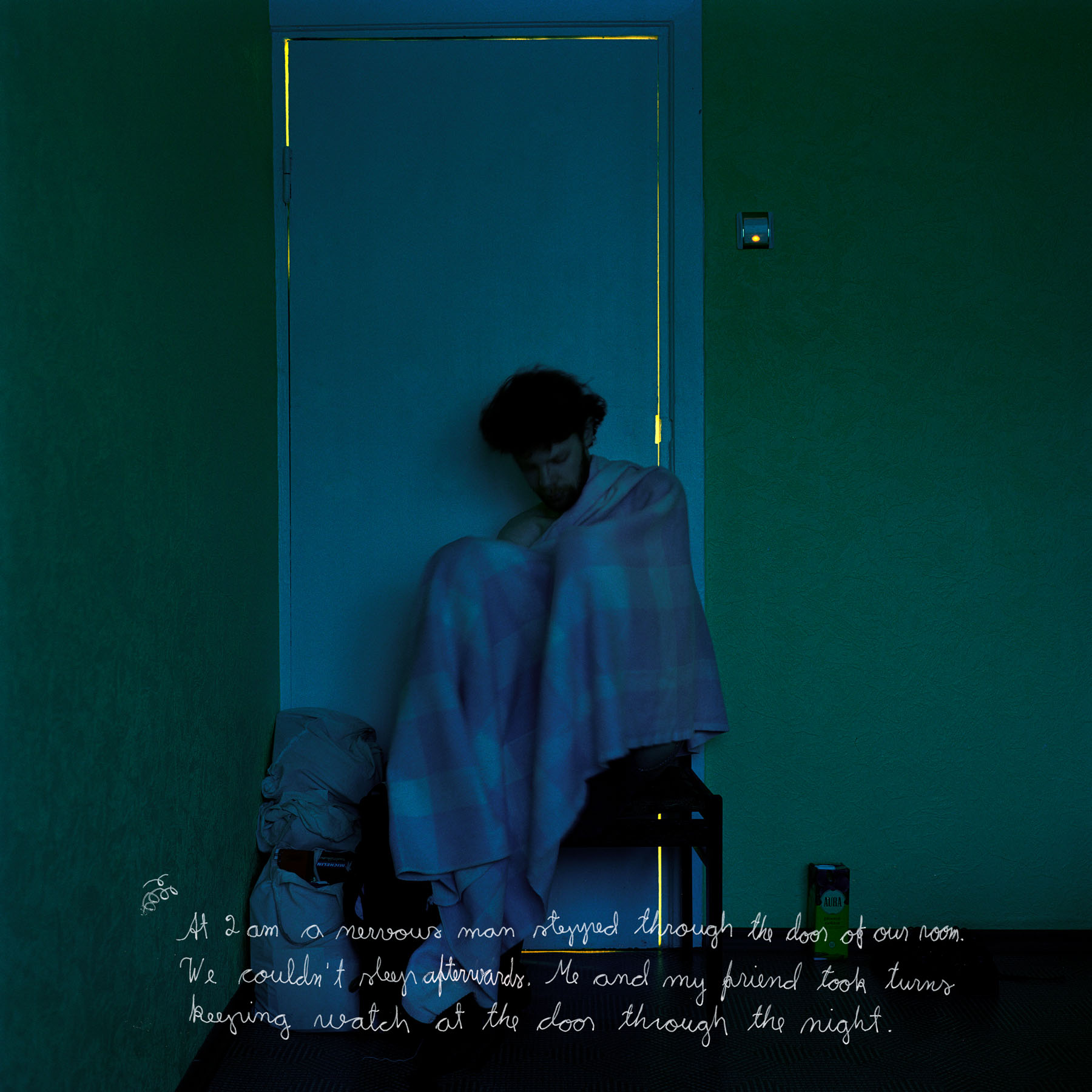
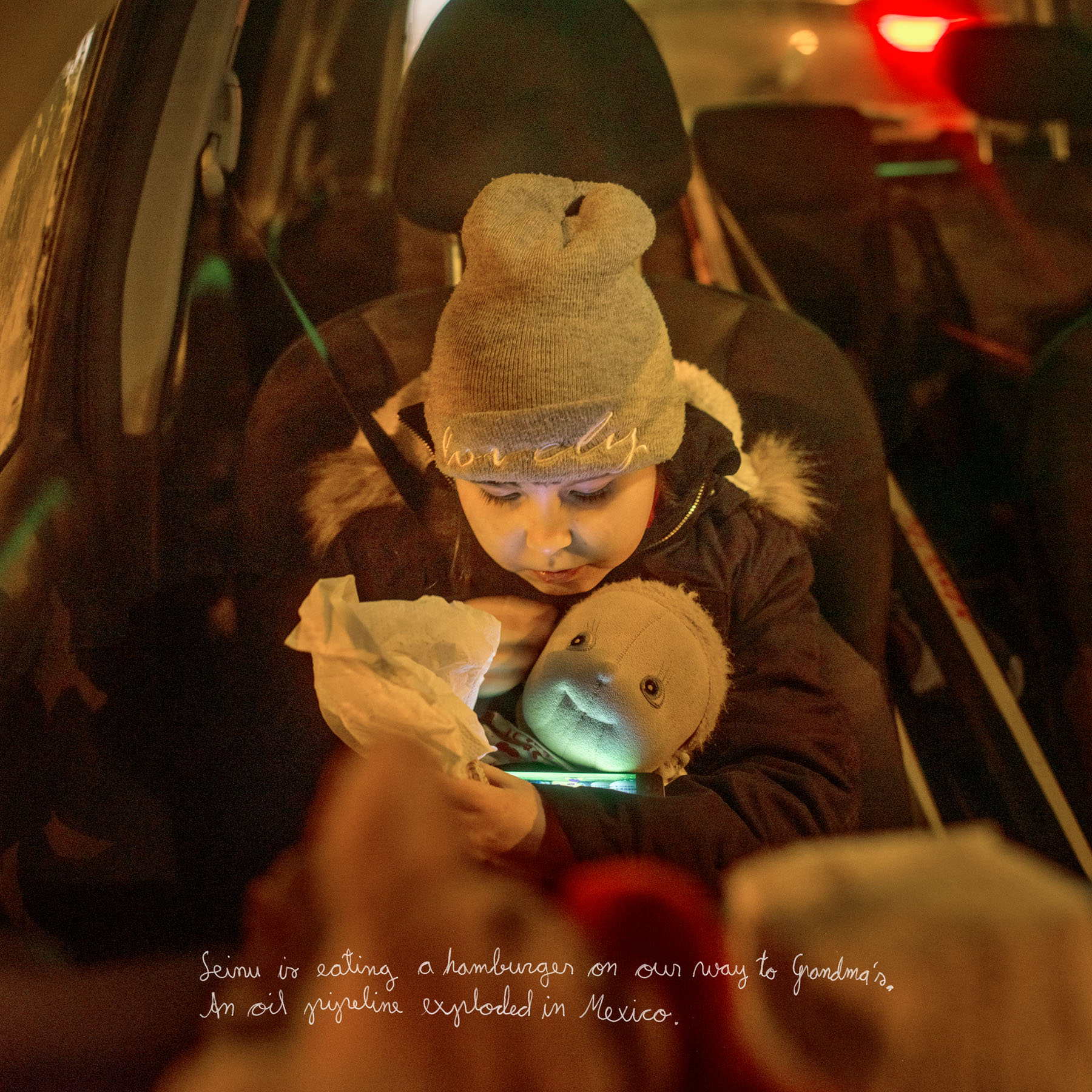
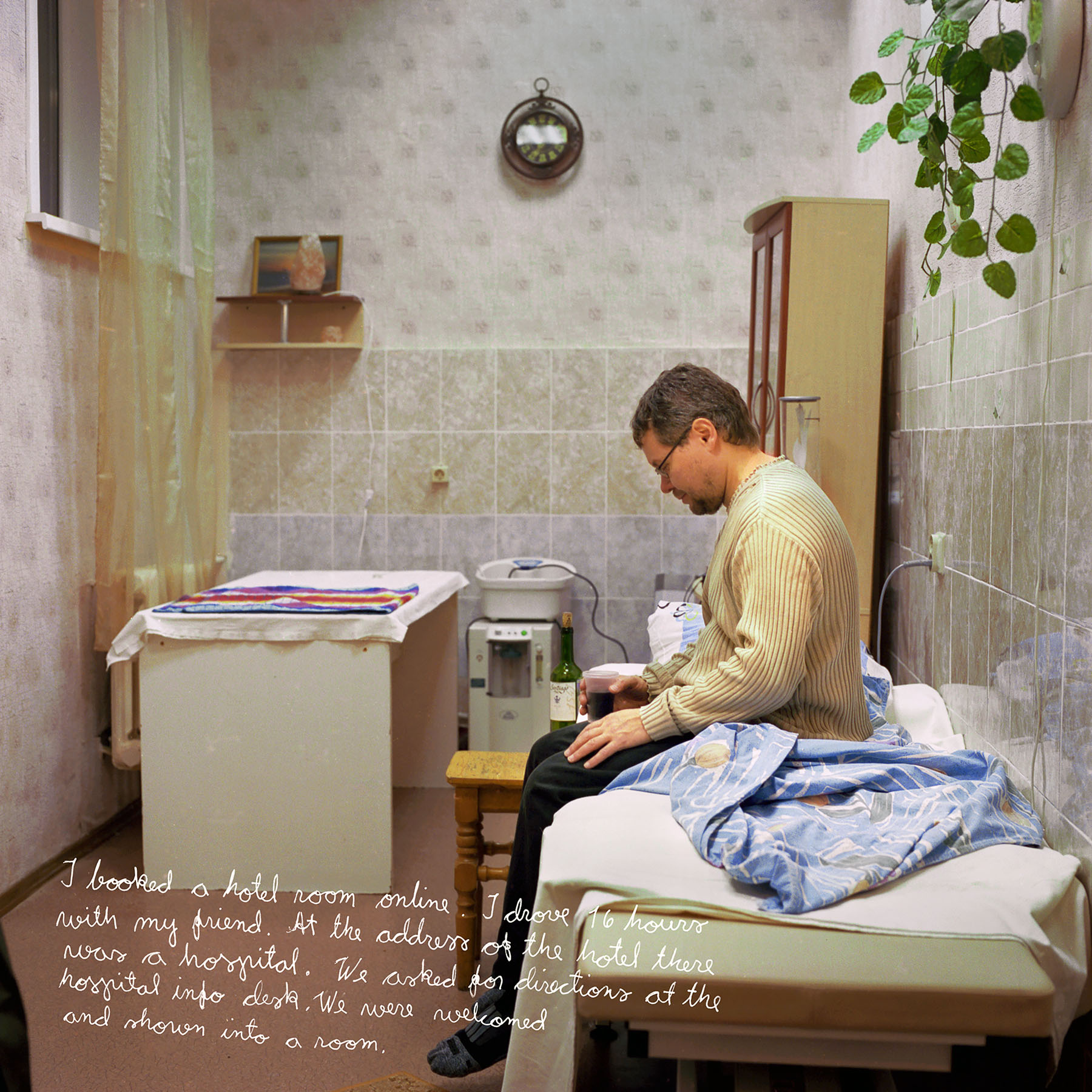
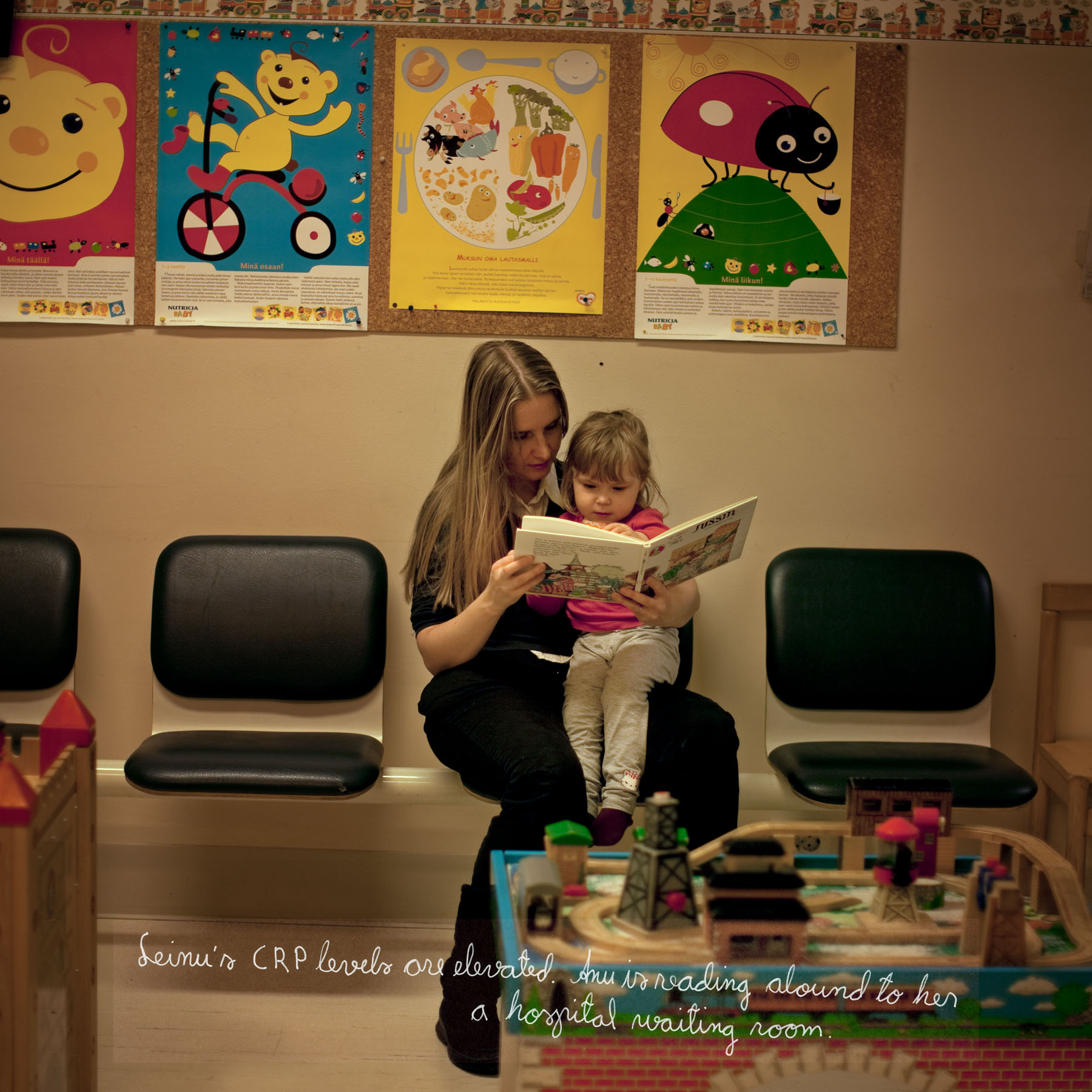
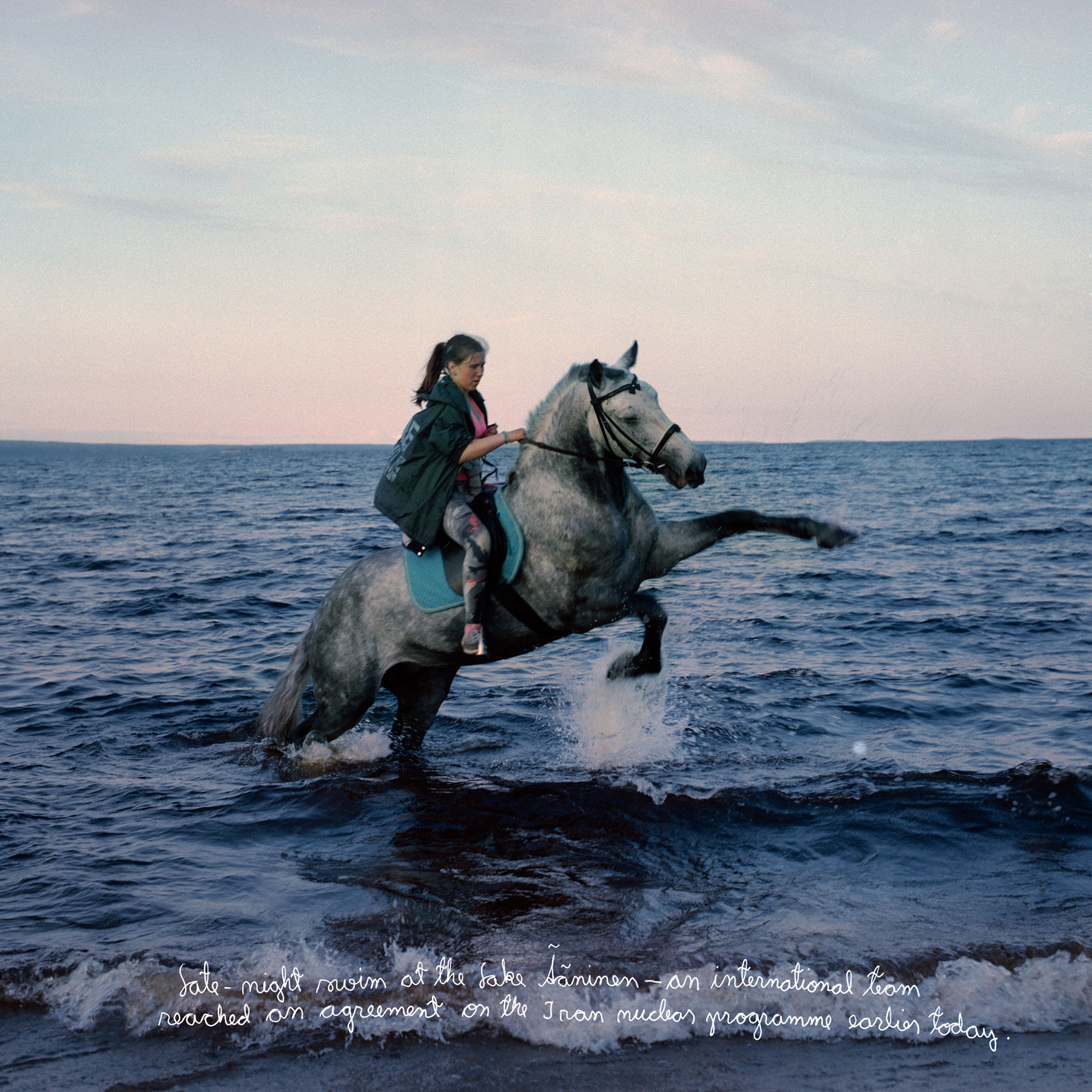
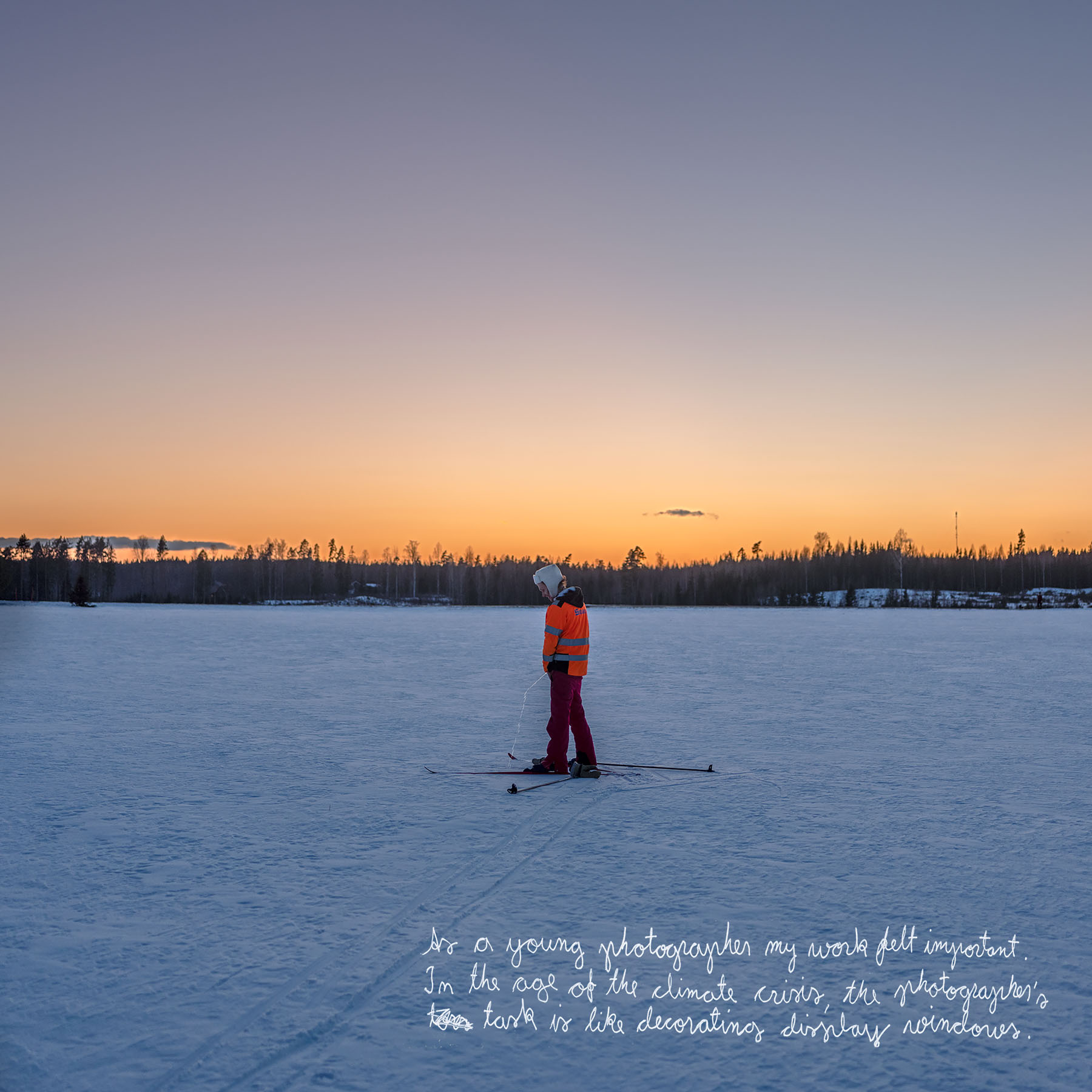
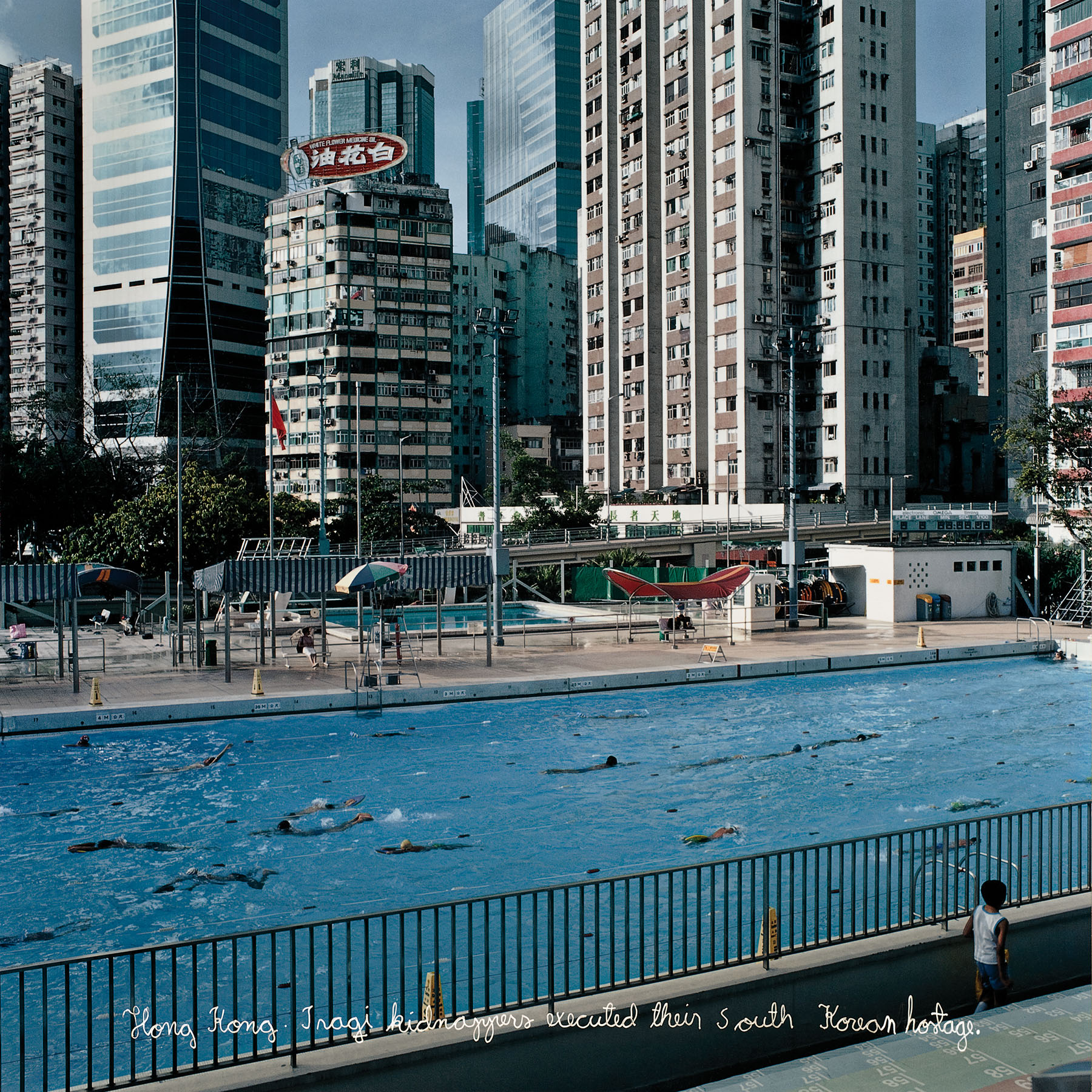
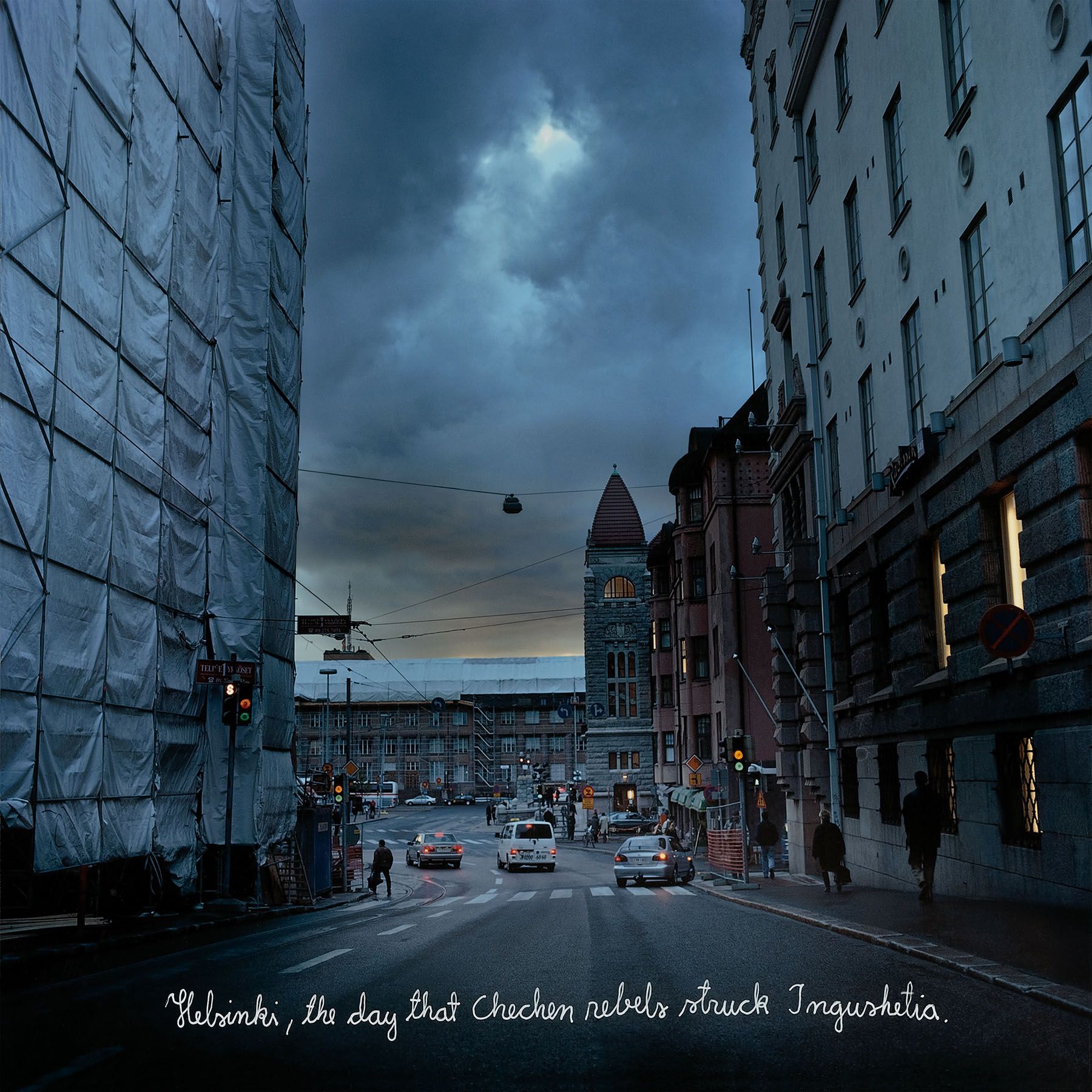
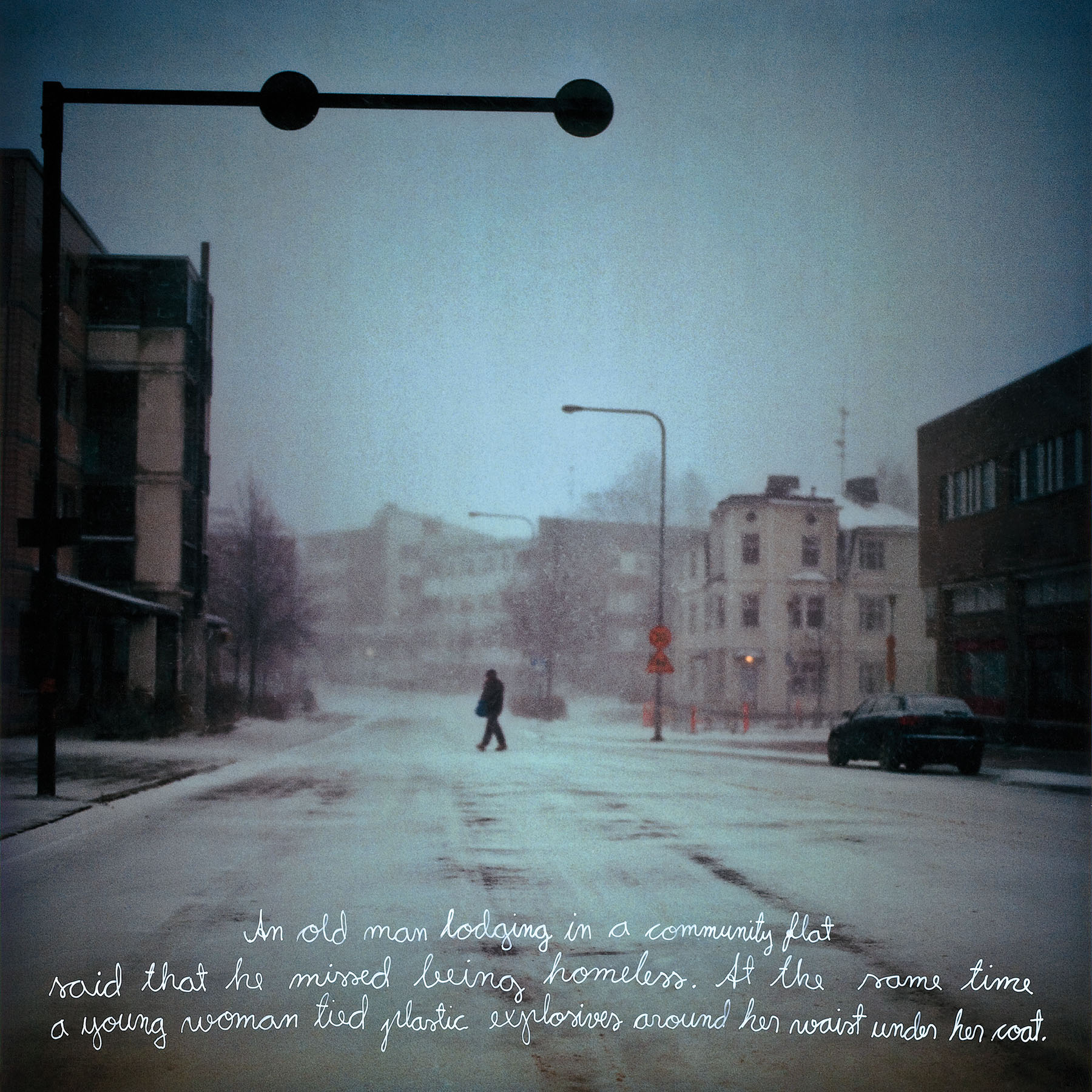
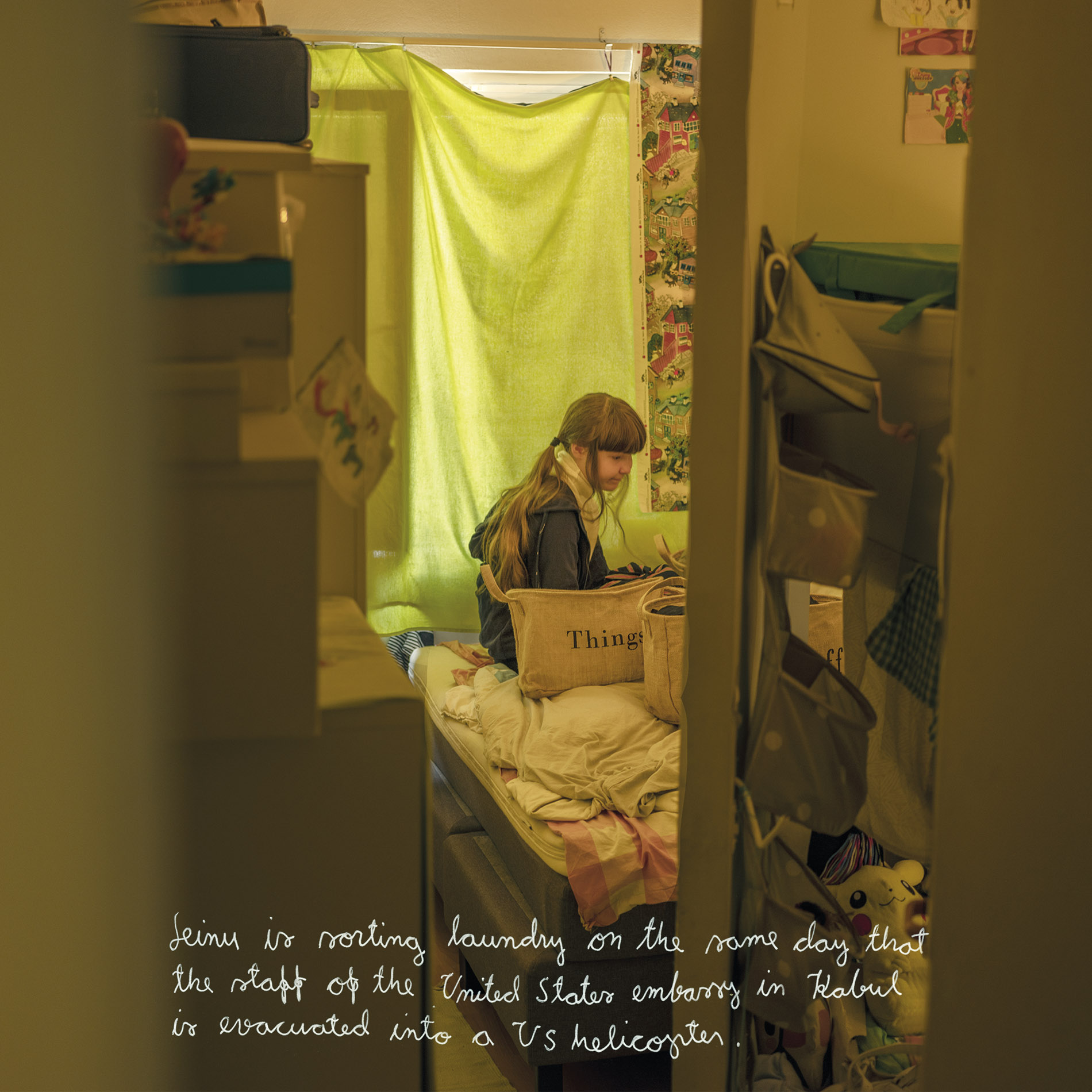
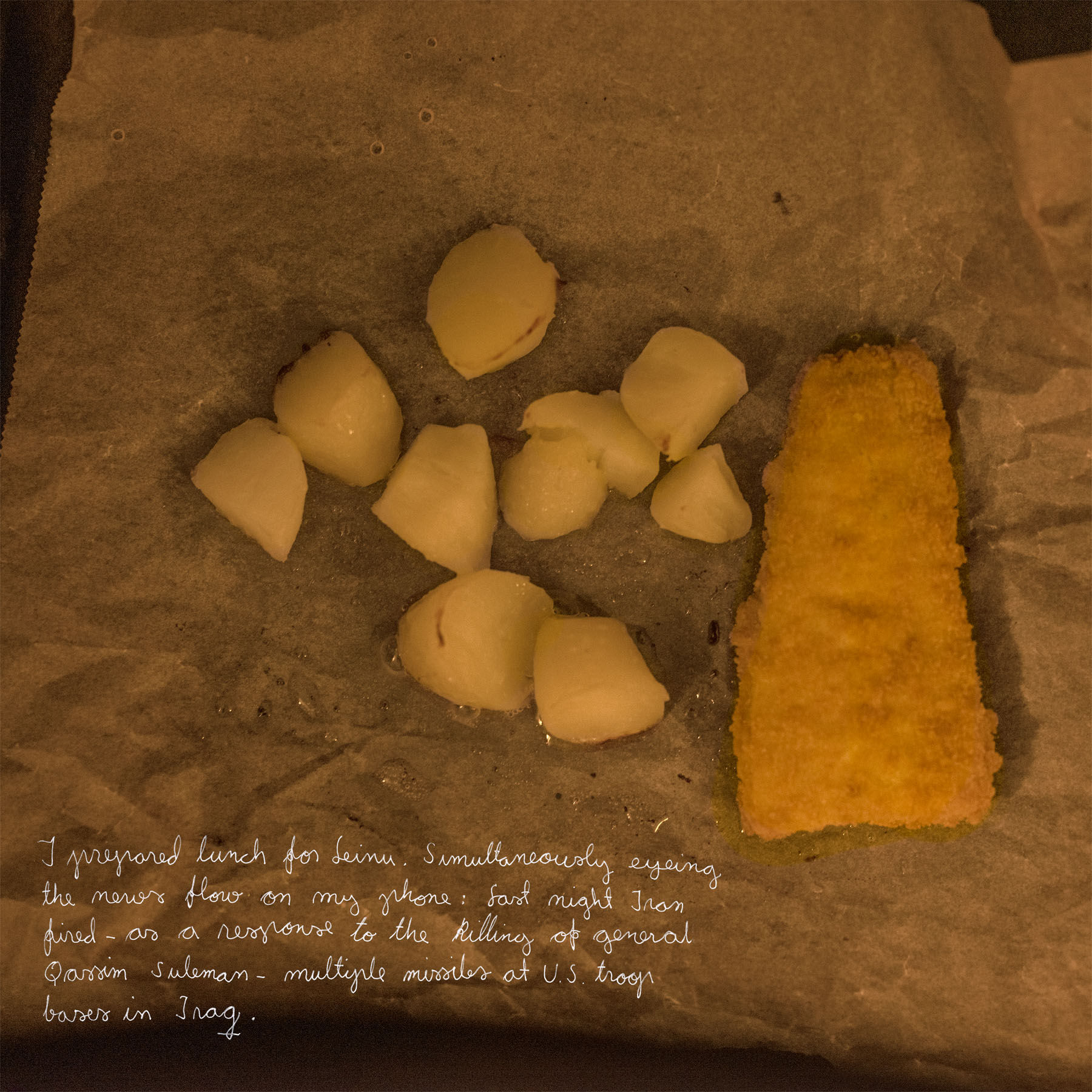
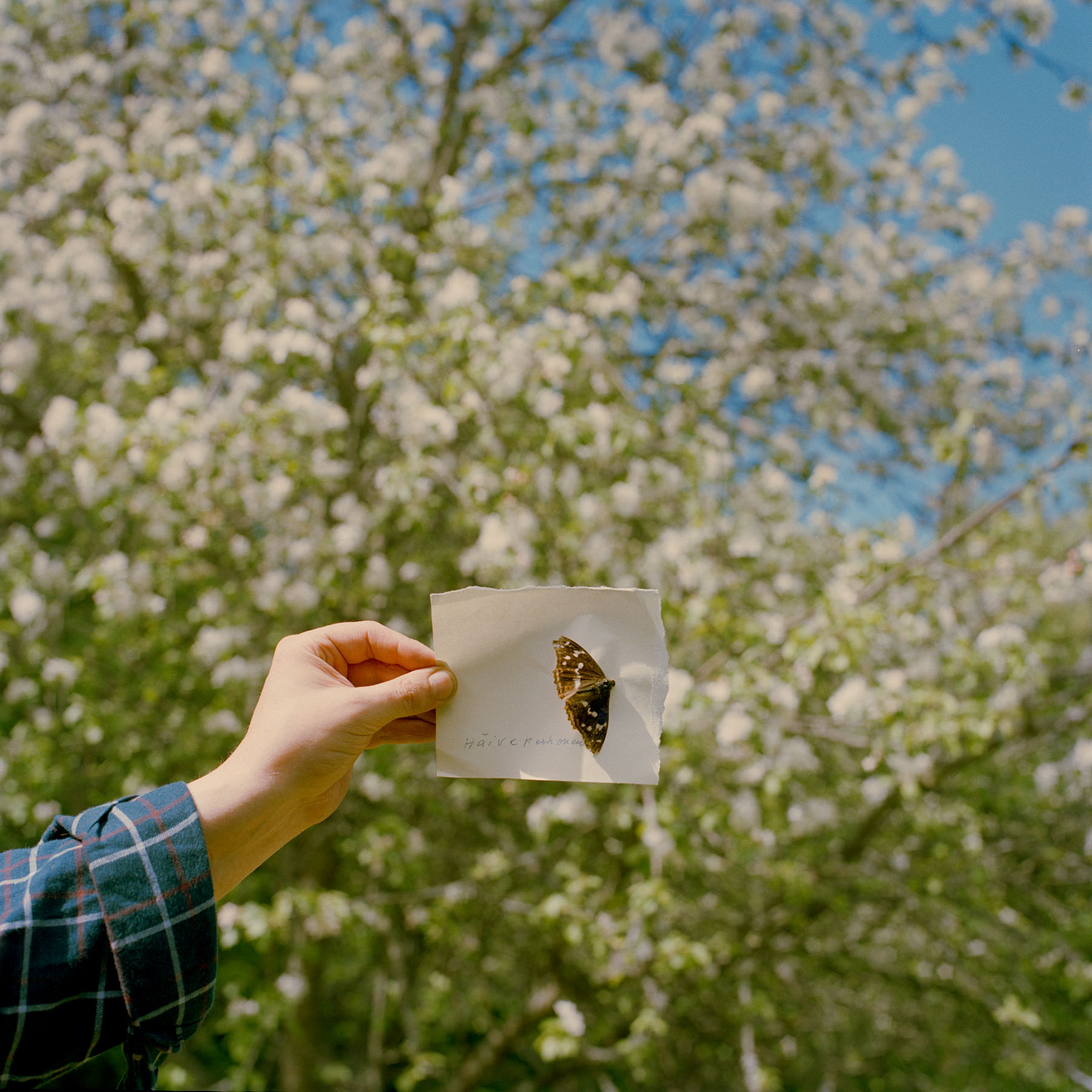
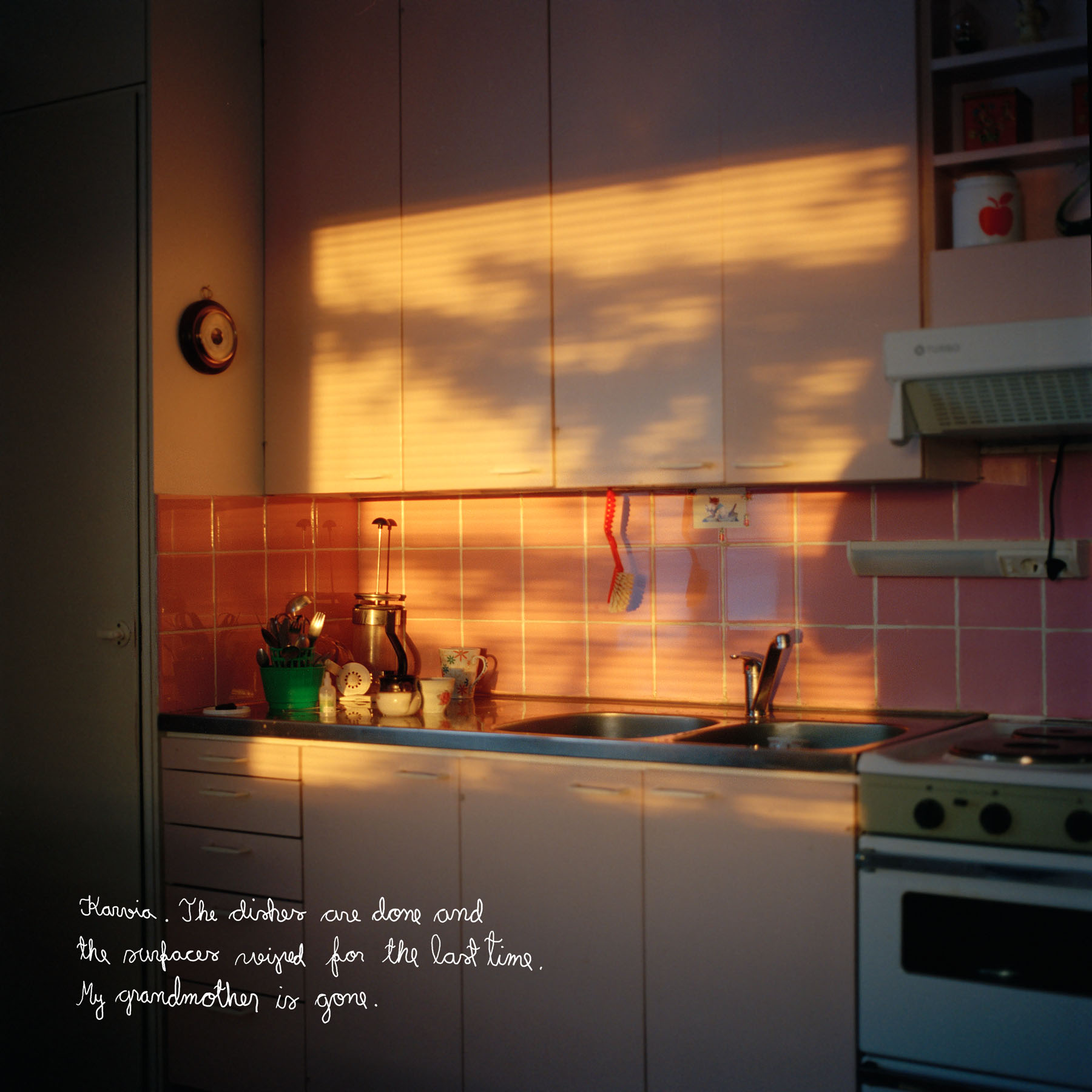
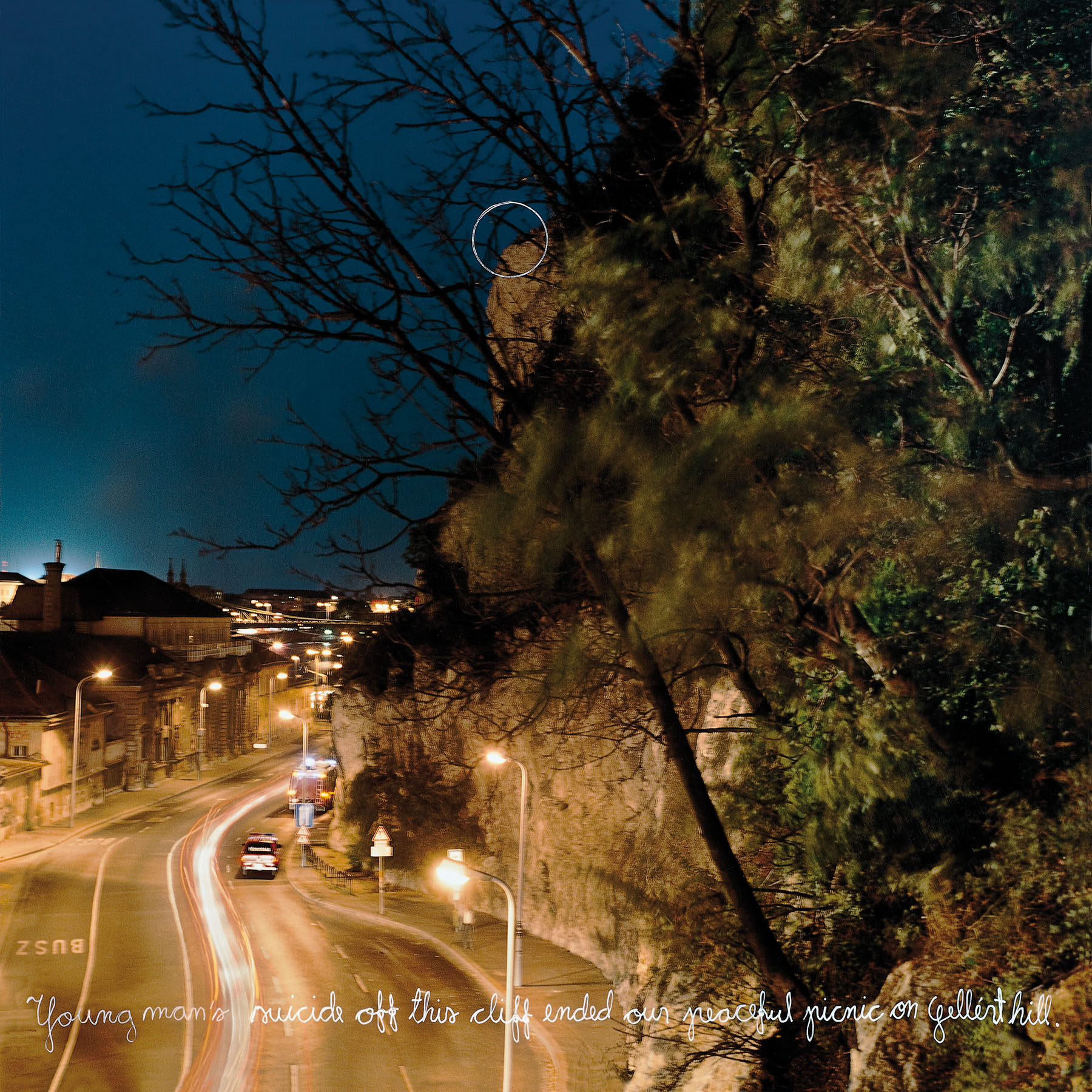
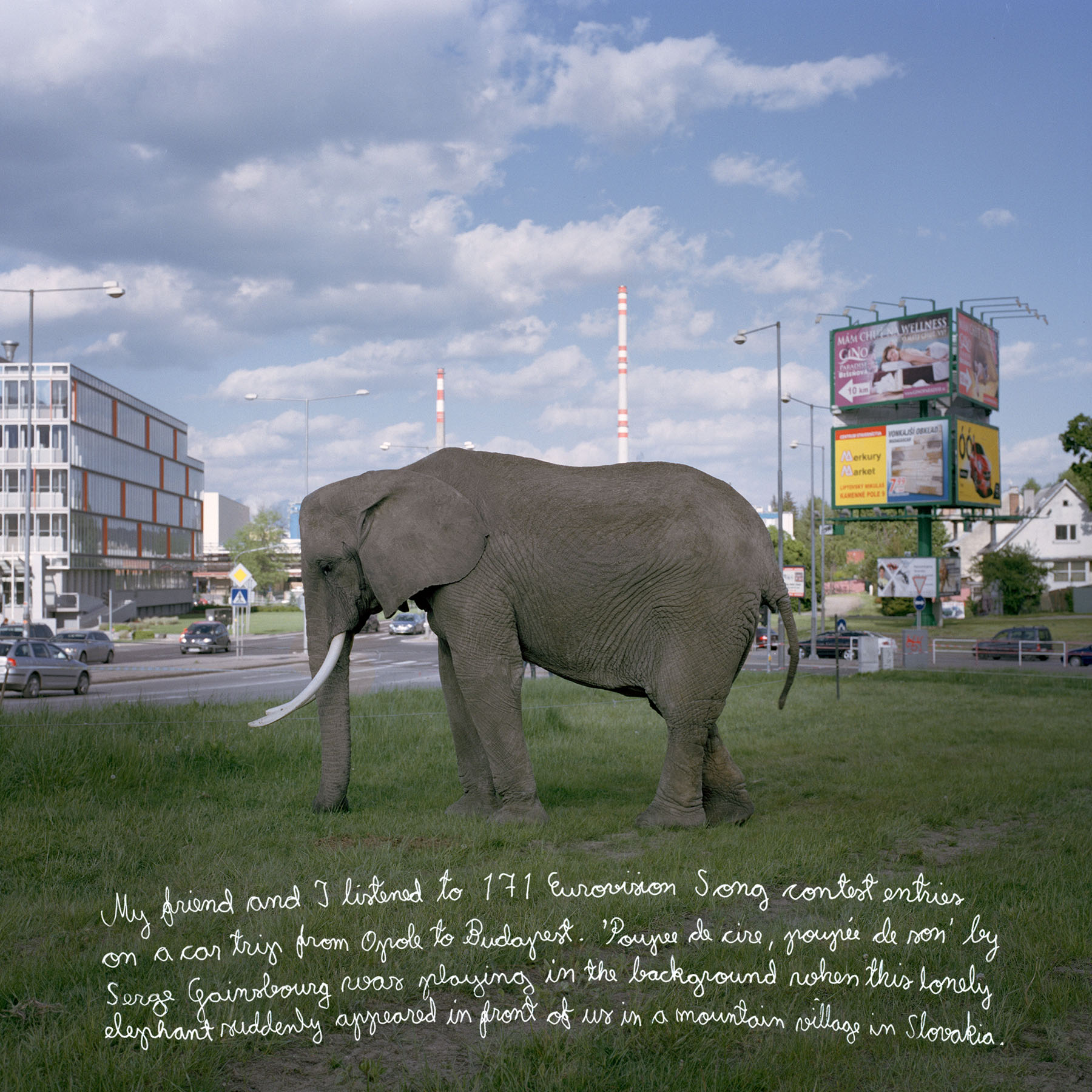
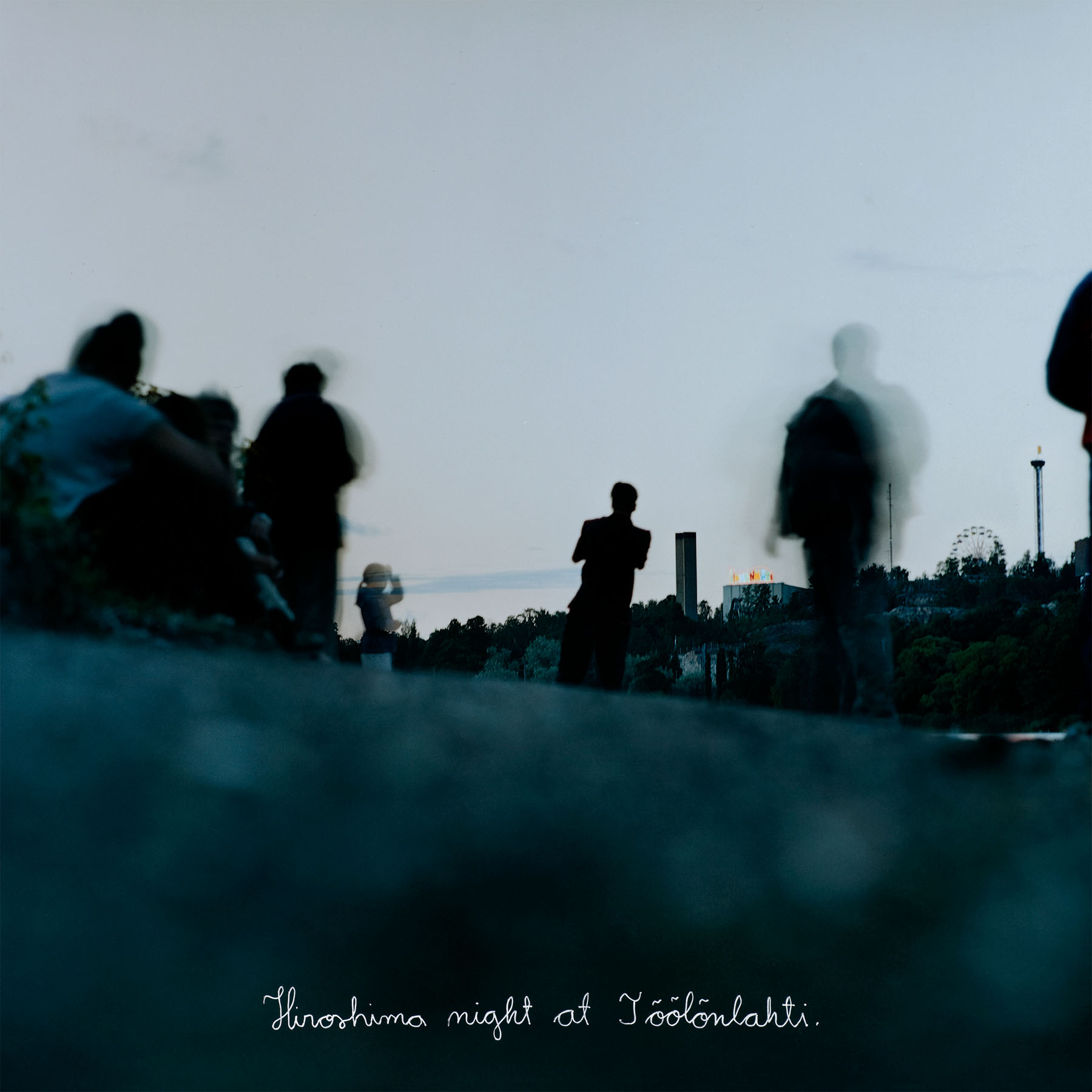
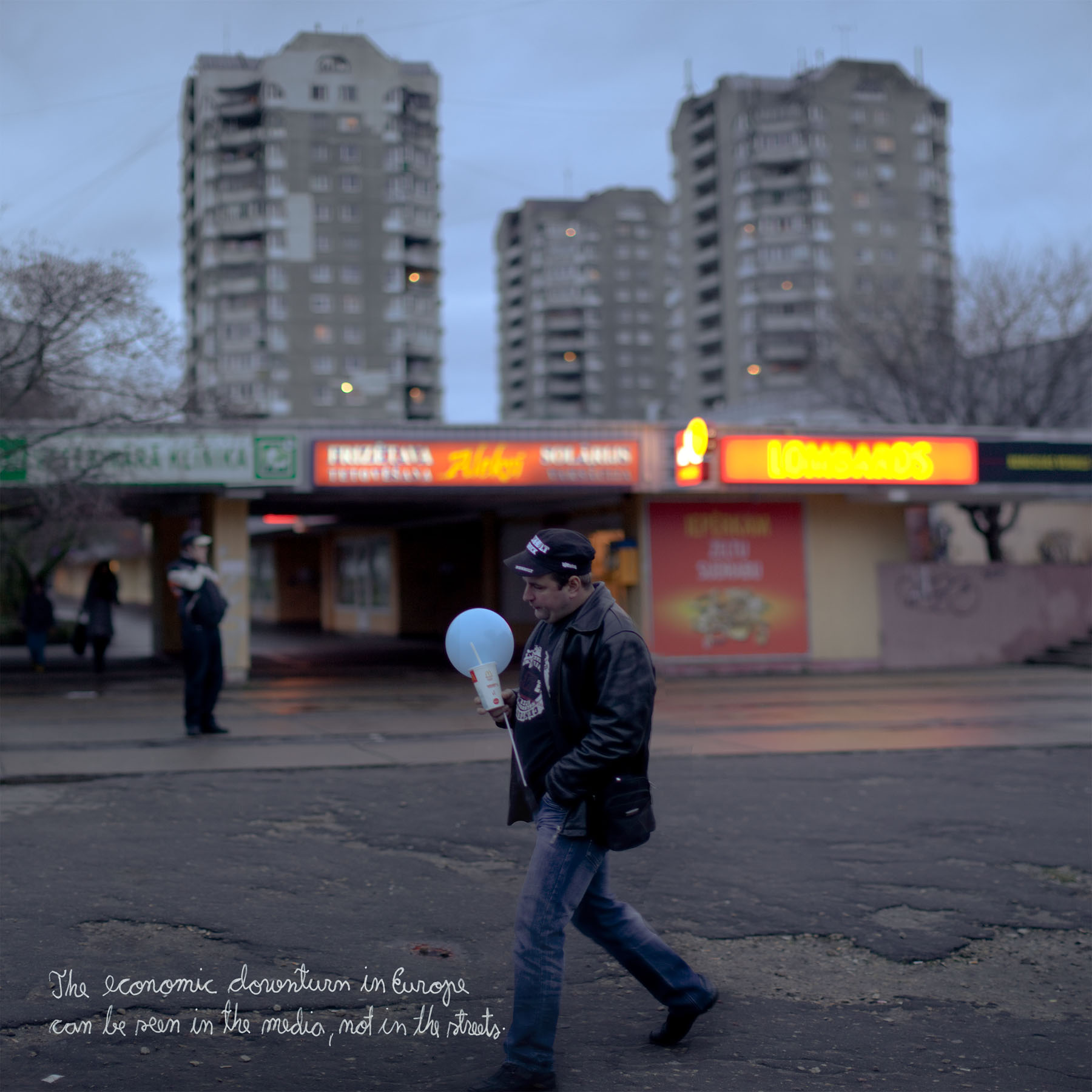
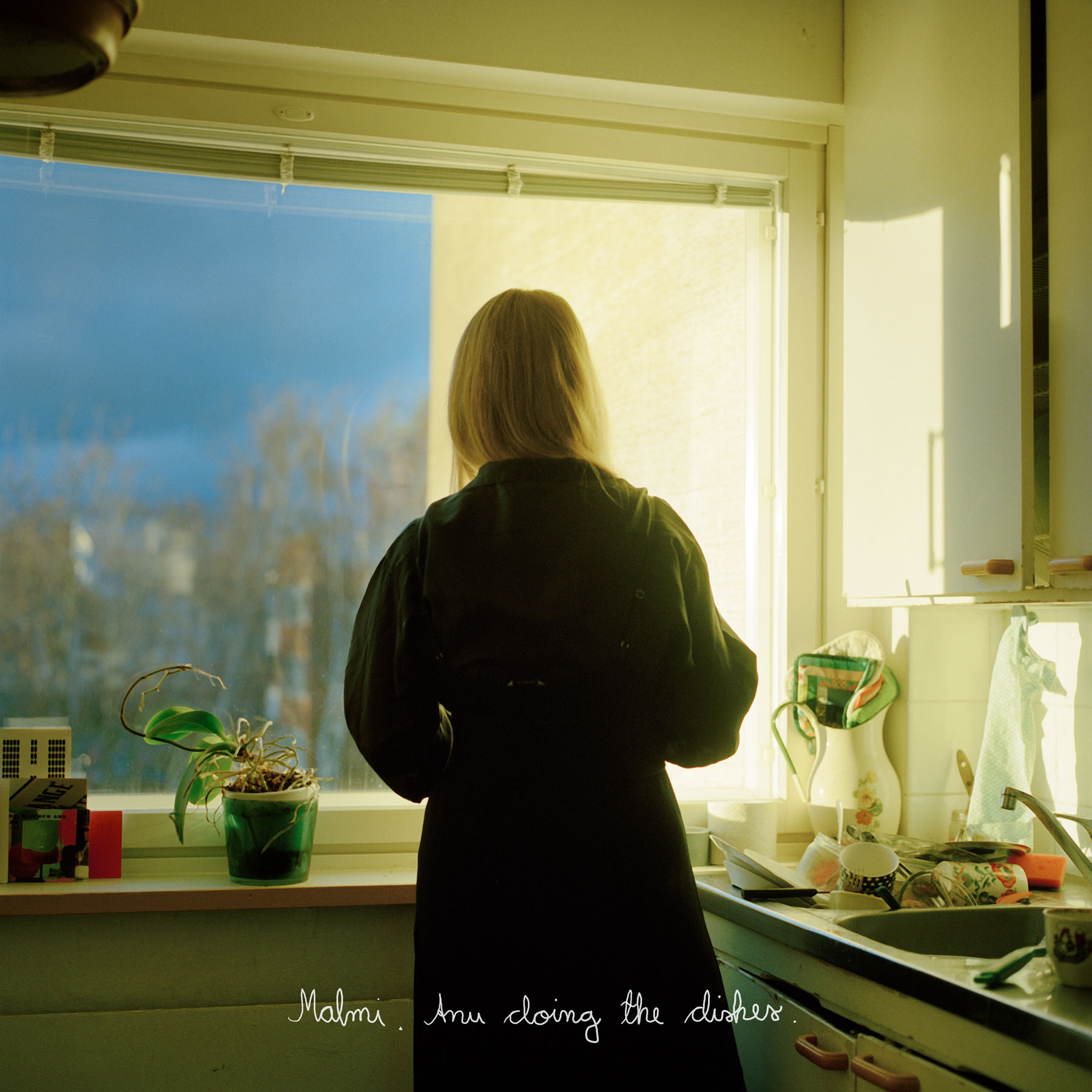
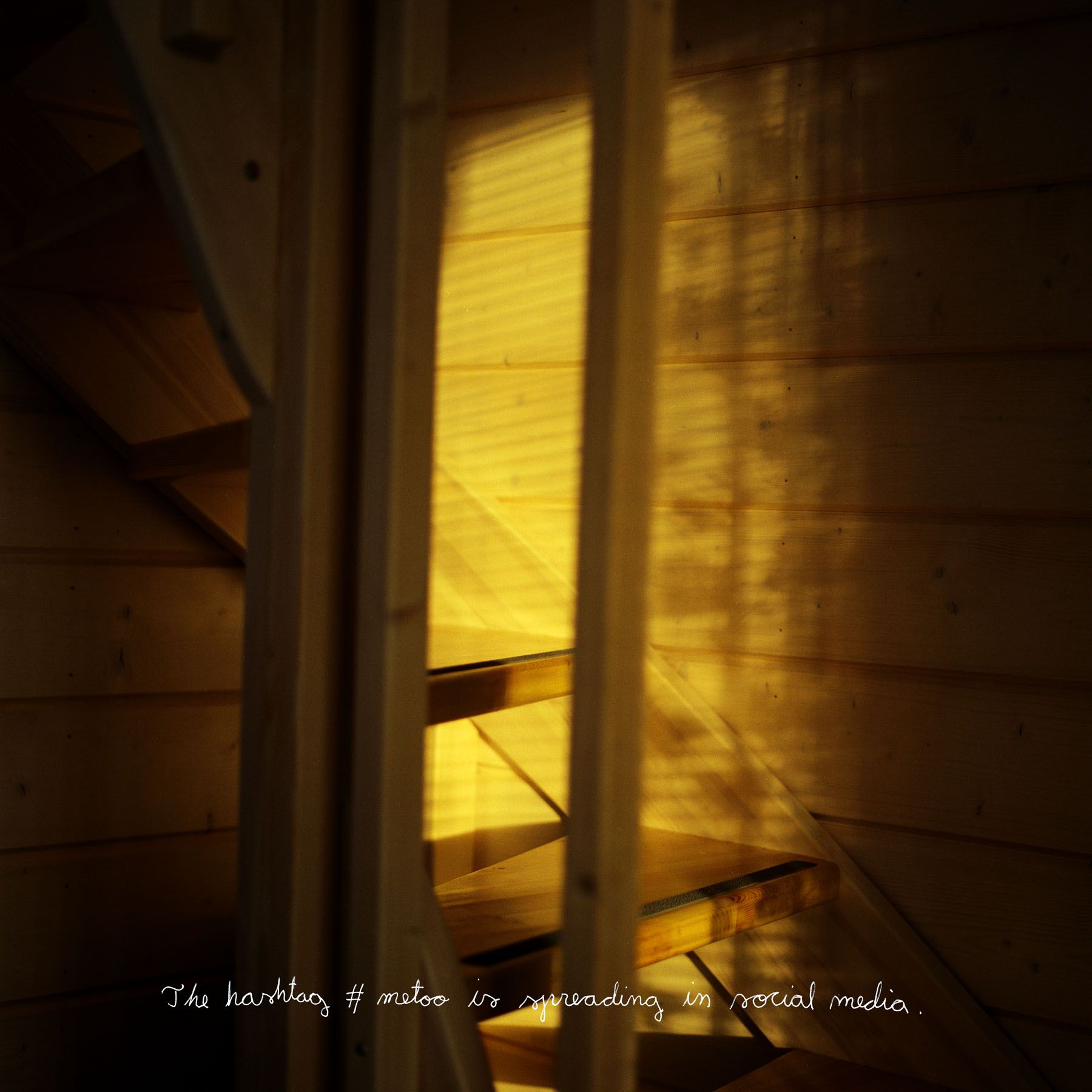
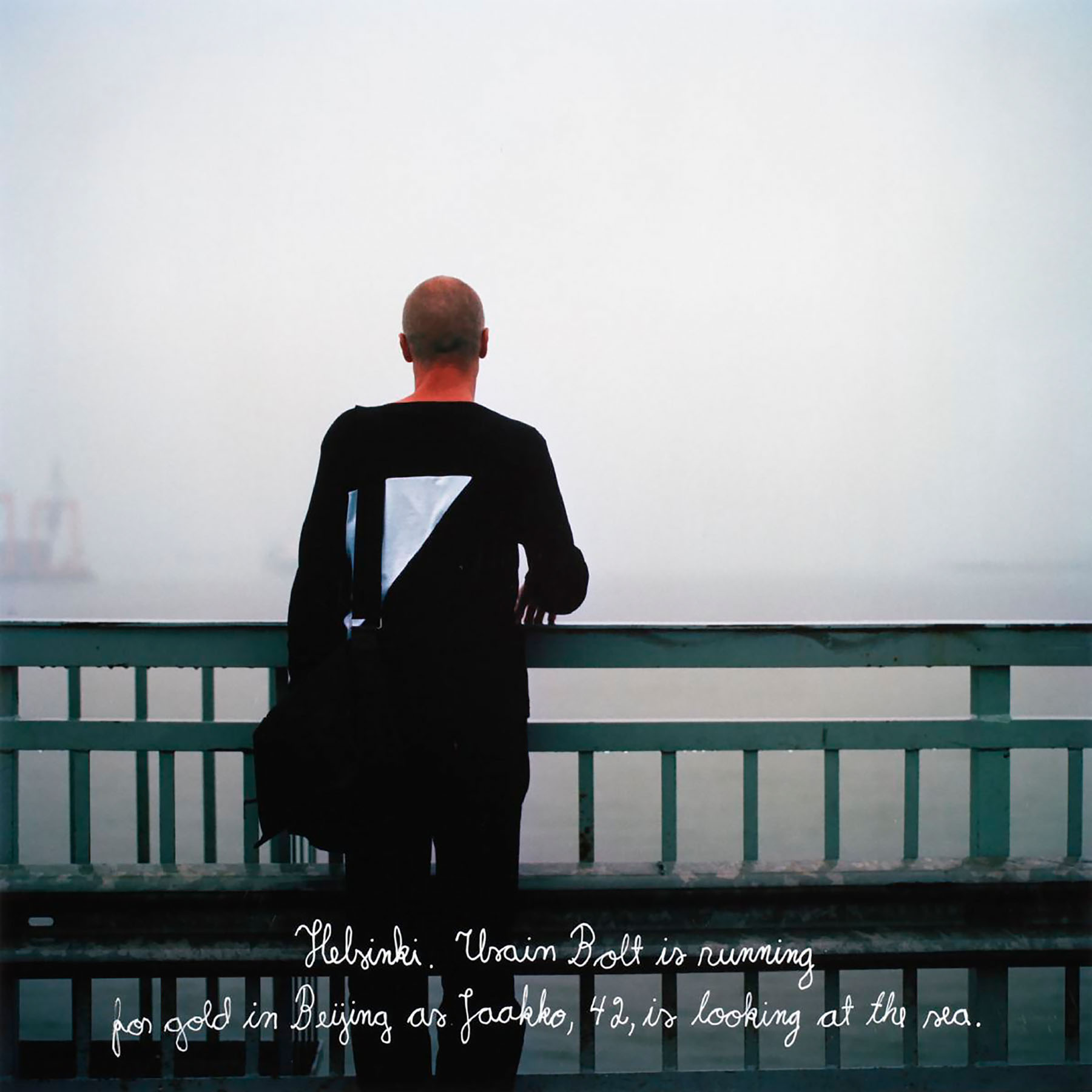
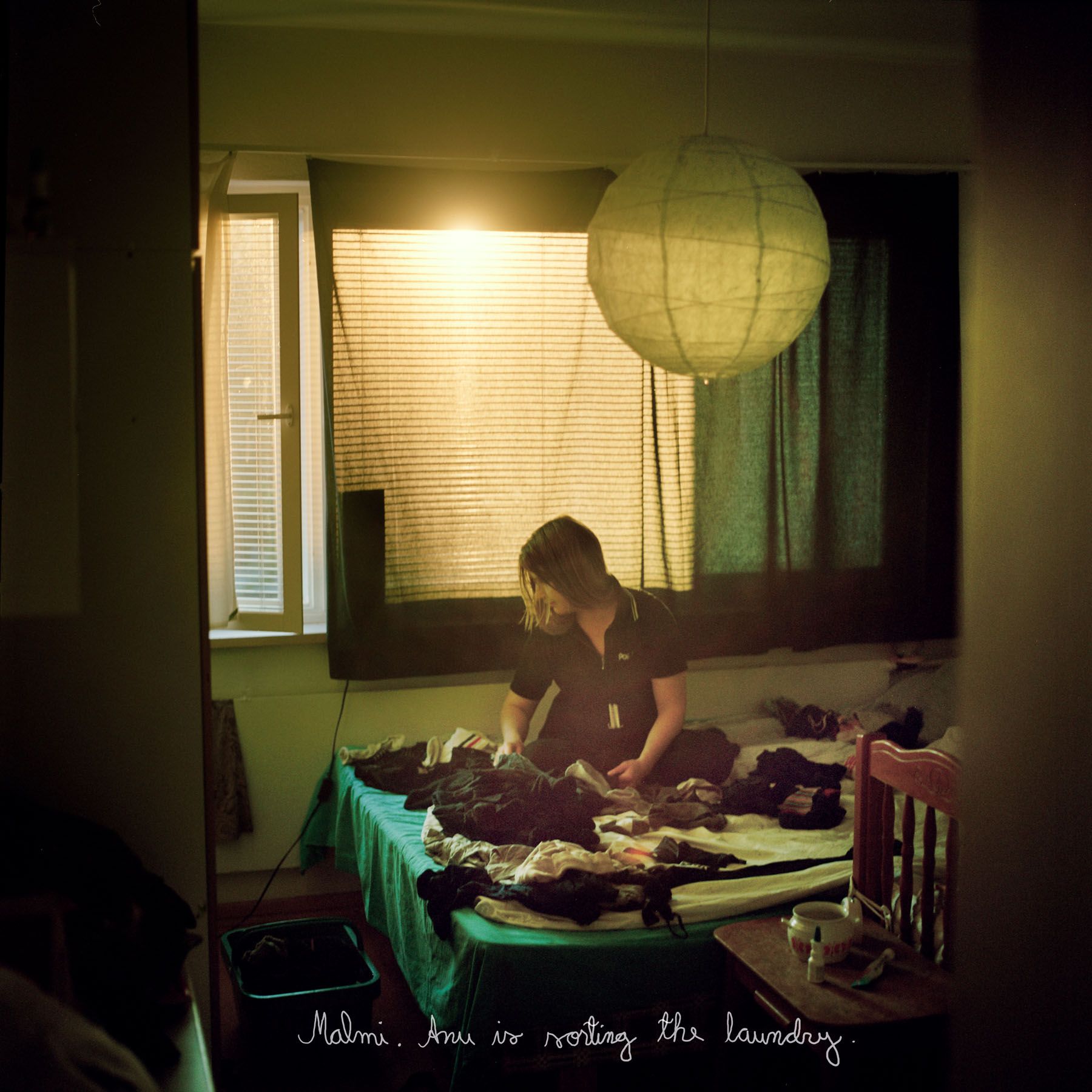
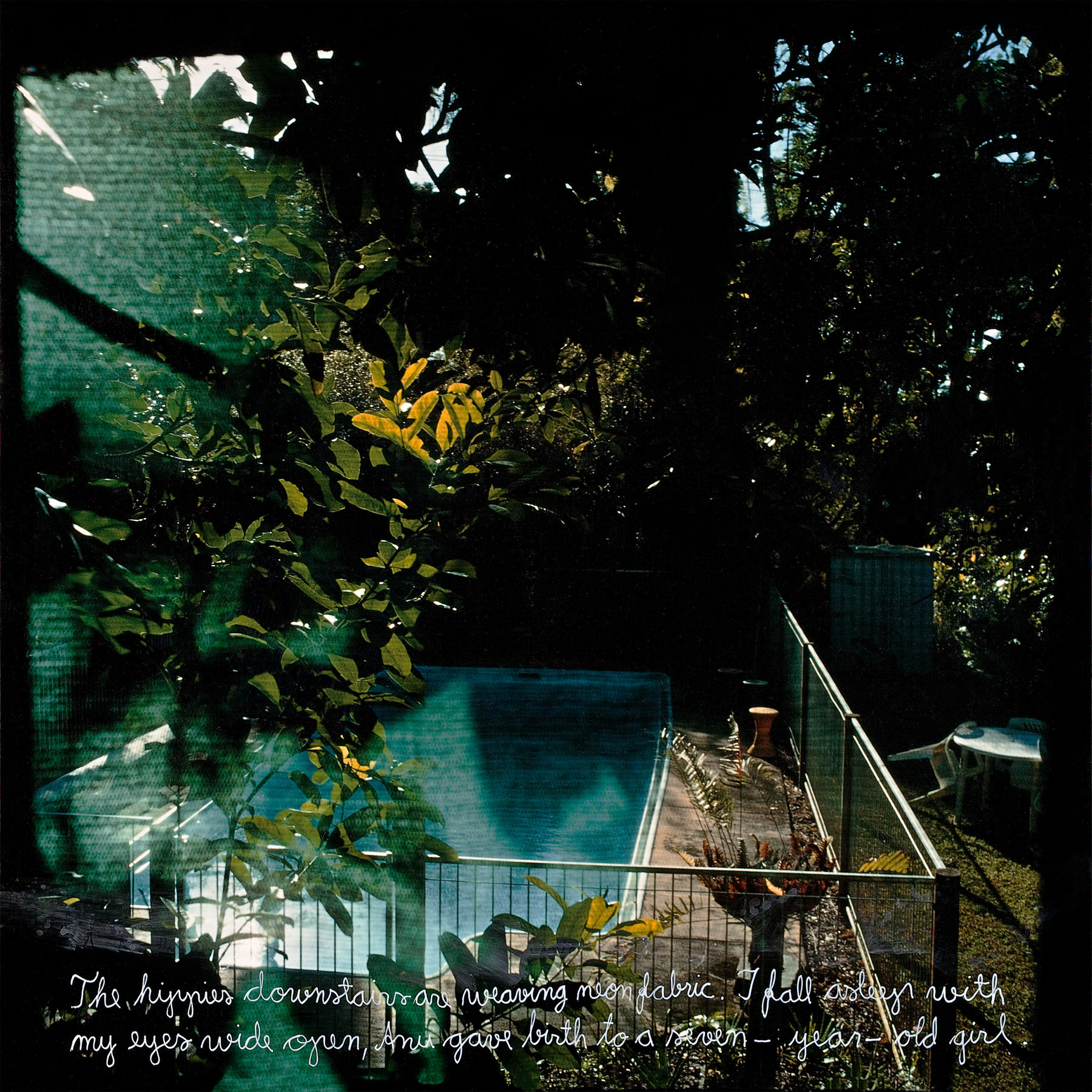
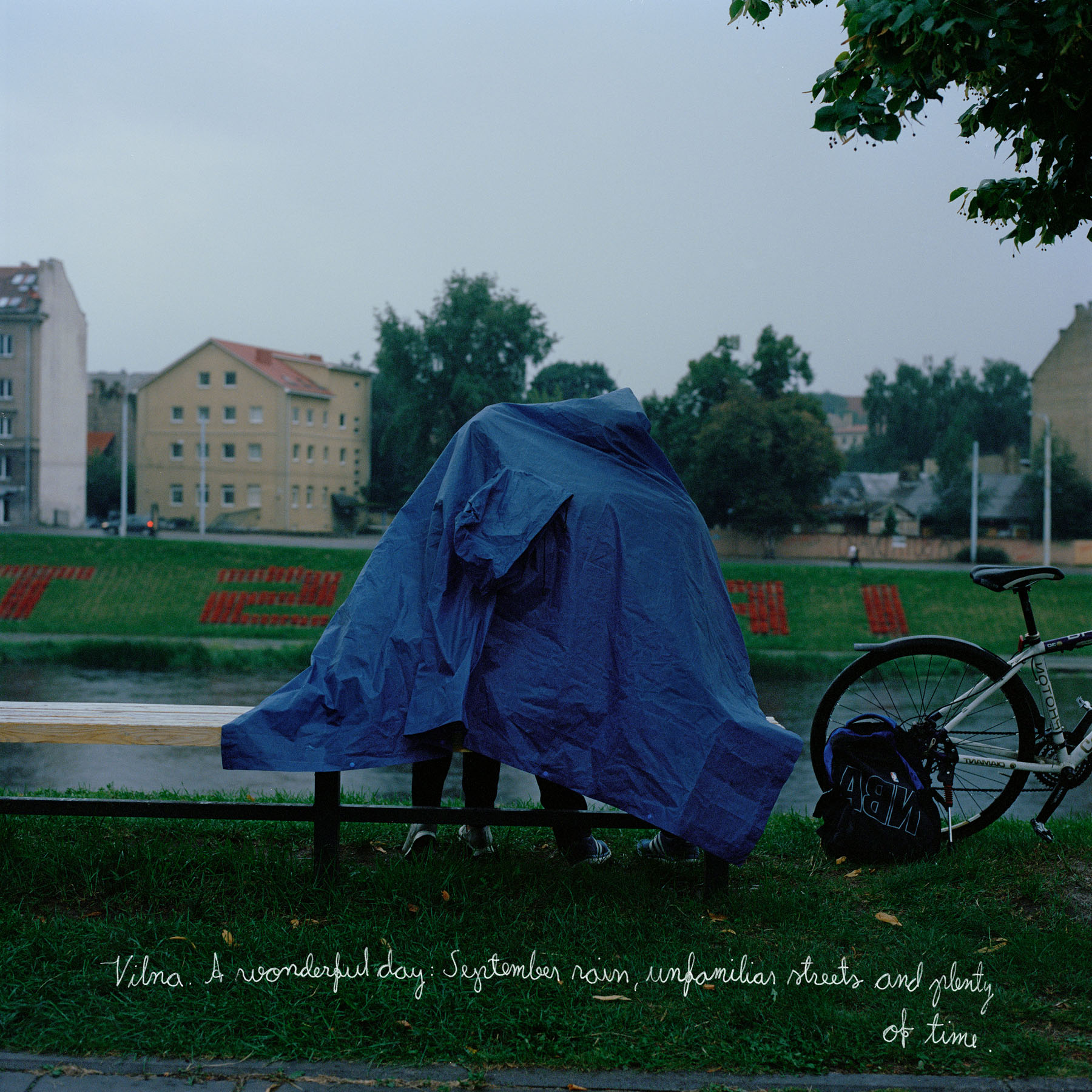
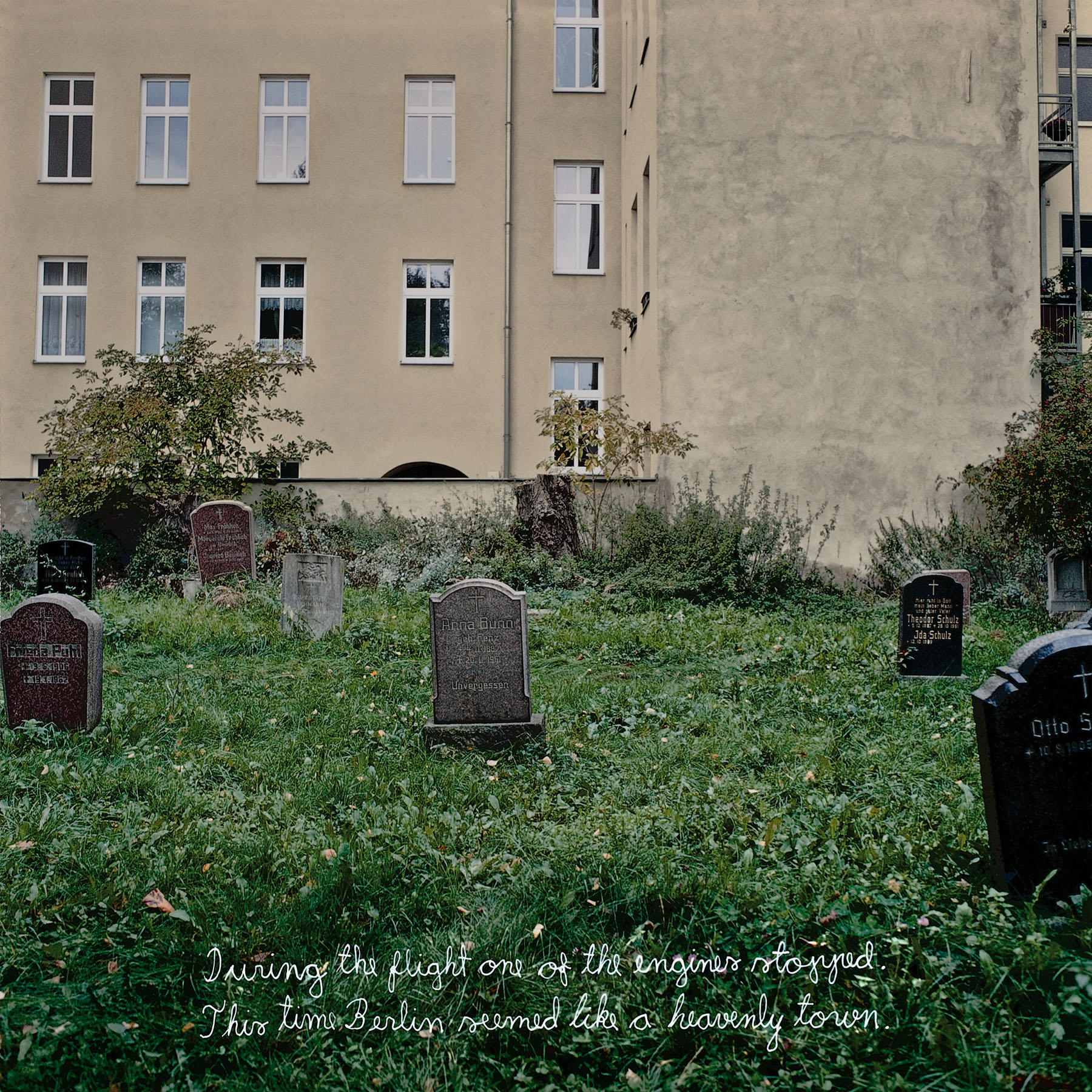
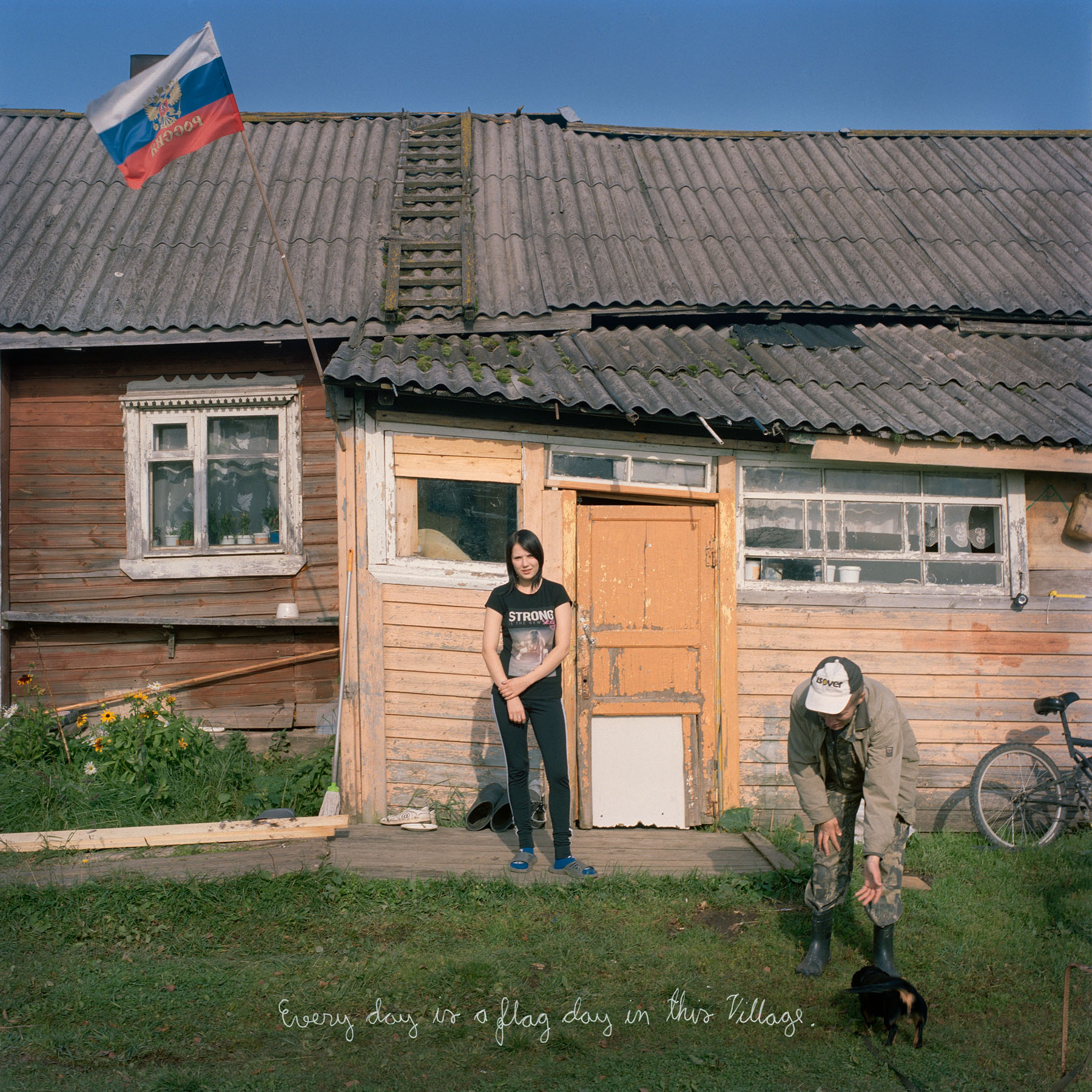
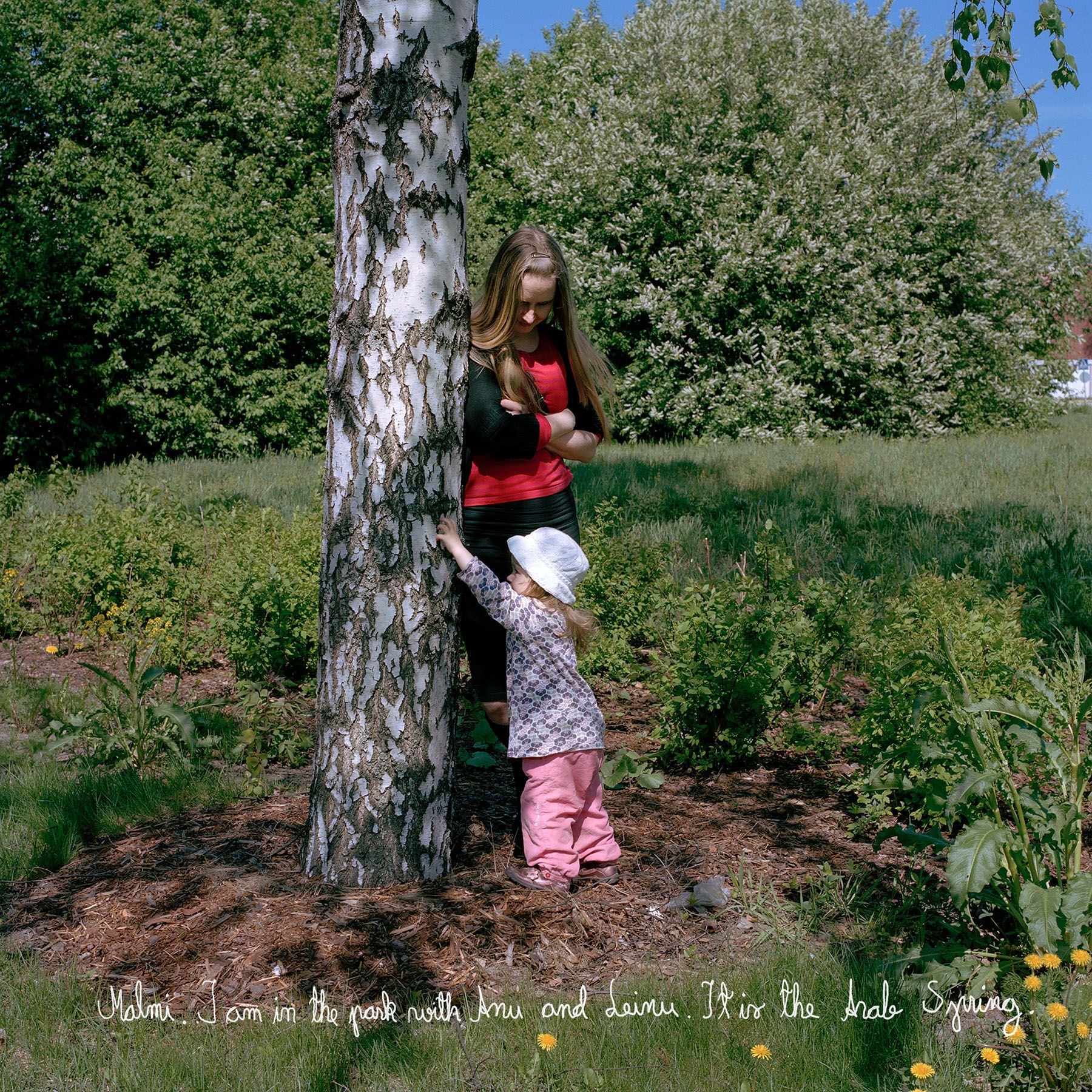
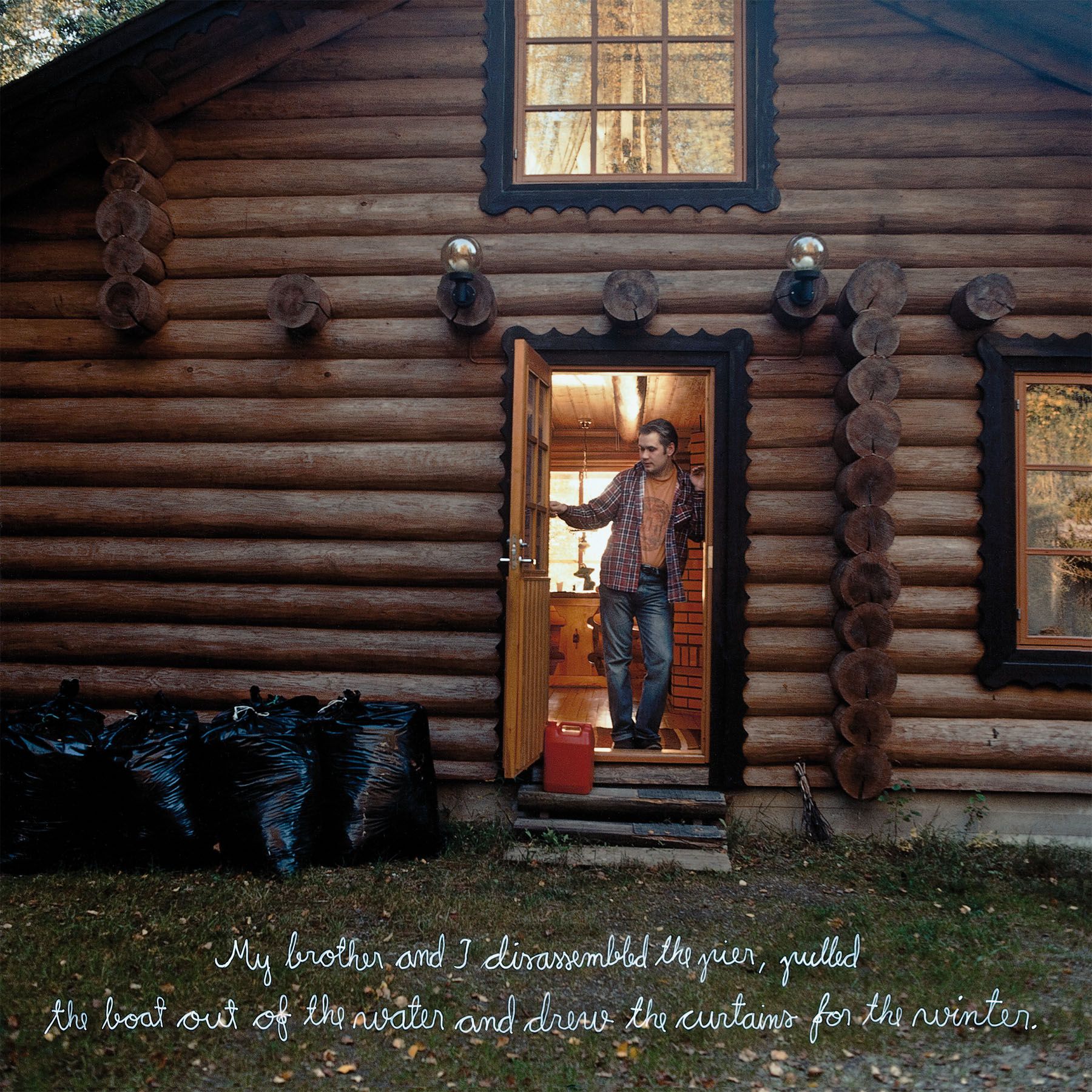
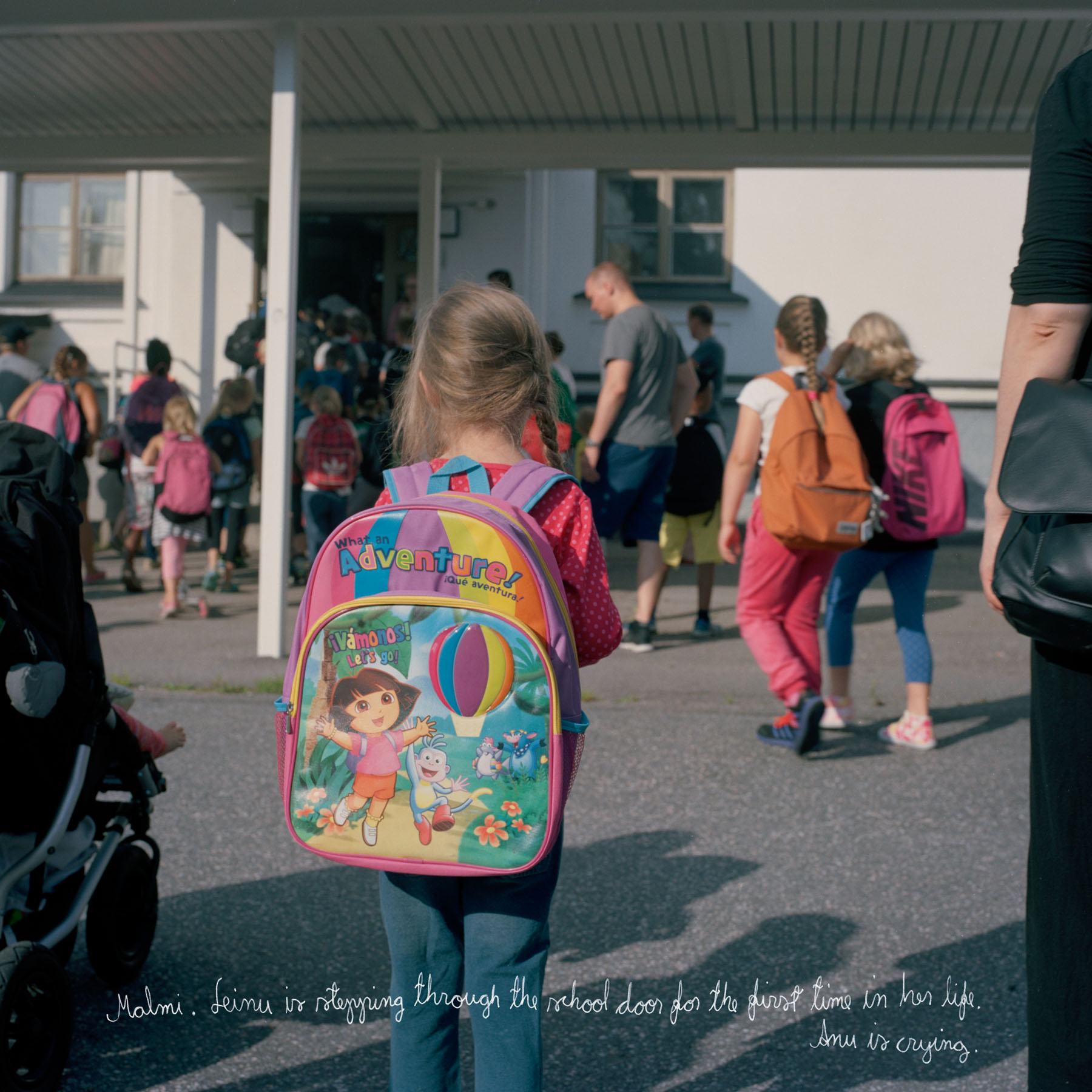
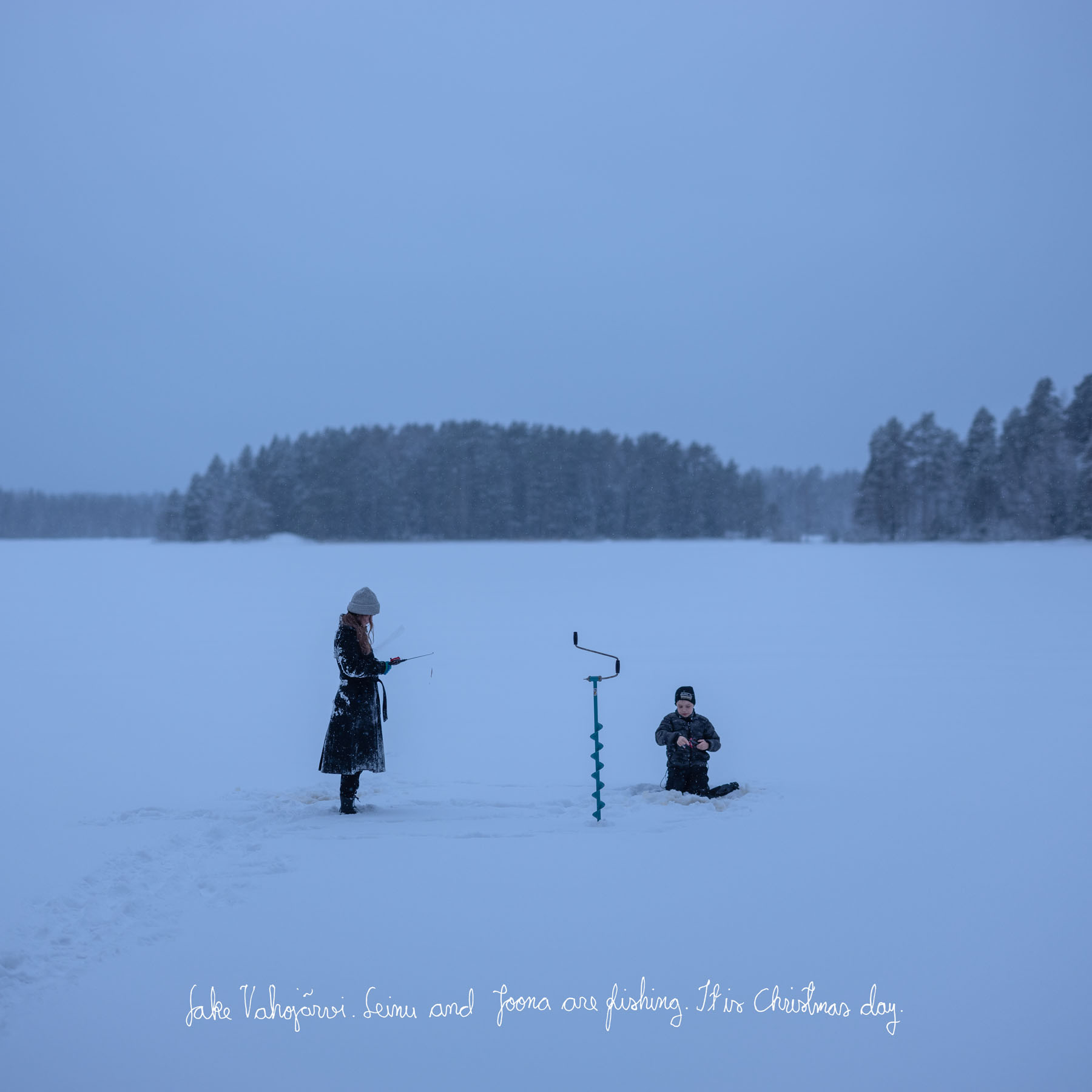
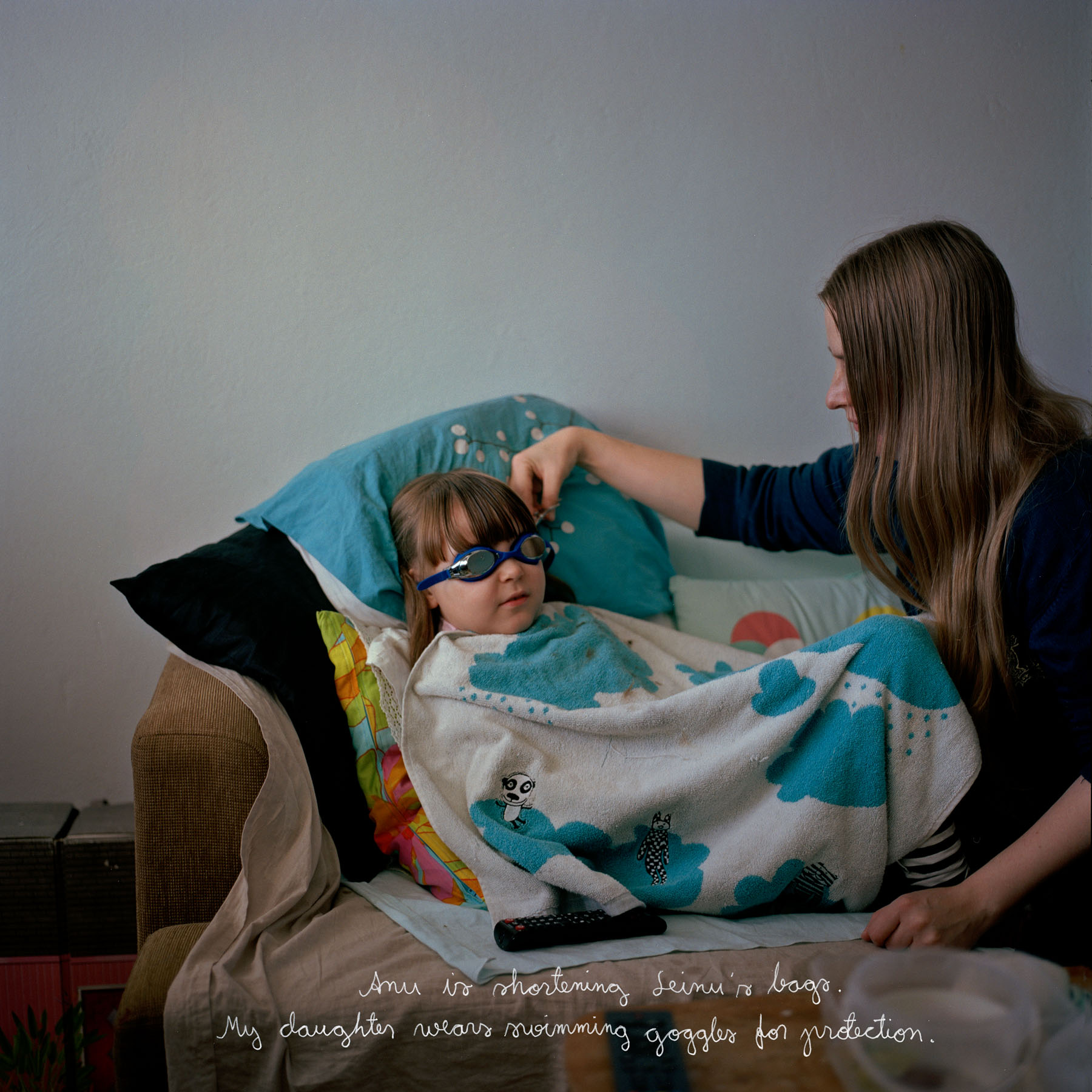
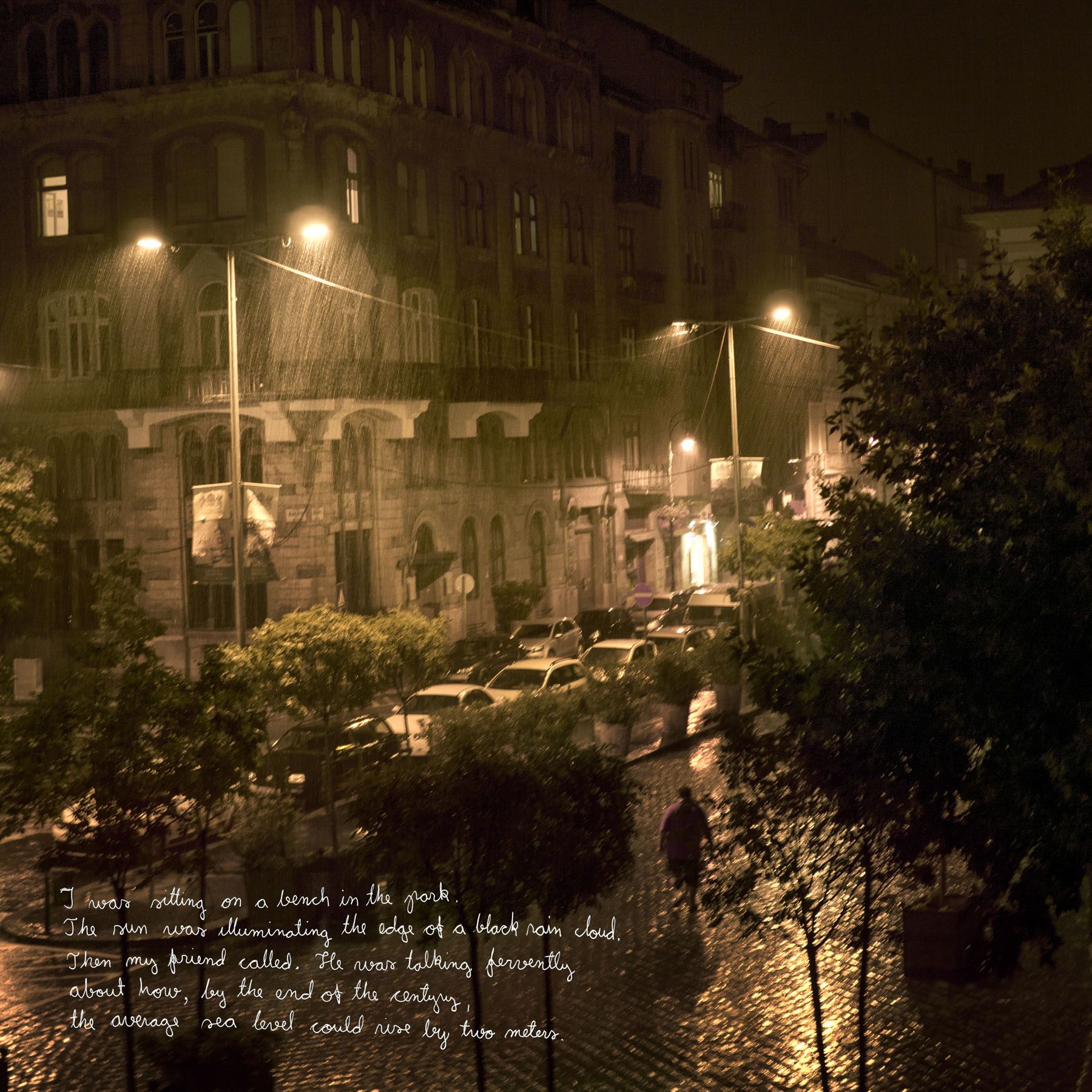
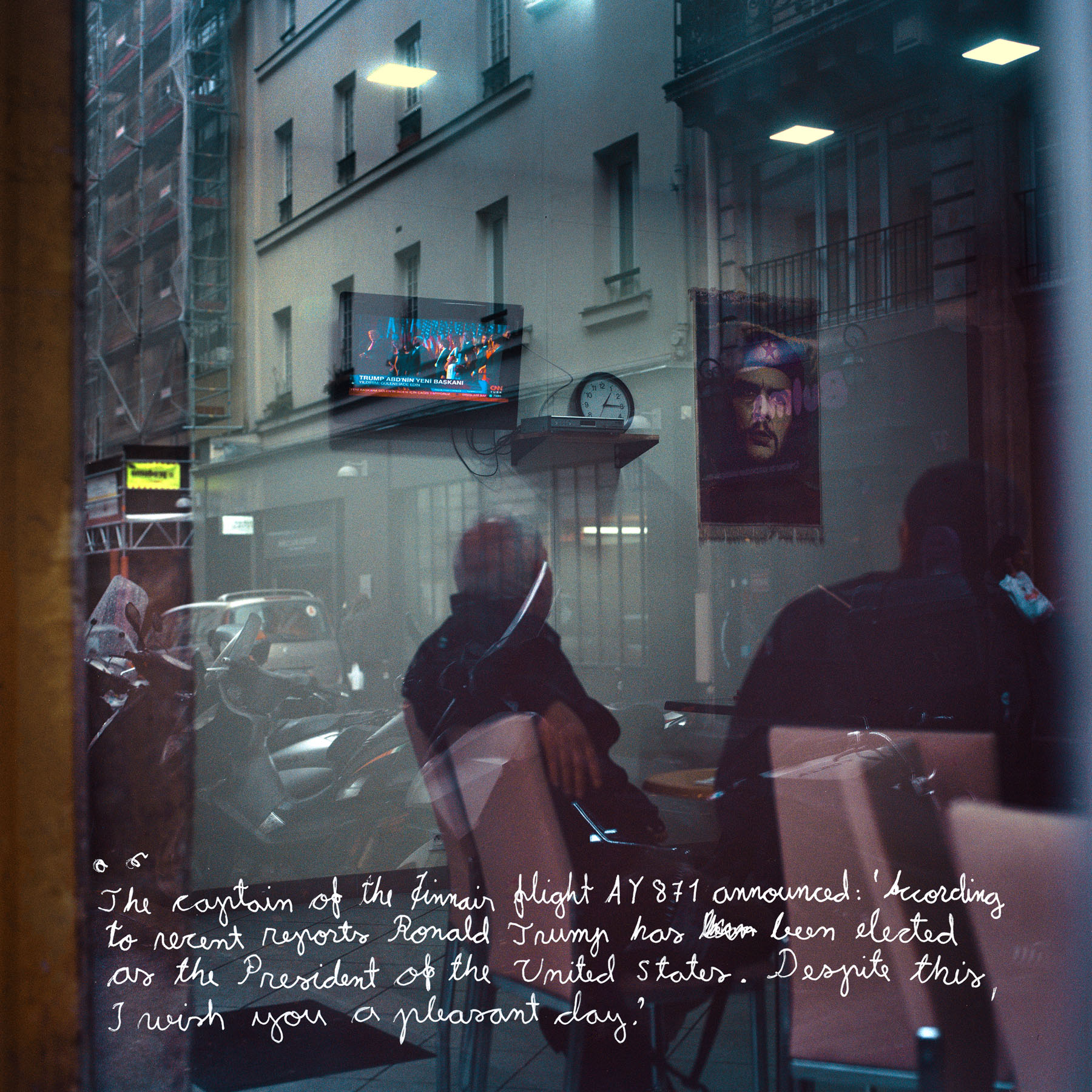
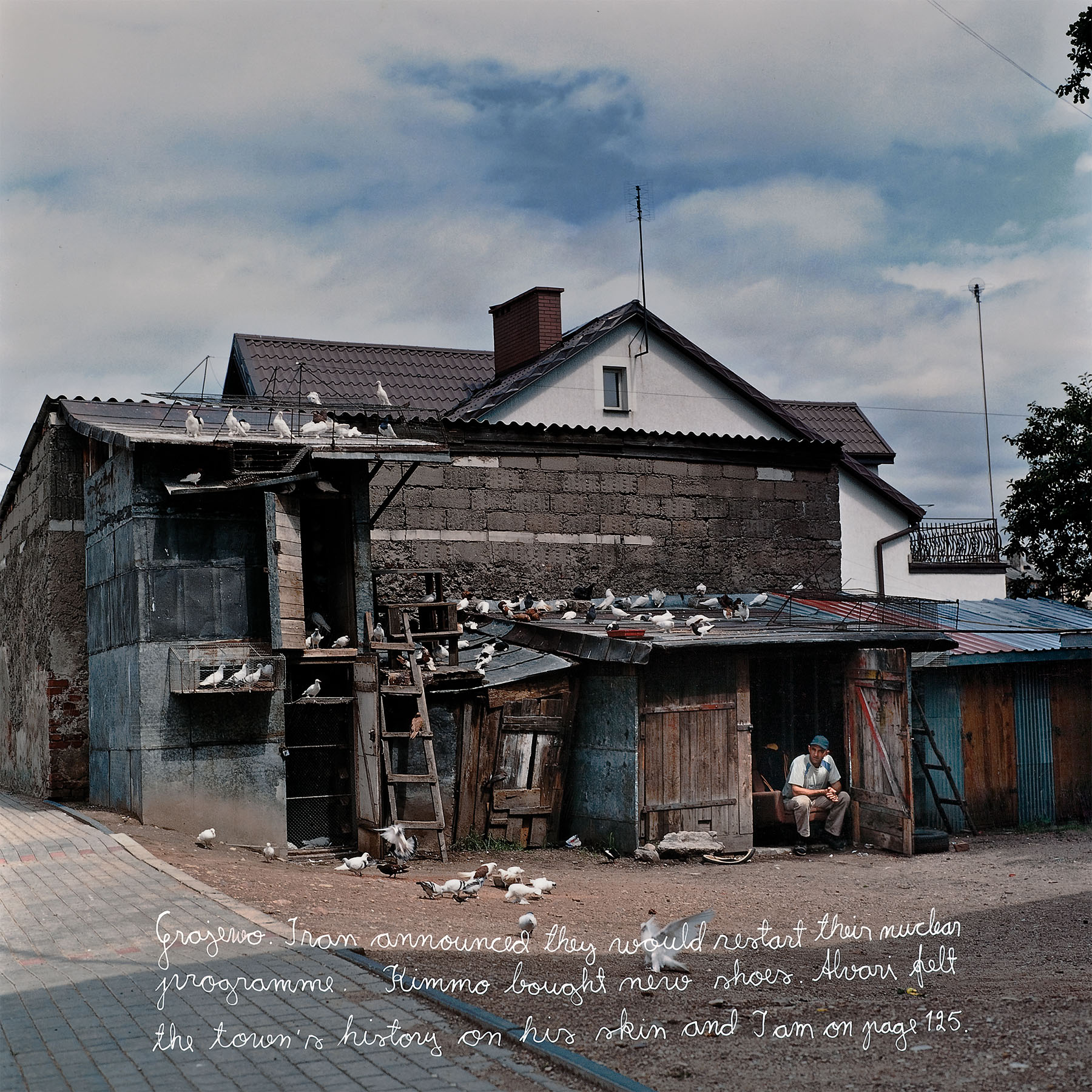
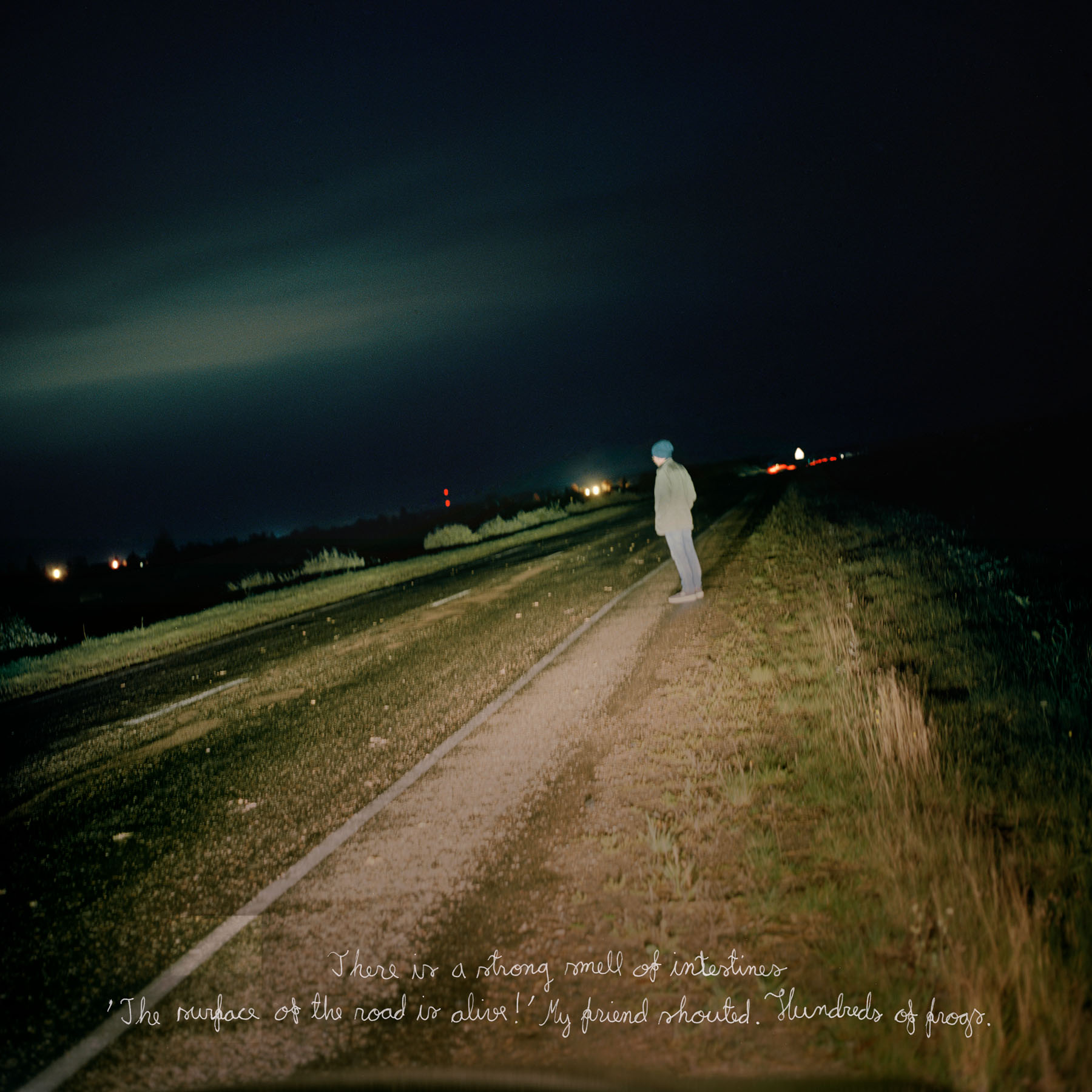
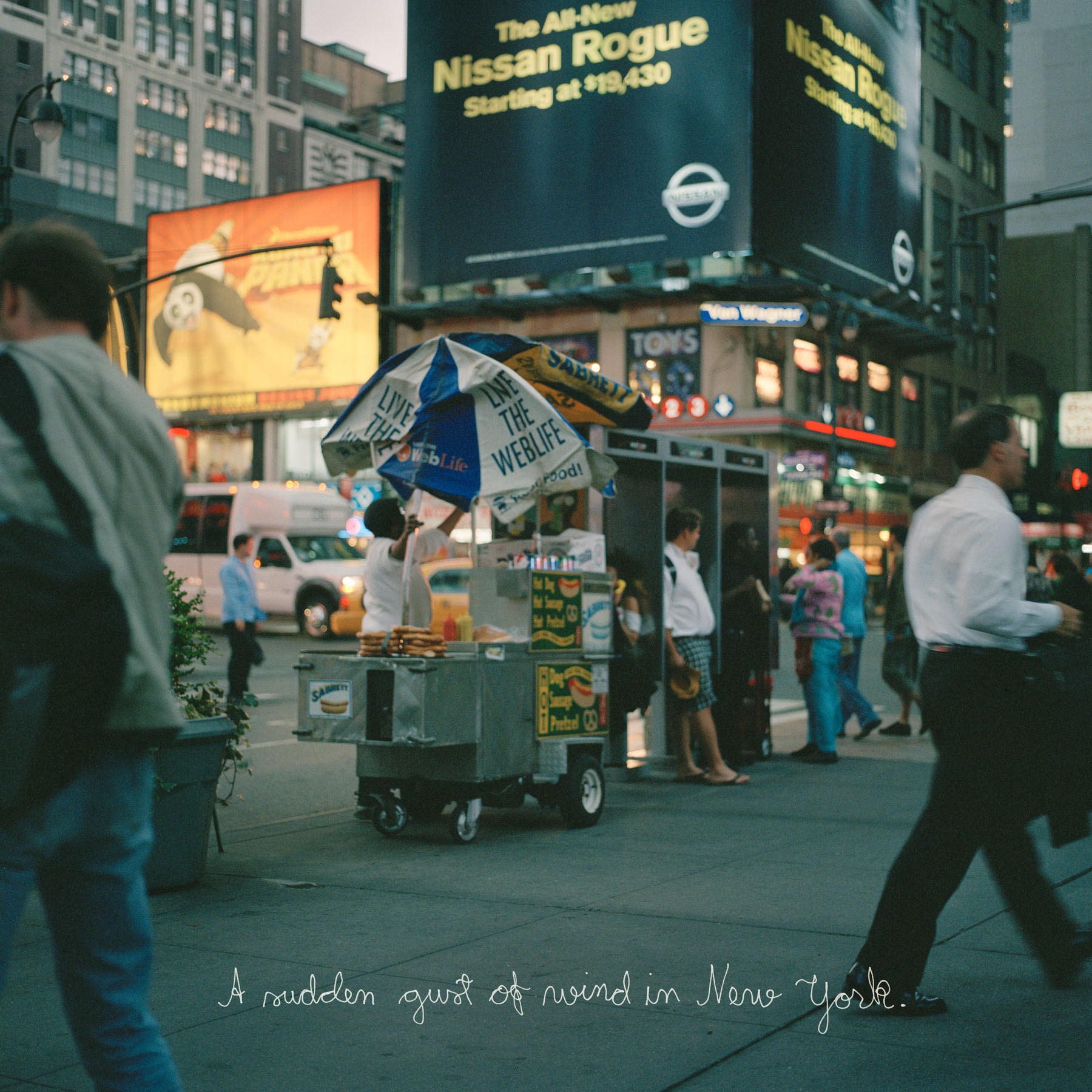
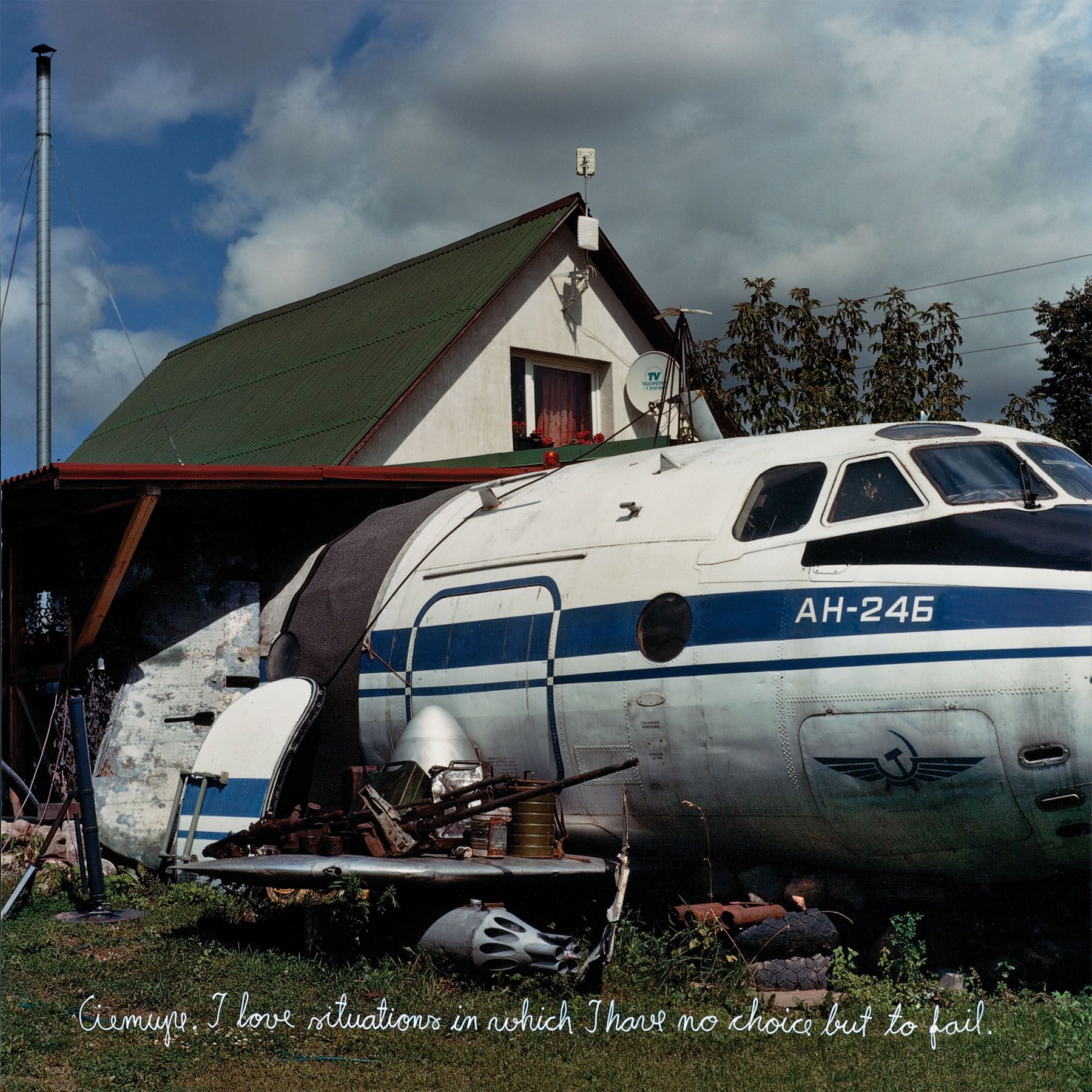
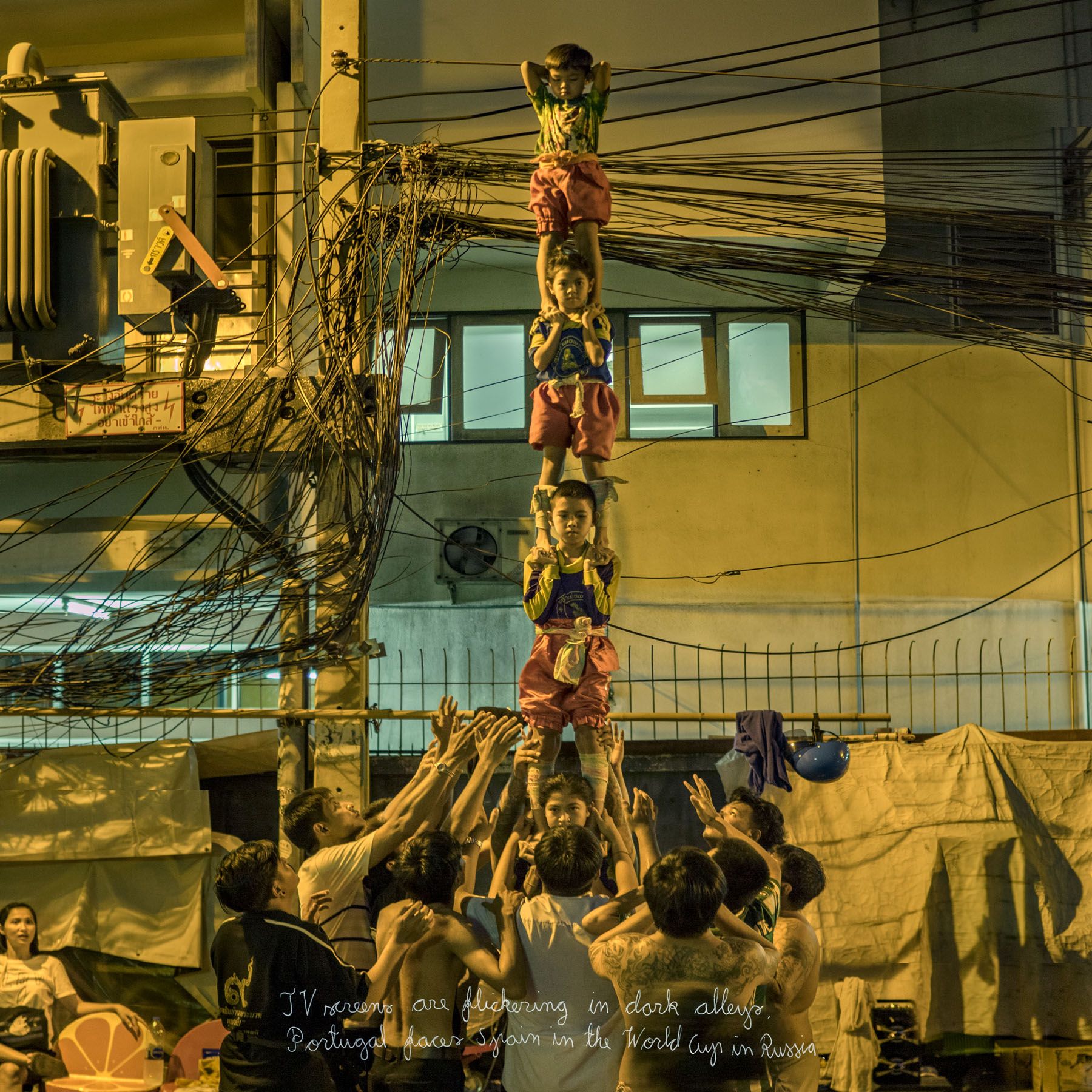
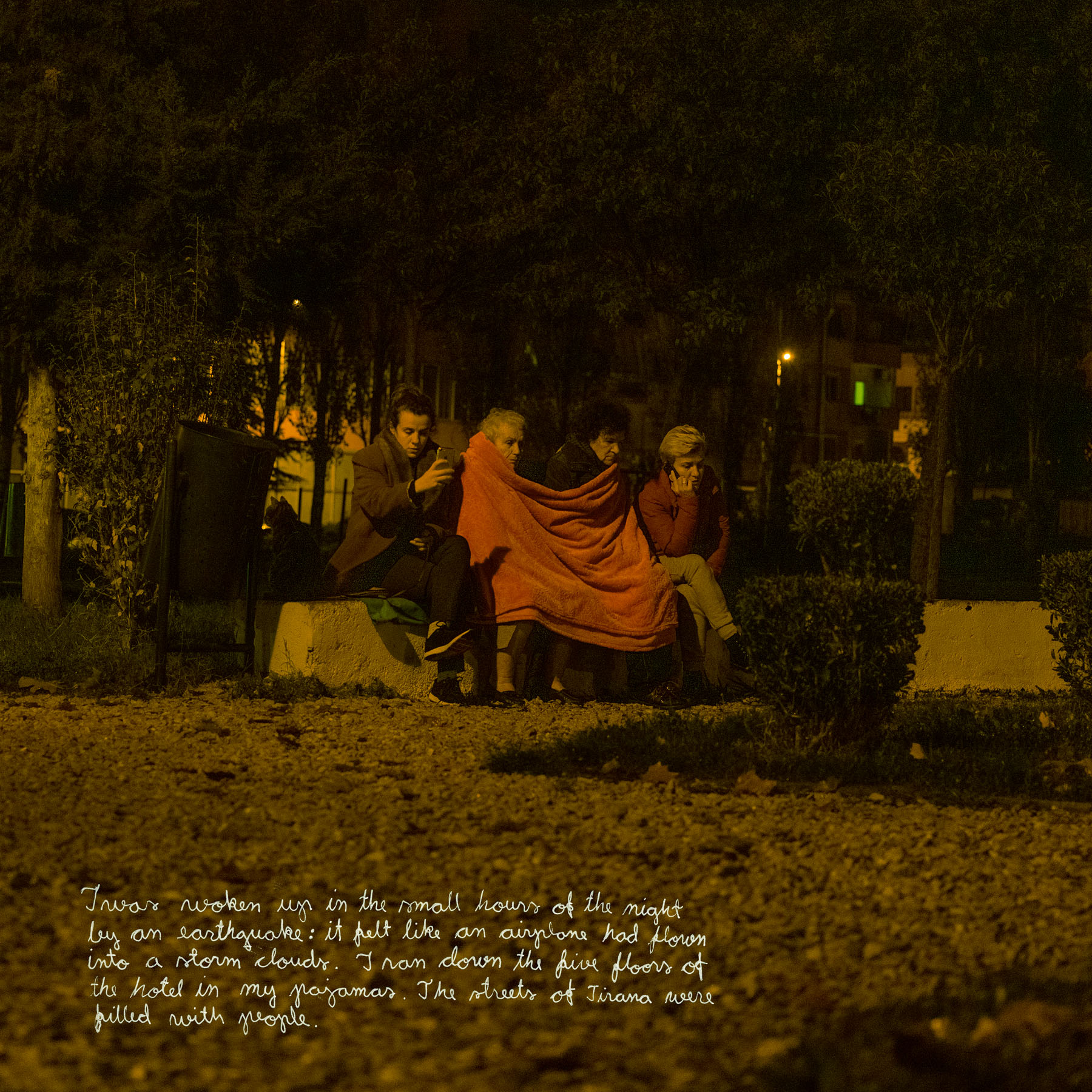
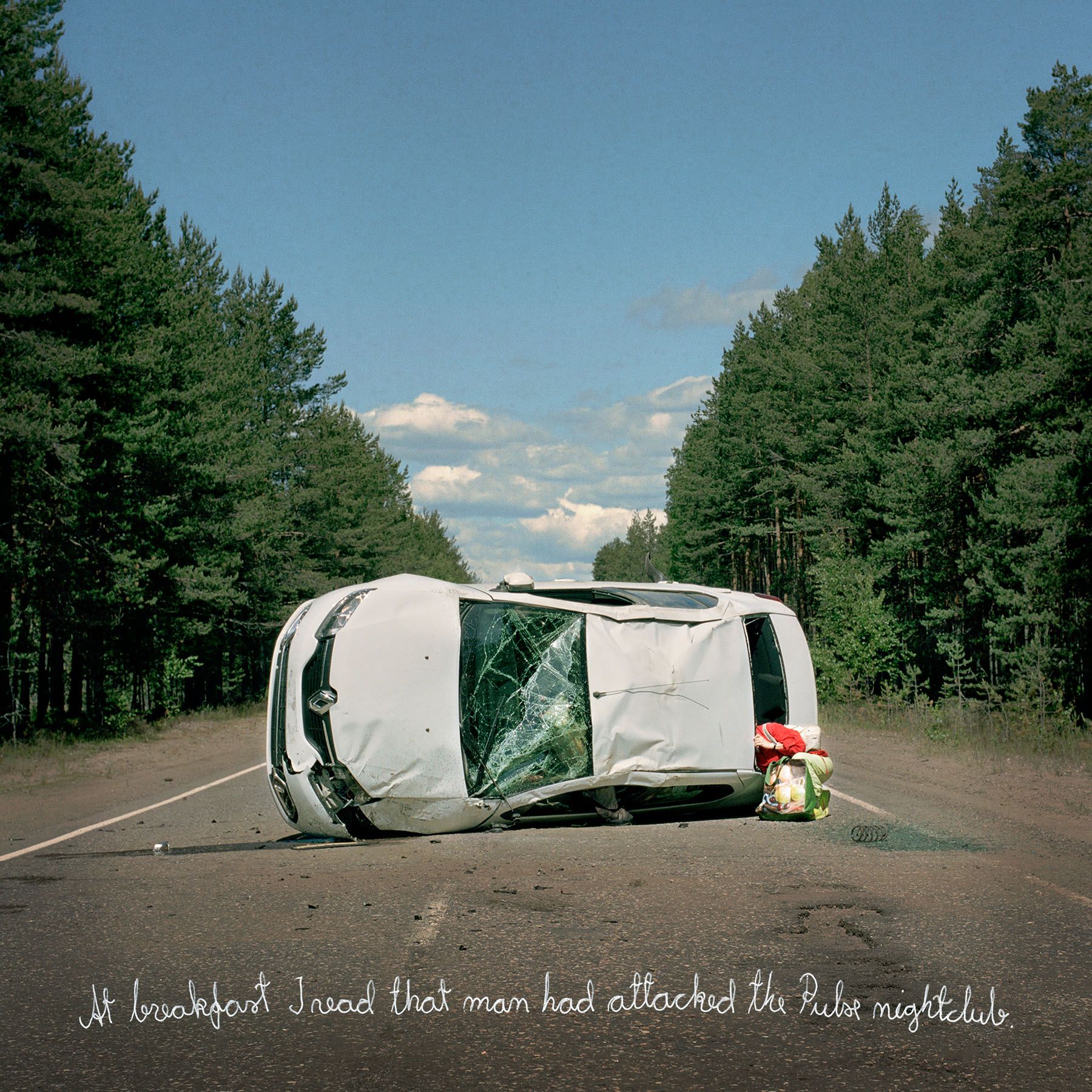
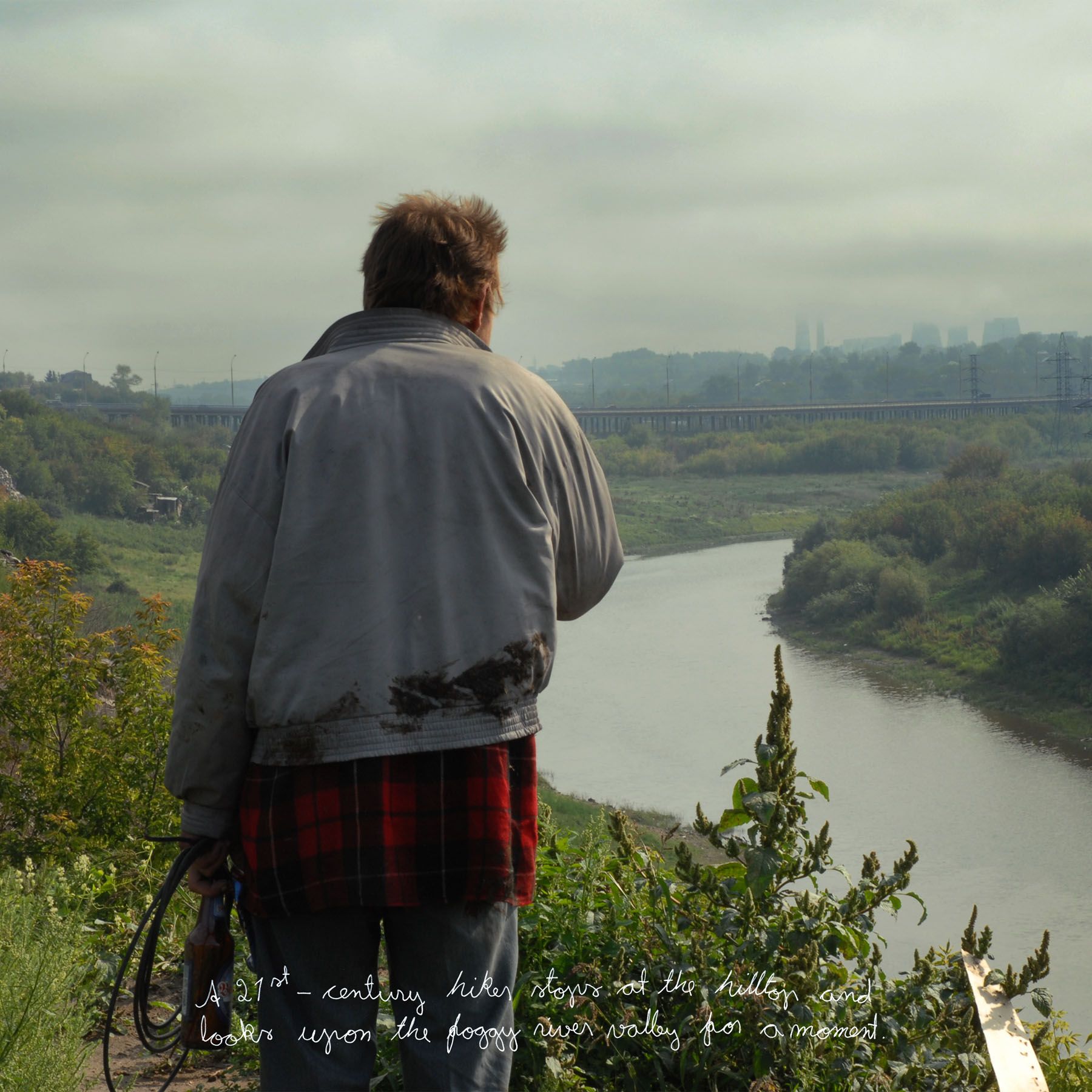
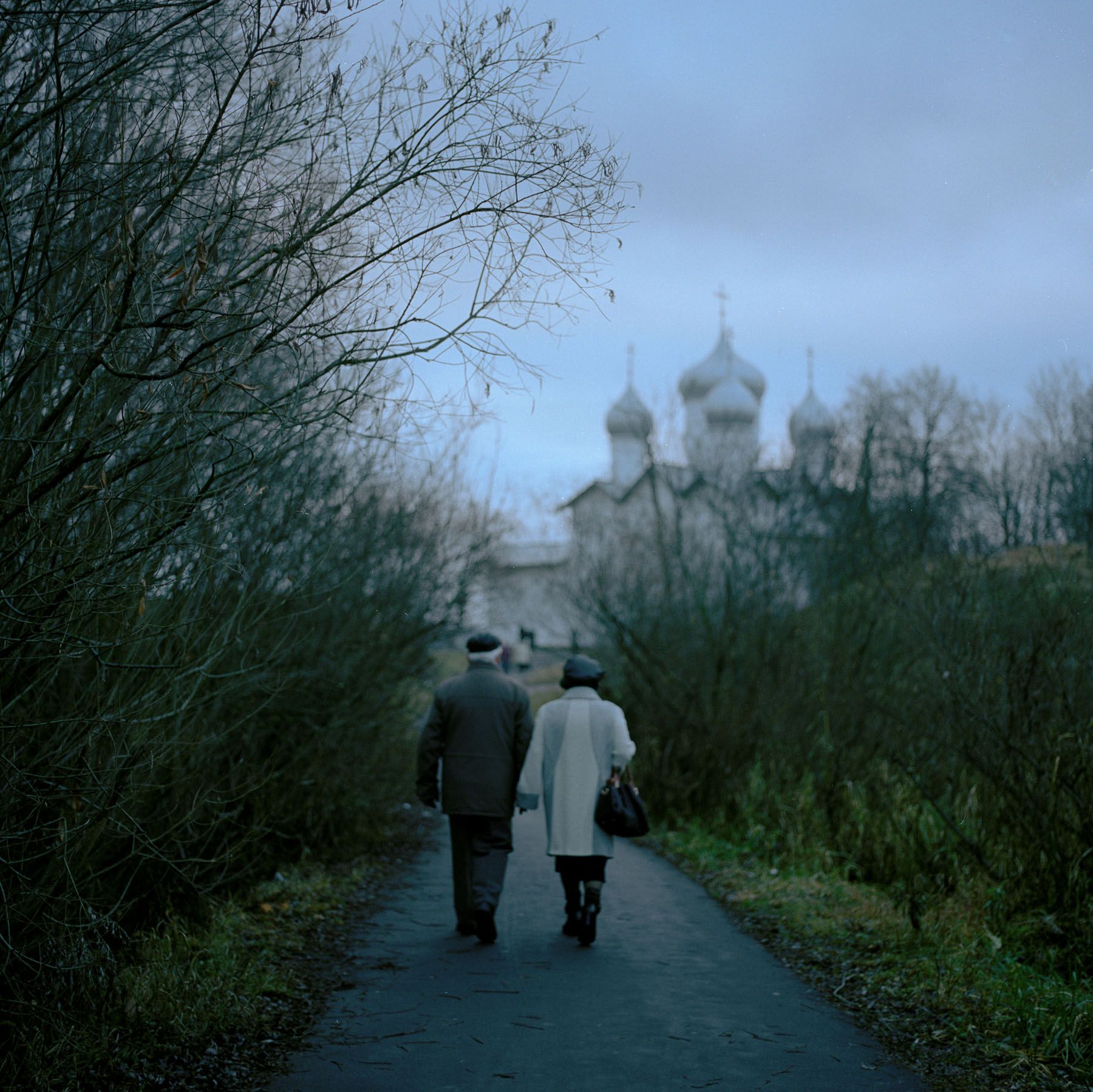
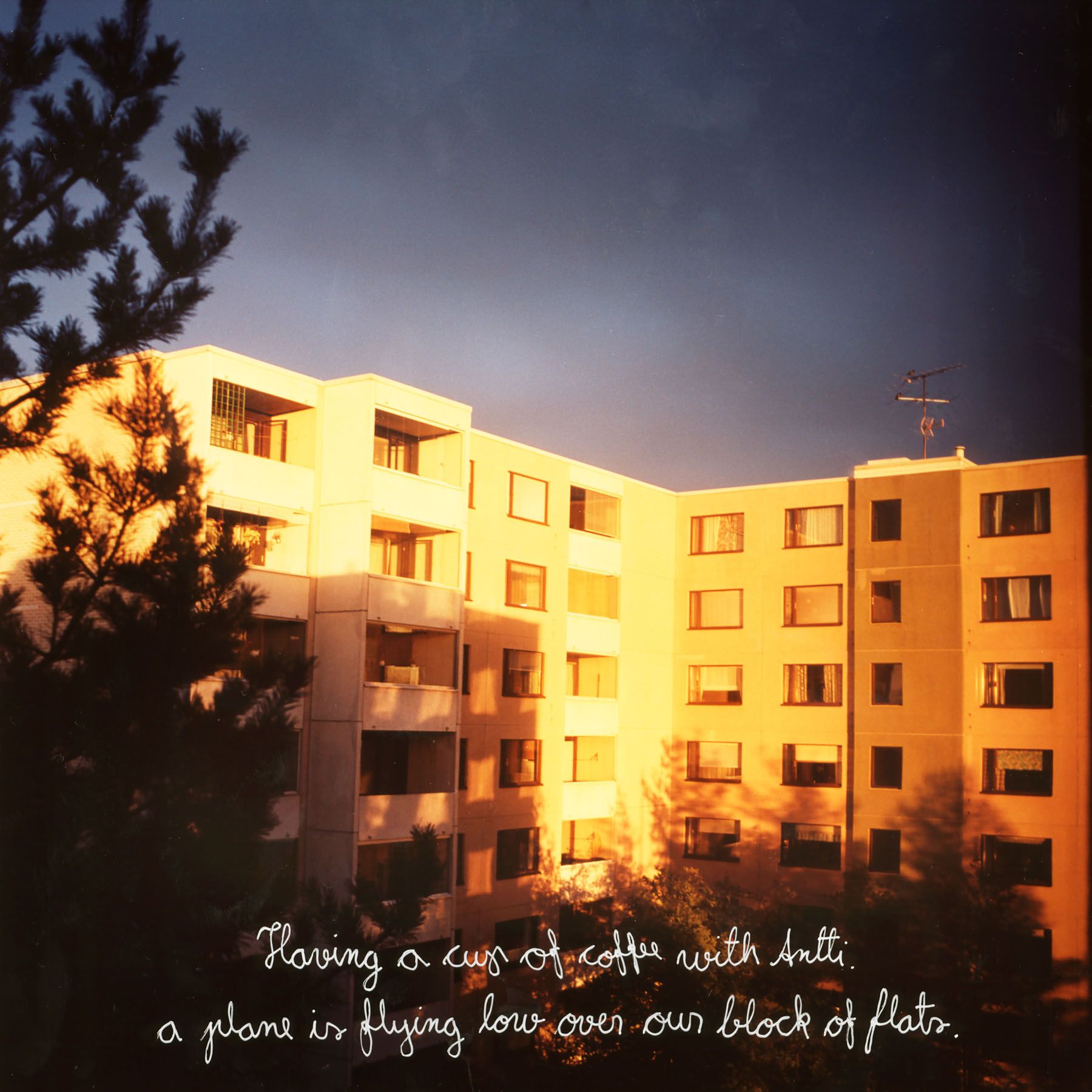
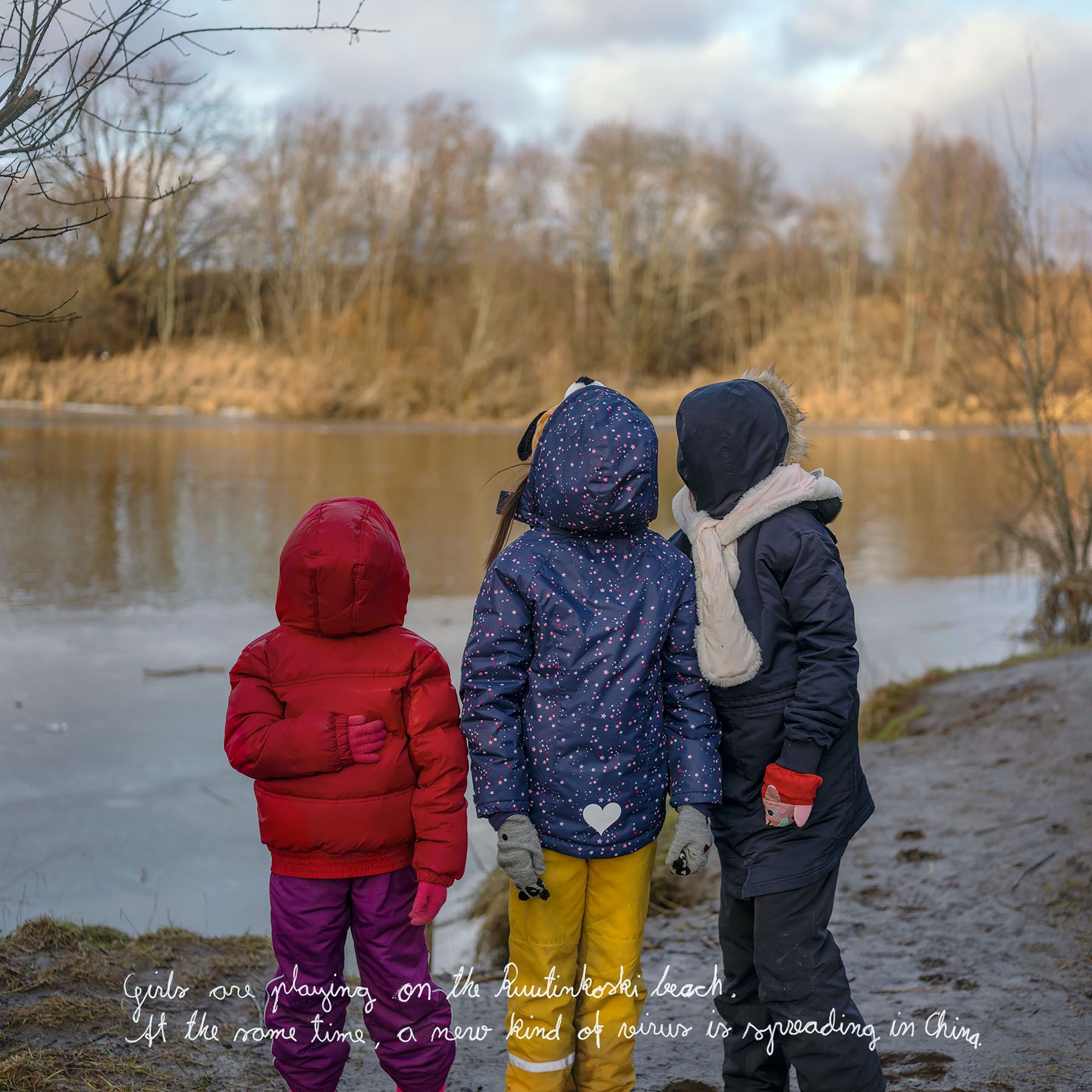
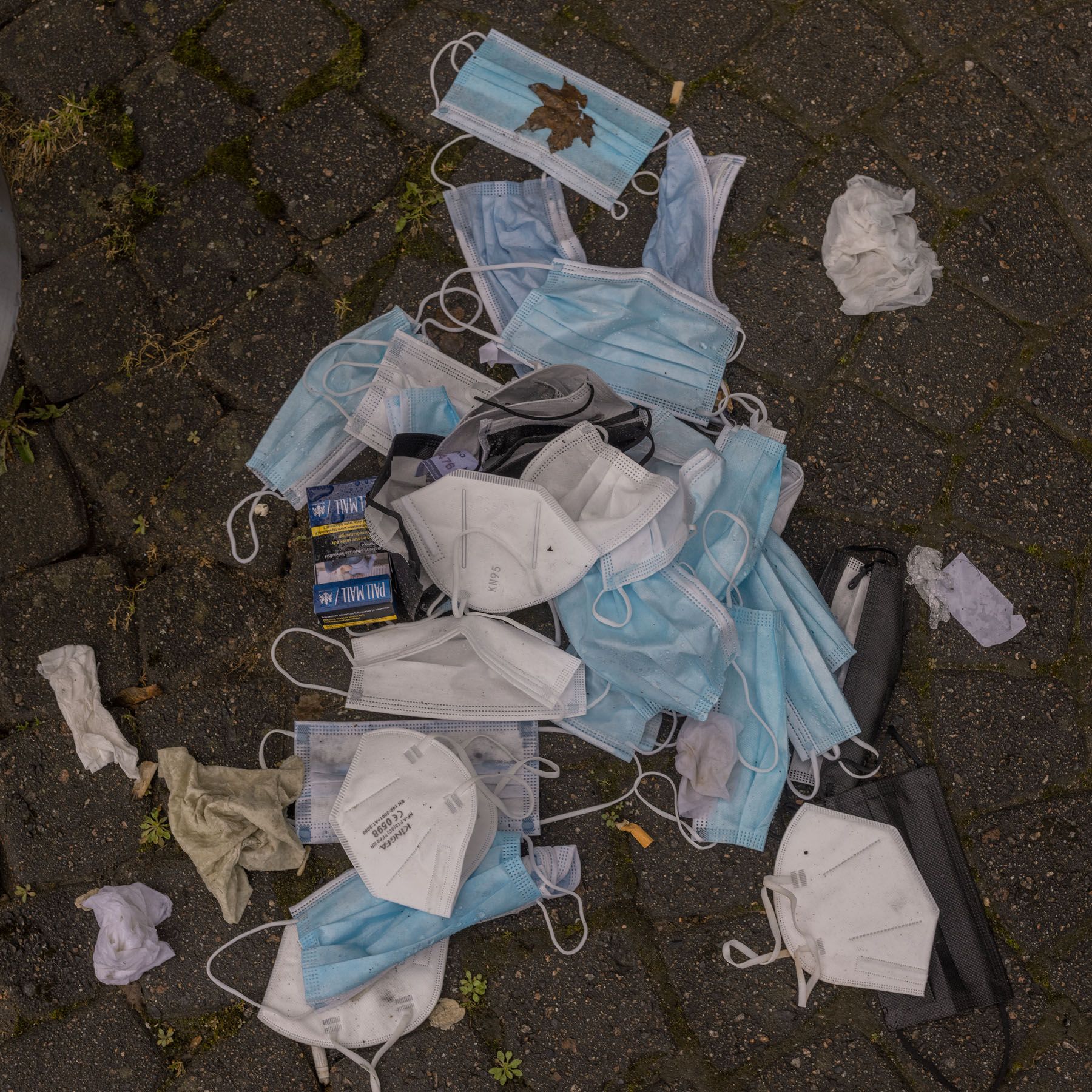
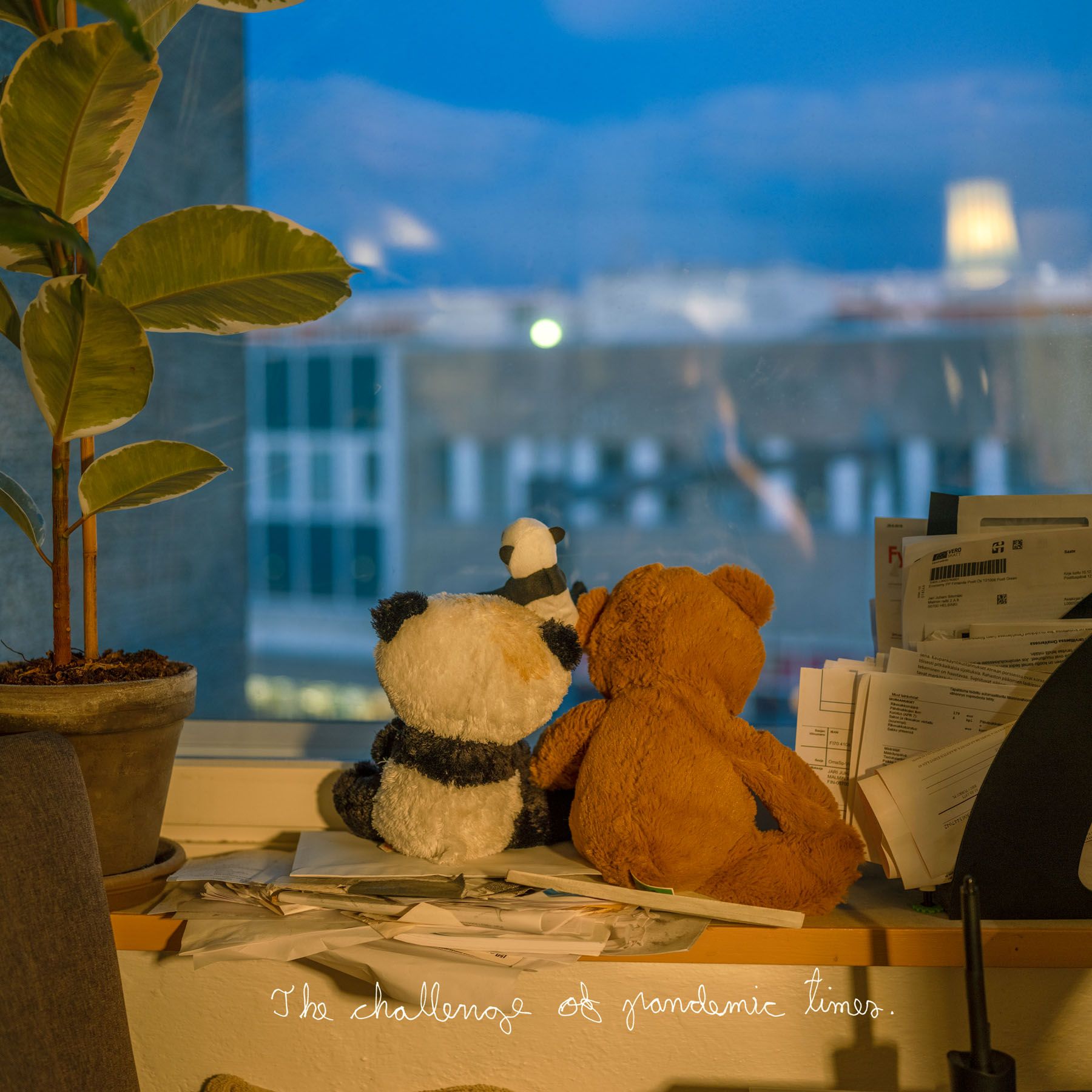
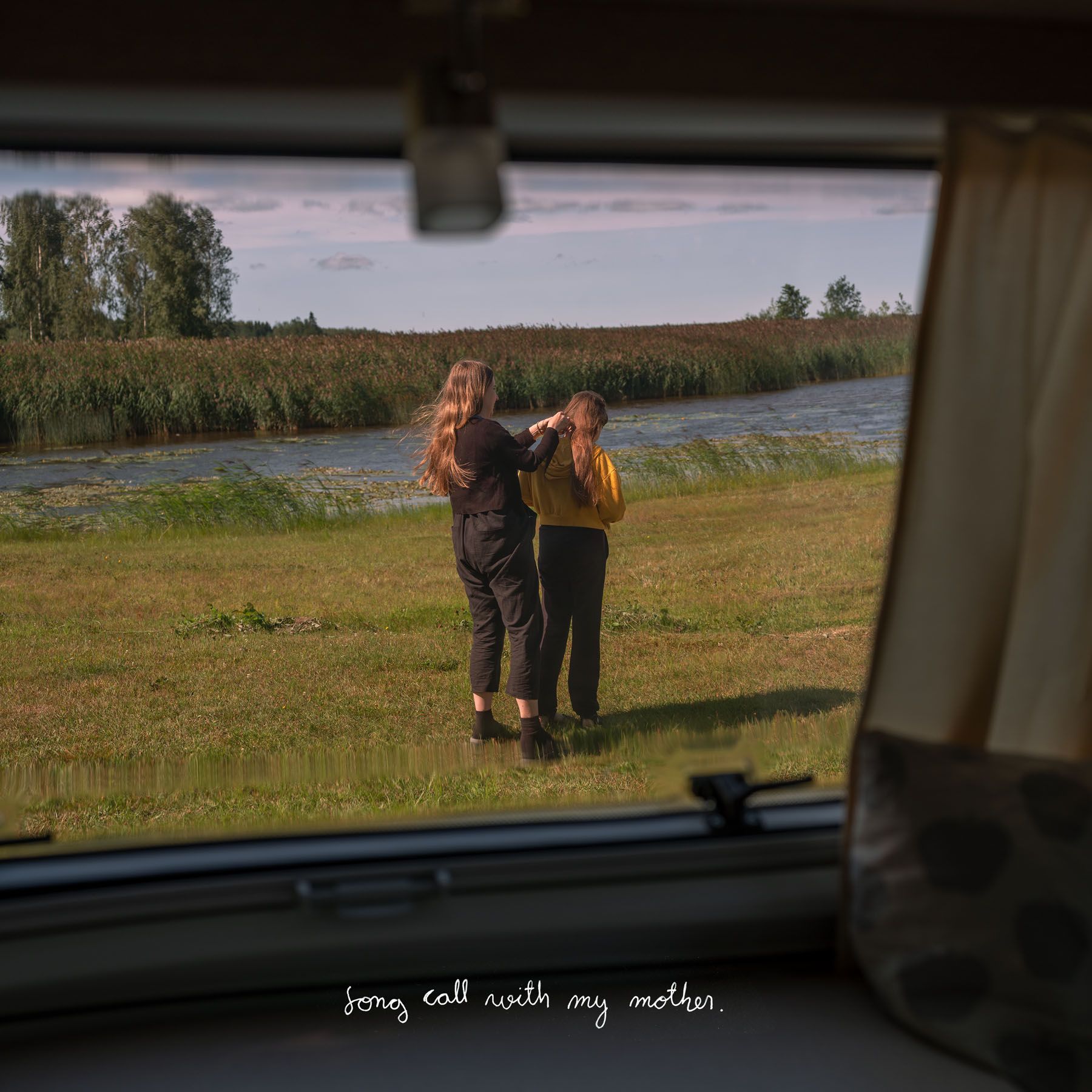
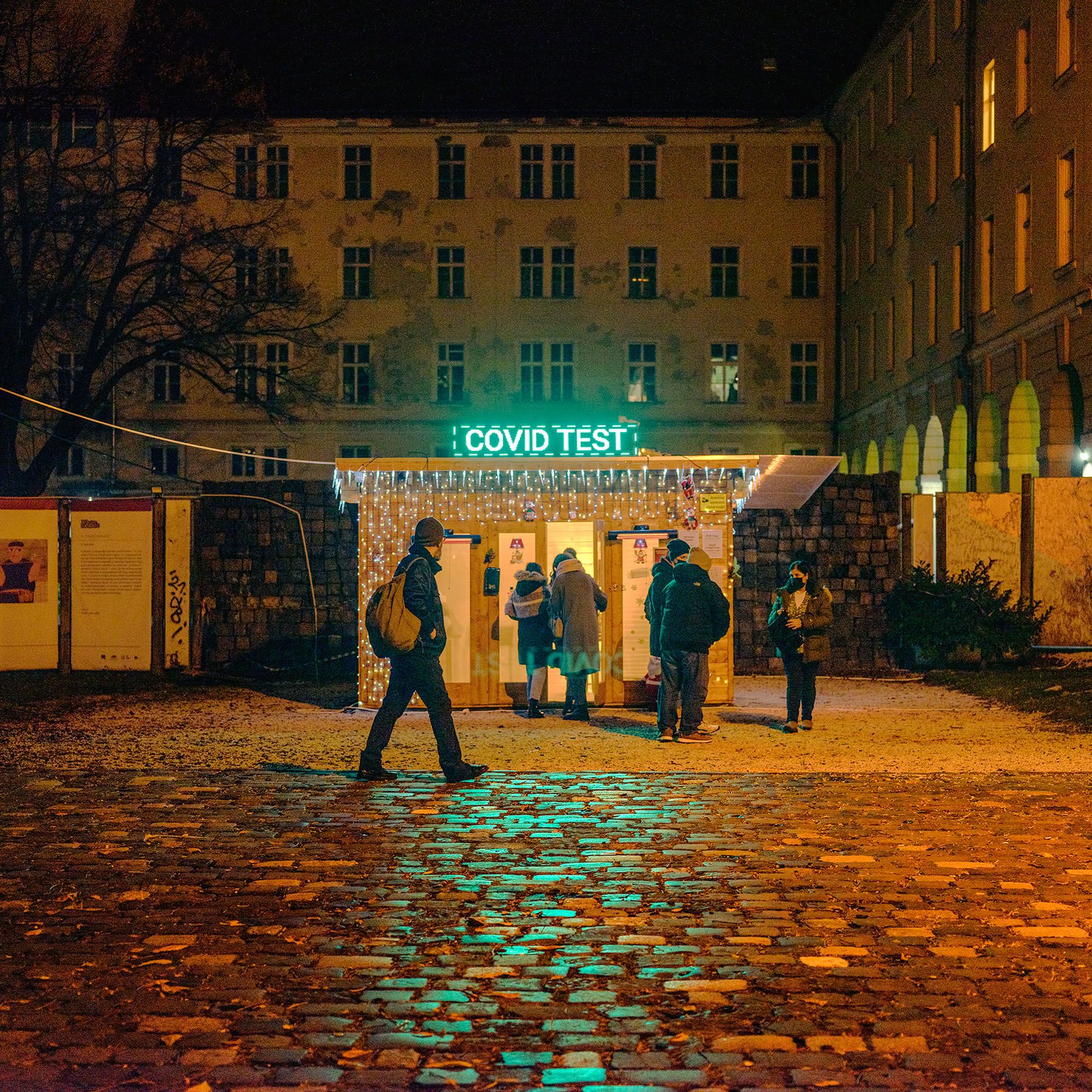
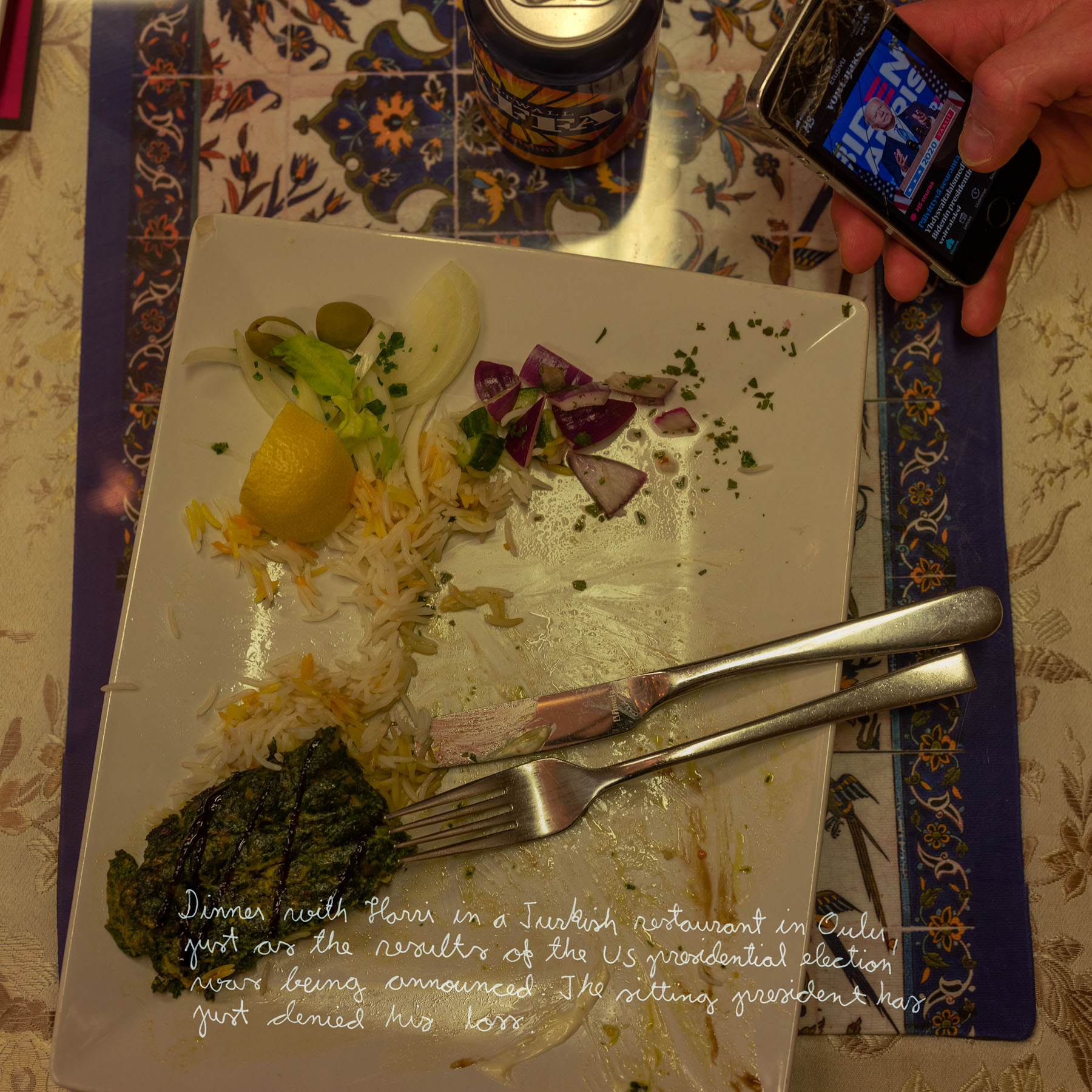
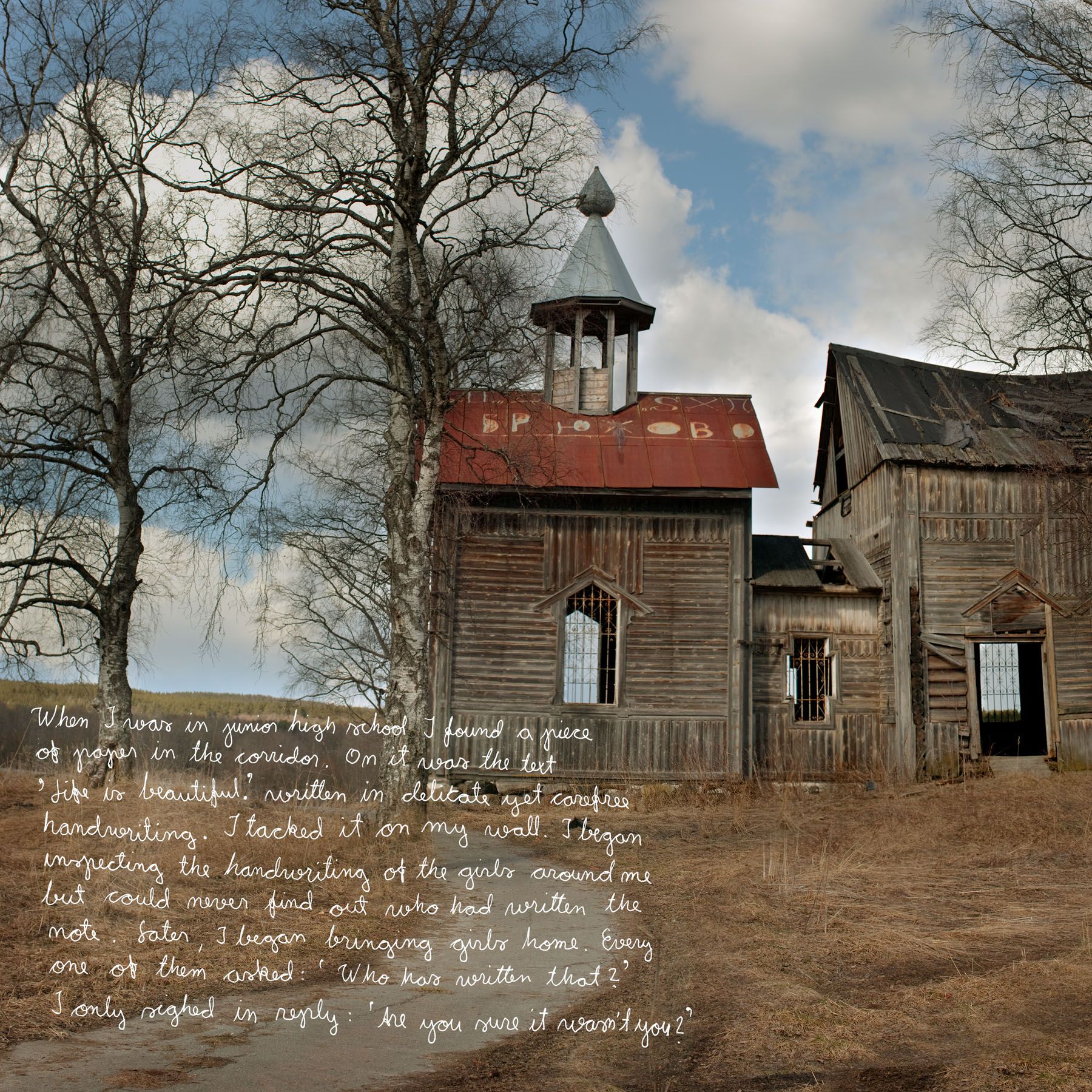
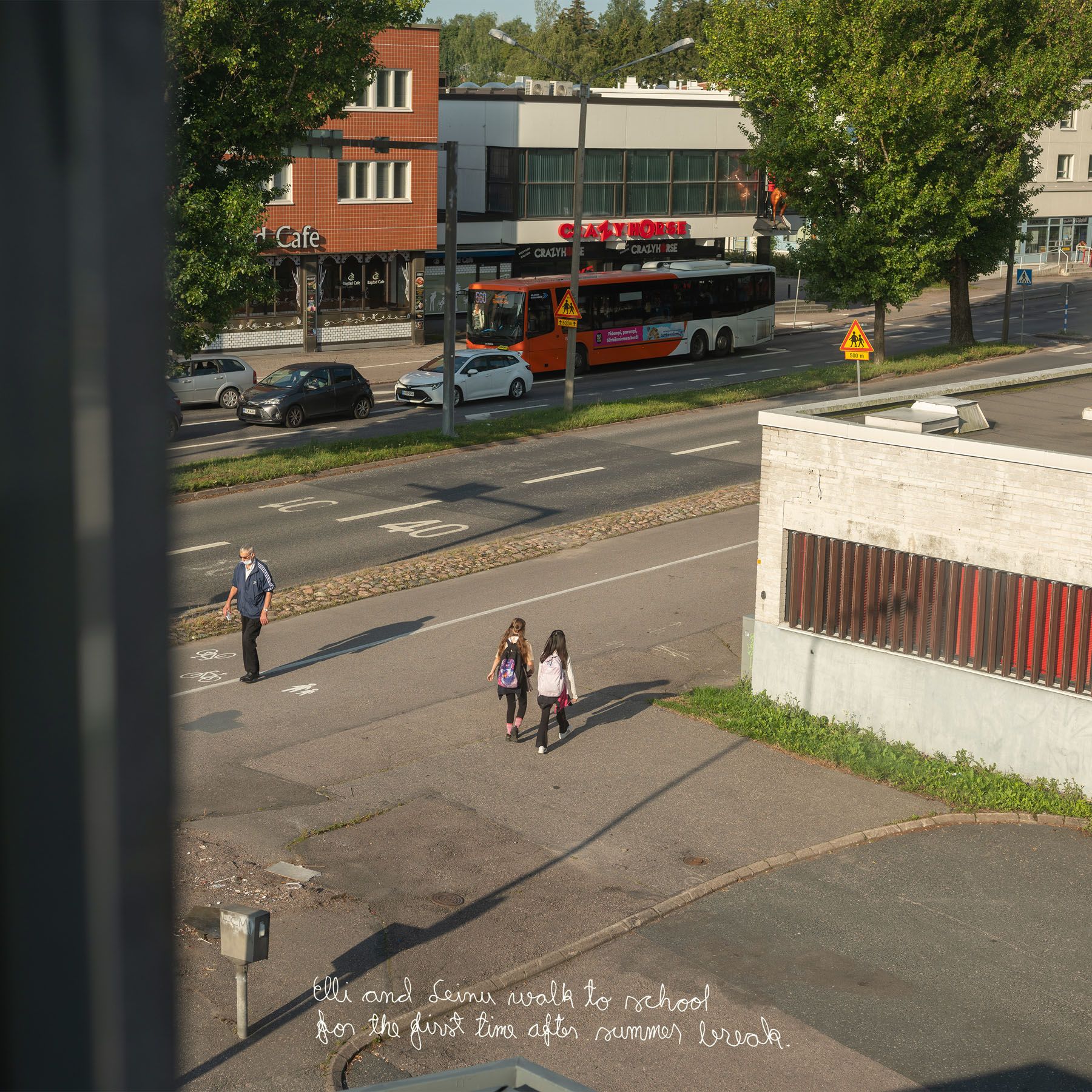
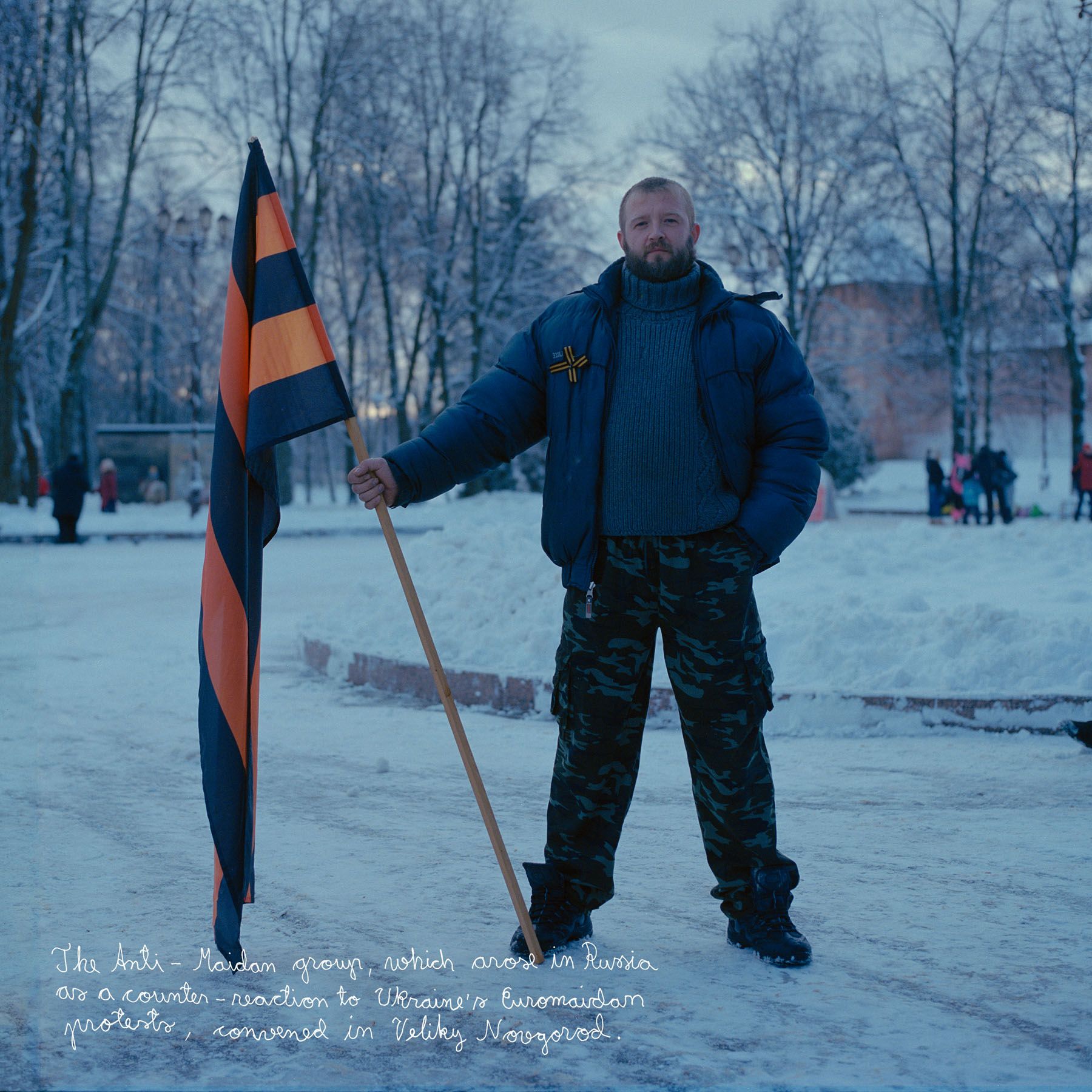
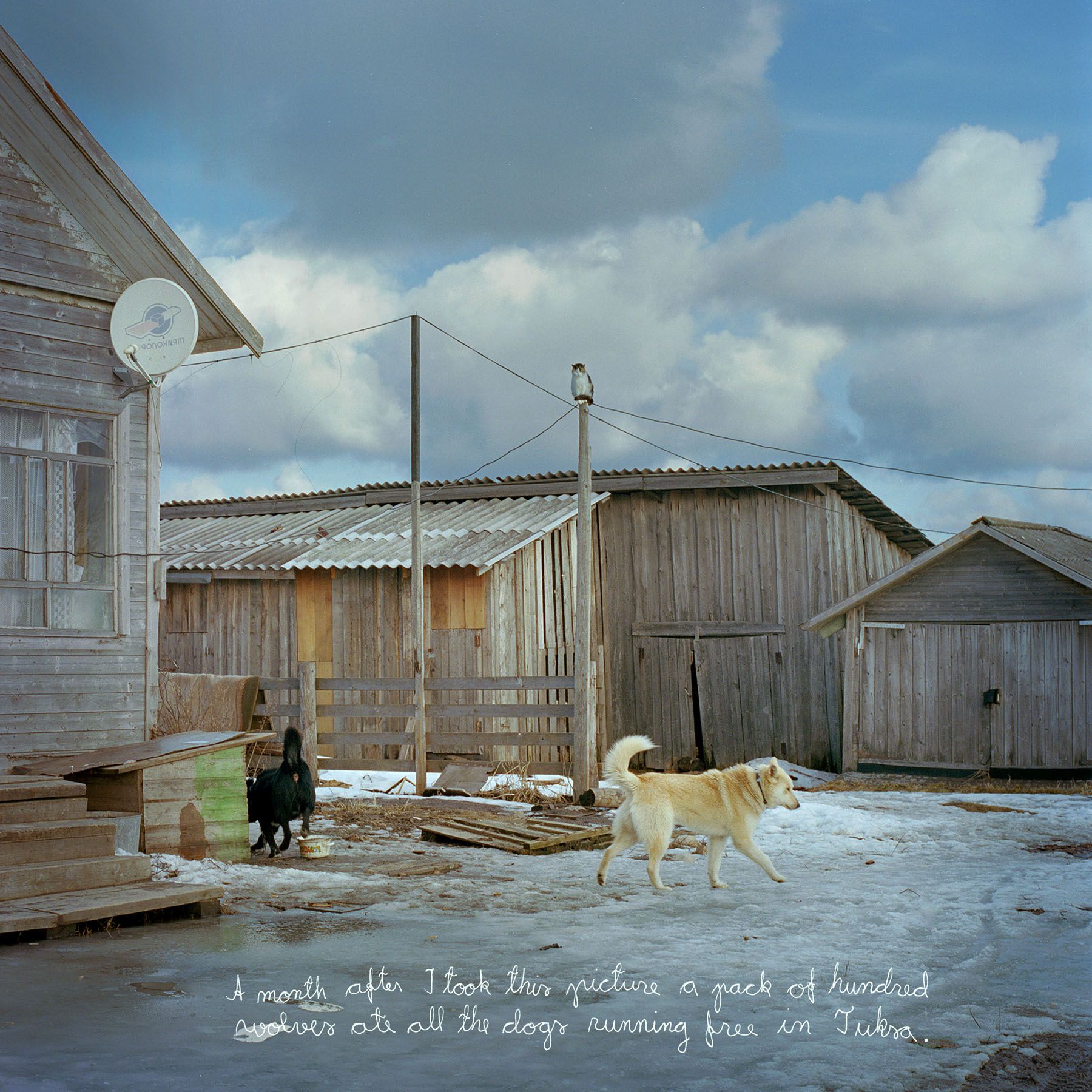
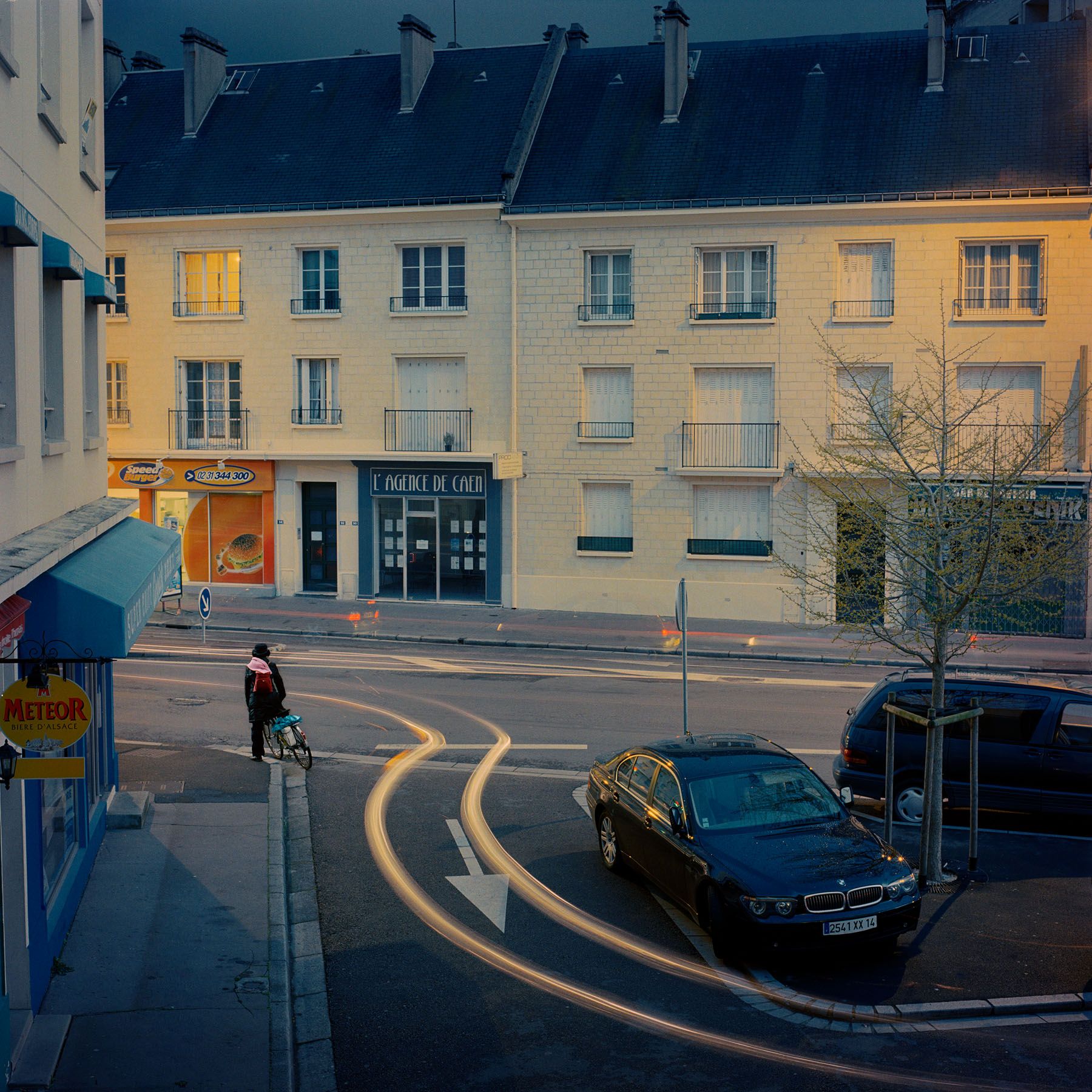
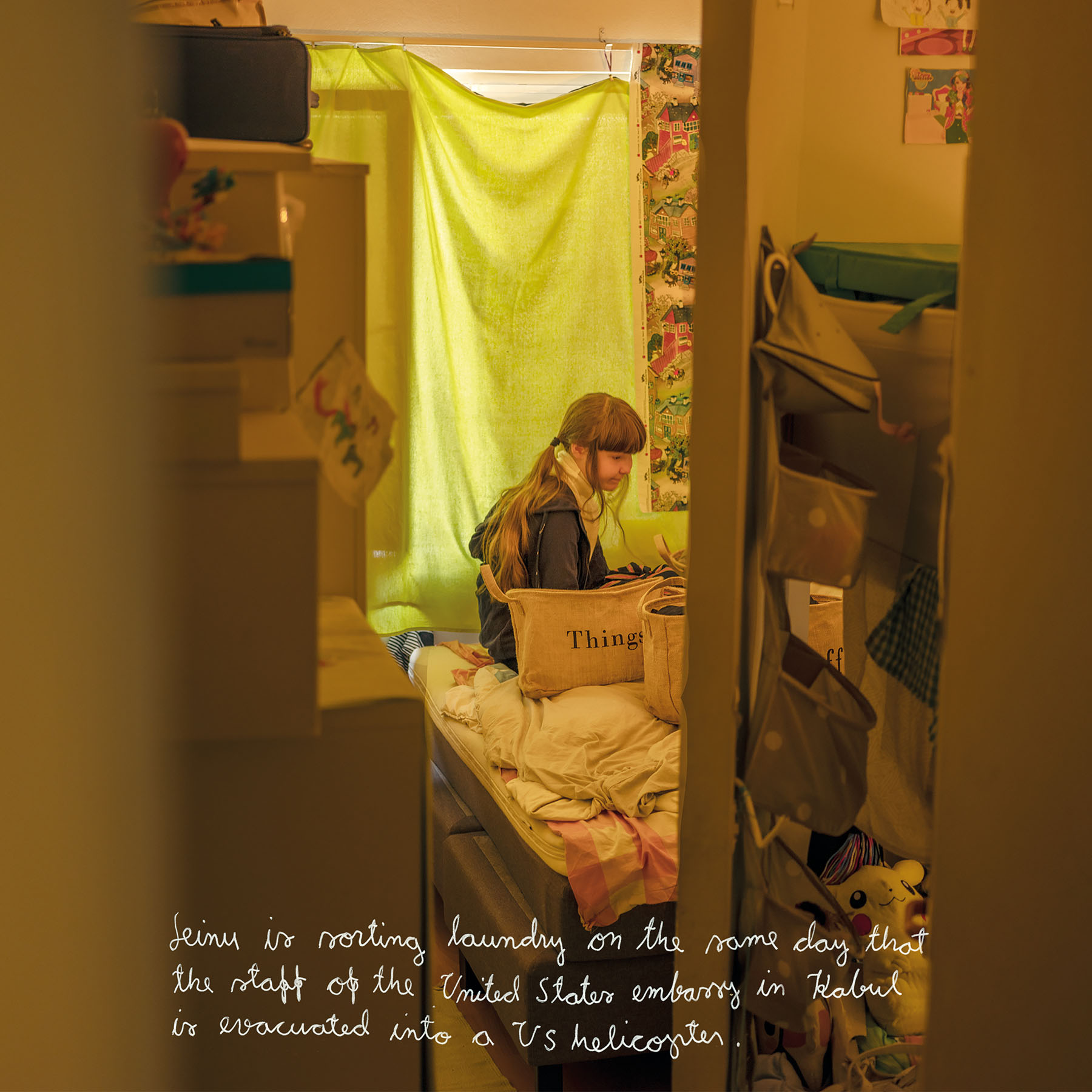
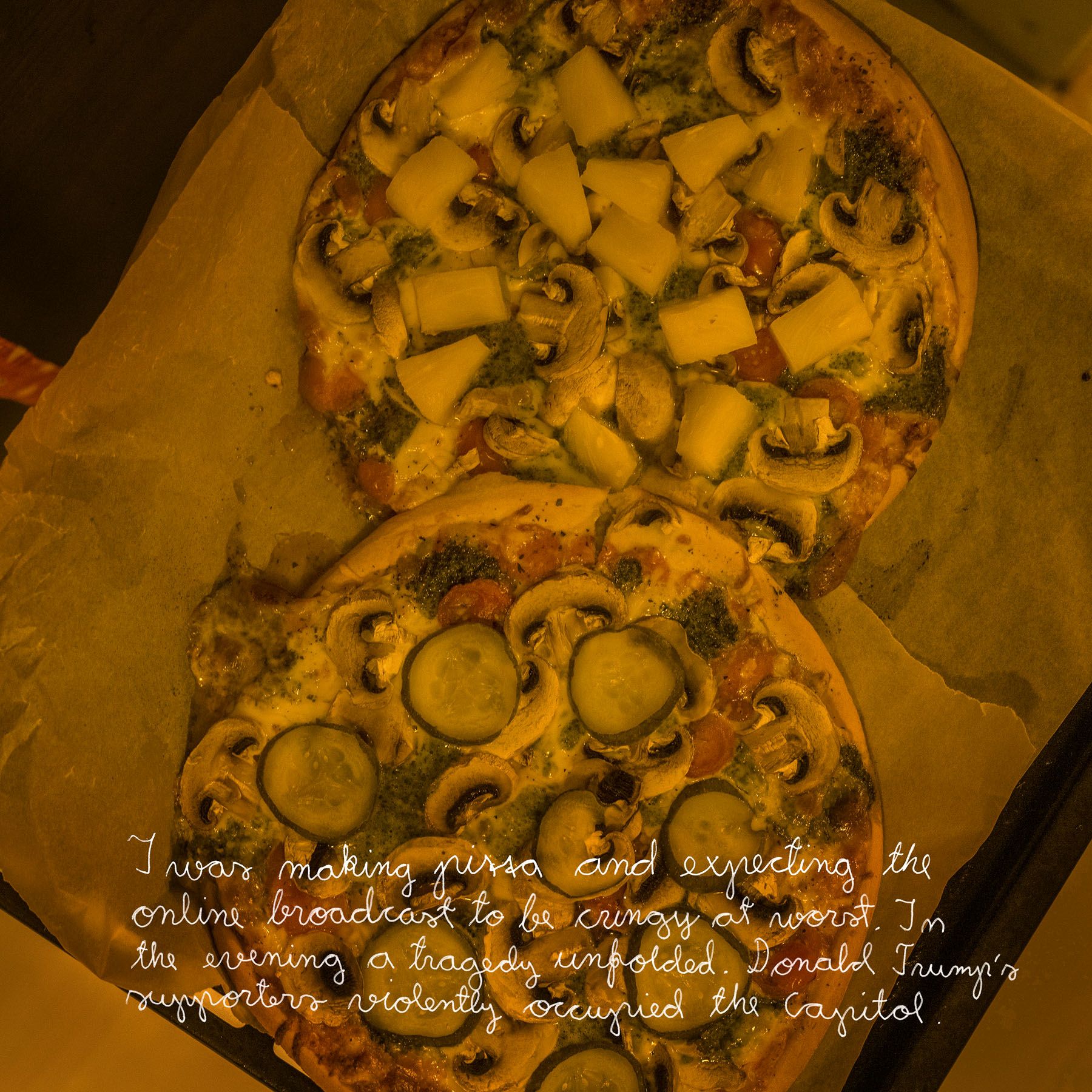
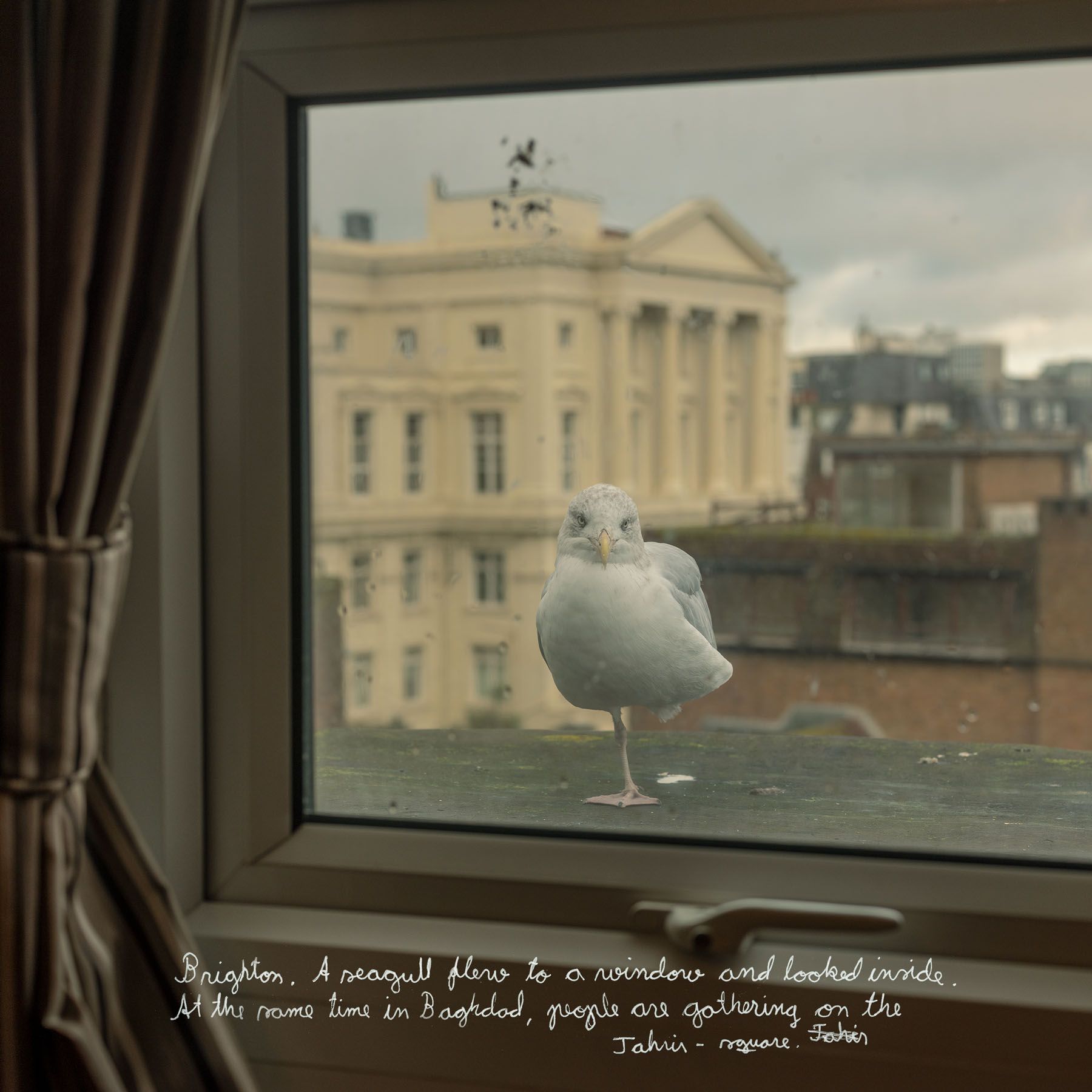
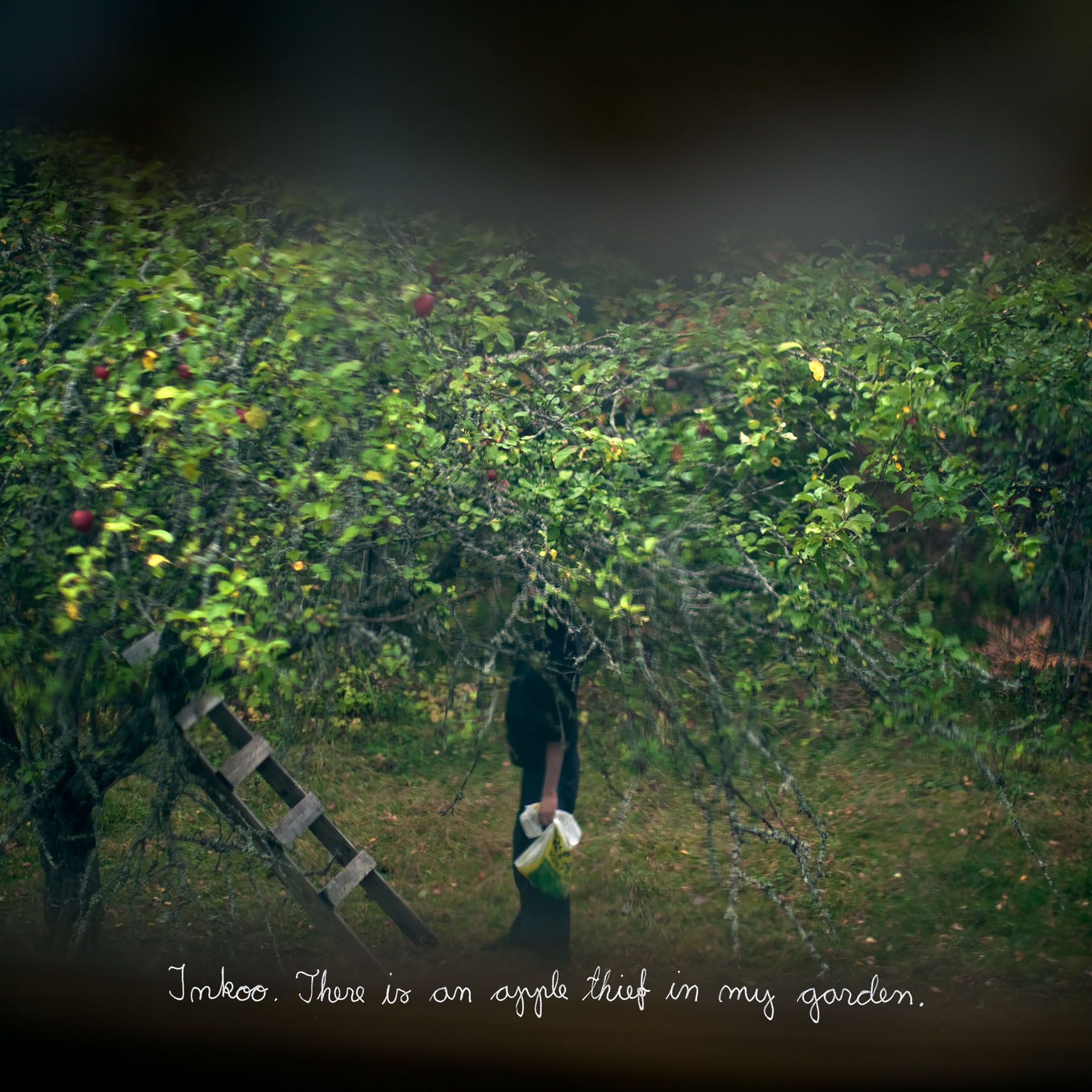
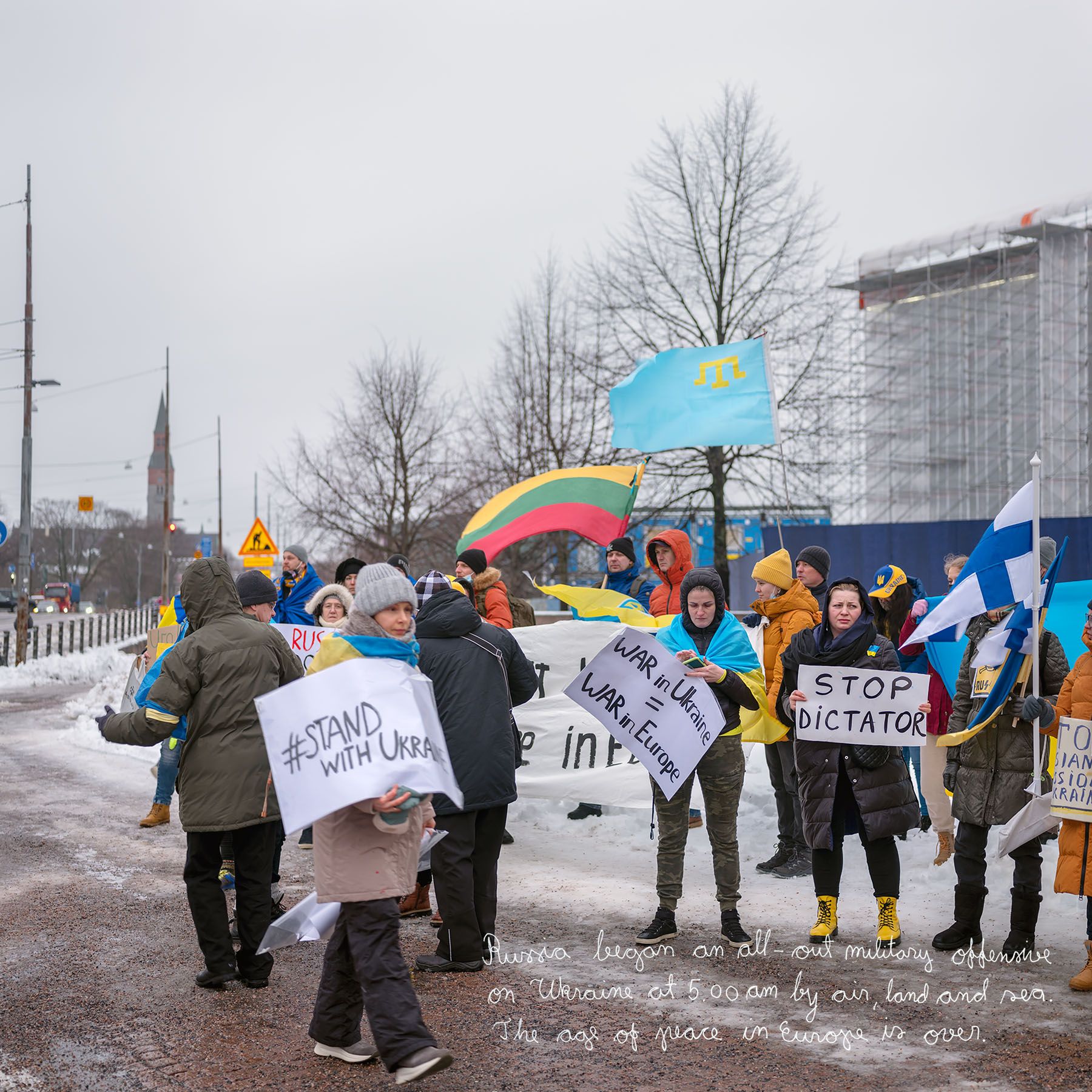
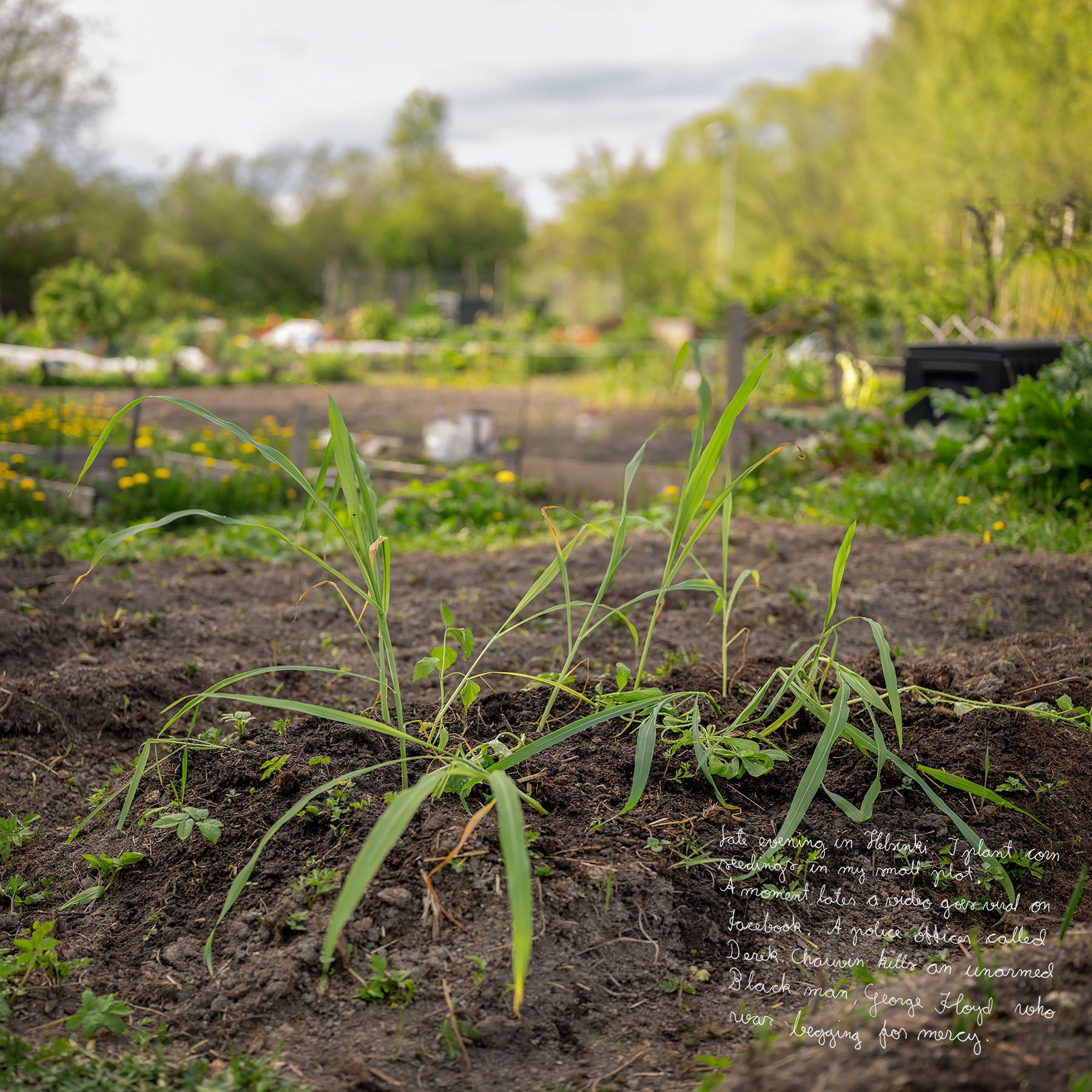
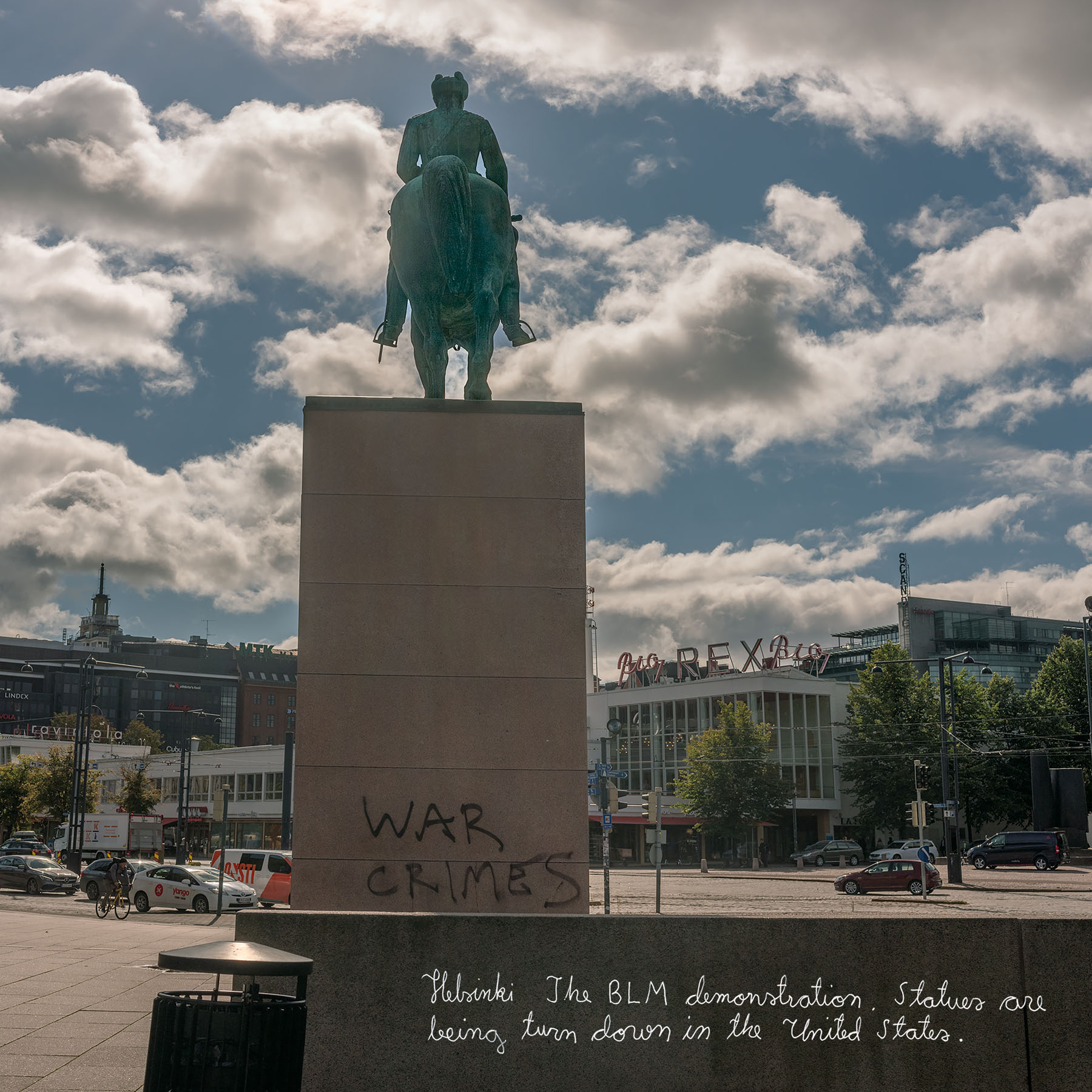
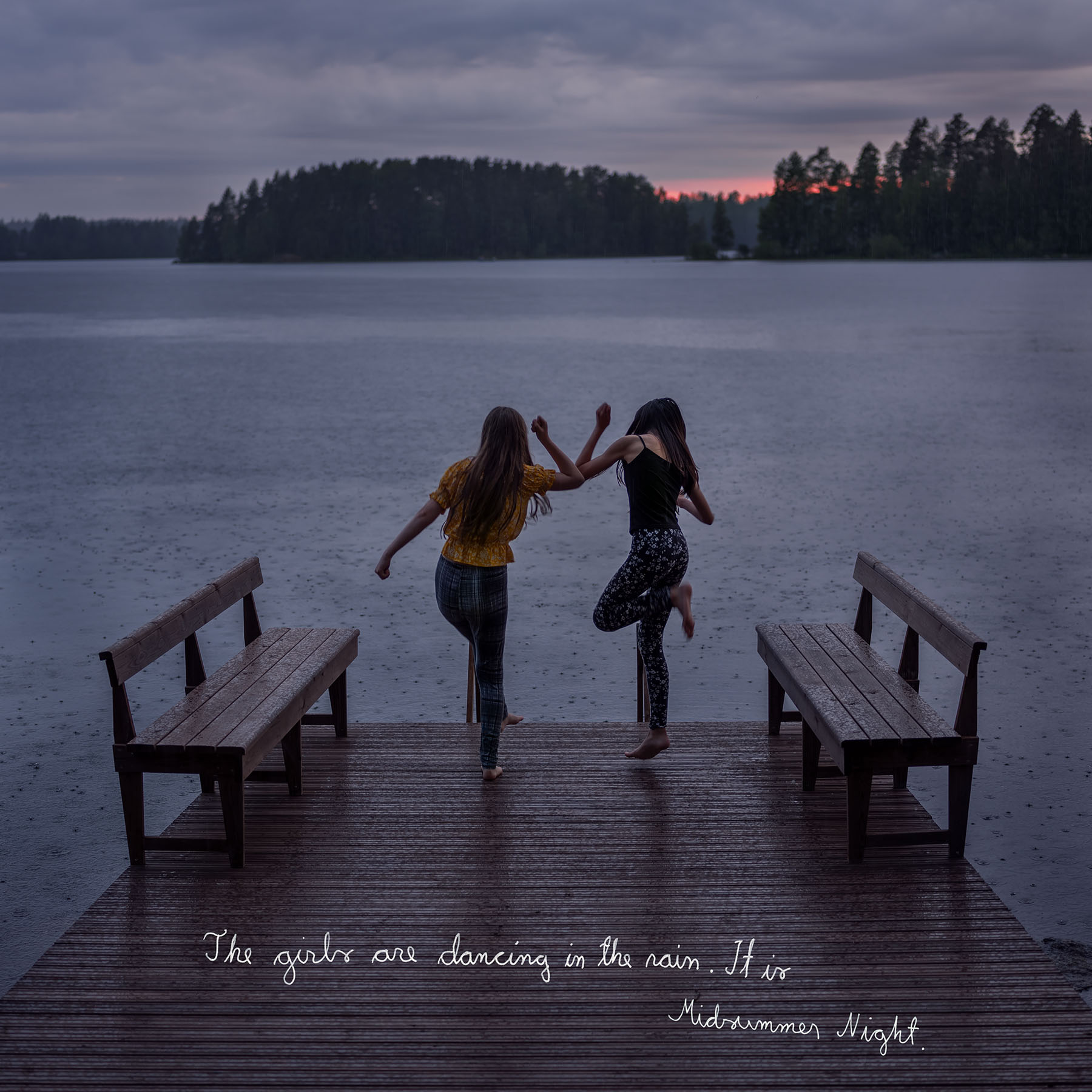
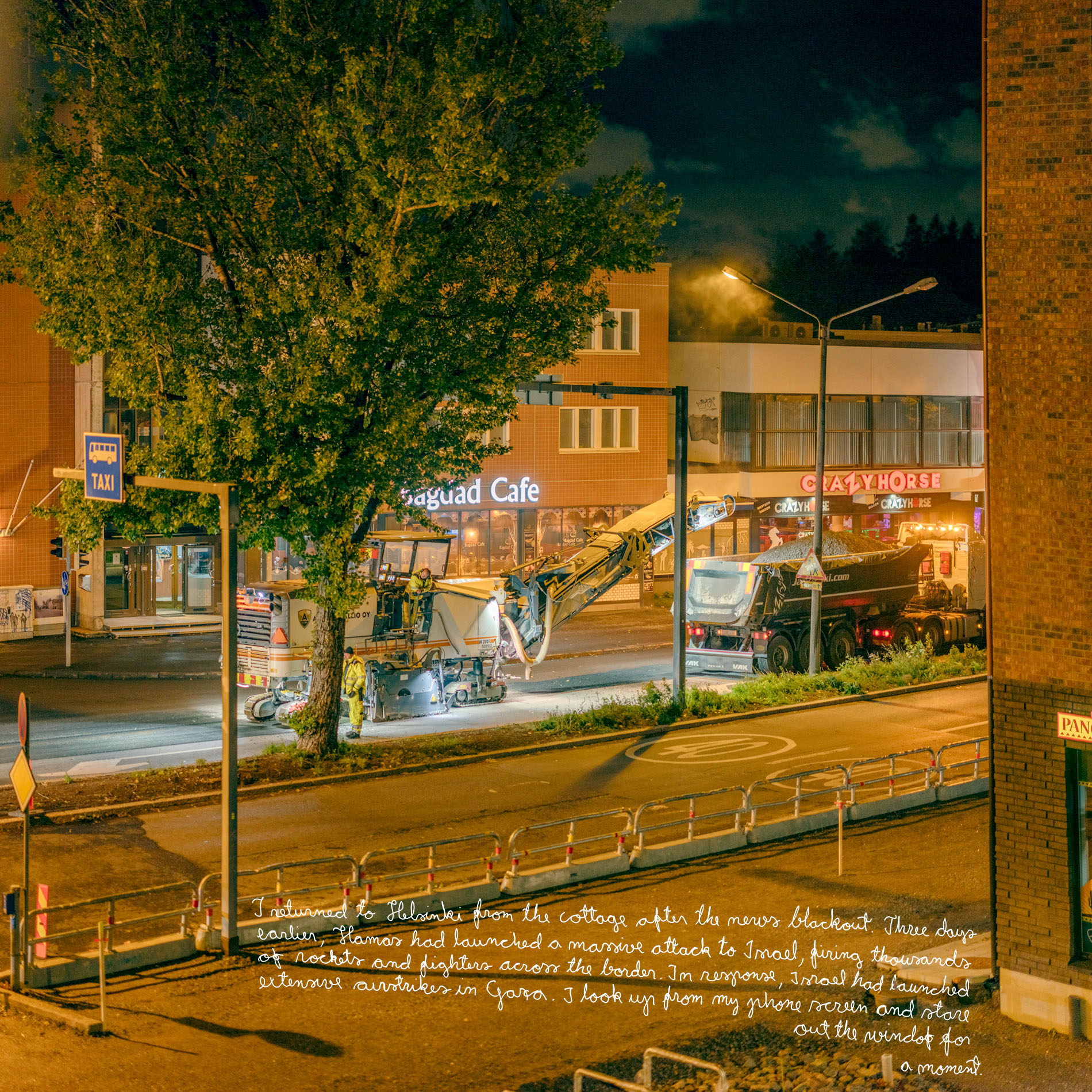
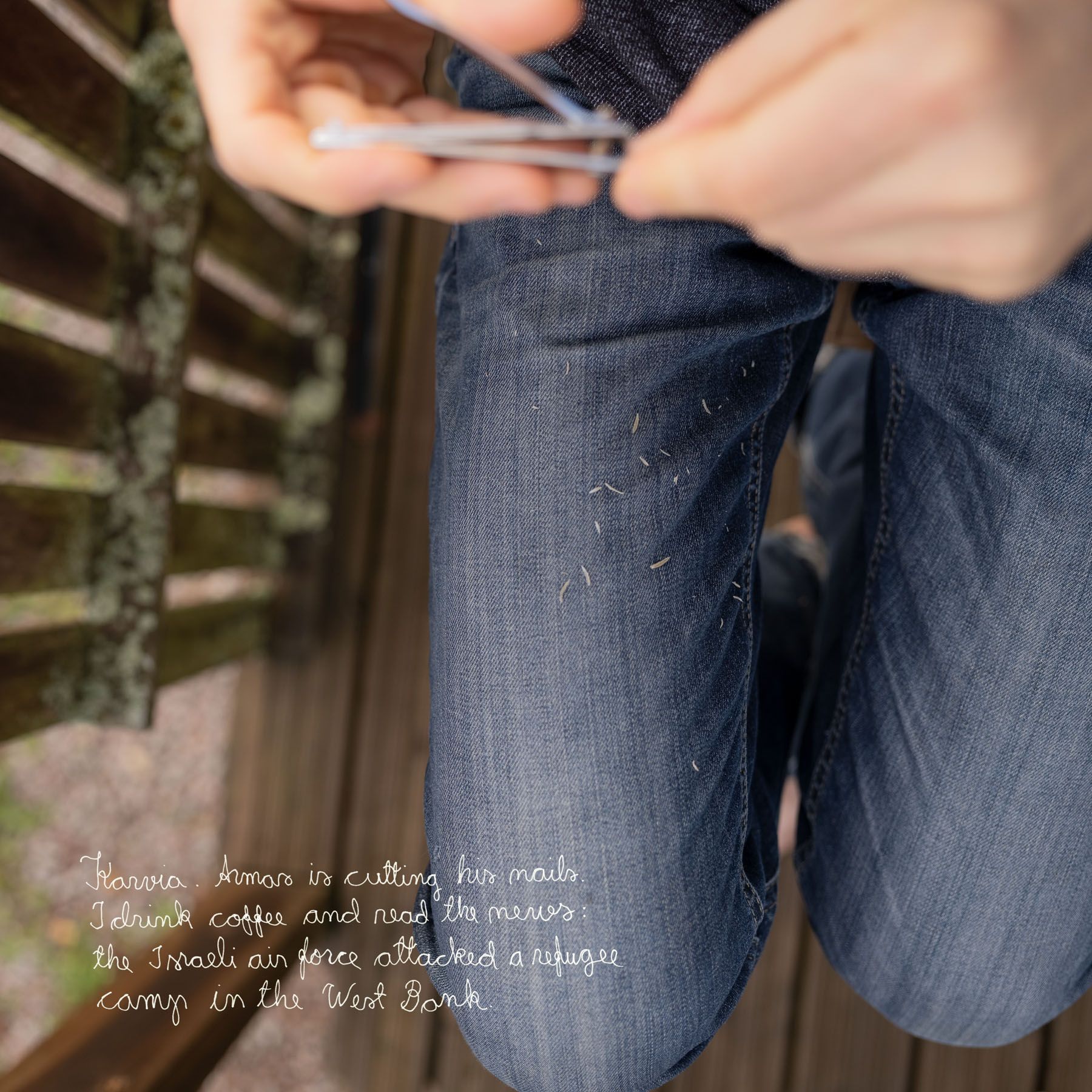
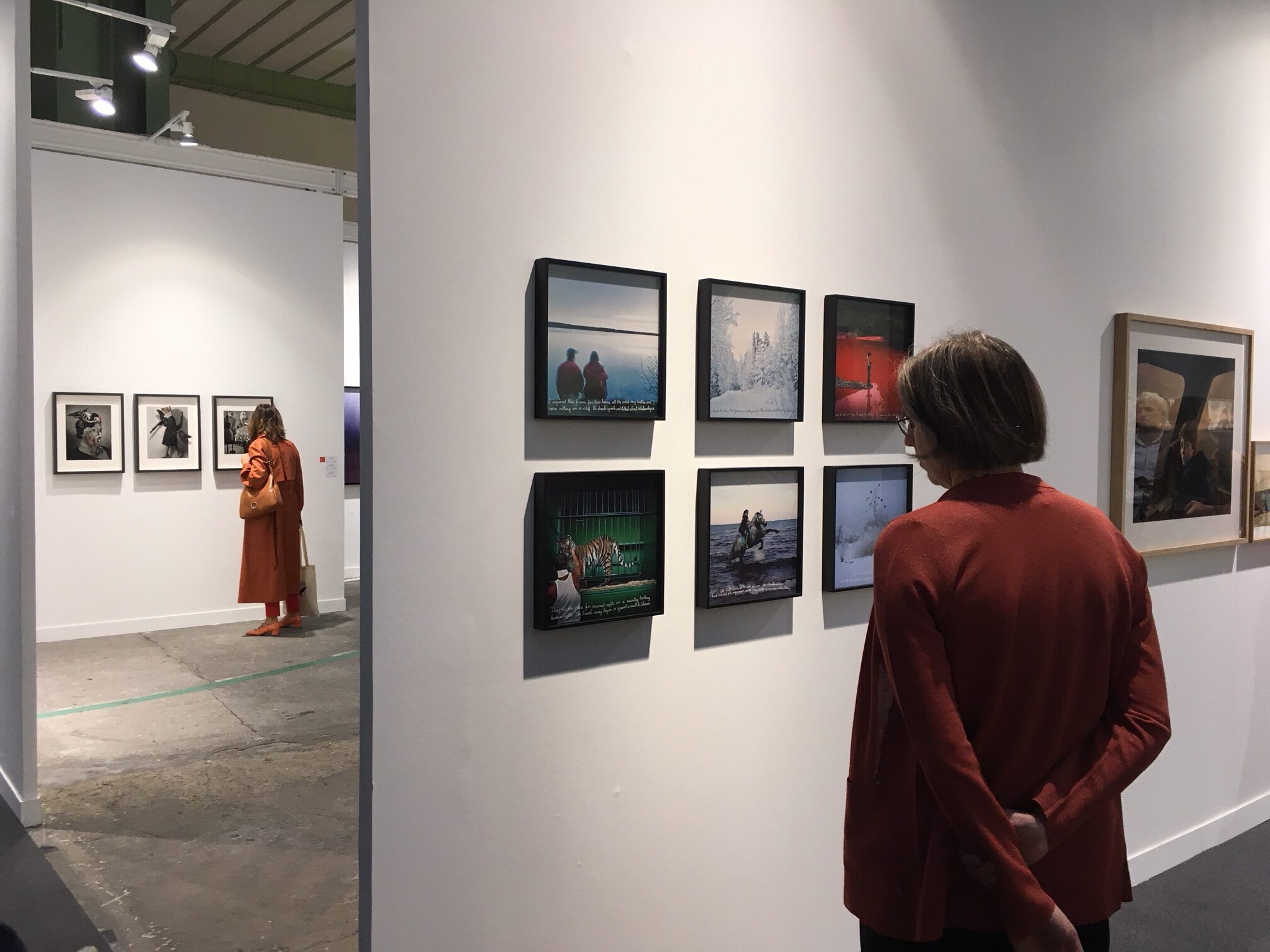
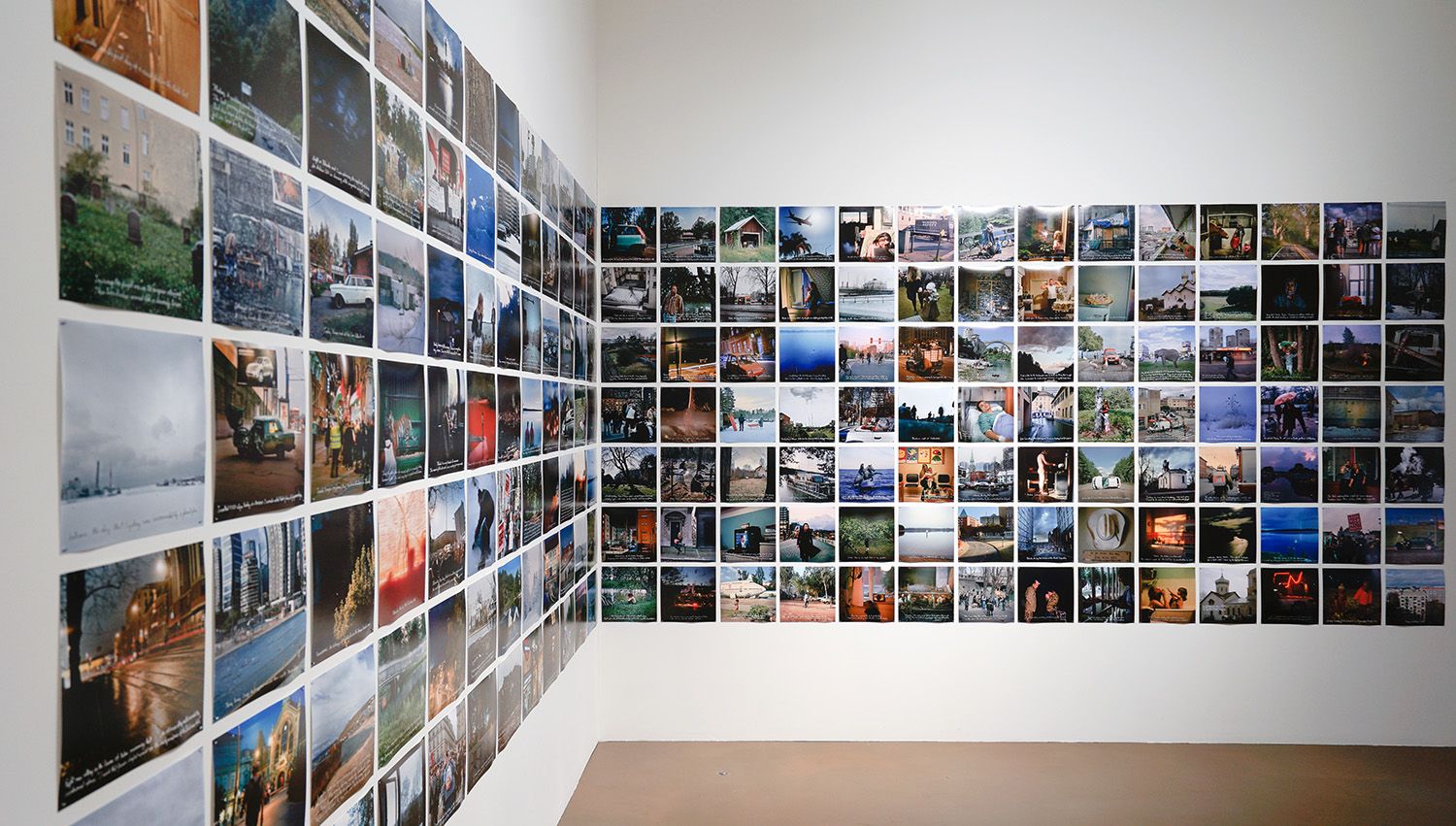
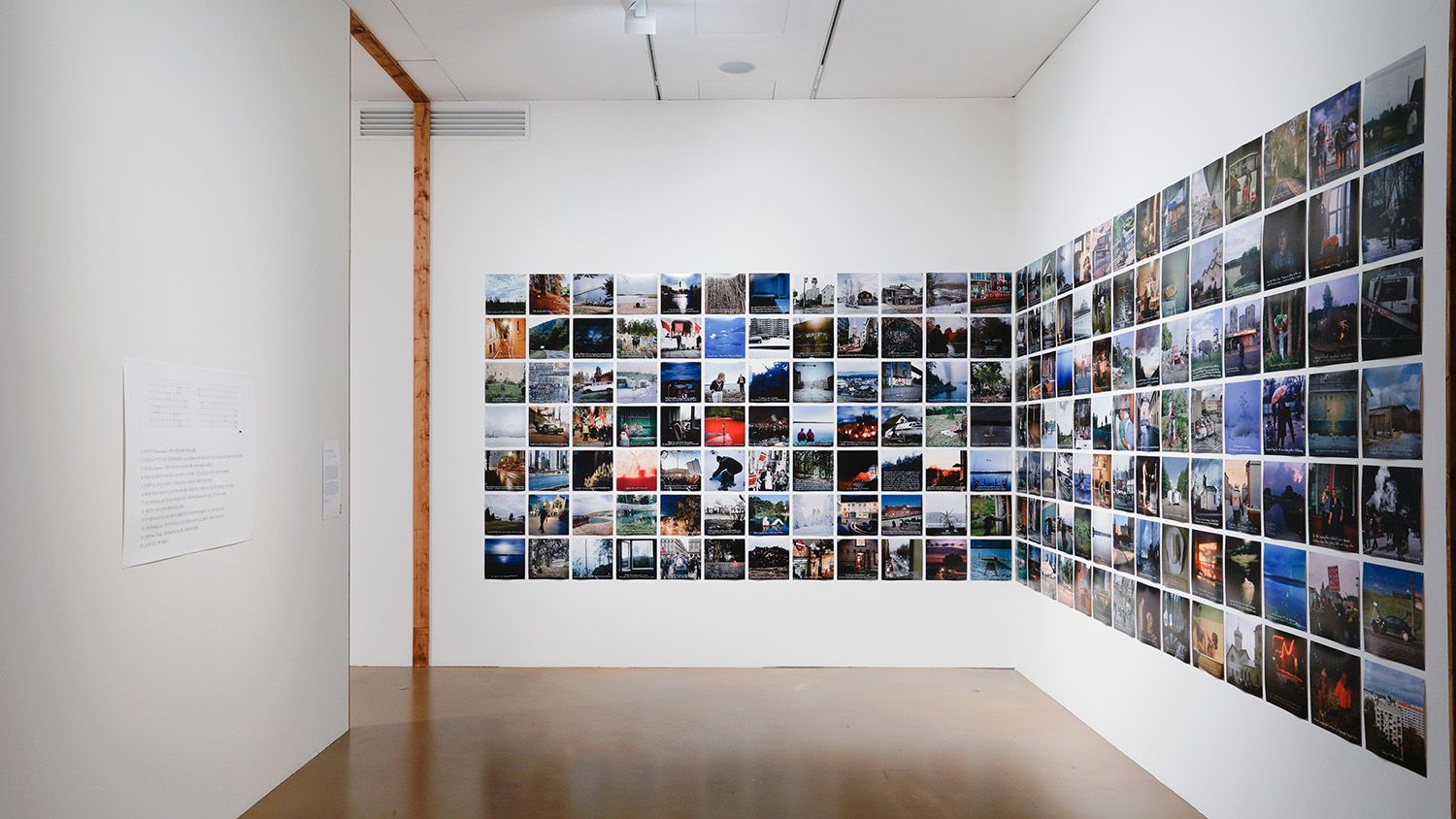
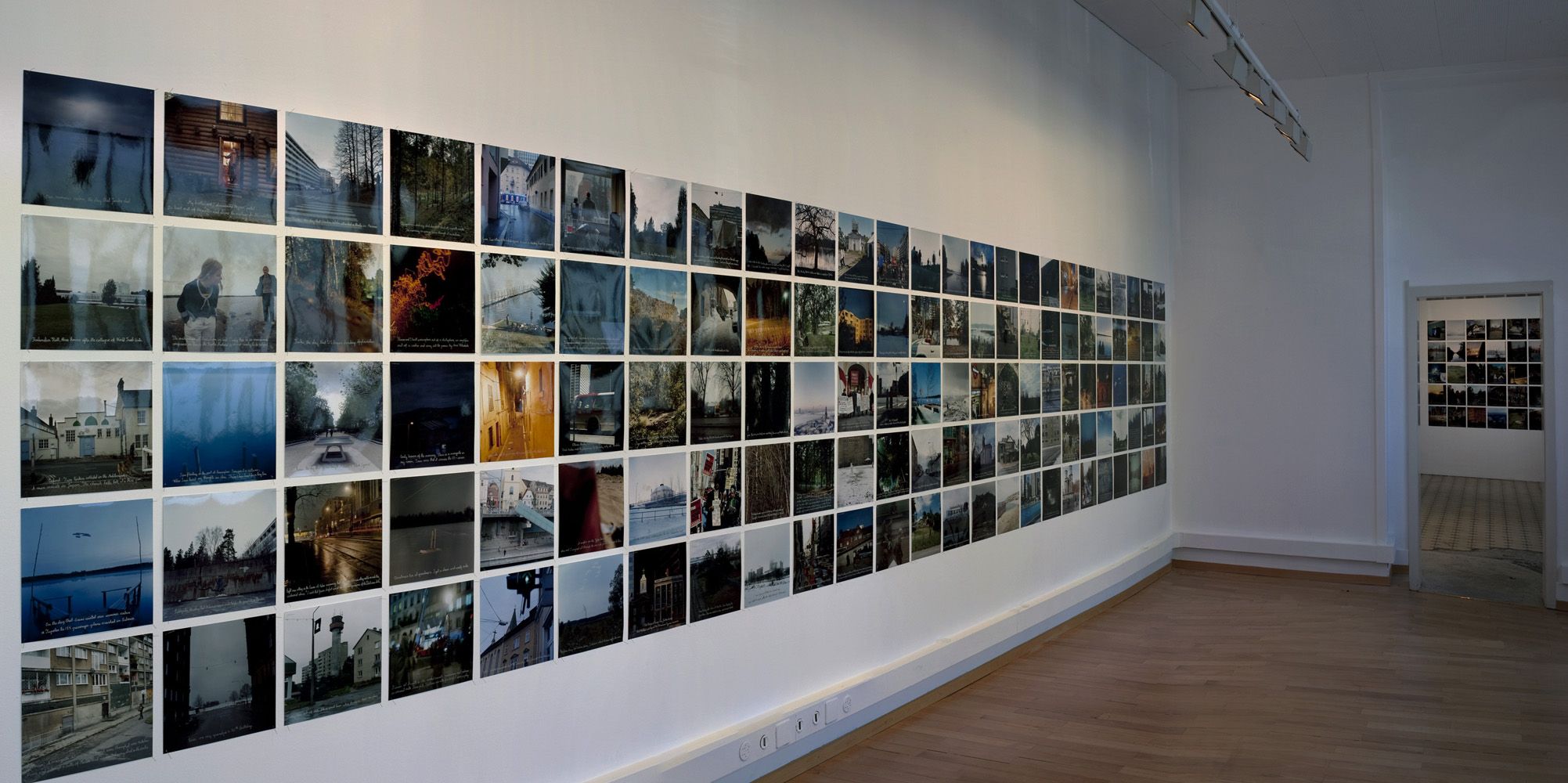
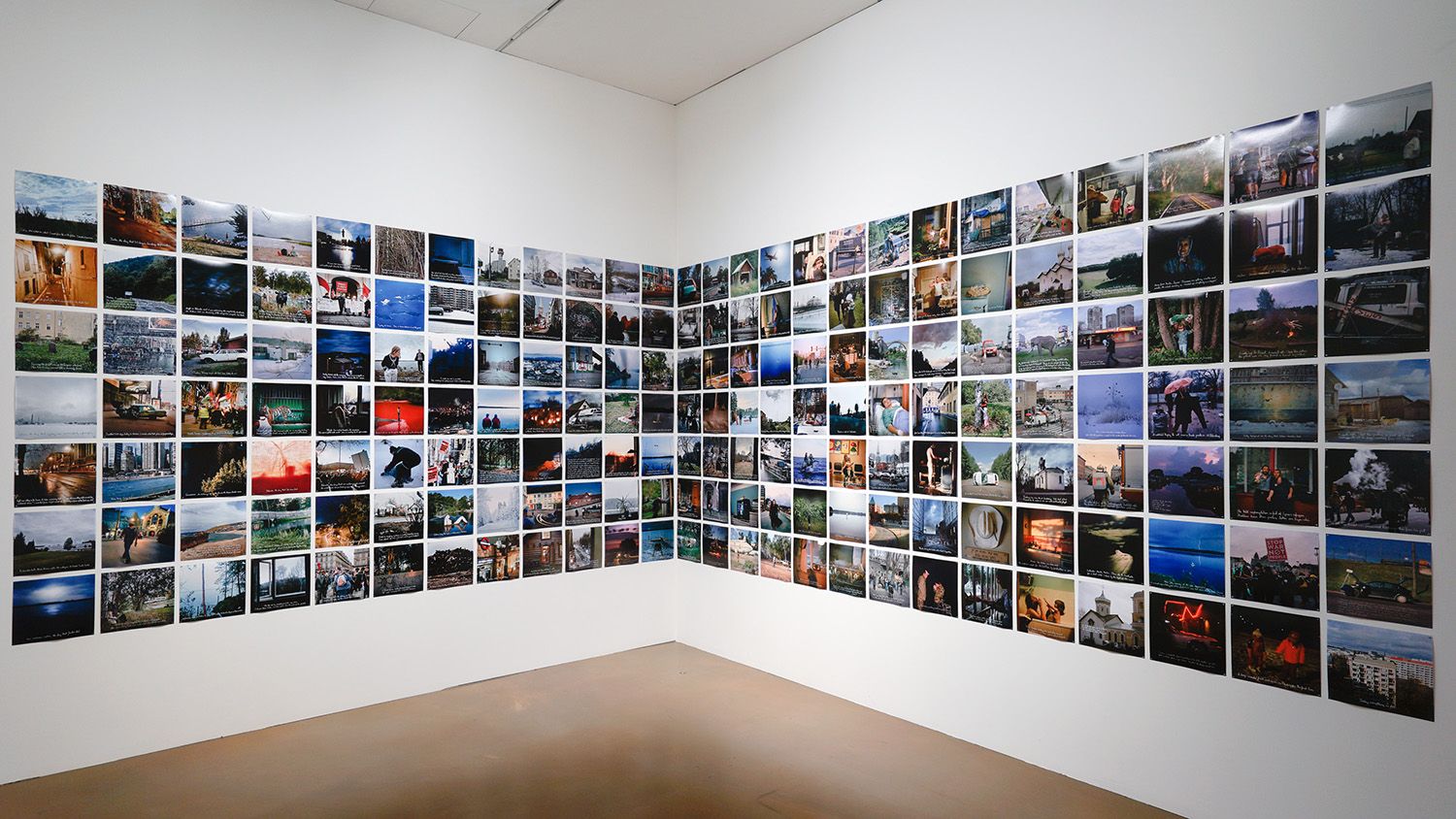
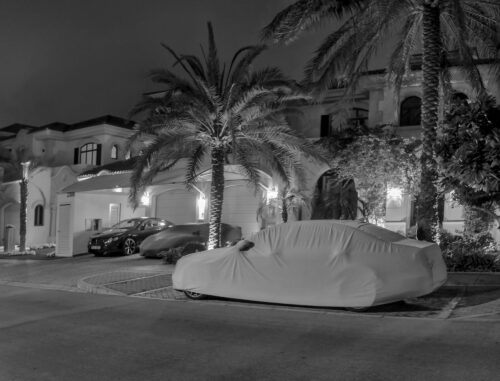
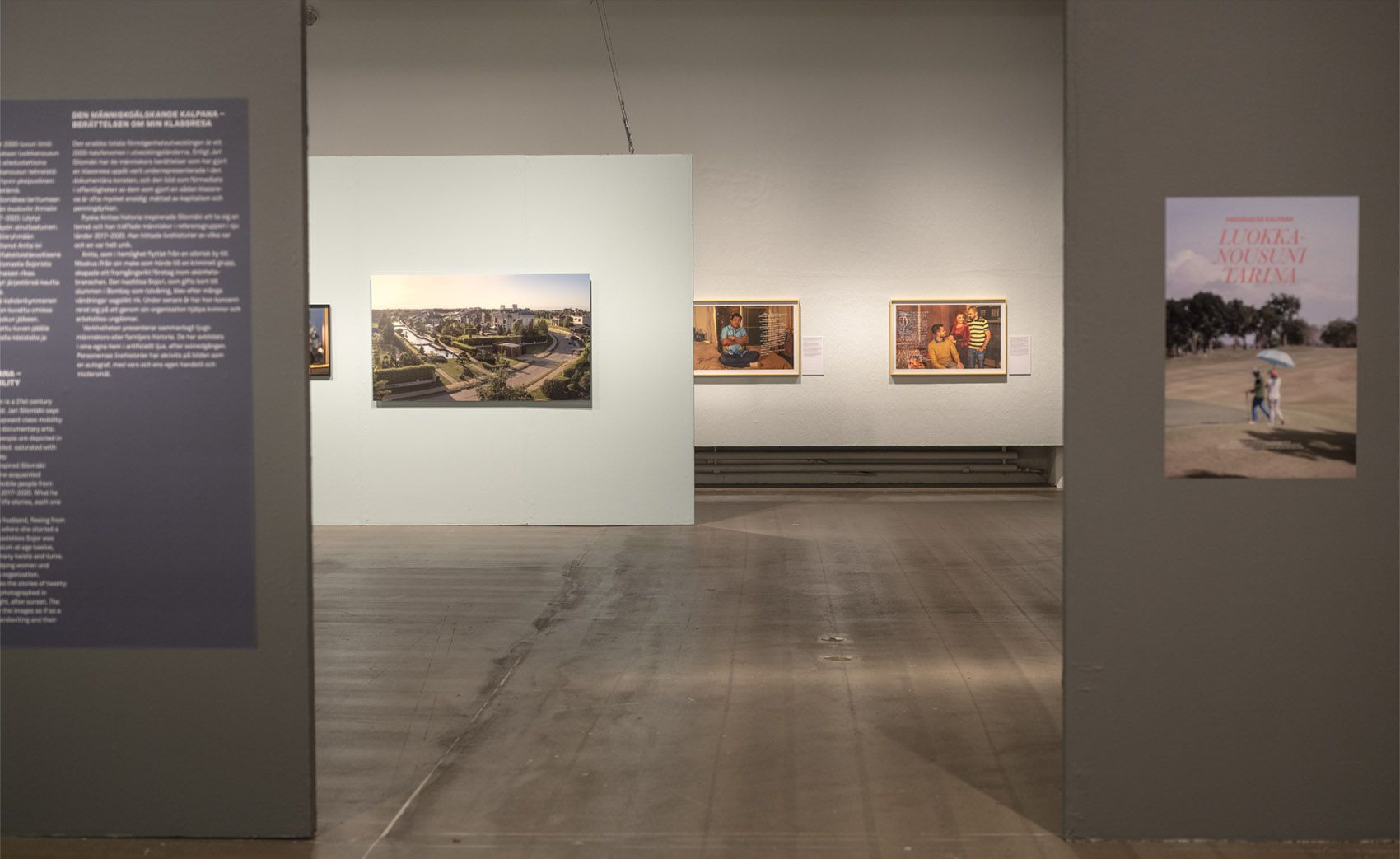
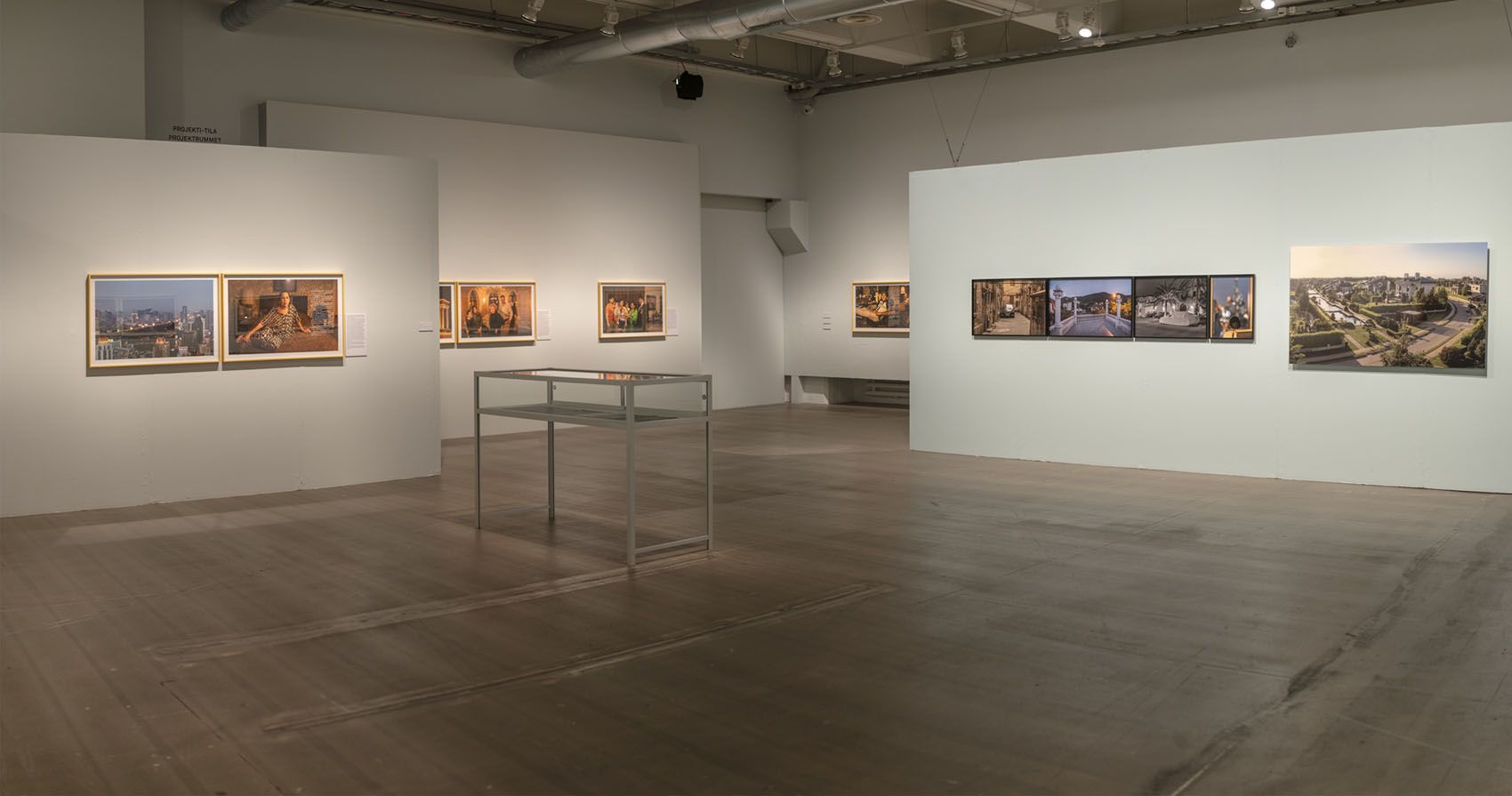
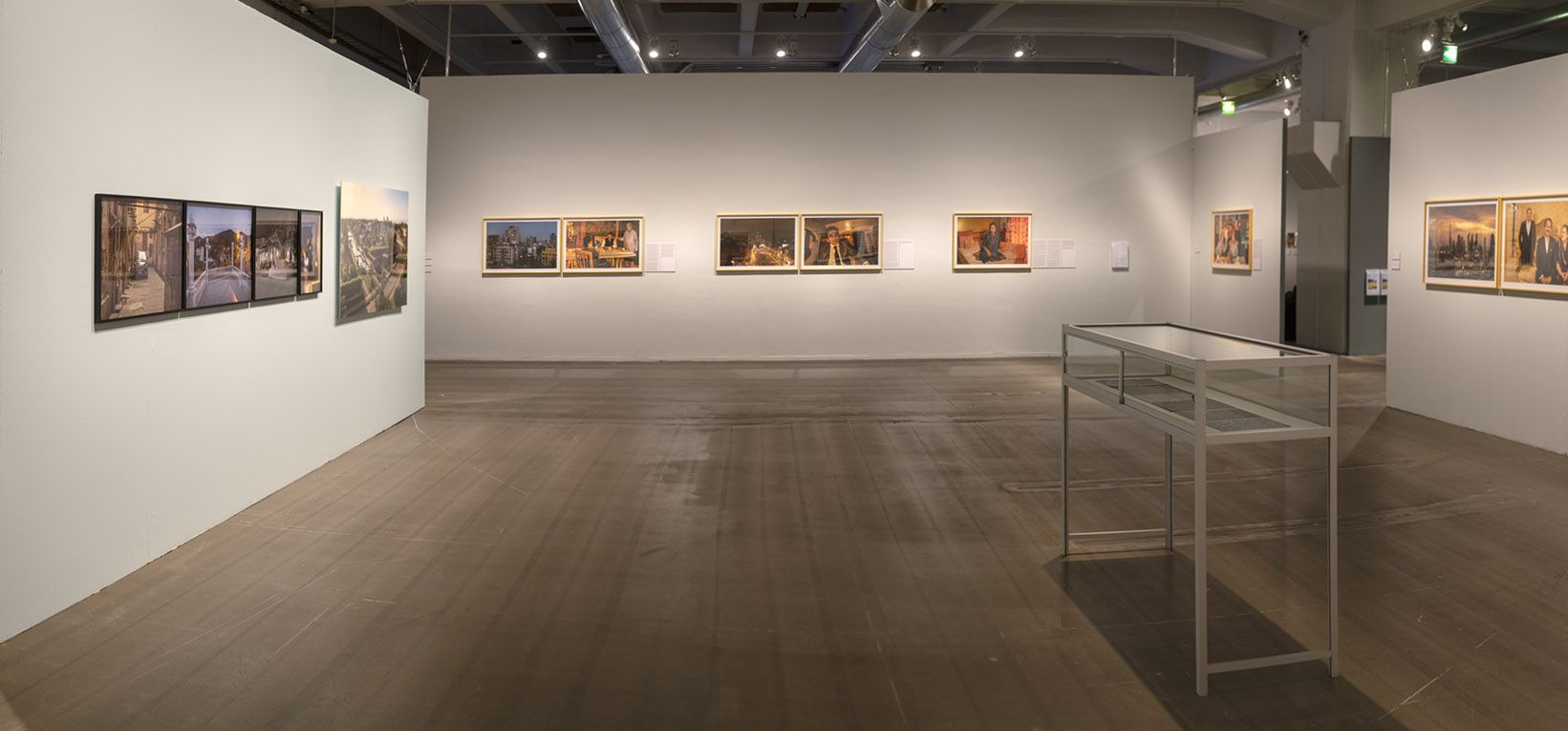
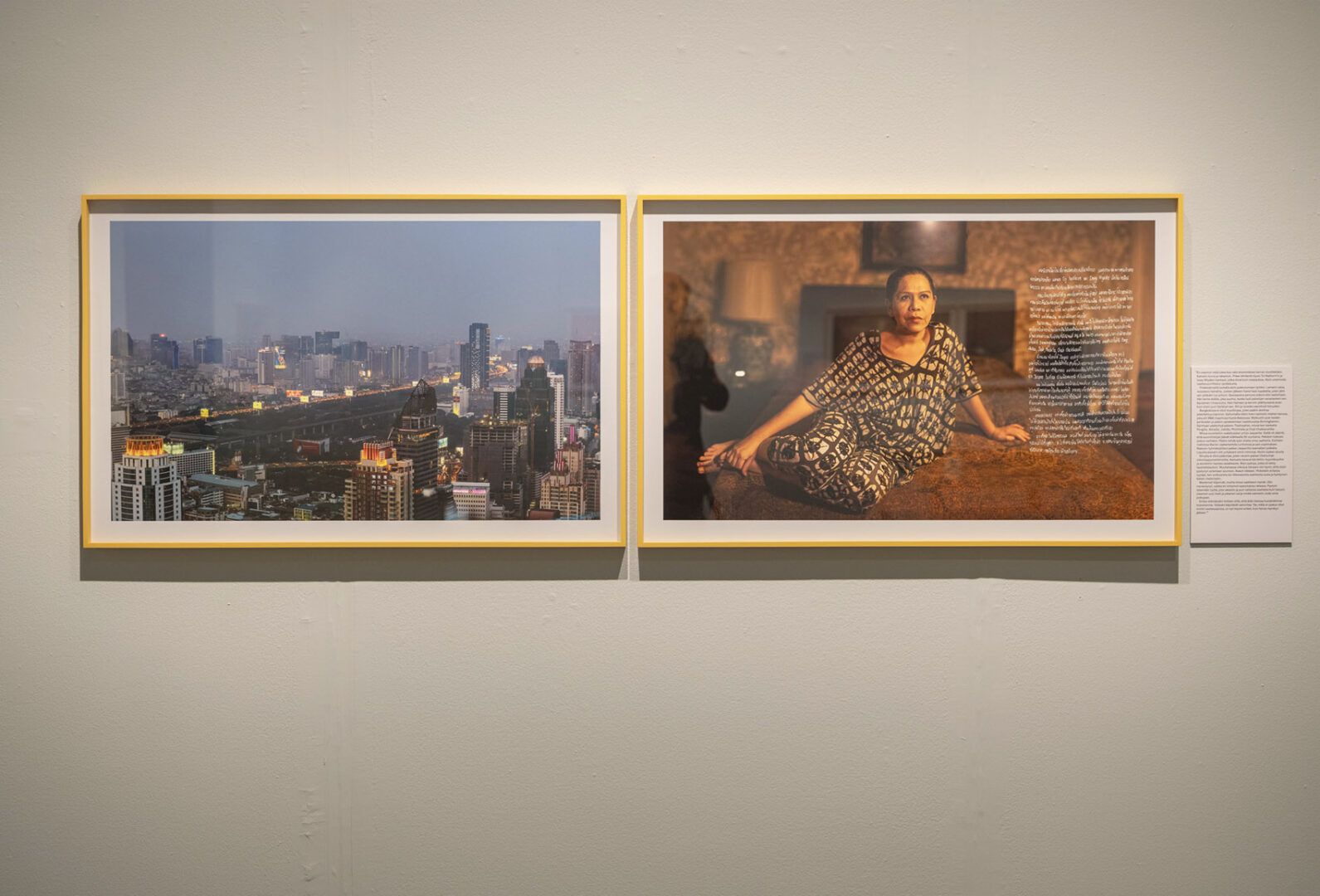
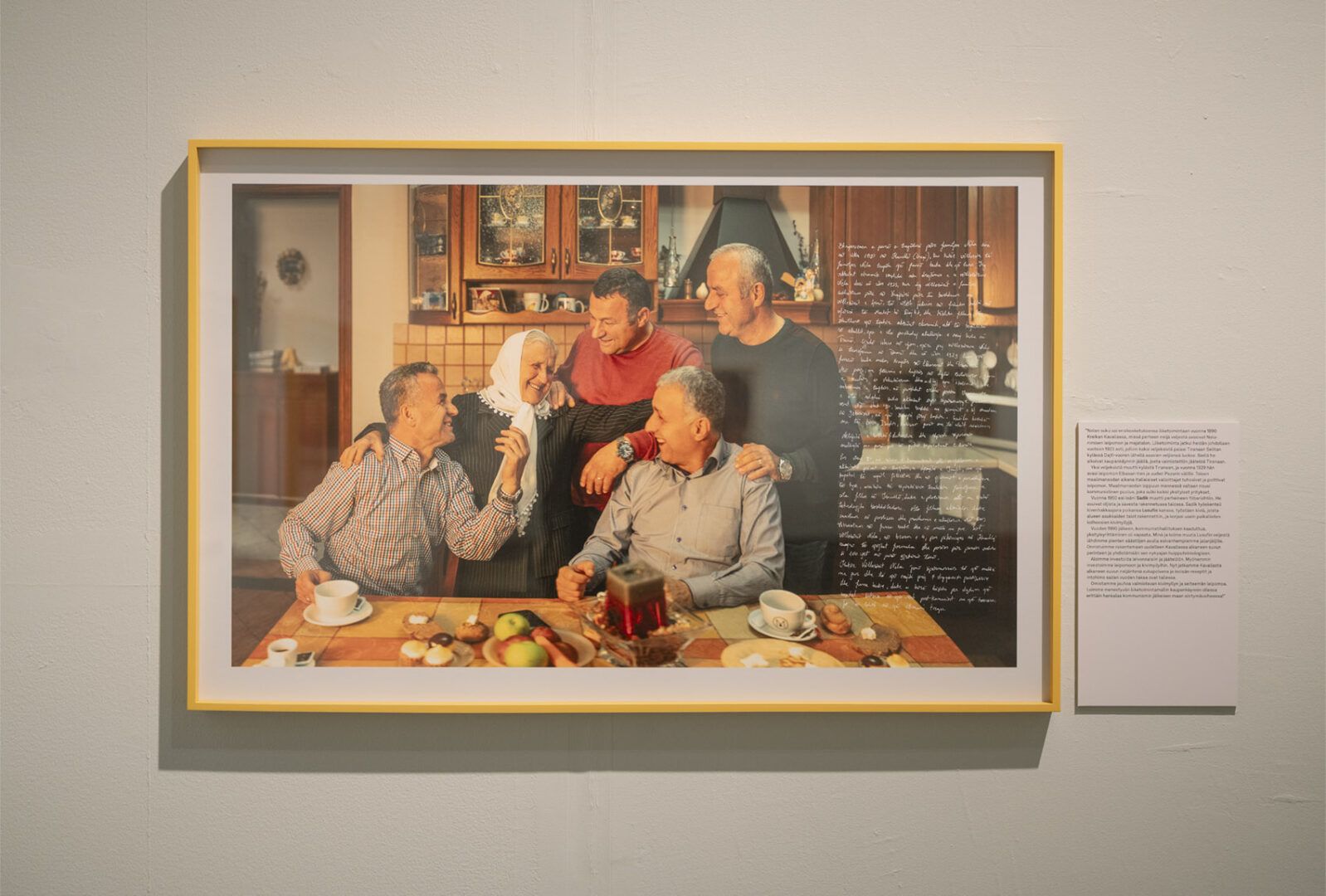
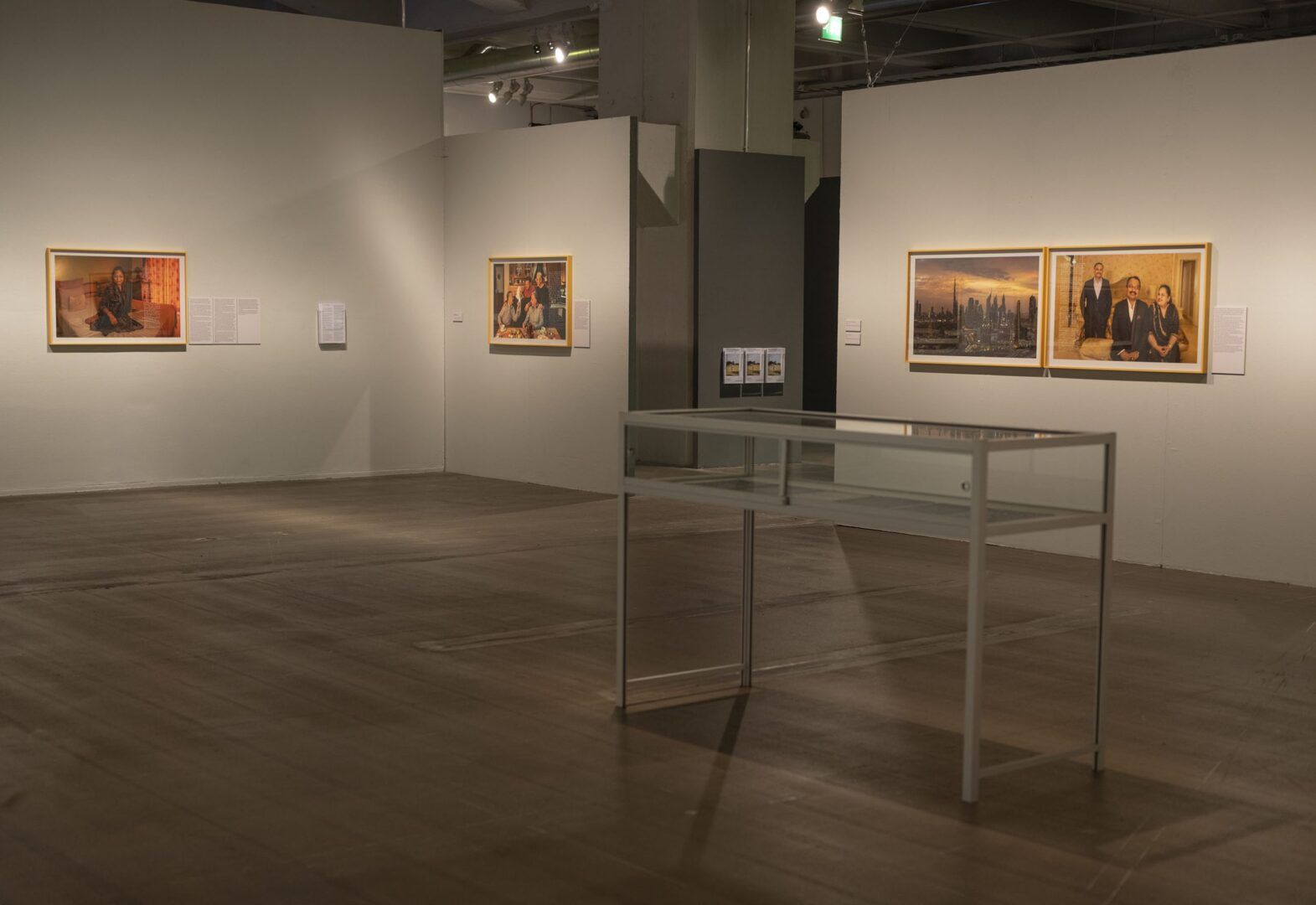
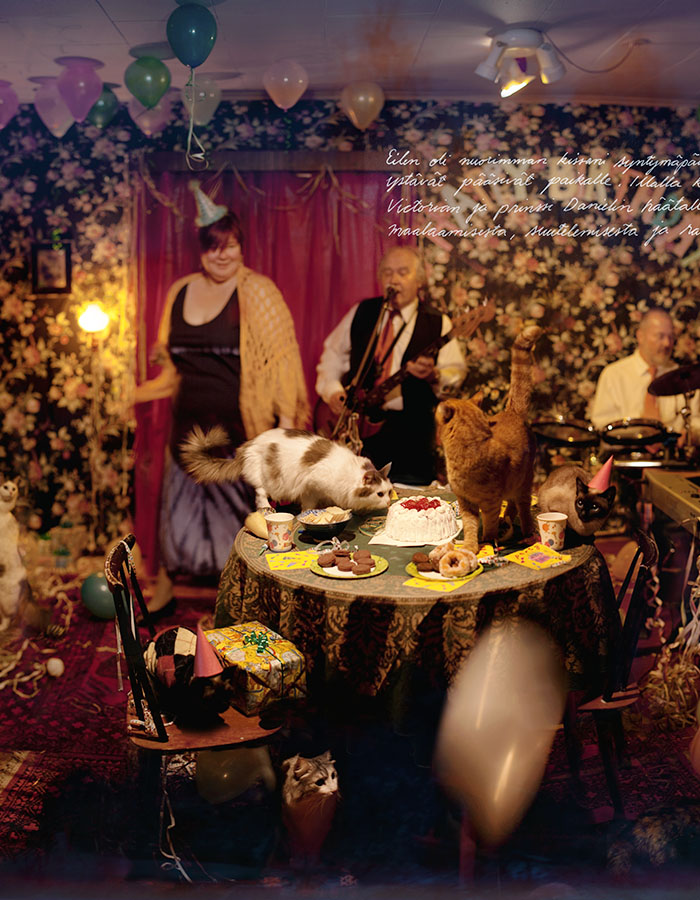
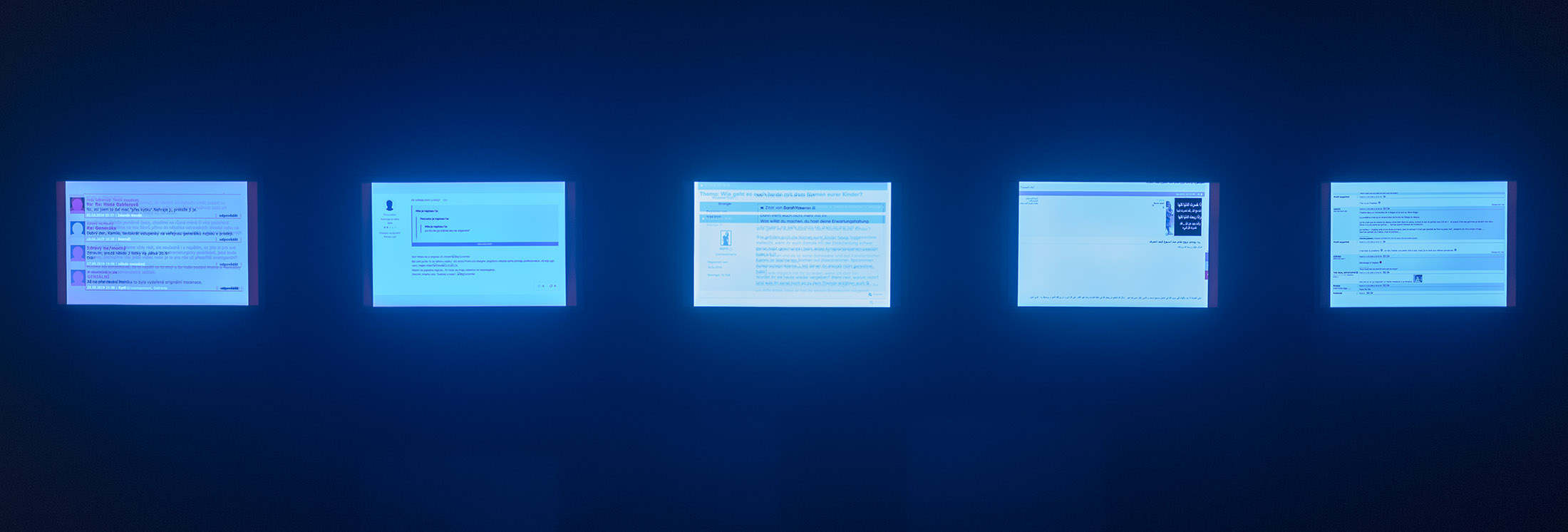
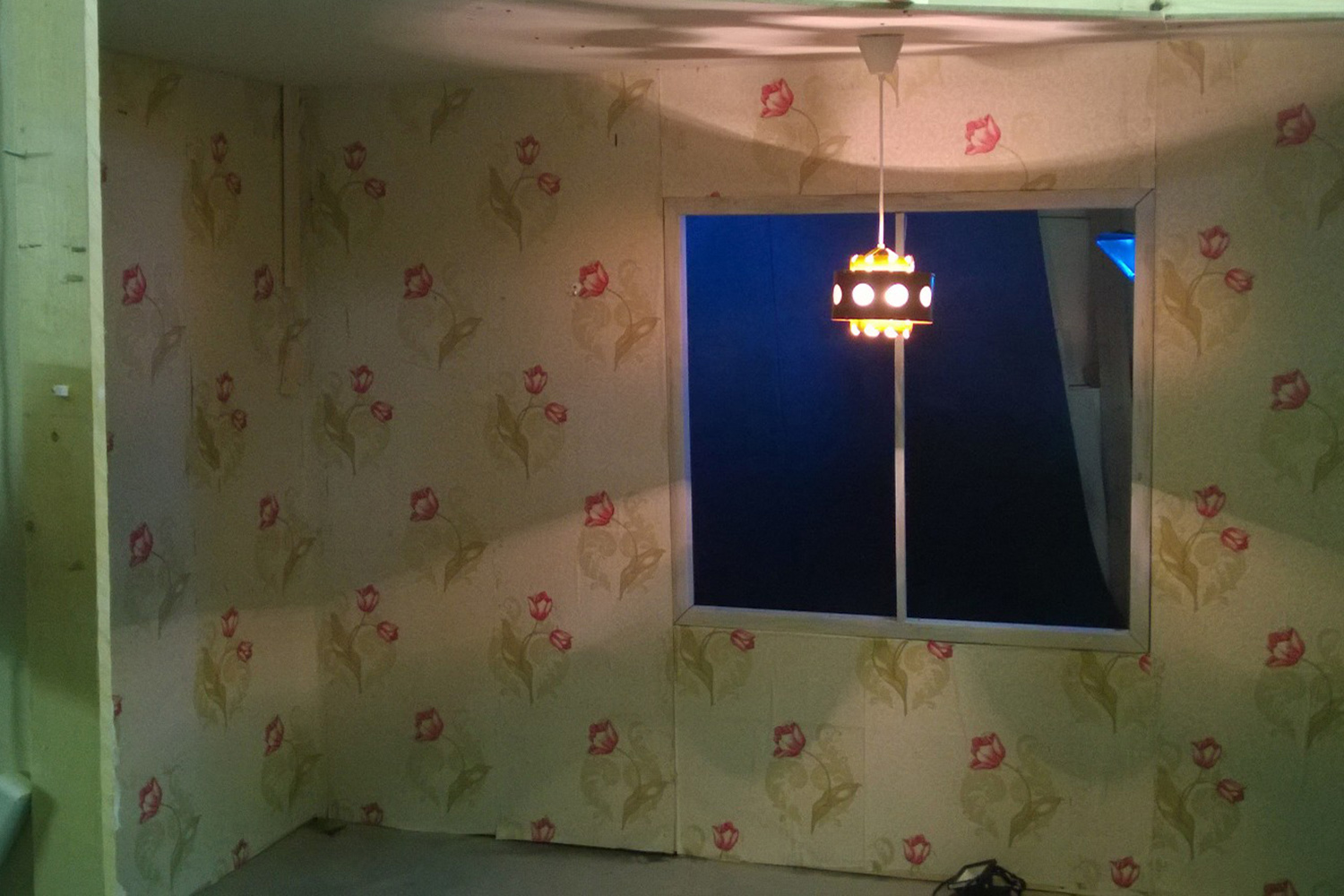
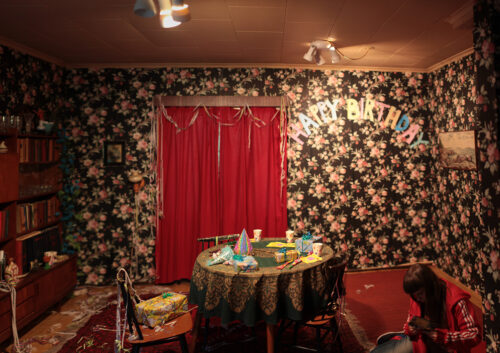
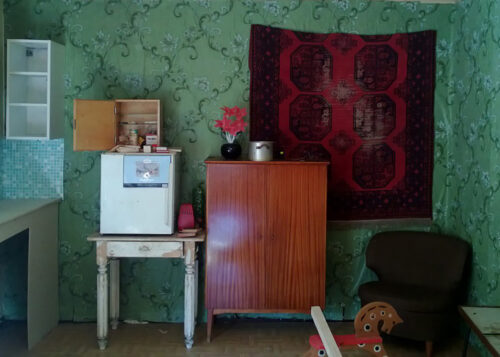
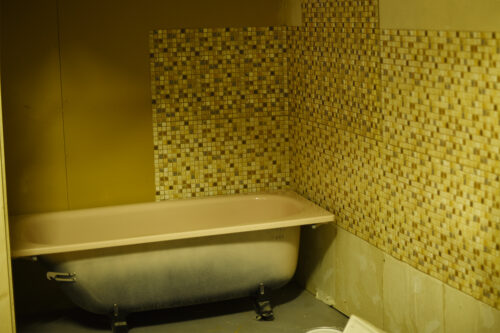
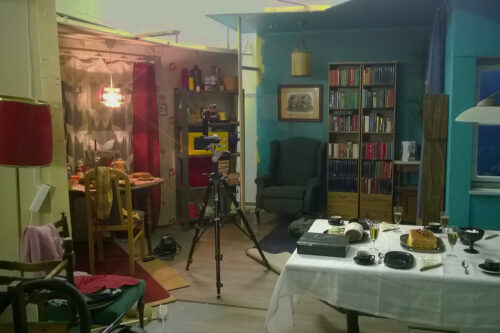
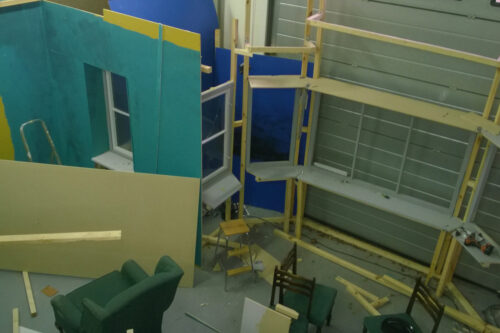
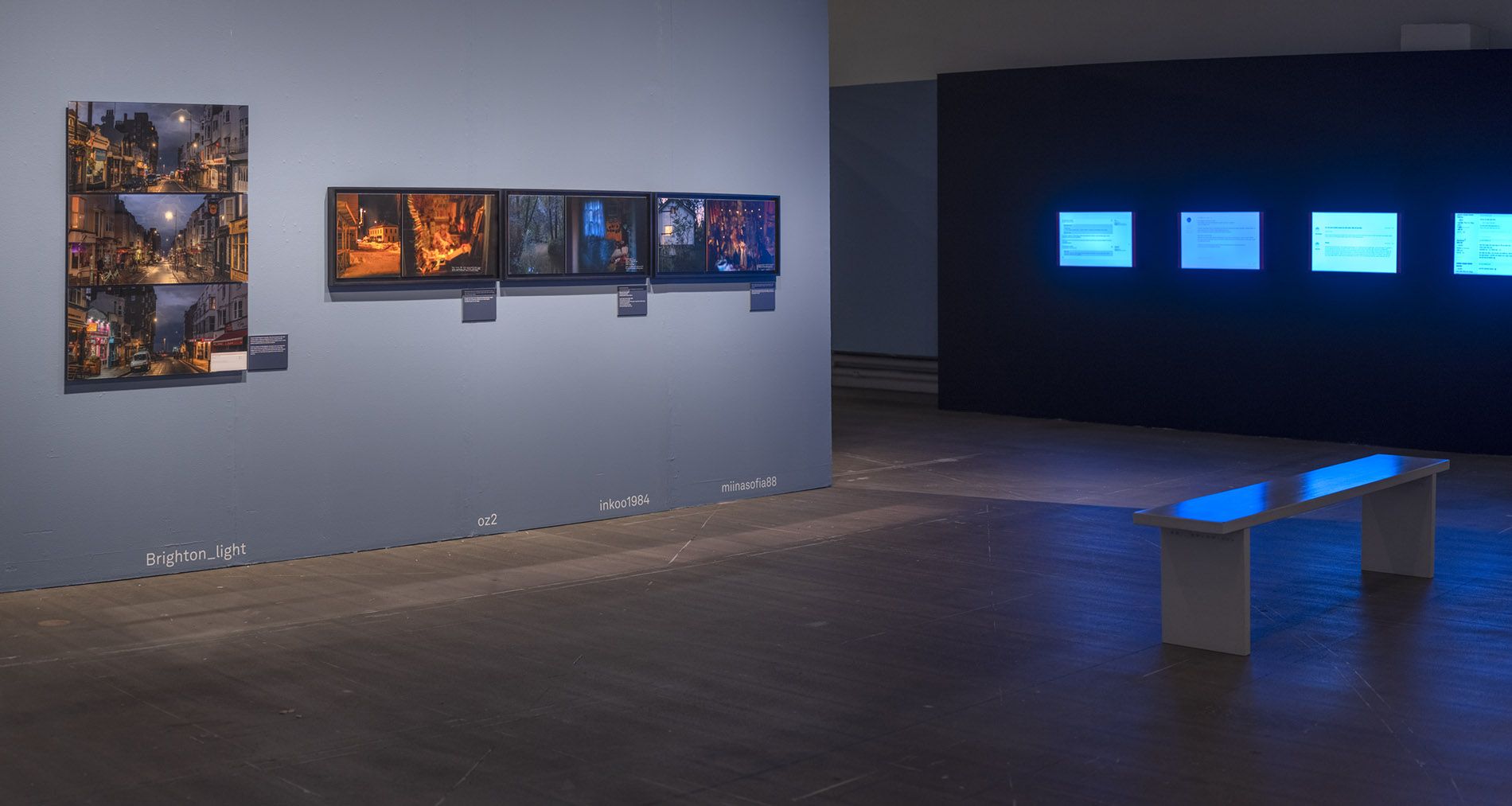
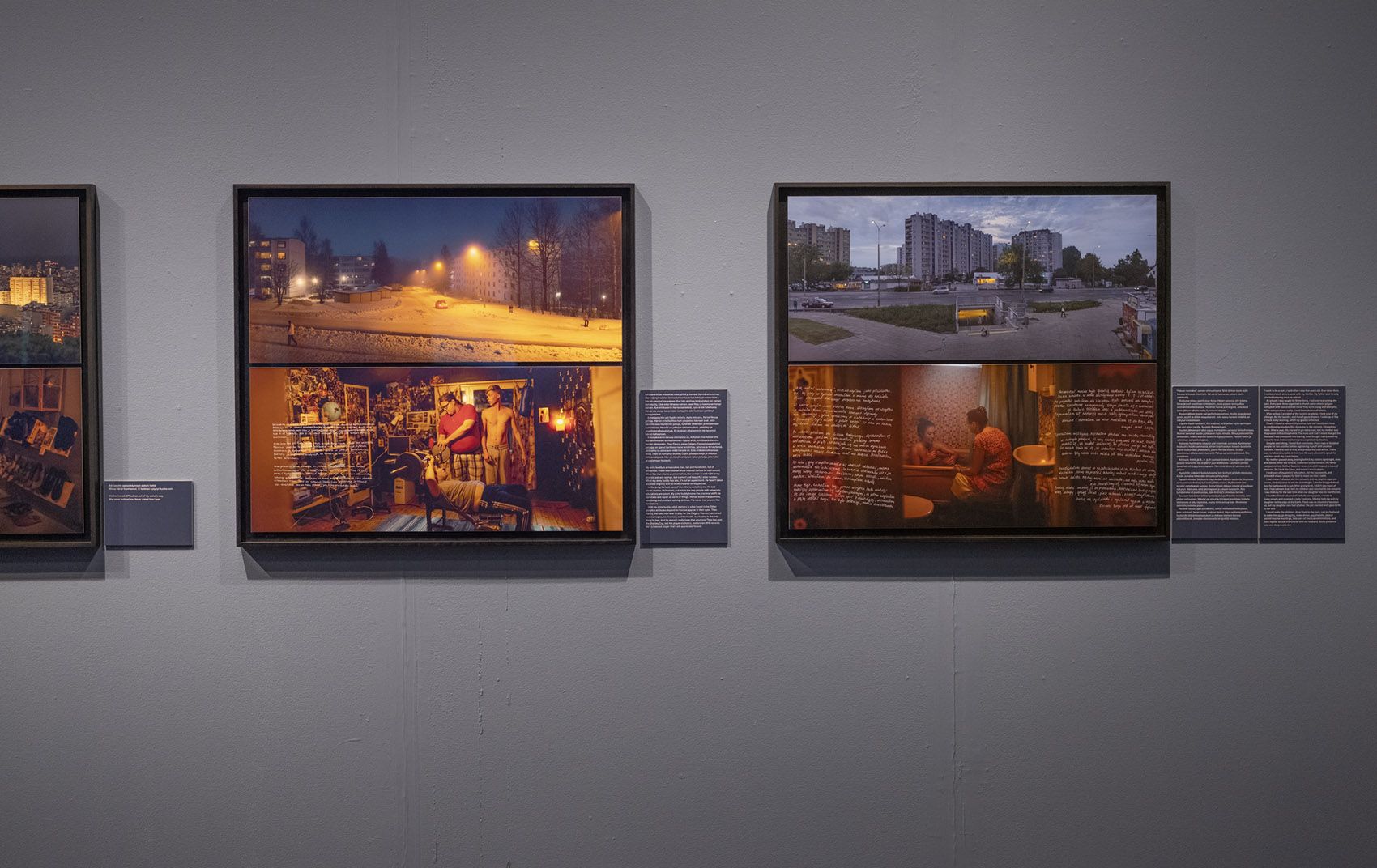
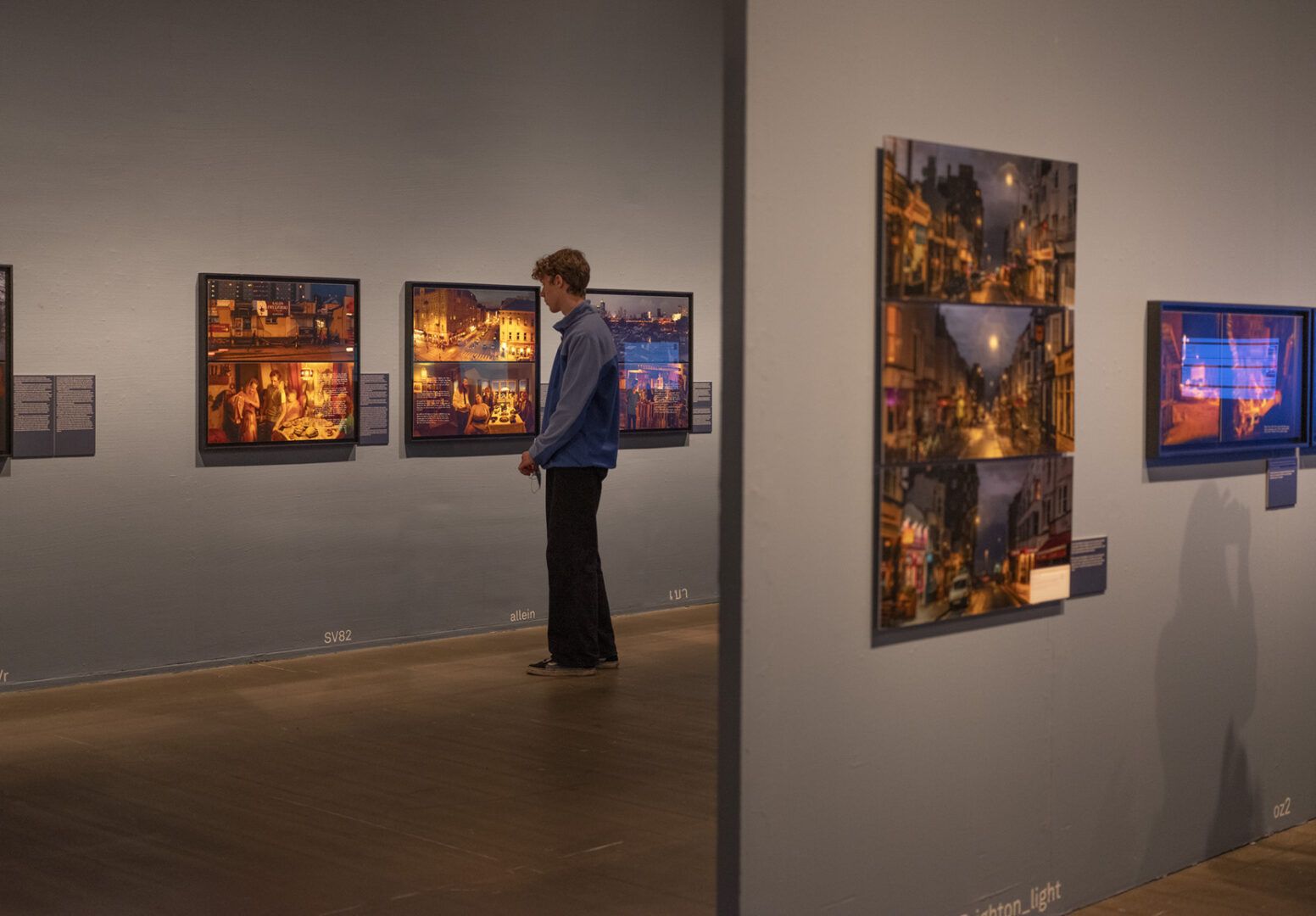
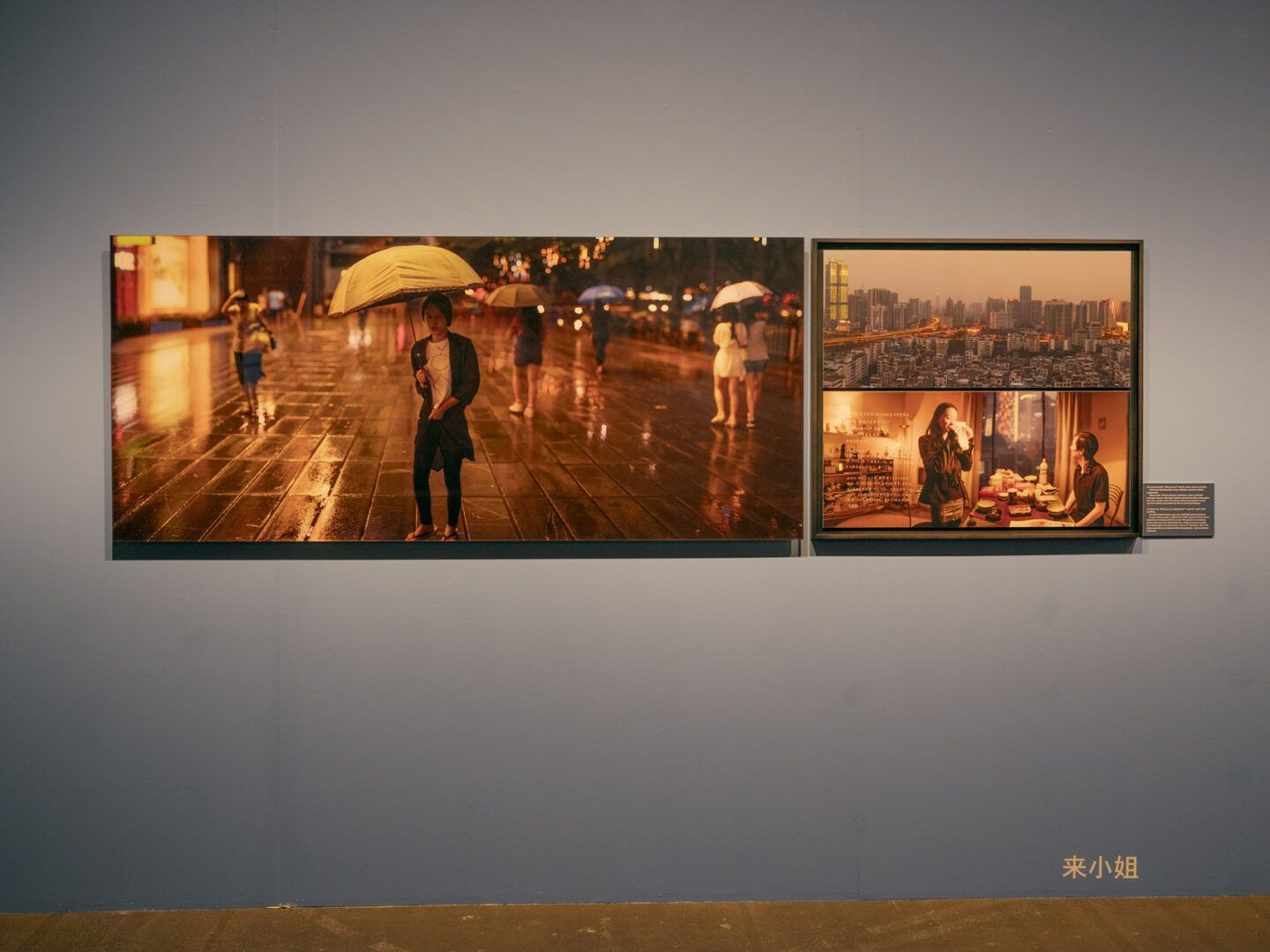
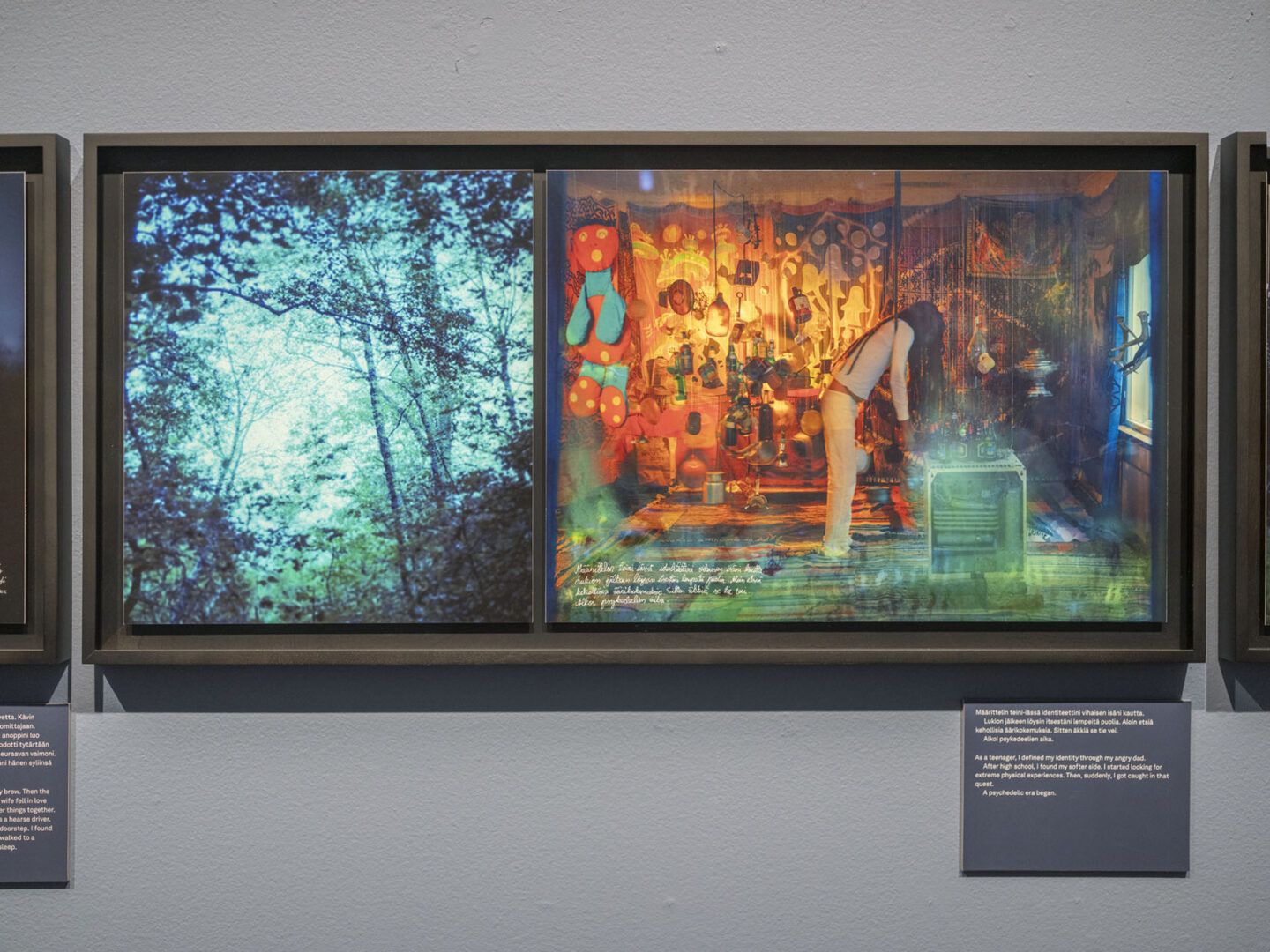
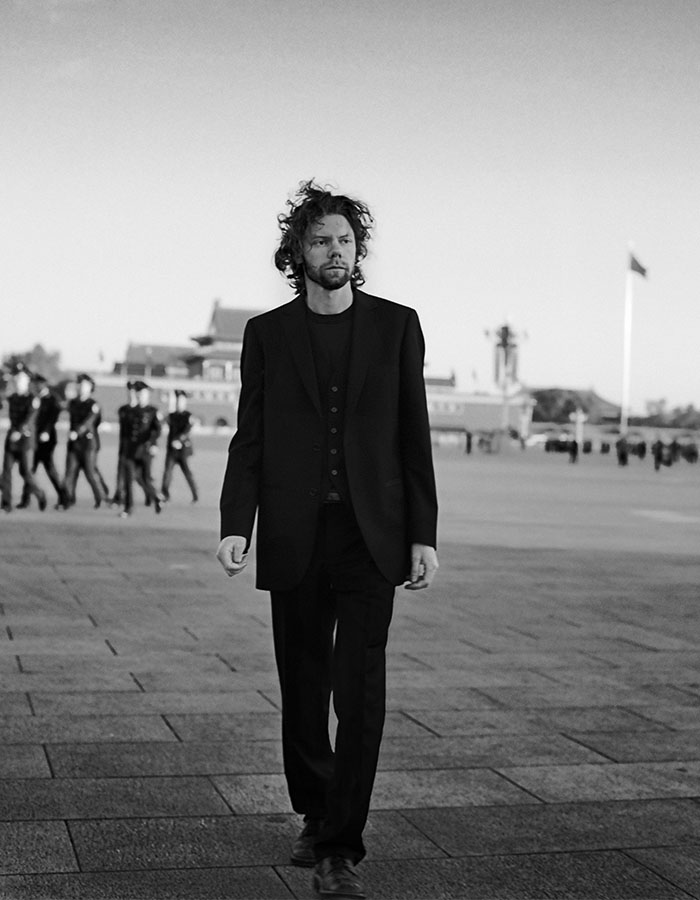
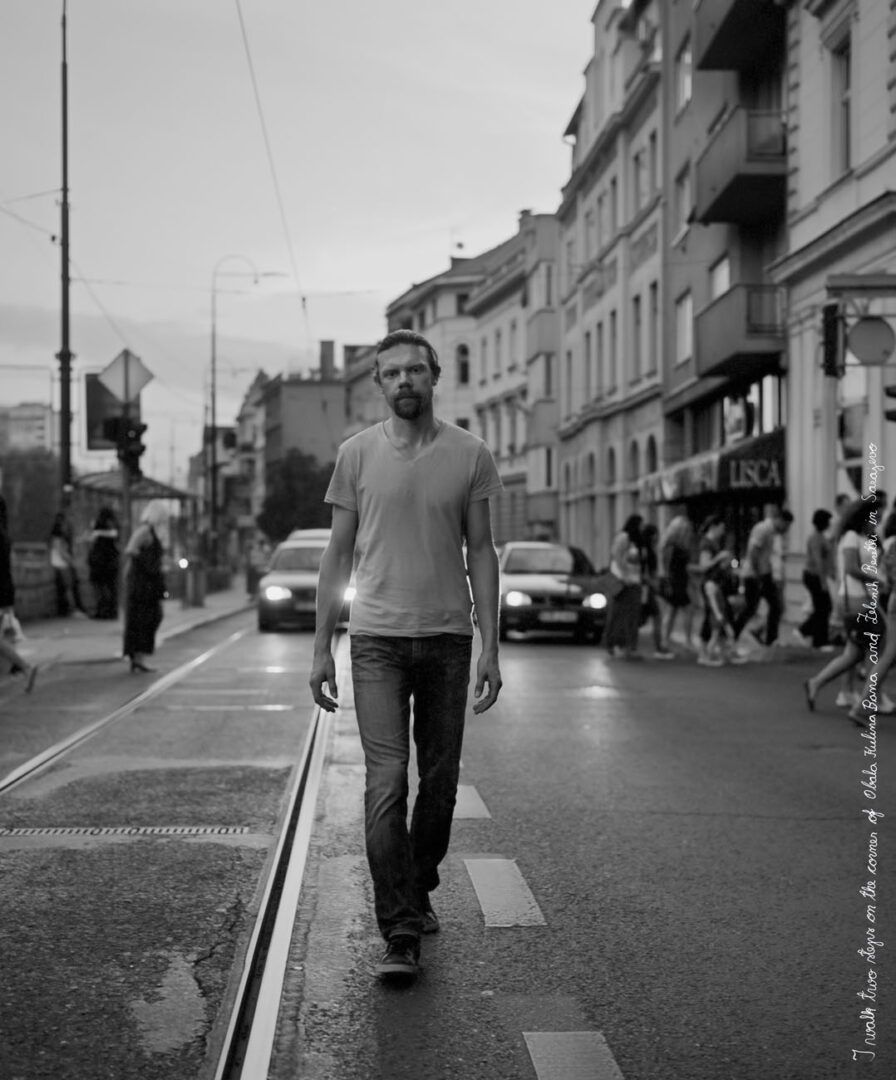
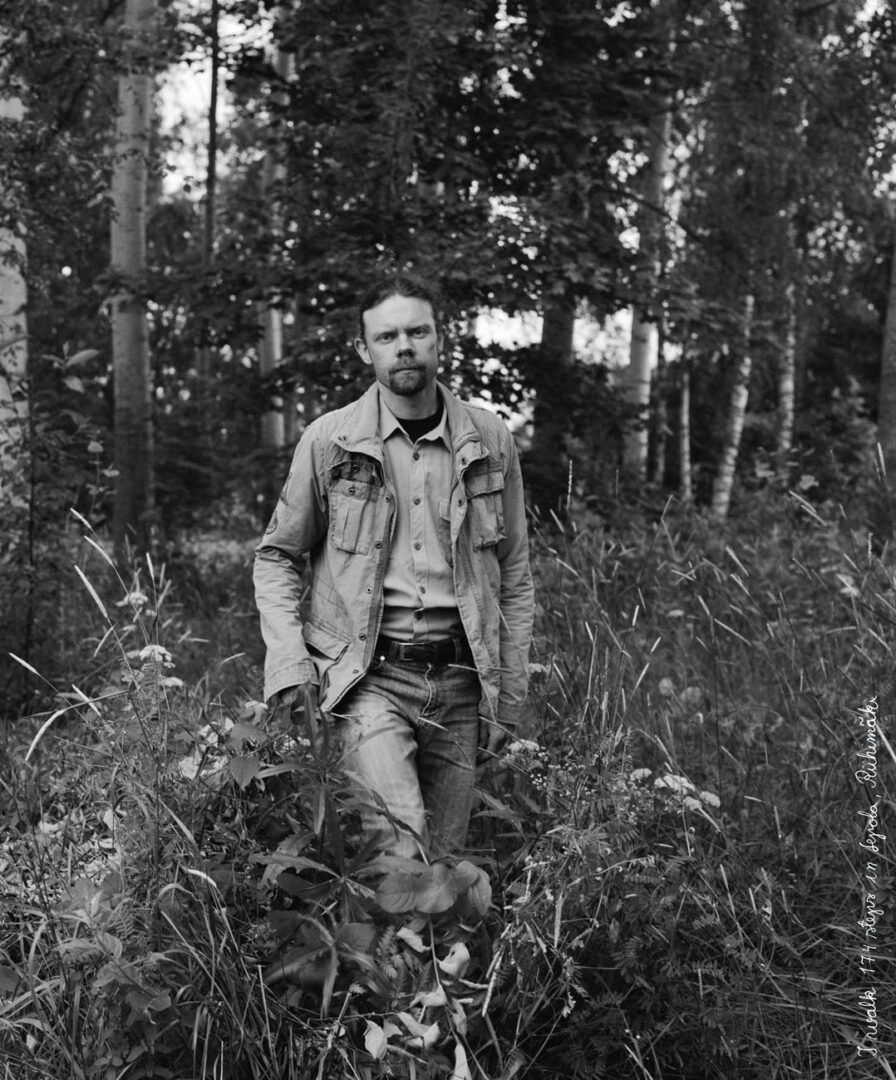
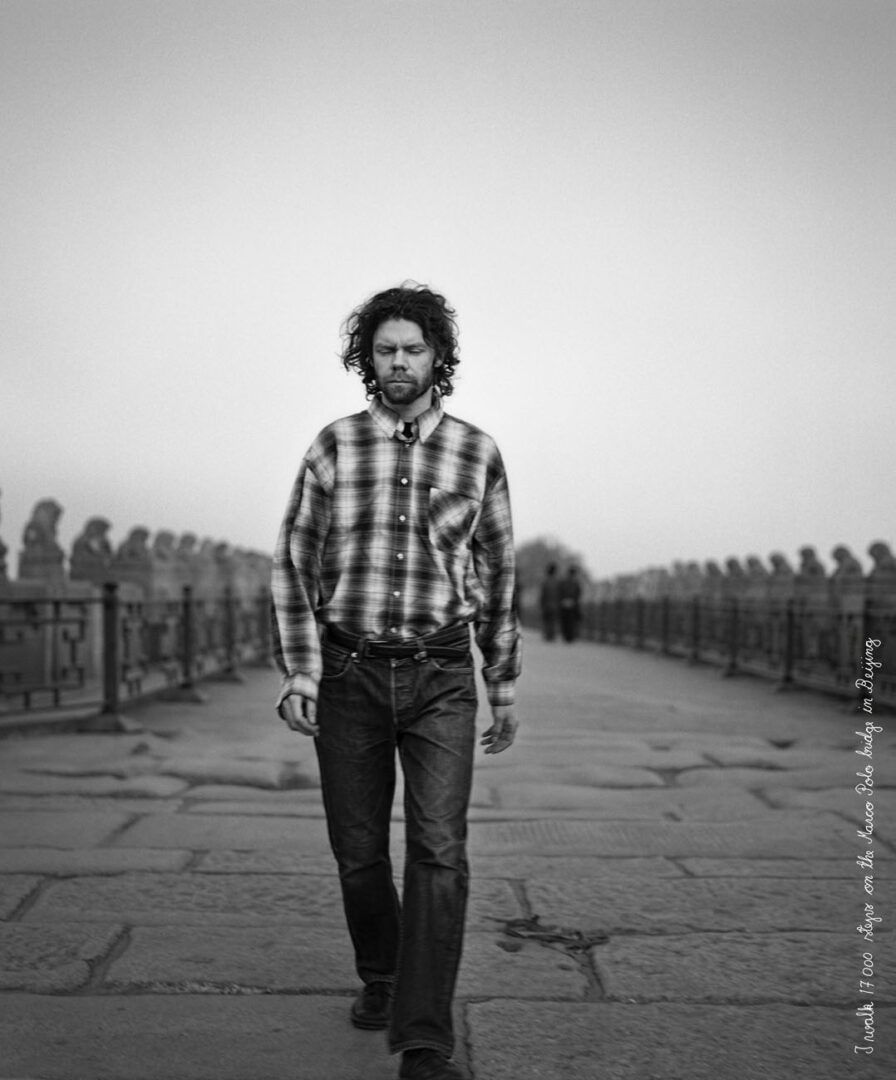
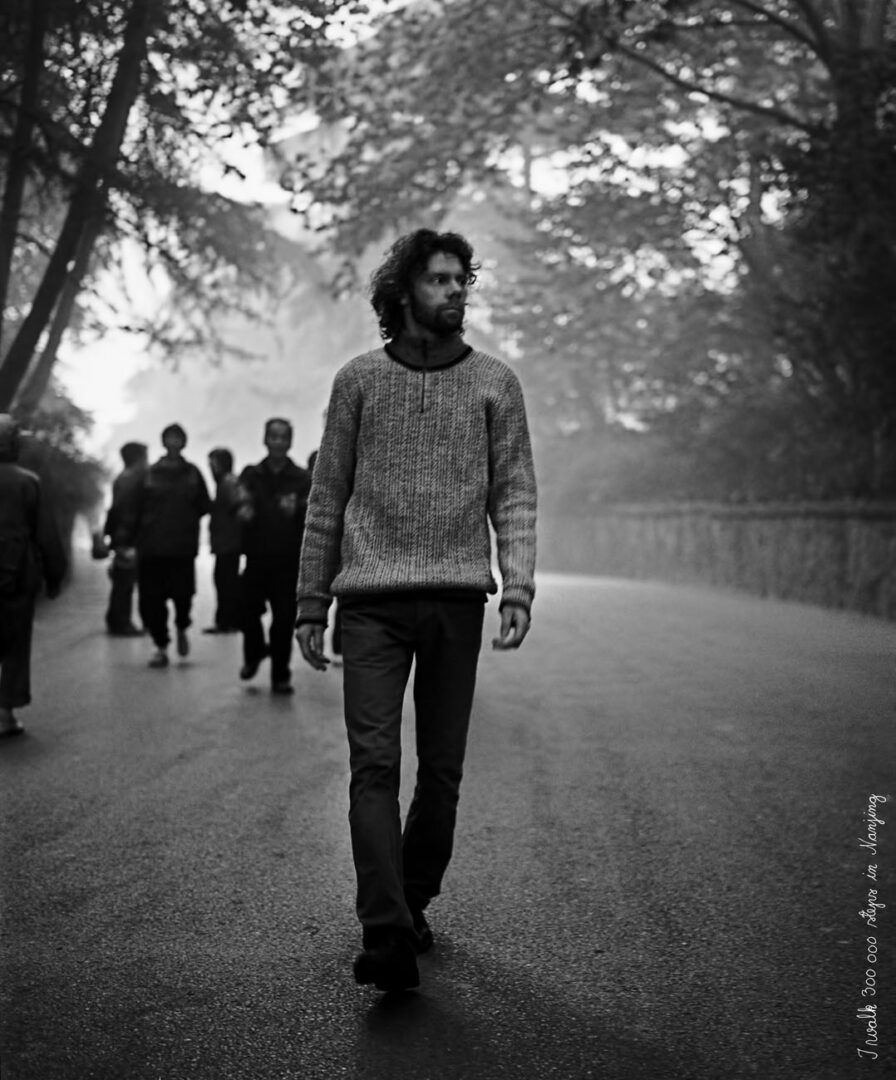
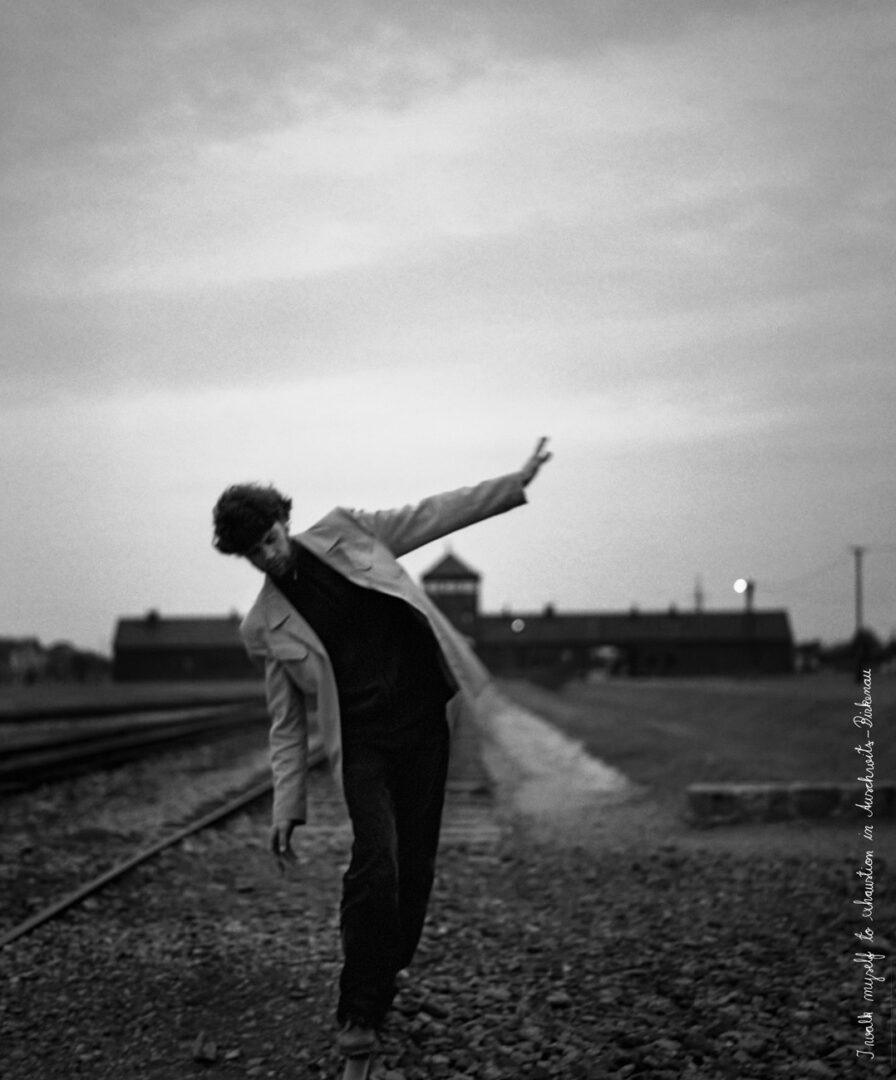
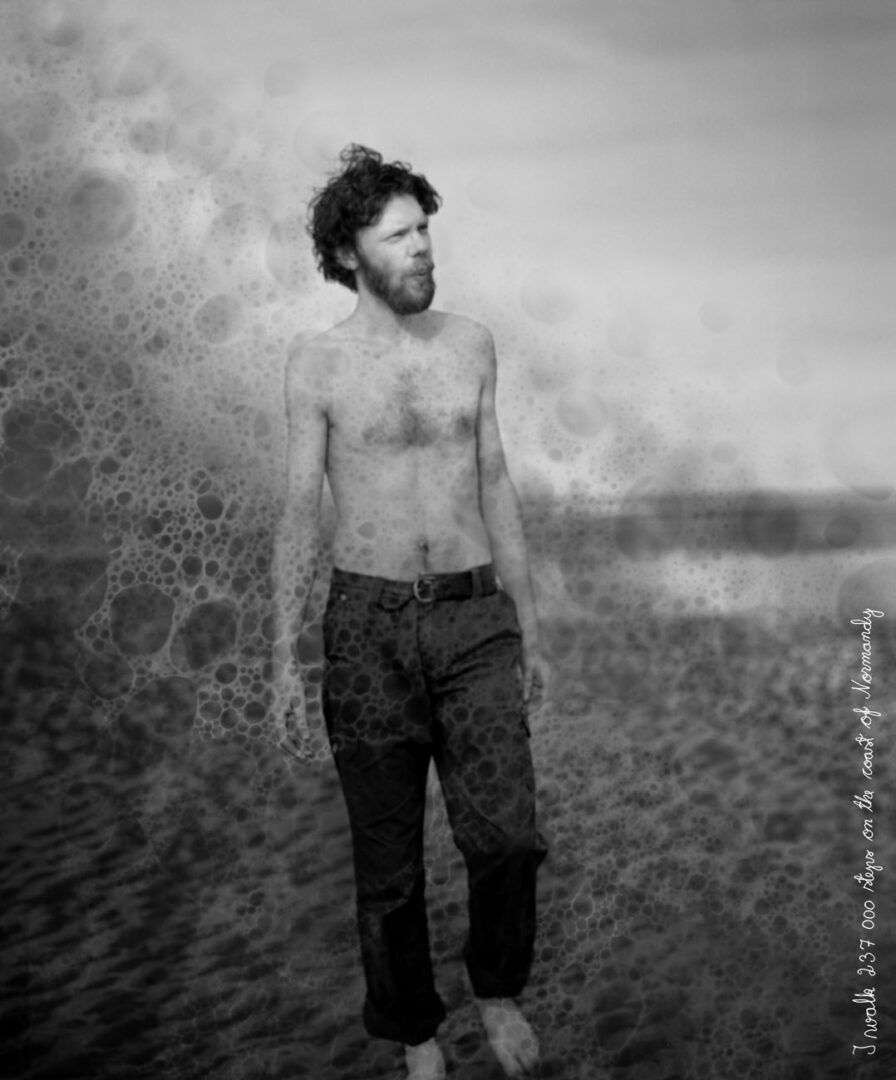
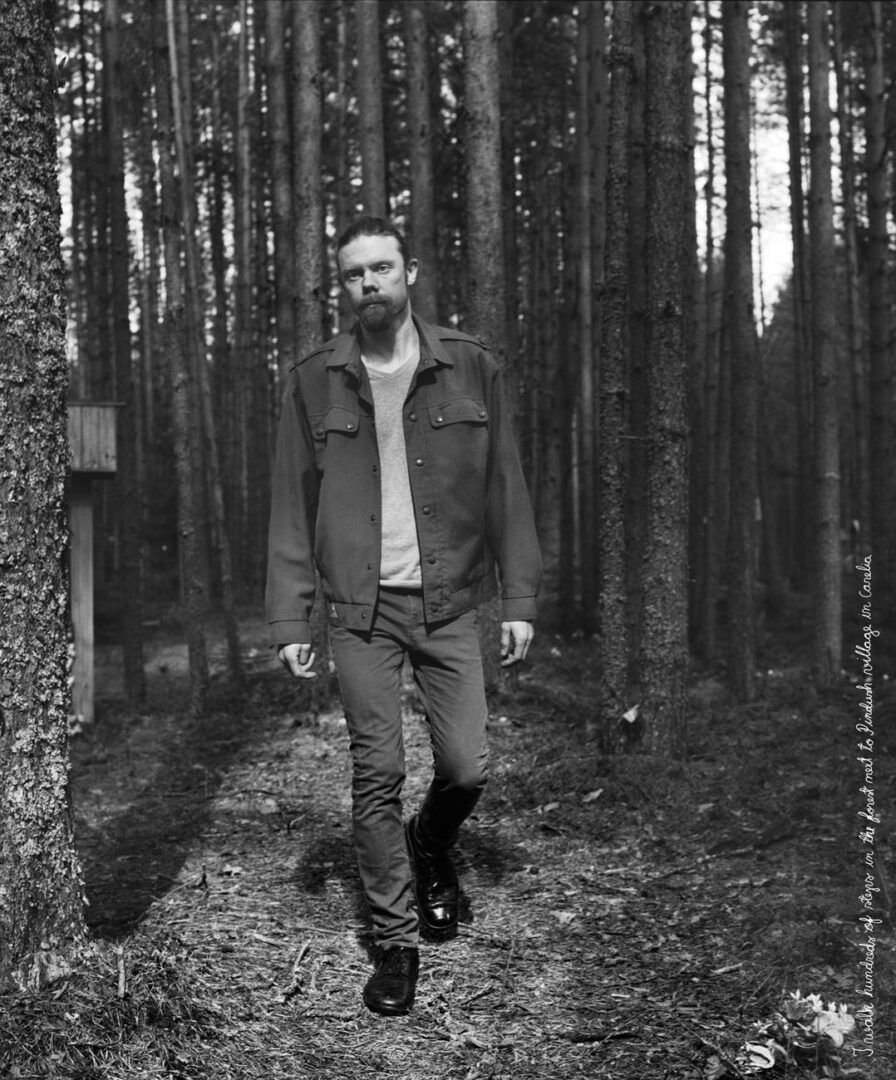
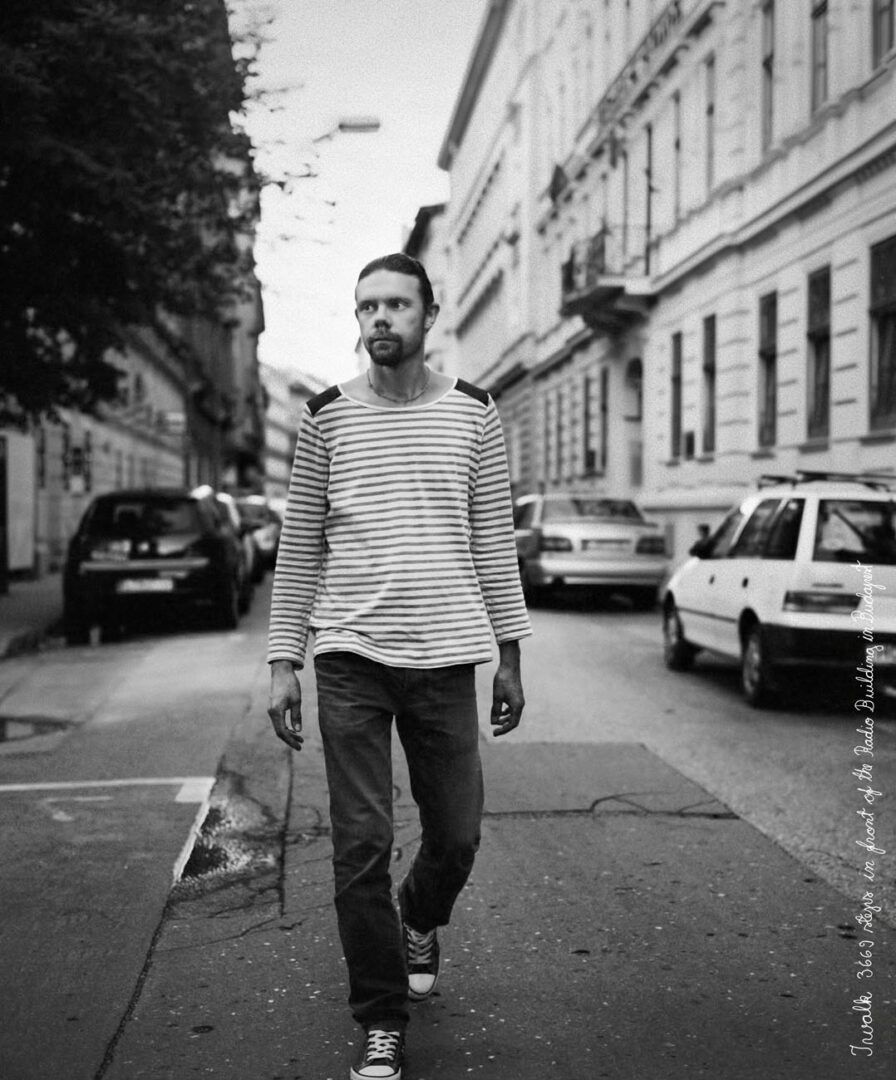
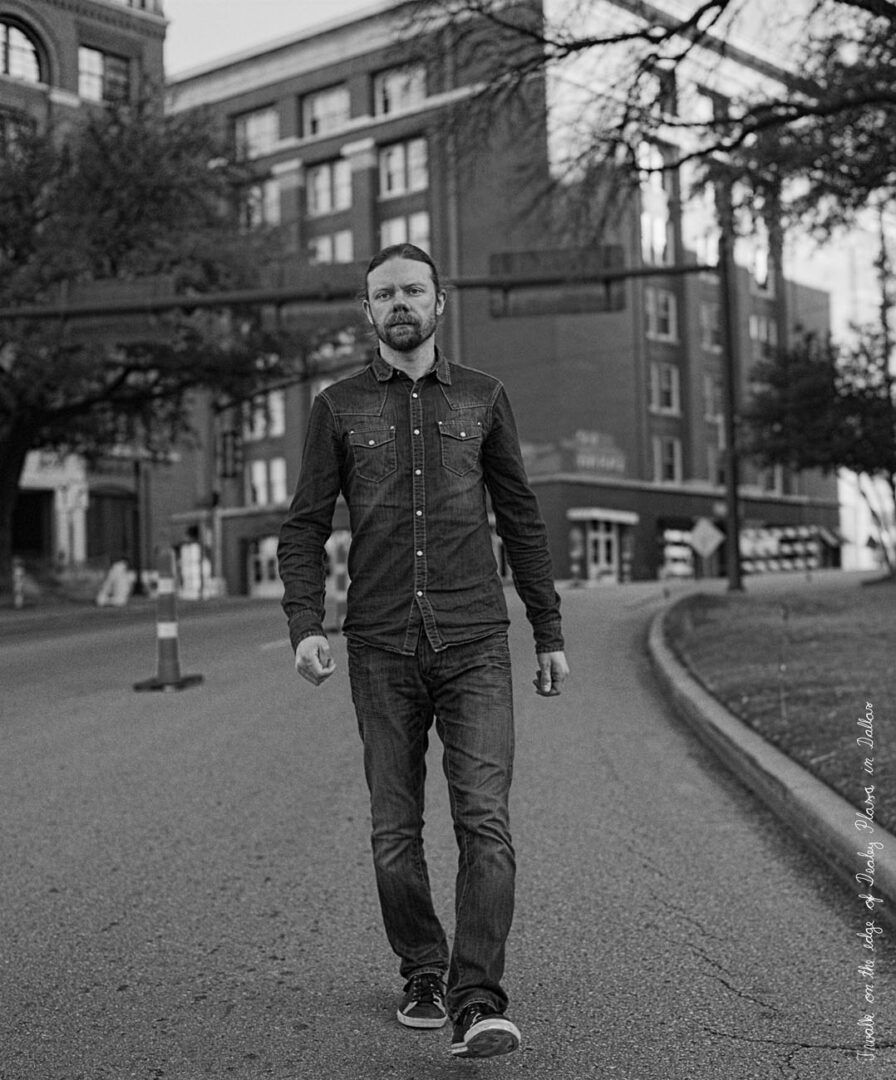
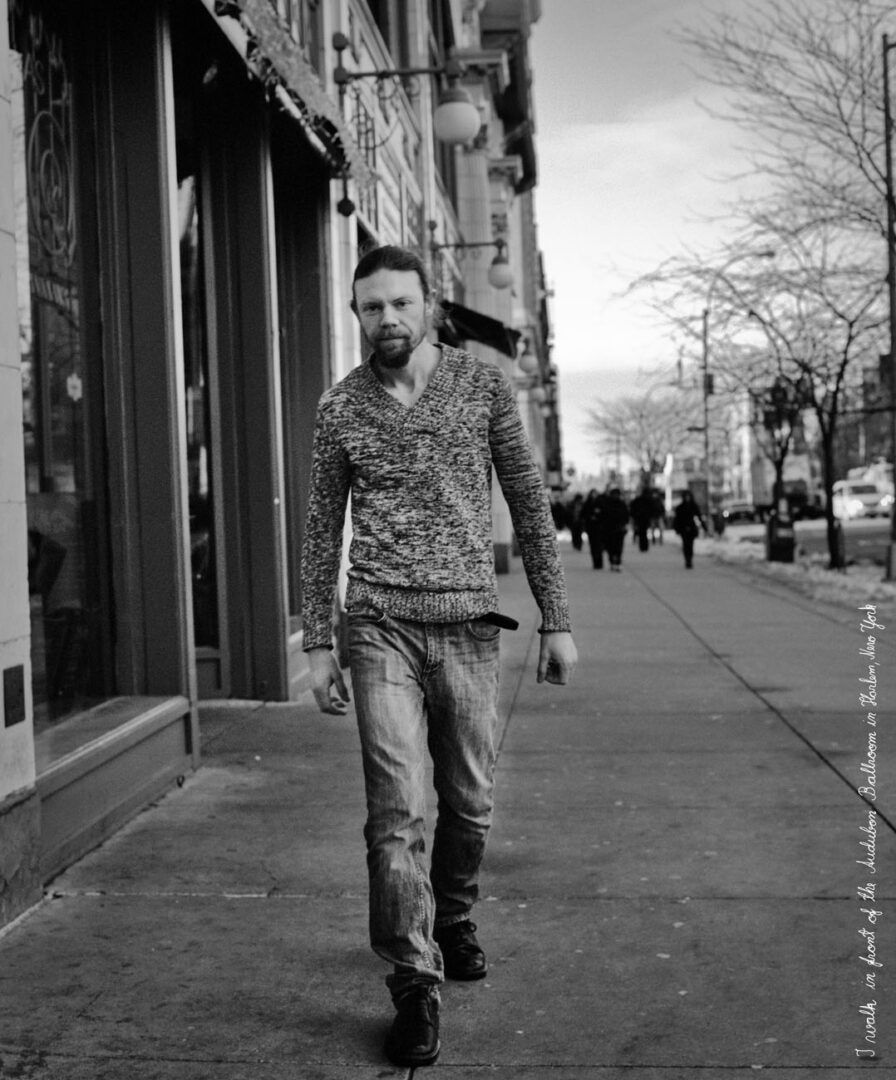
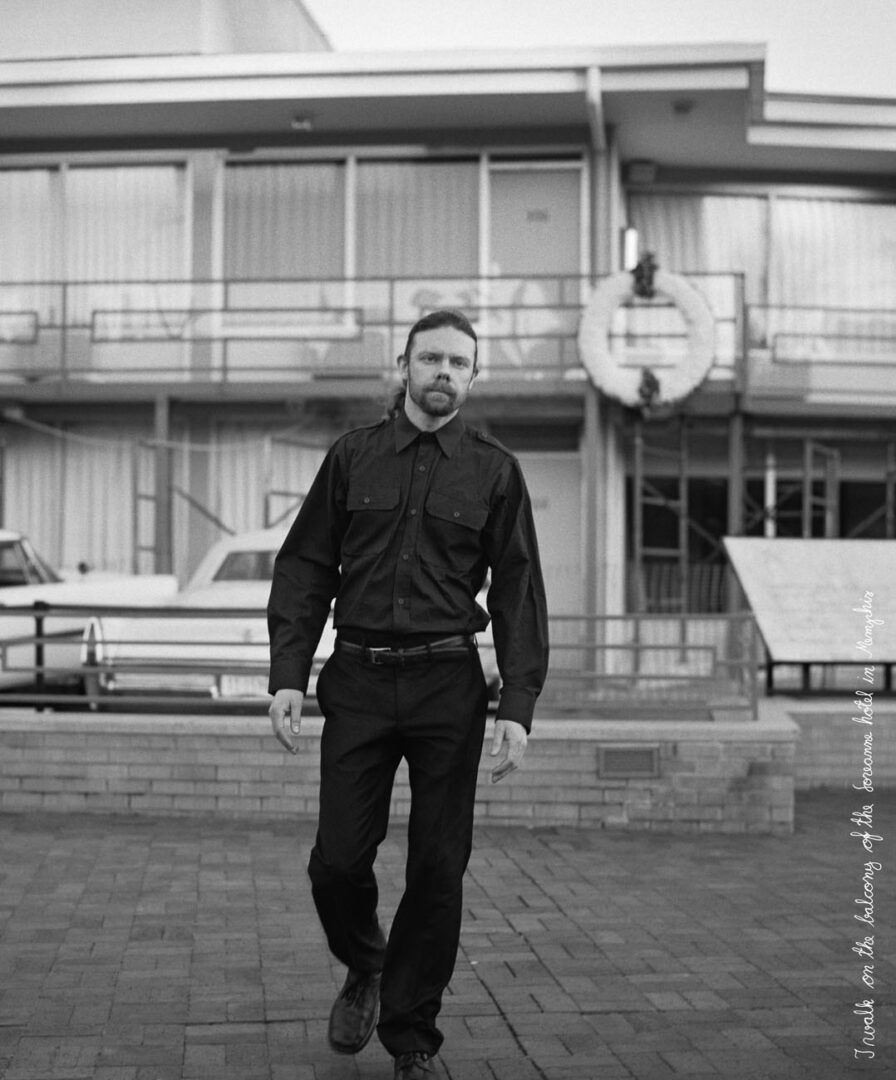
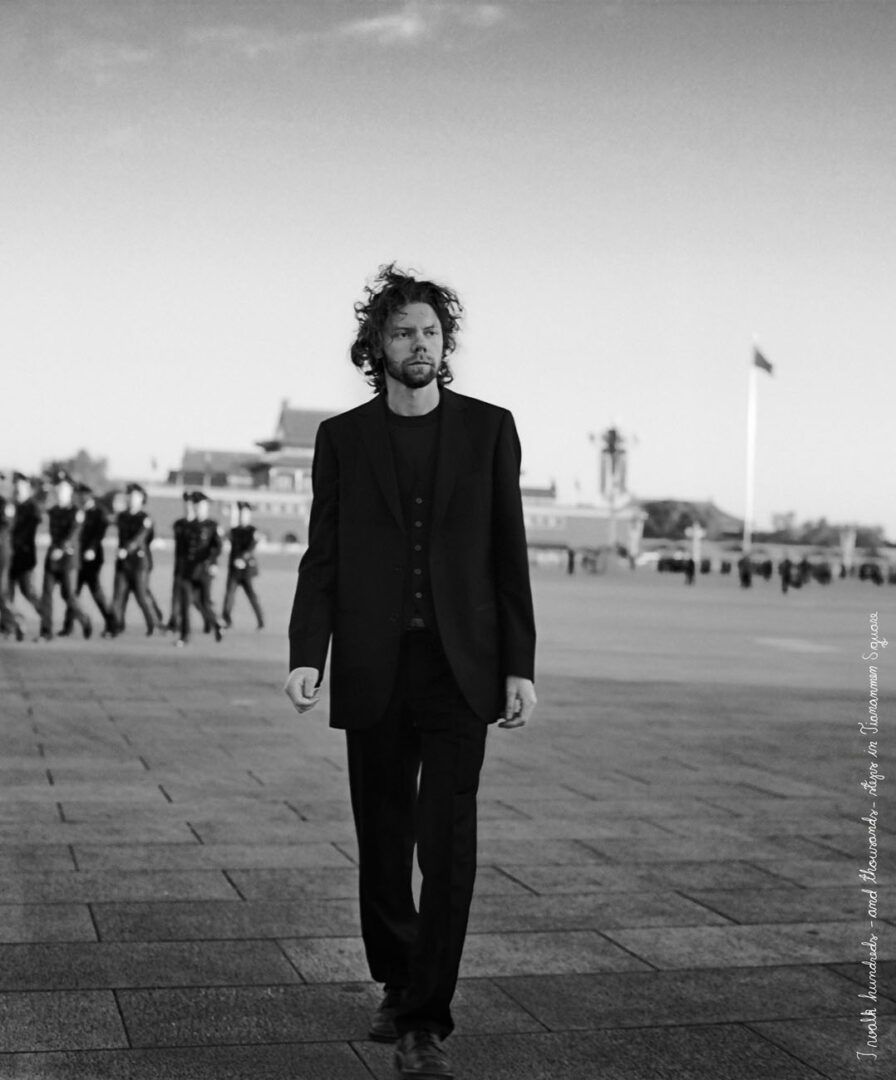
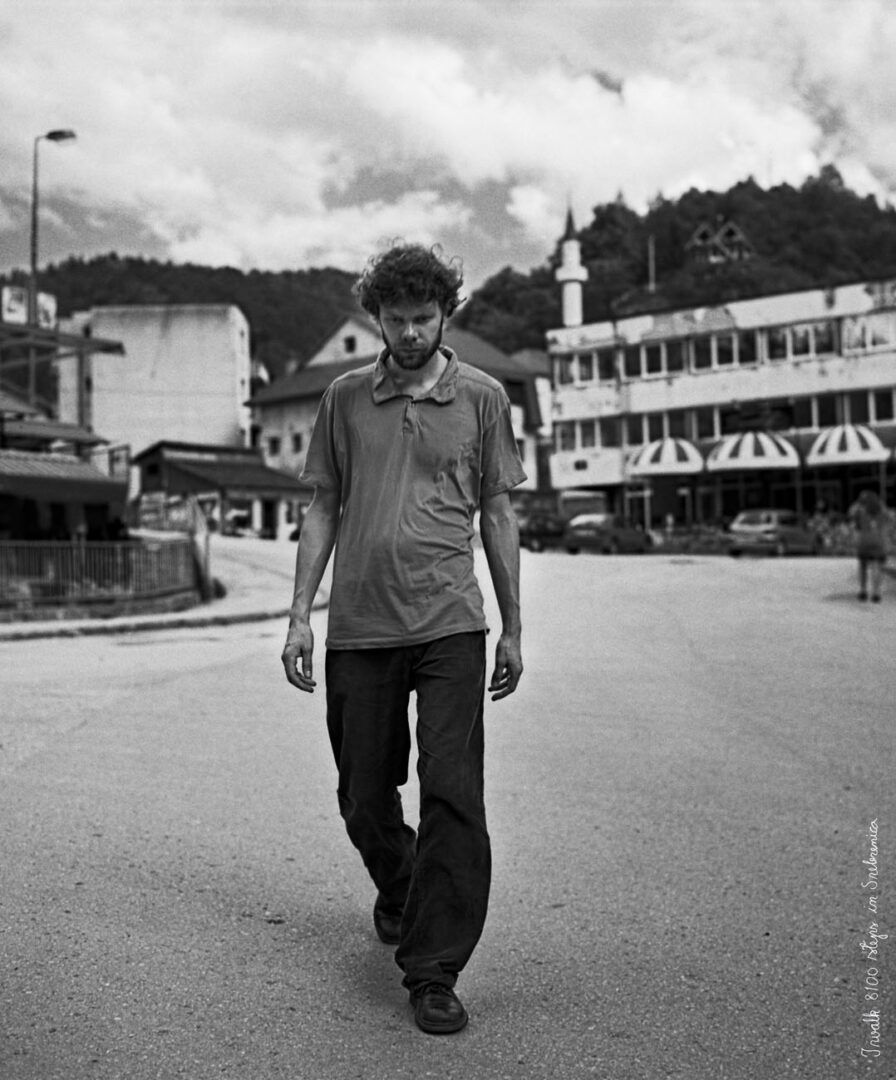
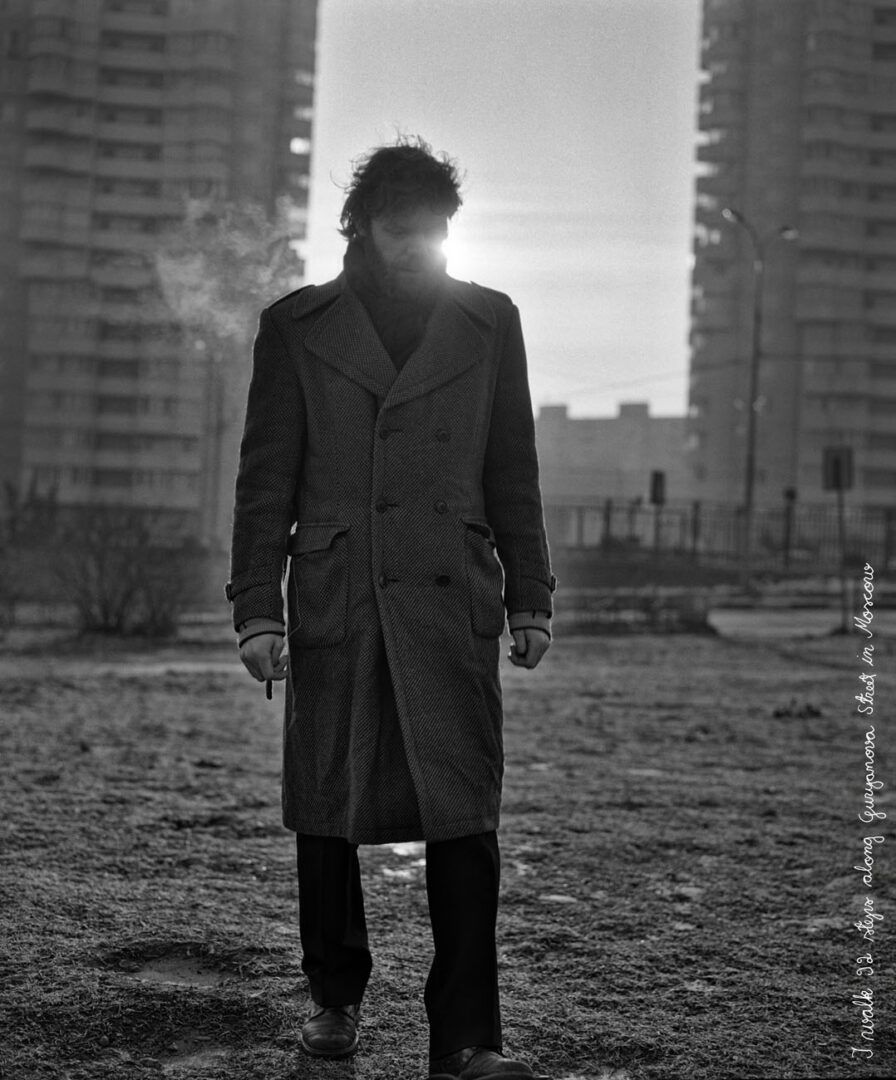
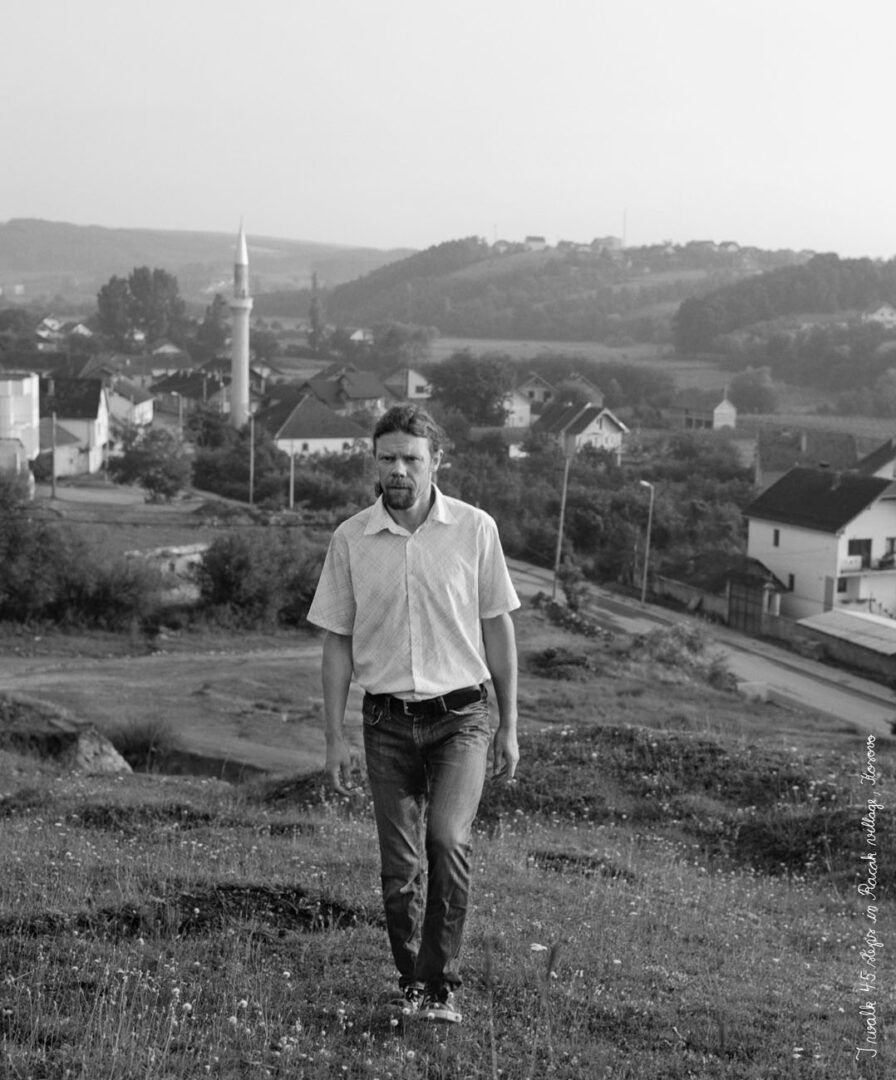
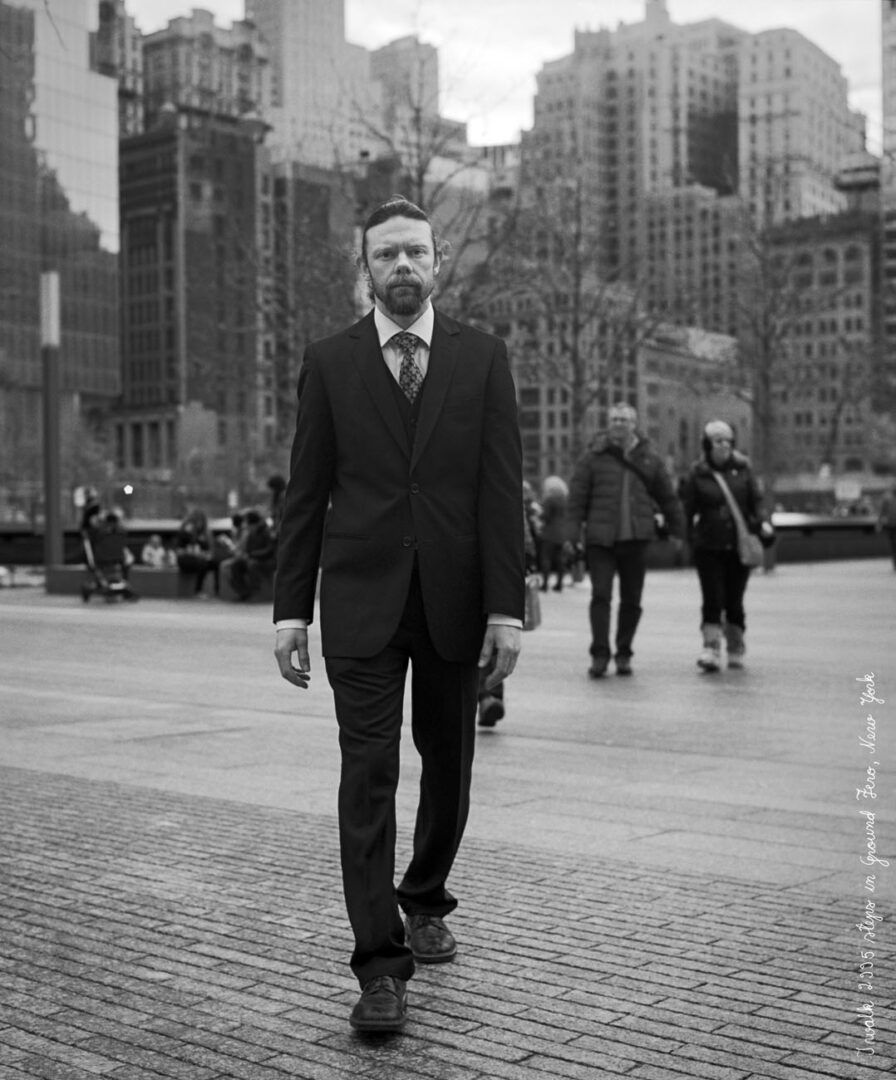
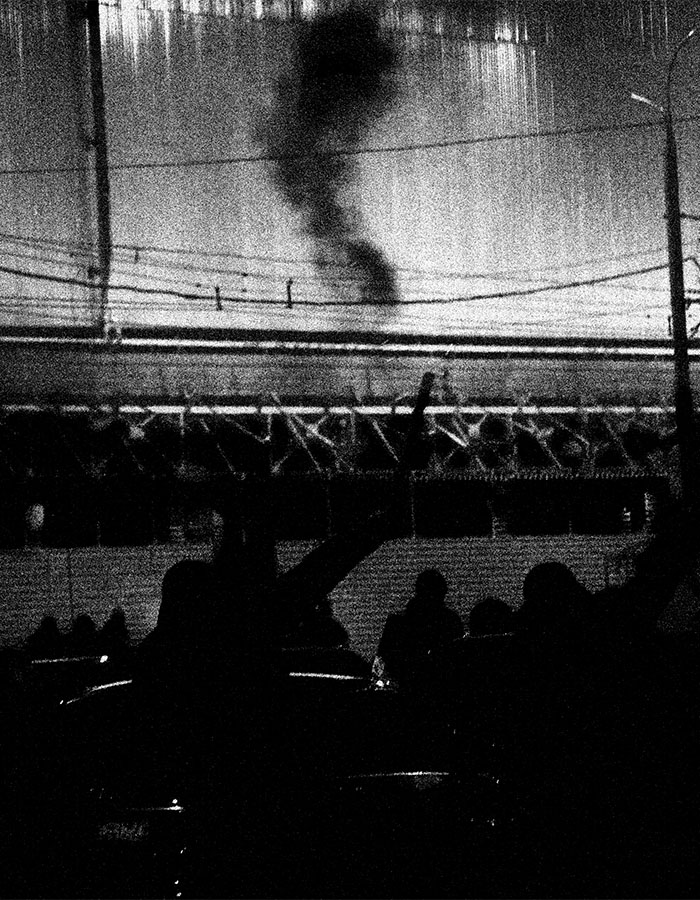
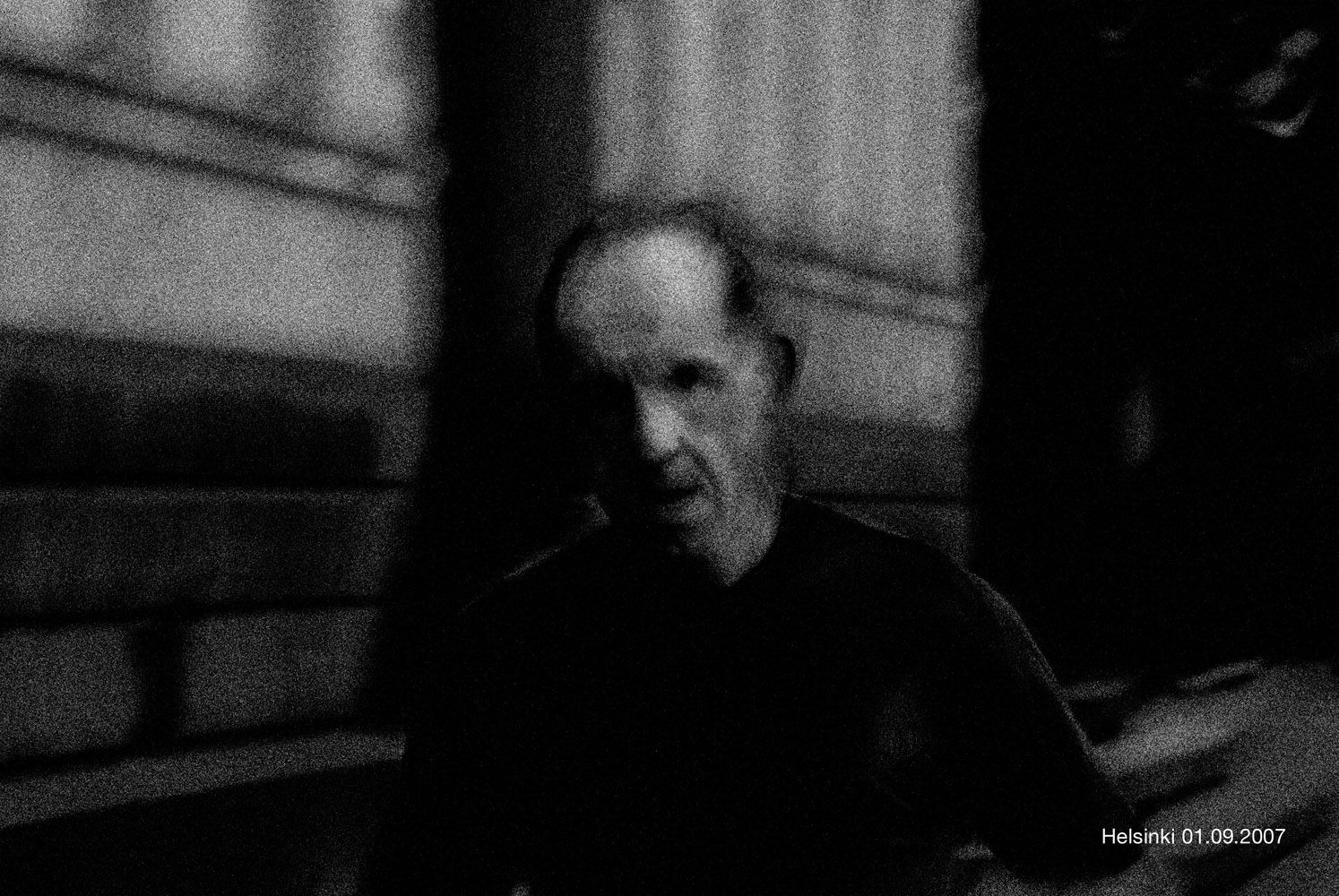
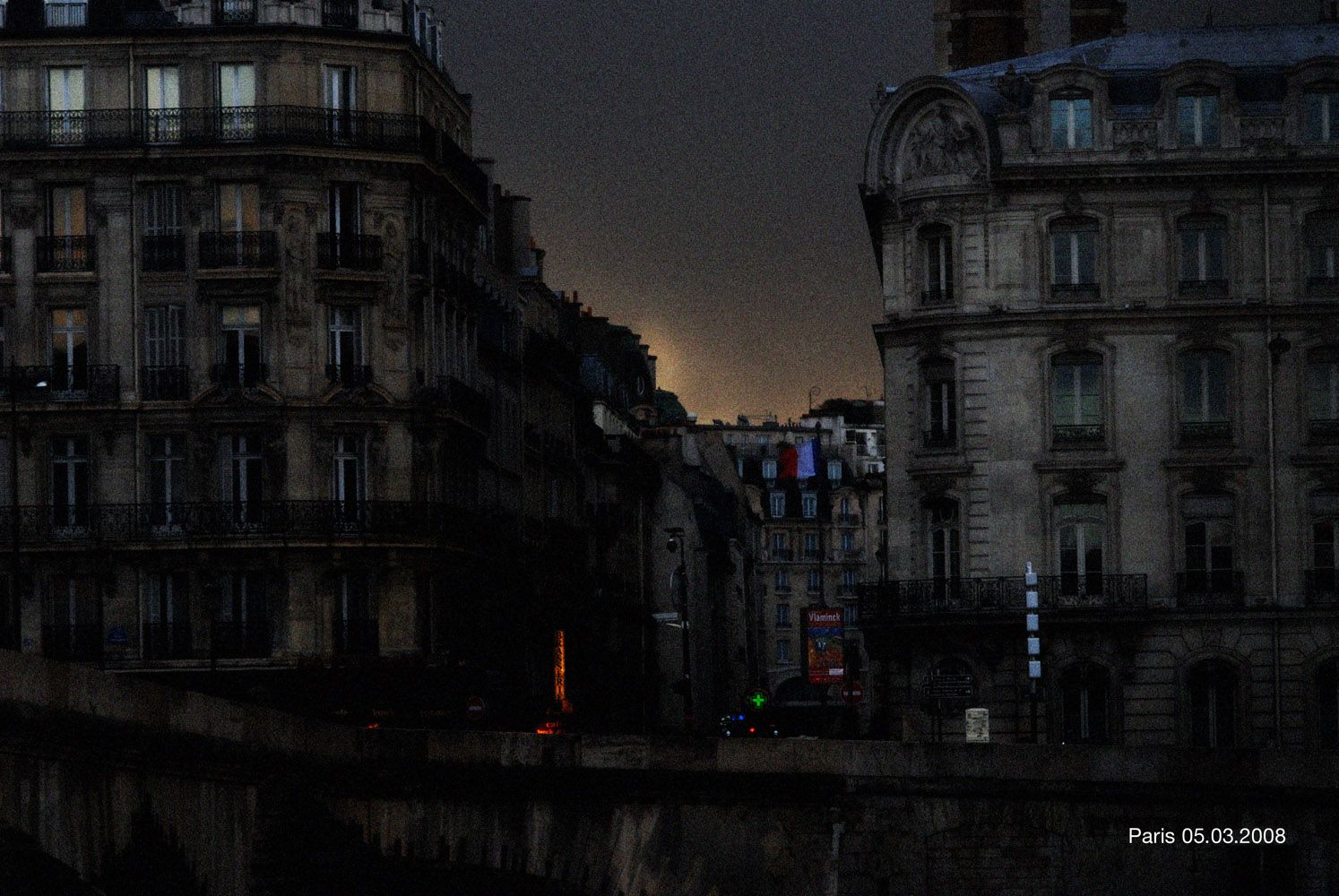
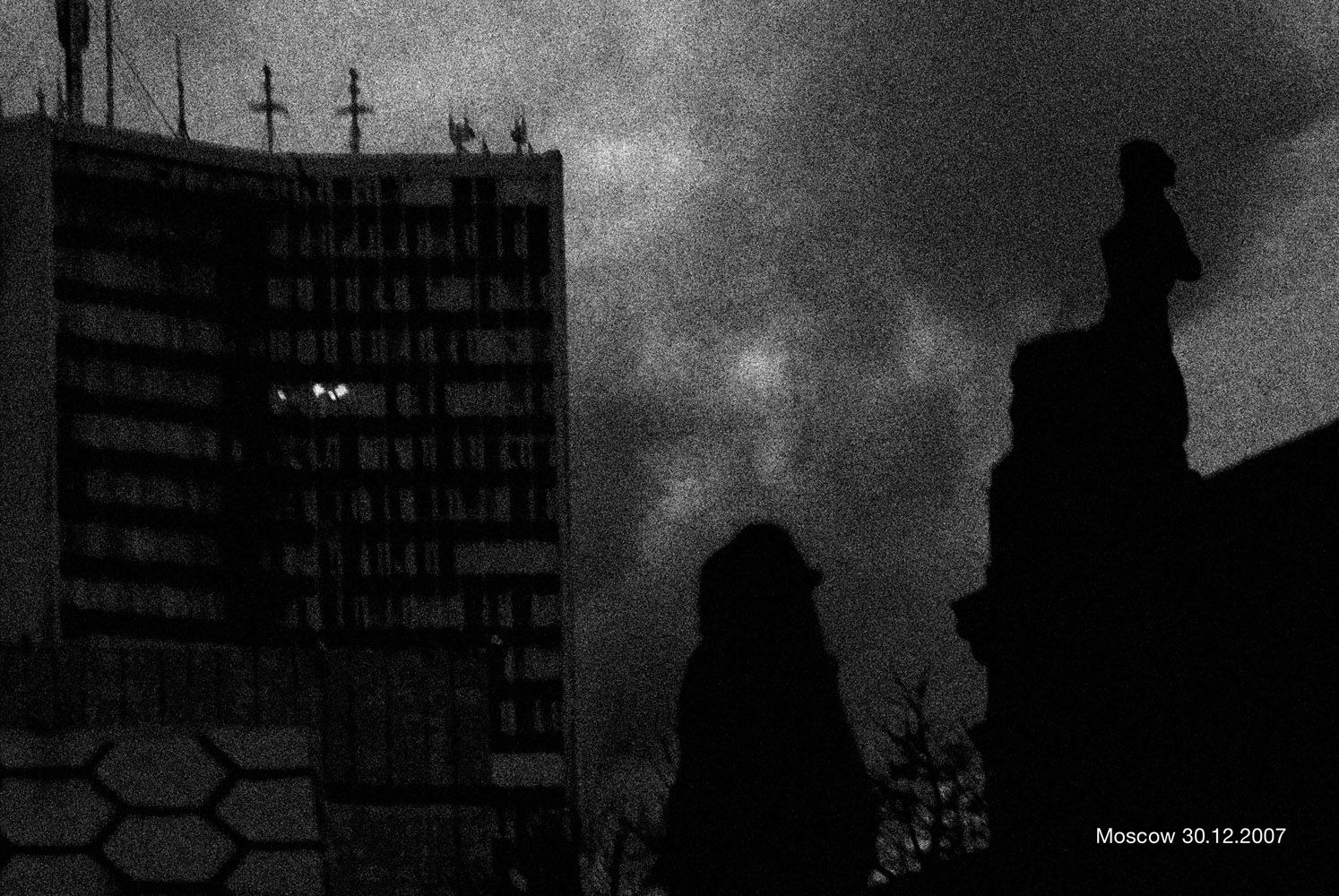
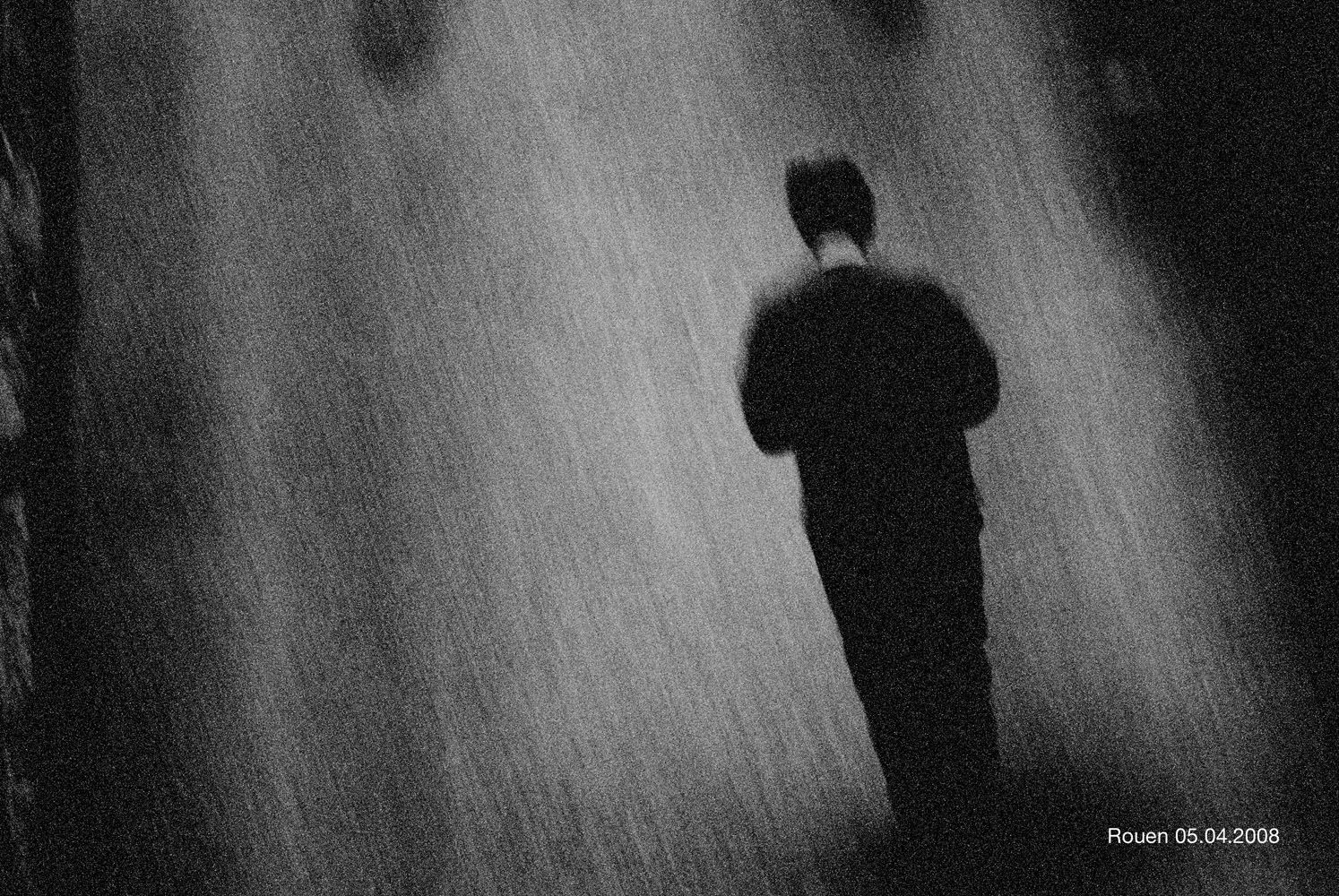
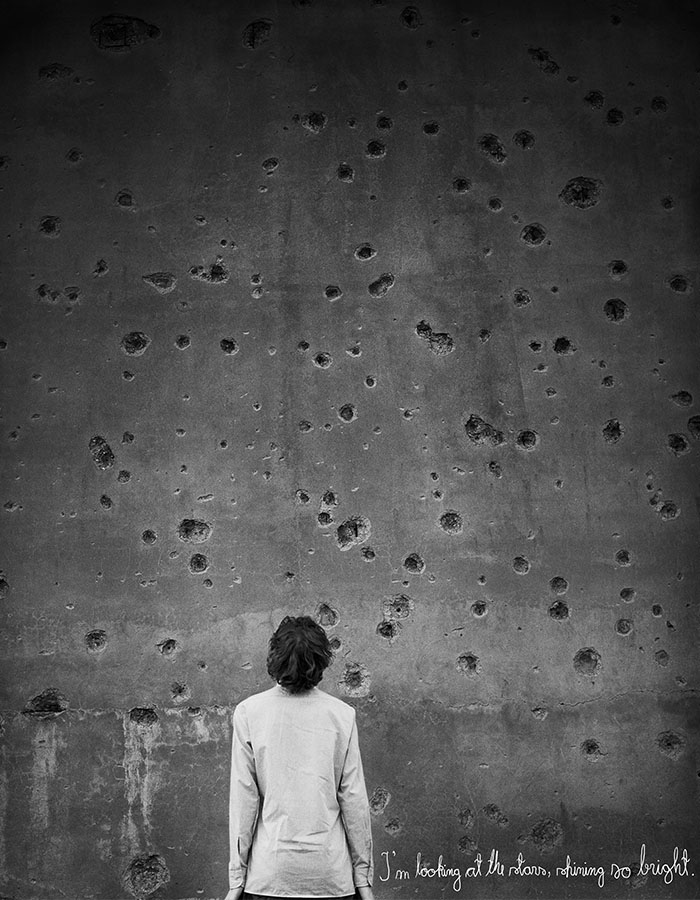
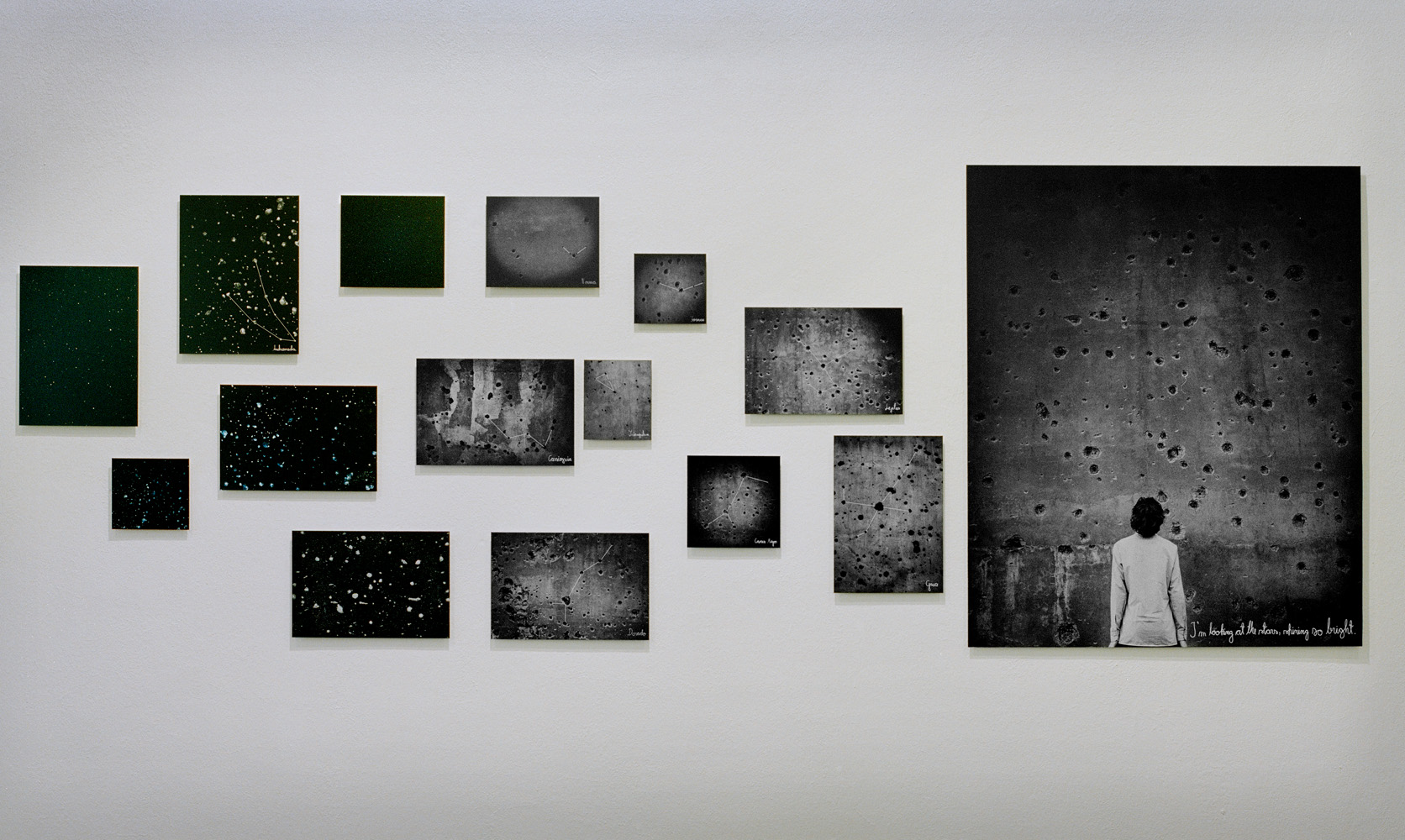
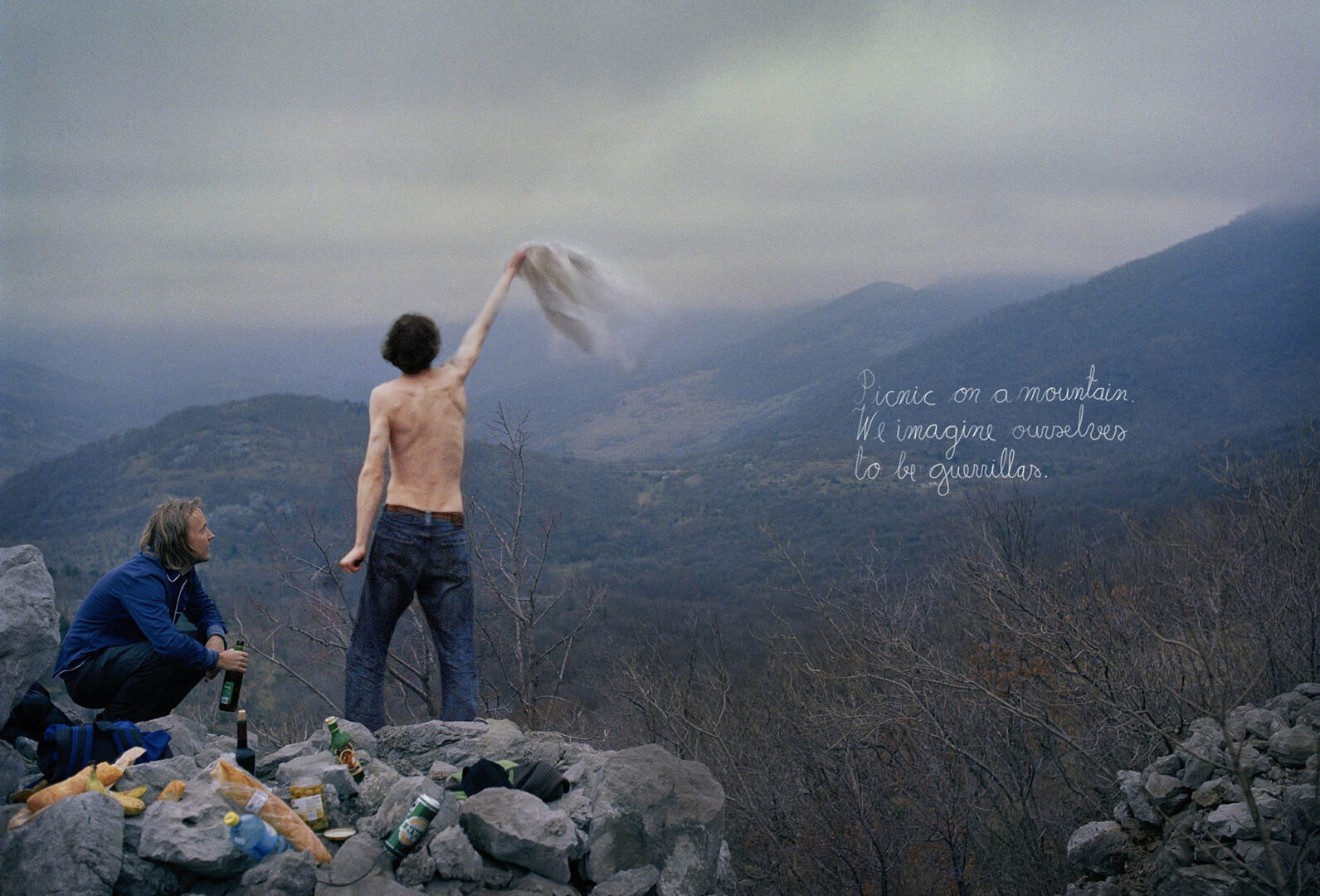
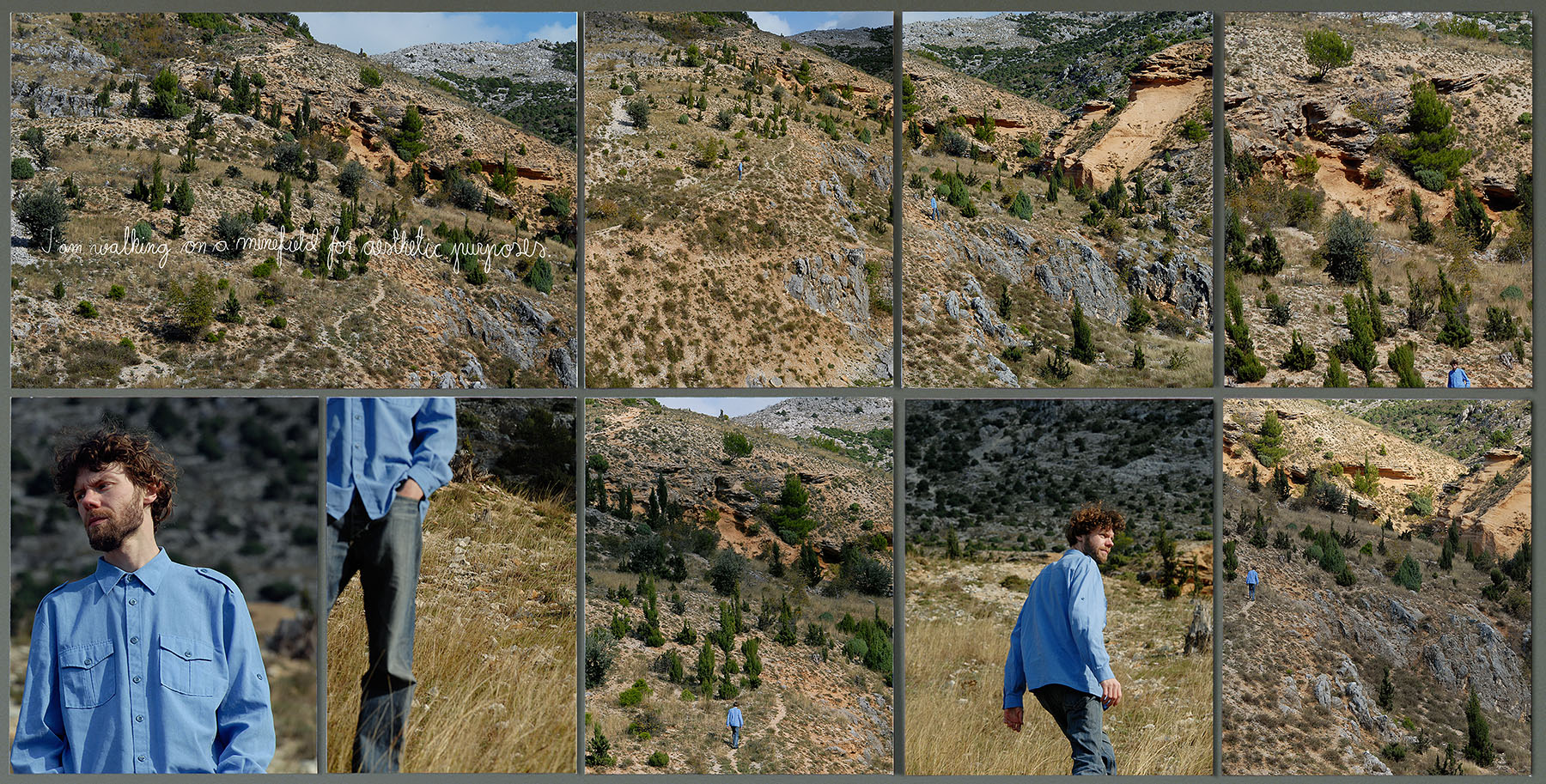
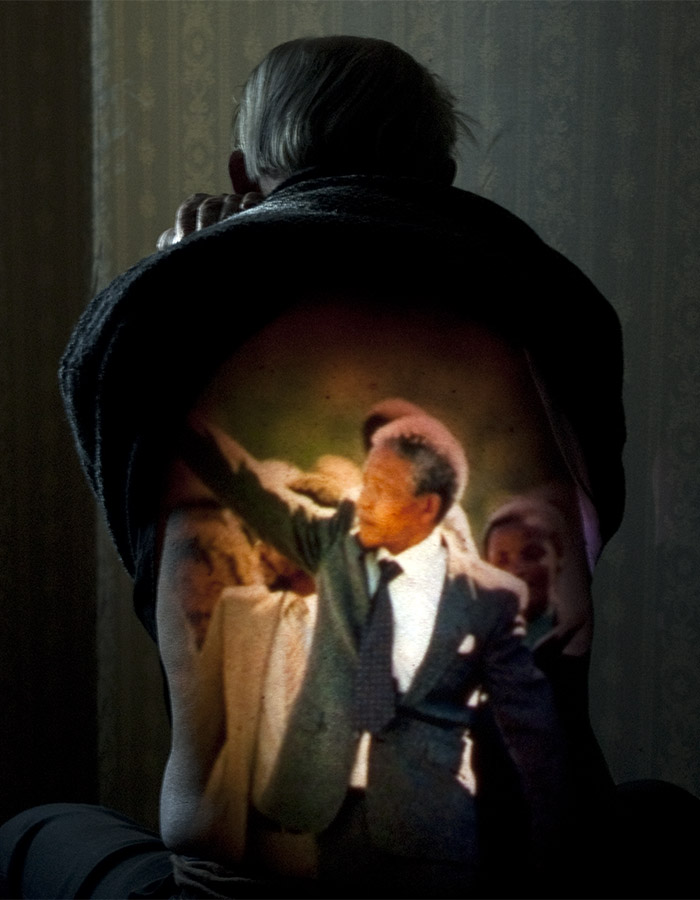
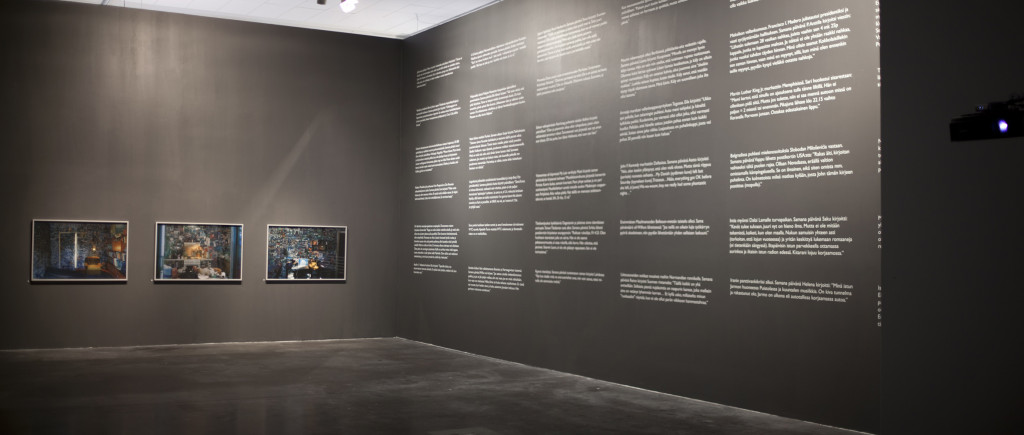
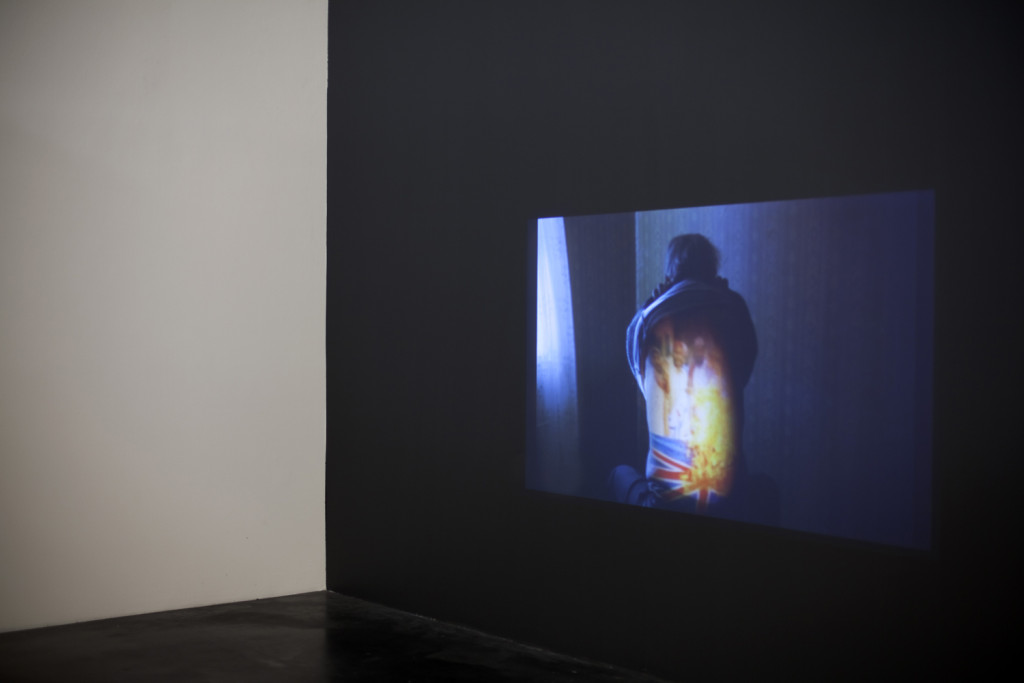
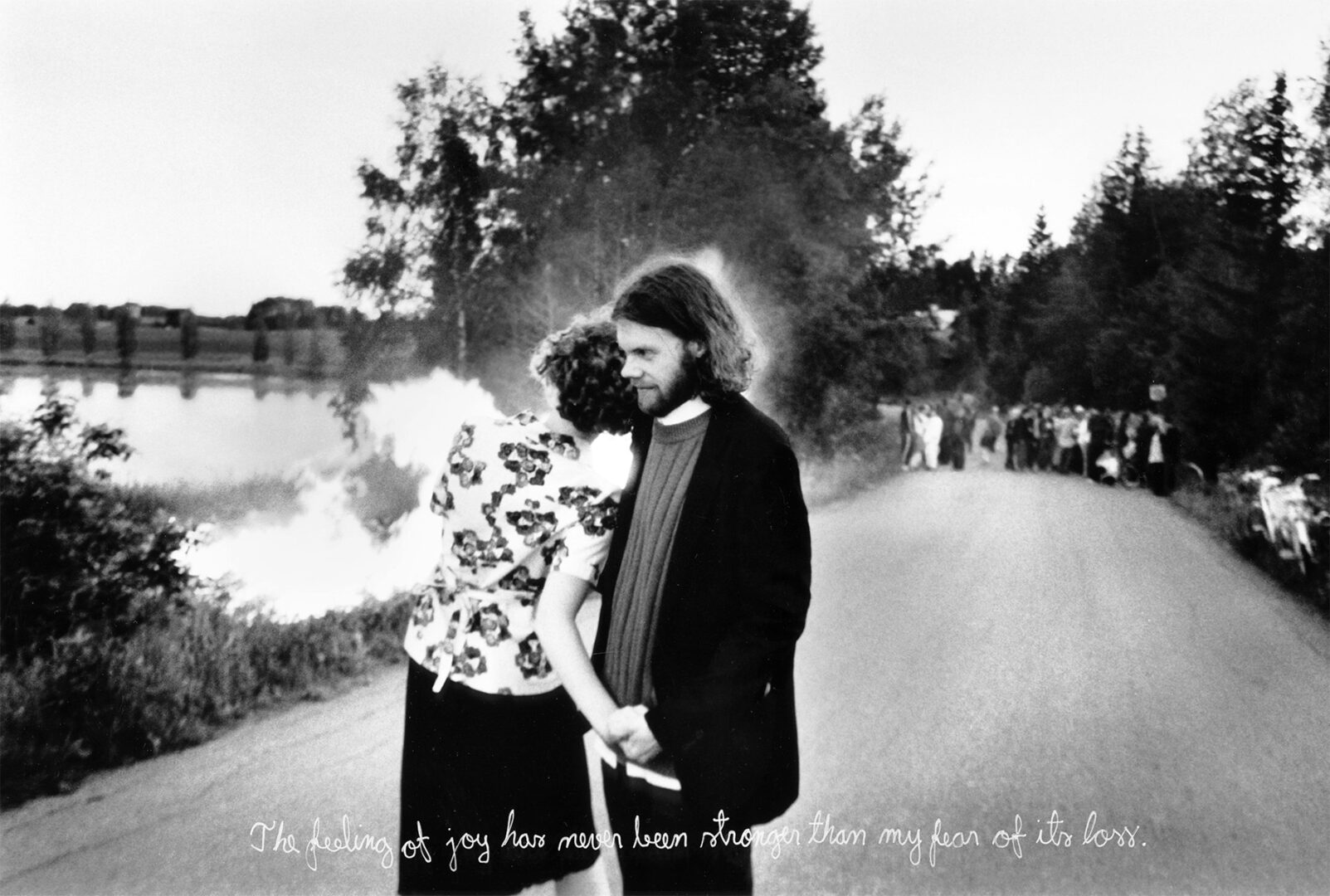
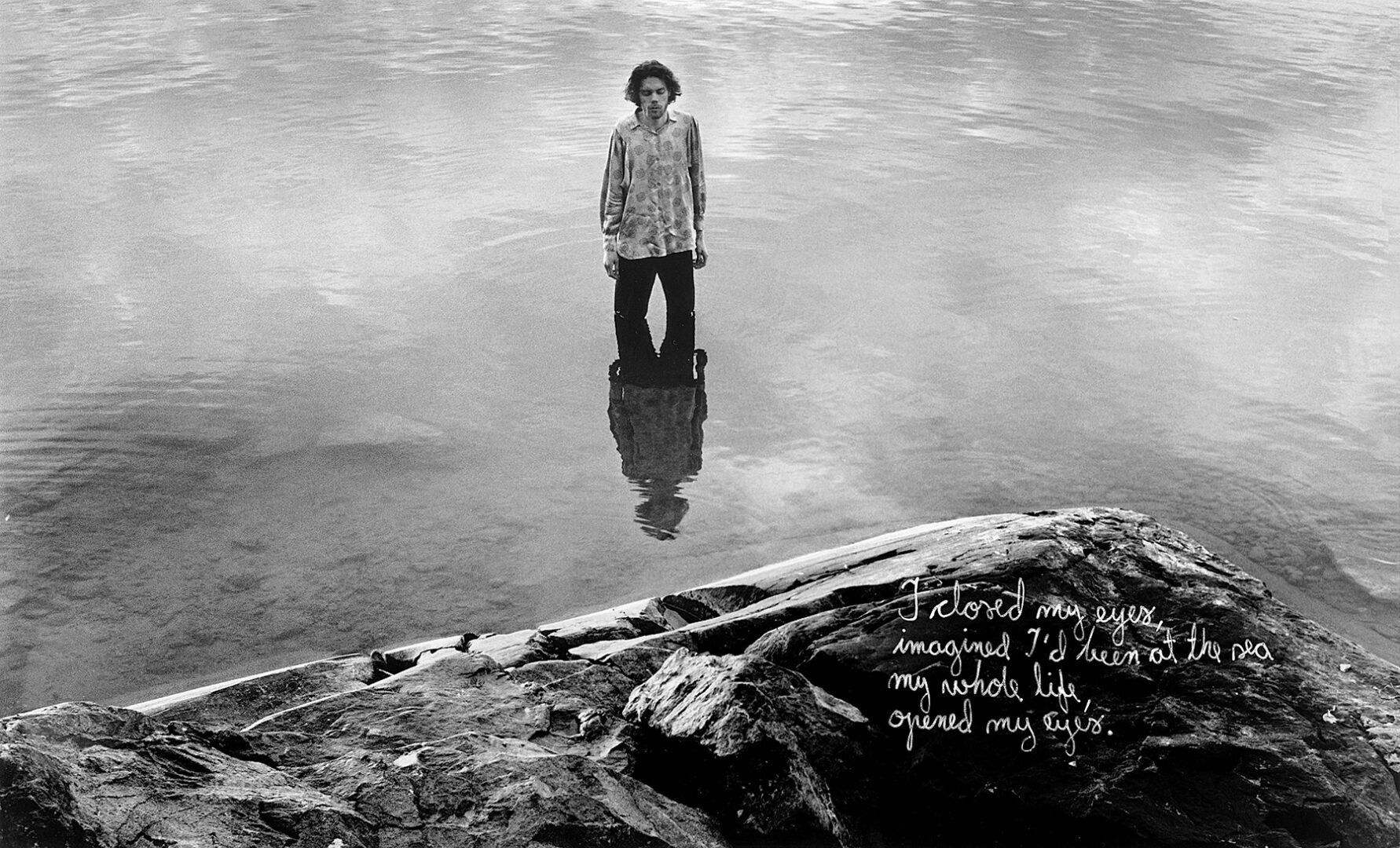
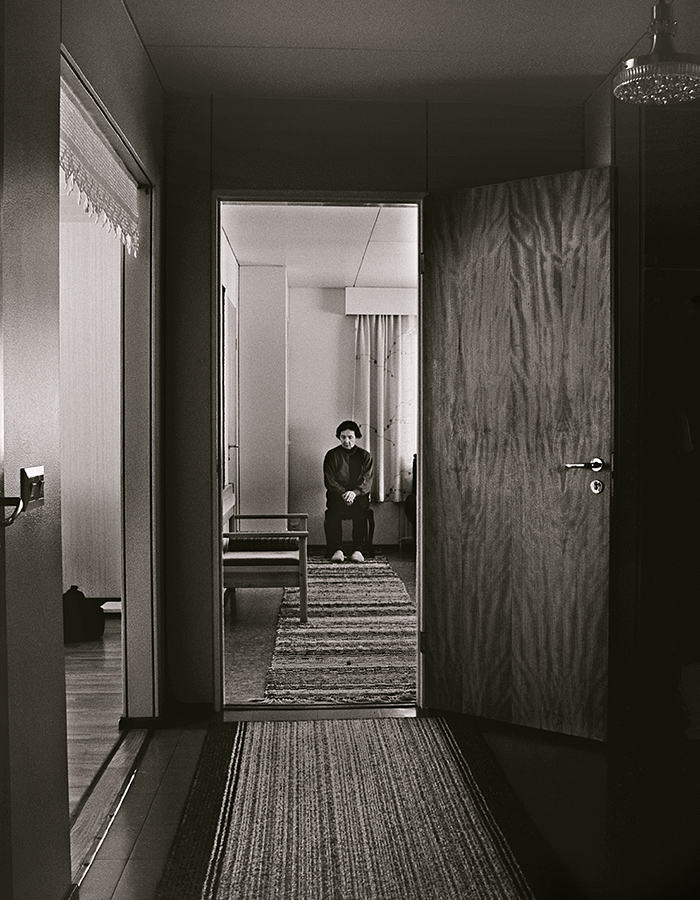
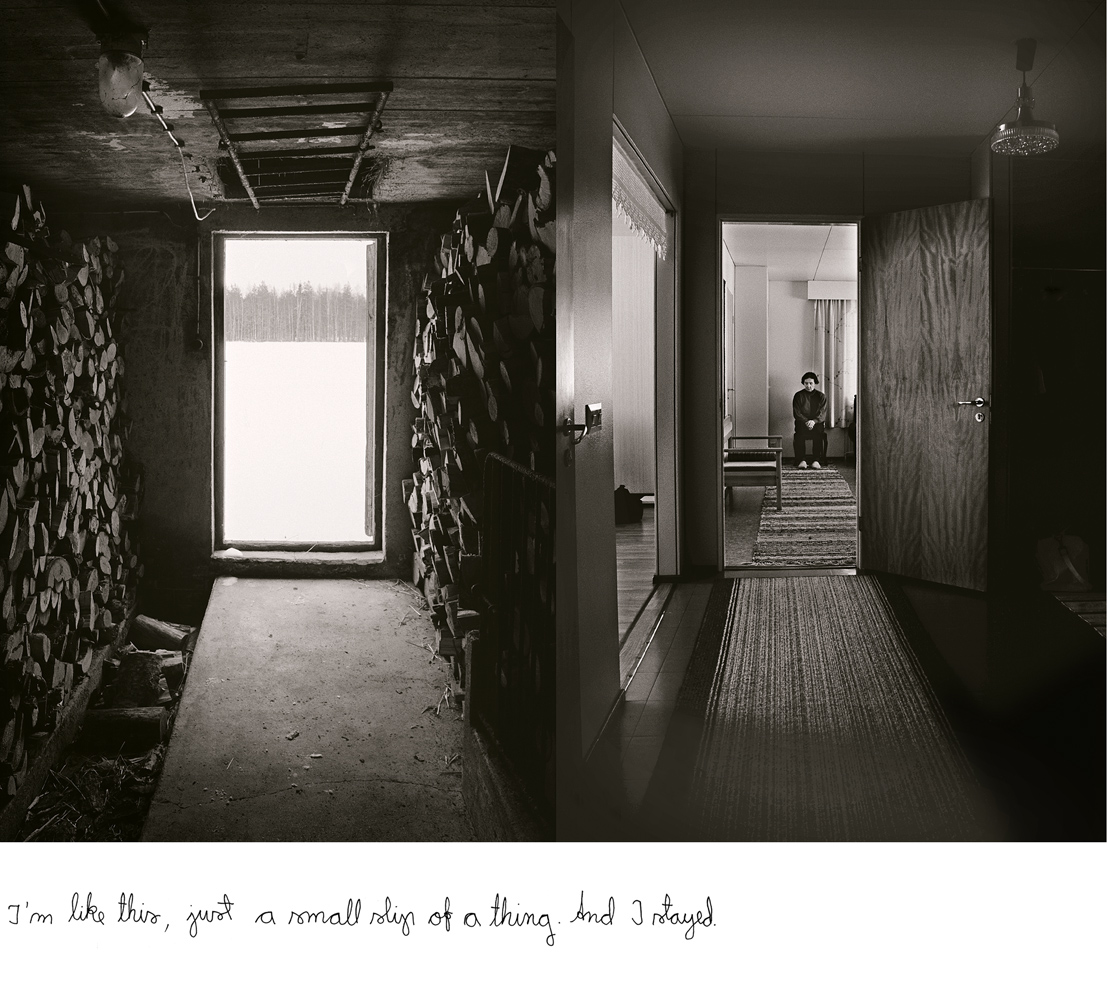
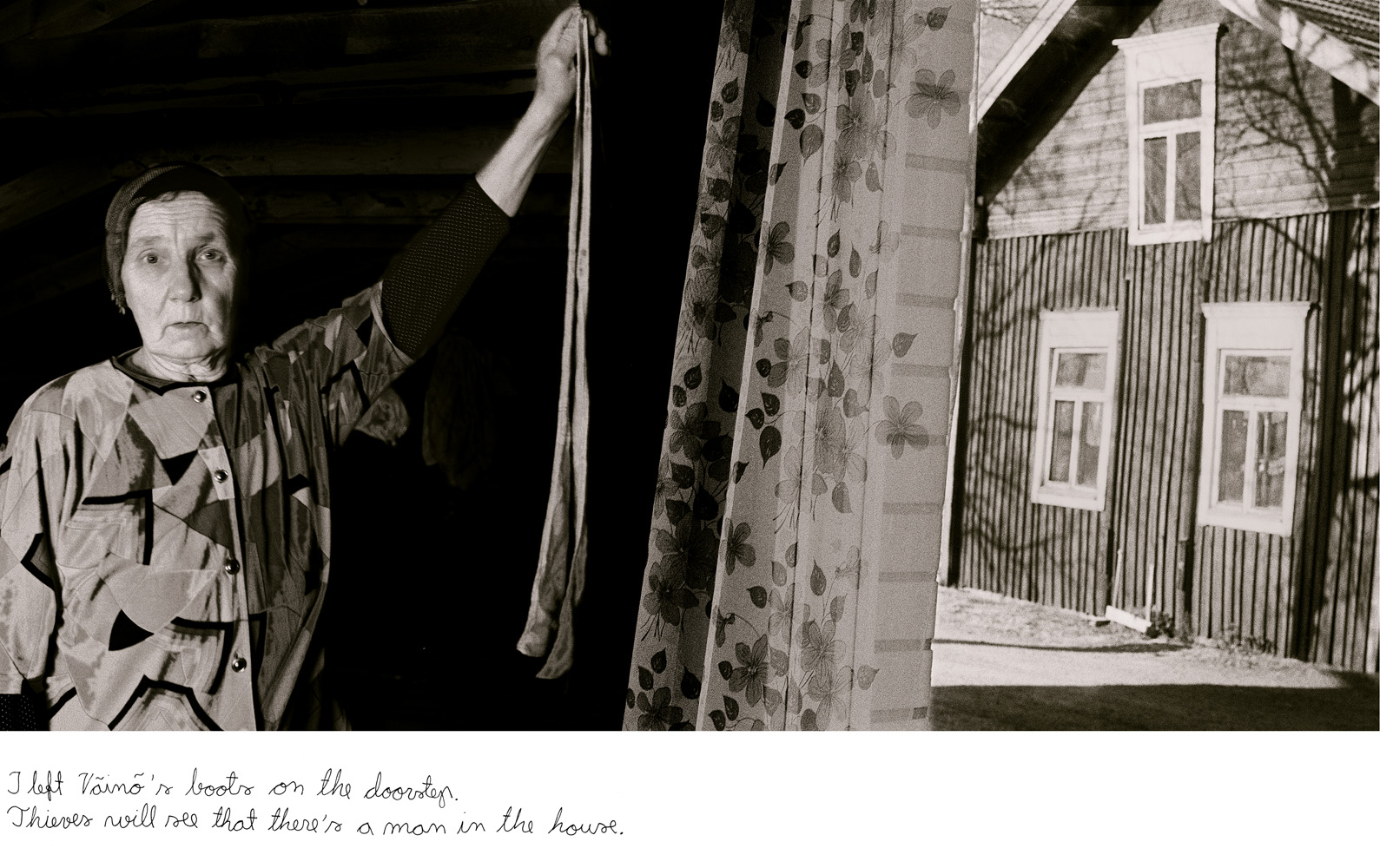
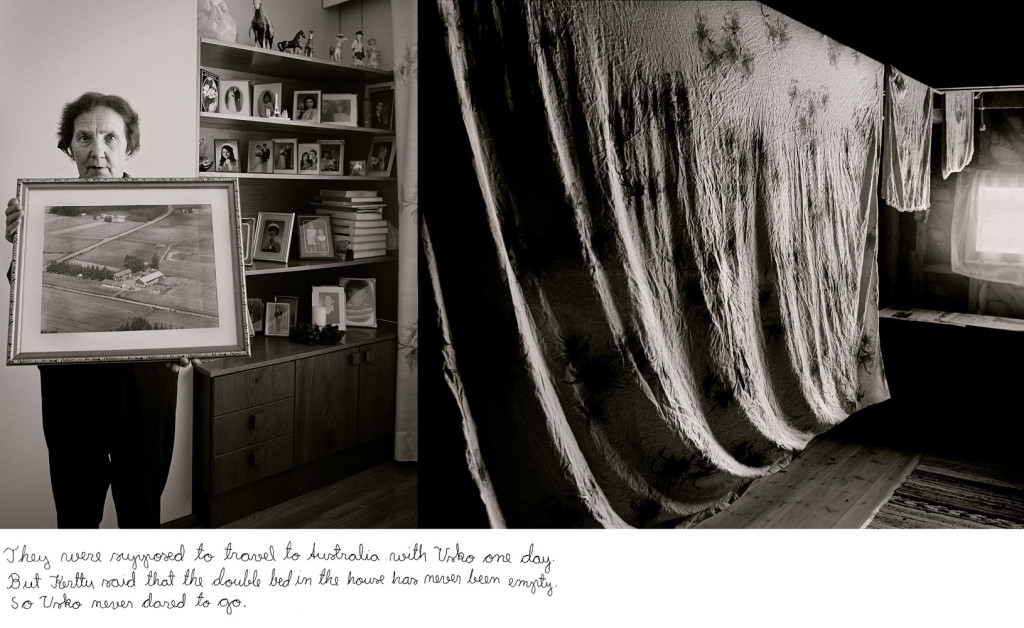
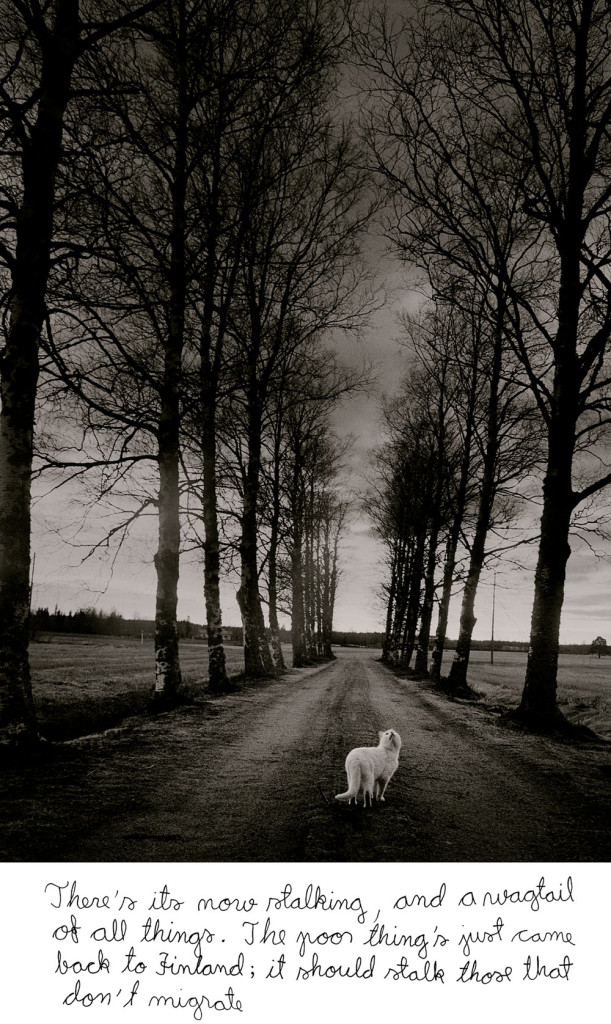
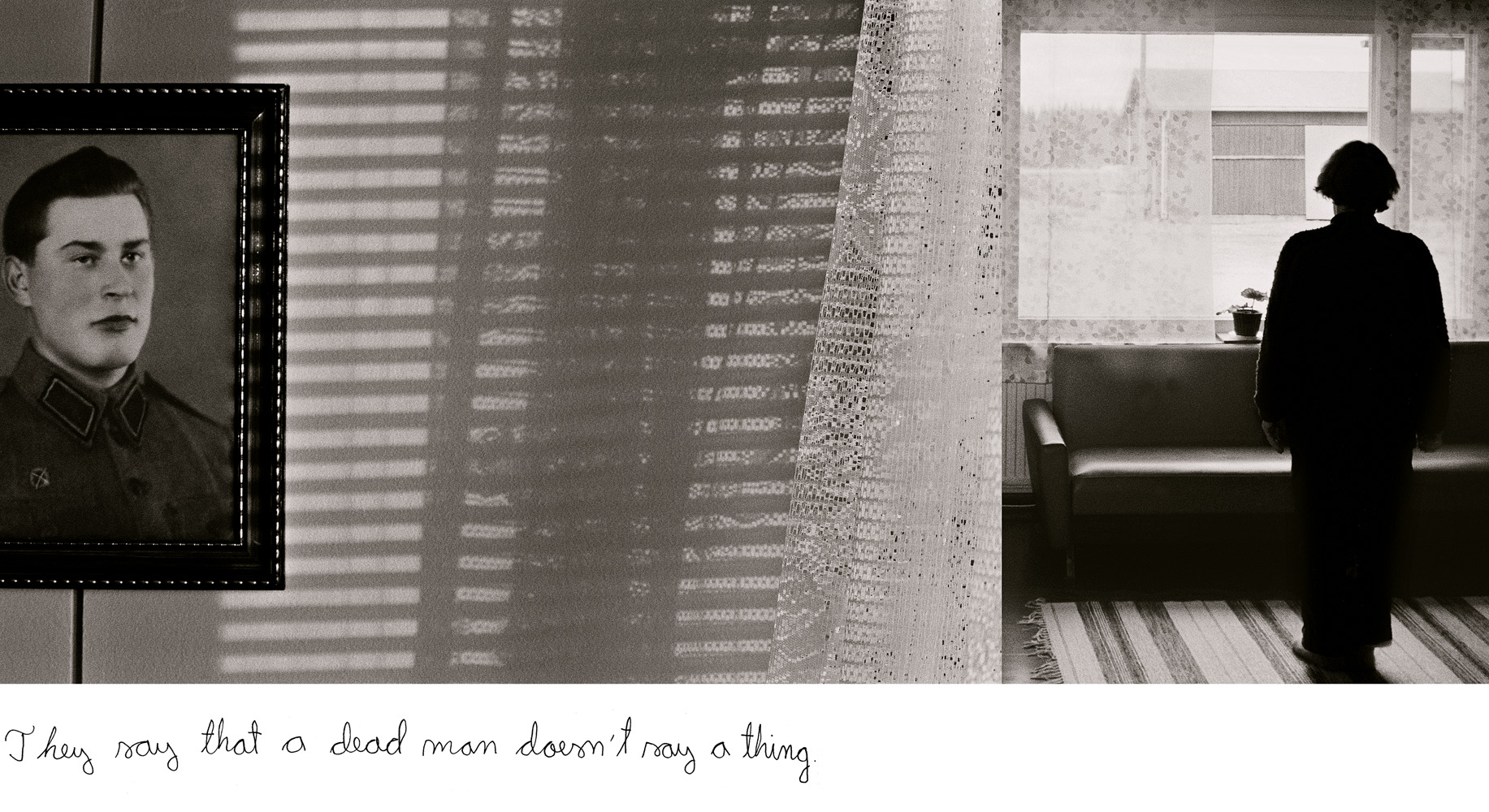
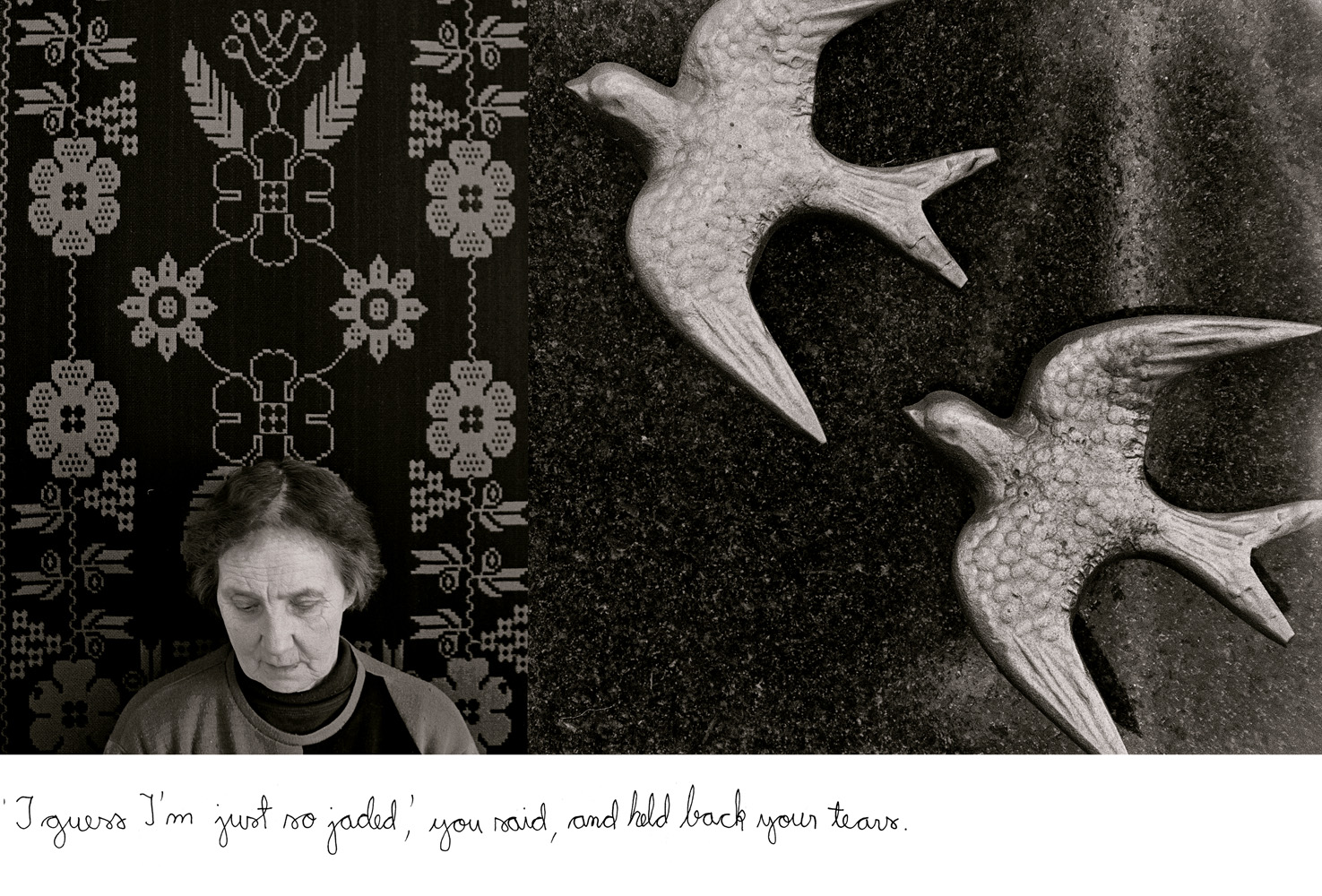
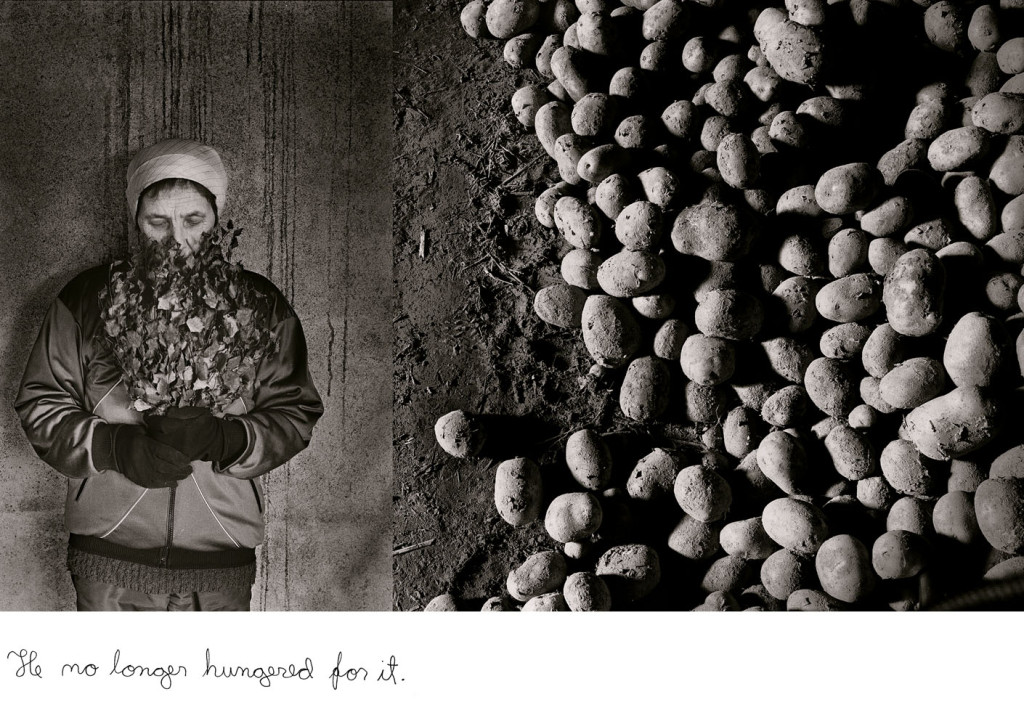
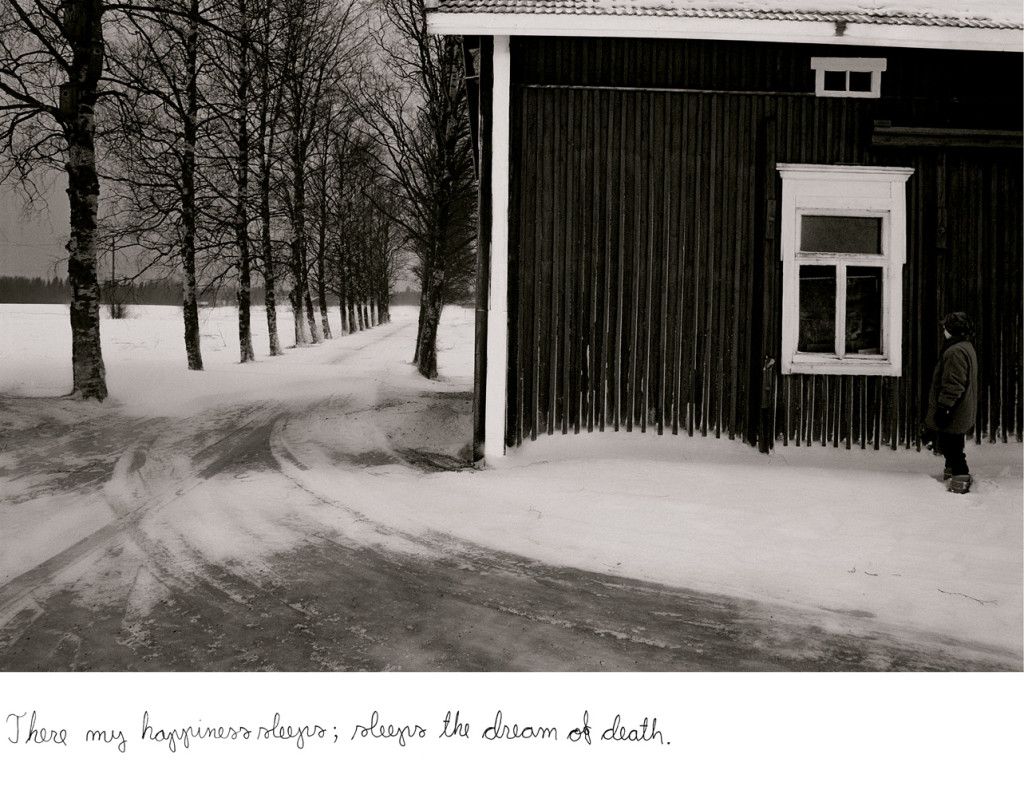
Silomäki seeks to identify a central thread in each writer’s life and to reproduce the emotions and events described in the original posts as accurately as possible. He edited the forum texts into a manuscript and staged the authors’ homes in his studio, drawing on clues found within the writings themselves. Actors then interpreted these reimagined scenes.
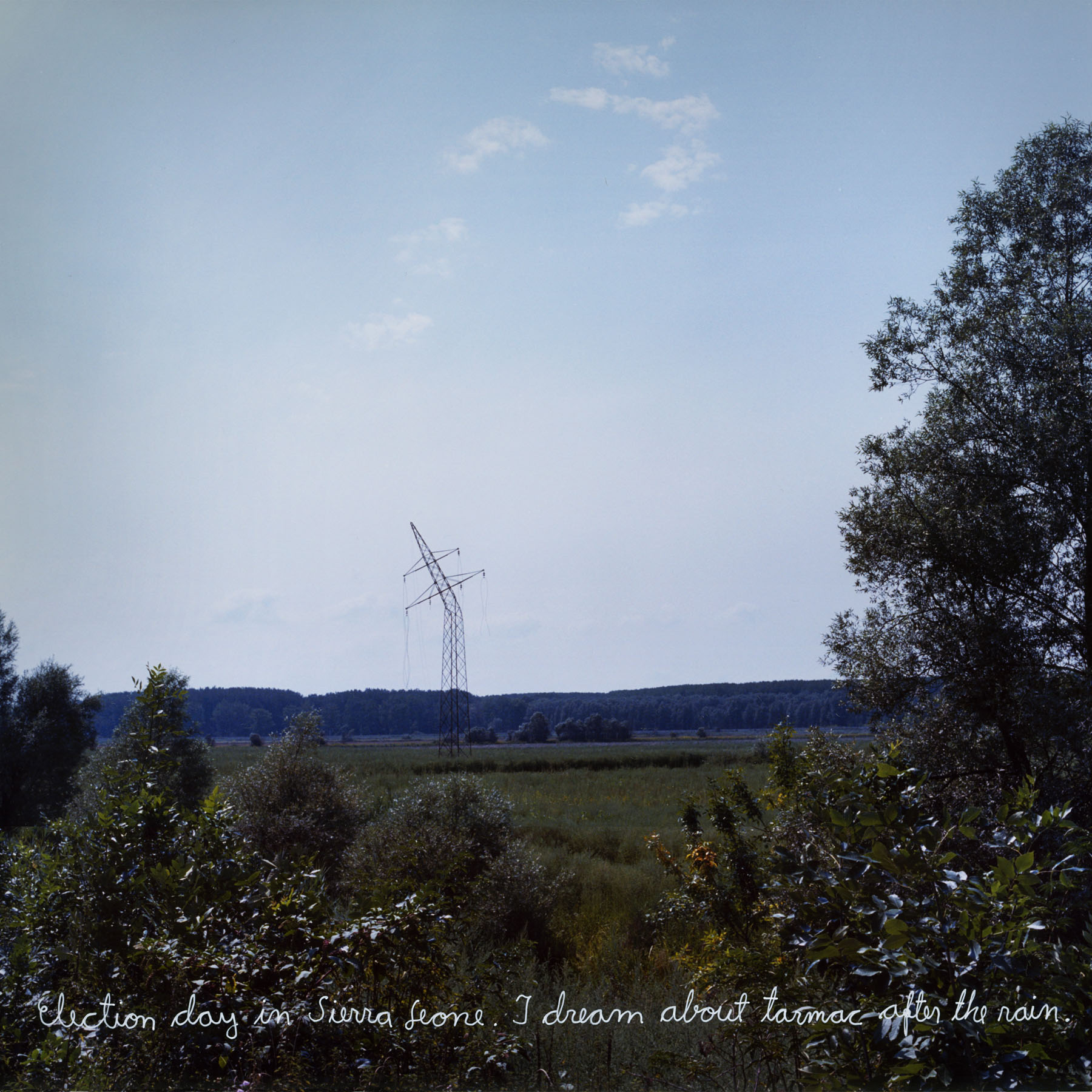
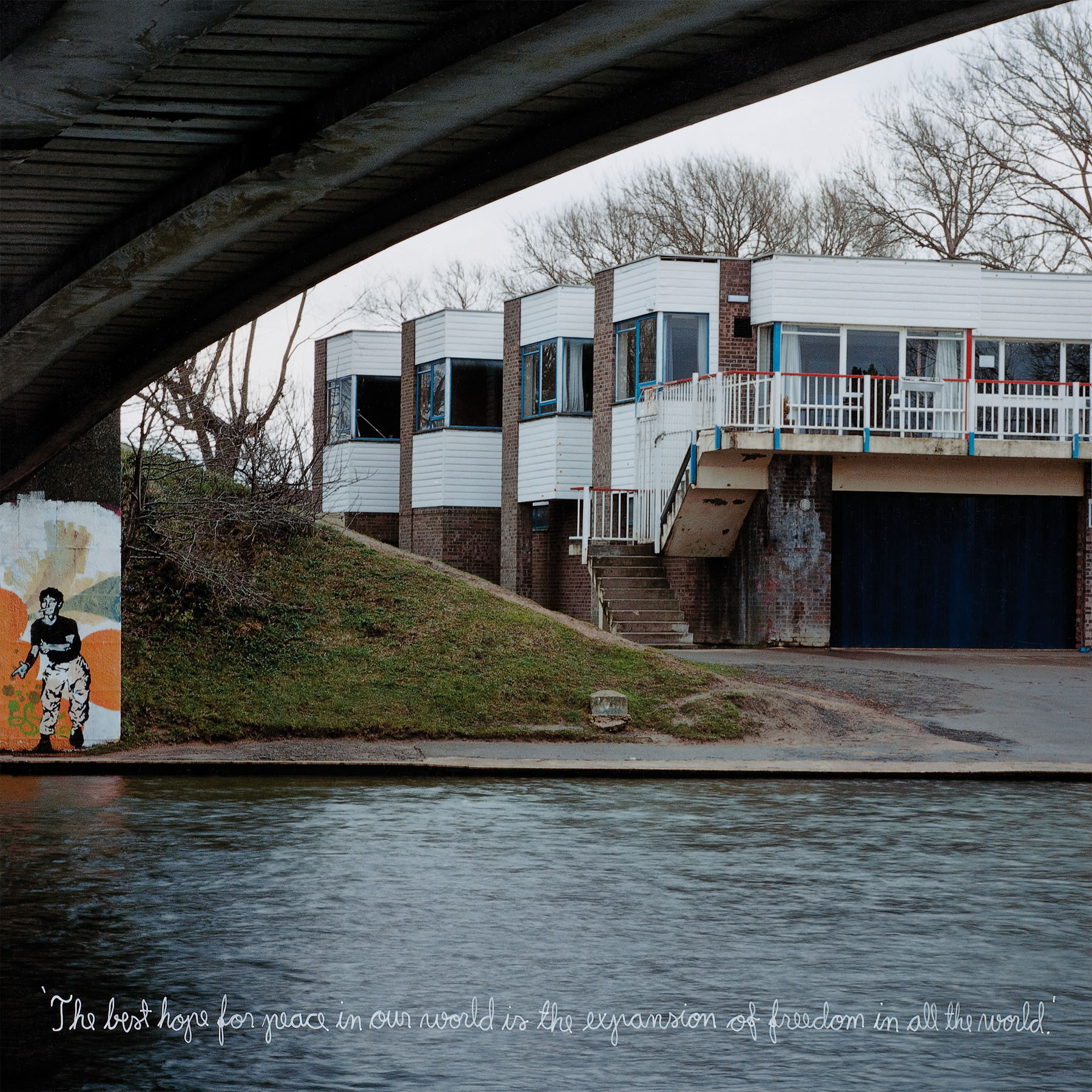
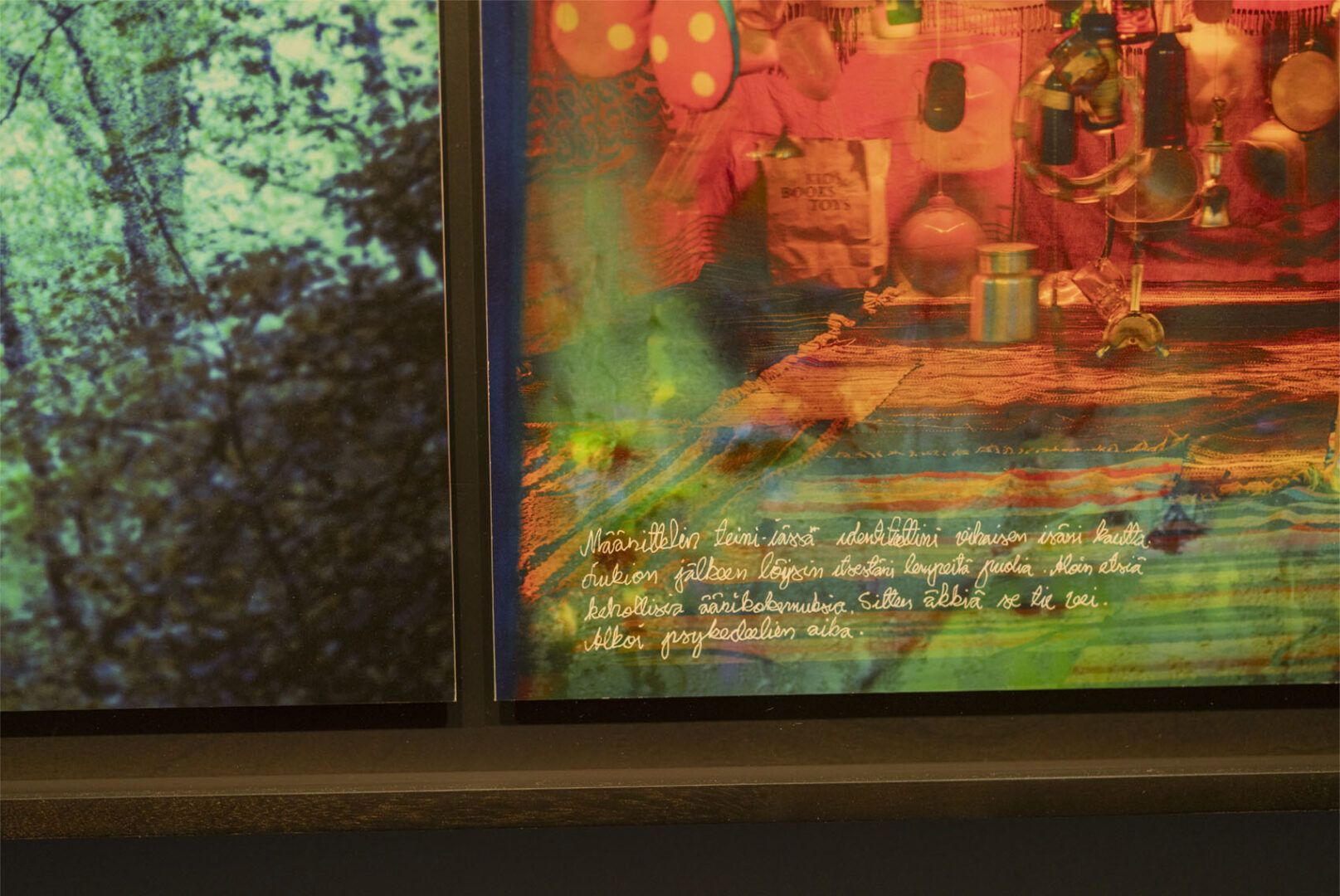
The texts that appear on the surface of the work are extracts from the lives of anonymous individuals, presented in their native languages. Silomäki has blurred, altered, and edited certain details in order to protect the writers’ identities. The work moves the viewer from the general to the specific and intimate — towards people’s fears, desires, and dreams. Central to Silomäki’s practice is an effort to expand the notion of documentary and to record, on a global scale, the events and emotions of our time.
Interview with Andrey Shabanov and Jari Silomäki
Andrey Shabanov: In contrast to the more descriptive method of your internationally recognized project My Weather Diary(2001–ongoing), Atlas of Emotions(2020) seems to advocate a novel, “performative” approach to reality. How do you place this project within your art practice?
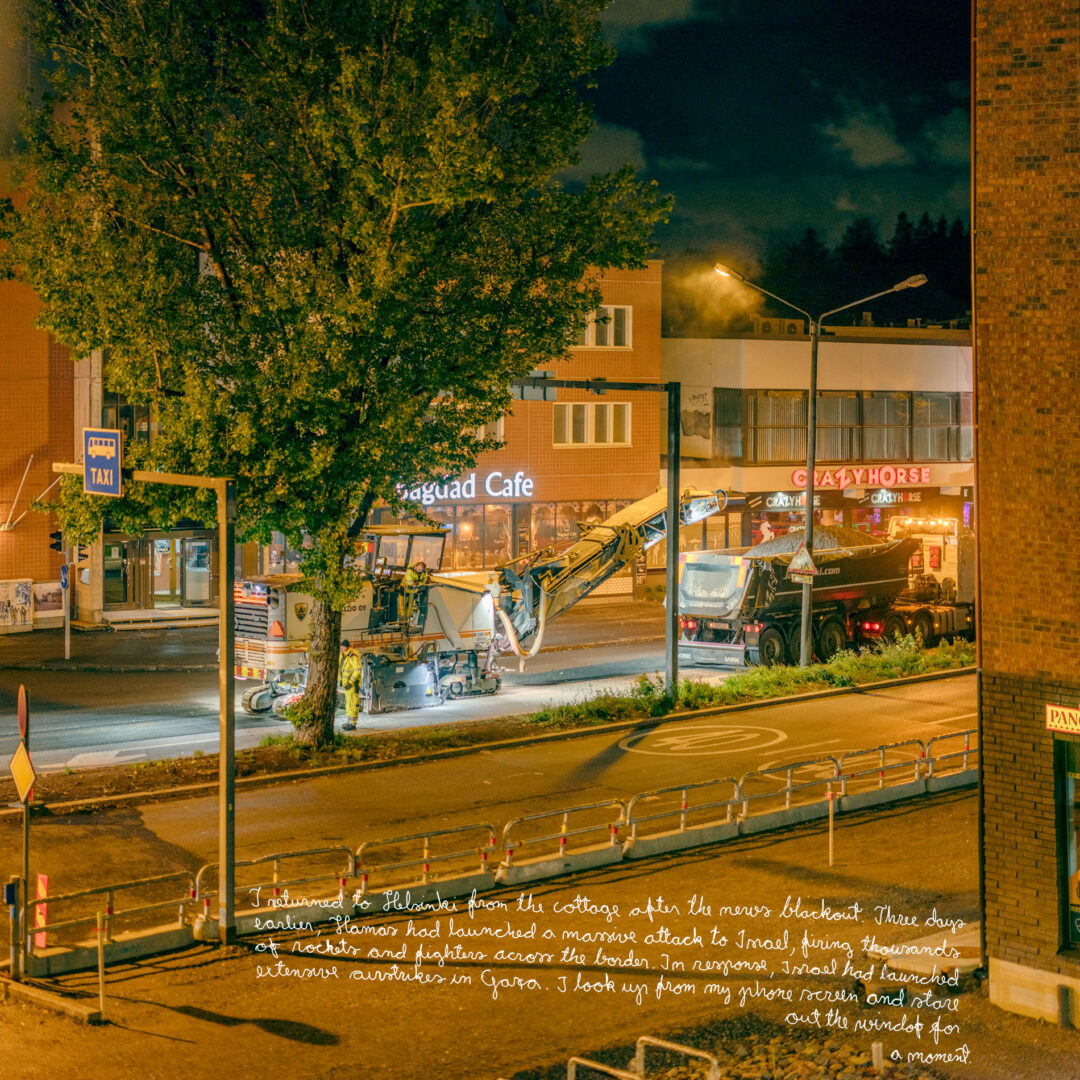
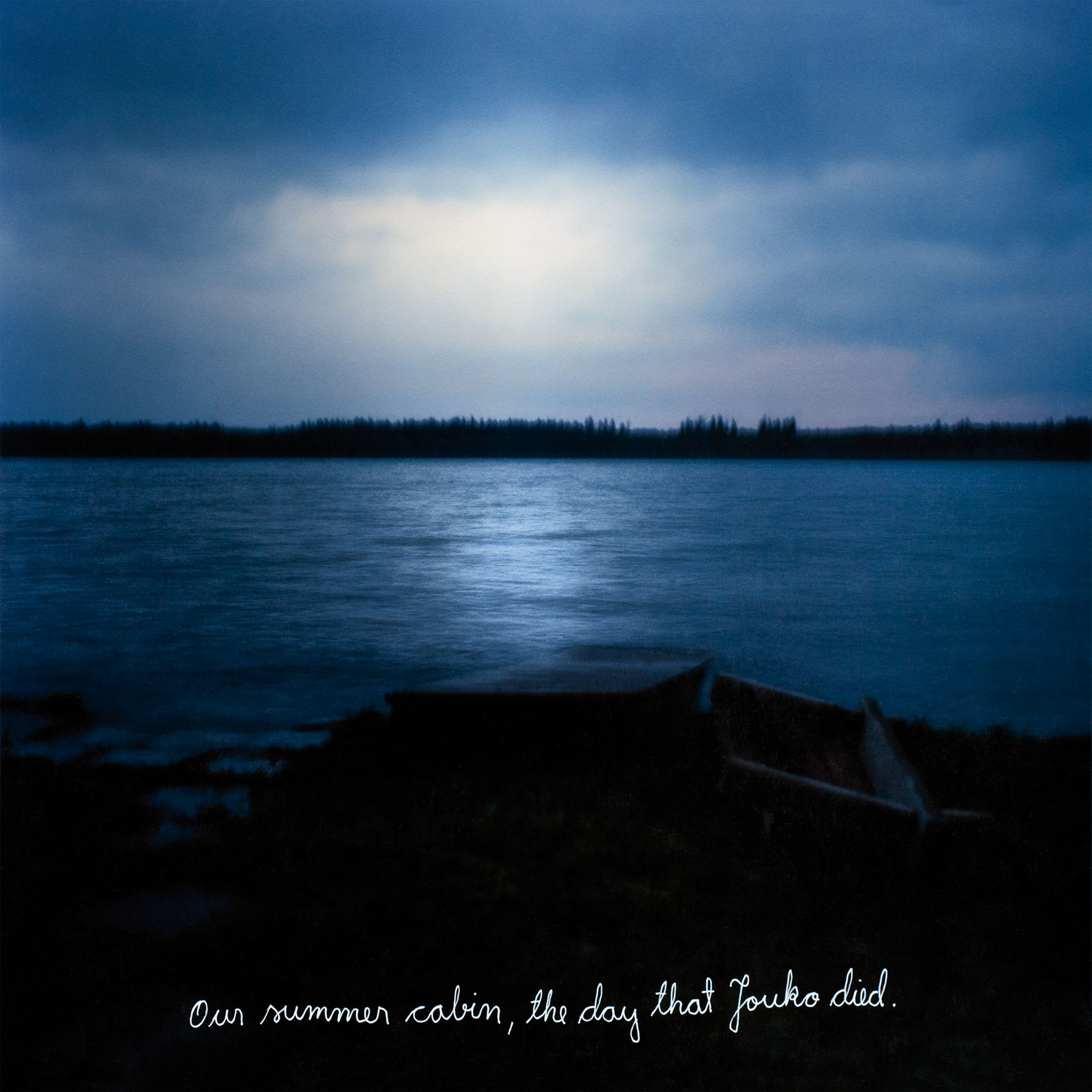
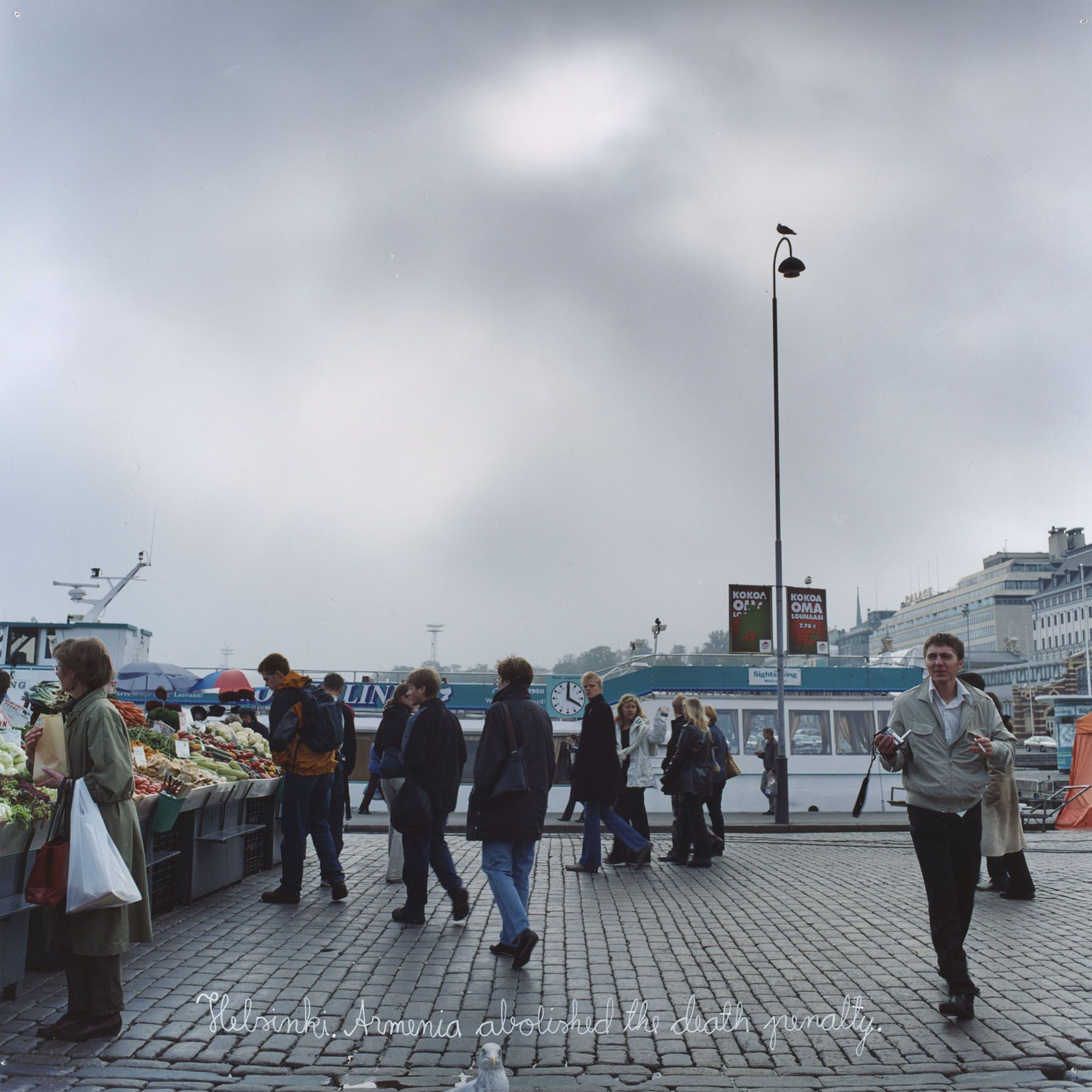
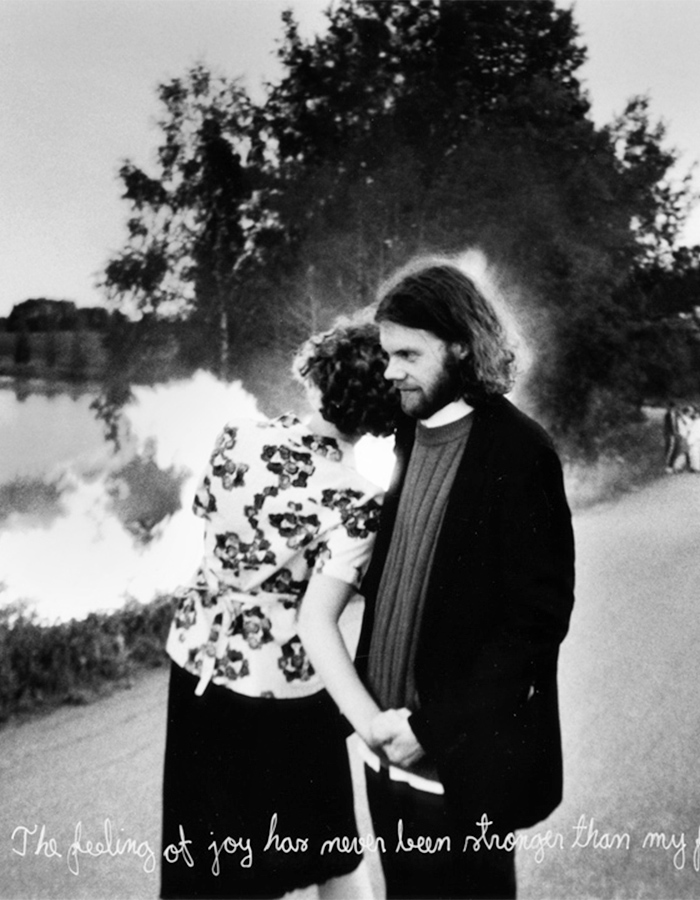
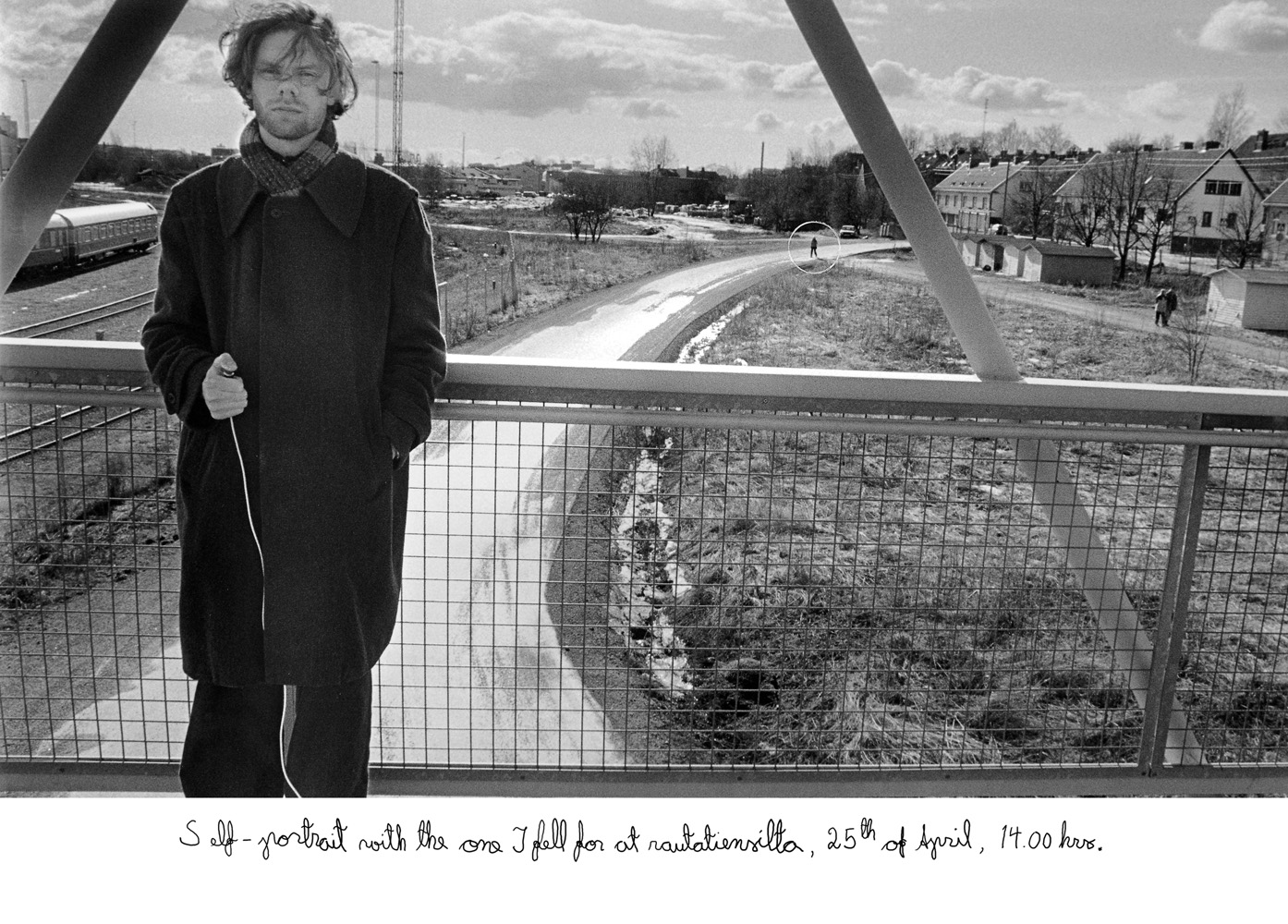
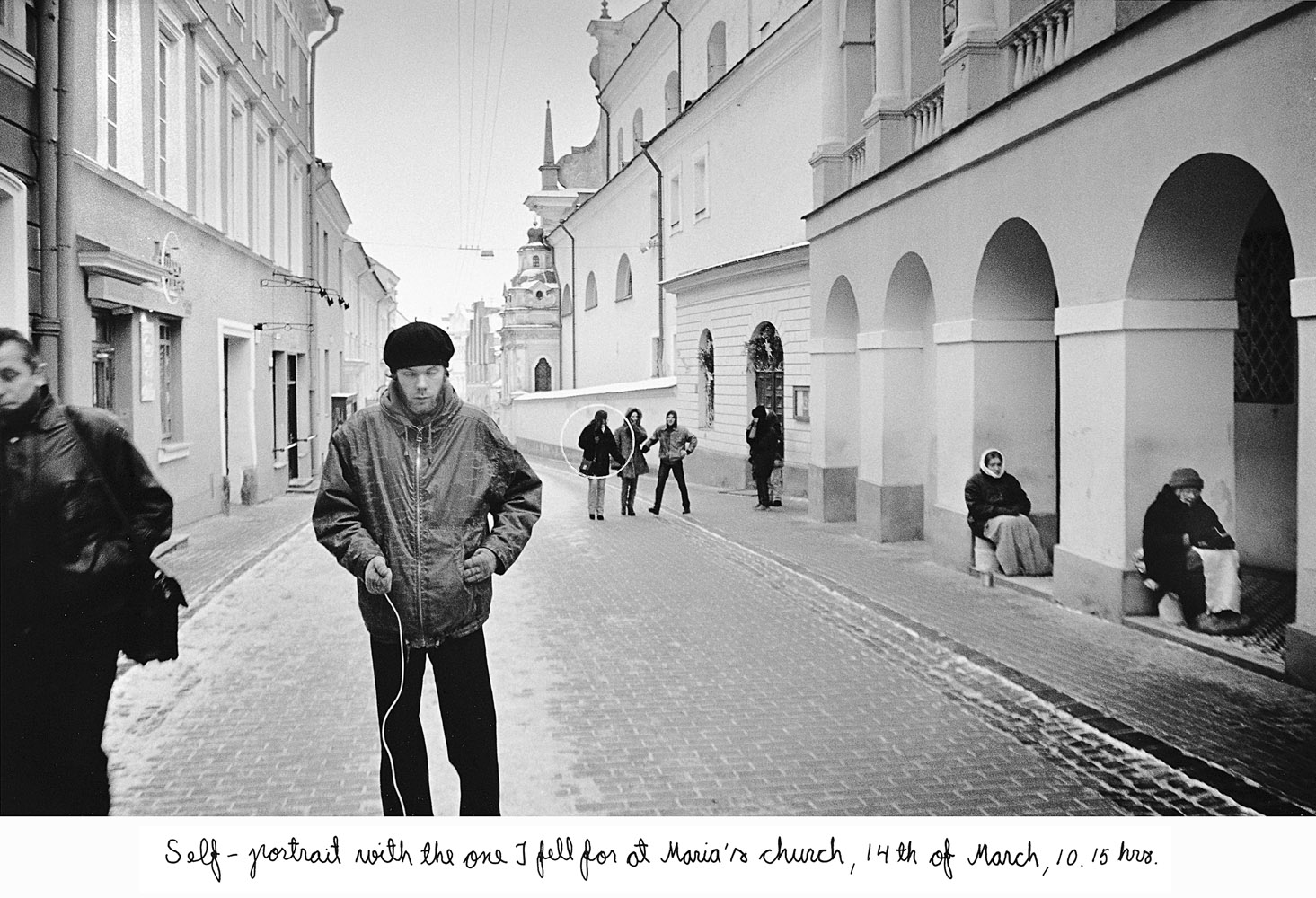
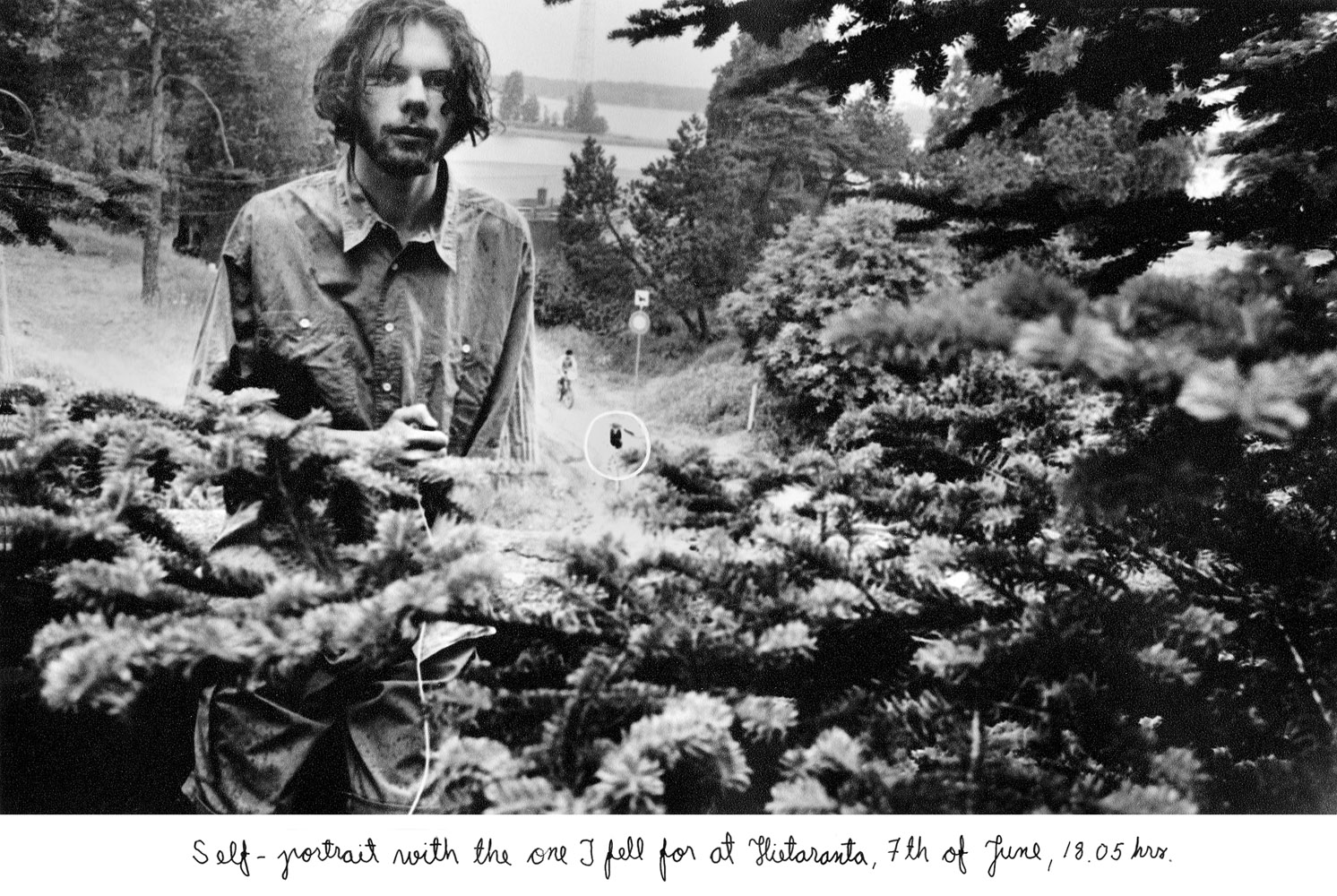
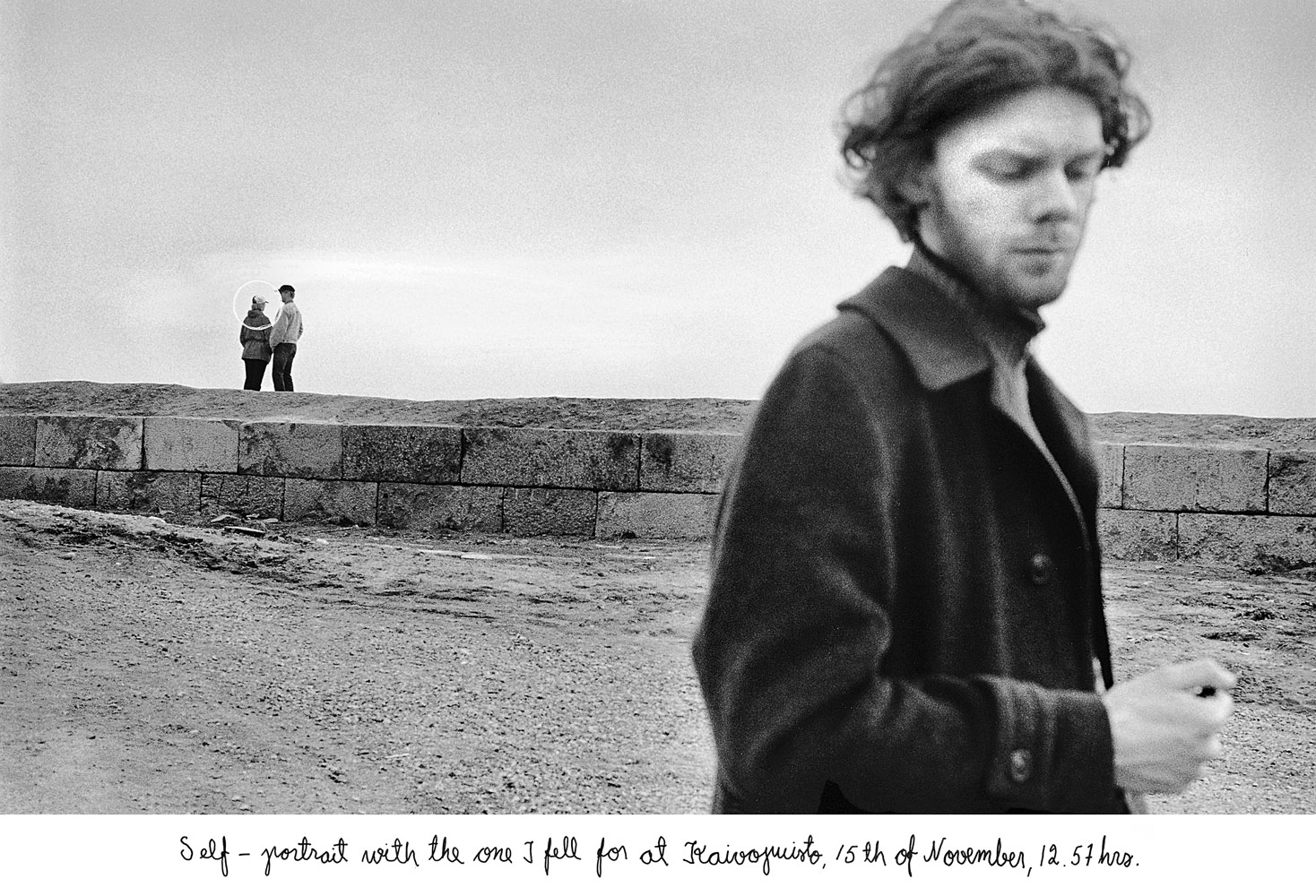
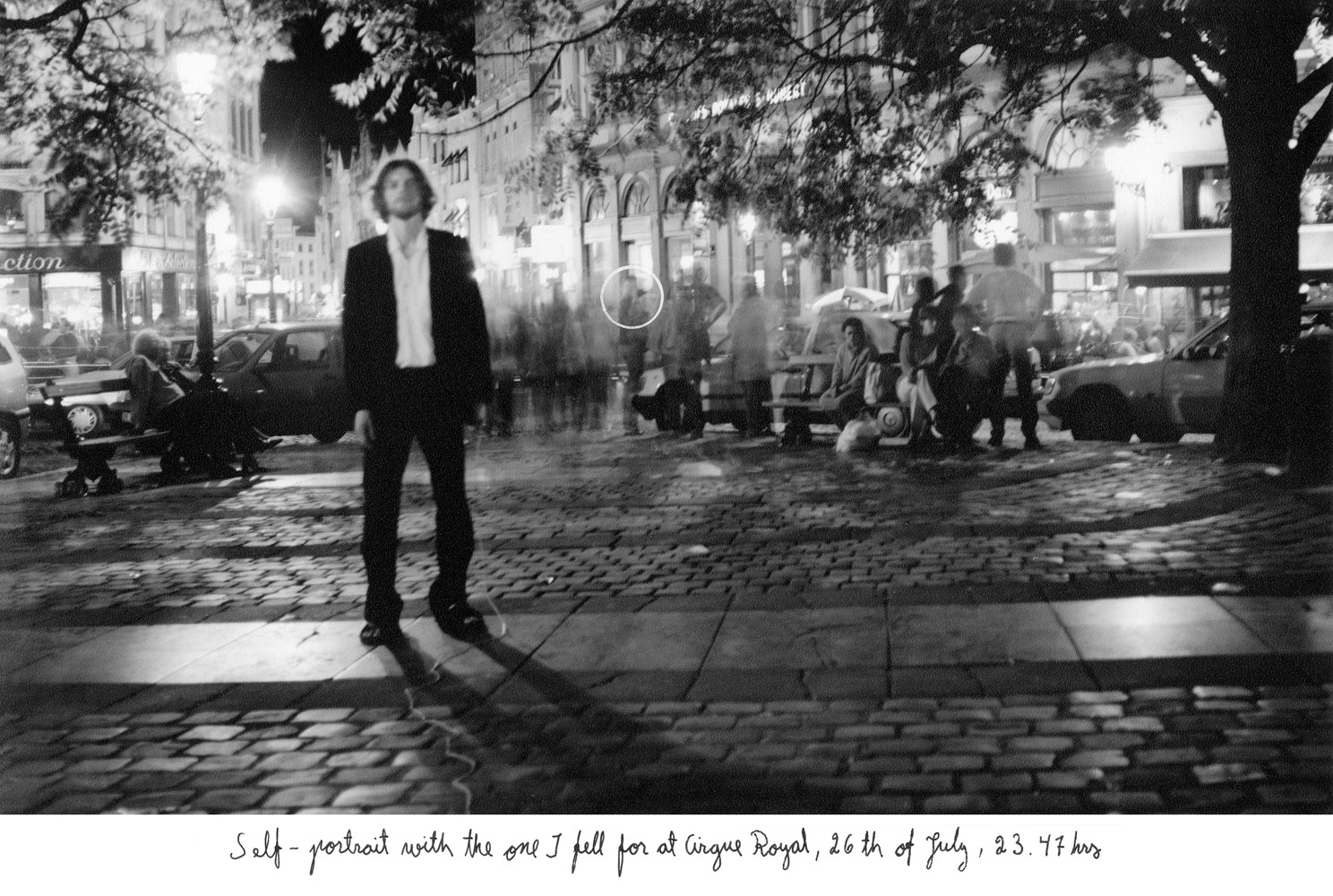
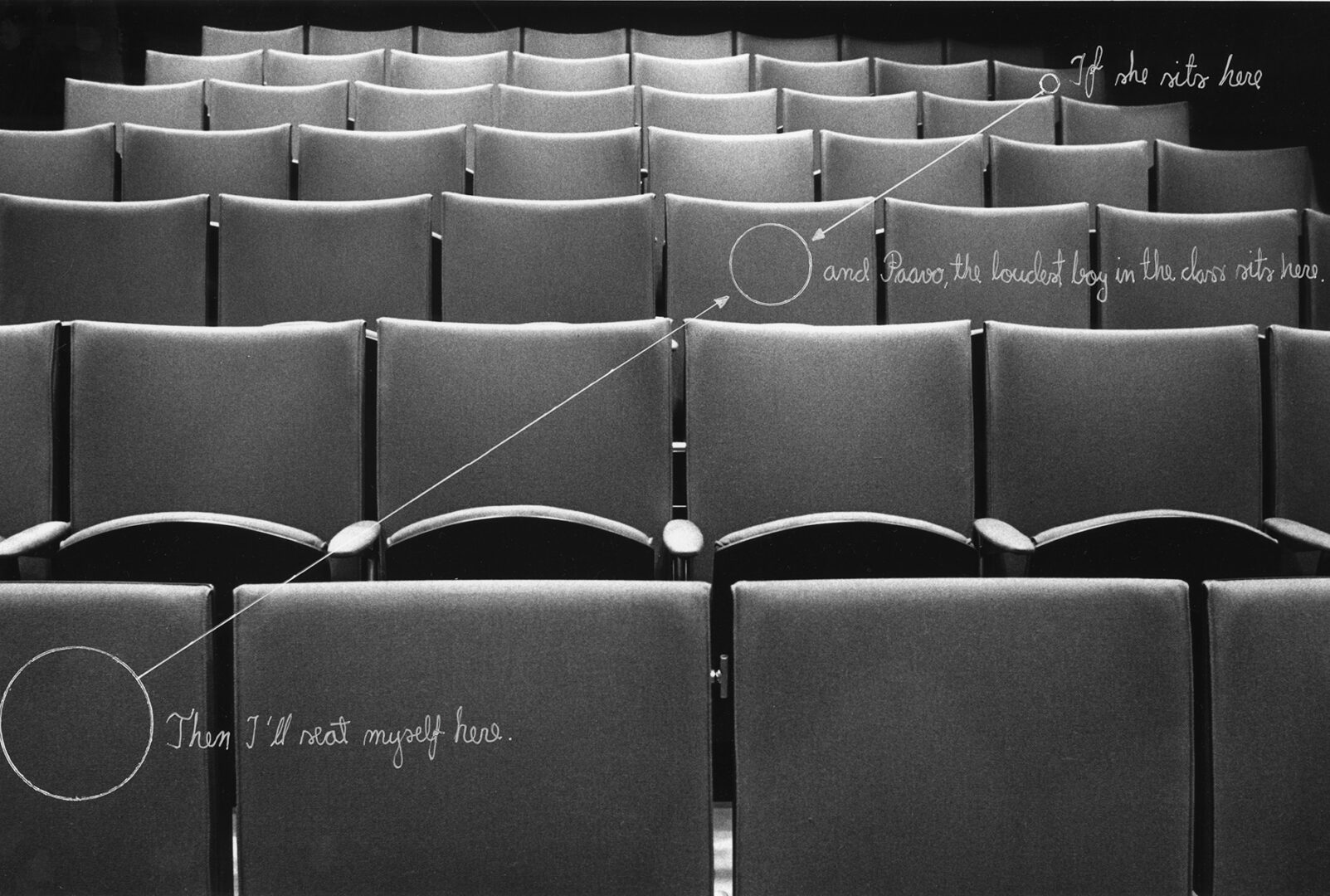
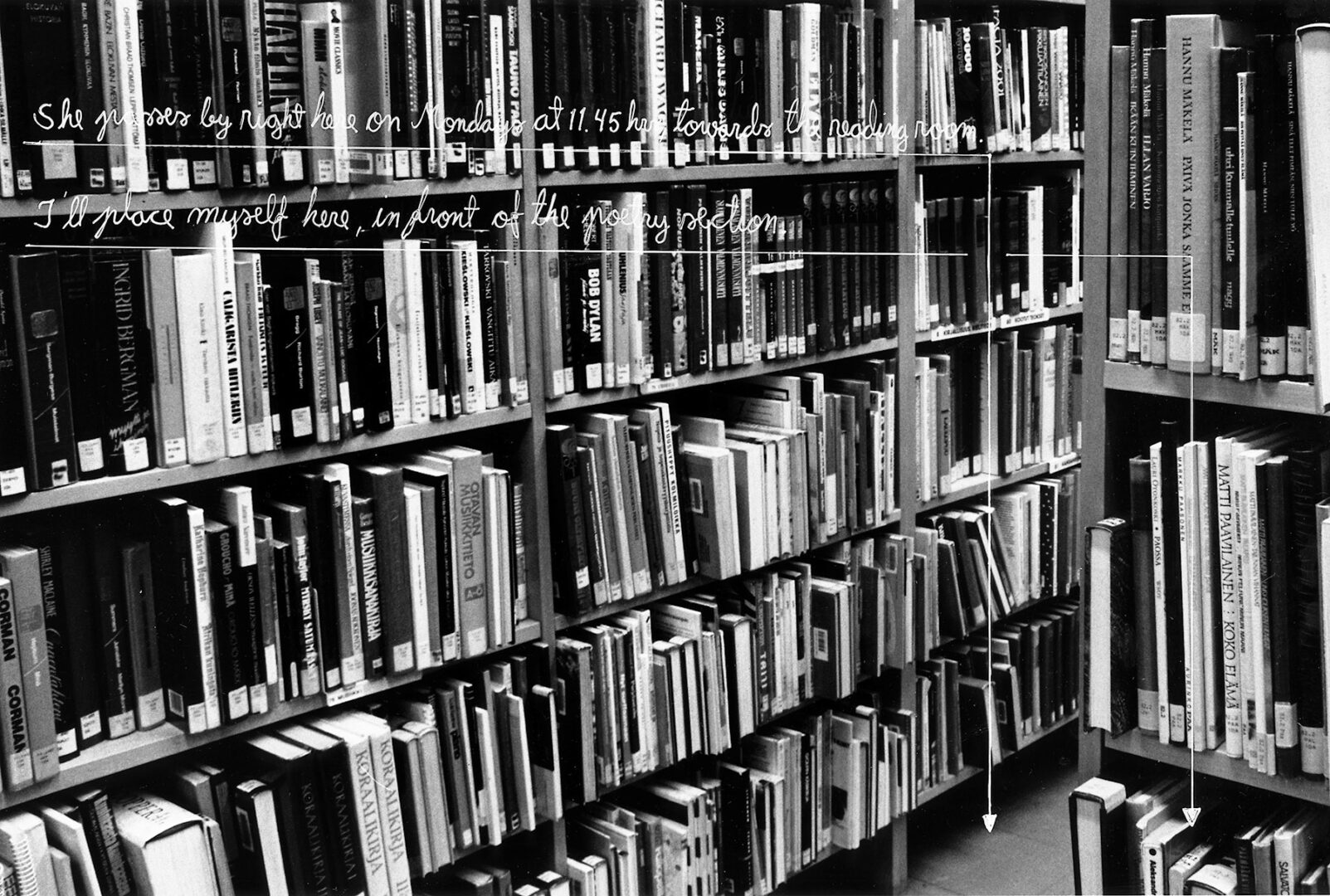
Jari Silomäki: In Atlas of Emotions, I combine documentary and fictitious elements, as I have done for many years in my art projects. I describe this method as “narrative documentarism.” It assumes the union of text and image, narrative continuity, and extends the concept of a document. Some roots of my method can be traced back to John Grierson (1898–1972), who famously defined a documentary as “the creative treatment of actuality.” The earliest example of narrative documentarism in my practice is the piece Rehearsals for Adulthood (2001), in which images are performative by nature, blending documentary and fictional components. Later on, I used the same approach to produce the projects My Unopened Letters (2004), Personal War Stories of an Outsider (2006), and Alienation Stories (2009).
a.s How did this project develop over time? Where did you start geographically? At which point and why did it become international in focus?
j.s During 2009–11, I gathered anonymous stories of people on Finnish public forums online. But at some point, it became clear that it would be way more interesting and
challenging to include stories in other languages and from around the world. Since the internet does not know any boundaries and is open for all people, it would have been wrong to stick to geographical boundaries.
a.s What was it you were looking for in the stories, while looking for them on the internet? Did they have to be “photogenic” in some way? Unique or banal, representative or contemporary?
j.s I valued and wanted to emphasize the role of chance in all major phases of the production. So, I always chose the nicknames that came up with a long body of text containing personal everyday observations. In other words, instead of focusing on how interesting the texts are, I considered the length, detailedness, and style to decide which anonymous story should end up as an imagereenactment.
a.sHow would you describe the relationship between the entire story and its reenacted fragment?
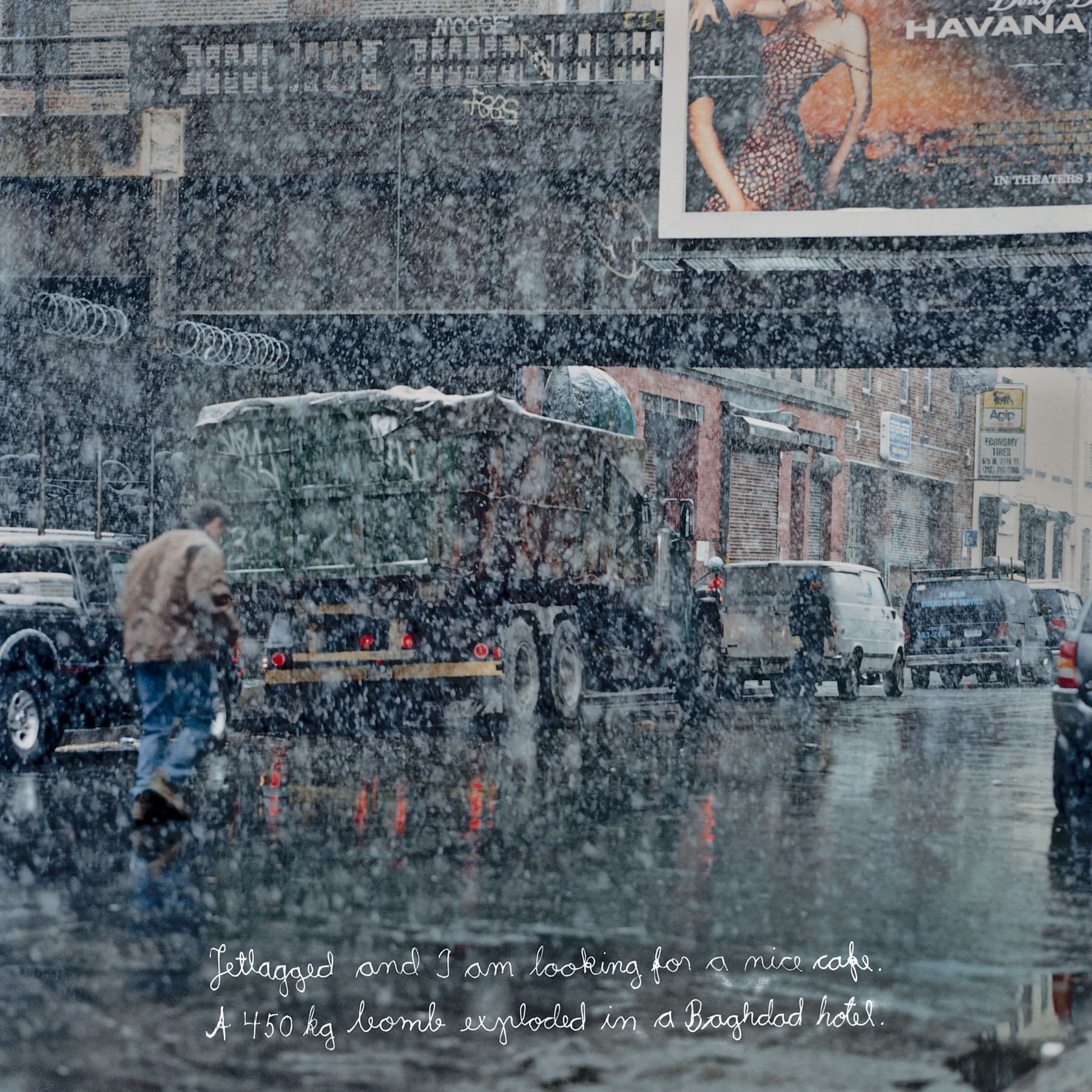
j.s The final images contain a scene, which had a significant impact on the anonymous author of each story. However, while doing these reenactments, I first and foremost pursued and tried to grasp the atmosphere and tensions observable within each story, so the main theme in a created picture usually differs from the one in the text. It is almost impossible for any of the anonymous writers to identify themselves in the finished works.
a.s Given that you gathered stories from remarkably different geographical regions, where did you recruit the “actors” to reenact these stories in your Helsinki-based studio?
j.s Excitingly enough, most of my actors lived in Finland, where today you could easily come across people from around the globe! So, I hired them according to the cultural context of where each recreated story originally happened.
a.s Your process of making reenactments reminds me of film production. What does the photography medium allow you to communicate that film doesn’t?
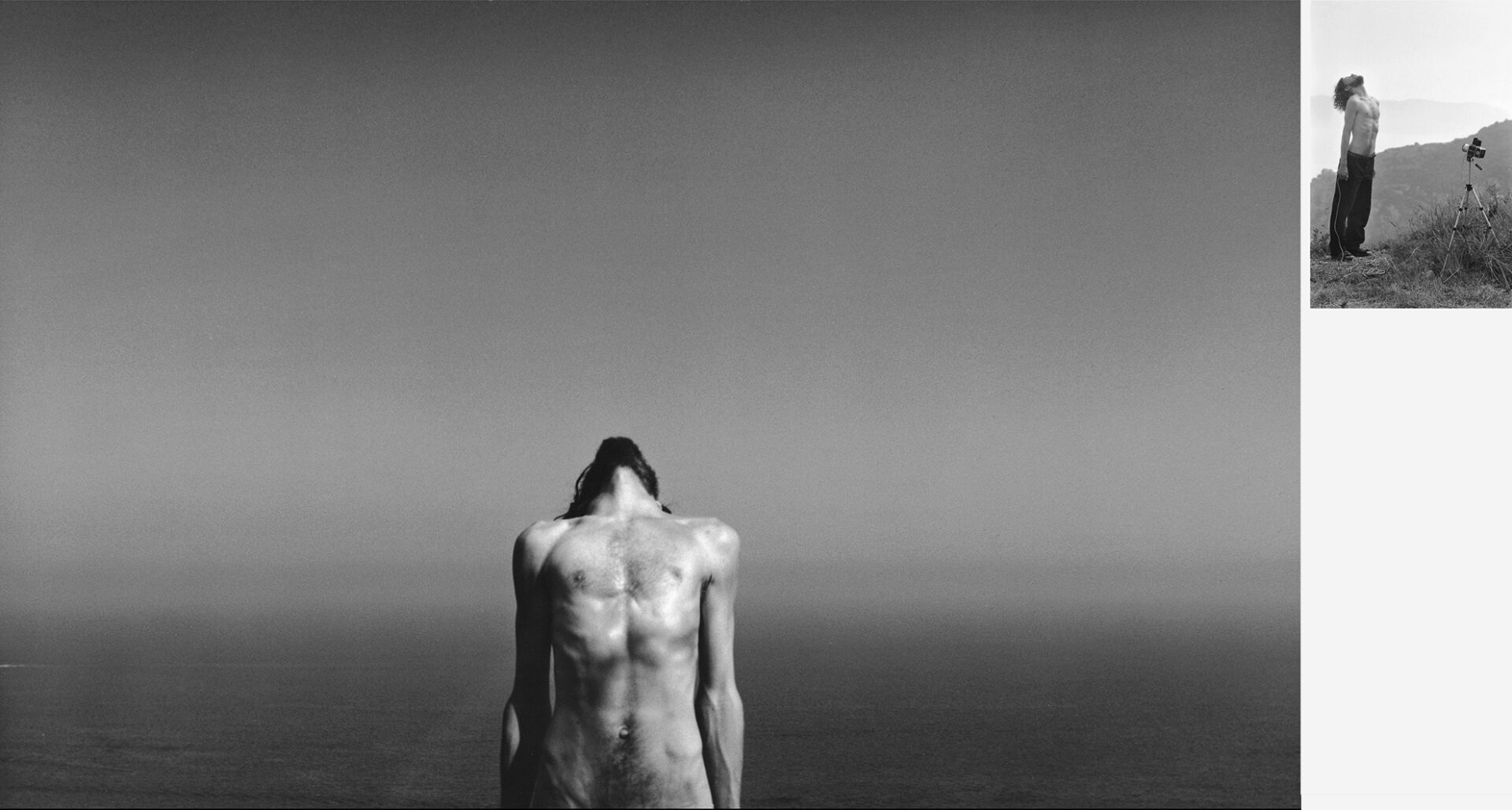
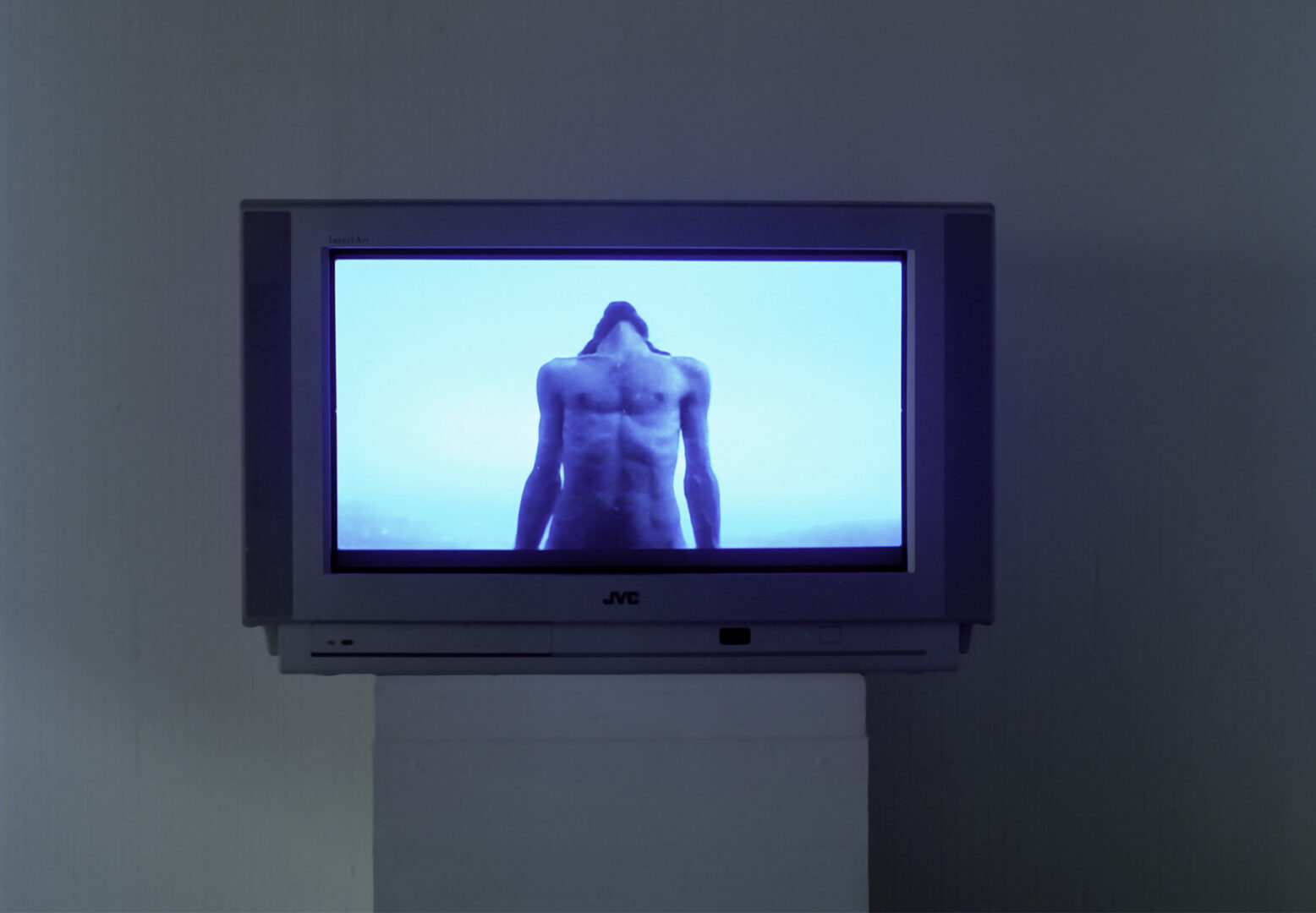
j.s Indeed, in some ways the creation process of Atlas of Emotions resembled production in cinema. But I had neither the team nor the funding comparable to filmmaking! Thankfully, I had some interns from Finnish art schools to help me out. The method I employ in photography has largely to do with utilizing human physicality—the one that was, for instance, described in the theatrical theories of Antonin Artaud (1896–1948), which emphasizes the actor’s body and movement. Photographs are just the physical presence of the subject. That makes some of Artaud’s primary physical methods, such as breathing techniques and Eastern dance styles, essential elements of my photographic practice.
a.s In addition to Grierson and Artaud, I wonder if there were any artists who shaped your photographic practice?
j.s I spent my youth in a small town in preinternet times. My knowledge of photography was confined to a local public library’s shelves with Finnish photography books. Hence, my work has always been strongly rooted in a national art photography tradition. At a later age, I realized how lucky I was: Finnish artists produced some of the world’s most interesting photography in the 1980s and early 1990s. The most impressive volume in the library was The Philosophy of Photography, which featured works by Ulla Karttunen, Heini Hölttä, Ulla Jokisalo, and Raakel Kuukka. Among them, Jokisalo’s style of approaching a person’s identity with a unique photographic language was the most transformative experience for me.
a.s Do you have any failed stories, ones that you picked up, but which did not work in the end?
j.s I have stories and images that have not been included in the final project. The reason has often been that I didn’t get the picture to work the way I wanted it to. That is to say, the reason was due to my unhappiness with the final image-reenactment, not with the initial story.
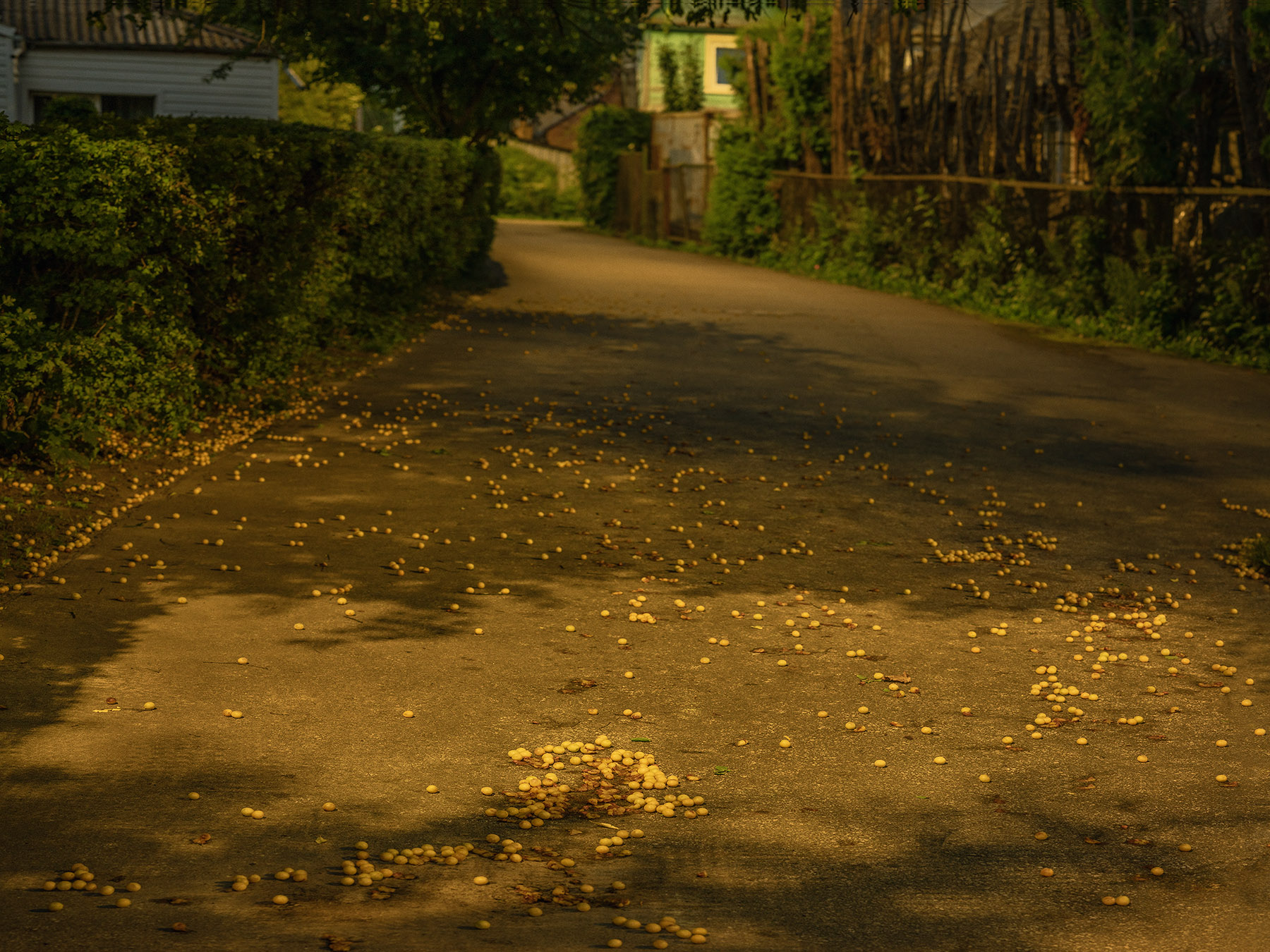
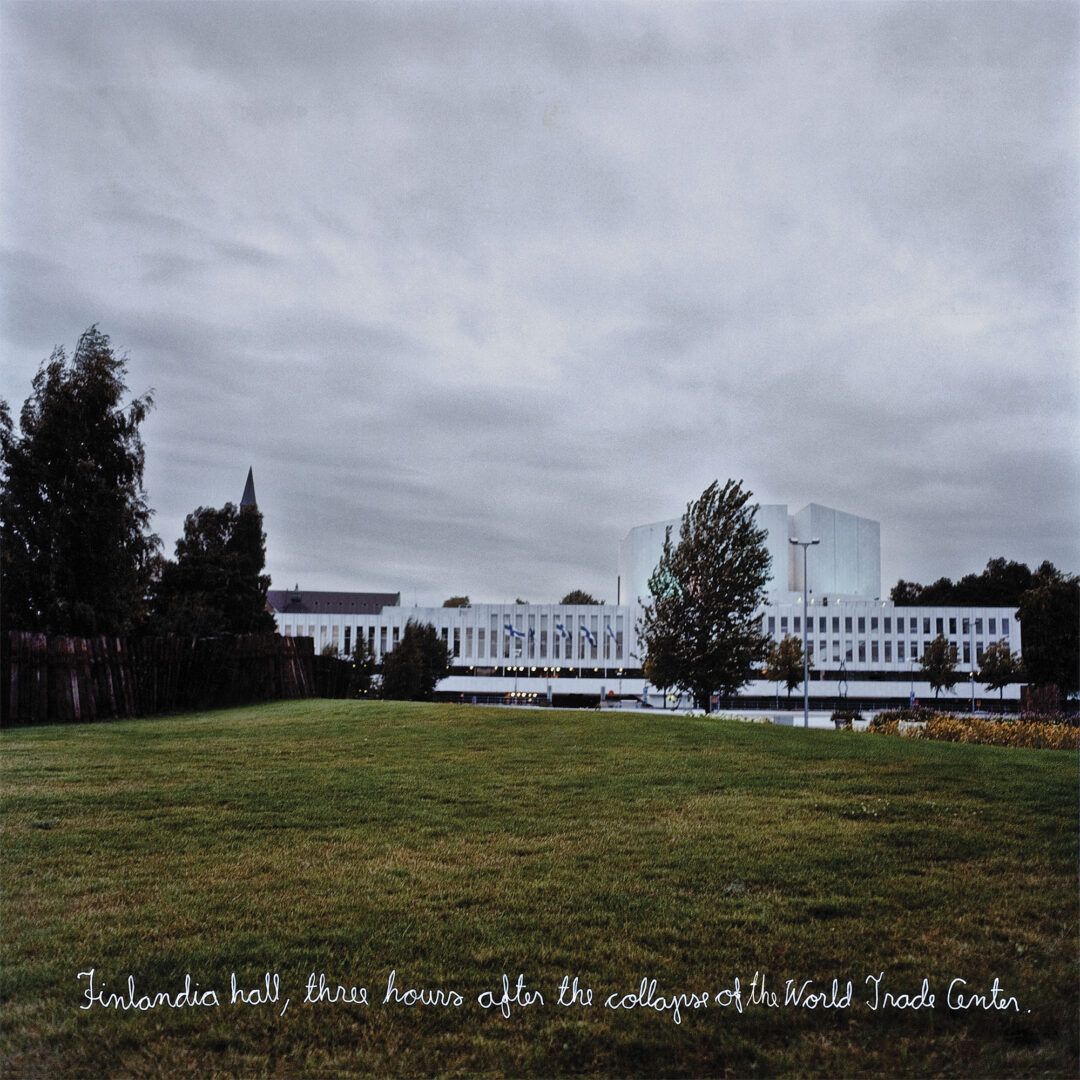
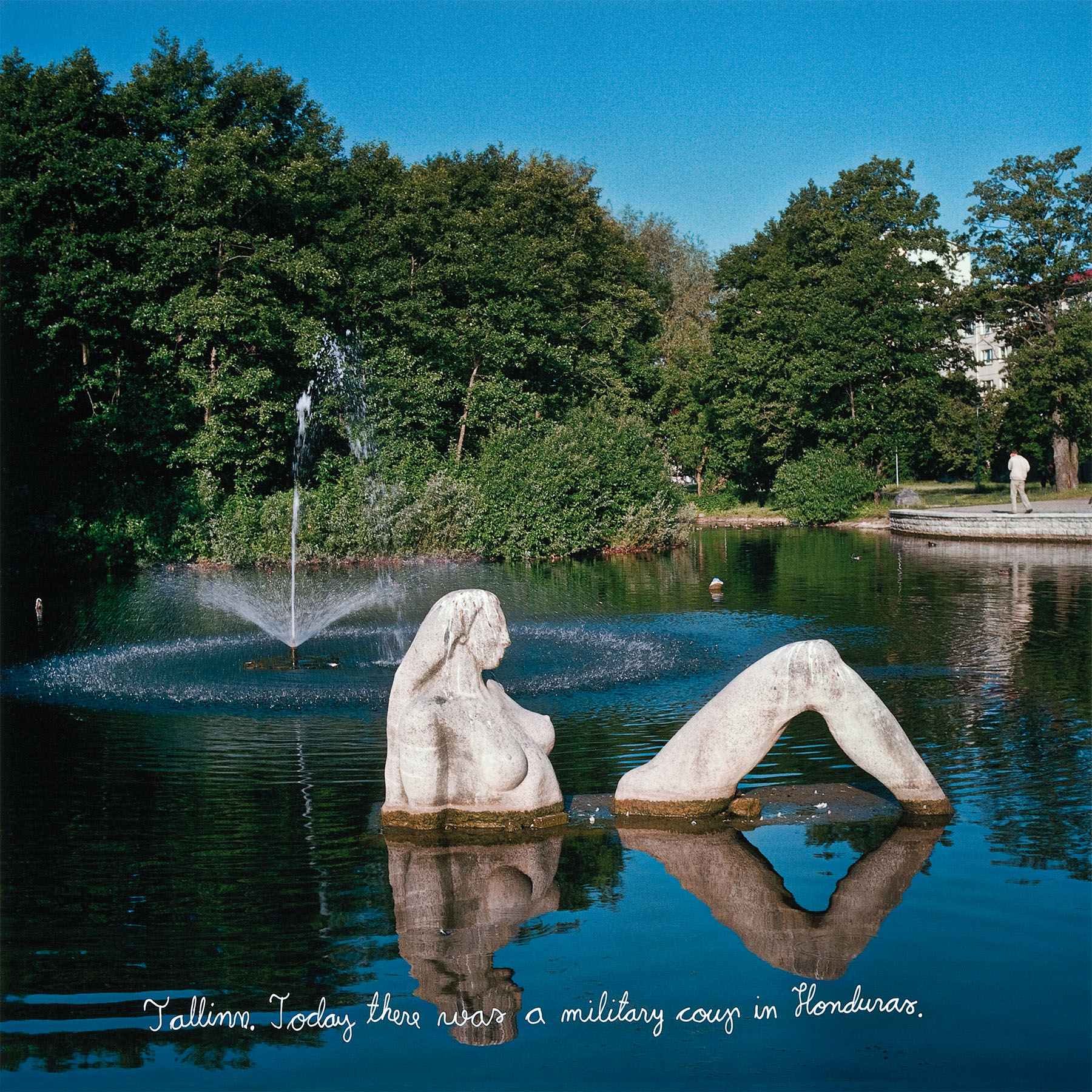
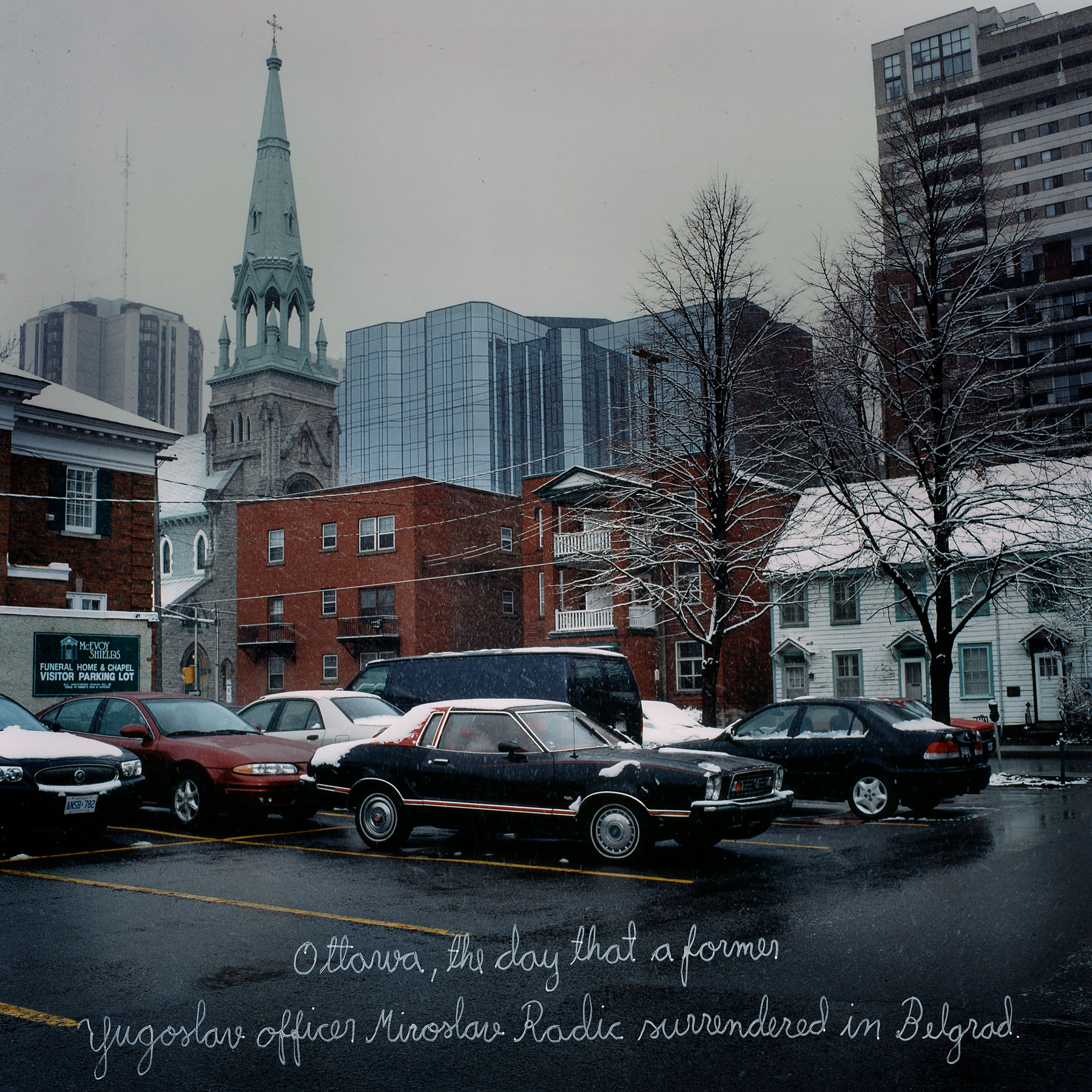
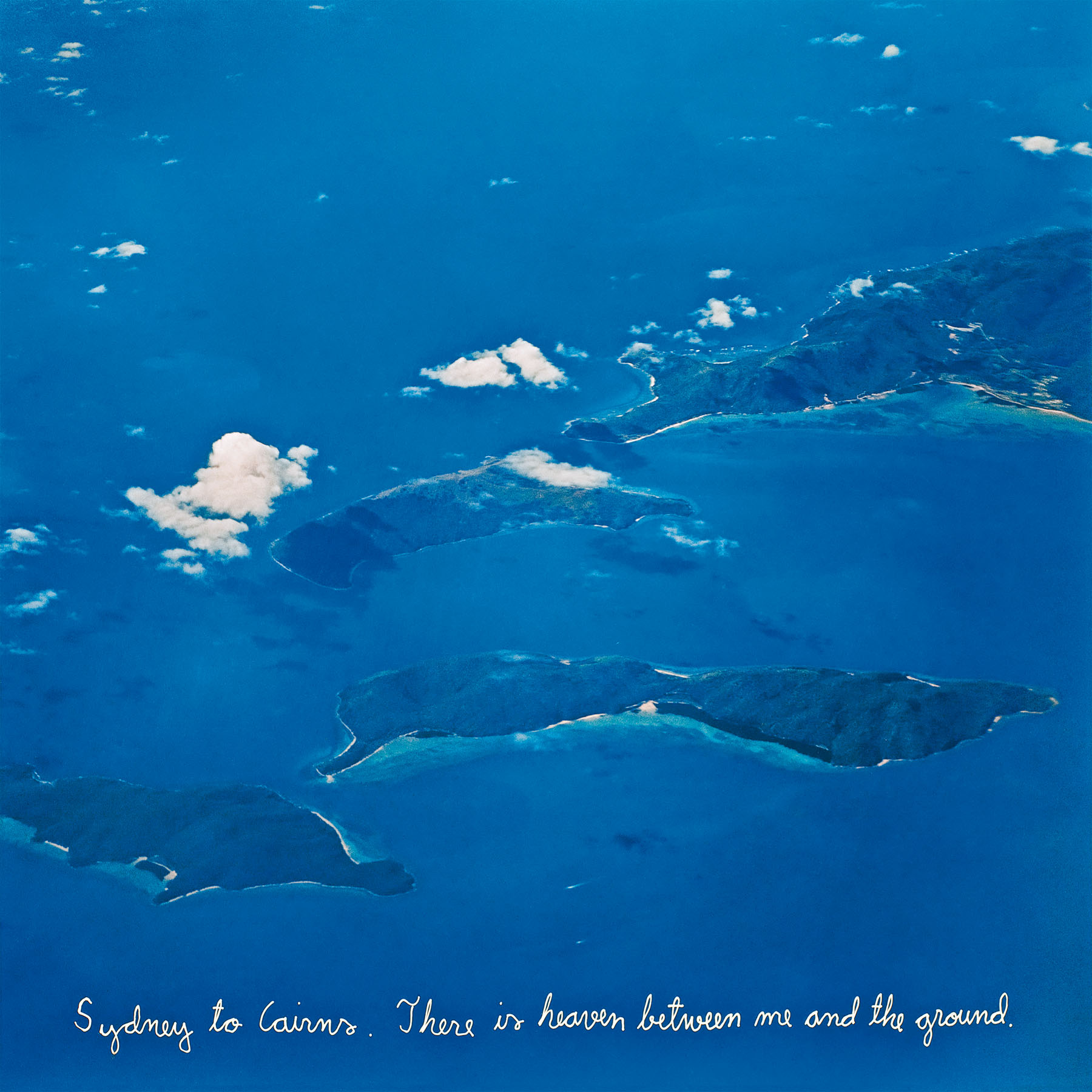
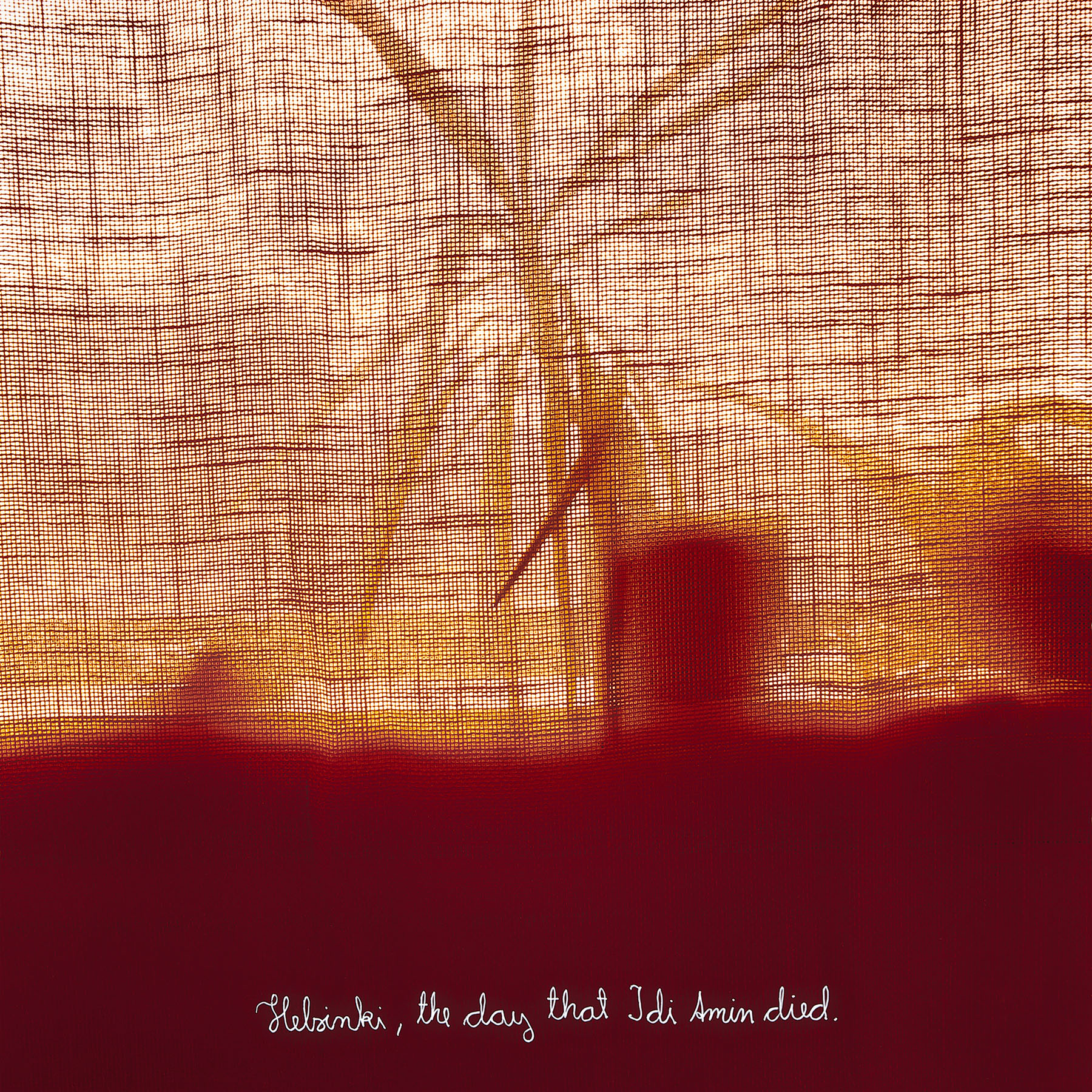
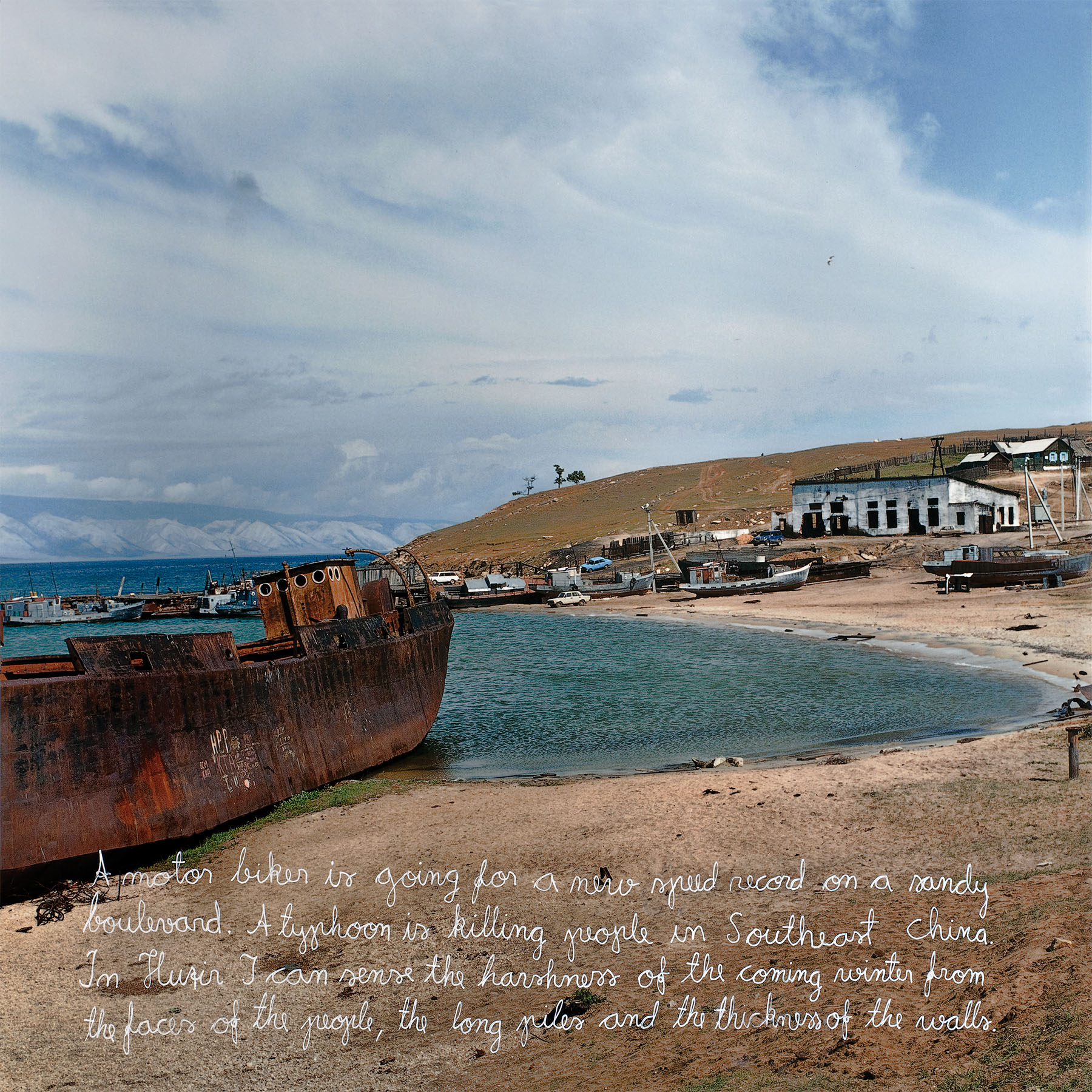
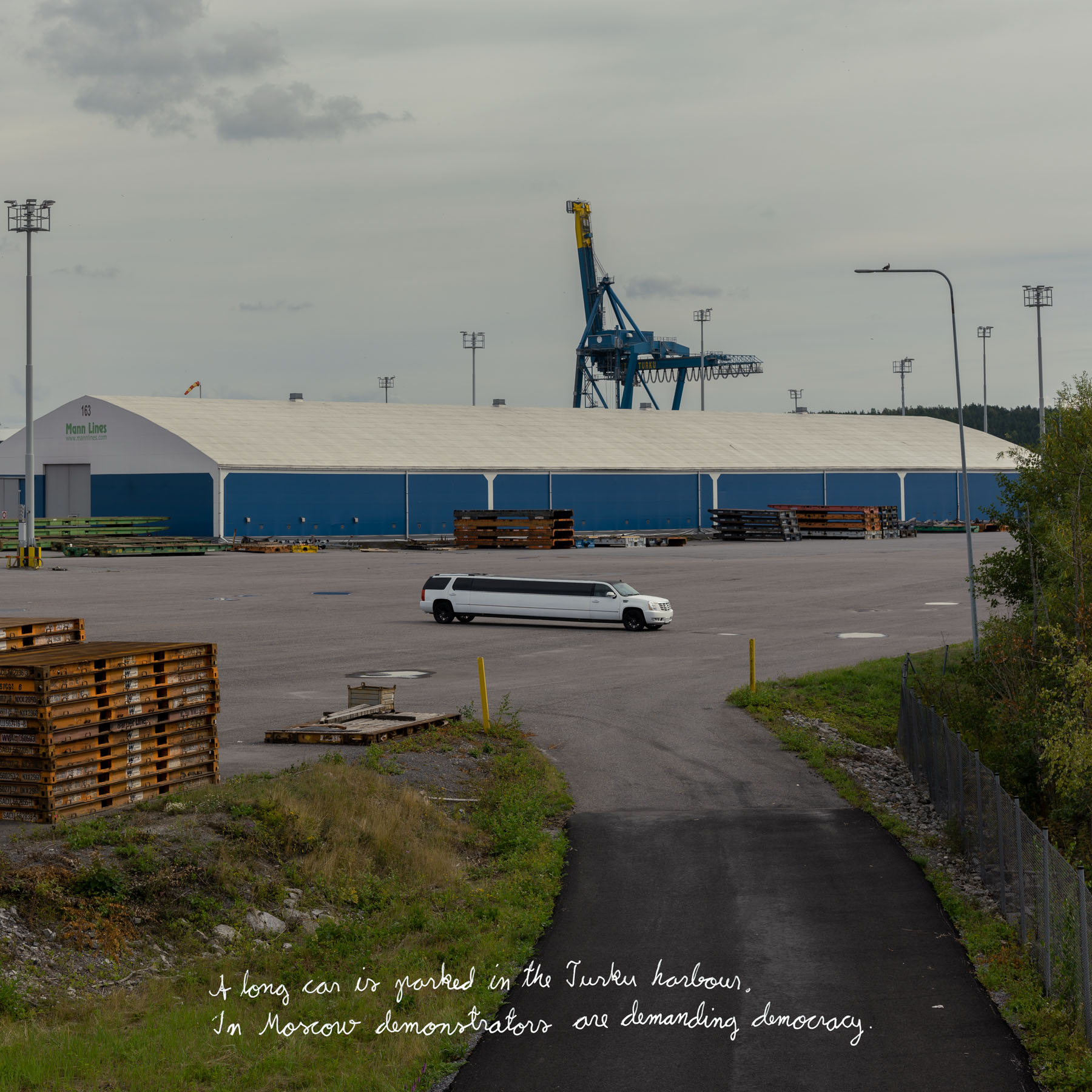
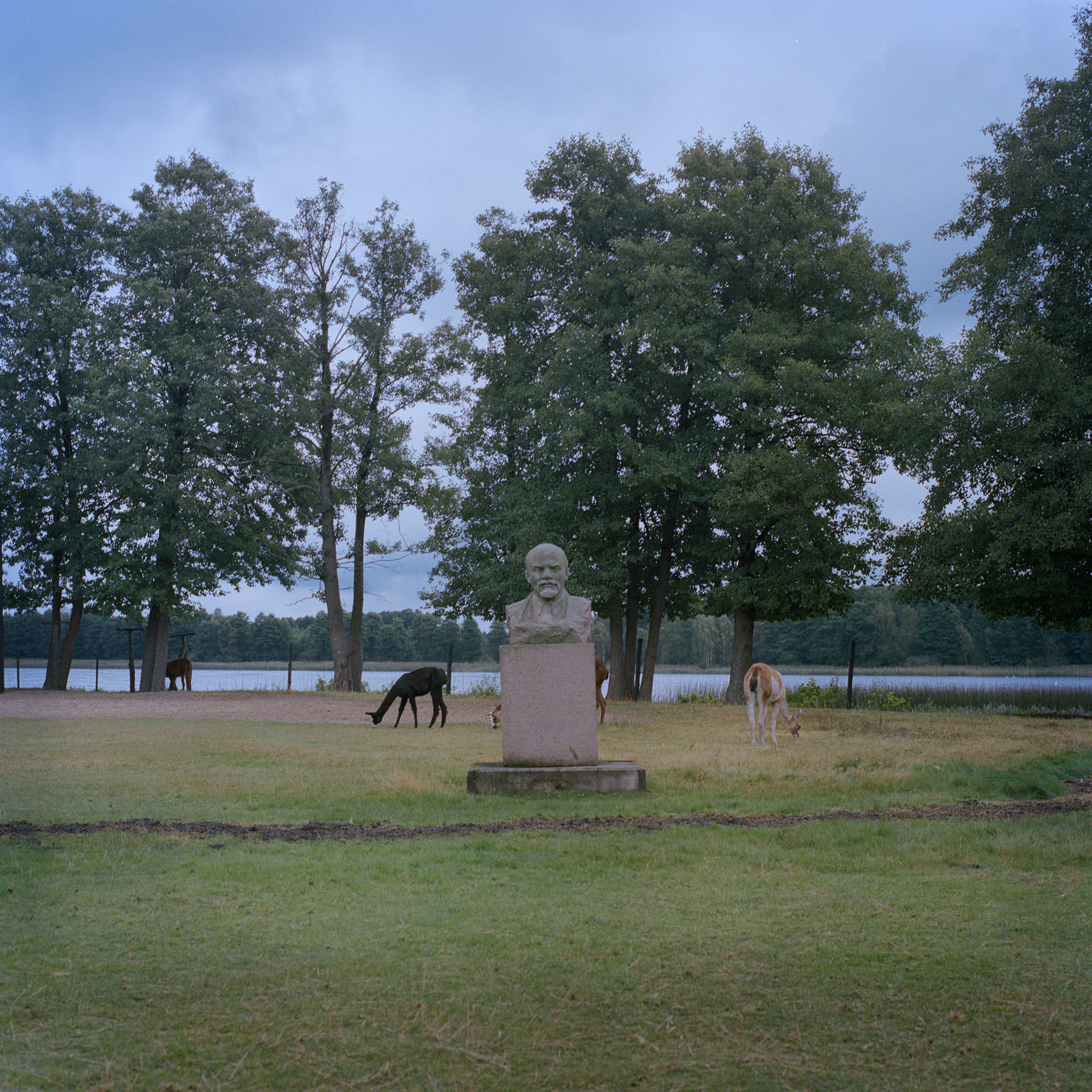
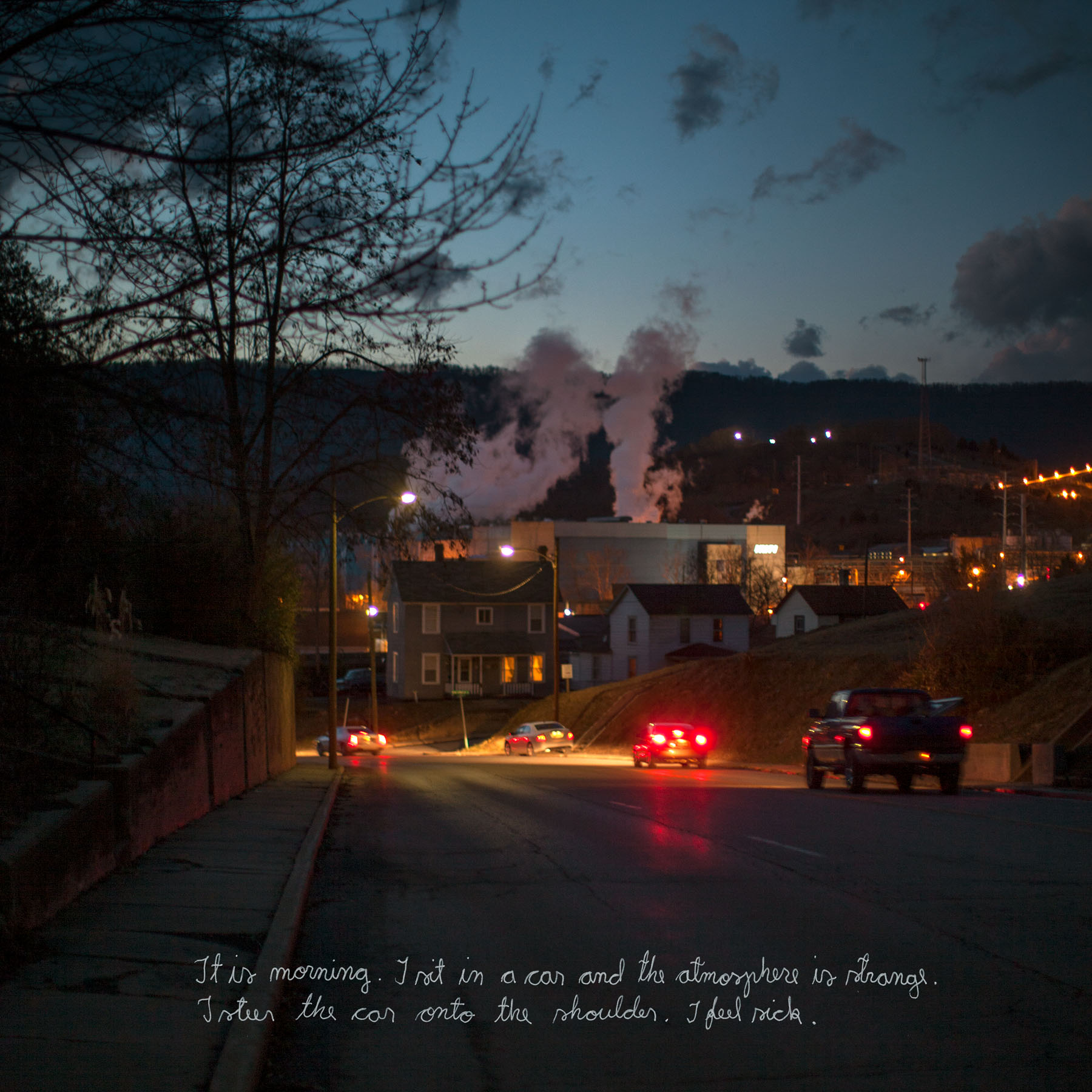
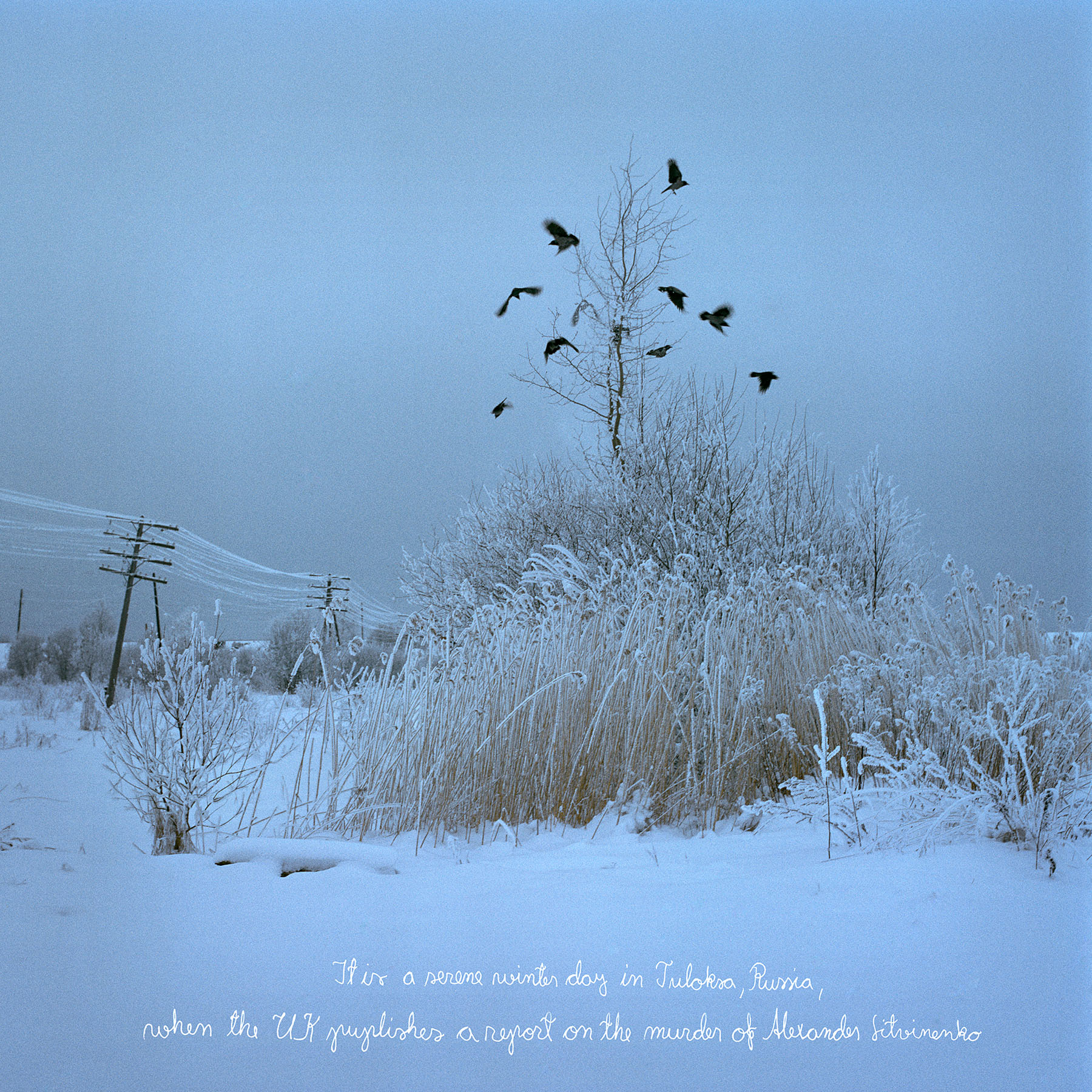
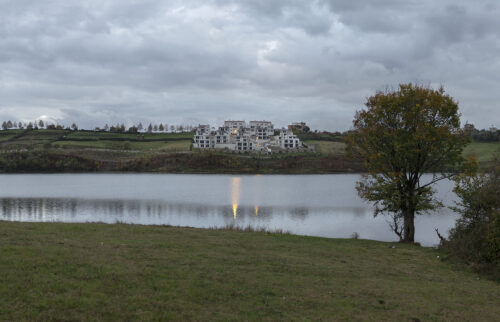
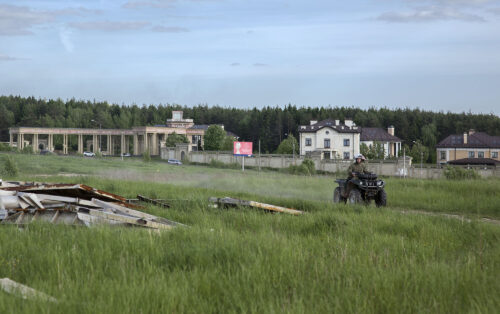
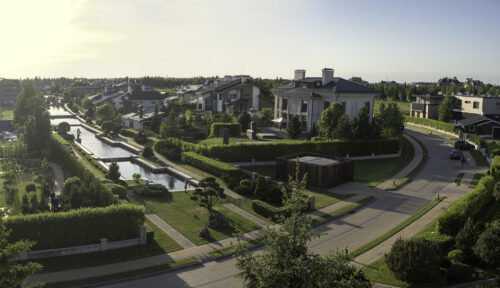
a.s Apart from communicating documentary value, do you invest any other meaning in the large landscape photograph that accompanies each story?
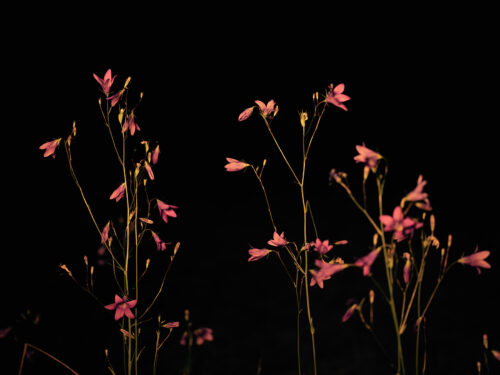
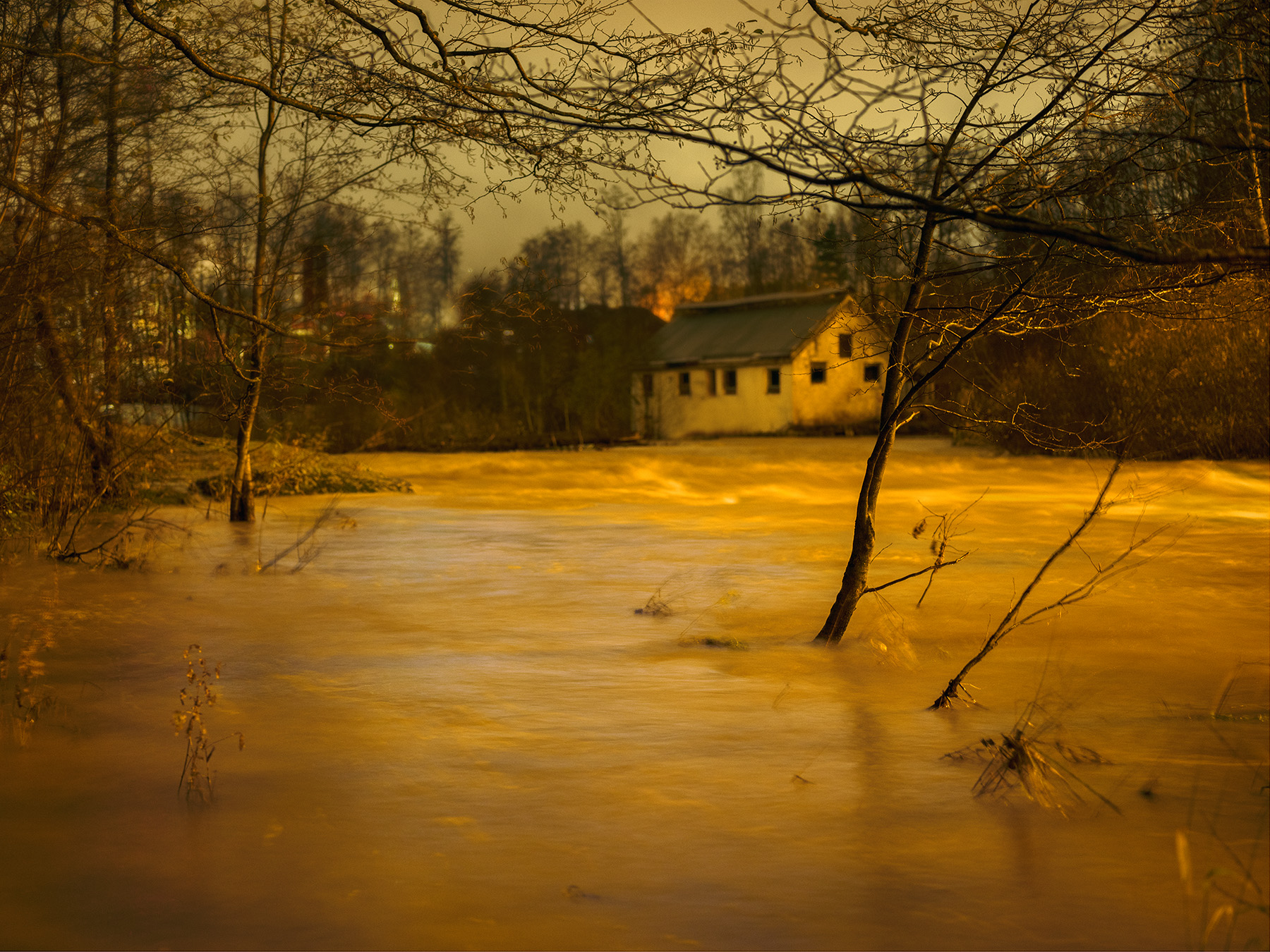
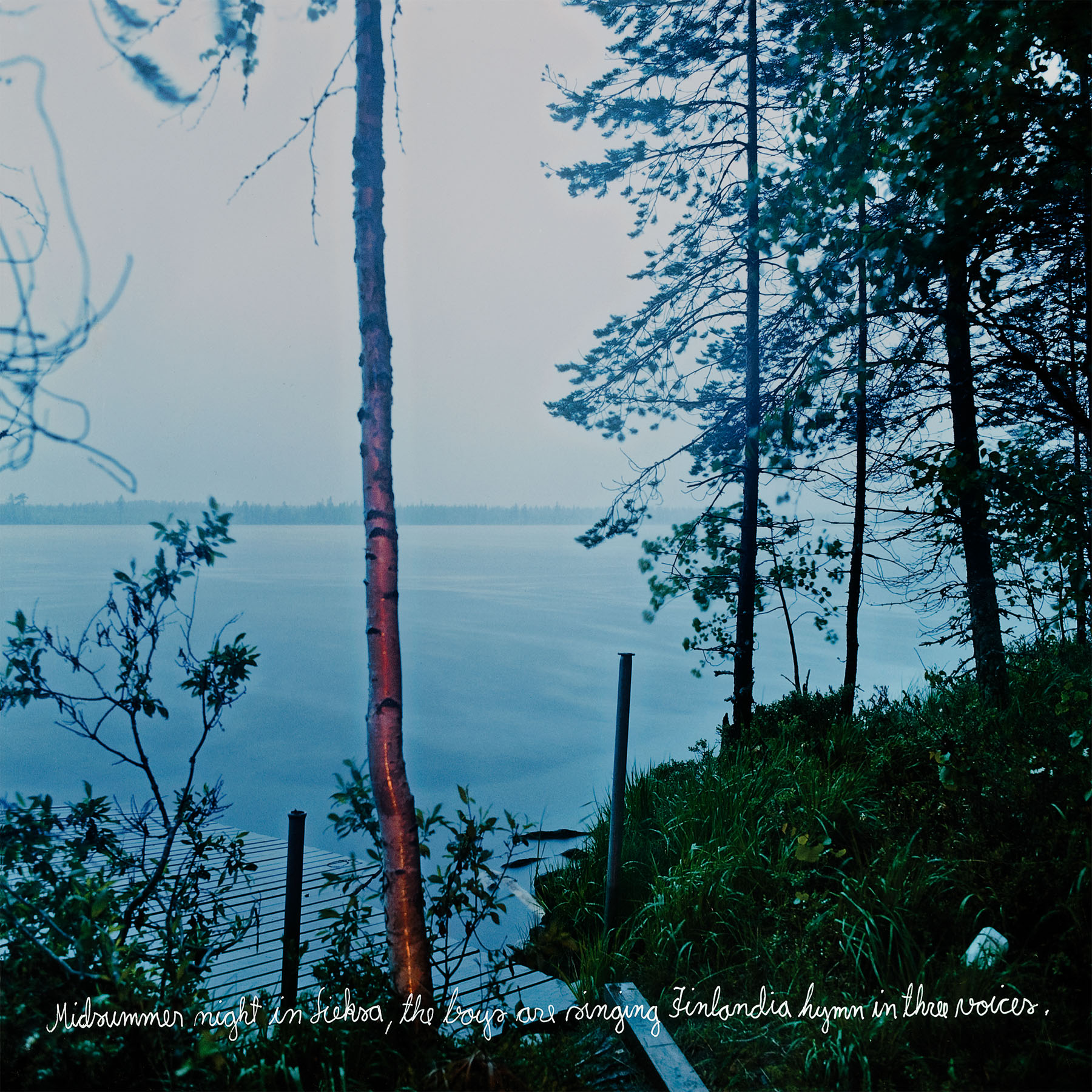
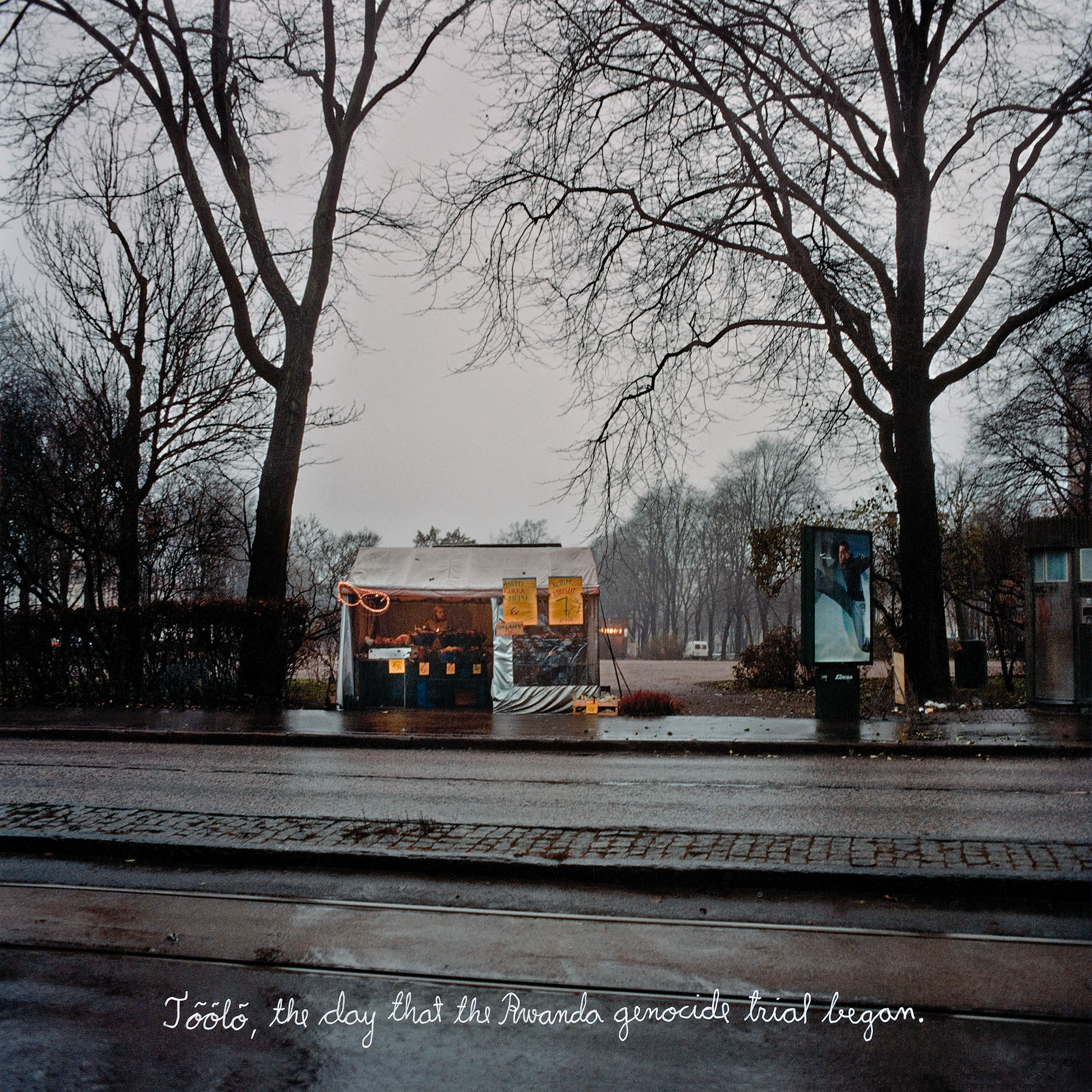
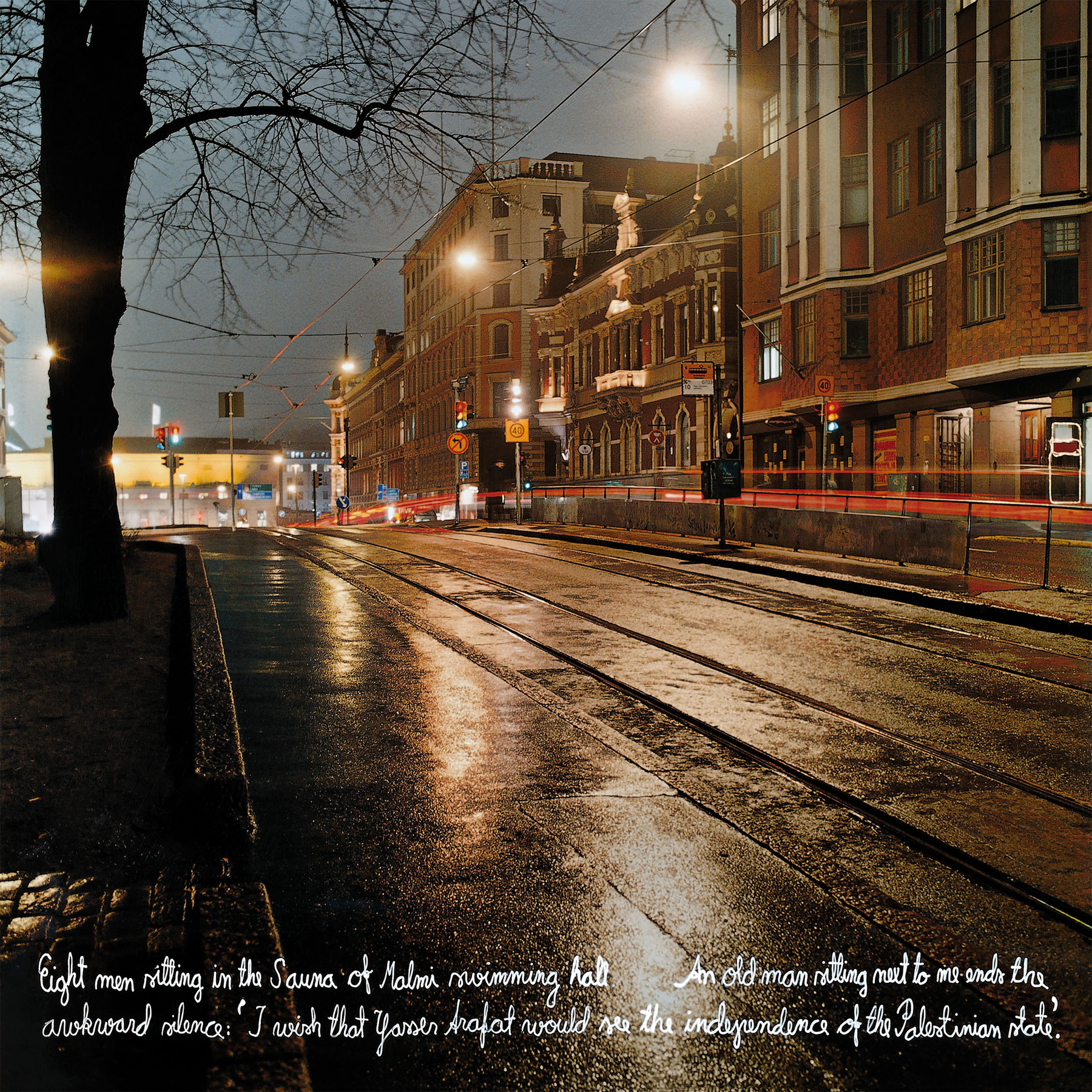
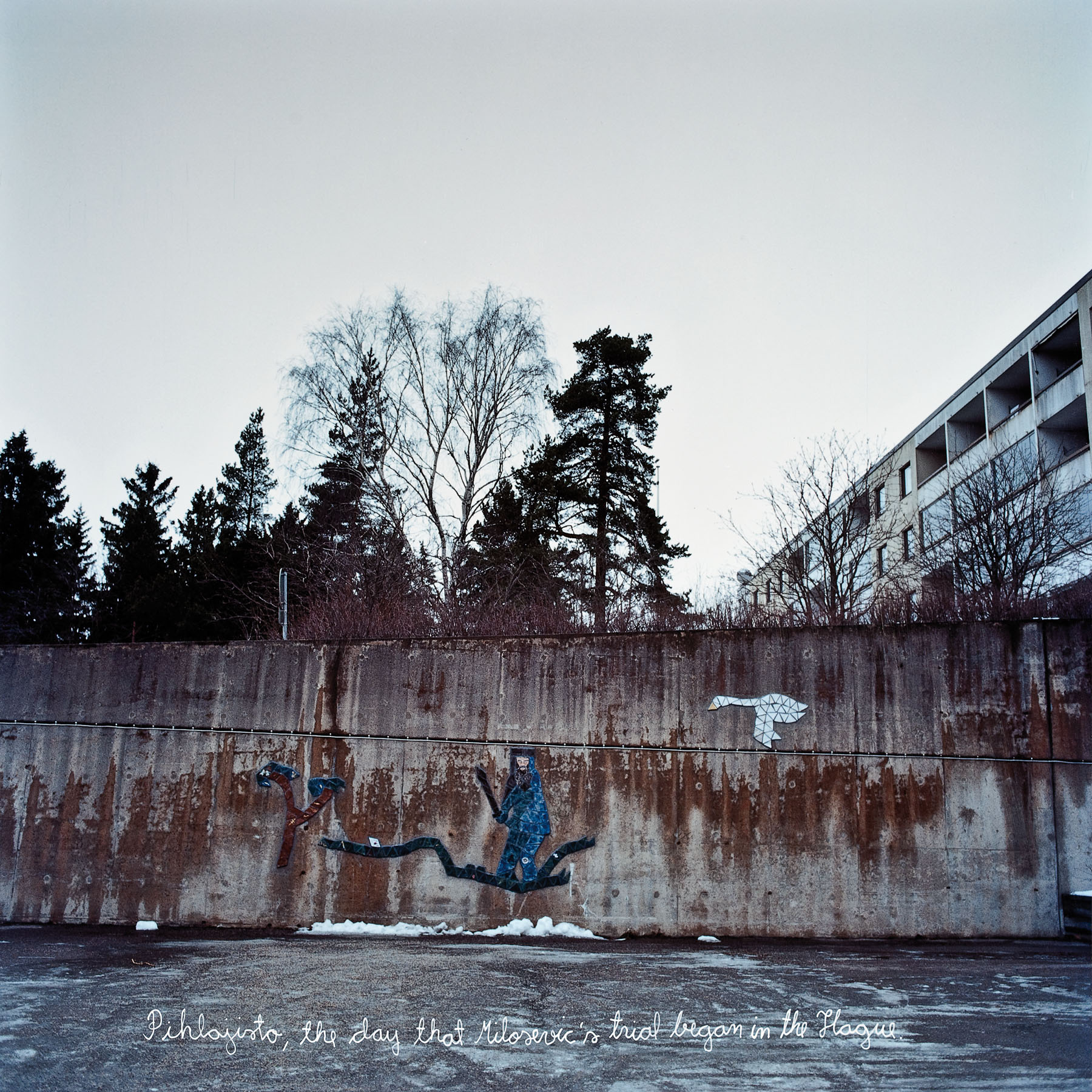
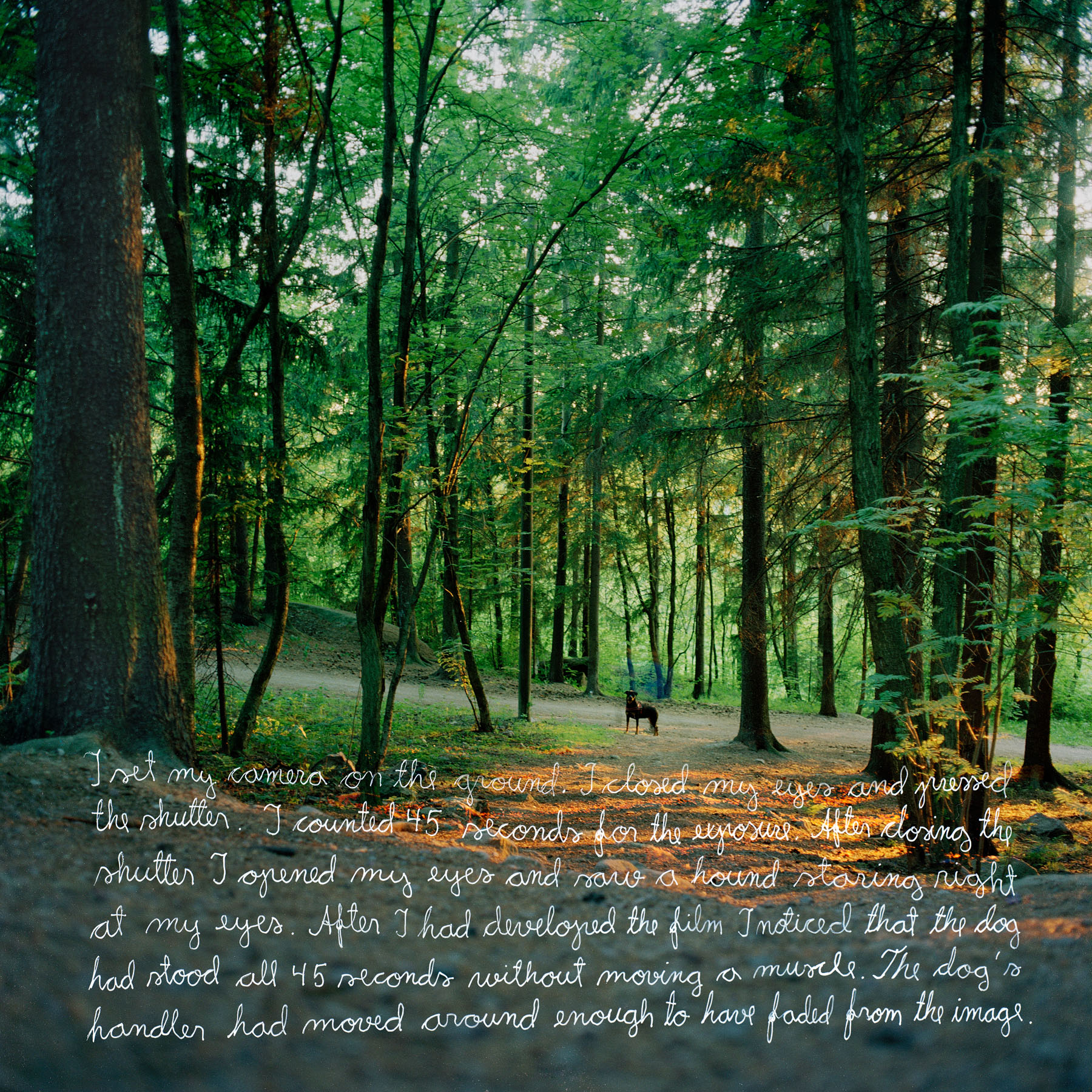
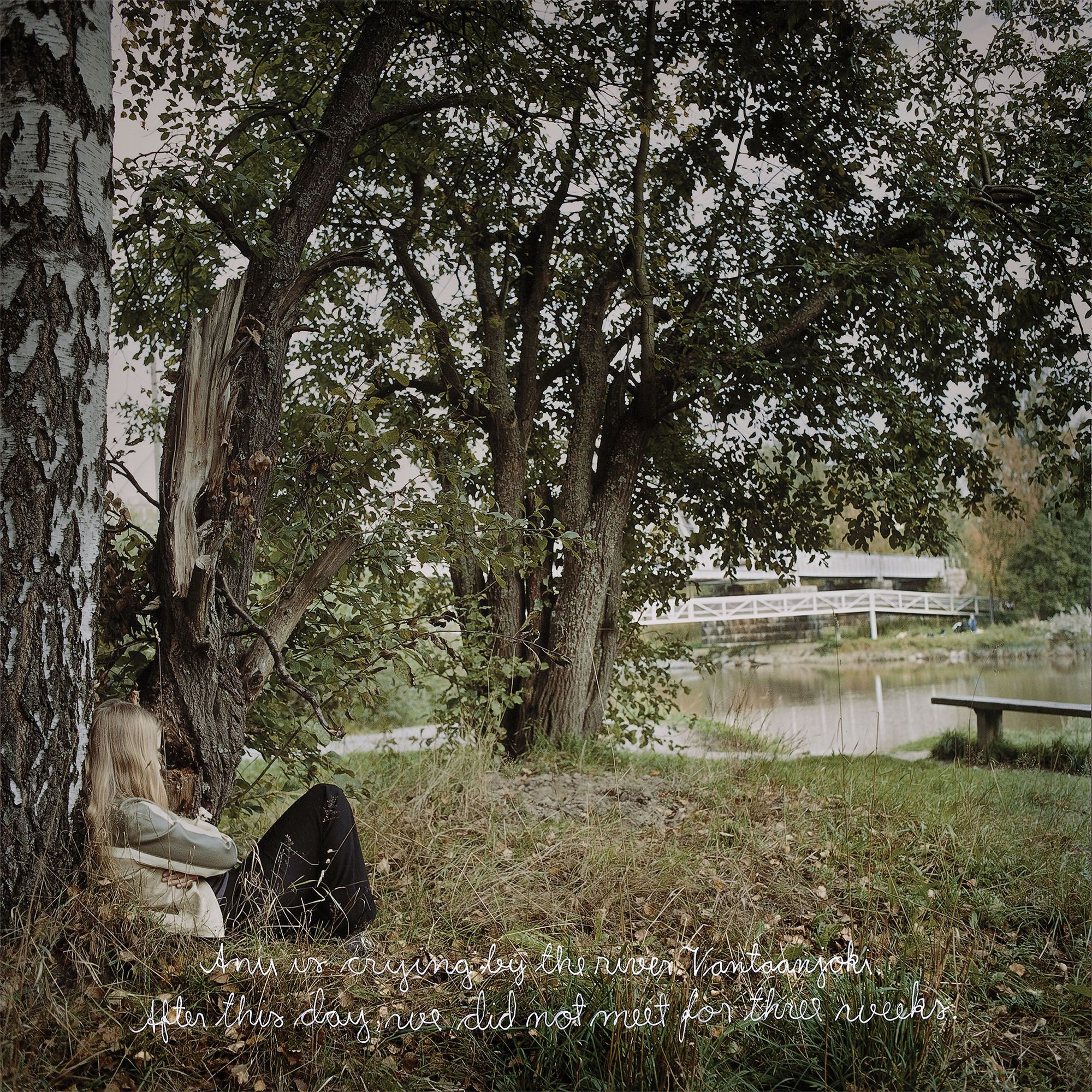
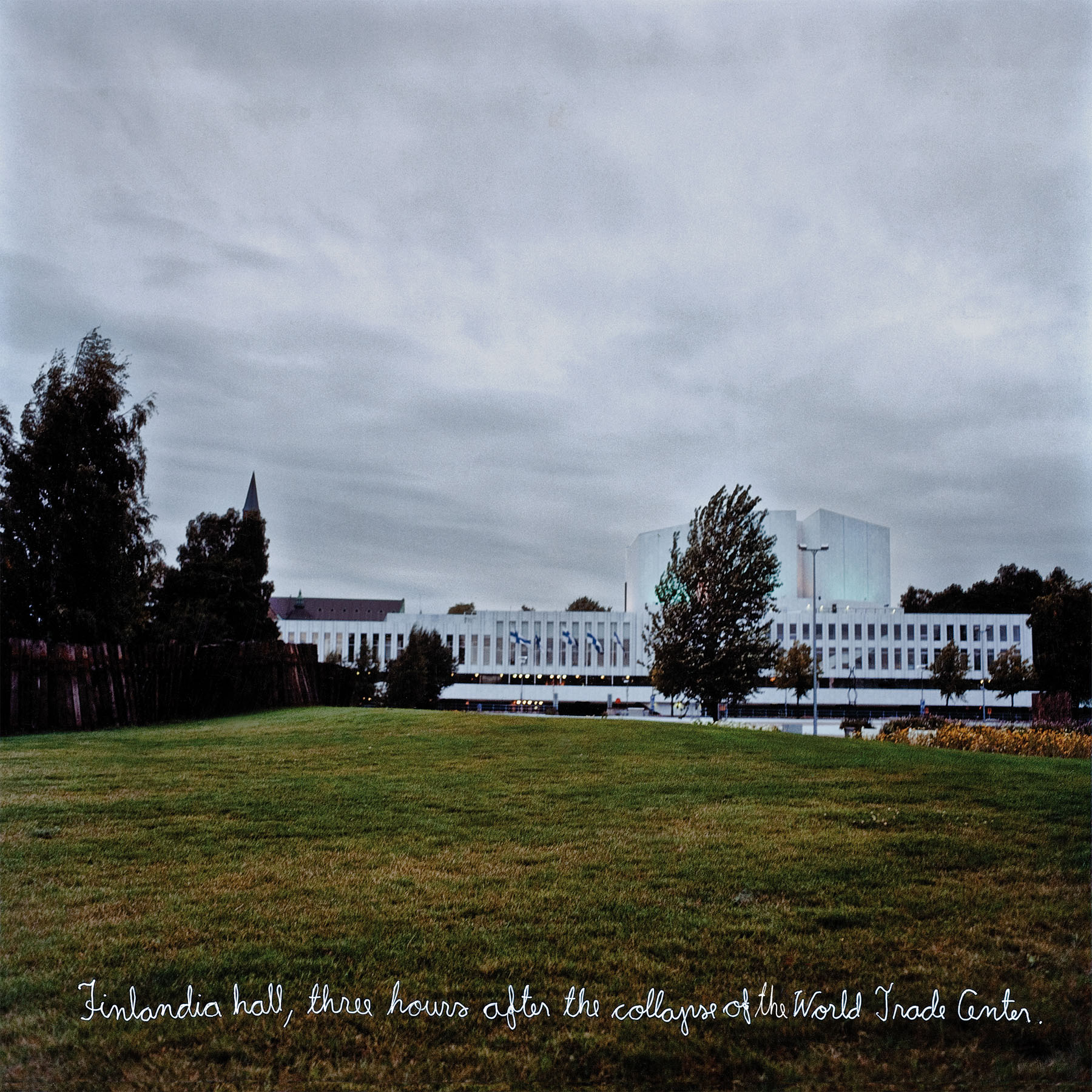
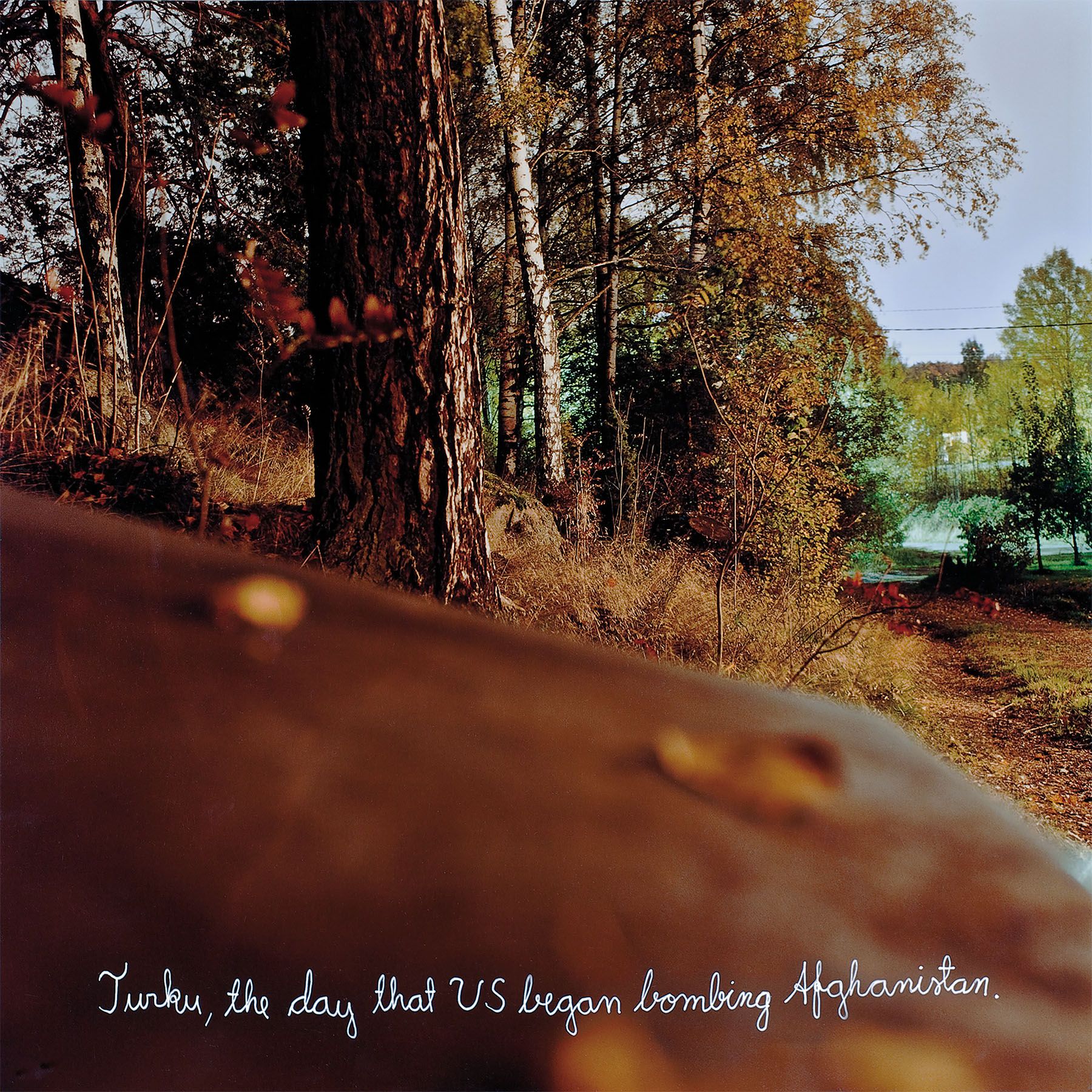
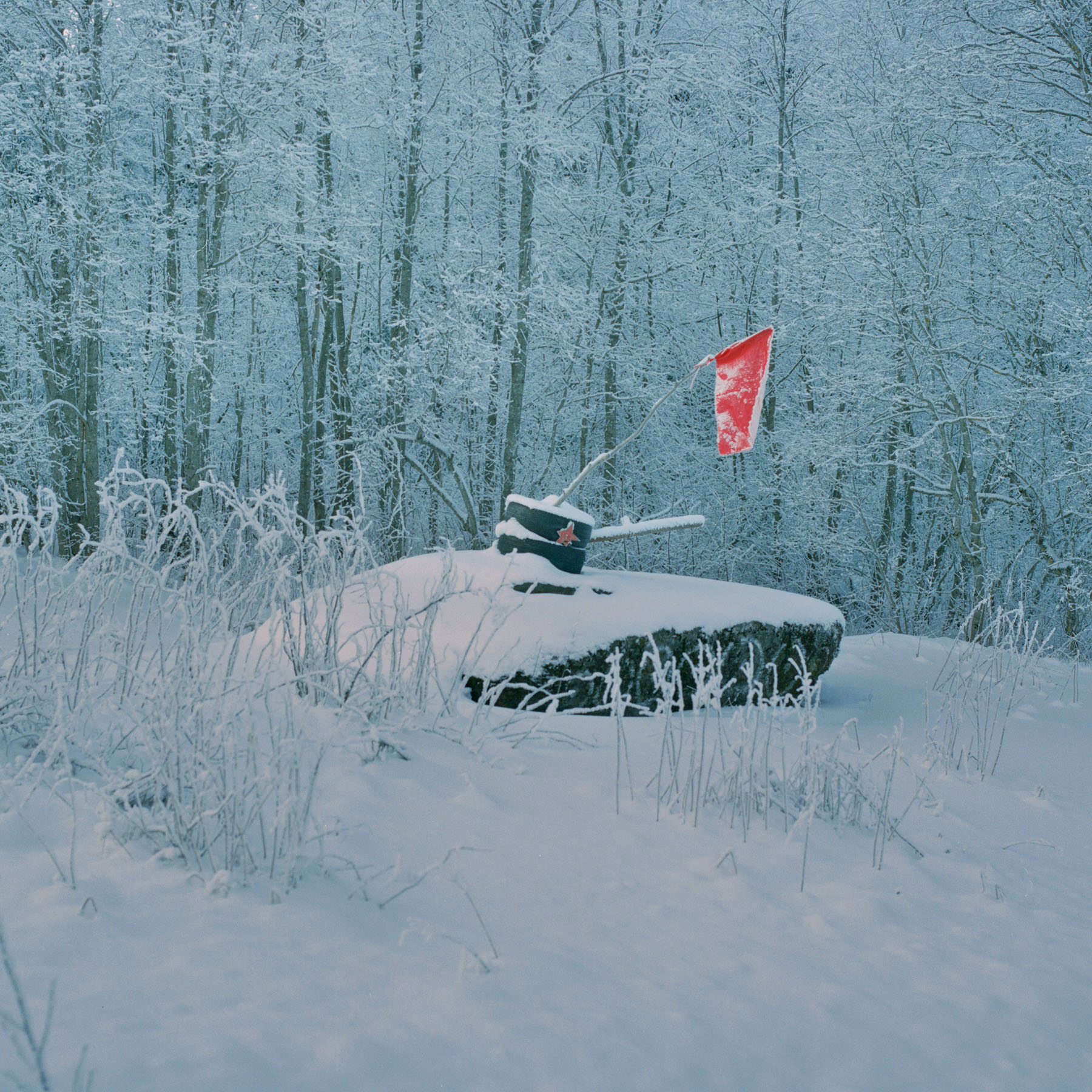
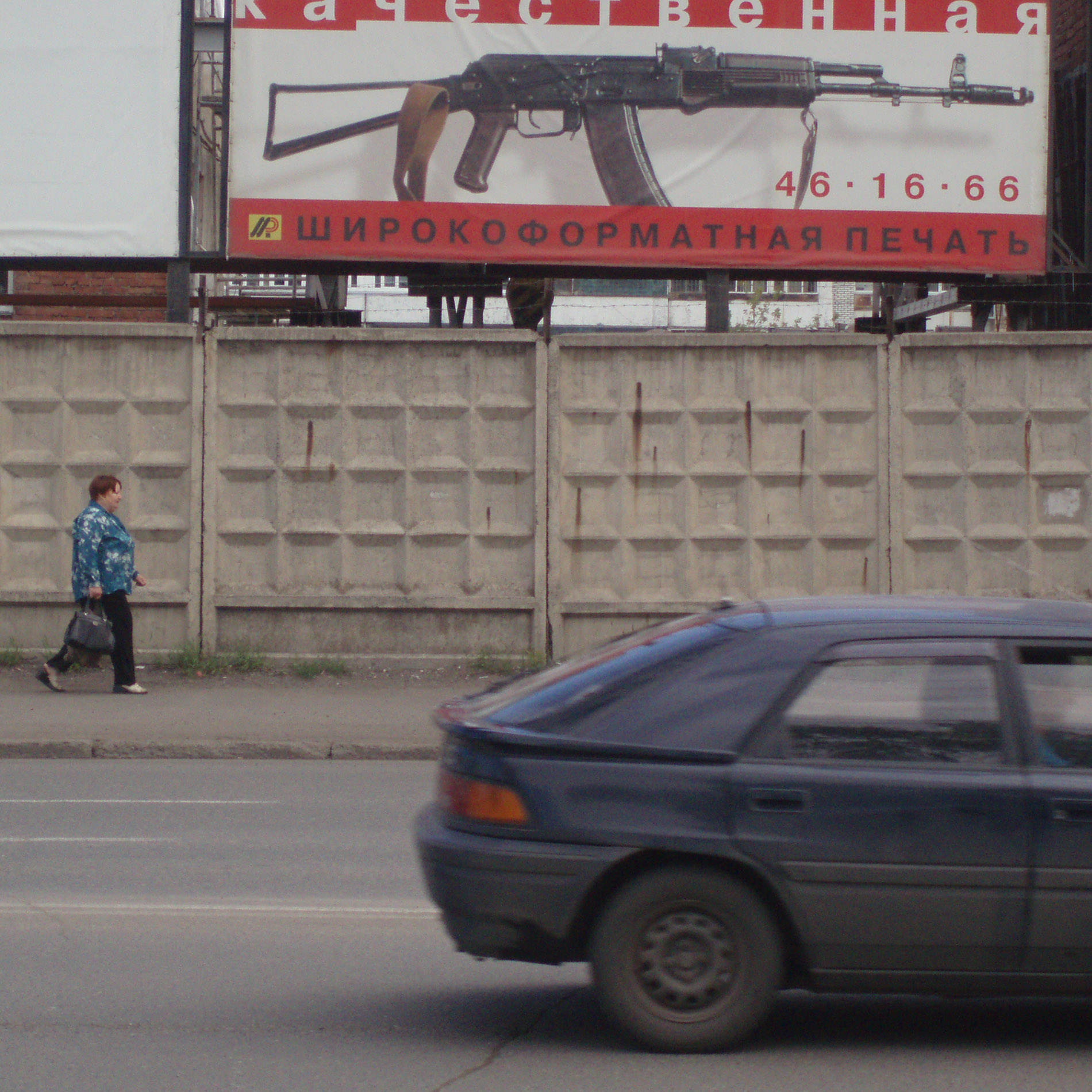
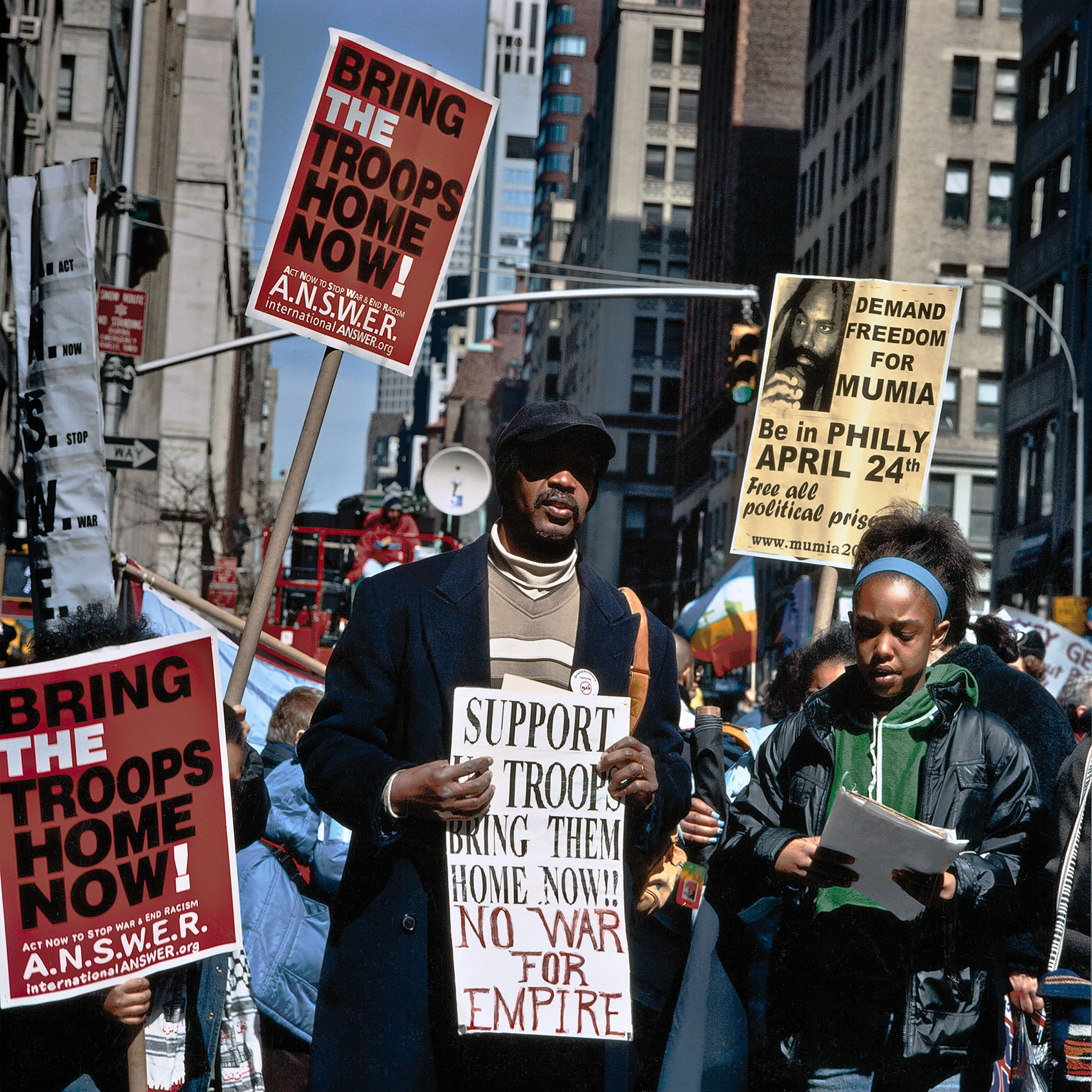
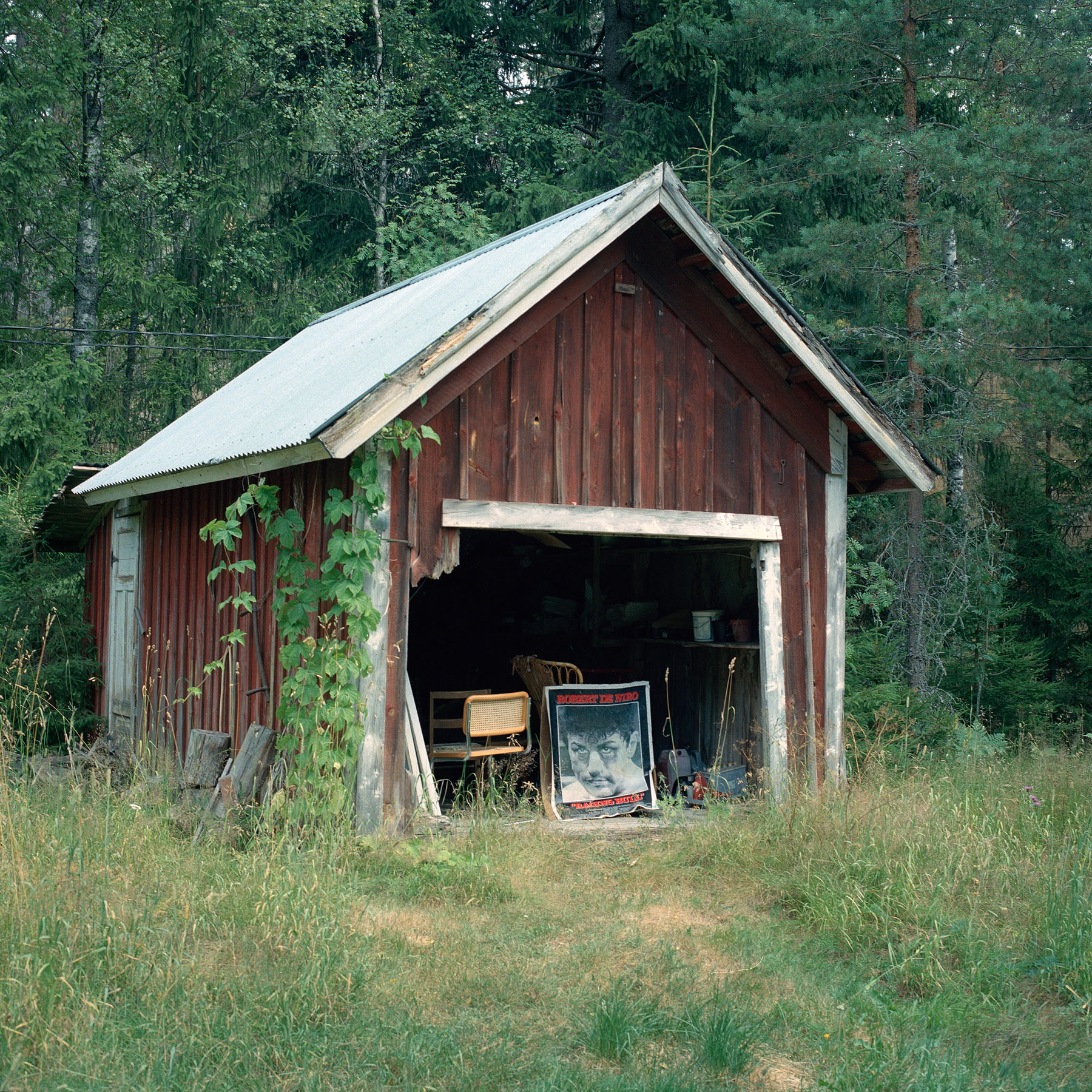
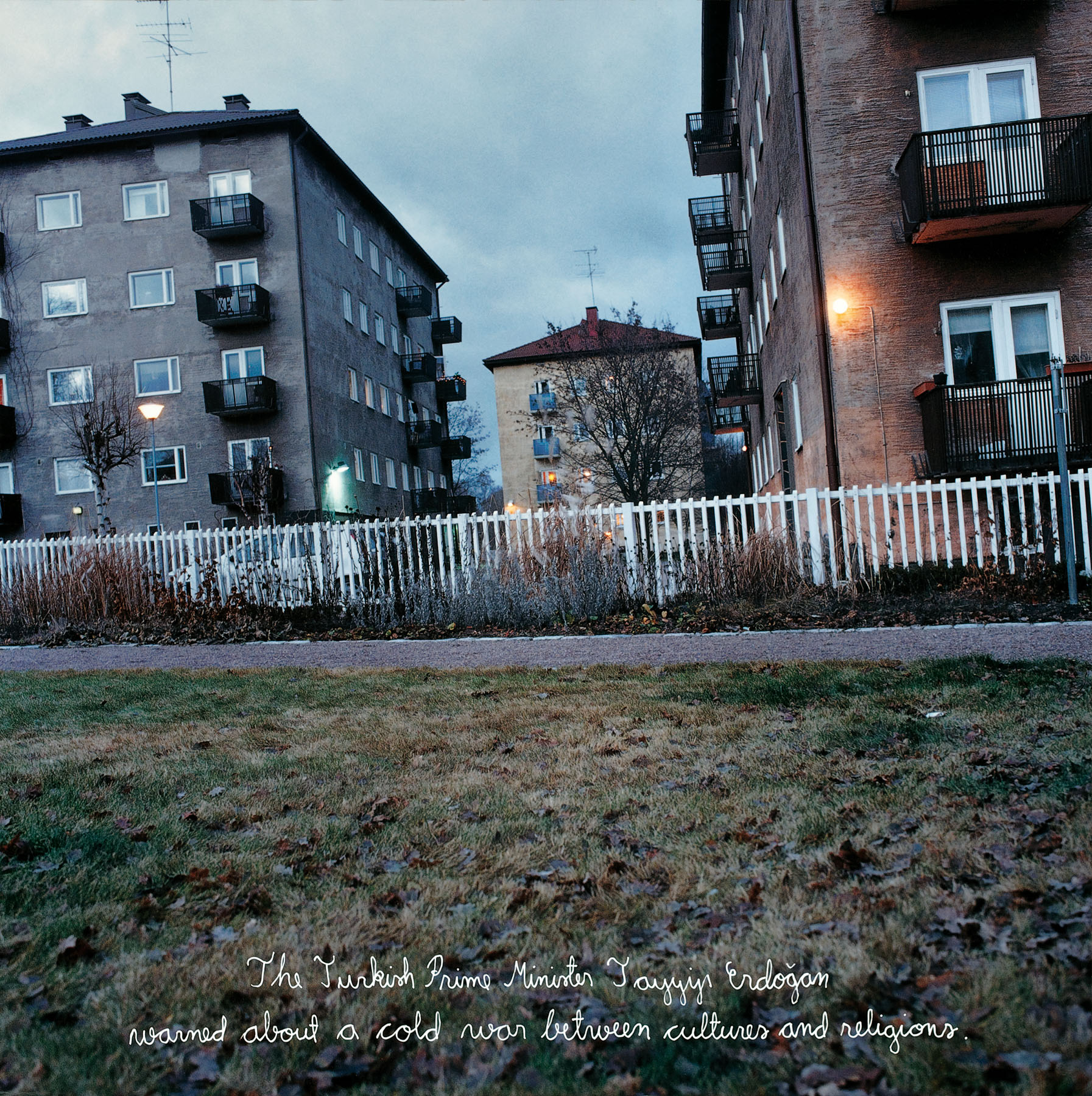
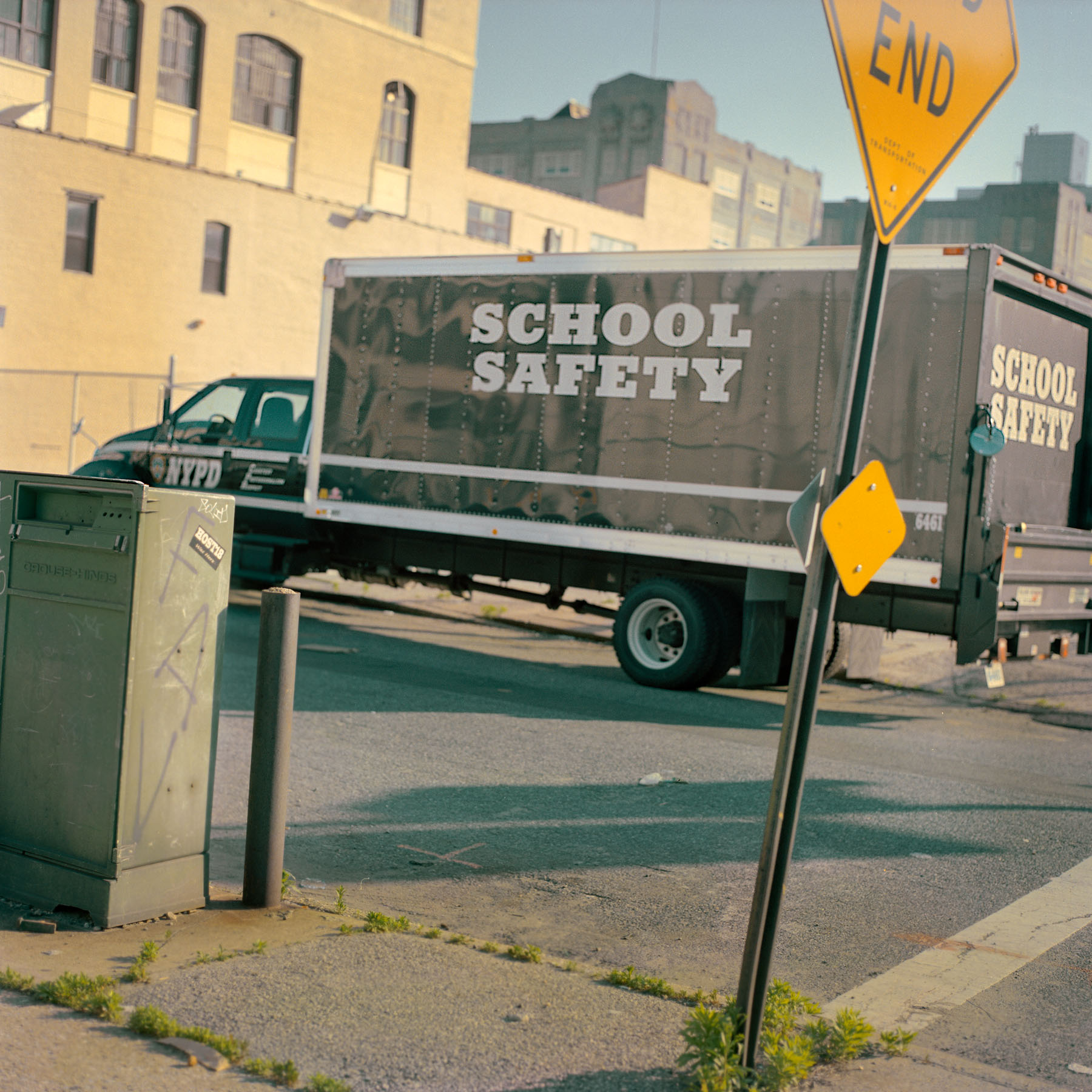
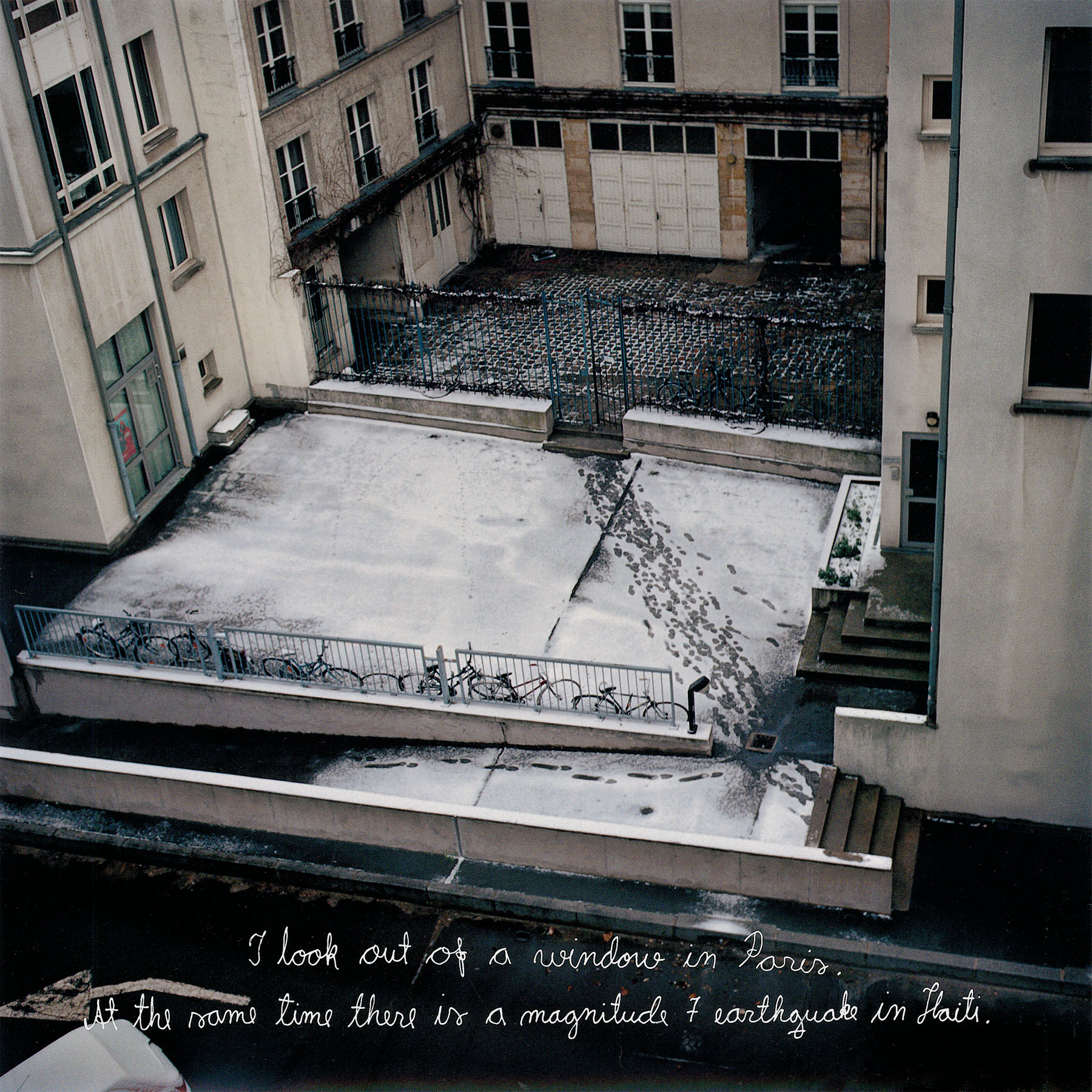
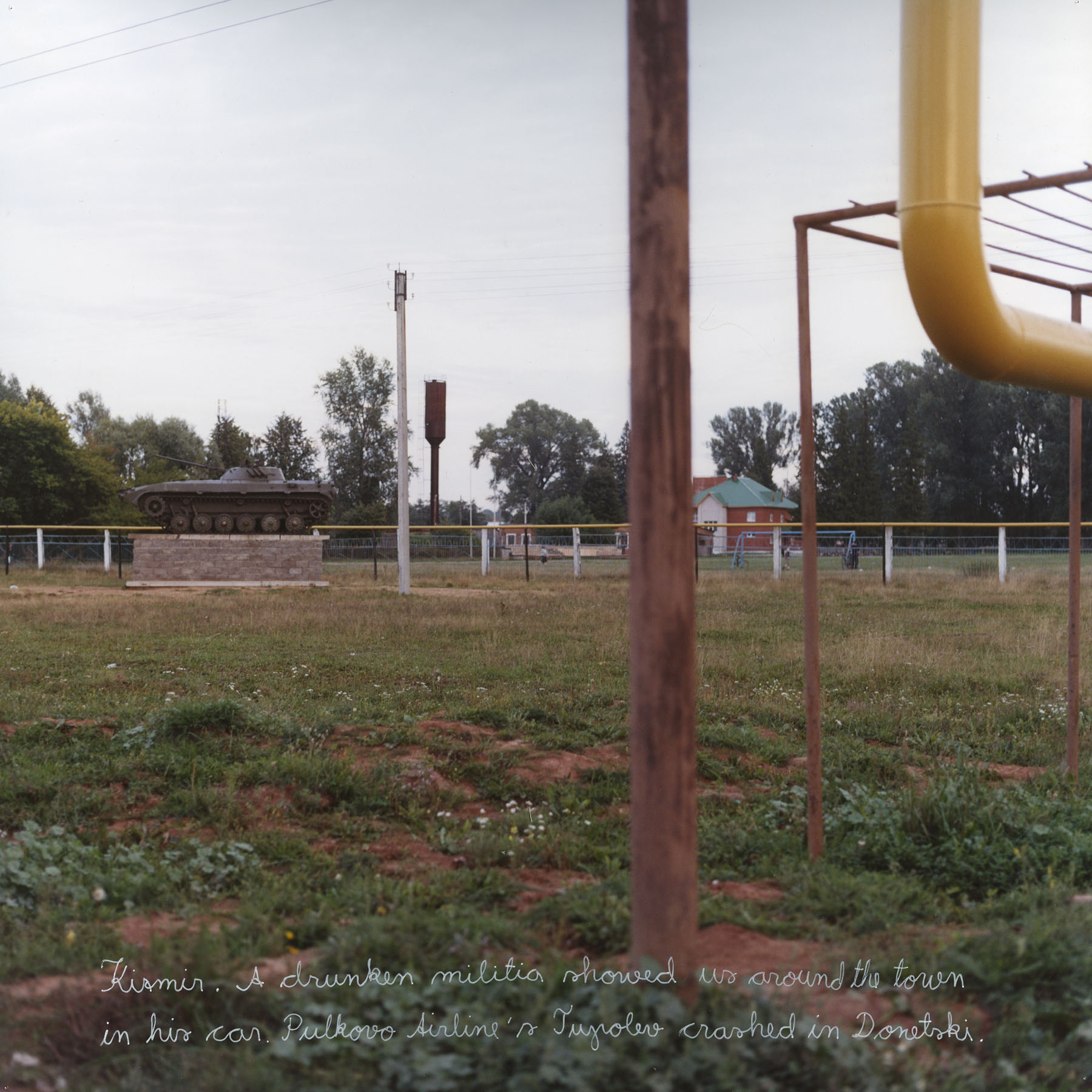
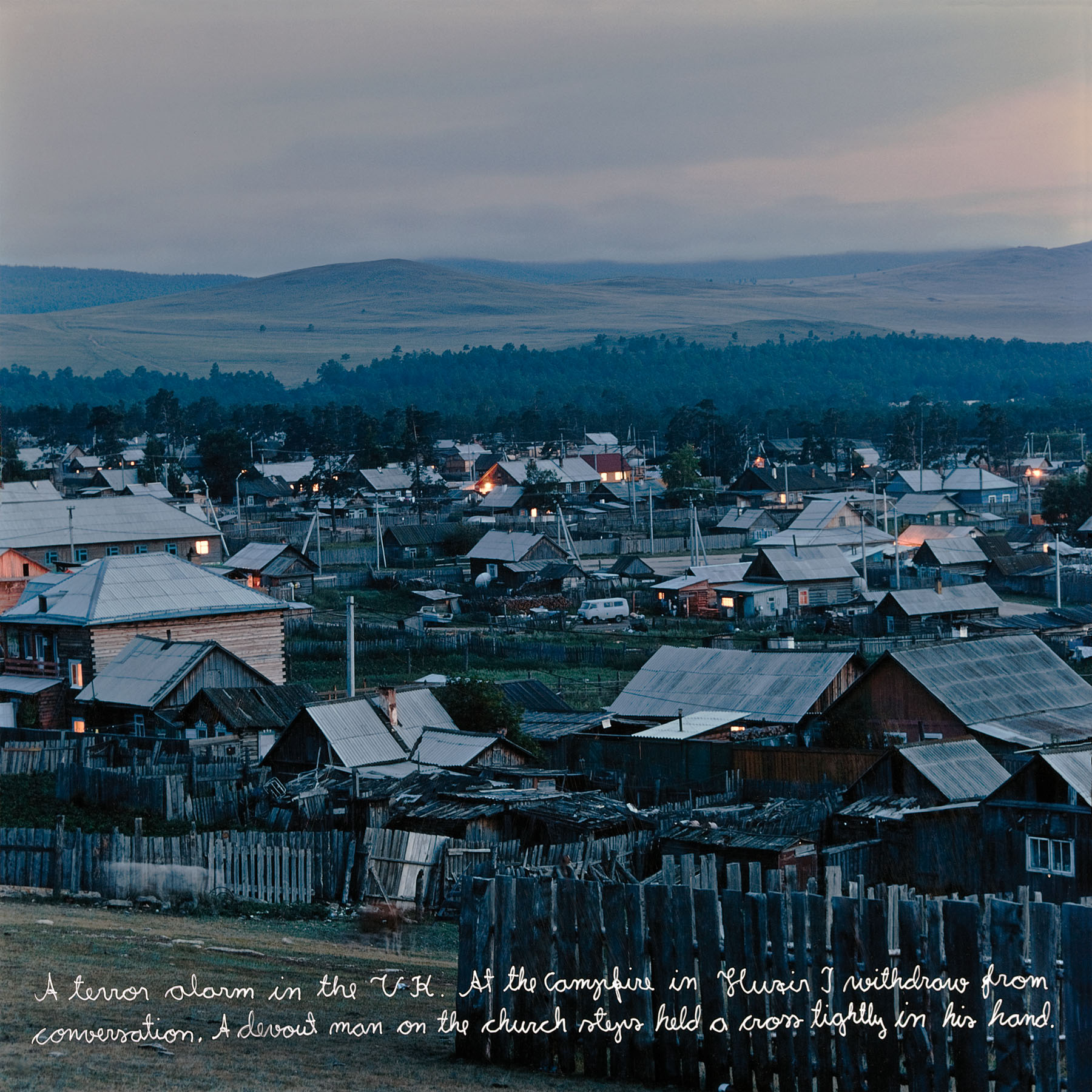
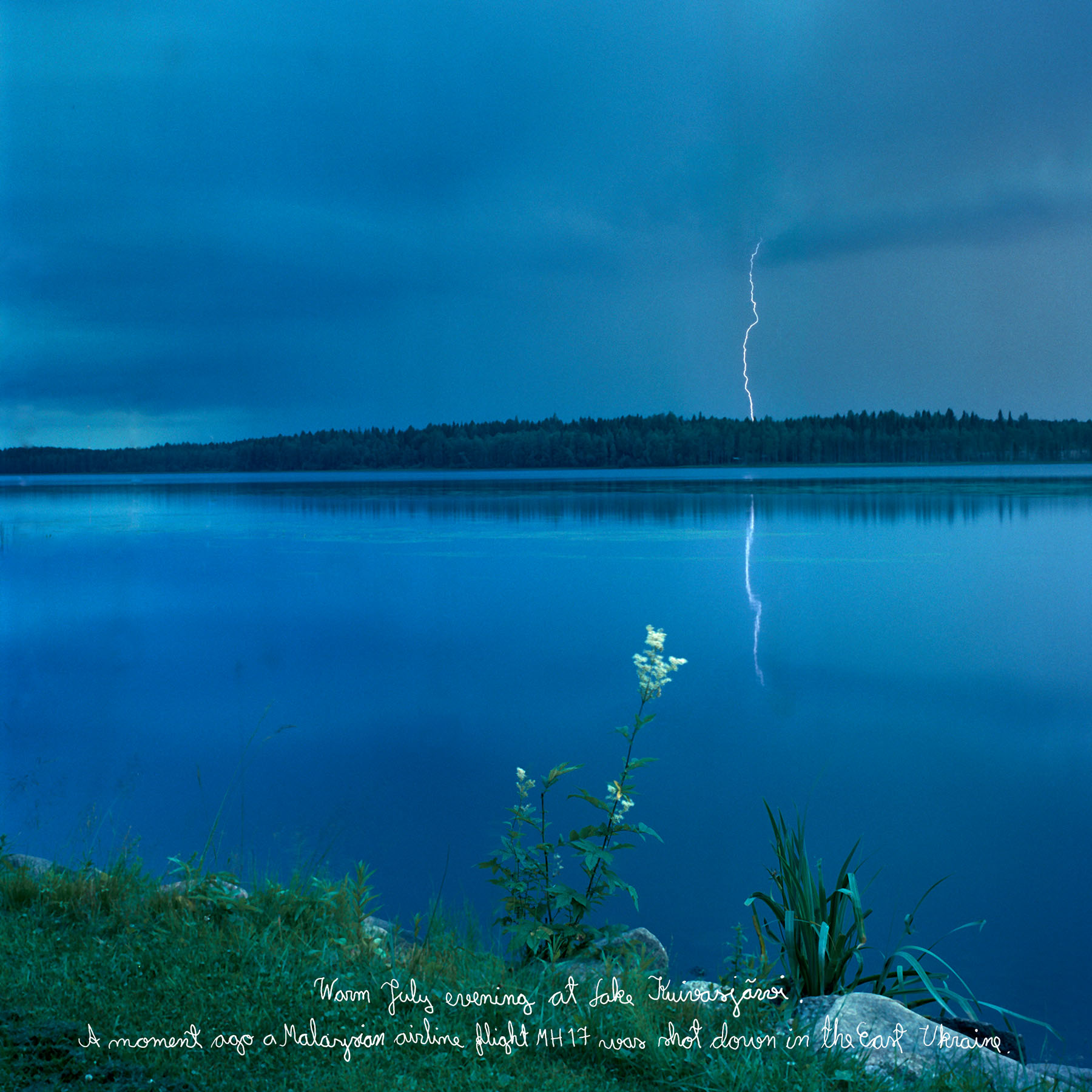
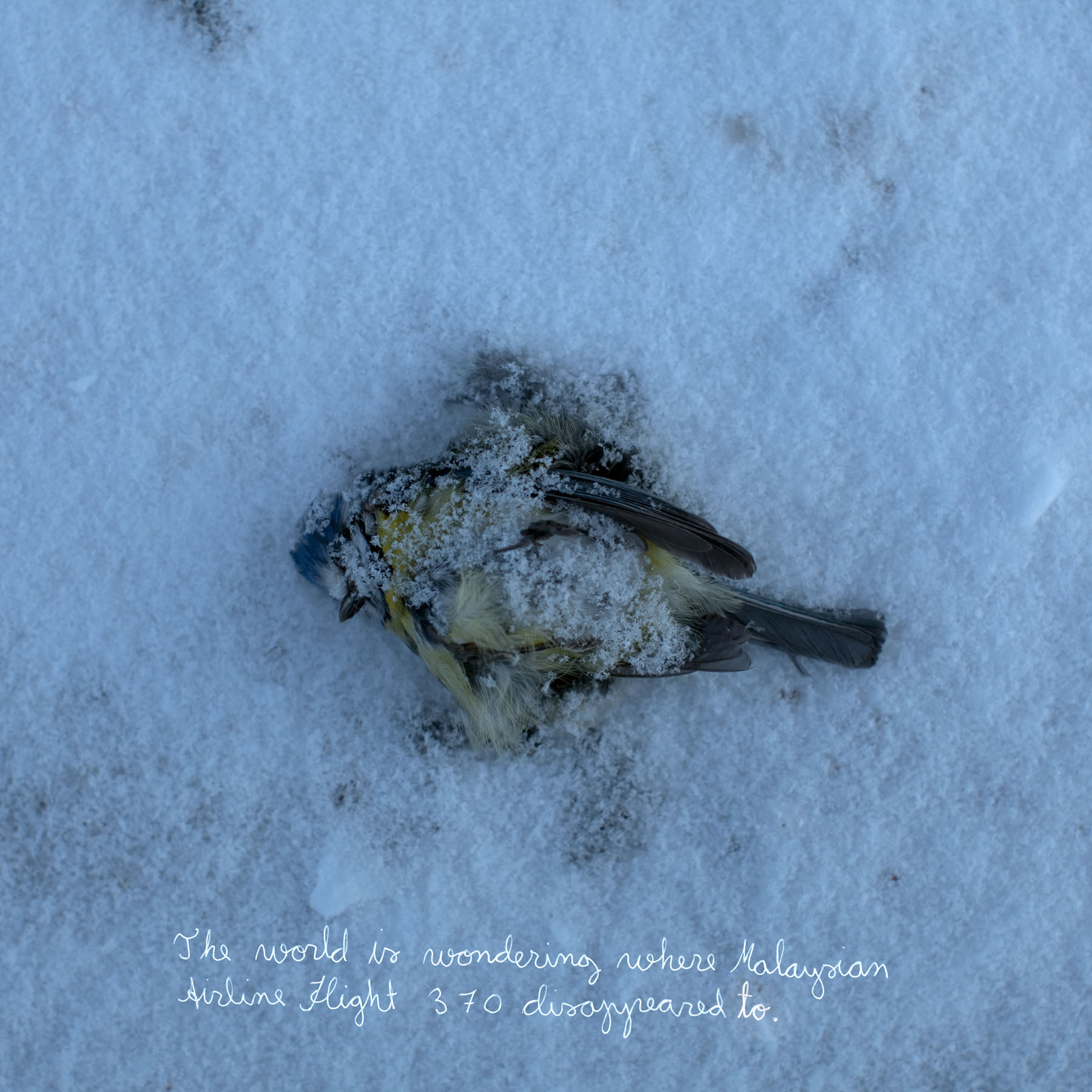
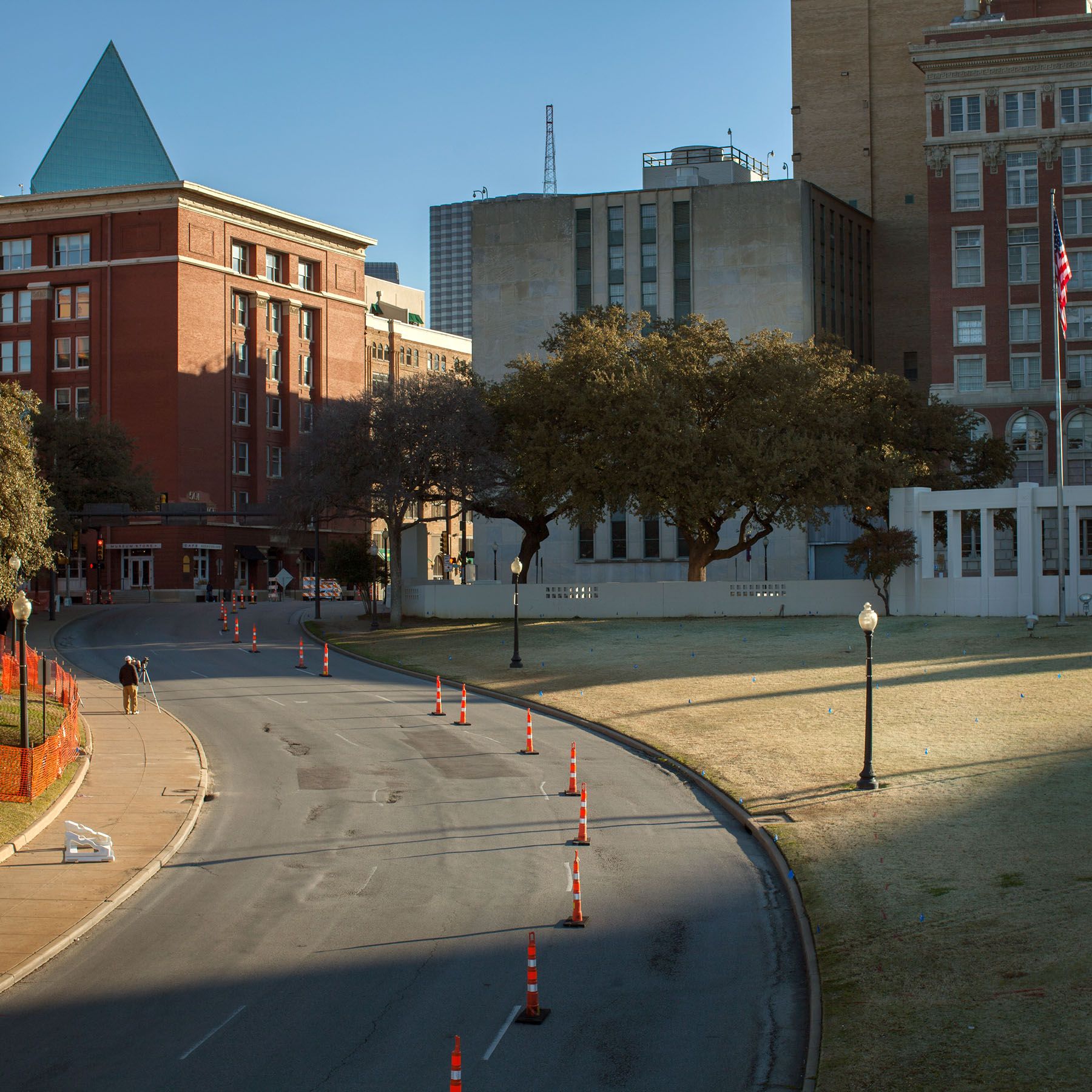
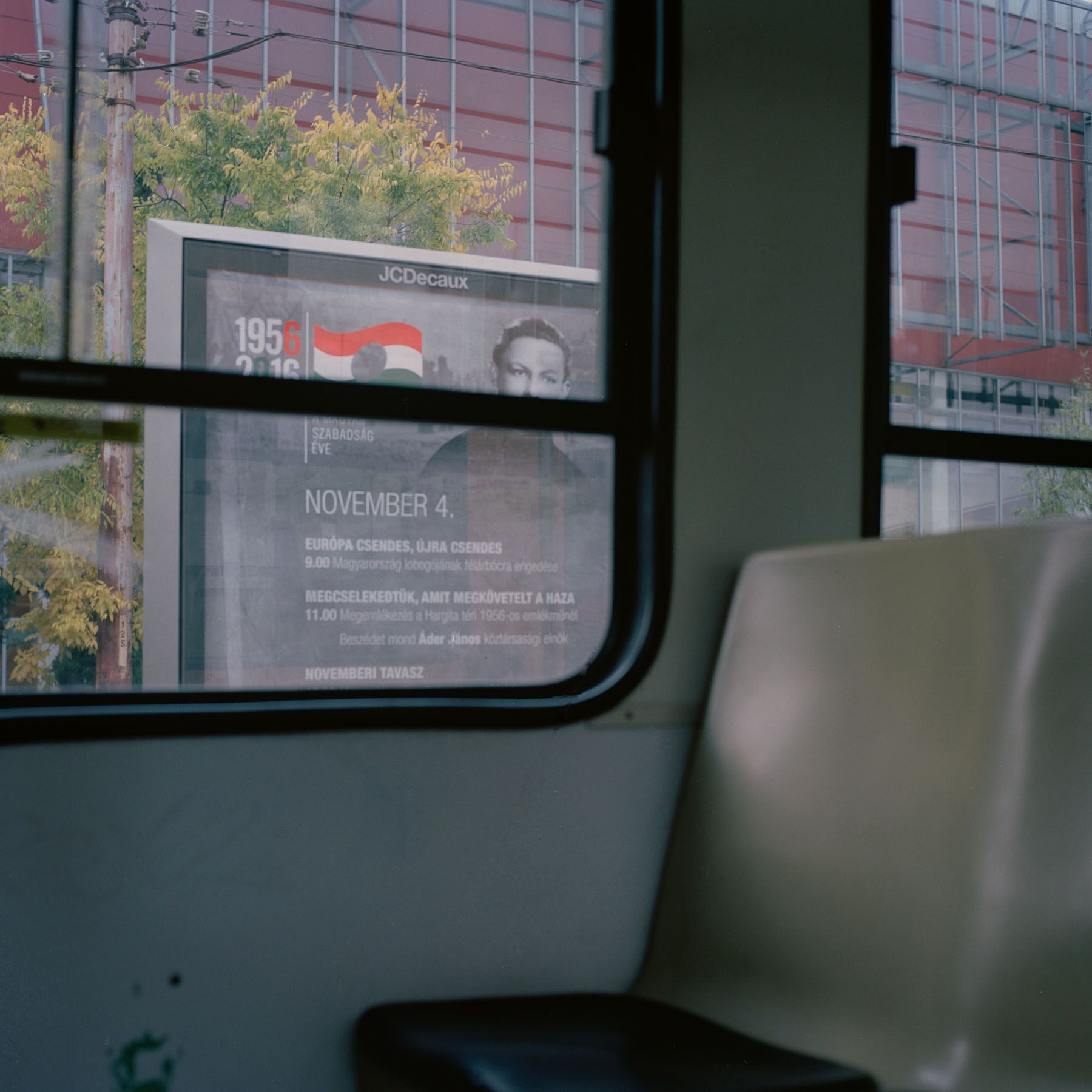
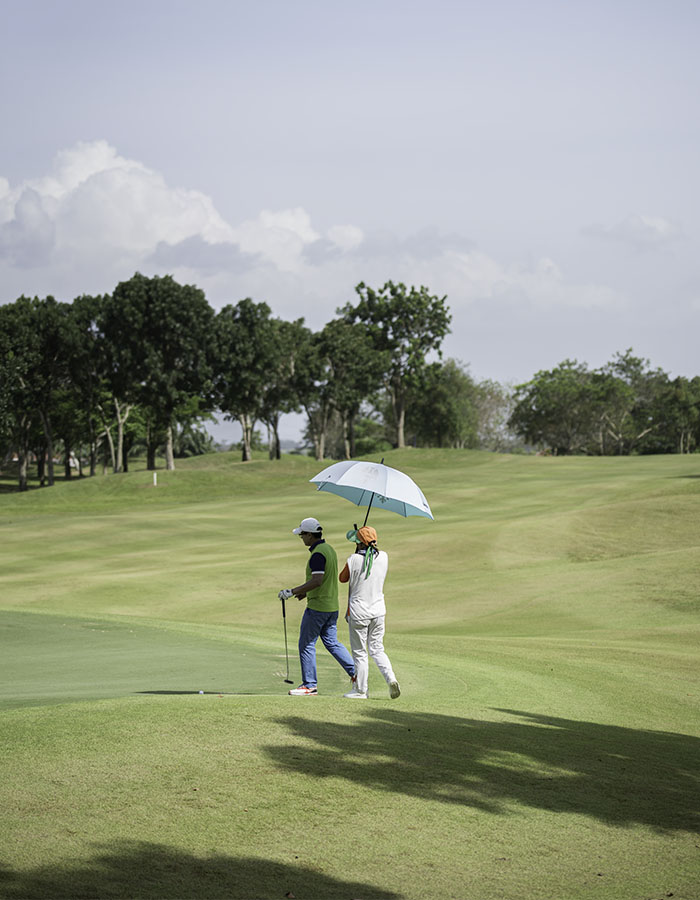
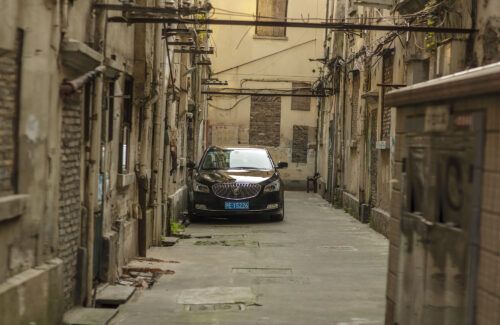
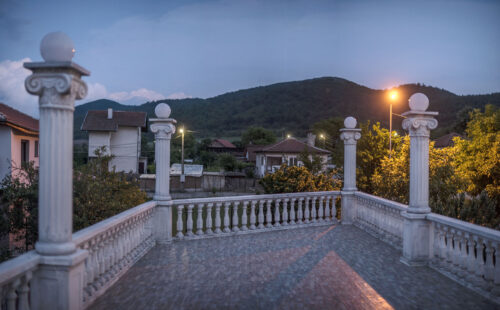
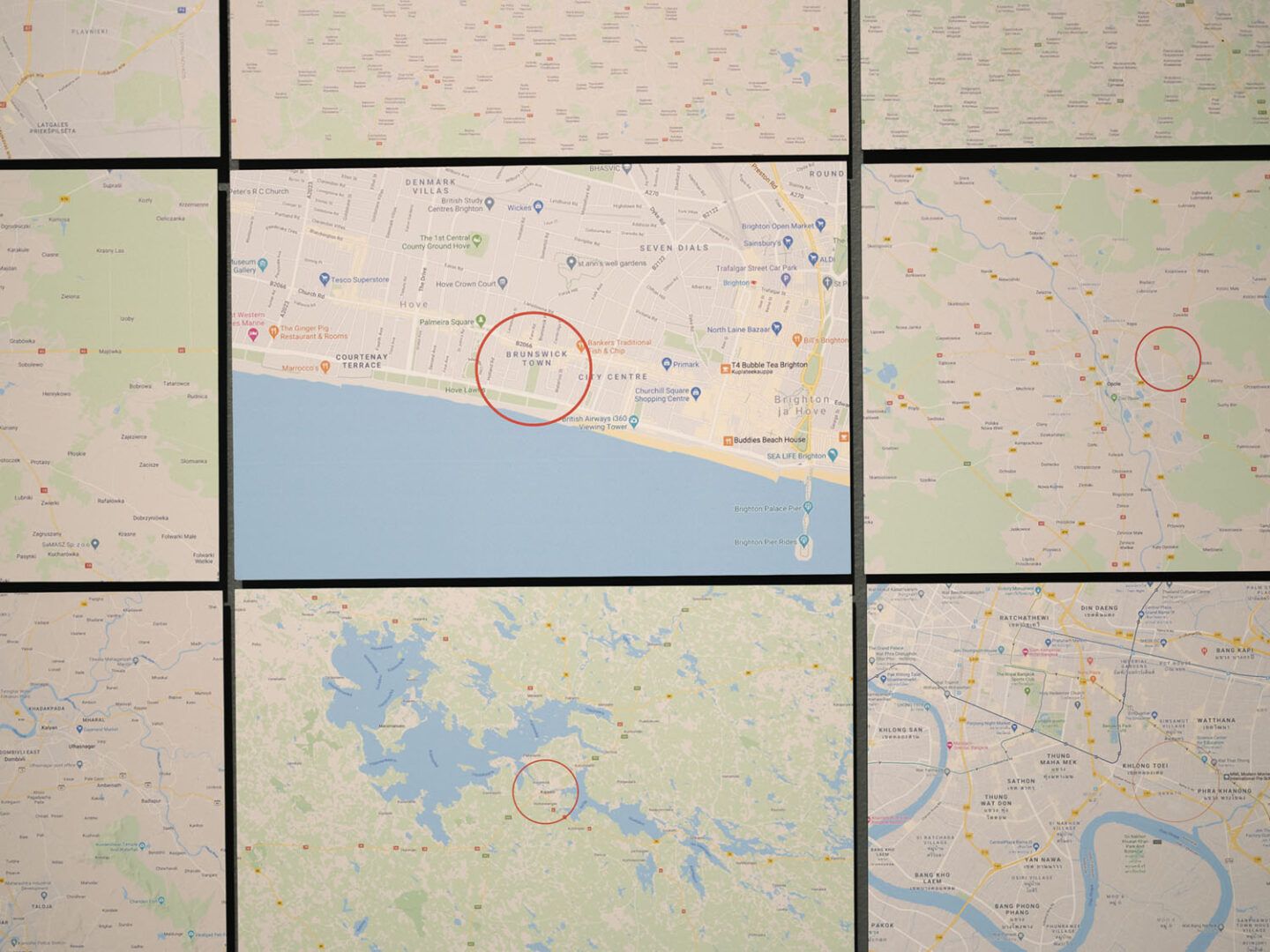
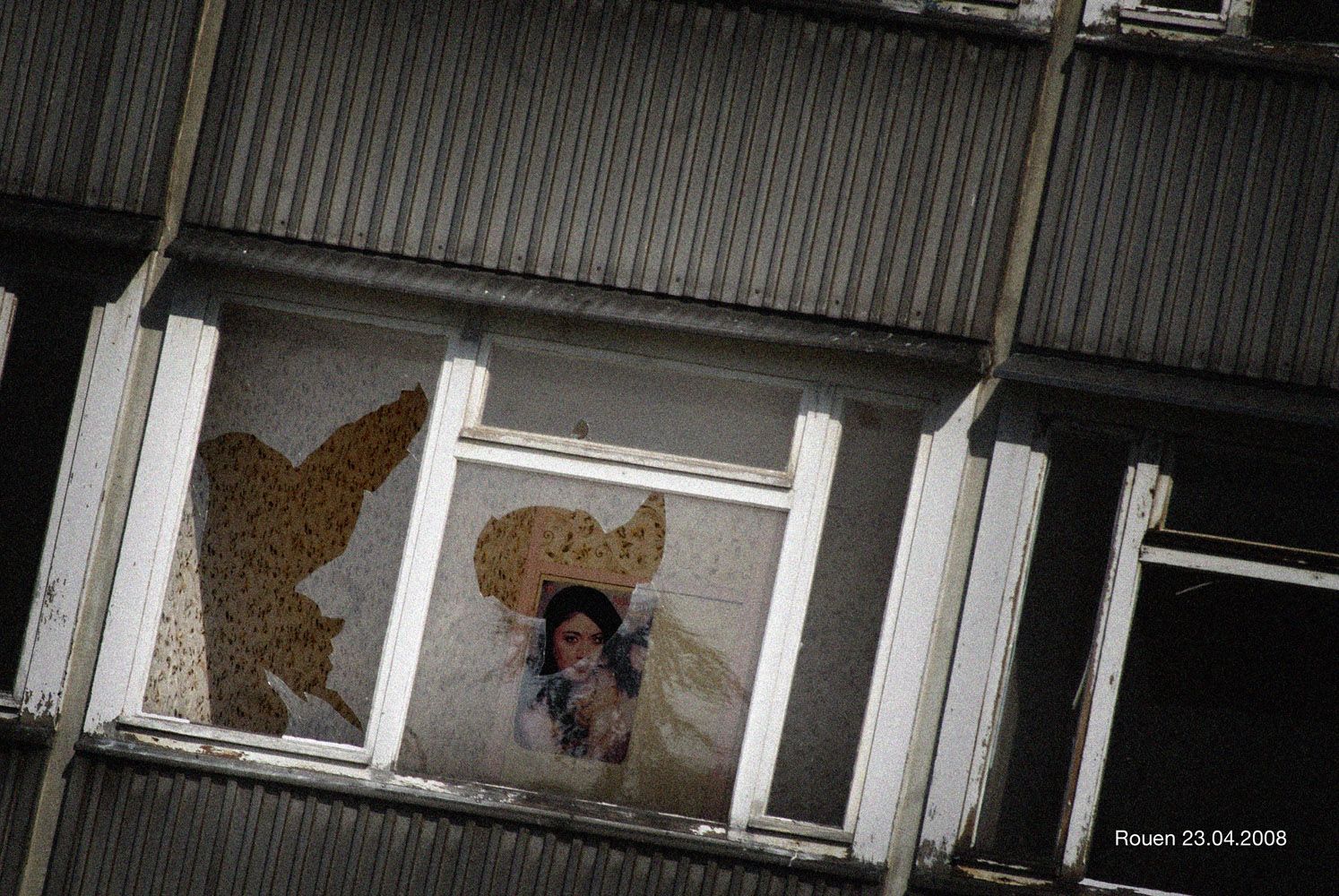
j.s Landscapes are documents of spaces to which anonymous people’s stories belong. They create cultural frames for each story, produce a certain rhythm, and serve as a pause between often intensive reenacted stories.
a.s Among the twenty-two final stories from around the world, were there any that were more challenging or inspiring for you?
j.s Each image had its own challenges, but, actually, the toughest thing was to find the material on the internet forums, which was a rather monotonous and boring process.
a.s It is probably difficult to finish such a project, right?
j.s It took me ten years to complete the project. It consisted largely of two time-consuming and slow-moving phases: research and material acquisition for the reenactments. These stages took up some 70% of the project’s time. But I was simultaneously involved in other projects. Such intentional overlaps have been beneficial and creative in various ways for my art practice for the last two decades.
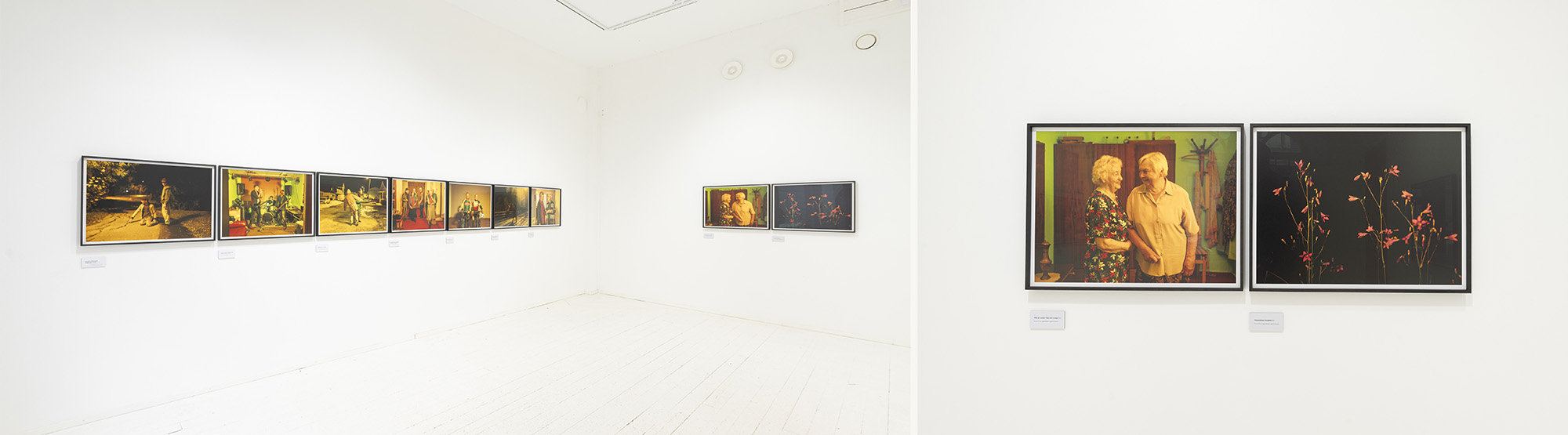
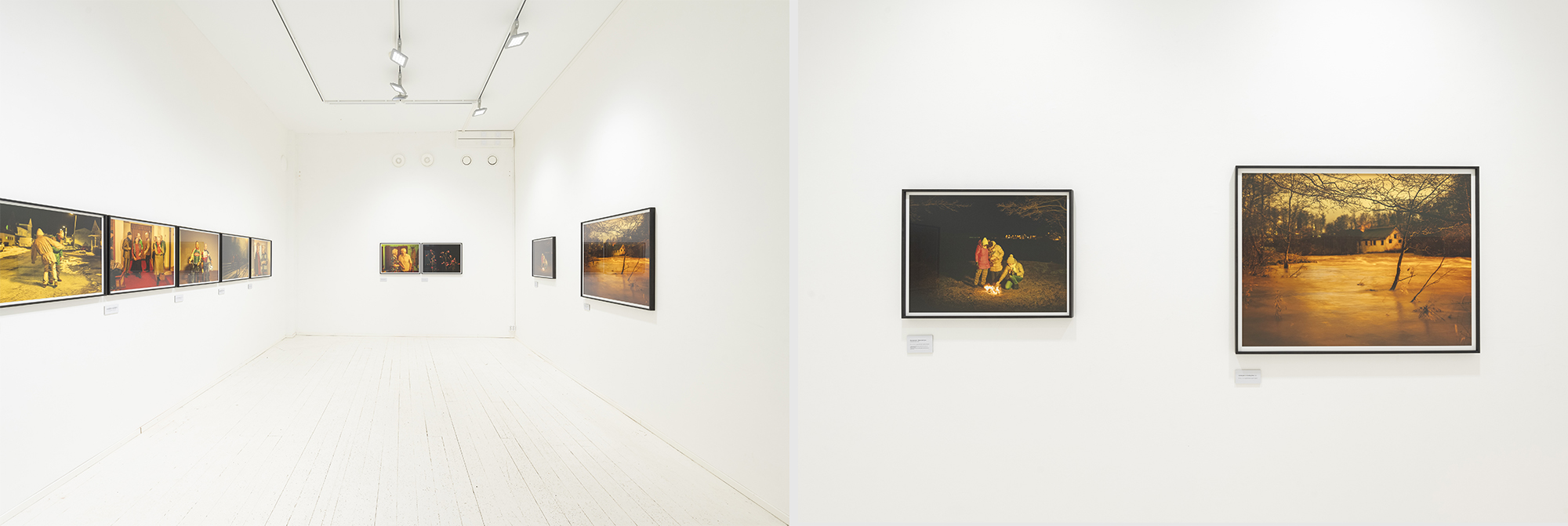
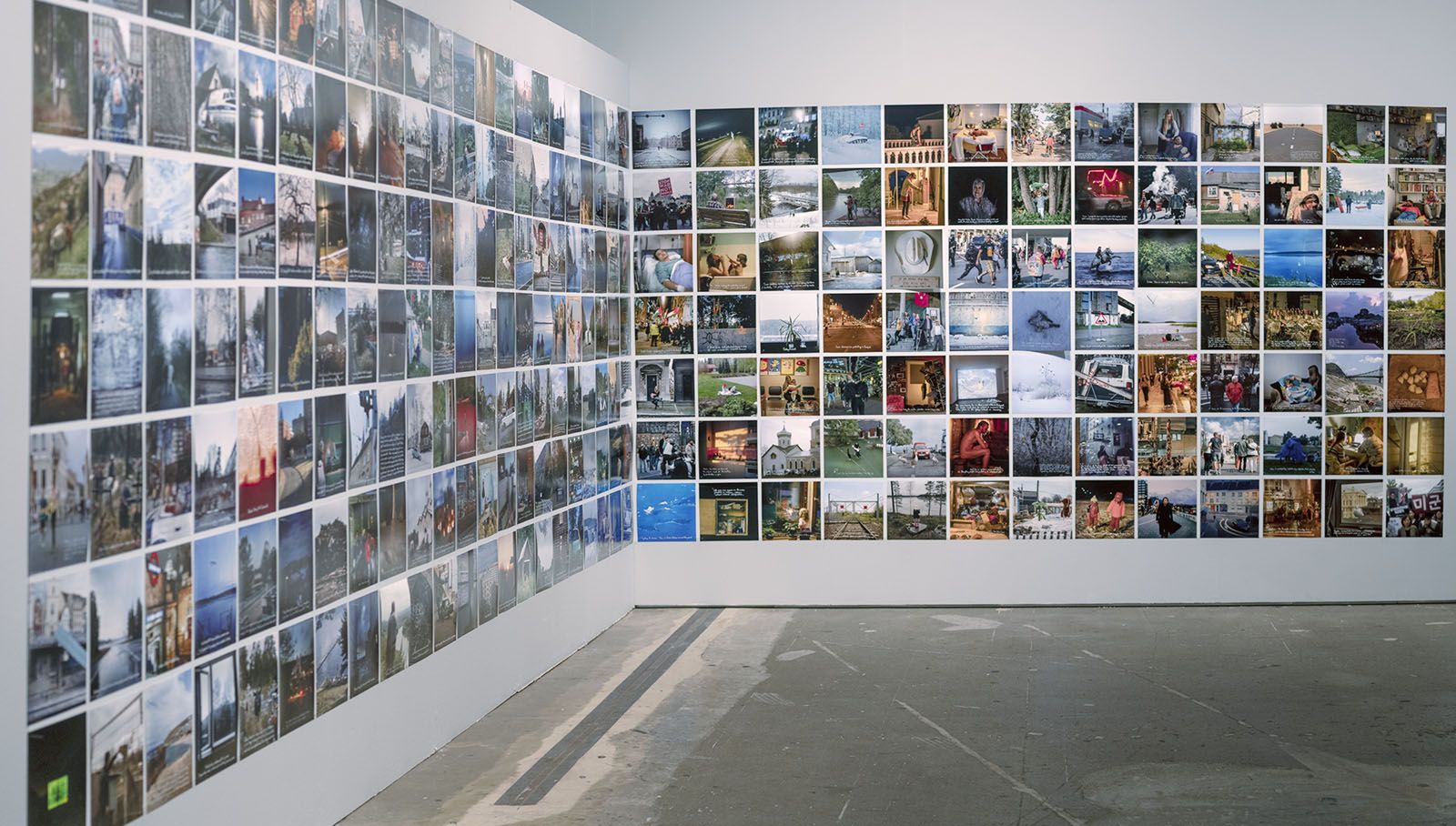
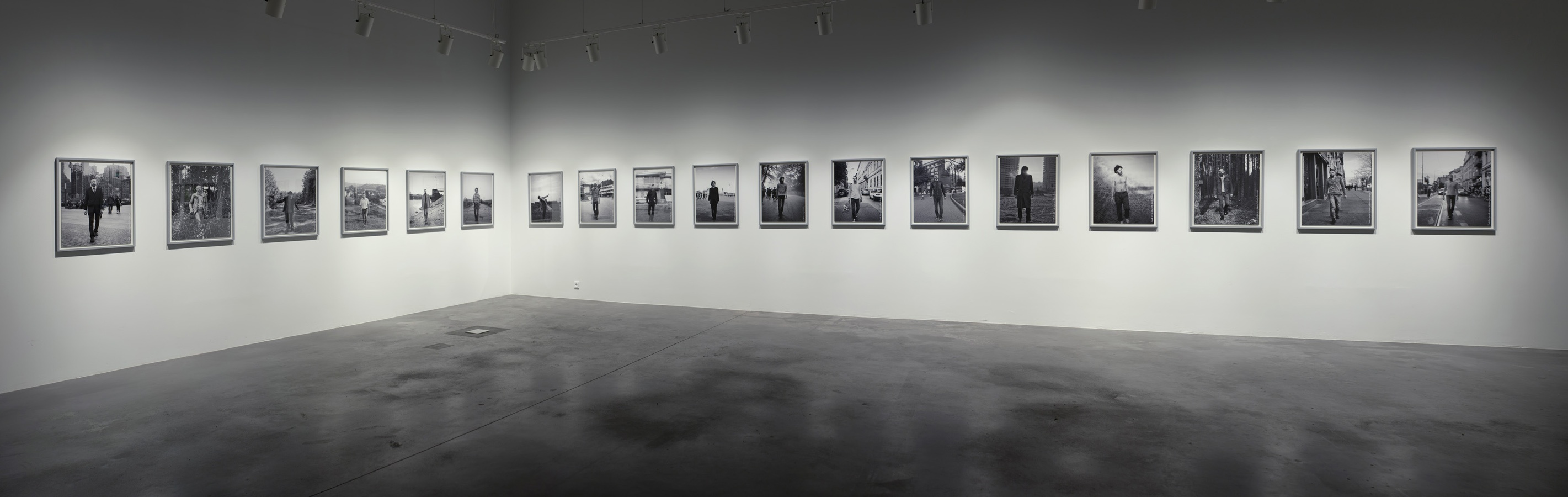
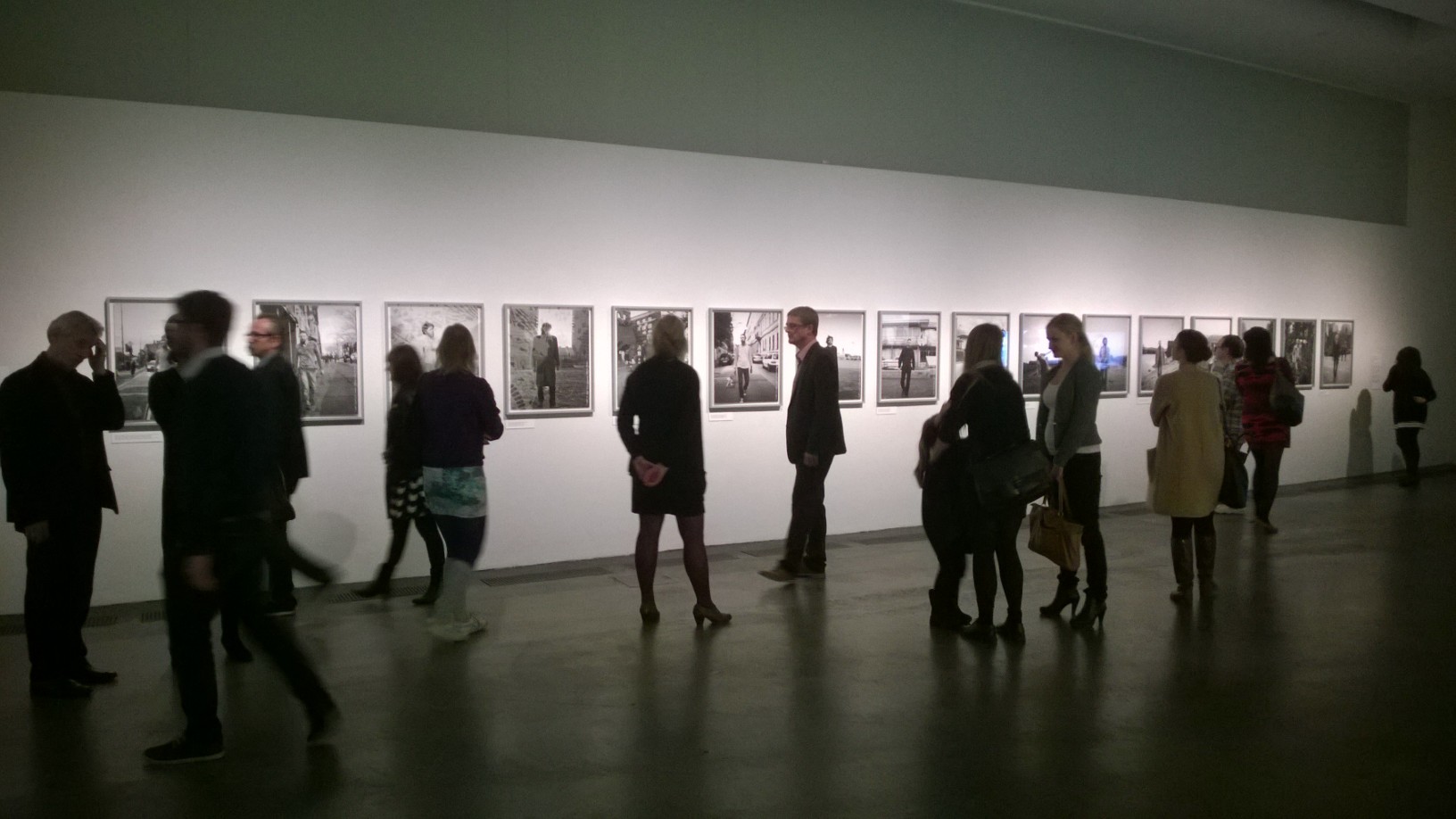
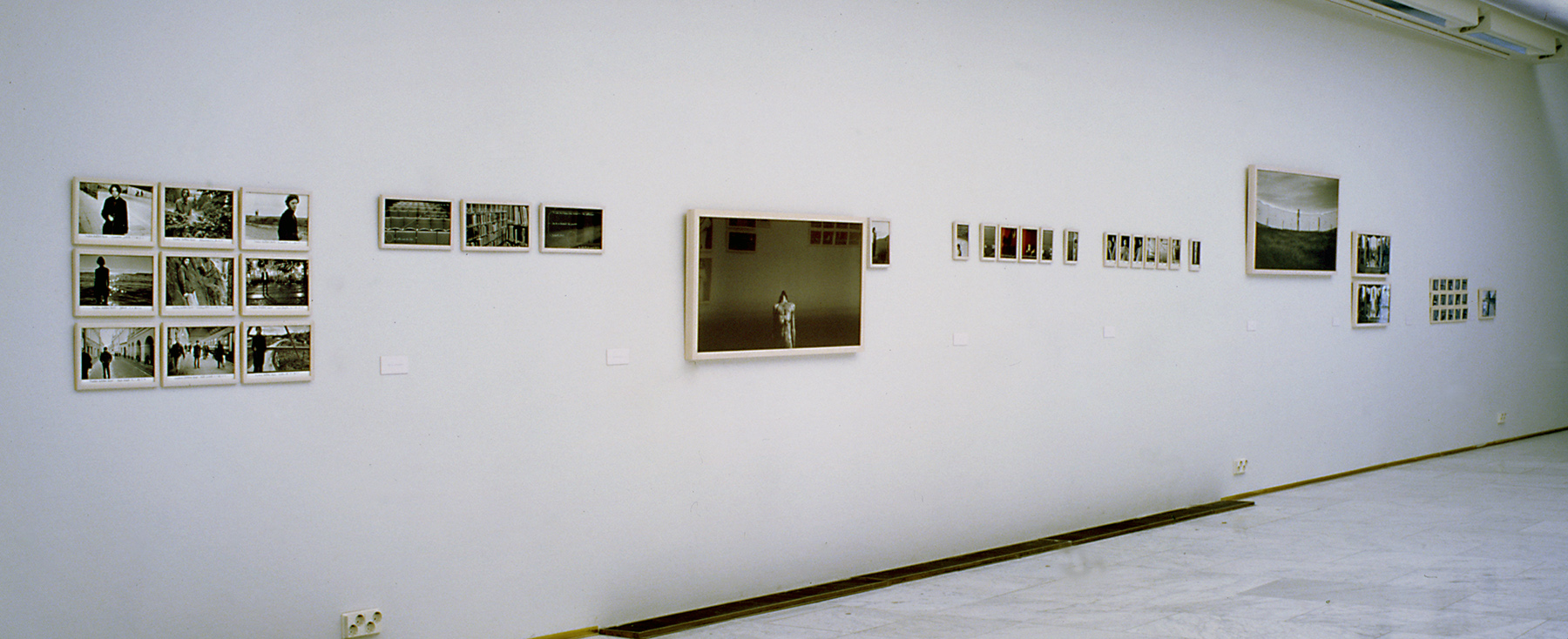
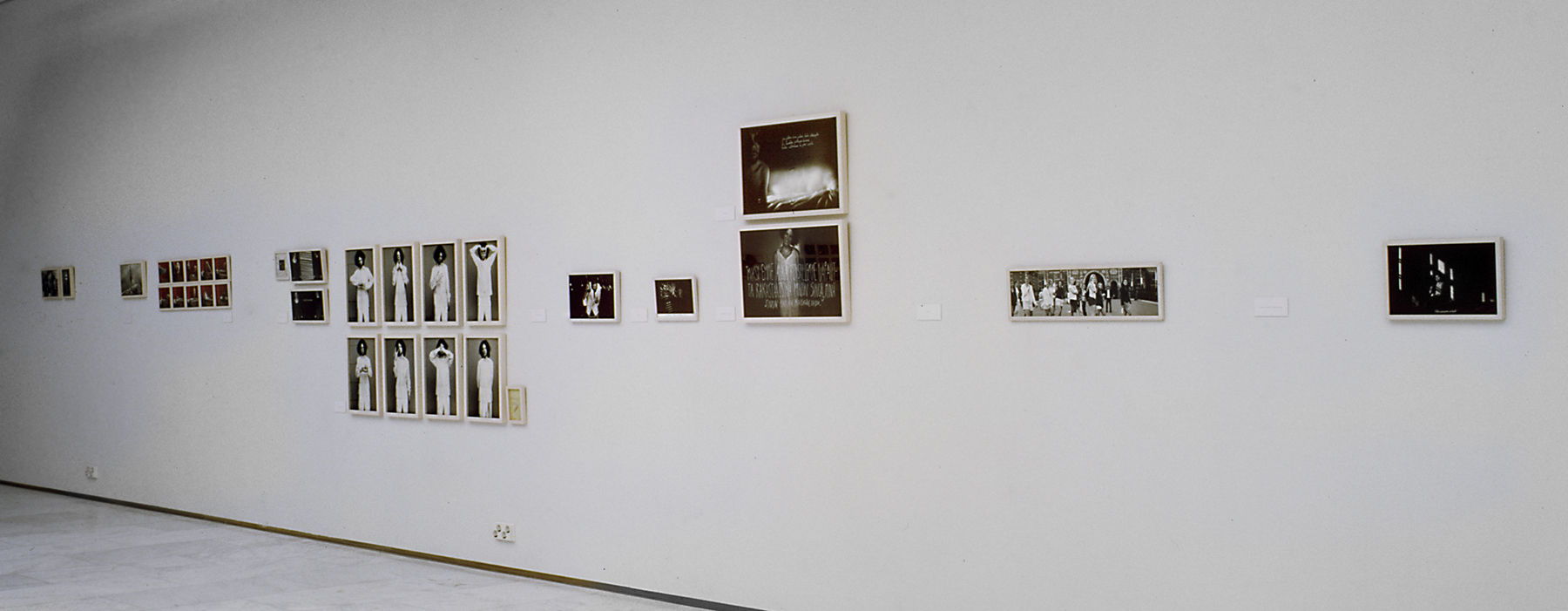
a.s When I saw some of your earliest image-reenactments, I wondered how best to display them, to suggest that there is more to them than just the final photograph.
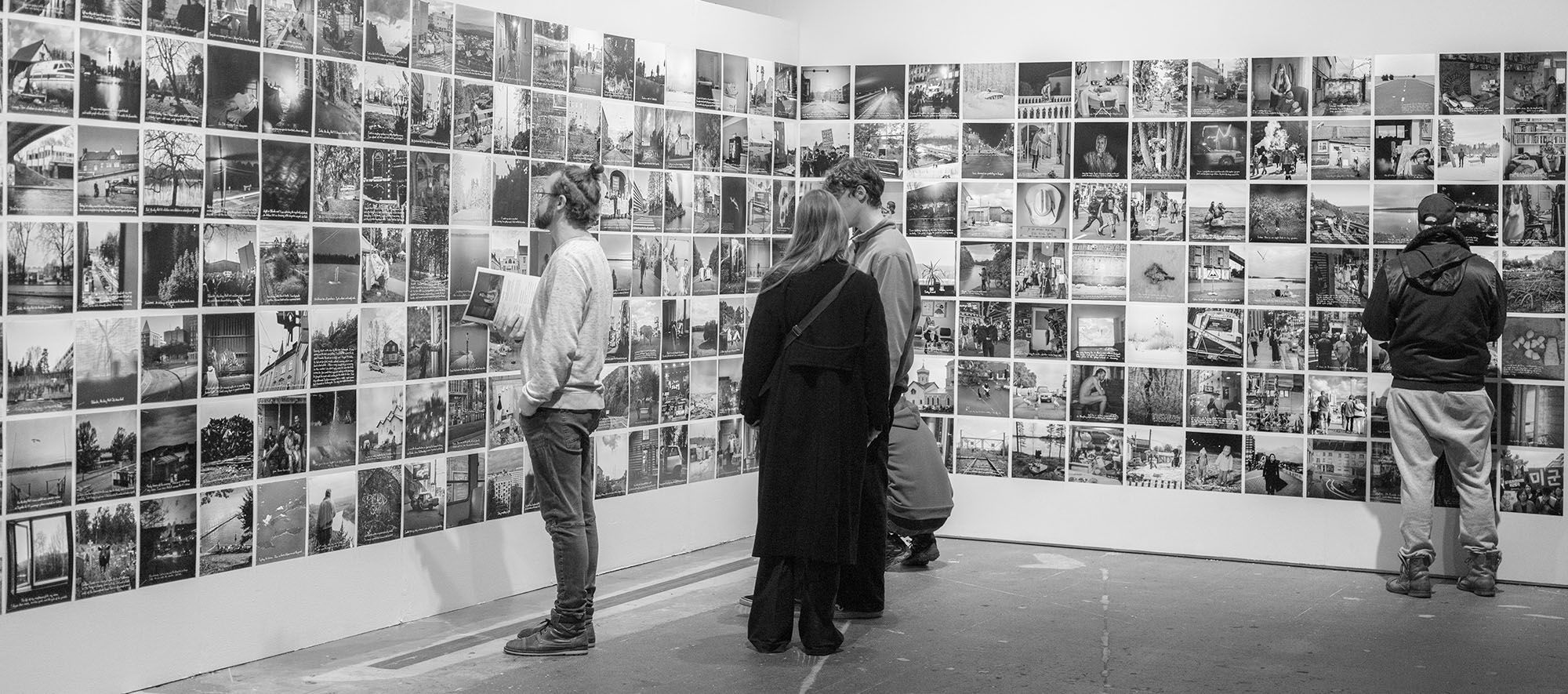
j.s Yes, indeed, I tested many different alternatives and image sizes. And I am actually still thinking about it!