Category: News

  • “Stories, historias, iсторії, iστορίες

    Mon, Jan 1

    Free Workshop

    This immersive event celebrates the universal human experience through the lenses of history and ancestry, featuring a diverse array of photographers whose works capture the essence of different cultures and historical moments.

    Instagram

    @example

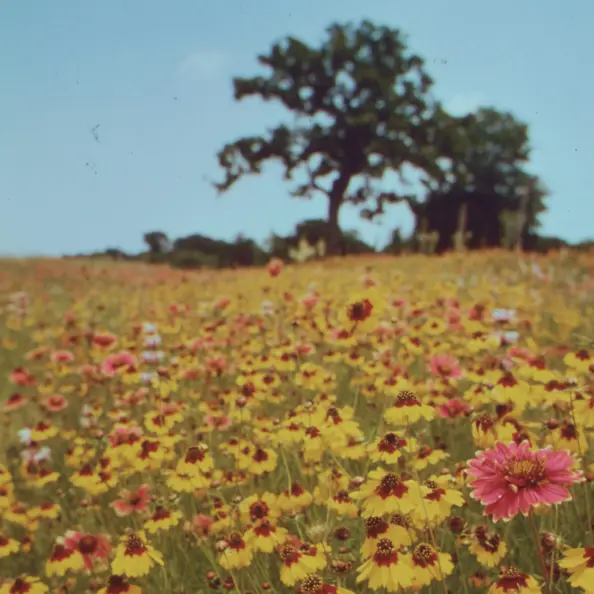
    Photo of a field full of flowers, a blue sky and a tree.
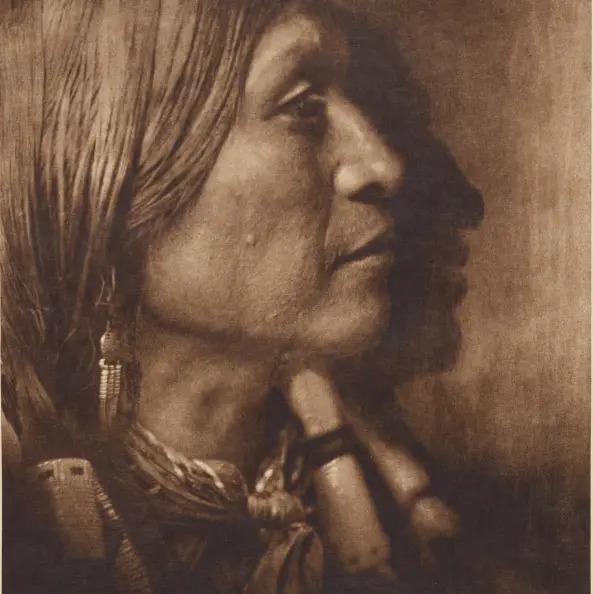
    Profile portrait of a native person.
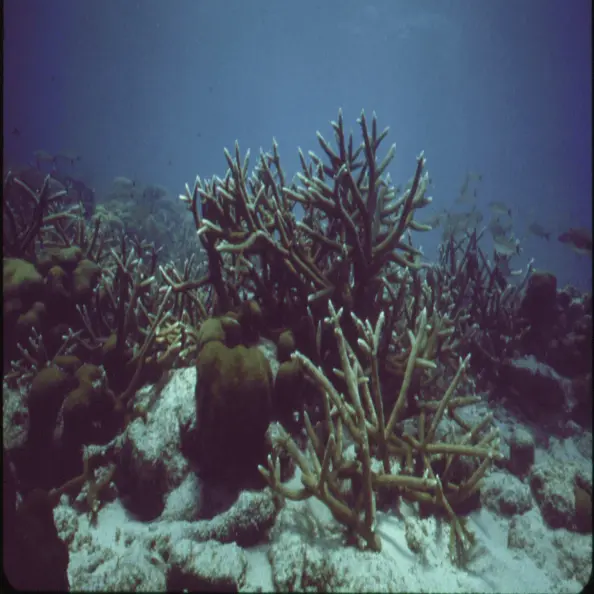
    View of the deep ocean.
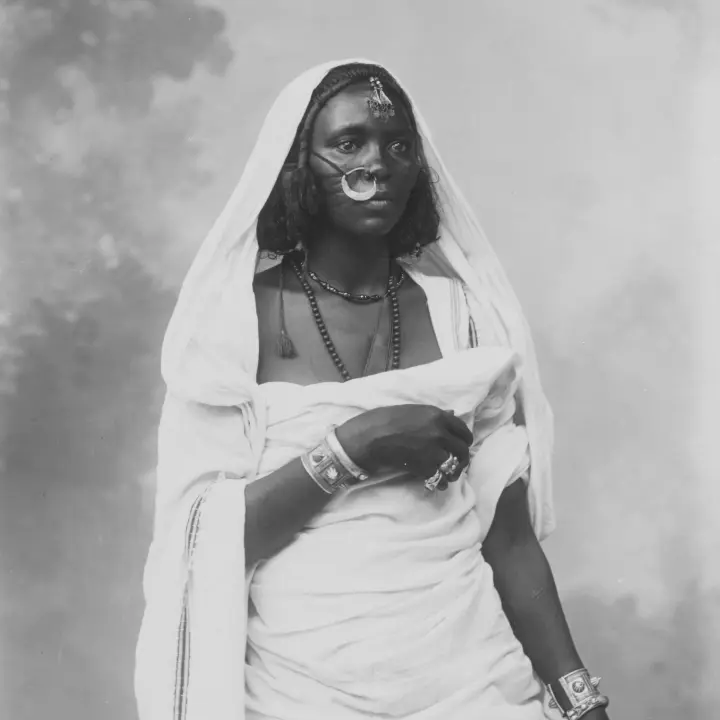
    Portrait of an African Woman dressed in traditional costume, wearing decorative jewelry.
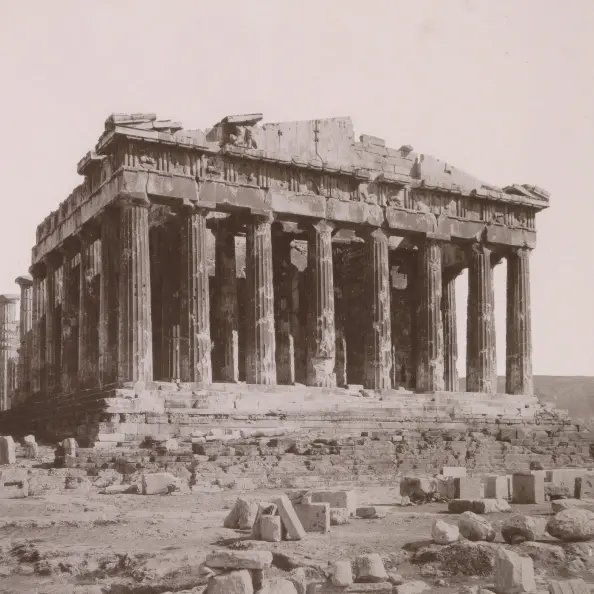
    The Acropolis of Athens.
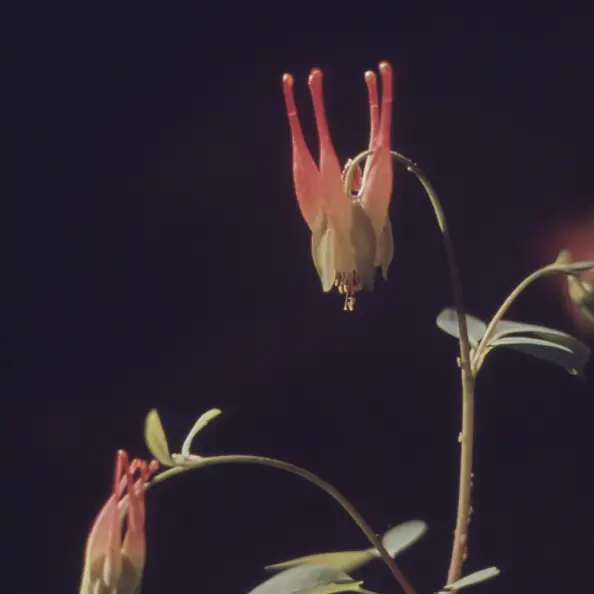
    Close up of two flowers on a dark background.
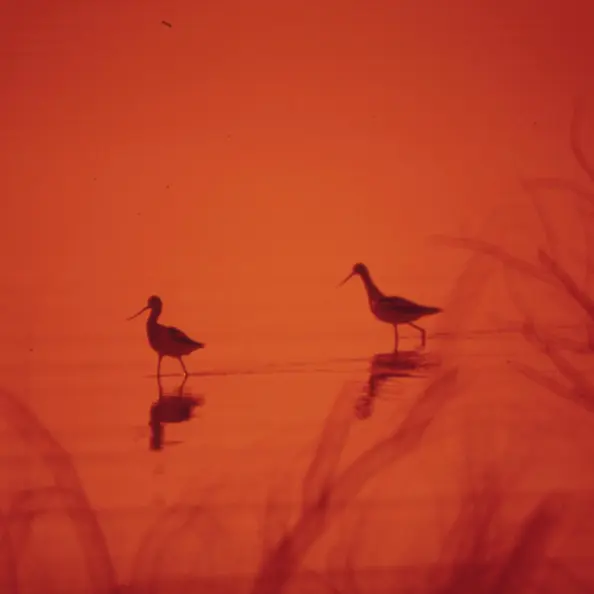
    Birds on a lake.
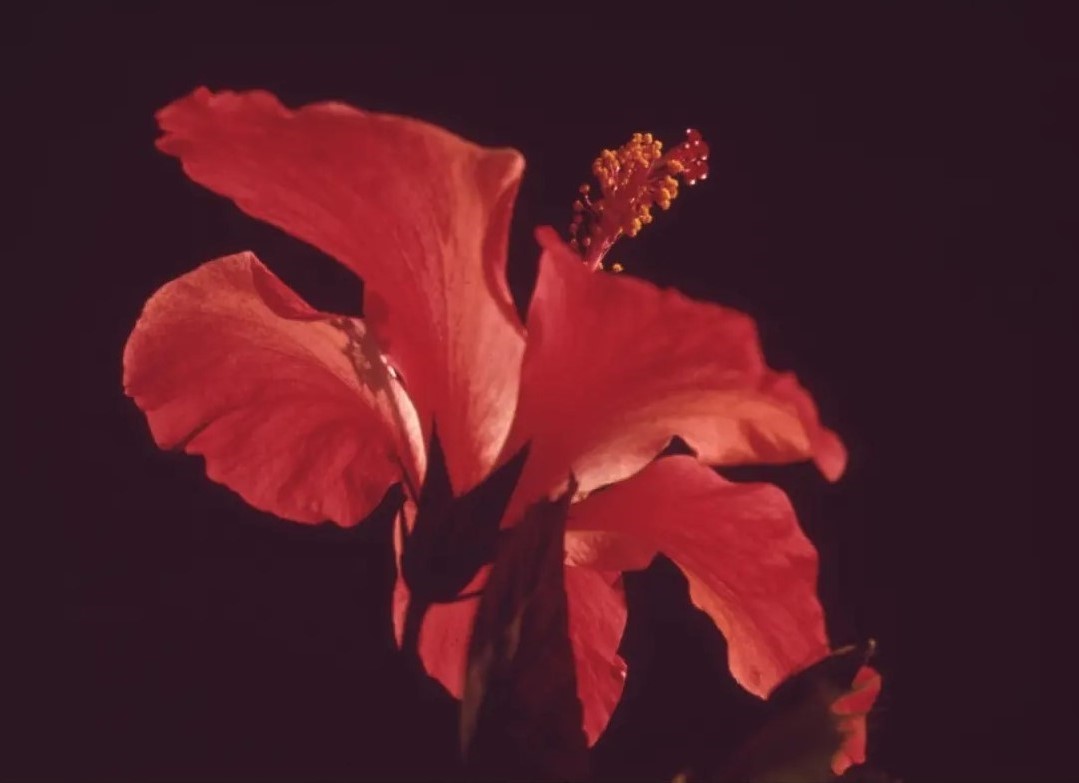
    Photography close up of a red flower.
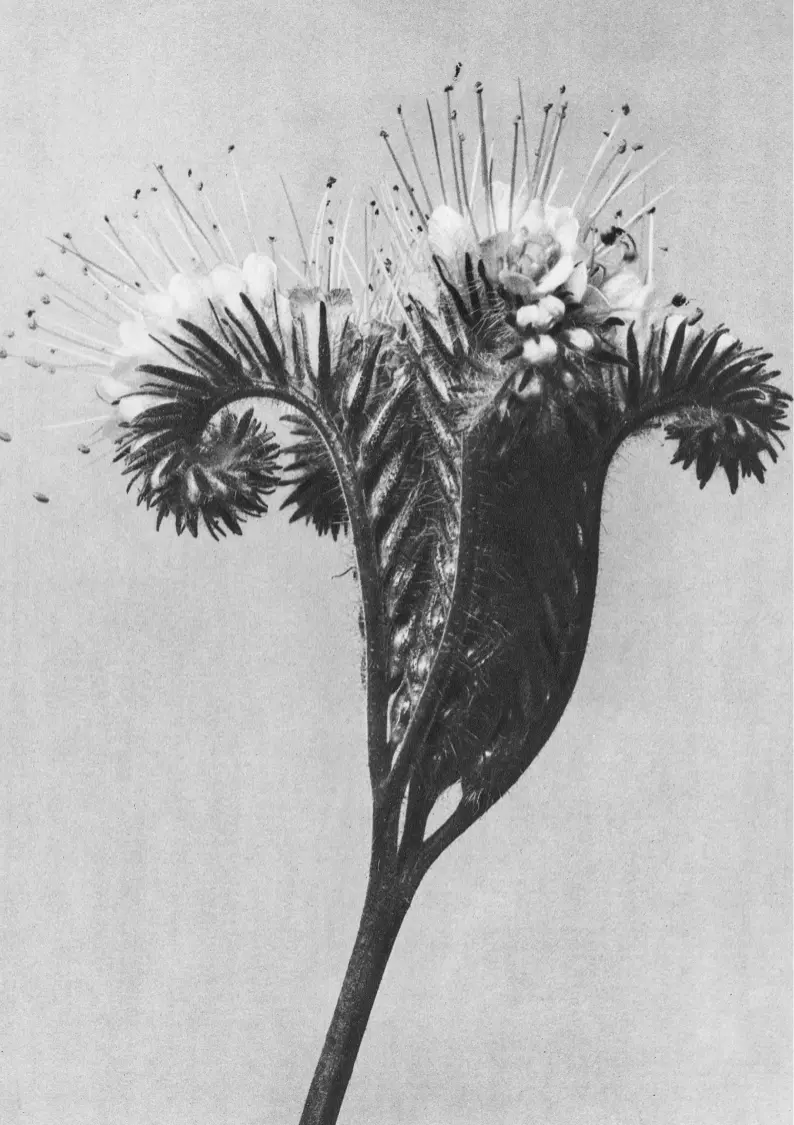
    Black and white photography close up of a flower.

    About Us

    Fleurs is a flower delivery and subscription business. Based in the EU, our mission is not only to deliver stunning flower arrangements across but also foster knowledge and enthusiasm on the beautiful gift of nature: flowers.

    RSVP

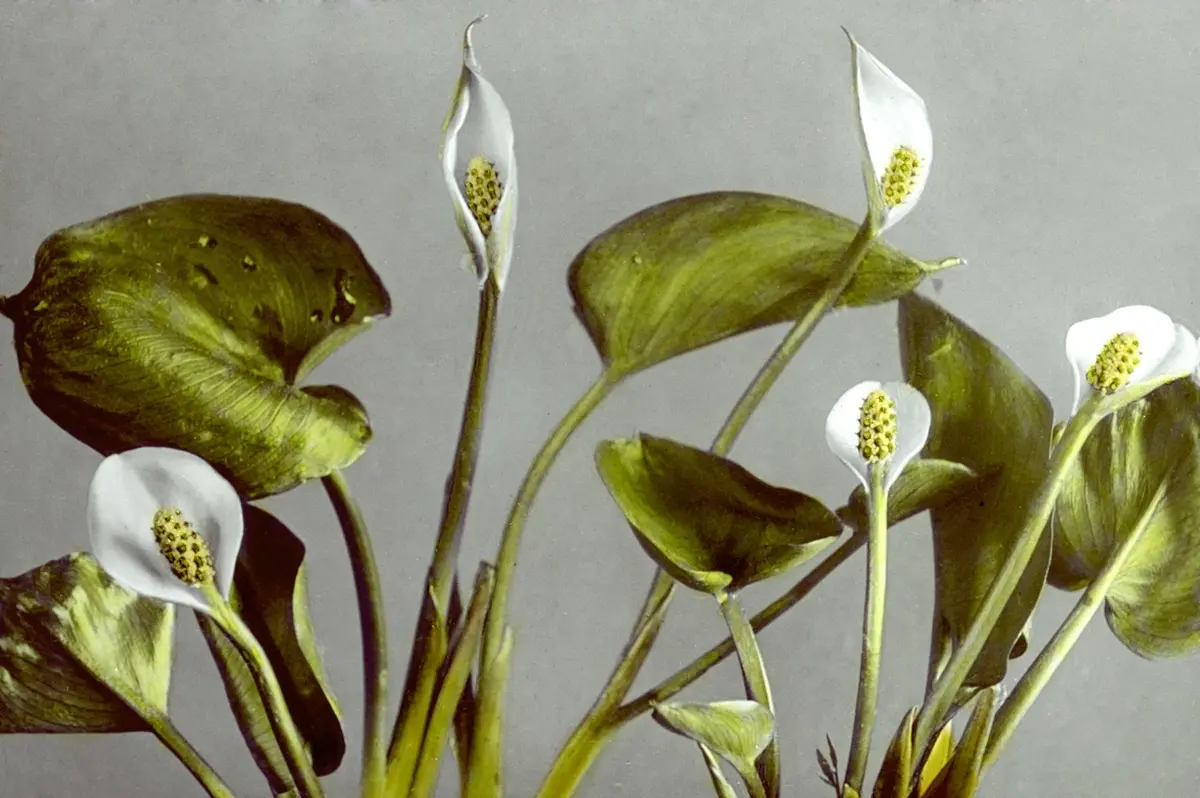
    Close up photo of white flowers on a grey background
  • Miklos’ invisible home

    Miklos’ invisible home

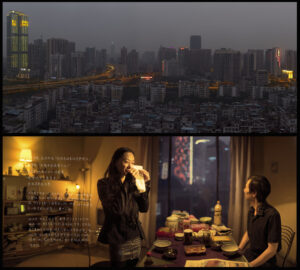
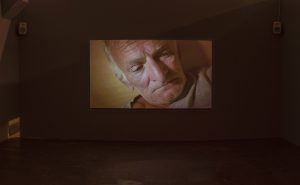
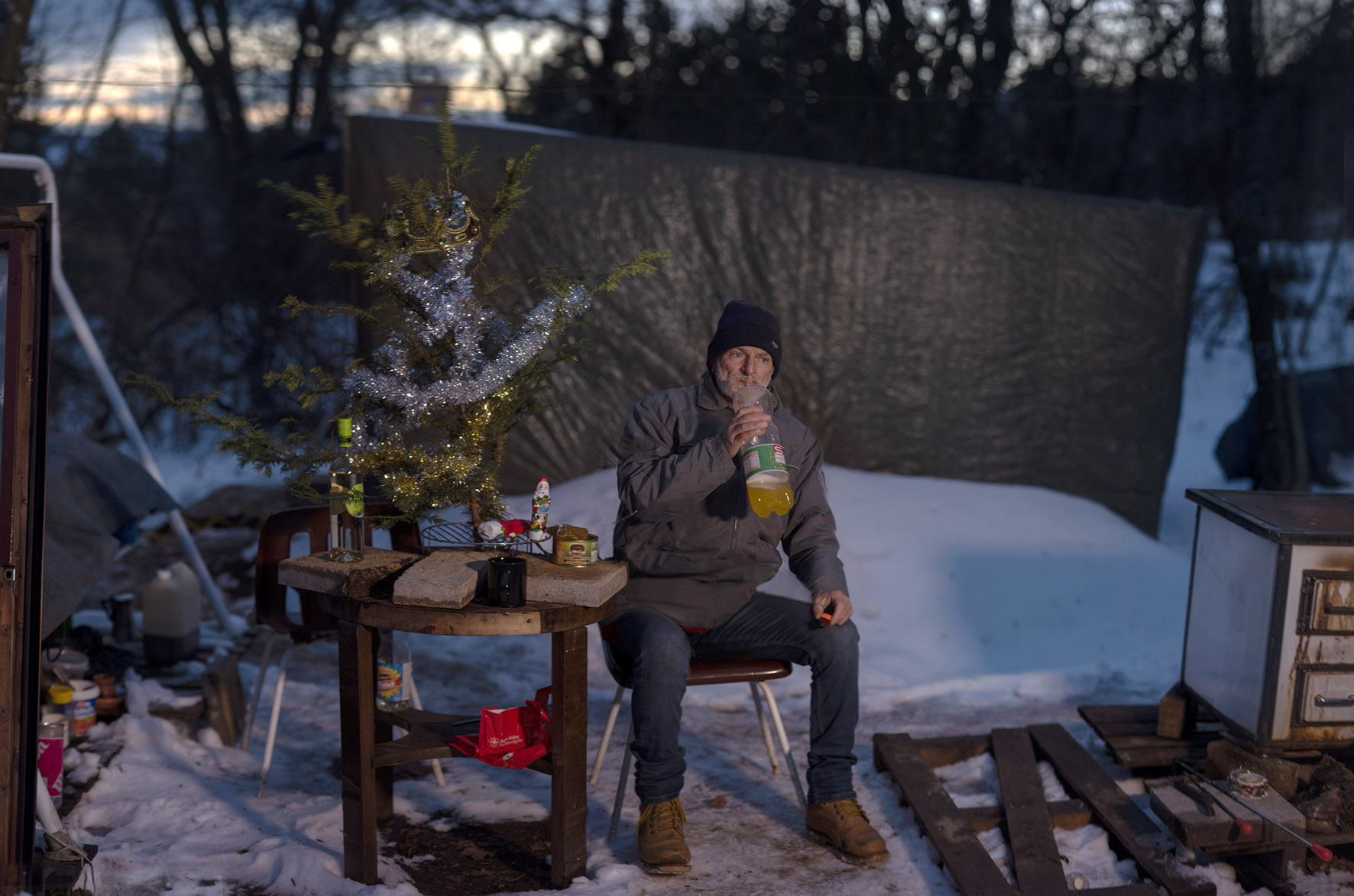
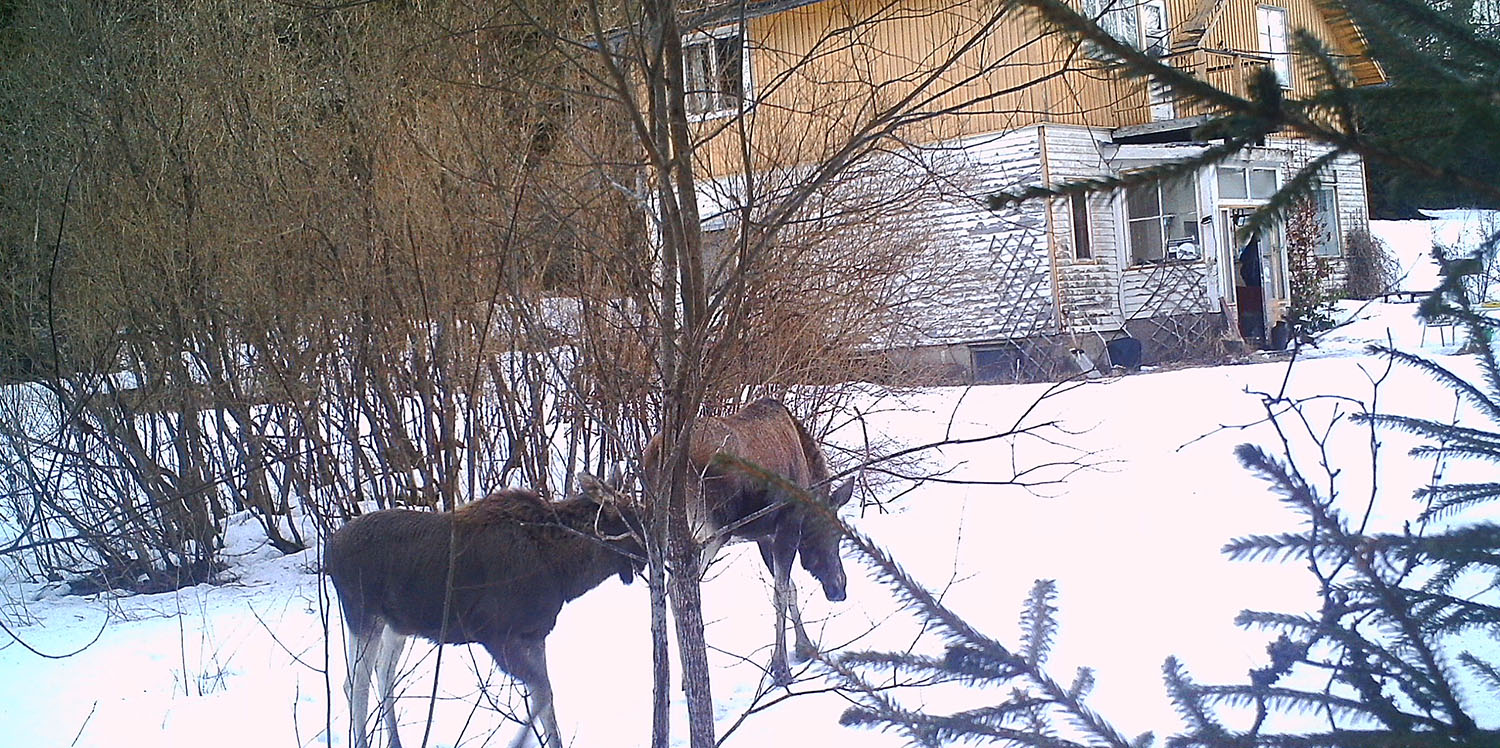
    In his film, Jari Silomäki tells the story of a man whose home is invisible in the eyes of society. The protagonist, a man named Miklos living on Budapest’s Hármashatár-hegy mountain, appears to exist outside of the social order, even though he also has strong ties to the political history of Hungary. Prime minister Orbán’s government criminalized homelessness in 2018. A constitutional amendment prohibited sleeping in parks and sanctioned penalties against offenders of the new law. Miklos became an outlaw.

    Miklos had lived a quiet life in his tarp-covered home since 2009. He sold the homeless people’s magazine Fedel Nelkul on the street, collected firewood for his outdoor stove, and followed the news on the radio. His relationship with his millionaire neighbors in the Buda Hills was amiable. After the prohibition, peace was replaced with insecurity.

    Silomäki met Miklos in 2017 and followed his life for the next year and a half. The film emphasizes the home as a safe haven, even if it is a hovel built from spare wood with no lock on the door.

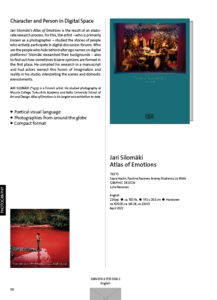
  • Atlas of Emotions – How it all began

    Atlas of Emotions – How it all began

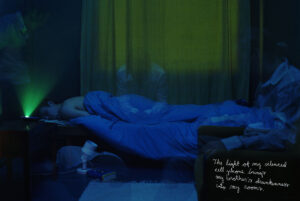
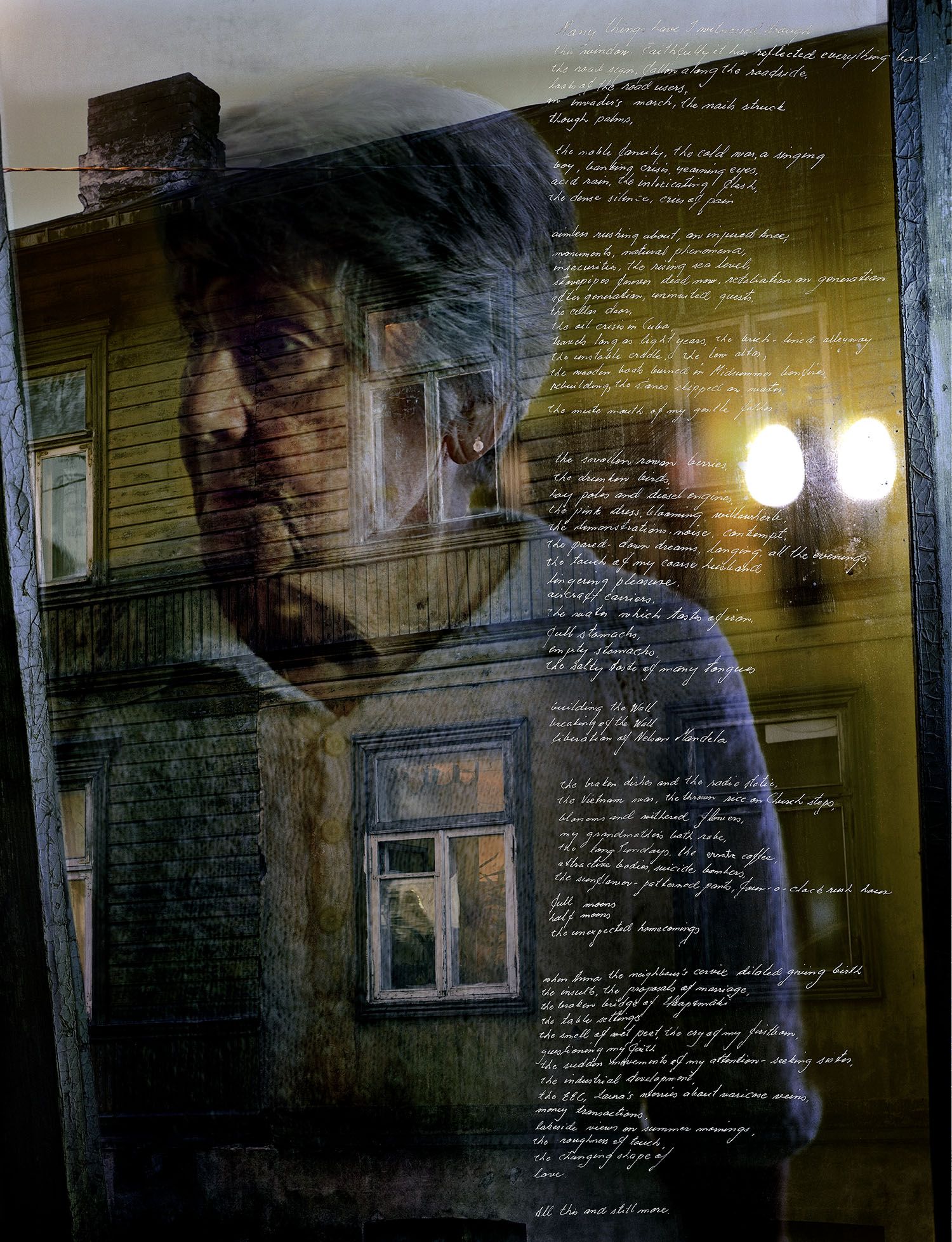
    In 2005 I bought from a flea market in Vallila, Helsinki, the written chattels of an
    unknown woman. As I studied the material over the years her life and persona began
    to open to me. I made a portrait of her to my series ‘Alienation Stories 2009’. This
    reconstructed portrait had lots of inherent deficiencies and I never finished it.
    However, it was a catalyst for a much more detailed project, ‘Atlas of Emotions’.

    Many things have I witnessed through 

    this window. Faithfully it has reflected everything back: 

    the road sign, fallen along the roadside,

    looks of the road users,

    an invader’s march, the nails struck

    though palms,

    the noble family, the cold war, a singing

    boy, banking crisis, yearning eyes,

    acid rain, the intoxicating flesh,

    the dense silence, cries of pain,


    aimless rushing about, an injured knee,

    monuments, natural phenomena, 

    insecurities, the rising sea level,

    stovepipes forever dead now, retaliation on generation 

    after generation, uninvited guests,

    the cellar door,

    the missile crisis in Cuba,

    travels long as light years, the birch-lined alleyway,

    the unstable cradle, the low altar.

    the wooden boats burned in Midsummer bonfires,

    rebuilding, the stones skipped on water,

    the mute mouth of my gentle father

    the swollen rowan berries

    the drunken birds

    hay poles and diesel engines

    the pink dress, blooming willowherb

    the demonstrations, noise, contempt

    the pared- down dreams, longing, all the evenings

    the touch of my coarse husband

    lingering pleasure

    aircraft carriers,

    the water which  tastes of iron

    full stomachs,

    empty stomachs, 

    the salty taste of many tongues

    building the Wall

    breaking of the Wall

    liberation of Nelson Mandela

    the broken dishes and the radio static

    the Vietnam war, the thrown rice on Church steps,

    blossoms and  withered flowers,

    my grandmother’s bath robe,

    the long Sundays, the ersatz coffee

    attractive bodies, suicide bombers,

    the sunflower- patterned pants, four-o-clock rush hour

    full moons

    half moons

    the unexpected homecomings

    when Anna the neighbour’s cervix dilated giving birth 

    the insults, the proposals of marriage

    the broken bridge of Haapamäki

    the table settings

    the smell of wet peat, the cry of my firstborn 

    questioning my faith

    the sudden movements of my attention- seeking sister

    the industrial development

    the EEC, Laura’s worries about varicose veins,

    money transactions

    lakeside views on summer mornings

    the roughness of touch

    the changing shape of 

    love.

    All this and still more.
  • Mind the Step 2018 – 2022

    Mind the Step 2018 – 2022


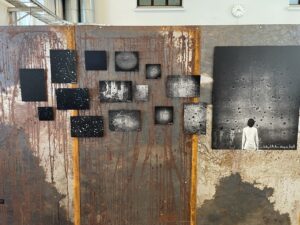
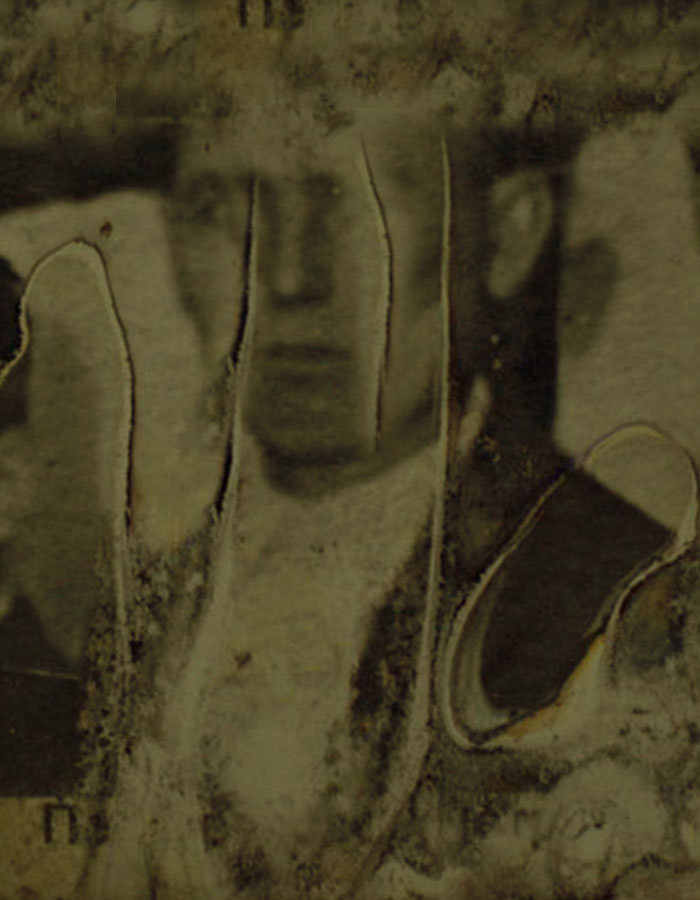
    “Mind the Step” is an artist’s attempt to deal with one of the most devastating man-made tragedies of the twentieth century — the Soviet Gulag. In contrast to literature, this subject has almost no presence in visual art produced during either the Soviet or post-Soviet period. When there were visual records, they largely came from those who passed through the Gulag. Whatever the reasons for this jarring lacuna, Russia did not have its own Anselm Kiefer, who could confront his country’s dark past in an artistically powerful way, although the Gulag destroyed several millions of innocent human lives. While addressing the subject cannot do enough justice to the atrocities, every attempt to do so is still necessary especially in light of the disturbing rise of Stalinist admirers in contemporary Russia. With its somewhat imperative and inviting title, Jari Silomaki’s project “Mind the Step” is one possible way to deal with the tragedy. In a personal and empathic way, Silomaki offers a reflection on the catastrophe from the perspective of the neighboring country, Finland, whose people also became victims of the events. The artist’s core performative gesture is rather minimalistic in character and symbolically unrealistic in scale: to make one step for each known or unnamed victim lying in mass graves, while visiting the original sites of the massacre. The Mind the Step builds on and significantly expands the artist’s previous project, series of photographs “We Are the Revolution” (2006–2013), which is now part of the KIASMA collection. The project will employ various documenting media, including video, photography, text and sound, and its different conceptual parts will be presented in Finland and Russia between 2018–2022.  Andrey Shabanov

  • Mind the Step 2018 – 2022

    Mind the Step 2018 – 2022


    “Mind the Step” is an artist’s attempt to deal with one of the most devastating man-made tragedies of the twentieth century – the Soviet Gulag. In contrast to literature, this subject has almost no presence in visual art produced during either the Soviet or post-Soviet period. When there were visual records, they largely came from those who passed through the Gulag. Whatever the reasons for this jarring lacuna, Russia did not have its own Anselm Kiefer, who could confront his country’s dark past in an artistically powerful way, although the Gulag destroyed several millions of innocent human lives. While addressing the subject cannot do enough justice to the atrocities, every attempt to do so is still necessary especially in light of the disturbing rise of Stalinist admirers in contemporary Russia. With its somewhat imperative and inviting title, Jari Silomaki’s project “Mind the Step” is one possible way to deal with the tragedy. In a personal and empathic way, Silomaki offers a reflection on the catastrophe from the perspective of the neighboring country, Finland, whose people also became victims of the events. The artist’s core performative gesture is rather minimalistic in character and symbolically unrealistic in scale: to make one step for each known or unnamed victim lying in mass graves, while visiting the original sites of the massacre. The Mind the Step builds on and significantly expands the artist’s previous project, series of photographs “We Are the Revolution” (2008–2013), which is now part of the KIASMA collection. The project will employ various documenting media, including video, photography, text and sound, and its different conceptual parts will be presented in Finland and Russia between 2018–2022.  –Andrey Shabanov